Black Nightshade (Solanum nigrum)
Formerly Solanum vulgare, Solanum cechicum, Solanum exaratum
Grow black nightshade, Solanum nigrum, in full sun on well drained, moist soil. It is hardy in zones 10a to 11b. Watering needs are not documented for this page. The ASPCA lists it as toxic to both cats and dogs. Keep pets away from it. Seed is the listed way to propagate it.
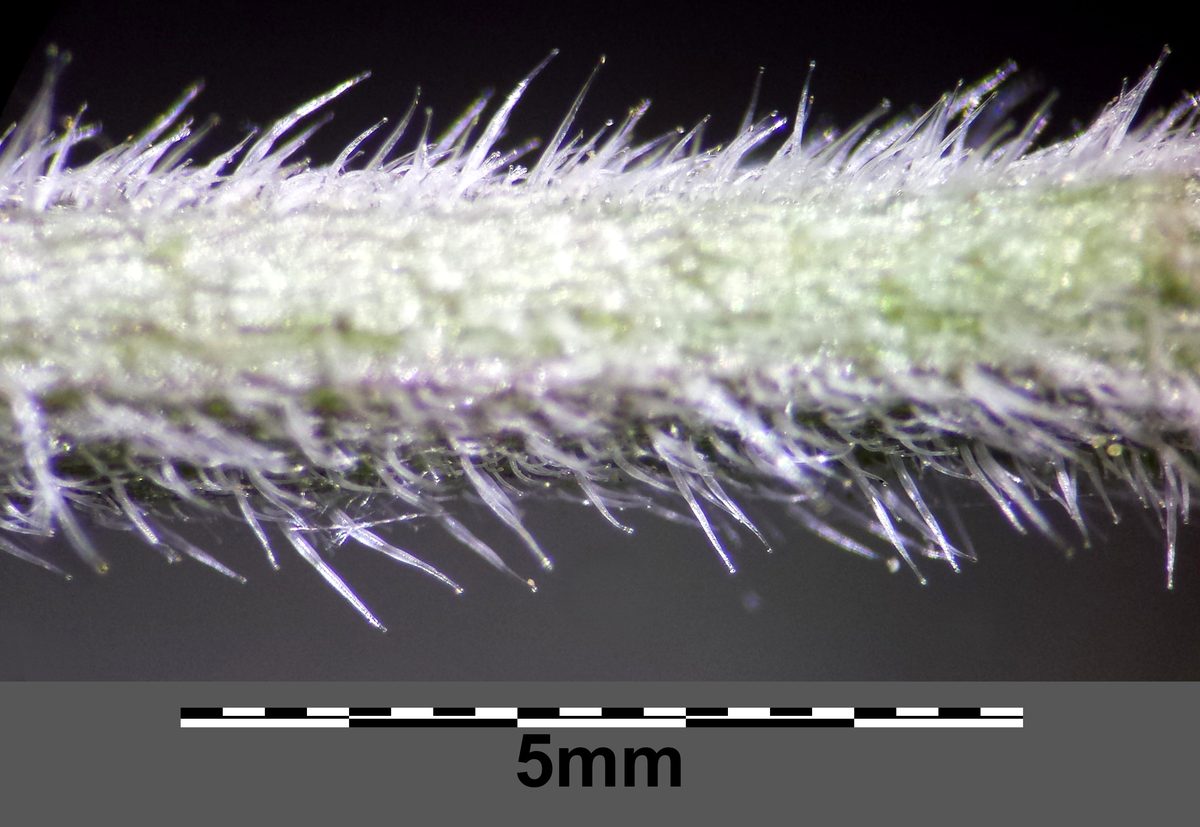
Photo: Stefan.lefnaer, CC BY-SA 4.0 via Wikimedia Commons

Quick facts
| Light: | Full sun11 source |
|---|---|
| Soil: | Well drained and moist11 source |
| Hardiness: | Zones 10a–11b11 source |
| Size: | 1–4.5 ft (0.3–1.37 m) × 0.3–3 ft (0.1–0.91 m)11 source |
| Bloom: | May–Aug, Yellow, white, purple and blue11 source |
| Cats: | Toxic to cats (1 source) 3 |
| Dogs: | Toxic to dogs (1 source) 3 |
| Native range: | AFG, ALB, ALG, AND, ASS, AUT, AZO, BAL, BAN, BGM, BUL, CHA, CHC, CHI, CHM, CHN, CHS, CHT, CNY, COR, CVI, CYP, CZE, DJI, EAI, EGY, EHM, ERI, ETH, FRA, GER, GRB, GRC, GST, HUN, IND, IRE, IRN, IRQ, ITA, JAP, KOR, KRI, KRY, KUW, LAO, LBS, LBY, MDR, MOR, MYA, NCB, NCS, NEP, NET, OMA, PAK, PAL, POL, POR, ROM, RUC, RUS, SAR, SAU, SCS, SEL, SIC, SIN, SPA, SUD, SWI, TAI, TCS, THA, TKM, TUE, TUN, TUR, UKR, VIE, WHM, WSA, YEM, YUG4 |
| Family: | Solanaceae |
How much light does a Black Nightshade need?
Black nightshade, Solanum nigrum, prefers full sun outdoors. The listing describes it as intolerant of shade. Full sun is the only light level recorded for this species.
Choose an open site where the plant gets sun, not a shaded corner. Light needs for growing indoors are not documented here.
- Light: Full sun1
Best soil for a Black Nightshade
Black nightshade is listed for soil that is well drained and moist. Good drainage is one listed condition, and moist soil is the other. Choose a planting spot that offers both conditions.
No soil pH range is documented for this page, so none is given here. Soil is described in two words only, so no amendments are named. Drainage and moisture are the only soil traits recorded for black nightshade, Solanum nigrum.
Hardiness and temperature
Hardiness zones 10a to 11b are listed for black nightshade. The minimum temperature it tolerates is about 30 °F (-1 °C).
Use the zone range and the minimum temperature together when you judge whether your climate suits it. If your winters drop below 30 °F (-1 °C), the listing does not describe the plant as tolerating that cold. Humidity needs are not documented for this plant.
How to plant a Black Nightshade
Plant black nightshade in USDA zones 10a to 11b. Mature plants reach 1 to 4.5 ft (0.3–1.37 m) tall. They spread 0.3 to 3 ft (0.1–0.91 m) wide. Use the width range to space plants.
It prefers a full sun site. The native status record lists it as introduced in Alaska, Hawaii and the lower 48 states. Planting dates and spacing distances are not documented.
- Hardiness: Zones 10a–11b1
Winter care
Winter care is a question of staying above 30 °F (-1 °C), the lowest temperature listed as tolerated. The hardiness range runs from zone 10a to zone 11b.
If your area is colder than zone 10a, the listed range does not cover your garden. No frost protection method, mulch or cover is documented for this plant. Dormancy and overwintering behavior are not documented.
How to propagate a Black Nightshade
Black nightshade is propagated by seed. Seed is the only propagation method listed for this species. Plan to start new plants from seed rather than any other method.
Cuttings, division and grafting are not documented for it. Seed timing, depth and germination conditions are also not documented. Without those details, this page gives no sowing instructions.
- Propagation: Seed1
Common problems
Recorded pests include Bemisia tabaci, Tetranychus evansi, Frankliniella australis, Liriomyza sativae, Epitrix tuberis, Aculops lycopersici and Phthorimaea absoluta. Recorded diseases include Ralstonia solanacearum, Verticillium dahliae, Clavibacter michiganensis, Synchytrium endobioticum and Puccinia pittieriana.
No treatment or prevention method is documented for any of these.
- Common pests: bemisia tabaci, tetranychus evansi, frankliniella australis, liriomyza sativae, epitrix tuberis, aculops lycopersici and phthorimaea absoluta2222222
- Common diseases: ralstonia solanacearum, verticillium dahliae, clavibacter michiganensis, synchytrium endobioticum and puccinia pittieriana22222
| Problem | Kind |
|---|---|
| Bemisia tabaci | Pest |
| Tetranychus evansi | Pest |
| Frankliniella australis | Pest |
| Liriomyza sativae | Pest |
| Epitrix tuberis | Pest |
| Aculops lycopersici | Pest |
| Phthorimaea absoluta | Pest |
| Ralstonia solanacearum | Disease |
| Verticillium dahliae | Disease |
| Clavibacter michiganensis | Disease |
| Synchytrium endobioticum | Disease |
| Puccinia pittieriana | Disease |
Is Black Nightshade toxic to cats and dogs?
The ASPCA lists black nightshade as toxic to cats. The ASPCA also lists it as toxic to dogs. Both listings concern the same species, Solanum nigrum.
Keep both cats and dogs away from this plant. Treat any plant of this species in your garden as a hazard for pets. Toxic parts and severity are not documented in the facts on this page. Clinical signs are also not documented here.
Pet-safe alternatives
Recommended supplies
- Soil: a free-draining mix, and a pot with a drainage hole.
Questions and answers
- Is black nightshade toxic to cats and dogs?
- The ASPCA lists it as toxic to cats. The ASPCA also lists it as toxic to dogs. Keep both animals away from the plant.
- How much sun does black nightshade need?
- It prefers full sun outdoors. It is intolerant of shade. Full sun is the only light level listed for this species. Choose an open site rather than a shaded corner.
- Is black nightshade native to the United States?
- The native status record lists it as introduced in Alaska, Hawaii and the lower 48 states. Its listed hardiness zones are 10a to 11b.
Sources
- North Carolina Extension Gardener Plant Toolbox. https://plants.ces.ncsu.edu/plants/solanum-nigrum/. Accessed 23 September 2026.
- EPPO Global Database. https://gd.eppo.int/taxon/SOLNI/pests. Accessed 23 September 2026.
- ASPCA Animal Poison Control Center. https://www.aspca.org/pet-care/aspca-poison-control/toxic-and-non-toxic-plants/black-nightshade. Accessed 23 September 2026.
- Royal Botanic Gardens, Kew (World Checklist of Vascular Plants). https://sftp.kew.org/pub/data-repositories/WCVP/wcvp.zip. Accessed 4 June 2026.
How this page was made
- Written with AI assistance from the sources listed on this page. AI is never the source of a fact.