Gale of the Wind (Phyllanthus niruri)
Formerly Phyllanthus lathyroides, Diasperus niruri, Nymphanthus niruri
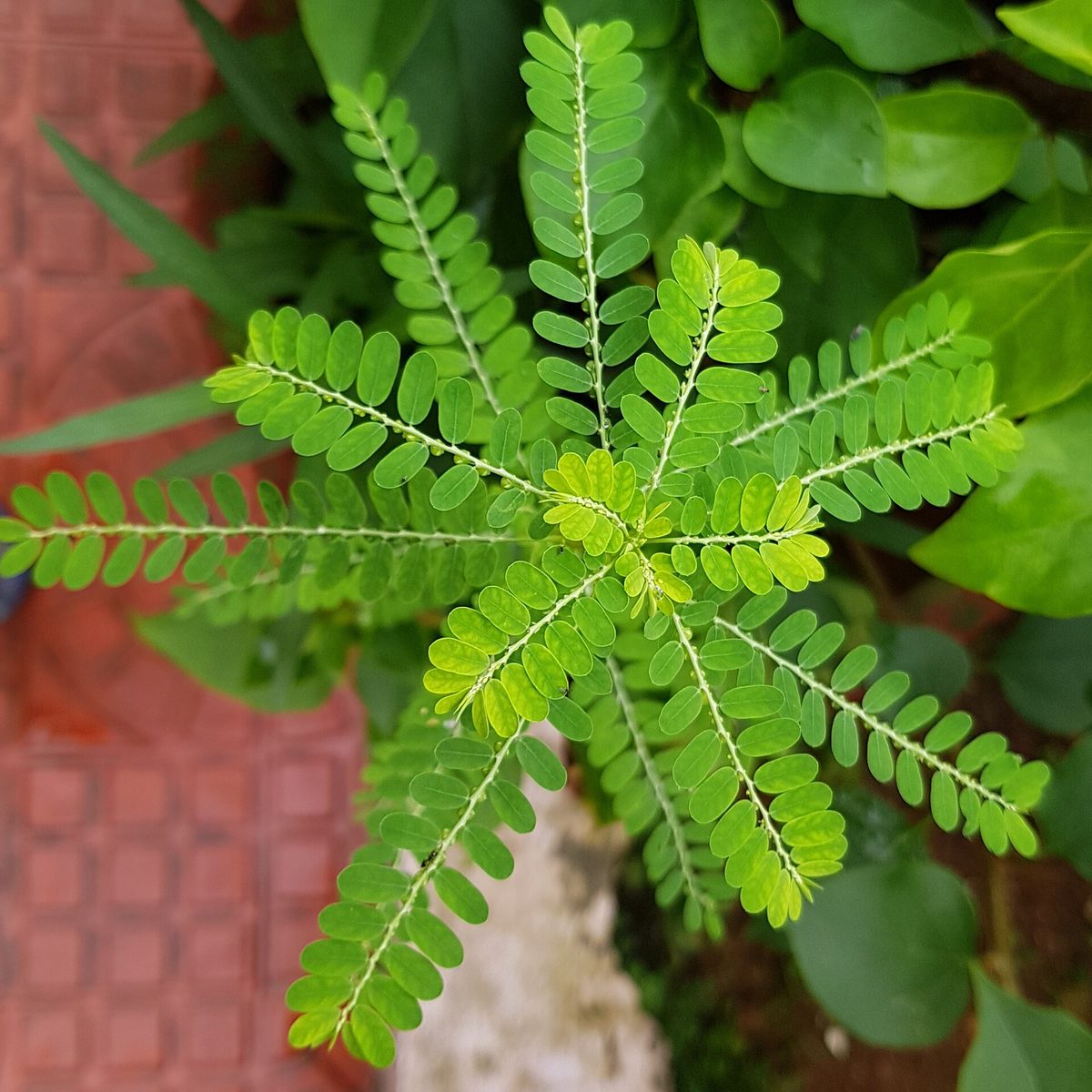
Photo: Challiyan, CC BY-SA 3.0 via Wikimedia Commons

Quick facts
| Size: | 1.7 ft (0.51 m)21 source |
|---|---|
| Bloom: | Aug–Nov, Green21 source |
| Cats: | Not documented by major sources |
| Dogs: | Not documented by major sources |
| Native range: | AGE, AGW, BLZ, BOL, BZC, BZE, BZL, BZN, BZS, CLM, COS, DOM, ECU, HAI, HON, LEE, MXC, MXE, MXG, MXN, MXS, MXT, NIC, PAN, PAR, PUE, TEX, TRT, URU, VEN, VNA, WIN3 |
| Family: | Phyllanthaceae |
Common problems
Four pests are listed for this plant: spider mites, melon thrips, chilli thrips and root knot nematode. Melon thrips and chilli thrips are both on the list. One listed name is Tetranychus mexicanus. Another listed name is Thrips palmi. Spider mites come first in that list, and root knot nematode comes last.
| Problem | Kind |
|---|---|
| Spider mites | Pest |
| Melon thrips | Pest |
| Chilli thrips | Pest |
| Root knot nematode | Pest |
Is Gale of the Wind toxic to cats and dogs?
Not documented by major sources
Not documented by major sources
Questions and answers
- What color are the flowers on gale of the wind, and when do they bloom?
- The flowers are green, and the listed bloom time is August, September, October and November.
- How tall does Phyllanthus niruri, also called gale of the wind, grow?
- It grows up to about 20 inches tall, which is 1.7 ft (0.51 m). It is listed as an annual.
- Is gale of the wind native to the United States?
- It has native status in the lower 48 states and in Puerto Rico. Its native range record also includes Texas, Mexico, Belize, Brazil and Colombia.
Sources
- EPPO Global Database. https://gd.eppo.int/taxon/PYLNI/pests. Accessed 24 October 2026.
- Lady Bird Johnson Wildflower Center. https://www.wildflower.org/plants/result.php?id_plant=PHNI2. Accessed 14 October 2026.
- Royal Botanic Gardens, Kew (World Checklist of Vascular Plants). https://sftp.kew.org/pub/data-repositories/WCVP/wcvp.zip. Accessed 4 June 2026.
How this page was made
- Written with AI assistance from the sources listed on this page. AI is never the source of a fact.