Dill (Anethum graveolens)
Formerly Ferula graveolens, Selinum graveolens, Angelica graveolens
Dill grows best outdoors in full sun to part shade, with soil that stays lightly moist to medium-dry between waterings. Give it well-drained soil and check the top inch before watering again. The ASPCA lists dill as non-toxic to both cats and dogs.
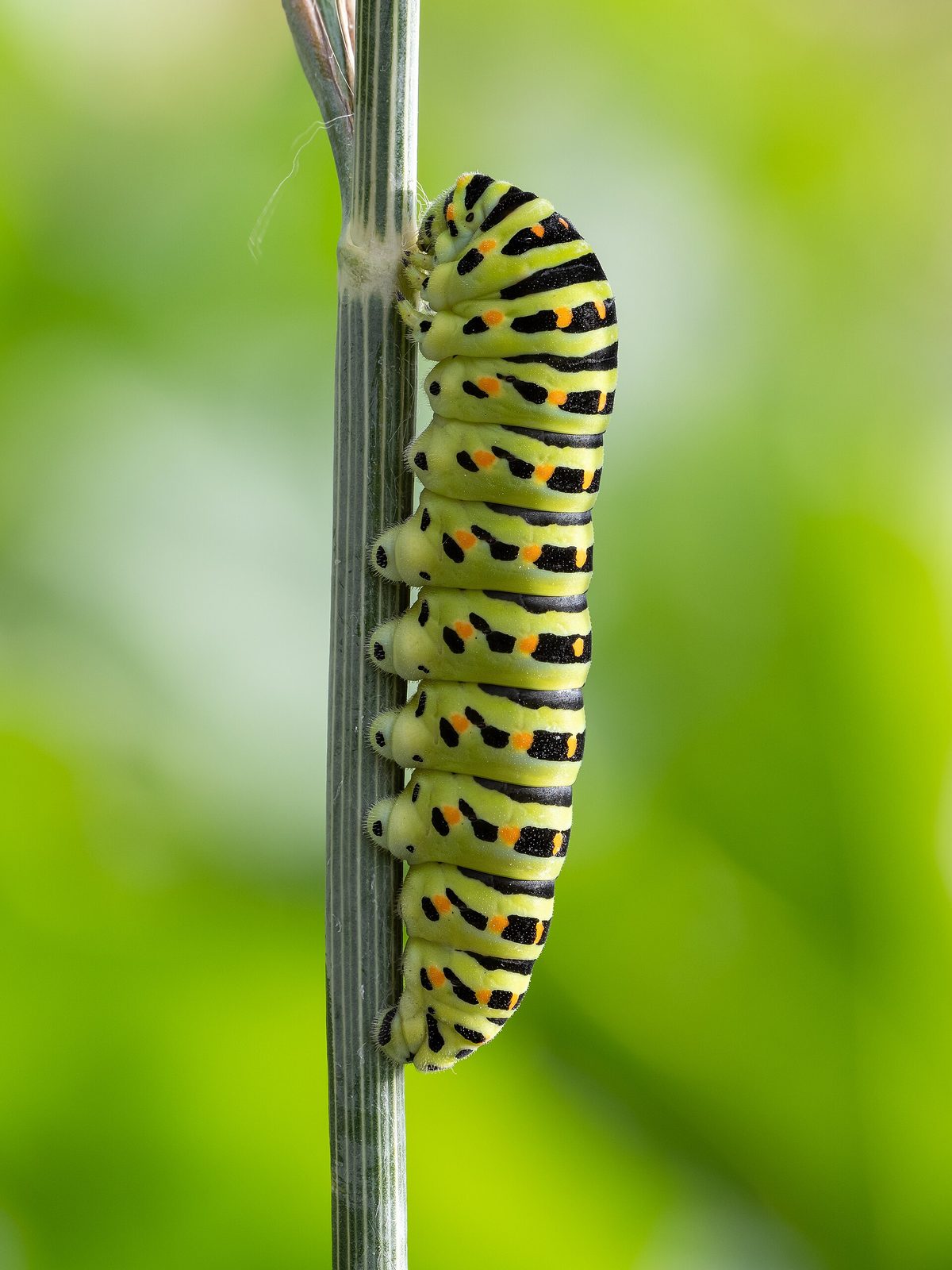
Photo: Reinhold Möller Ermell, CC BY-SA 4.0 via Wikimedia Commons

Quick facts
| Light: | Full sun and part shade (full sun preferred)11 source |
|---|---|
| Water: | Dry to medium21 source |
| Soil: | Well drained and moist; pH 6.5–6.51234 |
| Hardiness: | Zones 2a–11b11 source |
| Size: | 1–4 ft (0.3–1.22 m) × Sources differ: Penn State Extension; Penn State Extension31101 source |
| Growth rate: | Moderate111 source |
| Bloom: | Yellow18 |
| Cats: | Non-toxic to cats 91 |
| Dogs: | Non-toxic to dogs 91 |
| Native range: | ALG, CHA, CYP, GST, IRN, LBS, LBY, MOR, OMA, SAU, TUN11 |
| Family: | Apiaceae |
How much light does a Dill need?
Full sun is what dill wants most outdoors. It also tolerates part shade, though full sun suits it better. Full sun also helps its small yellow flower clusters open fully in summer. In full sun, dill grows at a moderate pace and reaches its full mature height by the end of the season. Choose the brightest open spot you have for strong, upright growth.
- Light: Full sun and part shade (full sun preferred)1
How often to water a Dill
Water dill so the soil stays between slightly dry and evenly moist. Check the top inch or two of soil and water once it starts to dry out. Well-drained soil that also holds some moisture suits dill best, since standing water can rot the roots. Dill does not need heavy, frequent watering to stay healthy.
- Water: Dry to medium2
Best soil for a Dill
Dill needs well-drained soil that also stays lightly moist, not soggy or bone-dry. Heavy clay that holds water around the roots can lead to rot, so loosen the soil before planting. Aim for a soil pH near 6.5, which sits on the slightly acidic side of neutral. A raised bed or container with drainage holes makes it easier to avoid wet, compacted soil.
Hardiness and temperature
Dill is hardy across USDA zones 2a through 11b outdoors. That range covers nearly every climate gardeners grow in across the US. Because dill grows as an annual, it finishes its life cycle within one zone's growing season rather than overwintering. It grows fastest in full sun with warm daytime temperatures, though it also tolerates part shade. Expect moderate growth once the weather warms in spring. No cited source for this page gives a specific minimum temperature dill can tolerate. Keep the soil at its usual slightly dry to evenly moist level through temperature swings, rather than letting it dry out completely.
- Hardiness: Zones 2a–11b1
Pruning a Dill
Dill only needs light shaping, not heavy pruning. Pinch back the tips now and then to keep the plant from getting tall and leggy. Removing a few stems also encourages fuller, bushier growth instead of one tall central stalk. Skip pruning once flowering starts if you want the plant to set seed for harvest.
- Pruning: Light shaping5
How to plant a Dill
Plant dill outdoors in USDA zones 2a through 11b, which covers almost every US garden. Choose a spot in full sun to part shade with soil that drains well but holds a little moisture. Direct sow the seed about one to two weeks before your last frost date. Give plants room to grow, since dill can reach 1 to 4 ft (0.3 to 1.2 m) tall at maturity.
- Hardiness: Zones 2a–11b1
Winter care
Dill grows as an annual, so gardeners don't usually carry it through winter. It's hardy in USDA zones 2a to 11b for the one season it lives outdoors. It flowers and sets seed within that single season, so there's little need to overwinter it. Dropped seed can sometimes sprout on its own the following spring. This page's sources do not state a minimum winter temperature dill can survive. Treat any self-sown seedlings as a bonus, not a plant built to handle hard frost. Clear spent, flowered stalks at season's end to tidy the bed for next year.
- Hardiness: Zones 2a–11b1
When to plant Dill
Direct sow dill seed outdoors near your last frost date. The best window is one to two weeks before it. Dill is propagated only from seed. Seedlings establish and grow at a moderate pace. This page has no documented timing for indoor sowing or transplanting dill. Full sun outdoors helps seeds germinate evenly. Soil that drains well helps seedlings establish.
- Direct sow: 1–2 weeks after last spring frost6
| Step | When |
|---|---|
| Direct sow | 1–2 weeks after last spring frost |
When and how to harvest Dill
Harvest dill leaves anytime during the growing season, up to when the flowers open. Once it flowers, let it go to seed instead of cutting more leaves. Cut the seed stalks just before the seeds ripen and turn tan. This page does not document a specific days-to-maturity figure for dill. Growth is moderate, so leaf harvest can start once plants are well established. Light shaping also encourages more leaves to pick. Watch for aphids near harvest time, since they gather on new growth.
- Harvest: Harvest leaves anytime during the growing season until flower clusters open; cut seed stalks just before seeds ripen and turn tan7
How to propagate a Dill
Dill is propagated from seed; no other method is documented for it on this page. You can sow the seed directly in the garden or start it in containers before moving it outdoors. Direct sowing works well about one to two weeks before your last frost date. Once seedlings sprout, they grow at a moderate pace through the rest of the season.
- Propagation: Seed6
Common problems
Aphids are the most common pest on dill, often clustering on new growth and flower heads. Check the undersides of leaves and stems regularly so you can catch an infestation early. Powdery mildew is the disease most likely to show up, usually as a white, powdery coating on leaves. Good airflow around the plant helps keep this mildew from spreading.
| Problem | Kind |
|---|---|
| Aphids | Pest |
| Powdery mildew | Disease |
Is Dill toxic to cats and dogs?
The ASPCA lists dill as non-toxic to cats. The ASPCA also lists it as non-toxic to dogs. This means the ASPCA's poison control records do not tie dill to toxic reactions in either pet. A cat or dog that nibbles dill leaves or seed heads is not expected to show the poisoning signs the ASPCA tracks for toxic plants. Neither pet-poison record for dill lists a severity rating, since none is given when a plant is simply listed as non-toxic.
Recommended supplies
- Soil: a free-draining mix, and a pot with a drainage hole.
Questions and answers
- Is dill toxic to cats or dogs?
- The ASPCA lists dill as non-toxic to both cats and dogs. That means its poison control records don't tie dill to toxic reactions in either pet.
- How much sun does dill need?
- Dill grows best outdoors in full sun. It also tolerates part shade, though full sun gives the strongest growth. In good light, it grows at a moderate pace and can reach up to 4 ft (1.2 m) tall.
- When should I sow dill seed outdoors?
- Sow dill seed directly outdoors about one to two weeks before your last frost date. Dill is propagated from seed only, not from cuttings or divisions.
Sources
- NC State Extension Gardener Plant Toolbox. https://plants.ces.ncsu.edu/plants/anethum-graveolens/. Accessed 14 October 2026.
- Utah State University Extension. https://extension.usu.edu/yardandgarden/research/dill-in-the-garden. Accessed 14 October 2026.
- Penn State Extension. https://extension.psu.edu/herb-garden-plants-dill. Accessed 14 October 2026.
- University of Minnesota Extension. https://extension.umn.edu/garden-and-home/yard-and-garden/gardening-in-minnesota/growing-dill. Accessed 14 October 2026.
- Clemson Cooperative Extension Home & Garden Information Center. https://hgic.clemson.edu/factsheet/herbs/. Accessed 14 October 2026.
- Iowa State University Extension and Outreach. https://yardandgarden.extension.iastate.edu/how-to/all-about-dill-and-fennel. Accessed 14 October 2026.
- University of Minnesota Extension. https://extension.umn.edu/vegetables/growing-dill. Accessed 14 October 2026.
- University of Wisconsin-Madison Division of Extension (Wisconsin Horticulture). https://hort.extension.wisc.edu/articles/dill-anethum-graveolens/. Accessed 14 October 2026.
- ASPCA Animal Poison Control Center. https://www.aspca.org/pet-care/aspca-poison-control/toxic-and-non-toxic-plants/dill. Accessed 14 October 2026.
- Penn State Extension. https://extension.psu.edu/programs/master-gardener/counties/york/york-master-gardener-articles/native-plants-wildlife/help-the-butterflies-with-milkweed-parsley-and-dill. Accessed 1 November 2026.
- Royal Botanic Gardens, Kew (World Checklist of Vascular Plants). https://sftp.kew.org/pub/data-repositories/WCVP/wcvp.zip. Accessed 4 June 2026.
How this page was made
- Written with AI assistance from the sources listed on this page. AI is never the source of a fact.