Devil in the Bush (Nigella damascena)
Formerly Nigella nana, Nigella elegans, Nigella pygmaea
Full sun and medium water keep devil in the bush (Nigella damascena) growing. It is an annual that reaches 1–2 ft (0.3–0.61 m) tall. Its flowers come in blue, purple, white and pink. Toxicity to cats and dogs is not documented for this plant on this page.
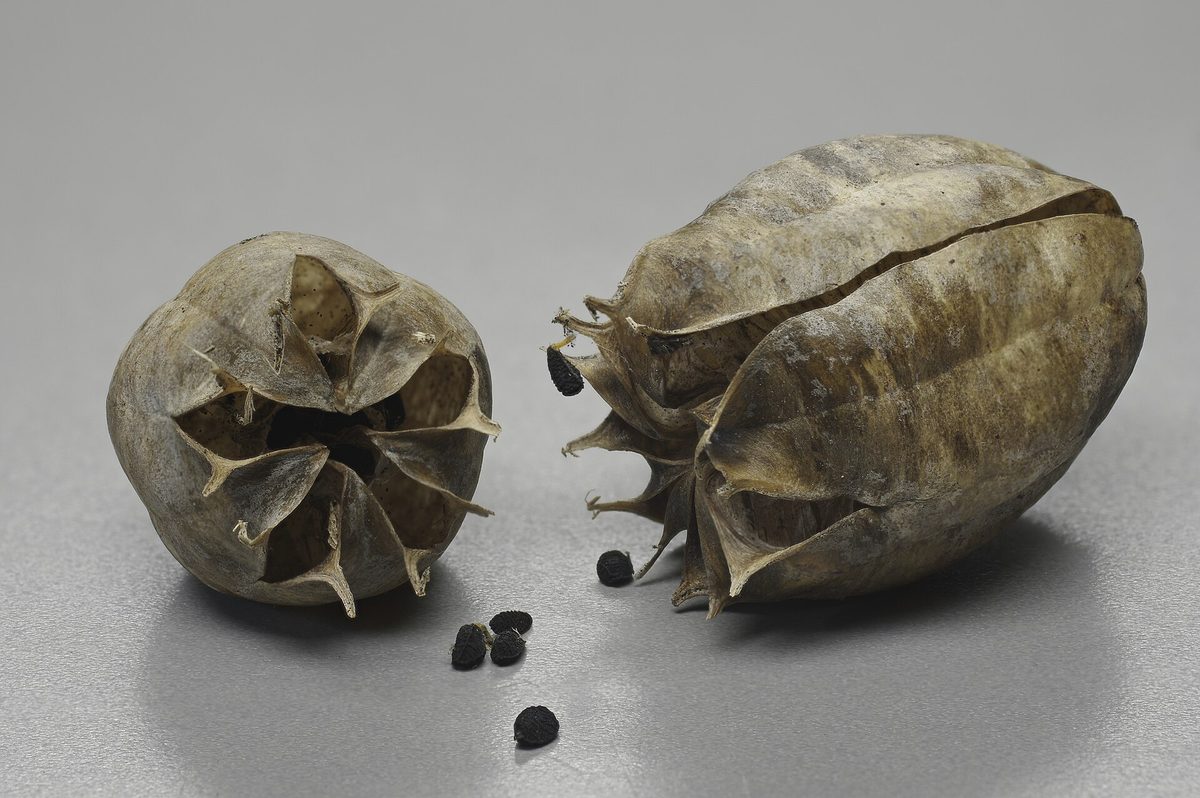
Photo: Berthold Werner, CC BY-SA 4.0 via Wikimedia Commons

Quick facts
| Light: | Full sun12 |
|---|---|
| Water: | Medium31 source |
| Soil: | Well drained and occasionally wet; pH 6–811 source |
| Hardiness: | Zones 2a–11b31 source |
| Size: | 1–2 ft (0.3–0.61 m) × 1–1.5 ft (0.3–0.46 m)125 |
| Growth rate: | Rapid111 source |
| Bloom: | Mar–Jun, Blue, purple, white and pink211 source |
| Cats: | Not documented by major sources |
| Dogs: | Not documented by major sources |
| Native range: | ALB, ALG, BAL, BUL, CNY, COR, CYP, EAI, FRA, GRC, IRN, ITA, KRI, KRY, LBS, LBY, MDR, MOR, NCS, POR, SAR, SEL, SIC, SPA, TCS, TUE, TUN, TUR, YUG6 |
| Family: | Ranunculaceae |
How much light does a Devil in the Bush need?
Devil in the bush does best in full sun. Full sun means 6 or more hours of direct sunlight a day. Full sun is the only light level recorded for this plant, and no shade tolerance is listed. A sunny spot should also offer consistent moisture and well-drained soil, which is the combination the plant does best in.
How often to water a Devil in the Bush
Devil in the bush has a medium water need. It does best in consistent moisture. That moisture should come with well-drained soil in full sun. Occasionally wet soil is also part of the recorded drainage range. No lower or higher water need than medium is recorded. No watering schedule in days is documented, so check the soil rather than the calendar.
- Water: Medium3
Best soil for a Devil in the Bush
Soil for devil in the bush should be well drained. The recorded drainage range is well drained and occasionally wet. The recorded pH range is 6–8, which is neutral. A pH below 6 or above 8 falls outside that range. The medium water need goes with consistent moisture in well-drained soil. Soil types such as clay, sand or loam are not documented for this plant, and neither are soil amendments.
Hardiness and temperature
The recorded hardiness range for this plant is Zones 2a–11b. That list includes every half-zone from 2a, 2b and 3a up through 11a and 11b. A gardener in zone 4 and one in zone 9 both fall inside the listed range. No minimum temperature is documented for this plant. Humidity needs are not documented either.
- Hardiness: Zones 2a–11b3
Pruning a Devil in the Bush
Deadheading is the pruning recorded for devil in the bush. You can deadhead spent flowers to extend the bloom period. Doing so also removes the attractive seed pods, so the choice is between a longer bloom period and keeping them. The plant blooms in spring and early summer, which is the period deadheading can extend.
How to plant a Devil in the Bush
Plan for a spread of 1–1.5 ft (0.3–0.46 m) when you space plants. The mature height is 1–2 ft (0.3–0.61 m). Devil in the bush is an annual, and its growth rate is listed as rapid. Fall sowing is listed as usually better than spring sowing. Choose a site in full sun with well-drained soil. The plant is listed for USDA zones 2a–11b, so zone-based timing applies across that whole range.
- Hardiness: Zones 2a–11b3
Winter care
This plant's type is recorded as annual. No minimum temperature is documented, so no cold threshold can be given here. No frost protection, mulch or overwintering method is documented either. Zones 2a to 11b are listed for the plant, which covers every zone from 2 through 11.
- Hardiness: Zones 2a–11b3
How to propagate a Devil in the Bush
Seed is the only propagation method recorded for this plant. It is usually better to plant the seeds during the fall than the spring. Cuttings, division and other methods are not documented here. The seed pods are described as attractive, and deadheading spent flowers removes them.
- Propagation: Seed3
Common problems
The pest recorded for devil in the bush is Liriomyza huidobrensis. The EPPO Global Database lists it as LIRIHU. That is the only pest on record for this plant, and no other pests are documented. No diseases are documented for this plant. The listing also gives no damage symptoms and no control methods.
- Common pests: liriomyza huidobrensis4
| Problem | Kind |
|---|---|
| Liriomyza huidobrensis | Pest |
Is Devil in the Bush toxic to cats and dogs?
Recommended supplies
- Soil: a free-draining mix, and a pot with a drainage hole.
Questions and answers
- How much sun does devil in the bush need?
- It does best in full sun, which means 6 or more hours of direct sunlight a day. Its water need is medium, with consistent moisture in well-drained soil.
- Should I deadhead devil in the bush?
- Deadheading spent flowers extends the bloom period. It also removes the attractive seed pods, so you are choosing between longer bloom and keeping the pods.
- Is devil in the bush native to the United States?
- Its US native status is listed as introduced in the lower 48 states. Its native range is recorded as a set of regions, including the codes FRA, ITA and GRC.
Sources
- NC State Extension. https://plants.ces.ncsu.edu/plants/nigella-damascena/. Accessed 14 October 2026.
- Wisconsin Horticulture, University of Wisconsin-Madison Division of Extension. https://hort.extension.wisc.edu/articles/love-in-a-mist-nigella-damascena/. Accessed 14 October 2026.
- NC State Extension. https://plants.ces.ncsu.edu/plants/nigella-damascena. Accessed 14 October 2026.
- EPPO Global Database. https://gd.eppo.int/taxon/NIGDA/pests. Accessed 14 October 2026.
- Penn State Extension. https://extension.psu.edu/annual-plants-for-a-garden-of-love. Accessed 21 October 2026.
- Royal Botanic Gardens, Kew (World Checklist of Vascular Plants). https://sftp.kew.org/pub/data-repositories/WCVP/wcvp.zip. Accessed 4 June 2026.
How this page was made
- Written with AI assistance from the sources listed on this page. AI is never the source of a fact.