Burningbush (Bassia scoparia)
Formerly Kochia scoparia, Kochia parodii, Salsola scoparia
Give burningbush full sun and moist, well-drained soil, with water needs that run from dry to medium. It is an annual with a rapid growth rate, and it can reach 7–8 ft (2.13–2.44 m). Toxicity to cats and to dogs is not documented on this page.
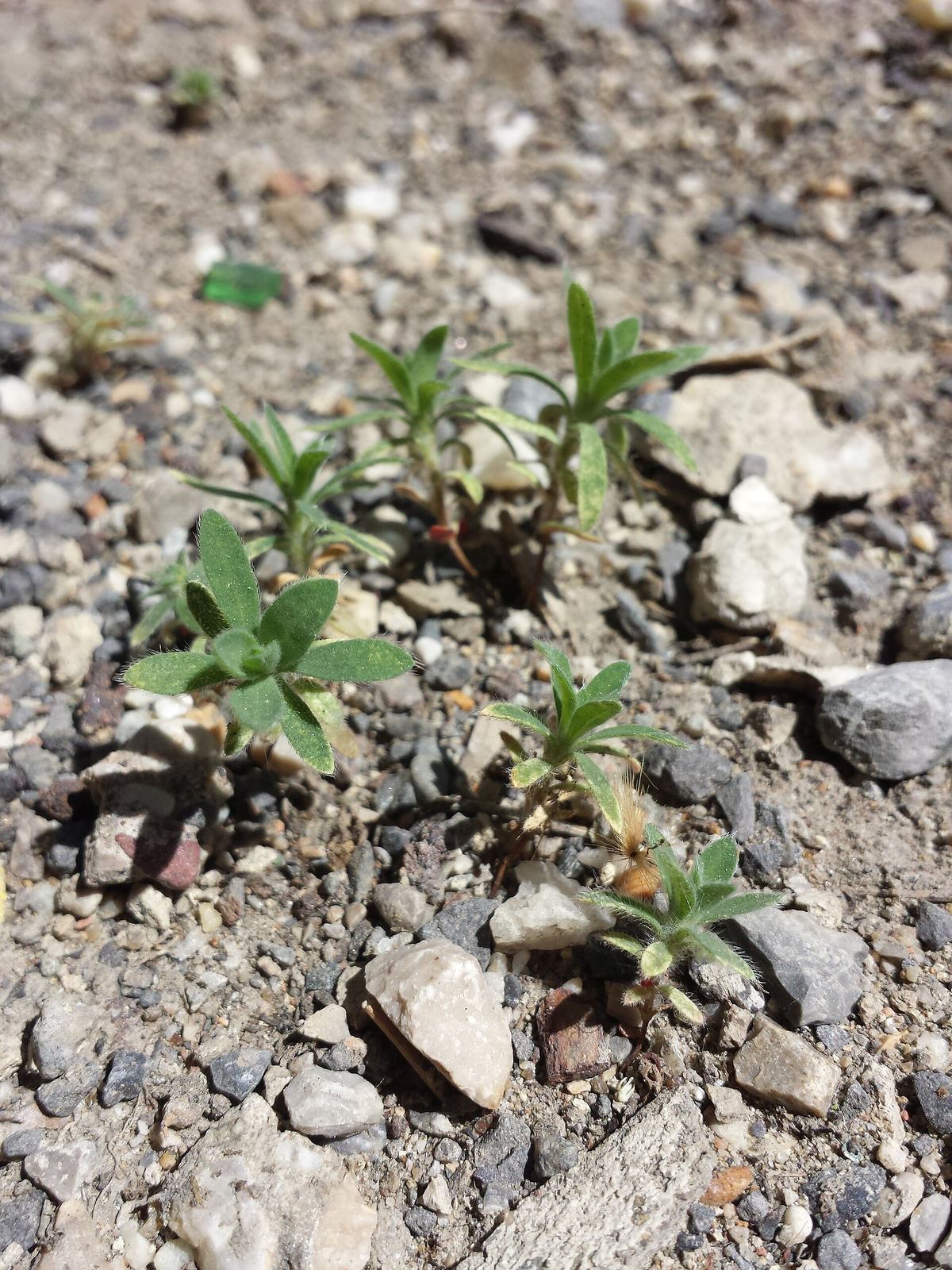
Photo: Stefan.lefnaer, CC BY-SA 4.0 via Wikimedia Commons

Quick facts
| Light: | Full sun11 source |
|---|---|
| Water: | Dry to medium11 source |
| Soil: | Well drained and moist11 source |
| Hardiness: | Zones 2a–11b11 source |
| Size: | 7–8 ft (2.13–2.44 m) × 1–1.5 ft (0.3–0.46 m)11 source |
| Growth rate: | Rapid121 |
| Bloom: | Green11 source |
| Cats: | Not documented by major sources |
| Dogs: | Not documented by major sources |
| Native range: | ALT, AMU, BRY, CHC, CHH, CHI, CHM, CHN, CHQ, CHS, CHT, CHX, CTA, CYP, IRN, IRQ, JAP, KAZ, KGZ, KHA, KOR, KRA, LBS, MON, NCS, PRM, RUE, RUN, RUS, RUW, SAK, TCS, TKM, TUR, TVA, TZK, UZB, WSB3 |
| Family: | Amaranthaceae |
How much light does a Burningbush need?
Burningbush grows best in full sun. The source describes full sun as 6 or more hours of direct sunlight a day. Full sun is the only outdoor light level recorded for this plant. No shade range is documented for it.
- Light: Full sun1
How often to water a Burningbush
The water need for burningbush runs from dry to medium. The range covers dry soil at one end and medium moisture at the other. The source says it prefers full sun and moist, well-drained soil that is high in organic matter. Its soil drainage is recorded as well drained and moist. No watering schedule is documented for this plant.
- Water: Dry to medium1
Best soil for a Burningbush
Burningbush prefers moist, well-drained soil that is high in organic matter. The recorded soil drainage is well drained and moist. The source pairs that soil with full sun. The moisture it is recorded to handle runs from dry to medium. No cited source records a soil pH range for this plant. Because of that gap, this page gives no pH target. Burningbush is recorded as an annual plant.
- Soil drainage: Well drained and moist1
Hardiness and temperature
Burningbush is recorded for hardiness zones 2a–11b. The listing names each half zone: 2a, 2b, 3a, 3b, 4a, 4b, 5a, 5b, 6a, 6b, 7a, 7b, 8a, 8b, 9a, 9b, 10a, 10b, 11a and 11b. No cited source records a minimum temperature for it. Humidity preferences are also not documented.
- Hardiness: Zones 2a–11b1
How to plant a Burningbush
Burningbush is recorded for hardiness zones 2a–11b. It can grow to a height of 7 to 8 feet (2.13–2.44 m). Its growth rate is rapid. Choose a site with full sun and moist, well-drained soil. It is recorded as an annual. Its US-L48 native status is introduced. Spacing and planting depth are not documented. Planting time relative to frost is not documented either.
- Hardiness: Zones 2a–11b1
Winter care
Hardiness is recorded as zones 2a–11b. The zone listing runs from 2a at the cold end to 11b at the warm end. No cited source records a minimum temperature for burningbush. Winter protection is not documented for it. The plant is recorded as an annual. This page gives no frost-date or overwintering advice.
- Hardiness: Zones 2a–11b1
How to propagate a Burningbush
Burningbush is propagated by seed. The recommended propagation strategy in the source is seed. Seed is the one method recorded for this plant. No cuttings, division or other methods are recorded for it. Sowing depth and timing are not documented here, so this page gives no sowing dates.
- Propagation: Seed1
Common problems
The source reports no serious insect or disease problems for burningbush. No pest species are listed for it. No diseases are listed for it either. The record for pests is an empty list, and so is the record for diseases. No named pest or disease is recorded, so none is listed here. Treatment advice is not documented here.
Is Burningbush toxic to cats and dogs?
Recommended supplies
- Soil: a free-draining mix, and a pot with a drainage hole.
Questions and answers
- How much sun does burningbush need?
- Burningbush prefers full sun, meaning 6 or more hours of direct sunlight a day. Full sun is the only outdoor light level recorded for it. The same source prefers moist, well-drained soil.
- Where is burningbush native?
- The native range record lists these region codes: ALT, AMU, BRY, CHC, CHH, CHI, CHM, CHN, CHQ, CHS, CHT, CHX, CTA, CYP, IRN, IRQ, JAP, KAZ, KGZ, KHA, KOR, KRA, LBS, MON, NCS, PRM, RUE, RUN, RUS, RUW, SAK, TCS, TKM, TUR, TVA, TZK, UZB and WSB. Its US-L48 native status is introduced.
- How fast does burningbush grow, and how tall does it get?
- Its growth rate is recorded as rapid. It can reach a height of 7–8 ft (2.13–2.44 m). It is recorded as an annual, and its bloom color is green.
Sources
- NC State Extension Gardener Plant Toolbox. https://plants.ces.ncsu.edu/plants/bassia-scoparia/. Accessed 14 October 2026.
- USDA Forest Service Fire Effects Information System. https://www.fs.usda.gov/database/feis/plants/forb/bassco/all.html. Accessed 21 October 2026.
- Royal Botanic Gardens, Kew (World Checklist of Vascular Plants). https://sftp.kew.org/pub/data-repositories/WCVP/wcvp.zip. Accessed 4 June 2026.
How this page was made
- Written with AI assistance from the sources listed on this page. AI is never the source of a fact.