Spinach (Spinacia oleracea)
Formerly Spinacia turkestanica, Spinacia glabra, Spinacia inermis
Spinach grows best outdoors in full sun to part shade. It also tolerates some shade through the day. Keep its soil moist to moderately wet at all times. It is a fast-growing, cool-season leafy vegetable. You harvest its leaves a few at a time. Toxicity to cats and dogs is not documented for this page. The soil should also drain well, not stay soggy.
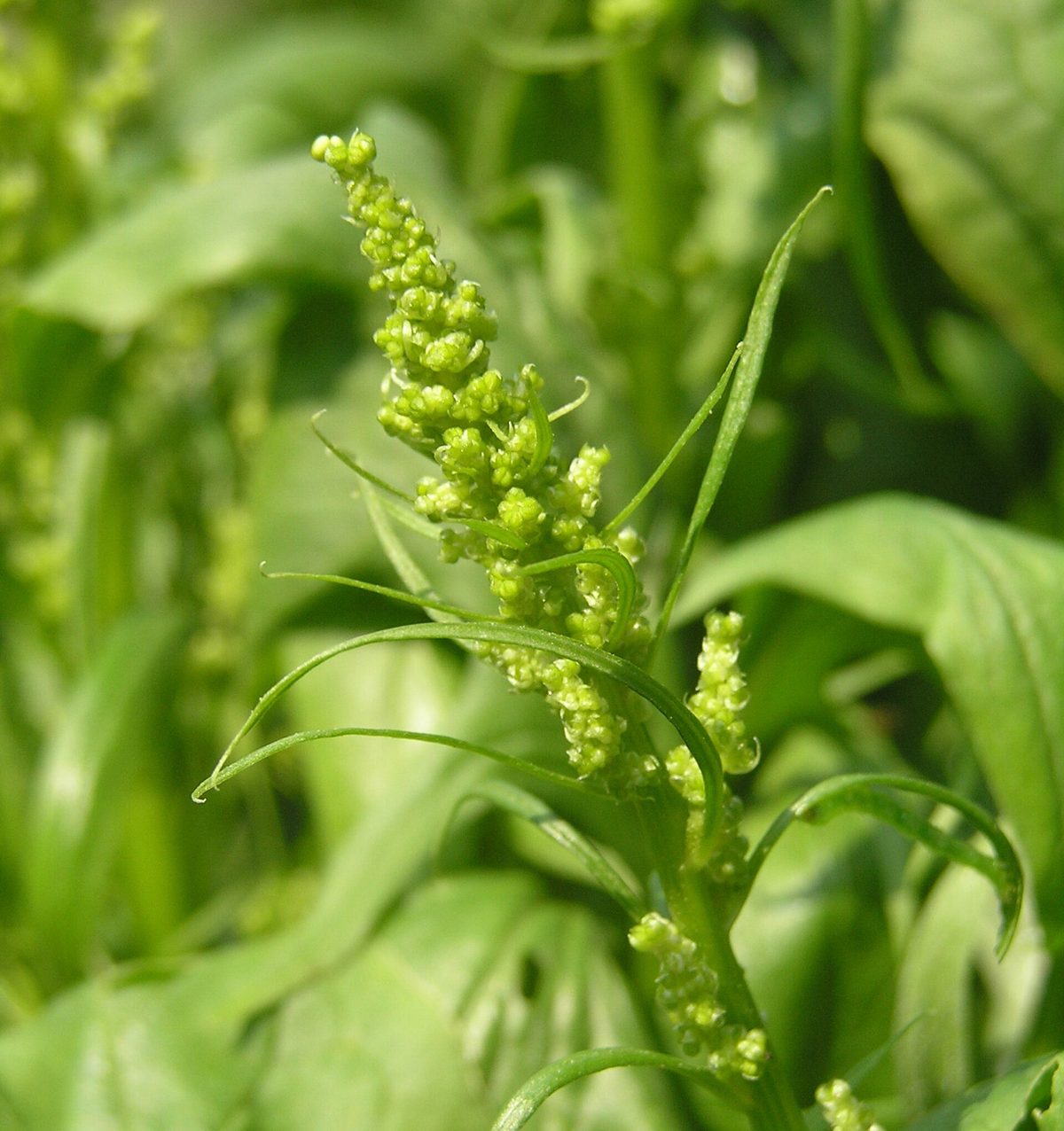
Photo: 阿橋 HQ, CC BY-SA 2.0 via Wikimedia Commons

Quick facts
| Light: | Full sun and part shade (full sun preferred)12 |
|---|---|
| Water: | Medium to wet11 source |
| Soil: | Well drained and moist; pH 6–811 source |
| Hardiness: | Zones 2a–11b11 source |
| Size: | 0.5–1 ft (0.15–0.3 m) × 0.5–1 ft (0.15–0.3 m)11 source |
| Growth rate: | Rapid111 source |
| Bloom: | Yellow and green11 source |
| Cats: | Not documented by major sources |
| Dogs: | Not documented by major sources |
| Native range: | AFG, IRN, KAZ, KGZ, PAK, TKM, TZK, UZB6 |
| Family: | Amaranthaceae |
How much light does a Spinach need?
Give spinach a sunny spot for the strongest growth. Full sun is its preferred light, but it also tolerates part shade. This range means spinach suits a bed that gets shade part of the day, not just a fully open plot. If your garden gets afternoon shade from a fence or trees, spinach can still do fine there. Spinach also needs soil kept moist to moderately wet, wherever you place it in the garden. That spot should also drain well rather than stay soggy.
How often to water a Spinach
Keep spinach's soil moist to moderately wet at all times. The soil also needs to drain well rather than stay soggy. Check the top few inches of soil often, since spinach's water need sits between medium and medium-wet. A bed that holds some moisture but never turns to standing water fits this range best. Give that same bed full sun to part shade, the light level spinach grows best in. A soil pH between 6.0 and 8.0 also suits spinach well.
- Water: Medium to wet1
Best soil for a Spinach
Well-drained soil that still holds some moisture suits spinach best. Soggy, waterlogged ground does not suit it. Aim for a soil pH between 6.0 and 8.0, which counts as neutral. That is a fairly wide band, so most garden soil falls inside it already. Spinach also prefers soil kept moist to moderately wet, which lines up with that same drainage need. Full sun to part shade over that same bed suits spinach well, too. This crop goes into the ground as seed, the only way it is propagated.
Hardiness and temperature
Spinach survives outdoors across USDA zones 2a to 11b. That span covers most of the USDA zone system. Mature plants tolerate cold down to about 20°F (-7°C) without injury. It also needs soil kept moist to moderately wet. That soil should drain well, too, rather than staying soggy. A soil pH between 6.0 and 8.0 counts as neutral for this crop. No humidity figure is documented for spinach on this page. Spinach's overall growth rate is rated rapid. Mature plants reach about 6 to 12 inches (15-30 cm) in height and spread.
How to plant a Spinach
Choose a planting site anywhere within USDA zones 2a to 11b for spinach. Sow seed directly in the ground once soil has warmed to at least 45°F (7.2°C). Make your first sowing as early as six weeks before your last frost date, continuing up to your frost date itself. Pick a bed with soil that drains well and stays moist, in full sun to part shade. Mature spinach plants grow about 6 to 12 inches (15-30 cm) tall and spread the same width. Space seeds about 2 inches (5 cm) apart in rows, with 1 to 3 feet (0.3-0.9 m) between rows.
- Hardiness: Zones 2a–11b1
Winter care
Spinach can handle real cold, surviving temperatures down to about 20°F (-7°C) without injury. That cold tolerance holds across USDA zones 2a to 11b, the range this crop is rated for outdoors. Keep its soil draining well and moist to moderately wet through cold weather, the same as any other time of year. A pH between 6.0 and 8.0 still suits it in winter beds, just as it does the rest of the year. It still prefers full sun to part shade during cooler months, the same as any other season.
When to plant Spinach
Direct sowing works for spinach outdoors. Start up to six weeks before your last frost. You can also sow up to frost date itself. Wait until soil hits 45°F (7.2°C) first. Indoor sowing weeks and transplant timing are not documented here. Seed is the only documented way to start it. Its soil pH should sit between 6.0 and 8.0.
- Direct sow: 0–6 weeks after last spring frost, soil at least 45 °F (7.2 °C)4
| Step | When |
|---|---|
| Direct sow | 0–6 weeks after last spring frost, soil at least 45 °F (7.2 °C) |
When and how to harvest Spinach
About 37 to 45 days after planting, spinach is ready for its first pick. You can pick outer leaves as soon as they reach a usable size, rather than waiting for the whole plant. Make your final harvest once the plant sends up a flowering stalk with small yellow and green blooms. That flowering stage is called bolting, and it signals the end of the harvest window. Spinach's overall growth rate is rated rapid.
How to propagate a Spinach
Growing spinach from seed is the only documented propagation method for this crop. Plant seeds directly in rows in the garden bed. Space seeds about 2 inches (5 cm) apart within each row. Set rows 1 to 3 feet (0.3-0.9 m) apart to leave room to grow. Mature spinach plants grow about 6 to 12 inches (15-30 cm) tall and wide. No other propagation method is documented for this crop.
- Propagation: Seed3
Common problems
Several pests can affect spinach, including aphids, leafminers, slugs, cutworms, flea beetles, wireworms, loopers, and seedcorn maggots. Aphids show up only occasionally, while spinach leafminer causes more trouble in some areas than others. Slugs tend to become a bigger problem in very moist growing conditions. Diseases to watch for include damping-off, downy mildew, and several viral diseases.
| Problem | Kind |
|---|---|
| Aphids | Pest |
| Leafminers | Pest |
| Slugs and snails | Pest |
| Cutworms | Pest |
| Flea beetles | Pest |
| Wireworms | Pest |
| Loopers | Pest |
| Seedcorn maggot | Pest |
| Damping off | Disease |
| Downy mildew | Disease |
| Viral diseases | Disease |
Is Spinach toxic to cats and dogs?
Recommended supplies
- Soil: a free-draining mix, and a pot with a drainage hole.
Questions and answers
- How long does spinach take to mature?
- Spinach is usually ready to harvest about 37 to 45 days after planting. You can pick outer leaves as soon as they reach a usable size, rather than waiting for the whole plant. Make your final harvest once the plant sends up a flowering stalk.
- Does spinach need full sun?
- Spinach grows best in full sun, but it also tolerates part shade. It still needs soil that stays moist to moderately wet wherever you plant it. The soil you plant it in should also drain well and stay neutral, with a pH between 6.0 and 8.0.
- What pests and diseases affect spinach?
- Common pests include aphids, leafminers, slugs, cutworms, flea beetles, wireworms, loopers, and seedcorn maggots. Diseases to watch for are damping-off, downy mildew, and several viral diseases. Aphids and spinach leafminer tend to cause only occasional or localized trouble, while slugs become more common in very wet beds.
Sources
- NC State Extension Gardener Plant Toolbox. https://plants.ces.ncsu.edu/plants/spinacia-oleracea/. Accessed 11 October 2026.
- Wisconsin Horticulture, UW-Madison Division of Extension. https://hort.extension.wisc.edu/articles/spinach-spinacia-oleracea/. Accessed 11 October 2026.
- Clemson Cooperative Extension Home & Garden Information Center. https://hgic.clemson.edu/factsheet/spinach/. Accessed 11 October 2026.
- University of Maryland Extension. https://extension.umd.edu/resource/growing-spinach-home-garden. Accessed 11 October 2026.
- UC Statewide Integrated Pest Management Program. https://ipm.ucanr.edu/home-and-landscape/spinach/. Accessed 11 October 2026.
- Royal Botanic Gardens, Kew (World Checklist of Vascular Plants). https://sftp.kew.org/pub/data-repositories/WCVP/wcvp.zip. Accessed 4 June 2026.
How this page was made
- Written with AI assistance from the sources listed on this page. AI is never the source of a fact.