Chia (Salvia hispanica)
Formerly Kiosmina hispanica, Salvia chia, Salvia prysmatica
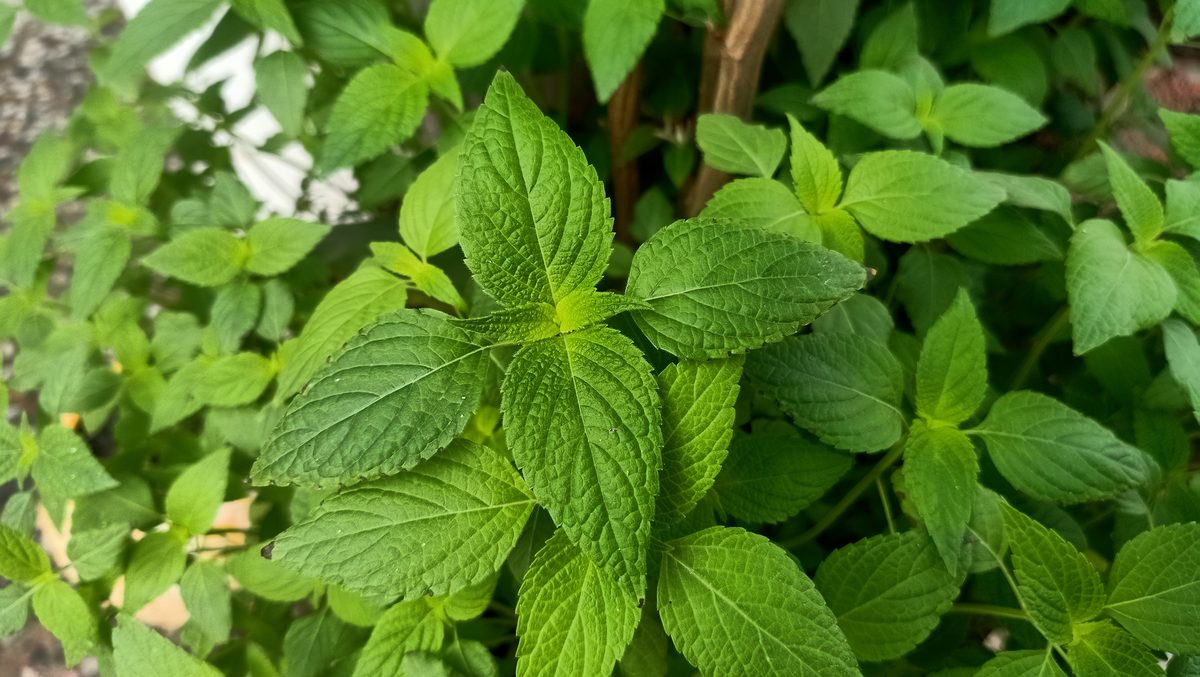
Photo: Suyash.dwivedi, CC BY-SA 4.0 via Wikimedia Commons

Quick facts
| Light: | Full sun1Not documented by major sources |
|---|---|
| Water: | Dry1Not documented by major sources |
| Soil: | Well drained1Not documented by major sources |
| Hardiness: | Zones 8a–11b1Not documented by major sources |
| Cats: | Not documented by major sources |
| Dogs: | Not documented by major sources |
| Native range: | GUA, MXC, MXE, MXG, MXN, MXS, MXT2 |
| Family: | Lamiaceae |
Is Chia toxic to cats and dogs?
Not documented by major sources
Not documented by major sources
Questions and answers
- Is chia native to the lower 48 states of the United States?
- The US native status for chia, Salvia hispanica, in the lower 48 states is introduced. That status appears in the record as US-L48: Introduced, so the plant is listed as introduced there and not as native.
- Where is chia native?
- The native range recorded for Salvia hispanica uses these region codes: GUA, MXC, MXE, MXG, MXN, MXS and MXT. That list of codes is the native range this page states for chia.
- Is chia an annual plant?
- The plant type recorded for chia, Salvia hispanica, is annual. In the lower 48 states of the United States, the same plant is listed with a native status of introduced.
Sources
- Utah State University Extension. https://extension.usu.edu/apec/research/drought-tolerant-options-for-southwest-agriculture-edible-produce. Accessed 12 October 2026.
- Royal Botanic Gardens, Kew (World Checklist of Vascular Plants). https://sftp.kew.org/pub/data-repositories/WCVP/wcvp.zip. Accessed 4 June 2026.
How this page was made
- Written with AI assistance from the sources listed on this page. AI is never the source of a fact.