Fava Bean (Vicia faba)
Formerly Faba vulgaris, Faba major, Orobus faba
Give fava bean full sun, at least six hours of direct light a day. Its water needs run from dry to medium. The soil should have good drainage. It is an annual, and it grows rapidly. Plants reach 2–6 ft (0.61–1.83 m) tall. It bears white, purple and brown flowers. Toxicity to cats and to dogs is not documented on this page.
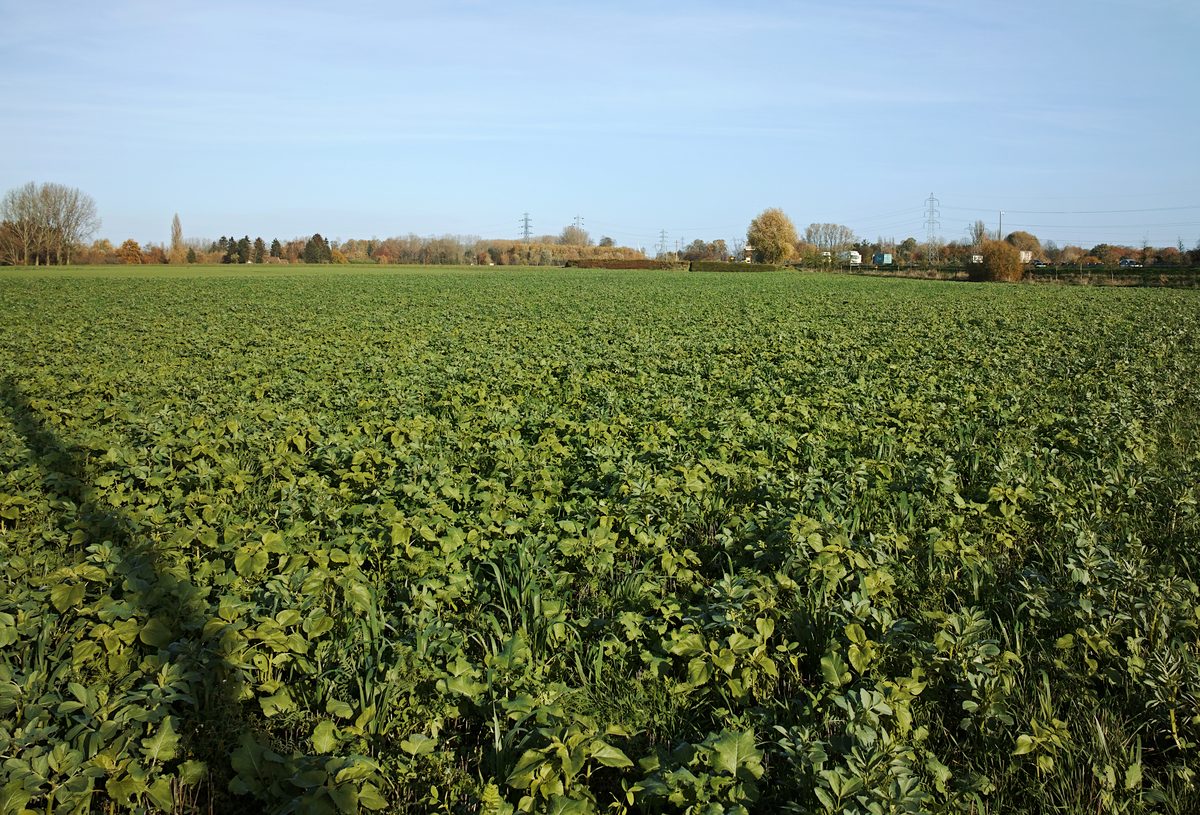
Photo: Velvet, CC BY-SA 4.0 via Wikimedia Commons

Quick facts
| Light: | Full sun11 source |
|---|---|
| Water: | Dry to medium21 source |
| Soil: | Well drained and occasionally dry11 source |
| Size: | 2–6 ft (0.61–1.83 m) × 1–3 ft (0.3–0.91 m)211 source |
| Growth rate: | Rapid21121 source |
| Bloom: | White, purple and brown121 source |
| Cats: | Not documented by major sources |
| Dogs: | Not documented by major sources |
| Native range: | PAL5 |
| Family: | Fabaceae |
How much light does a Fava Bean need?
Full sun is the listed exposure, meaning 6 or more hours of direct sunlight a day. Plants grow 2–6 ft (0.61–1.83 m) tall, with a spread of 1–3 ft (0.3–0.91 m). The growth rate is rapid. The flowers are white, with a purplish or brown blotch on the outermost petal.
- Light: Full sun1
How often to water a Fava Bean
Fava bean's water range runs from dry to medium. It prefers moist loams, yet it tolerates clay and saline soils. Soil drainage is listed as good, and the soil can be occasionally dry. The plant is an annual with a rapid growth rate. Mature plants stand 2–6 ft (0.61–1.83 m) tall.
- Water: Dry to medium2
Best soil for a Fava Bean
Good drainage is the soil trait listed for fava bean. The drainage is described as well drained and occasionally dry. The plant prefers moist loams but tolerates clay and saline soils. No soil pH range is documented for this plant. Available space to plant is 12 inches to 3 feet (0.3–0.91 m). The plant grows 2–6 ft (0.61–1.83 m) tall. Its water needs run from dry to medium.
- Soil drainage: Well drained and occasionally dry1
Hardiness and temperature
The minimum temperature recorded for fava bean is 28.4 °F (-2 °C). Hardiness zones and humidity needs are not documented for this plant. Its native range is listed as PAL. In the lower 48 US states, its native status is introduced. It is an annual. Growth is rapid. Full sun is the listed exposure outdoors.
- Minimum temperature: 28.4 °F (-2 °C)3
Fertilizing a Fava Bean
Fertilizer is listed as light, applied once a year. Young seedlings do benefit from light fertilizer, applied prior to planting or at planting. The growth rate is rapid, and the plant is an annual. Mature plants reach 2–6 ft (0.61–1.83 m) tall. Propagation is by seed.
- Fertilizer: Light, once a year4
Winter care
Plan around a minimum temperature of 28.4 °F (-2 °C), the lowest value on file. Hardiness zones are not documented for this plant. Fava bean is an annual. Seed is its listed propagation method. Its native range is listed as PAL. Soil drainage is listed as well drained and occasionally dry. Fertilizer is listed as light, once a year.
- Minimum temperature: 28.4 °F (-2 °C)3
How to propagate a Fava Bean
Seed is the propagation method listed for fava bean. No cuttings, division or other methods are documented. It is an annual plant. Young seedlings do benefit from light fertilizer prior to or at planting. Growth is rapid. Mature plants stand 2–6 ft (0.61–1.83 m) tall. Available space to plant is 12 inches to 3 feet (0.3–0.91 m).
- Propagation: Seed1
Common problems
Aphids are the pest recorded for fava bean. The plant is susceptible to damage from aphids. No common diseases are documented for this plant. It is an annual. Full sun is the listed exposure. Soil drainage is listed as good. Plants reach 2–6 ft (0.61–1.83 m) tall.
- Common pests: aphids2
| Problem | Kind |
|---|---|
| Aphids | Pest |
Is Fava Bean toxic to cats and dogs?
Recommended supplies
- Soil: a free-draining mix, and a pot with a drainage hole.
Questions and answers
- Does fava bean need full sun?
- Full sun is the listed exposure, meaning 6 or more hours of direct sunlight a day. Mature plants grow 2–6 ft (0.61–1.83 m) tall. They also spread 1–3 ft (0.3–0.91 m).
- Which pests affect fava bean?
- Aphids are the pest recorded for fava bean. The plant is susceptible to damage from aphids. It is an annual with a rapid growth rate. It grows 2–6 ft (0.61–1.83 m) tall.
- How much water does fava bean need?
- Its water range runs from dry to medium. It prefers moist loams but tolerates clay and saline soils. Soil drainage is listed as good, and the soil can be occasionally dry.
Sources
- NC State Extension Gardener Plant Toolbox. https://plants.ces.ncsu.edu/plants/vicia-faba/common-name/fava-bean/. Accessed 23 September 2026.
- NC State Extension Gardener Plant Toolbox. https://plants.ces.ncsu.edu/plants/vicia-faba/. Accessed 24 September 2026.
- Oregon State University Extension Service. https://extension.oregonstate.edu/news/plant-cold-hardy-vegetables-now-spring-harvest. Accessed 30 October 2026.
- Iowa State University Extension and Outreach (Yard and Garden). https://yardandgarden.extension.iastate.edu/article/2022/07/all-about-beans. Accessed 24 September 2026.
- Royal Botanic Gardens, Kew (World Checklist of Vascular Plants). https://sftp.kew.org/pub/data-repositories/WCVP/wcvp.zip. Accessed 4 June 2026.
How this page was made
- Written with AI assistance from the sources listed on this page. AI is never the source of a fact.