Trees for zone 5
Zone 5 is a USDA hardiness zone, and it describes how cold winters get where you garden, not how hot the summers run. Each zone groups places by their average yearly minimum winter temperature, and zone 5 sits toward the colder end of that scale. A tree rated for zone 5 can survive the lowest temperatures a typical winter there brings. The zone number says nothing about rainfall, humidity, soil type, or how hot your summers get. Two towns can share a zone 5 rating and still differ a lot in soil drainage or summer heat. Use the zone as a starting point for winter cold, then check your own site conditions before you plant. This list gathers 74 trees and shrubs that fit zone 5 winters. Of those, 13 already have a full page on the site, and the rest are still being written. The list is not ranked, and it does not try to include all the trees that can grow in zone 5. Treat it as a starting point for research, not a final answer for your yard. Check your local frost dates and your site's drainage and light before you choose a tree to plant.
Compared side by side
| Plant | Hardiness | Height | Light | Cats | Dogs |
|---|---|---|---|---|---|
| BoxelderAcer negundo | Zones 3a–9b | 30–50 ft (9.14–15.24 m) | Full sun and part shade (full sun preferred) | Not documented | Not documented |
| Japanese MapleAcer palmatum | Zones 5a–8b | 15–25 ft (4.57–7.62 m) | Full sun, part shade and full shade (full sun preferred) | Not documented | Not documented |
| Norway MapleAcer platanoides | Zones 3a–7b | 40–60 ft (12.19–18.29 m) | Full sun and part shade (full sun preferred) | Not documented | Not documented |
| Sycamore MapleAcer pseudoplatanus | Zones 4a–7b | 40–60 ft (12.19–18.29 m) | Full sun and part shade (full sun preferred) | Not documented | Not documented |
| Red MapleAcer rubrum | Zones 4a–9b | 40–70 ft (12.19–21.34 m) | Full sun and part shade (full sun preferred) | Non-toxic | Non-toxic |
| Silver MapleAcer saccharinum | Zones 3a–9b | 50–80 ft (15.24–24.38 m) | Full sun, part shade and full shade (full sun preferred) | Not documented | Not documented |
| Sugar MapleAcer saccharum | Zones 3a–8b | 50–80 ft (15.24–24.38 m) | Full sun, part shade and full shade (full sun preferred) | Not documented | Not documented |
| Ohio BuckeyeAesculus glabra | Zones 4a–7a | 29.9–49.9 ft (9.1–15.2 m) | Full sun, part shade and full shade (full sun preferred) | Toxic (1 source) | Toxic (1 source) |
| Horse ChestnutAesculus hippocastanum | Zones 4a–7b | 50–75 ft (15.24–22.86 m) | Full sun and part shade (full sun preferred) | Toxic (1 source) | Toxic (1 source) |
| Tree of HeavenAilanthus altissima | Zones 5a | 40–60 ft (12.19–18.29 m) | Full sun and part shade (full sun preferred) | Not documented | Not documented |
| Saskatoon ServiceberryAmelanchier alnifolia | Zones 4a–9b | Sources differ: USDA Forest Service Fire Effects Information System | Full sun, part shade and full shade (full sun preferred) | Not documented | Not documented |
| PawpawAsimina triloba | Zones 5a–9b | Sources differ: Clemson Cooperative Extension HGIC; Clemson Cooperative Extension HGIC; Lady Bird Johnson Wildflower Center; Clemson Cooperative Extension HGIC; Lady Bird Johnson Wildflower Center; Clemson Cooperative Extension Home & Garden Information Center | Full sun, part shade and full shade (full sun preferred) | Not documented | Not documented |
| European White BirchBetula pendula | Zones 2a–7b | 30–50 ft (9.14–15.24 m) | Full sun and part shade (full sun preferred) | Not documented | Not documented |
| Southern CatalpaCatalpa bignonioides | Zones 5a–9b | 25–50 ft (7.62–15.24 m) | Full sun and part shade (full sun preferred) | Not documented | Not documented |
| Northern CatalpaCatalpa speciosa | Zones 4a–8b | 75–100 ft (22.86–30.48 m) | Full sun and part shade (full sun preferred) | Not documented | Not documented |
| Common HackberryCeltis occidentalis | Zones 3a–9b | 40–80 ft (12.19–24.38 m) | Full sun, part shade and full shade (full sun preferred) | Not documented | Not documented |
| Eastern RedbudCercis canadensis | Zones 4a–9b | 20–35.1 ft (6.1–10.7 m) | Full sun, part shade and full shade (full sun preferred) | Not documented | Not documented |
| Flowering DogwoodCornus florida | Zones 5a–9a | Sources differ: University of Florida IFAS Extension (EDIS); University of Florida IFAS Extension (EDIS); Lady Bird Johnson Wildflower Center (Native Plant Database) | Full sun and part shade (full sun preferred) | Not documented | Not documented |
| Kousa DogwoodCornus kousa | Zones 5a–8b | 20–30 ft (6.1–9.14 m) | Full sun and part shade (full sun preferred) | Not documented | Not documented |
| Cornelian CherryCornus mas | Zones 4a–8b | 15–25 ft (4.57–7.62 m) | Full sun and part shade (full sun preferred) | Not documented | Not documented |
| Common FilbertCorylus avellana | Zones 4a–8b | 10–15 ft (3.05–4.57 m) | Full sun and part shade (full sun preferred) | Not documented | Not documented |
| Oneseed HawthornCrataegus monogyna | Zones 4a–7b | Not documented | Not documented | Not documented | Not documented |
| Russian OliveElaeagnus angustifolia | Zones 2a–7b | 16.4–39.4 ft (5–12 m) | Full sun | Non-toxic | Non-toxic |
| European BeechFagus sylvatica | Zones 4a–7b | 50–60 ft (15.24–18.29 m) | Full sun, part shade and full shade (full sun preferred) | Not documented | Toxic |
| Glossy BuckthornFrangula alnus | Zones 2a–7b | 25 ft (7.62 m) | Full sun and part shade (full sun preferred) | Not documented | Not documented |
| European AshFraxinus excelsior | Zones 5a–8b | 70–98.4 ft (21.34–30 m) | Full sun | Not documented | Not documented |
| Maidenhair TreeGinkgo biloba | Zones 3a–9b | Sources differ: University of Florida IFAS Extension (Ask IFAS) | Full sun and part shade (full sun preferred) | Toxic (1 source) | Toxic (1 source) |
| Rose of SharonHibiscus syriacus | Zones 5a–9b | 8–12 ft (2.44–3.66 m) | Full sun and part shade (full sun preferred) | Non-toxic | Non-toxic |
| Panicled HydrangeaHydrangea paniculata | Zones 3a–8b | Sources differ: University of Wisconsin-Madison Division of Extension (Wisconsin Horticulture) | Full sun and part shade (full sun preferred) | Toxic (1 source) | Toxic (1 source) |
| ButternutJuglans cinerea | Zones 3a–7b | 40–60 ft (12.19–18.29 m) | Full sun | Not documented | Not documented |
| Black WalnutJuglans nigra | Zones 4a–9b | 50–90 ft (15.24–27.43 m) | Full sun and part shade (full sun preferred) | Non-toxic | Toxic |
| English WalnutJuglans regia | Zones 3a–7b | 40–60 ft (12.19–18.29 m) | Full sun | Not documented | Not documented |
| Eastern RedcedarJuniperus virginiana | Zones 2a–9b | 30–40 ft (9.14–12.19 m) | Full sun, part shade and full shade (full sun preferred) | Not documented | Not documented |
| Goldenrain TreeKoelreuteria paniculata | Zones 5a–8b | 29.9–40 ft (9.1–12.2 m) | Full sun | Not documented | Not documented |
| SweetgumLiquidambar styraciflua | Zones 5a–9b | 60–100 ft (18.29–30.48 m) | Full sun and part shade (full sun preferred) | Not documented | Not documented |
| TuliptreeLiriodendron tulipifera | Zones 4a–9b | 80–120 ft (24.38–36.58 m) | Full sun, part shade and full shade (full sun preferred) | Non-toxic | Non-toxic |
| Osage-orangeMaclura pomifera | Zones 4a–9b | 29.5 ft (9 m) | Full sun and part shade (full sun preferred) | Not documented | Not documented |
| European Crab AppleMalus domestica | Zones 4a–9b | 15–30 ft (4.57–9.14 m) | Full sun and part shade (full sun preferred) | Toxic (1 source) | Toxic (1 source) |
| Dawn RedwoodMetasequoia glyptostroboides | Zones 4a–8b | 62–100.1 ft (18.9–30.5 m) | Full sun and part shade (full sun preferred) | Not documented | Not documented |
| White MulberryMorus alba | Zones 4a–8b | 30–50 ft (9.14–15.24 m) | Full sun and part shade (full sun preferred) | Non-toxic | Non-toxic |
| BlackgumNyssa sylvatica | Zones 4a–9b | 30–50 ft (9.14–15.24 m) | Full sun and part shade (full sun preferred) | Not documented | Not documented |
| PrincesstreePaulownia tomentosa | Zones 5a–9b | 40–50 ft (12.19–15.24 m) | Full sun and part shade (full sun preferred) | Not documented | Not documented |
| Norway SprucePicea abies | Zones 2a–7b | 60–100 ft (18.29–30.48 m) | Full sun and part shade (full sun preferred) | Not documented | Not documented |
| Great Basin Bristlecone PinePinus longaeva | Zones 5a–7b | 50 ft (15.24 m) | Full sun | Not documented | Not documented |
| Ponderosa PinePinus ponderosa | Zones 3a–7b | 60–125 ft (18.29–38.1 m) | Full sun | Non-toxic | Non-toxic |
| Eastern White PinePinus strobus | Zones 3a–7b | 50–80 ft (15.24–24.38 m) | Full sun and part shade (full sun preferred) | Not documented | Not documented |
| Scots PinePinus sylvestris | Zones 2a–7b | 29.9–60 ft (9.1–18.3 m) | Full sun | Not documented | Not documented |
| American SycamorePlatanus occidentalis | Zones 4a–9b | 75–100 ft (22.86–30.48 m) | Full sun, part shade and full shade (full sun preferred) | Non-toxic | Non-toxic |
| White PoplarPopulus alba | Zones 3a–9b | 50–75 ft (15.24–22.86 m) | Full sun | Not documented | Not documented |
| Eastern CottonwoodPopulus deltoides | Zones 3a–9b | 75–100 ft (22.86–30.48 m) | Full sun, part shade and full shade (full sun preferred) | Not documented | Not documented |
| Quaking AspenPopulus tremuloides | Zones 1a–6b | 35–50 ft (10.67–15.24 m) | Full sun, part shade and full shade (full sun preferred) | Not documented | Not documented |
| Sweet CherryPrunus avium | Zones 3a–8b | 15–30 ft (4.57–9.14 m) | Full sun | Toxic | Toxic |
| Cherry PlumPrunus cerasifera | Zones 5a–8b | 15–30 ft (4.57–9.14 m) | Full sun and part shade (full sun preferred) | Toxic (1 source) | Toxic (1 source) |
| Sour CherryPrunus cerasus | Zones 3a–8b | 30 ft (9.14 m) | Full sun | Toxic | Toxic |
| European PlumPrunus domestica | Zones 4a–9b | 15–20 ft (4.57–6.1 m) | Full sun | Toxic (1 source) | Toxic (1 source) |
| European Bird CherryPrunus padus | Zones 3a–6b | 30–40 ft (9.14–12.19 m) | Full sun | Toxic (1 source) | Toxic |
| Black CherryPrunus serotina | Zones 2a–8b | 25–110 ft (7.62–33.53 m) | Full sun, part shade and full shade (full sun preferred) | Toxic | Toxic |
| ChokecherryPrunus virginiana | Zones 2a–6b | 20–35 ft (6.1–10.67 m) | Full sun | Toxic (1 source) | Toxic (1 source) |
| Callery PearPyrus calleryana | Zones 5a–9b | 30–50 ft (9.14–15.24 m) | Full sun and part shade (full sun preferred) | Not documented | Not documented |
| Chinese PearPyrus pyrifolia | Zones 5a–8b | 20–40 ft (6.1–12.2 m) | Full sun and part shade (full sun preferred) | Not documented | Not documented |
| White OakQuercus alba | Zones 3a–9b | 50–100 ft (15.24–30.48 m) | Full sun and part shade (full sun preferred) | Not documented | Not documented |
| Bur OakQuercus macrocarpa | Zones 3a–8b | 70–80 ft (21.34–24.38 m) | Full sun, part shade and full shade (full sun preferred) | Not documented | Not documented |
| English OakQuercus robur | Zones 5a–8b | 50–60 ft (15.24–18.29 m) | Full sun | Not documented | Not documented |
| Northern Red OakQuercus rubra | Zones 4a–8b | Sources differ: Cornell University CALS Woody Plants Database; Cornell University CALS Woody Plants Database; Cornell University CALS Woody Plants Database | Full sun, part shade and full shade (full sun preferred) | Not documented | Not documented |
| Common BuckthornRhamnus cathartica | Zones 3a–7b | 18–30 ft (5.49–9.14 m) | Full sun and part shade (full sun preferred) | Toxic (1 source) | Toxic (1 source) |
| Staghorn SumacRhus typhina | Zones 3a–9b | 35–40 ft (10.67–12.19 m) | Full sun and part shade (full sun preferred) | Not documented | Not documented |
| Black LocustRobinia pseudoacacia | Zones 3a–8b | 39.4–59.1 ft (12–18 m) | Full sun and part shade (full sun preferred) | Toxic | Toxic |
| Black ElderberrySambucus nigra | Zones 5a–7b | 10–20 ft (3.05–6.1 m) | Full sun and part shade (full sun preferred) | Toxic (1 source) | Toxic (1 source) |
| SassafrasSassafras albidum | Zones 4a–9b | 30–60 ft (9.14–18.29 m) | Full sun, part shade and full shade (full sun preferred) | Not documented | Not documented |
| European Mountain AshSorbus aucuparia | Zones 3a–7b | 20–40 ft (6.1–12.2 m) | Full sun | Not documented | Not documented |
| Bald CypressTaxodium distichum | Zones 4a–9b | Sources differ: University of Florida IFAS Extension (EDIS) | Full sun and part shade (full sun preferred) | Not documented | Not documented |
| ArborvitaeThuja occidentalis | Zones 3a–7b | 39.4–49.2 ft (12–15 m) | Full sun, part shade and full shade (full sun preferred) | Not documented | Not documented |
| Western RedcedarThuja plicata | Zones 5a–7b | Sources differ: USDA Forest Service Fire Effects Information System (FEIS) | Full sun, part shade and full shade (full sun preferred) | Not documented | Not documented |
| American BasswoodTilia americana | Zones 3a–8b | 60–80.1 ft (18.3–24.4 m) | Full sun and part shade (full sun preferred) | Non-toxic | Non-toxic |
| Littleleaf LindenTilia cordata | Zones 3b–7b | 50–80 ft (15.24–24.38 m) | Full sun and part shade (full sun preferred) | Not documented | Not documented |
| Poison SumacToxicodendron vernix | Zones 3a–8b | 20 ft (6.1 m) | Full sun and part shade (full sun preferred) | Non-toxic | Non-toxic |
| American ElmUlmus americana | Zones 3a–9b | 60–89.9 ft (18.3–27.4 m) | Full sun and part shade (full sun preferred) | Not documented | Not documented |
The plants
-
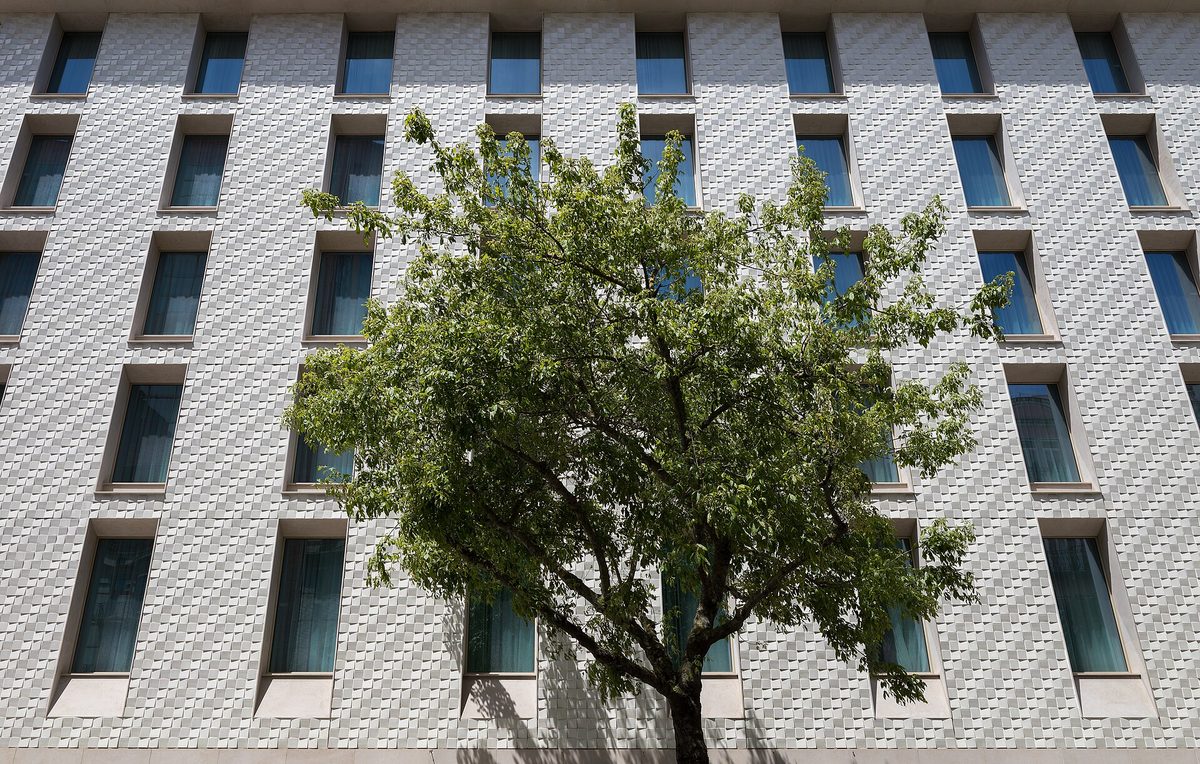
Boxelder
Acer negundo
Zones 3a–9b · 30–50 ft (9.14–15.24 m) · Full sun and part shade (full sun preferred)
Acer negundo is one of the 74 trees and shrubs grouped on this zone 5 list. It already has its own page on the site, where you can read more about growing it.
-
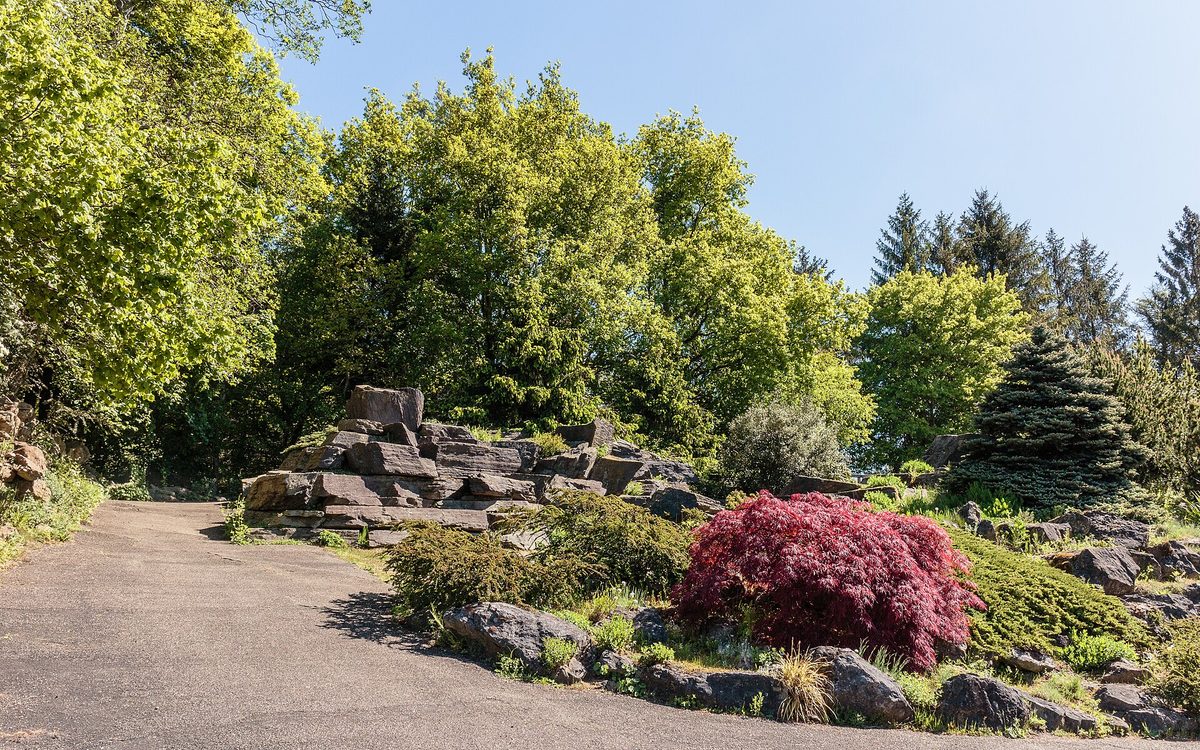
Japanese Maple
Acer palmatum
Zones 5a–8b · 15–25 ft (4.57–7.62 m) · Full sun, part shade and full shade (full sun preferred)
-
Norway Maple
Acer platanoides
Zones 3a–7b · 40–60 ft (12.19–18.29 m) · Full sun and part shade (full sun preferred)
-
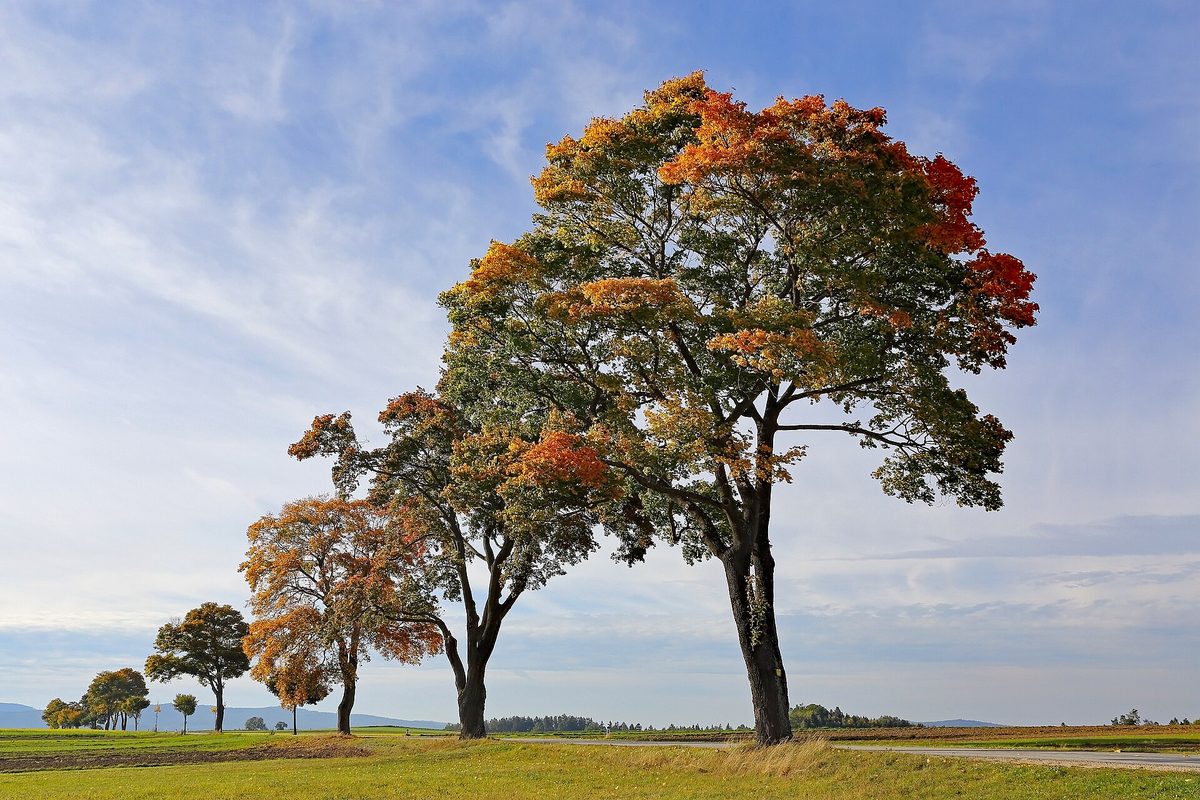
Sycamore Maple
Acer pseudoplatanus
Zones 4a–7b · 40–60 ft (12.19–18.29 m) · Full sun and part shade (full sun preferred)
-
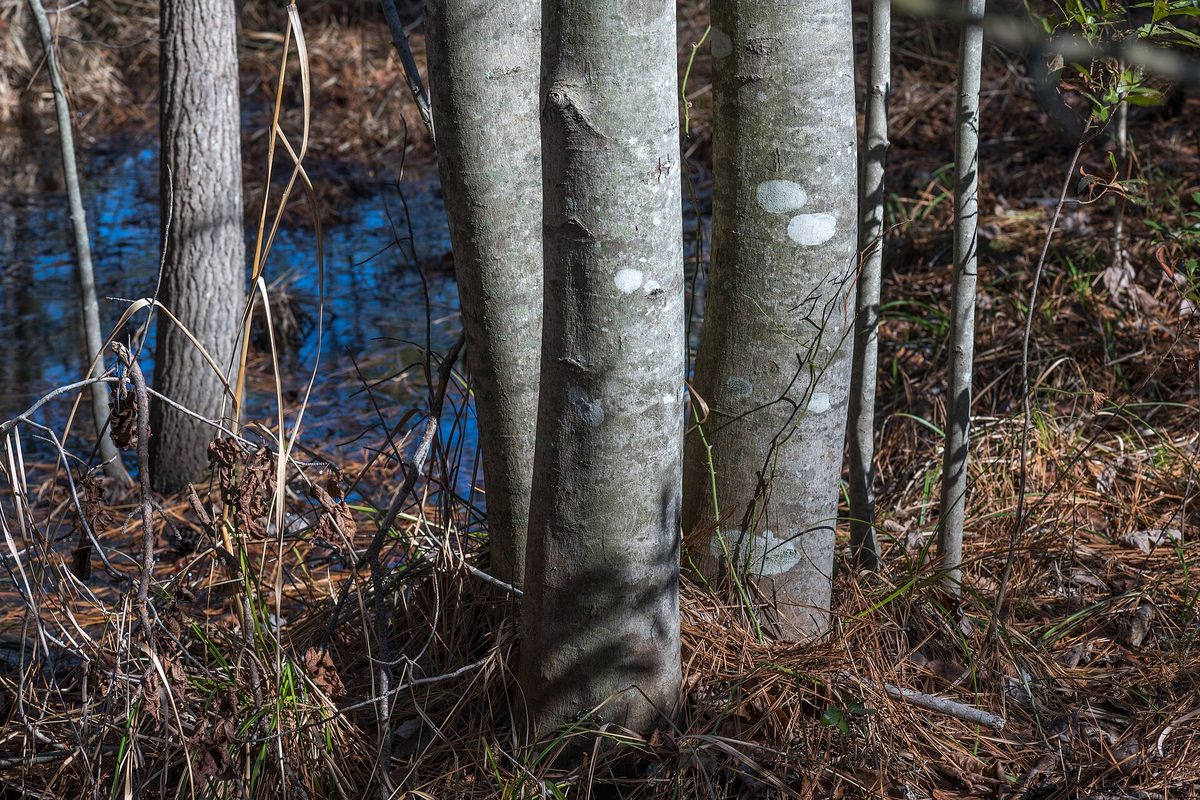
Red Maple
Acer rubrum
Zones 4a–9b · 40–70 ft (12.19–21.34 m) · Full sun and part shade (full sun preferred)
-
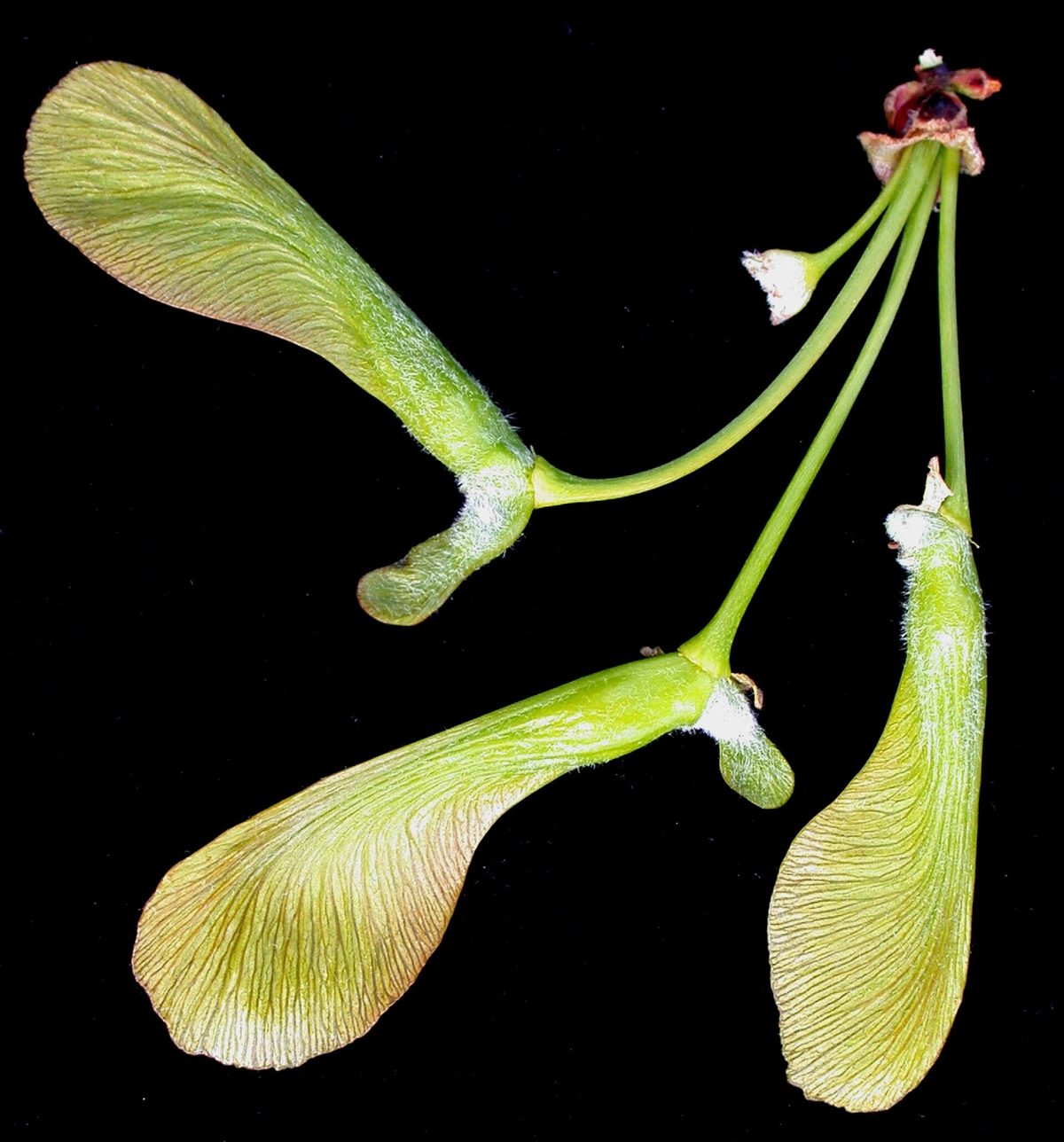
Silver Maple
Acer saccharinum
Zones 3a–9b · 50–80 ft (15.24–24.38 m) · Full sun, part shade and full shade (full sun preferred)
-
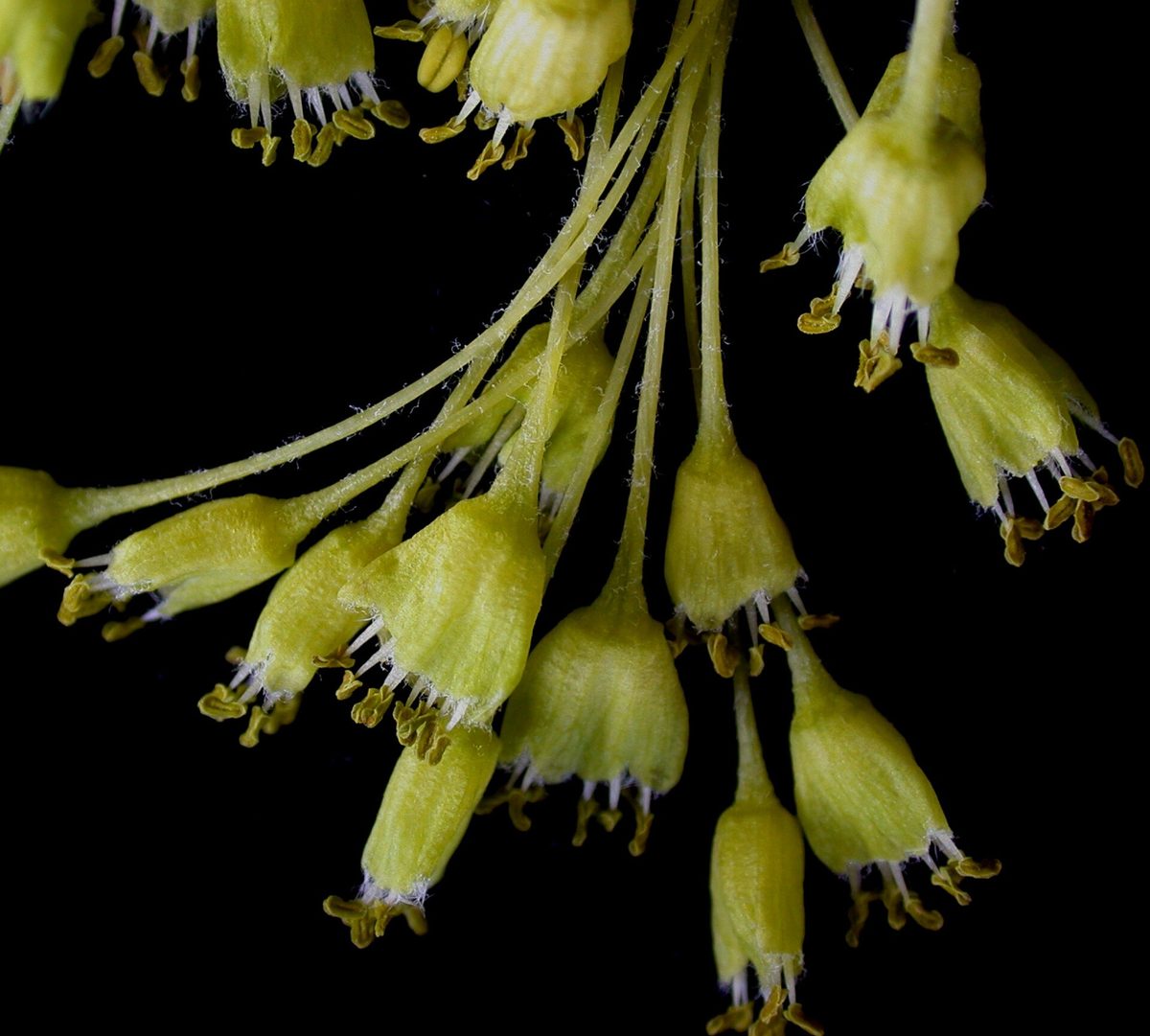
Sugar Maple
Acer saccharum
Zones 3a–8b · 50–80 ft (15.24–24.38 m) · Full sun, part shade and full shade (full sun preferred)
-
Ohio Buckeye
Aesculus glabra
Zones 4a–7a · 29.9–49.9 ft (9.1–15.2 m) · Full sun, part shade and full shade (full sun preferred)
-
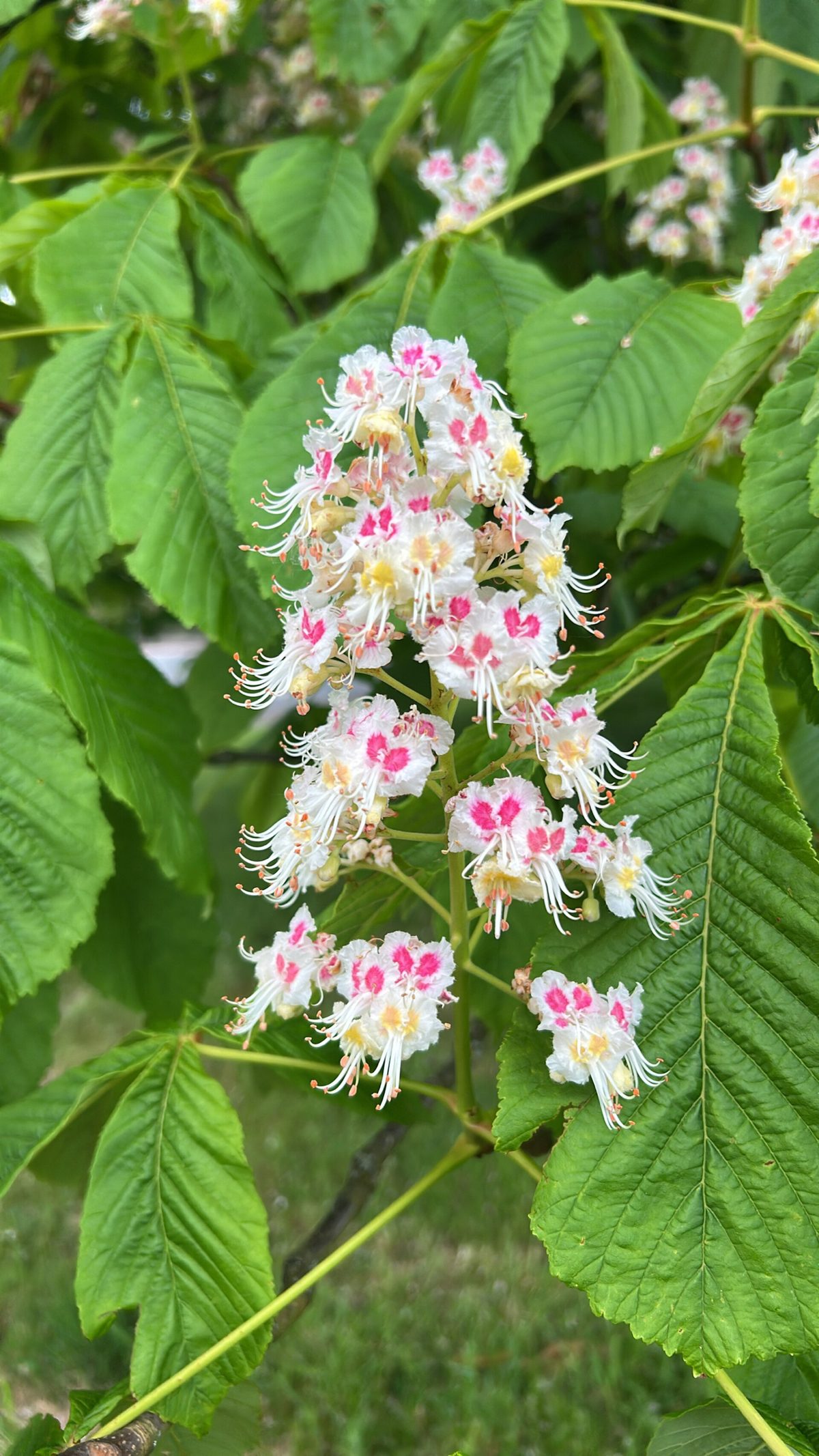
Horse Chestnut
Aesculus hippocastanum
Zones 4a–7b · 50–75 ft (15.24–22.86 m) · Full sun and part shade (full sun preferred)
-
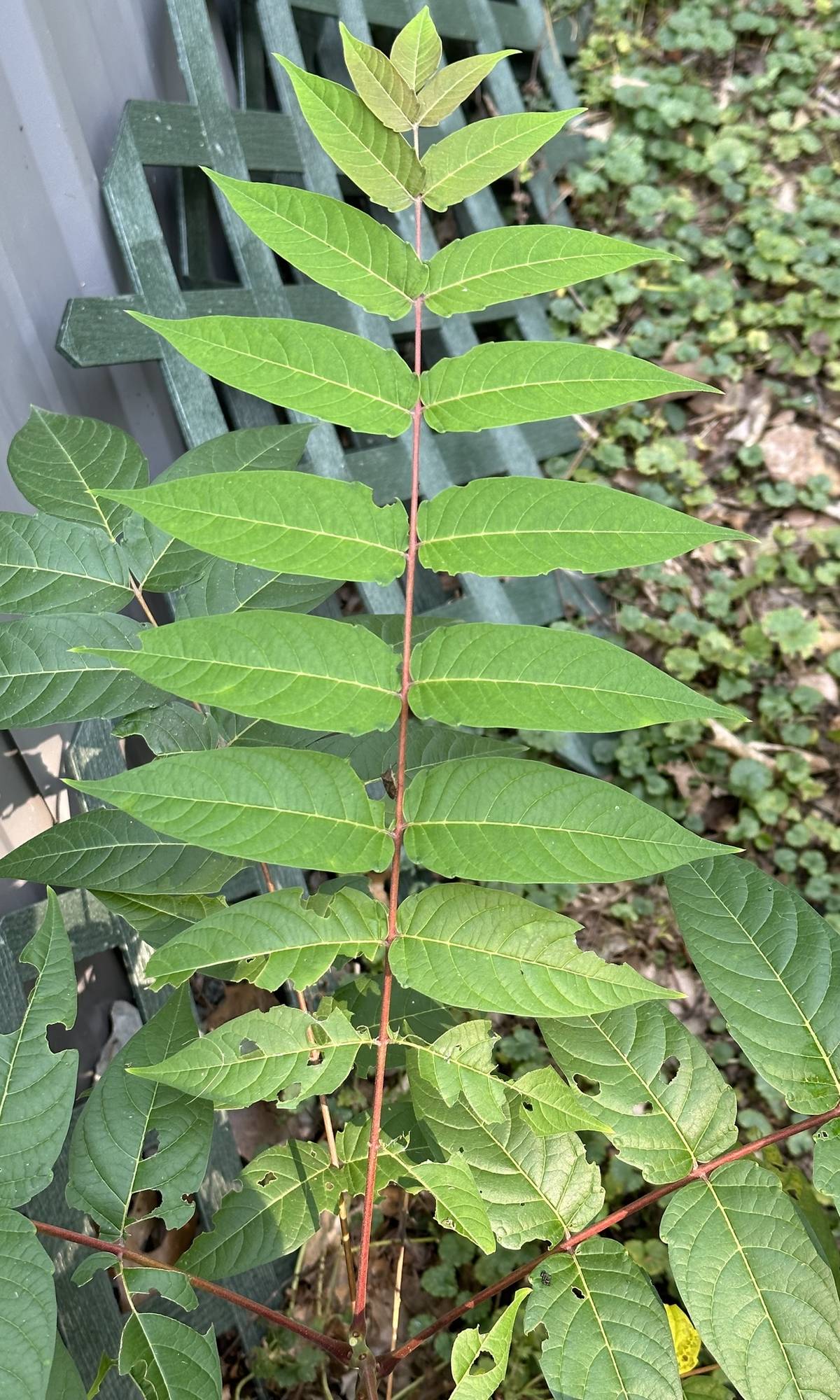
Tree of Heaven
Ailanthus altissima
Zones 5a · 40–60 ft (12.19–18.29 m) · Full sun and part shade (full sun preferred)
-
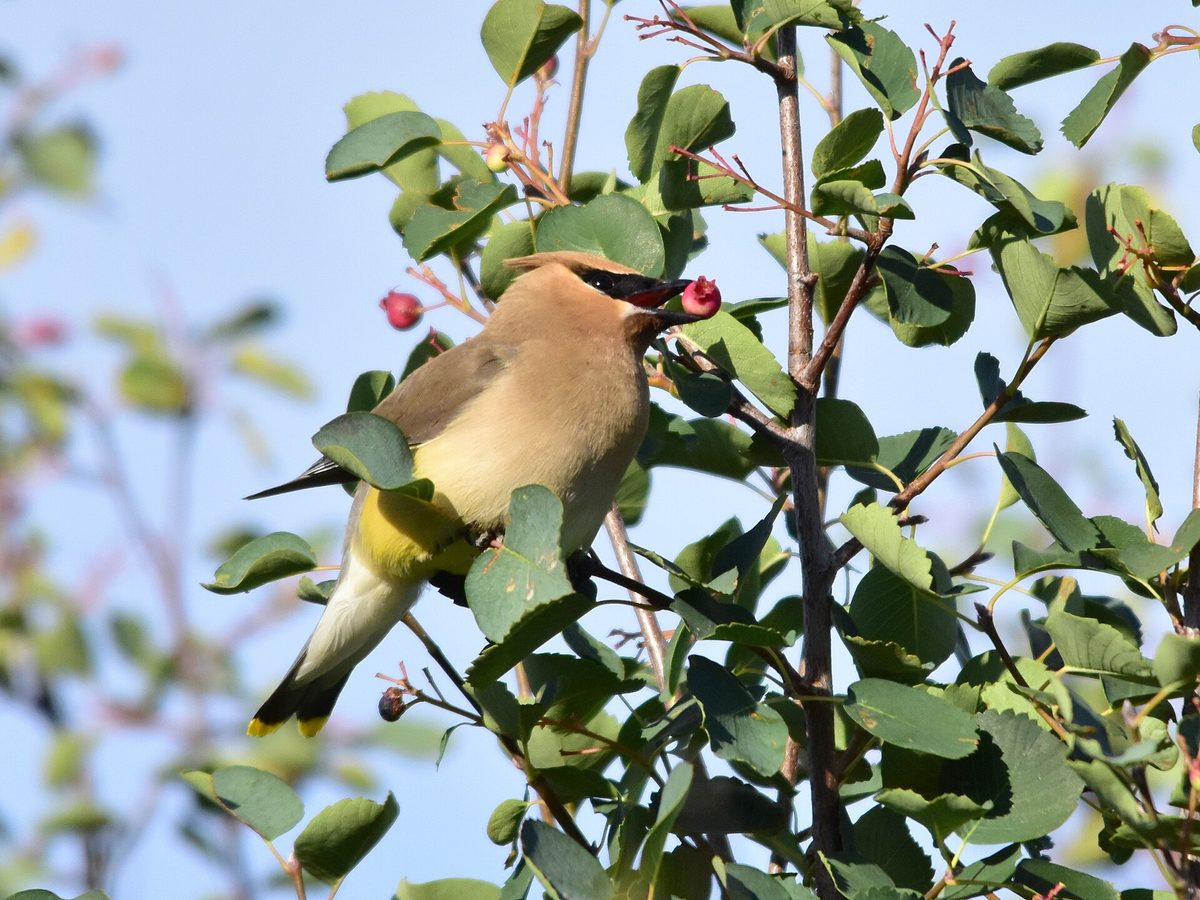
Saskatoon Serviceberry
Amelanchier alnifolia
Zones 4a–9b · Sources differ: USDA Forest Service Fire Effects Information System · Full sun, part shade and full shade (full sun preferred)
-
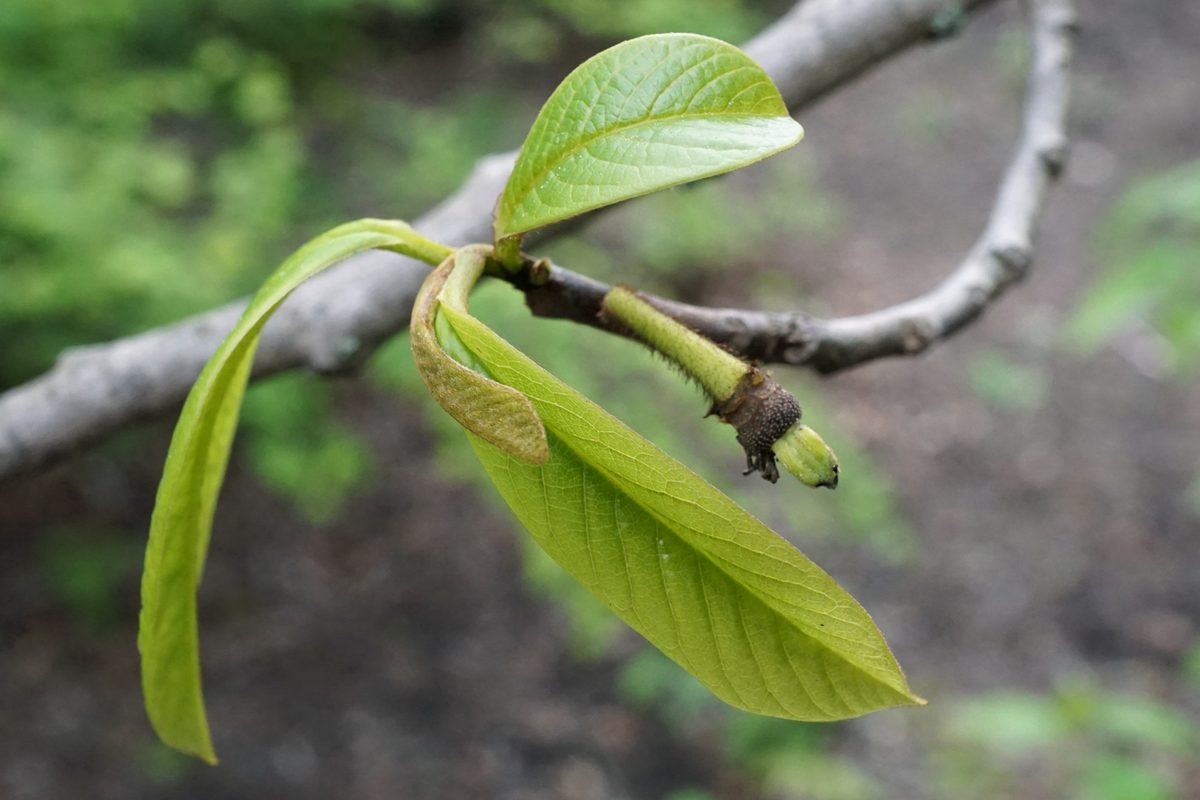
Pawpaw
Asimina triloba
Zones 5a–9b · Sources differ: Clemson Cooperative Extension HGIC; Clemson Cooperative Extension HGIC; Lady Bird Johnson Wildflower Center; Clemson Cooperative Extension HGIC; Lady Bird Johnson Wildflower Center; Clemson Cooperative Extension Home & Garden Information Center · Full sun, part shade and full shade (full sun preferred)
-
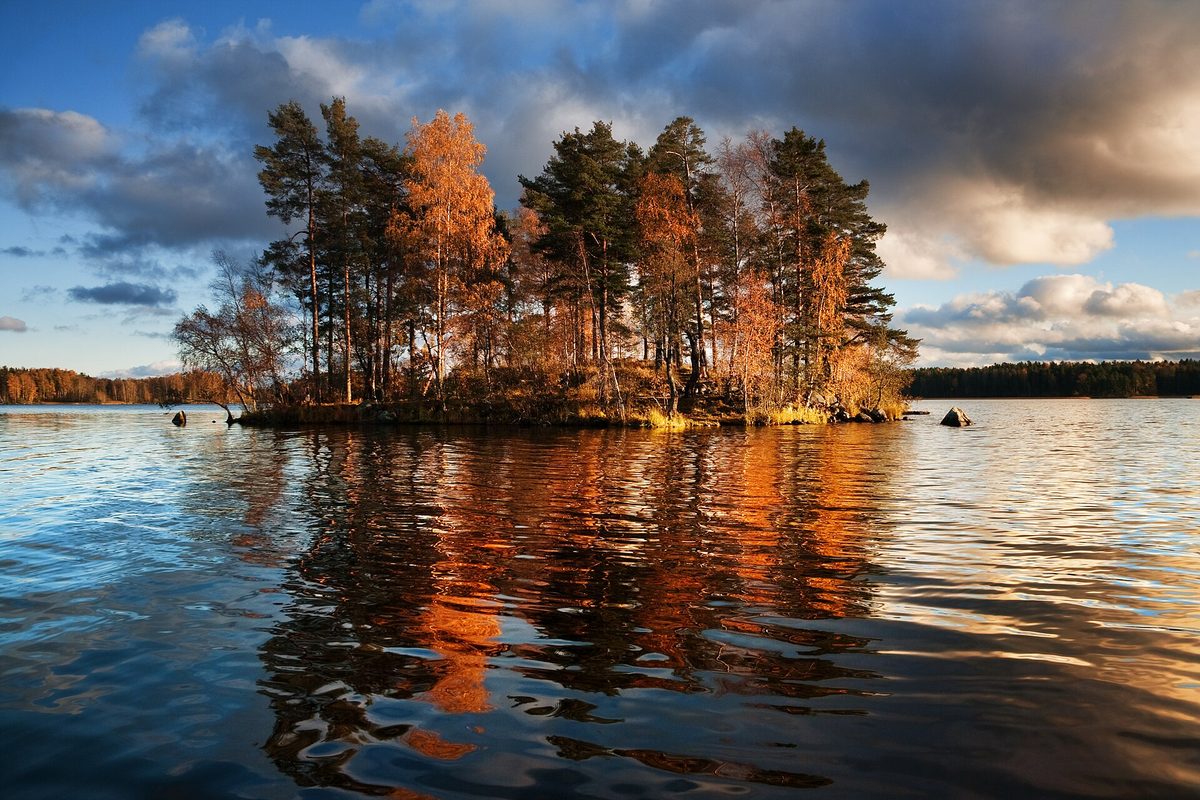
European White Birch
Betula pendula
Zones 2a–7b · 30–50 ft (9.14–15.24 m) · Full sun and part shade (full sun preferred)
-
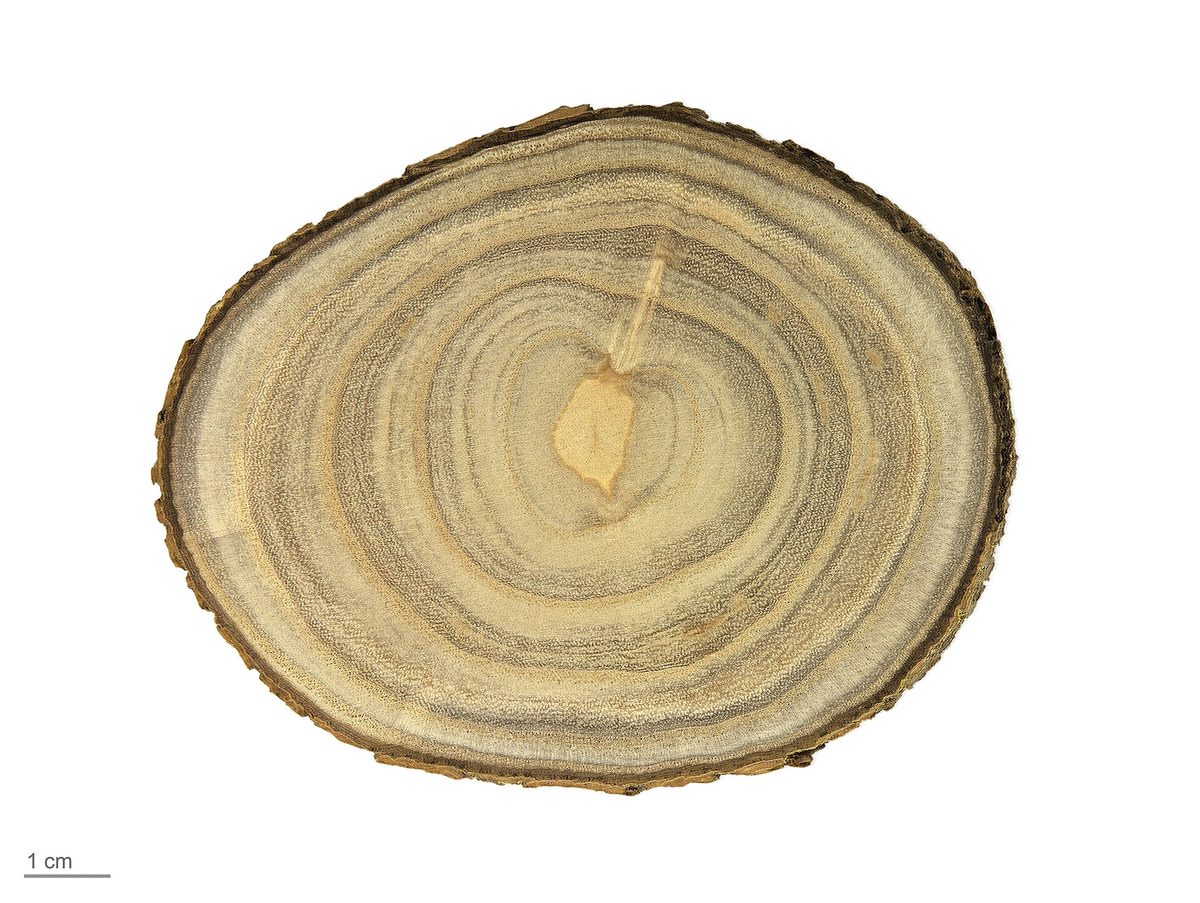
Southern Catalpa
Catalpa bignonioides
Zones 5a–9b · 25–50 ft (7.62–15.24 m) · Full sun and part shade (full sun preferred)
-
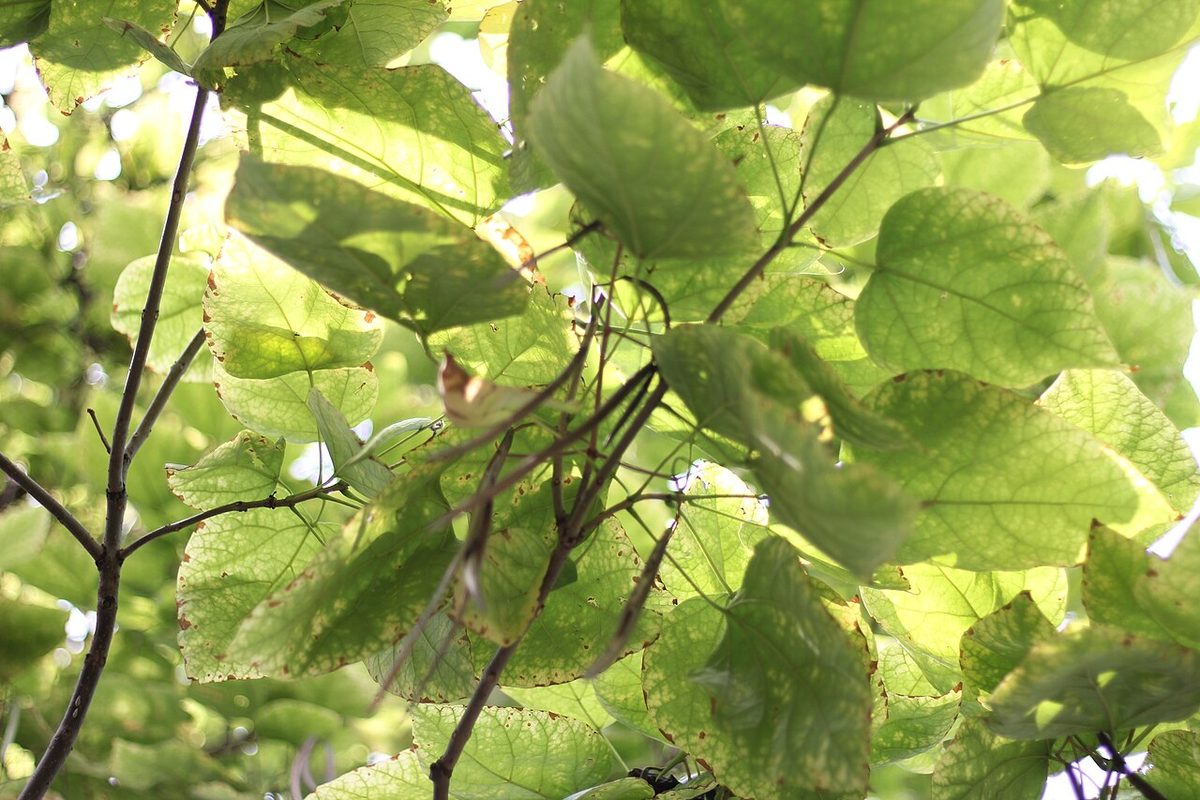
Northern Catalpa
Catalpa speciosa
Zones 4a–8b · 75–100 ft (22.86–30.48 m) · Full sun and part shade (full sun preferred)
-
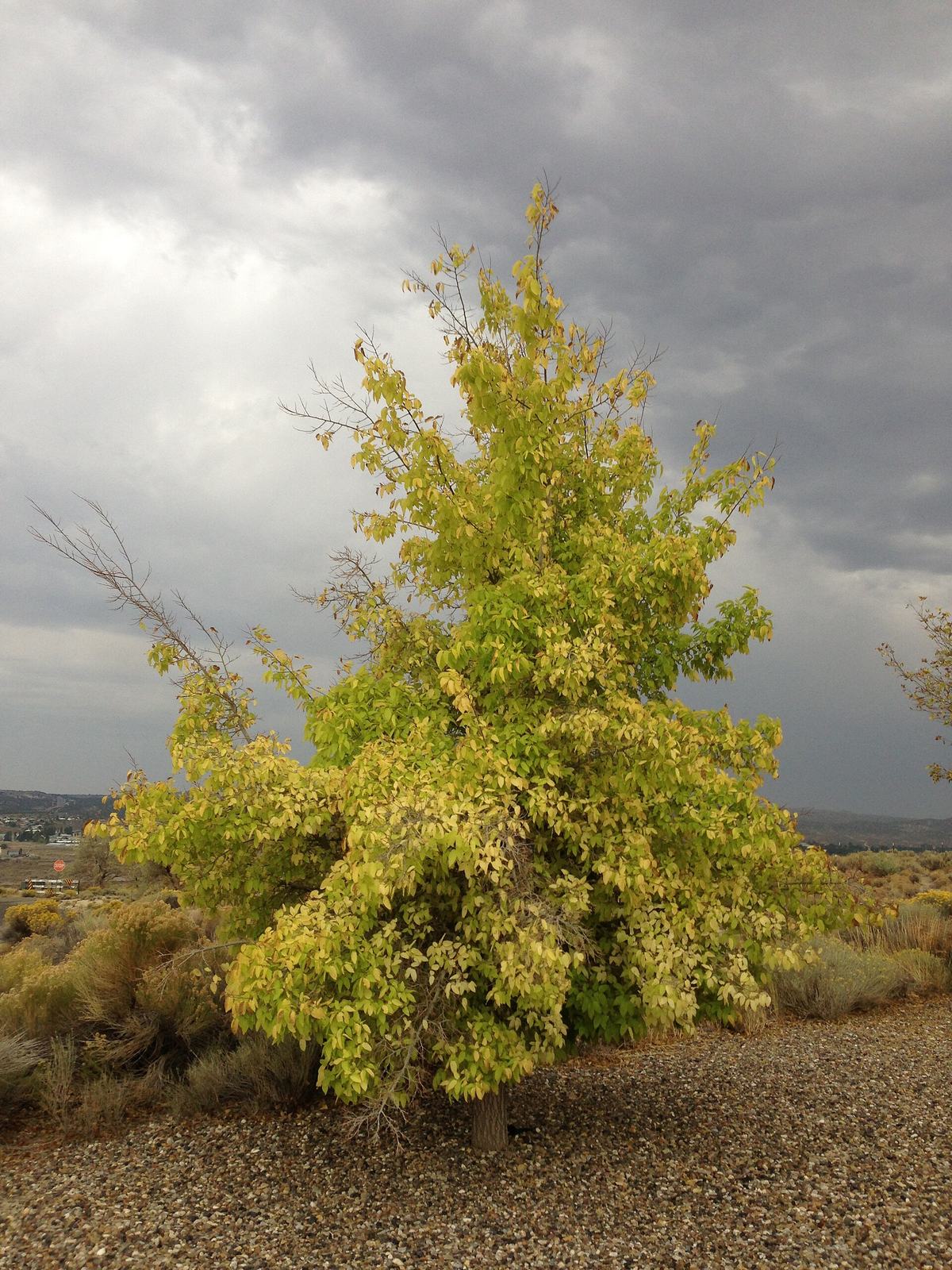
Common Hackberry
Celtis occidentalis
Zones 3a–9b · 40–80 ft (12.19–24.38 m) · Full sun, part shade and full shade (full sun preferred)
This zone 5 list brings together 74 trees and shrubs, and Celtis occidentalis is one of them. Its own page on the site is already live with more detail.
-
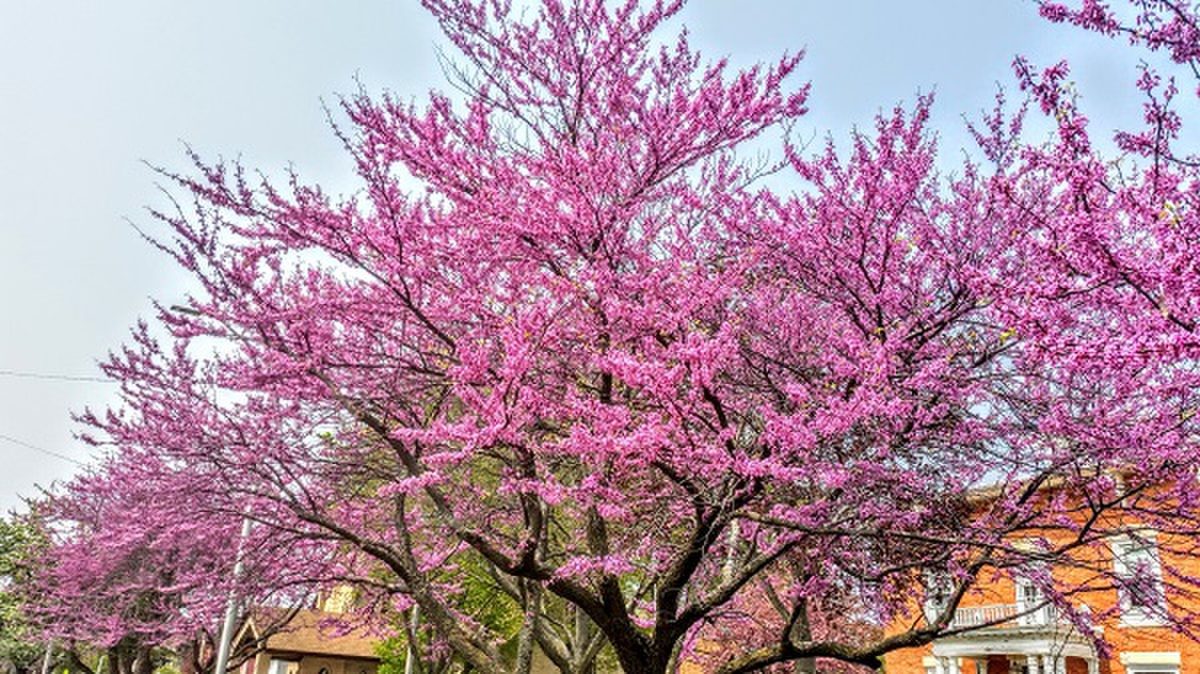
Eastern Redbud
Cercis canadensis
Zones 4a–9b · 20–35.1 ft (6.1–10.7 m) · Full sun, part shade and full shade (full sun preferred)
-
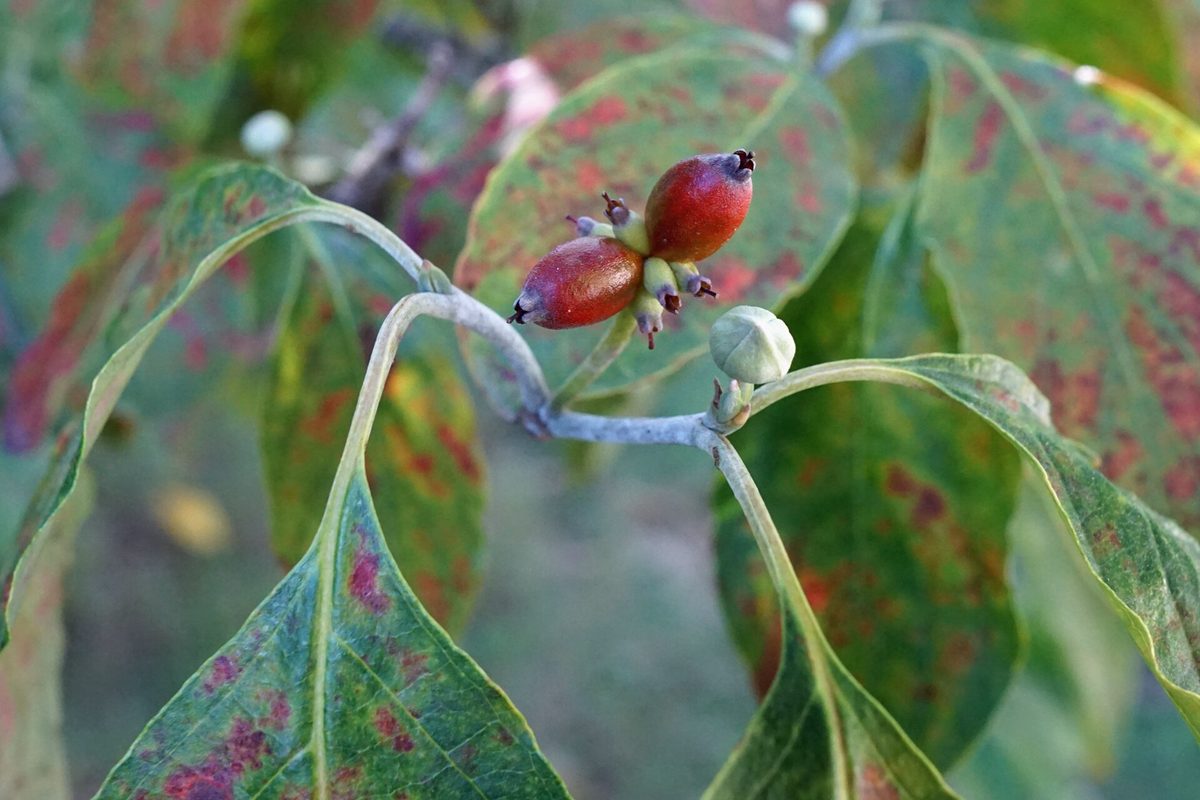
Flowering Dogwood
Cornus florida
Zones 5a–9a · Sources differ: University of Florida IFAS Extension (EDIS); University of Florida IFAS Extension (EDIS); Lady Bird Johnson Wildflower Center (Native Plant Database) · Full sun and part shade (full sun preferred)
-
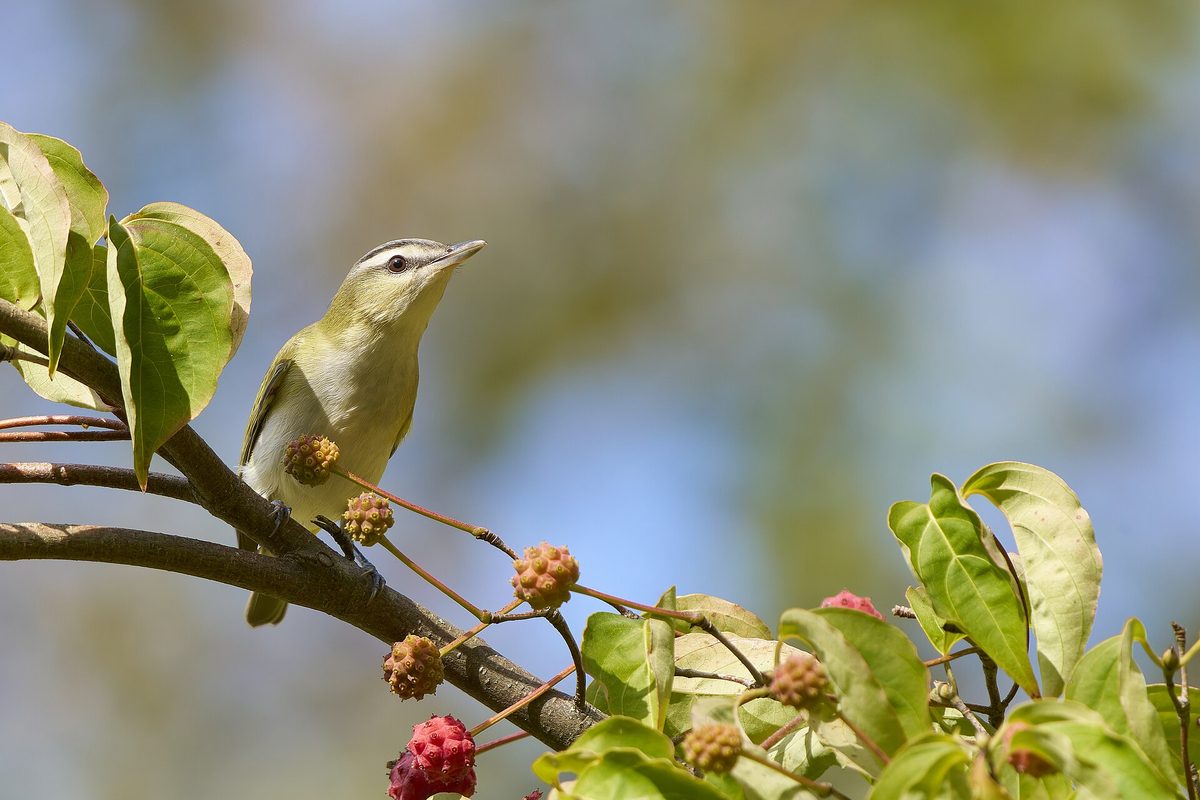
Kousa Dogwood
Cornus kousa
Zones 5a–8b · 20–30 ft (6.1–9.14 m) · Full sun and part shade (full sun preferred)
-
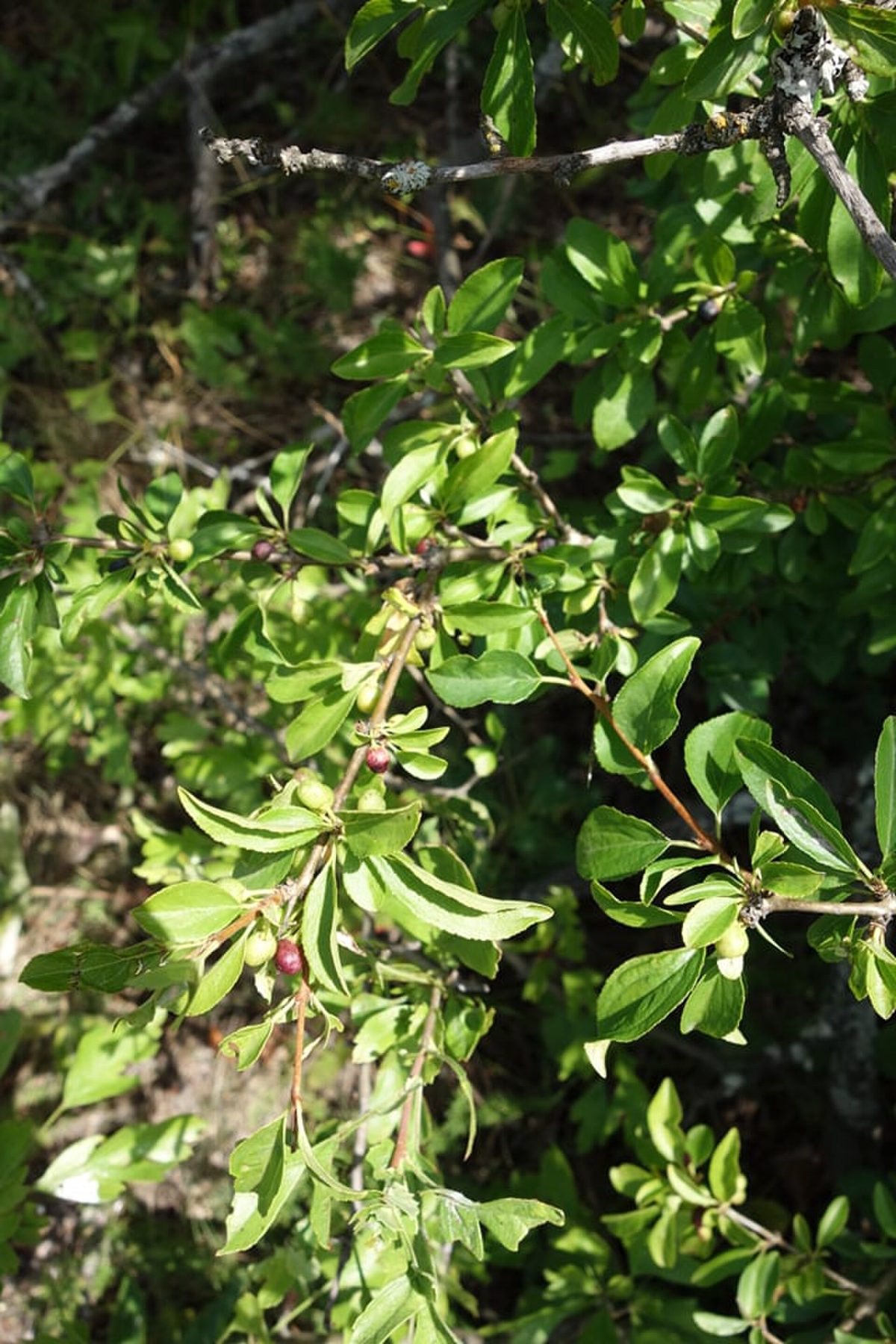
Cornelian Cherry
Cornus mas
Zones 4a–8b · 15–25 ft (4.57–7.62 m) · Full sun and part shade (full sun preferred)
Cornus mas appears on this list as one of the 74 trees matched to zone 5 winters. A full page for it is already published on the site, with more growing detail.
-
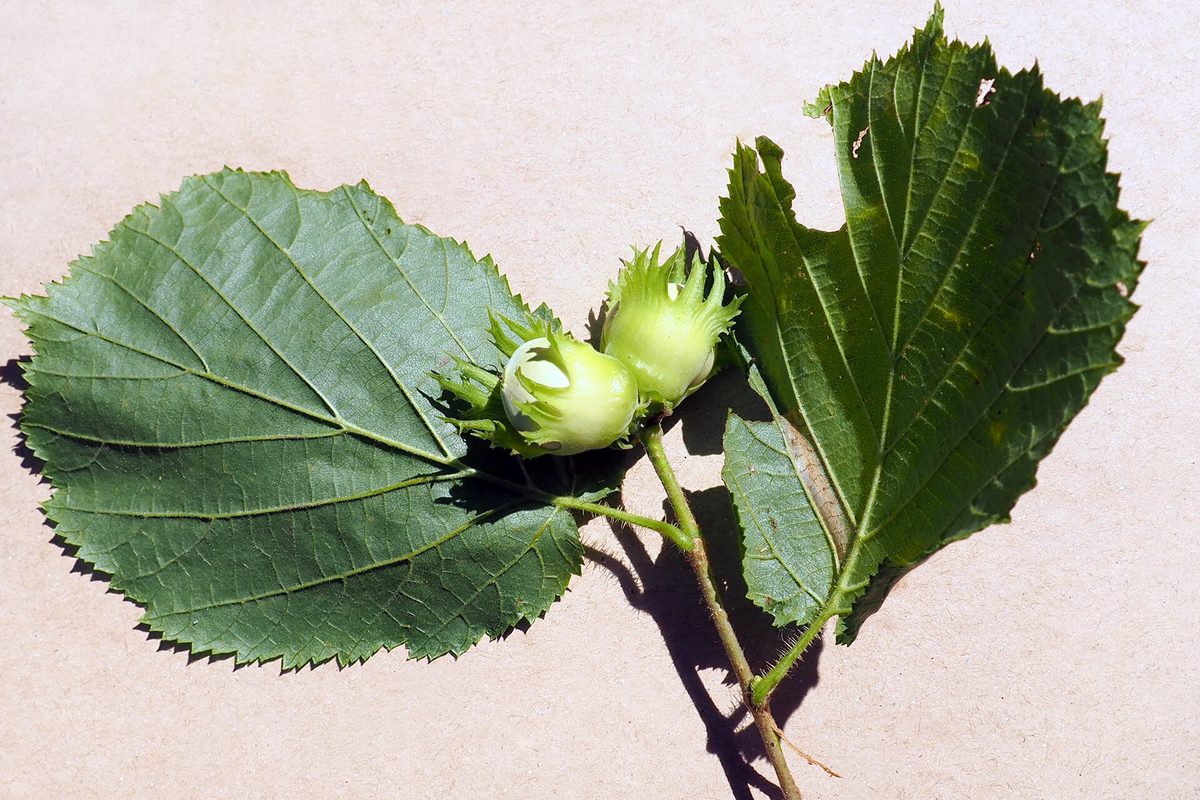
Common Filbert
Corylus avellana
Zones 4a–8b · 10–15 ft (3.05–4.57 m) · Full sun and part shade (full sun preferred)
-
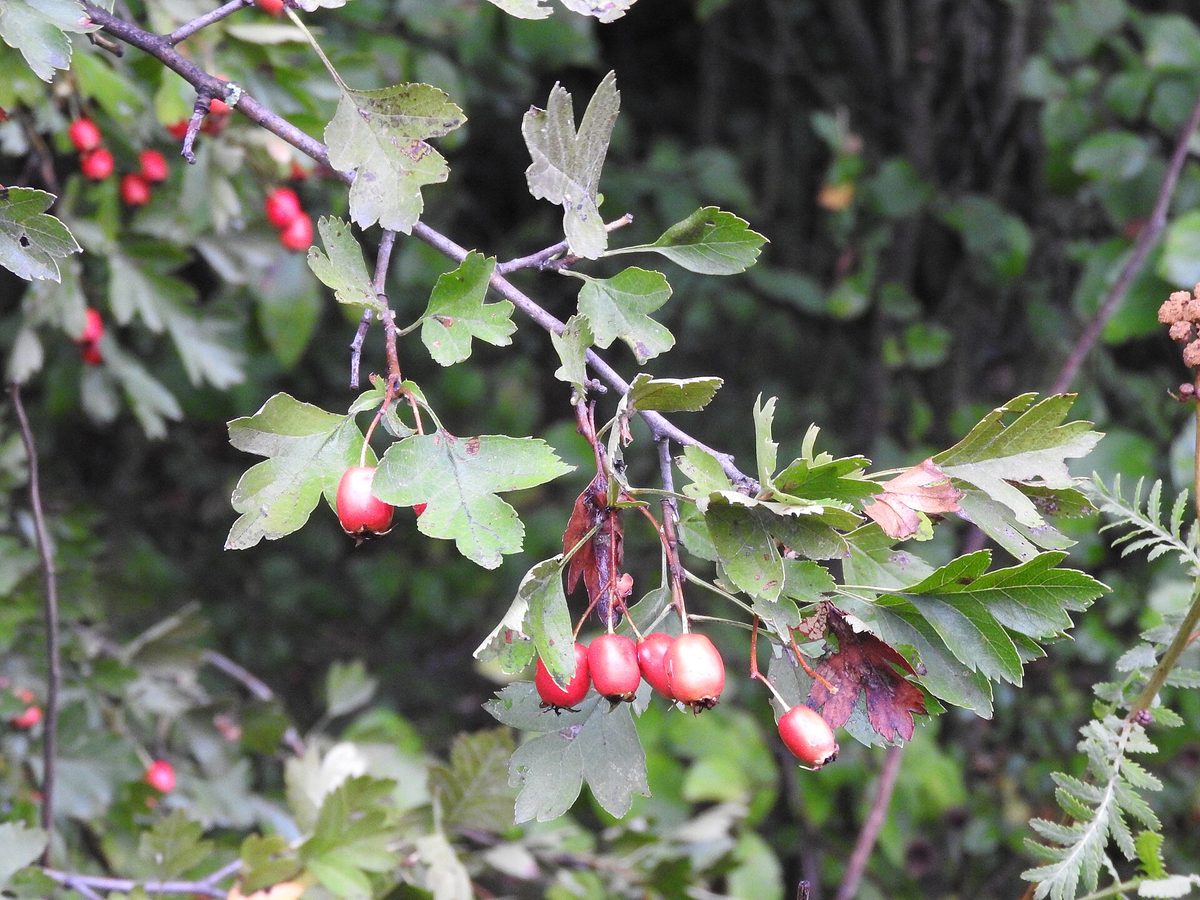
Oneseed Hawthorn
Crataegus monogyna
Zones 4a–7b
-
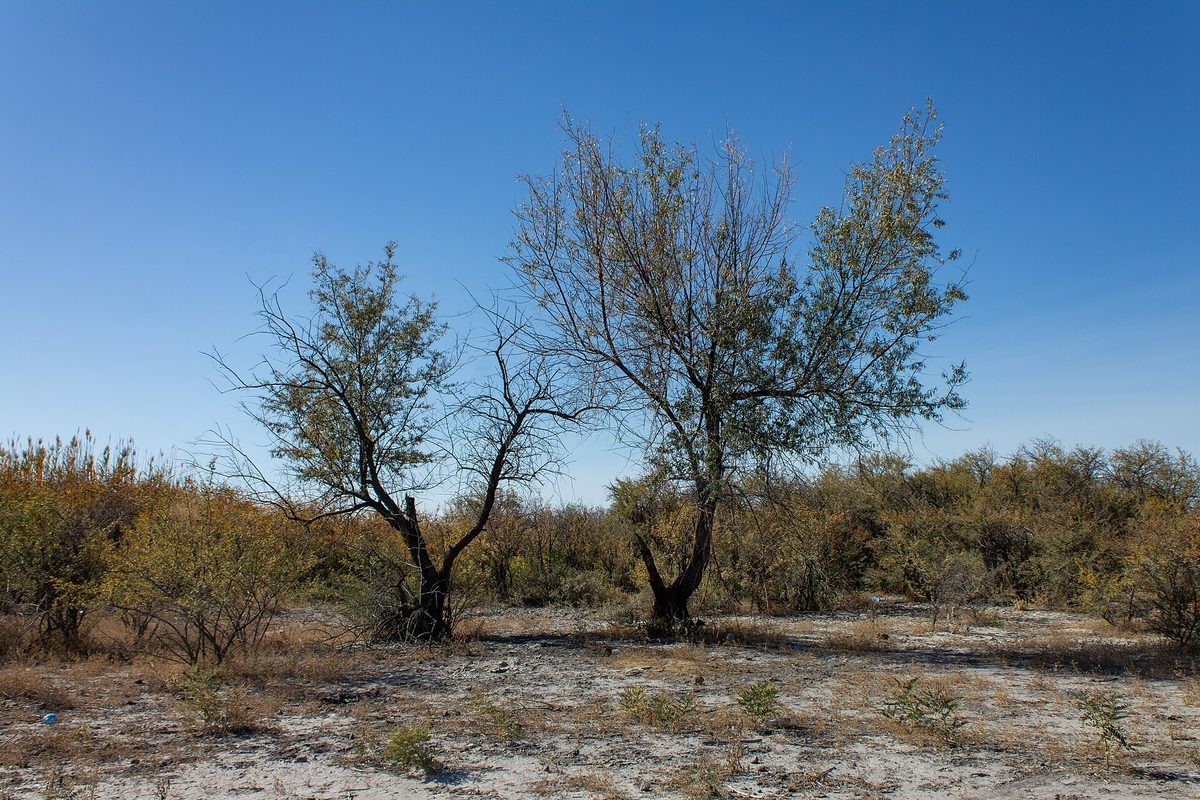
-
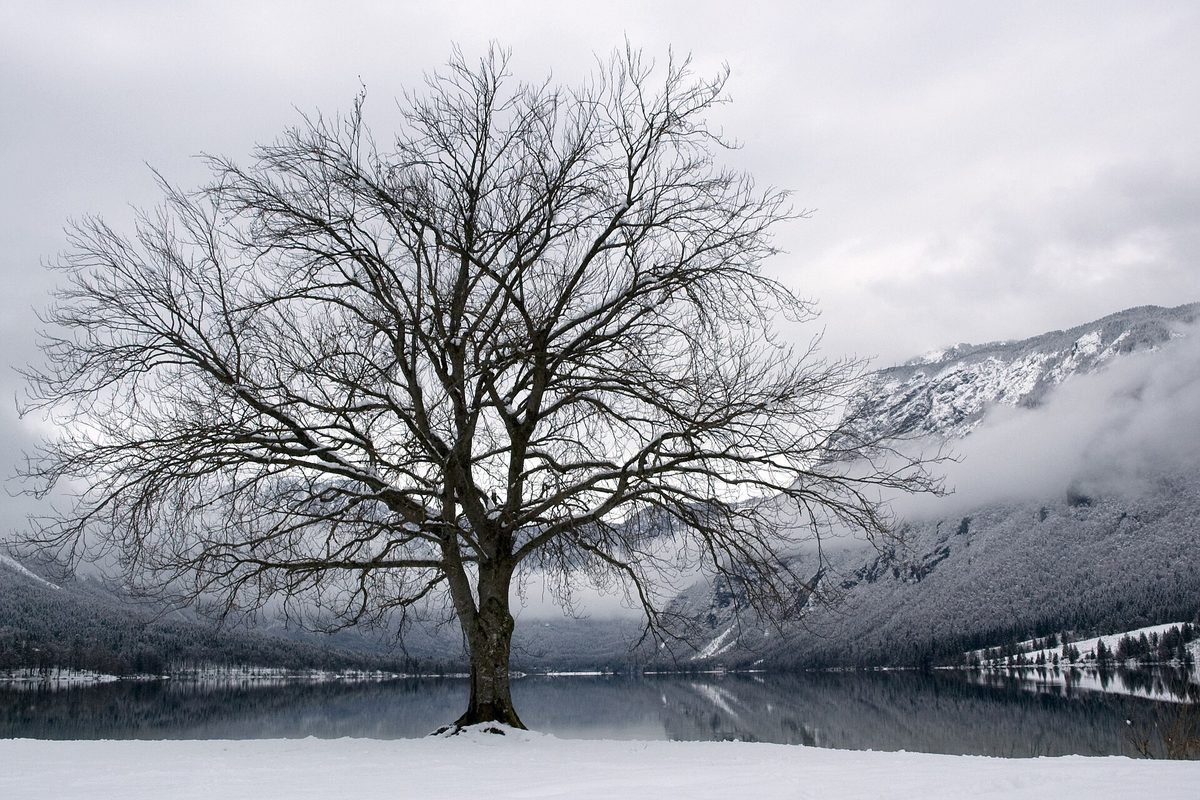
European Beech
Fagus sylvatica
Zones 4a–7b · 50–60 ft (15.24–18.29 m) · Full sun, part shade and full shade (full sun preferred)
-
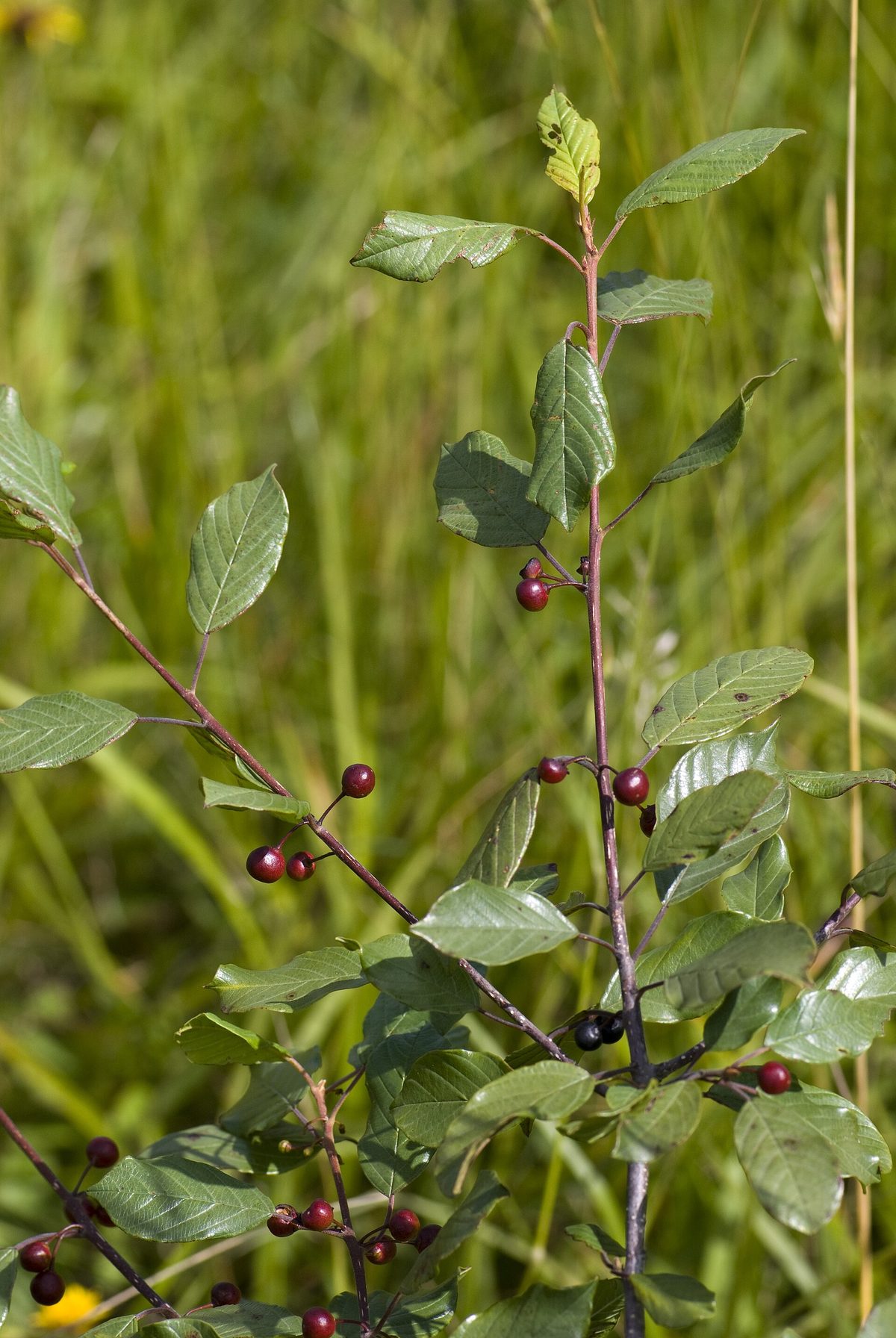
Glossy Buckthorn
Frangula alnus
Zones 2a–7b · 25 ft (7.62 m) · Full sun and part shade (full sun preferred)
-
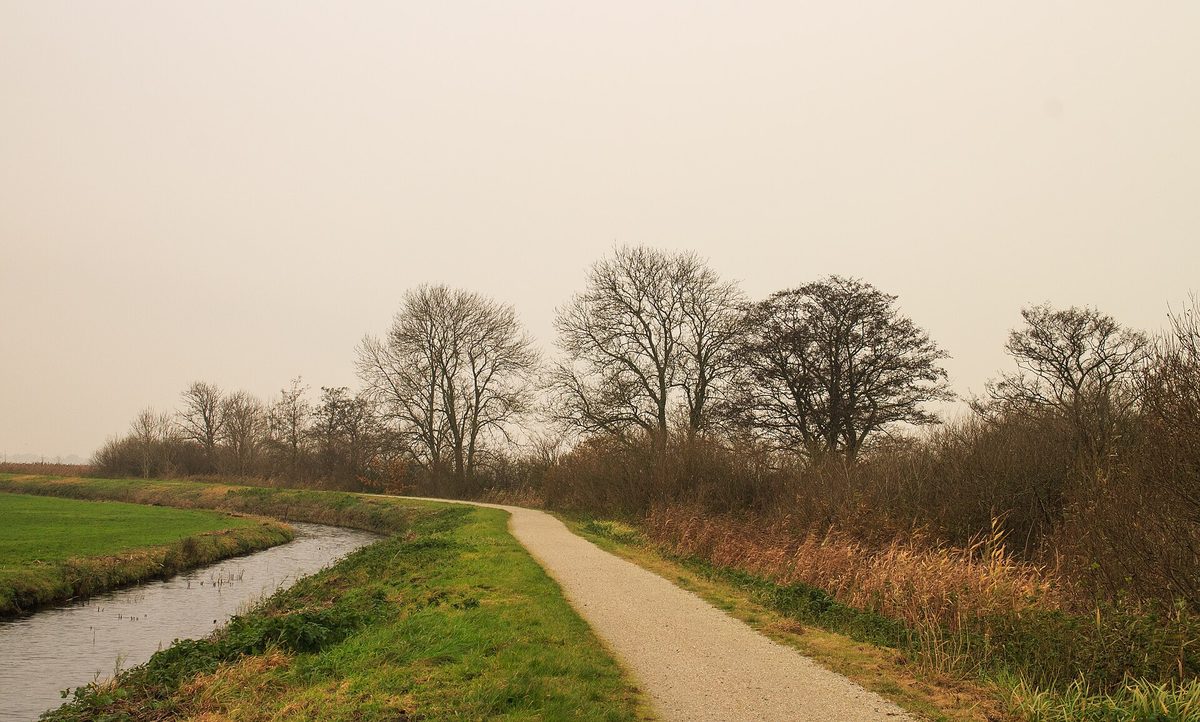
European Ash
Fraxinus excelsior
Zones 5a–8b · 70–98.4 ft (21.34–30 m) · Full sun
-
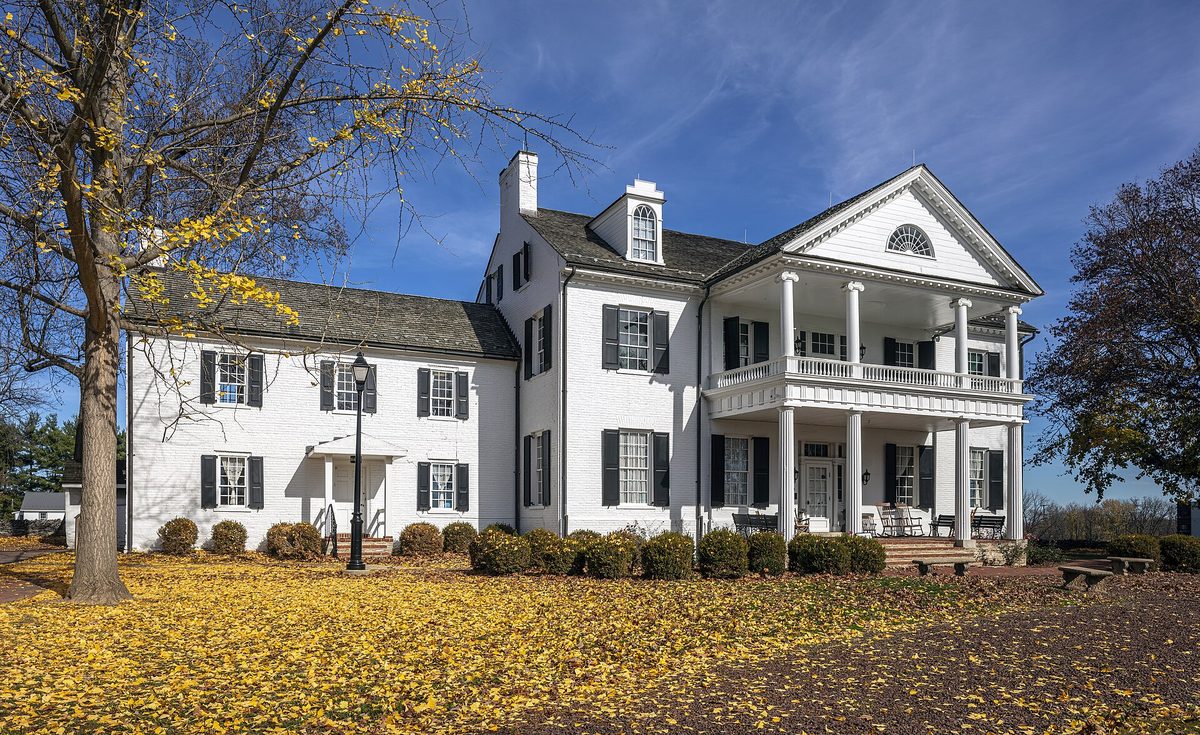
Maidenhair Tree
Ginkgo biloba
Zones 3a–9b · Sources differ: University of Florida IFAS Extension (Ask IFAS) · Full sun and part shade (full sun preferred)
-
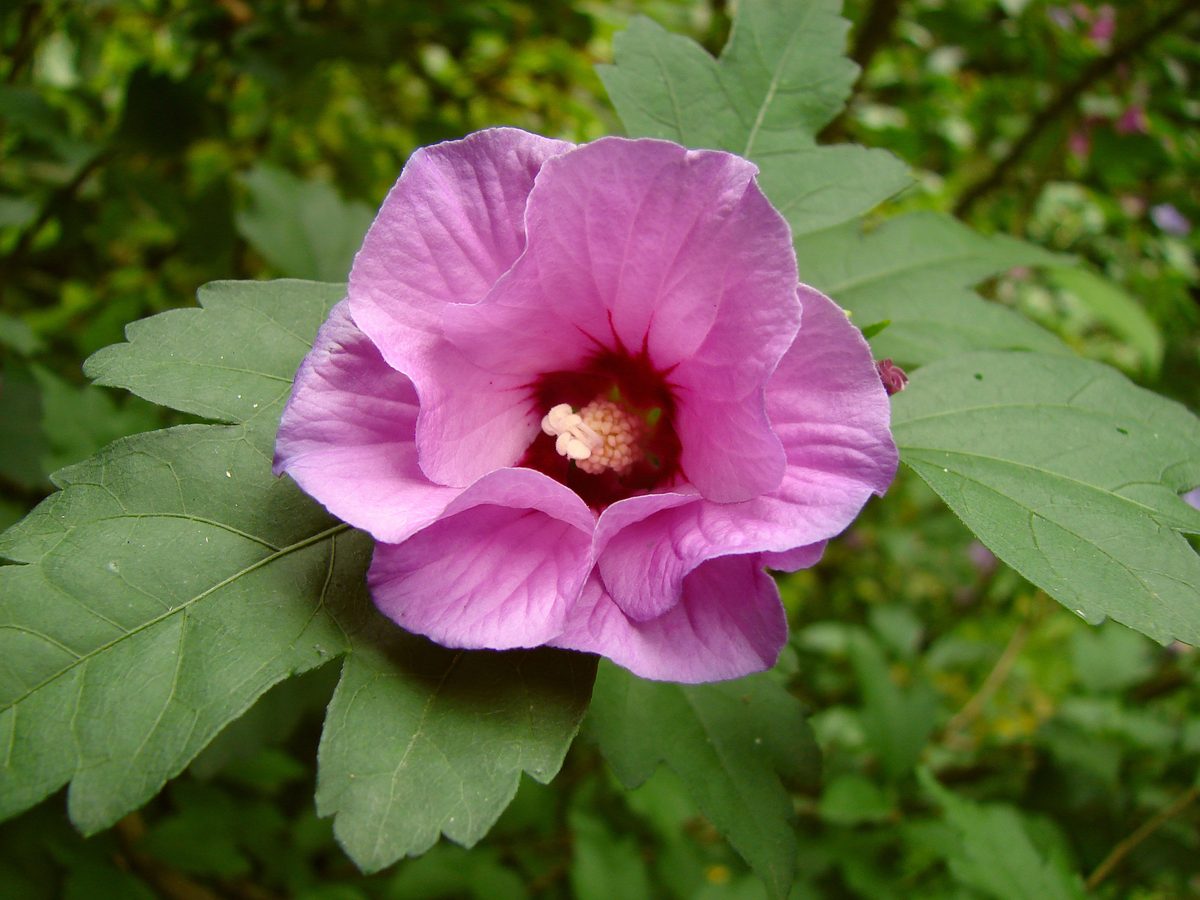
Rose of Sharon
Hibiscus syriacus
Zones 5a–9b · 8–12 ft (2.44–3.66 m) · Full sun and part shade (full sun preferred)
Among the 74 entries on this zone 5 list is Hibiscus syriacus, grouped here with the rest. You can read more about it on its own published page.
-
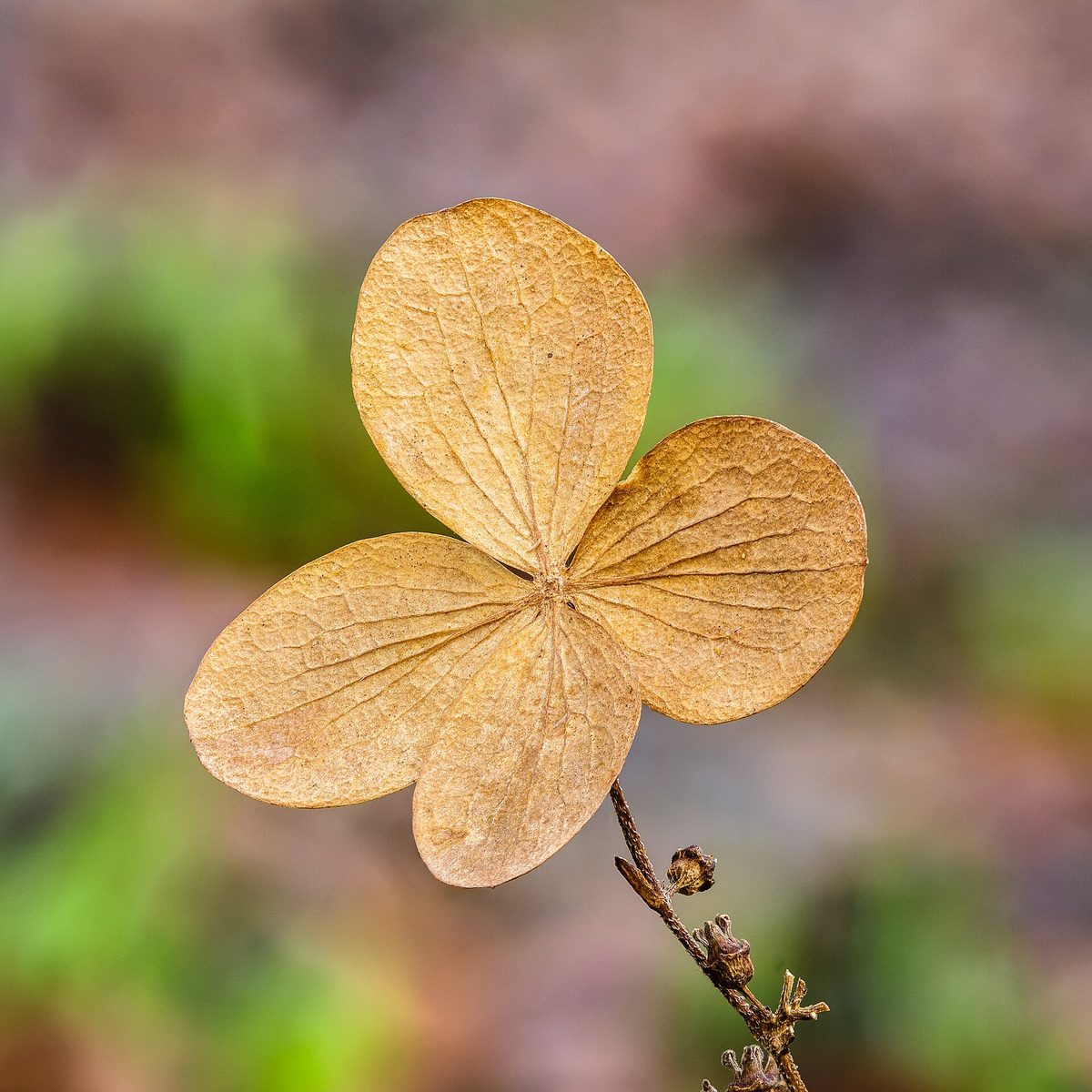
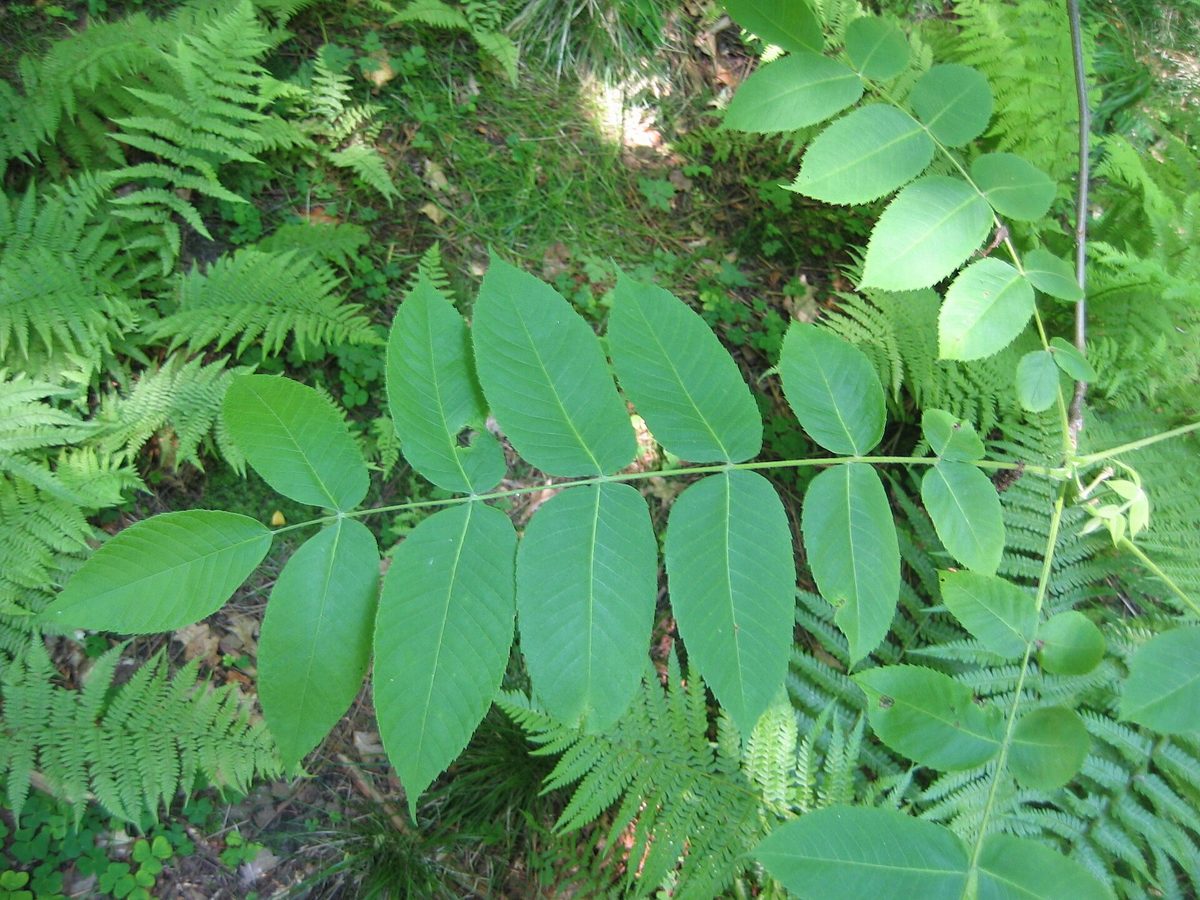
Panicled Hydrangea
Hydrangea paniculata
Zones 3a–8b · Sources differ: University of Wisconsin-Madison Division of Extension (Wisconsin Horticulture) · Full sun and part shade (full sun preferred)
-
-
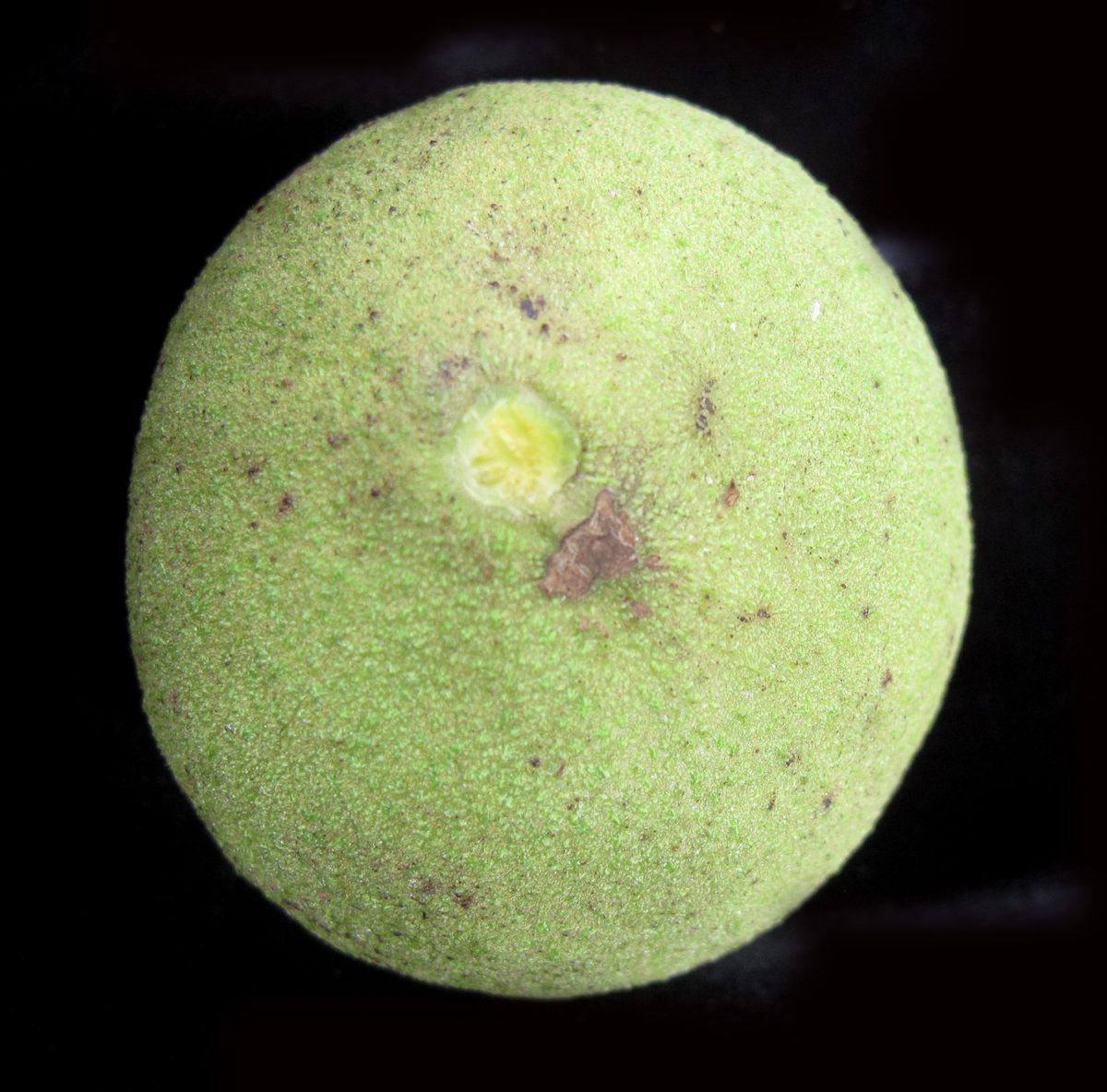
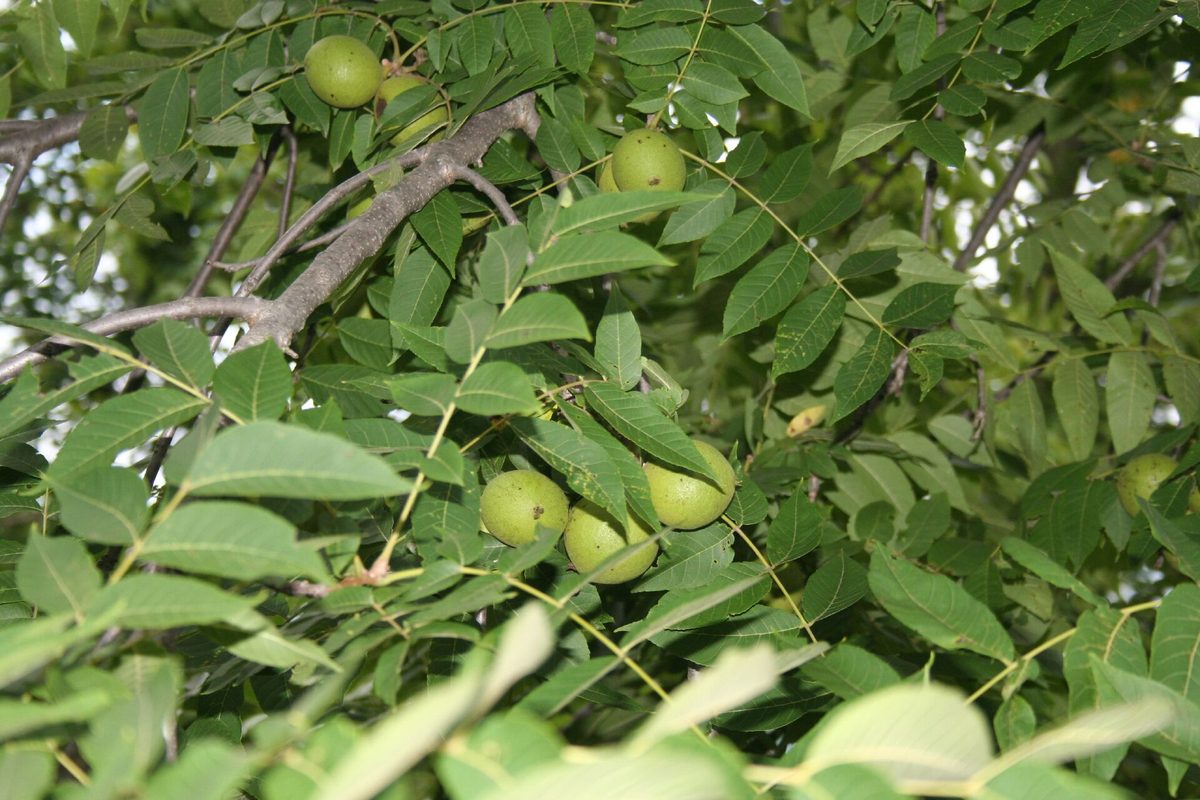
Black Walnut
Juglans nigra
Zones 4a–9b · 50–90 ft (15.24–27.43 m) · Full sun and part shade (full sun preferred)
Juglans nigra is grouped with the other trees on this zone 5 list of 74 entries. A dedicated page for it is already published on the site.
-
-
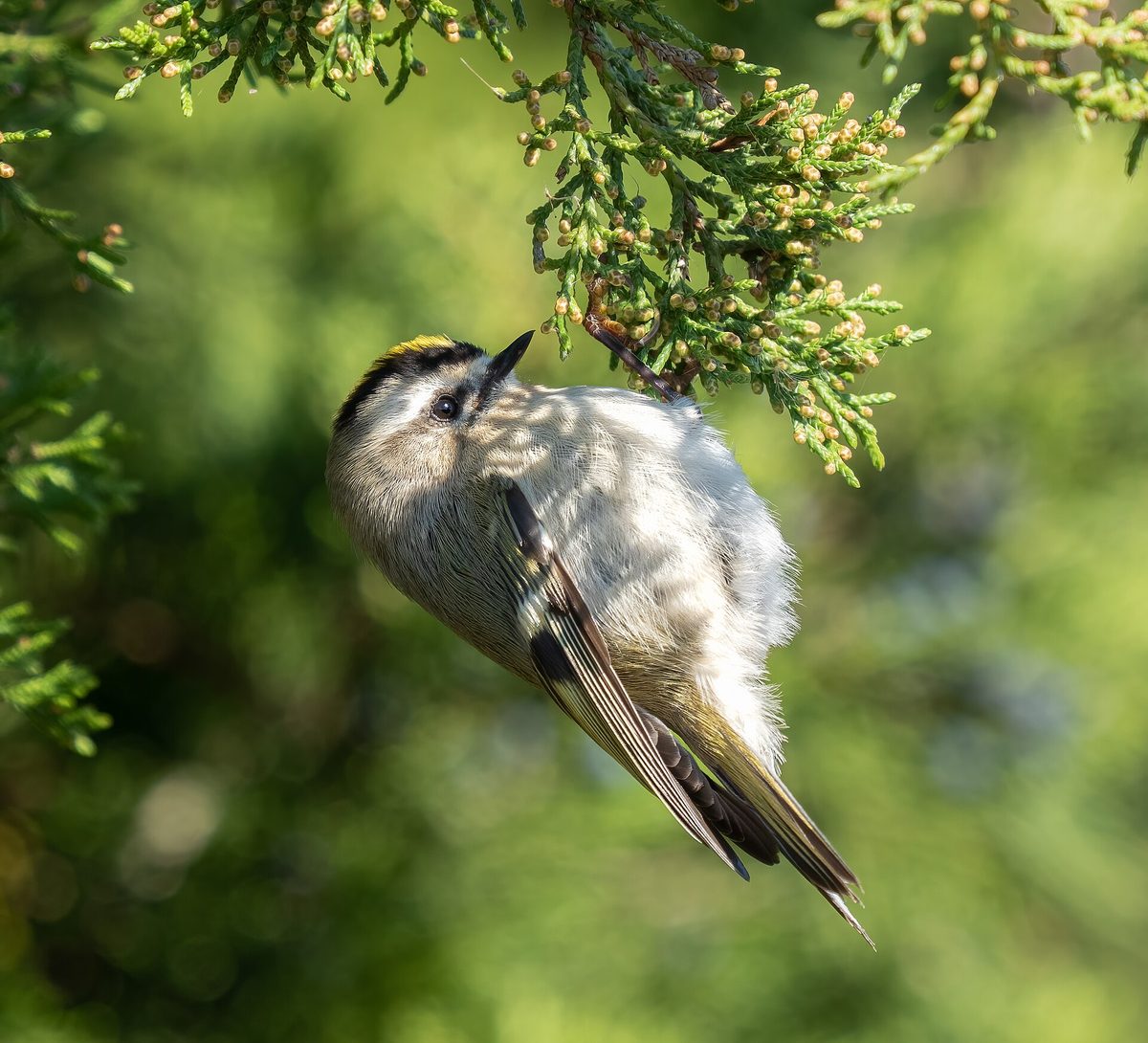
Eastern Redcedar
Juniperus virginiana
Zones 2a–9b · 30–40 ft (9.14–12.19 m) · Full sun, part shade and full shade (full sun preferred)
-
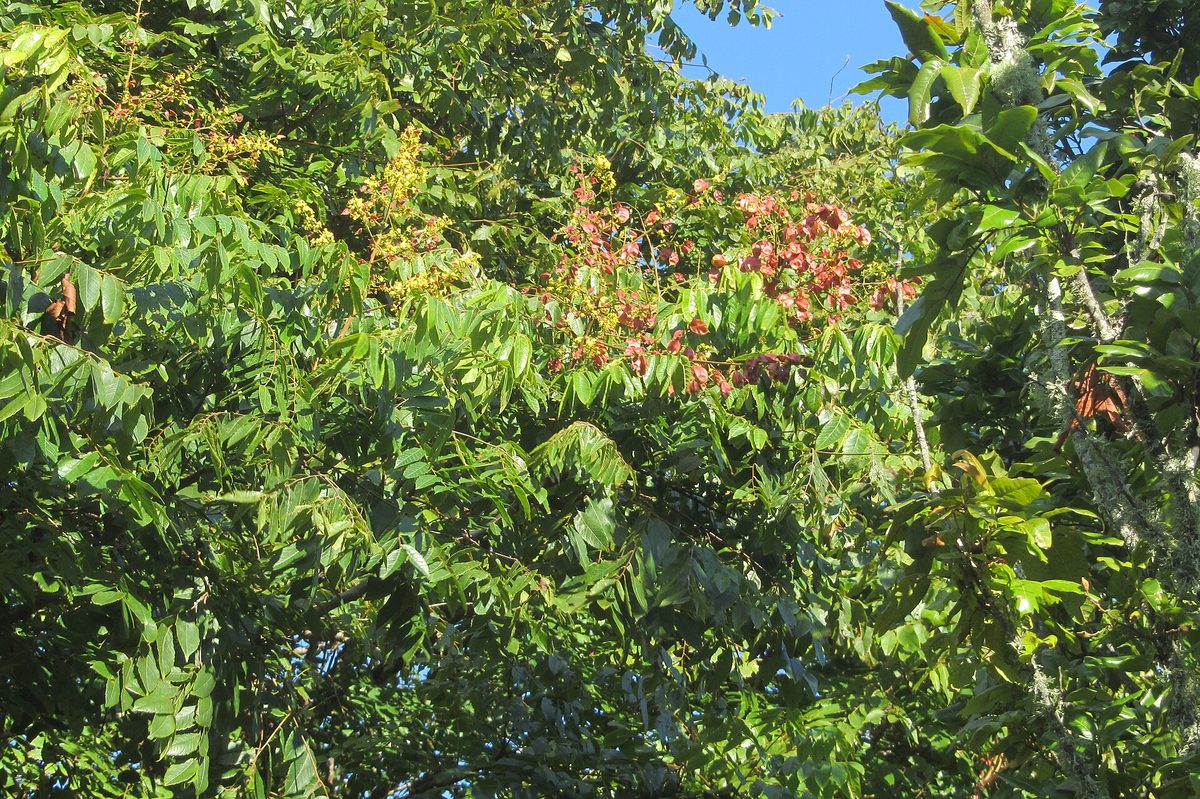
-
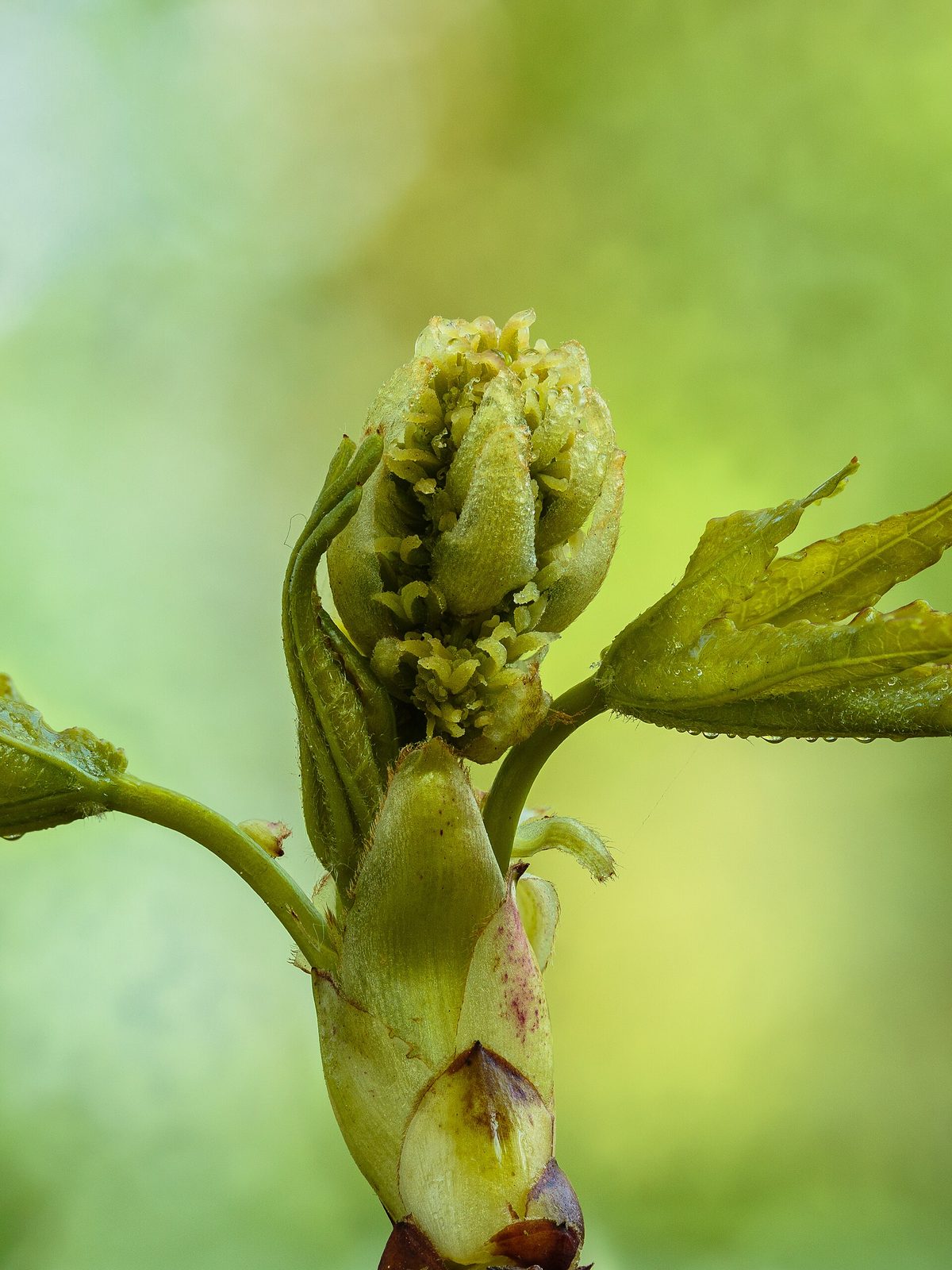
Sweetgum
Liquidambar styraciflua
Zones 5a–9b · 60–100 ft (18.29–30.48 m) · Full sun and part shade (full sun preferred)
-
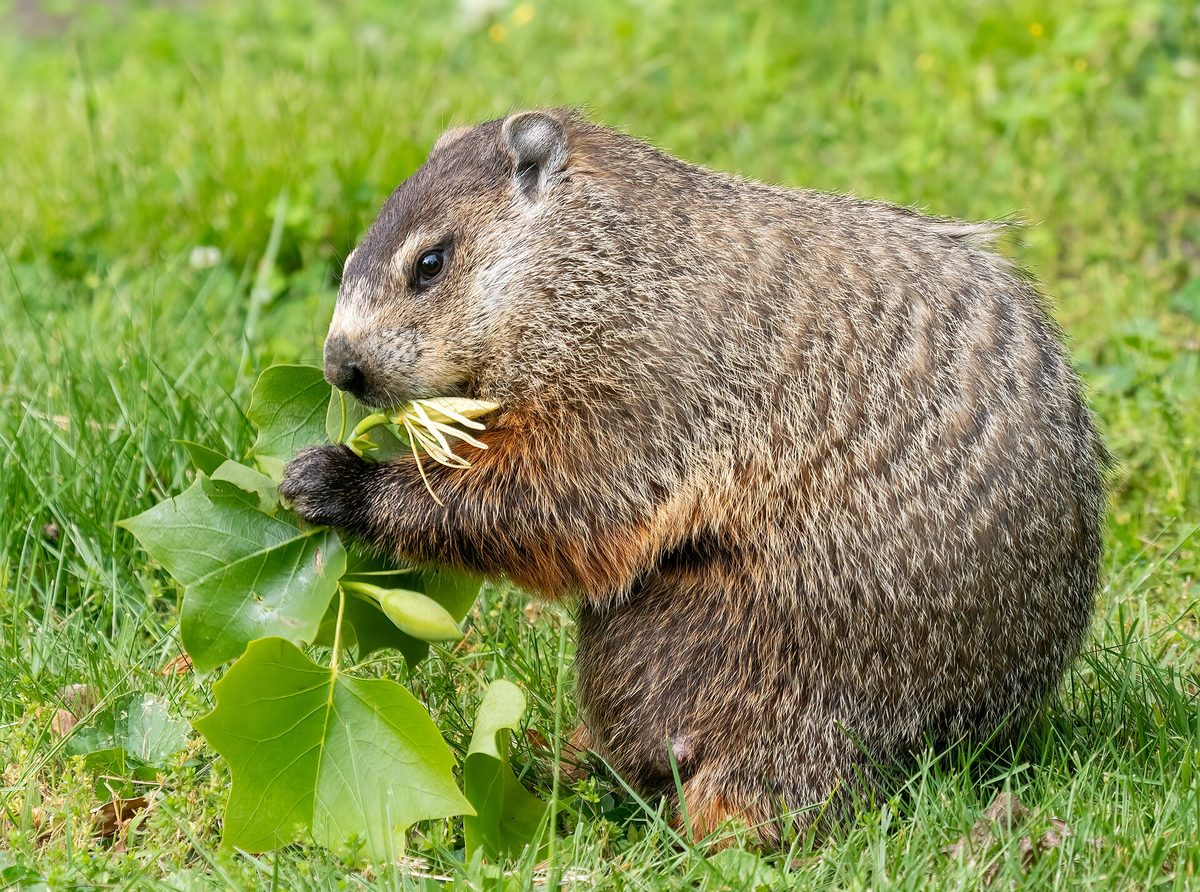
Tuliptree
Liriodendron tulipifera
Zones 4a–9b · 80–120 ft (24.38–36.58 m) · Full sun, part shade and full shade (full sun preferred)
-
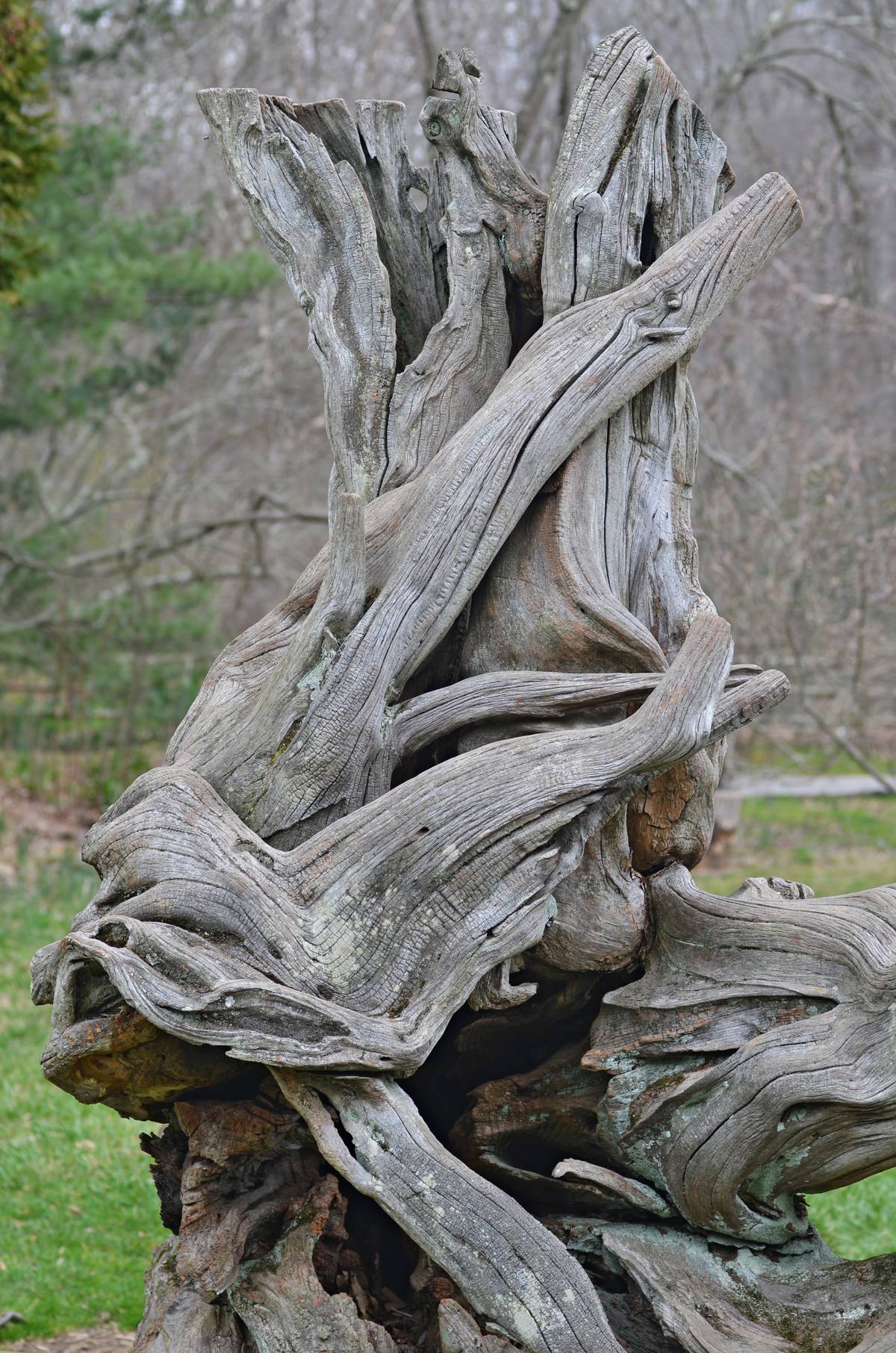
Osage-orange
Maclura pomifera
Zones 4a–9b · 29.5 ft (9 m) · Full sun and part shade (full sun preferred)
-
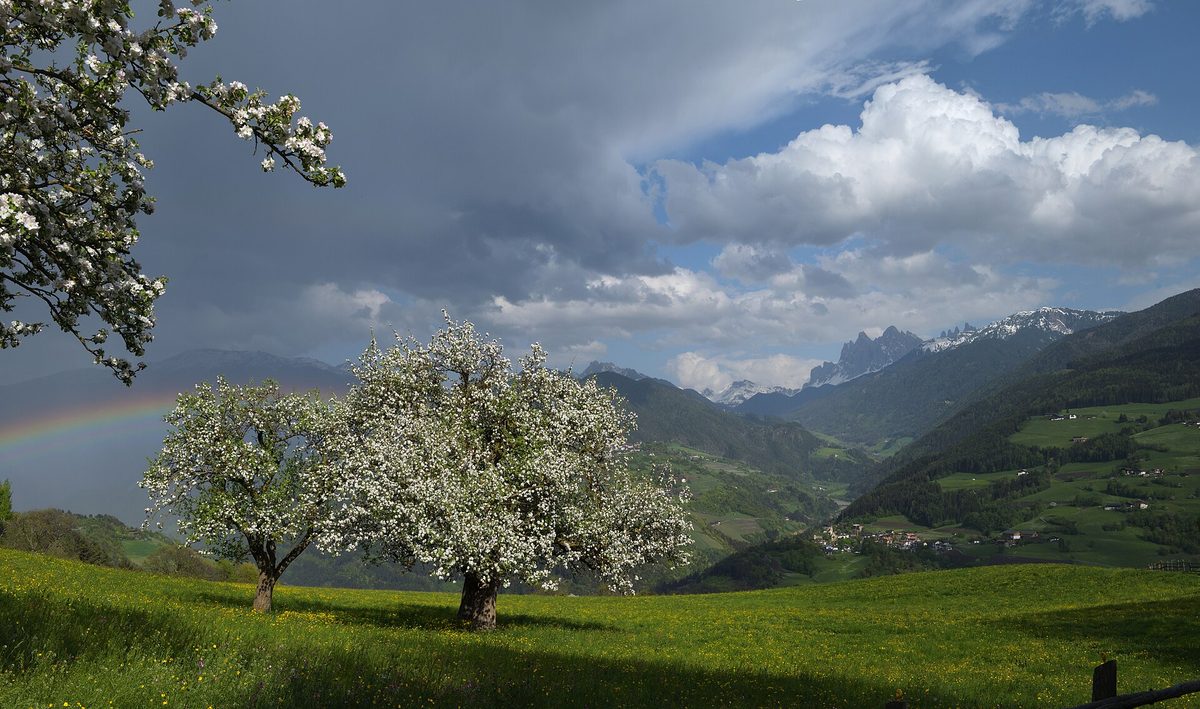
European Crab Apple
Malus domestica
Zones 4a–9b · 15–30 ft (4.57–9.14 m) · Full sun and part shade (full sun preferred)
-
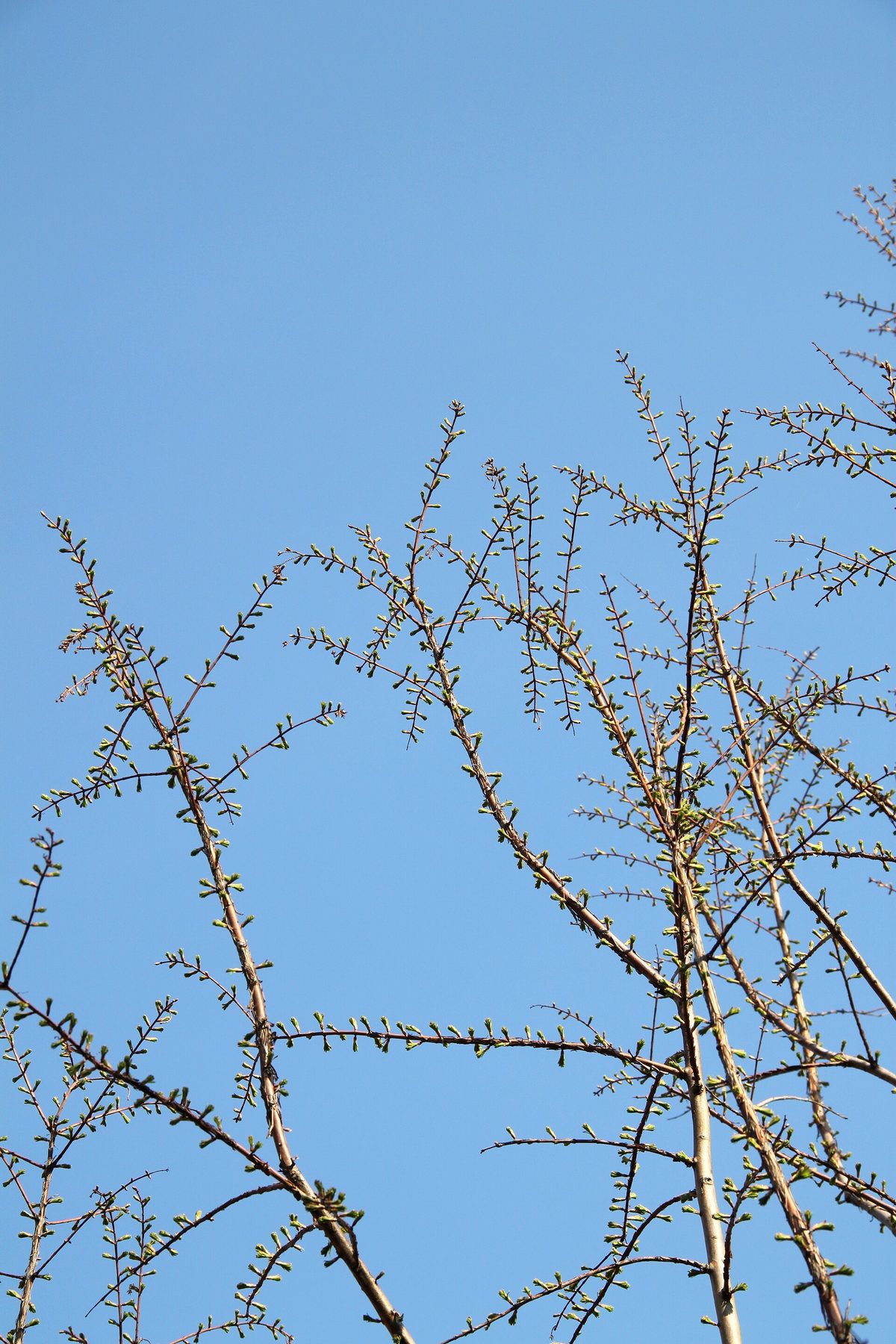
Dawn Redwood
Metasequoia glyptostroboides
Zones 4a–8b · 62–100.1 ft (18.9–30.5 m) · Full sun and part shade (full sun preferred)
-
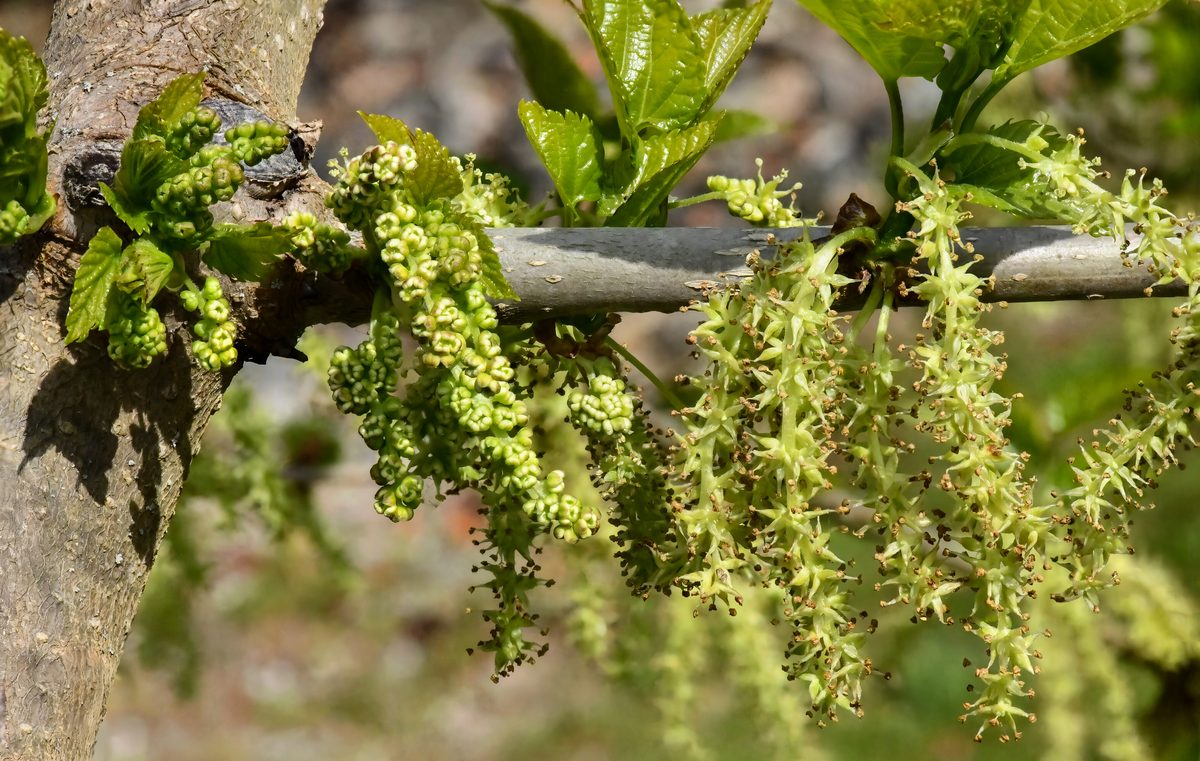
White Mulberry
Morus alba
Zones 4a–8b · 30–50 ft (9.14–15.24 m) · Full sun and part shade (full sun preferred)
On this zone 5 list of 74 trees and shrubs, Morus alba is one of the entries. Its own page on the site carries the fuller picture.
-
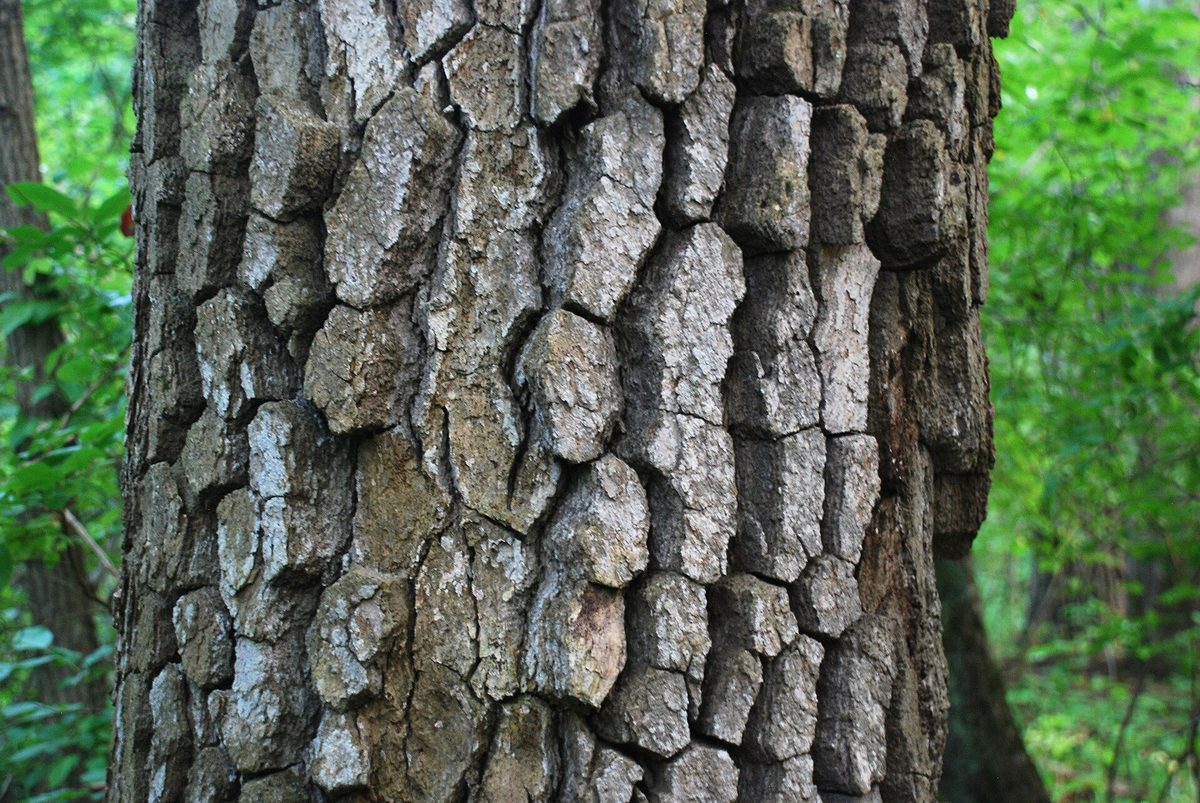
Blackgum
Nyssa sylvatica
Zones 4a–9b · 30–50 ft (9.14–15.24 m) · Full sun and part shade (full sun preferred)
-
Princesstree
Paulownia tomentosa
Zones 5a–9b · 40–50 ft (12.19–15.24 m) · Full sun and part shade (full sun preferred)
-
Norway Spruce
Picea abies
Zones 2a–7b · 60–100 ft (18.29–30.48 m) · Full sun and part shade (full sun preferred)
-
-
Ponderosa Pine
Pinus ponderosa
Zones 3a–7b · 60–125 ft (18.29–38.1 m) · Full sun
-
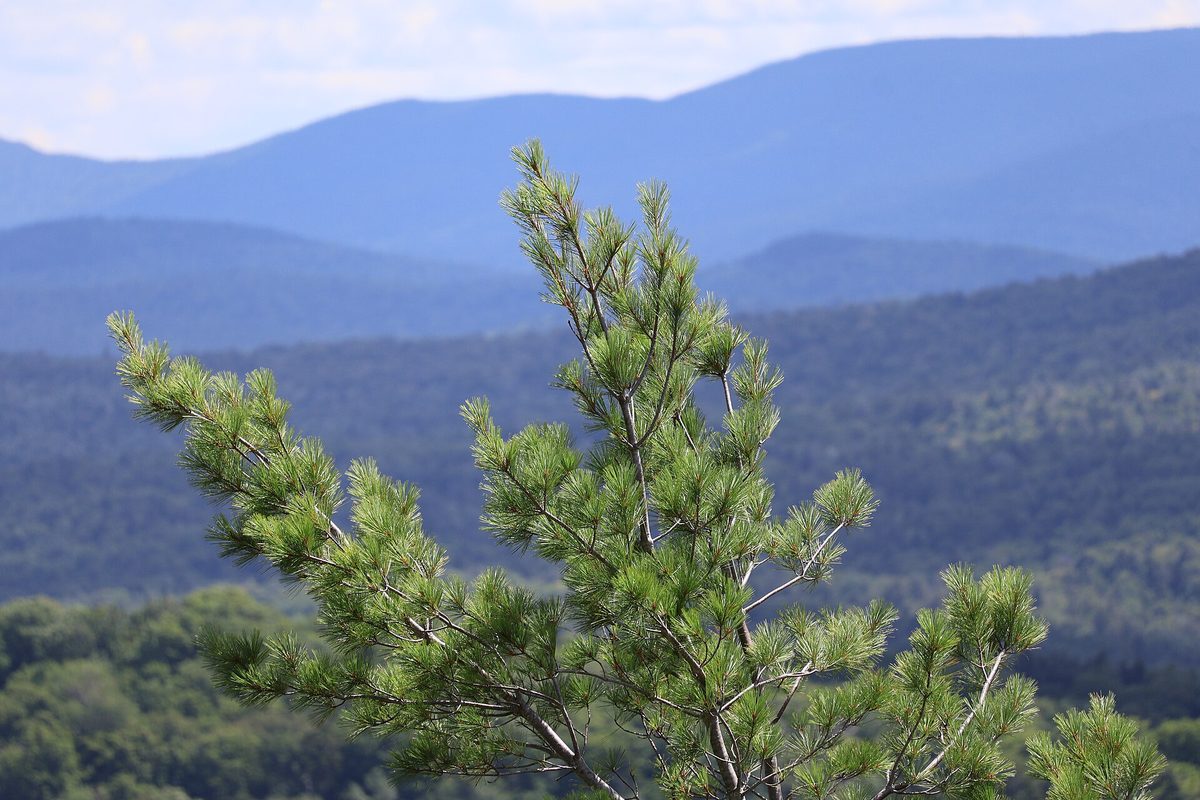
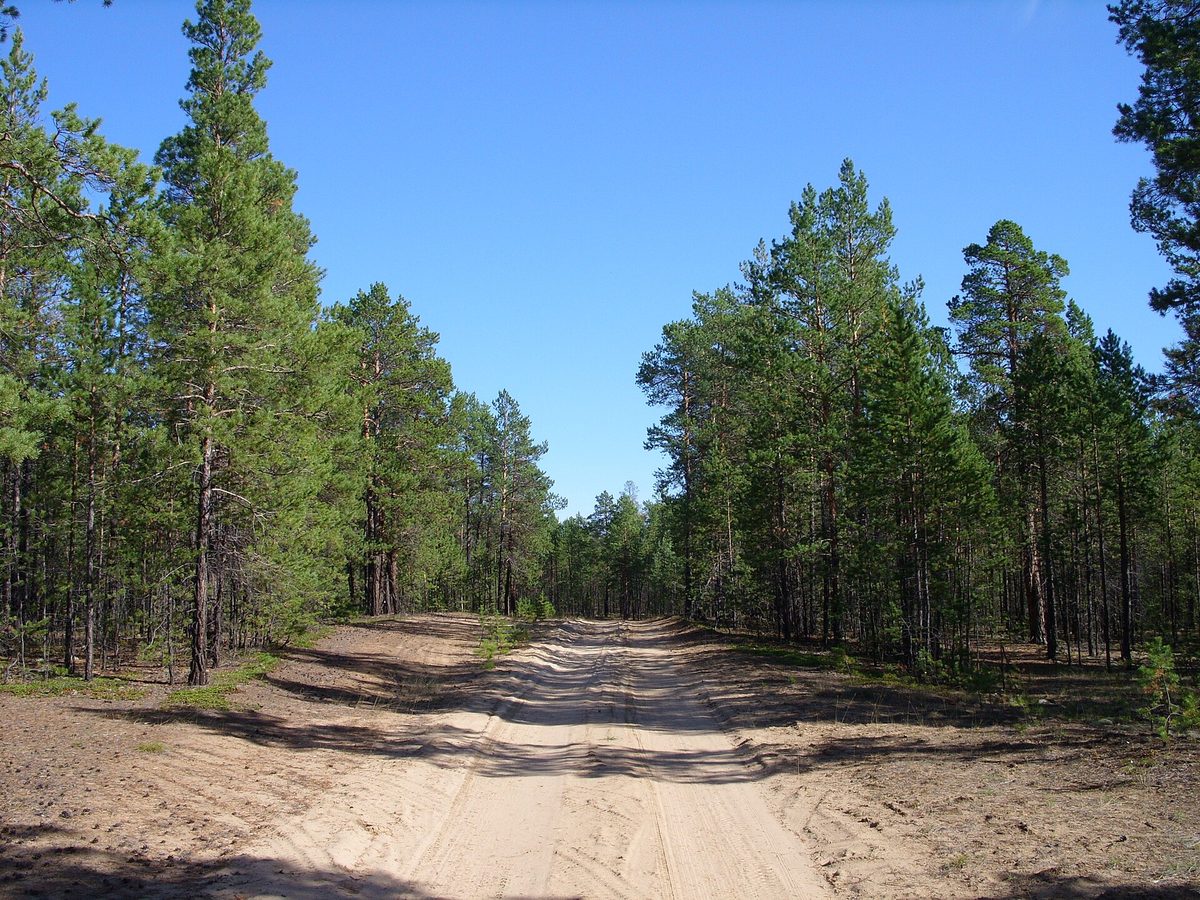
Eastern White Pine
Pinus strobus
Zones 3a–7b · 50–80 ft (15.24–24.38 m) · Full sun and part shade (full sun preferred)
-
-
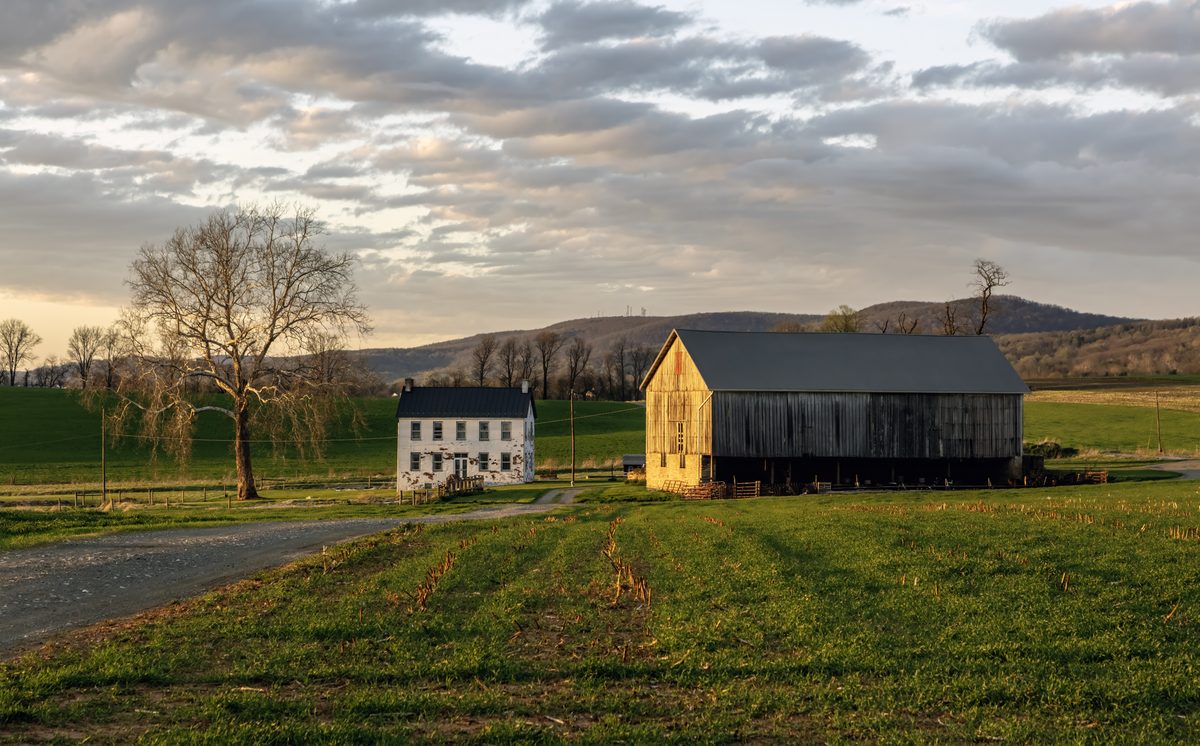
American Sycamore
Platanus occidentalis
Zones 4a–9b · 75–100 ft (22.86–30.48 m) · Full sun, part shade and full shade (full sun preferred)
-
-
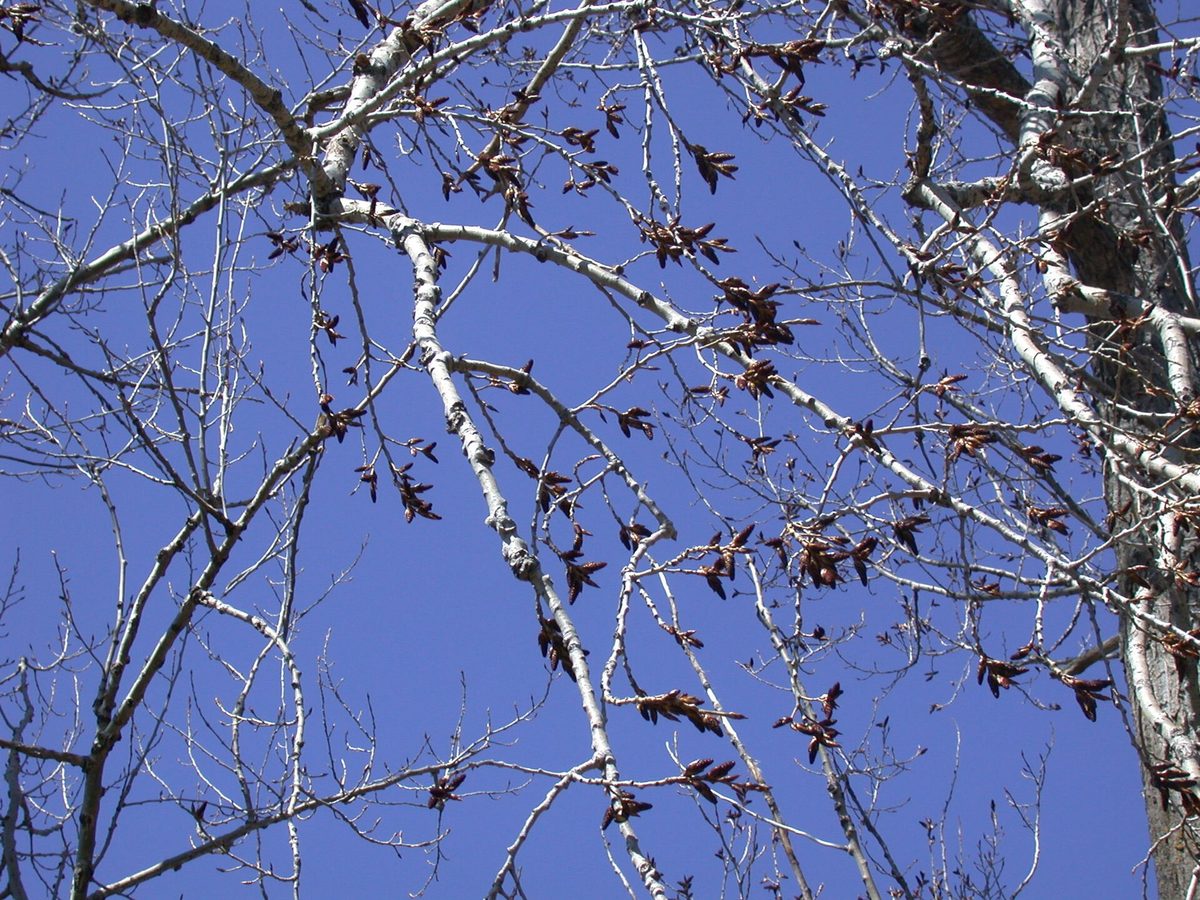
Eastern Cottonwood
Populus deltoides
Zones 3a–9b · 75–100 ft (22.86–30.48 m) · Full sun, part shade and full shade (full sun preferred)
Populus deltoides is one of the 74 trees this zone 5 list brings together. Its own page is already published and goes into more detail.
-
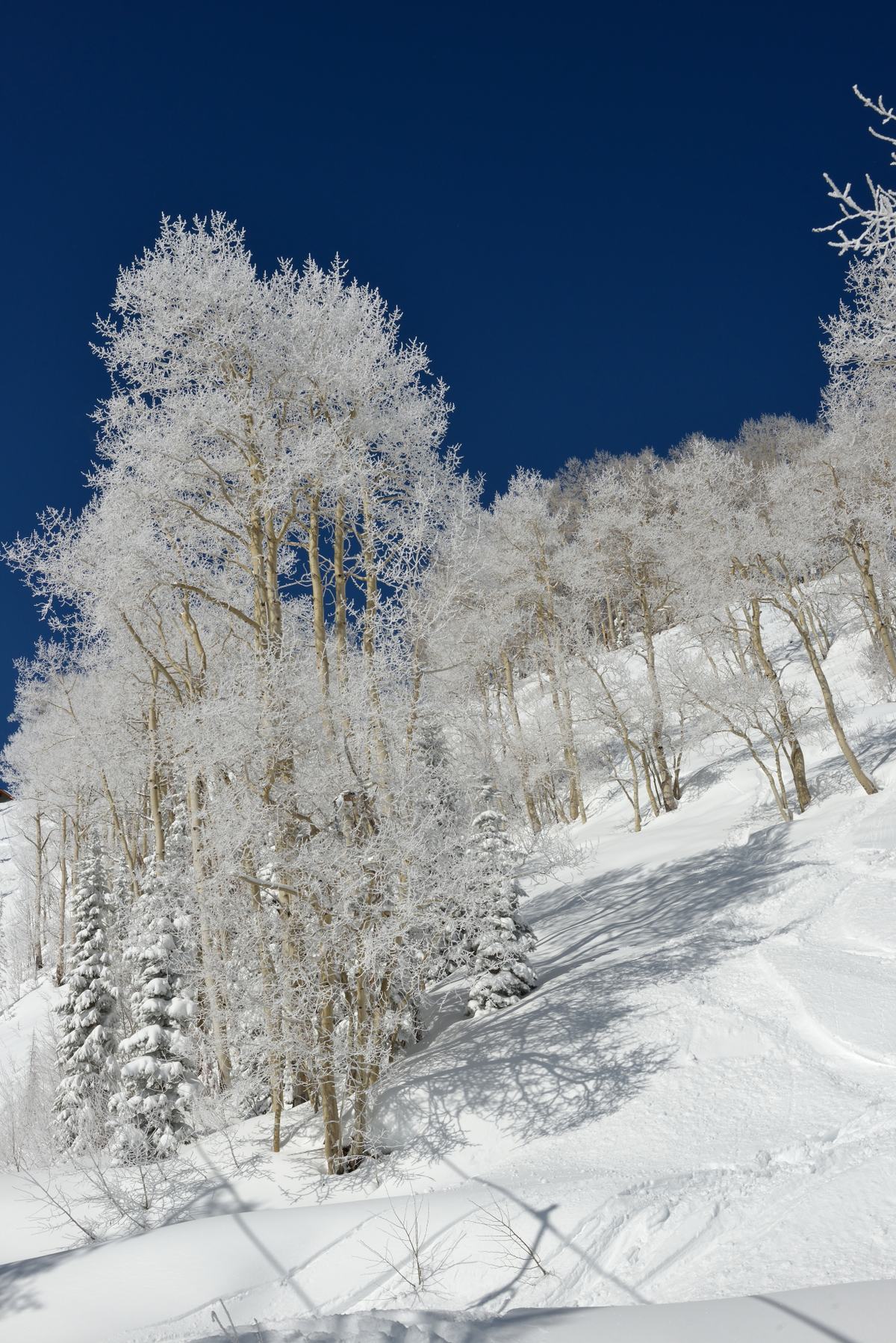
Quaking Aspen
Populus tremuloides
Zones 1a–6b · 35–50 ft (10.67–15.24 m) · Full sun, part shade and full shade (full sun preferred)
This list groups Populus tremuloides with the other 74 trees suited to zone 5 winters. A full page for it already exists on the site.
-
-
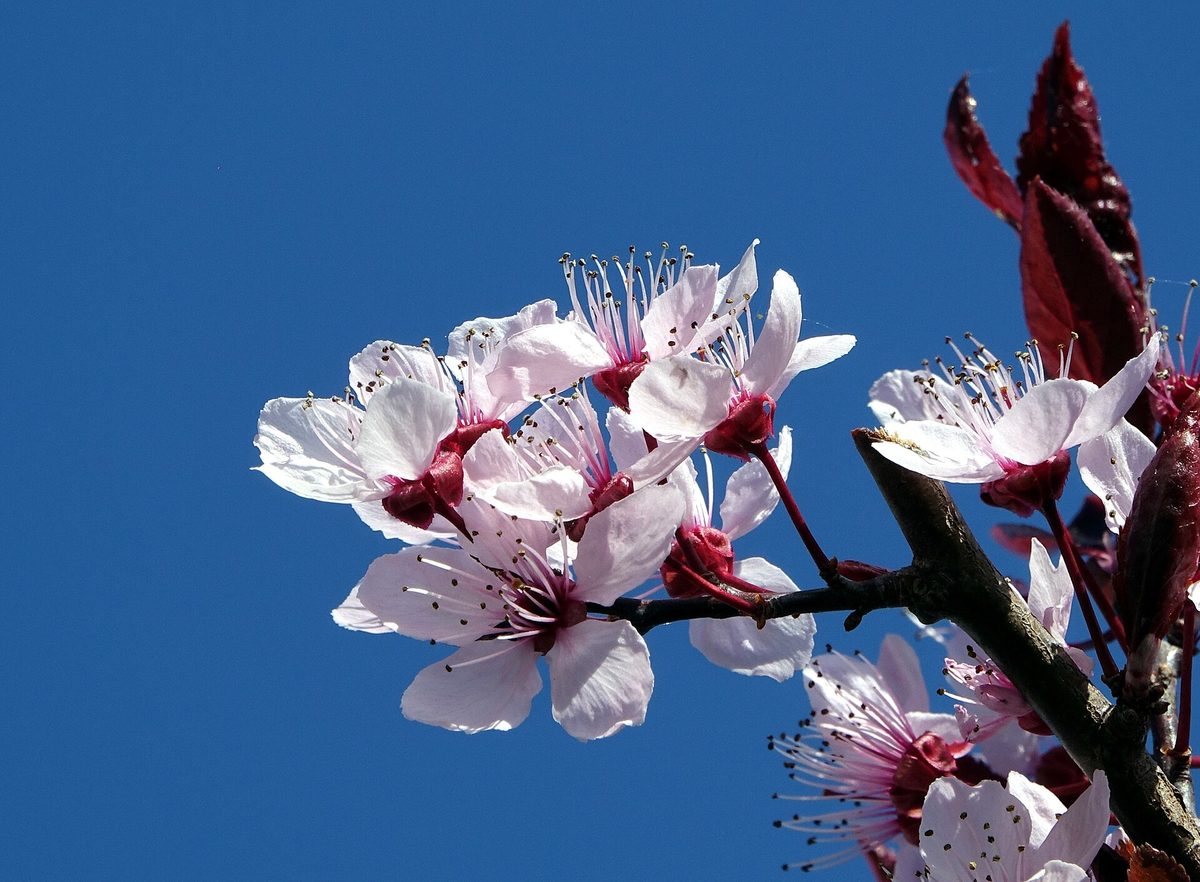
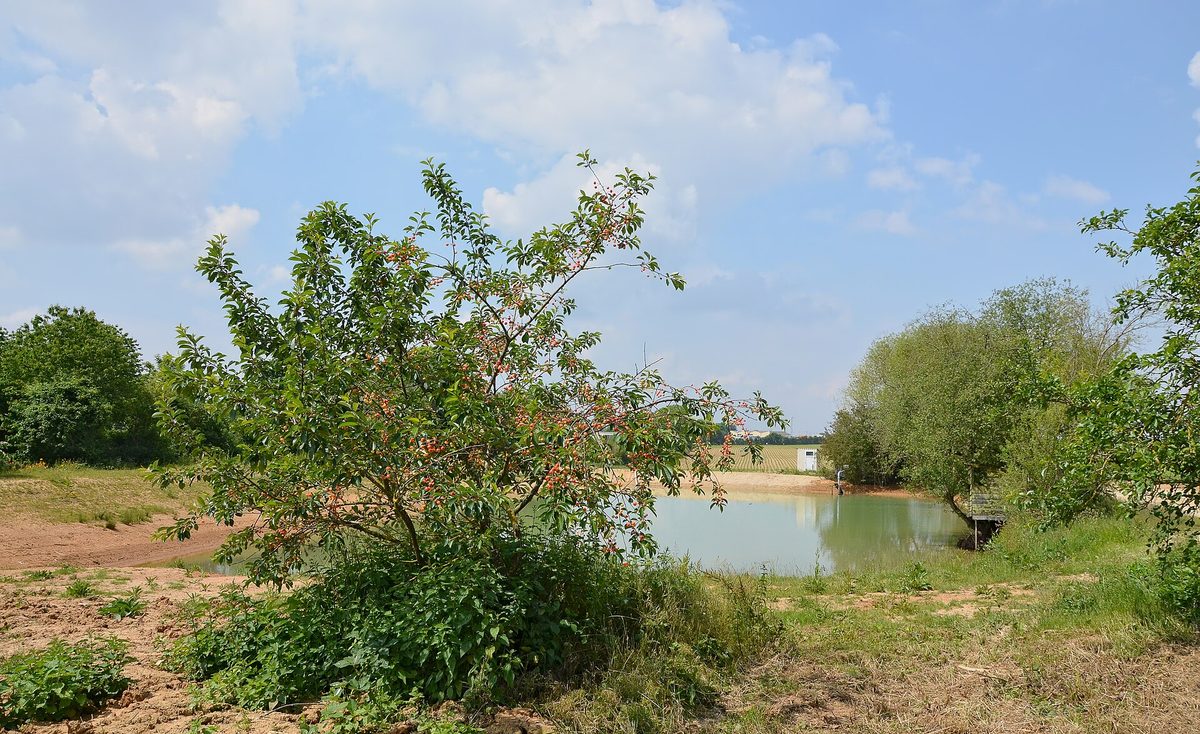
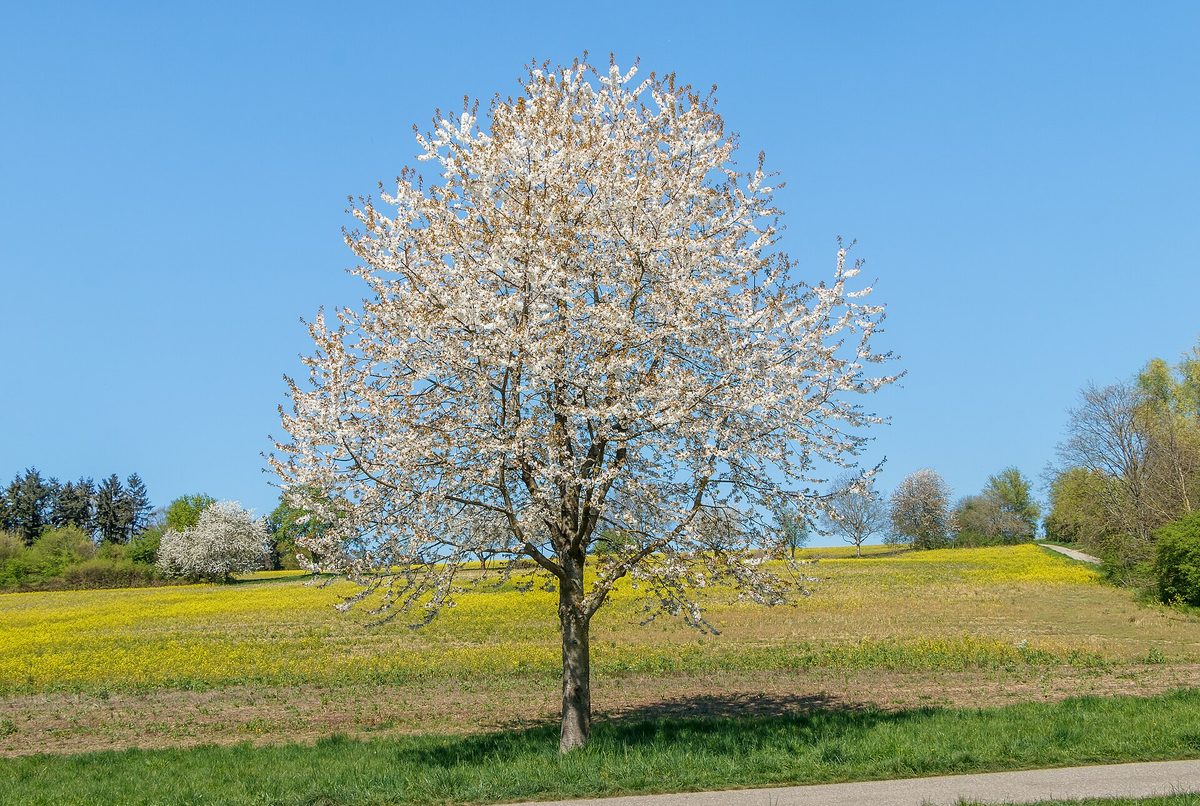
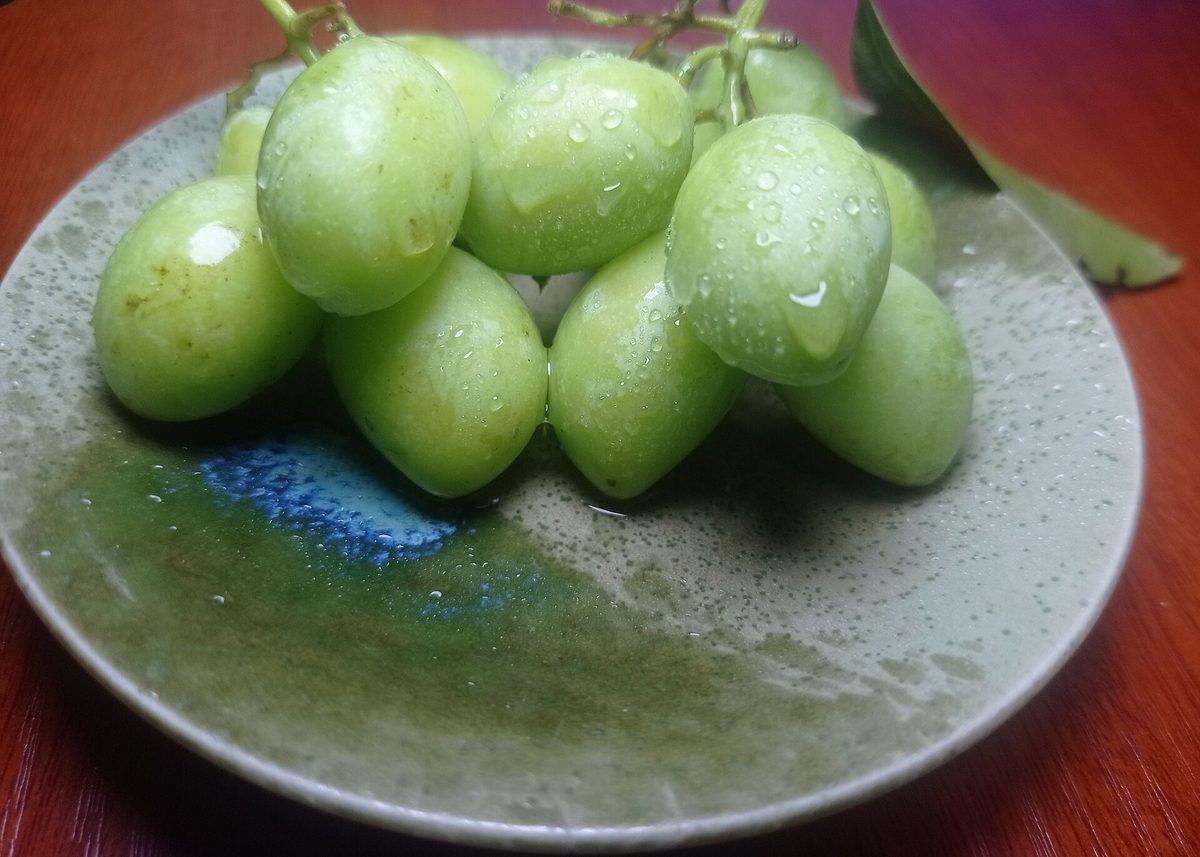
Cherry Plum
Prunus cerasifera
Zones 5a–8b · 15–30 ft (4.57–9.14 m) · Full sun and part shade (full sun preferred)
-
-
-
European Bird Cherry
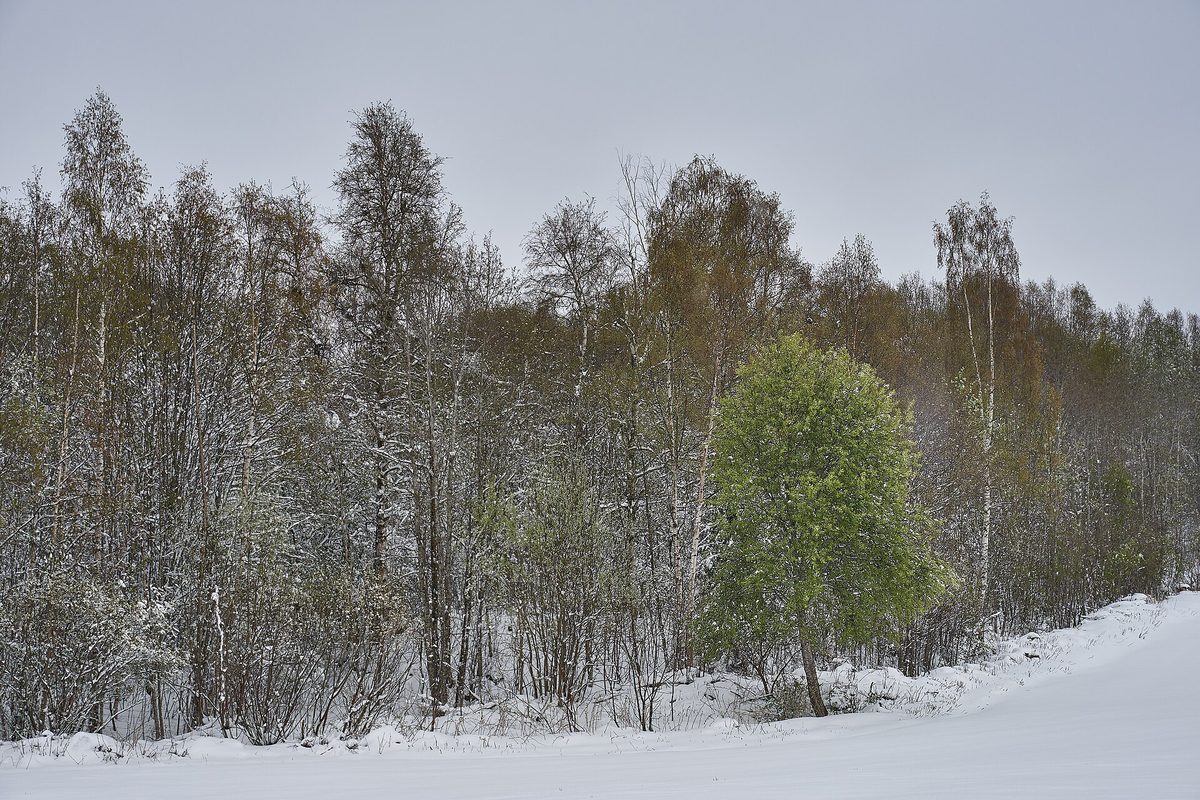
Prunus padus
Zones 3a–6b · 30–40 ft (9.14–12.19 m) · Full sun
-
Black Cherry
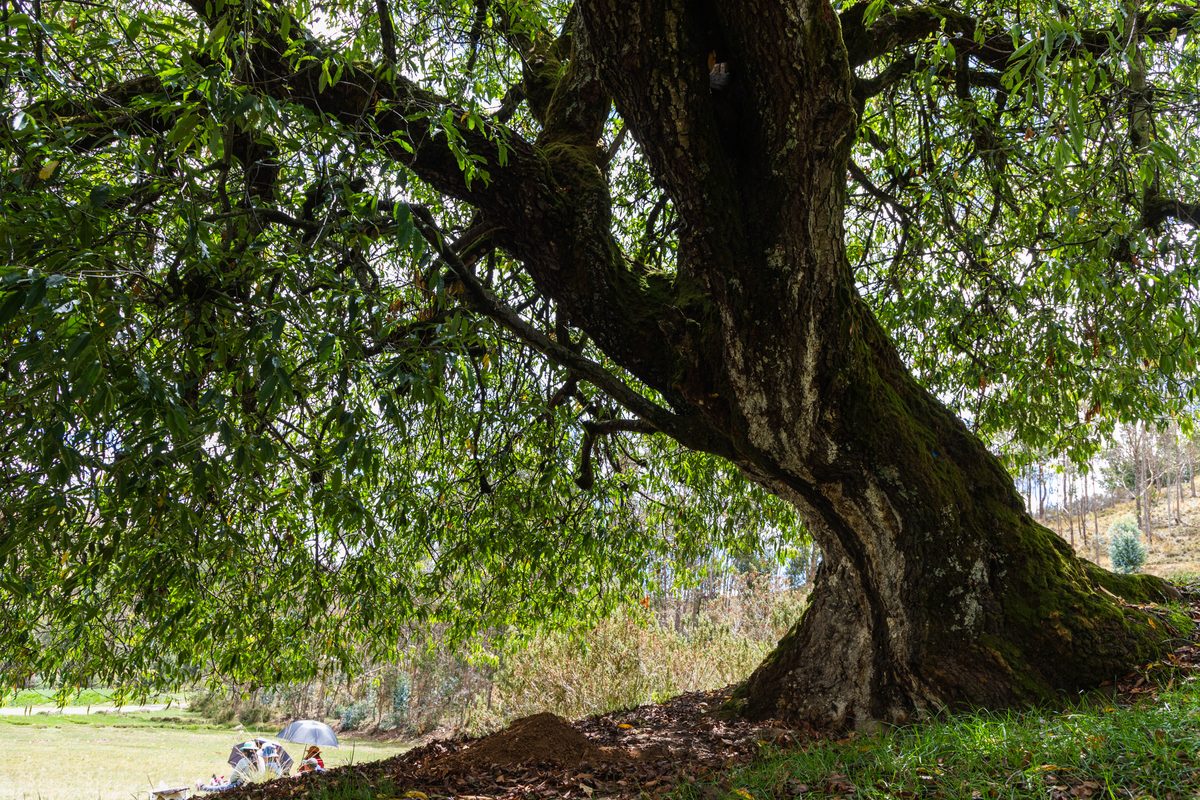
Prunus serotina
Zones 2a–8b · 25–110 ft (7.62–33.53 m) · Full sun, part shade and full shade (full sun preferred)
-
Chokecherry
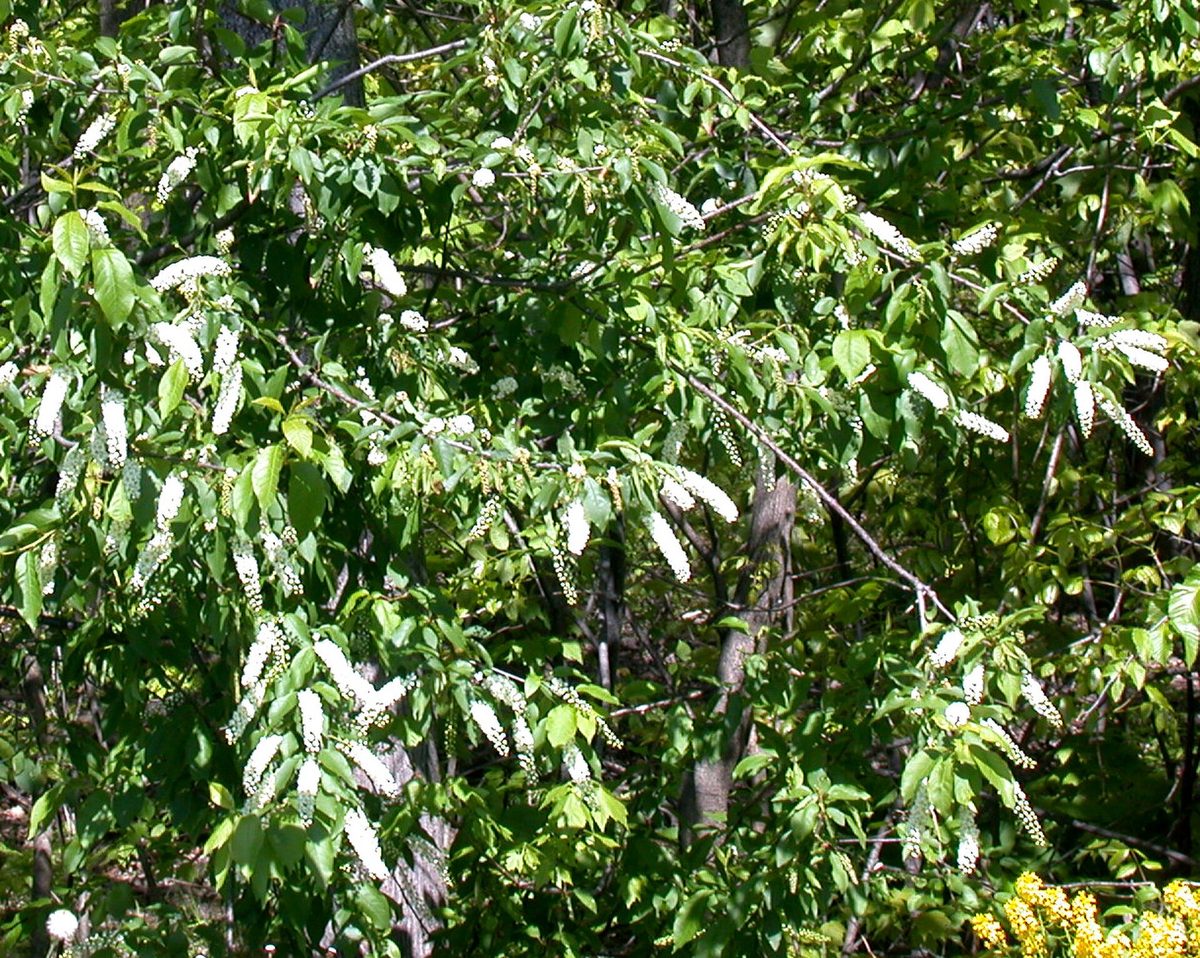
Prunus virginiana
Zones 2a–6b · 20–35 ft (6.1–10.67 m) · Full sun
Prunus virginiana is part of the set of 74 trees gathered here for zone 5. Its own page is one of the ones already published on the site.
-
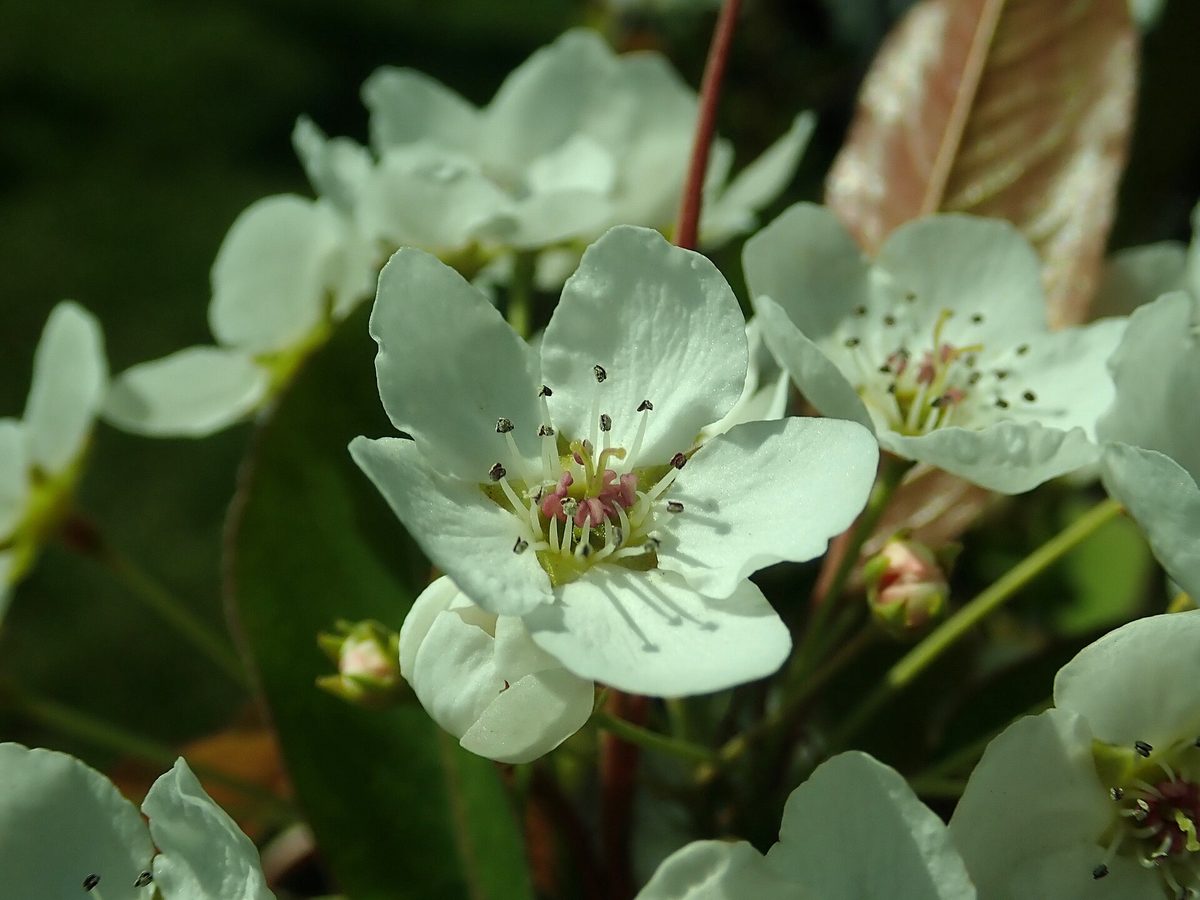
Callery Pear
Pyrus calleryana
Zones 5a–9b · 30–50 ft (9.14–15.24 m) · Full sun and part shade (full sun preferred)
-
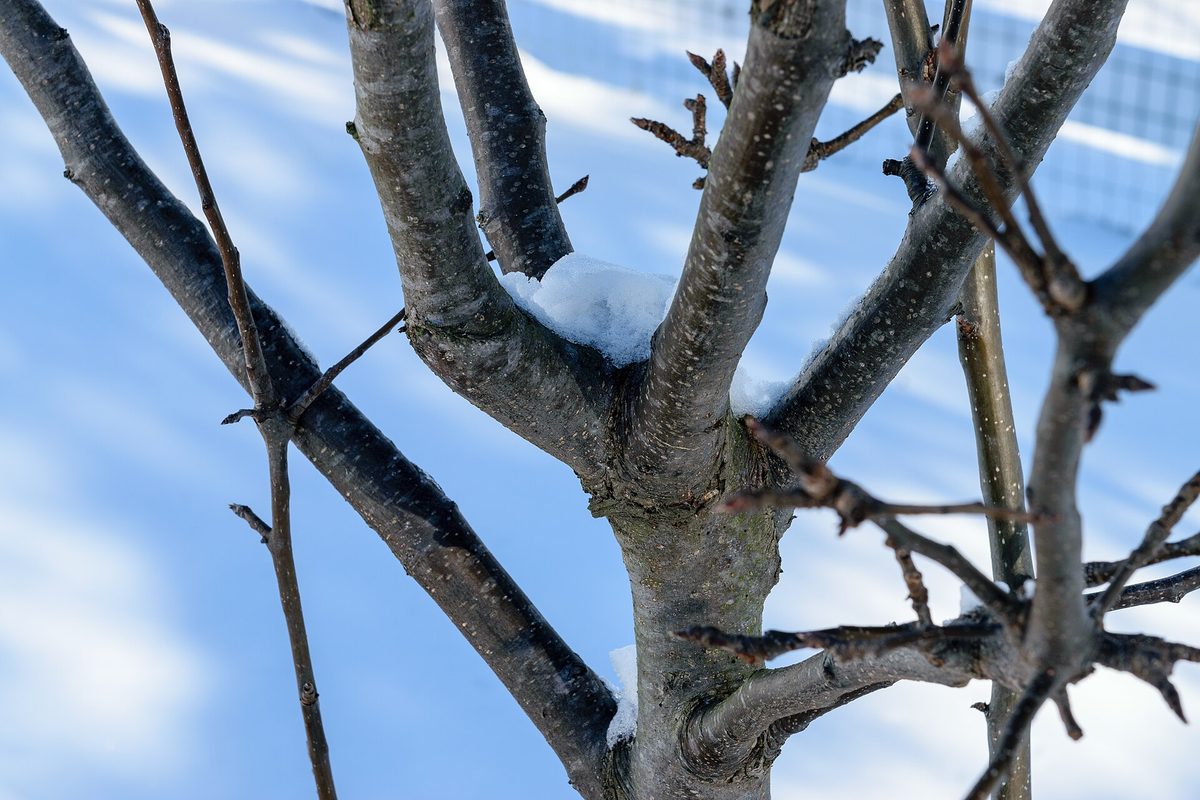
Chinese Pear
Pyrus pyrifolia
Zones 5a–8b · 20–40 ft (6.1–12.2 m) · Full sun and part shade (full sun preferred)
-
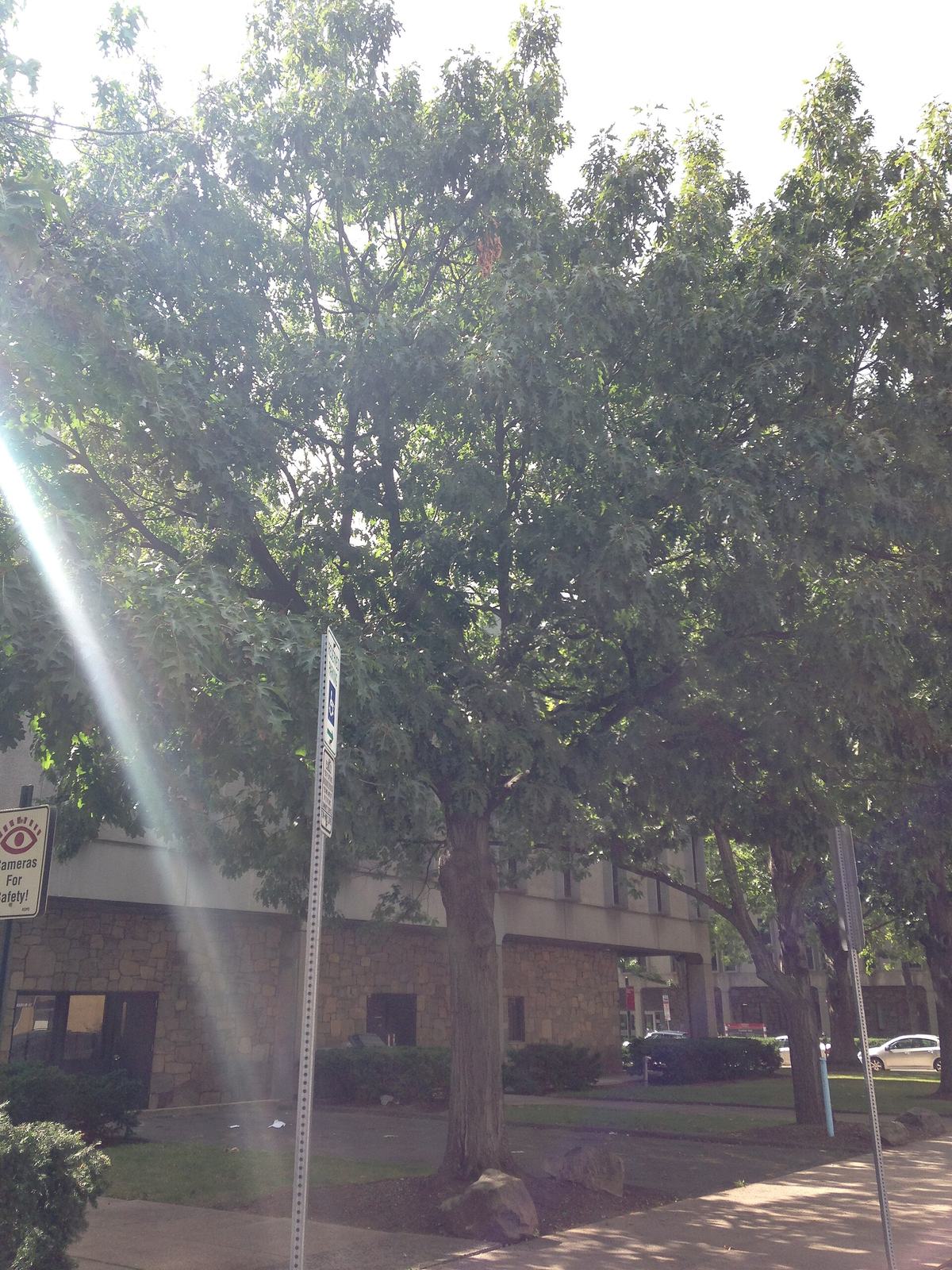
White Oak
Quercus alba
Zones 3a–9b · 50–100 ft (15.24–30.48 m) · Full sun and part shade (full sun preferred)
Quercus alba rounds out this set of 74 trees grouped for zone 5 winters. Its own published page on the site covers it in full.
-
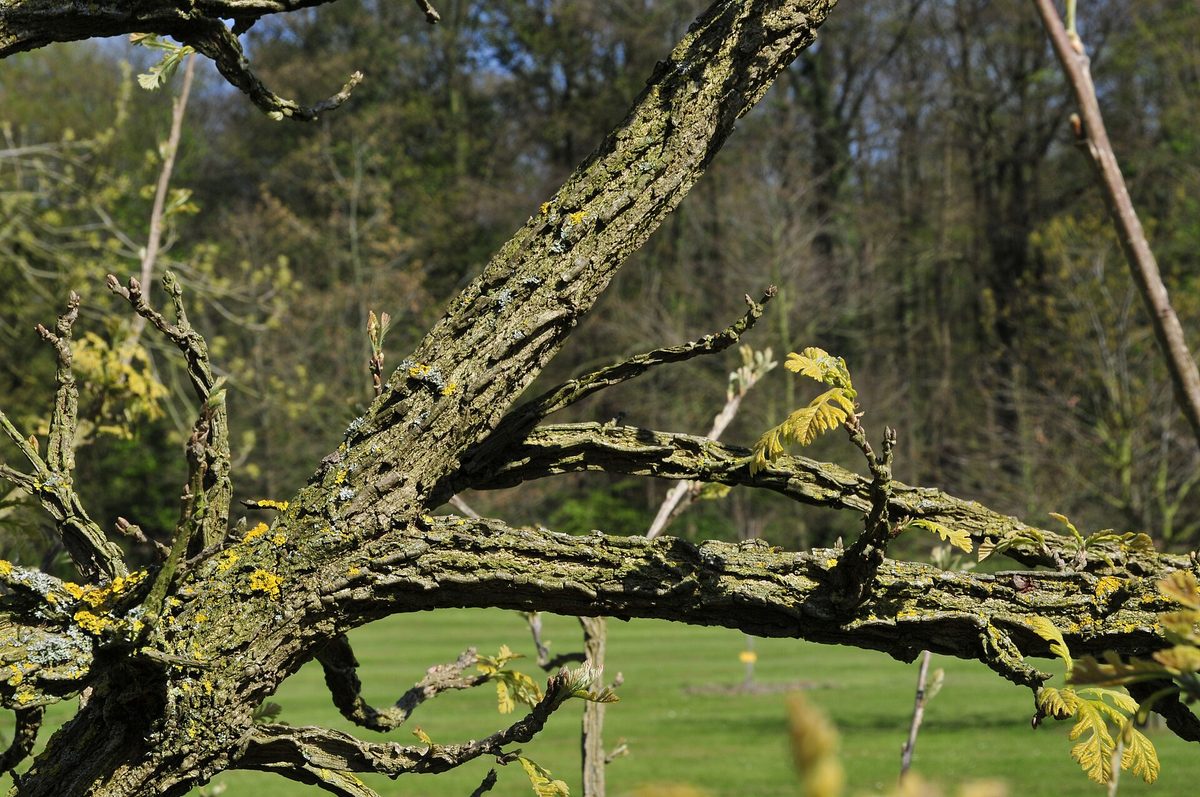
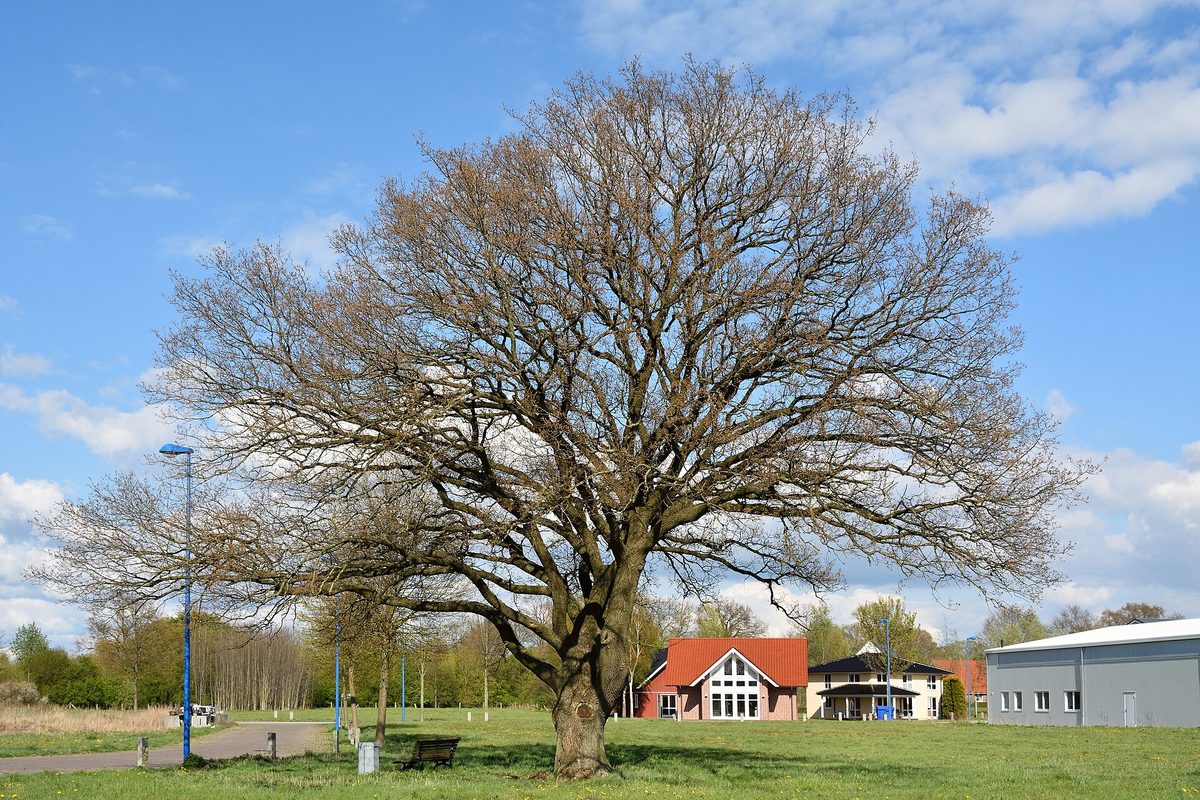
Bur Oak
Quercus macrocarpa
Zones 3a–8b · 70–80 ft (21.34–24.38 m) · Full sun, part shade and full shade (full sun preferred)
-
-
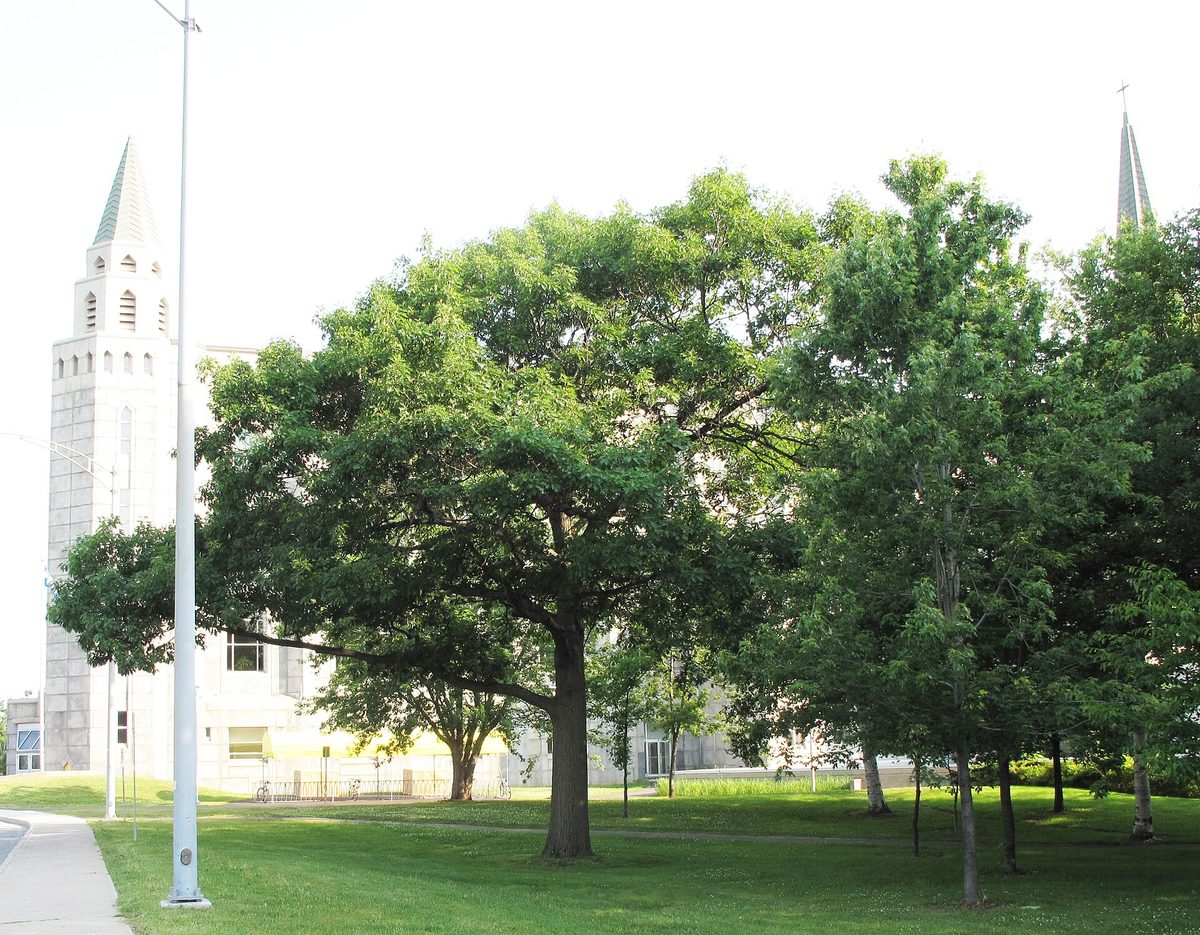
Northern Red Oak
Quercus rubra
Zones 4a–8b · Sources differ: Cornell University CALS Woody Plants Database; Cornell University CALS Woody Plants Database; Cornell University CALS Woody Plants Database · Full sun, part shade and full shade (full sun preferred)
-
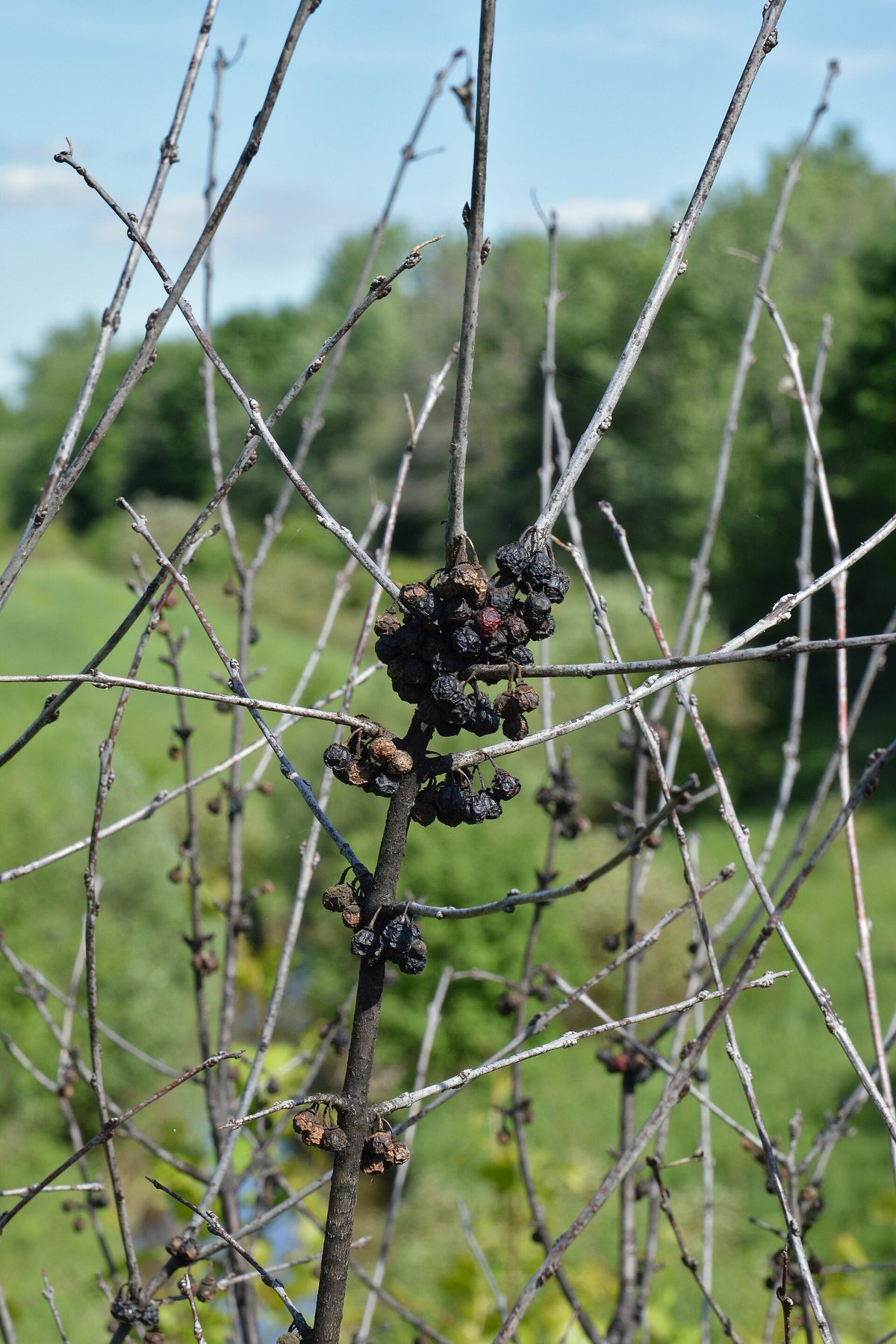
Common Buckthorn
Rhamnus cathartica
Zones 3a–7b · 18–30 ft (5.49–9.14 m) · Full sun and part shade (full sun preferred)
-
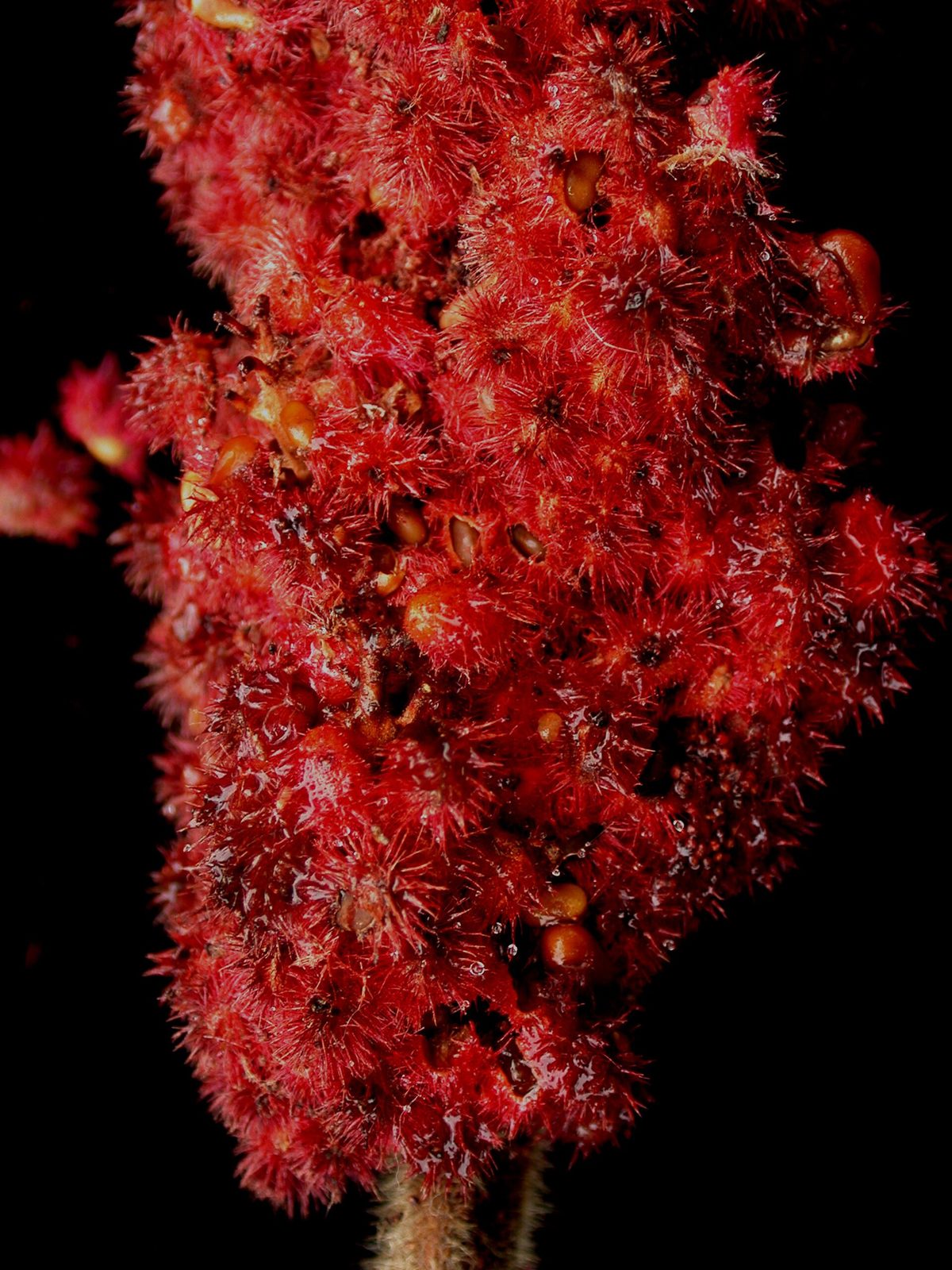
Staghorn Sumac
Rhus typhina
Zones 3a–9b · 35–40 ft (10.67–12.19 m) · Full sun and part shade (full sun preferred)
-
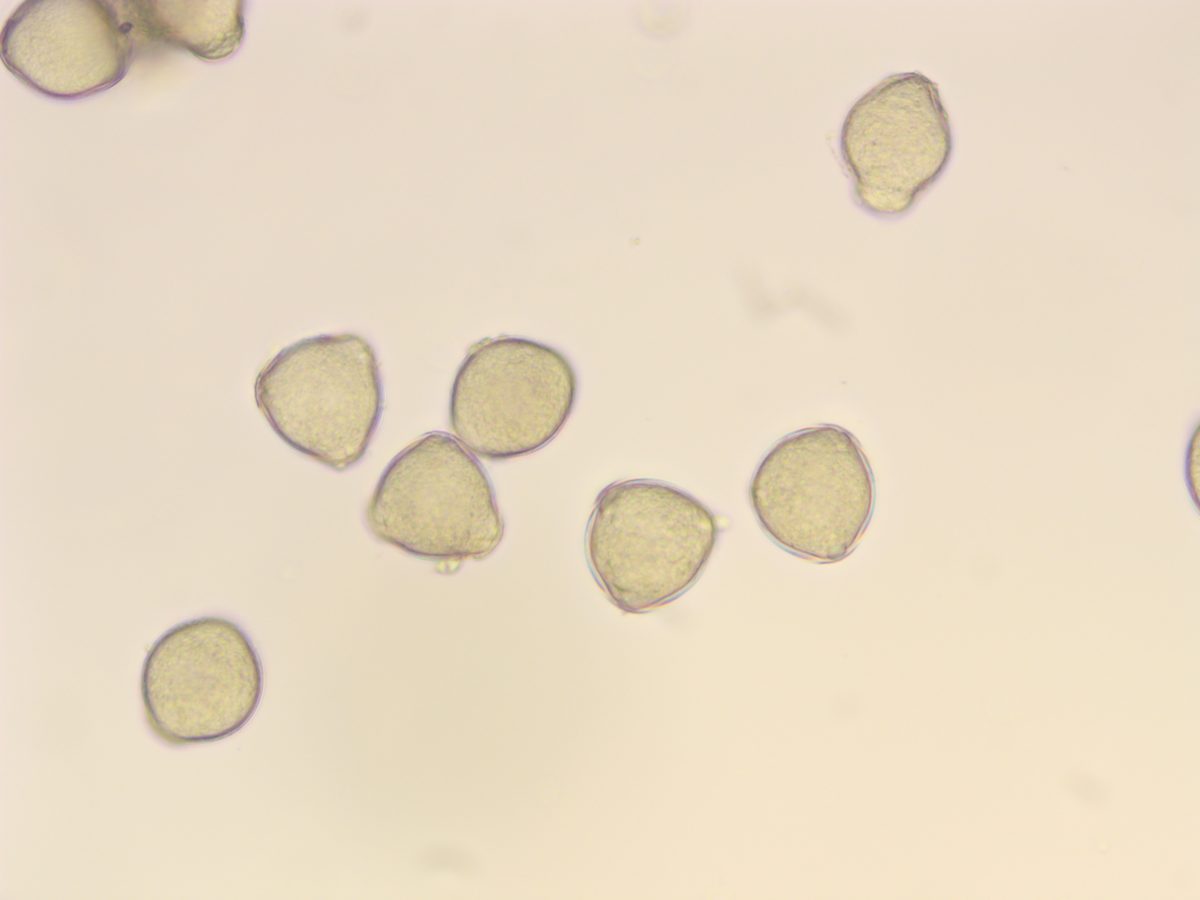
Black Locust
Robinia pseudoacacia
Zones 3a–8b · 39.4–59.1 ft (12–18 m) · Full sun and part shade (full sun preferred)
-
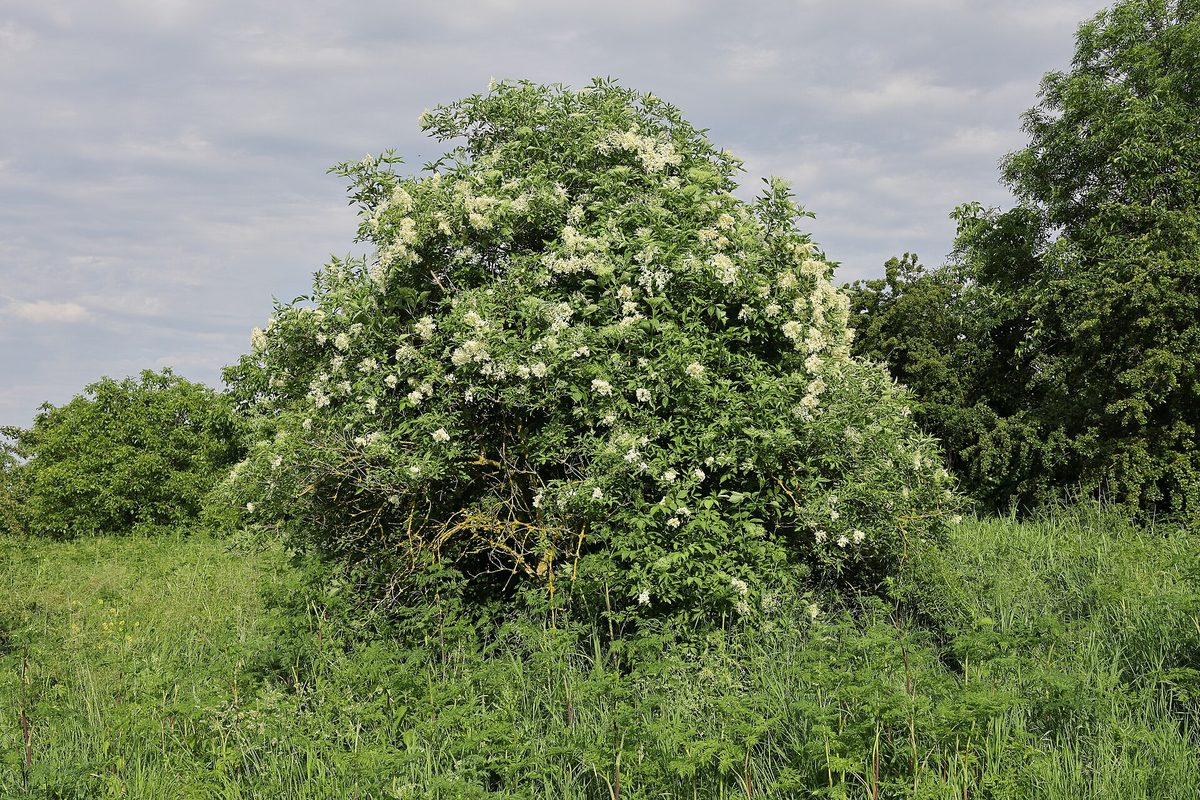
Black Elderberry
Sambucus nigra
Zones 5a–7b · 10–20 ft (3.05–6.1 m) · Full sun and part shade (full sun preferred)
-
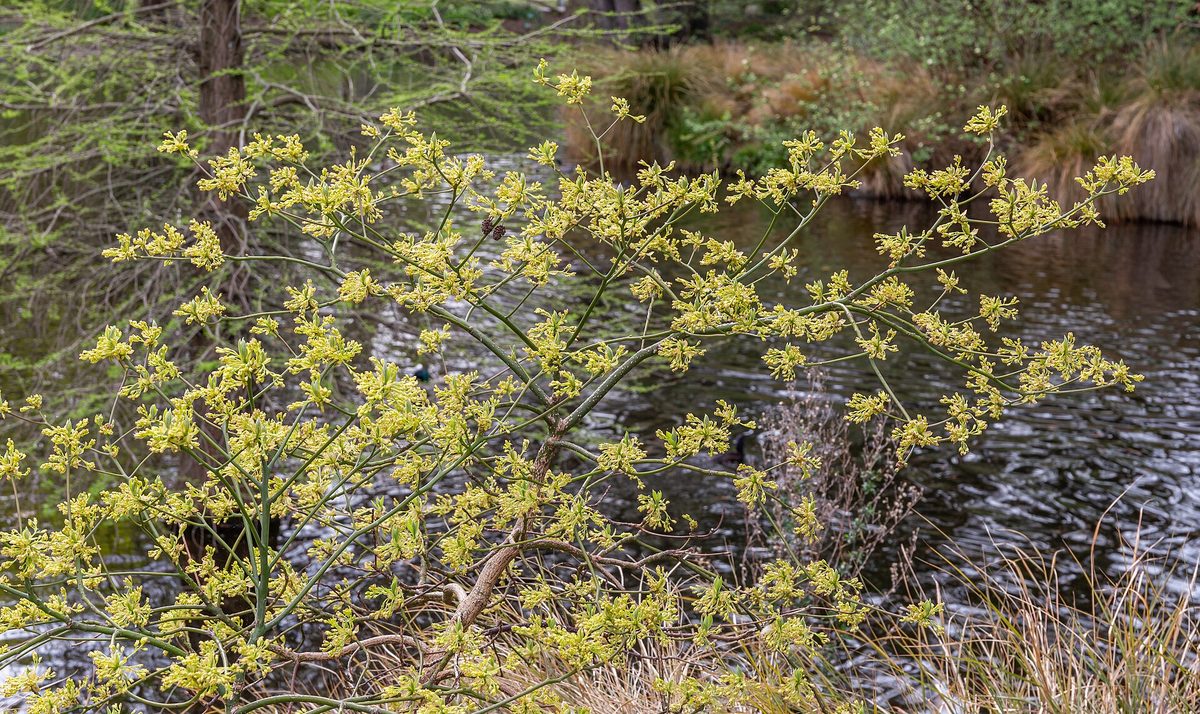
Sassafras
Sassafras albidum
Zones 4a–9b · 30–60 ft (9.14–18.29 m) · Full sun, part shade and full shade (full sun preferred)
-
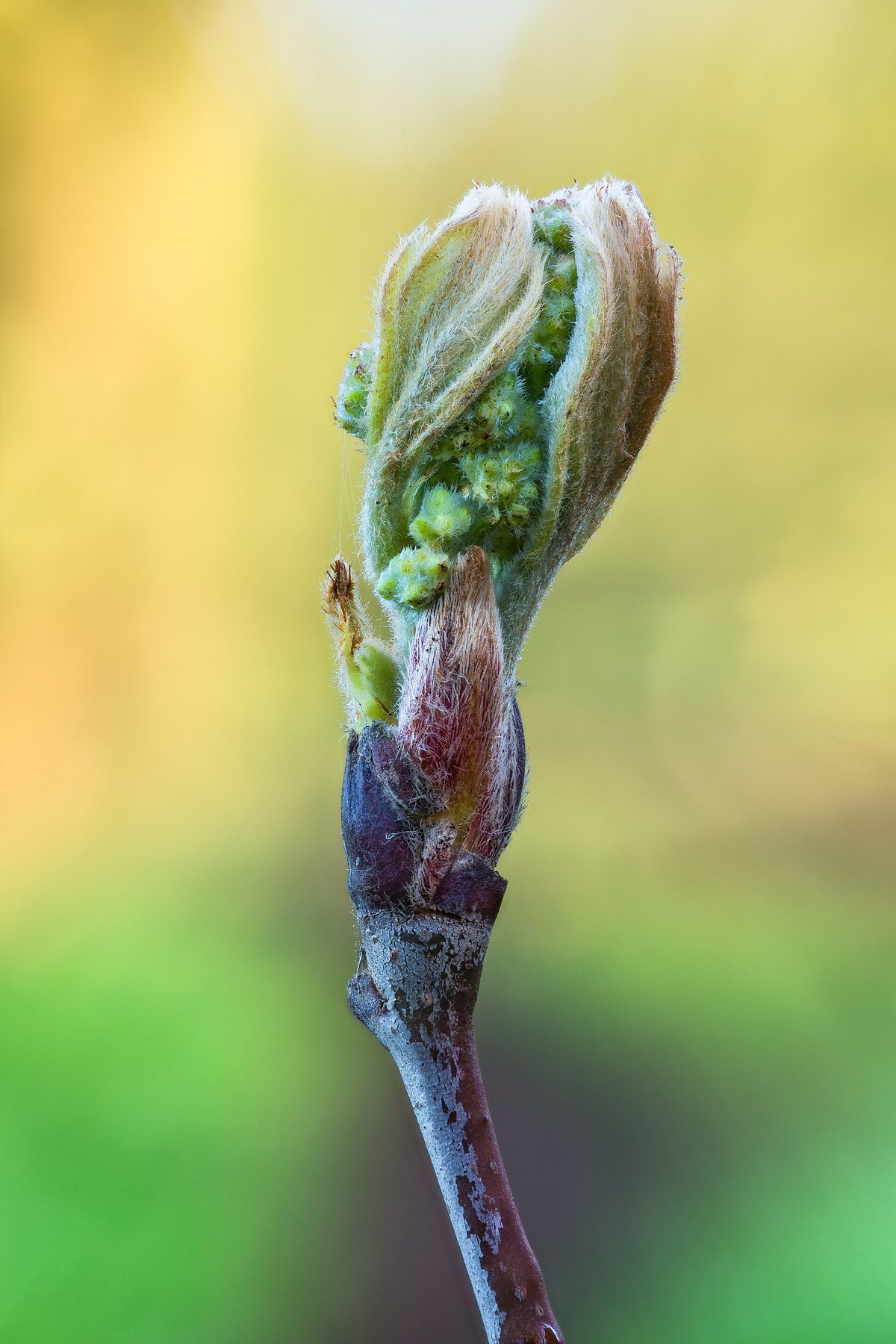
-
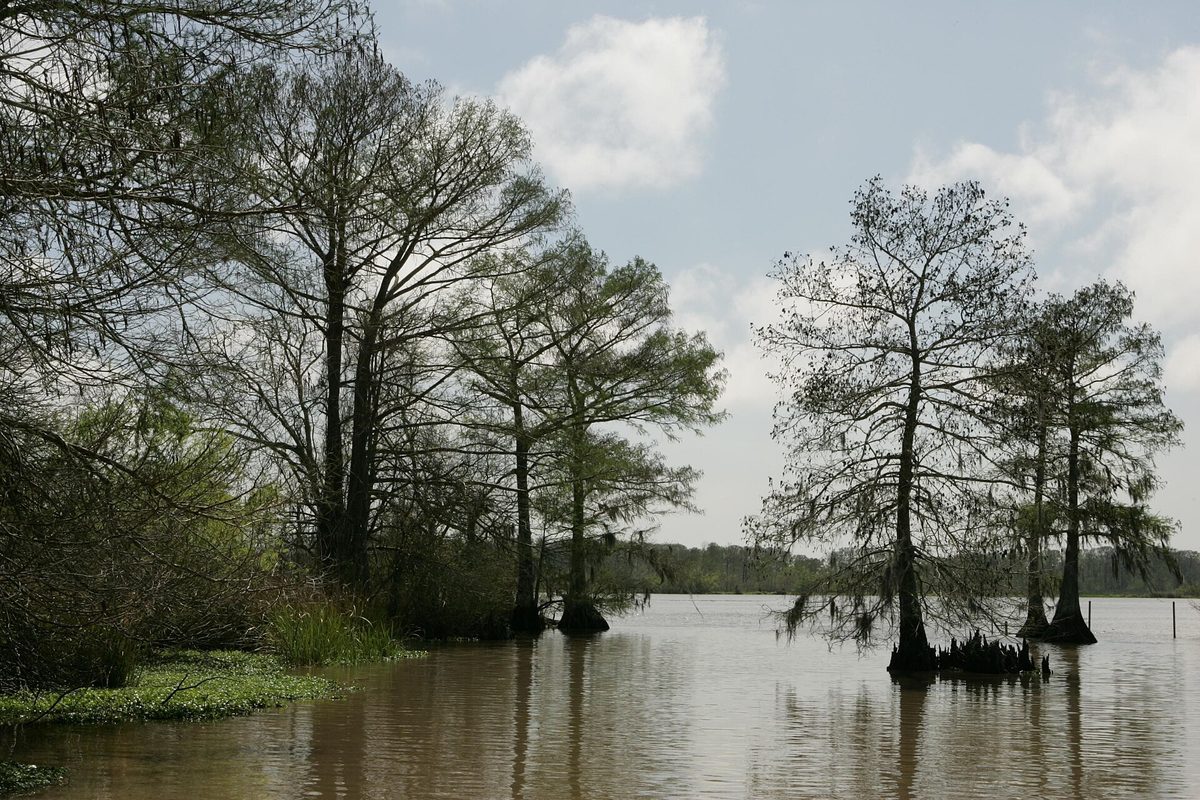
Bald Cypress
Taxodium distichum
Zones 4a–9b · Sources differ: University of Florida IFAS Extension (EDIS) · Full sun and part shade (full sun preferred)
-
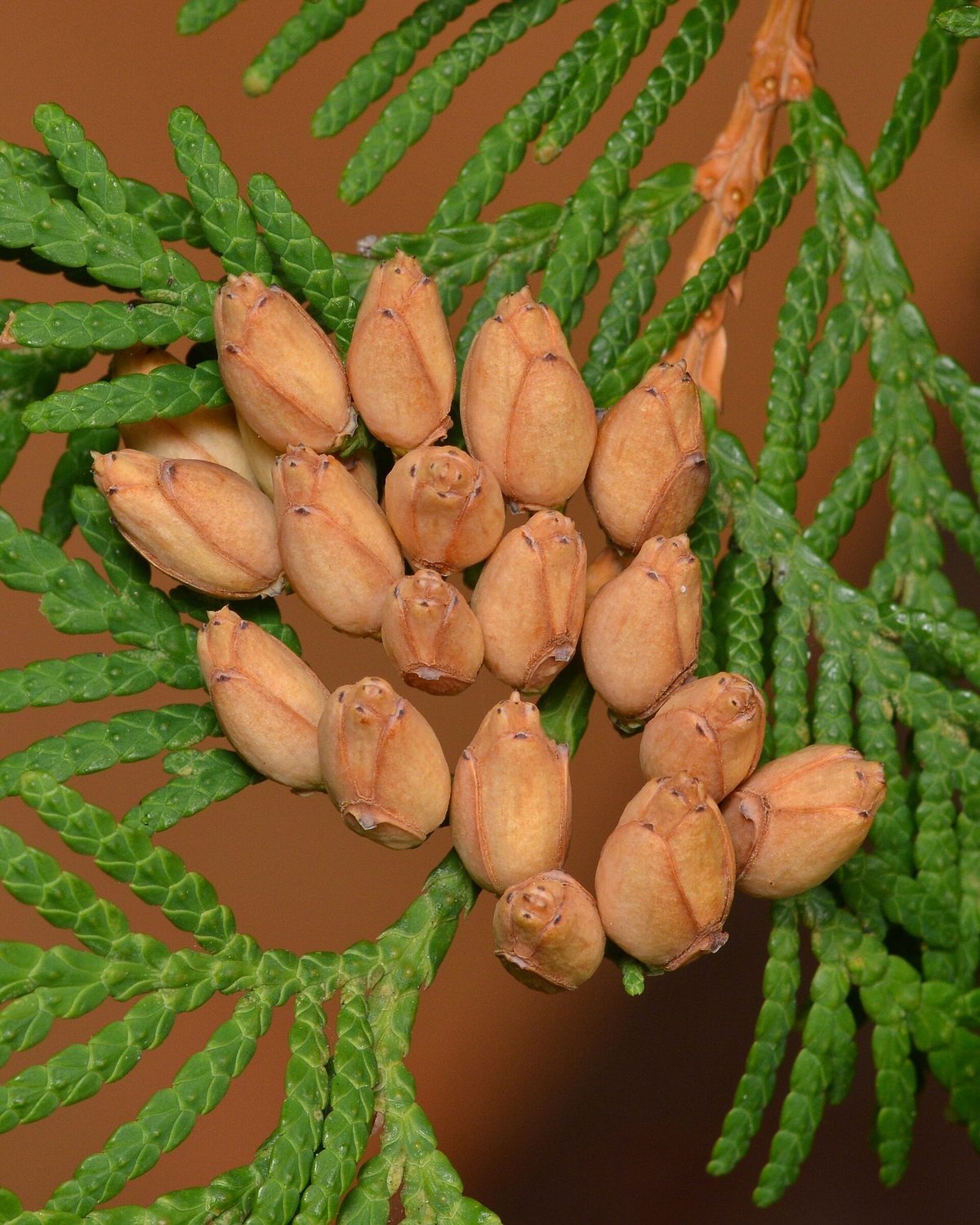
Arborvitae
Thuja occidentalis
Zones 3a–7b · 39.4–49.2 ft (12–15 m) · Full sun, part shade and full shade (full sun preferred)
-
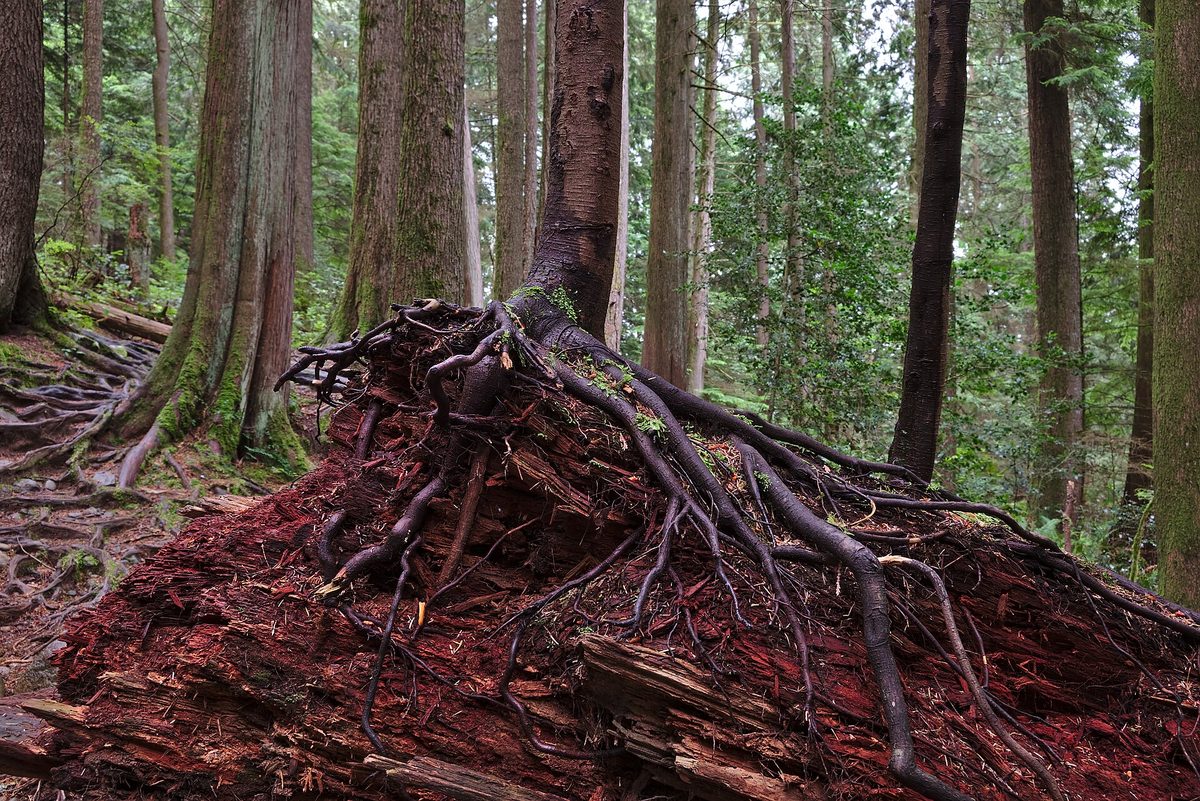
Western Redcedar
Thuja plicata
Zones 5a–7b · Sources differ: USDA Forest Service Fire Effects Information System (FEIS) · Full sun, part shade and full shade (full sun preferred)
-
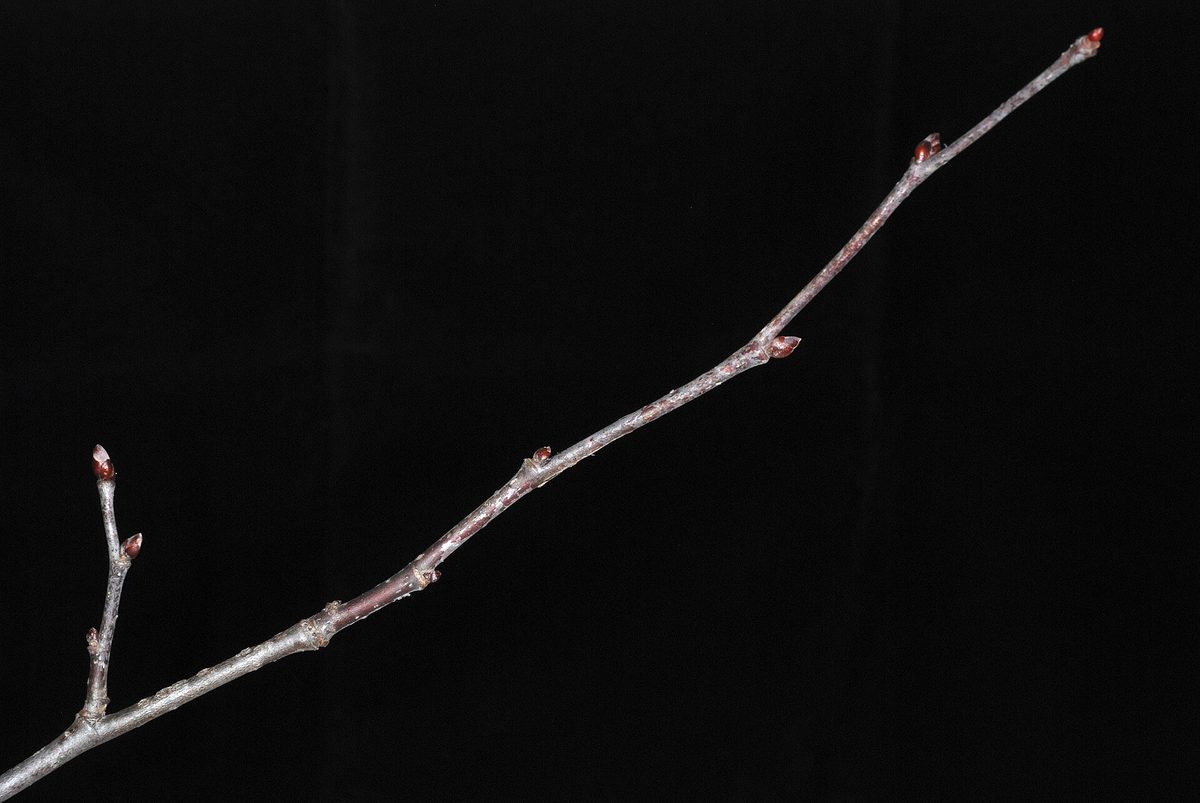
American Basswood
Tilia americana
Zones 3a–8b · 60–80.1 ft (18.3–24.4 m) · Full sun and part shade (full sun preferred)
-
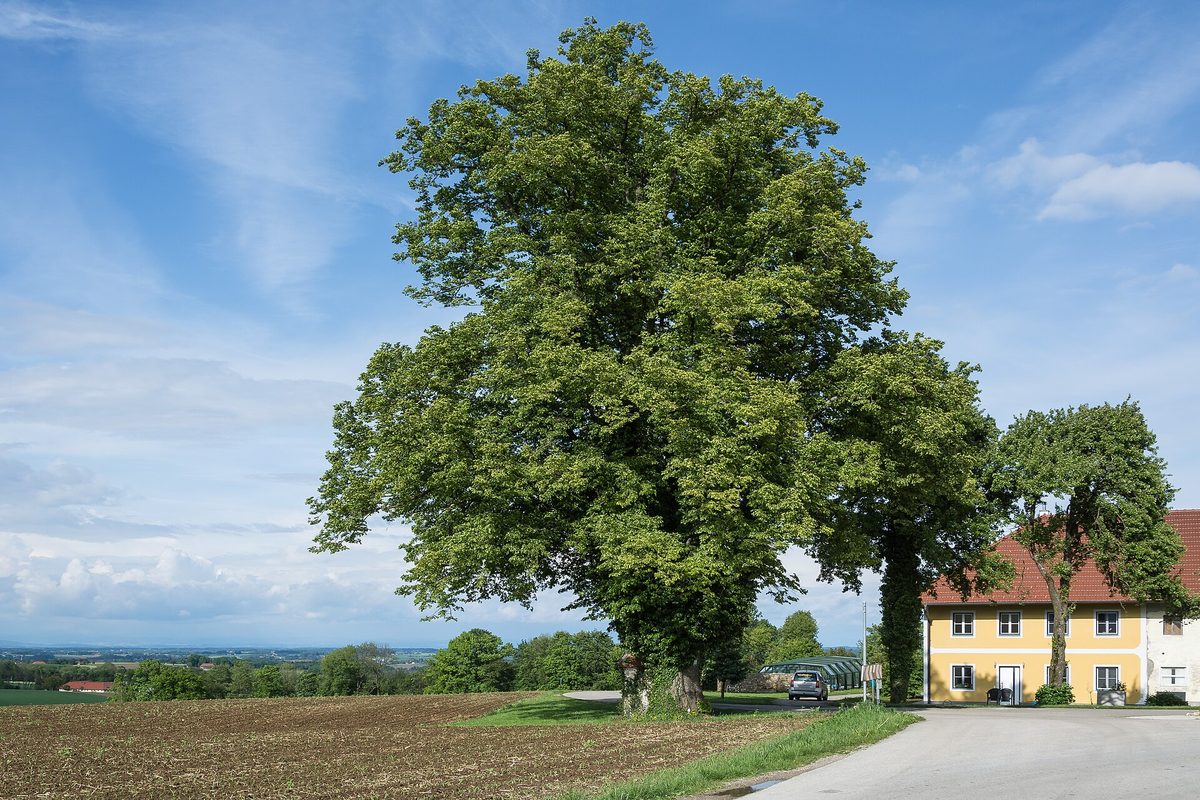
Littleleaf Linden
Tilia cordata
Zones 3b–7b · 50–80 ft (15.24–24.38 m) · Full sun and part shade (full sun preferred)
-
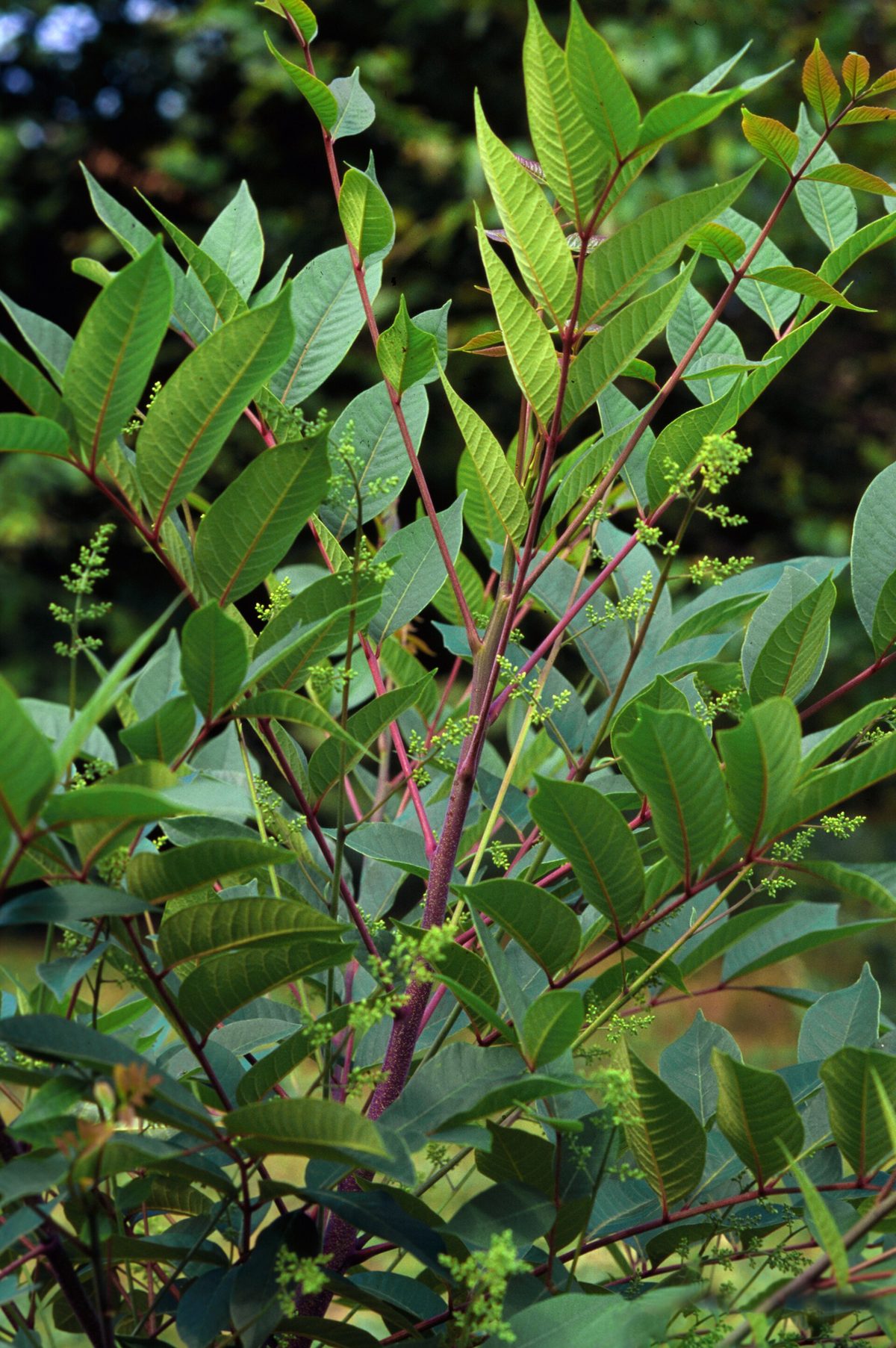
Poison Sumac
Toxicodendron vernix
Zones 3a–8b · 20 ft (6.1 m) · Full sun and part shade (full sun preferred)
-
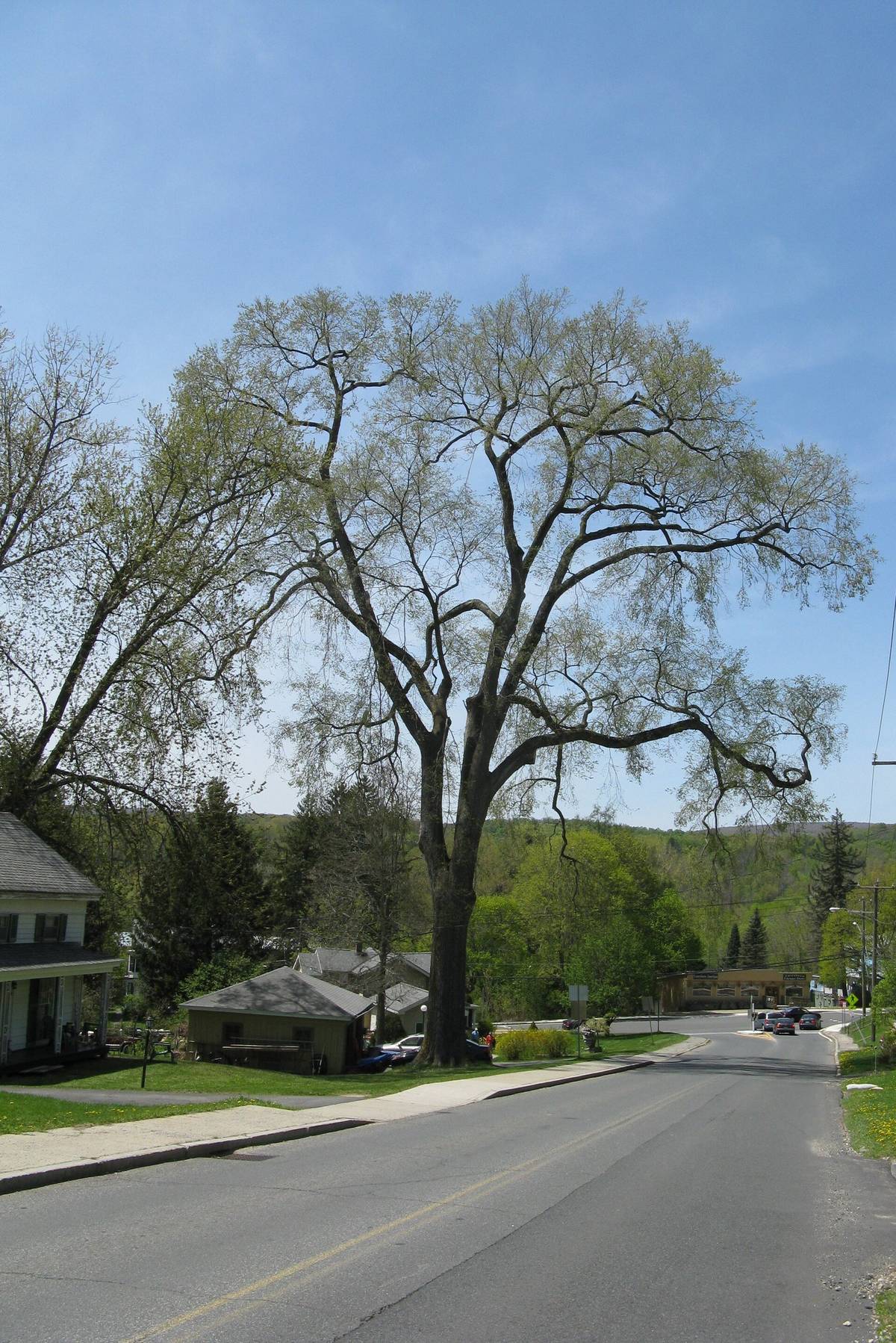
American Elm
Ulmus americana
Zones 3a–9b · 60–89.9 ft (18.3–27.4 m) · Full sun and part shade (full sun preferred)
How we chose
A tree, and hardy through at least zone 5a according to the cited sources
Photo credits
- Boxelder photo by Jules Verne Times Two, CC BY-SA 4.0 via Wikimedia Commons
- Japanese Maple photo by Agnes Monkelbaan, CC BY-SA 4.0 via Wikimedia Commons
- Norway Maple photo by sr, CC BY-SA 3.0 via Wikimedia Commons
- Sycamore Maple photo by Duke of W4, CC BY-SA 4.0 via Wikimedia Commons
- Red Maple photo by PumpkinSky, CC BY-SA 3.0 via Wikimedia Commons
- Silver Maple photo by Wikimedia Commons contributor, CC BY-SA 4.0 via Wikimedia Commons
- Sugar Maple photo by Wikimedia Commons contributor, CC BY-SA 4.0 via Wikimedia Commons
- Horse Chestnut photo by kmortimerjones, CC BY 4.0 via Wikimedia Commons
- Tree of Heaven photo by gpete, CC BY 4.0 via Wikimedia Commons
- Saskatoon Serviceberry photo by USFWS Mountain-Prairie, Public domain via Wikimedia Commons
- Pawpaw photo by Plant Image Library from Boston, USA, CC BY-SA 2.0 via Wikimedia Commons
- European White Birch photo by Dmitry A. Mottl, CC BY-SA 3.0 via Wikimedia Commons
- Southern Catalpa photo by Roger Culos, CC BY-SA 4.0 via Wikimedia Commons
- Northern Catalpa photo by Zerocool.marko, CC BY-SA 4.0 via Wikimedia Commons
- Common Hackberry photo by Famartin, CC BY-SA 4.0 via Wikimedia Commons
- Eastern Redbud photo by Downspec, CC BY-SA 4.0 via Wikimedia Commons
- Flowering Dogwood photo by Plant Image Library from Boston, USA, CC BY-SA 2.0 via Wikimedia Commons
- Kousa Dogwood photo by Paul Danese, CC BY-SA 4.0 via Wikimedia Commons
- Cornelian Cherry photo by Milimidragan 92, CC BY-SA 4.0 via Wikimedia Commons
- Common Filbert photo by Hladac, CC BY-SA 4.0 via Wikimedia Commons
- Oneseed Hawthorn photo by Łukasz Tkaczyk, CC BY-SA 4.0 via Wikimedia Commons
- Russian Olive photo by ElenaLitera, CC BY-SA 4.0 via Wikimedia Commons
- European Beech photo by Grega.nered, CC BY-SA 3.0 via Wikimedia Commons
- Glossy Buckthorn photo by Olivier Pichard, CC BY-SA 3.0 via Wikimedia Commons
- European Ash photo by Dominicus Johannes Bergsma, CC BY-SA 4.0 via Wikimedia Commons
- Maidenhair Tree photo by Acroterion, CC BY-SA 4.0 via Wikimedia Commons
- Rose of Sharon photo by Chrumps, CC BY-SA 2.5 via Wikimedia Commons
- Panicled Hydrangea photo by Agnes Monkelbaan, CC BY-SA 4.0 via Wikimedia Commons
- Butternut photo by Kristjan, Public domain via Wikimedia Commons
- Black Walnut photo by Wikimedia Commons contributor, CC BY-SA 4.0 via Wikimedia Commons
- English Walnut photo by Robert Taylor from Stirling, ON, Canada, CC BY 2.0 via Wikimedia Commons
- Eastern Redcedar photo by Rhododendrites, CC BY-SA 4.0 via Wikimedia Commons
- Goldenrain Tree photo by Ewen Cameron, CC BY 4.0 via Wikimedia Commons
- Sweetgum photo by Dominicus Johannes Bergsma, CC BY-SA 4.0 via Wikimedia Commons
- Tuliptree photo by Rhododendrites, CC BY-SA 4.0 via Wikimedia Commons
- Osage-orange photo by Photo by and (c)2016 Derek Ramsey (Ram-Man), CC BY-SA 4.0 via Wikimedia Commons
- European Crab Apple photo by 1=Photos by Moroder for natural monuments in South Tyrol, CC BY-SA 3.0 via Wikimedia Commons
- Dawn Redwood photo by Wikimedia Commons contributor, CC BY-SA 3.0 via Wikimedia Commons
- White Mulberry photo by Didier Descouens, CC BY-SA 4.0 via Wikimedia Commons
- Blackgum photo by DouglasGoldman, CC BY-SA 4.0 via Wikimedia Commons
- Princesstree photo by karitsu, CC BY-SA 2.0 via Wikimedia Commons
- Norway Spruce photo by Wikimedia Commons contributor, CC BY-SA 3.0 via Wikimedia Commons
- Great Basin Bristlecone Pine photo by U.S. National Park Service, Public domain via Wikimedia Commons
- Eastern White Pine photo by Serebit, CC BY-SA 4.0 via Wikimedia Commons
- Scots Pine photo by LxAndrew, CC BY-SA 3.0 via Wikimedia Commons
- American Sycamore photo by Acroterion, CC BY-SA 4.0 via Wikimedia Commons
- White Poplar photo by Roger Culos, CC BY-SA 4.0 via Wikimedia Commons
- Eastern Cottonwood photo by Wikimedia Commons contributor, CC BY-SA 4.0 via Wikimedia Commons
- Quaking Aspen photo by Wikimedia Commons contributor, CC BY-SA 3.0 via Wikimedia Commons
- Sweet Cherry photo by JLPC, CC BY-SA 3.0 via Wikimedia Commons
- Cherry Plum photo by Gzen92, CC BY-SA 4.0 via Wikimedia Commons
- Sour Cherry photo by H. Zell, CC BY-SA 3.0 via Wikimedia Commons
- European Plum photo by စာကလေး SarKaLay, CC0 via Wikimedia Commons
- European Bird Cherry photo by Øyvind Holmstad, CC BY-SA 4.0 via Wikimedia Commons
- Black Cherry photo by Guillermo Carlos Gómez, CC BY-SA 4.0 via Wikimedia Commons
- Chokecherry photo by Wikimedia Commons contributor, CC BY-SA 4.0 via Wikimedia Commons
- Callery Pear photo by Salicyna, CC BY-SA 4.0 via Wikimedia Commons
- Chinese Pear photo by PumpkinSky, CC BY-SA 3.0 via Wikimedia Commons
- White Oak photo by Jyamuca, CC BY-SA 3.0 via Wikimedia Commons
- Bur Oak photo by Homoarborea, CC0 via Wikimedia Commons
- English Oak photo by Nightflyer ( ) 21:26, 10 May 2015 (UTC), CC BY 3.0 via Wikimedia Commons
- Northern Red Oak photo by Wikimedia Commons contributor, CC BY-SA 4.0 via Wikimedia Commons
- Common Buckthorn photo by Ryan Hodnett, CC BY-SA 4.0 via Wikimedia Commons
- Staghorn Sumac photo by Wikimedia Commons contributor, CC BY-SA 4.0 via Wikimedia Commons
- Black Locust photo by Svetit, CC BY-SA 4.0 via Wikimedia Commons
- Black Elderberry photo by T. Kebert, CC BY-SA 4.0 via Wikimedia Commons
- Sassafras photo by Wikimedia Commons contributor, CC BY-SA 4.0 via Wikimedia Commons
- European Mountain Ash photo by Dominicus Johannes Bergsma., CC BY-SA 4.0 via Wikimedia Commons
- Bald Cypress photo by Steve Hillebrand, U.S. Fish and Wildlife Service, Public domain via Wikimedia Commons
- Arborvitae photo by Ryan Hodnett, CC BY-SA 4.0 via Wikimedia Commons
- Western Redcedar photo by Trougnouf, CC BY 4.0 via Wikimedia Commons
- American Basswood photo by DouglasGoldman, CC BY-SA 4.0 via Wikimedia Commons
- Littleleaf Linden photo by Isiwal, CC BY-SA 3.0 via Wikimedia Commons
- Poison Sumac photo by James H. Miller & Ted Bodner, Southern Weed Science Society, Bugwood.org, CC BY 3.0 via Wikimedia Commons
- American Elm photo by John Phelan, CC BY 3.0 via Wikimedia Commons


How this page was made
- Written with AI assistance from the sources listed on this page. AI is never the source of a fact.