European Beech (Fagus sylvatica)
Formerly Fagus purpurea, Fagus moesiaca, Fagus tortuosa
Give European beech full sun, which is its preferred light, and keep its water within the dry to medium range. The soil should be well drained and can be occasionally dry. This tree is listed as toxic to dogs. A toxicity position for cats is not documented on this page.
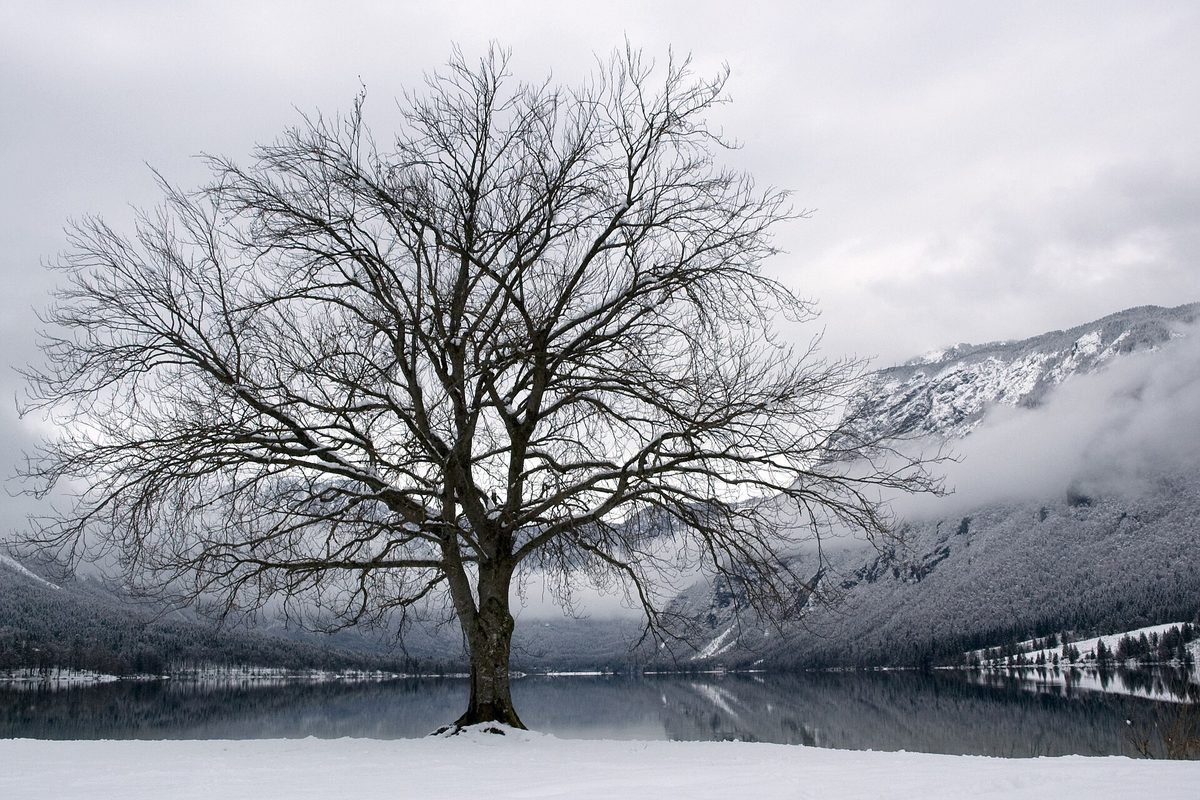
Photo: Grega.nered, CC BY-SA 3.0 via Wikimedia Commons

Quick facts
| Light: | Full sun, part shade and full shade (full sun preferred)11 source |
|---|---|
| Water: | Dry to medium21 source |
| Soil: | Well drained and occasionally dry; pH 5–7.411 source |
| Hardiness: | Zones 4a–7b23 |
| Size: | 50–60 ft (15.24–18.29 m) × 35–50 ft (10.67–15.24 m)21 source |
| Growth rate: | Slow21 source |
| Bloom: | Apr–May, Brown and green21 source |
| Cats: | Not documented by major sources |
| Dogs: | Toxic to dogs 52 |
| Native range: | ALB, AUT, BGM, BLT, BUL, COR, CZE, DEN, FRA, GER, GRB, GRC, HUN, ITA, KRY, NET, NOR, POL, ROM, SIC, SPA, SWE, SWI, TUE, UKR, YUG6 |
| Family: | Fagaceae |
How much light does a European Beech need?
Full sun is the preferred light for European beech, and the tree is listed for part shade as well. The full range of light conditions on record is full sun, part shade and full shade. A position in full sun gives the tree its preferred light, while part shade and full shade are also listed.
- Light: Full sun, part shade and full shade (full sun preferred)1
How often to water a European Beech
The water range recorded for European beech runs from dry at the low end to medium at the high end. The source describes moist, well drained soils for this tree. Its drainage is listed as well drained and occasionally dry. Occasional periods of dry soil are part of those listed conditions.
- Water: Dry to medium2
Best soil for a European Beech
Soil pH for European beech is listed as 5 to 7.4. That range covers acid to neutral soil. The drainage record says well drained, with occasional periods of dry soil. Consistently moist, well drained soil is also part of the description. Soil that is well drained and falls between pH 5 and 7.4 fits the recorded needs. Soil above pH 7.4 falls outside the listed range.
Hardiness and temperature
The recorded hardiness range for European beech is zones 4a through 7b. That range takes in the half zones 4a, 4b, 5a, 5b, 6a, 6b, 7a and 7b. A site in zone 3 or in zone 8 and warmer lies outside the recorded range. Zones 4 through 7 appear as the whole-number version of that same span.
Pruning a European Beech
Light shaping is the pruning type recorded for European beech. The tree is tolerant of pruning, and it can be used as a hedge or screen. A hedge or screen planting is one of the uses recorded for this tree. Pruning tolerance and light shaping are the two pruning facts on record for it.
- Pruning: Light shaping2
How to plant a European Beech
Choose a planting site within zones 4a to 7b, the range recorded for this tree. The tree reaches 50 to 60 ft (15.24 to 18.29 m) tall at maturity. Its mature spread is 35 to 50 ft (10.67 to 15.24 m). The growth rate is slow. Full sun is preferred at the planting site, though part shade and full shade are also listed.
Winter care
European beech is deciduous, which is the leaf retention type recorded for it. Its recorded hardiness range is zones 4a through 7b, and zones colder than 4a fall outside it. No minimum temperature is documented, but zone 4a is the coldest zone in the recorded range. Zone 7b is the warmest zone in that range.
How to propagate a European Beech
Propagation of European beech is by seed, the one method recorded for it. The recommended propagation strategy is seed. If you want a new tree of this species, the recorded route is seed. Seed stands alone in the recorded list of methods. A tree is the plant type recorded, and seed is the way it is propagated.
- Propagation: Seed2
Common problems
Aphids, Japanese beetles, caterpillars and scale insects are occasionally observed on European beech. Woolly aphid and winter moth are also listed among its pests. The recorded diseases are canker, beech bark disease, powdery mildew, coral spot fungus, beech leaf disease and phytophthora root rot. Woolly aphid and coral spot fungus are named together as causes of bark disease problems.
| Problem | Kind |
|---|---|
| Aphids | Pest |
| Woolly aphid | Pest |
| Japanese beetles | Pest |
| Scale insects | Pest |
| Caterpillars | Pest |
| Winter moth | Pest |
| Canker | Disease |
| Beech bark disease | Disease |
| Powdery mildew | Disease |
| Coral spot fungus | Disease |
| Beech leaf disease | Disease |
| Phytophthora root rot | Disease |
Is European Beech toxic to cats and dogs?
For cats, no toxicity position is documented, while for dogs the species is listed as toxic. The beechnuts are the part named, and they can cause stomach upset in dogs, including nausea, vomiting, diarrhea and abdominal pain. A pet poison source describes the native North American beech as much less toxic than European beech.
Pet-safe alternatives
Recommended supplies
- Soil: a free-draining mix, and a pot with a drainage hole.
Questions and answers
- Is European beech toxic to dogs?
- The species is listed as toxic to dogs. The beechnuts are the part named, and they can cause nausea, vomiting, diarrhea and abdominal pain. A pet poison source describes the native North American beech as much less toxic than this European species.
- How much sun does European beech need, and what shade does it accept?
- Full sun is the preferred light for European beech. The recorded range of light conditions also includes part shade and full shade.
- What zones can you grow European beech in?
- The recorded hardiness range is zones 4a through 7b. The tree is deciduous, and its recorded mature height is 50 to 60 ft (15.24 to 18.29 m).
Sources
- Cornell University CALS Woody Plants Database. https://woodyplants.cals.cornell.edu/plant/94. Accessed 14 October 2026.
- NC State Extension Gardener Plant Toolbox. https://plants.ces.ncsu.edu/plants/fagus-sylvatica/. Accessed 15 October 2026.
- Utah State University Extension. https://extension.usu.edu/treebrowser/catalog/beech-european. Accessed 14 October 2026.
- EPPO Global Database. https://gd.eppo.int/taxon/FAUSY/pests. Accessed 14 October 2026.
- Pet Poison Helpline. https://www.petpoisonhelpline.com/poison/beech-trees/. Accessed 21 October 2026.
- Royal Botanic Gardens, Kew (World Checklist of Vascular Plants). https://sftp.kew.org/pub/data-repositories/WCVP/wcvp.zip. Accessed 4 June 2026.
How this page was made
- Written with AI assistance from the sources listed on this page. AI is never the source of a fact.