Scots Pine (Pinus sylvestris)
Formerly Pinus armena, Pinus fominii, Pinus kochiana
Give Scots pine full sun, and expect its water needs to run from dry to medium. It is an evergreen tree that grows in USDA zones 2a to 7b and usually reaches 30 to 60 ft (9.1–18.3 m) tall. This page has no documented toxicity position for cats or dogs.
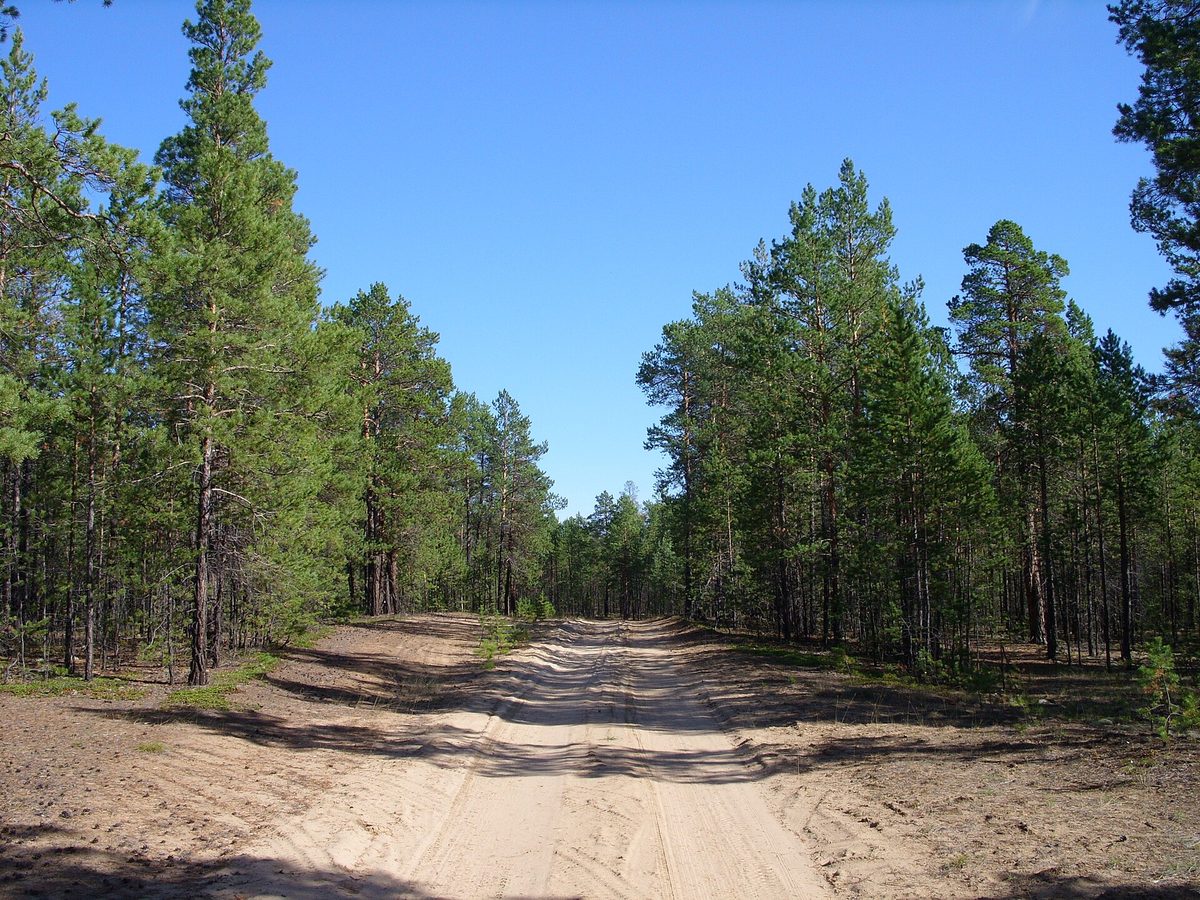
Photo: LxAndrew, CC BY-SA 3.0 via Wikimedia Commons

Quick facts
| Light: | Full sun123 |
|---|---|
| Water: | Dry to medium31 source |
| Soil: | Well drained, moist and occasionally dry; pH 5–813 |
| Hardiness: | Zones 2a–7b11 source |
| Size: | 29.9–60 ft (9.1–18.3 m) × 29.9–40 ft (9.1–12.2 m)132 |
| Growth rate: | Rapid111 source |
| Bloom: | May–Jun, Yellow, green, purple and red411 source |
| Cats: | Not documented by major sources |
| Dogs: | Not documented by major sources |
| Native range: | ALB, ALT, AMU, AUT, BGM, BLR, BLT, BRY, BUL, CHI, CHM, CTA, CZE, FIN, FRA, GER, GRB, GRC, HUN, IRE, IRK, ITA, KAZ, KHA, KRA, KRY, MON, NCS, NOR, POL, PRM, ROM, RUC, RUE, RUN, RUS, RUW, SPA, SWE, SWI, TCS, TUR, TVA, UKR, WSB, YAK, YUG5 |
| Family: | Pinaceae |
How much light does a Scots Pine need?
Full sun is the preferred light for Scots pine, which means six or more hours of direct sunlight a day. Penn State Extension also notes that the plants prefer full sunlight. The light record lists full sun as the only exposure, so shade is not a documented option. Choose a site that gets at least six hours of direct sun each day.
How often to water a Scots Pine
The water record for this tree runs from dry to medium. Cornell's database lists consistently moist, well-drained soil, occasional periods of dry soil and prolonged periods of dry soil. Soil drainage for the tree is recorded as well drained, moist and occasionally dry. No cited source gives a watering schedule in days.
- Water: Dry to medium3
Best soil for a Scots Pine
Well-drained soil suits Scots pine. NC State Extension lists good drainage, and Cornell lists consistently moist, well-drained soil. The recorded pH range runs from 5 to 8. Cornell says the tree can tolerate acid to alkaline soil in that range, from pH 5.0 to 8.0. Occasional dry spells in the soil also fall within the recorded drainage range.
Hardiness and temperature
USDA hardiness zones 2a to 7b are recorded for this tree. NC State Extension lists every half-step from zone 2a through zone 7b. The tree prefers cooler summer weather, and its humidity record is low. No cited source records a minimum temperature for it.
- Hardiness: Zones 2a–7b1
How to plant a Scots Pine
Check your zone first, because this tree is recorded for USDA zones 2a to 7b. Leave room for a mature spread of about 30 to 40 ft (9.1–12.2 m). The tree usually grows 30 to 60 ft (9.1–18.3 m) tall, and its growth rate is rapid. Pick a spot with full sun and well-drained soil. In the lower 48 US states, Scots pine is listed as introduced.
- Hardiness: Zones 2a–7b1
Winter care
Winter care starts with your zone, and the recorded hardiness range is USDA zones 2a to 7b. As a needled evergreen, the tree carries needles through winter. This page gives no cold limit in degrees because no cited source records a minimum temperature. NC State Extension says the tree is intolerant of the heat and humidity of the southeast United States.
- Hardiness: Zones 2a–7b1
How to propagate a Scots Pine
Seed is the recorded propagation method for Scots pine. NC State Extension lists seed and no other method. This page gives no sowing dates, depths or pretreatment steps, because no cited source records them. Plan for a long-term tree, since it can reach 30 to 60 ft (9.1–18.3 m) tall.
- Propagation: Seed1
Common problems
The recorded pests are pine wilt nematode, striped pine scale, pine spittlebug, powdery pine needle aphid, pine bark adelgid, pine needle scale, pine tortoise scale and introduced pine sawfly. Two diseases are recorded: diplodia tip blight and pine wilt disease. NC State Extension says the tree is susceptible to Sphaeropsis (Diplodia) tip blight.
| Problem | Kind |
|---|---|
| Pine wilt nematode | Pest |
| Striped pine scale | Pest |
| Pine spittlebug | Pest |
| Powdery pine needle aphid | Pest |
| Pine bark adelgid | Pest |
| Pine needle scale | Pest |
| Pine tortoise scale | Pest |
| Introduced pine sawfly | Pest |
| Diplodia tip blight | Disease |
| Pine wilt disease | Disease |
Is Scots Pine toxic to cats and dogs?
Recommended supplies
- Soil: a free-draining mix, and a pot with a drainage hole.
Questions and answers
- How much sun does Scots pine need?
- Scots pine prefers full sun, which means six or more hours of direct sunlight a day. Penn State Extension also says the plants prefer full sunlight, and the light record lists nothing else.
- Which hardiness zones suit Scots pine?
- NC State Extension lists USDA zones 2a through 7b for Scots pine. The same source says it is intolerant of the heat and humidity of the southeast United States.
- Does Scots pine tolerate dry soil?
- Its water range runs from dry to medium. Cornell's database lists occasional periods of dry soil and prolonged periods of dry soil, alongside consistently moist, well-drained soil.
Sources
- NC State Extension Gardener Plant Toolbox. https://plants.ces.ncsu.edu/plants/pinus-sylvestris/. Accessed 15 October 2026.
- Penn State Extension. https://extension.psu.edu/evergreen-shrubs-and-trees-for-pennsylvania. Accessed 15 October 2026.
- Cornell University CALS Woody Plants Database. https://woodyplants.cals.cornell.edu/plant/182. Accessed 15 October 2026.
- USDA Forest Service Fire Effects Information System. https://www.fs.usda.gov/database/feis/plants/tree/pinsyl/all.html. Accessed 31 October 2026.
- Royal Botanic Gardens, Kew (World Checklist of Vascular Plants). https://sftp.kew.org/pub/data-repositories/WCVP/wcvp.zip. Accessed 4 June 2026.
How this page was made
- Written with AI assistance from the sources listed on this page. AI is never the source of a fact.