European Mountain Ash (Sorbus aucuparia)
Formerly Pyrus aucuparia, Sorbus caucasigena, Sorbus boissieri
Sorbus aucuparia is a deciduous tree with white flowers that grows 20-40 ft (6.1-12.2 m) tall at a moderate rate. It is hardy outdoors in USDA zones 3a through 7b. Give it full sun, since it does not tolerate shade, and keep the soil medium to wet, matching the cool, moist sites it prefers.
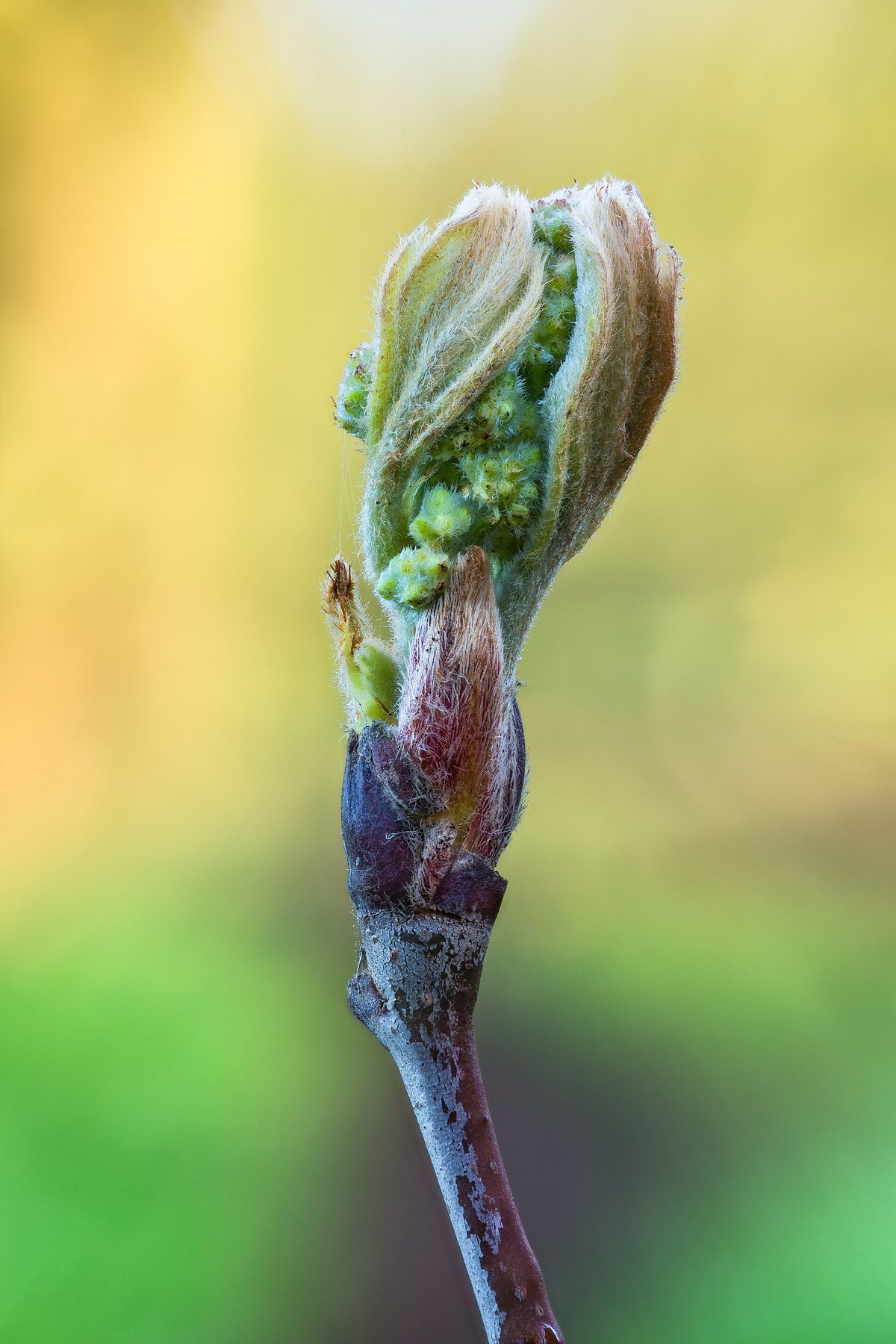
Photo: Dominicus Johannes Bergsma., CC BY-SA 4.0 via Wikimedia Commons

Quick facts
| Light: | Full sun123 |
|---|---|
| Water: | Medium to wet21 |
| Soil: | Well drained and moist; pH 5–8131 source |
| Hardiness: | Zones 3a–7b12 |
| Size: | 20–40 ft (6.1–12.2 m) × 15.1–24.9 ft (4.6–7.6 m)13 |
| Growth rate: | Moderate12 |
| Bloom: | White12 |
| Cats: | Not documented by major sources |
| Dogs: | Not documented by major sources |
| Native range: | ALB, ALT, AMU, AUT, BGM, BLR, BLT, BRY, BUL, CHI, CHM, CHN, COR, CZE, DEN, FIN, FRA, GER, GRB, GRC, HUN, ICE, IRE, IRK, IRN, ITA, KAM, KAZ, KHA, KOR, KRA, KRY, MAG, MON, NCS, NET, NOR, POL, POR, PRM, ROM, RUC, RUE, RUN, RUW, SAR, SIC, SPA, SWE, SWI, TCS, TKM, TUE, TUR, TVA, UKR, WSB, YAK, YUG4 |
| Family: | Rosaceae |
How much light does a European Mountain Ash need?
Grow Sorbus aucuparia outdoors in a full-sun spot, which means six or more hours of direct sunlight each day. This tree is shade intolerant, so it needs that much direct light to grow well. A spot with partial or full shade does not meet what this species needs outdoors.
How often to water a European Mountain Ash
Give Sorbus aucuparia enough water to keep the soil medium to wet. This tree prefers cool, moist growing sites rather than warm, dry ones. It grows best in moist, acidic, well-drained soil in full sun outdoors. On the scale used here, its water need is medium to wet.
Best soil for a European Mountain Ash
When you plant Sorbus aucuparia, give it soil with good drainage. This species also needs soil that stays moist rather than bone dry, so both conditions matter together. It can tolerate soil anywhere from acid to alkaline, in a pH range of 5.0 to 8.0. A pH of 5.0 counts as acid, and a pH of 8.0 counts as alkaline, in the range this tree tolerates. In practice, that means it grows best in soil that is moist, acidic and well drained.
Hardiness and temperature
Sorbus aucuparia is hardy outdoors in USDA zones 3a through 7b. That span covers zones 3a, 3b, 4a, 4b, 5a, 5b, 6a, 6b, 7a and 7b. Growers in zones colder than 3a or warmer than 7b are outside the zones listed for this tree. It also prefers cool growing conditions rather than hot ones.
How to plant a European Mountain Ash
Plant Sorbus aucuparia outdoors if you garden in USDA zones 3a through 7b, since that is the hardiness range listed for it. Give it room to grow: this tree reaches 20-40 ft (6.1-12.2 m) tall, with a spread of 15.1-24.9 ft (4.6-7.6 m) at maturity. In the United States, this tree's status is listed as introduced, both in Alaska and across the lower 48 states. It grows at a moderate rate.
Winter care
This tree is deciduous. Outdoors, it is hardy through USDA zone 3a on the cold end, up to zone 7b on the warm end. If your winters run colder than zone 3a or your summers warmer than zone 7b, you are gardening outside the hardiness range listed for this tree. This tree also prefers cool growing conditions over hot ones.
How to propagate a European Mountain Ash
Sorbus aucuparia is classified as a tree. The propagation method listed for it is seed, and no other method is given. If you want to grow a new Sorbus aucuparia from scratch, starting it from seed is the propagation method recommended for this tree species.
- Propagation: Seed1
Common problems
Sorbus aucuparia can have insect visitors including aphids, sawflies, scale and borers. Diseases recorded for this tree include fire blight, apple scab, cankers, crown gall, powdery mildew and rust. Bacterial fire blight can be a severe problem, causing scorched leaves at the branch ends. Together, these cover both insect pests and plant diseases recorded for Sorbus aucuparia.
| Problem | Kind |
|---|---|
| Aphids | Pest |
| Sawflies | Pest |
| Scale insects | Pest |
| Borers | Pest |
| Fire blight | Disease |
| Apple scab | Disease |
| Cankers | Disease |
| Crown gall | Disease |
| Powdery mildew | Disease |
| Rust | Disease |
Is European Mountain Ash toxic to cats and dogs?
Recommended supplies
- Soil: a free-draining mix, and a pot with a drainage hole.
Questions and answers
- What kind of light does Sorbus aucuparia need outdoors?
- Give it full sun outdoors, with six or more hours of direct sunlight a day. It is shade intolerant, so a shaded spot is not a good fit for this tree.
- What pests and diseases affect Sorbus aucuparia?
- Insect visitors recorded for this tree include aphids, sawflies, scale and borers. Diseases recorded include fire blight, apple scab, cankers, crown gall, powdery mildew and rust.
- How is Sorbus aucuparia usually propagated?
- The propagation method listed for Sorbus aucuparia is seed. No other method is given in the record for this species. This species is classified as a tree. Outdoors, it is hardy in USDA zones 3a through 7b.
Sources
- NC State Extension Gardener Plant Toolbox. https://plants.ces.ncsu.edu/plants/sorbus-aucuparia/. Accessed 14 October 2026.
- Utah State University Extension. https://extension.usu.edu/treebrowser/catalog/mountain-ash-european-rowan. Accessed 14 October 2026.
- Cornell University CALS Woody Plants Database. https://woodyplants.cals.cornell.edu/plant/237. Accessed 14 October 2026.
- Royal Botanic Gardens, Kew (World Checklist of Vascular Plants). https://sftp.kew.org/pub/data-repositories/WCVP/wcvp.zip. Accessed 4 June 2026.
How this page was made
- Written with AI assistance from the sources listed on this page. AI is never the source of a fact.