European White Birch (Betula pendula)
Formerly Betula verrucosa, Betula platyphylla, Betula tauschii
Plant European white birch in full sun, though part shade also works. This deciduous tree grows at a rapid rate. It is rated for hardiness zones 2a to 7b. Its mature height is 30–50 ft (9.14–15.24 m). Choose soil that is well drained or moist. Watering and pet toxicity for cats and dogs are not documented here. In the lower 48 US states it is classed as introduced.
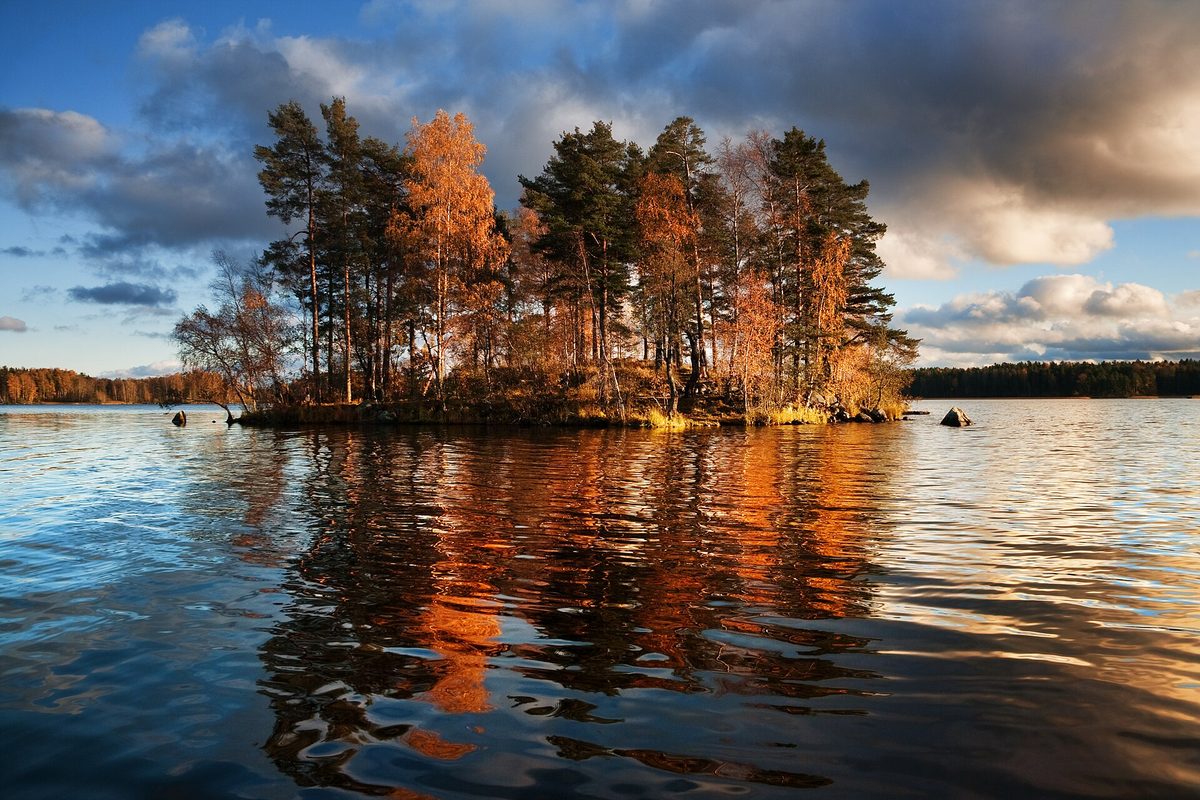
Photo: Dmitry A. Mottl, CC BY-SA 3.0 via Wikimedia Commons

Quick facts
| Light: | Full sun and part shade (full sun preferred)111 source |
|---|---|
| Soil: | Well drained, moist and occasionally dry11 source |
| Hardiness: | Zones 2a–7b21 source |
| Size: | 30–50 ft (9.14–15.24 m) × 25–30 ft (7.62–9.14 m)13 |
| Growth rate: | Rapid112 |
| Bloom: | Mar–Apr, Brown and green411 source |
| Cats: | Not documented by major sources |
| Dogs: | Not documented by major sources |
| Native range: | ABT, AGS, ALB, ALT, AMU, ASK, AUT, BGM, BLR, BLT, BRC, BRY, BUL, CHC, CHI, CHM, CHN, CHQ, CHT, COR, CTA, CZE, DEN, FIN, FRA, GER, GRB, GRC, HUN, IRE, IRK, IRN, IRQ, ITA, JAP, KAM, KAZ, KGZ, KOR, KRA, KRY, KUR, MAG, MAN, MON, MOR, NCS, NET, NOR, NWT, ONT, POL, POR, PRM, ROM, RUC, RUE, RUN, RUS, RUW, SAK, SAS, SIC, SPA, SWE, SWI, TCS, TUR, TVA, UKR, UZB, WSB, YAK, YUG, YUK5 |
| Family: | Betulaceae |
How much light does a European White Birch need?
Full sun is the preferred exposure, which the plant record describes as six or more hours of direct sunlight a day. Part shade is also listed, meaning direct sunlight for only part of the day, between two and six hours. Give the tree the sunniest spot you have, and use part shade as the second choice. Both exposures are named for this species outdoors.
Best soil for a European White Birch
Soil for this birch can be well drained, moist or occasionally dry. The plant record rates its drainage as good. Moist soil is also listed. Occasionally dry soil falls within the listed range as well. Well drained ground is the type to look for when you choose a spot. Pick a site that matches one of these descriptions. Soil pH is not documented for this species.
Hardiness and temperature
This birch is rated for USDA hardiness zones 2a to 7b. Zone 2a is the cold end of that range, and zone 7b is the warm end. The range runs through zones 3, 4, 5 and 6 between those two ends. It is a deciduous tree. No cited source records a minimum temperature or a humidity range for it. Check your own zone before you plant.
- Hardiness: Zones 2a–7b2
How to plant a European White Birch
Zones 2a to 7b are the range listed for this tree, so confirm yours before you dig. Leave room for a mature spread of 25–30 ft (7.62–9.14 m). Full sun is the preferred exposure for the planting site. Choose ground that is well drained or moist. The tree grows at a rapid rate. In the lower 48 US states it is classed as introduced.
- Hardiness: Zones 2a–7b2
Winter care
As a deciduous tree, it is suited to the zones from 2a through 7b. Zone 2a is the coldest zone this tree is listed for. If you garden in zone 8 or warmer, your climate sits outside the listed range. Confirm your zone before you count on this tree through the cold months. No cited source records a minimum temperature or winter protection steps.
- Hardiness: Zones 2a–7b2
How to propagate a European White Birch
Propagate this birch from seed, the strategy the plant record recommends. Seed is the only propagation method recorded for it. Cuttings, division and grafting are not recorded for it. Betula pendula is listed as a tree, and seed is its recorded method. Plan on starting new plants from seed rather than from pieces of an existing tree.
- Propagation: Seed1
Common problems
The bronze birch borer infects and kills trees, and this species is one of the most susceptible birches to it. Aphids, leaf miner and birch skeletonizer may also occur. Four pests are recorded for this tree: bronze birch borer, aphids, leaf miner and birch skeletonizer. Leaf spot is the disease to watch for.
| Problem | Kind |
|---|---|
| Bronze birch borer | Pest |
| Aphids | Pest |
| Leaf miner | Pest |
| Birch skeletonizer | Pest |
| Leaf spot | Disease |
Is European White Birch toxic to cats and dogs?
Recommended supplies
- Soil: a free-draining mix, and a pot with a drainage hole.
Questions and answers
- How much sun does European white birch need?
- Full sun is preferred, which means six or more hours of direct sunlight a day. Part shade, with two to six hours of direct sun, is also listed for this tree.
- How big does European white birch get?
- The listed mature height is 30–50 ft (9.14–15.24 m). The mature spread is 25–30 ft (7.62–9.14 m), and the growth rate is rapid.
- What color are the flowers, and when do they bloom?
- The bloom color is listed as brown and green. Bloom time runs from March to April. The tree is deciduous.
Sources
- NC State Extension Gardener Plant Toolbox. https://plants.ces.ncsu.edu/plants/betula-pendula/. Accessed 14 October 2026.
- Utah State University Extension. https://extension.usu.edu/treebrowser/catalog/birch-european-white. Accessed 21 October 2026.
- Cornell University CALS Woody Plants Database. https://woodyplants.cals.cornell.edu/plant/310. Accessed 30 October 2026.
- Chicago Botanic Garden. https://www.chicagobotanic.org/plant-information/plant-finder/betula-pendula-european-white-birch. Accessed 21 October 2026.
- Royal Botanic Gardens, Kew (World Checklist of Vascular Plants). https://sftp.kew.org/pub/data-repositories/WCVP/wcvp.zip. Accessed 4 June 2026.
How this page was made
- Written with AI assistance from the sources listed on this page. AI is never the source of a fact.