Perennials for zone 5
Zone 5 is a band of average annual minimum winter temperatures, not a single number. It tells you roughly how cold a typical winter gets in a region. That number helps you judge whether a perennial can survive outdoors without extra cover. It says nothing about summer heat, rainfall, humidity, or the soil in your own yard. A plant rated hardy for zone 5 can still struggle in a zone 5 garden with heavy clay or poor drainage. A scorching July can hurt it too, since that sits outside what the zone number measures. This hub lists 38 perennials, grouped together because each one is reported to handle a zone 5 winter. Three of them -- galium odoratum, nelumbo nucifera, and physalis peruviana -- already have full pages on this site, and the rest are still being added. Use the list as a starting point for research, not as a promise that every plant on it will thrive in your exact spot. Check each plant's own page for its specific needs before you plant it in a bed. When you plan outdoor planting, work from your own last frost date rather than a calendar month. That date shifts from year to year, even within the same zone. Wait until the soil has warmed and the frost risk has passed before you move tender growth outside. Give new perennials a full season to settle in before you judge whether they made it through winter.
Compared side by side
| Plant | Hardiness | Height | Light | Cats | Dogs |
|---|---|---|---|---|---|
| Common YarrowAchillea millefolium | Zones 3a–9b | 1–3.3 ft (0.3–1 m) | Full sun and part shade (full sun preferred) | Toxic | Toxic |
| CalamusAcorus calamus | Zones 4a–10b | 2–2.5 ft (0.61–0.76 m) | Full sun and part shade (full sun preferred) | Not documented | Not documented |
| Blue Giant HyssopAgastache foeniculum | Zones 4a–8b | 3–5 ft (0.91–1.52 m) | Full sun, part shade and full shade (full sun preferred) | Not documented | Not documented |
| IndianhempApocynum cannabinum | Zones 3a–11b | 3–4 ft (0.91–1.22 m) | Full sun and part shade (full sun preferred) | Toxic (1 source) | Toxic |
| Greater BurdockArctium lappa | Zones 3a–10b | 2–10 ft (0.61–3.05 m) | Full sun and part shade (full sun preferred) | Not documented | Not documented |
| Mountain ArnicaArnica montana | Zones 4a–9b | 0.5–2 ft (0.15–0.61 m) | Full sun and part shade (full sun preferred) | Not documented | Not documented |
| AbsinthiumArtemisia absinthium | Zones 3a–9b | 1.3–5 ft (0.4–1.52 m) | Full sun and part shade (full sun preferred) | Toxic (1 source) | Toxic (1 source) |
| Common WormwoodArtemisia vulgaris | Zones 3a–8b | 2–6 ft (0.61–1.83 m) | Full sun and part shade (full sun preferred) | Not documented | Not documented |
| Common MilkweedAsclepias syriaca | Zones 3a–9b | 3–5 ft (0.91–1.52 m) | Full sun | Toxic | Toxic |
| Butterfly MilkweedAsclepias tuberosa | Zones 3a–9b | 1–2 ft (0.3–0.6 m) | Full sun and part shade (full sun preferred) | Toxic (1 source) | Toxic (1 source) |
| BelladonnaAtropa bella-donna | Zones 5a–9b | 3–4 ft (0.91–1.22 m) | Full sun and part shade (full sun preferred) | Toxic | Toxic |
| LawndaisyBellis perennis | Zones 4a–8b | 0.3–0.5 ft (0.08–0.15 m) | Full sun and part shade (full sun preferred) | Not documented | Not documented |
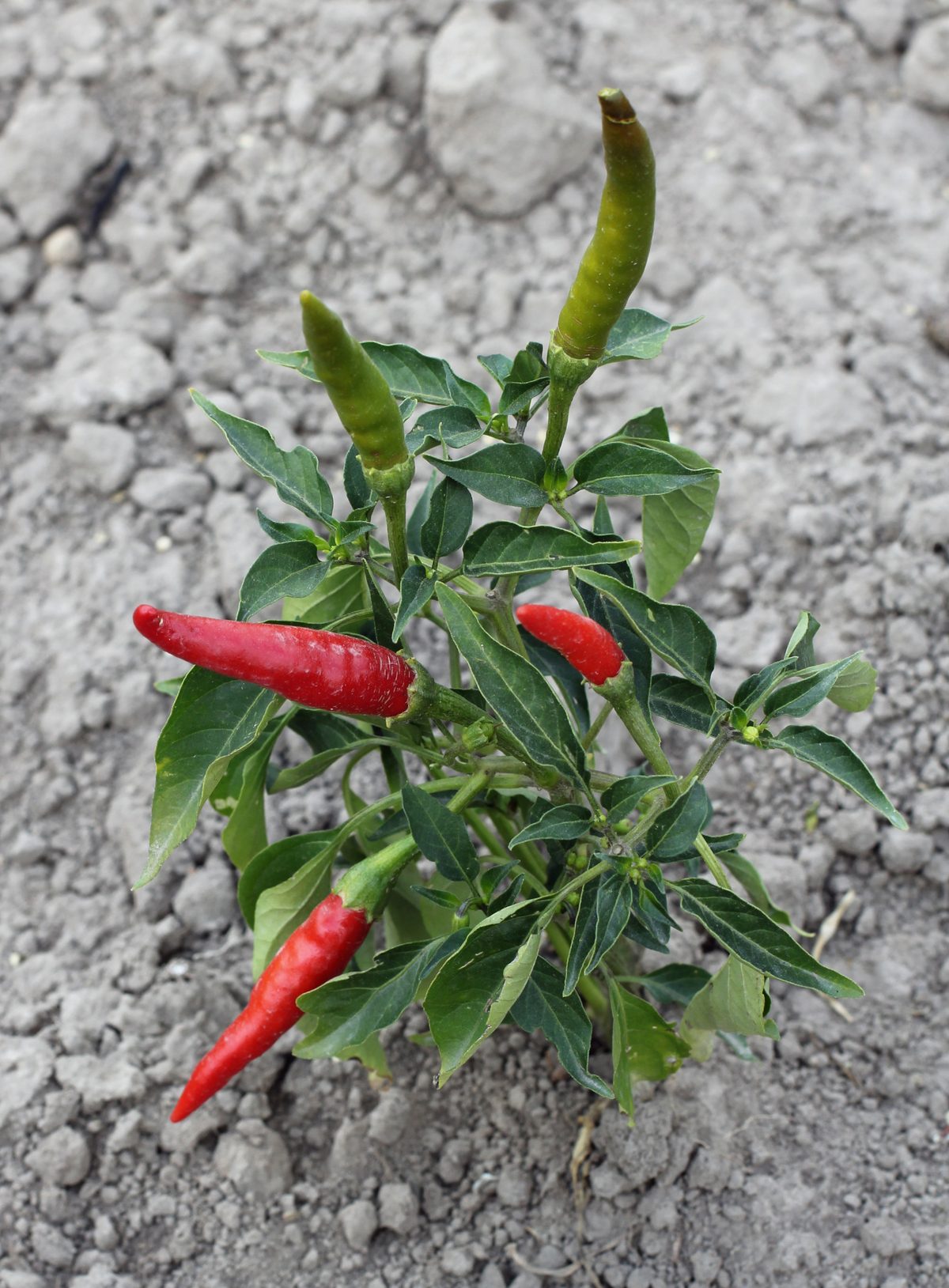
| Cayenne PepperCapsicum annuum | Zones 4a–11b | 1–4 ft (0.3–1.22 m) | Full sun | Toxic | Toxic |
| Canada ThistleCirsium arvense | Zones 4a–7b | 3–5 ft (0.91–1.52 m) | Full sun and part shade (full sun preferred) | Not documented | Not documented |
| Field BindweedConvolvulus arvensis | Not documented | Not documented | Full sun and part shade (full sun preferred) | Not documented | Not documented |
| Purple ConeflowerEchinacea purpurea | Zones 3a–8b | 3–4 ft (0.91–1.22 m) | Full sun and part shade (full sun preferred) | Not documented | Not documented |
| Queen of the MeadowFilipendula ulmaria | Zones 3a–9b | 4 ft (1.22 m) | Full sun and part shade (full sun preferred) | Not documented | Not documented |
| Woodland StrawberryFragaria vesca | Zones 4a–9b | 0.7–0.8 ft (0.2–0.25 m) | Part shade and full shade (part shade preferred) | Not documented | Not documented |
| Sweetscented BedstrawGalium odoratum | Zones 4a–8b | 0.5–1 ft (0.15–0.3 m) | Part shade and full shade (part shade preferred) | Not documented | Not documented |
| Ground IvyGlechoma hederacea | Not documented | 0.2–1 ft (0.05–0.3 m) | Full sun, part shade and full shade (full sun preferred) | Not documented | Not documented |
| DaylilyHemerocallis fulva | Zones 3a–8b | 3–6 ft (0.91–1.83 m) | Full sun and part shade (full sun preferred) | Toxic | Non-toxic |
| Common CowparsnipHeracleum maximum | Zones 4a–10a | 3.3–9.8 ft (1–3 m) | Full sun, part shade and full shade (full sun preferred) | Toxic (1 source) | Toxic (1 source) |
| ChameleonHouttuynia cordata | Zones 4a–10b | 0.5–1.7 ft (0.15–0.51 m) | Full sun, part shade and full shade (full sun preferred) | Not documented | Not documented |
| Common HopHumulus lupulus | Zones 5a–8b | Sources differ: Utah State University Extension; Utah State University Extension | Full sun and part shade (full sun preferred) | Not documented | Toxic |
| Common St. JohnswortHypericum perforatum | Zones 3a–8b | 1–3.3 ft (0.3–1 m) | Full sun and part shade (full sun preferred) | Toxic | Toxic |
| CardinalflowerLobelia cardinalis | Zones 3a–9b | 4–5 ft (1.22–1.52 m) | Full sun, part shade and full shade (full sun preferred) | Toxic (1 source) | Toxic (1 source) |
| Wild BergamotMonarda fistulosa | Zones 3a–9b | 2–5 ft (0.61–1.52 m) | Full sun and part shade (full sun preferred) | Not documented | Not documented |
| Sacred LotusNelumbo nucifera | Zones 4a–10b | 5–8 ft (1.52–2.44 m) | Full sun | Not documented | Not documented |
| Peruvian GroundcherryPhysalis peruviana | Zones 3a–9b | 1–3 ft (0.3–0.91 m) | Full sun | Not documented | Not documented |
| American PokeweedPhytolacca americana | Zones 4a–8b | 4–10 ft (1.22–3.05 m) | Full sun and part shade (full sun preferred) | Toxic (1 source) | Toxic |
| Narrowleaf PlantainPlantago lanceolata | Zones 5a–9b | Not documented | Full sun | Not documented | Not documented |
| Kentucky BluegrassPoa pratensis | Zones 3a–7b | 0.3–3 ft (0.1–0.91 m) | Full sun and part shade (full sun preferred) | Not documented | Not documented |
| Indian StrawberryPotentilla indica | Zones 5a–9b | 0.2–0.7 ft (0.08–0.2 m) | Full sun and part shade (full sun preferred) | Not documented | Not documented |
| Common SelfhealPrunella vulgaris | Zones 3a–9b | 1.7 ft (0.51 m) | Full sun and part shade (full sun preferred) | Not documented | Not documented |
| Japanese KnotweedReynoutria japonica | Zones 5a–5b | 10–13 ft (3.05–3.96 m) | Full sun and part shade (full sun preferred) | Not documented | Not documented |
| Canada GoldenrodSolidago canadensis | Zones 5a–9b | 2–4 ft (0.61–1.22 m) | Full sun and part shade (full sun preferred) | Not documented | Not documented |
| Common ComfreySymphytum officinale | Zones 4a–8b | 1–3 ft (0.3–0.91 m) | Full sun and part shade (full sun preferred) | Not documented | Not documented |
| Red CloverTrifolium pratense | Zones 3a–9b | 0.5–2 ft (0.15–0.61 m) | Full sun | Not documented | Not documented |
| White CloverTrifolium repens | Zones 3a–10b | 0.3–0.5 ft (0.1–0.15 m) | Full sun and part shade (full sun preferred) | Not documented | Not documented |
| Stinging NettleUrtica dioica | Zones 4a–10b | 10 ft (3.05 m) | Full sun, part shade and full shade (full sun preferred) | Toxic (1 source) | Toxic (1 source) |
| Common MulleinVerbascum thapsus | Zones 3a–9b | 3–10 ft (0.91–3.05 m) | Full sun and part shade (full sun preferred) | Not documented | Not documented |
| Adam's NeedleYucca filamentosa | Zones 4a–10b | 3–15 ft (0.91–4.57 m) | Full sun, part shade and full shade (full sun preferred) | Toxic | Toxic |
The plants
-
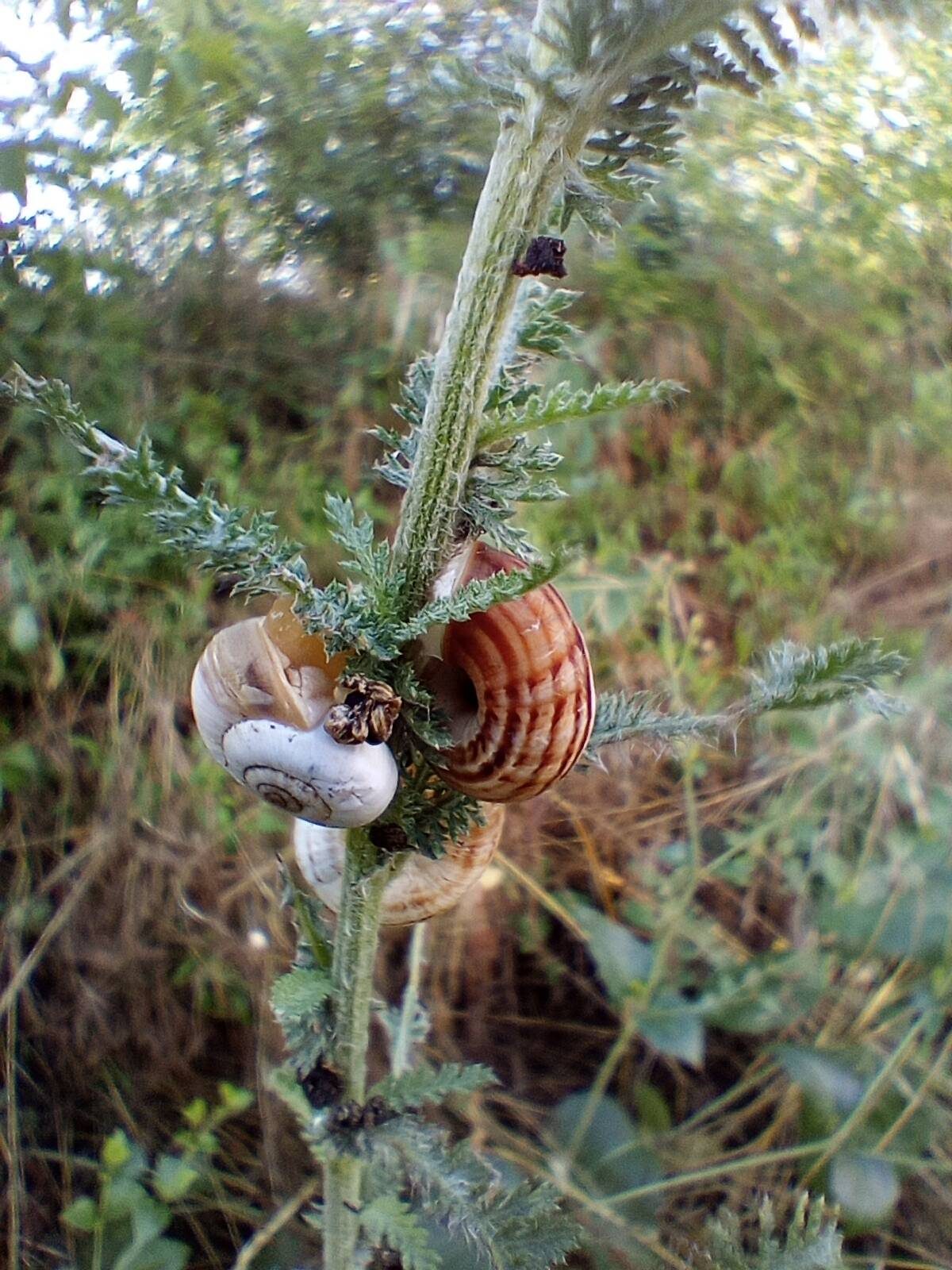
Common Yarrow
Achillea millefolium
Zones 3a–9b · 1–3.3 ft (0.3–1 m) · Full sun and part shade (full sun preferred)
Achillea millefolium appears on this page as one of the 38 perennials grouped for a zone 5 winter. It sits among the others still waiting for a full page of its own on this site, rather than carrying a profile yet.
-
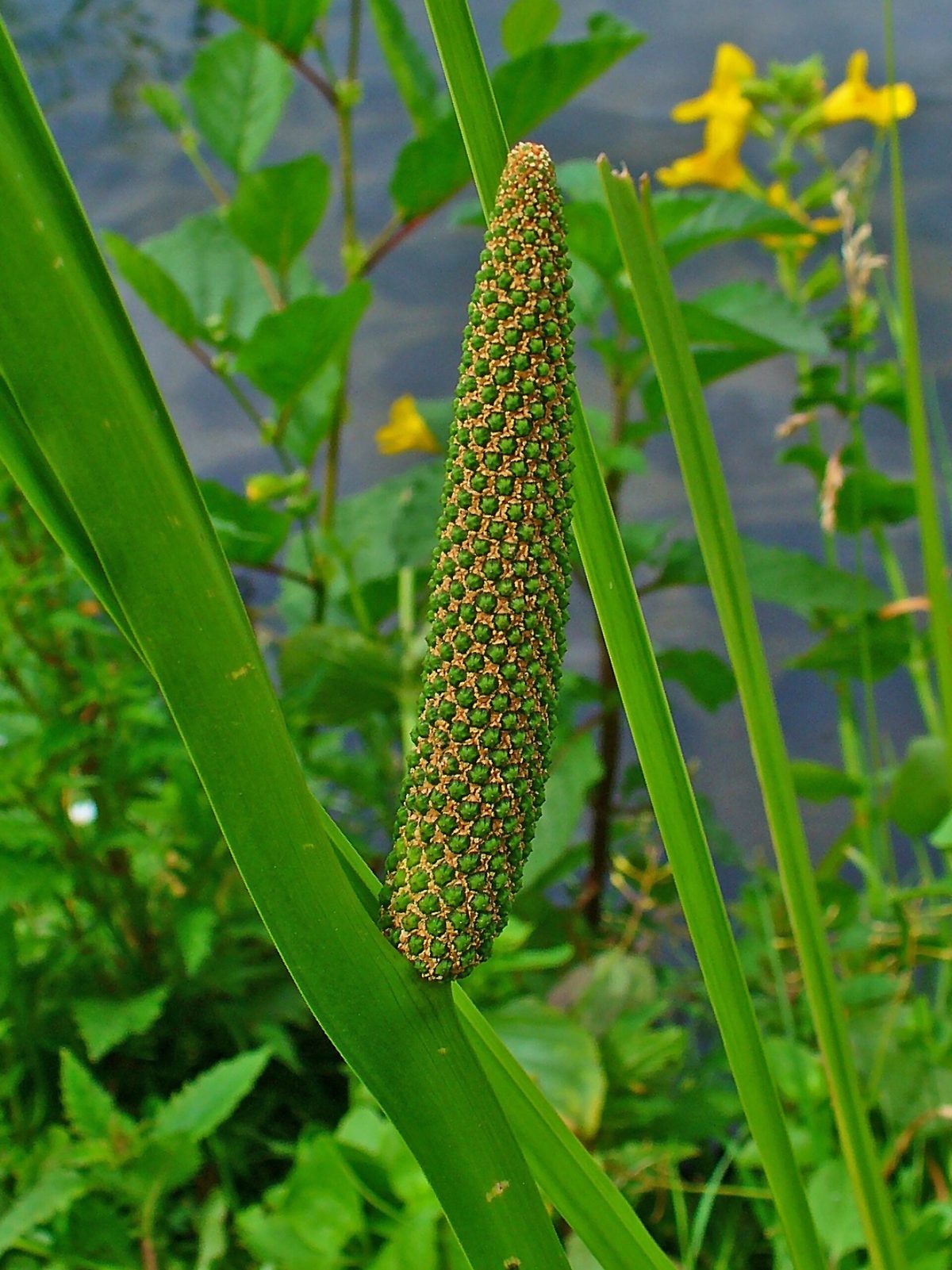
Calamus
Acorus calamus
Zones 4a–10b · 2–2.5 ft (0.61–0.76 m) · Full sun and part shade (full sun preferred)
Acorus calamus is included here because it belongs to the same zone 5 perennial grouping as the rest of this list. Its own page is still being prepared, so this note only marks its place on the list for now.
-
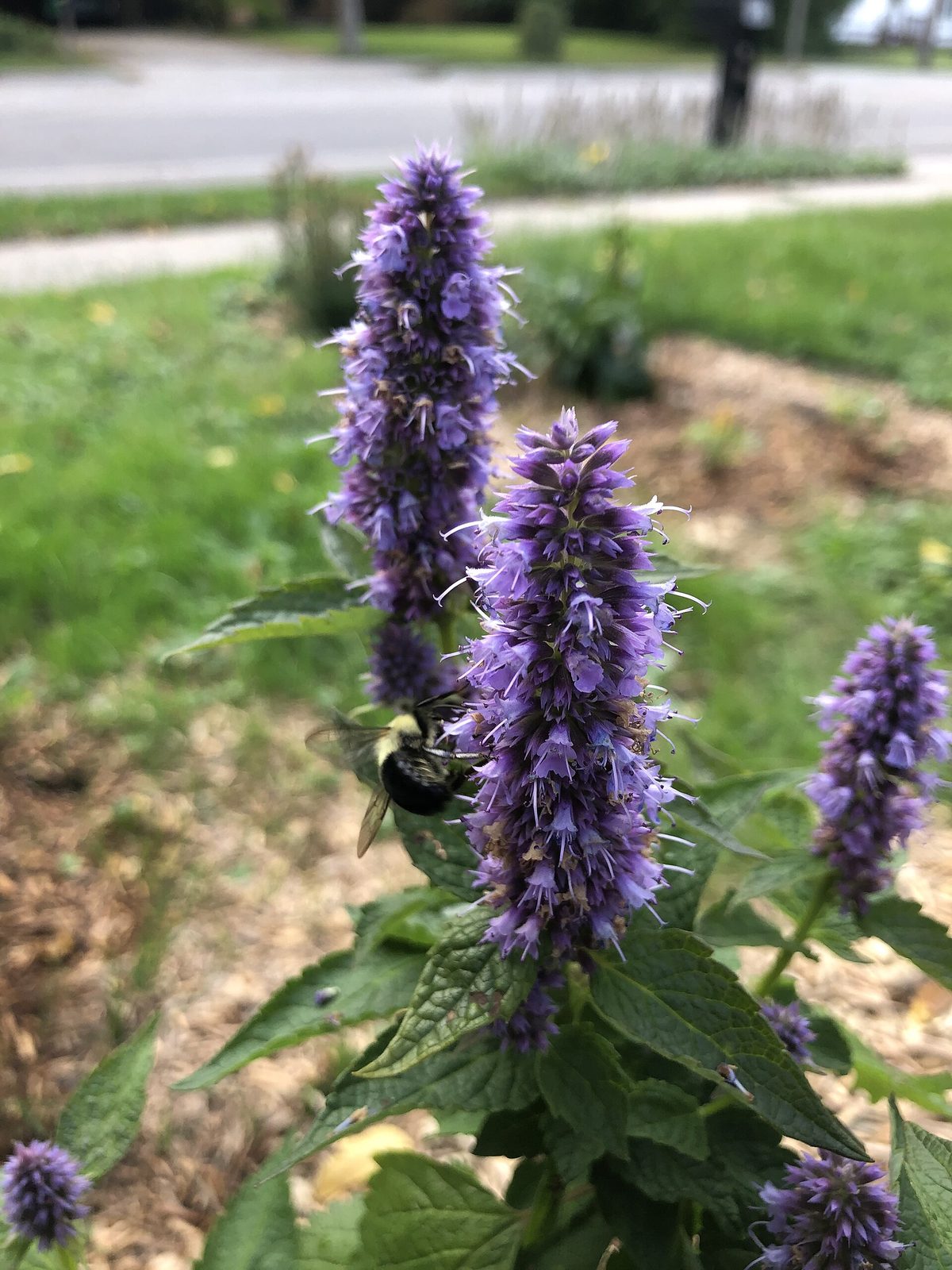
Blue Giant Hyssop
Agastache foeniculum
Zones 4a–8b · 3–5 ft (0.91–1.52 m) · Full sun, part shade and full shade (full sun preferred)
Agastache foeniculum shares a spot on this zone 5 perennials list with 37 other plants. No full page exists for it on this site yet, so this entry simply records its place among the group.
-
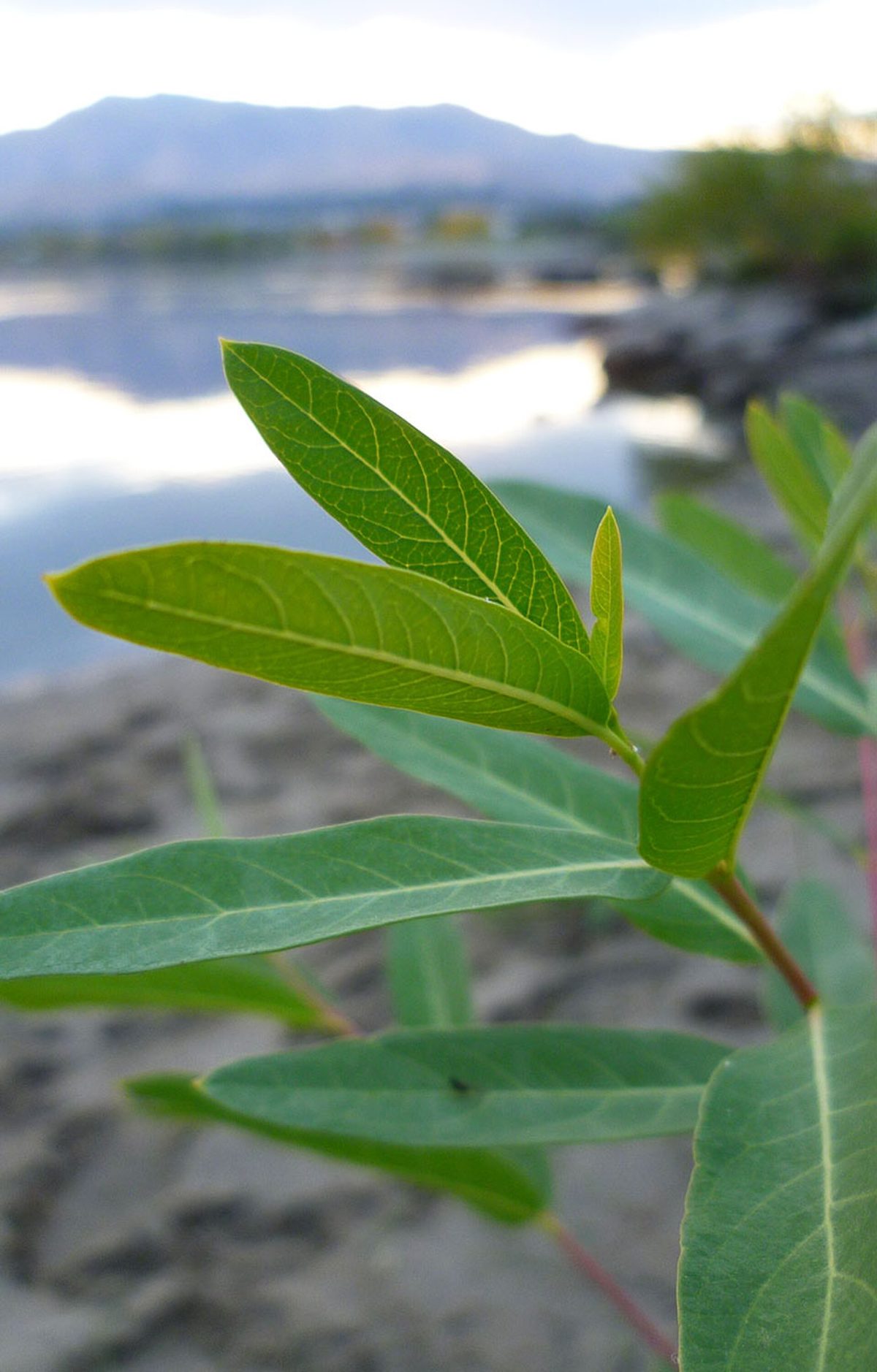
Indianhemp
Apocynum cannabinum
Zones 3a–11b · 3–4 ft (0.91–1.22 m) · Full sun and part shade (full sun preferred)
Apocynum cannabinum is counted among the 38 plants gathered for this zone 5 list. This note holds its spot until a full page is ready, rather than claiming facts this page has not been given.
-
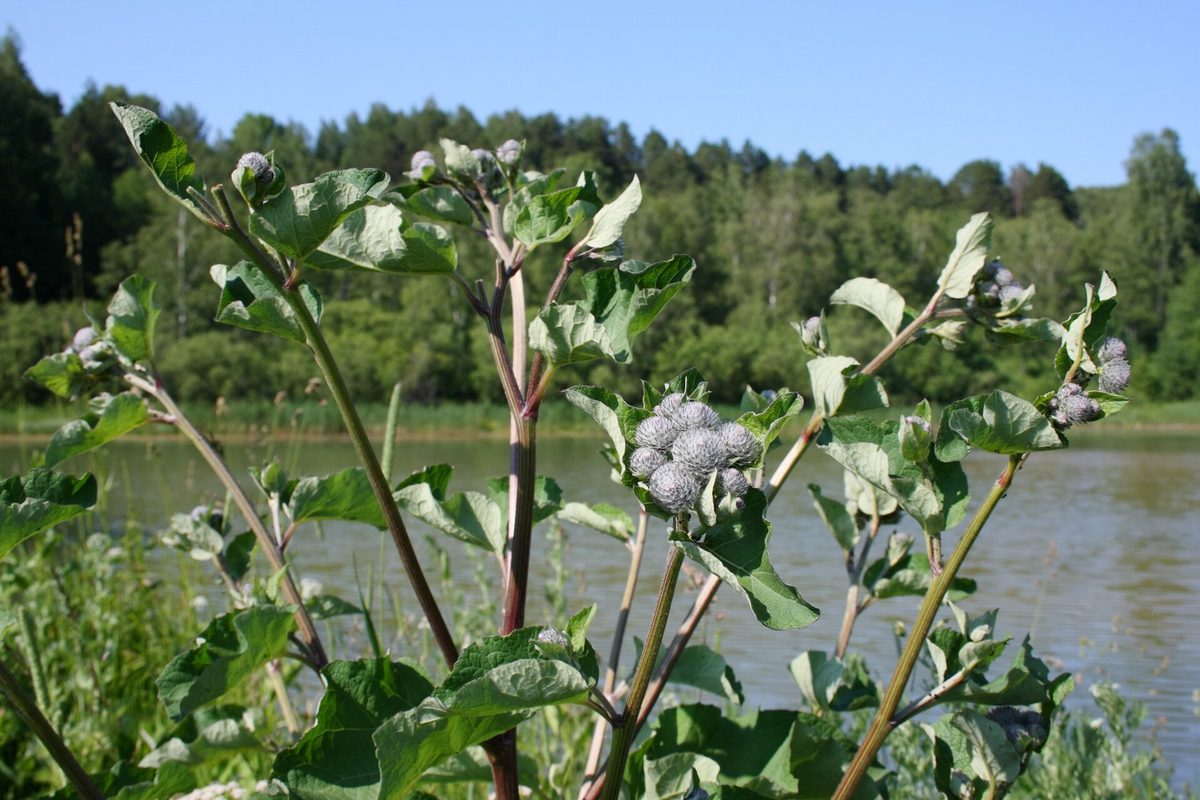
Greater Burdock
Arctium lappa
Zones 3a–10b · 2–10 ft (0.61–3.05 m) · Full sun and part shade (full sun preferred)
Arctium lappa is one of the perennials this zone 5 hub groups together. It waits alongside the others for its own page, and this note marks only its place on the list.
-
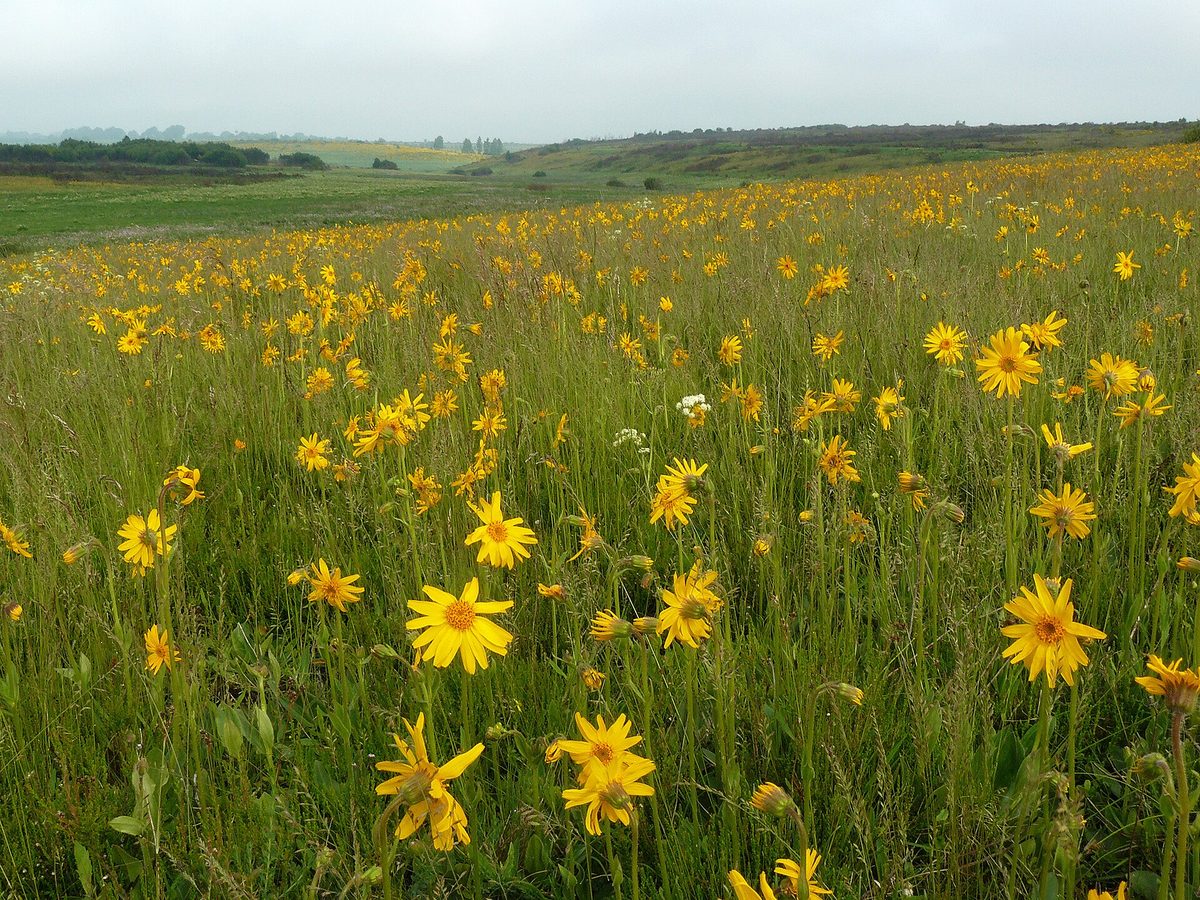
Mountain Arnica
Arnica montana
Zones 4a–9b · 0.5–2 ft (0.15–0.61 m) · Full sun and part shade (full sun preferred)
Arnica montana sits on this zone 5 list among 37 other perennials grouped the same way. A dedicated page for it is still on the way, so this entry only records that membership.
-
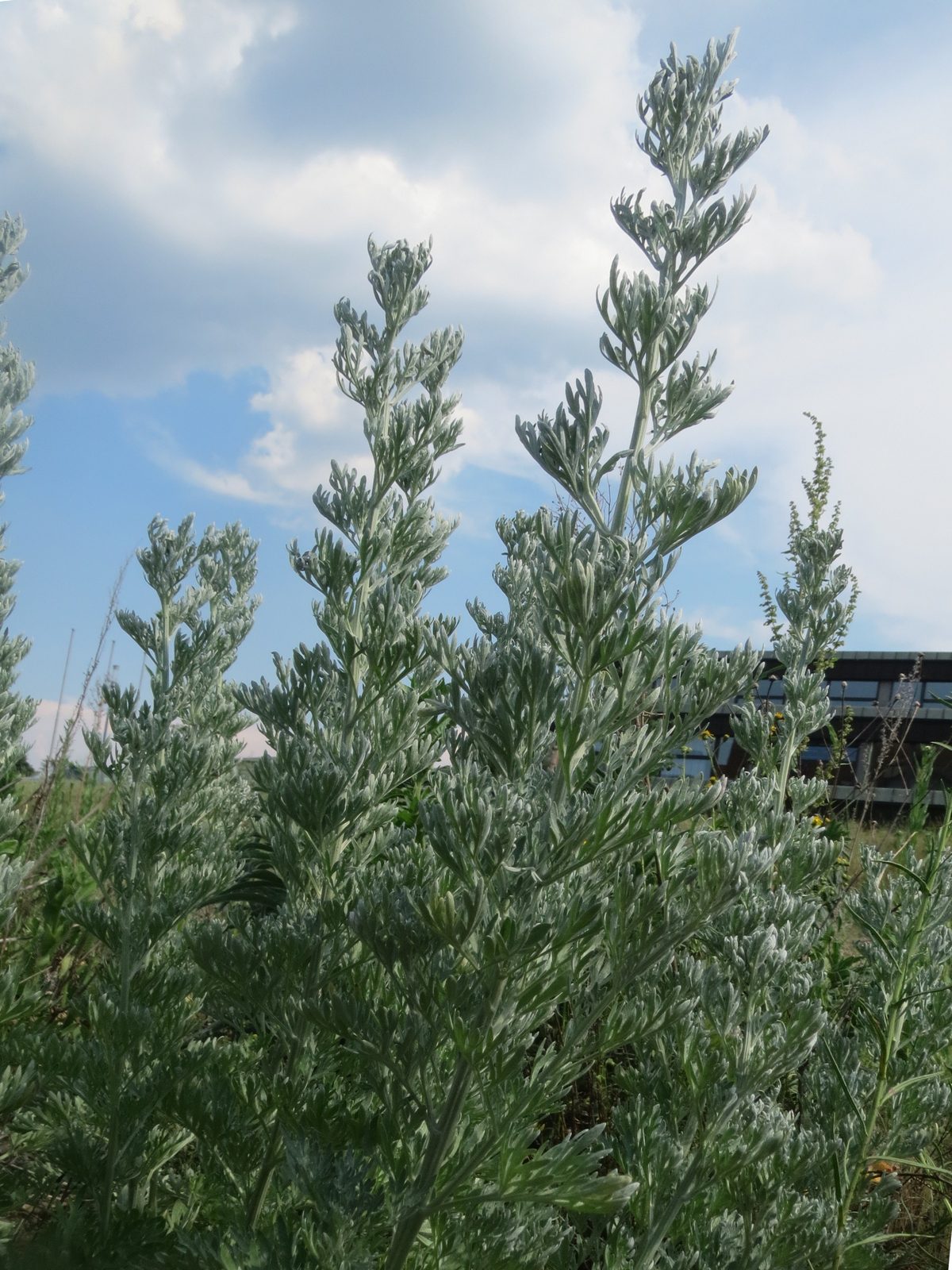
Absinthium
Artemisia absinthium
Zones 3a–9b · 1.3–5 ft (0.4–1.52 m) · Full sun and part shade (full sun preferred)
Artemisia absinthium is grouped with the rest of this zone 5 perennials list. Its full profile has not been built yet, so no other claim is made here beyond its place on the list.
-
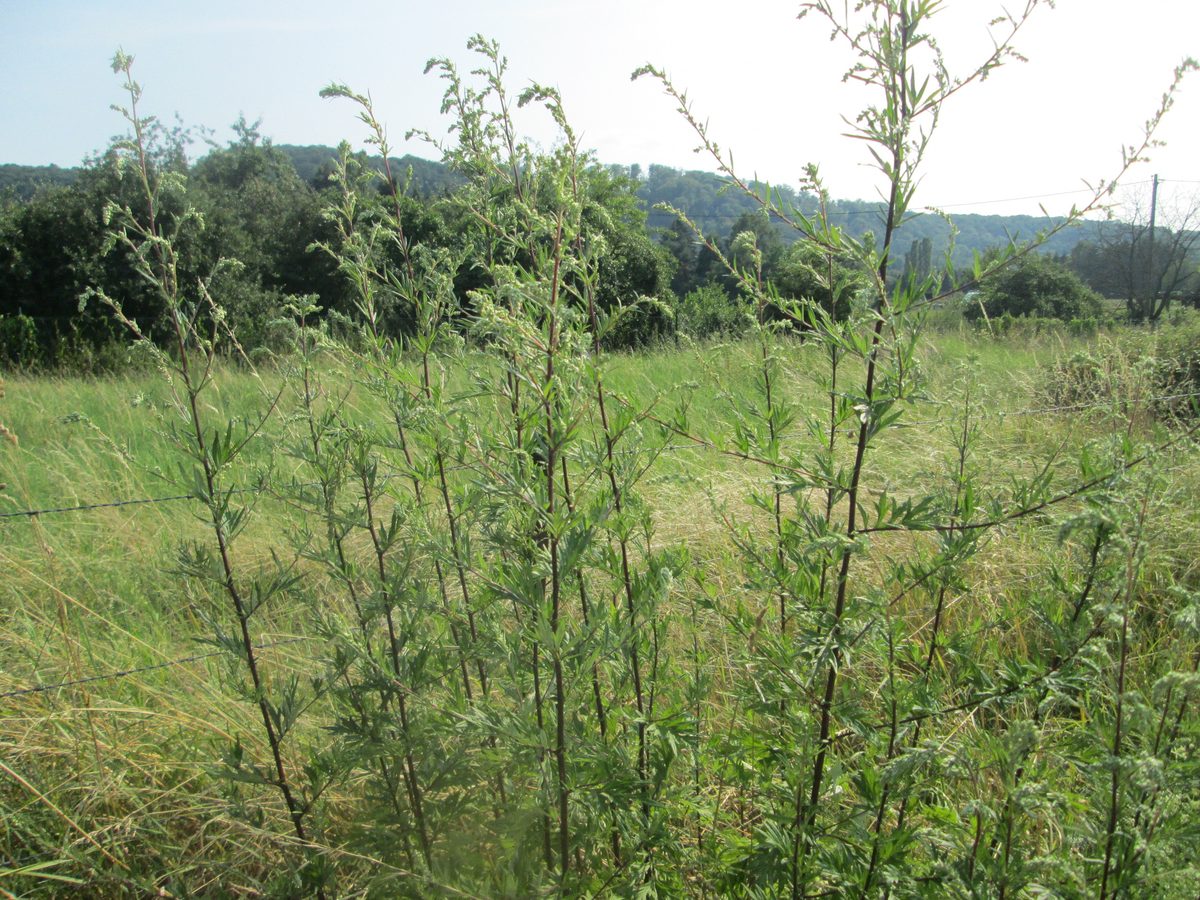
Common Wormwood
Artemisia vulgaris
Zones 3a–8b · 2–6 ft (0.61–1.83 m) · Full sun and part shade (full sun preferred)
-
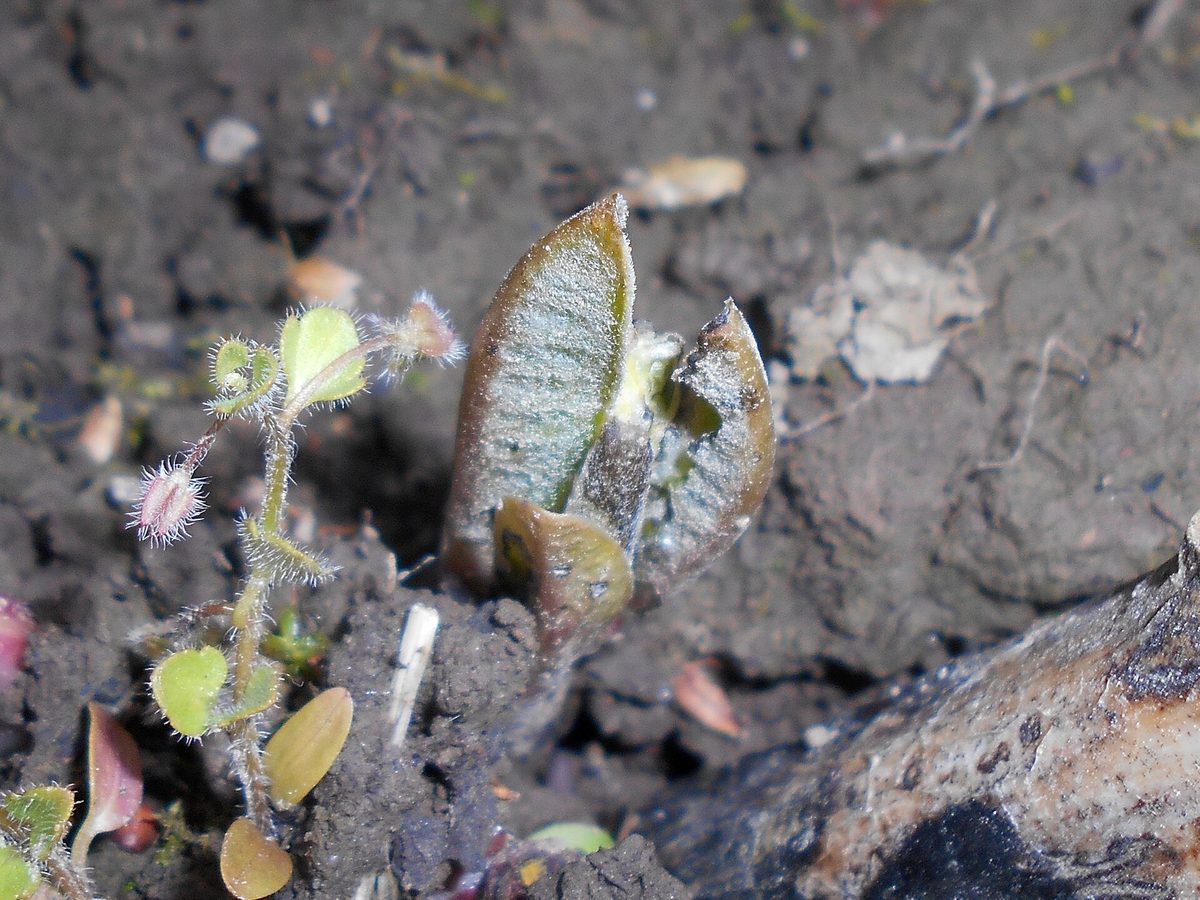
Common Milkweed
Asclepias syriaca
Zones 3a–9b · 3–5 ft (0.91–1.52 m) · Full sun
Asclepias syriaca takes a place on this zone 5 list alongside 37 other perennials. The site has not built a full page for it yet, so this note covers only its listing here.
-
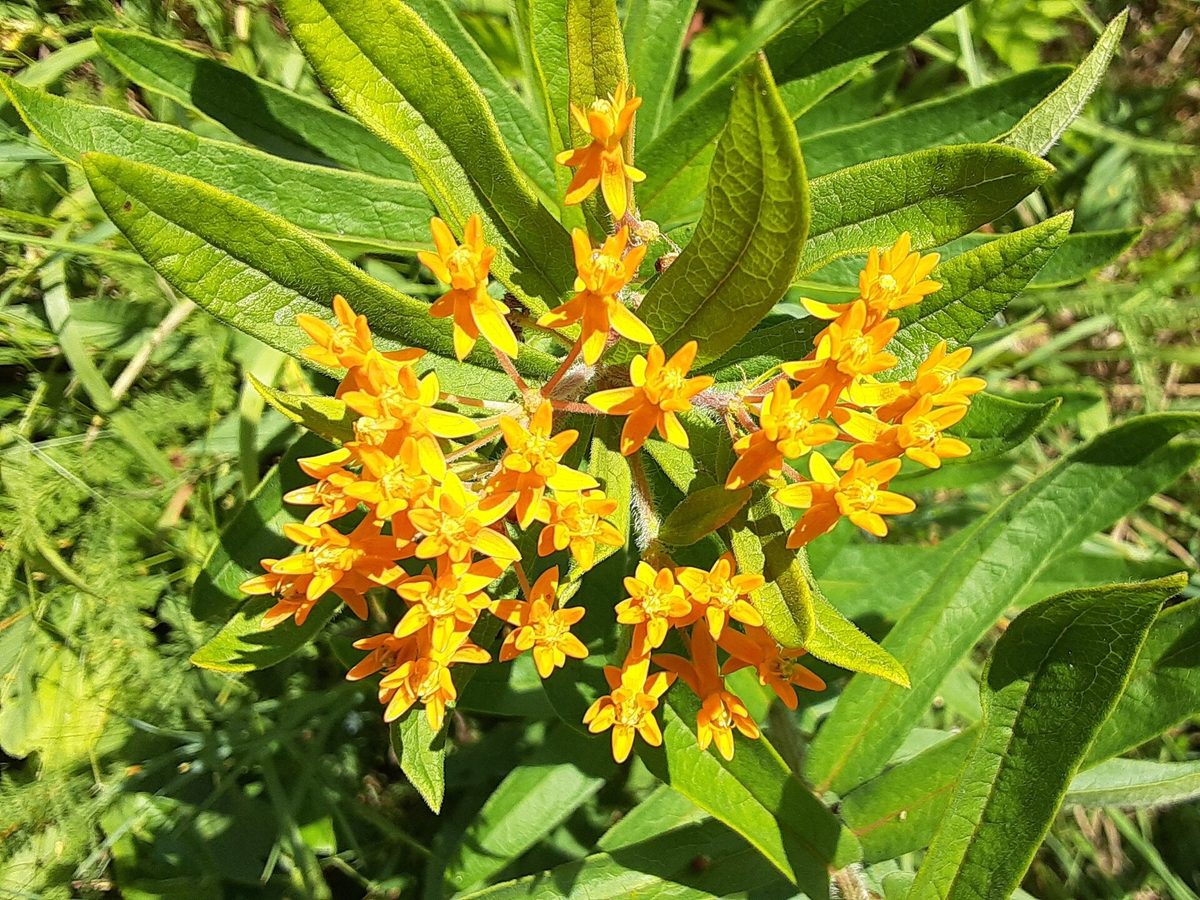
Butterfly Milkweed
Asclepias tuberosa
Zones 3a–9b · 1–2 ft (0.3–0.6 m) · Full sun and part shade (full sun preferred)
Asclepias tuberosa shares this zone 5 list with 37 other perennials gathered the same way. No separate page backs it up yet, so this short note stands in for a fuller profile.
-
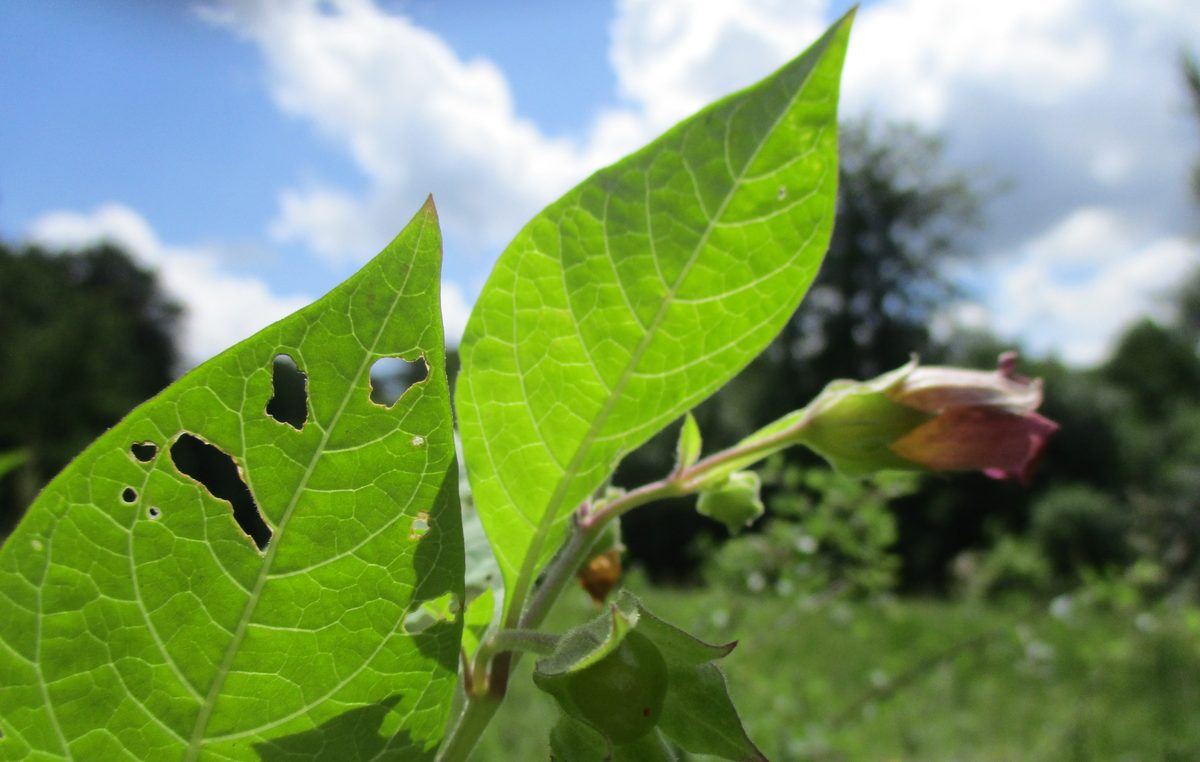
Belladonna
Atropa bella-donna
Zones 5a–9b · 3–4 ft (0.91–1.22 m) · Full sun and part shade (full sun preferred)
Atropa bella-donna is listed among the 38 perennials gathered here for zone 5. It has no dedicated page on this site yet, so this entry only marks its spot on the list.
-
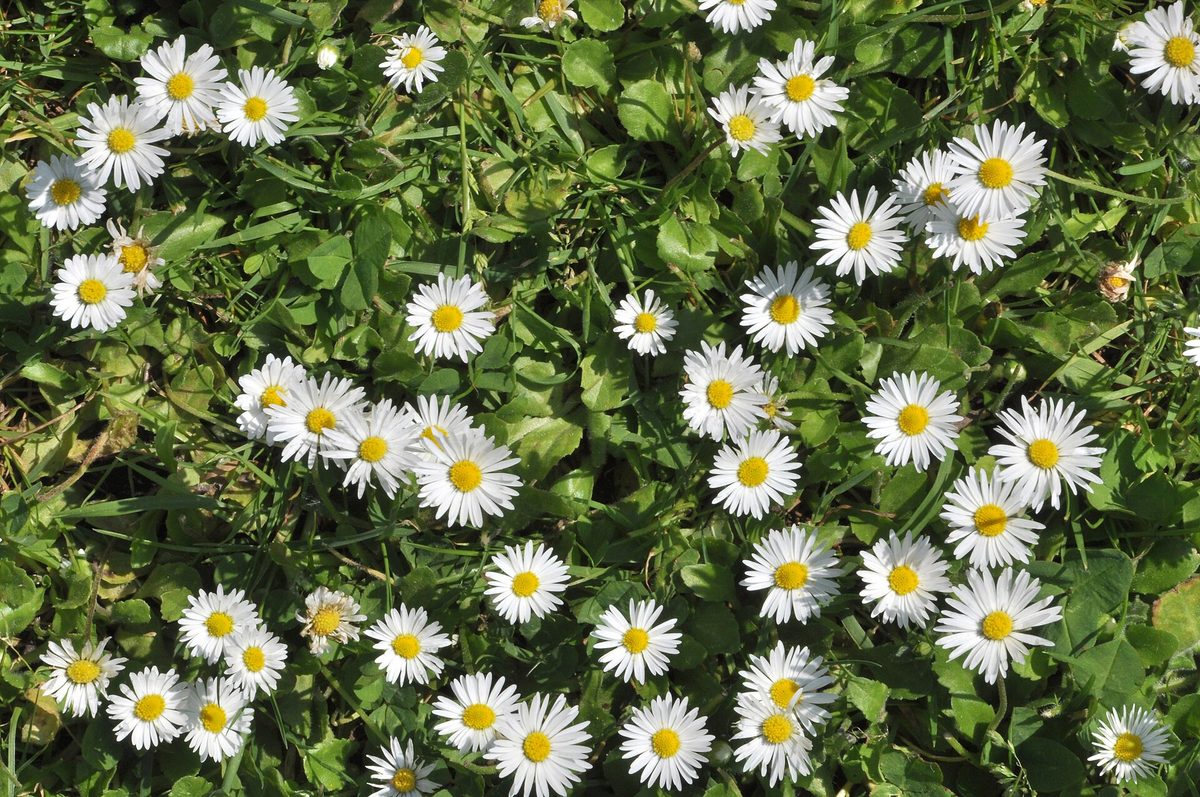
Lawndaisy
Bellis perennis
Zones 4a–8b · 0.3–0.5 ft (0.08–0.15 m) · Full sun and part shade (full sun preferred)
-
-
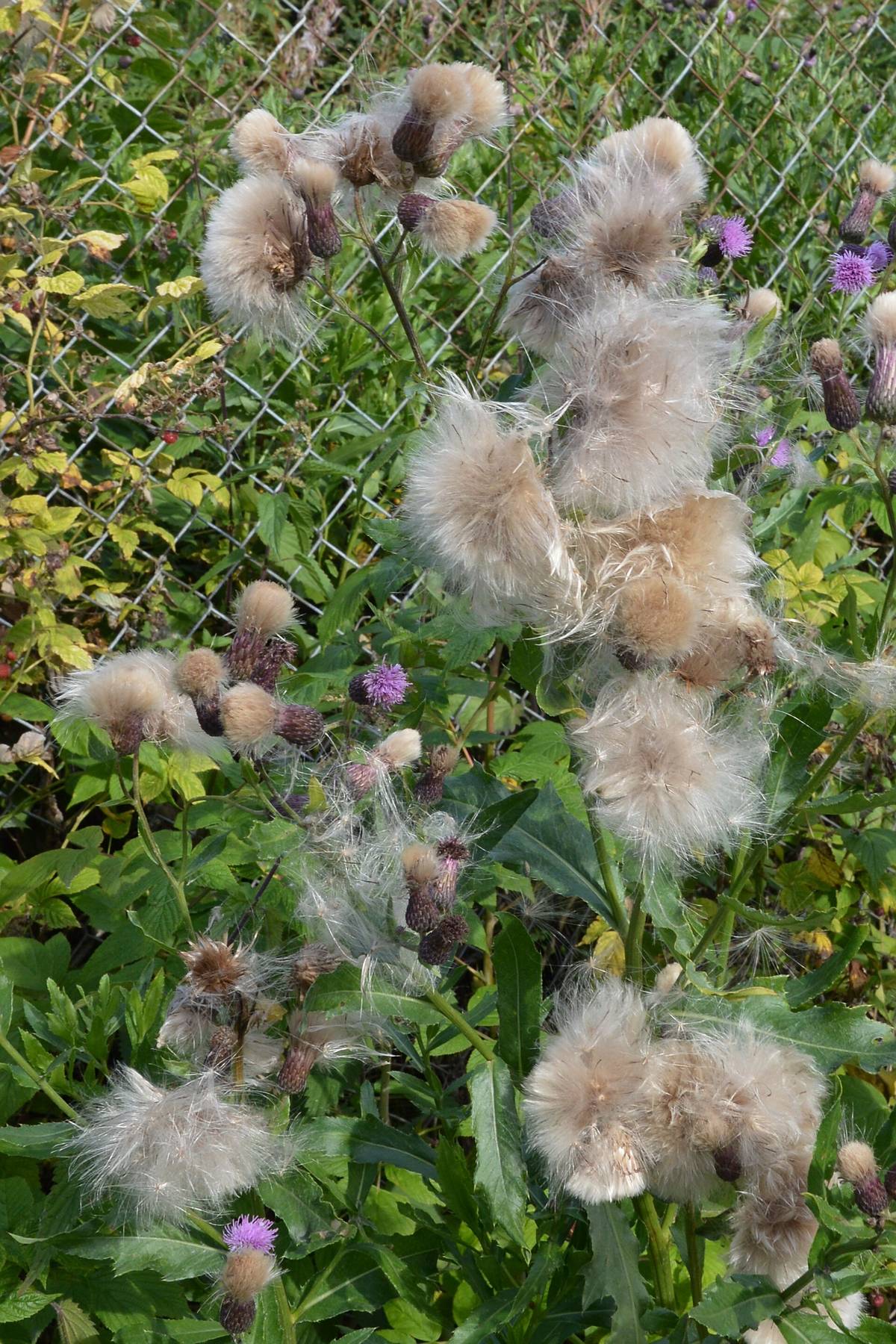
Canada Thistle
Cirsium arvense
Zones 4a–7b · 3–5 ft (0.91–1.52 m) · Full sun and part shade (full sun preferred)
-
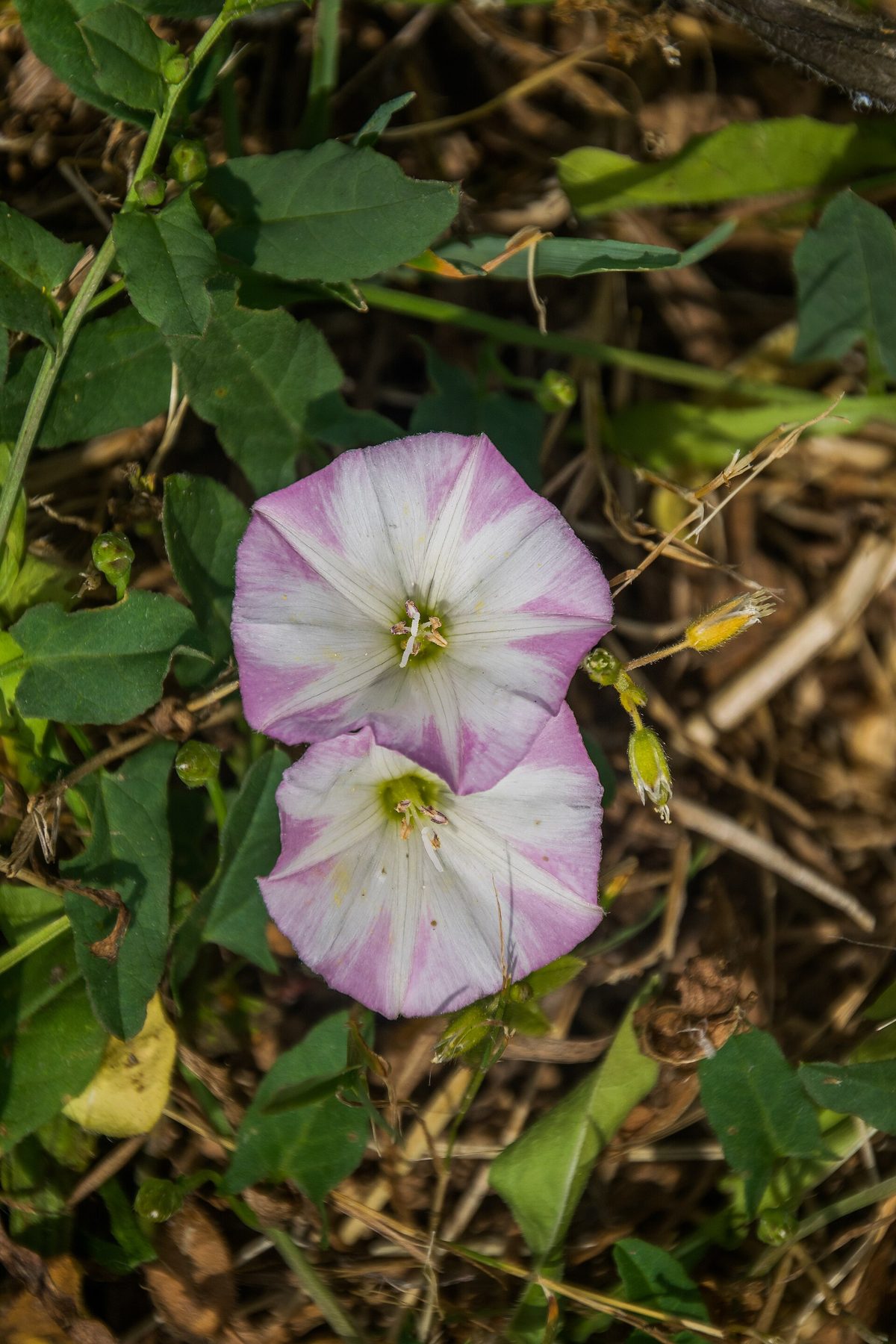
Field Bindweed
Convolvulus arvensis
Full sun and part shade (full sun preferred)
-
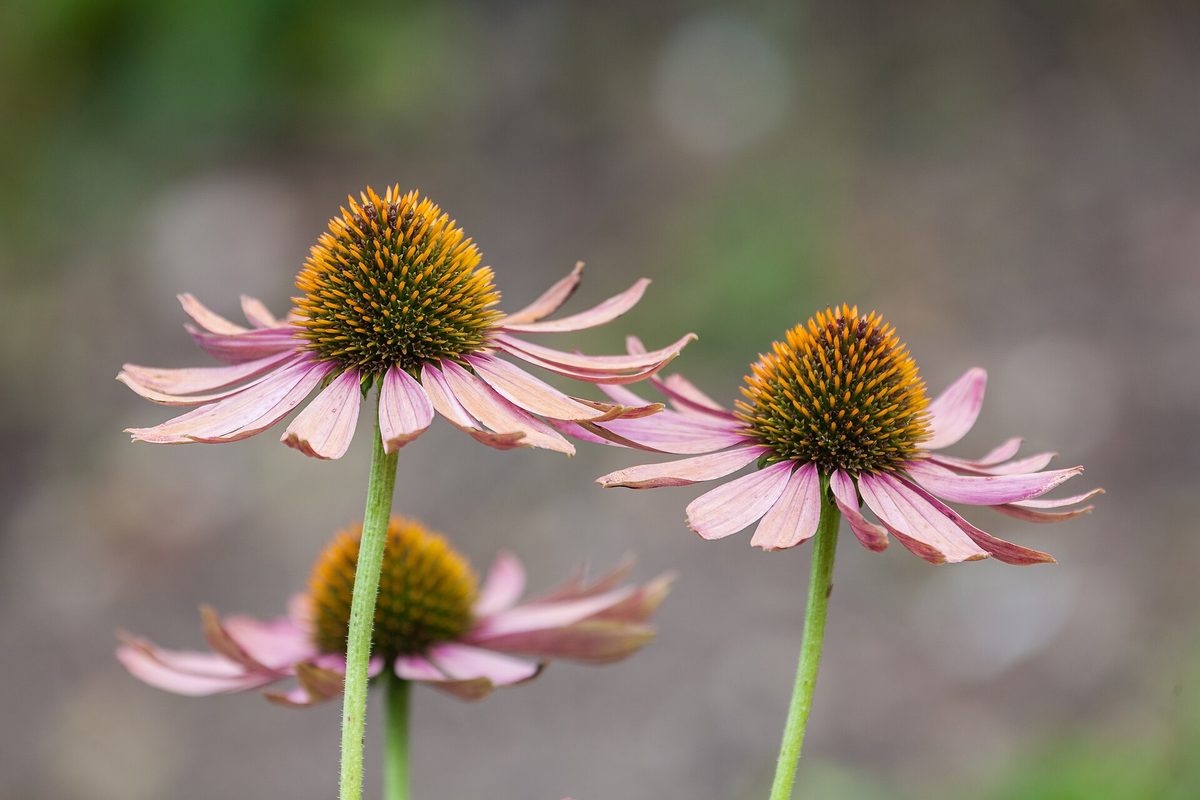
Purple Coneflower
Echinacea purpurea
Zones 3a–8b · 3–4 ft (0.91–1.22 m) · Full sun and part shade (full sun preferred)
-
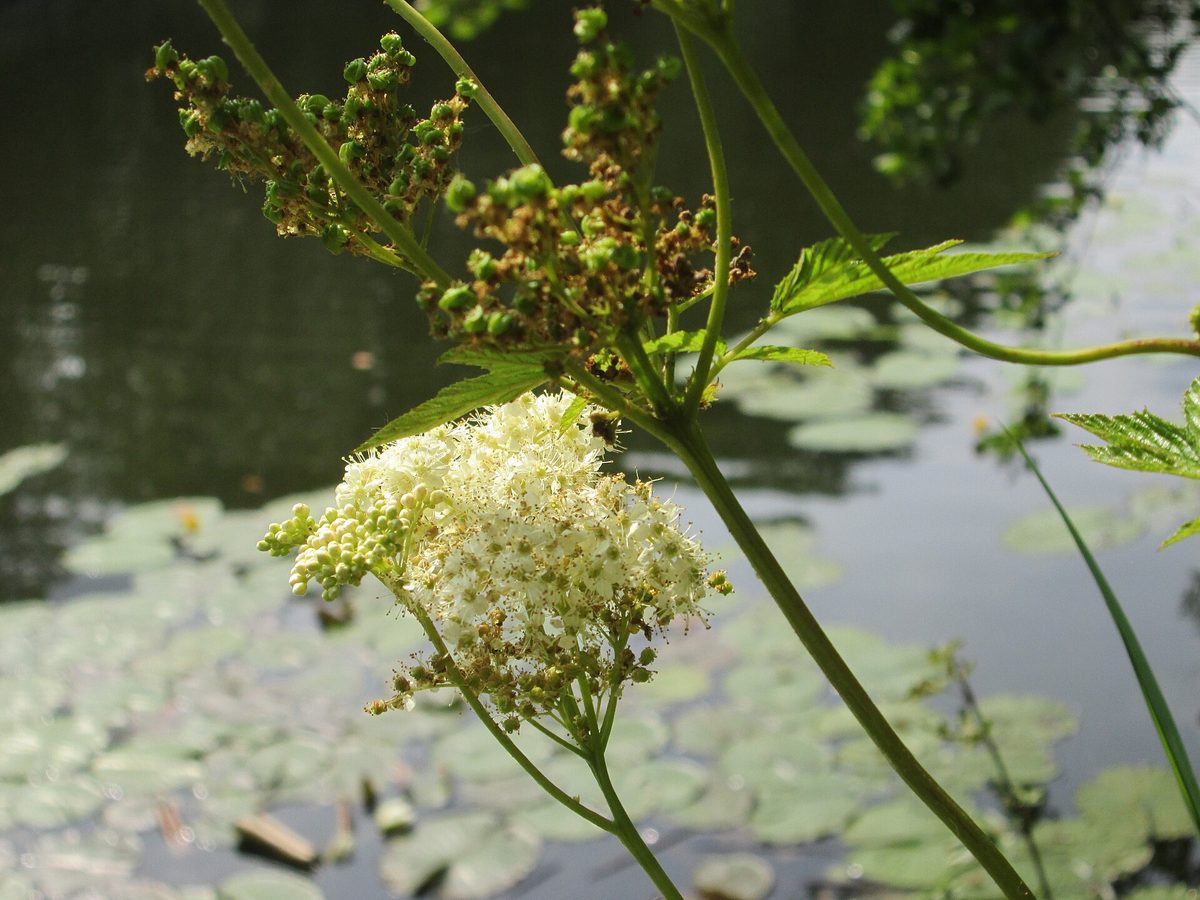
Queen of the Meadow
Filipendula ulmaria
Zones 3a–9b · 4 ft (1.22 m) · Full sun and part shade (full sun preferred)
-
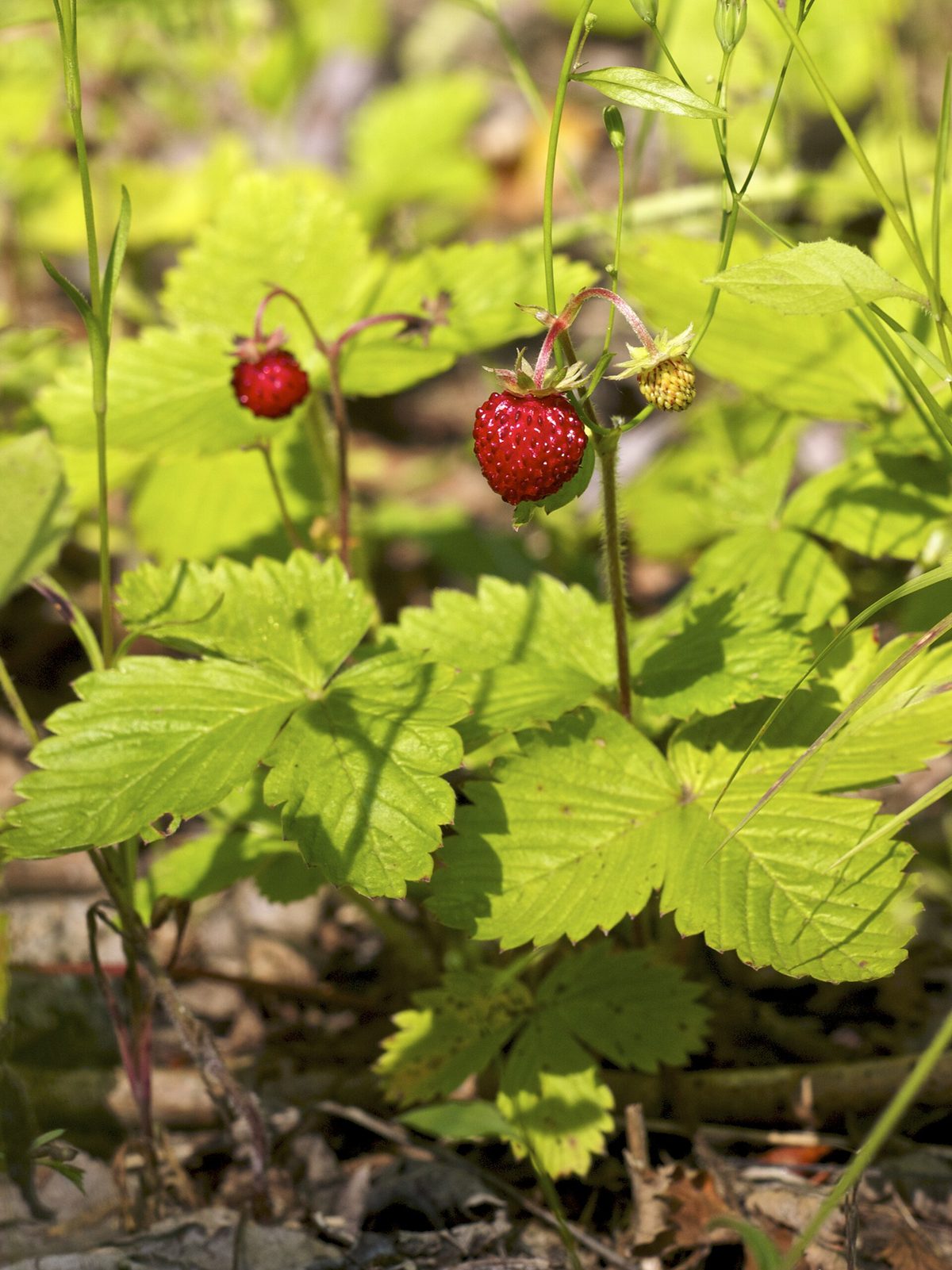
Woodland Strawberry
Fragaria vesca
Zones 4a–9b · 0.7–0.8 ft (0.2–0.25 m) · Part shade and full shade (part shade preferred)
-
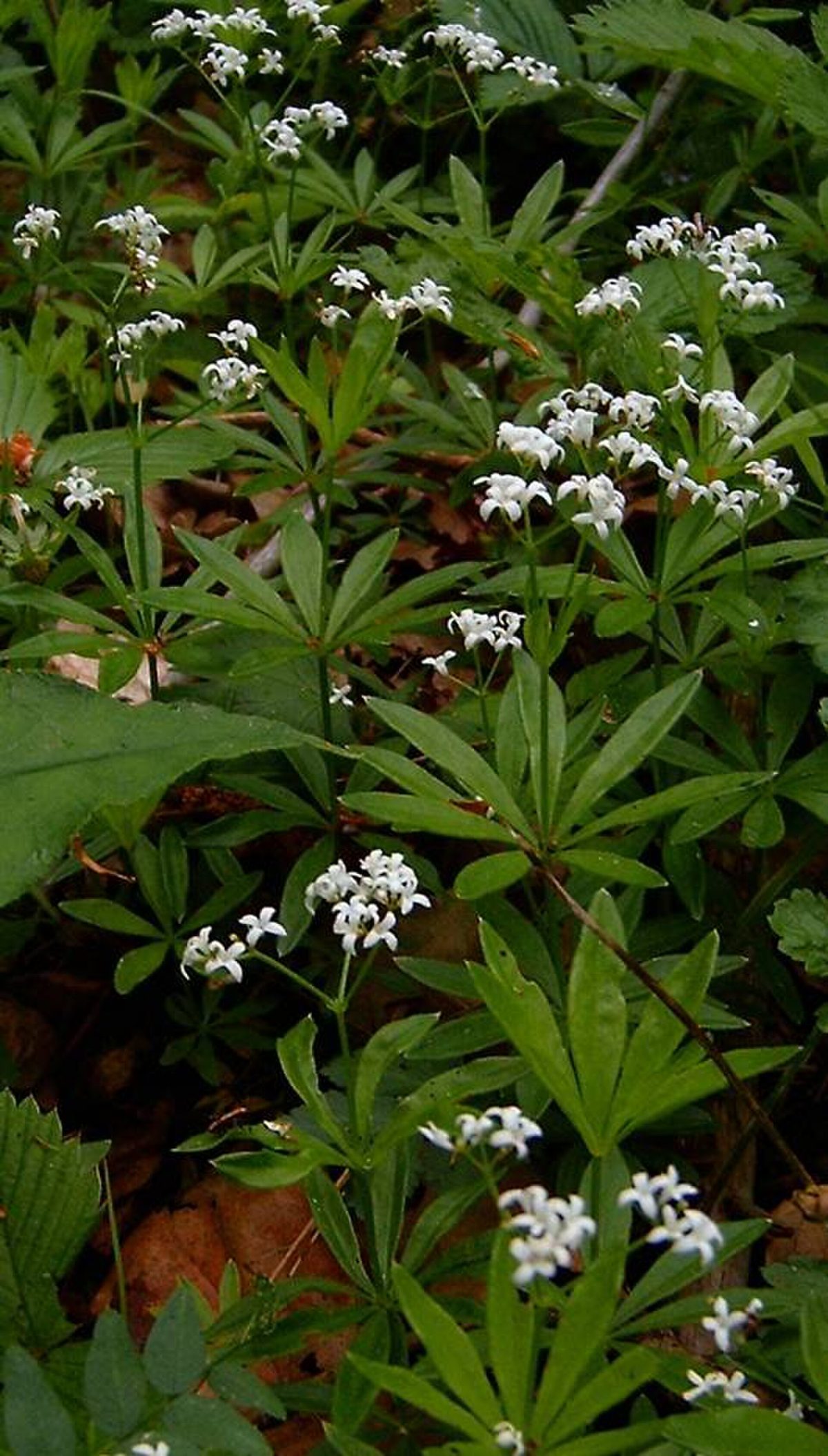
Sweetscented Bedstraw
Galium odoratum
Zones 4a–8b · 0.5–1 ft (0.15–0.3 m) · Part shade and full shade (part shade preferred)
-
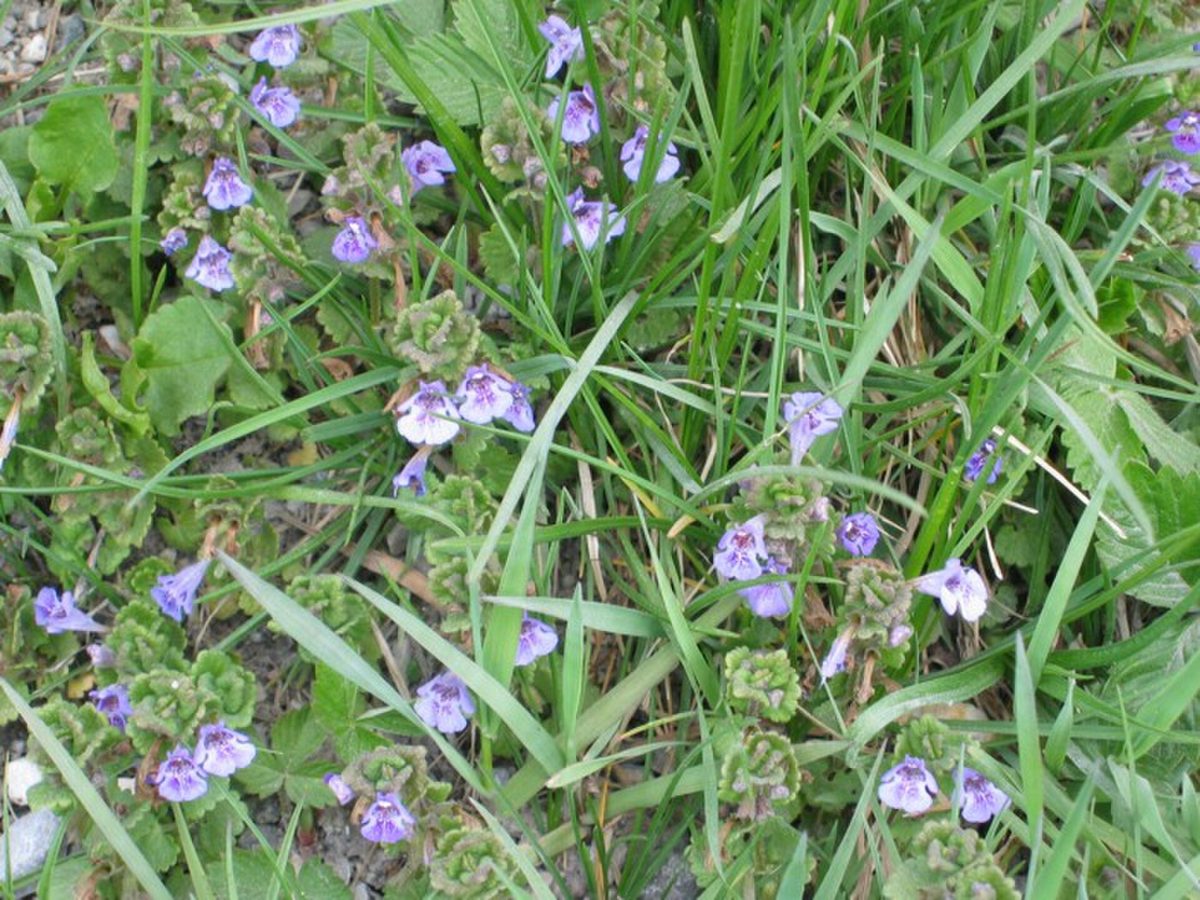
Ground Ivy
Glechoma hederacea
0.2–1 ft (0.05–0.3 m) · Full sun, part shade and full shade (full sun preferred)
-
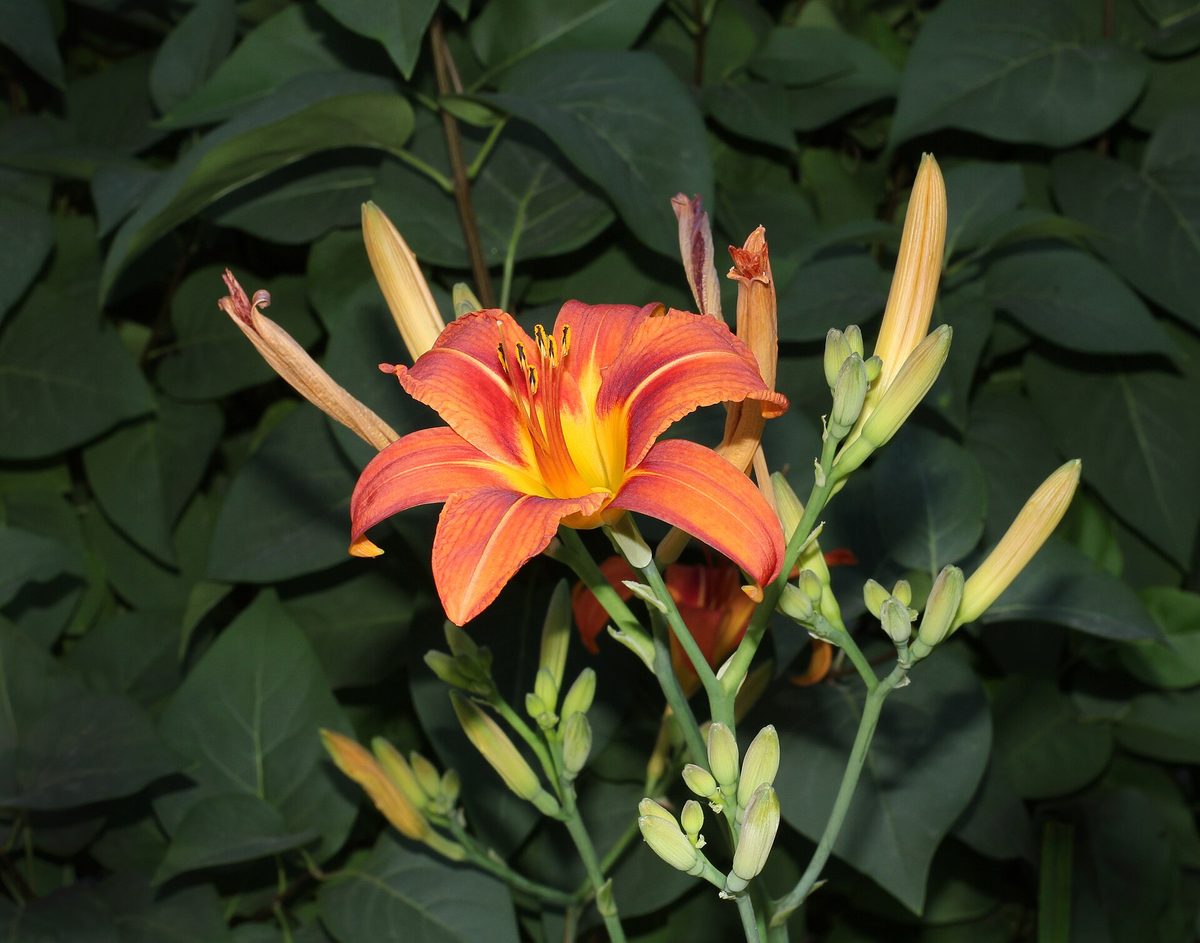
Daylily
Hemerocallis fulva
Zones 3a–8b · 3–6 ft (0.91–1.83 m) · Full sun and part shade (full sun preferred)
-
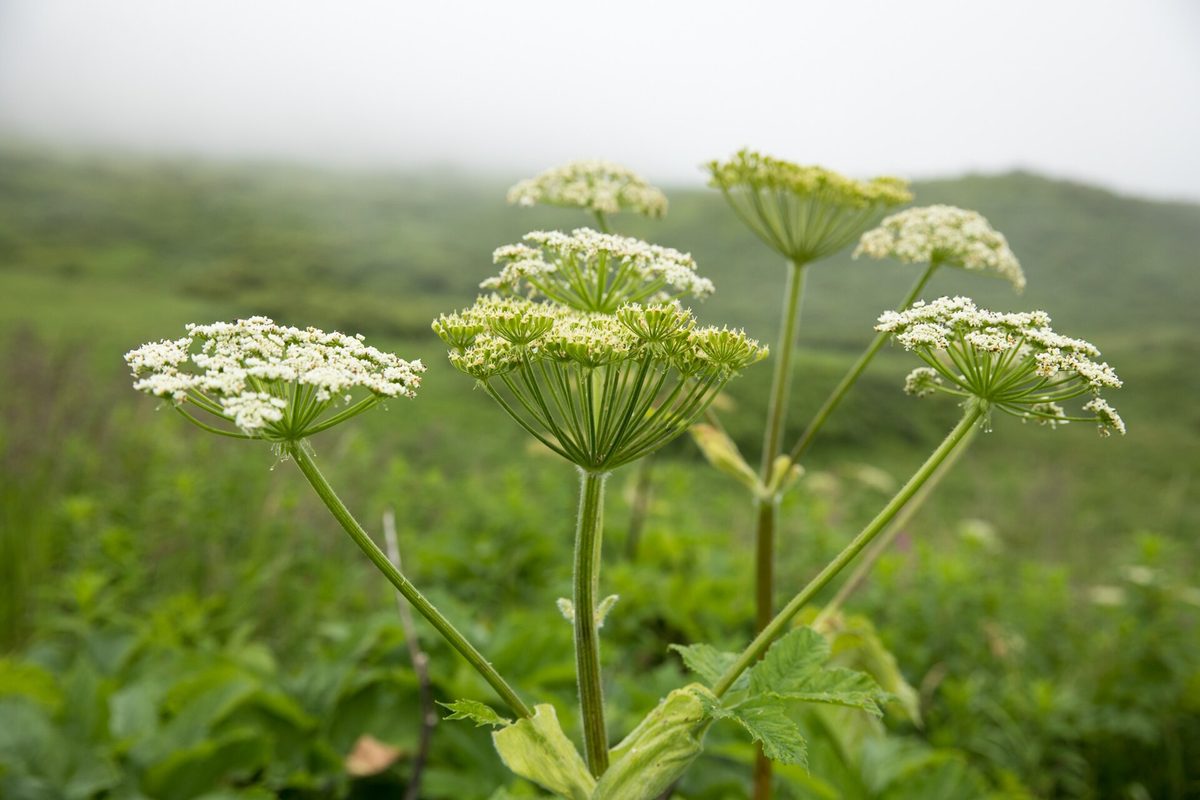
Common Cowparsnip
Heracleum maximum
Zones 4a–10a · 3.3–9.8 ft (1–3 m) · Full sun, part shade and full shade (full sun preferred)
-
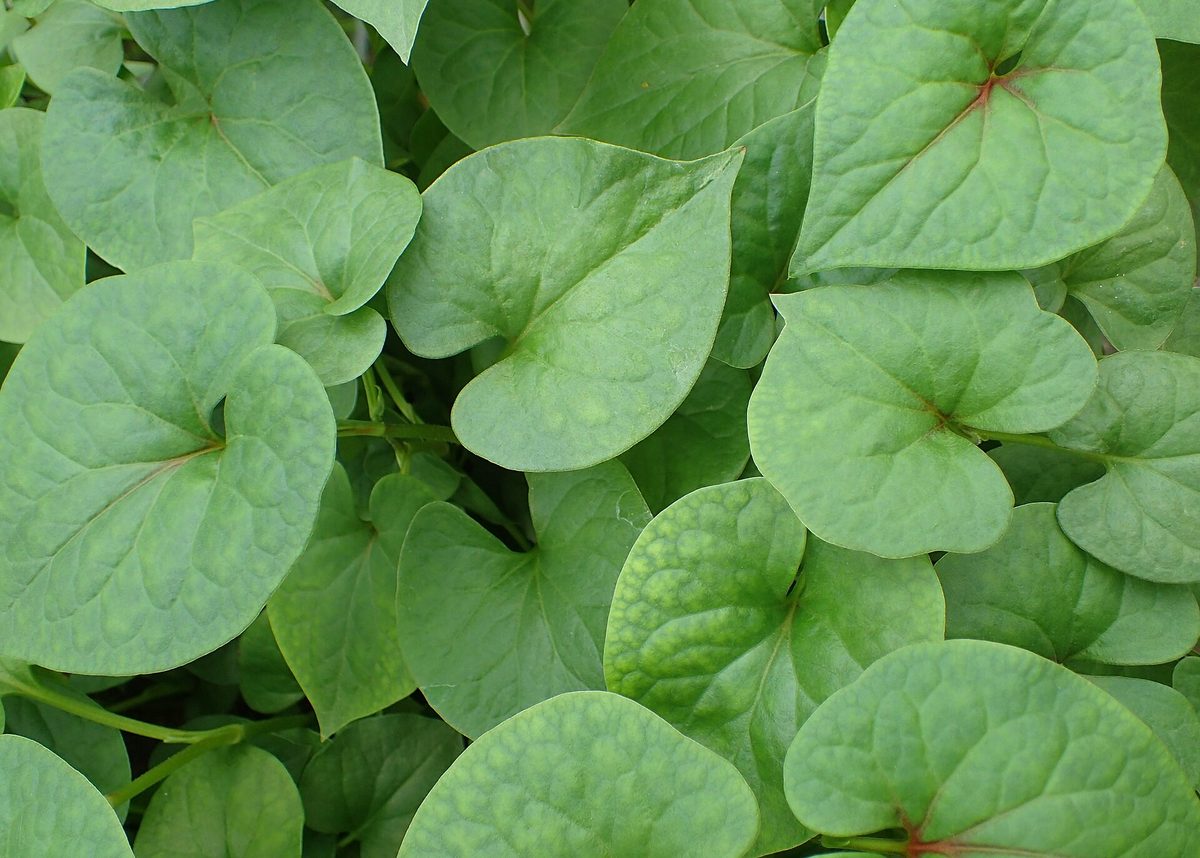
Chameleon
Houttuynia cordata
Zones 4a–10b · 0.5–1.7 ft (0.15–0.51 m) · Full sun, part shade and full shade (full sun preferred)
-
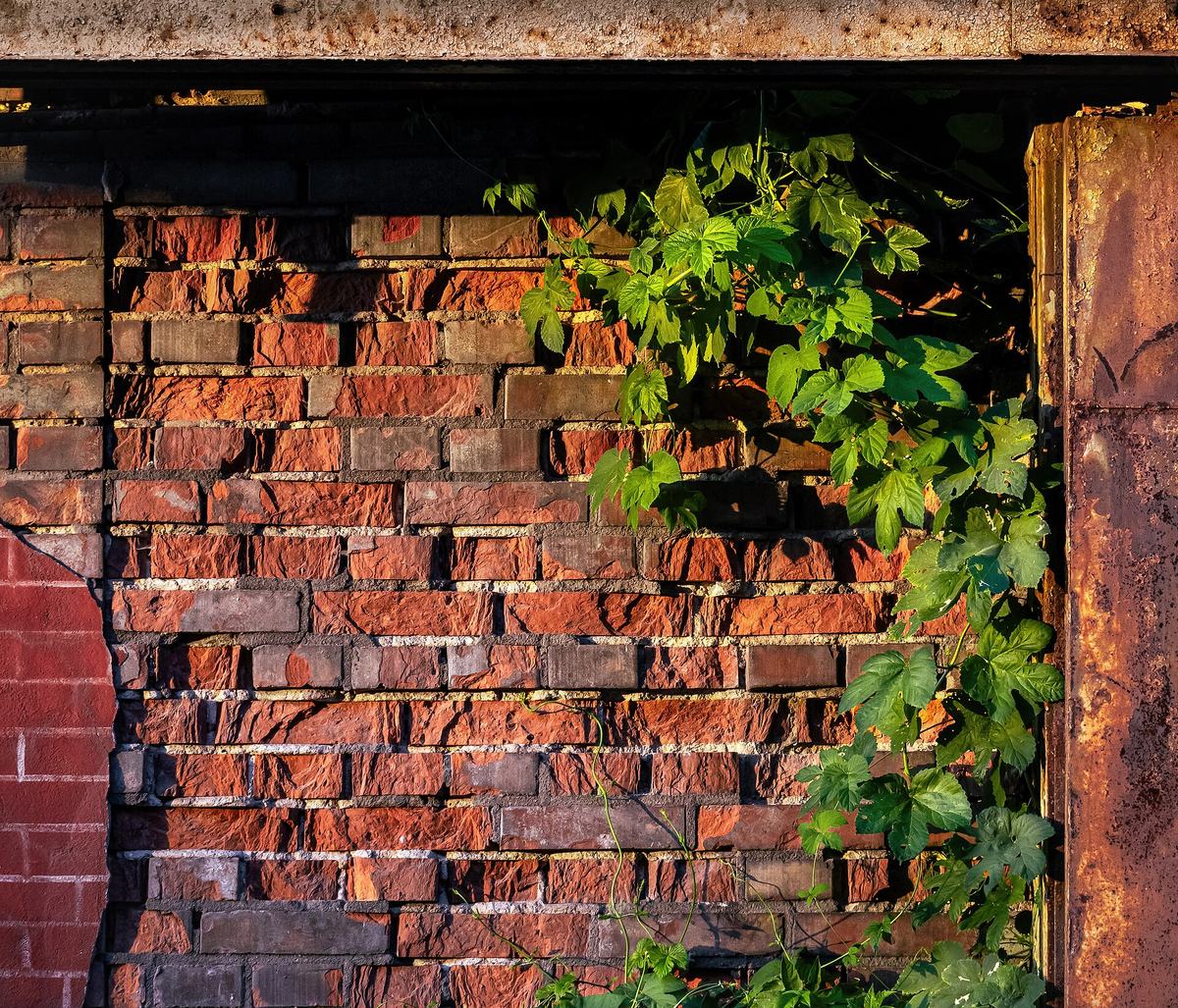
Common Hop
Humulus lupulus
Zones 5a–8b · Sources differ: Utah State University Extension; Utah State University Extension · Full sun and part shade (full sun preferred)
-
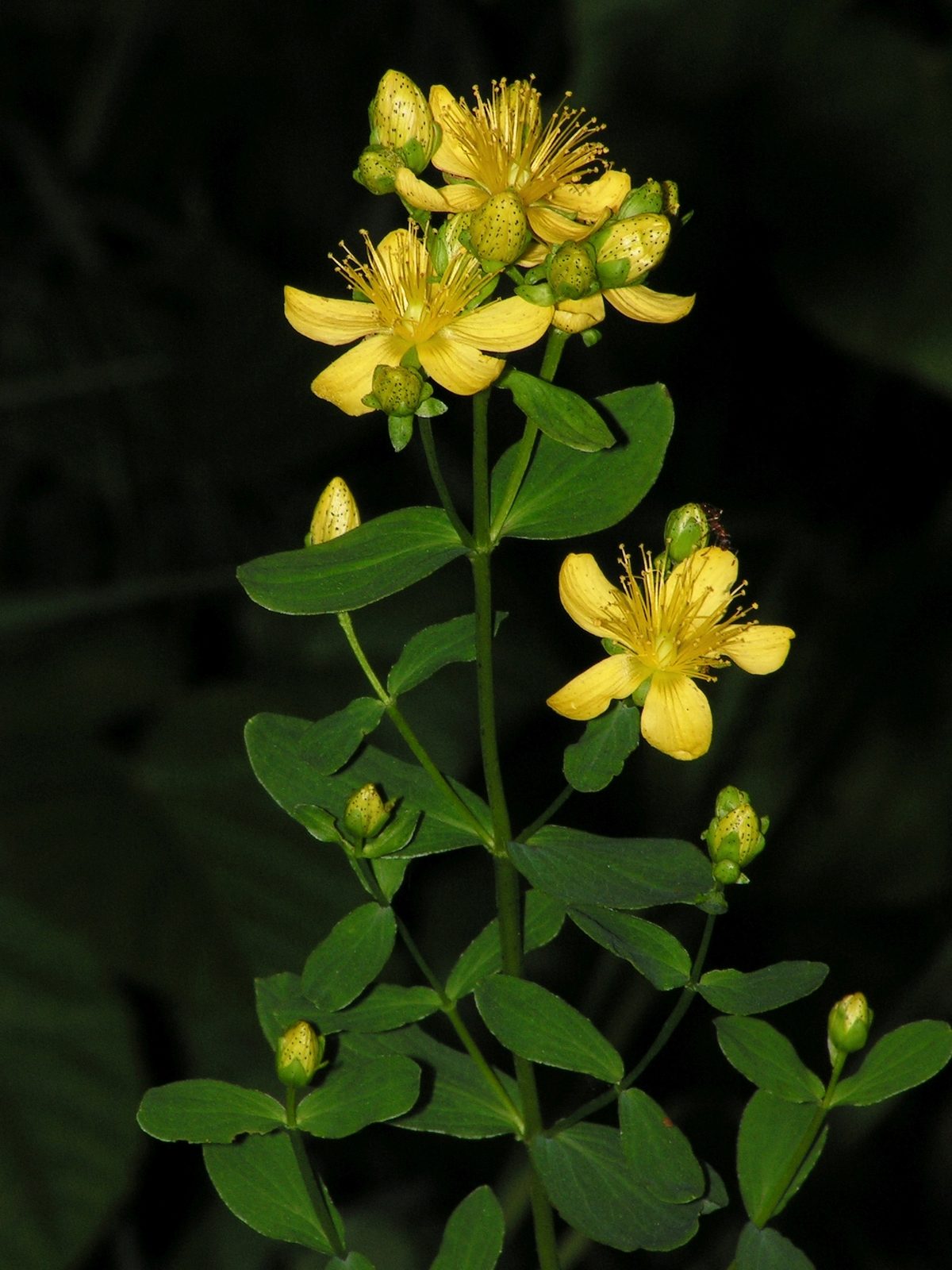
Common St. Johnswort
Hypericum perforatum
Zones 3a–8b · 1–3.3 ft (0.3–1 m) · Full sun and part shade (full sun preferred)
-
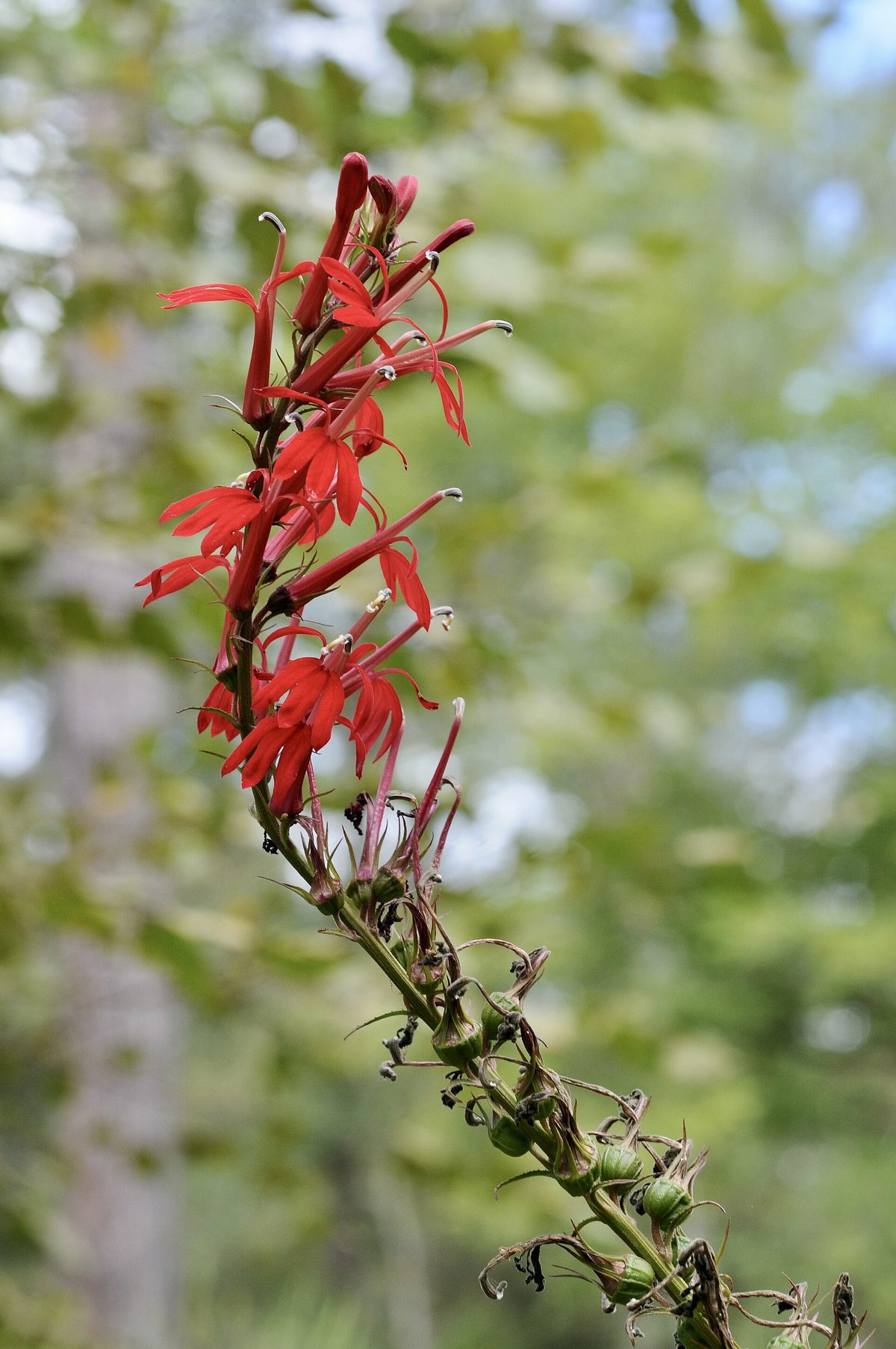
Cardinalflower
Lobelia cardinalis
Zones 3a–9b · 4–5 ft (1.22–1.52 m) · Full sun, part shade and full shade (full sun preferred)
-
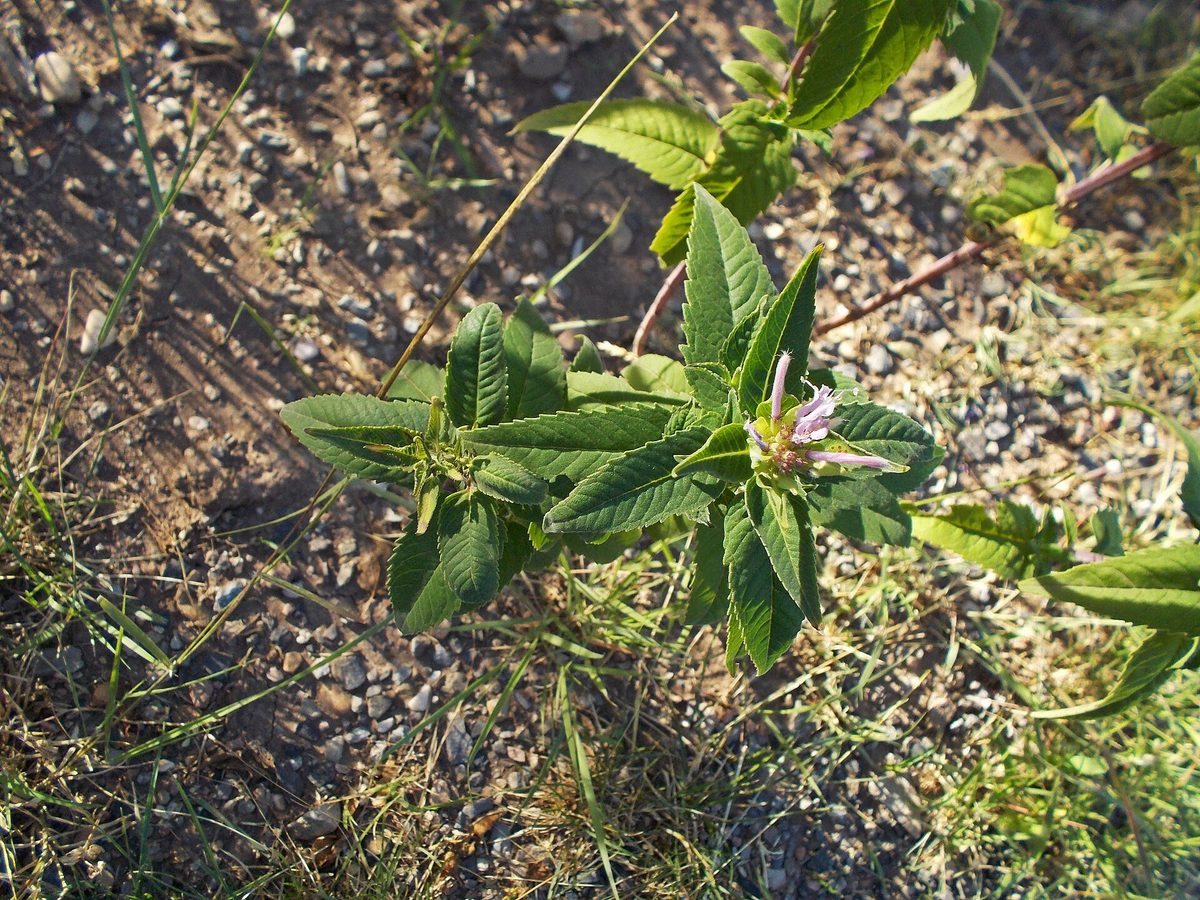
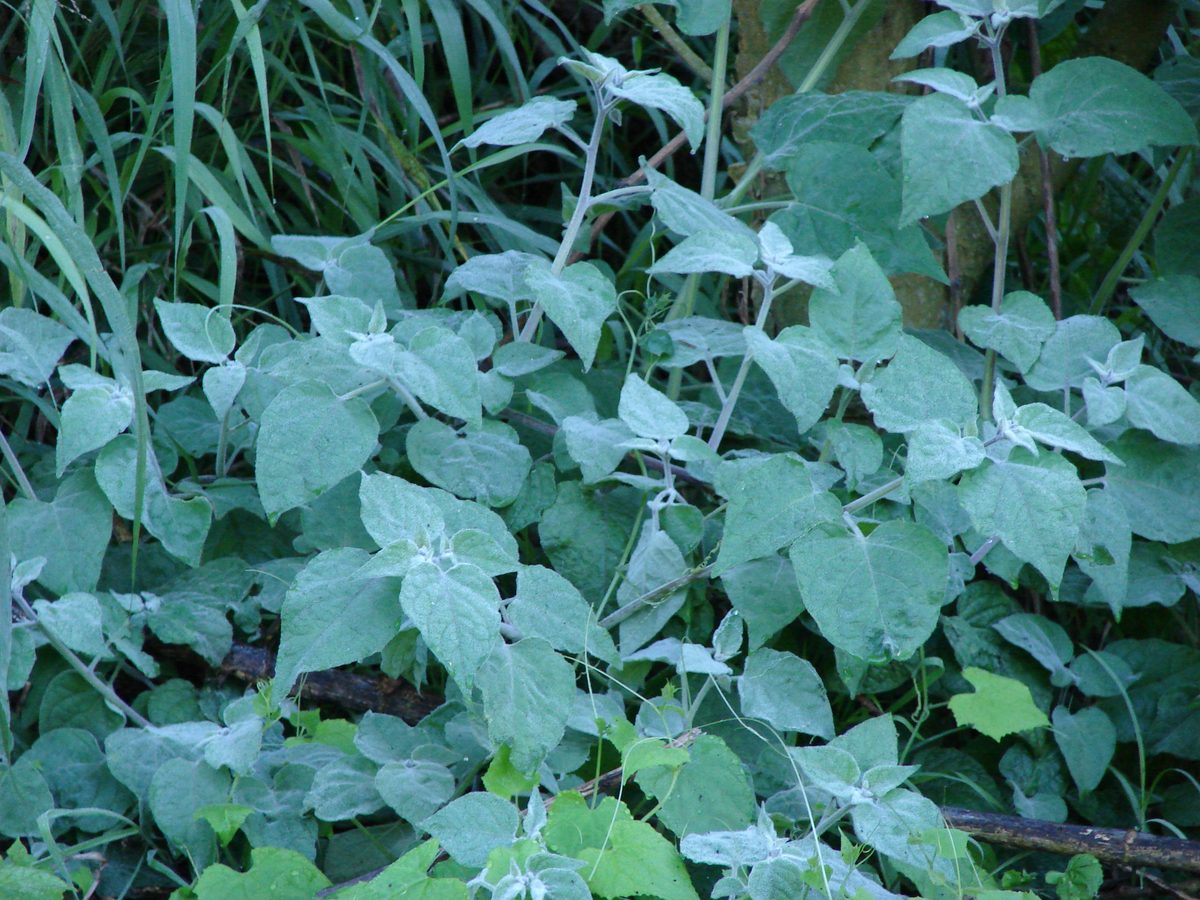
Wild Bergamot
Monarda fistulosa
Zones 3a–9b · 2–5 ft (0.61–1.52 m) · Full sun and part shade (full sun preferred)
-
-
-
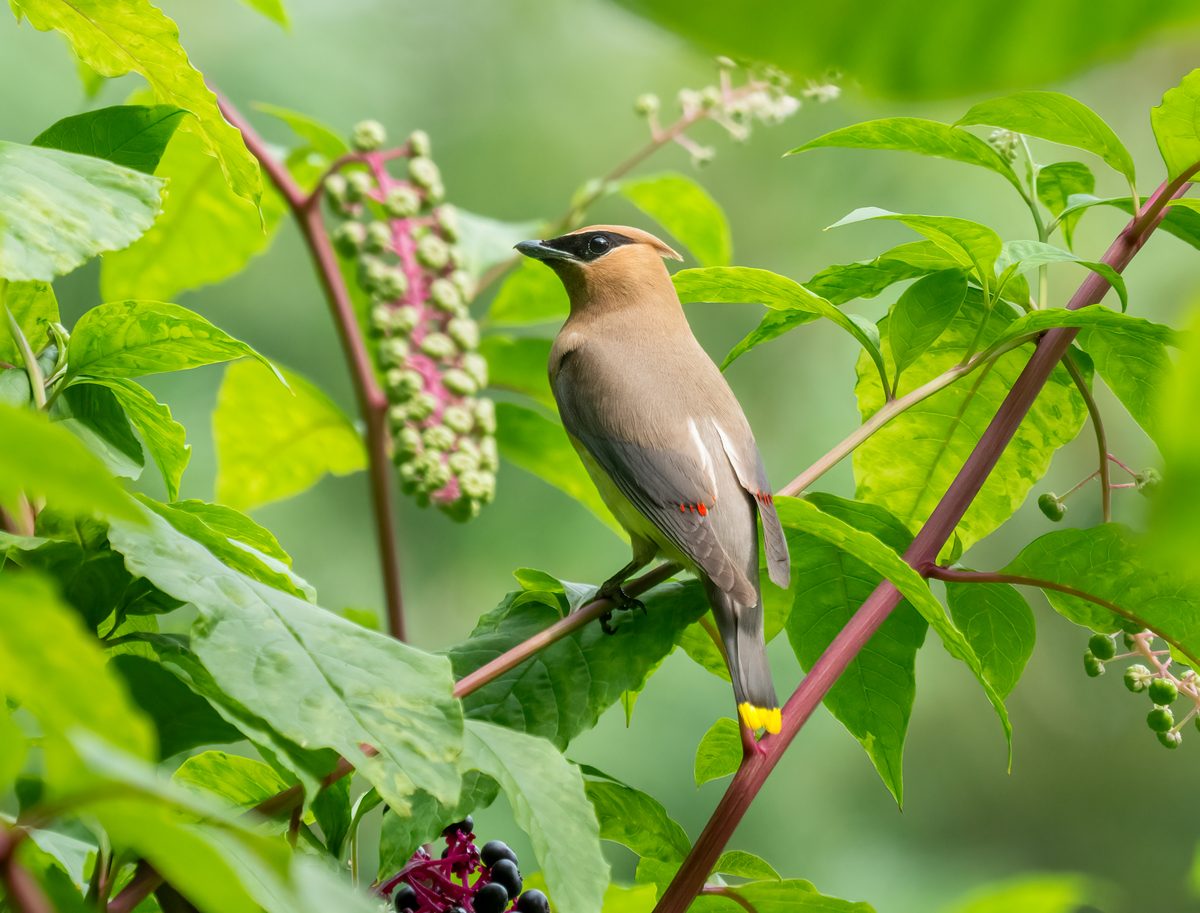
American Pokeweed
Phytolacca americana
Zones 4a–8b · 4–10 ft (1.22–3.05 m) · Full sun and part shade (full sun preferred)
-
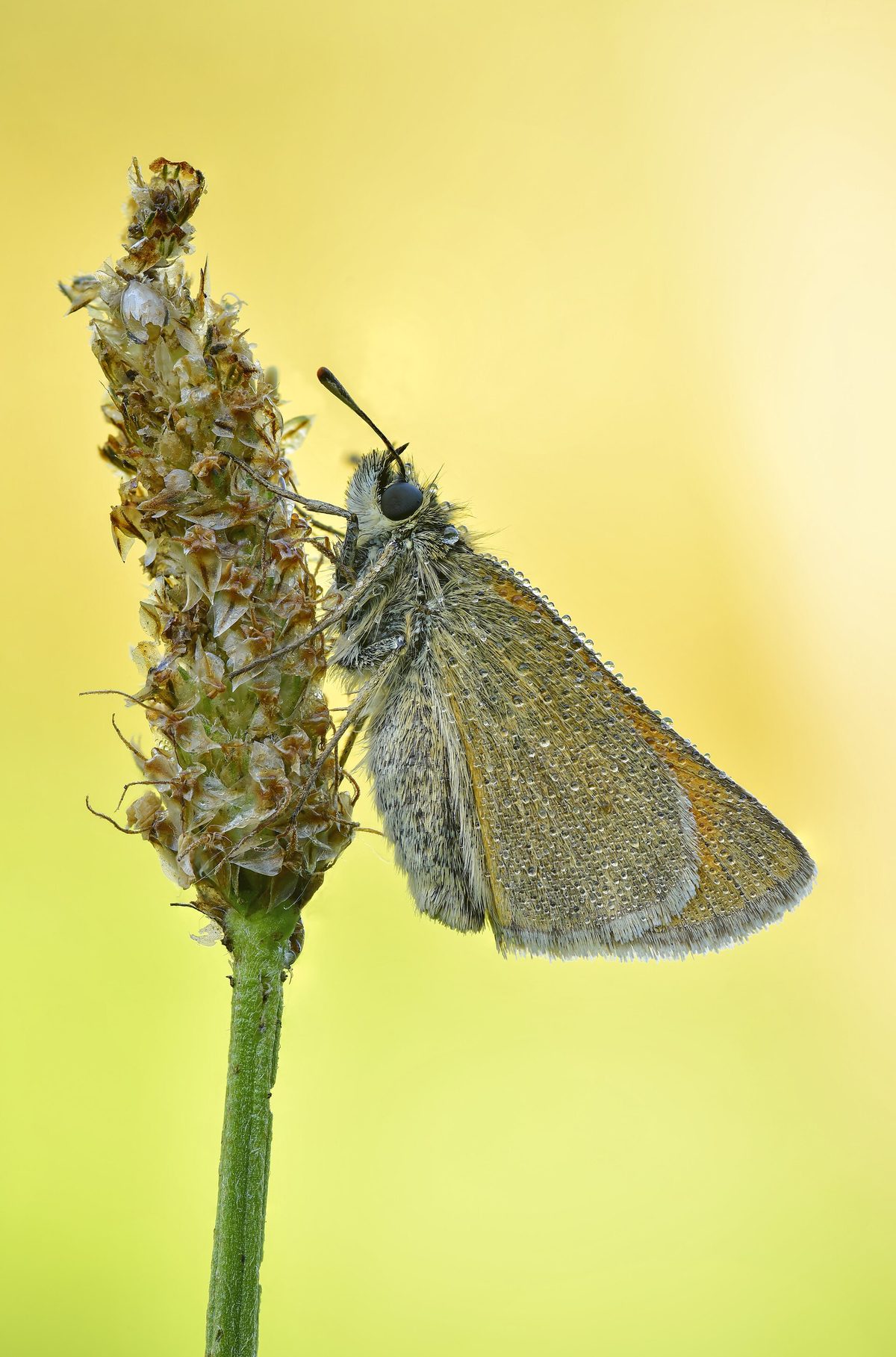
Narrowleaf Plantain
Plantago lanceolata
Zones 5a–9b · Full sun
-
Kentucky Bluegrass
Poa pratensis
Zones 3a–7b · 0.3–3 ft (0.1–0.91 m) · Full sun and part shade (full sun preferred)
-
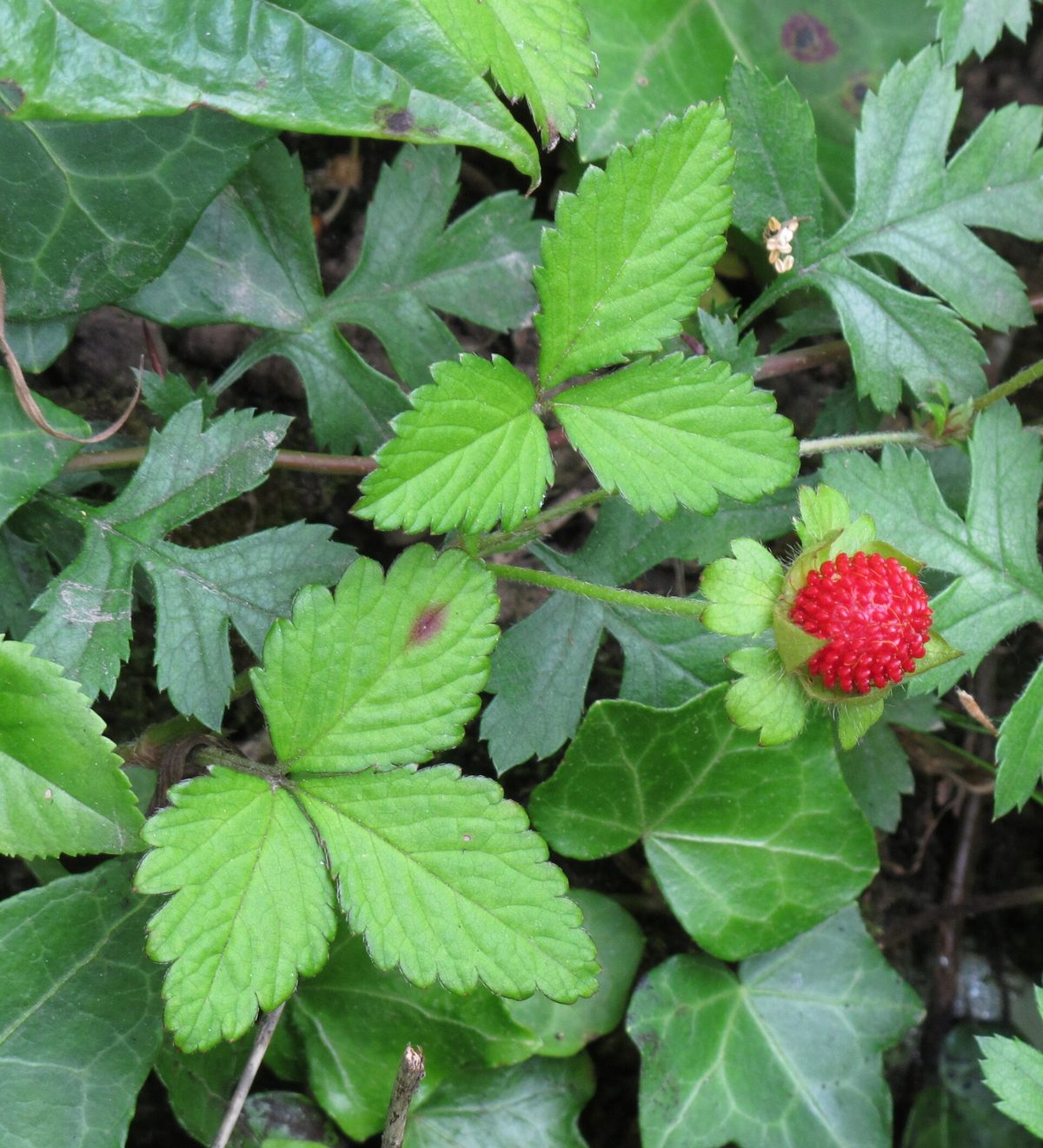
Indian Strawberry
Potentilla indica
Zones 5a–9b · 0.2–0.7 ft (0.08–0.2 m) · Full sun and part shade (full sun preferred)
-
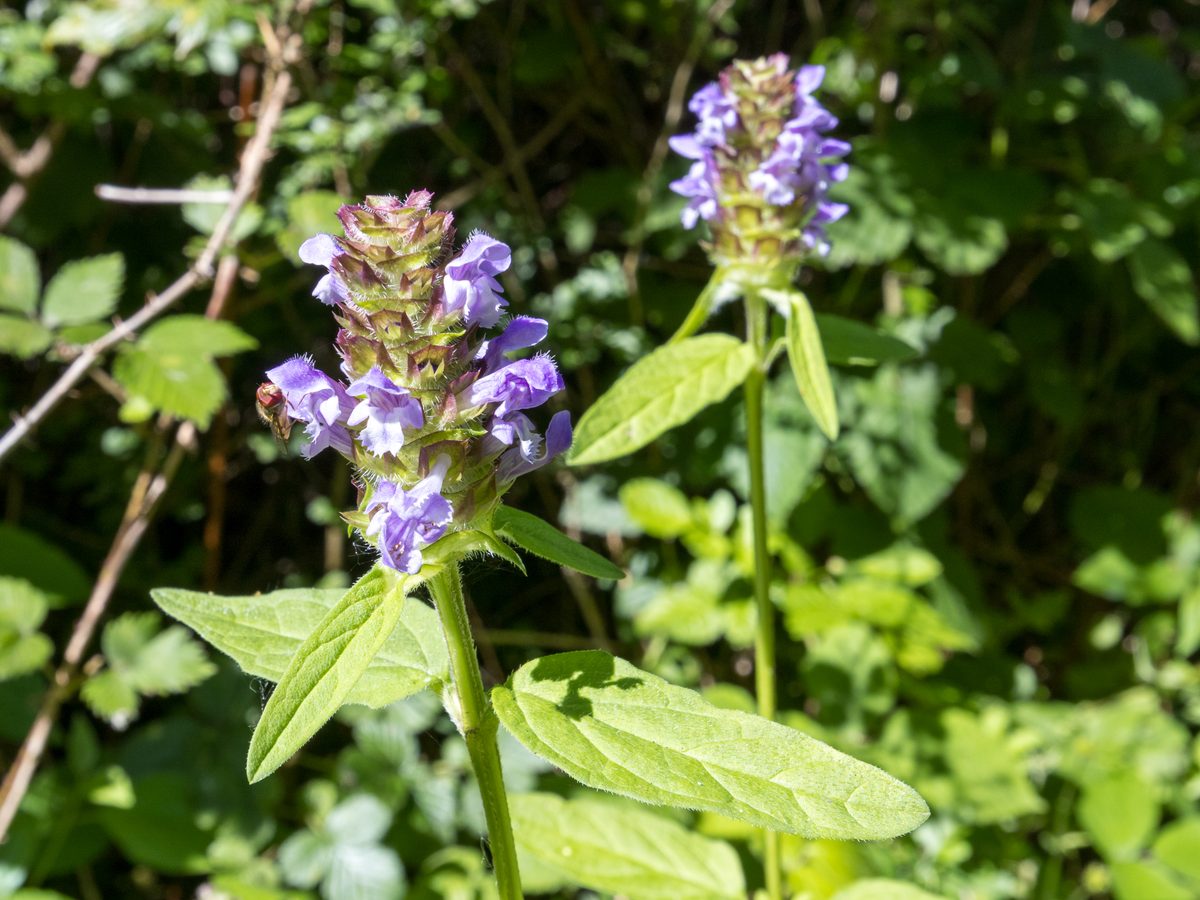
Common Selfheal
Prunella vulgaris
Zones 3a–9b · 1.7 ft (0.51 m) · Full sun and part shade (full sun preferred)
-

Japanese Knotweed
Reynoutria japonica
Zones 5a–5b · 10–13 ft (3.05–3.96 m) · Full sun and part shade (full sun preferred)
-
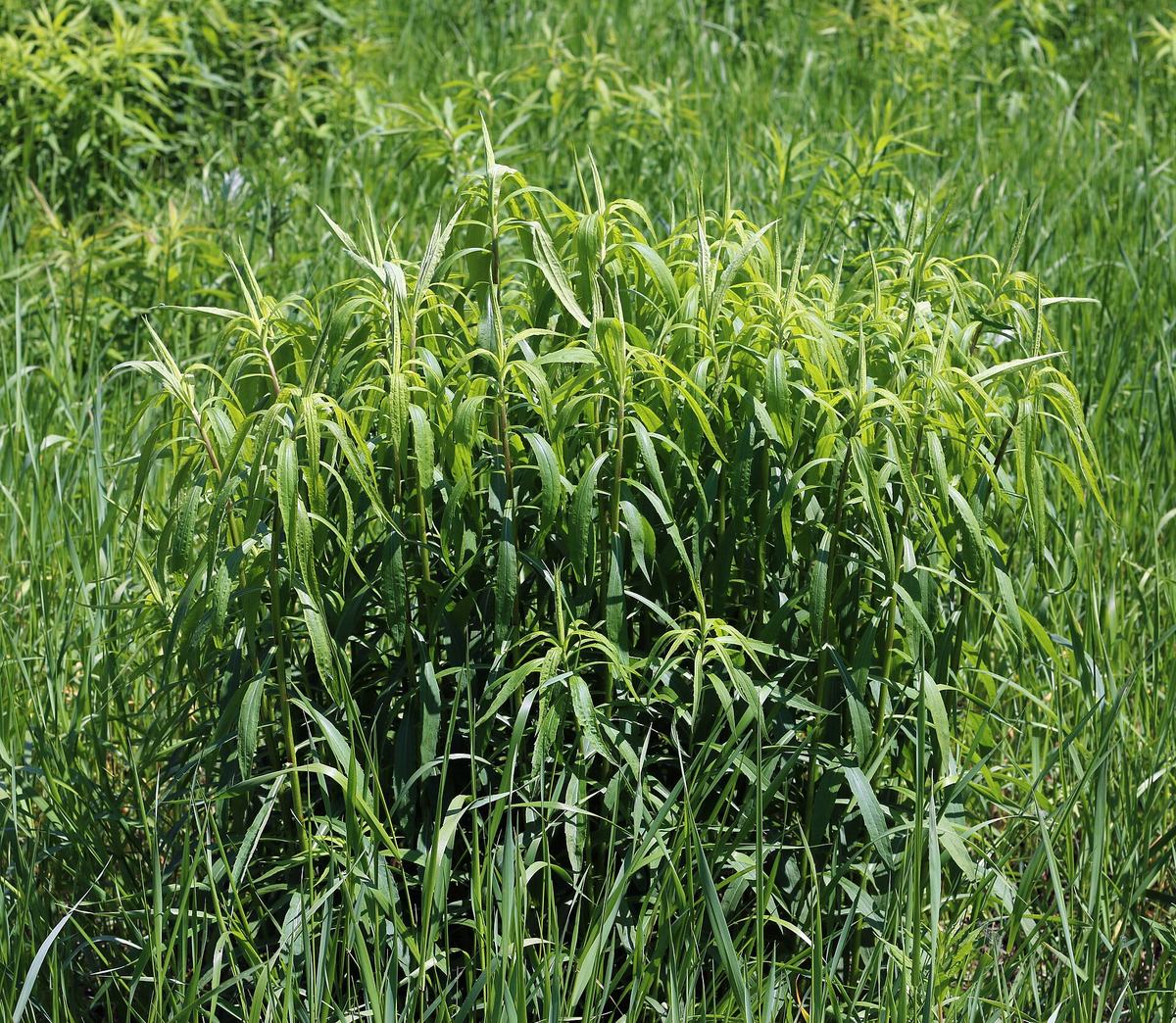
Canada Goldenrod
Solidago canadensis
Zones 5a–9b · 2–4 ft (0.61–1.22 m) · Full sun and part shade (full sun preferred)
-
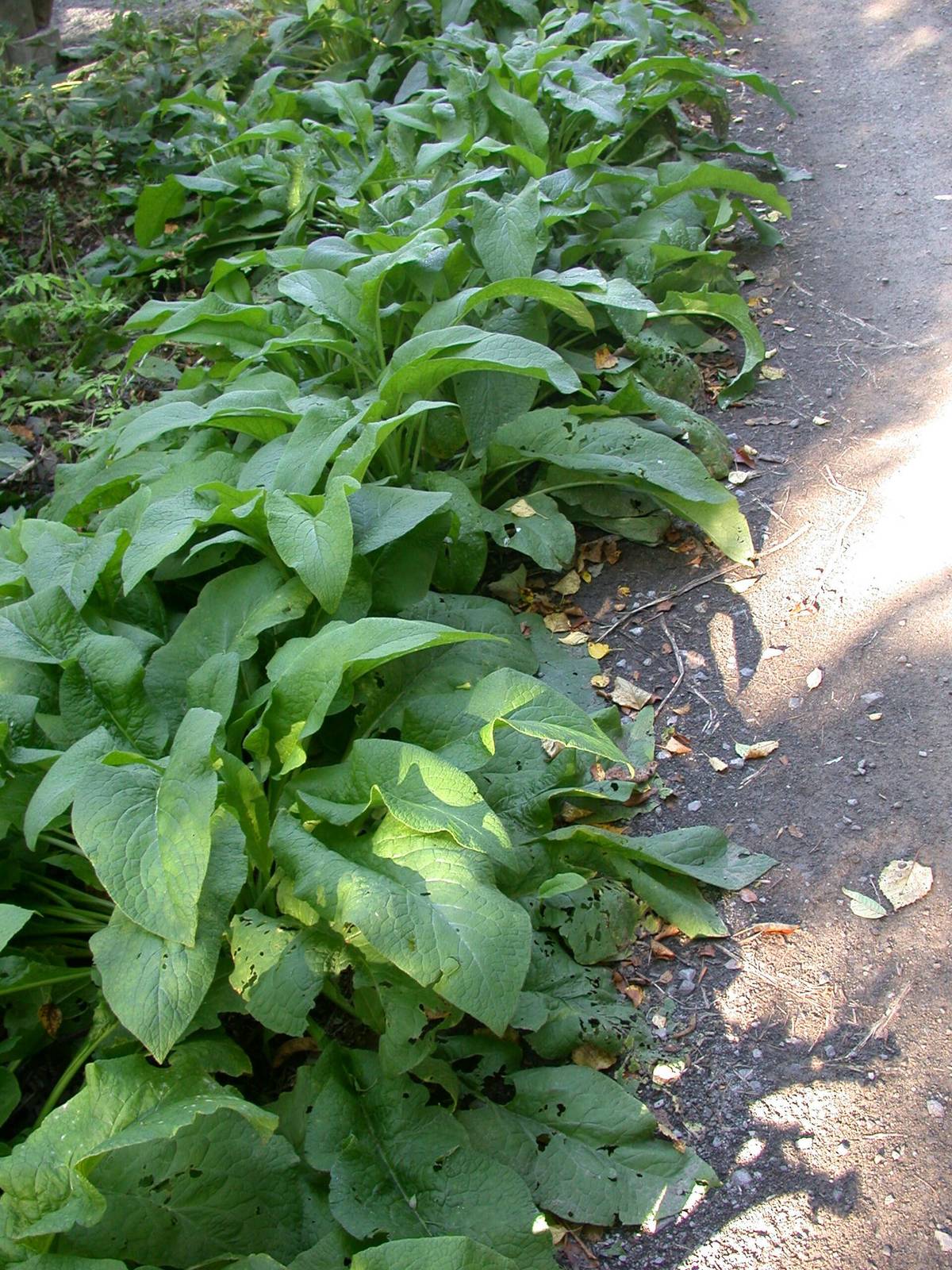
Common Comfrey
Symphytum officinale
Zones 4a–8b · 1–3 ft (0.3–0.91 m) · Full sun and part shade (full sun preferred)
-
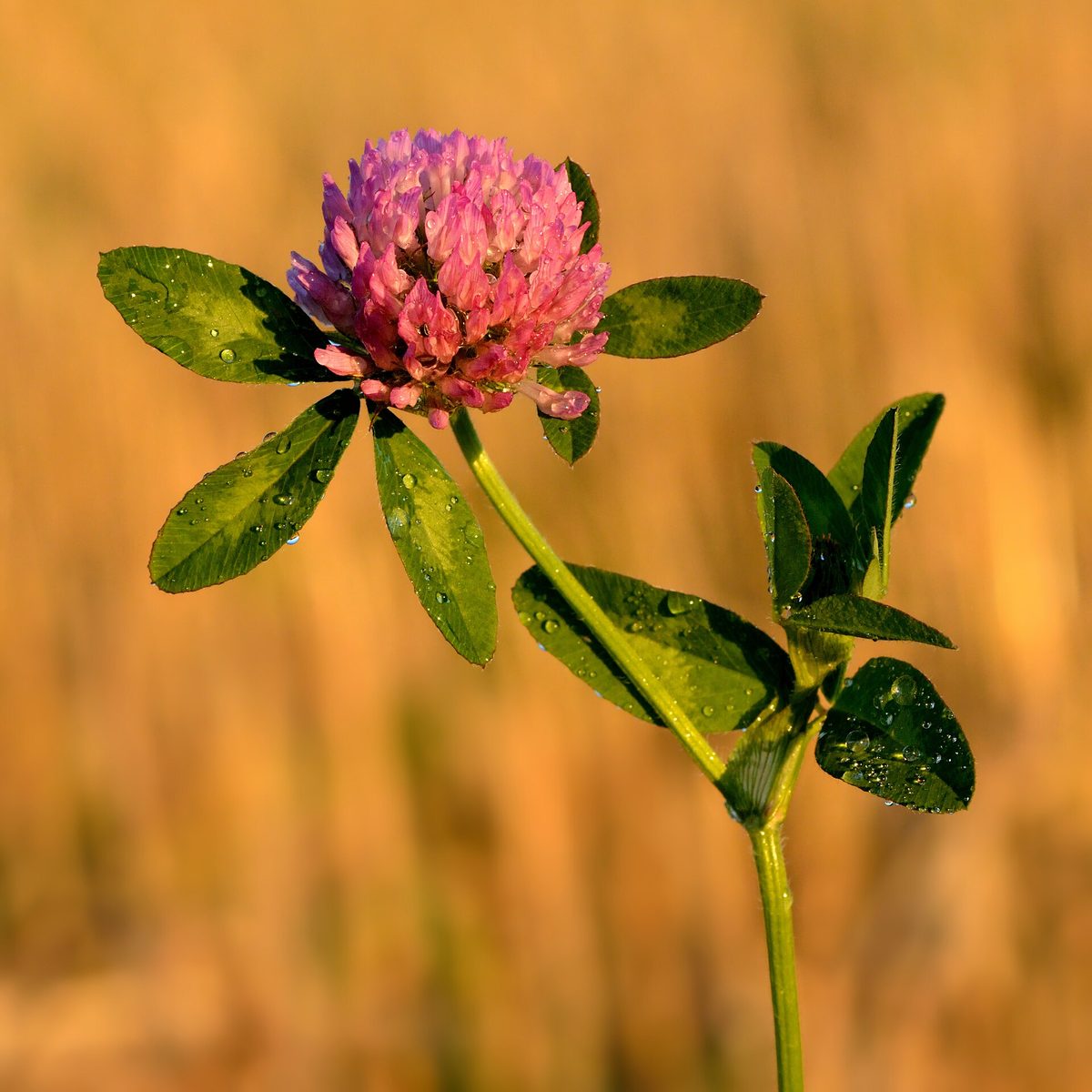
-
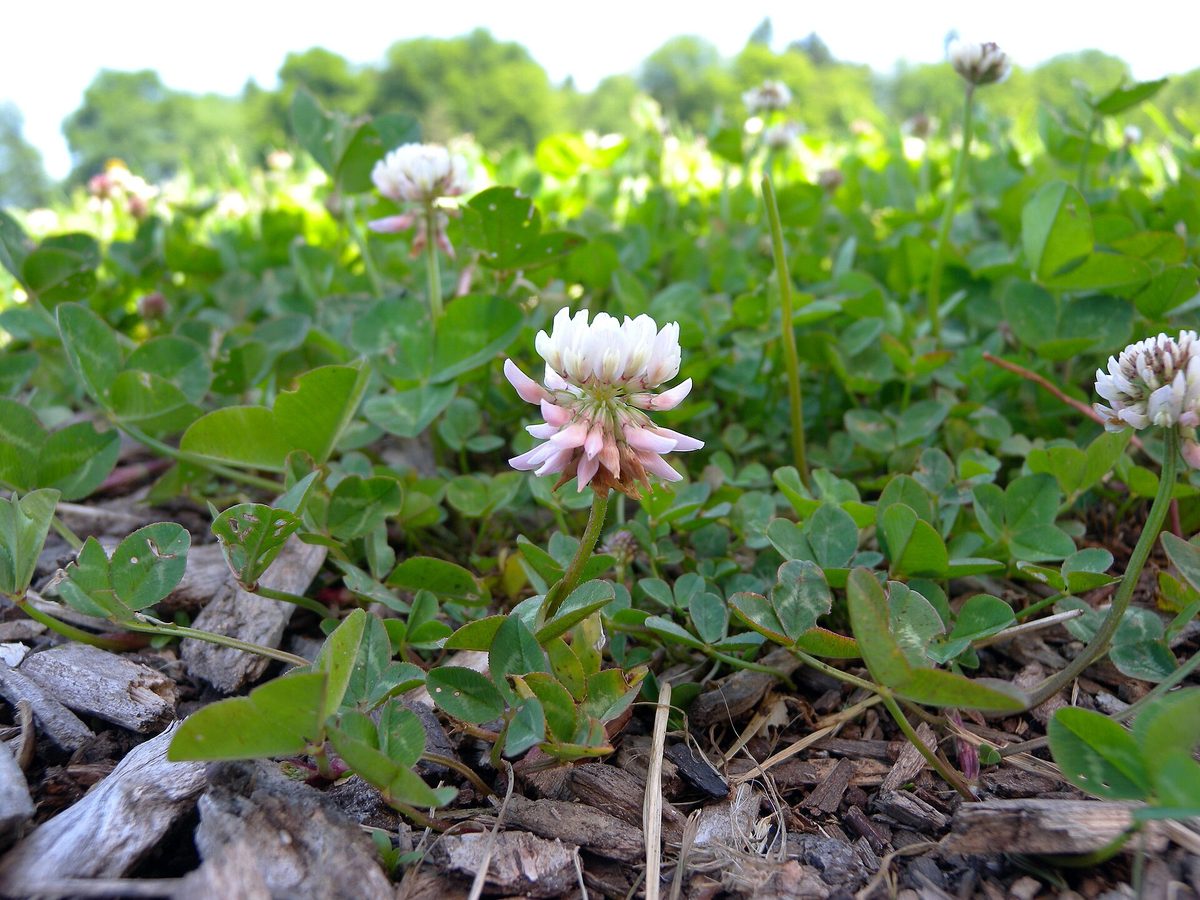
White Clover
Trifolium repens
Zones 3a–10b · 0.3–0.5 ft (0.1–0.15 m) · Full sun and part shade (full sun preferred)
-
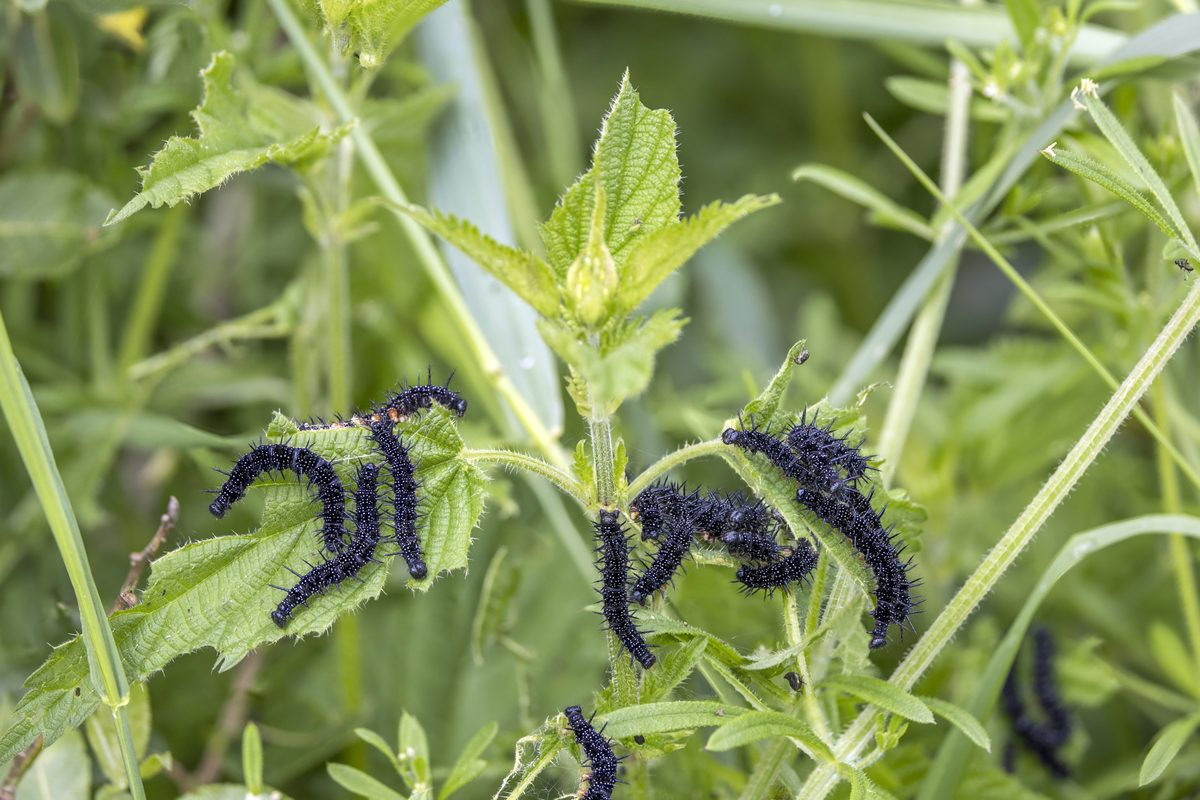
Stinging Nettle
Urtica dioica
Zones 4a–10b · 10 ft (3.05 m) · Full sun, part shade and full shade (full sun preferred)
-
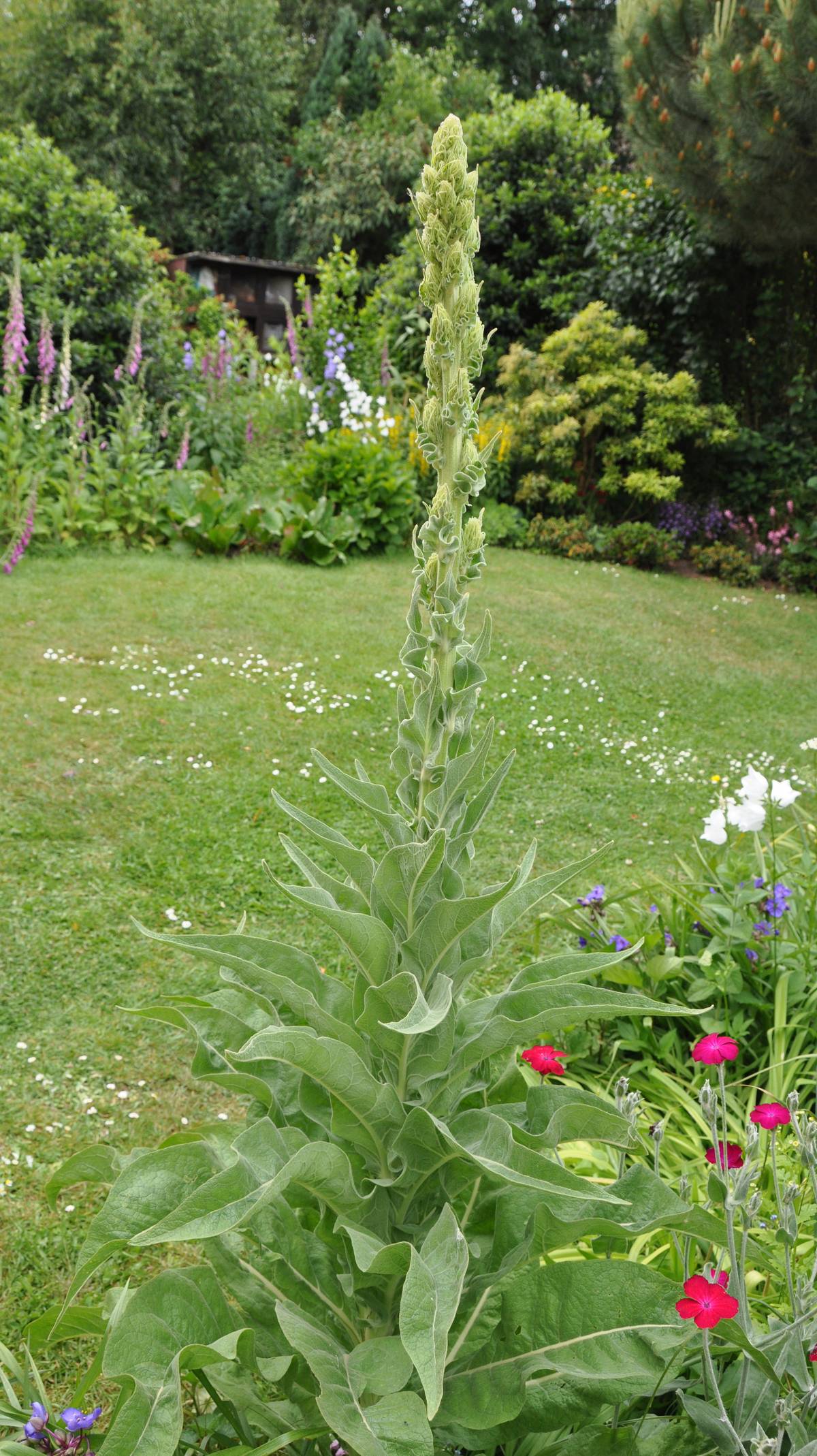
Common Mullein
Verbascum thapsus
Zones 3a–9b · 3–10 ft (0.91–3.05 m) · Full sun and part shade (full sun preferred)
-
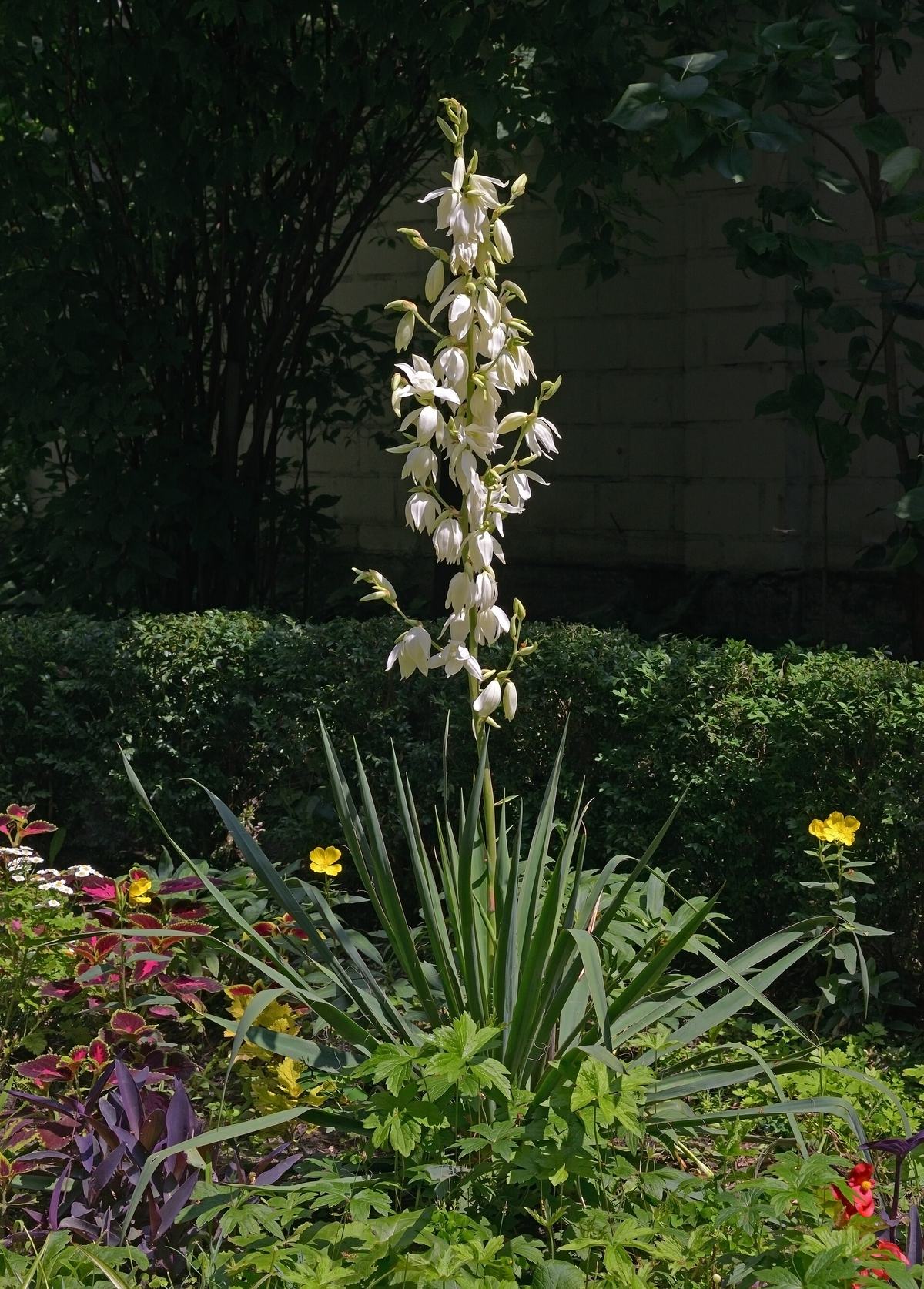
Adam's Needle
Yucca filamentosa
Zones 4a–10b · 3–15 ft (0.91–4.57 m) · Full sun, part shade and full shade (full sun preferred)
How we chose
A herbaceous perennial, and hardy through at least zone 5a according to the cited sources
Photo credits
- Common Yarrow photo by Natalka Ukraine (baby-bear.org), CC BY 4.0 via Wikimedia Commons
- Calamus photo by H. Zell, CC BY-SA 3.0 via Wikimedia Commons
- Blue Giant Hyssop photo by Guettarda, CC BY-SA 4.0 via Wikimedia Commons
- Indianhemp photo by Thayne Tuason, CC BY-SA 4.0 via Wikimedia Commons
- Greater Burdock photo by Ilya Plekhanov, CC BY-SA 3.0 via Wikimedia Commons
- Mountain Arnica photo by Frank Vassen from Brussels, Belgium, CC BY 2.0 via Wikimedia Commons
- Absinthium photo by Wikimedia Commons contributor, CC0 via Wikimedia Commons
- Common Wormwood photo by Wikimedia Commons contributor, CC0 via Wikimedia Commons
- Common Milkweed photo by Salicyna, CC BY-SA 4.0 via Wikimedia Commons
- Butterfly Milkweed photo by Larry Jensen, CC BY 4.0 via Wikimedia Commons
- Belladonna photo by Wikimedia Commons contributor, CC0 via Wikimedia Commons
- Lawndaisy photo by Marc Ryckaert (MJJR), CC BY 3.0 via Wikimedia Commons
- Cayenne Pepper photo by George Chernilevsky, Public domain via Wikimedia Commons
- Canada Thistle photo by Ryan Hodnett, CC BY-SA 4.0 via Wikimedia Commons
- Field Bindweed photo by Krzysztof Golik, CC BY-SA 4.0 via Wikimedia Commons
- Purple Coneflower photo by Wikimedia Commons contributor, CC BY-SA 3.0 via Wikimedia Commons
- Queen of the Meadow photo by Wikimedia Commons contributor, CC0 via Wikimedia Commons
- Woodland Strawberry photo by Jörg Hempel, CC BY-SA 3.0 via Wikimedia Commons
- Sweetscented Bedstraw photo by I.Sáček, senior, Public domain via Wikimedia Commons
- Ground Ivy photo by Michael Kurz, CC BY-SA 3.0 via Wikimedia Commons
- Daylily photo by George Chernilevsky, Public domain via Wikimedia Commons
- Common Cowparsnip photo by U.S. Fish and Wildlife Service - Midwest Region, Public domain via Wikimedia Commons
- Chameleon photo by Krzysztof Ziarnek, Kenraiz, CC BY-SA 4.0 via Wikimedia Commons
- Common Hop photo by Radomianin, CC BY-SA 4.0 via Wikimedia Commons
- Common St. Johnswort photo by Bff, CC BY-SA 4.0 via Wikimedia Commons
- Cardinalflower photo by sonnia hill, CC BY 2.0 via Wikimedia Commons
- Wild Bergamot photo by Andrey Zharkikh from Salt Lake City, USA, CC BY 2.0 via Wikimedia Commons
- Sacred Lotus photo by Basile Morin, CC BY-SA 4.0 via Wikimedia Commons
- Peruvian Groundcherry photo by Forest & Kim Starr, CC BY 3.0 via Wikimedia Commons
- American Pokeweed photo by Rhododendrites, CC BY-SA 4.0 via Wikimedia Commons
- Narrowleaf Plantain photo by Sven Damerow, CC BY-SA 4.0 via Wikimedia Commons
- Indian Strawberry photo by Robert Flogaus-Faust, CC BY 4.0 via Wikimedia Commons
- Common Selfheal photo by JackyM59, CC BY-SA 4.0 via Wikimedia Commons
- Japanese Knotweed photo by AnRo0002, CC0 via Wikimedia Commons
- Canada Goldenrod photo by George Chernilevsky, Public domain via Wikimedia Commons
- Common Comfrey photo by Wikimedia Commons contributor, CC BY-SA 4.0 via Wikimedia Commons
- Red Clover photo by Ivar Leidus, CC BY-SA 4.0 via Wikimedia Commons
- White Clover photo by MurielBendel, CC BY-SA 4.0 via Wikimedia Commons
- Stinging Nettle photo by Wikimedia Commons contributor, CC BY-SA 4.0 via Wikimedia Commons
- Common Mullein photo by Marc Ryckaert (MJJR), CC BY 3.0 via Wikimedia Commons
- Adam's Needle photo by Ввласенко, CC BY-SA 4.0 via Wikimedia Commons


How this page was made
- Written with AI assistance from the sources listed on this page. AI is never the source of a fact.