Carnation (Dianthus caryophyllus)
Formerly Tunica caryophyllus, Tunica morrisii, Dianthus binatus
Carnation grows best outdoors in full sun to part shade and well-drained soil. It usually reaches 1 to 4 ft (0.3-1.2 m) tall. Carnation grows at a moderate pace. Its blooms come in shades of pink, red, white, and purple. No source here lists a watering schedule for carnation. The ASPCA lists carnation as toxic to cats. The ASPCA also lists it as toxic to dogs.
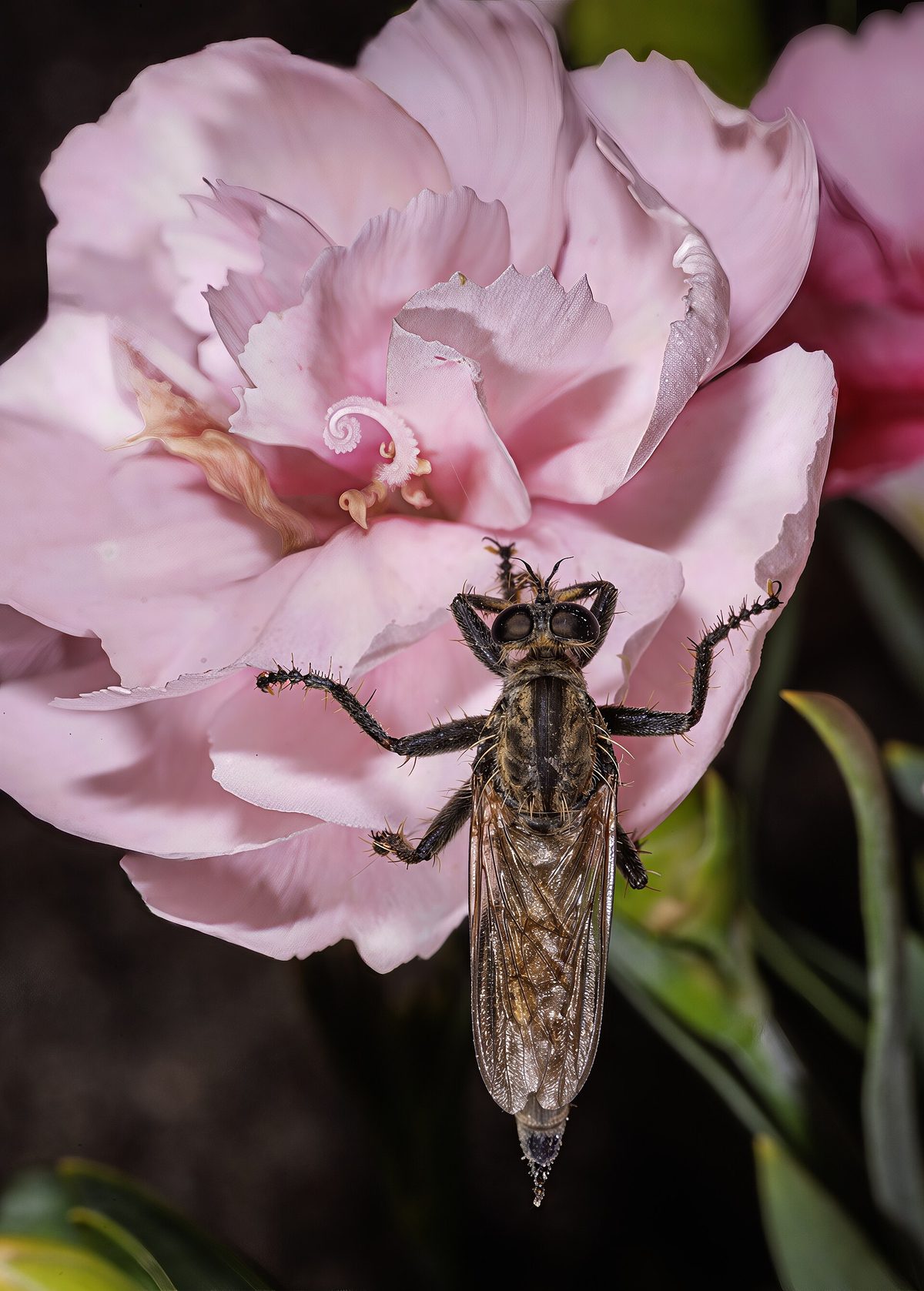
Photo: Didier Descouens, CC BY-SA 4.0 via Wikimedia Commons

Quick facts
| Light: | Full sun and part shade (full sun preferred)12 |
|---|---|
| Soil: | Well drained and moist; pH 6–811 source |
| Hardiness: | Zones 6a–9b11 source |
| Size: | 1–4 ft (0.3–1.22 m) × 0.5–1 ft (0.15–0.3 m)11 source |
| Growth rate: | Moderate11 source |
| Bloom: | Pink, red, white and purple61 source |
| Cats: | Toxic to cats (1 source) 5 |
| Dogs: | Toxic to dogs (1 source) 5 |
| Native range: | ALB, GRC, YUG7 |
| Family: | Caryophyllaceae |
How much light does a Carnation need?
Give carnation at least six hours of direct sun a day. It also grows well in part shade. Full sun is the preferred light level, with part shade also reported to work. The soil it grows in should drain well. A soil pH between 6 and 8 also suits it. Utah State University Extension also reports success with full to partial sun in loamy soil. Its blooms appear in shades of pink, red, white, and purple. Full sun is recorded as its preferred condition over part shade. Six hours or more of direct light is the benchmark used.
Best soil for a Carnation
Carnation needs soil that drains well while staying lightly moist. Good drainage is listed as a requirement for this plant outdoors. The soil should also stay moist rather than dry out completely. Both well-drained and moist conditions are reported as suitable for this species. Aim for a soil pH between 6.0 and 8.0, which NC State Extension describes as neutral. This range covers slightly acidic to slightly alkaline soils. NC State Extension lists good drainage as a specific soil requirement for this species. A pH of 6.0 is the acidic edge of its range, and 8.0 is the alkaline edge.
Hardiness and temperature
Zone 6a to 9b is the hardiness range documented for carnation outdoors. Zone 6a is the coldest zone listed for it. Zone 9b is the warmest zone listed for it. No cited source on this page states a minimum temperature or humidity level for carnation. Carnation is deciduous. Growth is reported as moderate. Below zone 6a, winters are likely colder than this species is documented to handle outdoors. Zone 9b represents the upper end of where it is documented to grow outdoors.
- Hardiness: Zones 6a–9b1
Pruning a Carnation
Deadheading spent blooms is the main pruning task for carnation. Pinching out the center of young plants is also recommended. Both of these are described as light shaping rather than heavy cutting. Removing spent flowers keeps the plant tidy through its bloom period. Carnation reaches a mature height of 1 to 4 ft (0.3-1.2 m). It typically spreads 6 in to 1 ft (15-30 cm) wide.
- Pruning: Deadheading and Light shaping1
How to plant a Carnation
Full sun to part shade works well for a carnation planting site. This species is suited to USDA hardiness zones 6a through 9b outdoors. Give it soil that drains well, with a pH between 6.0 and 8.0. Space plants about 6 in to 1 ft (15-30 cm) apart to match their mature spread. Carnation is classified as a shrub. Its native range includes Albania, Greece, and the former Yugoslavia. In the continental United States, it is recorded as introduced rather than native. It grows at a moderate pace once established. Gardeners in zones colder than 6a or warmer than 9b are working outside the zones this species is documented for.
- Hardiness: Zones 6a–9b1
Winter care
Outside zone 6a, carnation is not reported as reliably winter hardy outdoors. Its hardiness range runs from USDA zone 6a to 9b. As a deciduous plant, it loses its leaves rather than staying green year-round. No cited source on this page gives a specific minimum temperature for winter protection. Growth is reported as moderate for this species. Mature plants stand about 1 to 4 ft (0.3-1.2 m) tall. Width at maturity runs from 6 in to 1 ft (15-30 cm). Carnation is recorded as a shrub in this reference.
- Hardiness: Zones 6a–9b1
Common problems
Rust and crown rot are two diseases reported on carnation. Alternaria leaf spot is also documented on this plant. Other diseases recorded include bacterial wilt, botrytis blight, and fusarium wilt. Reported pests include western flower thrips and the carnation tortrix moth. Leafrollers and armyworms are also listed among its pests. Other pests recorded include cotton bollworm and pea leafminer.
- Common pests: obliquebanded leafroller, western flower thrips, cotton bollworm, pea leafminer, serpentine leafminer, whitefringed weevil, southern armyworm, fall armyworm, yellowstriped armyworm, plague thrips, melon thrips, carnation tortrix moth, south african carnation worm and omnivorous leafroller3
- Common diseases: rust, crown rot, alternaria leaf spot, bacterial slow wilt or stunt, bacterial wilt, botrytis blight, fusarium wilt, fusarium stem rot, greasy blotch, phialophora wilt and rhizoctonia stem rot14
| Problem | Kind |
|---|---|
| Obliquebanded leafroller | Pest |
| Western flower thrips | Pest |
| Cotton bollworm | Pest |
| Pea leafminer | Pest |
| Serpentine leafminer | Pest |
| Whitefringed weevil | Pest |
| Southern armyworm | Pest |
| Fall armyworm | Pest |
| Yellowstriped armyworm | Pest |
| Plague thrips | Pest |
| Melon thrips | Pest |
| Carnation tortrix moth | Pest |
| South african carnation worm | Pest |
| Omnivorous leafroller | Pest |
| Rust | Disease |
| Crown rot | Disease |
| Alternaria leaf spot | Disease |
| Bacterial slow wilt or stunt | Disease |
| Bacterial wilt | Disease |
| Botrytis blight | Disease |
| Fusarium wilt | Disease |
| Fusarium stem rot | Disease |
| Greasy blotch | Disease |
| Phialophora wilt | Disease |
| Rhizoctonia stem rot | Disease |
Is Carnation toxic to cats and dogs?
Carnation is listed as toxic to cats. It is also listed as toxic to dogs. This listing for cats comes from one cited source, the ASPCA. The listing for dogs comes from that same source. The ASPCA's own record for this plant names it toxic to dogs, cats, and horses. No clinical signs are given alongside this listing, so contact your vet or a pet poison line if your cat or dog eats this plant. Each of these listings for cats and dogs is based on a single cited source. Dogs and cats share the same toxic rating in this record. The ASPCA entry used for both listings is the same single record.
Pet-safe alternatives
Recommended supplies
- Soil: a free-draining mix, and a pot with a drainage hole.
Questions and answers
- Is carnation toxic to cats and dogs?
- Yes, the ASPCA lists carnation as toxic to both cats and dogs. Each of these two listings comes from that single cited source. This information comes from the ASPCA's own record of pet-toxic plants. The ASPCA's record does not break down a severity level beyond listing it as toxic.
- What hardiness zones can carnation grow in?
- Carnation is documented in USDA hardiness zones 6a to 9b outdoors. That range runs from a cold zone 6a to a milder zone 9b. It is also deciduous, dropping its leaves each year. Outdoors, it also tolerates part shade besides full sun. Mature plants reach about 1 to 4 ft (0.3-1.2 m) tall within that range.
- How much sun does carnation need?
- Carnation needs at least six hours of direct sun a day for best results. It also tolerates part shade, especially in hot climates. Soil that drains well and sits at a pH of 6.0 to 8.0 also suits it. A moderate growth rate is reported for carnation overall. This species is classified as a shrub.
Sources
- NC State Extension Gardener Plant Toolbox. https://plants.ces.ncsu.edu/plants/dianthus-caryophyllus/. Accessed 14 October 2026.
- Utah State University Extension. https://extension.usu.edu/productionhort/research/miniature-carnation-cut-flower-production-in-utah. Accessed 14 October 2026.
- EPPO Global Database. https://gd.eppo.int/taxon/DINCA/pests. Accessed 14 October 2026.
- Penn State Extension. https://extension.psu.edu/carnation-dianthus-diseases. Accessed 14 October 2026.
- ASPCA Animal Poison Control Center. https://www.aspca.org/pet-care/aspca-poison-control/toxic-and-non-toxic-plants/carnation. Accessed 14 October 2026.
- Clemson Cooperative Extension Home & Garden Information Center. https://hgic.clemson.edu/the-secret-language-of-flowers-for-valentines-day/. Accessed 15 October 2026.
- Royal Botanic Gardens, Kew (World Checklist of Vascular Plants). https://sftp.kew.org/pub/data-repositories/WCVP/wcvp.zip. Accessed 4 June 2026.
How this page was made
- Written with AI assistance from the sources listed on this page. AI is never the source of a fact.