Boxwood (Buxus sempervirens)
Also called Common Box
Formerly Buxus arborescens, Buxus aurea, Buxus crispa
Plant common box in full sun or part shade, and water it thoroughly each week when rainfall is under an inch. Its water need is rated medium overall. It is a slow-growing evergreen shrub for zones 5a–8b. It is listed as toxic to both cats and dogs.
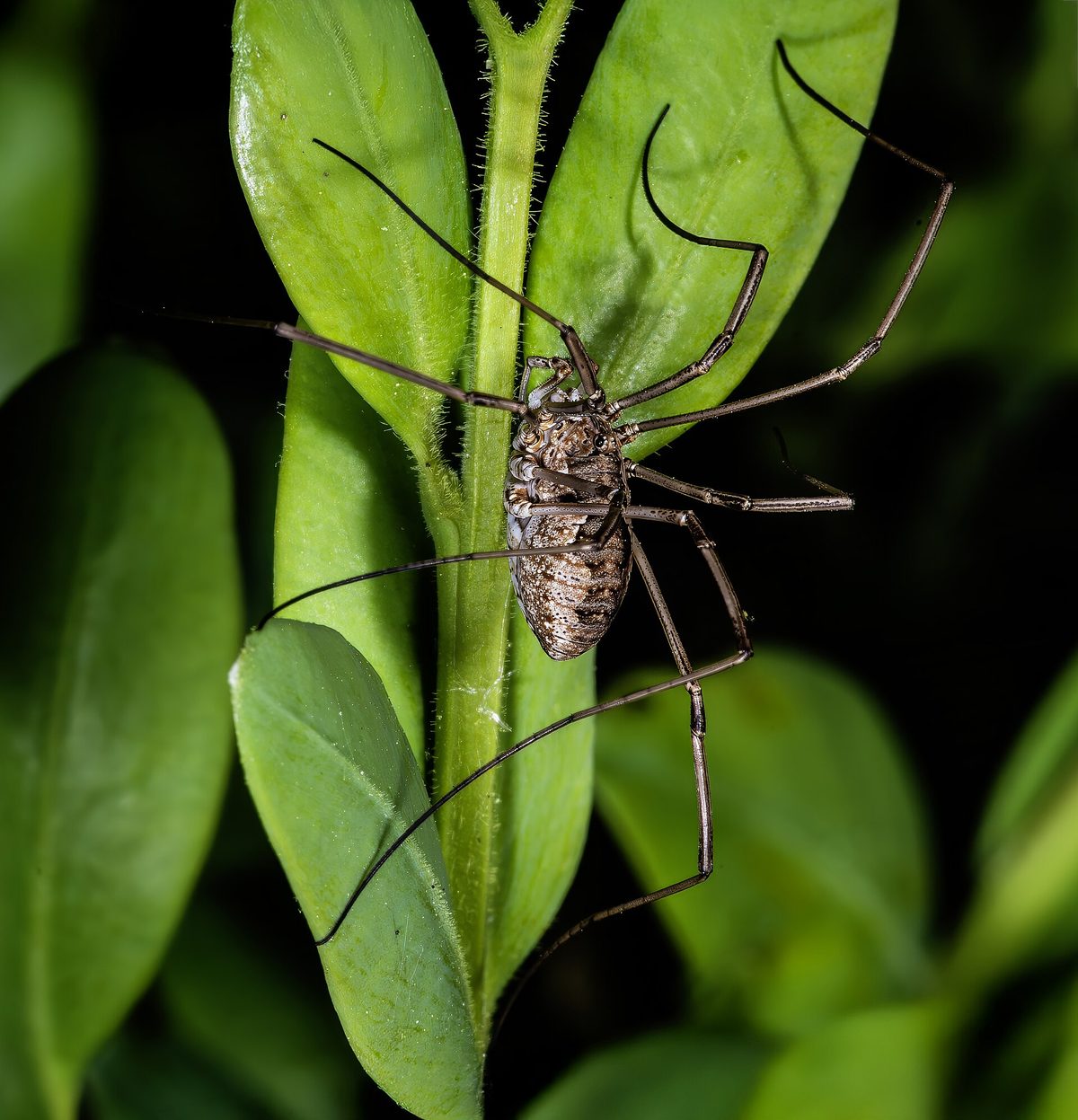
Photo: Didier Descouens, CC BY-SA 4.0 via Wikimedia Commons

Quick facts
| Light: | Full sun and part shade (full sun preferred)12 |
|---|---|
| Water: | Medium31 source |
| Soil: | Well drained and occasionally wet; pH 6–813 |
| Hardiness: | Zones 5a–8b11 source |
| Size: | 10–12 ft (3.05–3.66 m) × 6–8 ft (1.83–2.44 m)61 source |
| Growth rate: | Slow14 |
| Bloom: | Apr–May, Yellow7811 source |
| Cats: | Toxic to cats 51 |
| Dogs: | Toxic to dogs 51 |
| Family: | Buxaceae |
How much light does a Boxwood need?
Sun exposure for this shrub runs from full sun to part shade, and full sun is the preferred setting. Full sun means six or more hours of direct sunlight a day. A partially shaded or sunny spot suits boxwood best, according to University of Florida IFAS Extension. Part shade is the lower-light option on that list.
How often to water a Boxwood
Watering needs for this shrub are rated medium. Clemson Cooperative Extension advises watering established boxwood thoroughly each week when rainfall is under an inch. The recorded range has medium at both its low and high end. The soil should have good drainage, and it can also be occasionally wet.
- Water: Medium3
Best soil for a Boxwood
Soil for this shrub should have good drainage. It also appears in the record with occasionally wet ground, according to NC State Extension Gardener Plant Toolbox. The listed soil pH is neutral, from 6.0 to 8.0. Drainage and pH are the two soil conditions recorded for common box. Any pH from 6 up to 8 falls inside that band. Well drained and occasionally wet are both recorded drainage conditions.
Hardiness and temperature
Hardiness zones for common box run from 5a to 8b, according to NC State Extension. Zone 5a is the cold end of that range and zone 8b is the warm end. Use the zone range as your guide to whether the plant suits your climate. It is an evergreen shrub.
- Hardiness: Zones 5a–8b1
Pruning a Boxwood
Pruning for this shrub is light shaping. Clemson Cooperative Extension says the best time to shear the plants is in early June. The shrub can reach 10 to 12 ft (3.05–3.66 m) tall and spread 6 to 8 ft (1.83–2.44 m). Its growth rate is slow.
- Pruning: Light shaping (Jun)3
How to plant a Boxwood
Zones 5a to 8b are the range where NC State Extension lists this shrub. Check that your hardiness zone falls inside that range before you plant. Plan space for a mature spread of 6 to 8 ft (1.83–2.44 m). Choose a site with full sun or part shade and good drainage. Plan overhead room for a mature height of 10 to 12 ft (3.05–3.66 m).
- Hardiness: Zones 5a–8b1
Winter care
Winter planning starts with your hardiness zone, and common box is listed for zones 5a to 8b. NC State Extension describes it as an evergreen shrub or small tree. Zone 5a is the coldest zone in the listed range. The listing names eight zones from 5a through 8b: 5a, 5b, 6a, 6b, 7a, 7b, 8a and 8b.
- Hardiness: Zones 5a–8b1
Care calendar
| Task | Jan | Feb | Mar | Apr | May | Jun | Jul | Aug | Sep | Oct | Nov | Dec |
|---|---|---|---|---|---|---|---|---|---|---|---|---|
| Prune | Prune in Jun | |||||||||||
| Bloom | Bloom in Apr | Bloom in May |
How to propagate a Boxwood
Stem cuttings and layering are the propagation methods recorded for this plant. NC State Extension Gardener Plant Toolbox lists stem cutting as a method. Layering is also recorded as a method for common box. Only two methods are recorded, stem cuttings and layering. Use either method to make new plants from an existing shrub.
- Propagation: Stem cuttings and layering1
Common problems
Boxwood leafminer, boxwood mite, boxwood psyllid, boxwood moth and nematodes are the pests recorded for this shrub. NC State Extension names leafminer, boxwood mite and boxwood psyllid as insect pests. The plant is susceptible to boxwood blight and leaf spot diseases. Clemson Cooperative Extension also lists boxwood decline, foliage and twig blights, and Phytophthora root rot.
| Problem | Kind |
|---|---|
| Boxwood leafminer | Pest |
| Boxwood mite | Pest |
| Boxwood psyllid | Pest |
| Boxwood moth | Pest |
| Nematodes | Pest |
| Boxwood blight | Disease |
| Leaf spot | Disease |
| Boxwood decline | Disease |
| Root rot | Disease |
Is Boxwood toxic to cats and dogs?
Cats: the ASPCA Animal Poison Control Center lists common box as toxic. Dogs: the same ASPCA listing records it as toxic to dogs. NC State Extension Gardener Plant Toolbox also flags the plant as a problem for cats. It flags the plant as a problem for dogs as well. Treat the toxic listing for cats and the toxic listing for dogs as two separate positions, and both say toxic.
Pet-safe alternatives
Recommended supplies
- Soil: a free-draining mix, and a pot with a drainage hole.
Questions and answers
- Does common box need full sun?
- Full sun is preferred, meaning six or more hours of direct sunlight a day. Part shade is also listed for this shrub. UF IFAS Extension describes a partially shaded or sunny spot as best suited for boxwood.
- Is common box toxic to cats and dogs?
- The ASPCA lists common box as toxic to cats and toxic to dogs. NC State Extension Gardener Plant Toolbox flags it as a problem for both cats and dogs.
- How big does common box get?
- It can reach 10 to 12 ft (3.05–3.66 m) tall and spread 6 to 8 ft (1.83–2.44 m), according to Penn State Extension. Its growth rate is slow.
Sources
- NC State Extension. https://plants.ces.ncsu.edu/plants/buxus-sempervirens/. Accessed 25 October 2026.
- UF IFAS Extension. https://ask.ifas.ufl.edu/fp080. Accessed 25 October 2026.
- Clemson Cooperative Extension HGIC. https://hgic.clemson.edu/factsheet/boxwood/. Accessed 25 October 2026.
- University of Florida IFAS Extension (EDIS). https://ask.ifas.ufl.edu/publication/FP080. Accessed 25 October 2026.
- ASPCA Animal Poison Control Center. https://www.aspca.org/pet-care/aspca-poison-control/toxic-and-non-toxic-plants/boxwood. Accessed 25 October 2026.
- Penn State Extension. https://extension.psu.edu/evergreen-shrubs-and-trees-for-pennsylvania. Accessed 27 October 2026.
- University of Wisconsin-Madison Division of Extension (Wisconsin Horticulture). https://hort.extension.wisc.edu/articles/whats-all-the-buzz-woody-plants-for-bees-butterflies-and-other-bee-t-full-pollinators/. Accessed 25 October 2026.
- NC State Extension. https://plants.ces.ncsu.edu/plants/buxus-sempervirens/common-name/common-box/. Accessed 25 October 2026.
How this page was made
- Written with AI assistance from the sources listed on this page. AI is never the source of a fact.