Wine Raspberry (Rubus phoenicolasius)
Formerly Rubus phoenicolasius f. aureiceps, Rubus phoenicolasius var. concolor, Rubus phoenicolasius var. aureiceps
Keep wine raspberry in full sun to part shade with medium, steady moisture. It flowers red and white before the berries set. Growth stays moderate, not fast. It roots fine from seed, division, or stem cuttings. Watch for cane borers and honey fungus as the main problems. No cited source lists its toxicity to cats or dogs. Outdoors, it survives winters across USDA zones 4a to 8b.
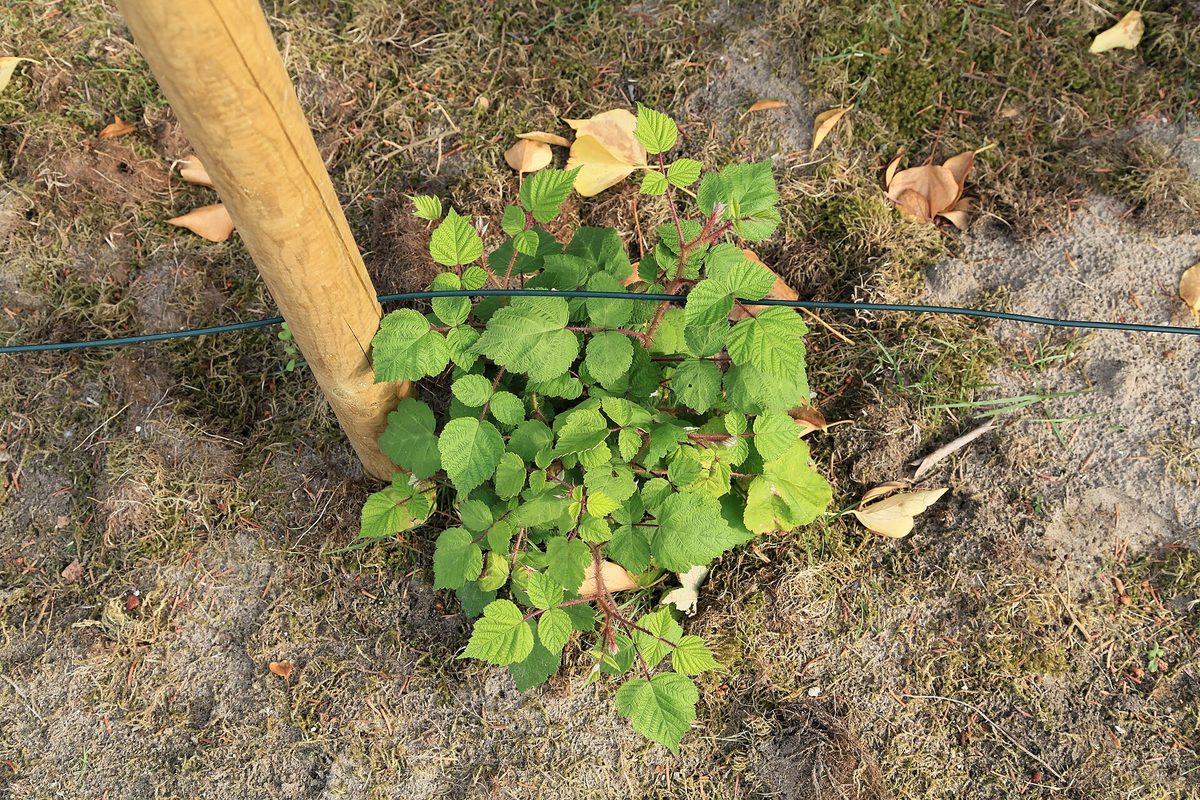
Photo: Frank Vincentz, CC BY-SA 3.0 via Wikimedia Commons

Quick facts
| Light: | Full sun and part shade (full sun preferred)111 source |
|---|---|
| Water: | Medium11 source |
| Soil: | Well drained11 source |
| Hardiness: | Zones 4a–8b11 source |
| Size: | 9 ft (2.74 m) × 3.2 ft (0.99 m)11 source |
| Growth rate: | Moderate111 source |
| Bloom: | Red and white11 source |
| Cats: | Not documented by major sources |
| Dogs: | Not documented by major sources |
| Native range: | CHC, CHI, CHN, CHQ, CHS, JAP, KOR, WVA2 |
| Family: | Rosaceae |
How much light does a Wine Raspberry need?
Give wine raspberry full sun for the best fruit and the most new canes each year. Part shade works too, especially where summer afternoons run hot. Plants grown in full sun need the same medium, steady moisture that this species prefers at any light level.
How often to water a Wine Raspberry
Wine raspberry needs medium, even moisture through the growing season. Check the top few inches of soil and water once it starts to dry, rather than on a fixed number of days. Because the roots sit in well-drained soil, extra water drains away instead of pooling around the canes.
- Water: Medium1
Best soil for a Wine Raspberry
This bramble needs soil that drains well; standing water around the roots invites trouble. No cited source gives a preferred soil pH for wine raspberry, so that detail is not documented here. Pair well-drained soil with the medium, even moisture this plant prefers rather than soil that stays soggy. Full sun to part shade sites with well-drained soil suit it best outdoors. It grows at a moderate pace once it is settled into well-drained ground. At maturity the canes reach about 9 ft (2.7 m) tall, so give roots room to match. Suitable soil across USDA zones 4a to 8b should still drain well no matter the climate.
- Soil drainage: Well drained1
Hardiness and temperature
Zones 4a through 8b outdoors suit this species well. That range covers hard winter freezes and milder, nearly frost-free regions. No cited source states a specific minimum temperature this plant can take, so that number is not documented here. Within its zone range, growth stays moderate rather than fast, even in a long, warm season. Full sun suits it across the whole zone range, with part shade as an option in hot climates. Keep moisture steady through summer heat, since dry spells stress canes more than cold does. Outside zones 4a to 8b, treat this species as unlikely to survive winter outdoors without extra protection.
- Hardiness: Zones 4a–8b1
How to plant a Wine Raspberry
Plant wine raspberry outdoors in USDA zones 4a through 8b, where winter cold stays within its range. Choose a full-sun to part-shade spot with soil that drains well, and give each plant room to reach its full size. At maturity the canes grow to about 9 ft (2.7 m) tall and spread close to 3 ft (1 m) wide, so space plants with that spread in mind.
- Hardiness: Zones 4a–8b1
Winter care
Outdoors, this species takes winter cold across USDA zones 4a to 8b. In that range, plants normally survive typical winter cold. No cited source gives a minimum temperature for this species, so that figure is not documented. Below zone 4a, winter cold likely goes past what this plant is rated to take. Keep soil on the moist side of medium through fall, not dry, before frost. Growth slows naturally in winter along with the plant's overall moderate pace the rest of the year. Well-drained soil matters most in winter, when wet, cold ground does more harm than cold air alone.
- Hardiness: Zones 4a–8b1
How to propagate a Wine Raspberry
You can start new wine raspberry plants from seed, by division, or from stem cuttings. Division is the fastest route, since it separates an already-rooted cane from the parent plant. Stem cuttings need a season to form their own roots before they grow much on their own. Seed-grown plants take the longest to reach a size that produces fruit.
- Propagation: Seed, division and stem cuttings1
Common problems
Watch wine raspberry canes for the raspberry cane borer and the rednecked cane borer, two insects that tunnel into new growth. Both can weaken or kill a cane from the inside, so wilted or snapped tips are worth a closer look. Honey fungus is the main disease reported for this species, a fungus that attacks roots and the base of the plant.
| Problem | Kind |
|---|---|
| Raspberry cane borer | Pest |
| Rednecked cane borer | Pest |
| Honey fungus | Disease |
Is Wine Raspberry toxic to cats and dogs?
Recommended supplies
- Soil: a free-draining mix, and a pot with a drainage hole.
Questions and answers
- What hardiness zones can wine raspberry grow in outdoors?
- Wine raspberry grows outdoors in USDA zones 4a through 8b. Outside that range, winter cold is likely too extreme for it to survive without extra protection.
- How do you propagate wine raspberry?
- You can grow new plants from seed, by division, or from stem cuttings. Division gives the fastest results since it uses an already-rooted piece of the parent plant.
- What pests or diseases affect wine raspberry?
- The raspberry cane borer and the rednecked cane borer are the main pests to watch for. Honey fungus is the disease most often reported on this species, and it attacks roots and the base of the plant.
Sources
- NC State Extension Gardener Plant Toolbox. https://plants.ces.ncsu.edu/plants/rubus-phoenicolasius/. Accessed 14 October 2026.
- Royal Botanic Gardens, Kew (World Checklist of Vascular Plants). https://sftp.kew.org/pub/data-repositories/WCVP/wcvp.zip. Accessed 4 June 2026.
How this page was made
- Written with AI assistance from the sources listed on this page. AI is never the source of a fact.