Common Buttonbush (Cephalanthus occidentalis)
Formerly Cephalanthus hansenii, Cephalanthus pubescens, Cephalanthus acuminatus
Buttonbush is a deciduous shrub with a moderate growth rate. It grows best in full sun outdoors. It also tolerates part shade. Give it soil that stays medium to wet. This shrub flowers white from June to September. Mature plants reach 5-8 ft (1.52-2.44 m) tall and 3-6 ft (0.91-1.83 m) wide. No cited source lists a pet-toxicity position for cats or dogs for this plant.
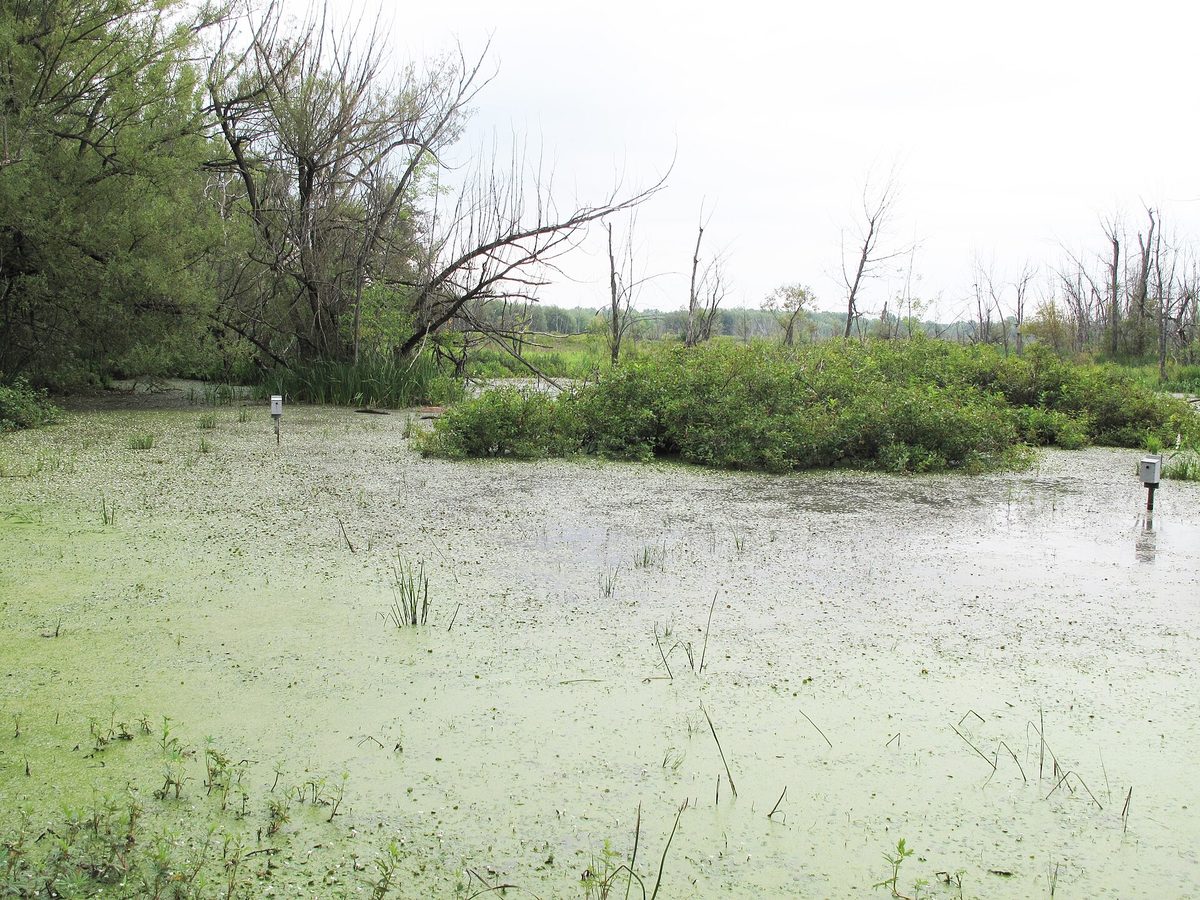
Photo: Wikimedia Commons contributor, CC BY-SA 4.0 via Wikimedia Commons

Quick facts
| Light: | Full sun and part shade (full sun preferred)12 |
|---|---|
| Water: | Medium to wet11 source |
| Soil: | Moist, occasionally dry, occasionally wet and poorly drained; pH 5–7.4121 source |
| Size: | 5–8 ft (1.52–2.44 m) × 3–6 ft (0.91–1.83 m)11 source |
| Growth rate: | Moderate11 source |
| Bloom: | Jun–Sep, White11 source |
| Cats: | Not documented by major sources |
| Dogs: | Not documented by major sources |
| Family: | Rubiaceae |
How much light does a Common Buttonbush need?
Outdoors, buttonbush grows best in full sun, meaning at least six hours of direct sunlight each day. It also tolerates part shade, so a site with some shade for part of the day still suits this shrub, though full sun remains the preferred placement for this species.
How often to water a Common Buttonbush
Buttonbush needs soil that stays medium to wet, not dry. Outdoors it also tolerates soil that is occasionally dry or occasionally wet, as well as spots with poorly drained, standing water. Check that the ground near the plant stays consistently moist to wet rather than letting it dry out.
- Water: Medium to wet1
Best soil for a Common Buttonbush
Buttonbush tolerates a wide range of soil moisture outdoors, from occasionally dry ground to soil that stays consistently moist. It also tolerates occasionally wet conditions and poorly drained spots where water stands frequently, rather than requiring soil that drains quickly. Buttonbush tolerates soil pH from 5.0 to 7.4 outdoors. That range spans acidic soil through neutral soil, rather than just one type of pH.
How to propagate a Common Buttonbush
Gardeners can propagate buttonbush from seed, which is one of the two documented methods for this species. The other documented method is growing new plants from stem cuttings taken from this shrub. No other propagation method is documented for buttonbush beyond seed and stem cuttings. Gardeners choosing between the two can rely on either as a documented option for this shrub.
- Propagation: Seed and stem cuttings1
Common problems
No insect pests are documented as serious problems for buttonbush. No diseases are listed for this species either. Overall, it has no serious insect pest or disease problems recorded. Gardeners do not need to watch for any specific insect pest or disease on this species based on current records.
Is Common Buttonbush toxic to cats and dogs?
Recommended supplies
- Soil: a mix that holds moisture without staying wet.
Questions and answers
- Does buttonbush need full sun?
- Buttonbush grows best in full sun outdoors, meaning at least six hours of direct sunlight a day, though it also tolerates part shade. A site with some afternoon shade still works for this shrub.
- How much water does buttonbush need?
- Buttonbush needs soil that stays medium to wet rather than dry. It also tolerates soil that swings from occasionally dry to occasionally wet or poorly drained with standing water.
- How do you propagate buttonbush?
- Buttonbush can be grown from seed or from stem cuttings, the two methods documented for this species. Both options are the propagation methods recorded for this shrub, with no other method documented.
Sources
- NC State Extension Gardener Plant Toolbox. https://plants.ces.ncsu.edu/plants/cephalanthus-occidentalis/. Accessed 15 November 2026.
- Cornell University CALS Woody Plants Database. https://woodyplants.cals.cornell.edu/plant/429. Accessed 15 November 2026.
- Clemson Cooperative Extension Home & Garden Information Center. https://hgic.clemson.edu/factsheet/common-buttonbush/. Accessed 15 November 2026.
How this page was made
- Written with AI assistance from the sources listed on this page. AI is never the source of a fact.