Shrubs for zone 9
USDA zone 9 describes a place by its coldest night, not its hottest day. Average winter lows in zone 9 sit between 20°F and 30°F (-6.7°C to -1.1°C), based on records from the past several decades. That number tells you whether a shrub's roots are likely to survive the coldest part of a typical winter, and nothing more. It says nothing about summer heat, rainfall, humidity or soil type. A coastal zone 9 garden and a dry inland zone 9 garden can still need very different care. Treat the zone number as a first filter, then check each shrub's own page for its light, water and soil needs. This list gathers shrubs rated hardy to zone 9 or warmer from this site's shrub group. Thirty-five shrubs currently sit on this list. Four of them -- tea plant, rose of Sharon, lantana and English lavender -- already have full care pages, and the rest will follow. Use the list as a starting point for a zone 9 bed, not a finished plan. Before you plant, check a shrub's mature size and light needs. Hardiness alone will not tell you if a spot suits your rainfall and soil. If you garden near the edge of zone 9, your yard may run a notch colder or warmer than the official average. Watch a new shrub through its first winter before you trust it there.
Compared side by side
| Plant | Hardiness | Height | Light | Cats | Dogs |
|---|---|---|---|---|---|
| SilktreeAlbizia julibrissin | Zones 6a–9b | 20–40 ft (6.1–12.2 m) | Full sun and part shade (full sun preferred) | Not documented | Toxic (1 source) |
| Lemon BeebrushAloysia citrodora | Zones 8a–10b | 5.9–7.9 ft (1.8–2.4 m) | Full sun | Toxic | Toxic |
| Strawberry TreeArbutus unedo | Zones 7a–10b | 12 ft (3.66 m) | Full sun and part shade (full sun preferred) | Not documented | Not documented |
| PawpawAsimina triloba | Zones 5a–9b | Sources differ: Clemson Cooperative Extension HGIC; Clemson Cooperative Extension HGIC; Lady Bird Johnson Wildflower Center; Clemson Cooperative Extension HGIC; Lady Bird Johnson Wildflower Center; Clemson Cooperative Extension Home & Garden Information Center | Full sun, part shade and full shade (full sun preferred) | Not documented | Not documented |
| PaperflowerBougainvillea glabra | Zones 9a–11b | 10–20 ft (3.05–6.1 m) | Full sun and part shade (full sun preferred) | Not documented | Not documented |
| Orange Eye ButterflybushBuddleja davidii | Zones 5a–9b | 6–10 ft (1.83–3.05 m) | Full sun and part shade (full sun preferred) | Not documented | Not documented |
| Pride-of-BarbadosCaesalpinia pulcherrima | Zones 9a–11b | 10–20 ft (3.05–6.1 m) | Full sun and part shade (full sun preferred) | Toxic (1 source) | Toxic (1 source) |
| American BeautyberryCallicarpa americana | Zones 6a–10b | 5–9 ft (1.52–2.74 m) | Full sun and part shade (full sun preferred) | Not documented | Not documented |
| CamelliaCamellia japonica | Zones 7a–9b | Sources differ: Cornell University CALS Woody Plants Database | Part shade | Non-toxic | Non-toxic |
| TeaCamellia sinensis | Zones 6a–9b | Sources differ: Clemson Cooperative Extension Home & Garden Information Center; Clemson Cooperative Extension Home & Garden Information Center | Full sun and part shade (full sun preferred) | Toxic (1 source) | Toxic (1 source) |
| Night JessamineCestrum nocturnum | Chicago Botanic Garden also lists 8a-11b | 3–13 ft (0.91–3.96 m) | Full sun and part shade (full sun preferred) | Toxic (1 source) | Toxic (1 source) |
| Flowering DogwoodCornus florida | Zones 5a–9a | Sources differ: University of Florida IFAS Extension (EDIS); University of Florida IFAS Extension (EDIS); Lady Bird Johnson Wildflower Center (Native Plant Database) | Full sun and part shade (full sun preferred) | Not documented | Not documented |
| Sago PalmCycas revoluta | Zones 9a–12b | 15 ft (4.57 m) | Full sun and part shade (full sun preferred) | Toxic | Toxic |
| SweetwilliamDianthus barbatus | Zones 3a–9b | 1–2 ft (0.3–0.61 m) | Full sun and part shade (full sun preferred) | Toxic (1 source) | Toxic (1 source) |
| CarnationDianthus caryophyllus | Zones 6a–9b | 1–4 ft (0.3–1.22 m) | Full sun and part shade (full sun preferred) | Toxic (1 source) | Toxic (1 source) |
| Golden DewdropsDuranta erecta | Zones 9a–11b | 18 ft (5.49 m) | Full sun and part shade (full sun preferred) | Toxic (1 source) | Toxic (1 source) |
| Autumn OliveElaeagnus umbellata | Zones 4a–9b | 10–18 ft (3.05–5.49 m) | Full sun and part shade (full sun preferred) | Non-toxic | Non-toxic |
| PoinsettiaEuphorbia pulcherrima | Zones 9a–11b | 3–12 ft (0.91–3.66 m) | Part shade | Toxic | Toxic |
| Cape JasmineGardenia jasminoides | Zones 7b–11b | 3–8 ft (0.91–2.44 m) | Part shade and full sun (part shade preferred) | Toxic (1 source) | Toxic (1 source) |
| Dwarf Umbrella TreeHeptapleurum arboricola | Zones 9b–12b | 4–6 ft (1.22–1.83 m) | Part shade, full shade and full sun (part shade preferred) | Toxic | Toxic |
| ShoeblackplantHibiscus × rosa-sinensis | Zones 9a–11b | 3.9–10 ft (1.2–3.05 m) | Full sun and part shade (full sun preferred) | Not documented | Not documented |
| Rose of SharonHibiscus syriacus | Zones 5a–9b | 8–12 ft (2.44–3.66 m) | Full sun and part shade (full sun preferred) | Non-toxic | Non-toxic |
| Wild HydrangeaHydrangea arborescens | Zones 3a–9b | Sources differ: Penn State Extension; Oregon State University Extension Service; Penn State Extension | Full sun, part shade and full shade (full sun preferred) | Toxic | Toxic |
| French HydrangeaHydrangea macrophylla | Zones 6a–11b | 3–6 ft (0.91–1.83 m) | Part shade and full shade (part shade preferred) | Toxic | Toxic |
| YauponIlex vomitoria | Zones 7a–9b | 10–20.5 ft (3.05–6.25 m) | Full sun, part shade and full shade (full sun preferred) | Not documented | Not documented |
| Mountain LaurelKalmia latifolia | Zones 4a–9b | 7–14 ft (2.13–4.27 m) | Full sun, part shade and full shade (full sun preferred) | Toxic (1 source) | Toxic (1 source) |
| Crepe MyrtleLagerstroemia indica | Zones 7a–9a | 10–30 ft (3.05–9.14 m) | Full sun | Non-toxic | Non-toxic |
| LantanaLantana camara | Zones 7a–11b | 1–6 ft (0.3–1.83 m) | Full sun | Toxic | Toxic |
| Creosote BushLarrea tridentata | Zones 7a–10b | 5 ft (1.52 m) | Full sun and part shade (full sun preferred) | Non-toxic | Non-toxic |
| English LavenderLavandula angustifolia | Zones 5a–9b | 1–3 ft (0.3–0.91 m) | Full sun and part shade (full sun preferred) | Toxic (1 source) | Toxic (1 source) |
| Lion's EarLeonotis leonurus | Zones 8a–11b | 3–6 ft (0.91–1.83 m) | Full sun and part shade (full sun preferred) | Not documented | Not documented |
| Creeping JennyLysimachia nummularia | Zones 3a–9b | 0.2–0.3 ft (0.05–0.1 m) | Full sun, part shade and full shade (full sun preferred) | Not documented | Not documented |
| MyrtleMyrtus communis | Zones 8a–9b | 8–12 ft (2.44–3.66 m) | Full sun and part shade (full sun preferred) | Not documented | Not documented |
| Sweet OsmanthusOsmanthus fragrans | Zones 8a–11b | 10–12 ft (3.05–3.66 m) | Full sun and part shade (full sun preferred) | Not documented | Not documented |
| Cape LeadwortPlumbago auriculata | Zones 9a–11b | 6–10 ft (1.83–3.05 m) | Full sun and part shade (full sun preferred) | Not documented | Not documented |
| SalmonberryRubus spectabilis | Zones 5a–10a | 6.6–13.1 ft (2–4 m) | Full sun, part shade and full shade (full sun preferred) | Not documented | Not documented |
| Common RueRuta graveolens | Zones 4a–10b | 2–3 ft (0.61–0.91 m) | Full sun and part shade (full sun preferred) | Not documented | Not documented |
| RosemarySalvia rosmarinus | Zones 8a–10b | 4–5 ft (1.22–1.52 m) | Full sun and part shade (full sun preferred) | Non-toxic | Non-toxic |
| Russian SageSalvia yangii | Zones 5a–9b | 2–3 ft (0.61–0.91 m) | Full sun | Not documented | Not documented |
| EggplantSolanum melongena | Zones 9a–12b | 2–4 ft (0.61–1.22 m) | Full sun | Toxic (1 source) | Toxic (1 source) |
| Woolly HedgenettleStachys byzantina | Zones 4a–9b | 1–1.5 ft (0.3–0.46 m) | Full sun and part shade (full sun preferred) | Not documented | Not documented |
| Eastern Poison IvyToxicodendron radicans | Zones 4a–10b | 1–150 ft (0.3–45.72 m) | Full sun, part shade and full shade (full sun preferred) | Non-toxic | Non-toxic |
| InchplantTradescantia zebrina | Zones 9a–11b | 0.5–0.8 ft (0.15–0.23 m) | Full sun and part shade (full sun preferred) | Toxic (1 source) | Toxic (1 source) |
| WithaniaWithania somnifera | Zones 8a–12b | 3 ft (0.91 m) | Full sun | Not documented | Not documented |
The plants
-
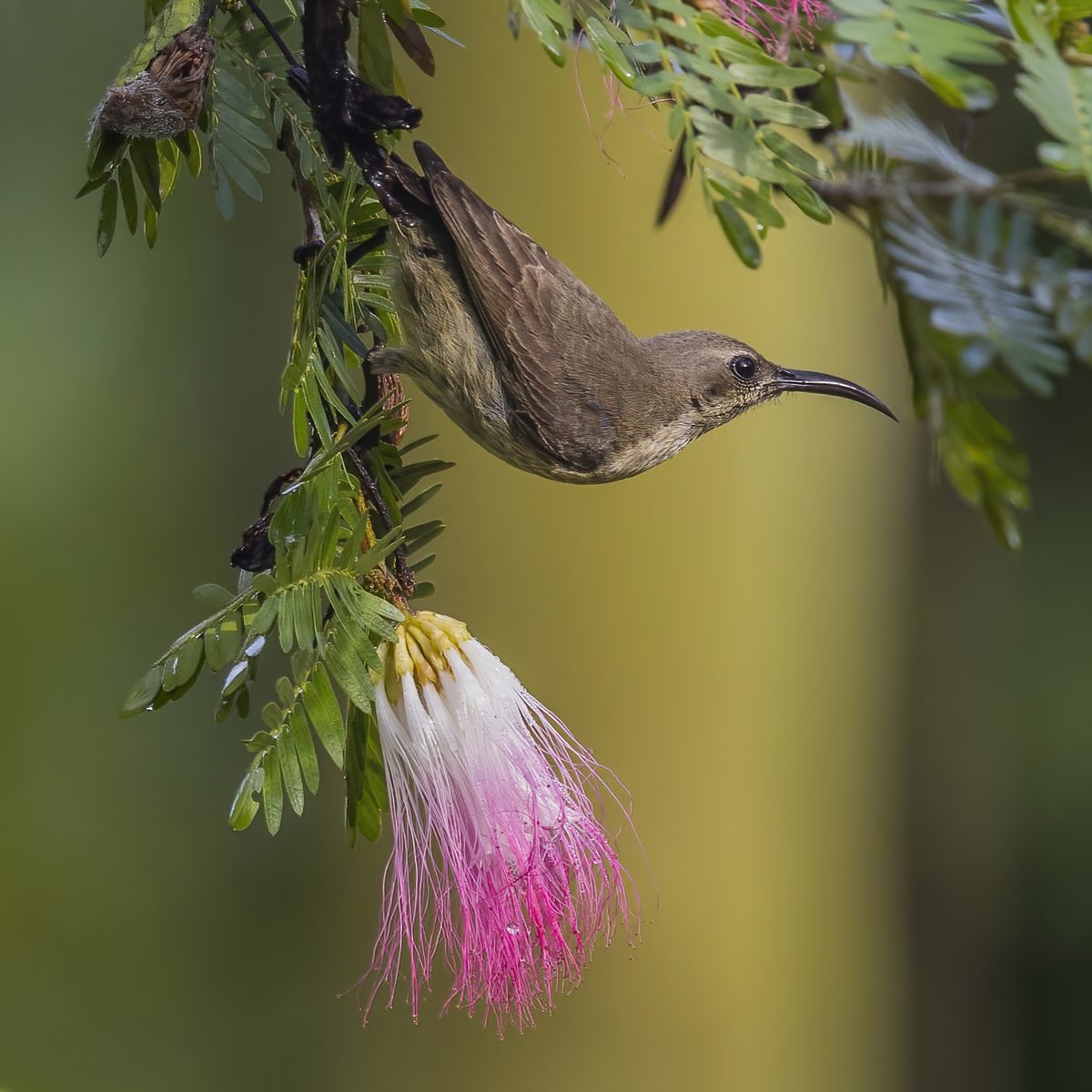
Silktree
Albizia julibrissin
Zones 6a–9b · 20–40 ft (6.1–12.2 m) · Full sun and part shade (full sun preferred)
-
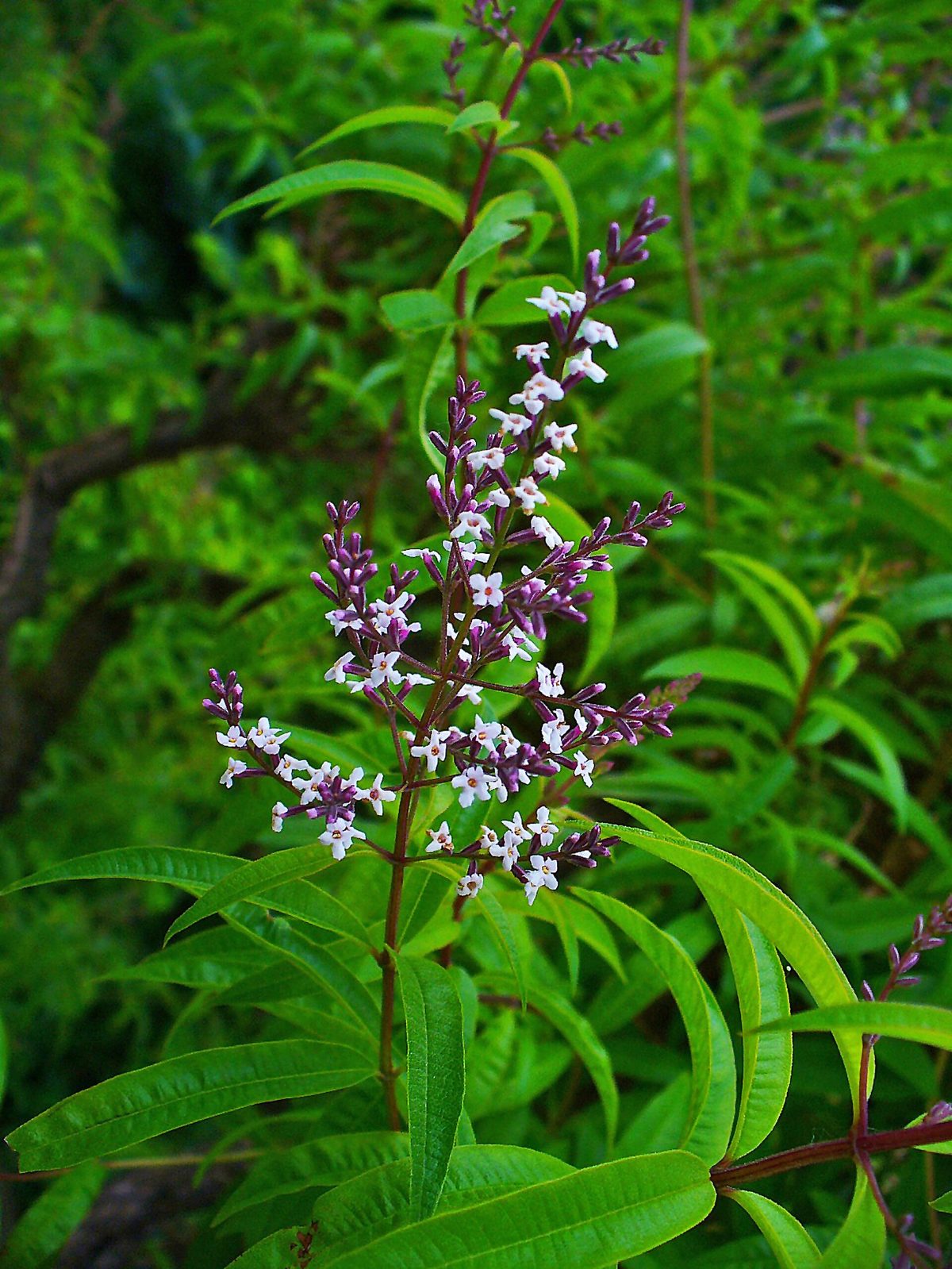
-
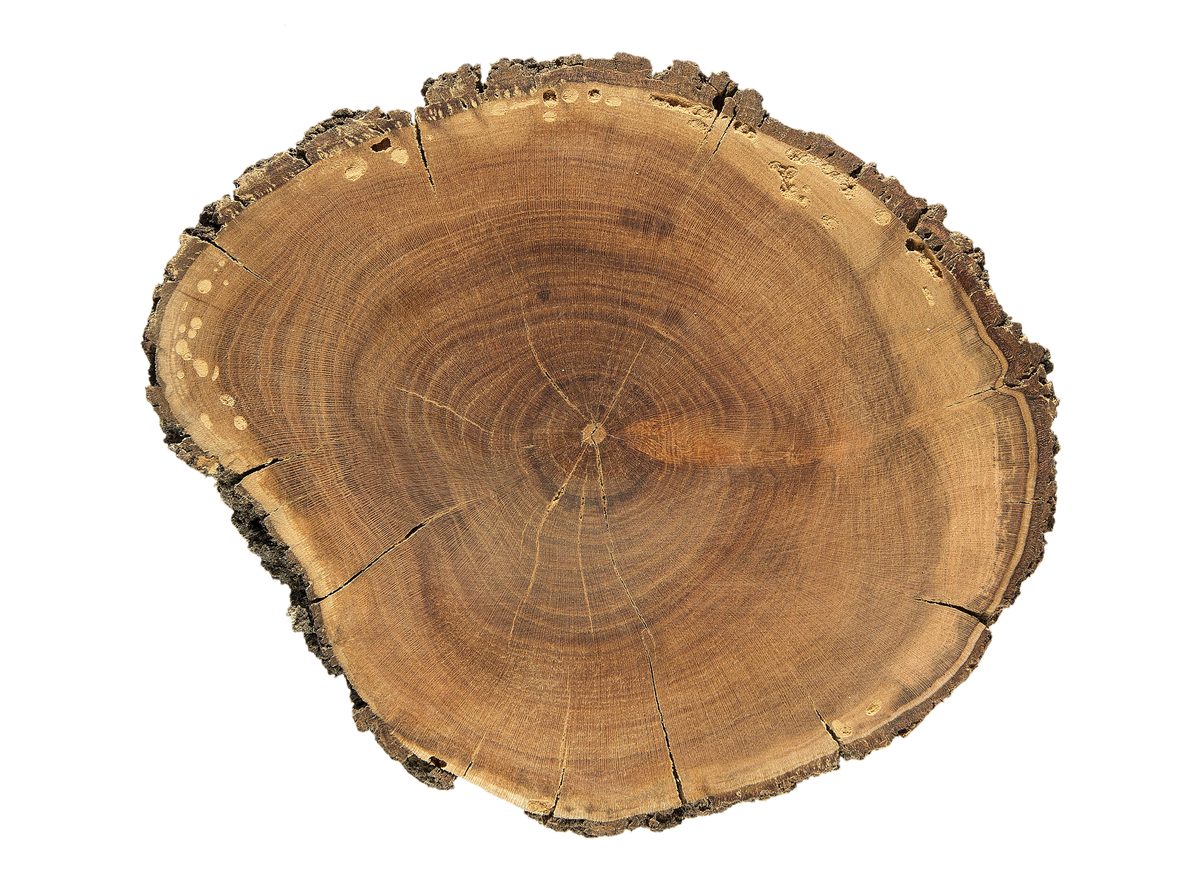
Strawberry Tree
Arbutus unedo
Zones 7a–10b · 12 ft (3.66 m) · Full sun and part shade (full sun preferred)
-
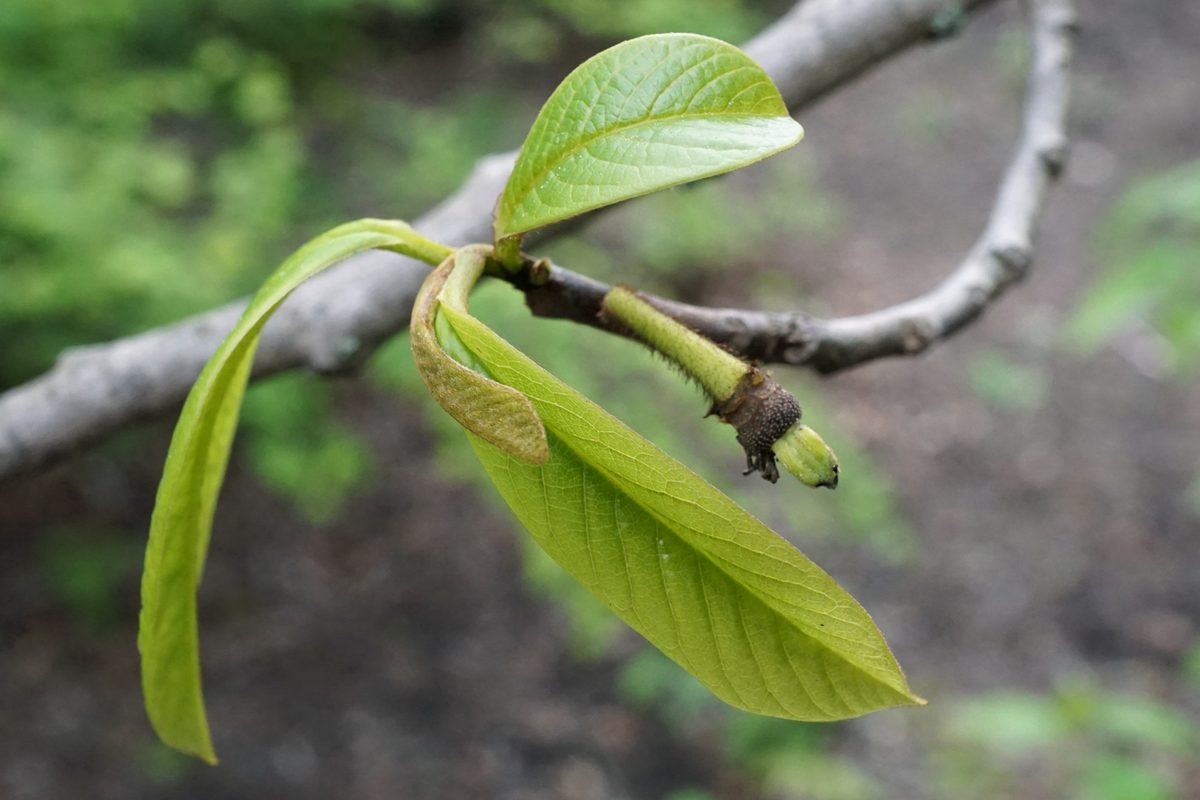
Pawpaw
Asimina triloba
Zones 5a–9b · Sources differ: Clemson Cooperative Extension HGIC; Clemson Cooperative Extension HGIC; Lady Bird Johnson Wildflower Center; Clemson Cooperative Extension HGIC; Lady Bird Johnson Wildflower Center; Clemson Cooperative Extension Home & Garden Information Center · Full sun, part shade and full shade (full sun preferred)
-
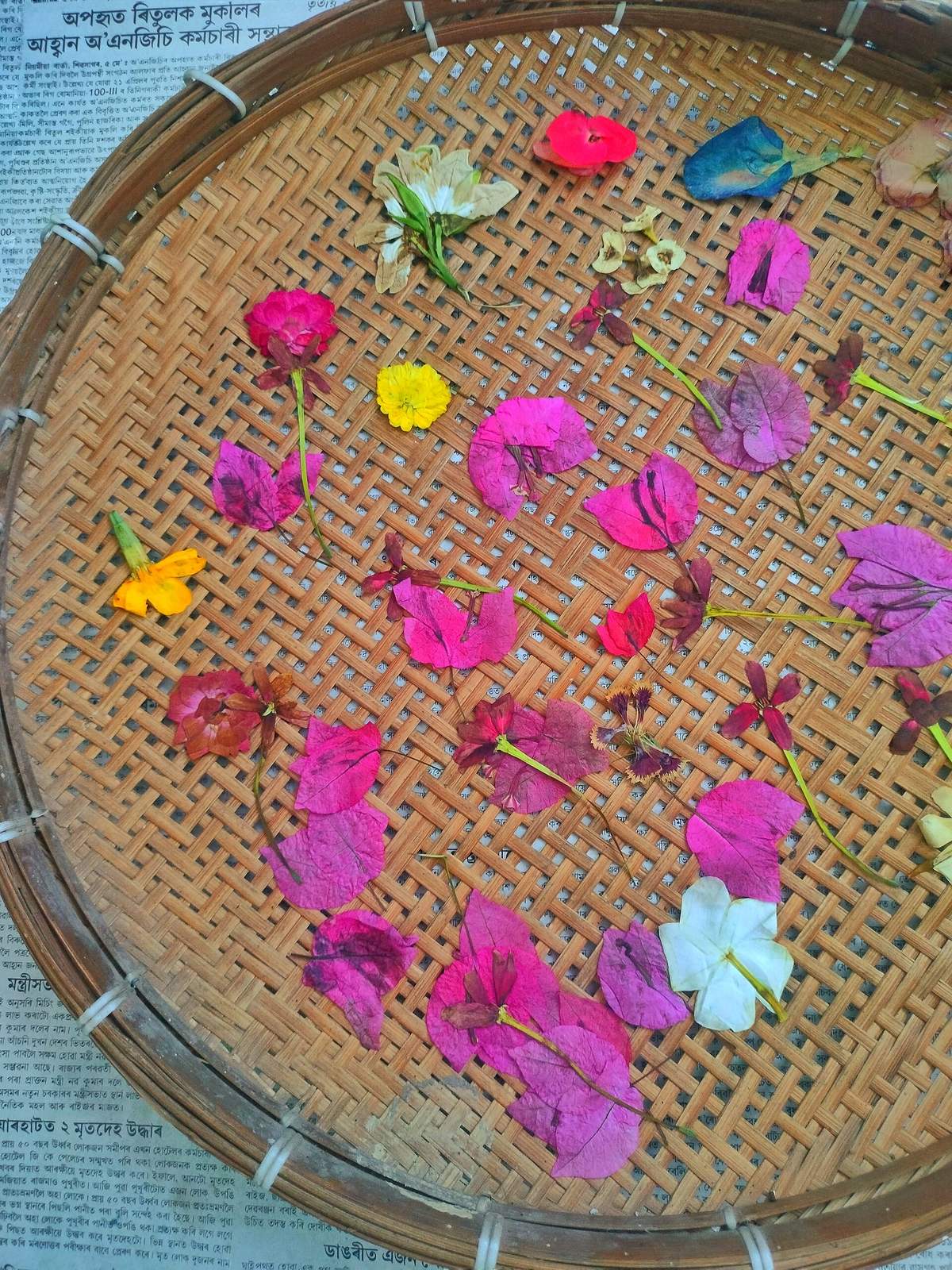
Paperflower
Bougainvillea glabra
Zones 9a–11b · 10–20 ft (3.05–6.1 m) · Full sun and part shade (full sun preferred)
Bougainvillea glabra appears on this zone 9 shrub list. A full care page for it is not live yet, so check back later for its light and water details.
-
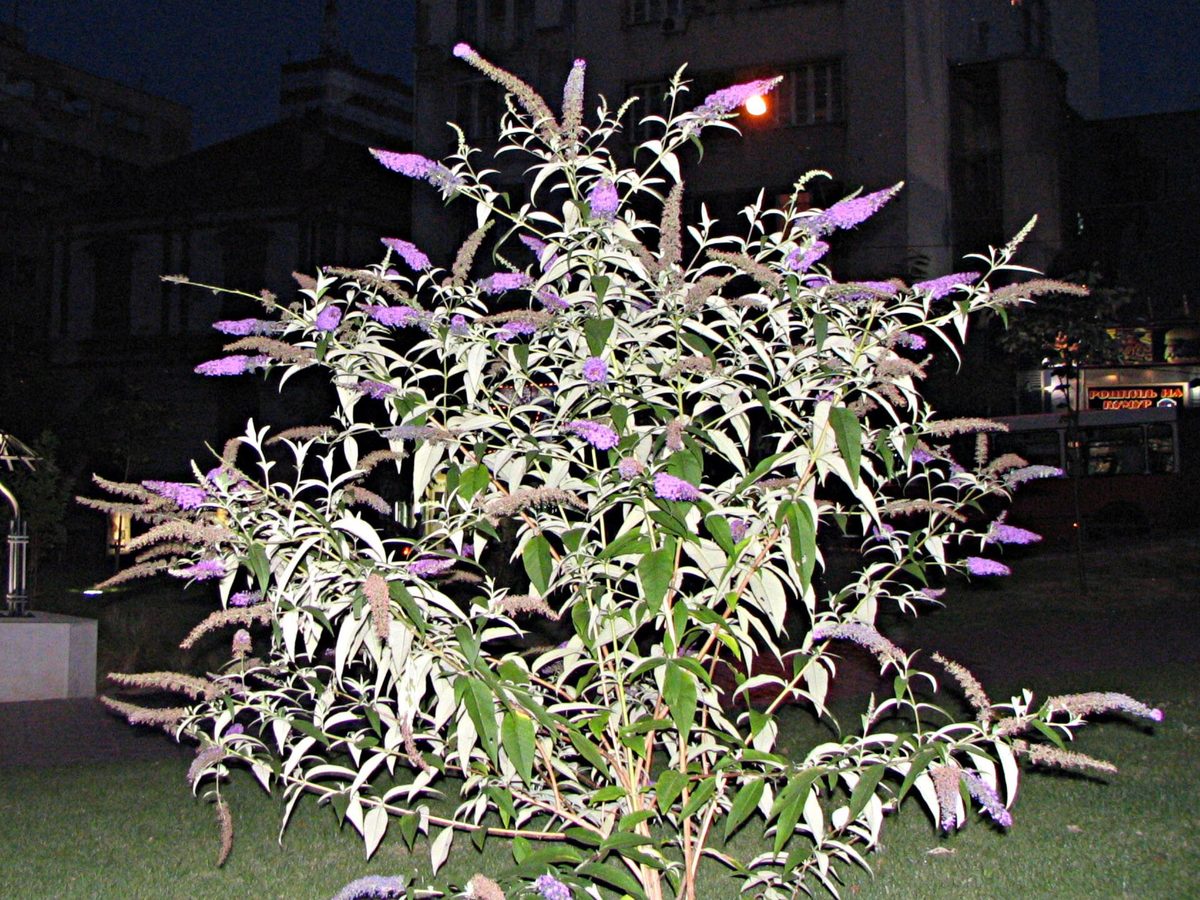
Orange Eye Butterflybush
Buddleja davidii
Zones 5a–9b · 6–10 ft (1.83–3.05 m) · Full sun and part shade (full sun preferred)
-
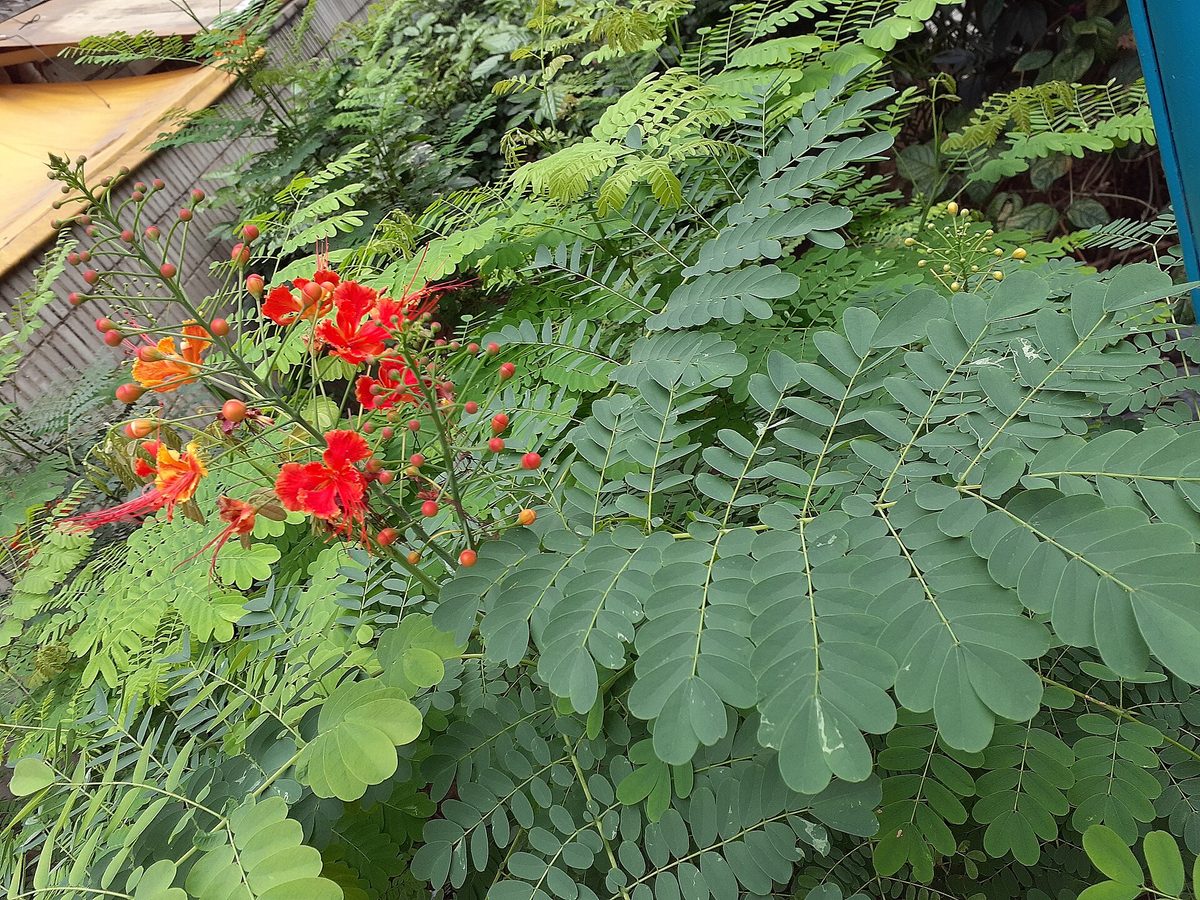
Pride-of-Barbados
Caesalpinia pulcherrima
Zones 9a–11b · 10–20 ft (3.05–6.1 m) · Full sun and part shade (full sun preferred)
-
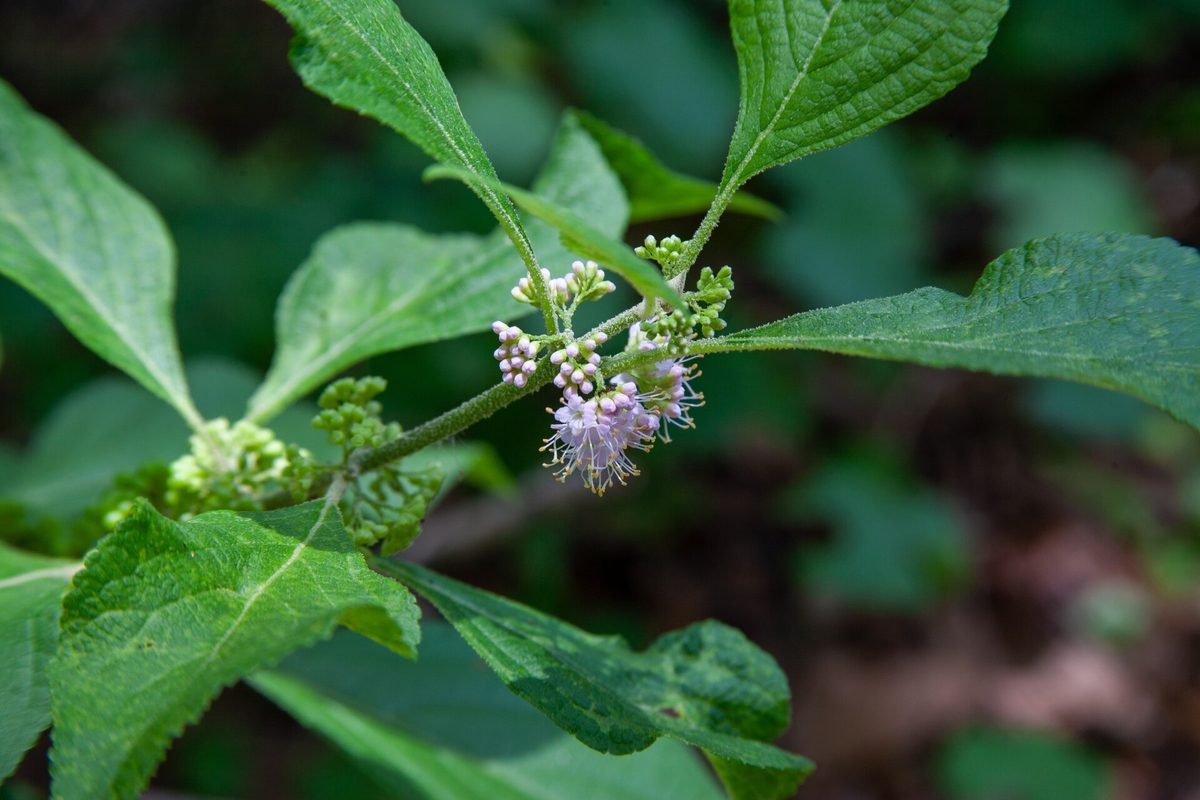
American Beautyberry
Callicarpa americana
Zones 6a–10b · 5–9 ft (1.52–2.74 m) · Full sun and part shade (full sun preferred)
-
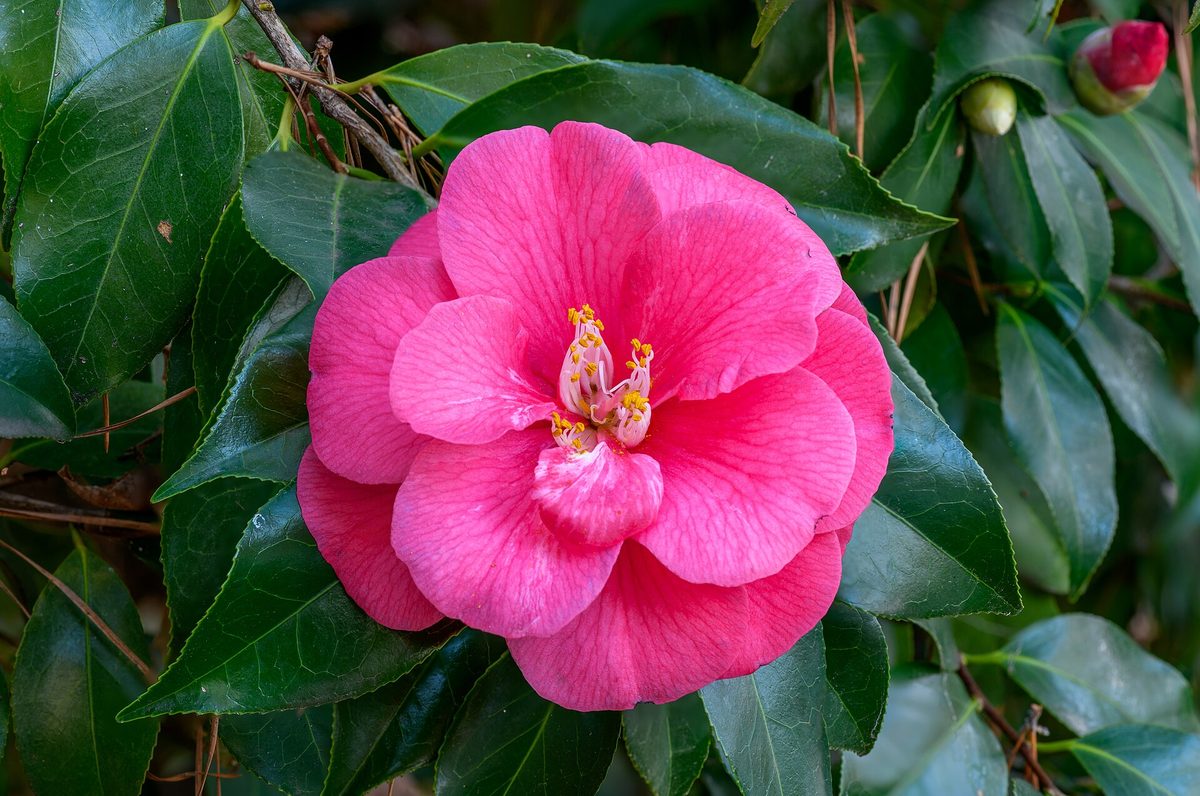
Camellia
Camellia japonica
Zones 7a–9b · Sources differ: Cornell University CALS Woody Plants Database · Part shade
-
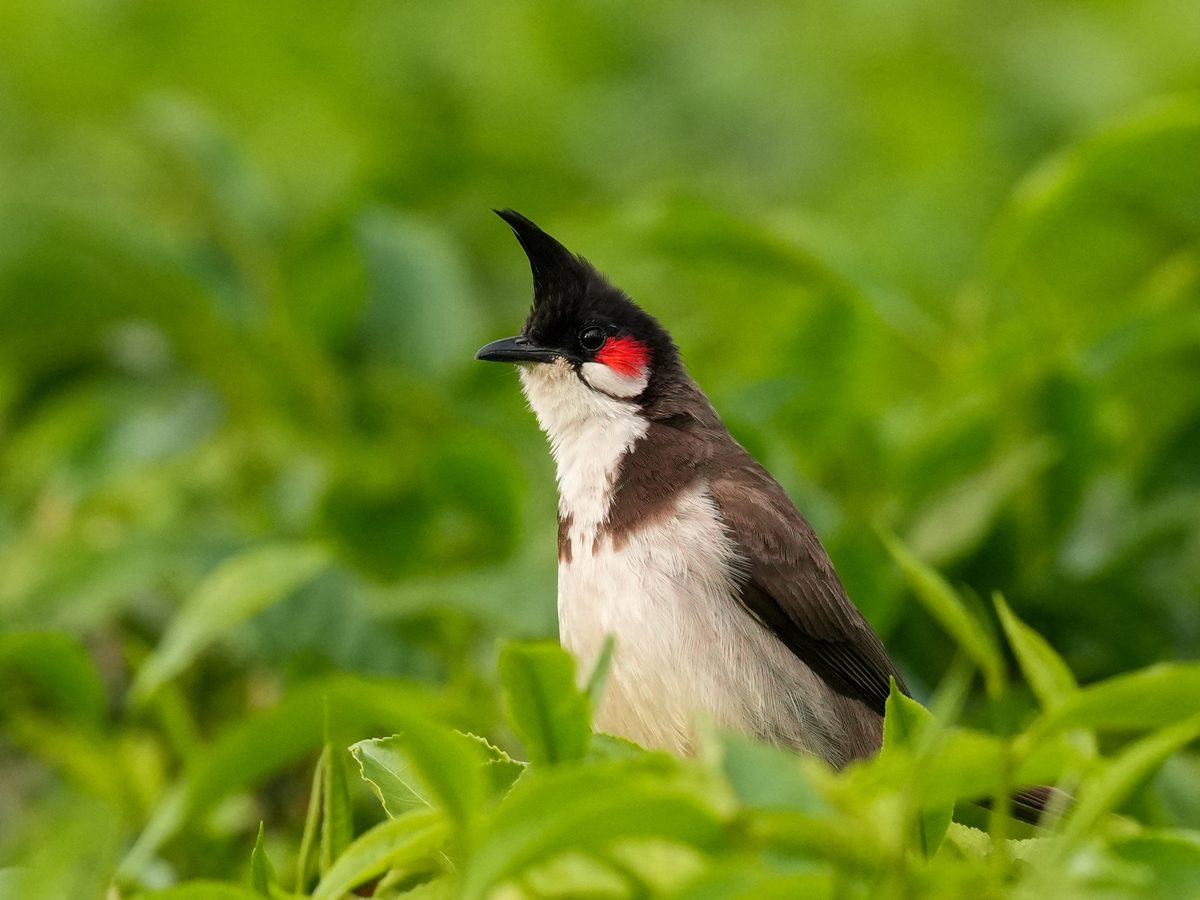
Tea
Camellia sinensis
Zones 6a–9b · Sources differ: Clemson Cooperative Extension Home & Garden Information Center; Clemson Cooperative Extension Home & Garden Information Center · Full sun and part shade (full sun preferred)
Camellia sinensis, the tea plant, is one of the shrubs rated for zone 9 on this list. It already has a full page here, where you can read its specific light, water and hardiness details before you plant it.
-
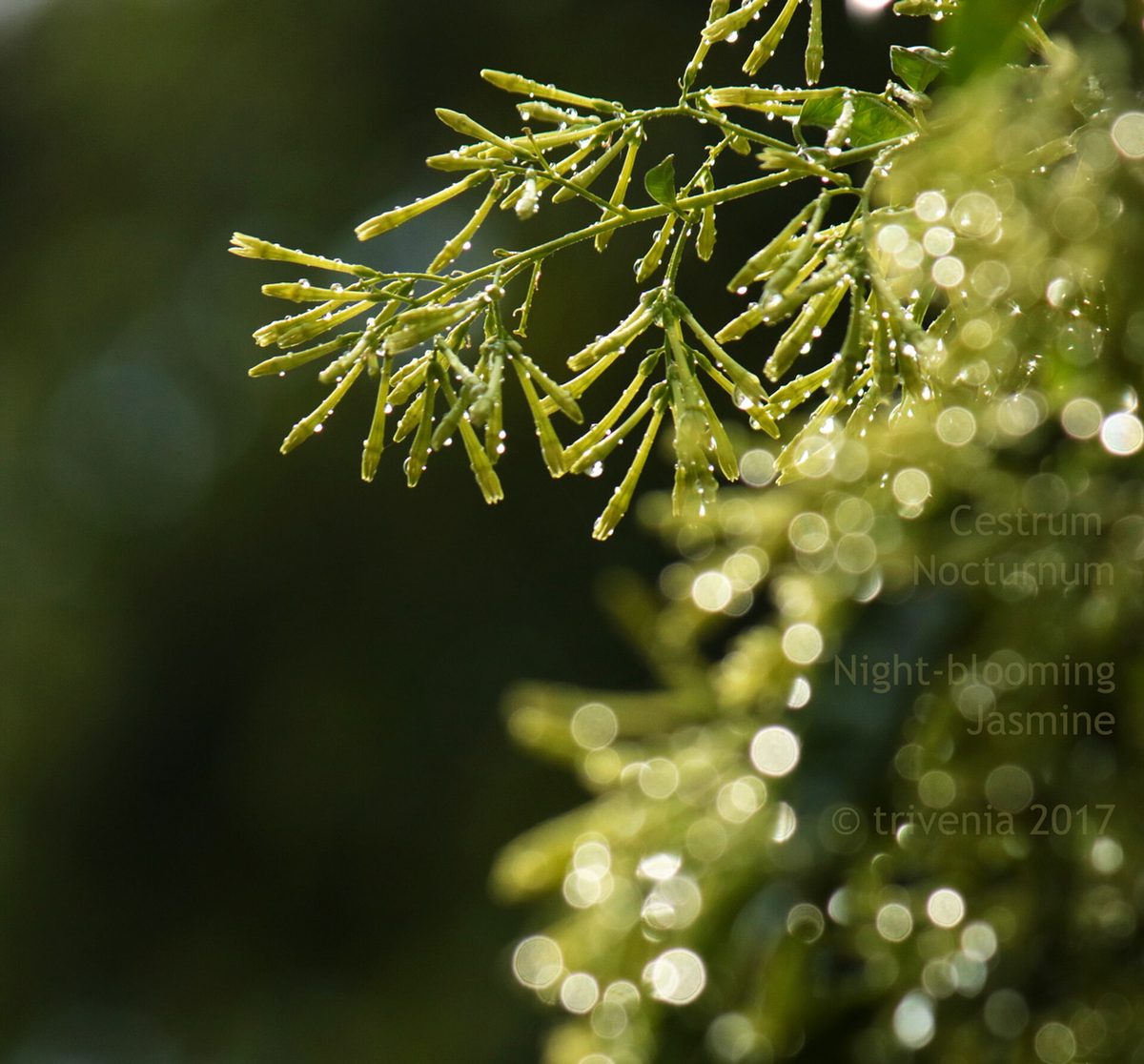
Night Jessamine
Cestrum nocturnum
Chicago Botanic Garden also lists 8a-11b · 3–13 ft (0.91–3.96 m) · Full sun and part shade (full sun preferred)
-
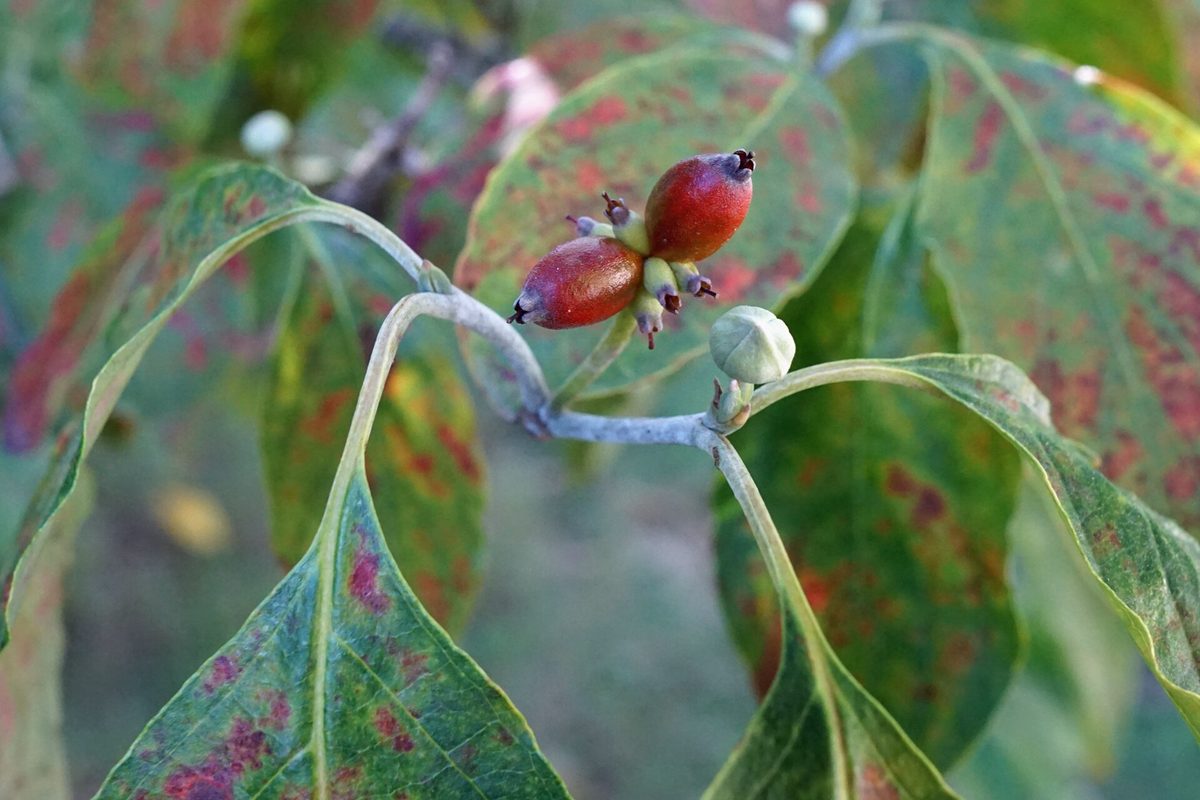
Flowering Dogwood
Cornus florida
Zones 5a–9a · Sources differ: University of Florida IFAS Extension (EDIS); University of Florida IFAS Extension (EDIS); Lady Bird Johnson Wildflower Center (Native Plant Database) · Full sun and part shade (full sun preferred)
-
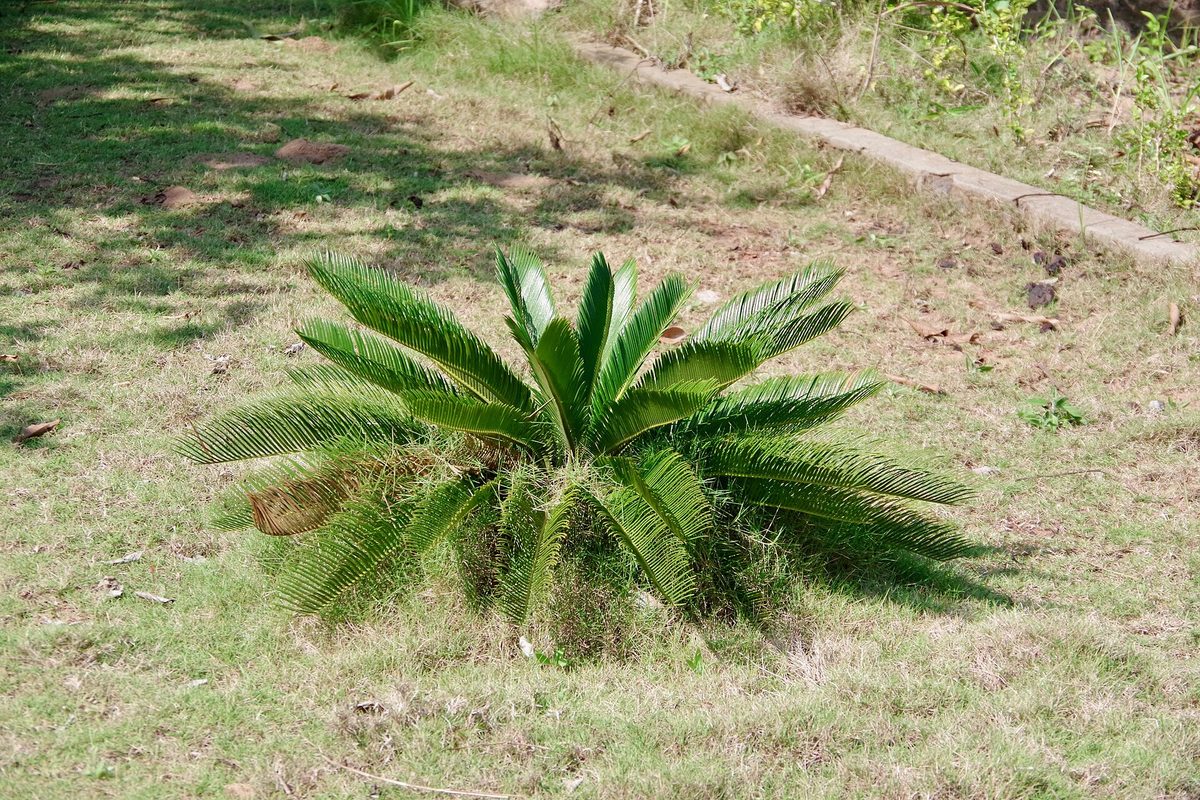
Sago Palm
Cycas revoluta
Zones 9a–12b · 15 ft (4.57 m) · Full sun and part shade (full sun preferred)
-
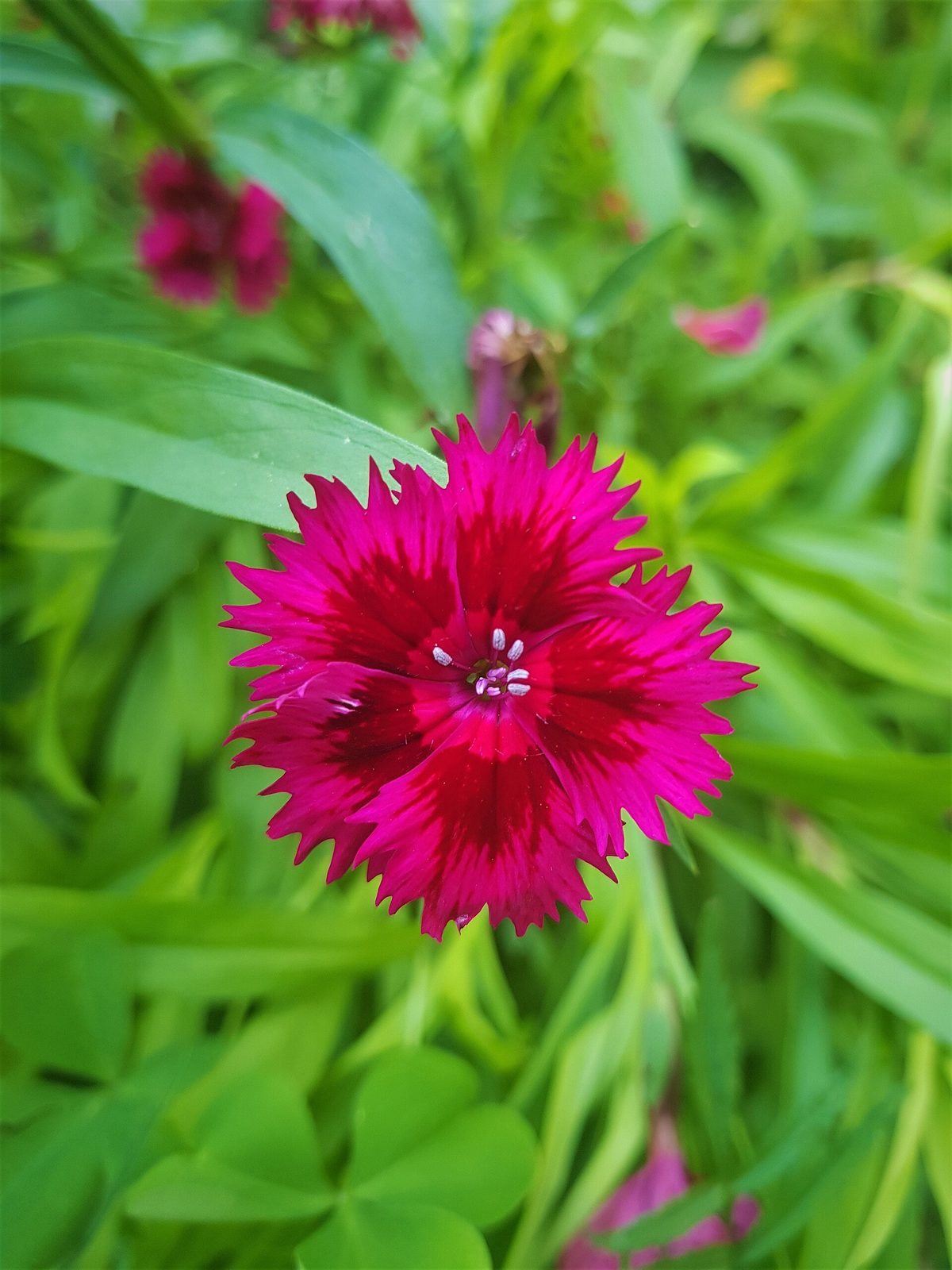
Sweetwilliam
Dianthus barbatus
Zones 3a–9b · 1–2 ft (0.3–0.61 m) · Full sun and part shade (full sun preferred)
-
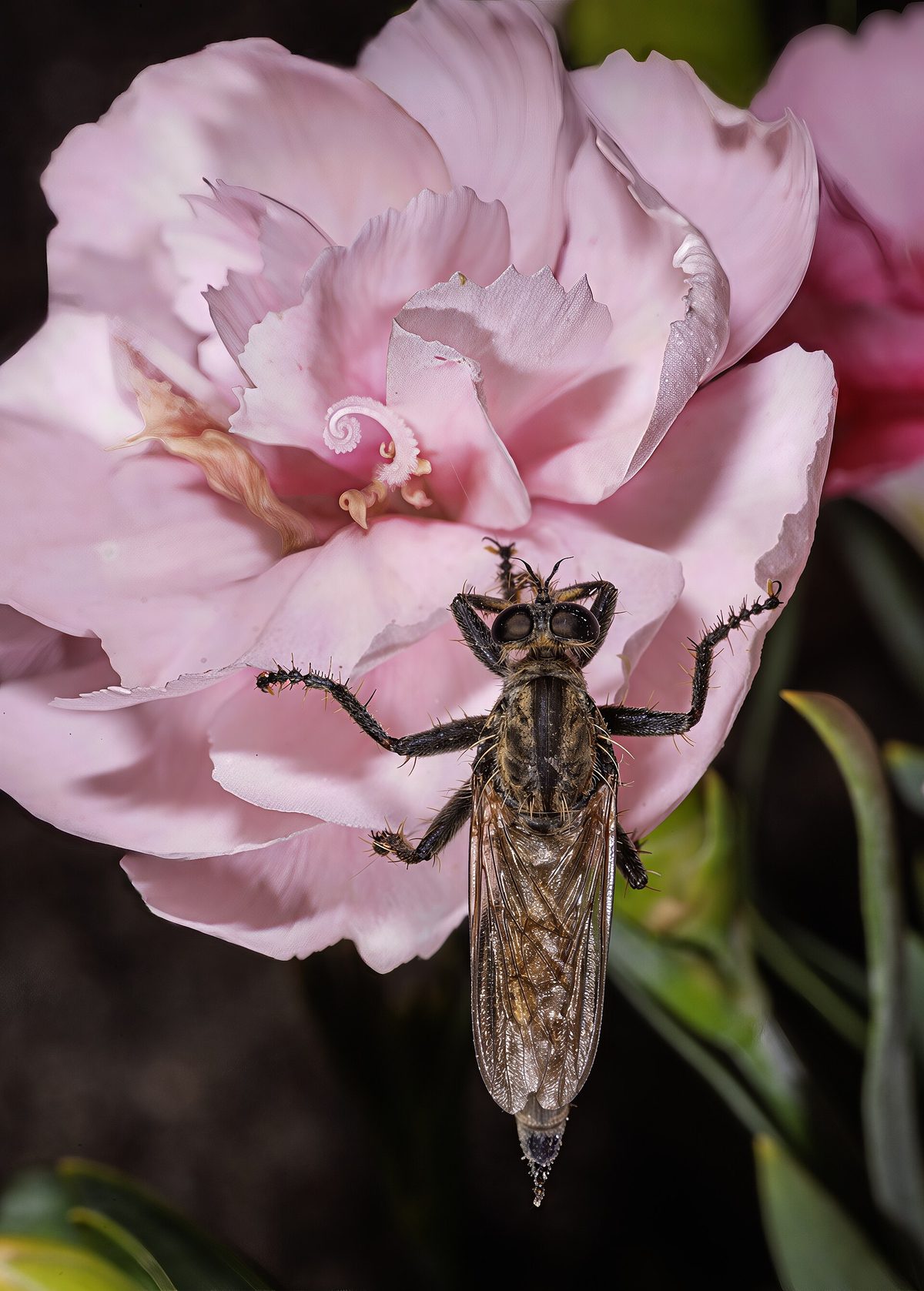
Carnation
Dianthus caryophyllus
Zones 6a–9b · 1–4 ft (0.3–1.22 m) · Full sun and part shade (full sun preferred)
-
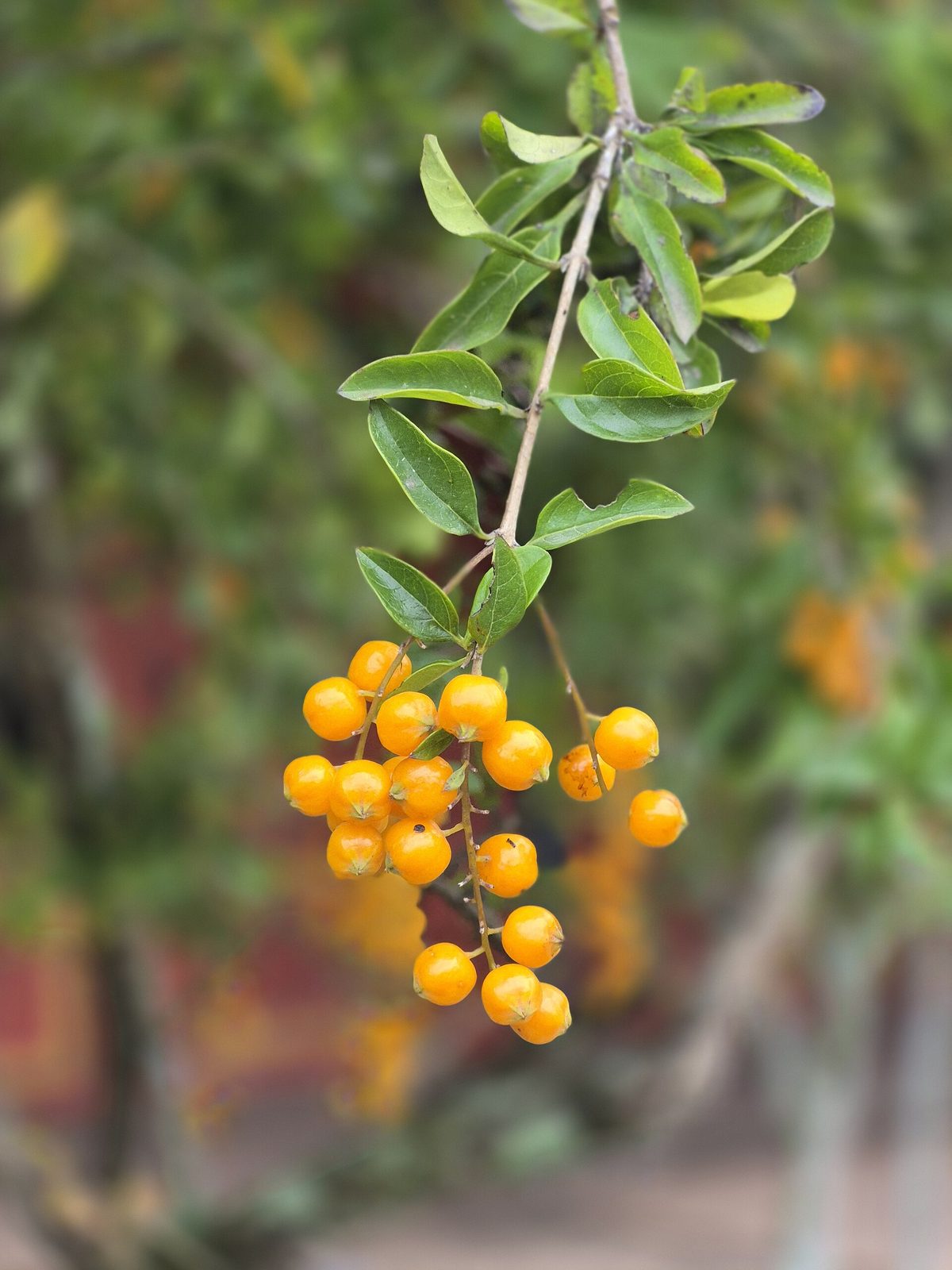
Golden Dewdrops
Duranta erecta
Zones 9a–11b · 18 ft (5.49 m) · Full sun and part shade (full sun preferred)
-
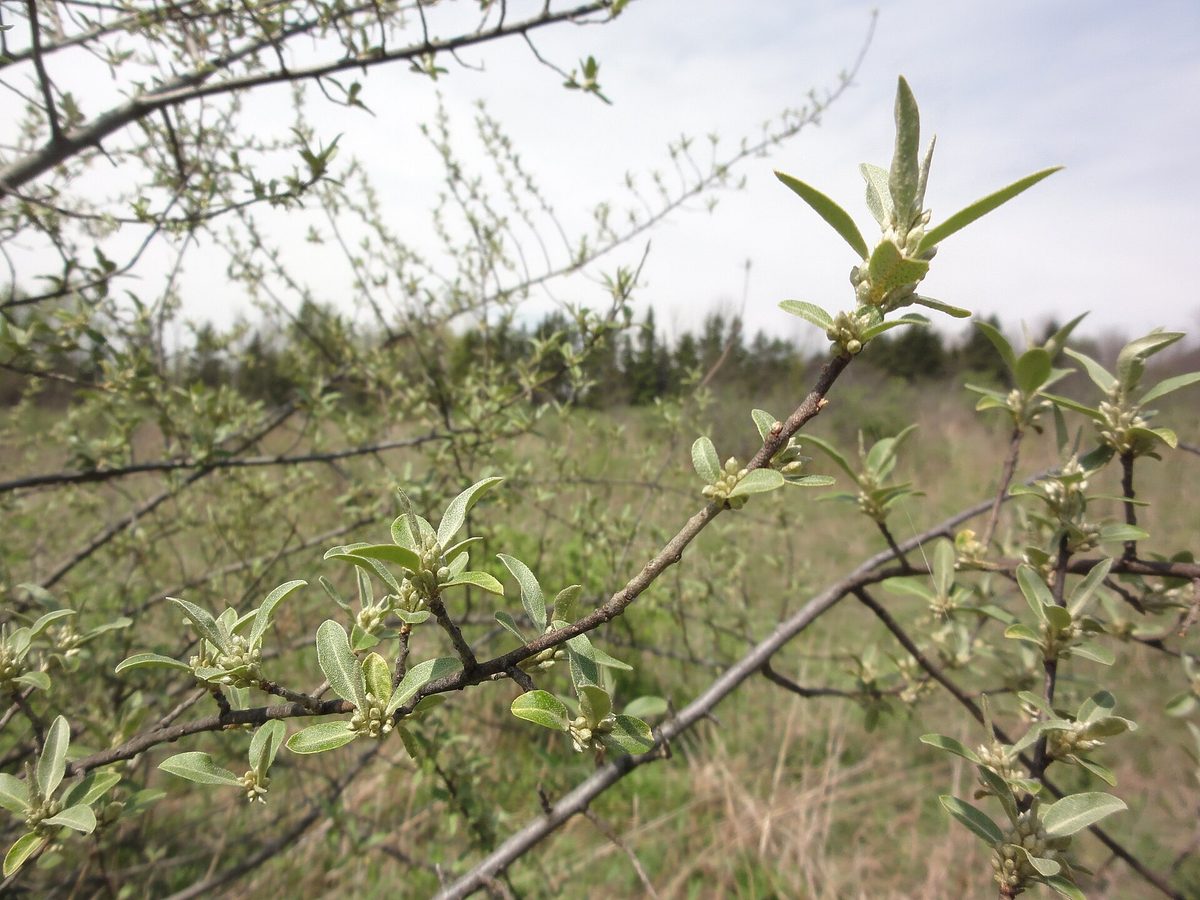
Autumn Olive
Elaeagnus umbellata
Zones 4a–9b · 10–18 ft (3.05–5.49 m) · Full sun and part shade (full sun preferred)
-
-
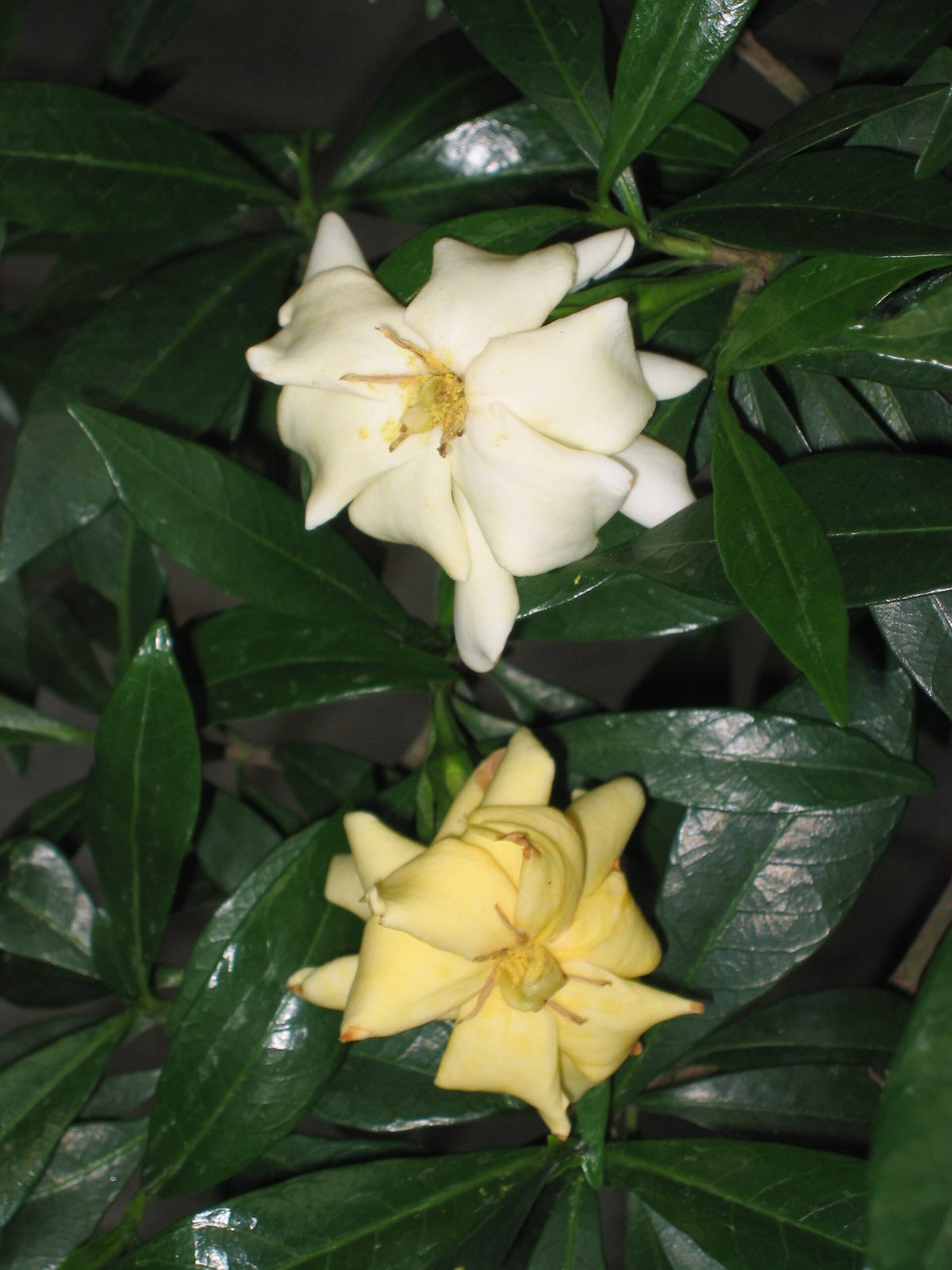
Cape Jasmine
Gardenia jasminoides
Zones 7b–11b · 3–8 ft (0.91–2.44 m) · Part shade and full sun (part shade preferred)
Gardenia jasminoides is grouped with the other shrubs rated for zone 9 here. Its own care page has not been published yet, so its light, water and soil needs aren't listed on this page.
-
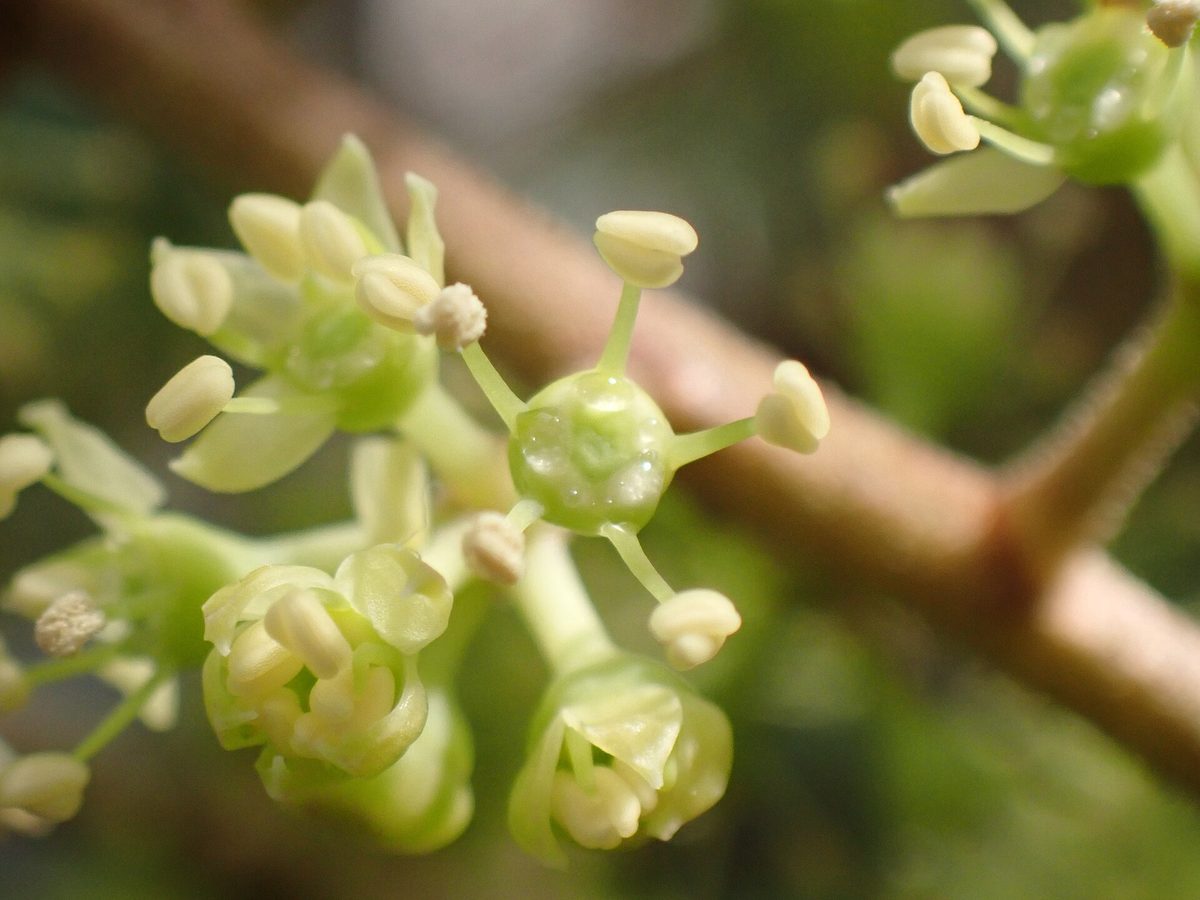
Dwarf Umbrella Tree
Heptapleurum arboricola
Zones 9b–12b · 4–6 ft (1.22–1.83 m) · Part shade, full shade and full sun (part shade preferred)
-
Shoeblackplant
Hibiscus × rosa-sinensis
Zones 9a–11b · 3.9–10 ft (1.2–3.05 m) · Full sun and part shade (full sun preferred)
-
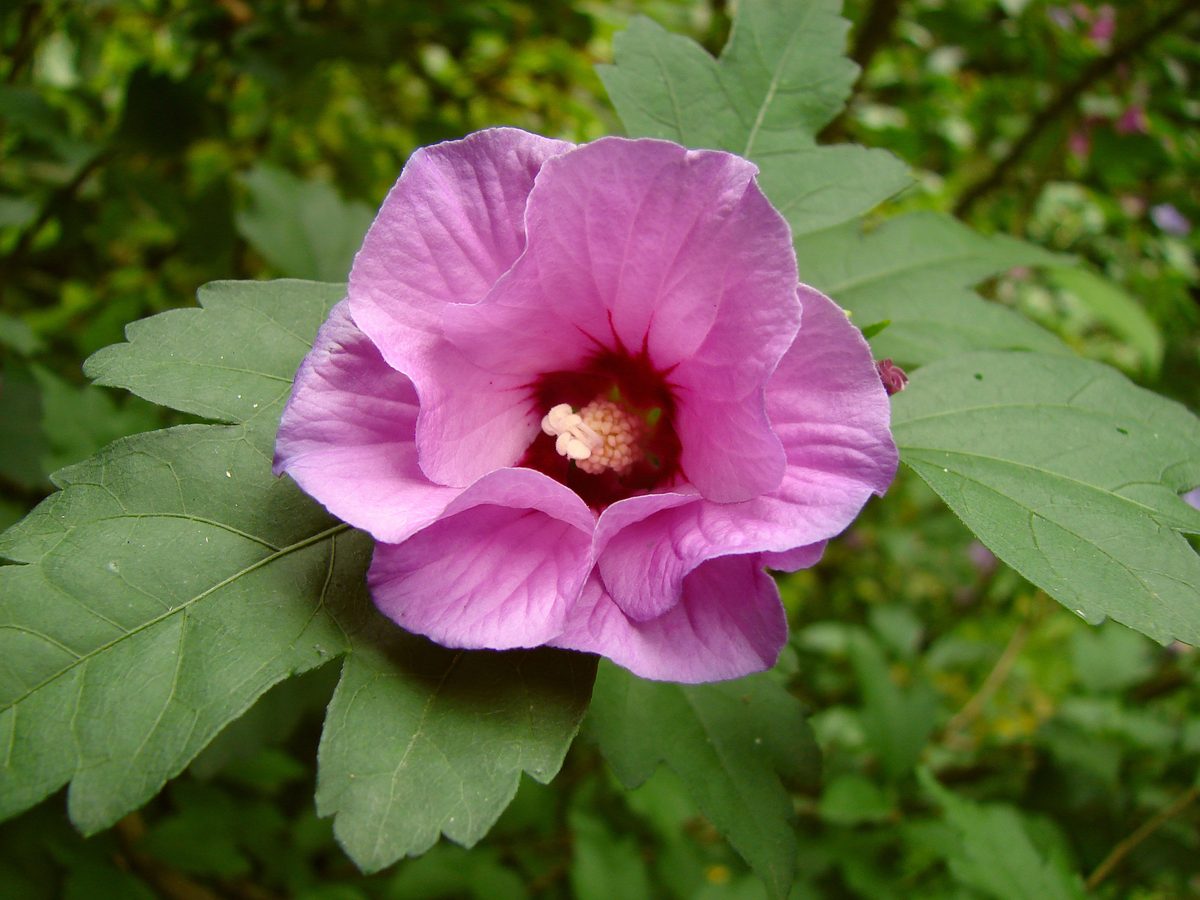
Rose of Sharon
Hibiscus syriacus
Zones 5a–9b · 8–12 ft (2.44–3.66 m) · Full sun and part shade (full sun preferred)
Rose of Sharon, or Hibiscus syriacus, sits on the zone 9 shrub list here. Its own page is live now, so you can check its care details there instead of guessing.
-
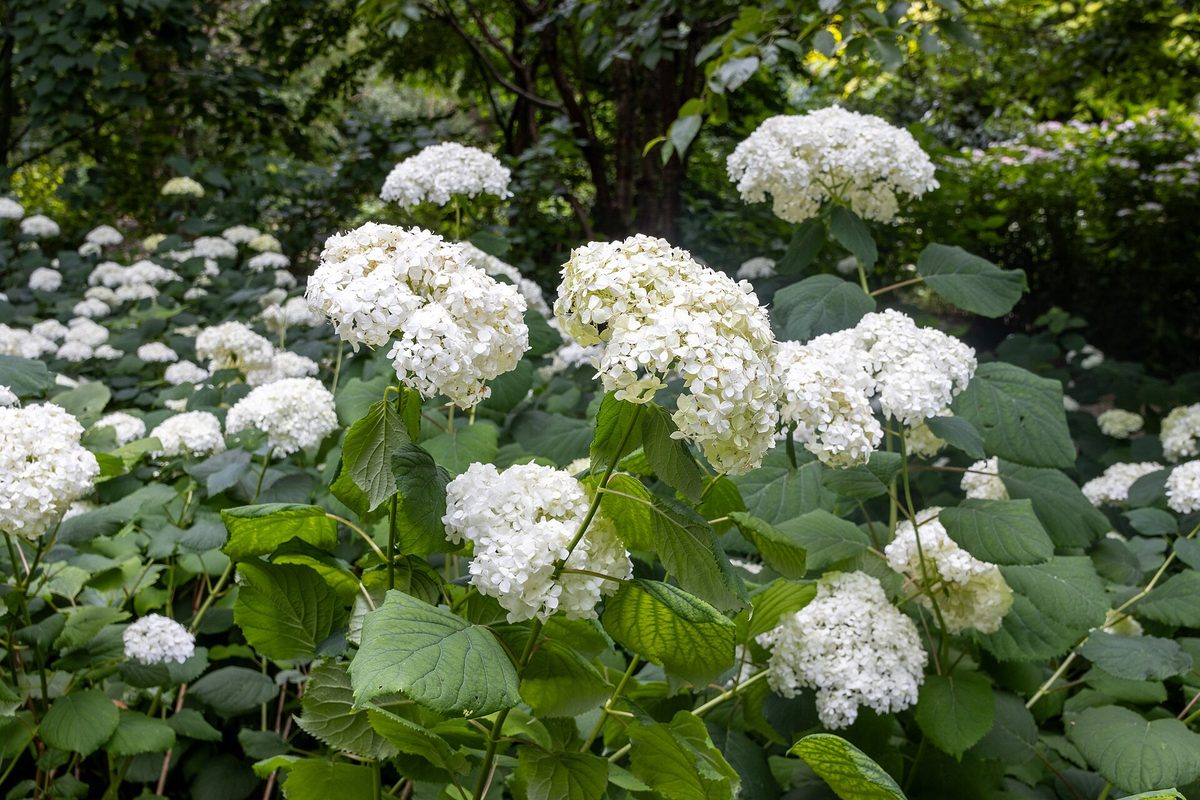
Wild Hydrangea
Hydrangea arborescens
Zones 3a–9b · Sources differ: Penn State Extension; Oregon State University Extension Service; Penn State Extension · Full sun, part shade and full shade (full sun preferred)
-
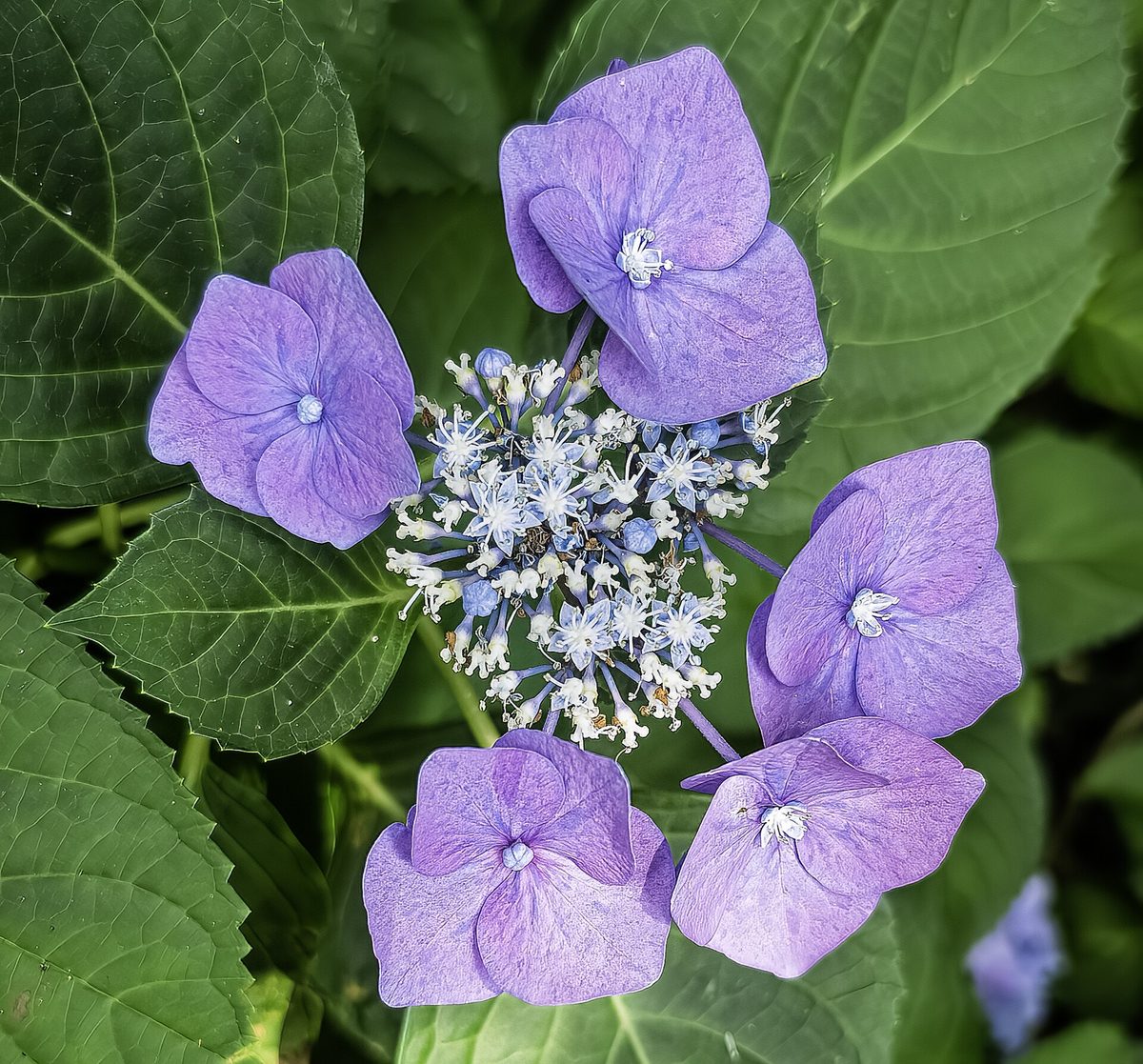
French Hydrangea
Hydrangea macrophylla
Zones 6a–11b · 3–6 ft (0.91–1.83 m) · Part shade and full shade (part shade preferred)
Hydrangea macrophylla is one of the thirty-five shrubs on this zone 9 list. No full page is published for it yet, so check back for its care details later.
-
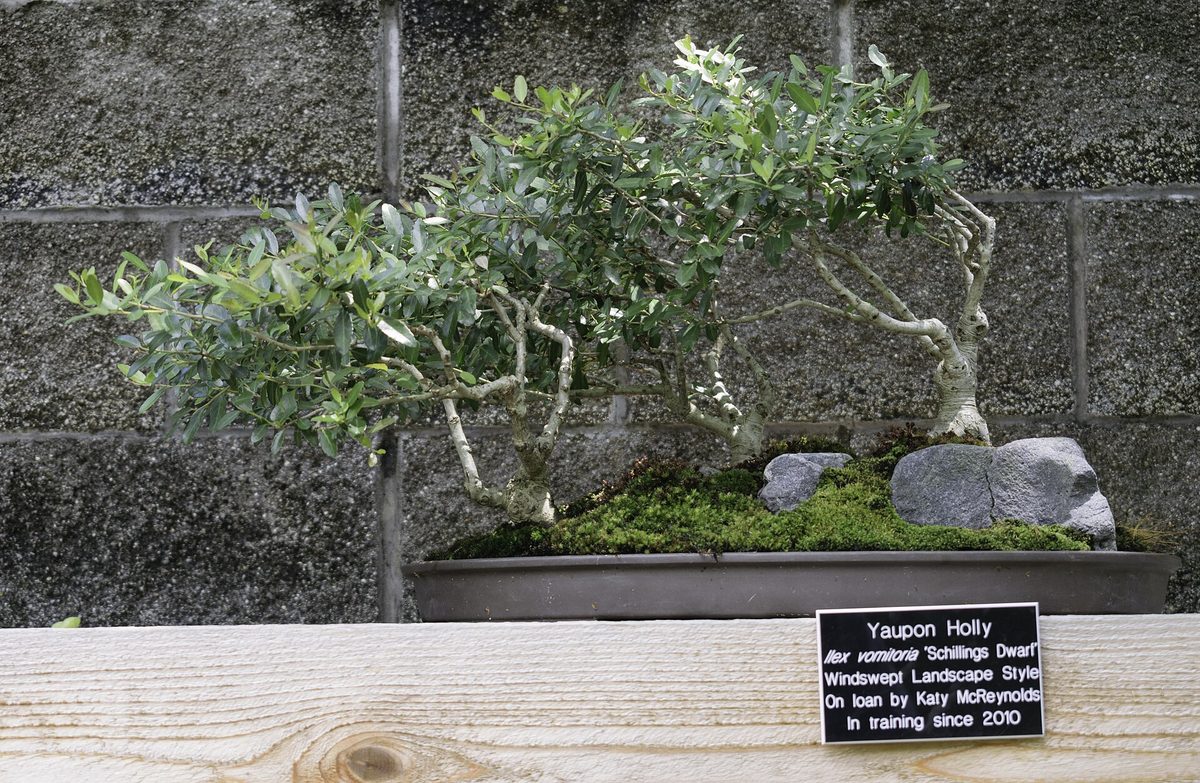
Yaupon
Ilex vomitoria
Zones 7a–9b · 10–20.5 ft (3.05–6.25 m) · Full sun, part shade and full shade (full sun preferred)
Ilex vomitoria sits among the zone 9 shrubs gathered on this page. Its care page isn't live yet, so this page does not yet list its specific needs.
-
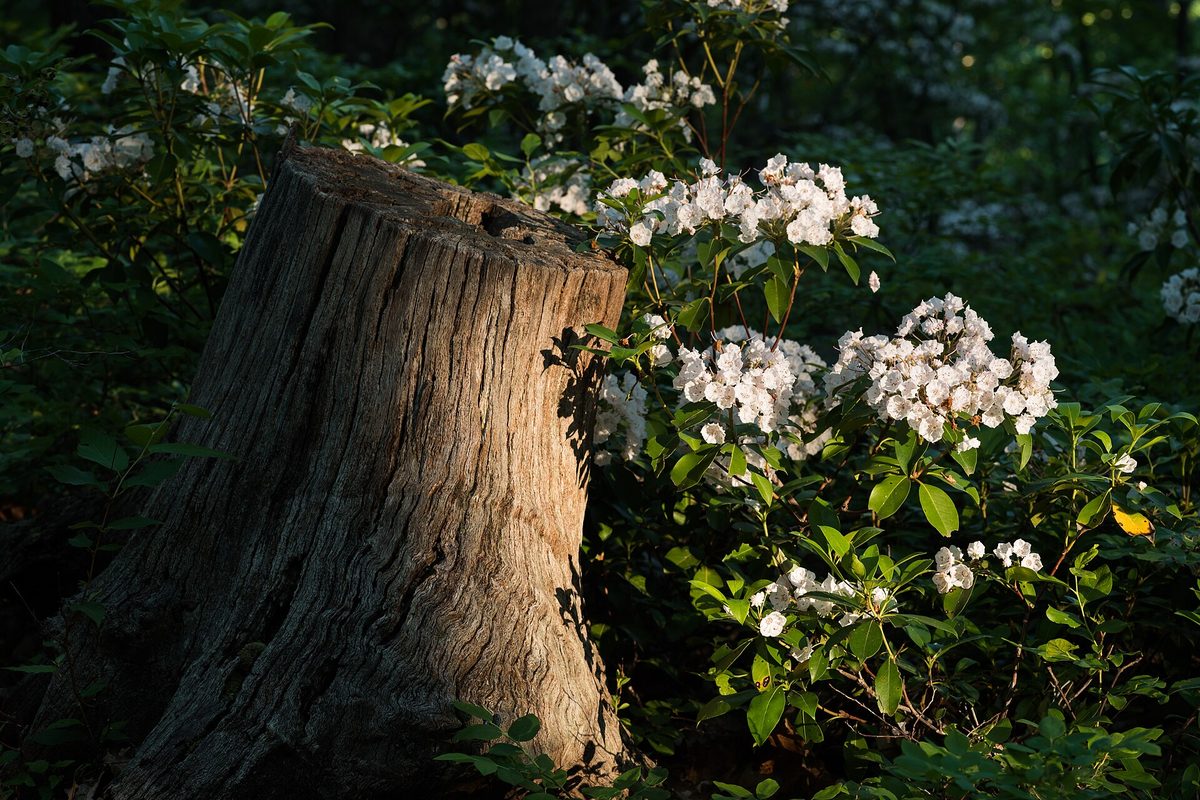
Mountain Laurel
Kalmia latifolia
Zones 4a–9b · 7–14 ft (2.13–4.27 m) · Full sun, part shade and full shade (full sun preferred)
Kalmia latifolia is part of the zone 9 shrub group on this list. A dedicated page for it has not gone live yet, so check back for its full care details.
-
-
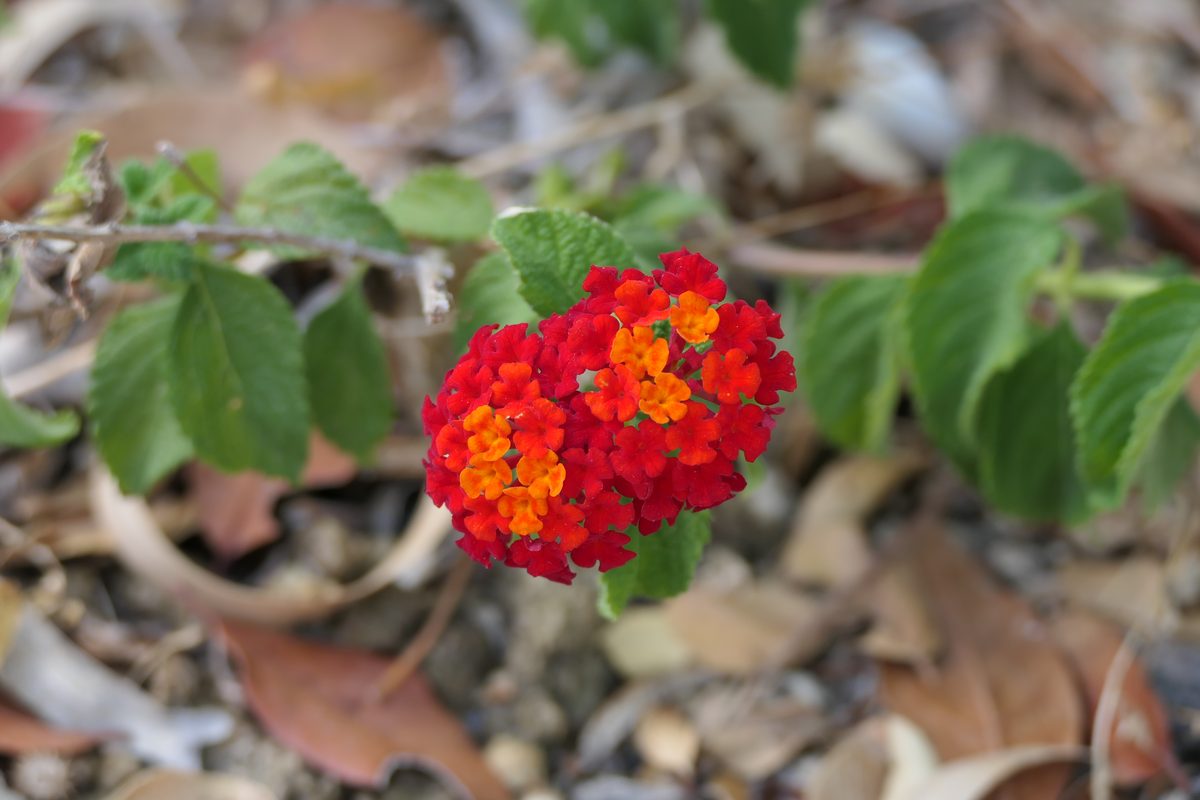
Lantana
Lantana camara
Zones 7a–11b · 1–6 ft (0.3–1.83 m) · Full sun
Lantana, listed here as Lantana camara, counts among the zone 9 shrubs on this page. A full page for it is already published, with its own care notes laid out separately.
-
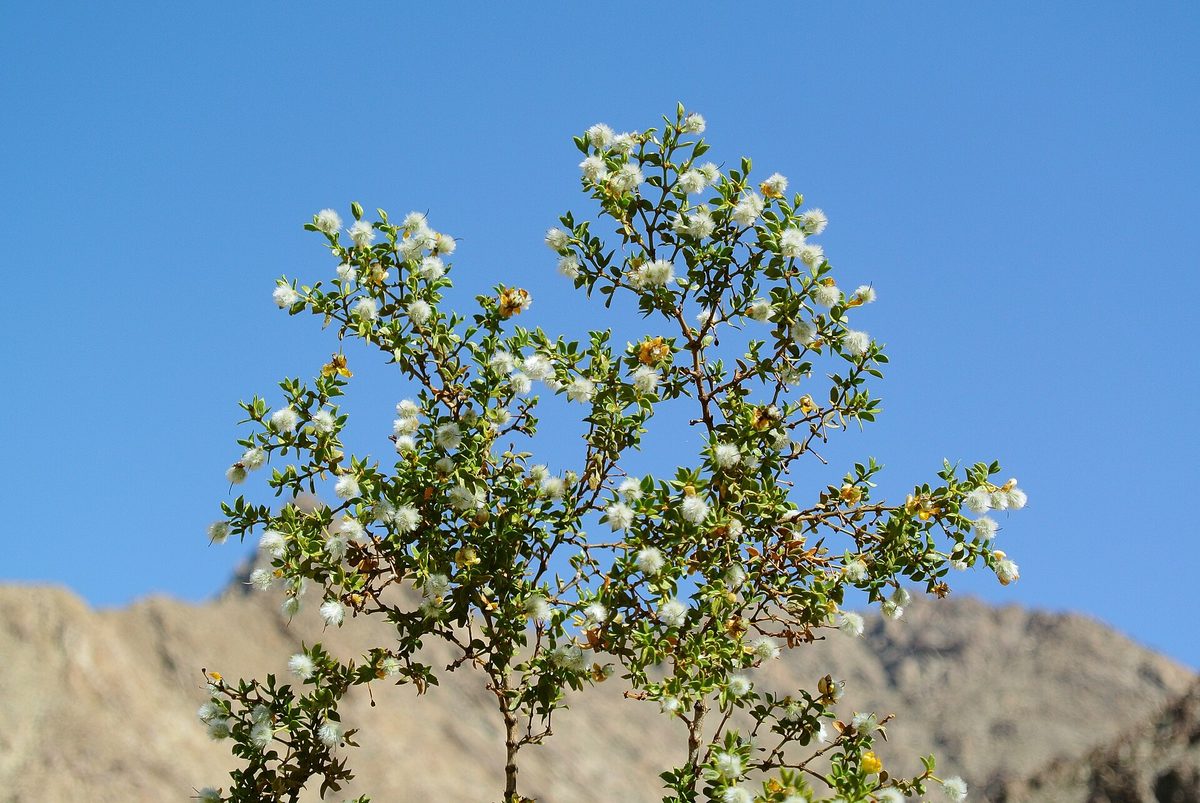
Creosote Bush
Larrea tridentata
Zones 7a–10b · 5 ft (1.52 m) · Full sun and part shade (full sun preferred)
-
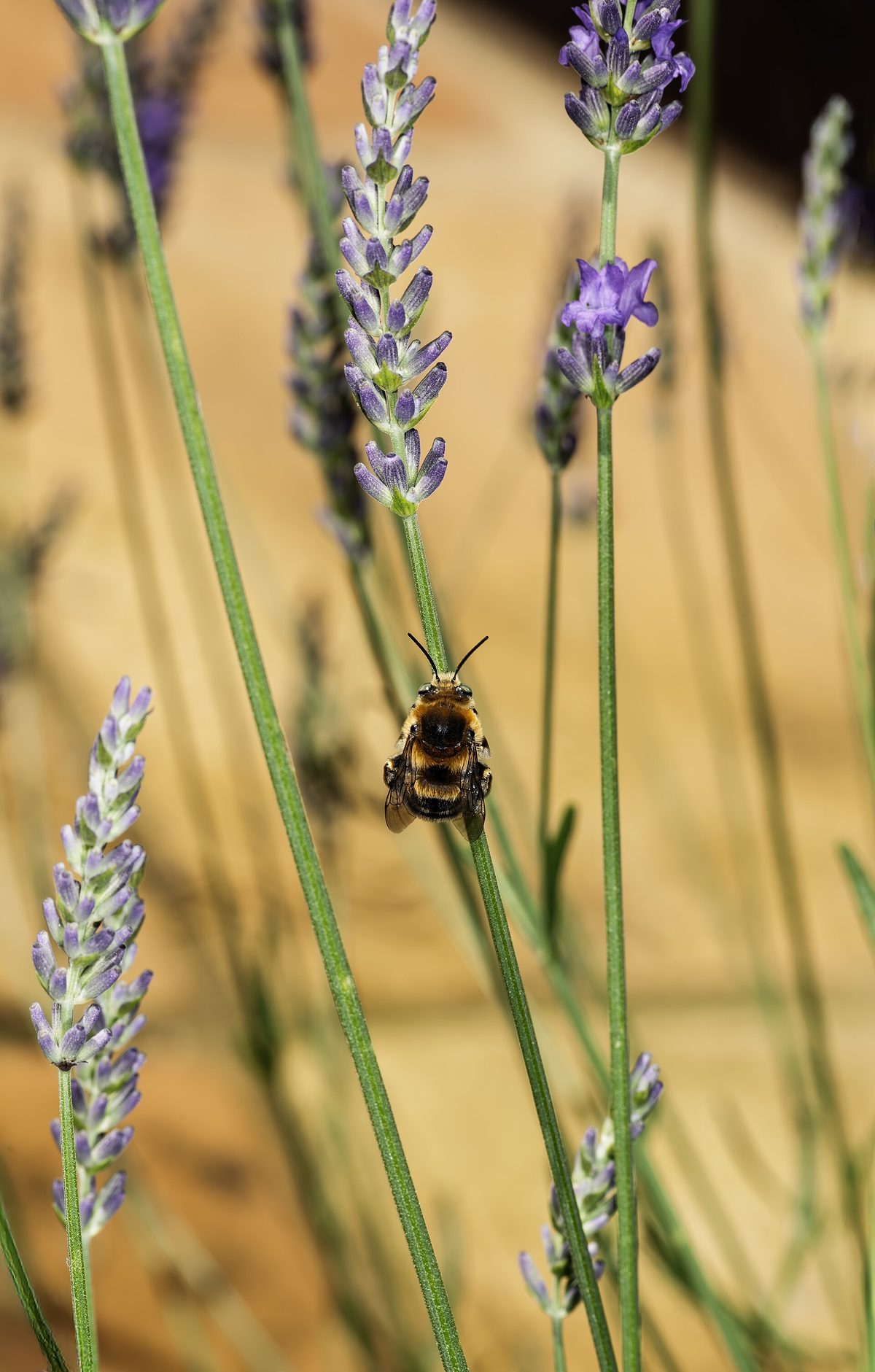
English Lavender
Lavandula angustifolia
Zones 5a–9b · 1–3 ft (0.3–0.91 m) · Full sun and part shade (full sun preferred)
English lavender, or Lavandula angustifolia, is another shrub on this zone 9 list. You can find its full details on its own page, which is already live on the site.
-
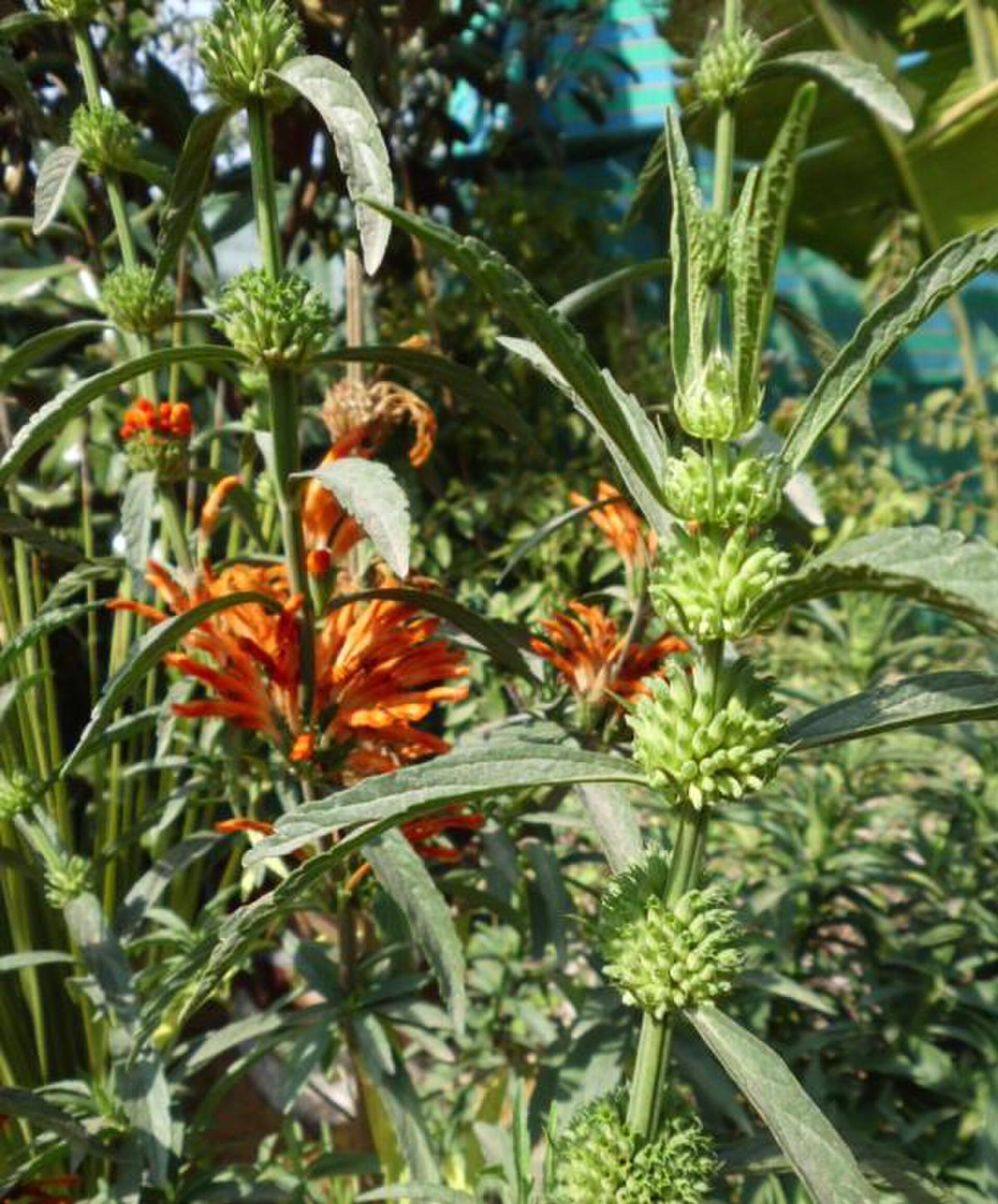
Lion's Ear
Leonotis leonurus
Zones 8a–11b · 3–6 ft (0.91–1.83 m) · Full sun and part shade (full sun preferred)
-
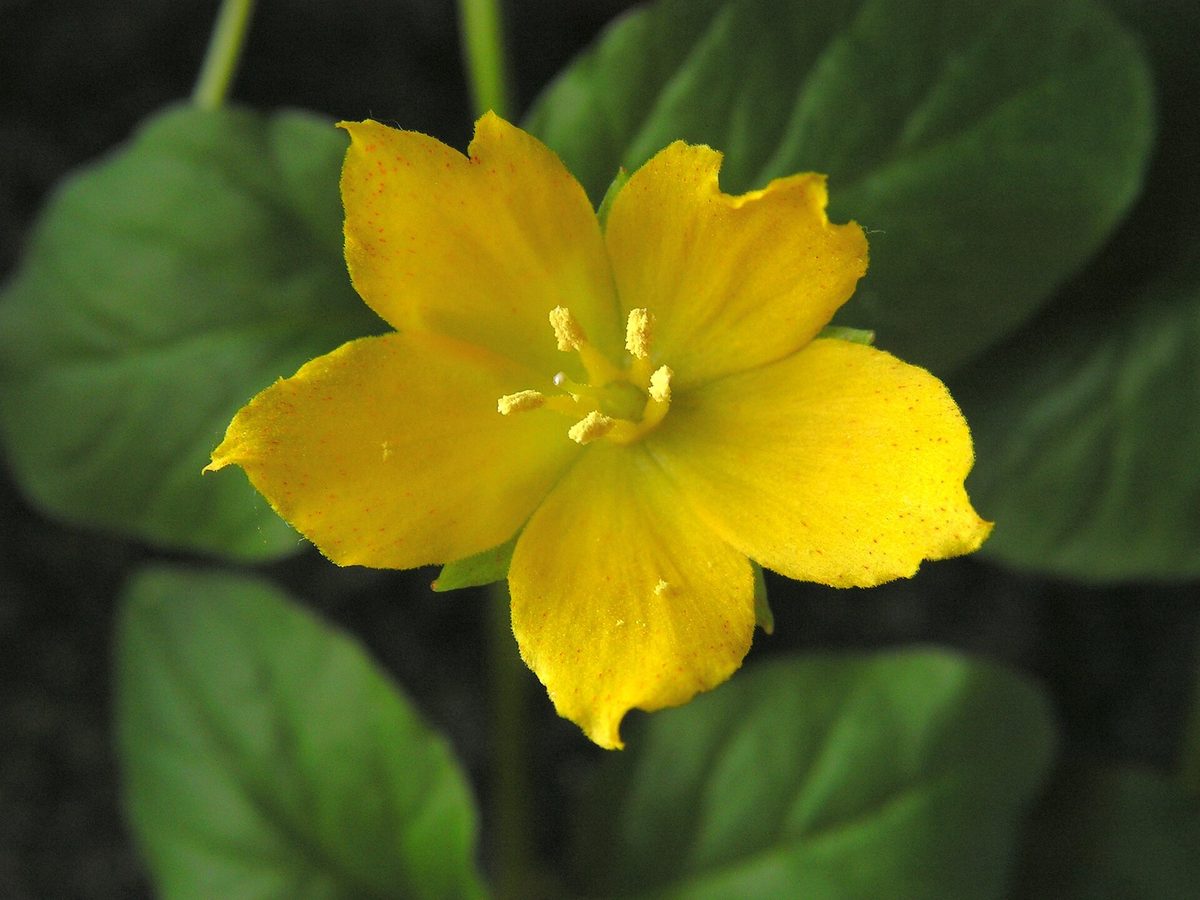
Creeping Jenny
Lysimachia nummularia
Zones 3a–9b · 0.2–0.3 ft (0.05–0.1 m) · Full sun, part shade and full shade (full sun preferred)
-
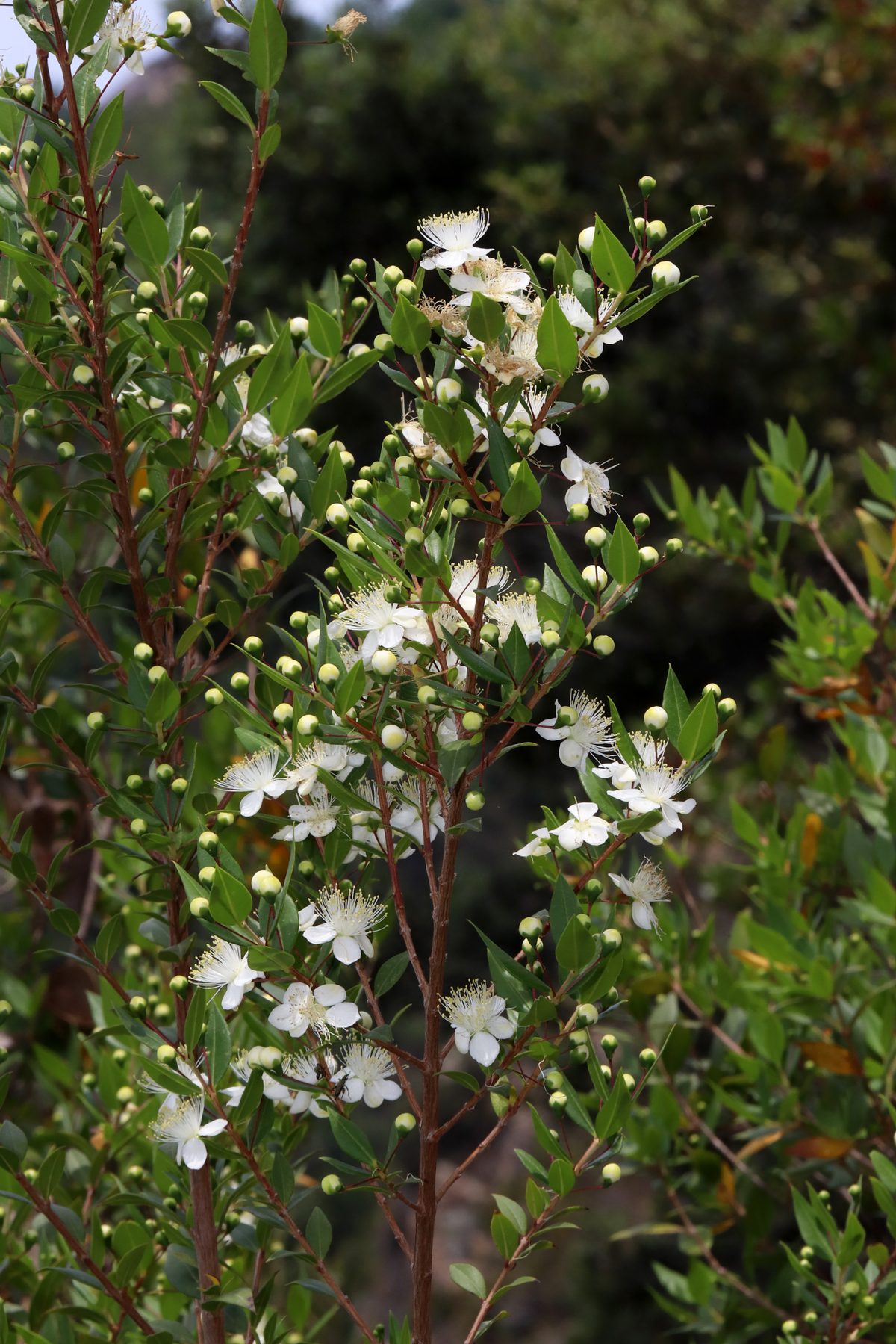
Myrtle
Myrtus communis
Zones 8a–9b · 8–12 ft (2.44–3.66 m) · Full sun and part shade (full sun preferred)
Myrtus communis rounds out this group of zone 9 shrubs. It does not yet have its own published page, so its care details are not laid out here.
-
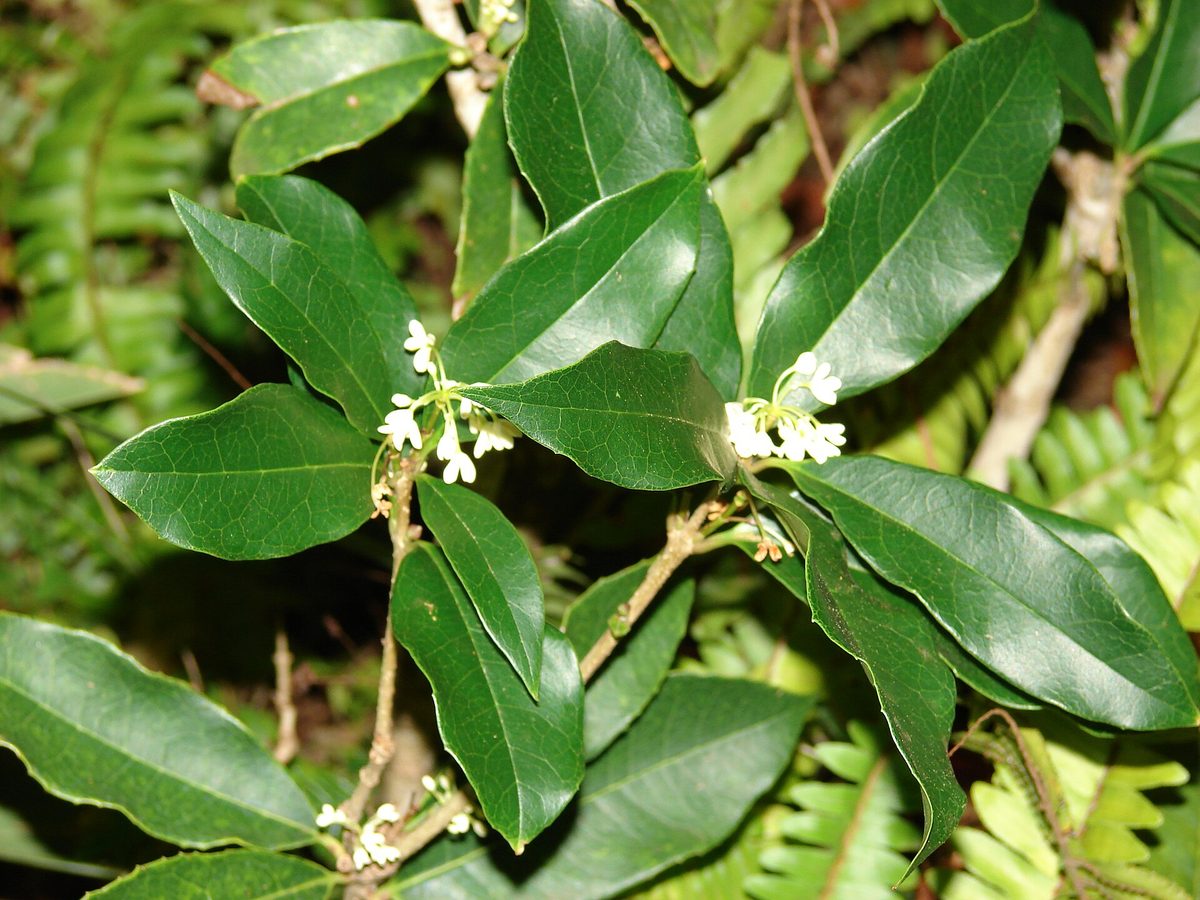
Sweet Osmanthus
Osmanthus fragrans
Zones 8a–11b · 10–12 ft (3.05–3.66 m) · Full sun and part shade (full sun preferred)
-
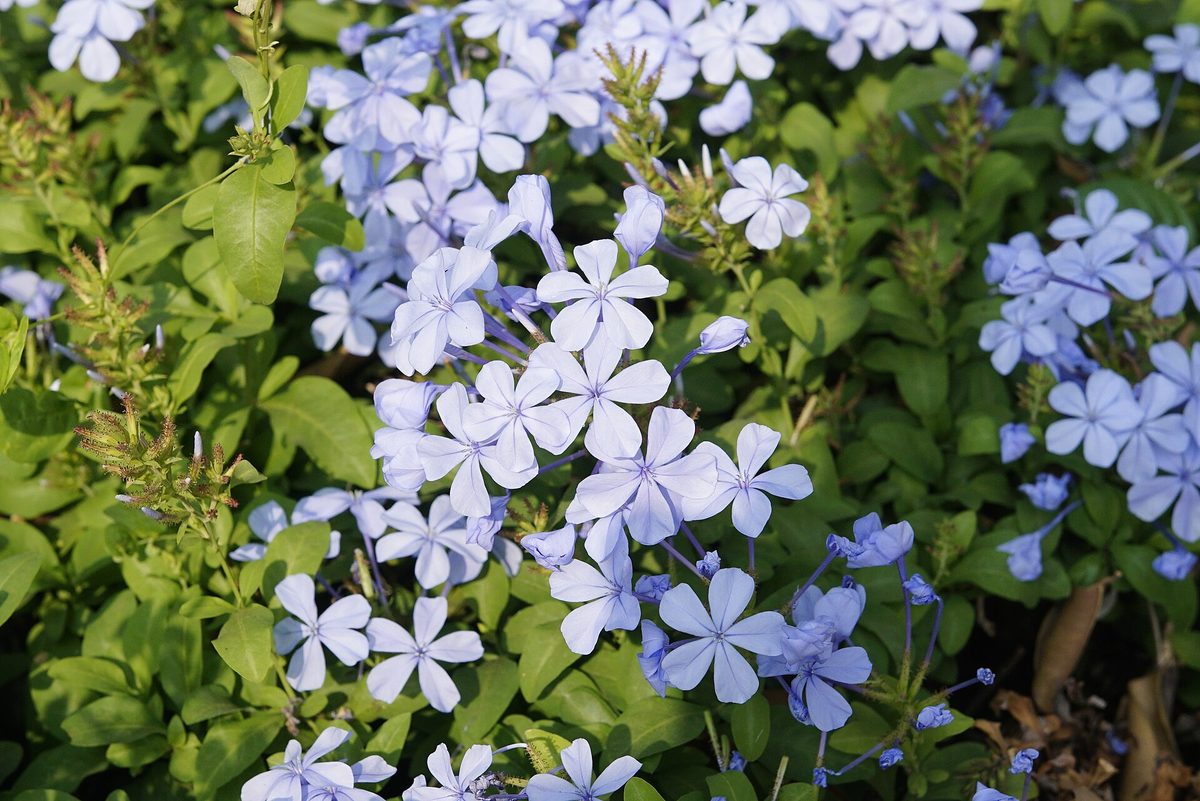
Cape Leadwort
Plumbago auriculata
Zones 9a–11b · 6–10 ft (1.83–3.05 m) · Full sun and part shade (full sun preferred)
-
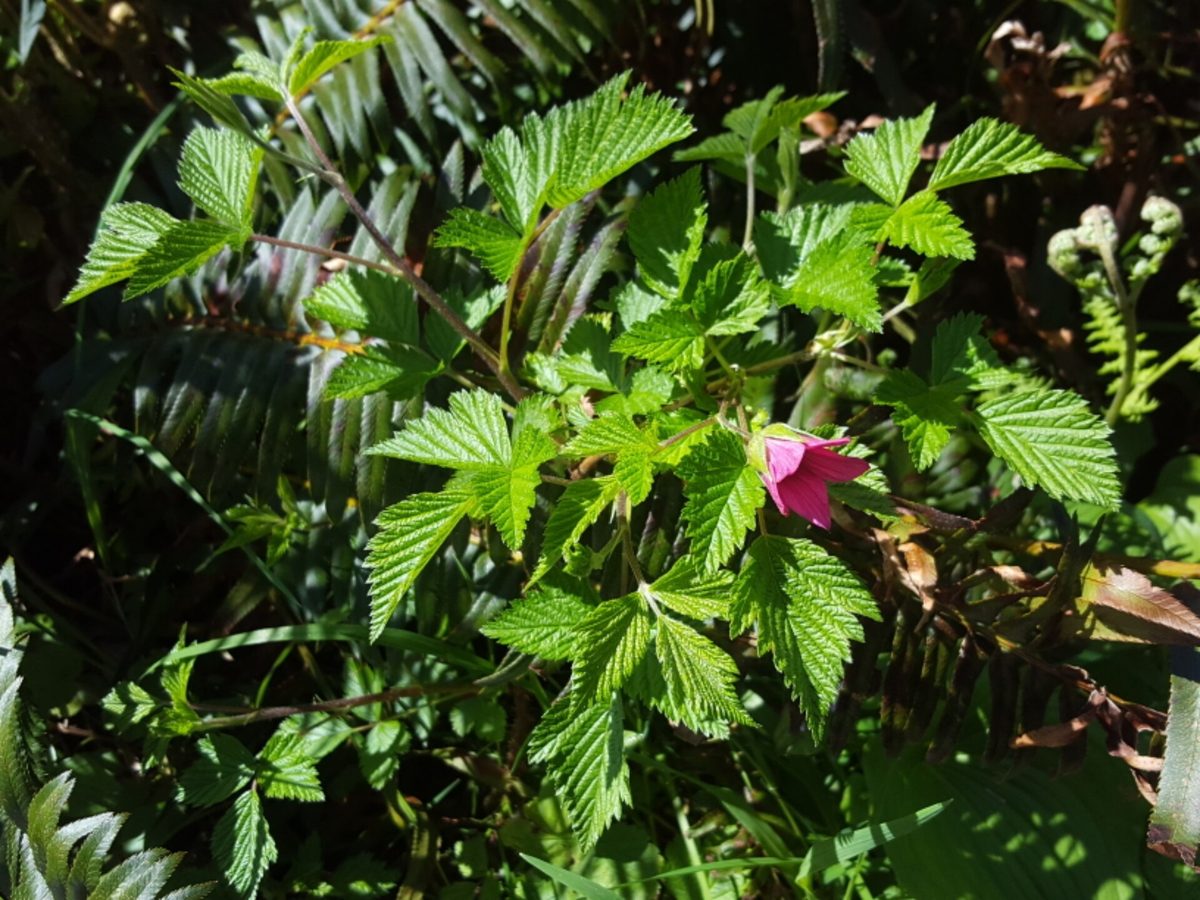
Salmonberry
Rubus spectabilis
Zones 5a–10a · 6.6–13.1 ft (2–4 m) · Full sun, part shade and full shade (full sun preferred)
-
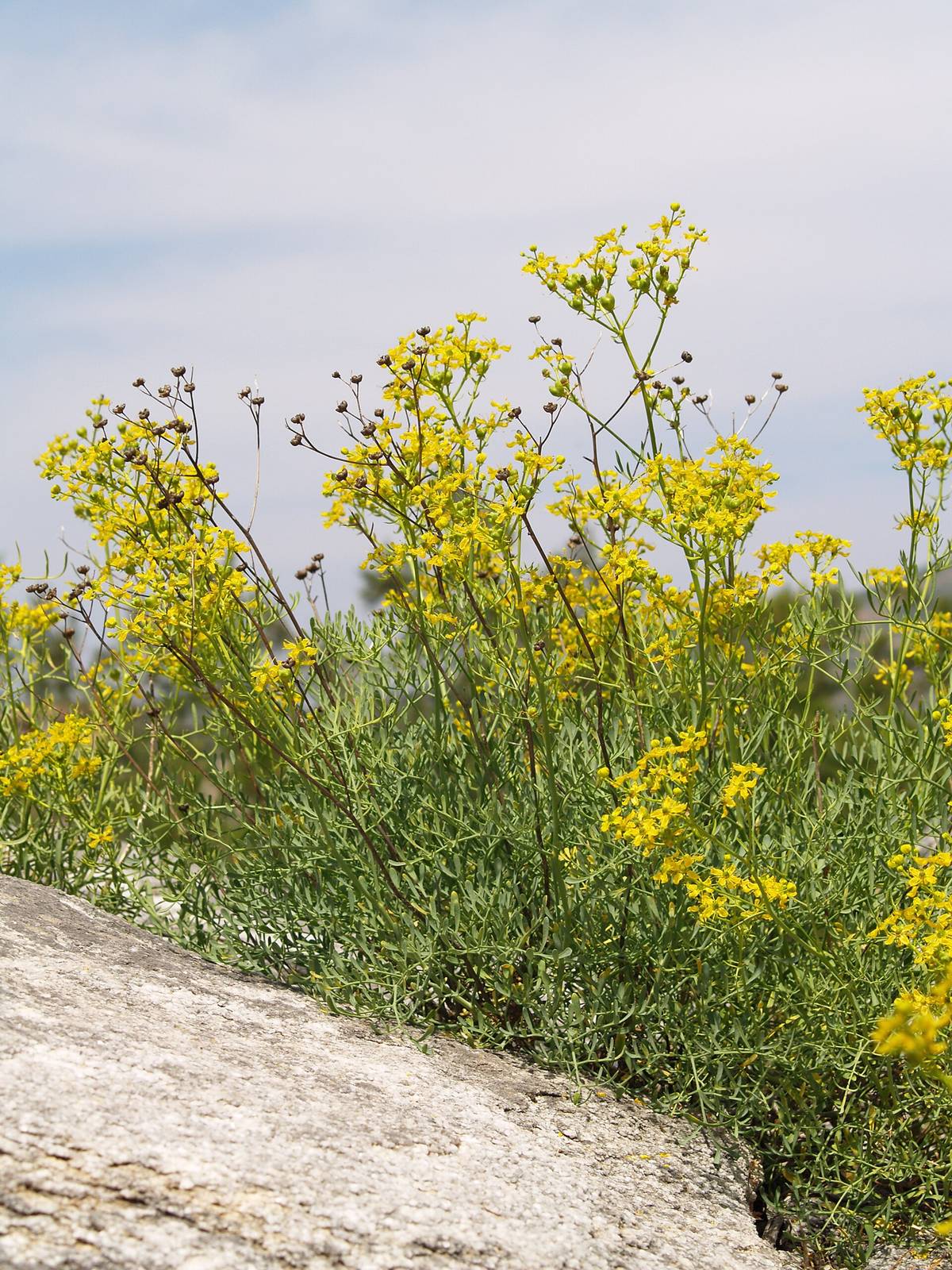
Common Rue
Ruta graveolens
Zones 4a–10b · 2–3 ft (0.61–0.91 m) · Full sun and part shade (full sun preferred)
-
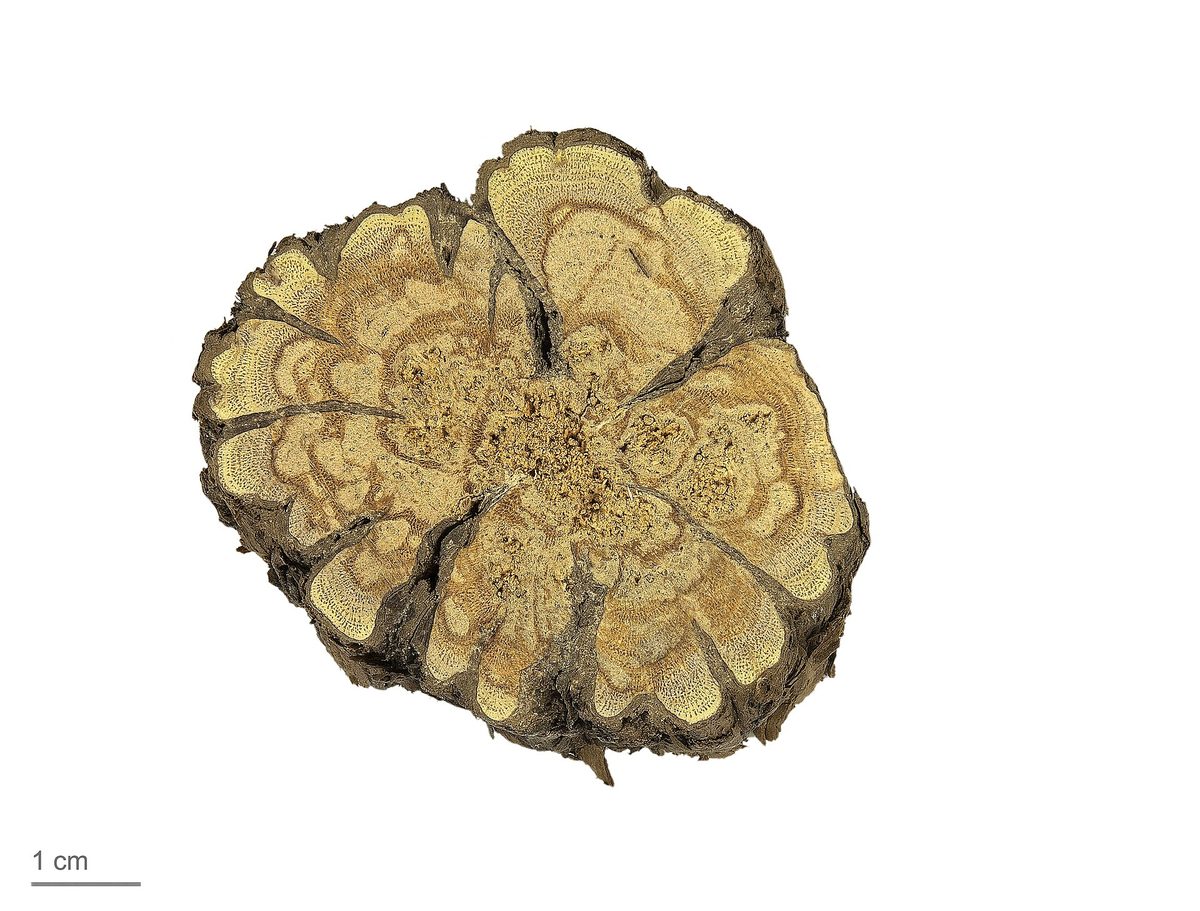
Rosemary
Salvia rosmarinus
Zones 8a–10b · 4–5 ft (1.22–1.52 m) · Full sun and part shade (full sun preferred)
-
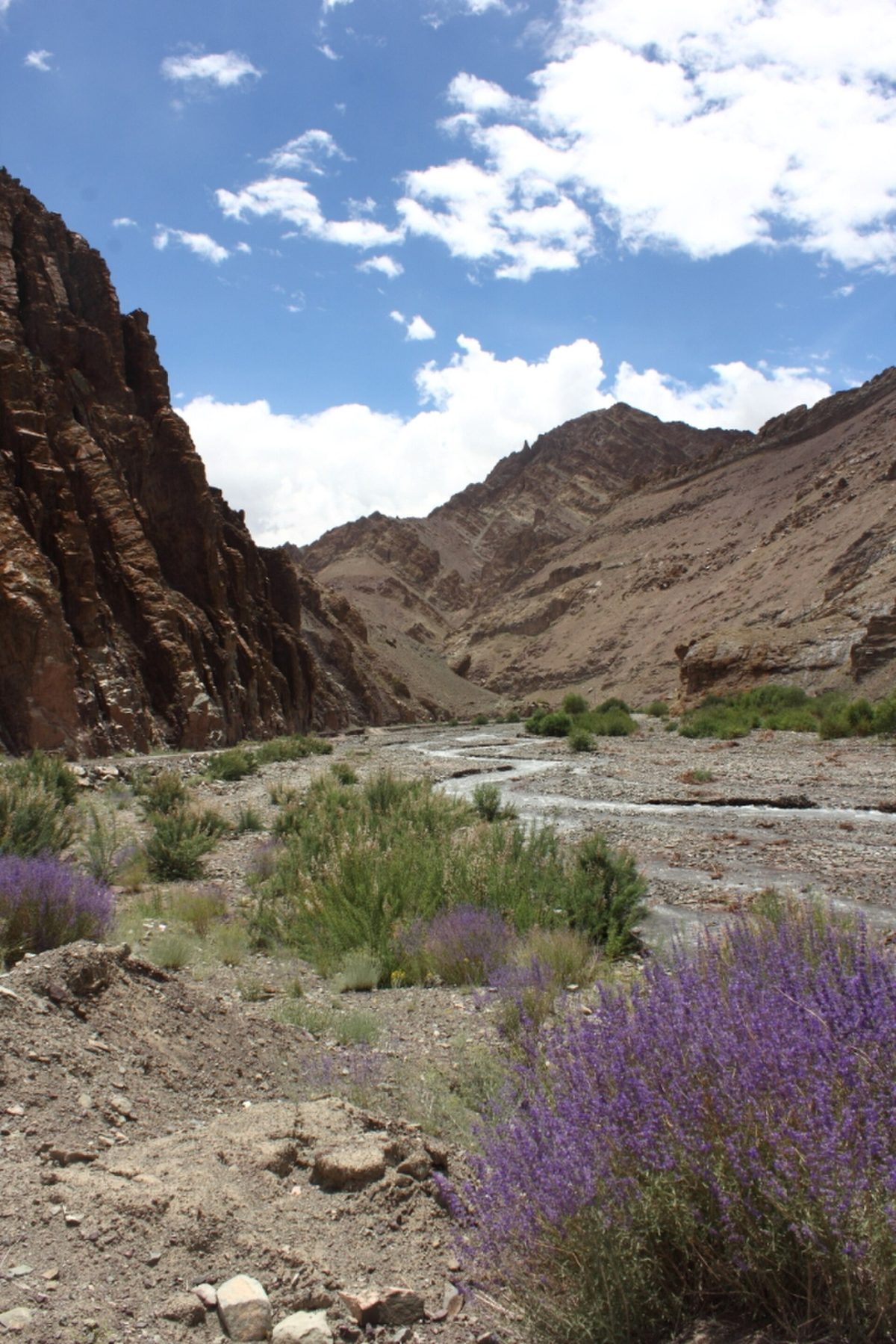
-
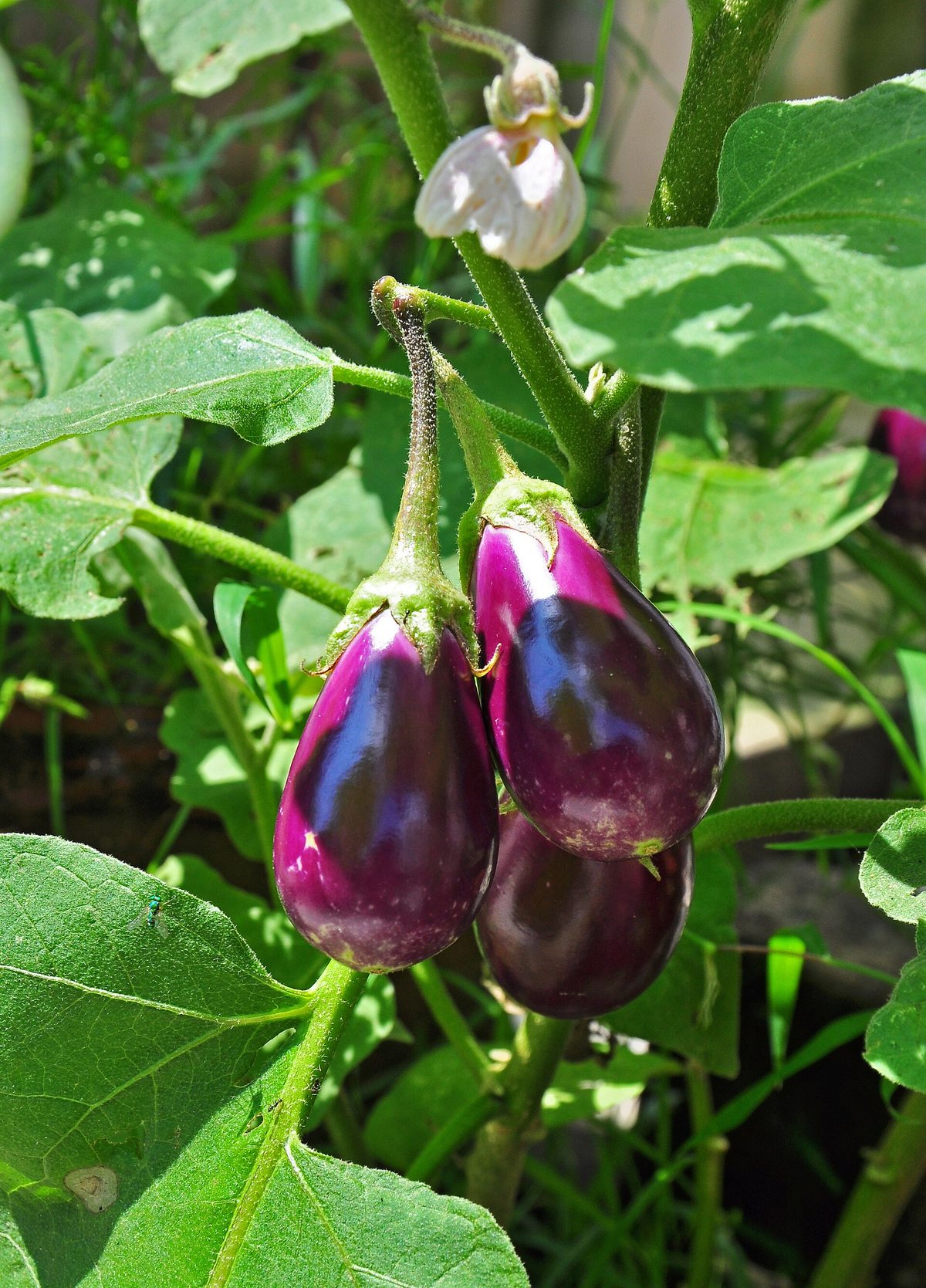
-
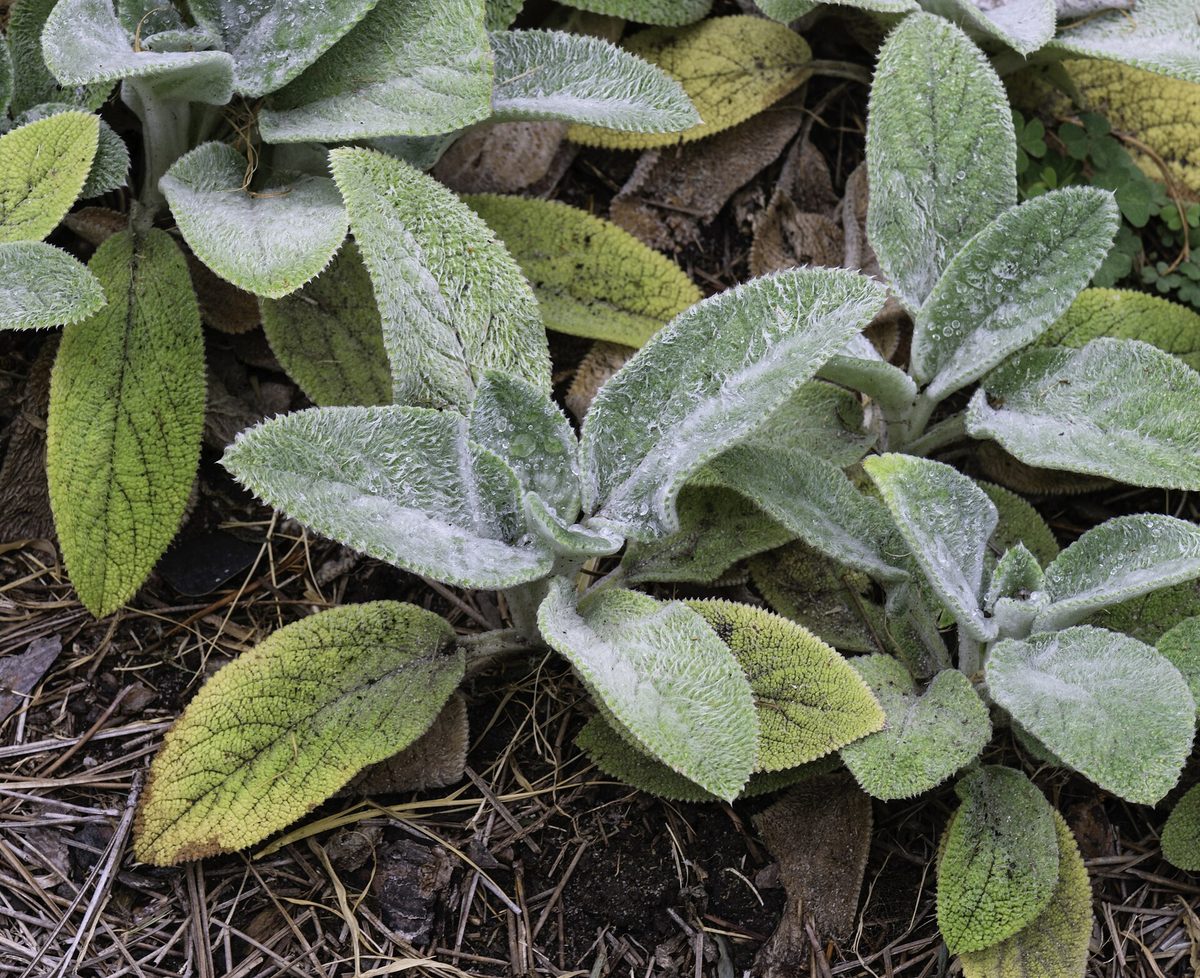
Woolly Hedgenettle
Stachys byzantina
Zones 4a–9b · 1–1.5 ft (0.3–0.46 m) · Full sun and part shade (full sun preferred)
-
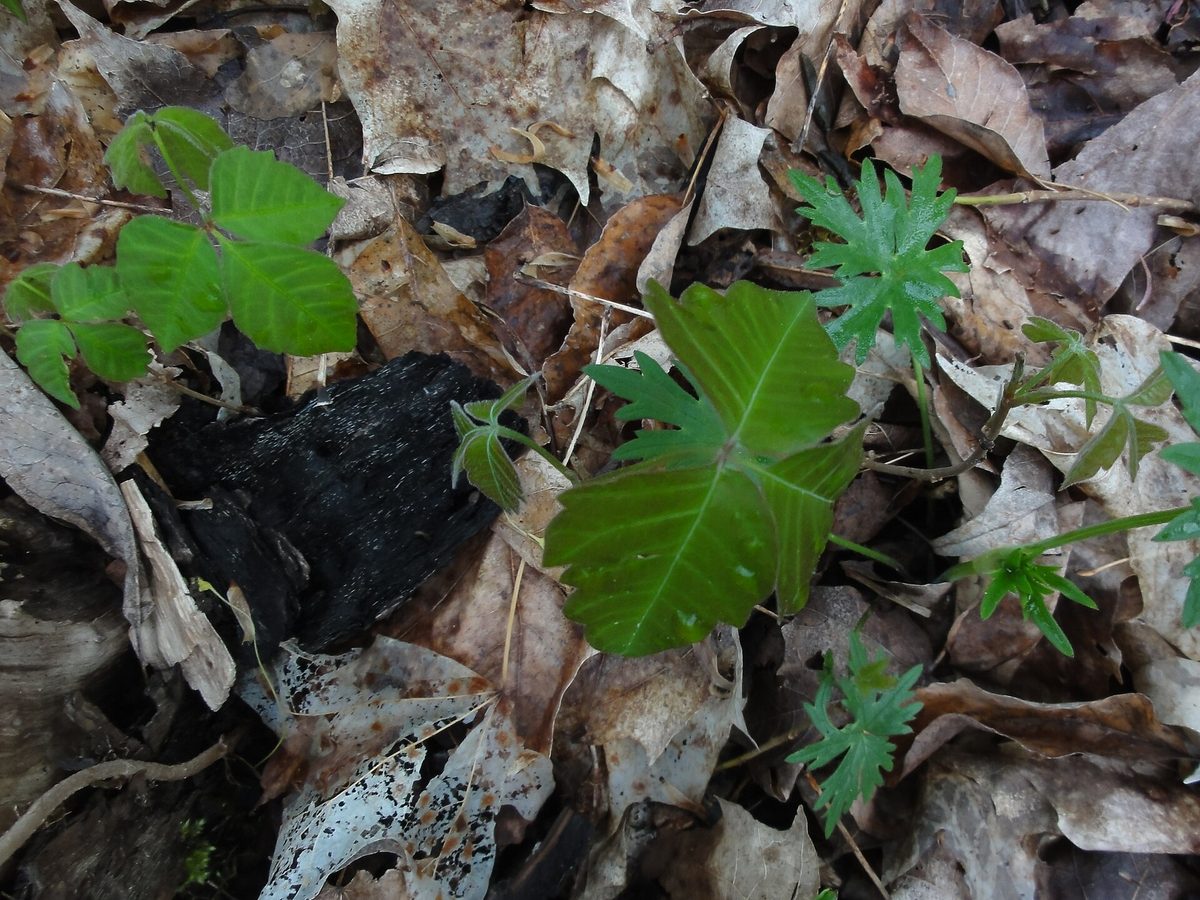
Eastern Poison Ivy
Toxicodendron radicans
Zones 4a–10b · 1–150 ft (0.3–45.72 m) · Full sun, part shade and full shade (full sun preferred)
-
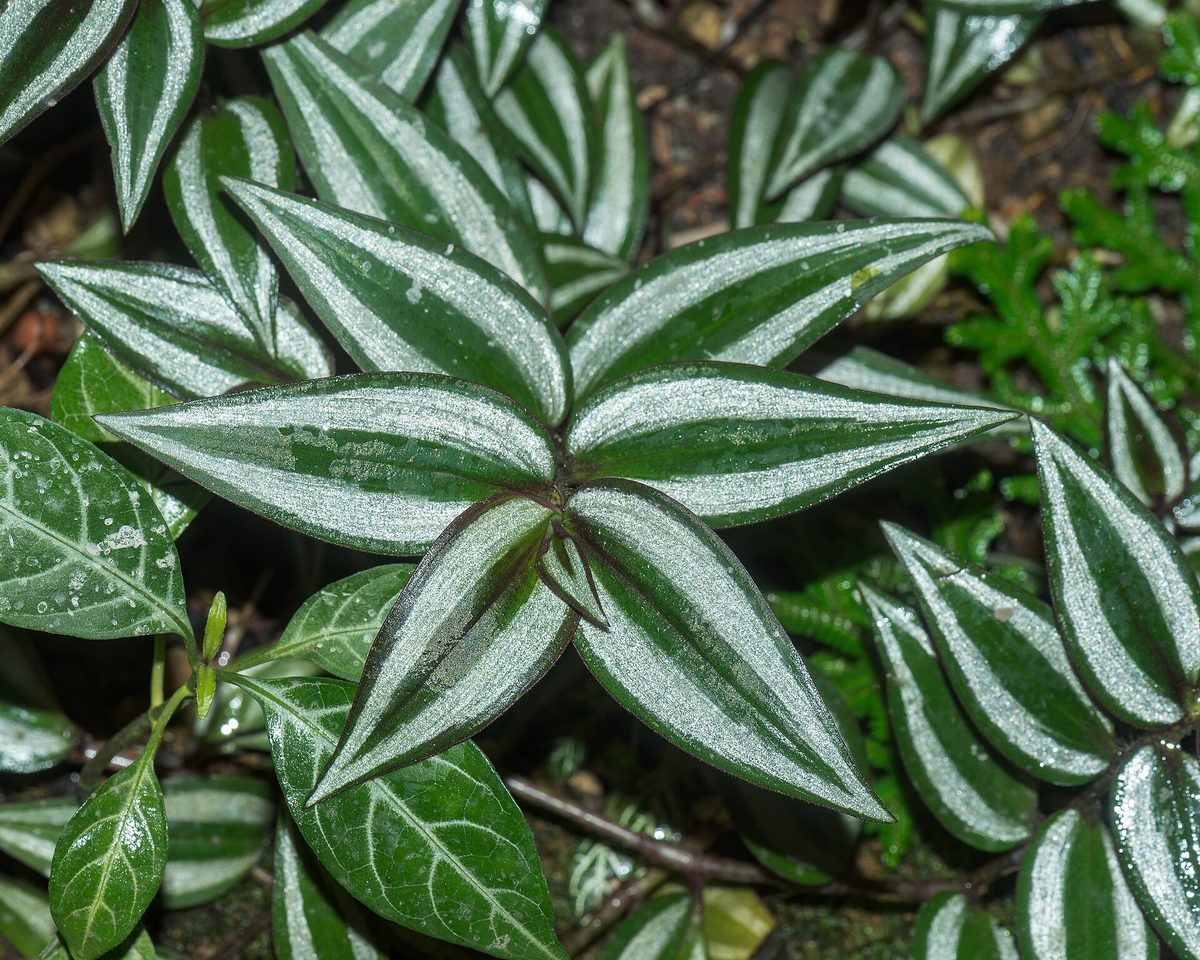
Inchplant
Tradescantia zebrina
Zones 9a–11b · 0.5–0.8 ft (0.15–0.23 m) · Full sun and part shade (full sun preferred)
-
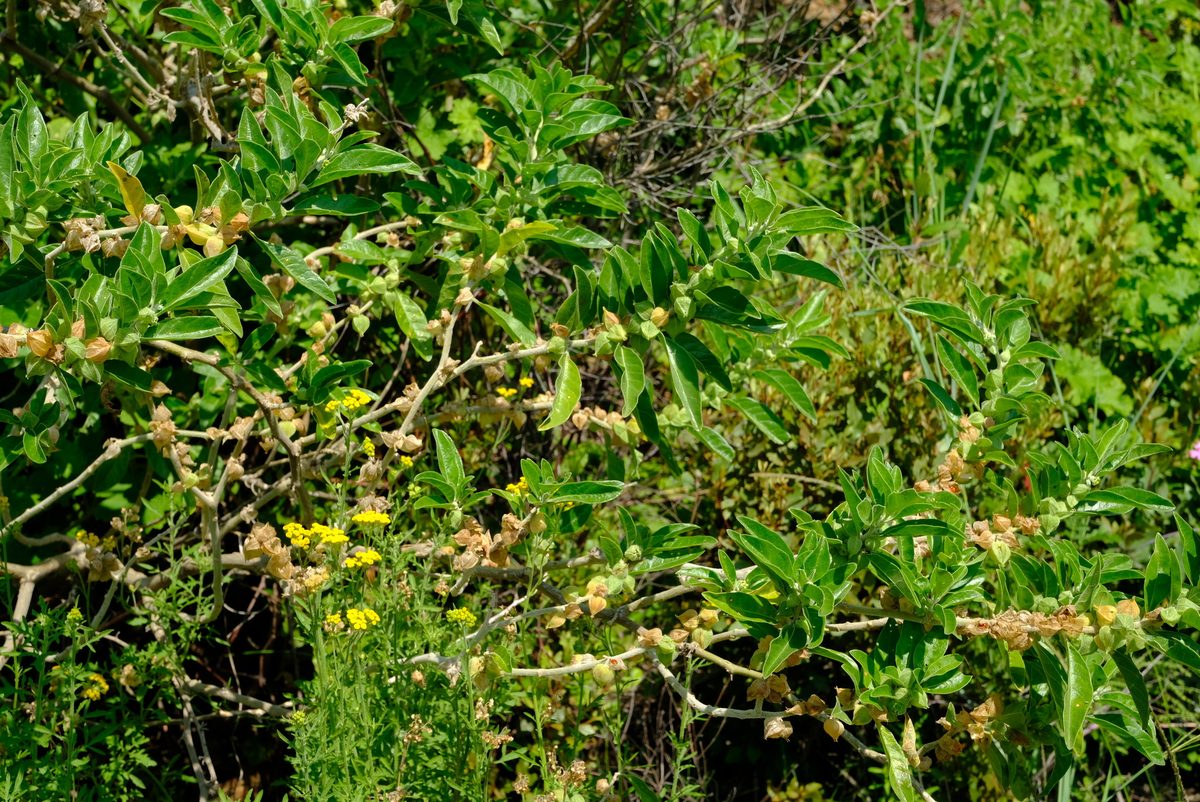
Withania
Withania somnifera
Zones 8a–12b · 3 ft (0.91 m) · Full sun
How we chose
A shrub, and hardy through at least zone 9a according to the cited sources
Photo credits
- Silktree photo by Wikimedia Commons contributor, CC BY-SA 4.0 via Wikimedia Commons
- Lemon Beebrush photo by H. Zell, CC BY-SA 3.0 via Wikimedia Commons
- Strawberry Tree photo by Roger Culos, CC BY-SA 4.0 via Wikimedia Commons
- Pawpaw photo by Plant Image Library from Boston, USA, CC BY-SA 2.0 via Wikimedia Commons
- Paperflower photo by পাপৰি বৰা, CC BY-SA 4.0 via Wikimedia Commons
- Orange Eye Butterflybush photo by Wikimedia Commons contributor, CC BY-SA 3.0 via Wikimedia Commons
- Pride-of-Barbados photo by Bdaize Holgooa, CC BY-SA 4.0 via Wikimedia Commons
- American Beautyberry photo by Bailey Duncan, CC BY-SA 4.0 via Wikimedia Commons
- Camellia photo by PumpkinSky, CC BY-SA 3.0 via Wikimedia Commons
- Tea photo by Wikimedia Commons contributor, CC BY-SA 4.0 via Wikimedia Commons
- Night Jessamine photo by T r i v, CC BY-SA 2.0 via Wikimedia Commons
- Flowering Dogwood photo by Plant Image Library from Boston, USA, CC BY-SA 2.0 via Wikimedia Commons
- Sago Palm photo by Fawaz.tairou, CC BY 4.0 via Wikimedia Commons
- Sweetwilliam photo by Sabina Bajracharya, CC BY-SA 4.0 via Wikimedia Commons
- Carnation photo by Didier Descouens, CC BY-SA 4.0 via Wikimedia Commons
- Golden Dewdrops photo by O Tupinólogo, CC BY 4.0 via Wikimedia Commons
- Autumn Olive photo by R. A. Nonenmacher, CC BY-SA 4.0 via Wikimedia Commons
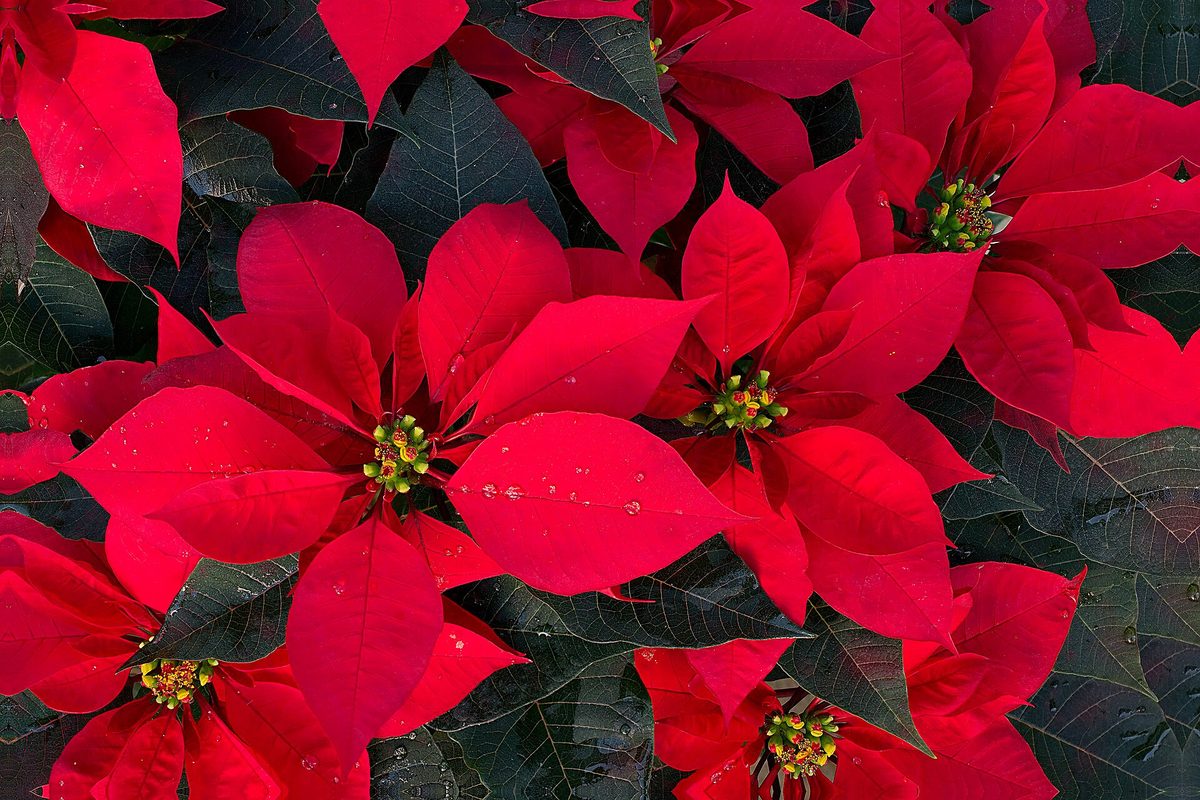
- Poinsettia photo by Carlos Valenzuela, CC BY-SA 4.0 via Wikimedia Commons
- Cape Jasmine photo by 阿橋 HQ, CC BY-SA 2.0 via Wikimedia Commons
- Dwarf Umbrella Tree photo by M108t, CC BY 4.0 via Wikimedia Commons
- Rose of Sharon photo by Chrumps, CC BY-SA 2.5 via Wikimedia Commons
- Wild Hydrangea photo by Wikimedia Commons contributor, CC BY-SA 4.0 via Wikimedia Commons
- French Hydrangea photo by Didier Descouens, CC BY-SA 4.0 via Wikimedia Commons
- Yaupon photo by PumpkinSky, CC BY-SA 4.0 via Wikimedia Commons
- Mountain Laurel photo by Juliancolton, CC BY-SA 4.0 via Wikimedia Commons
- Crepe Myrtle photo by Jean-Pierre Chéreau & Roger Culos, CC BY-SA 3.0 via Wikimedia Commons
- Lantana photo by Petro Stelte, CC BY-SA 4.0 via Wikimedia Commons
- Creosote Bush photo by Adbar, CC BY-SA 3.0 via Wikimedia Commons
- English Lavender photo by Didier Descouens, CC BY-SA 4.0 via Wikimedia Commons
- Lion's Ear photo by Hatem moushir, CC BY-SA 3.0 via Wikimedia Commons
- Creeping Jenny photo by Bff, CC BY-SA 4.0 via Wikimedia Commons
- Myrtle photo by LIGURIAN VASCULAR FLORA, CC BY 2.0 via Wikimedia Commons
- Sweet Osmanthus photo by Forest & Kim Starr, CC BY 3.0 via Wikimedia Commons
- Cape Leadwort photo by Vengolis, CC BY-SA 4.0 via Wikimedia Commons
- Salmonberry photo by Alex Abair, CC BY 4.0 via Wikimedia Commons
- Common Rue photo by Jörg Hempel, CC BY-SA 3.0 via Wikimedia Commons
- Rosemary photo by Roger Culos, CC BY-SA 4.0 via Wikimedia Commons
- Russian Sage photo by Khanasif36, CC BY-SA 4.0 via Wikimedia Commons
- Eggplant photo by Joydeep, CC BY-SA 3.0 via Wikimedia Commons
- Woolly Hedgenettle photo by PumpkinSky, CC BY-SA 4.0 via Wikimedia Commons
- Eastern Poison Ivy photo by R. A. Nonenmacher, CC BY-SA 4.0 via Wikimedia Commons
- Inchplant photo by Flocci Nivis, CC BY 4.0 via Wikimedia Commons
- Withania photo by botaneek, CC BY-SA 4.0 via Wikimedia Commons


How this page was made
- Written with AI assistance from the sources listed on this page. AI is never the source of a fact.