Purple Queen (Tradescantia pallida)
Formerly Setcreasea pallida, Setcreasea purpurea, Tradescantia striata
To keep purple queen healthy, give it full sun for the best color and keep it above 50 °F (10 °C). Its water range runs from dry to medium. The plant, Tradescantia pallida, is toxic to both cats and dogs. It tolerates drought, salt, humidity and dry soil. Outdoors, it is hardy in USDA zones 10a–11b.
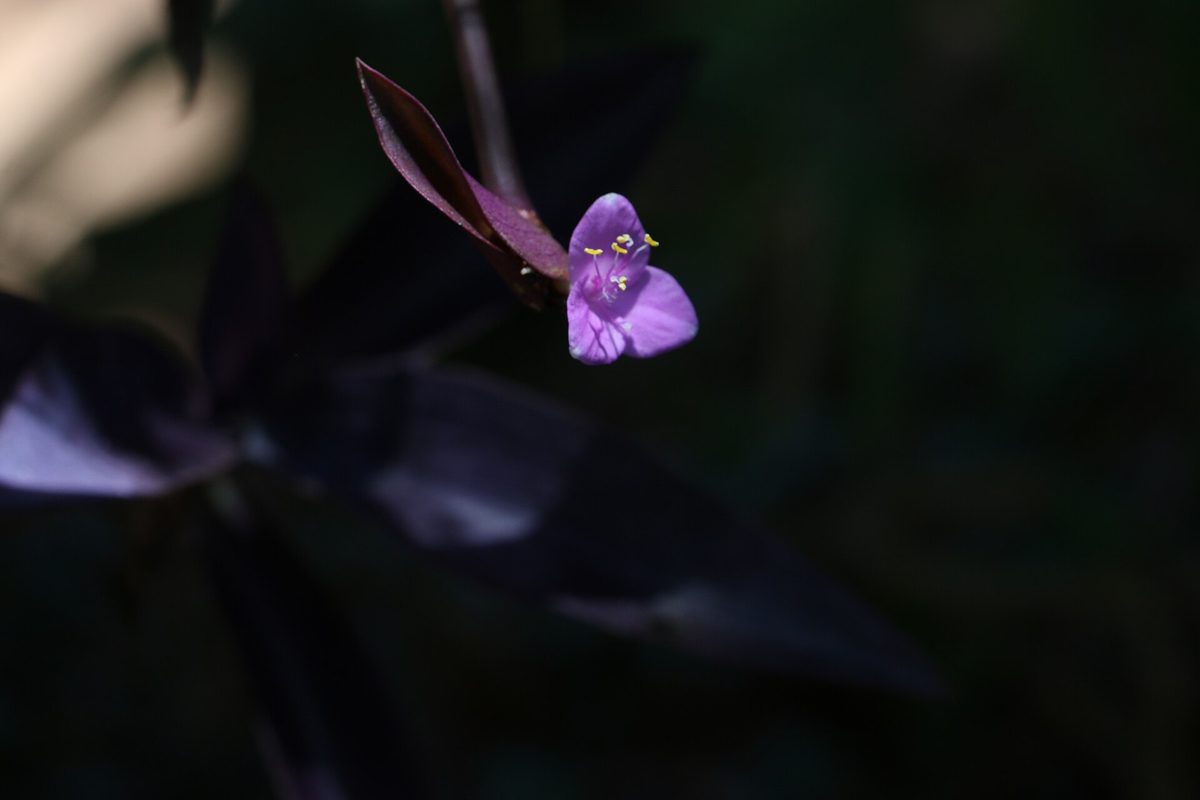
Photo: V C Balakrishnan, CC BY-SA 4.0 via Wikimedia Commons

Quick facts
| Water: | Dry to medium11 source |
|---|---|
| Soil: | Well drained and moist12 |
| Minimum temperature: | 50 °F (10 °C)11 source |
| Size: | 1 ft (0.3 m) × 1–2 ft (0.3–0.6 m)151 source |
| Growth rate: | Moderate11 source |
| Bloom: | Pink and purple12 |
| Cats: | Toxic to cats (1 source) 1 |
| Dogs: | Toxic to dogs (1 source) 1 |
| Native range: | MXC, MXE, MXG, MXS, MXT6 |
| Family: | Commelinaceae |
How often to water a Purple Queen
Tolerance of salt, drought, humidity and dry soil is recorded for purple queen. Its recorded water range runs from dry at the low end to medium at the high end. It also prefers soil that is moist and well drained. Good drainage is also listed for it. Dry to medium describes the full span of its recorded water needs.
- Water: Dry to medium1
Best soil for a Purple Queen
Choose a soil for purple queen that is both well drained and moist. Good drainage is listed for the plant. The plant is also described as preferring moist, well-drained soil. Dry soil is tolerated as well. Salt and drought are also tolerated, along with humidity. Its recorded water range runs from dry to medium. Soil pH is not documented for this plant.
Temperature and humidity
Temperatures below 50 °F (10 °C) are not tolerated by this plant, which sets its recorded minimum. Outdoors, it is hardy in USDA Plant Hardiness Zones 10a through 11b. The plant is also tolerant of humidity. Its tolerance of salt, drought and dry soil is recorded as well.
- Minimum temperature: 50 °F (10 °C)1
How to propagate a Purple Queen
You can propagate purple queen, Tradescantia pallida, by stem cuttings and by seed. Stem cutting is a recorded method for this plant. Seed is also a recorded method, but it is only rarely available. The stems are described as ascending, decumbent or trailing, and they root at nodes. The overall habit is listed as trailing and spreading.
Common problems
Purple queen has few pests, but scale insects and mealybugs can be a problem. Monitor the plant for scale, aphids, black vine weevil and mealybugs. The complete record names scale insects, aphids, black vine weevil, mealybugs, caterpillars, slugs, snails and fall armyworm. Slugs and snails appear in that list alongside the insect pests.
| Problem | Kind |
|---|---|
| Scale insects | Pest |
| Aphids | Pest |
| Black vine weevil | Pest |
| Mealybugs | Pest |
| Caterpillars | Pest |
| Slugs and snails | Pest |
| Snails | Pest |
| Fall armyworm | Pest |
Is Purple Queen toxic to cats and dogs?
This plant is toxic to cats. The listing for cats describes low severity poison characteristics. Purple queen is also toxic to dogs. The listing for dogs says ingestion can cause mouth and stomach irritation for pets. Ingestion is the route named for that irritation. Toxic is the recorded position for both cats and dogs. Cats and dogs are the only animals this page covers for toxicity.
Pet-safe alternatives
Recommended supplies
- Soil: a free-draining mix, and a pot with a drainage hole.
Questions and answers
- Is purple queen toxic to cats and dogs?
- Purple queen is listed as toxic to both cats and dogs. Ingestion can cause mouth and stomach irritation for pets. The poison characteristics are described as low severity.
- How much light does purple queen need outdoors?
- Purple queen takes full sun and part shade outdoors, with full sun preferred. Full sun will result in the best color development. Its habit is trailing and spreading, and it grows to about 1 ft (0.3 m) tall.
- How can I propagate purple queen?
- You can propagate it from stem cuttings or from seed. Stem cutting is the recorded method listed for the plant, and seed is the other, though seed is only rarely available. The stems are described as rooting at the nodes.
Sources
- NC State Extension Gardener Plant Toolbox. https://plants.ces.ncsu.edu/plants/tradescantia-pallida/common-name/purple-heart/. Accessed 14 October 2026.
- Clemson Cooperative Extension Home & Garden Information Center. https://hgic.clemson.edu/factsheet/plants-that-tolerate-drought/. Accessed 14 October 2026.
- University of Wisconsin-Madison Division of Extension (Wisconsin Horticulture). https://hort.extension.wisc.edu/articles/purple-heart-tradescantia-pallida/. Accessed 14 October 2026.
- EPPO Global Database. https://gd.eppo.int/taxon/TRAPA/pests. Accessed 14 October 2026.
- NC State Extension. https://plants.ces.ncsu.edu/plants/tradescantia-pallida/. Accessed 28 October 2026.
- Royal Botanic Gardens, Kew (World Checklist of Vascular Plants). https://sftp.kew.org/pub/data-repositories/WCVP/wcvp.zip. Accessed 4 June 2026.
How this page was made
- Written with AI assistance from the sources listed on this page. AI is never the source of a fact.