Sweet Basil (Ocimum basilicum)
Formerly Ocimum album, Ocimum laxum, Ocimum medium
Give sweet basil full sun, medium moisture and well-drained soil to keep it alive. It tolerates part shade. The ASPCA lists it as non-toxic to cats and non-toxic to dogs. Its growth is rapid, and its upkeep is rated low. Ocimum basilicum is listed as both an annual and a perennial.
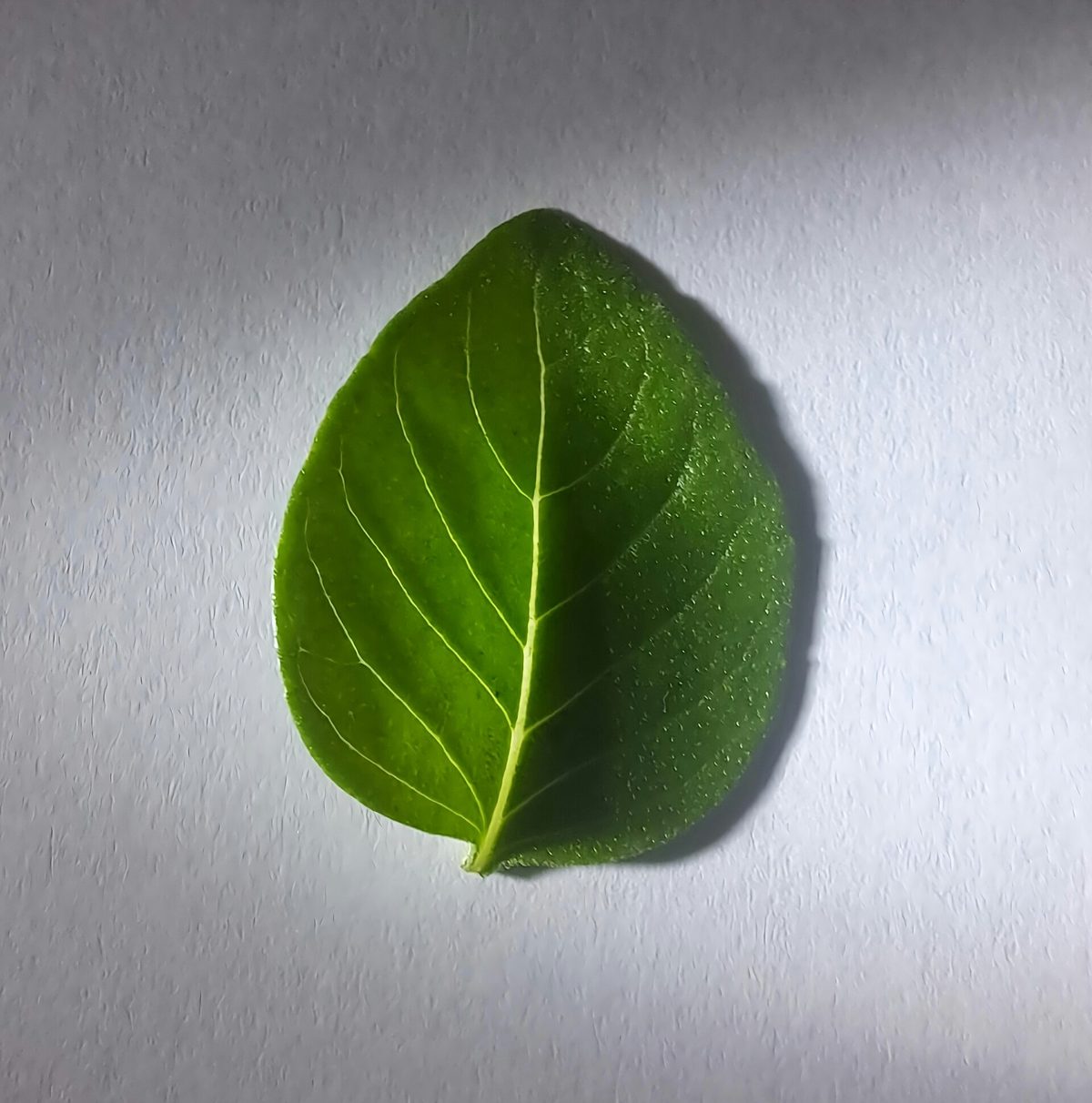
Photo: BernaBotto, CC BY-SA 4.0 via Wikimedia Commons

Quick facts
| Light: | Full sun and part shade (full sun preferred)12 |
|---|---|
| Water: | Medium11 source |
| Soil: | Well drained and moist; pH 6–6.512 |
| Hardiness: | Zones 10a–10b11 source |
| Size: | 2 ft (0.61 m) × 0.3–1.2 ft (0.1–0.36 m)611 source |
| Growth rate: | Rapid11 source |
| Bloom: | Pink, purple and white11 source |
| Cats: | Non-toxic to cats 51 |
| Dogs: | Non-toxic to dogs 51 |
| Native range: | AND, ASS, BAN, BIS, BOR, CBD, CHC, CHS, EHM, IND, JAW, LAO, LSI, MOL, MYA, NCB, NEP, NWG, PHI, QLD, SRL, SUL, SUM, TAI, THA, VIE, WAU, WHM7 |
| Family: | Lamiaceae |
How much light does a Sweet Basil need?
Sweet basil prefers full sun, which the source describes as 6 or more hours of direct sunlight a day. It also grows reasonably well in part sun, at six hours of sun per day. Part shade is listed as an accepted condition, with full sun preferred. Indoors, most herbs need around eight hours of direct light each day. For basil, the indoor rating is direct sun, and it tolerates medium light.
How often to water a Sweet Basil
The water rating for sweet basil is medium, and the low and high ends of the range are the same. The Plant Toolbox describes its moisture as moist. Medium is the only water level given, with no separate dry or wet tolerance. Soil drainage is listed as well drained and moist. Basil grows best in a rich, well-drained soil.
- Water: Medium1
Best soil for a Sweet Basil
Sweet basil grows best in a rich, well-drained soil. The NC State Extension Plant Toolbox lists good drainage for this herb. The drainage record for sweet basil includes two values, well drained and moist. For soil pH, Clemson Cooperative Extension gives a range between 6.0 and 6.5. Basil's water rating is medium, which sits alongside its moist soil entry. A pH of 6.0 is the lowest value listed, and 6.5 is the highest.
Hardiness and temperature
The hardiness entry for sweet basil covers USDA zones 10a to 10b. Zone 10a is the lowest zone given, and zone 10b is the highest. Sources list the plant as both an annual and a perennial. The plant type entry reads annual and herbaceous perennial. Zones 10a and 10b are the only ones the hardiness entry names.
- Hardiness: Zones 10a–10b1
Fertilizing a Sweet Basil
Sweet basil needs light feeding rather than heavy feeding. The University of Minnesota Extension advises fertilizing sparingly. Its suggestion is a 5-10-5 commercial fertilizer, applied once or twice during the growing season. The fertilizer frequency entry reads light. Overall maintenance for sweet basil is rated low.
- Fertilizer: Light, once a year3
Pruning a Sweet Basil
Pinching is the pruning method named for sweet basil. You pinch the tips of long stems and any flower buds. Long stems and flower buds are the two targets named. The pruning type is listed as light shaping and deadheading. Pruning is listed alongside low overall maintenance for the plant.
- Pruning: Light shaping and Deadheading1
How to plant a Sweet Basil
Sweet basil reaches about 2 ft (0.61 m) tall. Leave room for a spread of 0.3–1.2 ft (0.1–0.36 m). The hardiness entry covers USDA zones 10a to 10b. Plant it in full sun, with part shade as an accepted alternative. The soil pH range listed is 6.0 to 6.5. In the US, its native status is introduced in the lower 48, Hawaii and Puerto Rico.
- Hardiness: Zones 10a–10b1
Winter care
Winter hardiness for sweet basil is recorded through USDA zones 10a and 10b. Zone 10a is the lower end of that range and zone 10b is the upper end. Sources list the plant as annual and as perennial. The plant type entry reads annual and herbaceous perennial. In the US, its status is introduced in the lower 48, Hawaii and Puerto Rico.
- Hardiness: Zones 10a–10b1
When to plant Sweet Basil
Start seed indoors four to six weeks ahead of the outdoor planting time. The record states 4–6 weeks before the last spring frost. Maturity is listed as 42 days from seed.
- Start indoors: 4–6 weeks before last spring frost2
| Step | When |
|---|---|
| Start indoors | 4–6 weeks before last frost |
When and how to harvest Sweet Basil
Leaves are ready to pick about 6 weeks after planting. For drying, cut the leaves just before the flowers open. The maturity entry is 42 days from seed. Pinching flower buds is also listed as a pruning practice. Sweet basil grows at a rapid rate.
How to propagate a Sweet Basil
Three propagation methods are on record for sweet basil: seed, stem cuttings and division. The NC State Extension Plant Toolbox names seed. Seed is typically sown indoors four to six weeks ahead of the outdoor planting time. Division and stem cuttings are the other two methods listed. The maturity entry is 42 days from seed.
- Propagation: Seed, stem cuttings and division1
Common problems
Japanese beetles and aphids are the pests recorded for sweet basil. Clemson Cooperative Extension also names slugs among the most common pests. NC State Extension calls aphids and Japanese beetles occasional insect problems. Fusarium wilt and downy mildew are the diseases listed. The NC State listing calls fusarium wilt and basil downy mildew disease problems.
| Problem | Kind |
|---|---|
| Japanese beetles | Pest |
| Aphids | Pest |
| Fusarium wilt | Disease |
| Downy mildew | Disease |
Is Sweet Basil toxic to cats and dogs?
Cat owners will find a non-toxic listing for sweet basil from the ASPCA Animal Poison Control Center. The NC State Extension Gardener Plant Toolbox also reads non-toxic for cats. For dogs, the ASPCA entry reads non-toxic as well. The NC State Extension Gardener Plant Toolbox likewise reads non-toxic for dogs. The cat position and the dog position are the same: both are non-toxic.
Recommended supplies
- Soil: a free-draining mix, and a pot with a drainage hole.
Questions and answers
- Is sweet basil toxic to cats or dogs?
- The ASPCA lists sweet basil as non-toxic to cats and non-toxic to dogs. The NC State Extension Gardener Plant Toolbox also reads non-toxic for cats and for dogs. Each pet has its own entry, and both entries read the same.
- How much sun does sweet basil need?
- Sweet basil prefers full sun, described as 6 or more hours of direct sunlight a day. Clemson Cooperative Extension says it grows reasonably well in part sun, at six hours of sun per day. Indoors, most herbs need around eight hours of direct light each day.
- When can I pick sweet basil leaves?
- Leaves can be picked about 6 weeks after planting. The maturity entry is 42 days from seed. For drying, cut the leaves just before the flowers open.
Sources
- NC State Extension Plant Toolbox. https://plants.ces.ncsu.edu/plants/ocimum-basilicum/. Accessed 14 October 2026.
- Clemson Cooperative Extension Home & Garden Information Center. https://hgic.clemson.edu/factsheet/basil/. Accessed 14 October 2026.
- University of Minnesota Extension. https://extension.umn.edu/node/10256. Accessed 30 October 2026.
- University of Maryland Extension. https://extension.umd.edu/resource/basil. Accessed 14 October 2026.
- ASPCA Animal Poison Control Center. https://www.aspca.org/pet-care/aspca-poison-control/toxic-and-non-toxic-plants/basil. Accessed 14 October 2026.
- Chicago Botanic Garden. https://www.chicagobotanic.org/plantinfo/basil. Accessed 14 October 2026.
- Royal Botanic Gardens, Kew (World Checklist of Vascular Plants). https://sftp.kew.org/pub/data-repositories/WCVP/wcvp.zip. Accessed 4 June 2026.
How this page was made
- Written with AI assistance from the sources listed on this page. AI is never the source of a fact.