Lingonberry (Vaccinium vitis-idaea)
Formerly Vaccinium punctatum, Vitis-idaea punctata, Rhodococcum vitis-idaea
Lingonberry grows best outdoors in full sun. It needs a medium, steady amount of water, about 0.5-0.75 in (1-2 cm) a week. It is a low shrub that spreads slowly. It is hardy outdoors in USDA zones 5a to 5b. Its flowers are pink. It is native to Alaska and the Lower 48 states. No cited source lists a toxicity rating for cats or dogs for this plant.
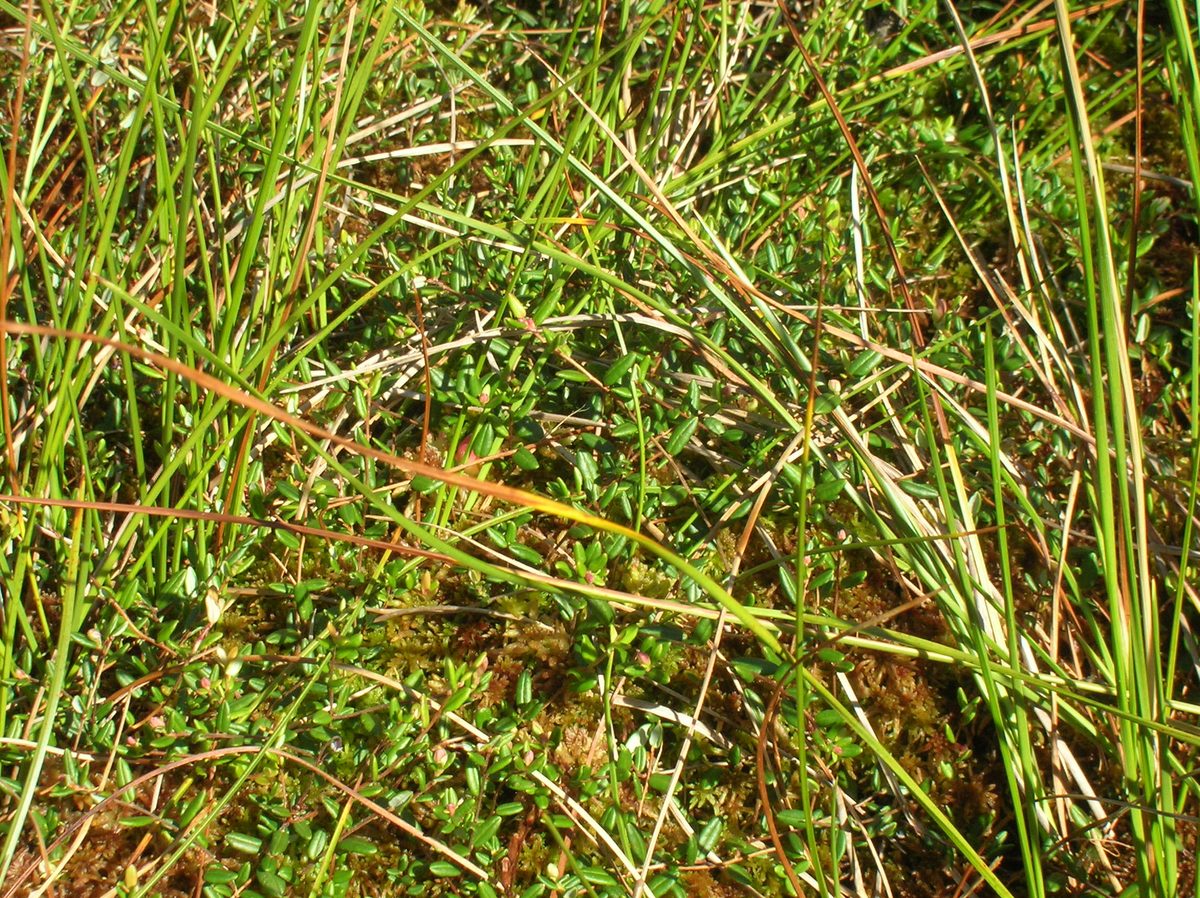
Photo: Patafisik, CC BY-SA 4.0 via Wikimedia Commons

Quick facts
| Light: | Full sun11 source |
|---|---|
| Water: | Medium11 source |
| Soil: | Well drained; pH 4.3–5.511 source |
| Hardiness: | Zones 5a–5b21 source |
| Size: | 0.2–1.3 ft (0.05–0.4 m) × 1–3 ft (0.3–0.91 m)134 |
| Growth rate: | Slow31 source |
| Bloom: | Mar–Apr and Jul–Aug, White and pink1561 source |
| Cats: | Not documented by major sources |
| Dogs: | Not documented by major sources |
| Native range: | ABT, ALB, ALT, ALU, AMU, ASK, AUT, BGM, BLR, BLT, BRC, BRY, BUL, CHI, CHM, CHN, CHX, CNT, CTA, CZE, DEN, FIN, FOR, FRA, GER, GNL, GRB, GRC, HUN, ICE, IRE, IRK, ITA, JAP, KAM, KAZ, KHA, KOR, KRA, KUR, LAB, MAG, MAI, MAN, MAS, MIC, MIN, MON, NBR, NCS, NET, NFL, NOR, NSC, NUN, NWH, NWT, ONT, PEI, POL, PRM, QUE, ROM, RUC, RUE, RUN, RUS, RUW, SAK, SAS, SWE, SWI, TCS, TUR, TVA, UKR, VER, WIS, WSB, YAK, YUG, YUK7 |
| Family: | Ericaceae |
How much light does a Lingonberry need?
Full sun outdoors suits lingonberry best. Commercial fields are kept open and sunny to get the best fruit set. This shrub stays short, reaching only 2 to 16 in (5-40 cm) tall. It spreads slowly into a low mat, reaching 1 to 3 ft (0.3-0.9 m) wide. Its flowers are pink. In the United States, it is native to Alaska and the Lower 48 states. Beyond North America, it also grows wild through Scandinavia and Russia. The soil it grows in should drain well, as in open cultivated fields.
- Light: Full sun1
How often to water a Lingonberry
Outdoors, lingonberry takes about 0.5 to 0.75 in (1-2 cm) of water a week. It grows best in soil that drains well, such as a sandy loam, a loam, or a silty loam. That soil should also sit in an acidic range, with a pH between 4.3 and 5.5. The soil should also hold 2% to 6% organic matter in its top 3 to 6 in (8-15 cm). This shrub stays low, from 2 to 16 in (5-40 cm) tall, and spreads slowly.
- Water: Medium1
Best soil for a Lingonberry
Plant lingonberry in soil that drains well. A sandy loam, a plain loam, or a silty loam all suit it. The soil should also be acidic, with a pH between 4.3 and 5.5. Lingonberry fruits best when the top 3-6 in (8-15 cm) of soil holds 2% to 6% organic matter. That measurement comes from the same soil layer where the pH should sit between 4.3 and 5.5. This shrub itself stays low, from 2 to 16 in (5-40 cm) tall. Its flowers are pink.
Hardiness and temperature
Zone 5a to 5b is the cold range this shrub tolerates outdoors. No cited source gives a minimum temperature for this species. It grows wild across many cold regions, including Alaska, Canada, and northern Europe. In the United States, it is native to Alaska and the Lower 48 states. This low shrub stays under 16 in (40 cm) tall. It also grows slowly, with poor spread from its rhizomes. It spreads slowly too, reaching about 1 to 3 ft (0.3-0.9 m) wide over time.
- Hardiness: Zones 5a–5b2
Pruning a Lingonberry
Commercial growers renew lingonberry plantings with a hard mow. They mow alternate rows every 3 to 6 years. This cut increases shoot density and brings on vigorous, unbranched growth from that year. The plant itself grows slowly and spreads poorly from its rhizomes. The shrub itself stays short, from 2 to 16 in (5-40 cm) tall.
- Pruning: Hard renewal pruning1
How to plant a Lingonberry
USDA zones 5a and 5b mark where lingonberry can live outdoors year-round. Choose a spot that gets full sun for the best fruit set. Set plants in soil that drains well, such as a sandy loam, a loam, or a silty loam. Check that the soil pH falls between 4.3 and 5.5 before planting. Seeds, stem cuttings, and rhizome divisions are the usual ways to start new plants. Mature plants can spread 1 to 3 ft (0.3-0.9 m) wide.
- Hardiness: Zones 5a–5b2
Winter care
Gardeners in USDA zones 5a and 5b can grow lingonberry outdoors through winter. No cited source states a minimum winter temperature for this species. It grows wild in many cold parts of the world, including Alaska, Canada, Scandinavia, and Russia. In the United States, it is native to Alaska and to the Lower 48 states. This low shrub stays under 16 in (40 cm) tall. It also spreads slowly, often reaching 1 to 3 ft (0.3-0.9 m) wide over time. Its flowers are pink when they open in season.
- Hardiness: Zones 5a–5b2
How to propagate a Lingonberry
New lingonberry plants can start from seed, from stem cuttings, or from rhizome divisions. As commercial demand grows, rhizome divisions and seedlings have become more available for planting. This shrub naturally spreads by rhizomes, though that spread is slow. It stays a low shrub even as it spreads, reaching only 2 to 16 in (5-40 cm) tall. Its flowers are pink. It is a shrub.
- Propagation: Seed, stem cuttings and division1
Common problems
Cucumber beetles and leafroller caterpillars can attack lingonberry outdoors. The western spotted cucumber beetle is one species reported on this plant. Diseases reported on lingonberry include black rot, upright dieback, and root rot. This shrub prefers soil that drains well, such as a sandy loam. The plant grows in acidic soil, with a pH between 4.3 and 5.5. Its flowers are pink. It also grows slowly.
| Problem | Kind |
|---|---|
| Cucumber beetles | Pest |
| Leafrollers | Pest |
| Black rot | Disease |
| Upright dieback | Disease |
| Root rot | Disease |
Is Lingonberry toxic to cats and dogs?
Recommended supplies
- Soil: a free-draining mix, and a pot with a drainage hole.
Questions and answers
- How much sun does lingonberry need?
- Lingonberry does best outdoors in full sun. Commercial growers keep their fields open and sunny to get the best fruit set in this low shrub. It is a shrub that spreads slowly over time. It also needs steady moisture, about 0.5 to 0.75 in (1-2 cm) a week.
- How often should I water lingonberry?
- Outdoors, lingonberry takes about 0.5 to 0.75 in (1-2 cm) of water a week. It grows best in soil that drains well, such as a sandy loam or a silty loam. The soil should also be acidic, with a pH between 4.3 and 5.5.
- What USDA zones can lingonberry grow in?
- Lingonberry is rated for USDA hardiness zones 5a to 5b. It grows wild in many cold regions, including Alaska, Canada, and northern Europe. In the United States, it is native to Alaska and the Lower 48 states. This low shrub also spreads slowly, often reaching 1 to 3 ft (0.3-0.9 m) wide.
Sources
- Oregon State University Extension Service. https://extension.oregonstate.edu/catalog/pnw-583-lingonberry-production-guide-pacific-northwest. Accessed 24 September 2026.
- Chicago Botanic Garden. https://www.chicagobotanic.org/plant-information/plant-finder/vaccinium-vitis-idaea-koralle-cowberry. Accessed 24 September 2026.
- USDA Forest Service Fire Effects Information System. https://www.fs.usda.gov/database/feis/plants/shrub/vacvit/all.html. Accessed 21 October 2026.
- University of Minnesota Extension. https://extension.umn.edu/agroforestry/growing-edible-fruits-and-nuts. Accessed 13 October 2026.
- Lady Bird Johnson Wildflower Center (Native Plant Database). https://www.wildflower.org/plants/result.php?id_plant=vavi. Accessed 28 October 2026.
- Lady Bird Johnson Wildflower Center (Native Plant Database). https://www.wildflower.org/plants/result.php?id_plant=VAVI. Accessed 28 October 2026.
- Royal Botanic Gardens, Kew (World Checklist of Vascular Plants). https://sftp.kew.org/pub/data-repositories/WCVP/wcvp.zip. Accessed 4 June 2026.
How this page was made
- Written with AI assistance from the sources listed on this page. AI is never the source of a fact.