Cabbage (Brassica oleracea)
Formerly Napus oleracea, Brassica rubra, Brassica arborea
Give cabbage full sun to part shade outdoors for the best heads. Keep its soil medium to medium-wet, never fully dry. Plant it in soil that drains well but still holds some moisture. It grows well in USDA zones 6a through 9b. This plant grows at a moderate, steady pace. Expect yellow blooms if it flowers.
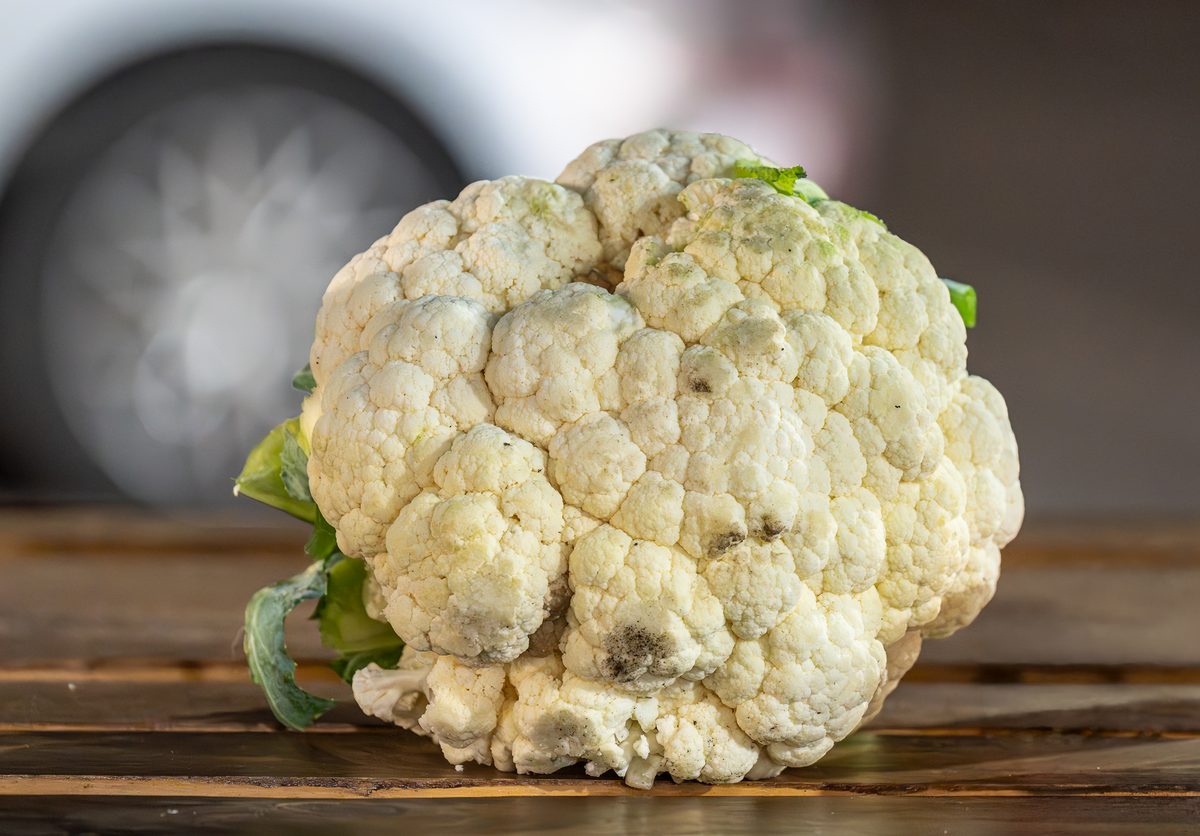
Photo: Rjcastillo, CC BY-SA 4.0 via Wikimedia Commons

Quick facts
| Light: | Full sun and part shade (full sun preferred)11 source |
|---|---|
| Water: | Medium to wet21 source |
| Soil: | Well drained and moist; pH 5.8–6.531 source |
| Hardiness: | Zones 6a–9b11 source |
| Size: | 0.8–2 ft (0.25–0.61 m) × 1–2 ft (0.3–0.61 m)110 |
| Growth rate: | Moderate11 source |
| Bloom: | Yellow11 source |
| Cats: | Not documented by major sources |
| Dogs: | Not documented by major sources |
| Native range: | FRA, GRB, SPA11 |
| Family: | Brassicaceae |
How much light does a Cabbage need?
Cabbage does best outdoors in full sun for most of the day. It can also handle part shade, which is the second documented option for this crop. Full sun is the top choice, so pick the most open spot you have for planting. In hot regions, part shade during the hottest afternoon hours is an accepted alternative. Pair strong light with soil that drains well but still holds moisture, since cabbage needs both conditions together. A spot with open sky and soil that drains well but stays moist fits the documented needs for this plant. Avoid deep shade entirely, since full sun to part shade is the documented range for cabbage.
- Light: Full sun and part shade (full sun preferred)1
How often to water a Cabbage
Cabbage needs soil that stays evenly moist, somewhere between medium and medium-wet at all times. That means the soil should feel damp, never bone dry and never standing in water. Well-drained soil that still holds moisture is what lets you keep that balance without water pooling around the roots. Cabbage takes 60 to 90 days to mature after transplant, so plan on keeping up this watering range for that entire stretch. Outdoors, give it full sun to part shade along with this steady moisture for the best results. If the soil ever feels soaked for days or completely dry, adjust your watering until it returns to that medium-wet feel.
- Water: Medium to wet2
Best soil for a Cabbage
Soil for cabbage should drain well yet still hold some moisture. Avoid extremes: soil that stays soggy, and soil that dries out fast. The ideal pH range runs from 5.8 to 6.5, which is mildly acidic to just at neutral. Test your soil's pH before planting, and adjust it toward that range if it falls outside those numbers. Matching both the drainage and pH targets gives cabbage roots the conditions documented for healthy growth.
Hardiness and temperature
USDA hardiness zones 6a through 9b are documented as suitable for growing cabbage outdoors. Within that range, mature plants have survived temperatures as low as 18°F (-8°C). Gardeners in zones colder than 6a should expect the documented cold limit to be exceeded regularly. Zone 9b marks the warmest edge of the documented range. That cold tolerance is what lets gardeners in cooler zones grow cabbage well into fall. Staying within zones 6a to 9b keeps plants inside their documented comfort range year-round.
Fertilizing a Cabbage
Fertilizer needs for cabbage are light: just one application a year. A light, once-a-year feeding is the documented routine for this crop. Heavier or more frequent feeding is not part of the documented routine for cabbage. Keep that light annual feeding paired with soil in the documented pH range of 5.8 to 6.5.
- Fertilizer: Light, once a year4
How to plant a Cabbage
Grow cabbage outdoors in USDA zones 6a through 9b, where it is documented to perform well. Within that zone range, pick a site in full sun to part shade for the best results. Space plants to match their mature size, which runs 10 to 24 inches (0.25-0.61 m) tall and 12 to 24 inches (0.3-0.61 m) wide. Start seeds indoors four to six weeks before your last frost date for strong transplants. Plant into soil that drains well yet still holds moisture, matching the documented range for this crop. Cold tolerance down to 18°F (-8°C) means light frosts after planting outdoors are not usually a problem within the hardy zone range.
- Hardiness: Zones 6a–9b1
Winter care
Cabbage can handle cold down to 18°F (-8°C) once established outdoors. That cold tolerance holds within the documented hardiness range of zones 6a through 9b. Outside that zone range, winter temperatures are likely to drop below what is documented as tolerable for this plant. Gardeners in zones colder than 6a fall outside the documented cold range for this crop. Within zones 6a to 9b, the documented cold limit of 18°F (-8°C) is part of normal winter conditions for this crop.
When to plant Cabbage
Indoor seed-starting for cabbage happens four to six weeks before your last expected frost date. That indoor head start is the documented timing detail for getting cabbage transplants ready each growing season. Move transplants outdoors once they are ready, matching the zone range documented for this crop.
| Step | When |
|---|---|
| Start indoors | 4–6 weeks before last frost |
| Direct sow | 2–3 weeks after last spring frost |
When and how to harvest Cabbage
Cabbage heads are usually ready for harvest 60 to 90 days after you set out transplants. Pick them once the heads feel firm all over rather than by a set date. Head size depends on the variety you planted, as well as soil fertility and how far apart you spaced the plants. Firmness, not the calendar, is what the documented guidance uses to decide when cabbage is ready.
How to propagate a Cabbage
Seed is the only propagation method documented for cabbage. Start seeds indoors four to six weeks before your last expected frost date for the strongest transplants. No other propagation method, such as division or cuttings, is documented for this plant. Because seed is the sole documented route, plan your growing season around seed-starting dates rather than any other method.
- Propagation: Seed4
Common problems
Watch for imported cabbageworm, cabbage loopers, and cabbage aphids on your plants. Clubroot, fusarium wilt, and bottom rot are the diseases documented for this crop. Check your plants often enough to catch any of these pests or diseases early. All three pests and all three diseases are the ones documented for cabbage, not an exhaustive list of every possible problem.
| Problem | Kind |
|---|---|
| Imported cabbageworm | Pest |
| Cabbage looper | Pest |
| Cabbage aphid | Pest |
| Clubroot | Disease |
| Fusarium wilt | Disease |
| Bottom rot | Disease |
Is Cabbage toxic to cats and dogs?
Recommended supplies
- Soil: a free-draining mix, and a pot with a drainage hole.
Questions and answers
- How much sun does cabbage need outdoors?
- Cabbage grows best in full sun outdoors, though it can tolerate part shade as a documented alternative. Pair that light with soil that drains well but still holds moisture for the best results.
- What problems should I watch for on cabbage?
- The pests documented for cabbage are imported cabbageworm, cabbage loopers, and cabbage aphids. The diseases documented for this crop are clubroot, fusarium wilt, and bottom rot.
- How long does cabbage take to mature?
- Cabbage usually reaches harvest 60 to 90 days after you transplant it outdoors. Pick the heads once they feel firm, since size varies with the variety, the soil's fertility, and how far apart you spaced the plants.
Sources
- NC State Extension Gardener Plant Toolbox. https://plants.ces.ncsu.edu/plants/brassica-oleracea/. Accessed 24 September 2026.
- Penn State Extension. https://extension.psu.edu/programs/master-gardener/counties/adams/news/cabbage-revisited. Accessed 12 October 2026.
- Clemson Cooperative Extension Home & Garden Information Center. https://hgic.clemson.edu/factsheet/cabbage-chinese-cabbage/. Accessed 24 September 2026.
- Iowa State University Extension and Outreach (Yard and Garden). https://yardandgarden.extension.iastate.edu/how-to/growing-cabbage-home-garden. Accessed 24 September 2026.
- University of Maryland Extension. https://extension.umd.edu/resource/growing-cabbage-home-garden. Accessed 24 September 2026.
- Utah State University Extension. https://extension.usu.edu/yardandgarden/research/cabbage-in-the-garden.pdf. Accessed 28 October 2026.
- UC Statewide Integrated Pest Management Program. https://ipm.ucanr.edu/agriculture/cole-crops/cabbage-looper/. Accessed 24 September 2026.
- UC Statewide Integrated Pest Management Program. https://ipm.ucanr.edu/agriculture/cole-crops/cabbage-aphid/. Accessed 24 September 2026.
- UC Statewide Integrated Pest Management Program. https://ipm.ucanr.edu/agriculture/cole-crops/rhizoctonia-diseases/. Accessed 24 September 2026.
- University of Wisconsin-Madison Division of Extension (Wisconsin Horticulture). https://hort.extension.wisc.edu/articles/ornamental-cabbage-and-kale-brassica-oleracea/. Accessed 13 October 2026.
- Royal Botanic Gardens, Kew (World Checklist of Vascular Plants). https://sftp.kew.org/pub/data-repositories/WCVP/wcvp.zip. Accessed 4 June 2026.
How this page was made
- Written with AI assistance from the sources listed on this page. AI is never the source of a fact.