Narrowleaf Plantain (Plantago lanceolata)
Formerly Arnoglossum lanceolatum, Plantago orientalis, Plantago dubia
Give narrowleaf plantain (Plantago lanceolata) full sun, which the source defines as 6 or more hours of direct sunlight a day. Watering needs are not documented for this page. No cited source records toxicity to cats or dogs, so that position is not documented here.
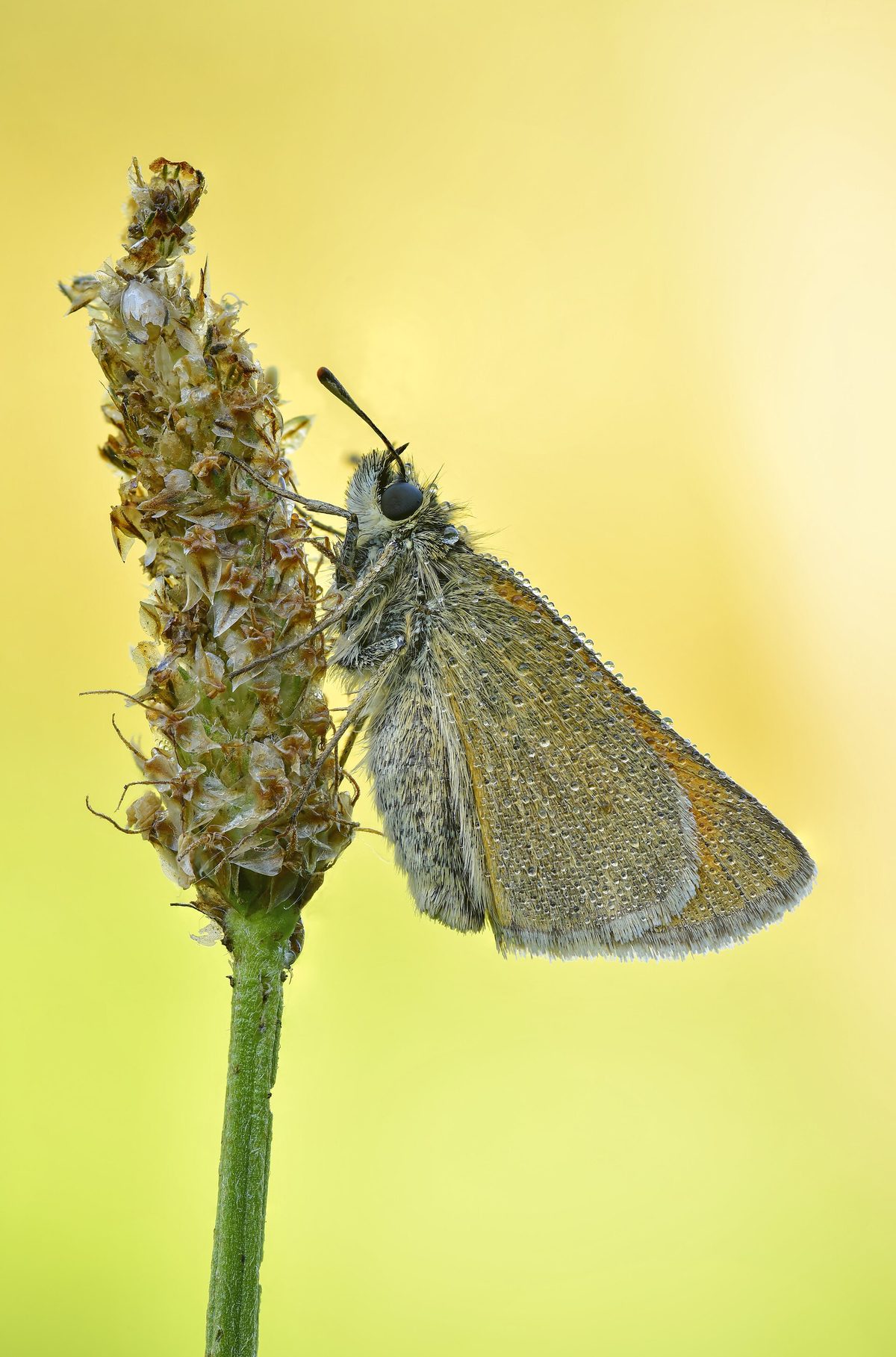
Photo: Sven Damerow, CC BY-SA 4.0 via Wikimedia Commons

Quick facts
| Light: | Full sun11 source |
|---|---|
| Soil: | Well drained11 source |
| Hardiness: | Zones 5a–9b11 source |
| Bloom: | Jun–Sep41 source |
| Cats: | Not documented by major sources |
| Dogs: | Not documented by major sources |
| Native range: | AFG, ALB, ALG, AUT, AZO, BAL, BGM, BLR, BLT, BUL, CHC, CHI, CHM, CHN, CHS, CHX, CNY, COR, CYP, CZE, DEN, EAI, EHM, FIN, FOR, FRA, GER, GRB, GRC, HUN, ICE, IRE, IRN, IRQ, ITA, KAZ, KGZ, KRI, KRY, KUW, LBS, LBY, MDR, MON, MOR, MTN, NCS, NEP, NET, NOR, PAK, PAL, POL, POR, ROM, RUC, RUE, RUN, RUS, RUW, SAR, SAU, SIC, SPA, SWE, SWI, TAI, TCS, TKM, TUE, TUN, TUR, TZK, UKR, UZB, WHM, WSB, YEM, YUG5 |
| Family: | Plantaginaceae |
How much light does a Narrowleaf Plantain need?
Full sun suits this plant, and it is the only light level listed. The source defines full sun as 6 or more hours of direct sunlight a day. That puts the minimum at 6 hours of direct light daily. No cited source lists part shade or shade for it.
Best soil for a Narrowleaf Plantain
Well-drained soil is the recorded condition for this plant, and the source's wording is good drainage. Plant it where water drains away well and the spot gets full sun. Full sun here means 6 or more hours of direct sunlight a day. It is listed for hardiness zones 5a to 9b.
- Soil drainage: Well drained1
Hardiness and temperature
Hardiness zones 5a through 9b are recorded for this plant. The source lists each step: 5a, 5b, 6a, 6b, 7a, 7b, 8a, 8b, 9a and 9b. Zone 5a is the coldest zone listed, and 9b is the warmest. That makes ten half-zone steps in all. Zones colder than 5a or warmer than 9b fall outside the recorded range. Within those zones, full sun is the listed light. No cited source records a minimum temperature for it.
- Hardiness: Zones 5a–9b1
How to plant a Narrowleaf Plantain
Its US status is introduced in the lower 48 states, Alaska, Hawaii and Puerto Rico. Its native range is recorded as a long list of region codes, among them FRA, GER, GRB, ITA and TUR. Zones 5a to 9b are the hardiness zones listed for planting it. The listing describes a herbaceous perennial with an erect habit. Six or more hours of direct sun a day and good drainage are the site conditions recorded.
- Hardiness: Zones 5a–9b1
Winter care
Winter hardiness is recorded only as zones 5a to 9b. No cited source gives a minimum temperature, so a cold limit in degrees is not documented. A garden in a zone below 5a is outside the listed range. The plant is a herbaceous perennial. Its listed habit is erect. Full sun and good drainage are the site conditions listed alongside those zones. Zone 9b is the warmest zone in the range.
- Hardiness: Zones 5a–9b1
How to propagate a Narrowleaf Plantain
You can propagate this plant from seed, the one method listed. It is a herbaceous perennial with an erect habit. The conditions listed for the plant are full sun, with 6 or more hours of direct light a day, and good drainage. Erect flower stalks appear from June to September.
- Propagation: Seed1
Common problems
In apples, narrowleaf plantain is a host for rosy apple aphid, which reduces yield. Rosy apple aphid is the only pest recorded for it. The aphid record comes from a fruit-growing context, as the source refers to apples. Recorded diseases are xylella fastidiosa, cotton root rot, tobacco ringspot virus and tomato spotted wilt virus.
| Problem | Kind |
|---|---|
| Rosy apple aphid | Pest |
| Xylella fastidiosa | Disease |
| Cotton root rot | Disease |
| Tobacco ringspot virus | Disease |
| Tomato spotted wilt virus | Disease |
Is Narrowleaf Plantain toxic to cats and dogs?
Recommended supplies
- Soil: a free-draining mix, and a pot with a drainage hole.
Questions and answers
- How much sun does narrowleaf plantain need?
- It is listed for full sun, which the source defines as 6 or more hours of direct sunlight a day. Full sun is the only light level recorded for it.
- Which hardiness zones suit narrowleaf plantain?
- Zones 5a to 9b are recorded, with every half-zone from 5a through 9b listed. Zones colder than 5a or warmer than 9b fall outside that range.
- When does narrowleaf plantain flower?
- Erect flower stalks appear from June to September. That bloom window is the only flowering timing recorded for it, and the plant is a herbaceous perennial.
Sources
- NC State Extension Gardener Plant Toolbox. https://plants.ces.ncsu.edu/plants/plantago-lanceolata/. Accessed 21 October 2026.
- UC Statewide Integrated Pest Management Program. https://ipm.ucanr.edu/weeds-identification-gallery/buckhorn-plantain/. Accessed 31 October 2026.
- EPPO Global Database. https://gd.eppo.int/taxon/PLALA/pests. Accessed 21 October 2026.
- Clemson Cooperative Extension Home & Garden Information Center. https://hgic.clemson.edu/factsheet/broadleaf-weeds/. Accessed 21 October 2026.
- Royal Botanic Gardens, Kew (World Checklist of Vascular Plants). https://sftp.kew.org/pub/data-repositories/WCVP/wcvp.zip. Accessed 4 June 2026.
How this page was made
- Written with AI assistance from the sources listed on this page. AI is never the source of a fact.