Feathered Pink (Dianthus plumarius)
Formerly Caryophyllus plumarius, Cylichnanthus plumarius, Dianthus hoppei
Grow feathered pink outdoors in full sun or part shade, and let the soil run dry to medium between waterings since it is not truly drought tolerant but prefers dry conditions. No cited source documents a pet-toxicity position for cats or dogs for this species.
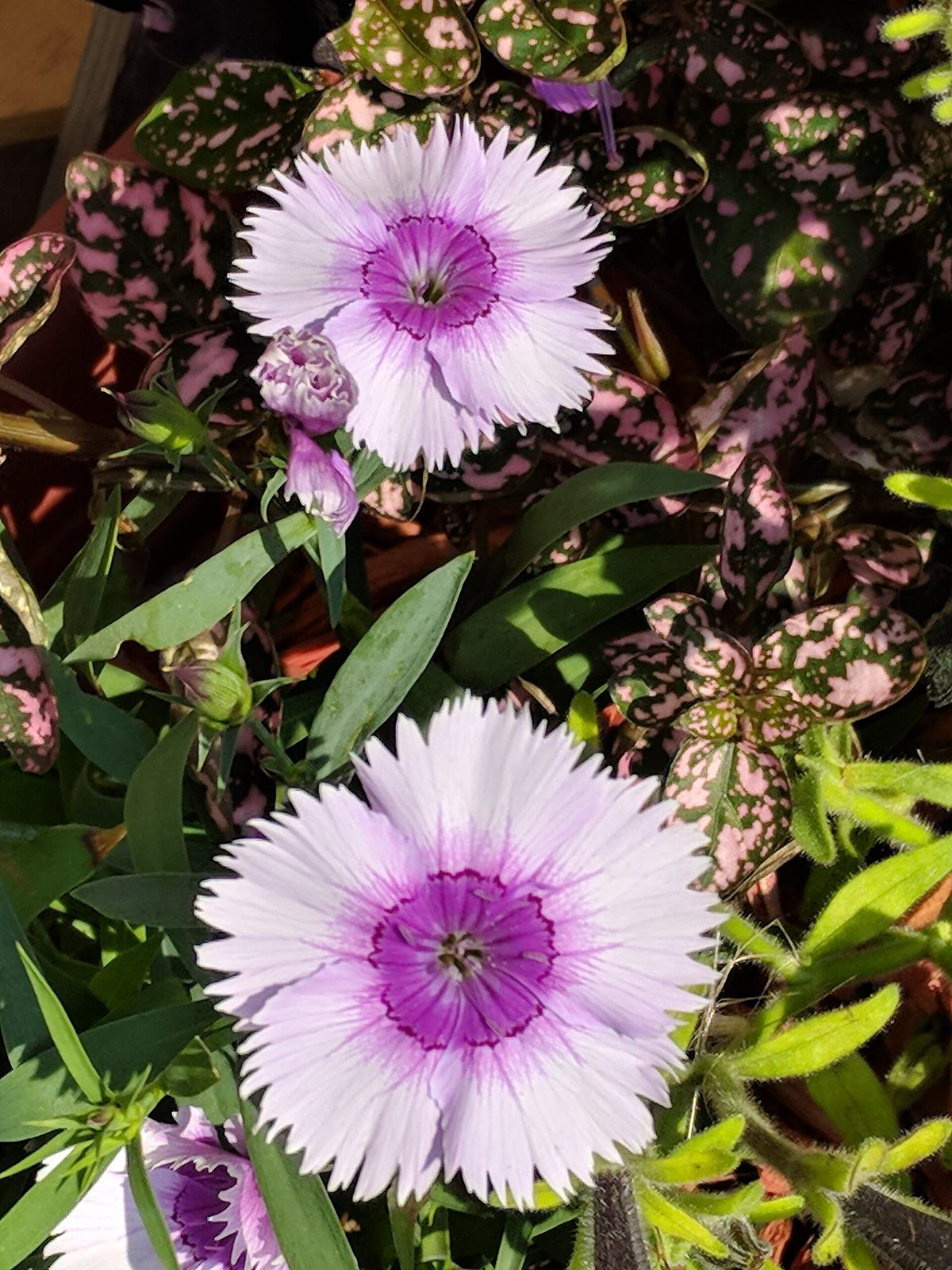
Photo: DanielPenfield, CC BY-SA 4.0 via Wikimedia Commons

Quick facts
| Light: | Full sun and part shade (full sun preferred)11 source |
|---|---|
| Water: | Dry to medium11 source |
| Soil: | Well drained and occasionally dry; pH 6–811 source |
| Hardiness: | Zones 3a–9b11 source |
| Size: | 0.5–2 ft (0.15–0.61 m) × 1.5–2 ft (0.46–0.61 m)11 source |
| Growth rate: | Moderate11 source |
| Bloom: | May–Aug, Pink, red and white11 source |
| Cats: | Not documented by major sources |
| Dogs: | Not documented by major sources |
| Family: | Caryophyllaceae |
How much light does a Feathered Pink need?
Give feathered pink full sun outdoors, meaning at least six hours of direct sunlight a day, since that is the exposure it prefers most. It also tolerates part shade, so a planting spot with some shade for part of the day still works for it.
- Light: Full sun and part shade (full sun preferred)1
How often to water a Feathered Pink
Water feathered pink enough to keep the soil in the dry-to-medium range, letting it dry out between waterings since that is what it prefers. It is not truly drought tolerant, even though it tolerates dry soil and prefers to dry out before its next watering.
- Water: Dry to medium1
Best soil for a Feathered Pink
Plant feathered pink in soil with good drainage, since that is the level of drainage recorded for this species outdoors. It also tolerates soil that is occasionally dry, one of the two drainage conditions listed for it. Keep the soil pH between 6 and 8, the neutral range recorded for this species. That range runs from a touch acidic at the low end to a touch alkaline at the high end.
Hardiness and temperature
Feathered pink grows reliably outdoors in USDA hardiness zones 3a through 9b, the full range of zones the source records for this species. A range that wide means gardeners in many different climates can expect this plant to survive outdoors through winter in place each year.
- Hardiness: Zones 3a–9b1
Pruning a Feathered Pink
Deadhead feathered pink outdoors by shearing off its spent flowers after they finish blooming. Removing the spent blooms this way is recorded as a method that can extend the plant's overall flowering period. Since this species blooms from May through August, that is the window when deadheading applies.
- Pruning: Deadheading1
How to plant a Feathered Pink
USDA hardiness zones 3a through 9b cover the outdoor range documented for feathered pink. Space plants about 1.5 to 2 ft (0.46-0.61 m) apart to give each one room to reach its mature width. Mature plants reach about 0.5 to 2 ft (0.15-0.61 m) tall, so plan bed space with that eventual height in mind. Choose a planting site with full sun, since that is the exposure this plant prefers, though it also tolerates part shade. Work the planting area so water drains well, the soil condition this species needs. Expect moderate growth from feathered pink after planting, the rate recorded for this species.
- Hardiness: Zones 3a–9b1
Winter care
In USDA zones 3a through 9b, feathered pink is rated to survive outdoors through winter. This plant is evergreen, keeping its leaves through the year instead of dying back to the ground each winter. Because of that, expect to see foliage on it through winter rather than bare ground.
- Hardiness: Zones 3a–9b1
Common problems
Outdoors, watch feathered pink for the pests recorded for this species: slugs, cutworms, aphids, caterpillars, thrips and spider mites. Wet, poorly drained soil also leaves it susceptible to two recorded diseases, crown rot and fungal rot. Soil that drains well instead of staying wet lowers that risk, the same listing notes.
| Problem | Kind |
|---|---|
| Slugs and snails | Pest |
| Cutworms | Pest |
| Aphids | Pest |
| Caterpillars | Pest |
| Thrips | Pest |
| Spider mites | Pest |
| Crown rot | Disease |
| Fungal rot | Disease |
Is Feathered Pink toxic to cats and dogs?
Recommended supplies
- Soil: a free-draining mix, and a pot with a drainage hole.
Questions and answers
- How much sun does feathered pink need?
- Feathered pink does best outdoors in full sun, meaning at least six hours of direct sunlight each day. It also tolerates part shade as an alternative.
- When does feathered pink bloom?
- Feathered pink blooms from May through August. Its flowers are spicy or clove-scented, with ruffled and fringed petals in shades and combinations of pink, red and white.
- What pests and diseases affect feathered pink?
- Feathered pink can attract slugs, cutworms, aphids, caterpillars, thrips and spider mites. Wet, poorly drained soil also makes it susceptible to crown rot and fungal rot.
Sources
- NC State Extension Gardener Plant Toolbox. https://plants.ces.ncsu.edu/plants/dianthus-plumarius/. Accessed 15 November 2026.
How this page was made
- Written with AI assistance from the sources listed on this page. AI is never the source of a fact.