Bermudagrass (Cynodon dactylon)
Formerly Cynodon maritimus, Capriola dactylon, Milium dactylon
Bermudagrass needs full sun outdoors to thrive. It grows fast once it takes hold. It prefers well-drained soil that is not left dry too long. It suits USDA zones 6a through 10b. Feed it monthly through the warm growing months. It tolerates cold down to about 10°F (-12°C). No cited source here lists its toxicity to cats or dogs, or states a watering schedule.
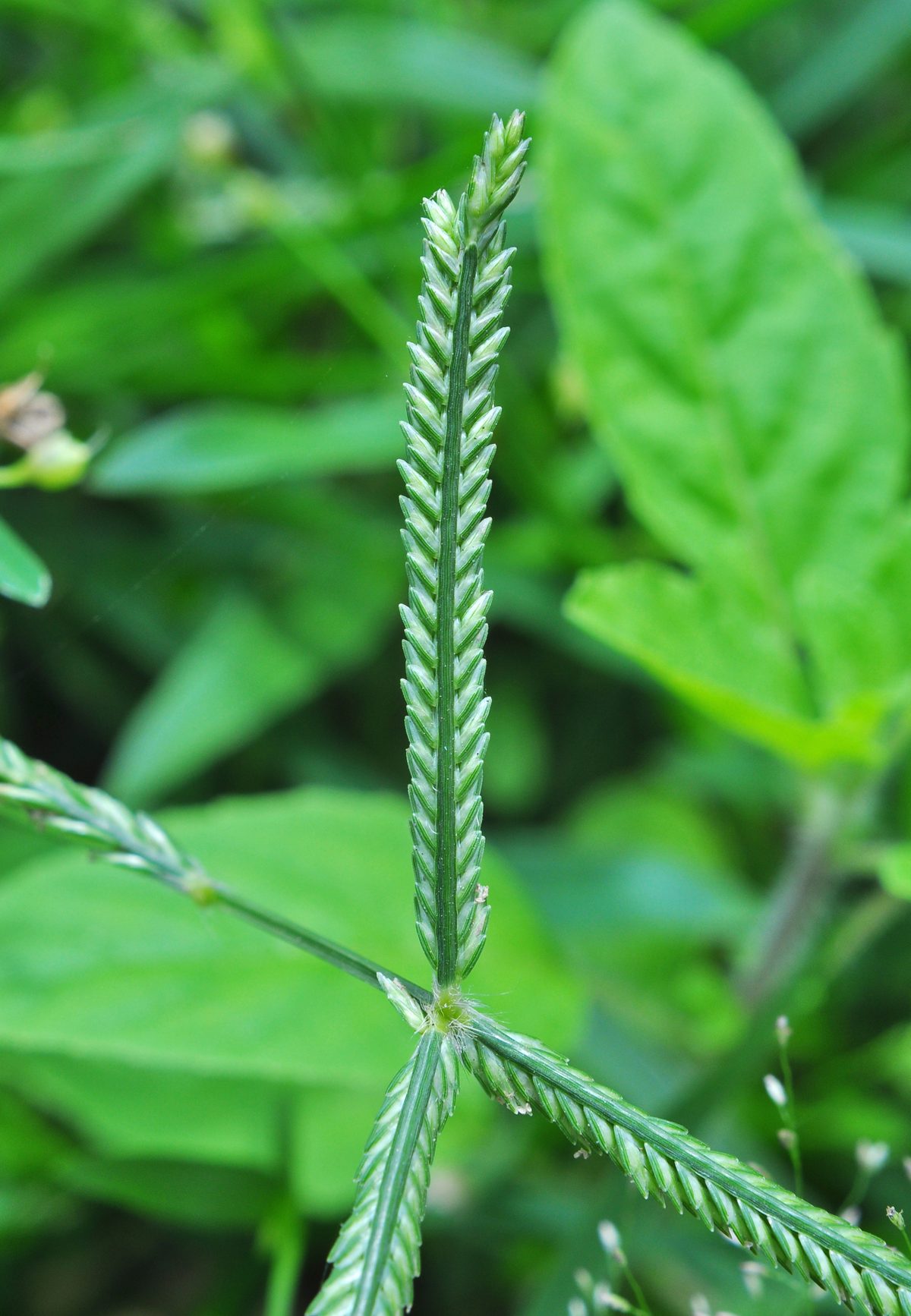
Photo: Joydeep, CC BY-SA 3.0 via Wikimedia Commons

Quick facts
| Light: | Full sun11 source |
|---|---|
| Water: | Dry to medium24Not documented by major sources |
| Soil: | Well drained, moist and occasionally dry; pH 6–6.5231 source |
| Hardiness: | Zones 6a–10b21 source |
| Size: | 0.2–0.5 ft (0.07–0.15 m) × 0.2–0.5 ft (0.07–0.15 m)251 source |
| Growth rate: | Rapid2251 source |
| Cats: | Not documented by major sources |
| Dogs: | Not documented by major sources |
| Native range: | AFG, ALB, ALD, ALG, AND, ANG, ASS, AUT, AZO, BAL, BAN, BEN, BIS, BKN, BOR, BOT, BUL, BUR, CAF, CBD, CHA, CHC, CHH, CHN, CHS, CMN, CNY, CON, COR, CPP, CPV, CVI, CYP, CZE, DJI, EAI, EGY, EHM, EQG, ERI, ETH, FRA, GAB, GAM, GGI, GHA, GNB, GRB, GRC, GST, GUI, HUN, IND, IRN, IRQ, ITA, IVO, JAP, JAW, KAZ, KEN, KGZ, KOR, KRI, KRY, KUW, LAO, LBR, LBS, LBY, LDV, LES, LSI, MAU, MCI, MDG, MDR, MLI, MLW, MLY, MOL, MOR, MOZ, MTN, MYA, NAM, NAT, NCB, NCS, NEP, NGA, NGR, NNS, NSW, NTA, NWG, OFS, OGA, OMA, PAK, PAL, PHI, POR, QLD, REU, ROD, ROM, RUC, RUS, RWA, SAR, SAU, SCS, SEN, SEY, SIC, SIE, SIN, SOA, SOC, SOL, SOM, SPA, SRL, SUD, SUM, SWI, SWZ, TAI, TAN, TAS, TCS, THA, TKM, TOG, TUE, TUN, TUR, TVL, TZK, UGA, UKR, UZB, VIC, VIE, WAU, WHM, WSA, YEM, YUG, ZAI, ZAM, ZIM6 |
| Family: | Poaceae |
How much light does a Bermudagrass need?
Give bermudagrass a full-sun spot outdoors. This grass has very poor shade tolerance. Do not plant it under tree canopies or building overhangs. It also has a rapid growth rate. It grows low, reaching about 3 to 6 inches (7.5-15 cm) tall. It spreads about the same width, 3 to 6 inches (7.5-15 cm).
- Light: Full sun1
Best soil for a Bermudagrass
Bermudagrass does best in soil that drains well. It also tolerates soil that stays evenly moist, and soil that dries out from time to time. For the best growth, keep soil pH between 6 and 6.5. A pH right in that middle range matches what this grass needs most. Nematodes are also listed as one of its pest problems. USDA zones 6a through 10b suit this grass outdoors.
Hardiness and temperature
Bermudagrass is hardy in USDA zones 6a through 10b. It does not tolerate winter temperatures below 10°F (-12°C). Its growth rate is rapid. It prefers soil that drains well. It also tolerates soil that stays moist or dries out at times. Soil pH between 6 and 6.5 suits it best. It stays short, usually 3 to 6 inches (7.5-15 cm) in height.
Fertilizing a Bermudagrass
In the growing season, give bermudagrass a monthly feeding. Start after your lawn has fully greened up in spring. Each feeding should supply about ½ to 1 lb of nitrogen per 1,000 sq ft (0.23-0.45 kg per 93 m²). Keep up this monthly feeding through the warmer months of the growing season.
- Fertilizer: Monthly in the growing season (May–Aug)3
How to plant a Bermudagrass
Outdoors, bermudagrass grows well in USDA zones 6a through 10b. Choose a spot that gets full sun all day. Pick soil that drains well, even if it also stays moist part of the time. Soil pH between 6 and 6.5 gives this grass its best growing conditions. Seed, division, and stem cuttings are all options for planting it. Once established, it spreads at a rapid rate. This grass is native to many countries across Africa, Asia, Europe, and Australia, but it is introduced in the US.
- Hardiness: Zones 6a–10b2
Winter care
In winter, bermudagrass survives outdoors across USDA zones 6a to 10b. Cold winter nights below 10°F (-12°C) are more than it can take. It can also be replanted from seed, by division, or from stem cuttings. In the US, this grass is introduced rather than native. Its growth rate stays rapid through the growing season.
Care calendar
| Task | Jan | Feb | Mar | Apr | May | Jun | Jul | Aug | Sep | Oct | Nov | Dec |
|---|---|---|---|---|---|---|---|---|---|---|---|---|
| Fertilize | Fertilize in May | Fertilize in Jun | Fertilize in Jul | Fertilize in Aug | ||||||||
| Prune | Prune in May | Prune in Jun | Prune in Jul | Prune in Aug |
How to propagate a Bermudagrass
You can start bermudagrass from seed. It can also be established by division, using pieces of existing sod. Stem cuttings, often called sprigs, are another option growers use. Whichever method you choose, it suits USDA zones 6a through 10b outdoors. This grass also grows at a rapid pace. It also prefers soil that drains well.
- Propagation: Seed, division and stem cuttings1
Common problems
Several insects can trouble bermudagrass lawns. White grubs cause the most common insect problem. Sod webworms, cutworms, armyworms, nematodes, mole crickets, and mites can also show up. Spring dead spot is a disease that affects this grass too. Some bermudagrass varieties have improved resistance to spring dead spot.
| Problem | Kind |
|---|---|
| White grubs | Pest |
| Sod webworms | Pest |
| Cutworms | Pest |
| Armyworms | Pest |
| Nematodes | Pest |
| Mole crickets | Pest |
| Mites | Pest |
| Spring dead spot | Disease |
Is Bermudagrass toxic to cats and dogs?
Recommended supplies
- Soil: a free-draining mix, and a pot with a drainage hole.
Questions and answers
- How much sun does bermudagrass need?
- Bermudagrass needs full sun outdoors and has very poor shade tolerance. Keep it out from under tree canopies and roof overhangs. It also grows at a rapid rate.
- How cold can bermudagrass survive?
- This grass survives outdoors in USDA zones 6a through 10b. Winter temperatures under 10°F (-12°C) are too cold for it. Across the US, it is classified as introduced, not a native plant.
- What pests and diseases affect bermudagrass?
- Its biggest insect problem is white grubs. Other pests include sod webworms and mole crickets. This grass can also get a lawn disease known as spring dead spot.
Sources
- Clemson Cooperative Extension Home & Garden Information Center. https://hgic.clemson.edu/factsheet/bermudagrass/. Accessed 12 October 2026.
- NC State Extension Gardener Plant Toolbox. https://plants.ces.ncsu.edu/plants/cynodon/. Accessed 12 October 2026.
- Clemson Cooperative Extension Home & Garden Information Center. https://hgic.clemson.edu/factsheet/bermudagrass-maintenance-calendar/. Accessed 12 October 2026.
- University of Florida IFAS Extension (EDIS). https://ask.ifas.ufl.edu/lh007. Accessed 12 October 2026.
- NC State Extension Gardener Plant Toolbox. https://plants.ces.ncsu.edu/plants/cynodon/common-name/bermudagrass/. Accessed 12 October 2026.
- Royal Botanic Gardens, Kew (World Checklist of Vascular Plants). https://sftp.kew.org/pub/data-repositories/WCVP/wcvp.zip. Accessed 4 June 2026.
How this page was made
- Written with AI assistance from the sources listed on this page. AI is never the source of a fact.