Perennials for zone 9
Zone 9 is a USDA hardiness rating based on the average annual minimum winter temperature in your area. It tells you which plants are likely to survive your coldest nights outdoors each year without extra shelter. This number says nothing about how hot your summers get, how much rain falls, or what kind of soil you have. A zone 9 garden in a dry region and one in a humid region can still need very different care. Perennials are plants that keep coming back on their own each year once they are established. Annuals, by contrast, finish their life cycle in a single season. This list gathers 41 perennials that are grouped for gardeners in zone 9. Four of them already have full care pages on this hub, with the rest still being added. To use the list, compare your own zone to 9. If your area shares that rating or runs warmer, these plants have a good chance of making it through winter in the ground. If your winters run colder than zone 9, you can still often grow the same plant. You may just need to treat it as an annual, bring it indoors, or give it extra winter protection. Check each plant's own page once it is published for the details that matter most for your spot. That includes light, water, and how low a temperature it can take.
Compared side by side
| Plant | Hardiness | Height | Light | Cats | Dogs |
|---|---|---|---|---|---|
| Bear's BreechAcanthus mollis | Zones 7a–10b | 4–6 ft (1.22–1.83 m) | Full sun and part shade (full sun preferred) | Not documented | Not documented |
| Common YarrowAchillea millefolium | Zones 3a–9b | 1–3.3 ft (0.3–1 m) | Full sun and part shade (full sun preferred) | Toxic | Toxic |
| CalamusAcorus calamus | Zones 4a–10b | 2–2.5 ft (0.61–0.76 m) | Full sun and part shade (full sun preferred) | Not documented | Not documented |
| Devil's TongueAmorphophallus konjac | Zones 6a–11b | 4–6 ft (1.22–1.83 m) | Part shade, full sun and full shade (part shade preferred) | Not documented | Not documented |
| IndianhempApocynum cannabinum | Zones 3a–11b | 3–4 ft (0.91–1.22 m) | Full sun and part shade (full sun preferred) | Toxic (1 source) | Toxic |
| Greater BurdockArctium lappa | Zones 3a–10b | 2–10 ft (0.61–3.05 m) | Full sun and part shade (full sun preferred) | Not documented | Not documented |
| Mountain ArnicaArnica montana | Zones 4a–9b | 0.5–2 ft (0.15–0.61 m) | Full sun and part shade (full sun preferred) | Not documented | Not documented |
| AbsinthiumArtemisia absinthium | Zones 3a–9b | 1.3–5 ft (0.4–1.52 m) | Full sun and part shade (full sun preferred) | Toxic (1 source) | Toxic (1 source) |
| Common MilkweedAsclepias syriaca | Zones 3a–9b | 3–5 ft (0.91–1.52 m) | Full sun | Toxic | Toxic |
| Butterfly MilkweedAsclepias tuberosa | Zones 3a–9b | 1–2 ft (0.3–0.6 m) | Full sun and part shade (full sun preferred) | Toxic (1 source) | Toxic (1 source) |
| Common Asparagus FernAsparagus setaceus | Zones 9a–12b | 2–3 ft (0.61–0.91 m) | Part shade and full shade (part shade preferred) | Toxic (1 source) | Toxic (1 source) |
| Cast Iron PlantAspidistra elatior | Zones 7a–11b | 1–3 ft (0.3–0.91 m) | Part shade and full shade (part shade preferred) | Non-toxic | Non-toxic |
| BelladonnaAtropa bella-donna | Zones 5a–9b | 3–4 ft (0.91–1.22 m) | Full sun and part shade (full sun preferred) | Toxic | Toxic |
| Herb of GraceBacopa monnieri | Zones 8a–11b | Not documented | Full sun and part shade (full sun preferred) | Not documented | Not documented |
| Ceylon SpinachBasella alba | Zones 9a–11b | 10 ft (3.05 m) | Full sun and part shade (full sun preferred) | Not documented | Not documented |
| Indian ShotCanna indica | Zones 8a–11b | 1.5–8.2 ft (0.46–2.49 m) | Full sun and part shade (full sun preferred) | Non-toxic | Non-toxic |
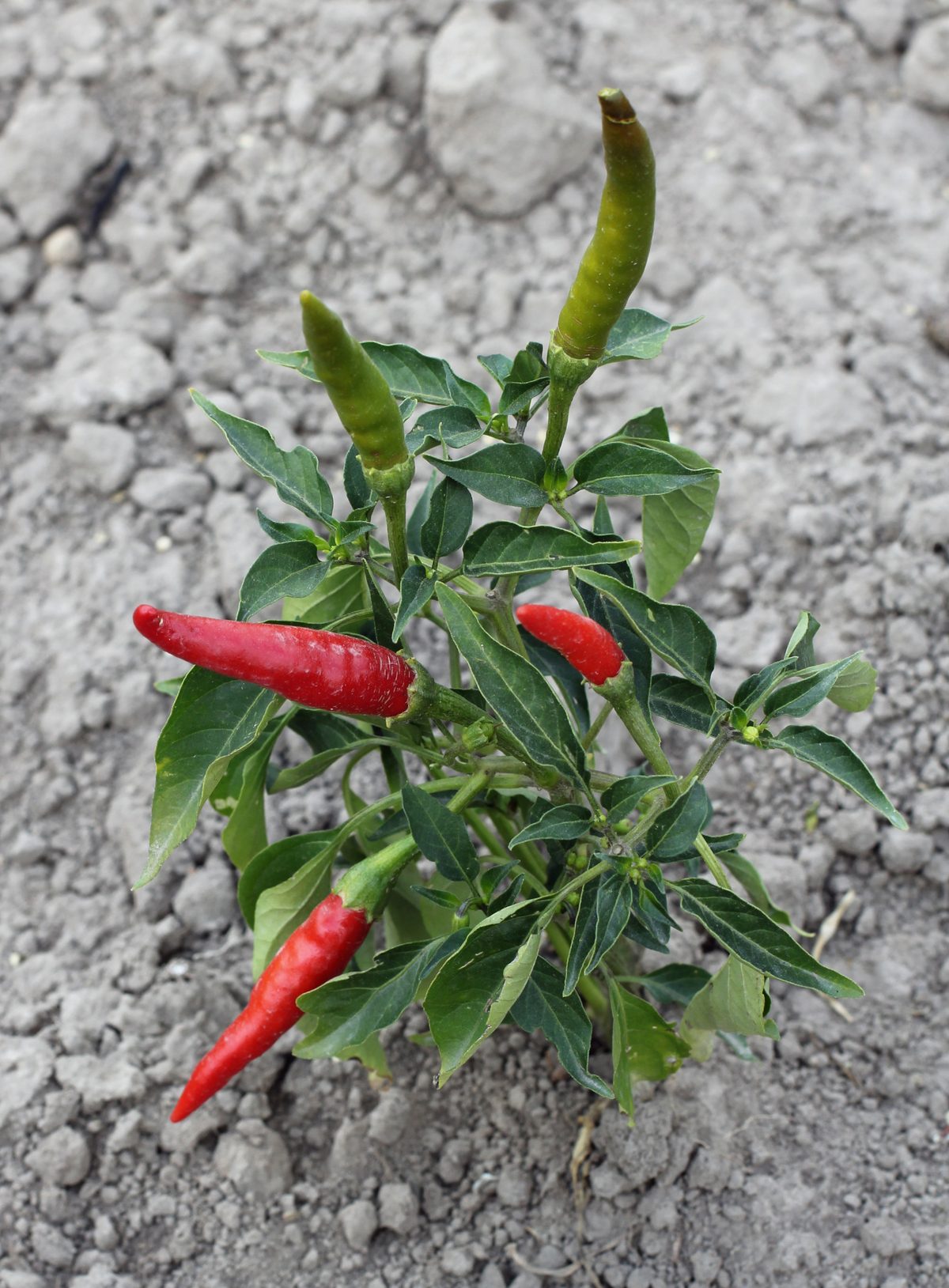
| Cayenne PepperCapsicum annuum | Zones 4a–11b | 1–4 ft (0.3–1.22 m) | Full sun | Toxic | Toxic |
| Madagascar PeriwinkleCatharanthus roseus | Zones 9b–11b | 0.5–1.5 ft (0.15–0.46 m) | Full sun and part shade (full sun preferred) | Toxic (1 source) | Toxic (1 source) |
| Spider PlantChlorophytum comosum | Zones 9a–11b | 1–1.5 ft (0.3–0.46 m) | Part shade and full shade (part shade preferred) | Non-toxic | Non-toxic |
| VetivergrassChrysopogon zizanioides | Zones 8b–10b | Sources differ: University of Florida IFAS Extension (EDIS) | Full sun and part shade (full sun preferred) | Not documented | Not documented |
| Mexican MintColeus amboinicus | Zones 9a–11b | 1–3.5 ft (0.3–1.07 m) | Full sun and part shade (full sun preferred) | Toxic (1 source) | Toxic (1 source) |
| Field BindweedConvolvulus arvensis | Not documented | Not documented | Full sun and part shade (full sun preferred) | Not documented | Not documented |
| Uruguayan Pampas GrassCortaderia selloana | Zones 6a–10b | 6–12 ft (1.83–3.66 m) | Full sun and part shade (full sun preferred) | Non-toxic | Non-toxic |
| BermudagrassCynodon dactylon | Zones 6a–10b | 0.2–0.5 ft (0.07–0.15 m) | Full sun | Not documented | Not documented |
| PapyrusCyperus papyrus | Zones 9a–12b | 5–8 ft (1.52–2.44 m) | Full sun and part shade (full sun preferred) | Not documented | Not documented |
| Sacred Thorn-appleDatura wrightii | Zones 9a–11b | 6 ft (1.83 m) | Full sun and part shade (full sun preferred) | Toxic (1 source) | Toxic (1 source) |
| Queen of the MeadowFilipendula ulmaria | Zones 3a–9b | 4 ft (1.22 m) | Full sun and part shade (full sun preferred) | Not documented | Not documented |
| Woodland StrawberryFragaria vesca | Zones 4a–9b | 0.7–0.8 ft (0.2–0.25 m) | Part shade and full shade (part shade preferred) | Not documented | Not documented |
| Ground IvyGlechoma hederacea | Not documented | 0.2–1 ft (0.05–0.3 m) | Full sun, part shade and full shade (full sun preferred) | Not documented | Not documented |
| Common CowparsnipHeracleum maximum | Zones 4a–10a | 3.3–9.8 ft (1–3 m) | Full sun, part shade and full shade (full sun preferred) | Toxic (1 source) | Toxic (1 source) |
| ChameleonHouttuynia cordata | Zones 4a–10b | 0.5–1.7 ft (0.15–0.51 m) | Full sun, part shade and full shade (full sun preferred) | Not documented | Not documented |
| CardinalflowerLobelia cardinalis | Zones 3a–9b | 4–5 ft (1.22–1.52 m) | Full sun, part shade and full shade (full sun preferred) | Toxic (1 source) | Toxic (1 source) |
| Marvel of PeruMirabilis jalapa | Zones 9a–10b | 2–3 ft (0.61–0.91 m) | Full sun and part shade (full sun preferred) | Toxic (1 source) | Toxic (1 source) |
| Wild BergamotMonarda fistulosa | Zones 3a–9b | 2–5 ft (0.61–1.52 m) | Full sun and part shade (full sun preferred) | Not documented | Not documented |
| Sacred LotusNelumbo nucifera | Zones 4a–10b | 5–8 ft (1.52–2.44 m) | Full sun | Not documented | Not documented |
| Holy BasilOcimum tenuiflorum | Zones 9a–11b | 3 ft (0.91 m) | Full sun | Not documented | Not documented |
| Peruvian GroundcherryPhysalis peruviana | Zones 3a–9b | 1–3 ft (0.3–0.91 m) | Full sun | Not documented | Not documented |
| Narrowleaf PlantainPlantago lanceolata | Zones 5a–9b | Not documented | Full sun | Not documented | Not documented |
| Indian StrawberryPotentilla indica | Zones 5a–9b | 0.2–0.7 ft (0.08–0.2 m) | Full sun and part shade (full sun preferred) | Not documented | Not documented |
| Common SelfhealPrunella vulgaris | Zones 3a–9b | 1.7 ft (0.51 m) | Full sun and part shade (full sun preferred) | Not documented | Not documented |
| Carolina HorsenettleSolanum carolinense | Zones 7a–10b | 3–3.9 ft (0.91–1.2 m) | Full sun | Toxic (1 source) | Toxic (1 source) |
| Canada GoldenrodSolidago canadensis | Zones 5a–9b | 2–4 ft (0.61–1.22 m) | Full sun and part shade (full sun preferred) | Not documented | Not documented |
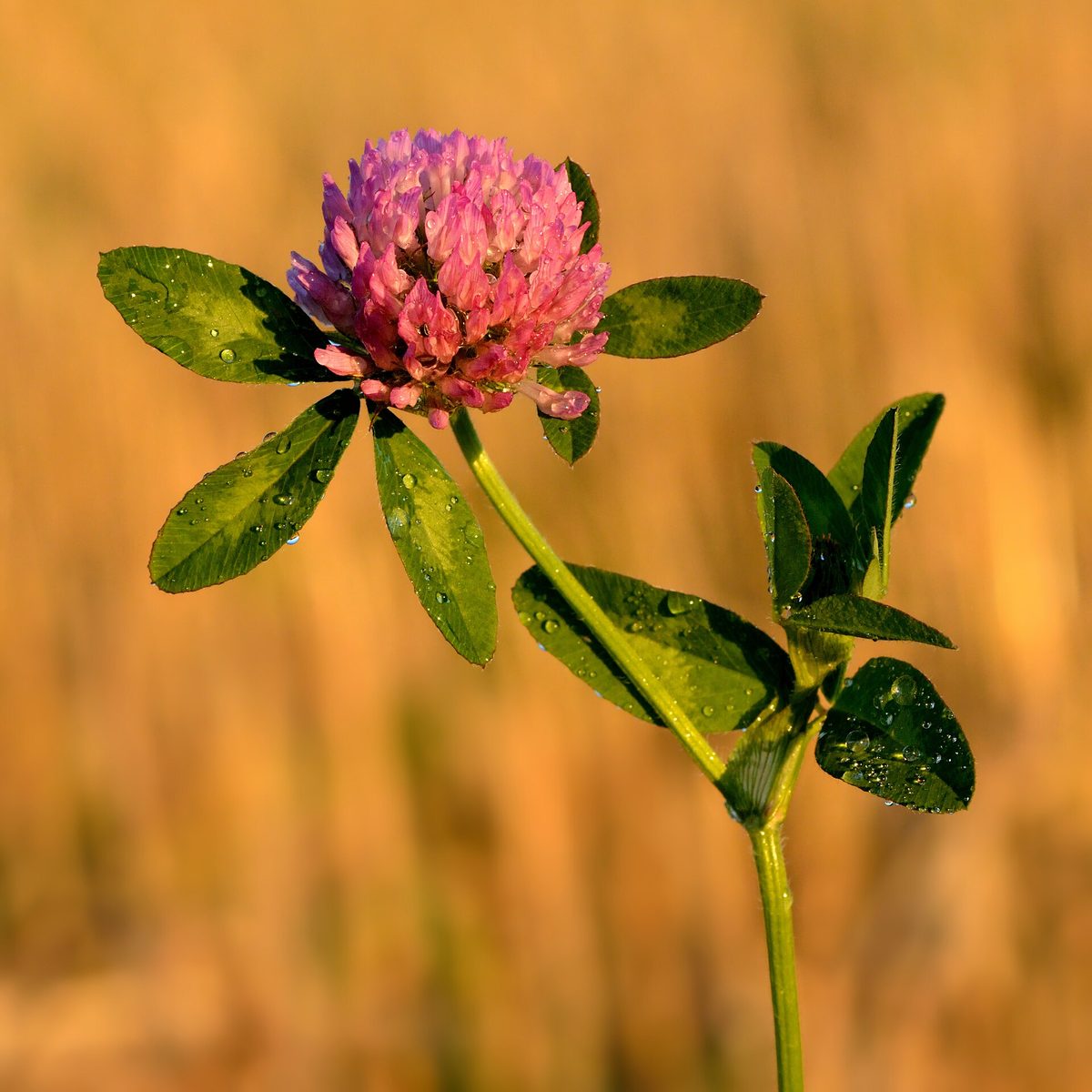
| Red CloverTrifolium pratense | Zones 3a–9b | 0.5–2 ft (0.15–0.61 m) | Full sun | Not documented | Not documented |
| White CloverTrifolium repens | Zones 3a–10b | 0.3–0.5 ft (0.1–0.15 m) | Full sun and part shade (full sun preferred) | Not documented | Not documented |
| Stinging NettleUrtica dioica | Zones 4a–10b | 10 ft (3.05 m) | Full sun, part shade and full shade (full sun preferred) | Toxic (1 source) | Toxic (1 source) |
| Common MulleinVerbascum thapsus | Zones 3a–9b | 3–10 ft (0.91–3.05 m) | Full sun and part shade (full sun preferred) | Not documented | Not documented |
| Purpletop VervainVerbena bonariensis | Zones 7a–11b | 4–5 ft (1.22–1.52 m) | Full sun and part shade (full sun preferred) | Not documented | Not documented |
| Adam's NeedleYucca filamentosa | Zones 4a–10b | 3–15 ft (0.91–4.57 m) | Full sun, part shade and full shade (full sun preferred) | Toxic | Toxic |
The plants
-
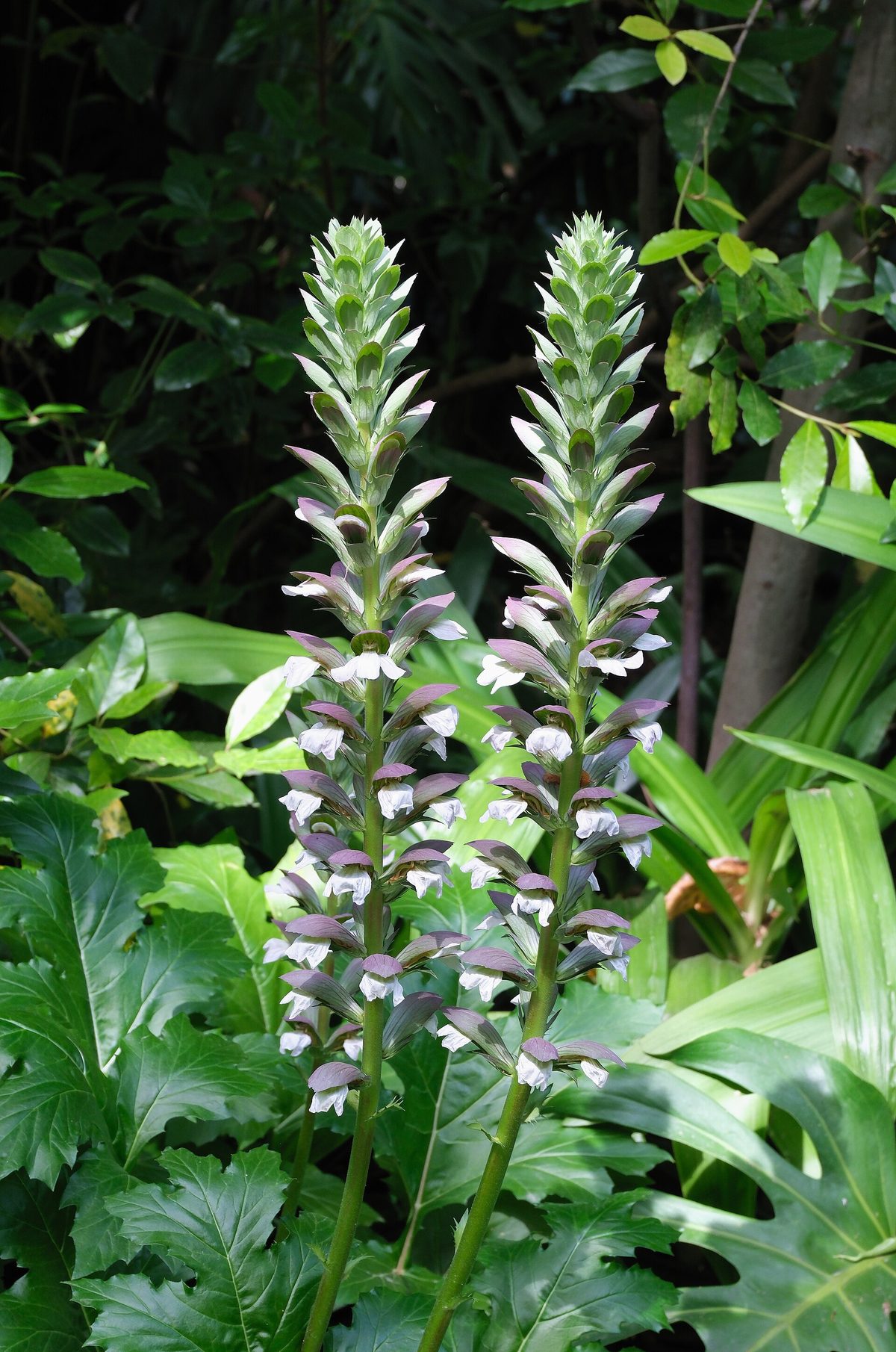
Bear's Breech
Acanthus mollis
Zones 7a–10b · 4–6 ft (1.22–1.83 m) · Full sun and part shade (full sun preferred)
Acanthus mollis belongs to the same zone 9 list as 40 other perennials. Its own care page has not been published on this hub yet, so there are no details to share here yet.
-
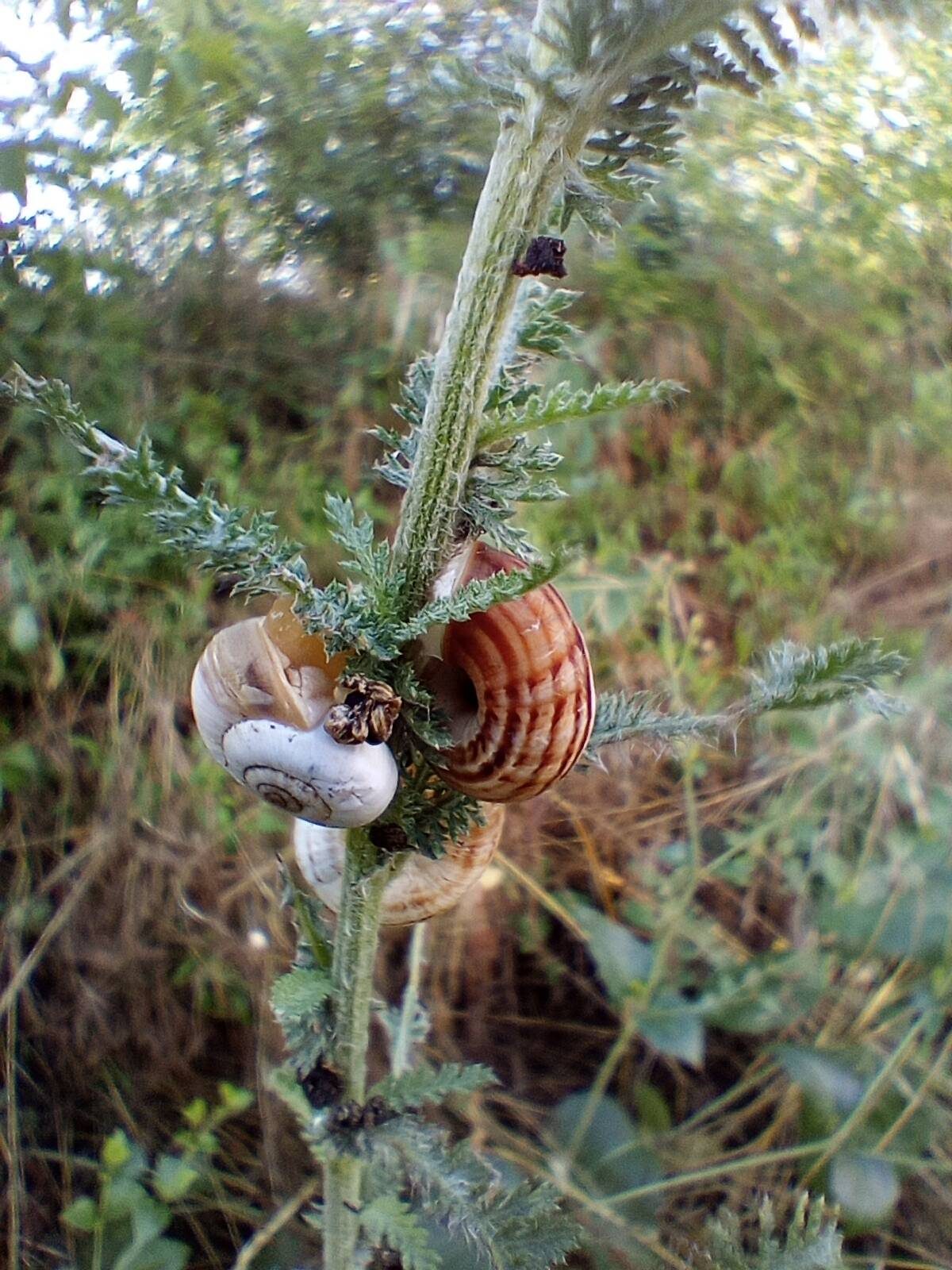
Common Yarrow
Achillea millefolium
Zones 3a–9b · 1–3.3 ft (0.3–1 m) · Full sun and part shade (full sun preferred)
Forty perennials share this zone 9 list with Achillea millefolium. None of its care details are published here yet, since this hub has not yet added a full page for it.
-
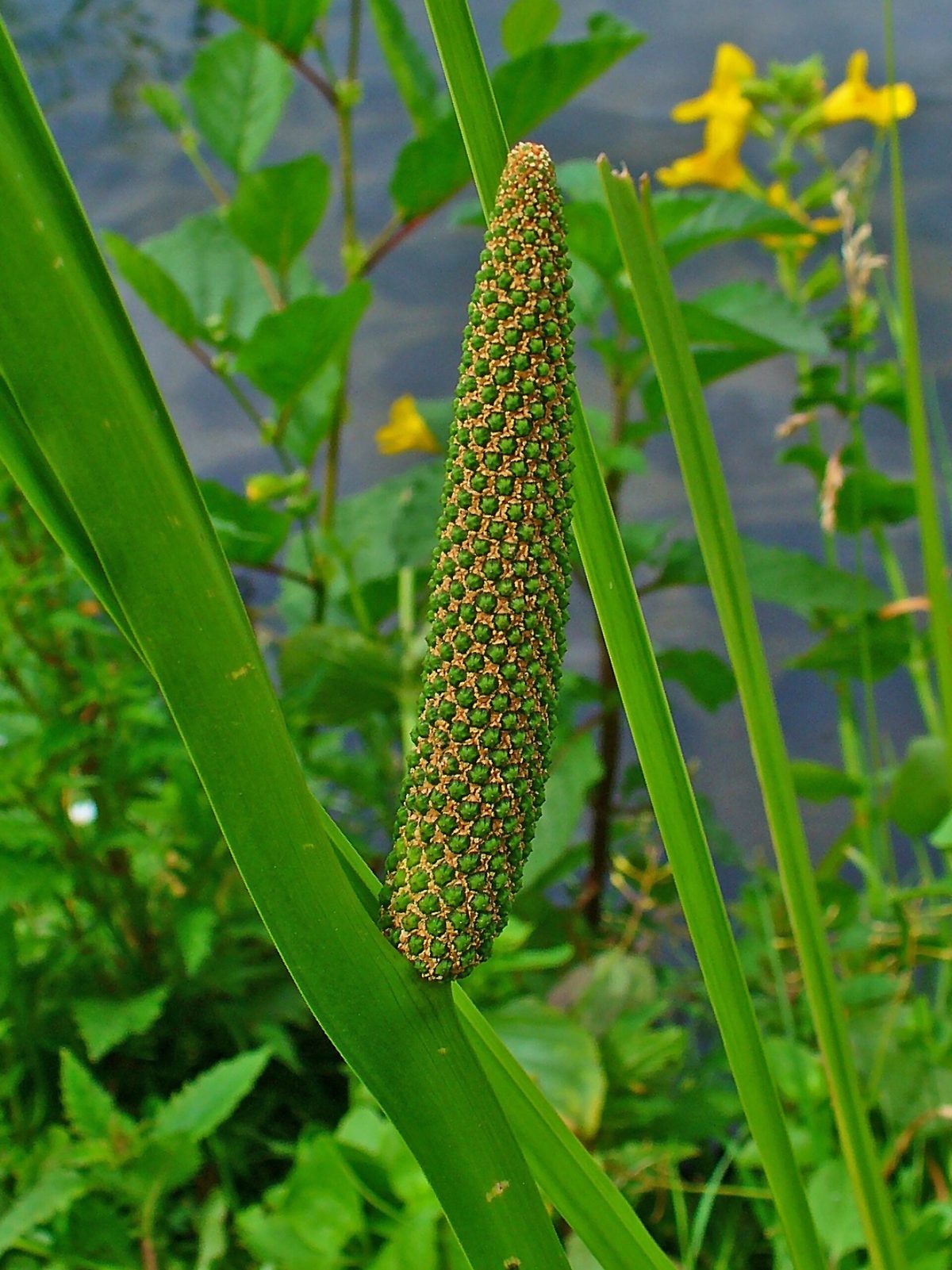
Calamus
Acorus calamus
Zones 4a–10b · 2–2.5 ft (0.61–0.76 m) · Full sun and part shade (full sun preferred)
-
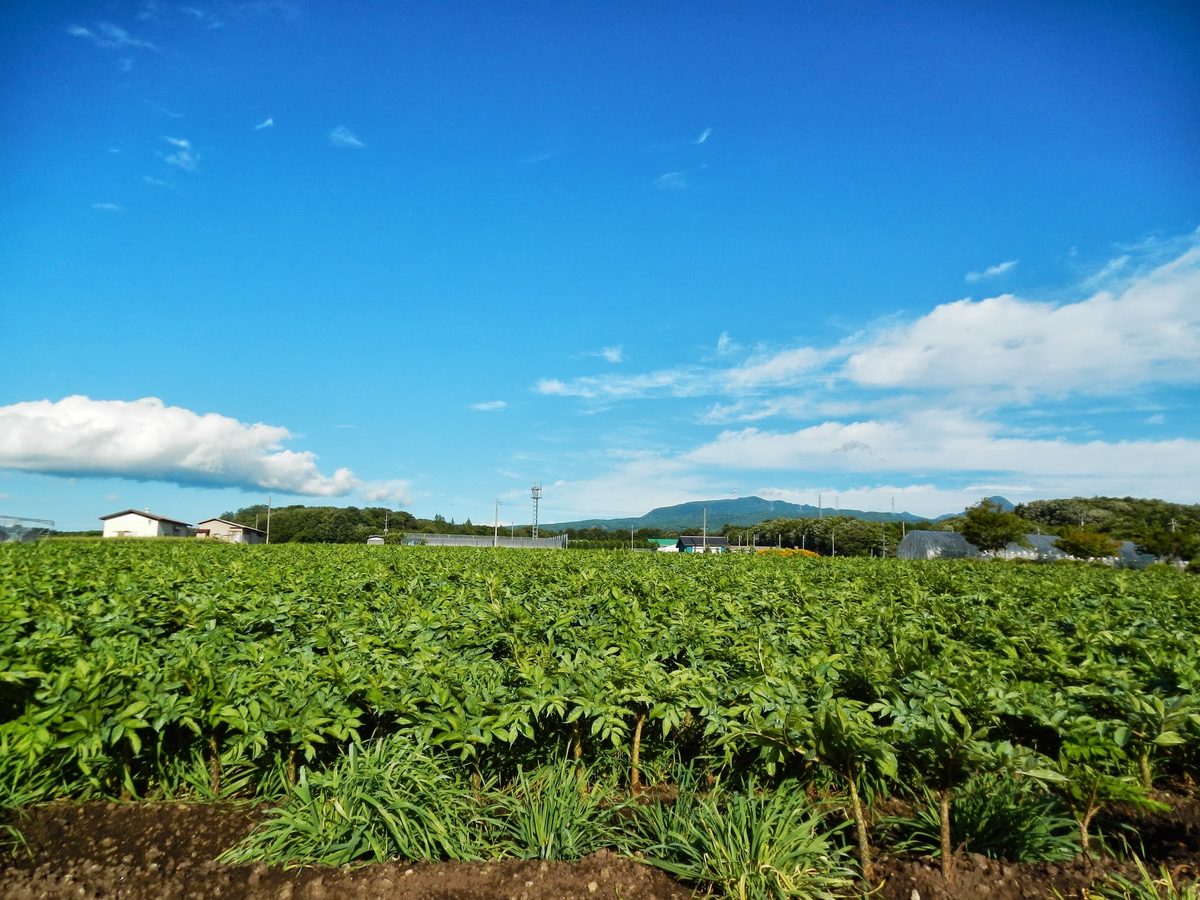
Devil's Tongue
Amorphophallus konjac
Zones 6a–11b · 4–6 ft (1.22–1.83 m) · Part shade, full sun and full shade (part shade preferred)
Among the 41 perennials grouped into this zone 9 list, Amorphophallus konjac already has a full page on this hub. You can look up its specific care needs there instead of relying on this short note.
-
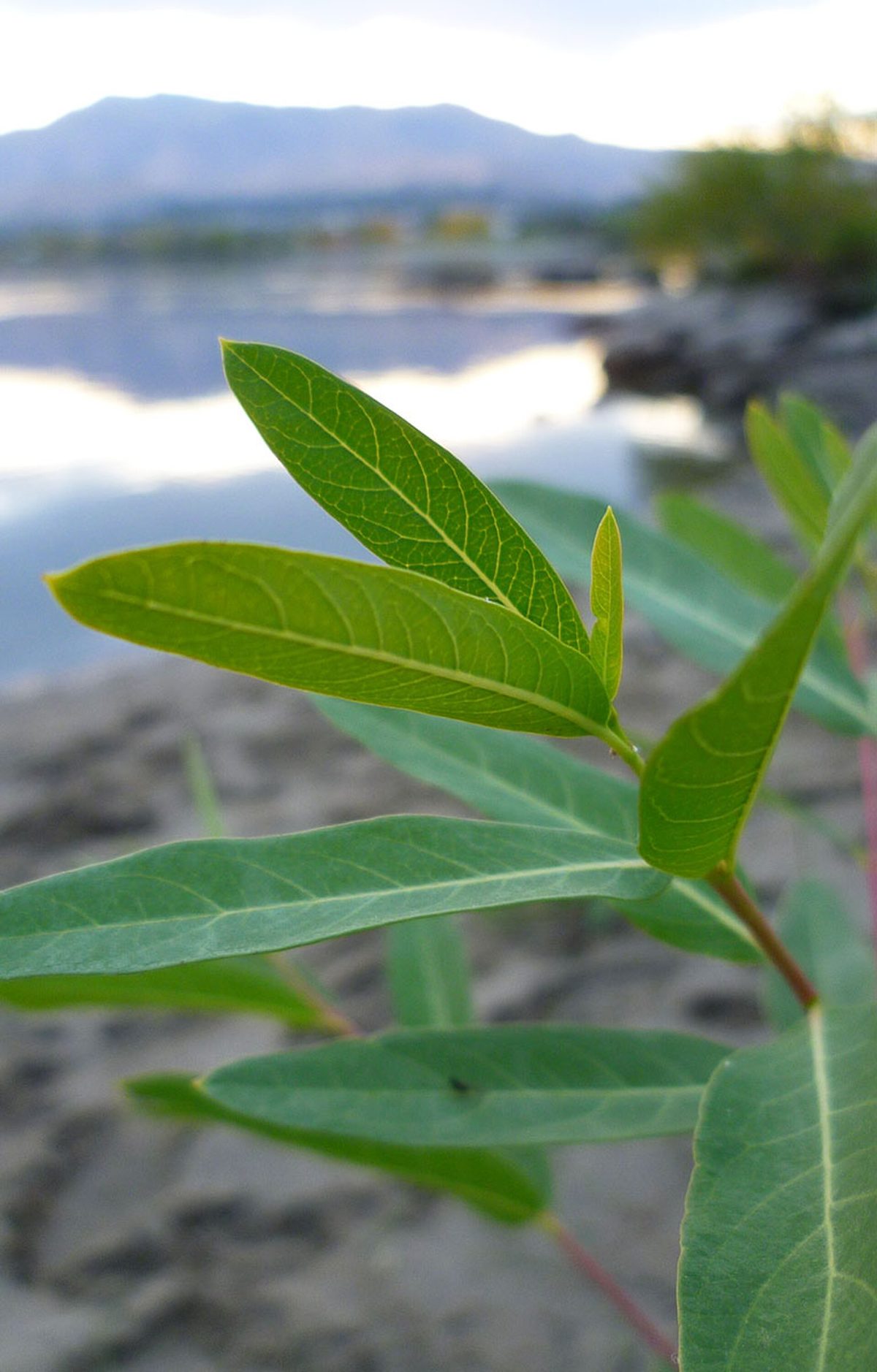
Indianhemp
Apocynum cannabinum
Zones 3a–11b · 3–4 ft (0.91–1.22 m) · Full sun and part shade (full sun preferred)
-
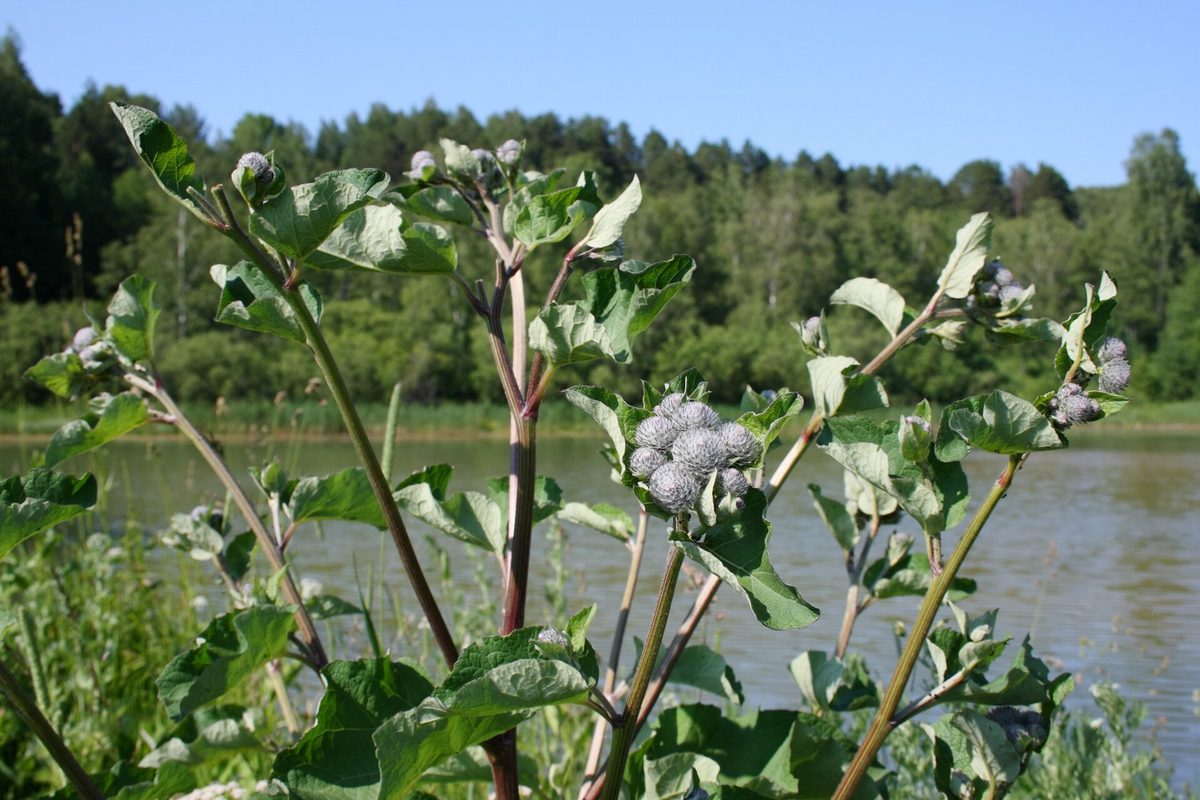
Greater Burdock
Arctium lappa
Zones 3a–10b · 2–10 ft (0.61–3.05 m) · Full sun and part shade (full sun preferred)
-
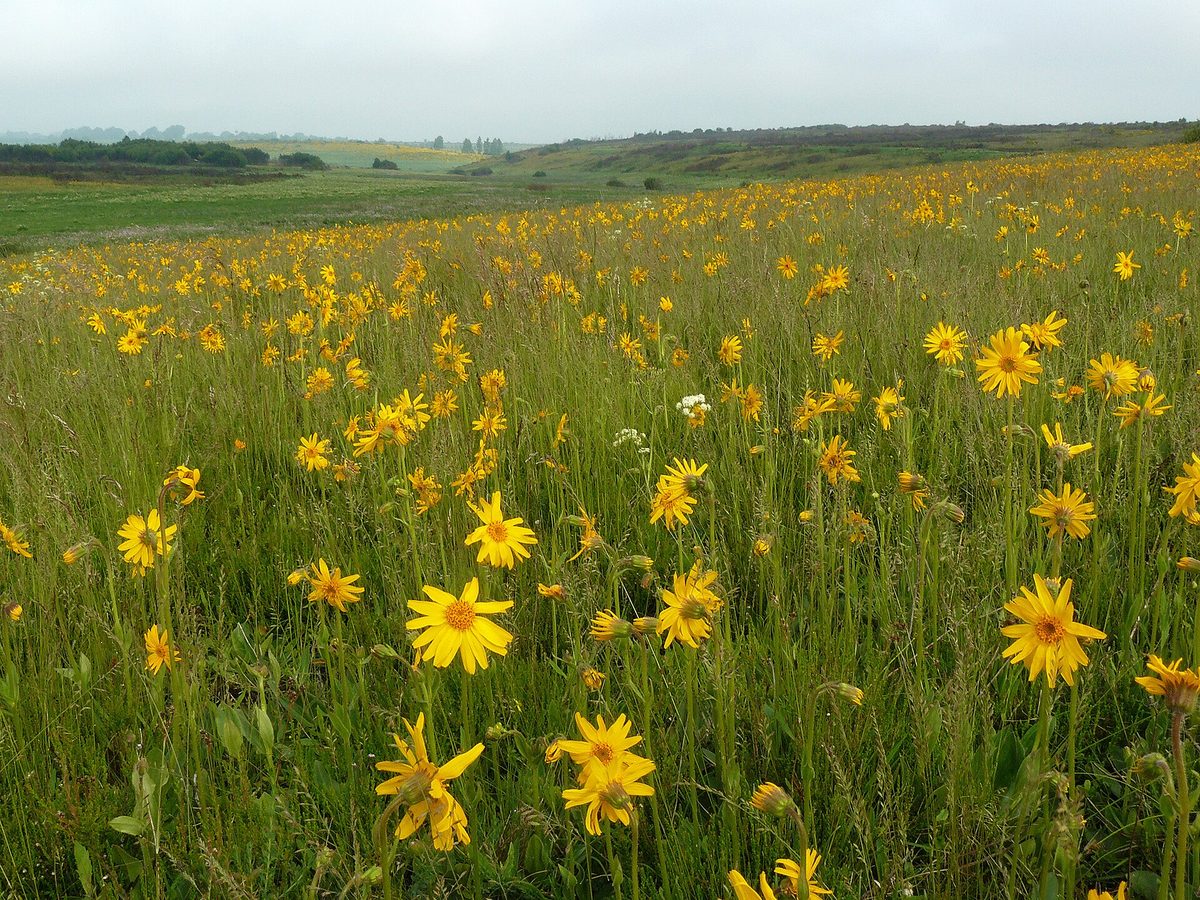
Mountain Arnica
Arnica montana
Zones 4a–9b · 0.5–2 ft (0.15–0.61 m) · Full sun and part shade (full sun preferred)
-
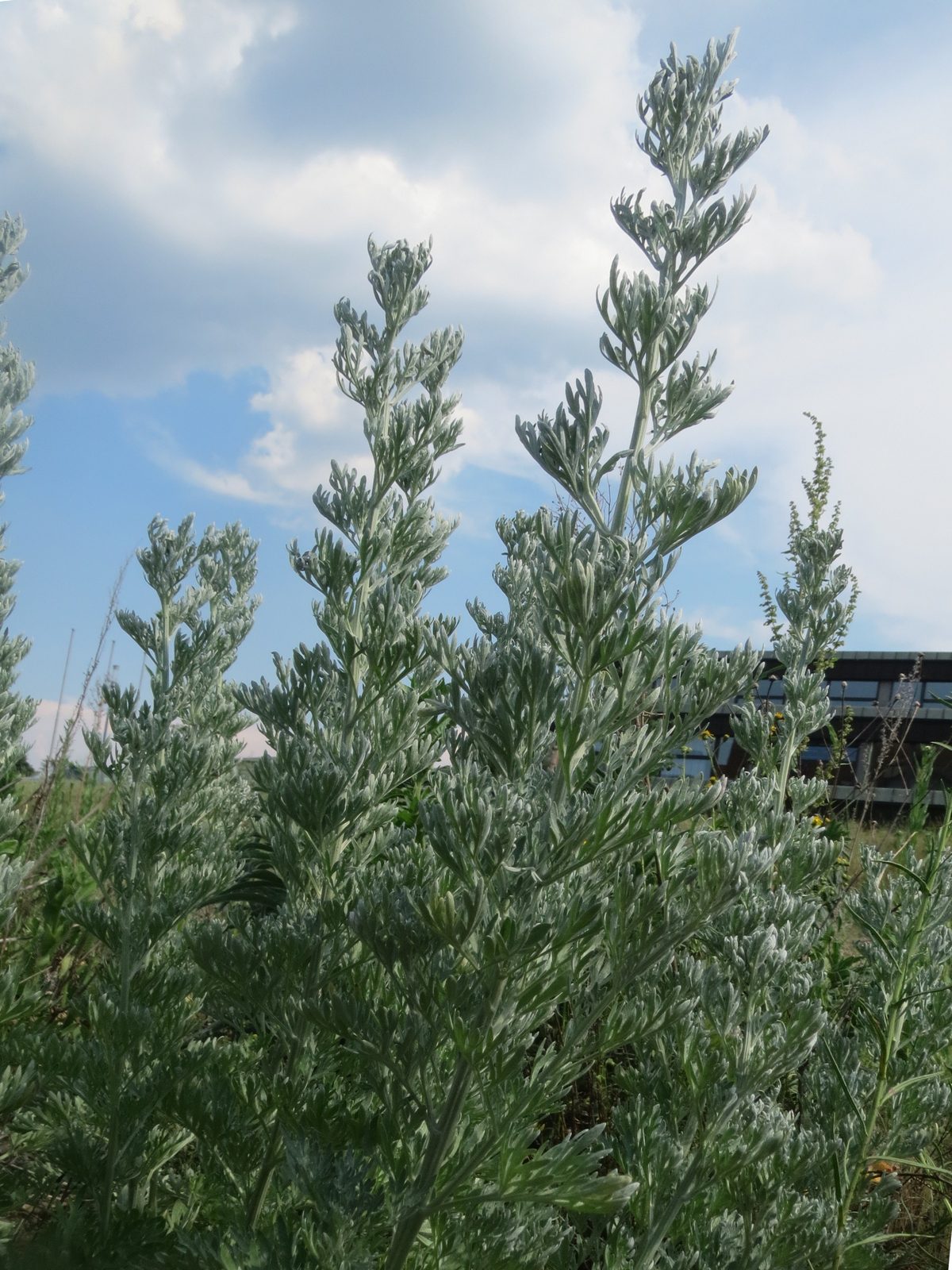
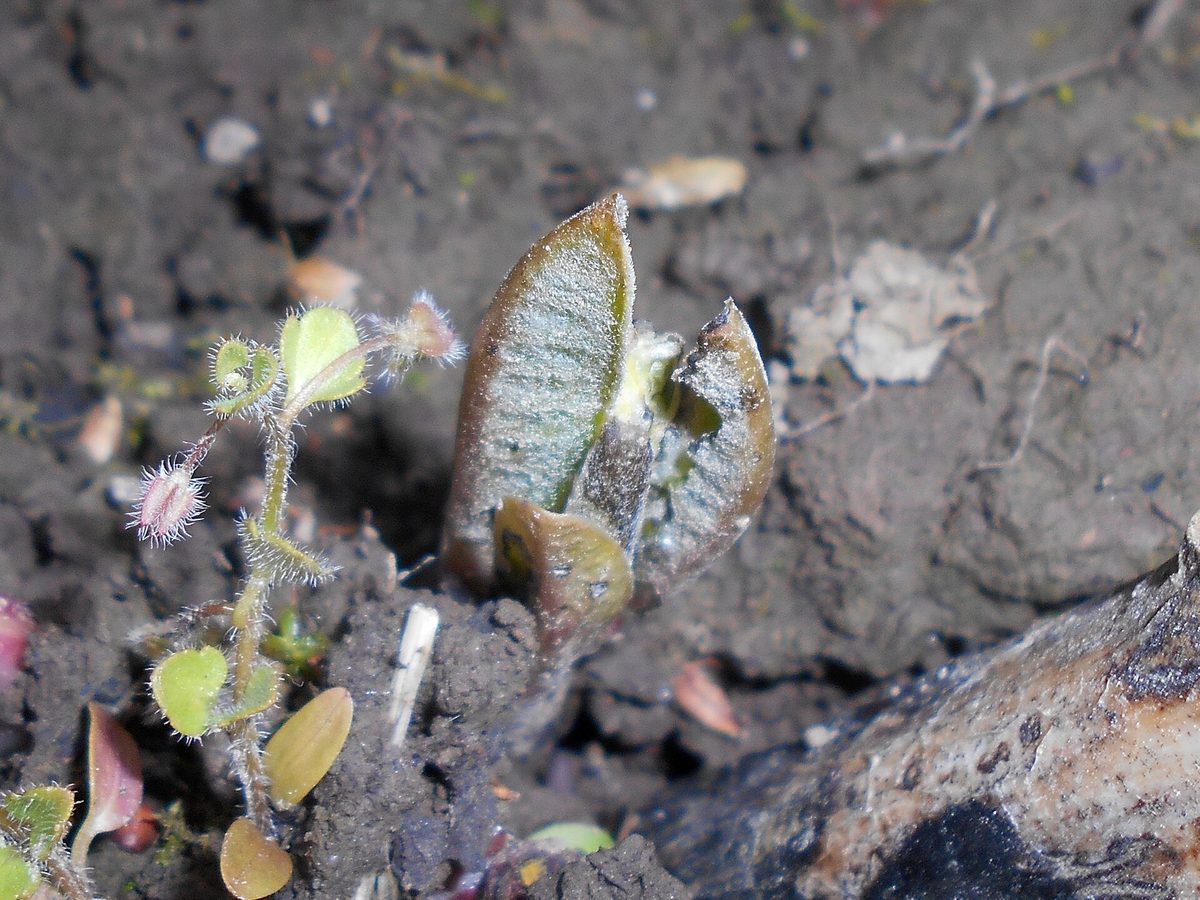
Absinthium
Artemisia absinthium
Zones 3a–9b · 1.3–5 ft (0.4–1.52 m) · Full sun and part shade (full sun preferred)
-
-
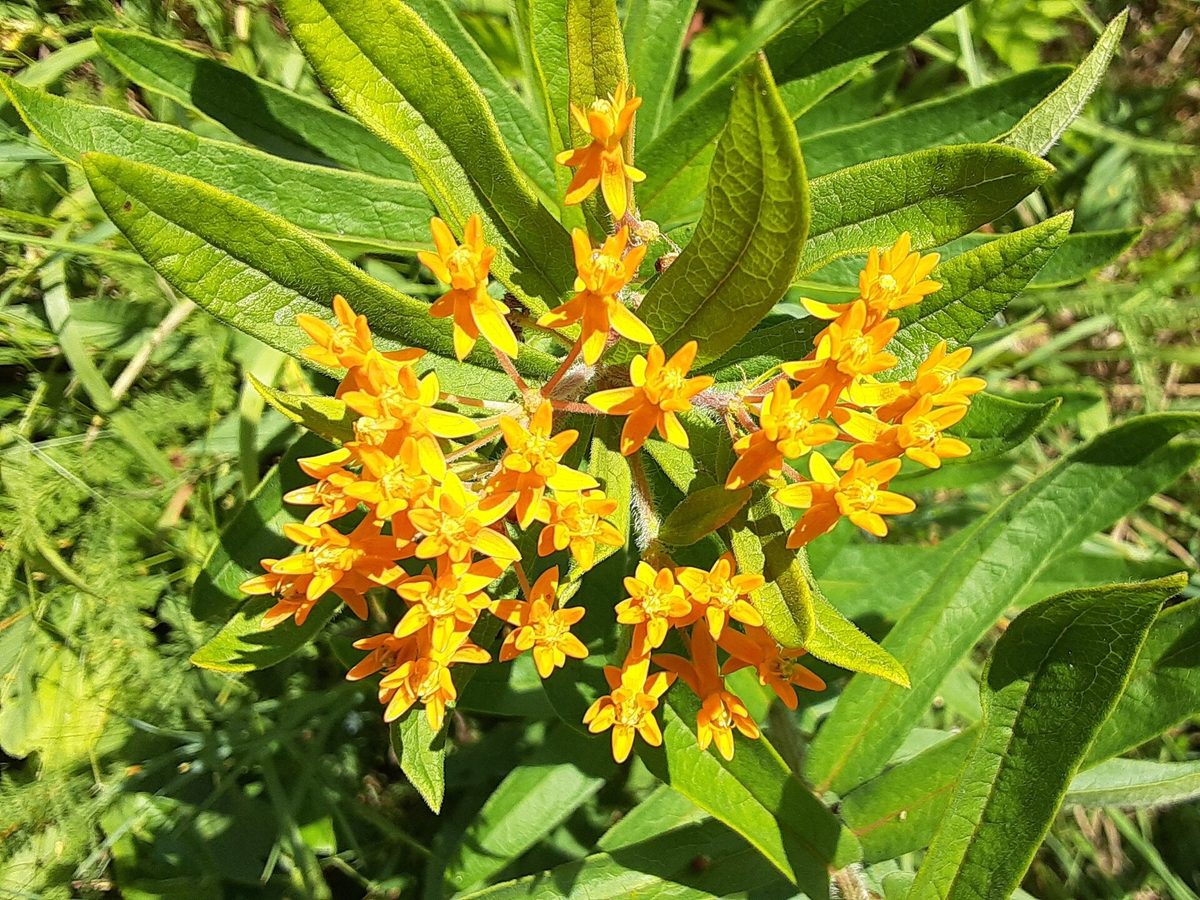
Butterfly Milkweed
Asclepias tuberosa
Zones 3a–9b · 1–2 ft (0.3–0.6 m) · Full sun and part shade (full sun preferred)
Asclepias tuberosa is grouped here with 40 other zone 9 perennials. A dedicated page for it does not exist on this hub yet, so you will not find watering or light details here for now.
-
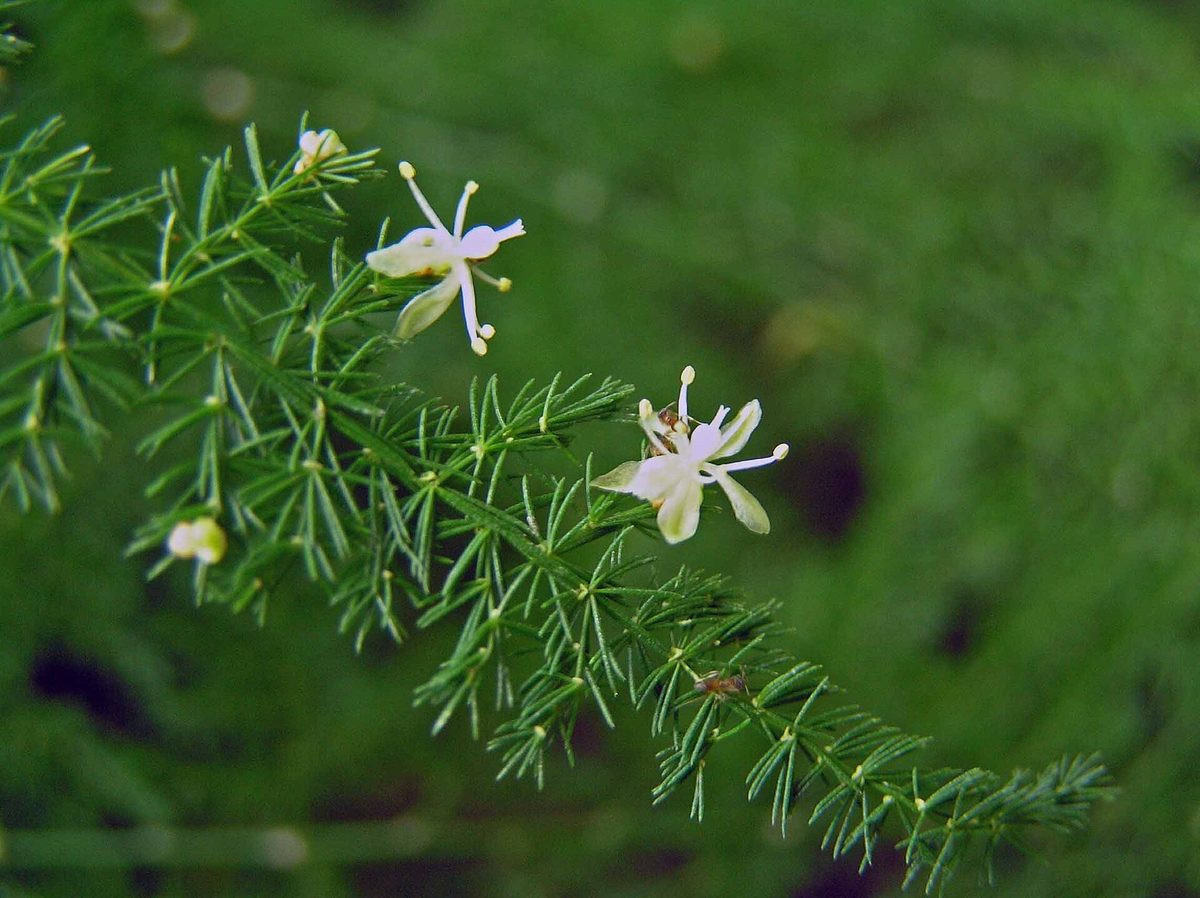
Common Asparagus Fern
Asparagus setaceus
Zones 9a–12b · 2–3 ft (0.61–0.91 m) · Part shade and full shade (part shade preferred)
-
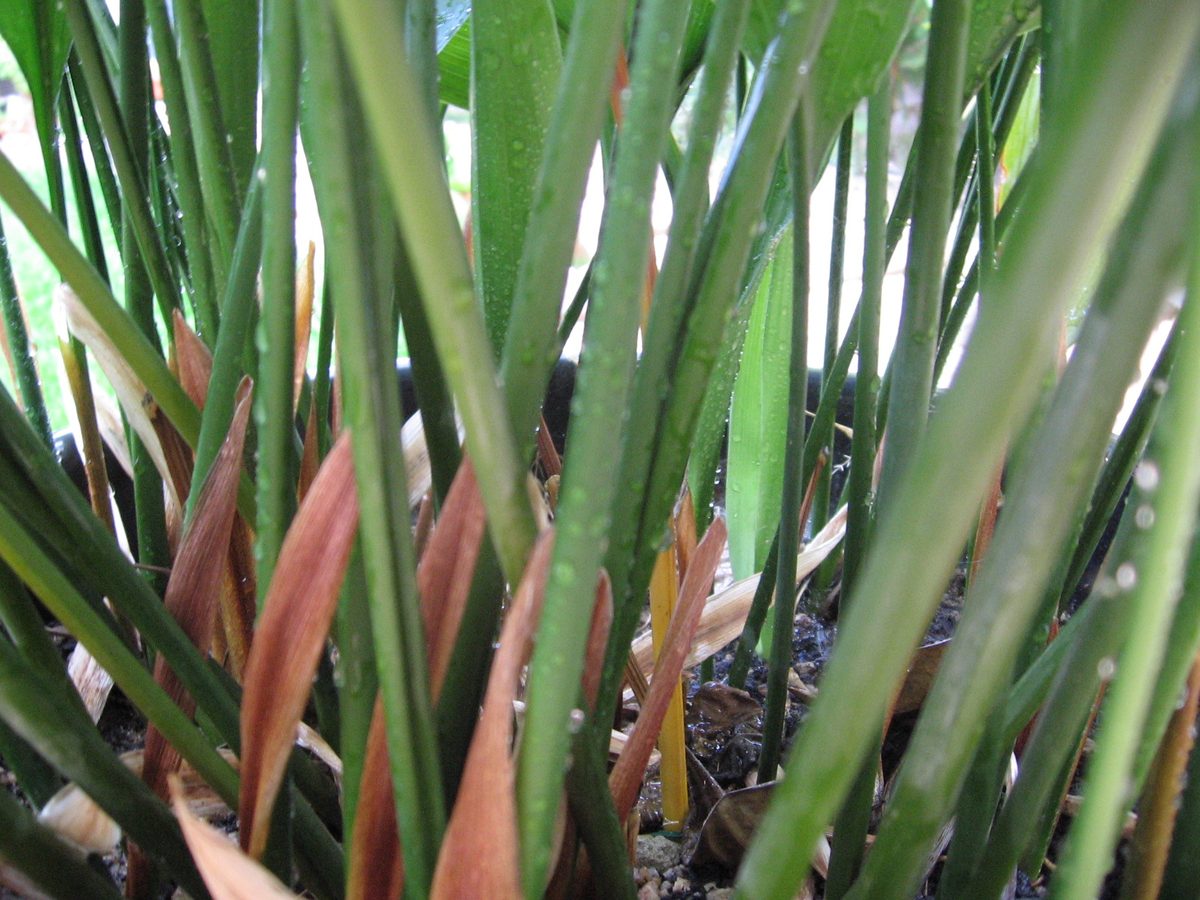
Cast Iron Plant
Aspidistra elatior
Zones 7a–11b · 1–3 ft (0.3–0.91 m) · Part shade and full shade (part shade preferred)
This zone 9 list includes Aspidistra elatior alongside 40 other perennials. A published page for it already covers its care in more depth than this short note can.
-
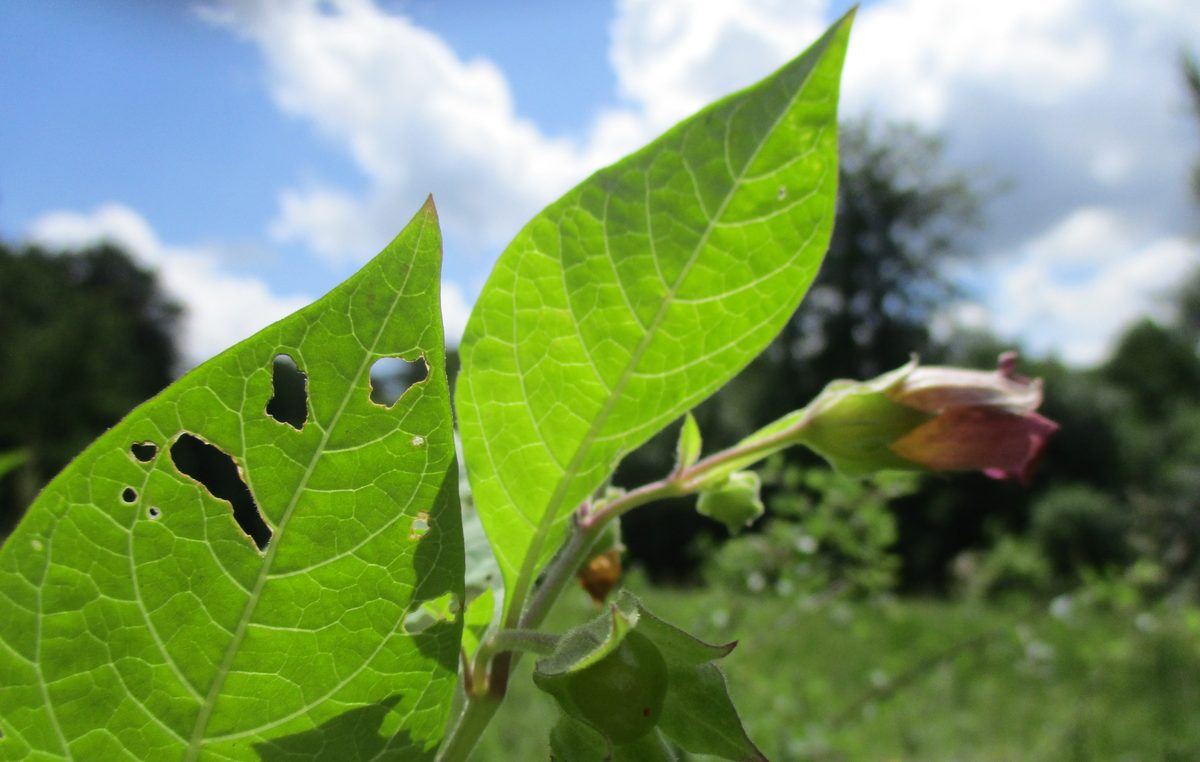
Belladonna
Atropa bella-donna
Zones 5a–9b · 3–4 ft (0.91–1.22 m) · Full sun and part shade (full sun preferred)
-
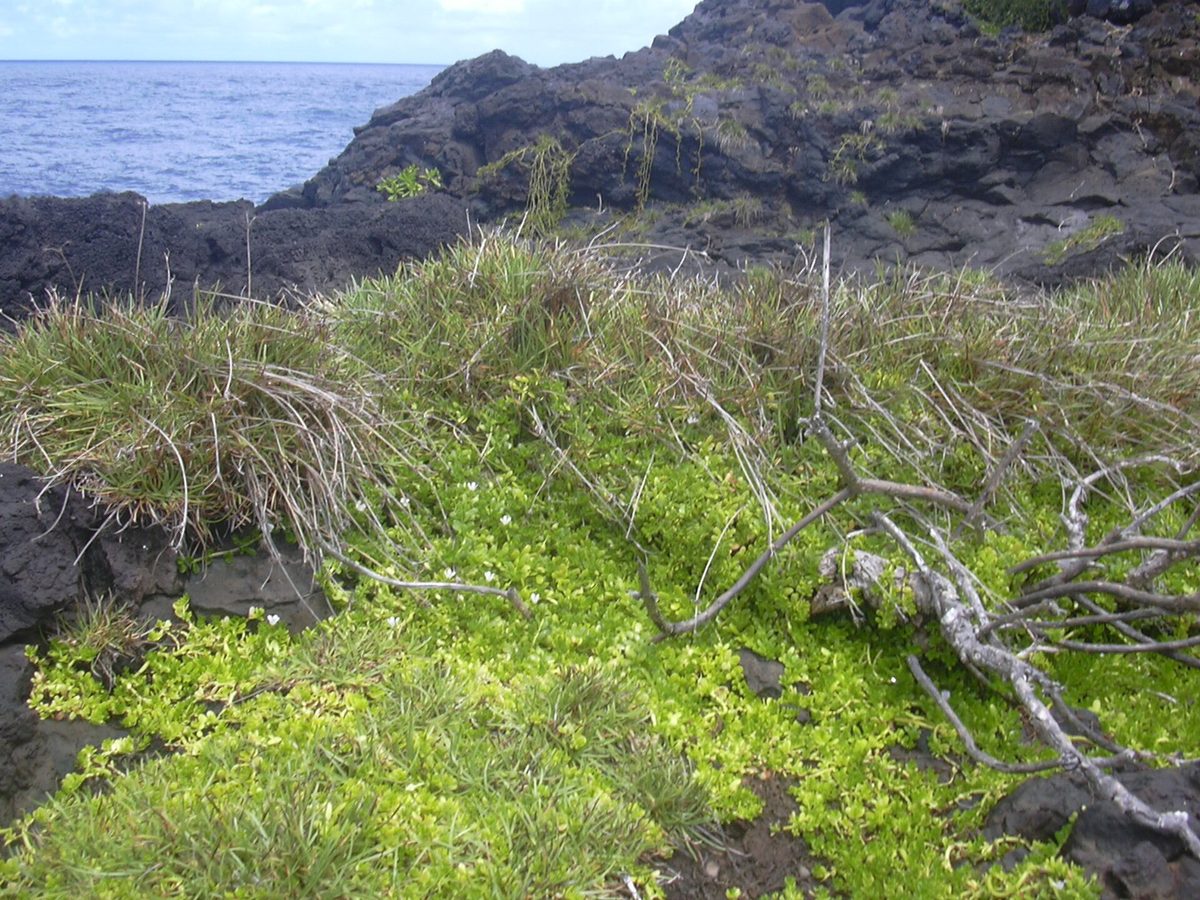
Herb of Grace
Bacopa monnieri
Zones 8a–11b · Full sun and part shade (full sun preferred)
-
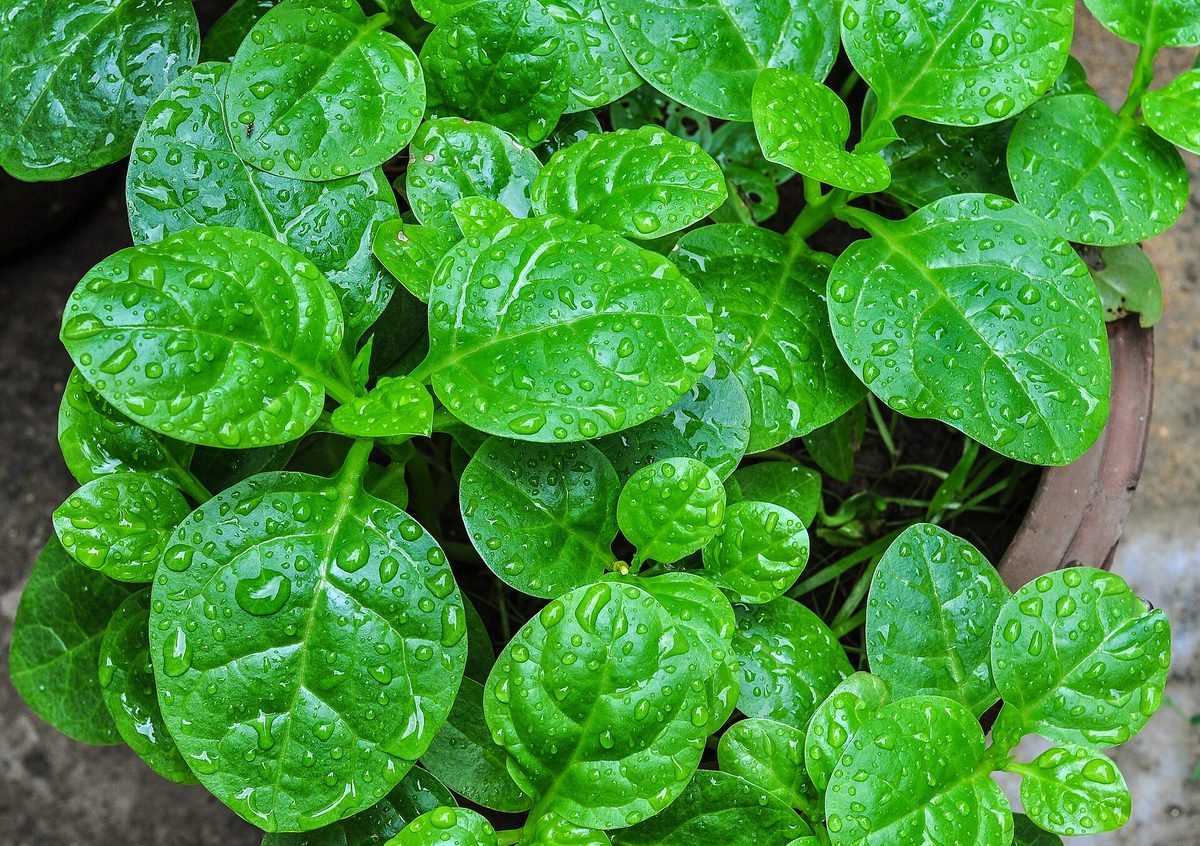
Ceylon Spinach
Basella alba
Zones 9a–11b · 10 ft (3.05 m) · Full sun and part shade (full sun preferred)
-
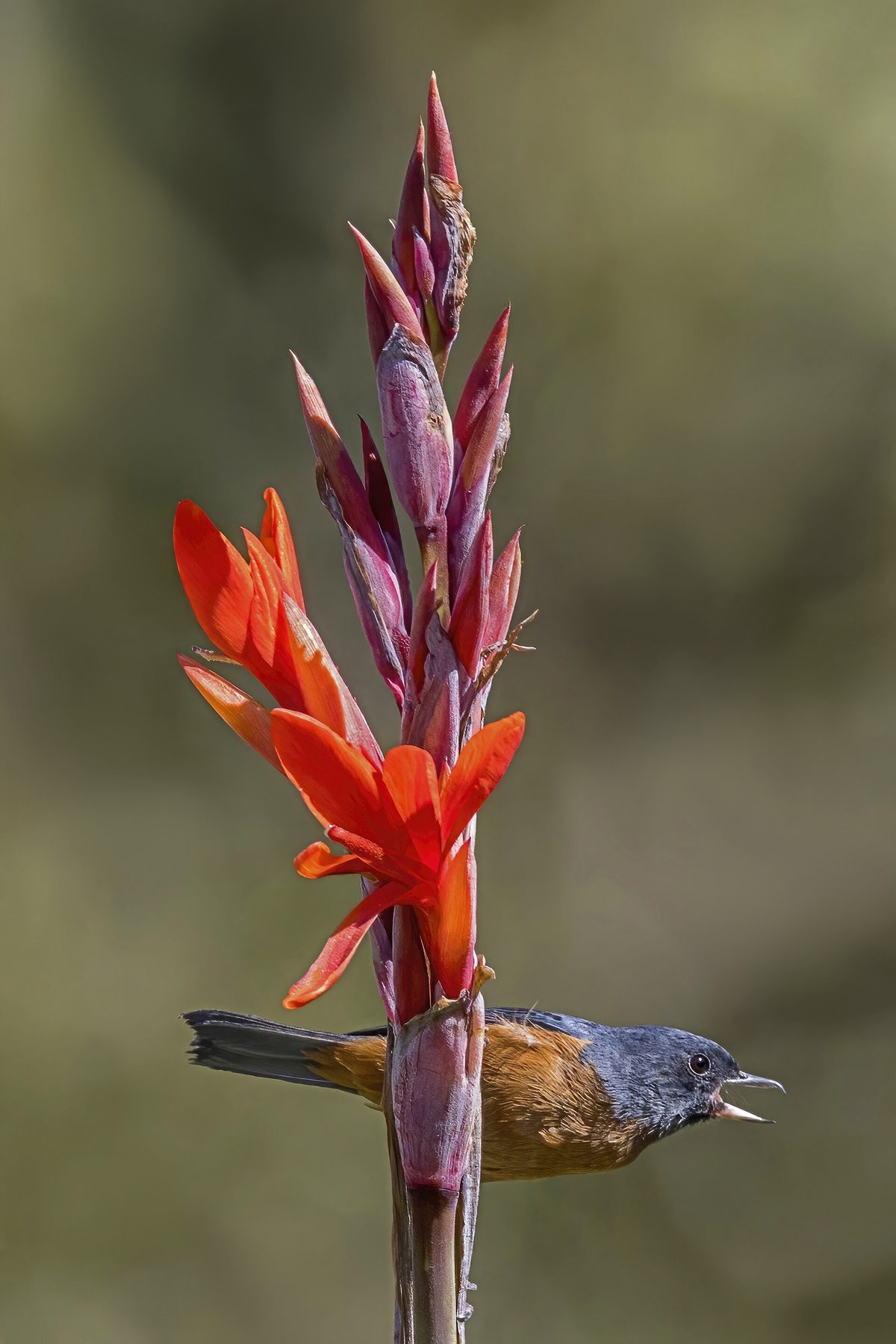
Indian Shot
Canna indica
Zones 8a–11b · 1.5–8.2 ft (0.46–2.49 m) · Full sun and part shade (full sun preferred)
This zone 9 perennial list places Canna indica alongside 40 others. This hub does not yet have a full page for it, so no care details are posted here so far.
-
-
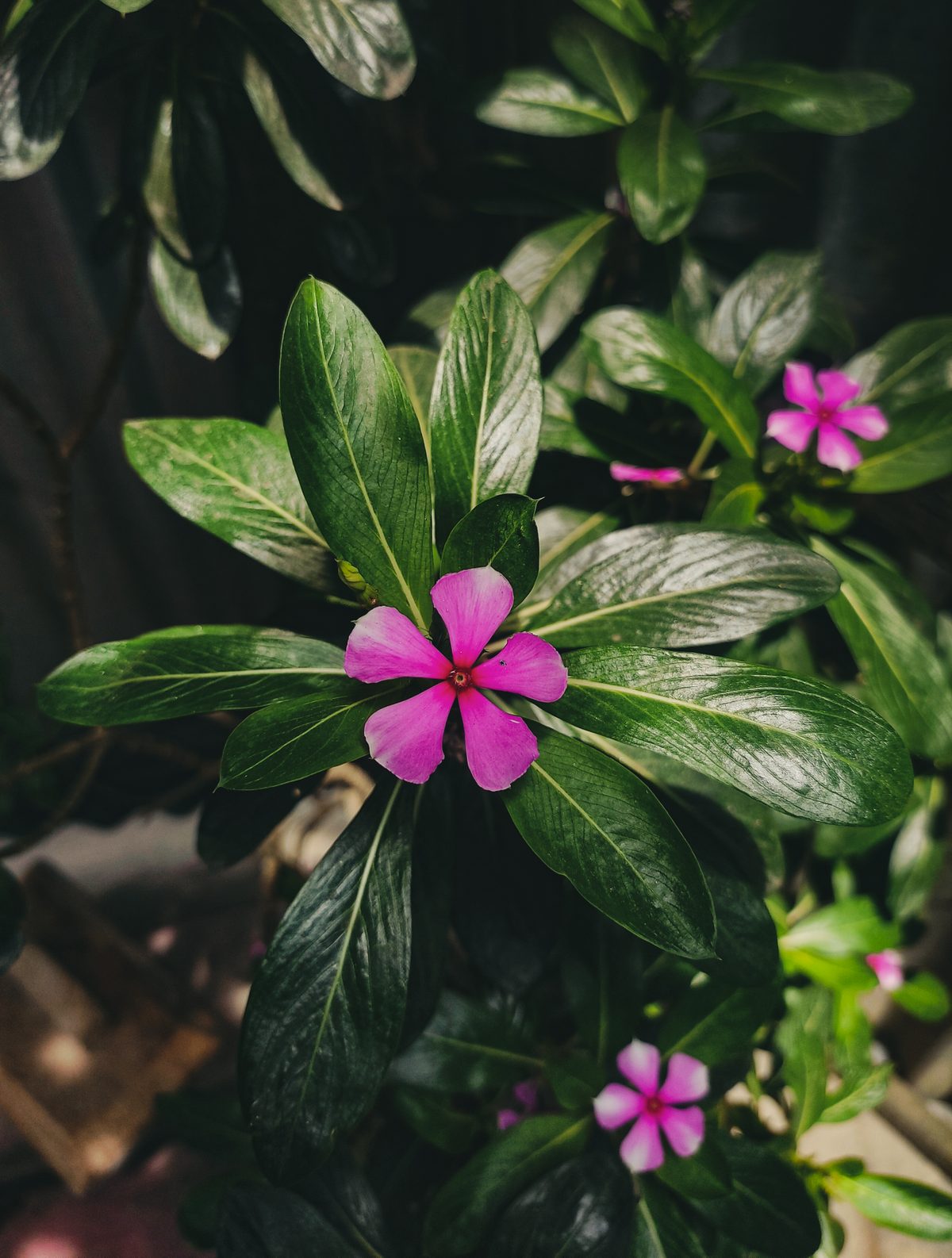
Madagascar Periwinkle
Catharanthus roseus
Zones 9b–11b · 0.5–1.5 ft (0.15–0.46 m) · Full sun and part shade (full sun preferred)
-
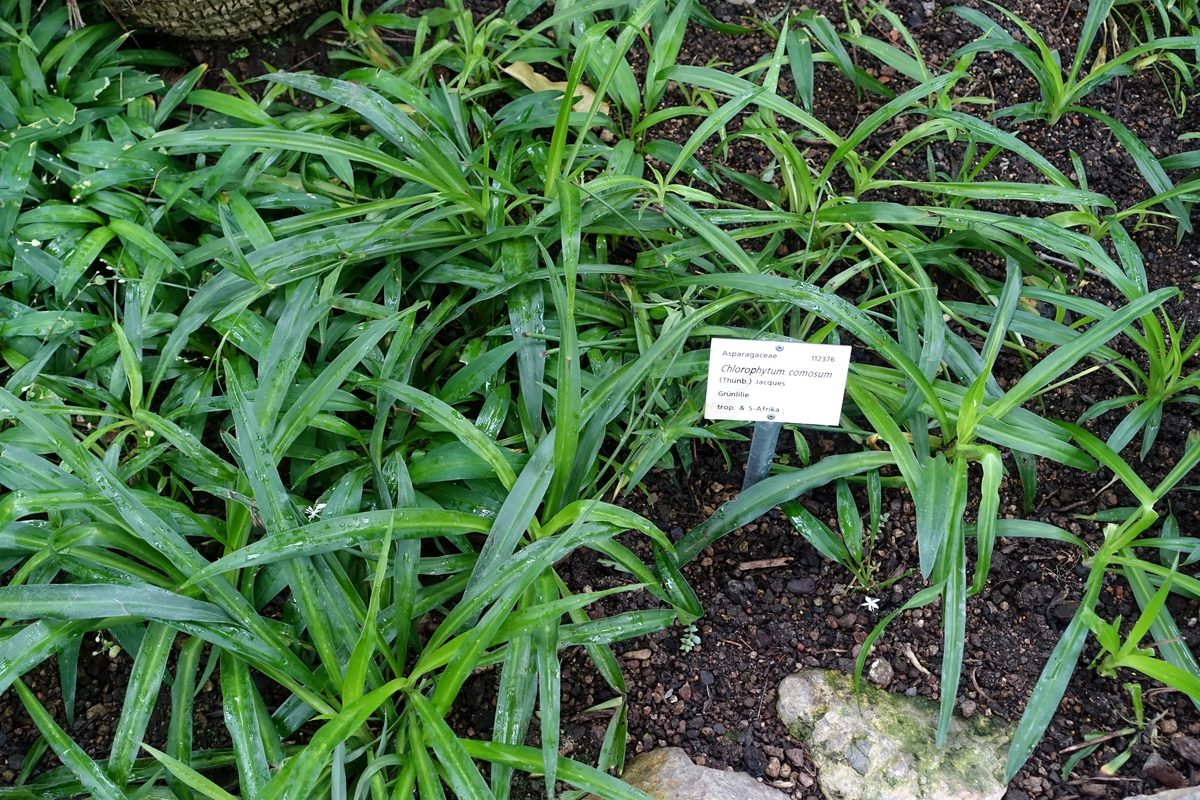
Spider Plant
Chlorophytum comosum
Zones 9a–11b · 1–1.5 ft (0.3–0.46 m) · Part shade and full shade (part shade preferred)
Chlorophytum comosum is counted among the 41 perennials on this zone 9 list. No care page has been published for it on this hub at this time.
-
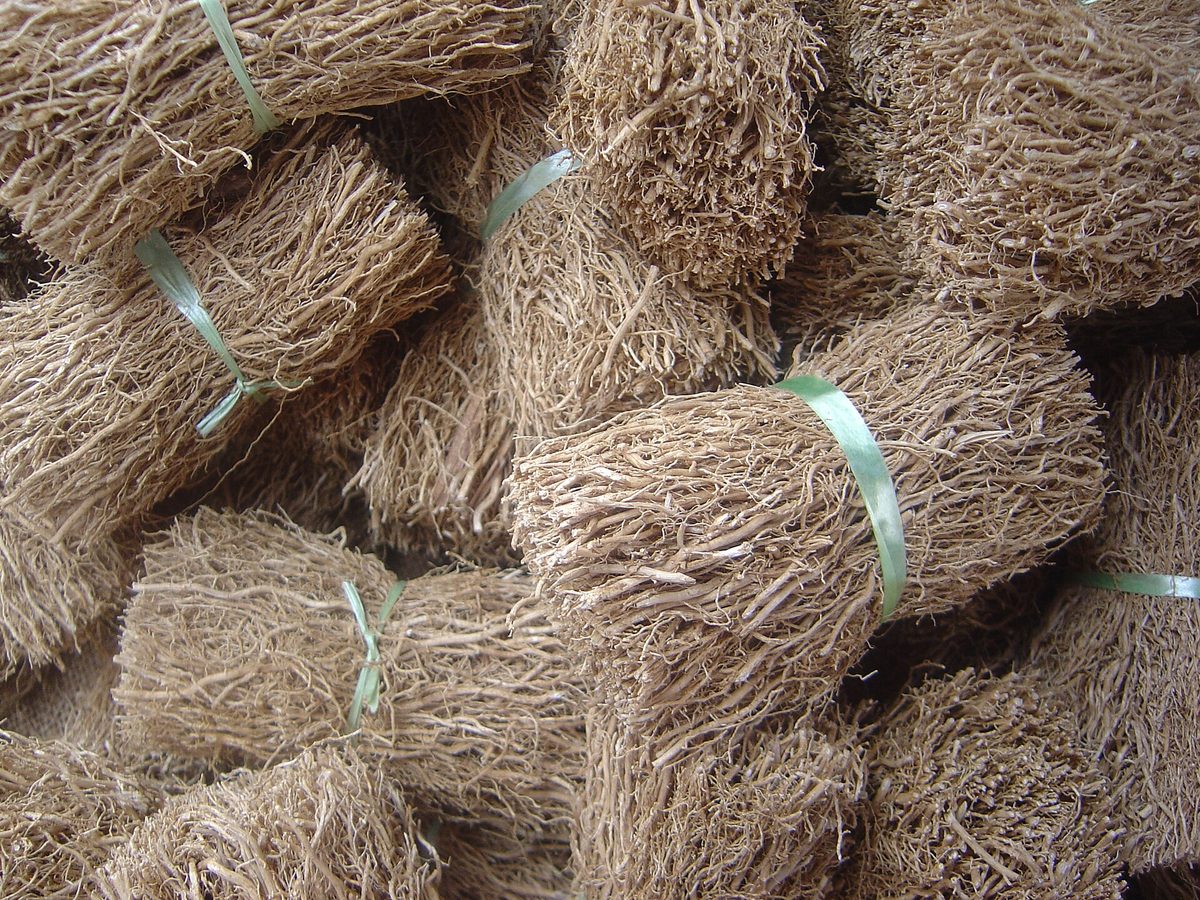
Vetivergrass
Chrysopogon zizanioides
Zones 8b–10b · Sources differ: University of Florida IFAS Extension (EDIS) · Full sun and part shade (full sun preferred)
-
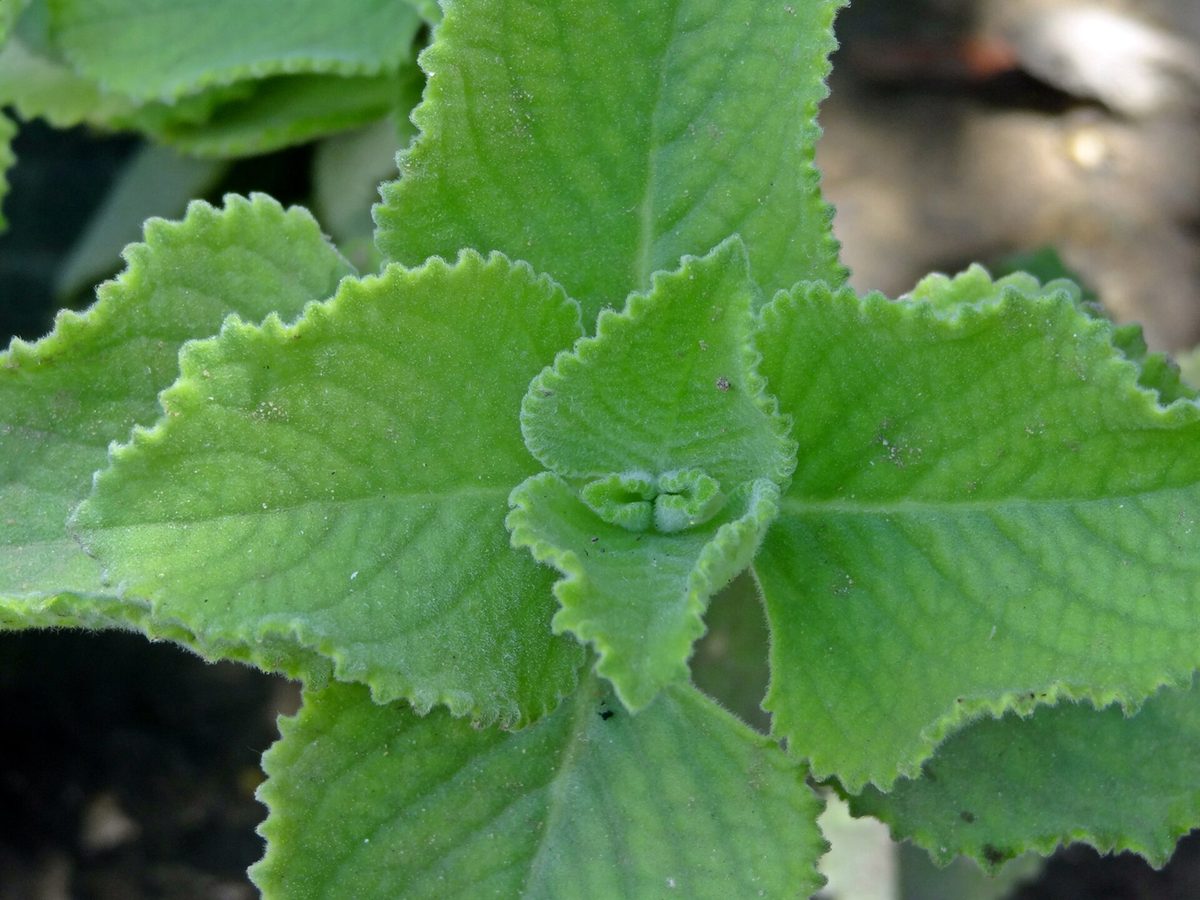
Mexican Mint
Coleus amboinicus
Zones 9a–11b · 1–3.5 ft (0.3–1.07 m) · Full sun and part shade (full sun preferred)
-
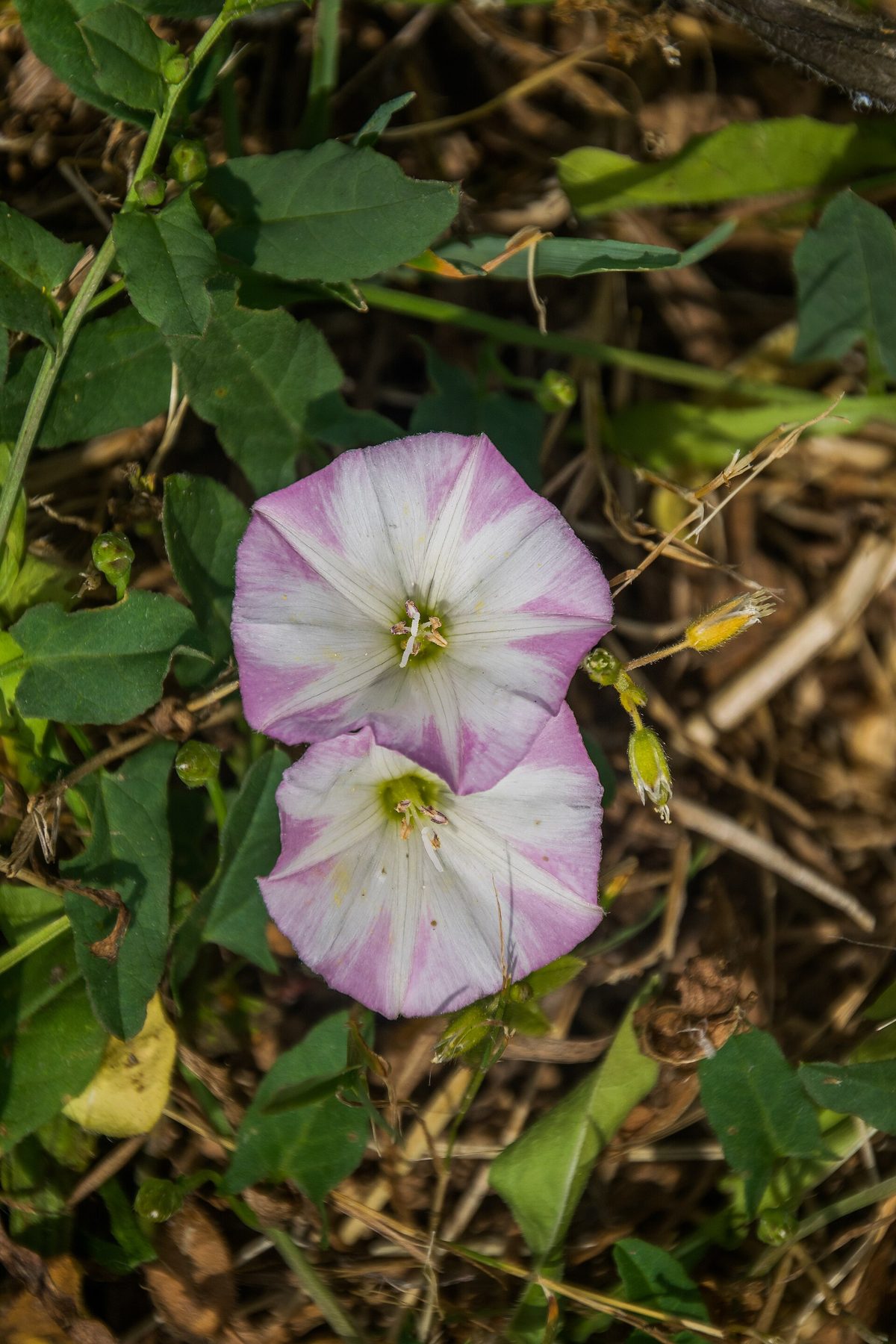
Field Bindweed
Convolvulus arvensis
Full sun and part shade (full sun preferred)
-
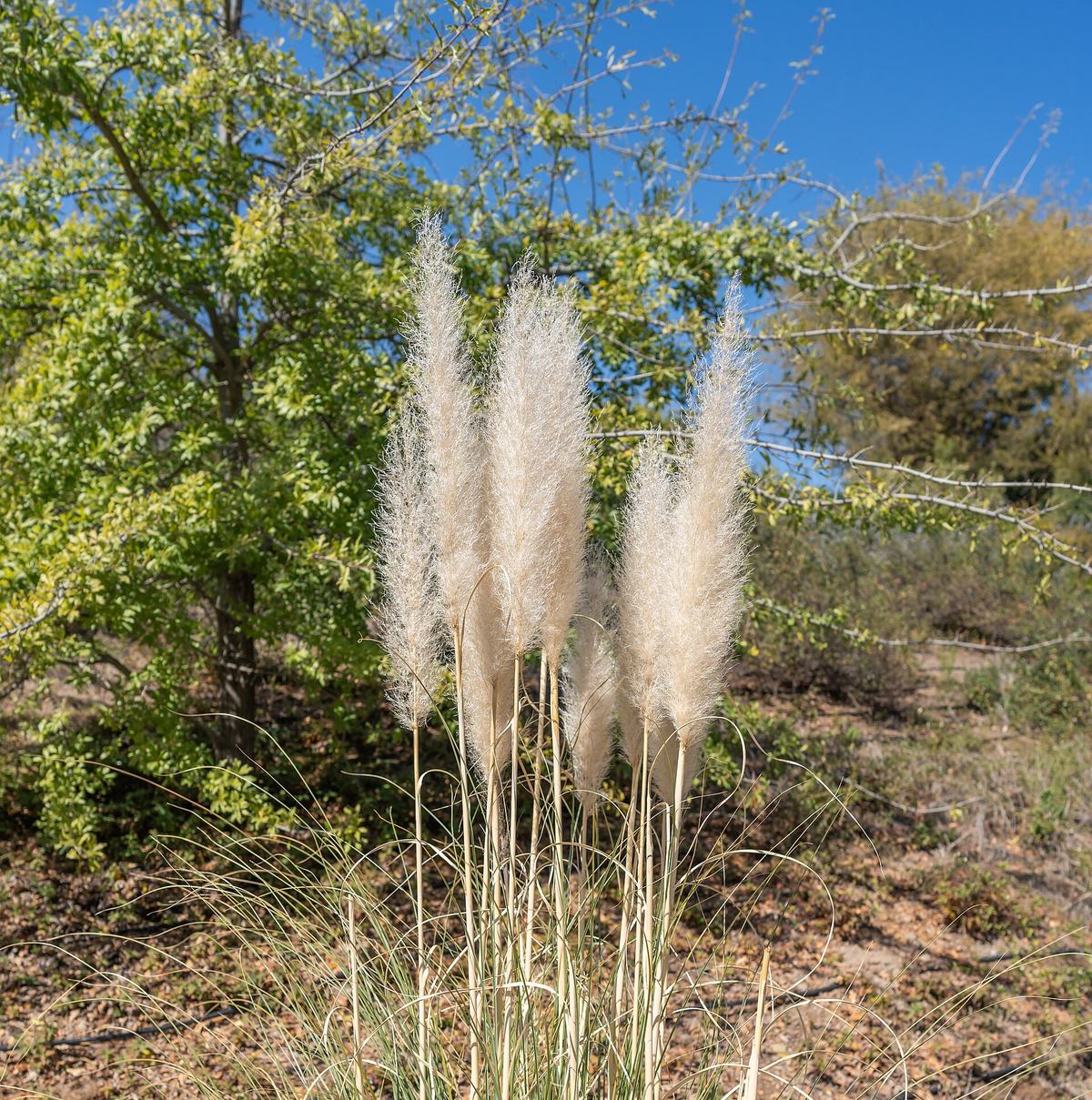
Uruguayan Pampas Grass
Cortaderia selloana
Zones 6a–10b · 6–12 ft (1.83–3.66 m) · Full sun and part shade (full sun preferred)
-
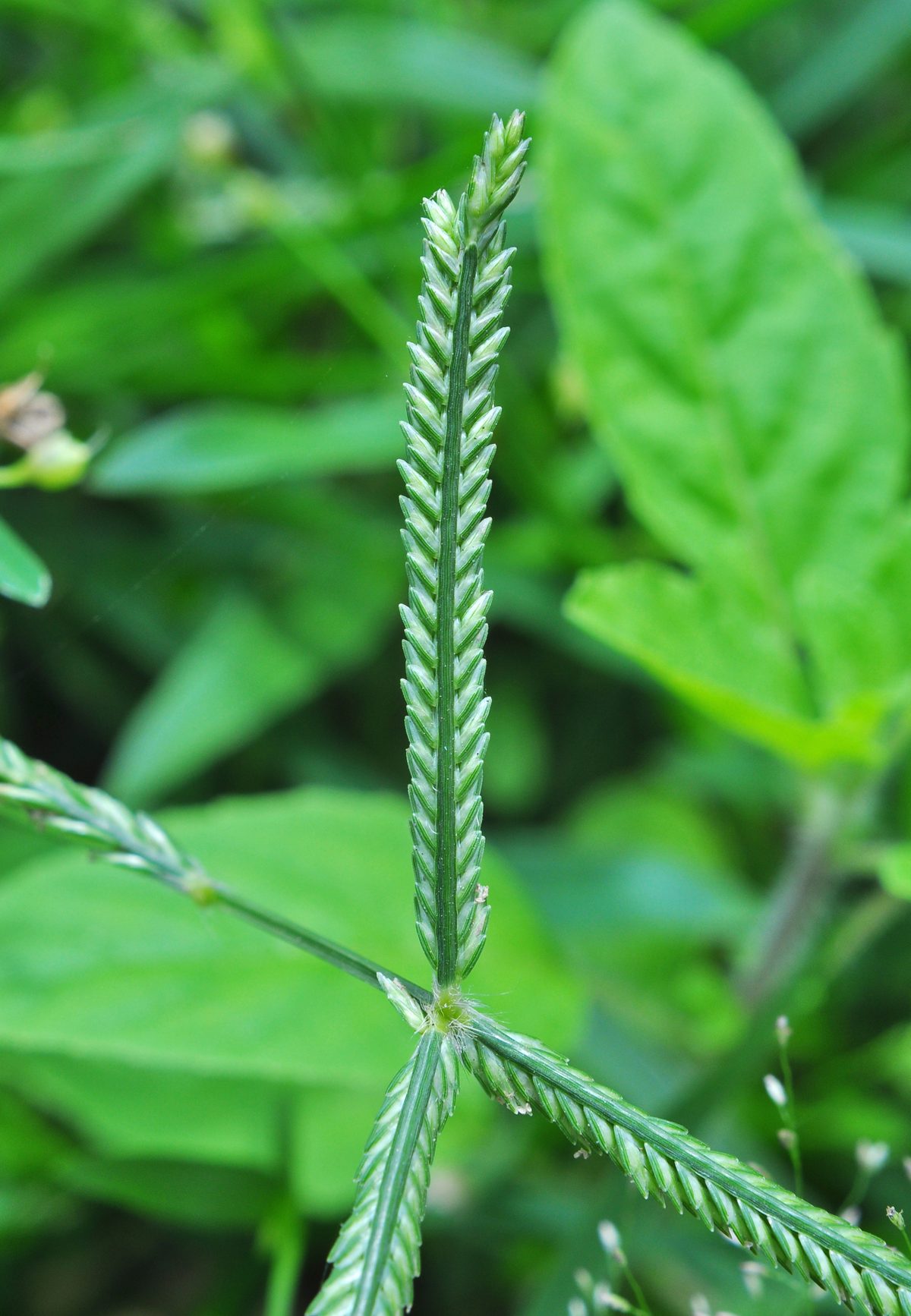
-
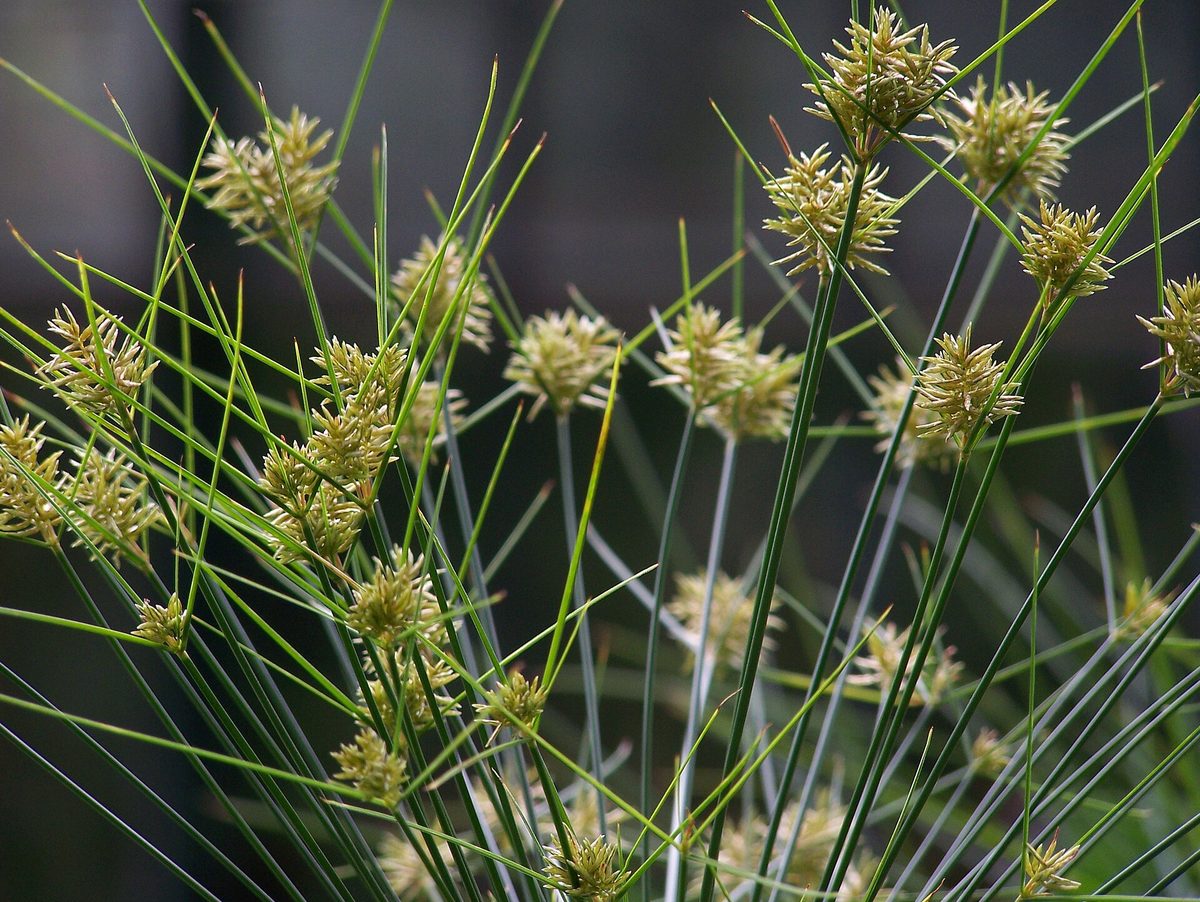
Papyrus
Cyperus papyrus
Zones 9a–12b · 5–8 ft (1.52–2.44 m) · Full sun and part shade (full sun preferred)
-
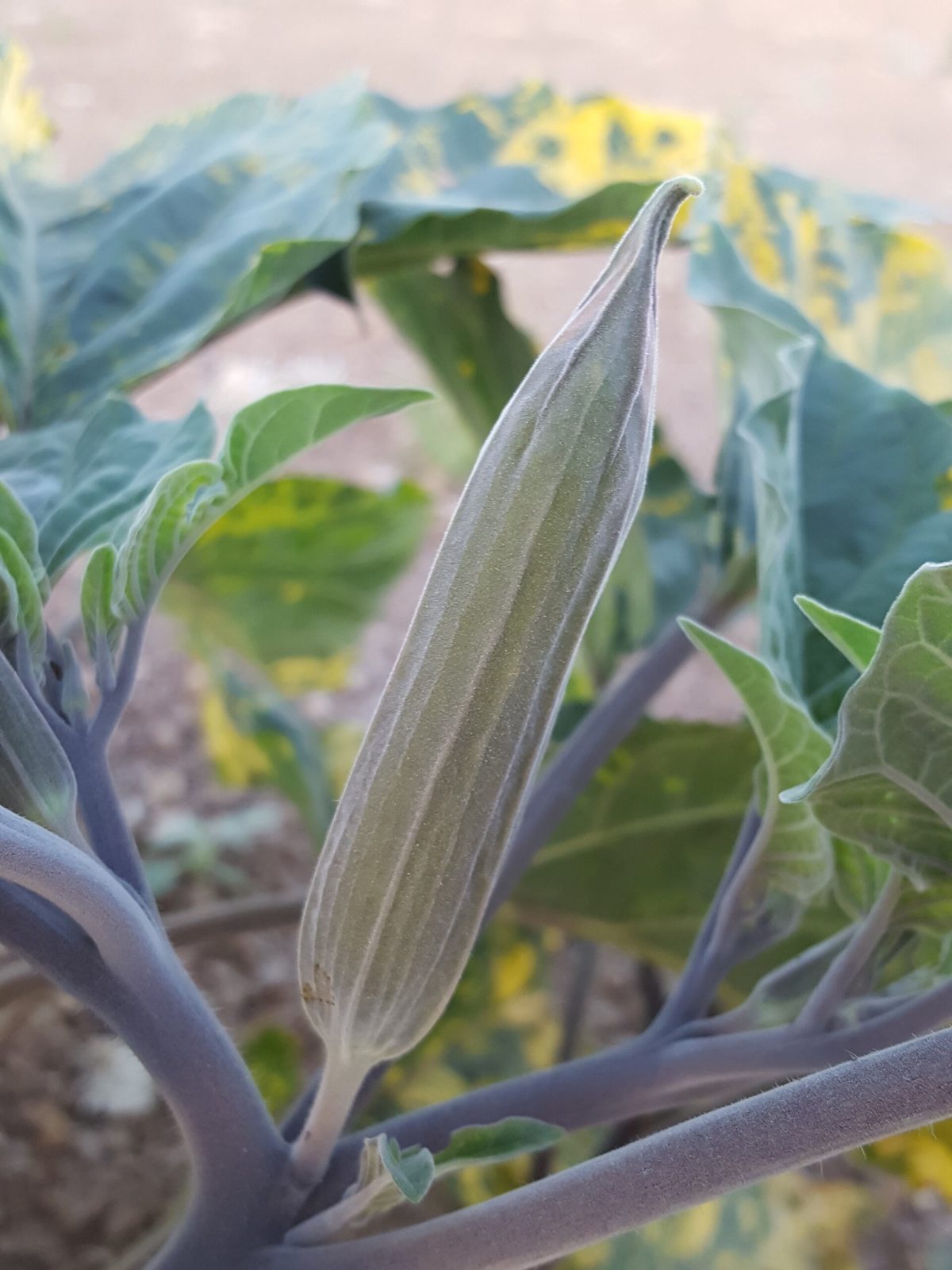
Sacred Thorn-apple
Datura wrightii
Zones 9a–11b · 6 ft (1.83 m) · Full sun and part shade (full sun preferred)
-
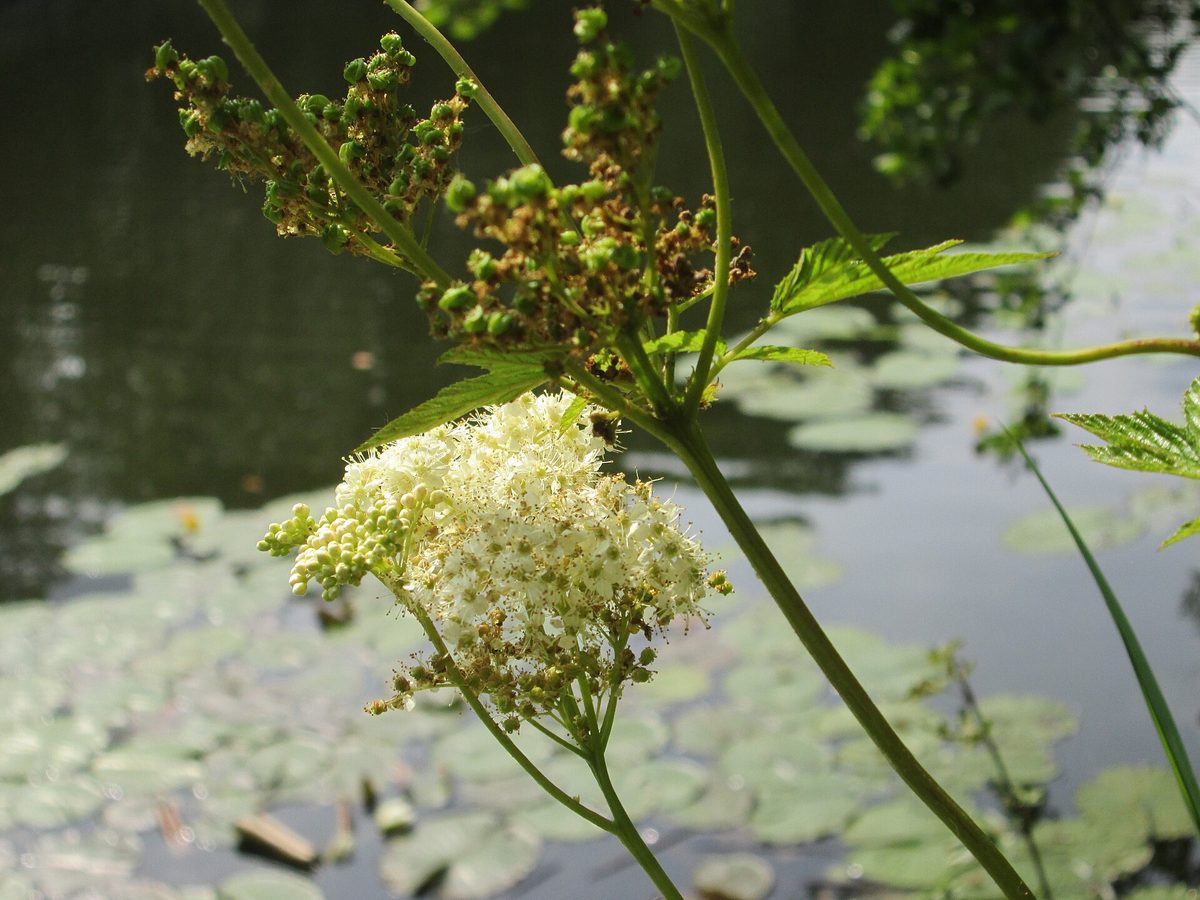
Queen of the Meadow
Filipendula ulmaria
Zones 3a–9b · 4 ft (1.22 m) · Full sun and part shade (full sun preferred)
-
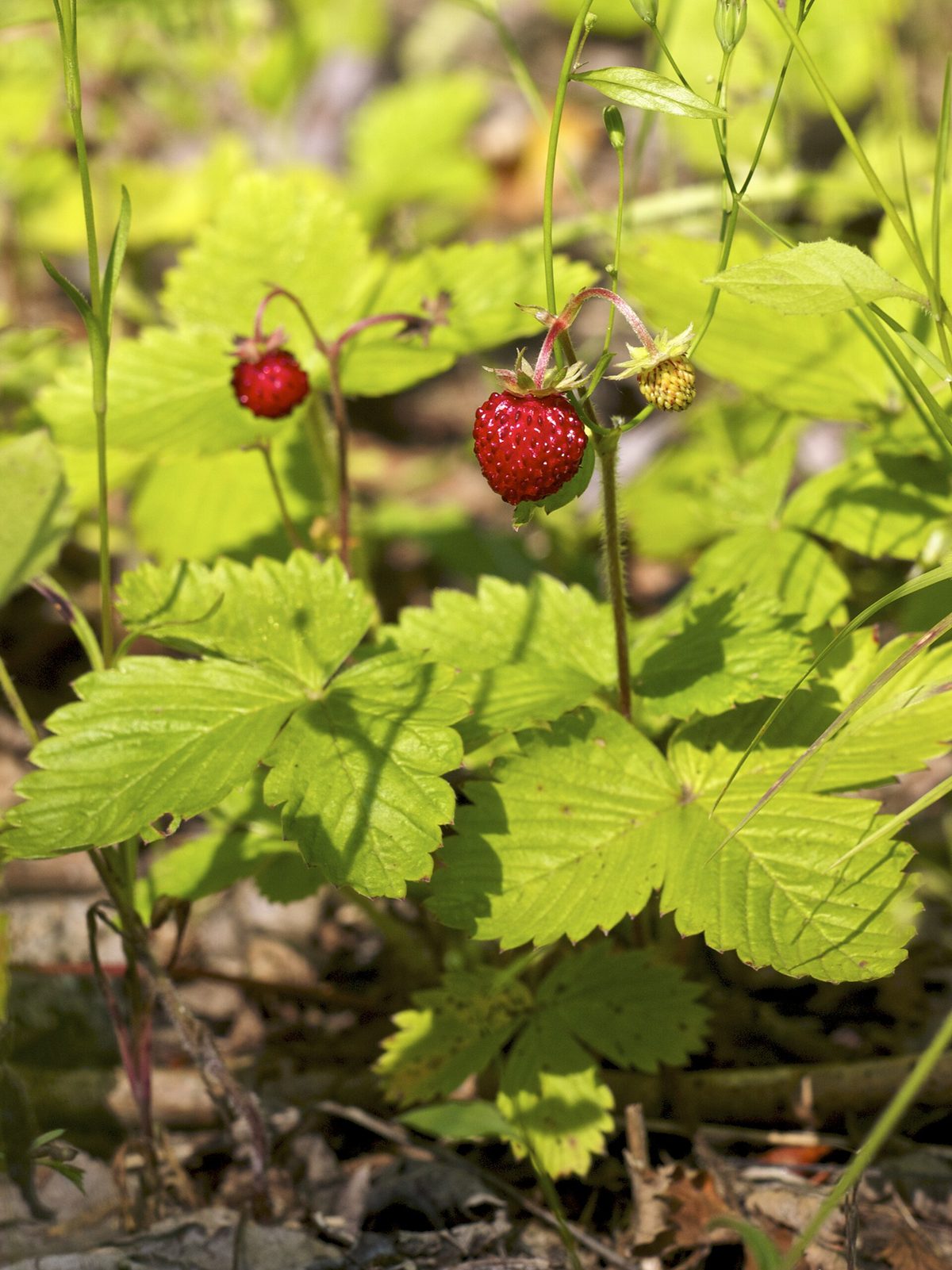
Woodland Strawberry
Fragaria vesca
Zones 4a–9b · 0.7–0.8 ft (0.2–0.25 m) · Part shade and full shade (part shade preferred)
-
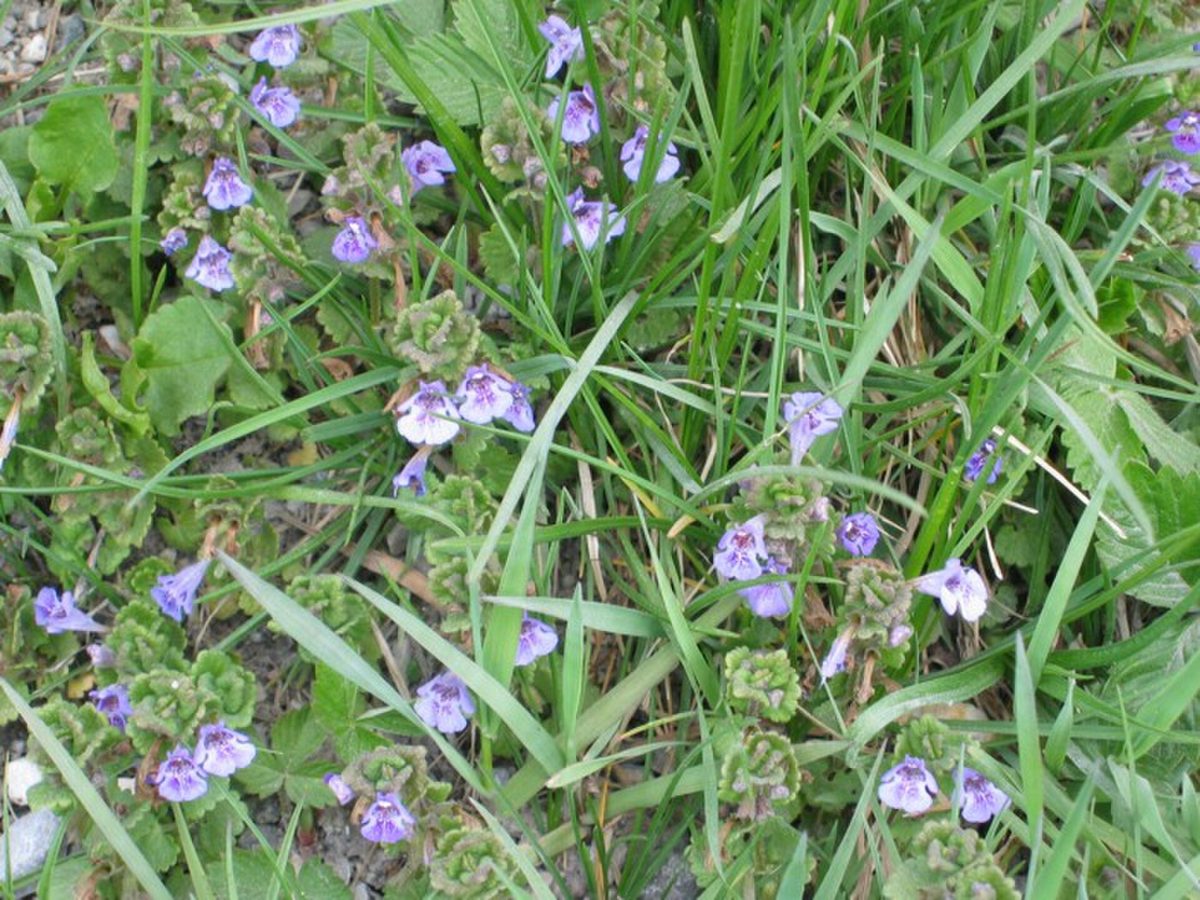
Ground Ivy
Glechoma hederacea
0.2–1 ft (0.05–0.3 m) · Full sun, part shade and full shade (full sun preferred)
-
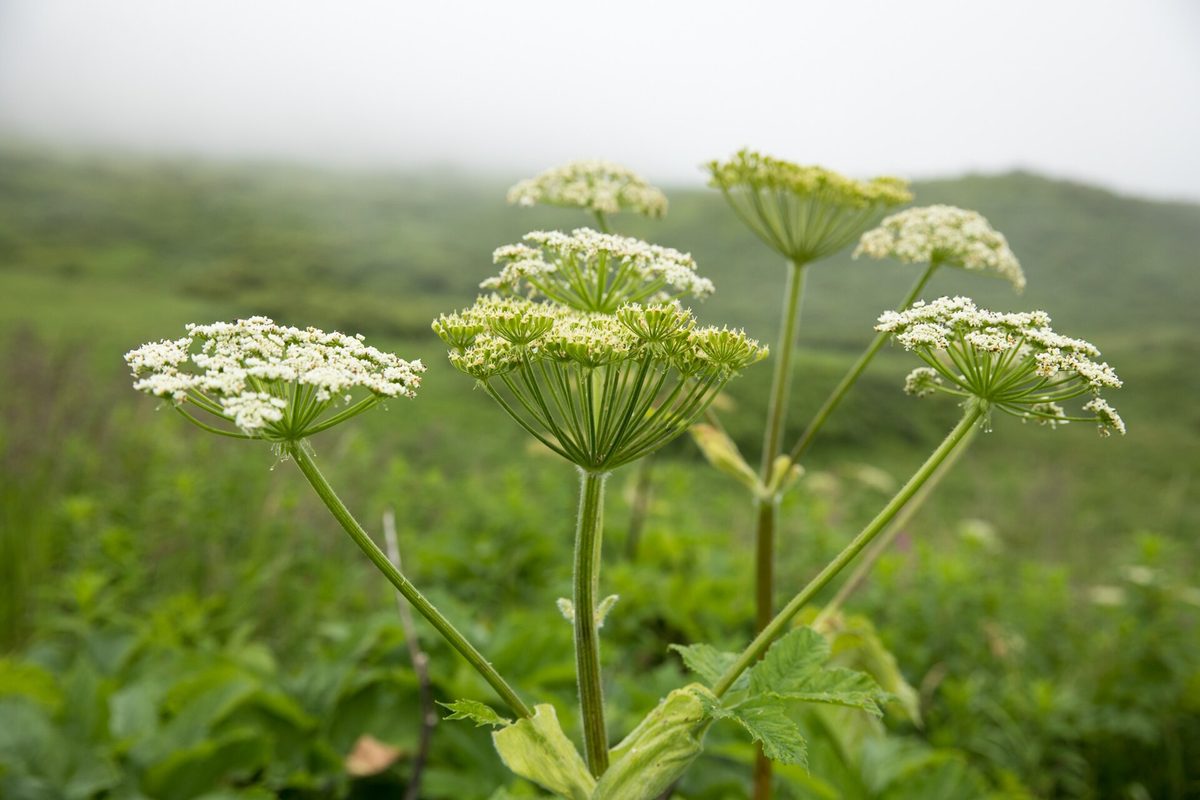
Common Cowparsnip
Heracleum maximum
Zones 4a–10a · 3.3–9.8 ft (1–3 m) · Full sun, part shade and full shade (full sun preferred)
-
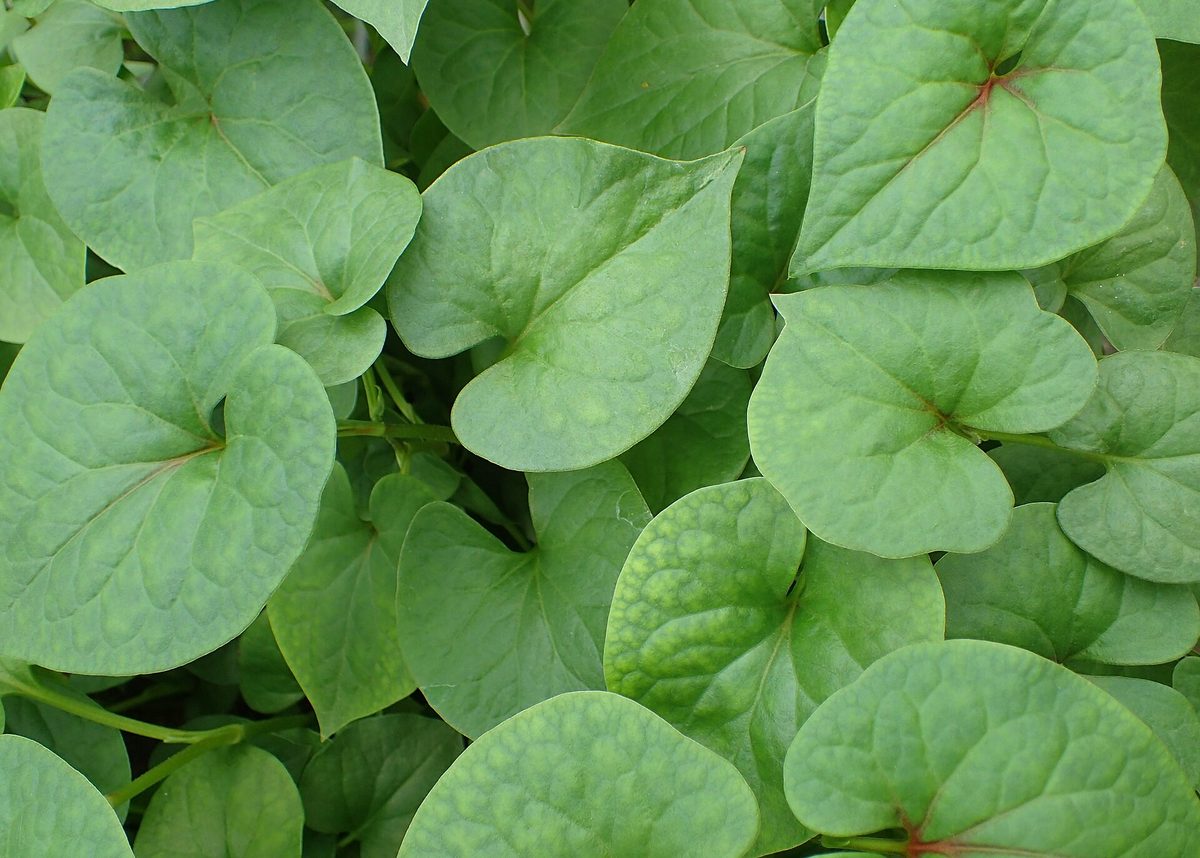
Chameleon
Houttuynia cordata
Zones 4a–10b · 0.5–1.7 ft (0.15–0.51 m) · Full sun, part shade and full shade (full sun preferred)
-
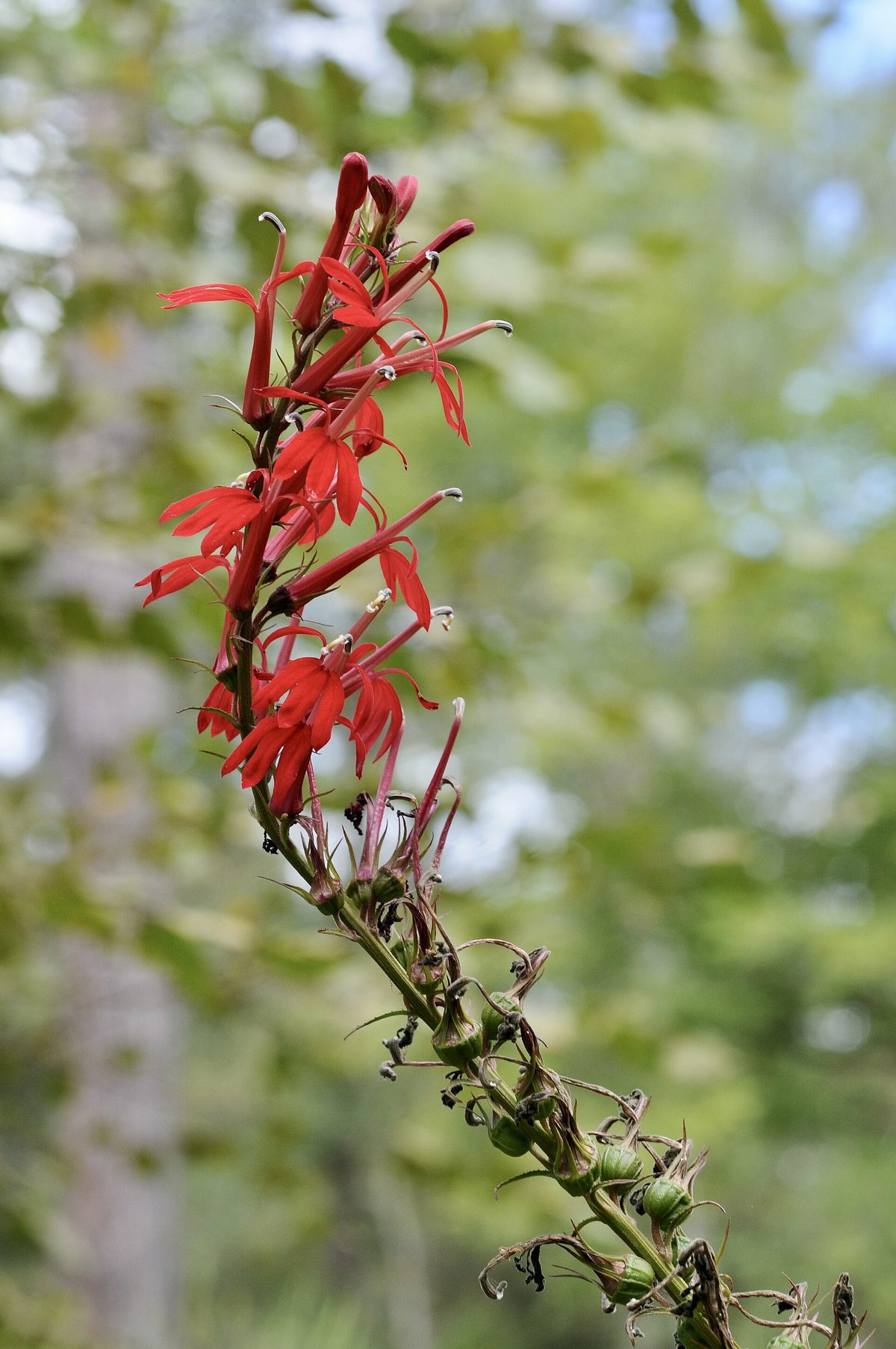
Cardinalflower
Lobelia cardinalis
Zones 3a–9b · 4–5 ft (1.22–1.52 m) · Full sun, part shade and full shade (full sun preferred)
-
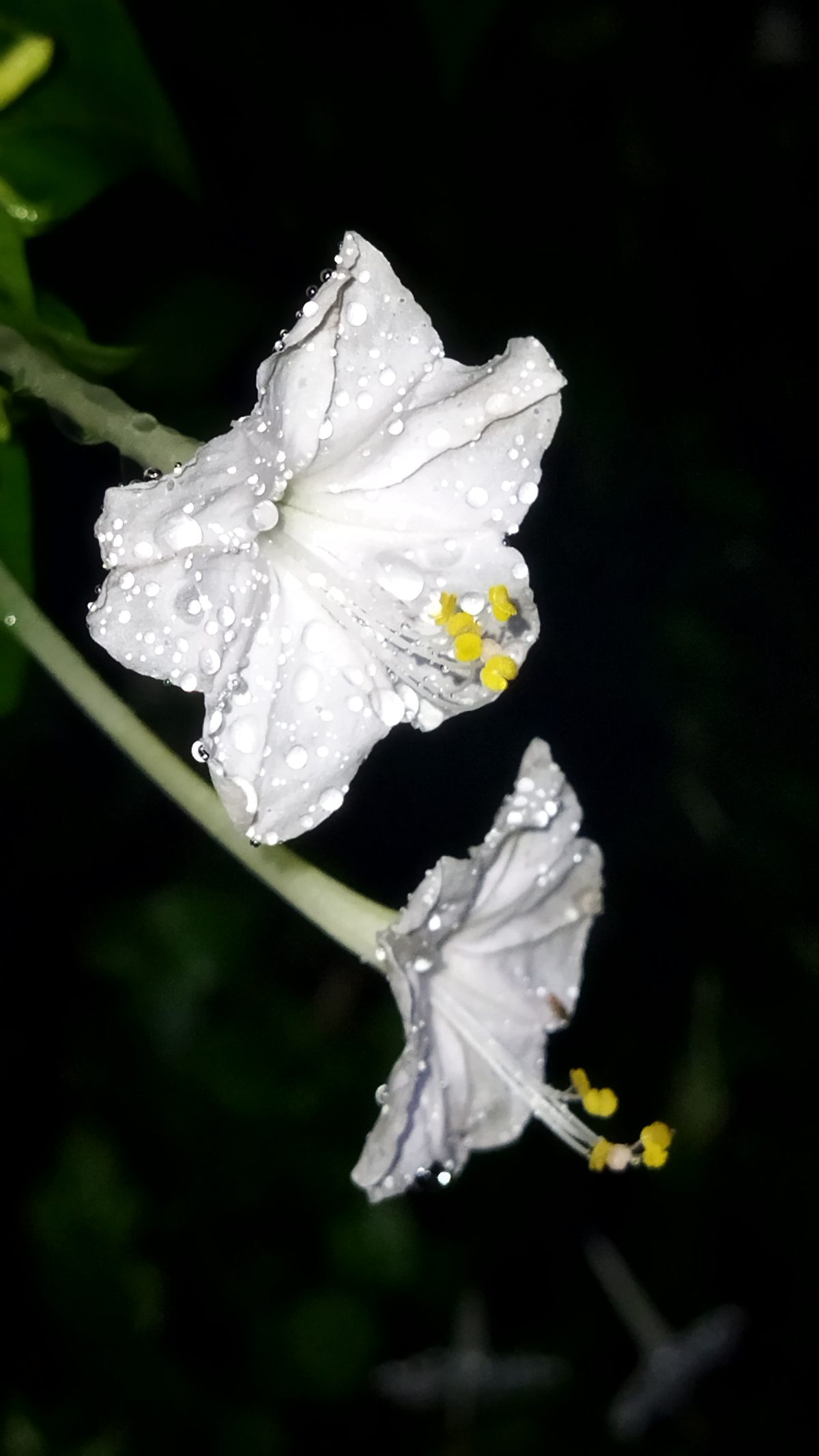
Marvel of Peru
Mirabilis jalapa
Zones 9a–10b · 2–3 ft (0.61–0.91 m) · Full sun and part shade (full sun preferred)
-
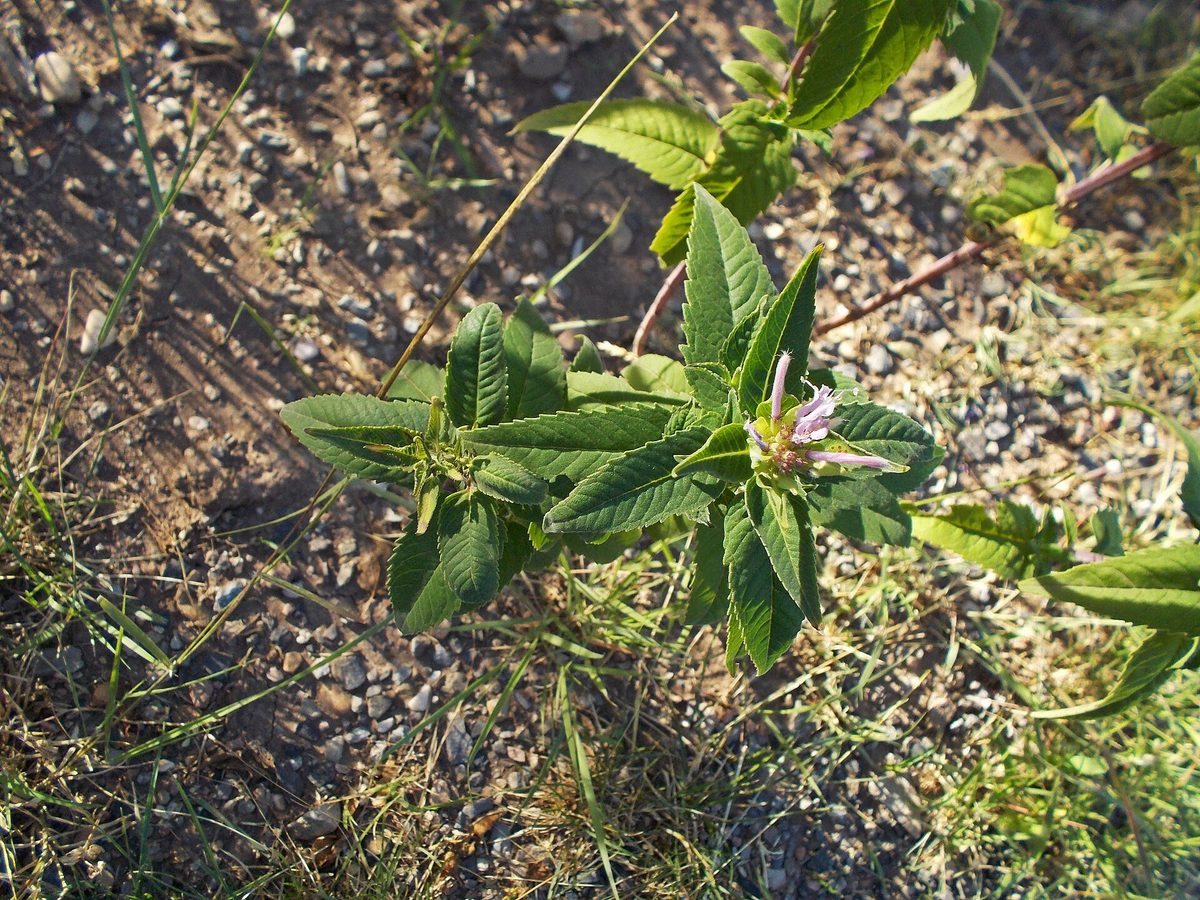
Wild Bergamot
Monarda fistulosa
Zones 3a–9b · 2–5 ft (0.61–1.52 m) · Full sun and part shade (full sun preferred)
-
Sacred Lotus
Nelumbo nucifera
Zones 4a–10b · 5–8 ft (1.52–2.44 m) · Full sun
Nelumbo nucifera sits on this zone 9 list alongside 40 other perennials. Because its page is already live, you can find its care details there rather than here.
-
-
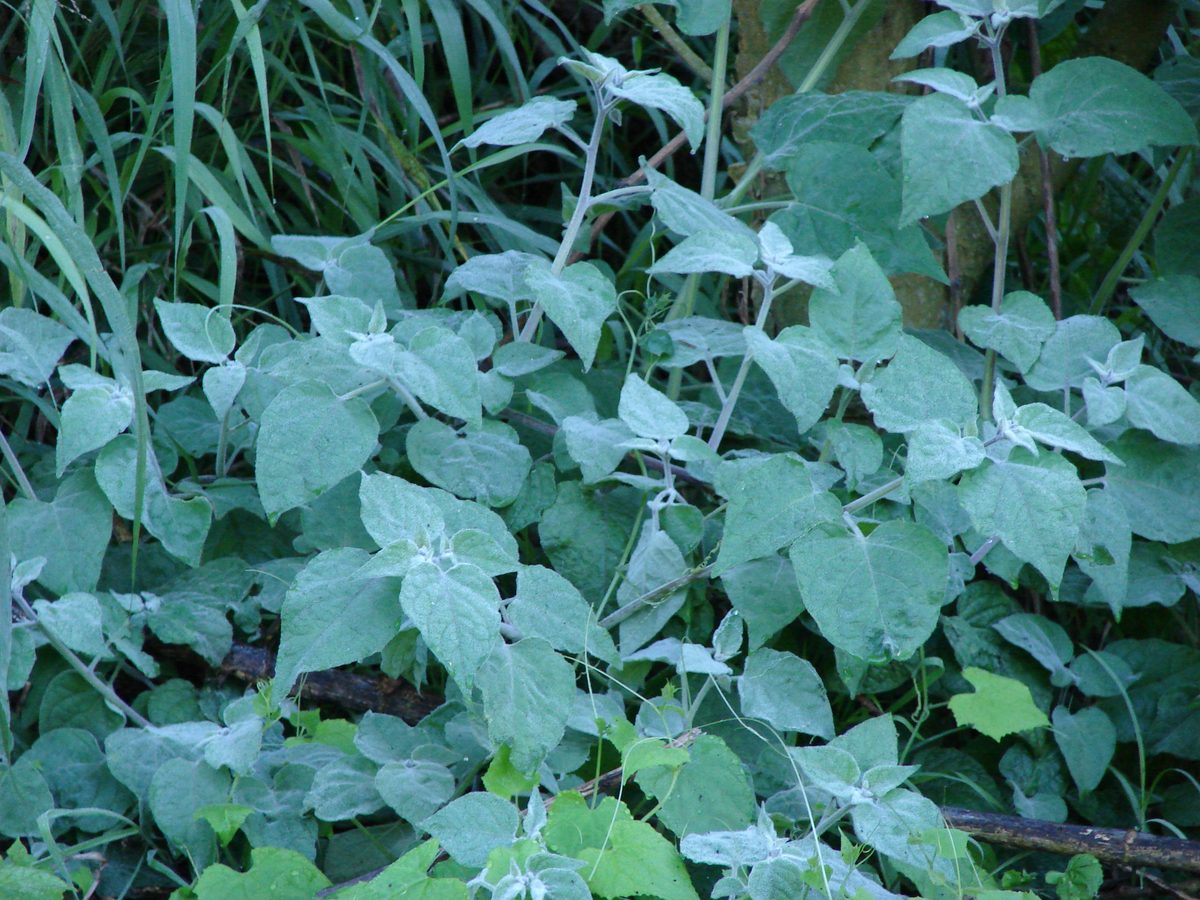
Peruvian Groundcherry
Physalis peruviana
Zones 3a–9b · 1–3 ft (0.3–0.91 m) · Full sun
Out of the 41 perennials on this zone 9 list, Physalis peruviana is one of only four with a published care page right now. The rest of the group is still being added over time.
-
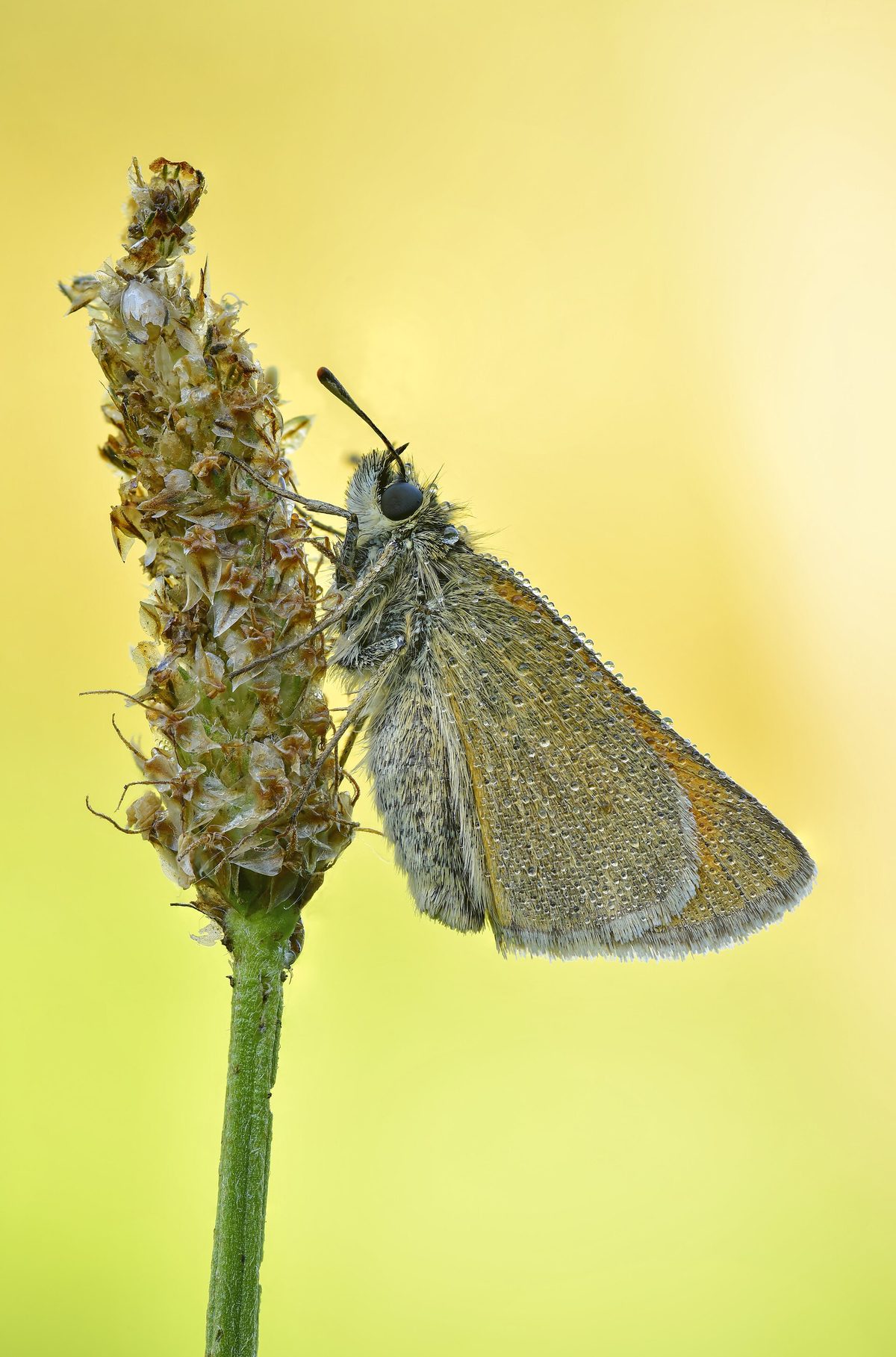
Narrowleaf Plantain
Plantago lanceolata
Zones 5a–9b · Full sun
-
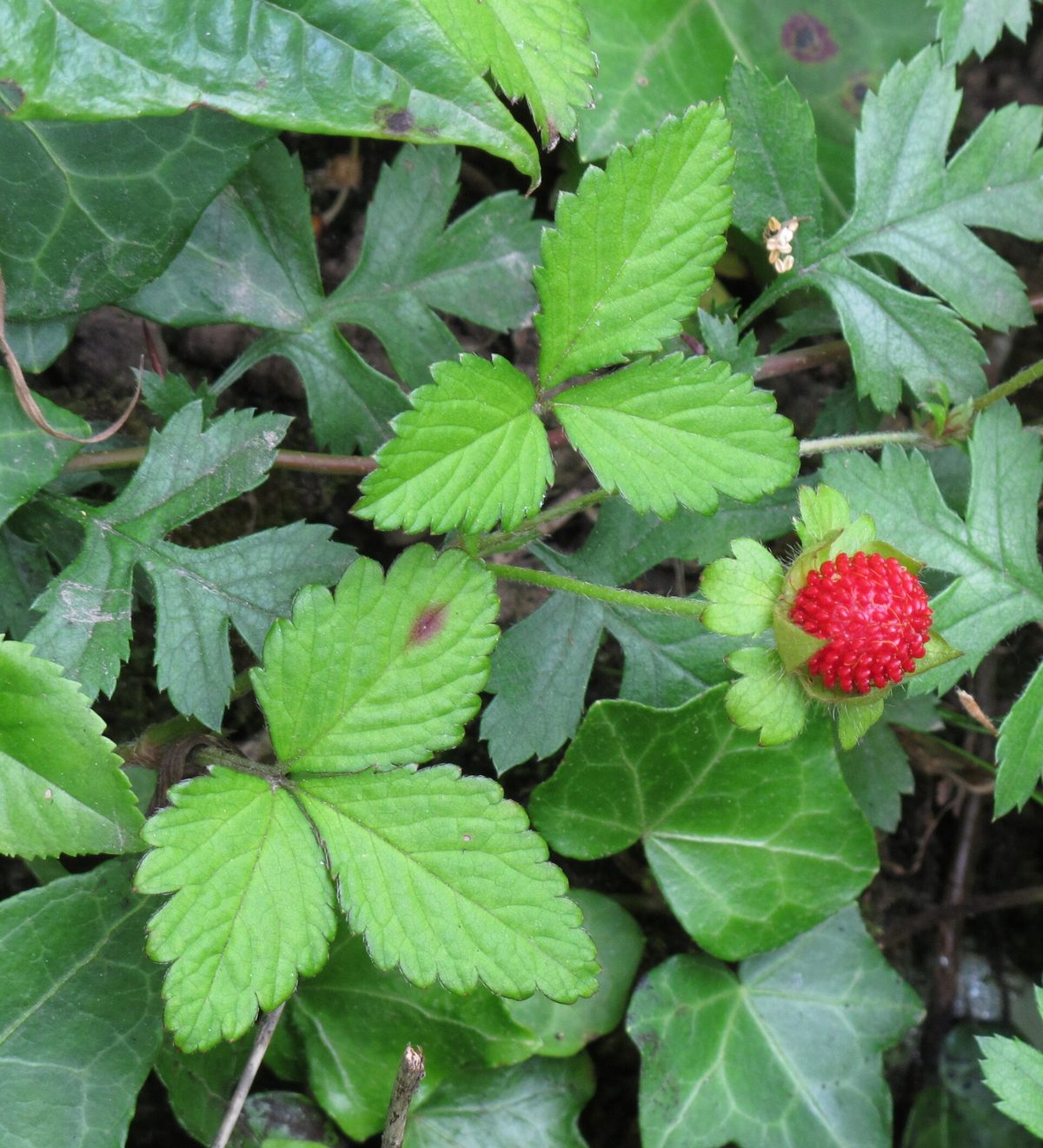
Indian Strawberry
Potentilla indica
Zones 5a–9b · 0.2–0.7 ft (0.08–0.2 m) · Full sun and part shade (full sun preferred)
-
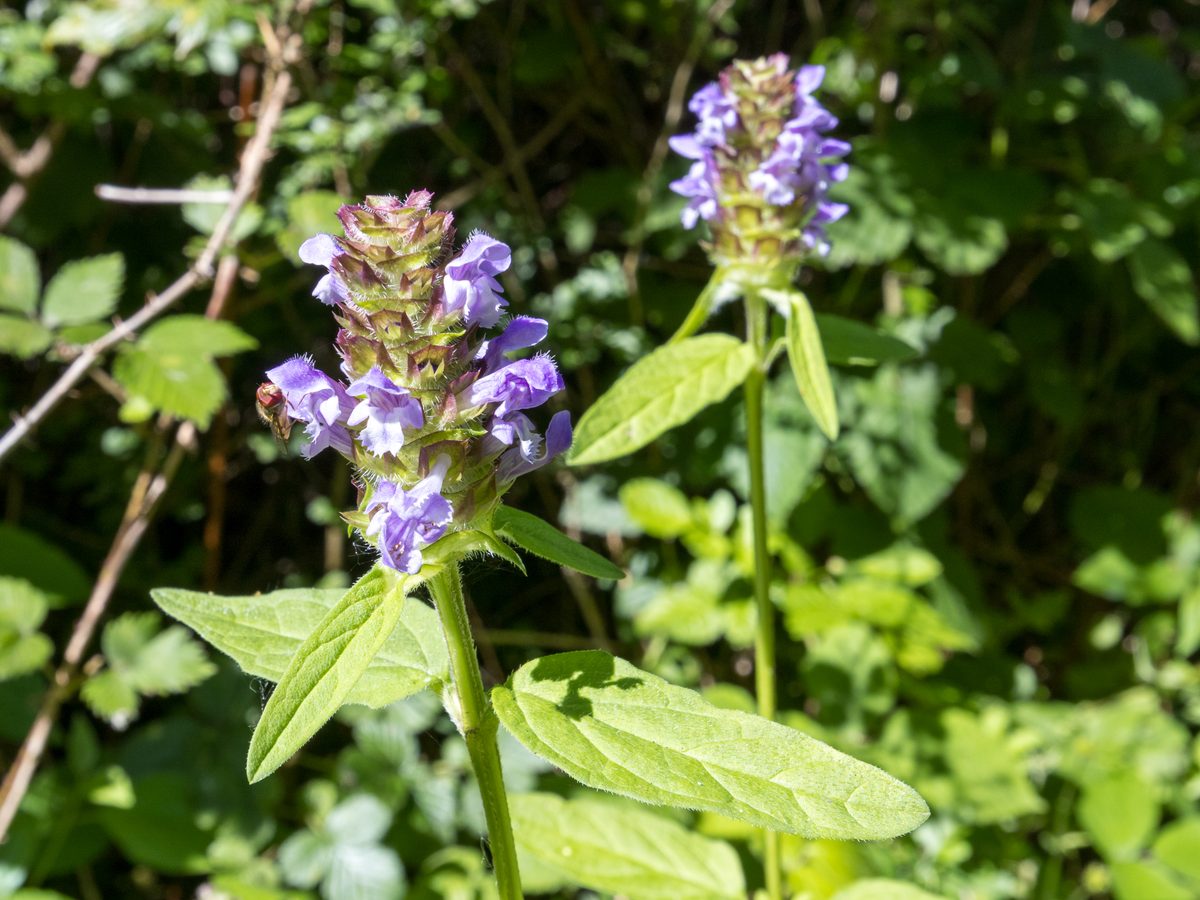
Common Selfheal
Prunella vulgaris
Zones 3a–9b · 1.7 ft (0.51 m) · Full sun and part shade (full sun preferred)
-
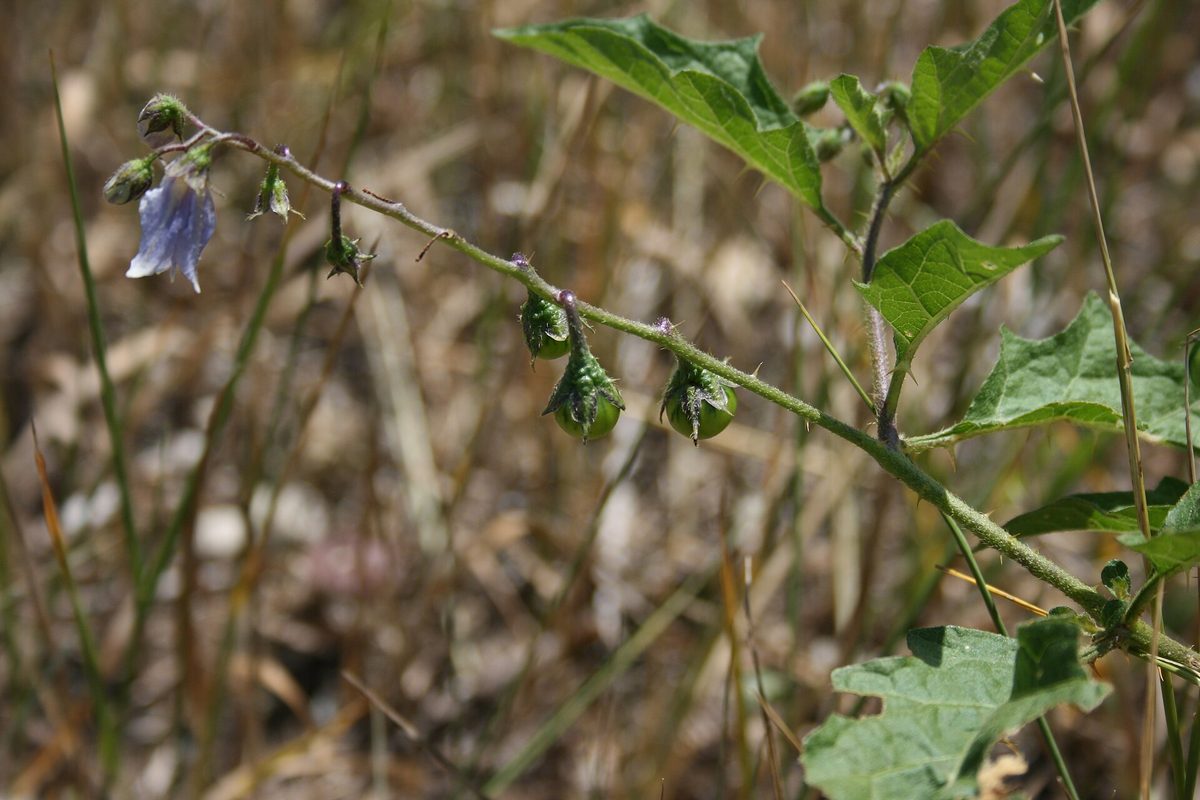
Carolina Horsenettle
Solanum carolinense
Zones 7a–10b · 3–3.9 ft (0.91–1.2 m) · Full sun
-
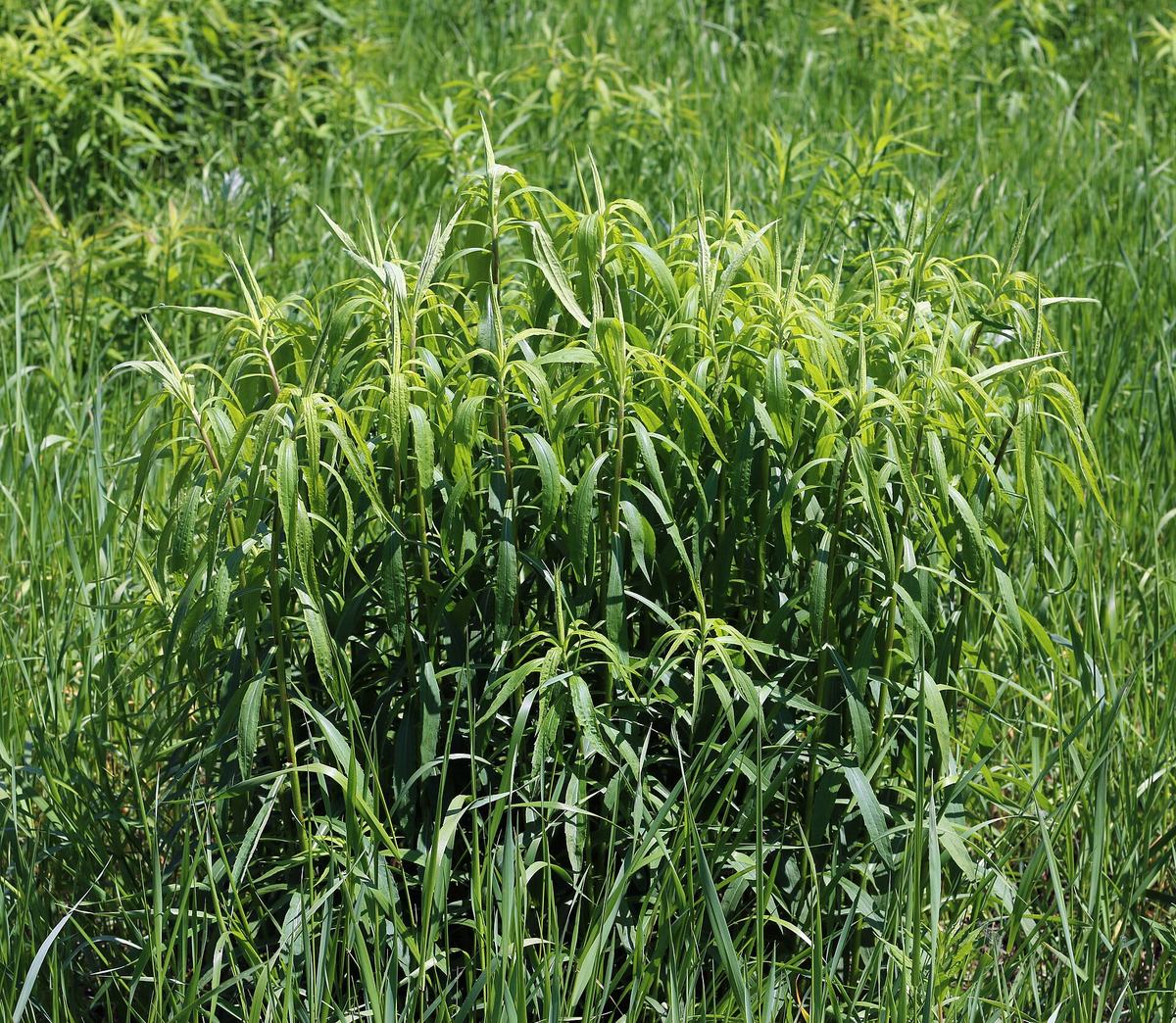
Canada Goldenrod
Solidago canadensis
Zones 5a–9b · 2–4 ft (0.61–1.22 m) · Full sun and part shade (full sun preferred)
-
-
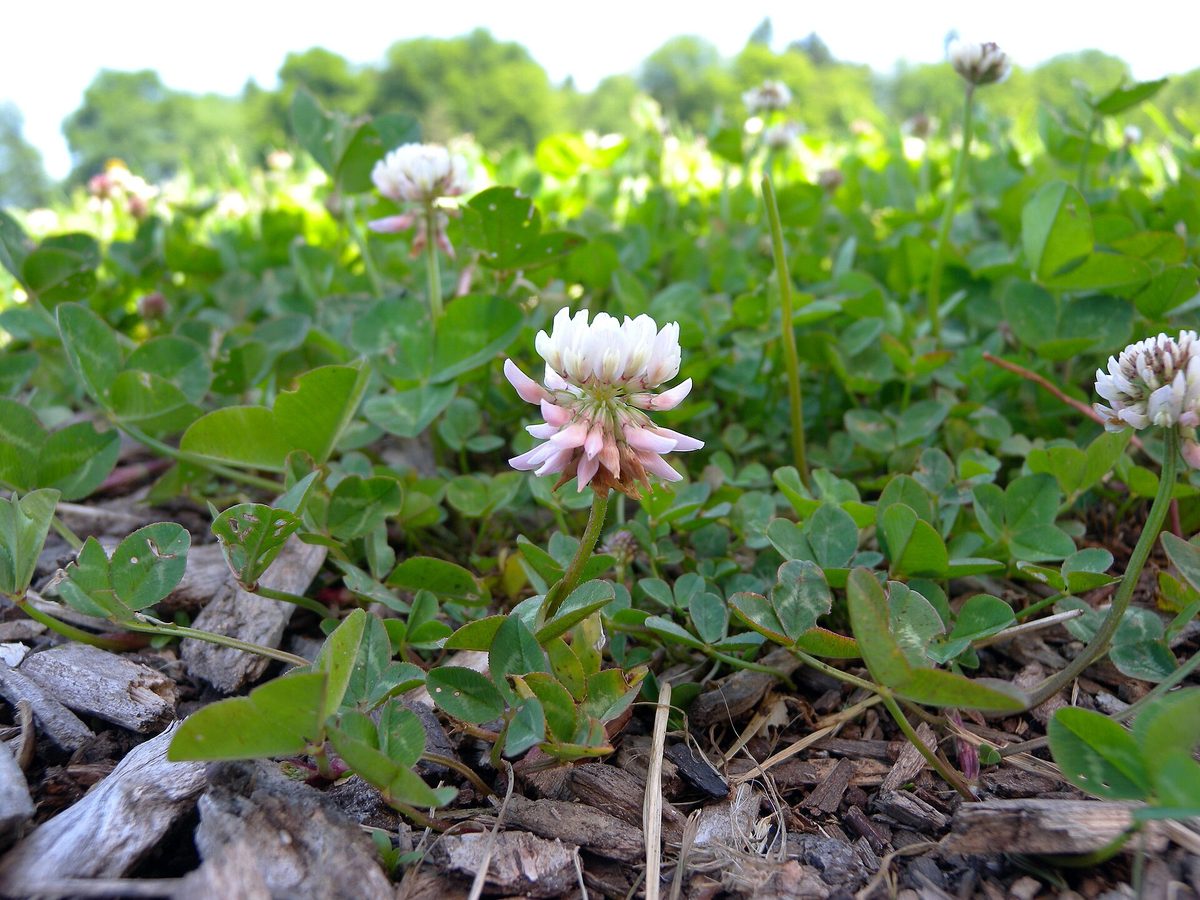
White Clover
Trifolium repens
Zones 3a–10b · 0.3–0.5 ft (0.1–0.15 m) · Full sun and part shade (full sun preferred)
-
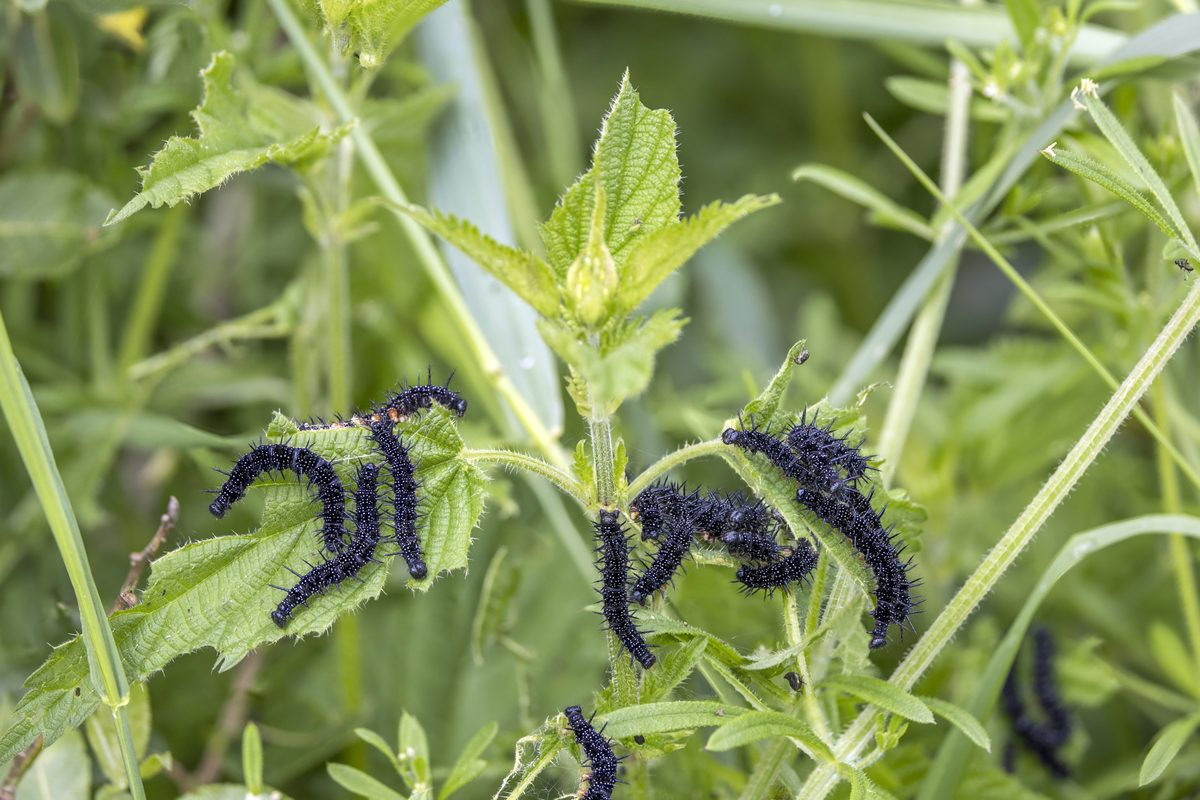
Stinging Nettle
Urtica dioica
Zones 4a–10b · 10 ft (3.05 m) · Full sun, part shade and full shade (full sun preferred)
-
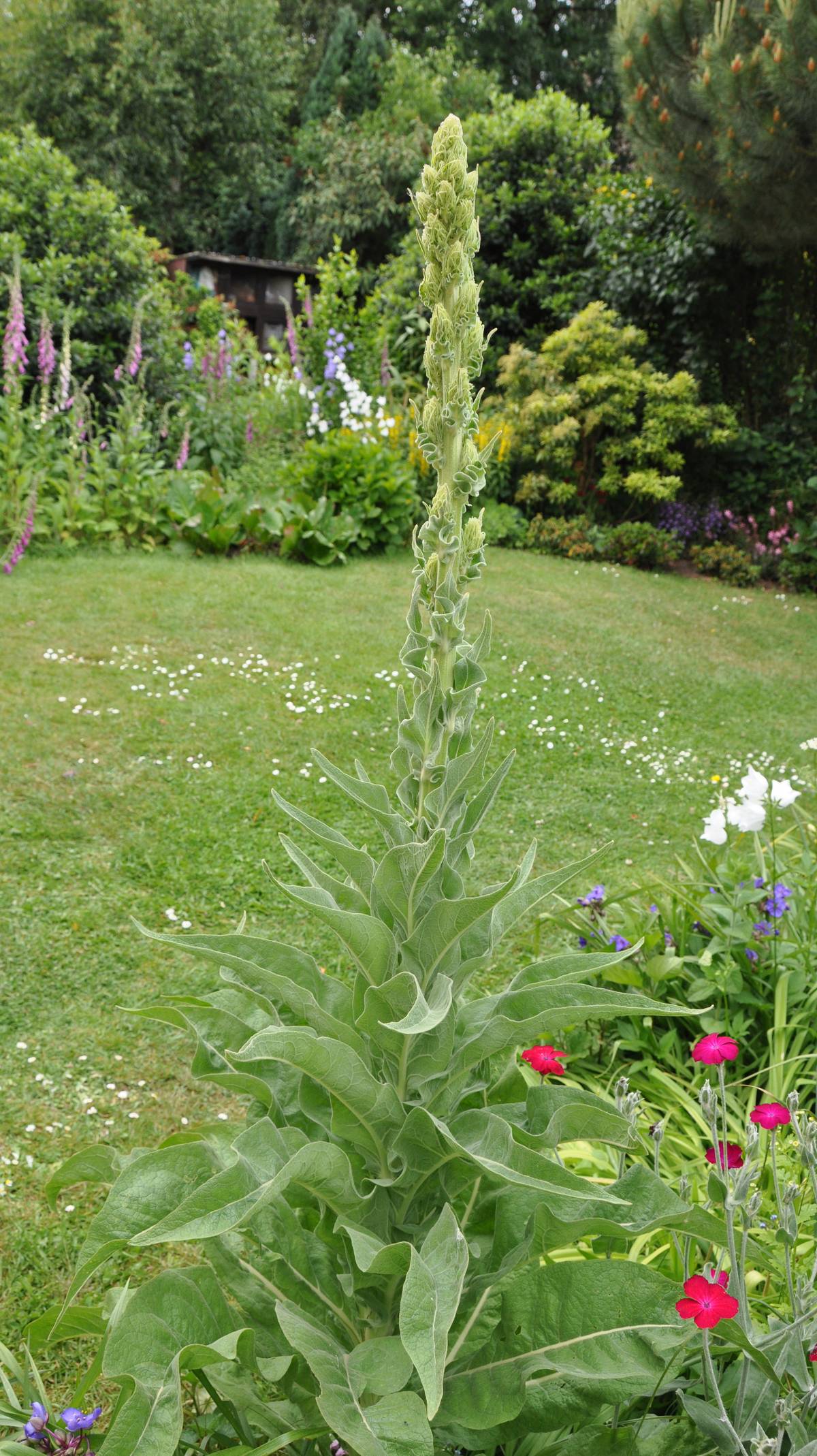
Common Mullein
Verbascum thapsus
Zones 3a–9b · 3–10 ft (0.91–3.05 m) · Full sun and part shade (full sun preferred)
-
Purpletop Vervain
Verbena bonariensis
Zones 7a–11b · 4–5 ft (1.22–1.52 m) · Full sun and part shade (full sun preferred)
-
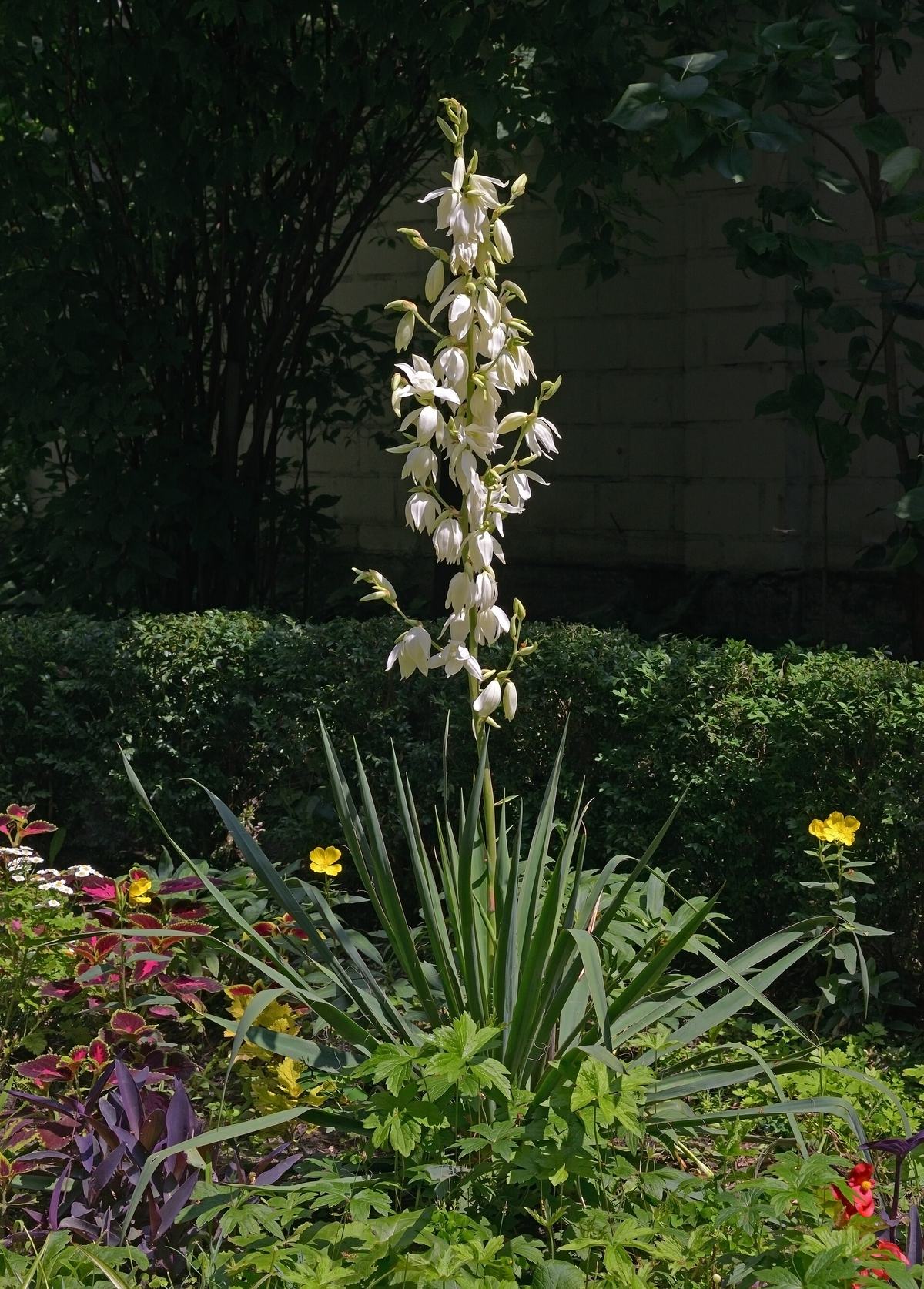
Adam's Needle
Yucca filamentosa
Zones 4a–10b · 3–15 ft (0.91–4.57 m) · Full sun, part shade and full shade (full sun preferred)
Yucca filamentosa rounds out this zone 9 list of 41 perennials. Its care page is still to come, so this hub does not yet have details to share about it.
How we chose
A herbaceous perennial, and hardy through at least zone 9a according to the cited sources
Photo credits
- Bear's Breech photo by Alvesgaspar, CC BY-SA 4.0 via Wikimedia Commons
- Common Yarrow photo by Natalka Ukraine (baby-bear.org), CC BY 4.0 via Wikimedia Commons
- Calamus photo by H. Zell, CC BY-SA 3.0 via Wikimedia Commons
- Devil's Tongue photo by kiwa dokokano, CC BY-SA 3.0 via Wikimedia Commons
- Indianhemp photo by Thayne Tuason, CC BY-SA 4.0 via Wikimedia Commons
- Greater Burdock photo by Ilya Plekhanov, CC BY-SA 3.0 via Wikimedia Commons
- Mountain Arnica photo by Frank Vassen from Brussels, Belgium, CC BY 2.0 via Wikimedia Commons
- Absinthium photo by Wikimedia Commons contributor, CC0 via Wikimedia Commons
- Common Milkweed photo by Salicyna, CC BY-SA 4.0 via Wikimedia Commons
- Butterfly Milkweed photo by Larry Jensen, CC BY 4.0 via Wikimedia Commons
- Common Asparagus Fern photo by 阿橋 HQ, CC BY-SA 2.0 via Wikimedia Commons
- Cast Iron Plant photo by Digigalos, CC BY-SA 3.0 via Wikimedia Commons
- Belladonna photo by Wikimedia Commons contributor, CC0 via Wikimedia Commons
- Herb of Grace photo by Forest & Kim Starr, CC BY 3.0 via Wikimedia Commons
- Ceylon Spinach photo by Joydeep, CC BY-SA 3.0 via Wikimedia Commons
- Indian Shot photo by Wikimedia Commons contributor, CC BY-SA 4.0 via Wikimedia Commons
- Cayenne Pepper photo by George Chernilevsky, Public domain via Wikimedia Commons
- Madagascar Periwinkle photo by Tanvir Rahat, CC BY-SA 4.0 via Wikimedia Commons
- Spider Plant photo by Daderot, CC0 via Wikimedia Commons
- Vetivergrass photo by Copyright © 2005 David Monniaux, CC BY-SA 2.0 via Wikimedia Commons
- Mexican Mint photo by Aathavan jaffna, CC BY-SA 3.0 via Wikimedia Commons
- Field Bindweed photo by Krzysztof Golik, CC BY-SA 4.0 via Wikimedia Commons
- Uruguayan Pampas Grass photo by Rjcastillo, CC BY 4.0 via Wikimedia Commons
- Bermudagrass photo by Joydeep, CC BY-SA 3.0 via Wikimedia Commons
- Papyrus photo by T.Voekler, CC BY-SA 3.0 via Wikimedia Commons
- Sacred Thorn-apple photo by Alex Abair, CC BY 4.0 via Wikimedia Commons
- Queen of the Meadow photo by Wikimedia Commons contributor, CC0 via Wikimedia Commons
- Woodland Strawberry photo by Jörg Hempel, CC BY-SA 3.0 via Wikimedia Commons
- Ground Ivy photo by Michael Kurz, CC BY-SA 3.0 via Wikimedia Commons
- Common Cowparsnip photo by U.S. Fish and Wildlife Service - Midwest Region, Public domain via Wikimedia Commons
- Chameleon photo by Krzysztof Ziarnek, Kenraiz, CC BY-SA 4.0 via Wikimedia Commons
- Cardinalflower photo by sonnia hill, CC BY 2.0 via Wikimedia Commons
- Marvel of Peru photo by Nativeplants garden, CC BY-SA 4.0 via Wikimedia Commons
- Wild Bergamot photo by Andrey Zharkikh from Salt Lake City, USA, CC BY 2.0 via Wikimedia Commons
- Sacred Lotus photo by Basile Morin, CC BY-SA 4.0 via Wikimedia Commons
- Holy Basil photo by Joydeep, CC BY-SA 3.0 via Wikimedia Commons
- Peruvian Groundcherry photo by Forest & Kim Starr, CC BY 3.0 via Wikimedia Commons
- Narrowleaf Plantain photo by Sven Damerow, CC BY-SA 4.0 via Wikimedia Commons
- Indian Strawberry photo by Robert Flogaus-Faust, CC BY 4.0 via Wikimedia Commons
- Common Selfheal photo by JackyM59, CC BY-SA 4.0 via Wikimedia Commons
- Carolina Horsenettle photo by Cody Hough, CC BY-SA 3.0 via Wikimedia Commons
- Canada Goldenrod photo by George Chernilevsky, Public domain via Wikimedia Commons
- Red Clover photo by Ivar Leidus, CC BY-SA 4.0 via Wikimedia Commons
- White Clover photo by MurielBendel, CC BY-SA 4.0 via Wikimedia Commons
- Stinging Nettle photo by Wikimedia Commons contributor, CC BY-SA 4.0 via Wikimedia Commons
- Common Mullein photo by Marc Ryckaert (MJJR), CC BY 3.0 via Wikimedia Commons
- Adam's Needle photo by Ввласенко, CC BY-SA 4.0 via Wikimedia Commons


How this page was made
- Written with AI assistance from the sources listed on this page. AI is never the source of a fact.