Devil's Tongue (Amorphophallus konjac)
Formerly Brachyspatha konjac, Hydrosme rivierei, Conophallus konjak
Keep devil's tongue (Amorphophallus konjac) in low light with medium water, and note that this page records no toxicity position for cats or dogs. It tolerates medium light indoors and can grow 4–6 ft (1.22–1.83 m) tall. The soil should be well drained and moist.
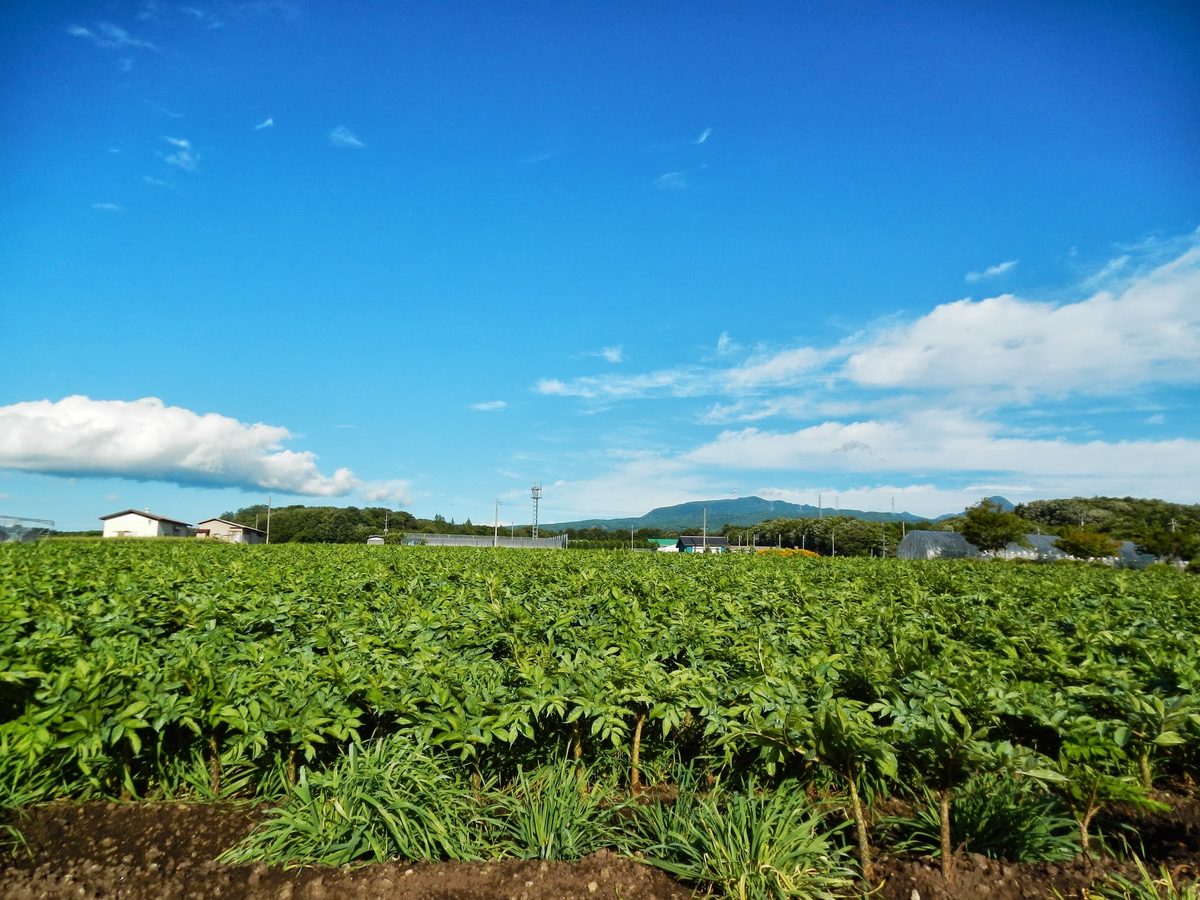
Photo: kiwa dokokano, CC BY-SA 3.0 via Wikimedia Commons

Quick facts
| Light: | Low light; tolerates medium light11 source |
|---|---|
| Water: | Medium11 source |
| Soil: | Well drained and moist; pH 3.5–911 source |
| Minimum temperature: | 60.8 °F (16 °C)11 source |
| Size: | 4–6 ft (1.22–1.83 m) × 4 ft (1.22 m)12 |
| Growth rate: | Rapid11 source |
| Bloom: | White, purple, brown, red and green32 |
| Cats: | Not documented by major sources |
| Dogs: | Not documented by major sources |
| Native range: | CHC4 |
| Family: | Araceae |
How much light does a Devil's Tongue need?
Indoors, this plant is listed for low light, and it also tolerates medium light. Deep shade is described as less than 2 hours of direct sunlight to none at all. Outdoors it prefers part shade, though full sun and full shade are listed as well. One extension source says it does best in partial sun.
- Light: Low light; tolerates medium light1
How often to water a Devil's Tongue
Give this plant medium water, keeping the soil moist but well drained. Medium is the only level listed, and no watering schedule in days is documented. Good drainage is listed for the soil, and so is moist soil. Maintenance for the plant overall is rated medium.
- Water: Medium1
Best soil for a Devil's Tongue
Choose a soil that drains well and still stays moist. Good drainage and moist conditions are both listed in the plant's soil needs. The water need is described as moist but well drained. Soil should be moist, and no pH range is documented for this page. Outdoors, the plant is listed for hardiness zones 6a–11b. A medium maintenance level is listed for the plant as a whole.
Temperature and humidity
Plants tolerate a minimum temperature of 60 °F (16 °C) during the growing season. Hardiness is listed as zones 6a to 11b. No humidity range is documented, and no minimum outside the growing season is recorded. The plant is listed as an herbaceous perennial and bulb. Its growth rate is listed as rapid, and its habit is erect.
- Minimum temperature: 60.8 °F (16 °C)1
Fertilizing a Devil's Tongue
Devil's tongue is a heavy feeder, and it can be fertilized heavily through the growing season. No fertilizer ratio, amount or schedule in days is documented for this page. The plant also has a rapid growth rate. Plants can reach 4–6 ft (1.22–1.83 m) tall.
- Fertilizer: Heavy feeder2
Pruning a Devil's Tongue
Leave each leaf in place until it has turned completely brown. Removing dead growth is the only pruning the listing names. No other pruning, such as shaping or trimming back, is documented for this plant. The plant is an erect herbaceous perennial, and maintenance is rated medium. It can reach 4–6 ft (1.22–1.83 m) tall.
- Pruning: Remove dead growth only2
How to propagate a Devil's Tongue
Propagate devil's tongue from seeds or from offsets, which are also called cormels. Seed and offsets are the two methods listed for this plant. No timing, depth or temperature for either method is documented here. Allow space for the mature plant, which is listed at up to 4 ft (1.22 m) across. The plant is listed as a bulb and herbaceous perennial.
- Propagation: Seed and offsets1
Common problems
The listing for this plant records no known diseases or insect pest issues. No specific pest or disease is named for it, so none is described on this page. Its maintenance level is rated medium. Soil that is moist and well drained is listed for it.
Is Devil's Tongue toxic to cats and dogs?
Recommended supplies
- Light: a low-light spot away from a window suits it; a full-spectrum grow light extends where it can live.
- Soil: a free-draining mix, and a pot with a drainage hole.
Questions and answers
- How much light does devil's tongue need indoors?
- It is listed for low light indoors, and it tolerates medium light. Outdoors, part shade is preferred, though full sun and full shade are also listed. Deep shade means less than 2 hours of direct sunlight to none.
- How big does devil's tongue get?
- Plants can reach 4–6 ft (1.22–1.83 m) tall and up to 4 ft (1.22 m) across. The growth rate is listed as rapid, and the habit is erect. It is an herbaceous perennial and bulb.
- How often should I feed devil's tongue?
- It is listed as a heavy feeder that can be fertilized heavily through the growing season. No fertilizer amount or schedule in days is documented for this page. Plants tolerate a minimum temperature of 60 °F (16 °C) during the growing season.
Sources
- NC State Extension Gardener Plant Toolbox. https://plants.ces.ncsu.edu/plants/amorphophallus-konjac/. Accessed 24 September 2026.
- University of Wisconsin-Madison Division of Extension (Wisconsin Horticulture). https://hort.extension.wisc.edu/articles/voodoo-lily-amorphophallus-konjac/. Accessed 28 October 2026.
- Chicago Botanic Garden. https://www.chicagobotanic.org/plant-information/plant-finder/amorphophallus-konjac-konjac-voodoo-lily. Accessed 24 September 2026.
- Royal Botanic Gardens, Kew (World Checklist of Vascular Plants). https://sftp.kew.org/pub/data-repositories/WCVP/wcvp.zip. Accessed 4 June 2026.
How this page was made
- Written with AI assistance from the sources listed on this page. AI is never the source of a fact.