Sweetscented Bedstraw (Galium odoratum)
Formerly Asperula odorata, Chlorostemma odoratum, Asperula eugeniae
Sweetscented bedstraw (Galium odoratum) prefers part shade. It also grows in full shade. It prefers moist soil. It will survive in dry shade as well. It is a herbaceous perennial. Deer do not favor it. Toxicity to cats and dogs is not documented here.
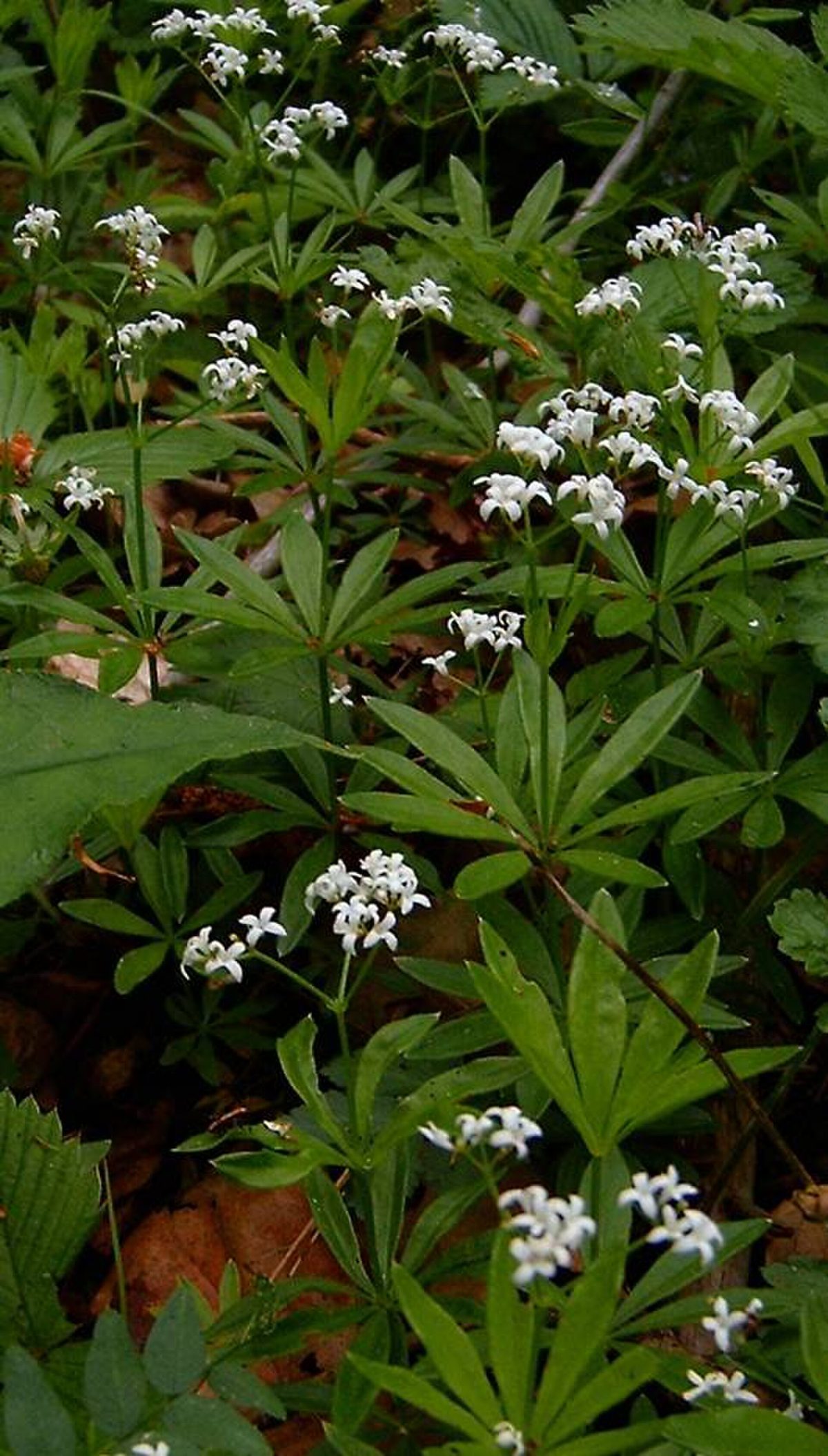
Photo: I.Sáček, senior, Public domain via Wikimedia Commons

Quick facts
| Light: | Part shade and full shade (part shade preferred)1233 |
|---|---|
| Water: | Dry to wet21 source |
| Soil: | Well drained and moist13 |
| Hardiness: | Zones 4a–8b13 |
| Size: | 0.5–1 ft (0.15–0.3 m) × 1–2 ft (0.3–0.61 m)13 |
| Growth rate: | Moderate111 source |
| Bloom: | Apr–May, White4121 source |
| Cats: | Not documented by major sources |
| Dogs: | Not documented by major sources |
| Native range: | ALB, ALG, ALT, AUT, BGM, BLR, BLT, BUL, CHC, CHI, CHM, CHN, CHQ, CHX, COR, CZE, DEN, FIN, FRA, GER, GRB, GRC, HUN, IRE, IRN, ITA, JAP, KOR, KRA, KRY, NCS, NET, NOR, POL, PRM, ROM, RUC, RUE, RUN, RUS, RUW, SAK, SIC, SPA, SWE, SWI, TCS, TUE, TUR, UKR, WSB, YUG5 |
| Family: | Rubiaceae |
How much light does a Sweetscented Bedstraw need?
Part shade suits sweetscented bedstraw best, and it also accepts full shade. Part shade here means direct sunlight for only part of the day, about 2 to 6 hours. The plant does well in partial to full shade. Heavy shade is also listed among the conditions it tolerates. Light shade or deep shade are both covered by its recorded range.
How often to water a Sweetscented Bedstraw
Moist soil is what sweetscented bedstraw prefers. It will also survive in dry shade. The recorded moisture range runs from dry-to-medium soil up to medium-to-wet soil. Wet soil is among the conditions it tolerates. Clay soil is tolerated as well. The soil is described as both well drained and moist.
- Water: Dry to wet2
Best soil for a Sweetscented Bedstraw
It thrives in moist, well-drained loam or amended soils. Drainage is recorded as good, alongside the moist conditions the plant likes. It also tolerates clay soil and wet soil. Moist soil is preferred, though dry shade is survivable. The plant is not susceptible to juglone, so it will grow under walnut trees. Black walnut is listed among the things it tolerates. No soil pH range is documented for this plant.
Hardiness and temperature
Zones 4a through 8b make up the listed hardiness range. The plant is hardy throughout USDA Plant Hardiness Zones 4 to 8. Zone 4a marks the cold end of that range. Zone 8b marks the warm end. A garden in zone 5, 6 or 7 sits inside the range. The range spans five whole zone numbers, from 4 through 8. No minimum temperature or humidity figure is documented for this plant.
Pruning a Sweetscented Bedstraw
Light shaping is the pruning type recorded for this plant. If you need to, you can mow it with a rotary mower set high to maintain growth. It reaches 6 to 12 in (15 to 30 cm) tall. Its width is 1 to 2 ft (0.3 to 0.61 m). It spreads readily in ideal conditions. Its growth rate is moderate.
- Pruning: Light shaping1
How to plant a Sweetscented Bedstraw
Plant sweetscented bedstraw where your garden falls within USDA zones 4a to 8b. Pick a spot with part shade or full shade. The soil should be moist and well drained. Allow 1 to 2 ft (0.3 to 0.61 m) for each plant's spread. Expect a height of 6 to 12 in (15 to 30 cm). It will grow under walnut trees because it is not susceptible to juglone. Its habit is climbing and spreading. Its small white flowers have four petals. It is listed as introduced in the lower 48 US states.
Winter care
Sweetscented bedstraw is hardy outdoors from zone 4a to zone 8b. Zone 4a is the coldest zone in that range. It is a herbaceous perennial. Wet soil and clay soil are both on its list of tolerances. Good drainage is also recorded for its soil. Heavy shade is tolerated too. No minimum temperature or winter protection method is documented.
How to propagate a Sweetscented Bedstraw
Sweetscented bedstraw can be propagated by division, seed or stem cuttings. Division is the method described as the most easily done. Spring is the time named for dividing it. Seed and stem cuttings are the other two methods listed. A mature plant is 1 to 2 ft (0.3 to 0.61 m) wide. It spreads readily in ideal conditions.
- Propagation: Division, seed and stem cuttings2
Common problems
Pests and diseases are both recorded as having no significant problems for this plant. No specific pest is named. No specific disease is named. Deer do not favor it, and it is reported as resistant. The plant is not susceptible to juglone. It tolerates heavy shade, clay soil and wet soil.
Is Sweetscented Bedstraw toxic to cats and dogs?
Recommended supplies
- Soil: a free-draining mix, and a pot with a drainage hole.
Questions and answers
- Does sweetscented bedstraw grow in shade?
- It prefers part shade and also accepts full shade. It tolerates heavy shade as well. The plant will survive in dry shade, though it prefers moist soil.
- What color are the flowers of sweetscented bedstraw?
- The flowers are white. They are small and have four petals. They appear in spring.
- Do deer eat sweetscented bedstraw?
- Deer do not favor it, and it is reported as resistant. It is also listed as having no significant pest problems. It is a herbaceous perennial that spreads readily in ideal conditions.
Sources
- NC State Extension. https://plants.ces.ncsu.edu/plants/galium-odoratum/. Accessed 14 October 2026.
- Wisconsin Horticulture (UW-Madison Division of Extension). https://hort.extension.wisc.edu/articles/sweet-woodruff-galium-odorata/. Accessed 14 October 2026.
- Penn State Extension. https://extension.psu.edu/sweet-woodruff-in-the-garden-and-the-kitchen. Accessed 14 October 2026.
- University of Illinois Extension. https://web.extension.illinois.edu/hortanswers/PlantDetail.cfm?PlantID=558&PlantTypeID=6. Accessed 31 October 2026.
- Royal Botanic Gardens, Kew (World Checklist of Vascular Plants). https://sftp.kew.org/pub/data-repositories/WCVP/wcvp.zip. Accessed 4 June 2026.
How this page was made
- Written with AI assistance from the sources listed on this page. AI is never the source of a fact.