Common Milkweed (Asclepias syriaca)
Formerly Asclepias cornuti, Asclepias globosa, Asclepias kansana
Give common milkweed full sun and soil that runs from dry to medium, and it grows as an erect herbaceous perennial. It is listed for USDA zones 3a to 9b. Both cats and dogs are recorded as affected, so treat the plant as toxic to each of them.
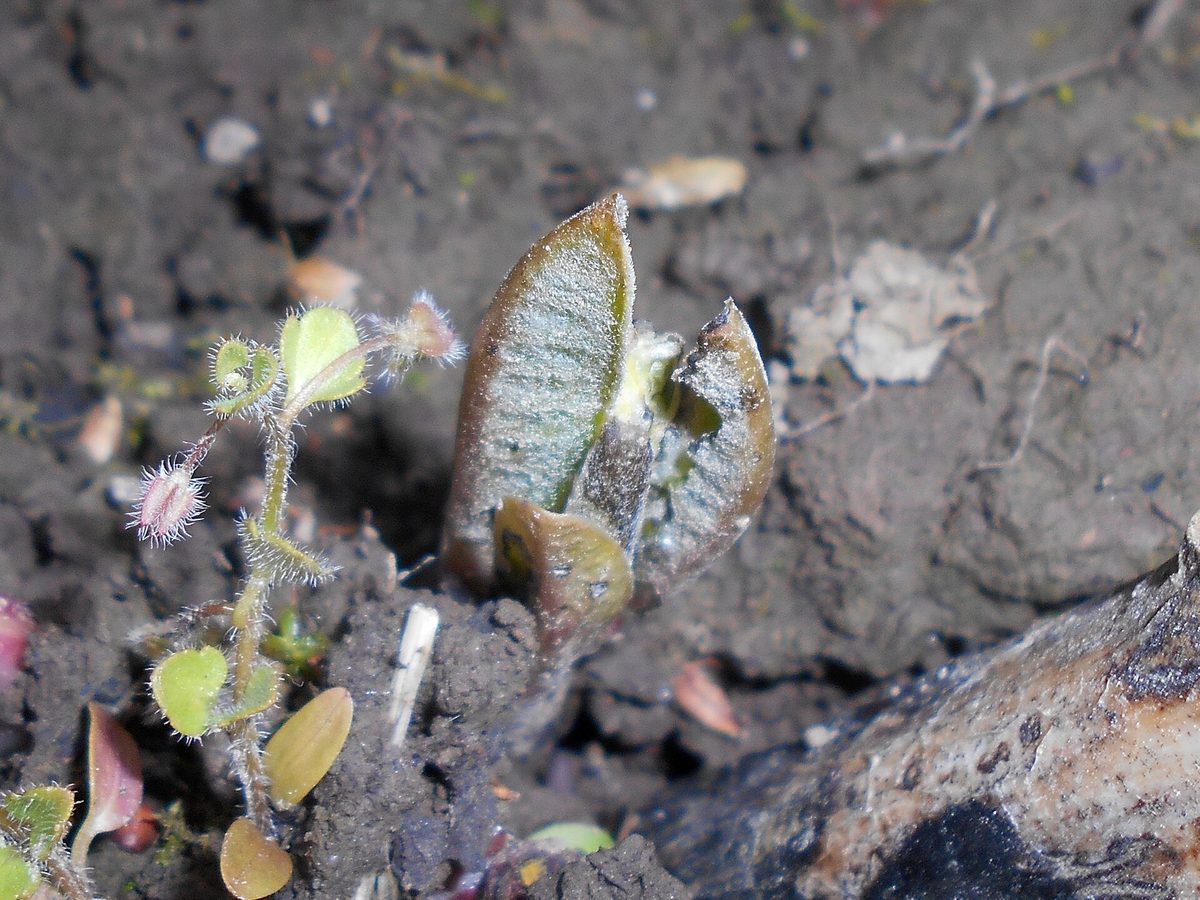
Photo: Salicyna, CC BY-SA 4.0 via Wikimedia Commons

Quick facts
| Light: | Full sun12 |
|---|---|
| Water: | Dry to medium132 |
| Soil: | Well drained and occasionally dry13 |
| Hardiness: | Zones 3a–9b11 source |
| Size: | 3–5 ft (0.91–1.52 m) × 0.7–1 ft (0.2–0.3 m)311 source |
| Growth rate: | Rapid11 source |
| Bloom: | Jun–Aug, Green, pink, purple and white153 |
| Cats: | Toxic to cats 14 |
| Dogs: | Toxic to dogs 14 |
| Native range: | ARK, CNT, DEL, ILL, INI, IOW, KAN, KTY, MAI, MAN, MAS, MIC, MIN, MNT, MRY, MSO, NBR, NCA, NDA, NEB, NSC, NWH, NWJ, NWY, OHI, OKL, ONT, PEI, PEN, QUE, RHO, SAS, SDA, TEN, VER, VRG, WDC, WIS, WVA6 |
| Family: | Apocynaceae |
How much light does a Common Milkweed need?
Common milkweed grows in full sun, which NC State Extension defines as six or more hours of direct sunlight a day. Penn State Extension describes the plant as growing in average, well-drained soils in full sun. Pick a spot that gets at least that much direct light. Full sun is the only light level on record for this plant, and no cited source lists a shade or part-shade preference.
How often to water a Common Milkweed
Water needs for common milkweed run from dry to medium. NC State Extension says the plant can tolerate poor or dry soils. Drought is also on its list of tolerances. Illinois Extension pairs full sun with moist, well drained soils to dry soils. The drainage record describes the soil as well drained and occasionally dry.
Best soil for a Common Milkweed
Common milkweed is listed for well drained and occasionally dry soil. NC State Extension records good drainage, and Illinois Extension describes moist, well drained soils to dry soils. The plant also tolerates clay soil and erosion. Drainage is the main soil condition on record, so it is the one to look at first. No cited source gives a soil pH range for this plant, so none is stated here.
Hardiness and temperature
Common milkweed is rated for USDA hardiness zones 3a through 9b. NC State Extension lists every half zone in that span, from 3a, 3b, 4a and 4b up to 9a and 9b. No cited source records a minimum temperature for the plant, so the zone range is the guide. Humidity preferences are not documented either.
- Hardiness: Zones 3a–9b1
How to plant a Common Milkweed
Plant common milkweed where your winters fit USDA zones 3a to 9b. Choose a spot in full sun with at least six hours of direct light a day. The soil should be well drained. The plant grows erect to 3–5 ft (0.91–1.52 m) tall. Its spread is 0.7–1 ft (0.2–0.3 m). Its growth rate is rapid.
- Hardiness: Zones 3a–9b1
Winter care
Common milkweed is classed as an herbaceous perennial. Zone 3a is the coldest zone in its listed range, and zone 9b is the warmest. Check that your own zone falls between those two. No cited source gives a minimum temperature or any winter protection steps, so none are described here.
- Hardiness: Zones 3a–9b1
How to propagate a Common Milkweed
Common milkweed can be propagated by seed and by root cuttings. NC State Extension lists root cutting among the methods for this plant. Seed and root cuttings are the two propagation methods on record. No cited source gives timing, depth or temperature for either method, so those details are not documented here.
- Propagation: Seed and root cuttings1
Common problems
The pests on record for common milkweed are the milkweed aphid, milkweed weevil, milkweed longhorn beetle, thrips, mites and leafhoppers. NC State Extension notes that the milkweed weevil and the milkweed longhorn beetle also feed on the plant. No cited source lists diseases for this plant, so none are described here.
- Common pests: milkweed aphid, milkweed weevil, milkweed longhorn beetle, thrips, mites and leafhoppers1
| Problem | Kind |
|---|---|
| Milkweed aphid | Pest |
| Milkweed weevil | Pest |
| Milkweed longhorn beetle | Pest |
| Thrips | Pest |
| Mites | Pest |
| Leafhoppers | Pest |
Is Common Milkweed toxic to cats and dogs?
The ASPCA lists common milkweed as toxic to cats. It lists the plant as toxic to dogs as well. NC State Extension flags the plant as a problem for cats and as a problem for dogs. The cat record and the dog record are separate, and at present both say toxic. The facts on file give no severity, toxic parts or symptoms, so none are described here.
Pet-safe alternatives
Recommended supplies
- Soil: a free-draining mix, and a pot with a drainage hole.
Questions and answers
- Is common milkweed toxic to cats and dogs?
- The ASPCA lists common milkweed as toxic to cats and toxic to dogs. NC State Extension also marks it as a problem for both animals.
- How much sun does common milkweed need?
- It grows in full sun, which means six or more hours of direct sunlight a day. No shade preference is recorded for it.
- How tall does common milkweed get?
- Common milkweed grows erect to about 3–5 ft (0.91–1.52 m) tall. Its spread is only 0.7–1 ft (0.2–0.3 m), and its growth rate is rapid.
Sources
- NC State Extension Gardener Plant Toolbox. https://plants.ces.ncsu.edu/plants/asclepias-syriaca/. Accessed 15 October 2026.
- Penn State Extension. https://extension.psu.edu/common-milkweed. Accessed 15 October 2026.
- University of Illinois Extension (Hort Answers). https://web.extension.illinois.edu/hortanswers/plantdetail.cfm?PlantID=808&PlantTypeID=14. Accessed 15 October 2026.
- ASPCA Animal Poison Control Center. https://www.aspca.org/pet-care/aspca-poison-control/toxic-and-non-toxic-plants/milkweed. Accessed 15 October 2026.
- Lady Bird Johnson Wildflower Center (Native Plant Database). https://www.wildflower.org/plants/result.php?id_plant=ASSY. Accessed 21 October 2026.
- Royal Botanic Gardens, Kew (World Checklist of Vascular Plants). https://sftp.kew.org/pub/data-repositories/WCVP/wcvp.zip. Accessed 4 June 2026.
How this page was made
- Written with AI assistance from the sources listed on this page. AI is never the source of a fact.