Shade perennials
Compared side by side
| Plant | Light | Cats | Dogs |
|---|---|---|---|
| Bear's BreechAcanthus mollis | Full sun and part shade (full sun preferred) | Not documented | Not documented |
| Common YarrowAchillea millefolium | Full sun and part shade (full sun preferred) | Toxic | Toxic |
| CalamusAcorus calamus | Full sun and part shade (full sun preferred) | Not documented | Not documented |
| Black BaneberryActaea racemosa | Part shade and full shade (part shade preferred) | Toxic (1 source) | Toxic (1 source) |
| Bishop's GoutweedAegopodium podagraria | Part shade and full shade (part shade preferred) | Not documented | Not documented |
| Blue Giant HyssopAgastache foeniculum | Full sun, part shade and full shade (full sun preferred) | Not documented | Not documented |
| IndianhempApocynum cannabinum | Full sun and part shade (full sun preferred) | Toxic (1 source) | Toxic |
| Greater BurdockArctium lappa | Full sun and part shade (full sun preferred) | Not documented | Not documented |
| Mountain ArnicaArnica montana | Full sun and part shade (full sun preferred) | Not documented | Not documented |
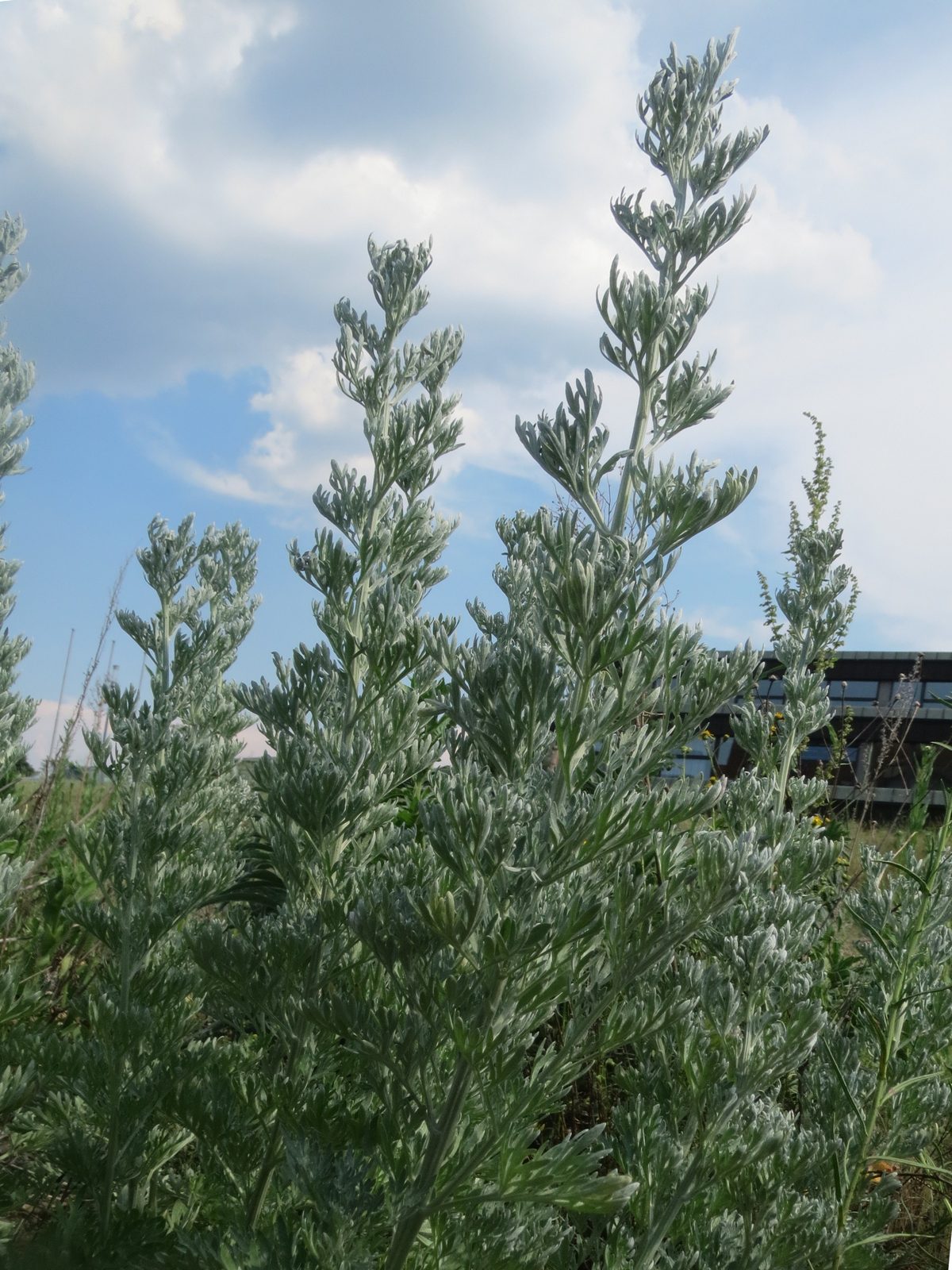
| AbsinthiumArtemisia absinthium | Full sun and part shade (full sun preferred) | Toxic (1 source) | Toxic (1 source) |
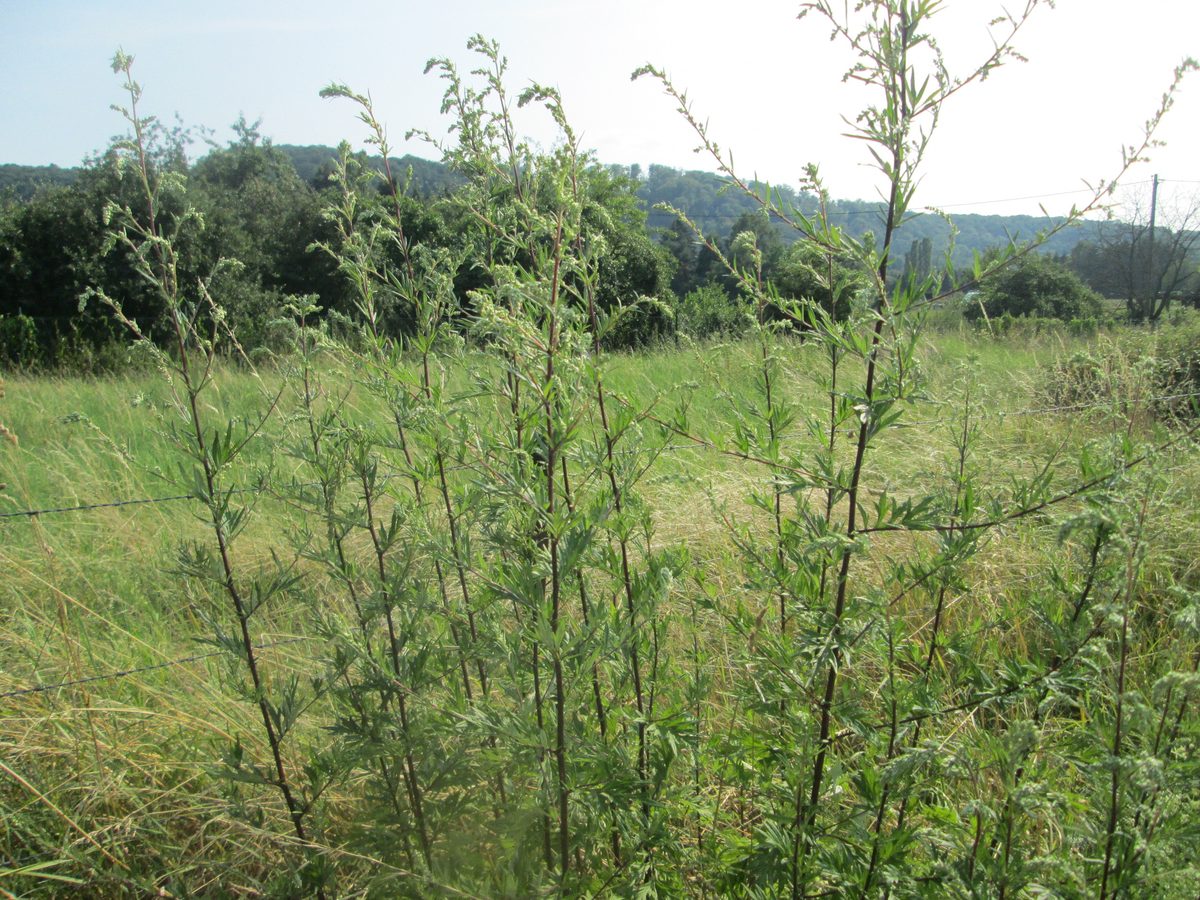
| Common WormwoodArtemisia vulgaris | Full sun and part shade (full sun preferred) | Not documented | Not documented |
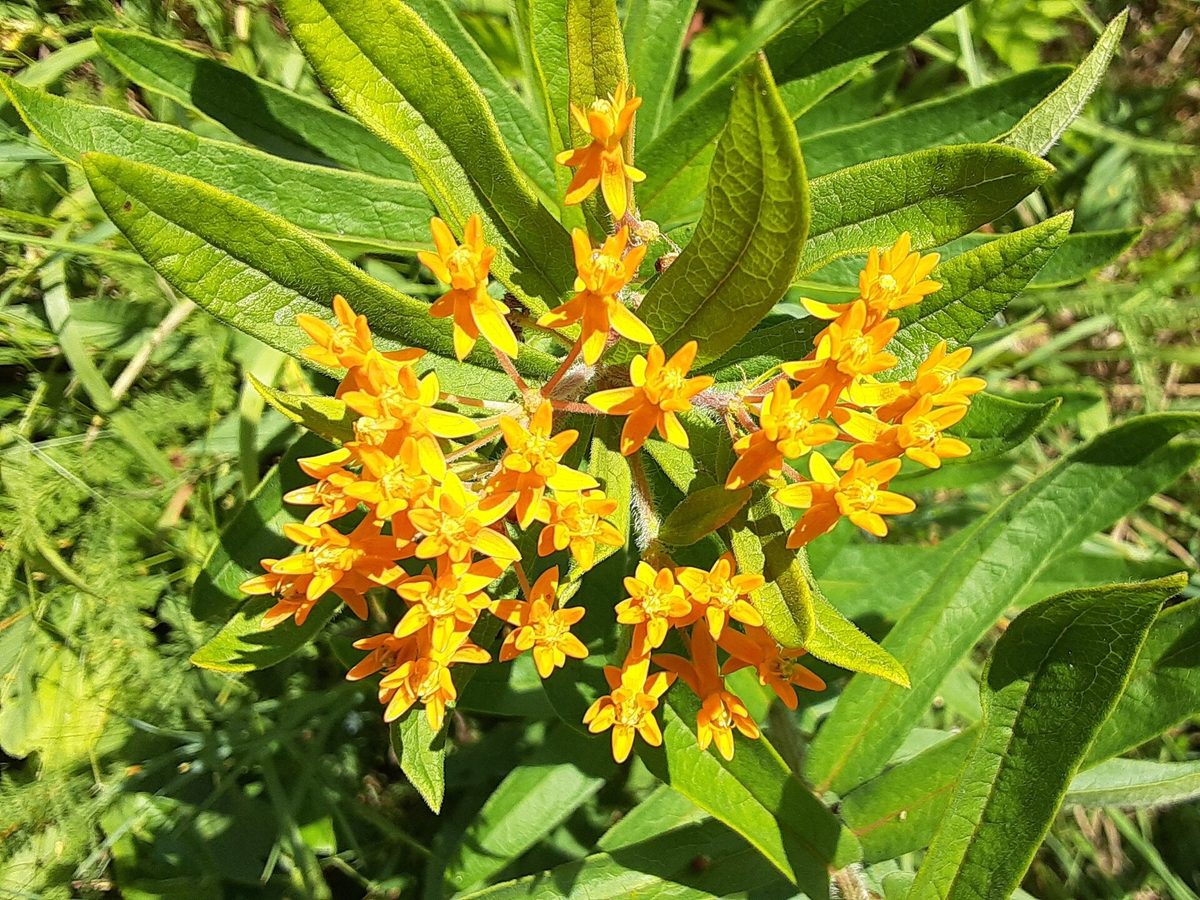
| Butterfly MilkweedAsclepias tuberosa | Full sun and part shade (full sun preferred) | Toxic (1 source) | Toxic (1 source) |
| Common Asparagus FernAsparagus setaceus | Part shade and full shade (part shade preferred) | Toxic (1 source) | Toxic (1 source) |
| Cast Iron PlantAspidistra elatior | Part shade and full shade (part shade preferred) | Non-toxic | Non-toxic |
| BelladonnaAtropa bella-donna | Full sun and part shade (full sun preferred) | Toxic | Toxic |
| LawndaisyBellis perennis | Full sun and part shade (full sun preferred) | Not documented | Not documented |
| Indian ShotCanna indica | Full sun and part shade (full sun preferred) | Non-toxic | Non-toxic |
| SpadeleafCentella asiatica | Full sun and part shade (full sun preferred) | Not documented | Not documented |
| Spider PlantChlorophytum comosum | Part shade and full shade (part shade preferred) | Non-toxic | Non-toxic |
| Jack in the BushChromolaena odorata | Part shade | Not documented | Not documented |
| Canada ThistleCirsium arvense | Full sun and part shade (full sun preferred) | Not documented | Not documented |
| Field BindweedConvolvulus arvensis | Full sun and part shade (full sun preferred) | Not documented | Not documented |
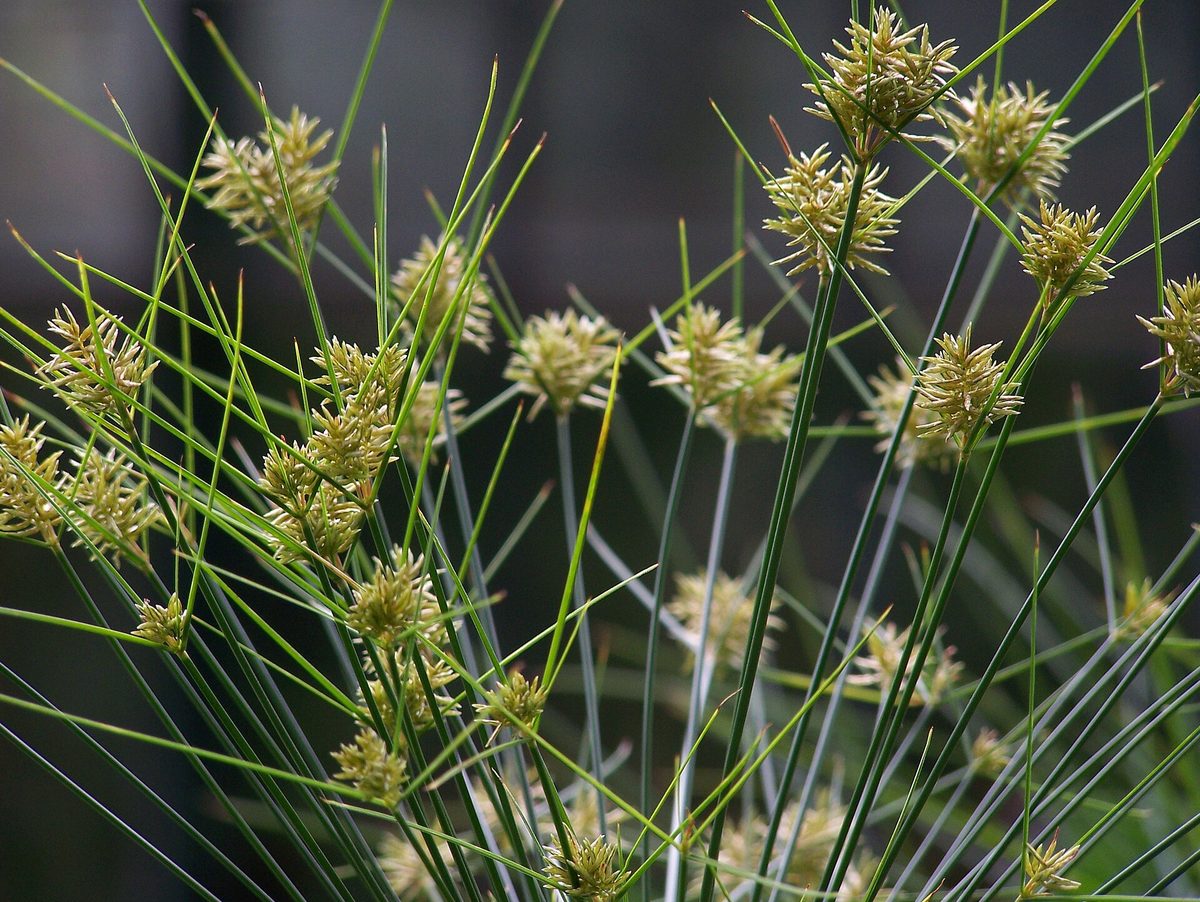
| PapyrusCyperus papyrus | Full sun and part shade (full sun preferred) | Not documented | Not documented |
| Dracaena angolensisDracaena angolensis | Part shade and full shade (part shade preferred) | Toxic (1 source) | Toxic (1 source) |
| Dracaena masonianaDracaena masoniana | Part shade | Toxic (1 source) | Toxic (1 source) |
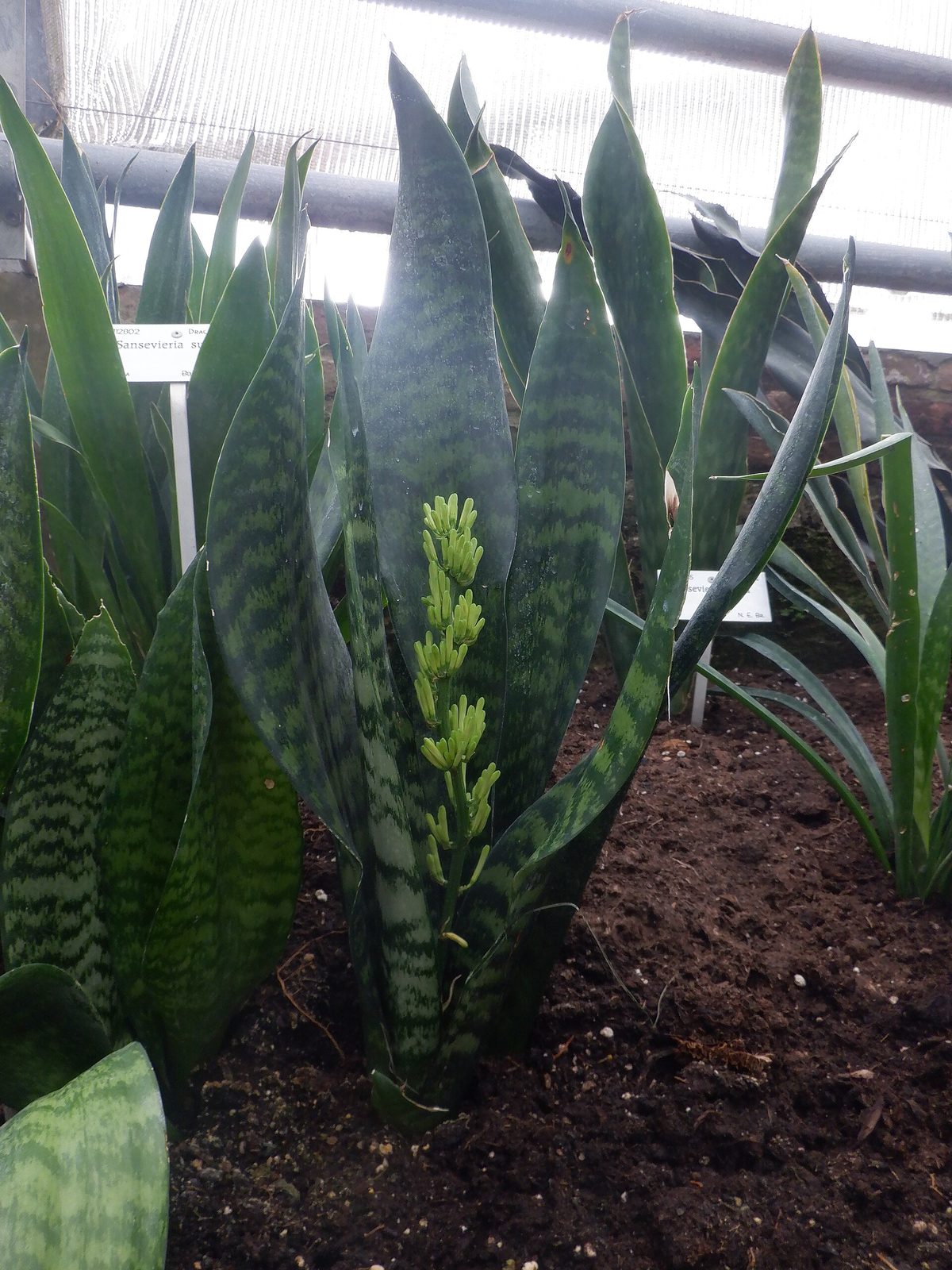
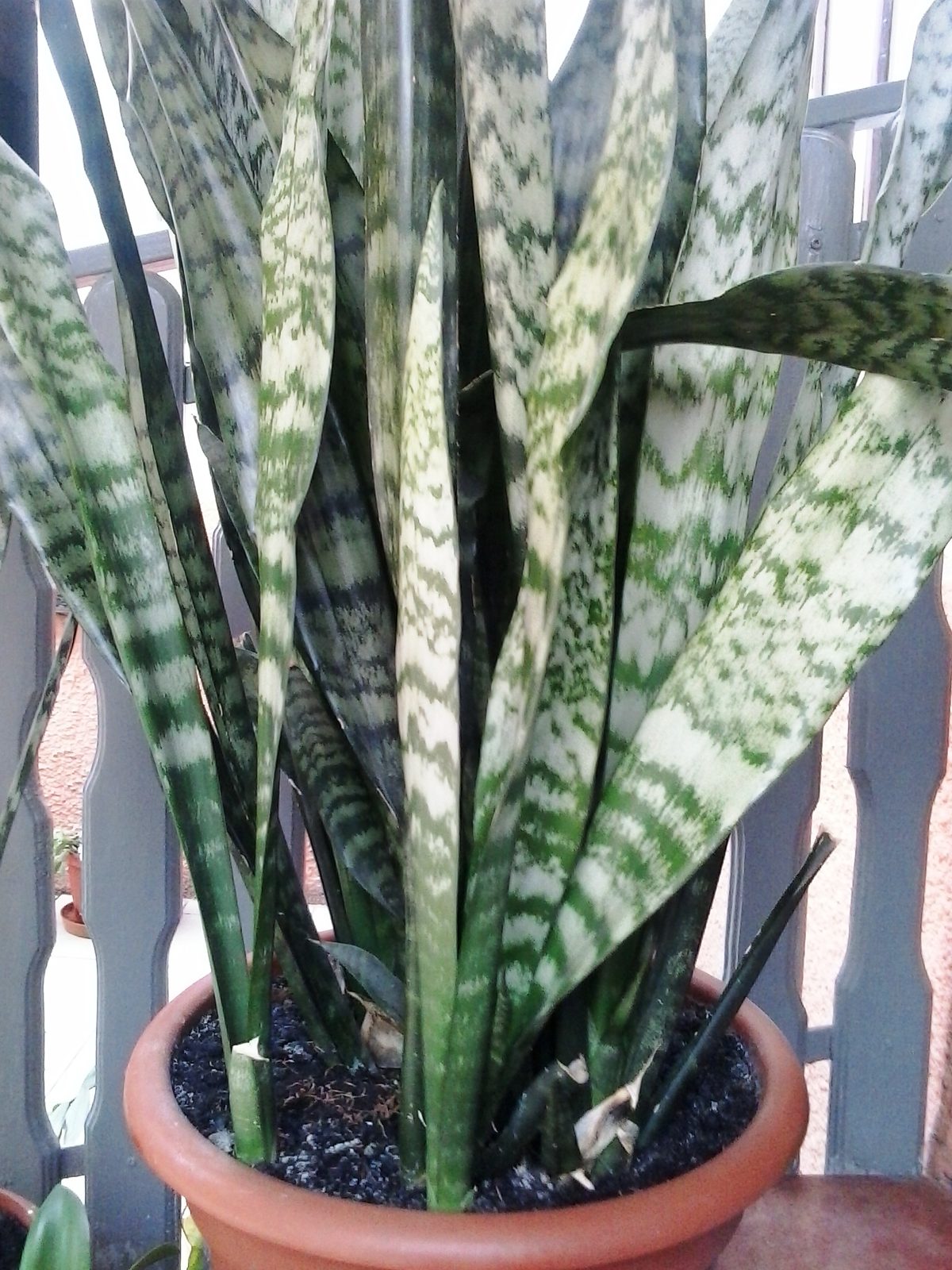
| Snake PlantDracaena trifasciata | Part shade | Toxic | Toxic |
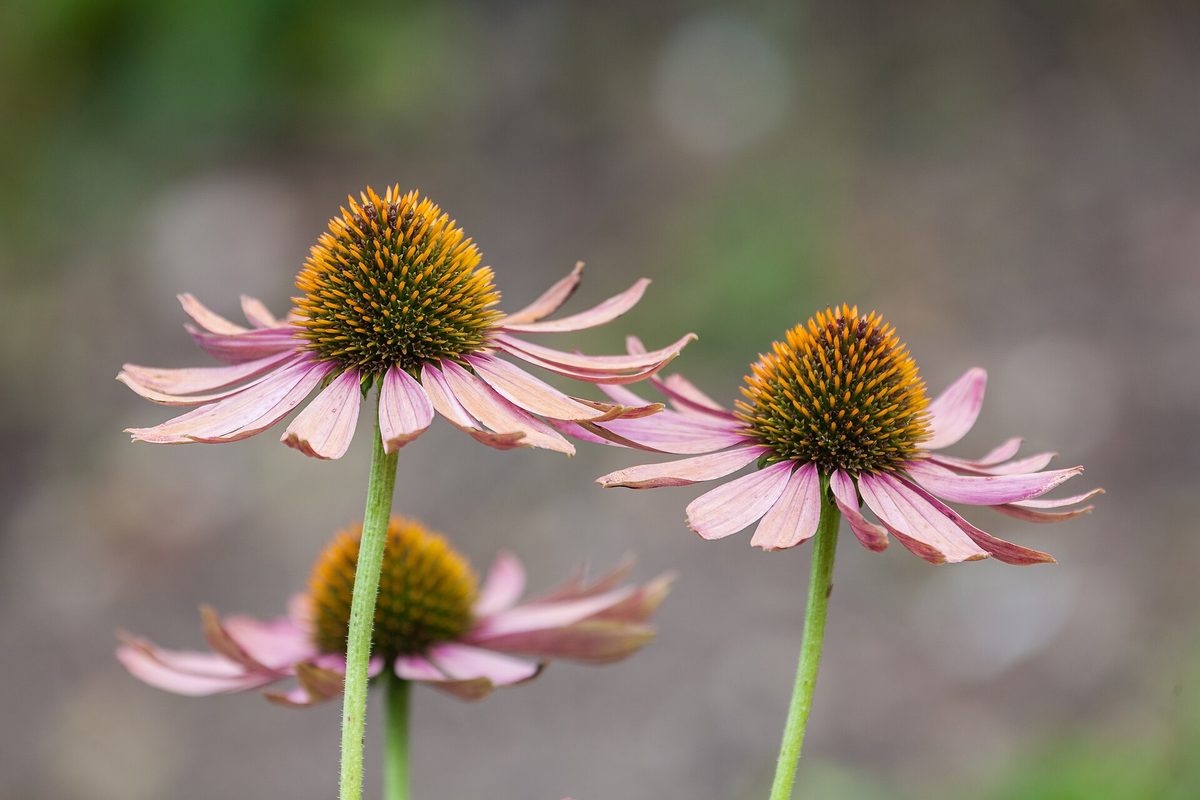
| Purple ConeflowerEchinacea purpurea | Full sun and part shade (full sun preferred) | Not documented | Not documented |
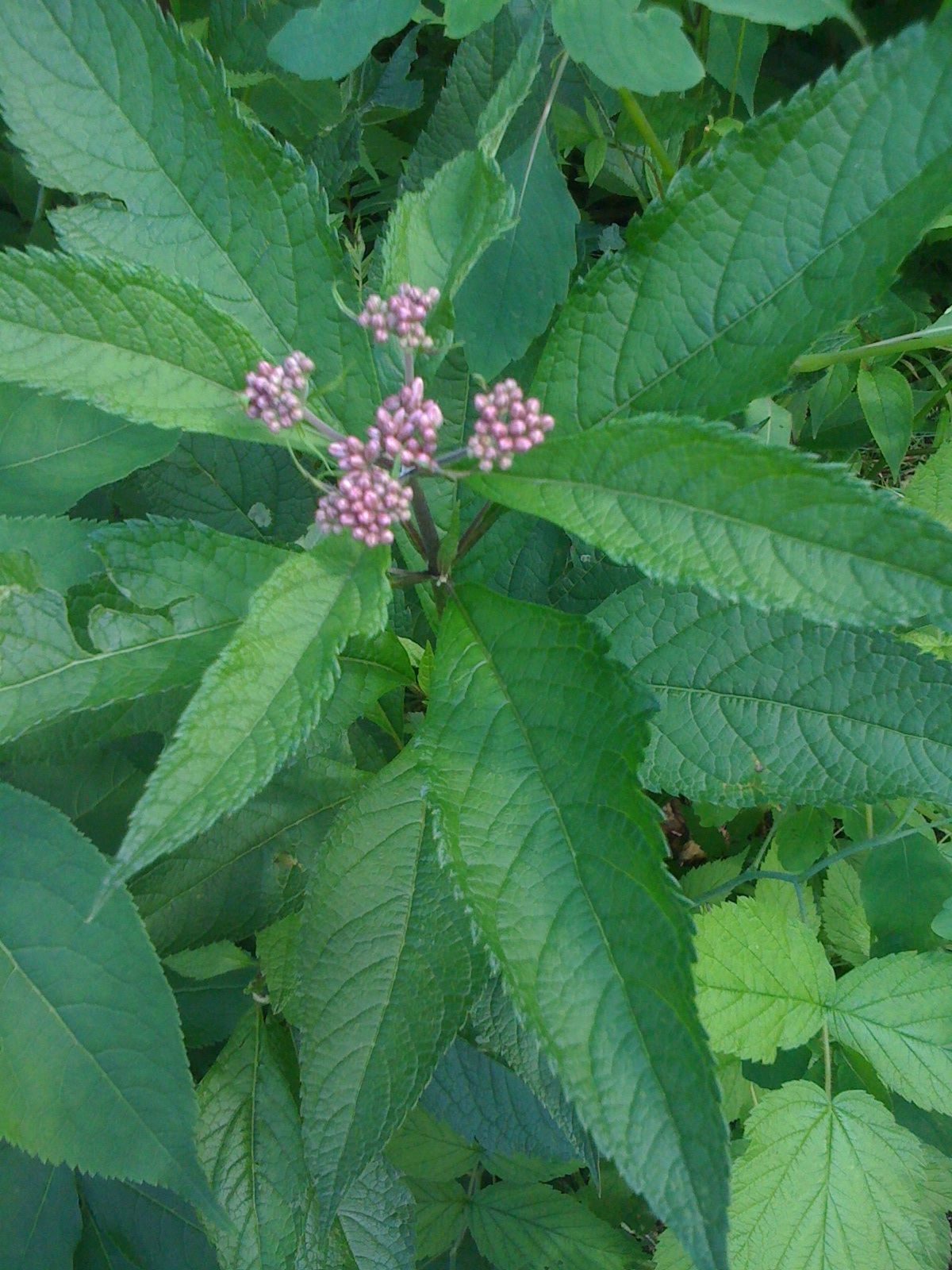
| Sweetscented Joe Pye WeedEutrochium purpureum | Full sun and part shade (full sun preferred) | Not documented | Not documented |
| Queen of the MeadowFilipendula ulmaria | Full sun and part shade (full sun preferred) | Not documented | Not documented |
| Woodland StrawberryFragaria vesca | Part shade and full shade (part shade preferred) | Not documented | Not documented |
| Sweetscented BedstrawGalium odoratum | Part shade and full shade (part shade preferred) | Not documented | Not documented |
| DaylilyHemerocallis fulva | Full sun and part shade (full sun preferred) | Toxic | Non-toxic |
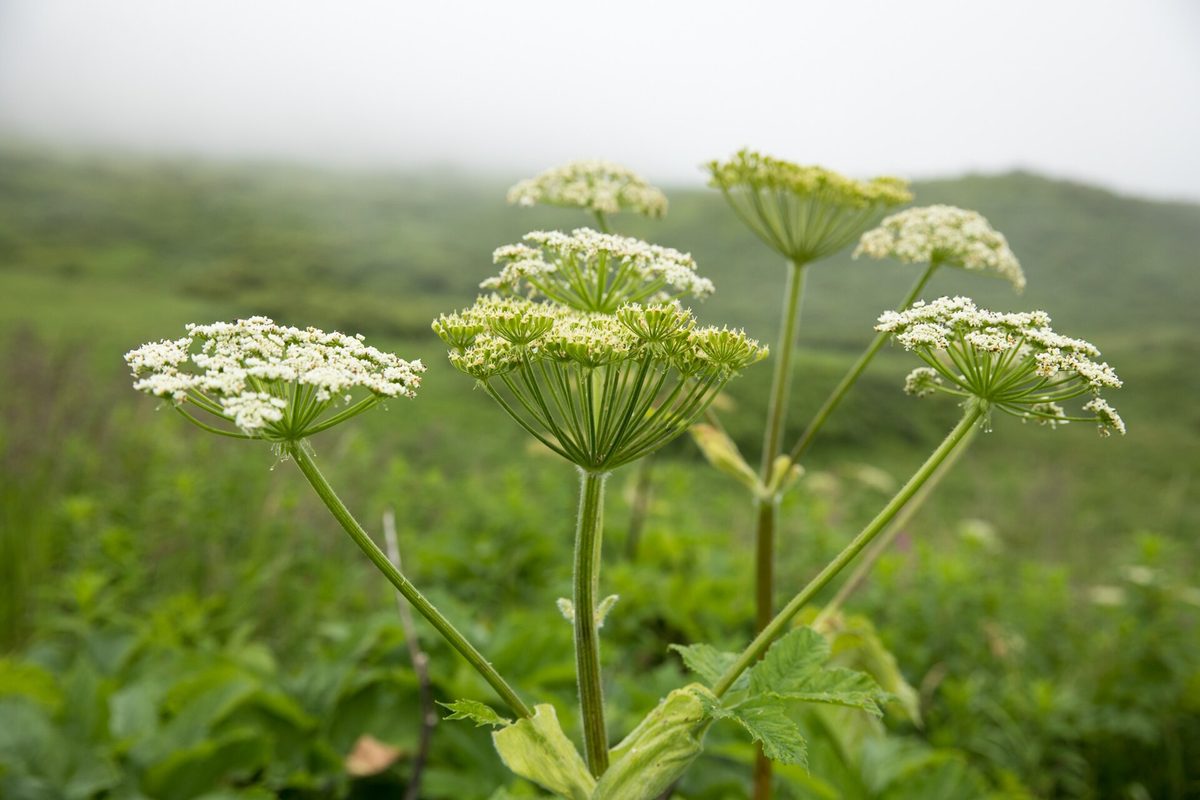
| Common CowparsnipHeracleum maximum | Full sun, part shade and full shade (full sun preferred) | Toxic (1 source) | Toxic (1 source) |
| ChameleonHouttuynia cordata | Full sun, part shade and full shade (full sun preferred) | Not documented | Not documented |
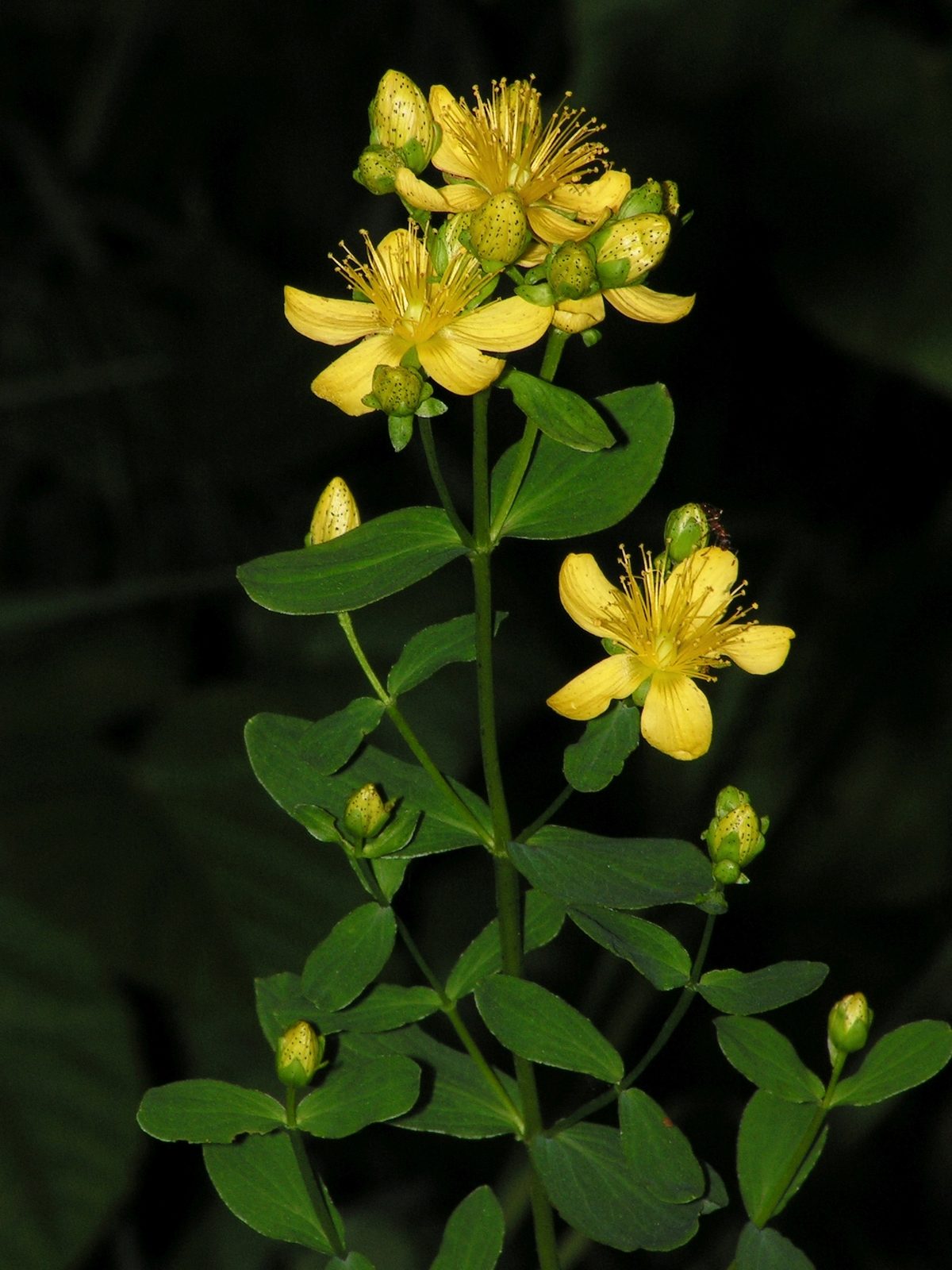
| Common St. JohnswortHypericum perforatum | Full sun and part shade (full sun preferred) | Toxic | Toxic |
| CardinalflowerLobelia cardinalis | Full sun, part shade and full shade (full sun preferred) | Toxic (1 source) | Toxic (1 source) |
| Marvel of PeruMirabilis jalapa | Full sun and part shade (full sun preferred) | Toxic (1 source) | Toxic (1 source) |
| Wild BergamotMonarda fistulosa | Full sun and part shade (full sun preferred) | Not documented | Not documented |
| Baby RubberplantPeperomia obtusifolia | Part shade and full shade (part shade preferred) | Non-toxic | Non-toxic |
| American PokeweedPhytolacca americana | Full sun and part shade (full sun preferred) | Toxic (1 source) | Toxic |
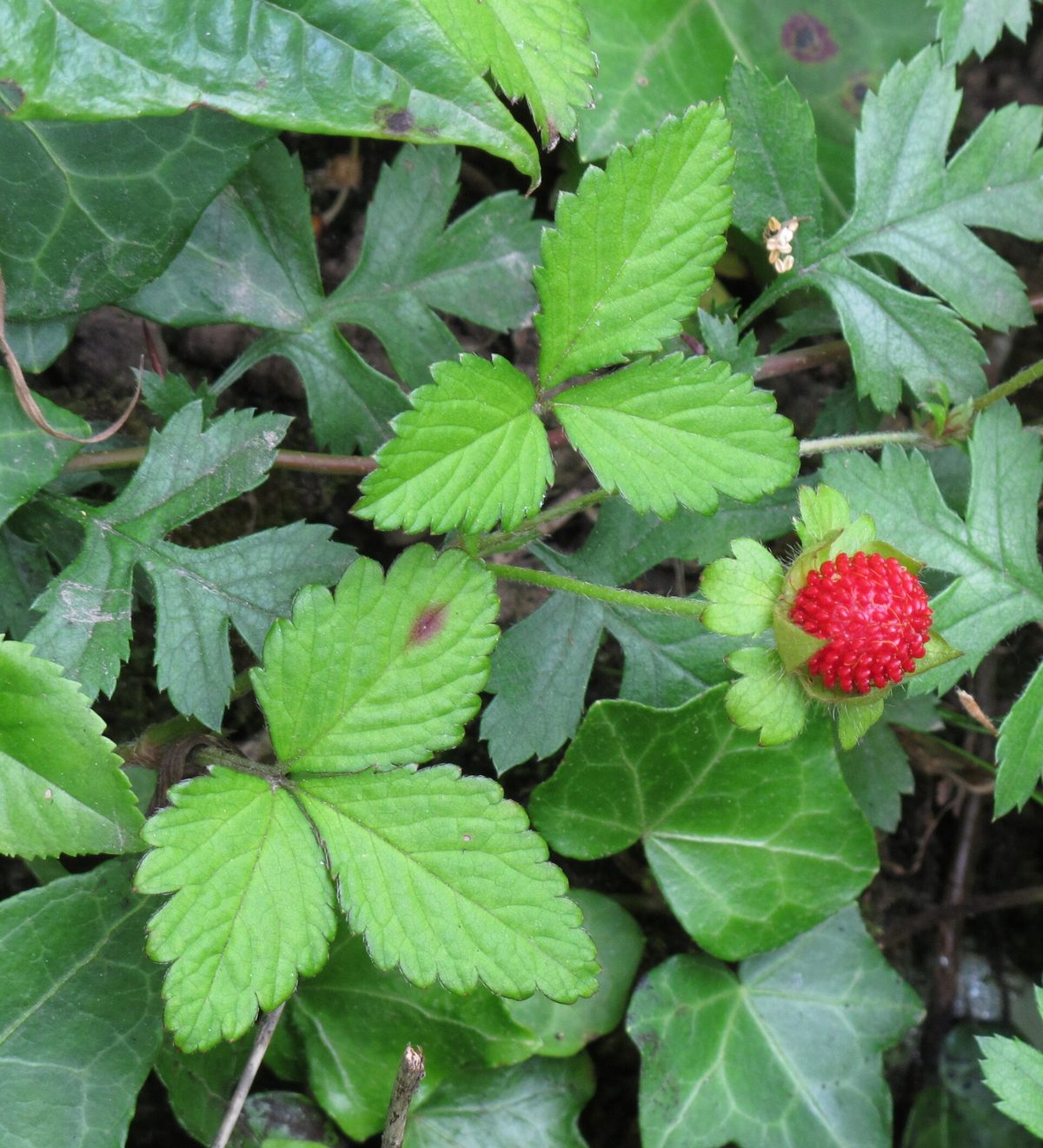
| Indian StrawberryPotentilla indica | Full sun and part shade (full sun preferred) | Not documented | Not documented |
| Common SelfhealPrunella vulgaris | Full sun and part shade (full sun preferred) | Not documented | Not documented |
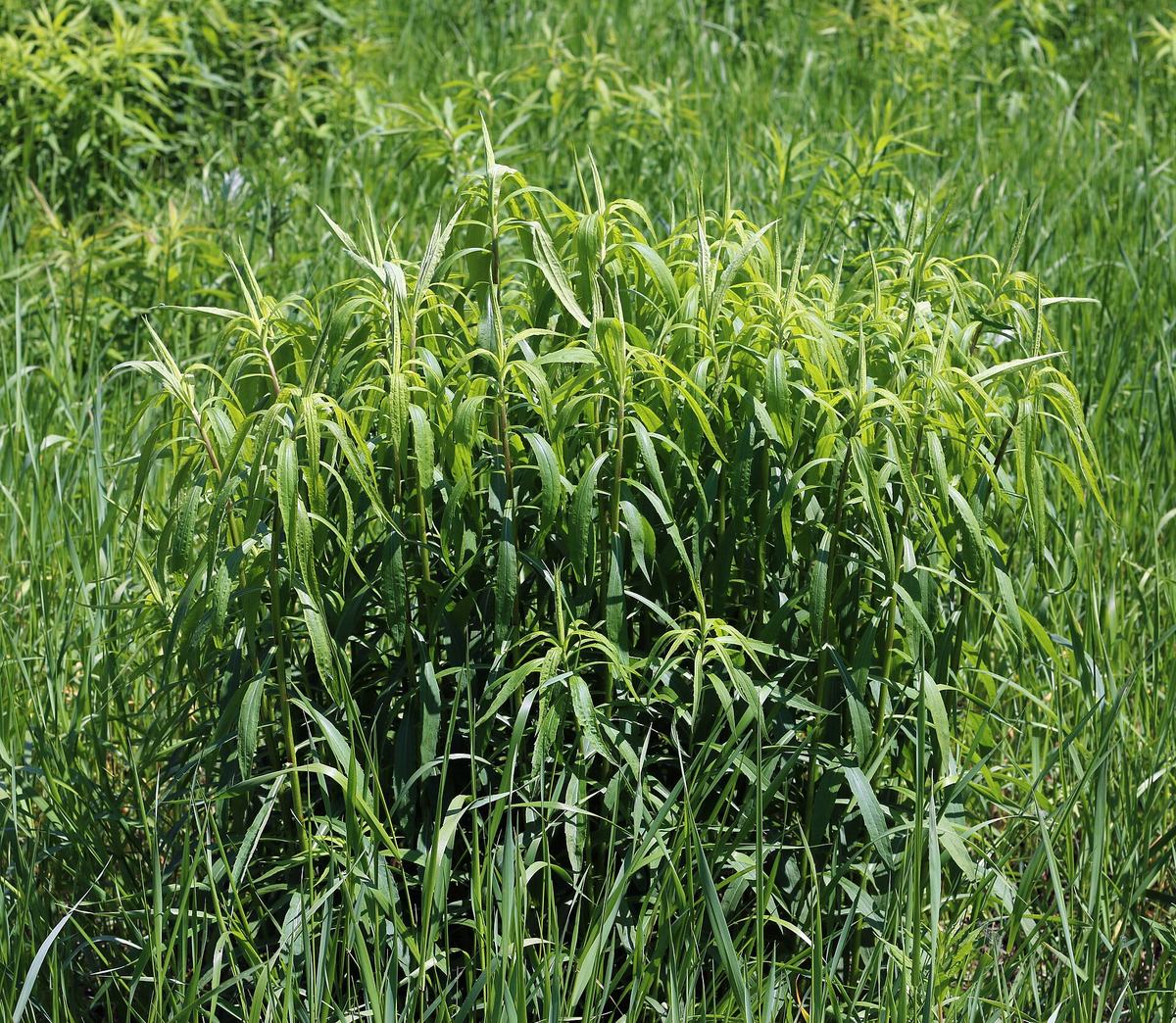
| Japanese KnotweedReynoutria japonica | Full sun and part shade (full sun preferred) | Not documented | Not documented |
| CloudberryRubus chamaemorus | Full sun and part shade (full sun preferred) | Not documented | Not documented |
| Canada GoldenrodSolidago canadensis | Full sun and part shade (full sun preferred) | Not documented | Not documented |
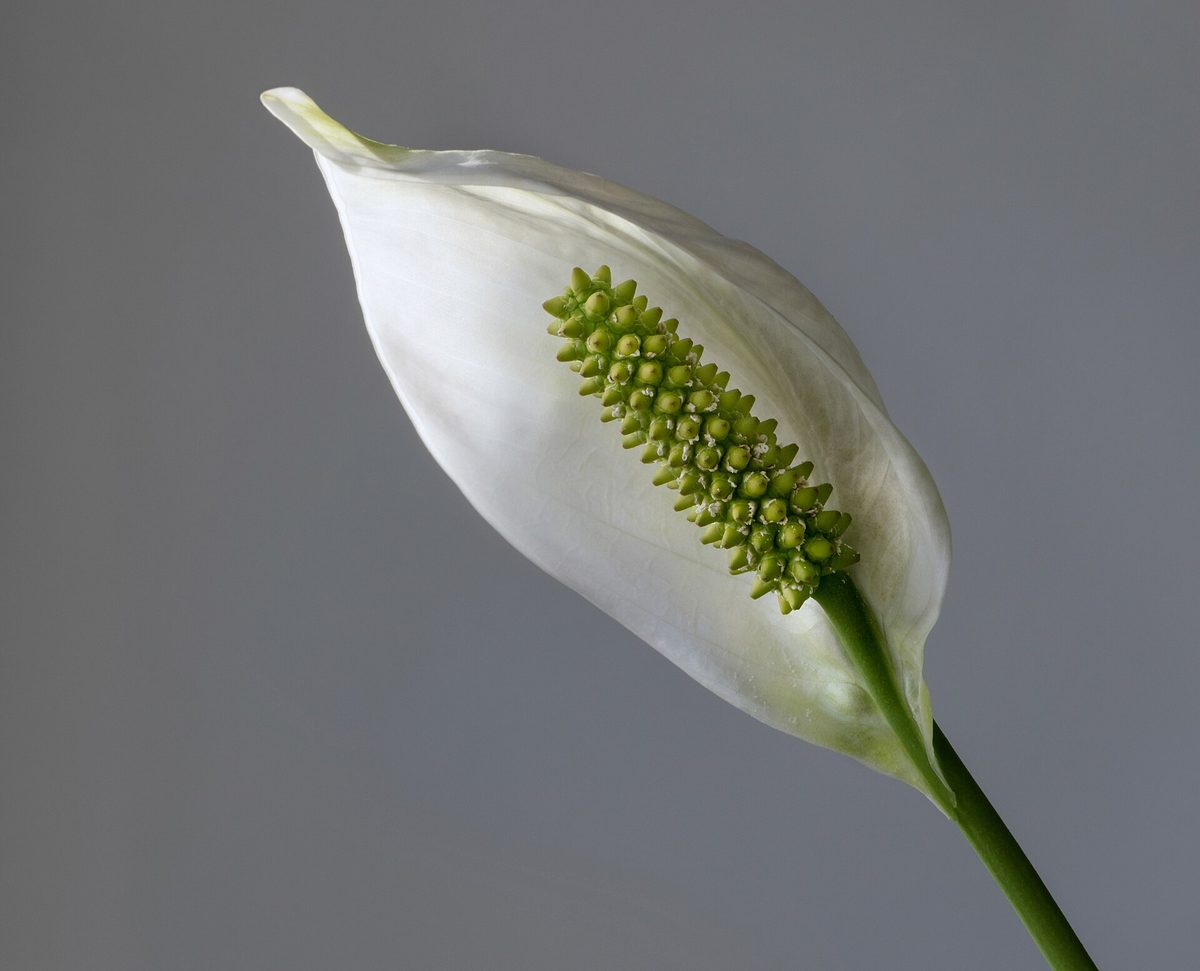
| Peace LilySpathiphyllum wallisii | Full shade and part shade (full shade preferred) | Toxic (1 source) | Toxic (1 source) |
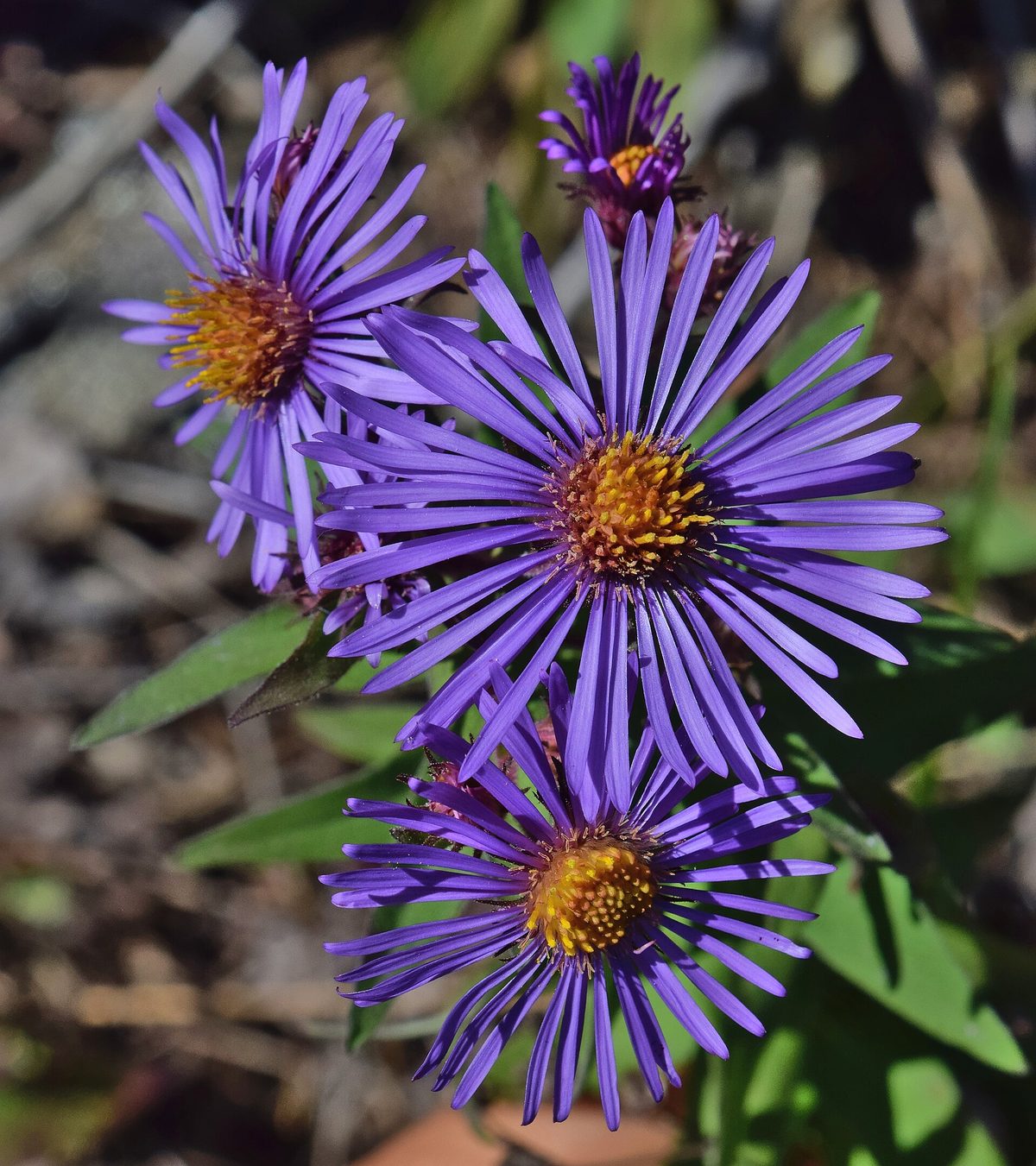
| New England AsterSymphyotrichum novae-angliae | Full sun and part shade (full sun preferred) | Not documented | Not documented |
| New York AsterSymphyotrichum novi-belgii | Full sun and part shade (full sun preferred) | Not documented | Not documented |
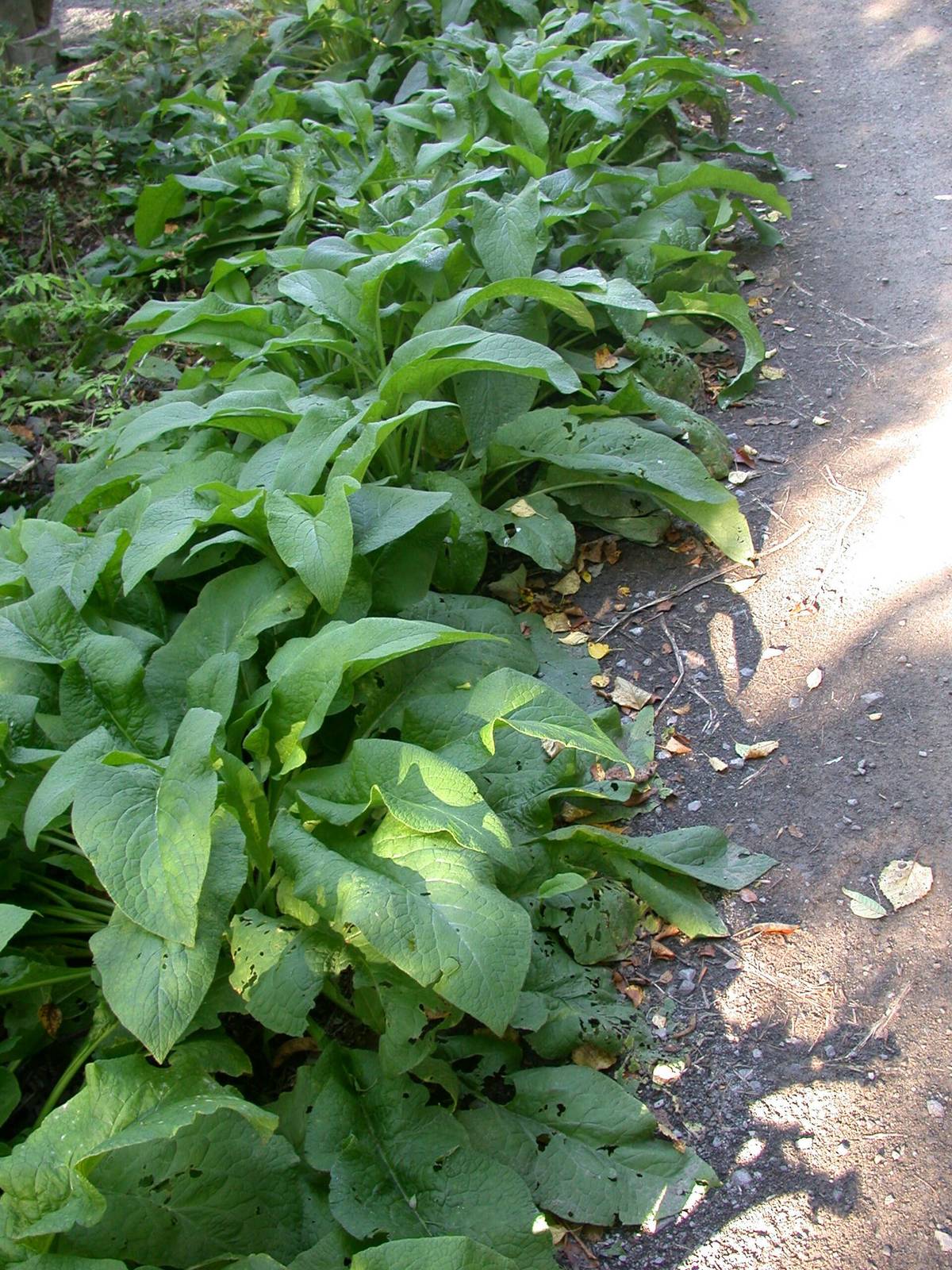
| Common ComfreySymphytum officinale | Full sun and part shade (full sun preferred) | Not documented | Not documented |
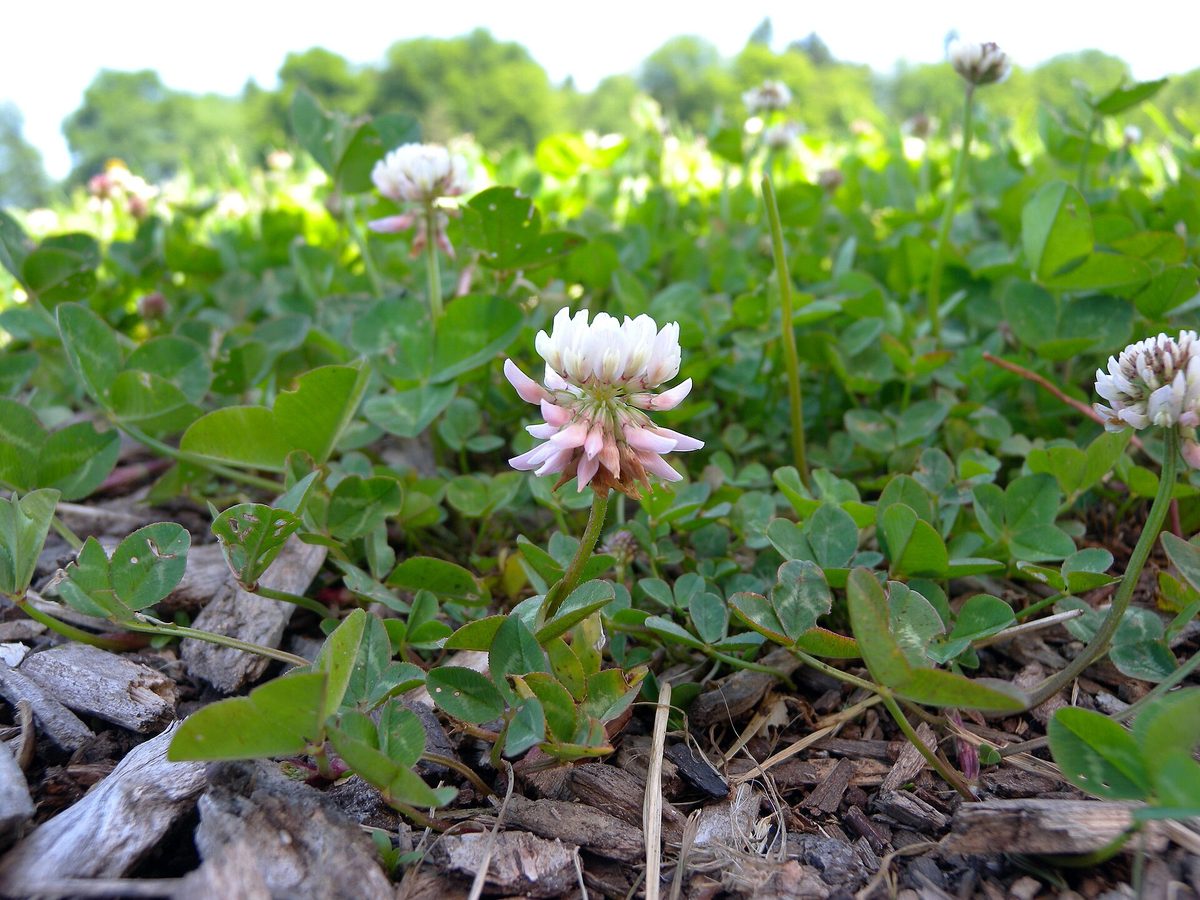
| White CloverTrifolium repens | Full sun and part shade (full sun preferred) | Not documented | Not documented |
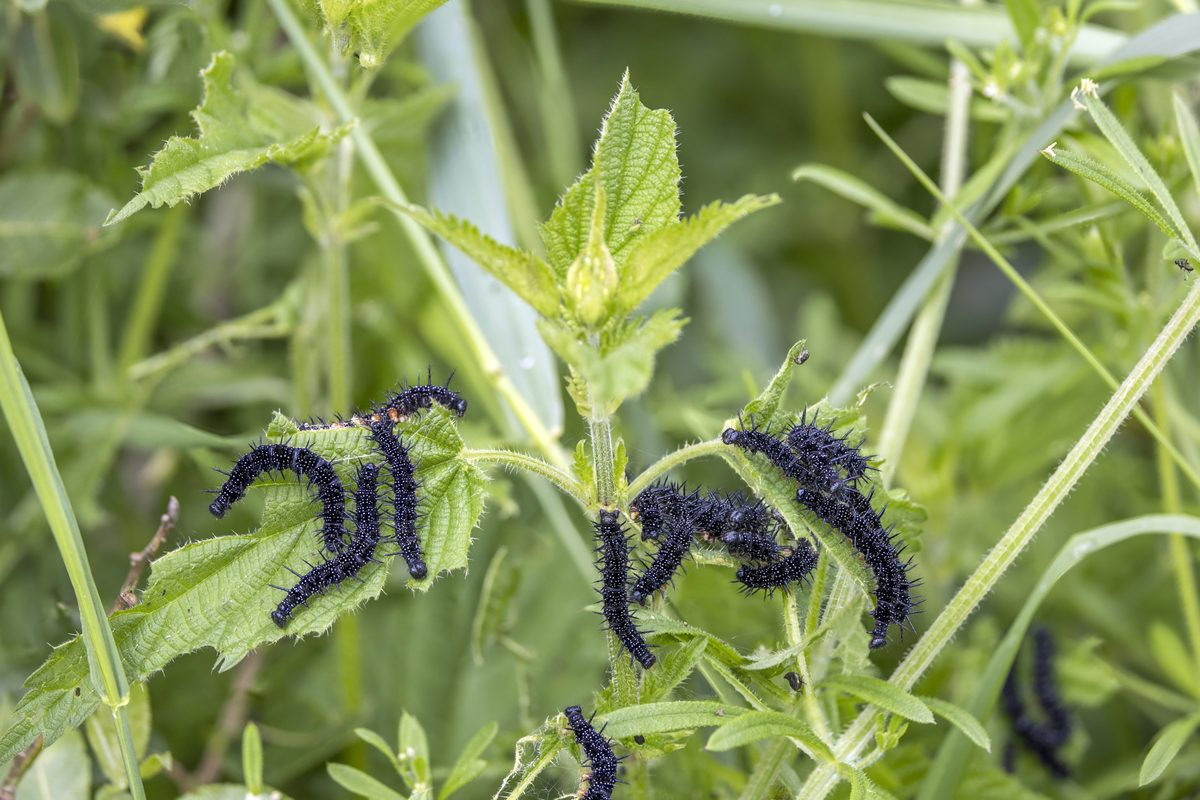
| Stinging NettleUrtica dioica | Full sun, part shade and full shade (full sun preferred) | Toxic (1 source) | Toxic (1 source) |
| Purpletop VervainVerbena bonariensis | Full sun and part shade (full sun preferred) | Not documented | Not documented |
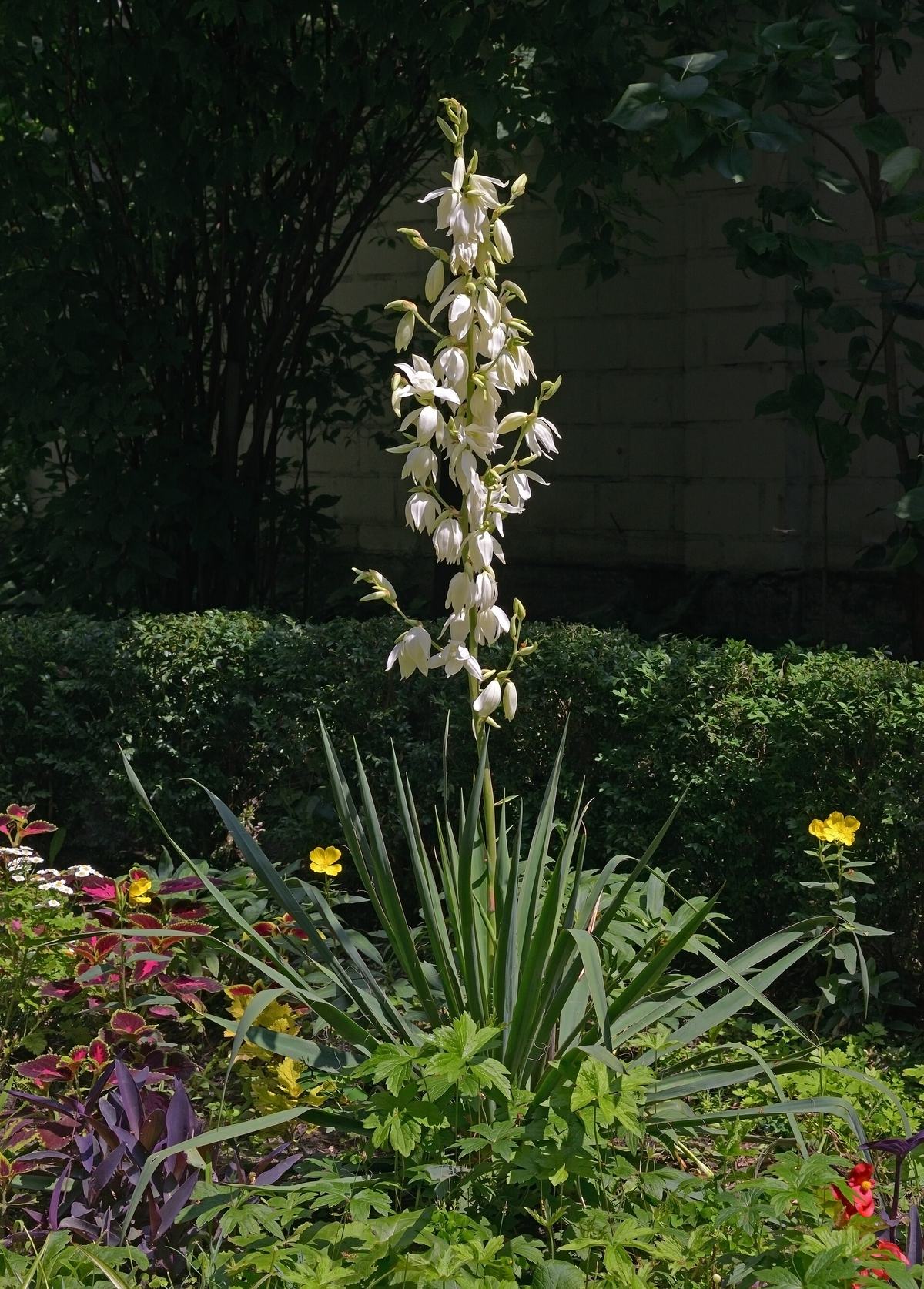
| Adam's NeedleYucca filamentosa | Full sun, part shade and full shade (full sun preferred) | Toxic | Toxic |
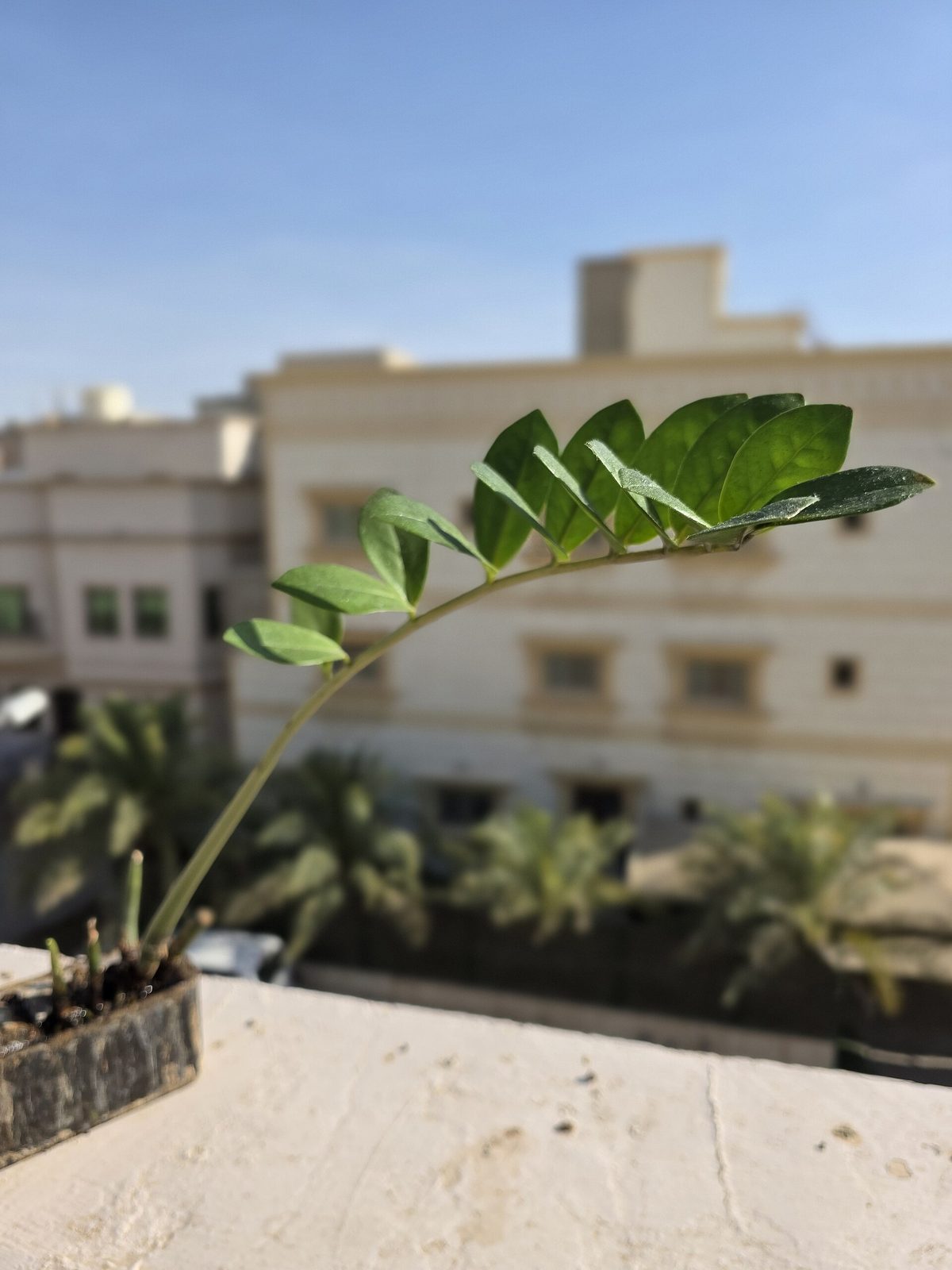
| Zamioculcas zamiifoliaZamioculcas zamiifolia | Part shade and full shade (part shade preferred) | Toxic (1 source) | Toxic (1 source) |
| Bitter GingerZingiber zerumbet | Part shade and full shade (part shade preferred) | Not documented | Not documented |
This page collects perennials that this site groups together under one shared trait: they can grow in part shade or full shade. The list holds 45 plants right now, all filed under the "perennials" category. That number will likely grow as more plants are added to this site. Being part shade or full shade means the plant does not need full sun for most of the day. That shared need for less sun is the criterion that ties this whole group together. Only three plants on this list have a full page live so far: Aspidistra elatior, Dracaena trifasciata, and Galium odoratum. The other names you see here are part of the collection, but their own pages have not been published yet. A name appearing on this list is not a ranking. It also does not cover every perennial that grows in shade. It is simply the current set this site tracks under that shared trait. Shade tolerance is one trait, not the whole care picture. Two plants can both handle part shade and still need very different soil, water, or spacing. Some spread wide and fast, and some stay in a tight clump for years. This page does not cover those differences for each plant, so treat it as a starting list rather than a full guide. Use this page to see what belongs to the group. Once a plant's own page is live, open it for the specific light range, water needs, and any safety notes for cats and dogs. If you came here looking for a plant that is not listed, that only means this collection has not reached it yet. The shared trait on this page is shade, not a claim that this list is complete.
The 55 plants
-
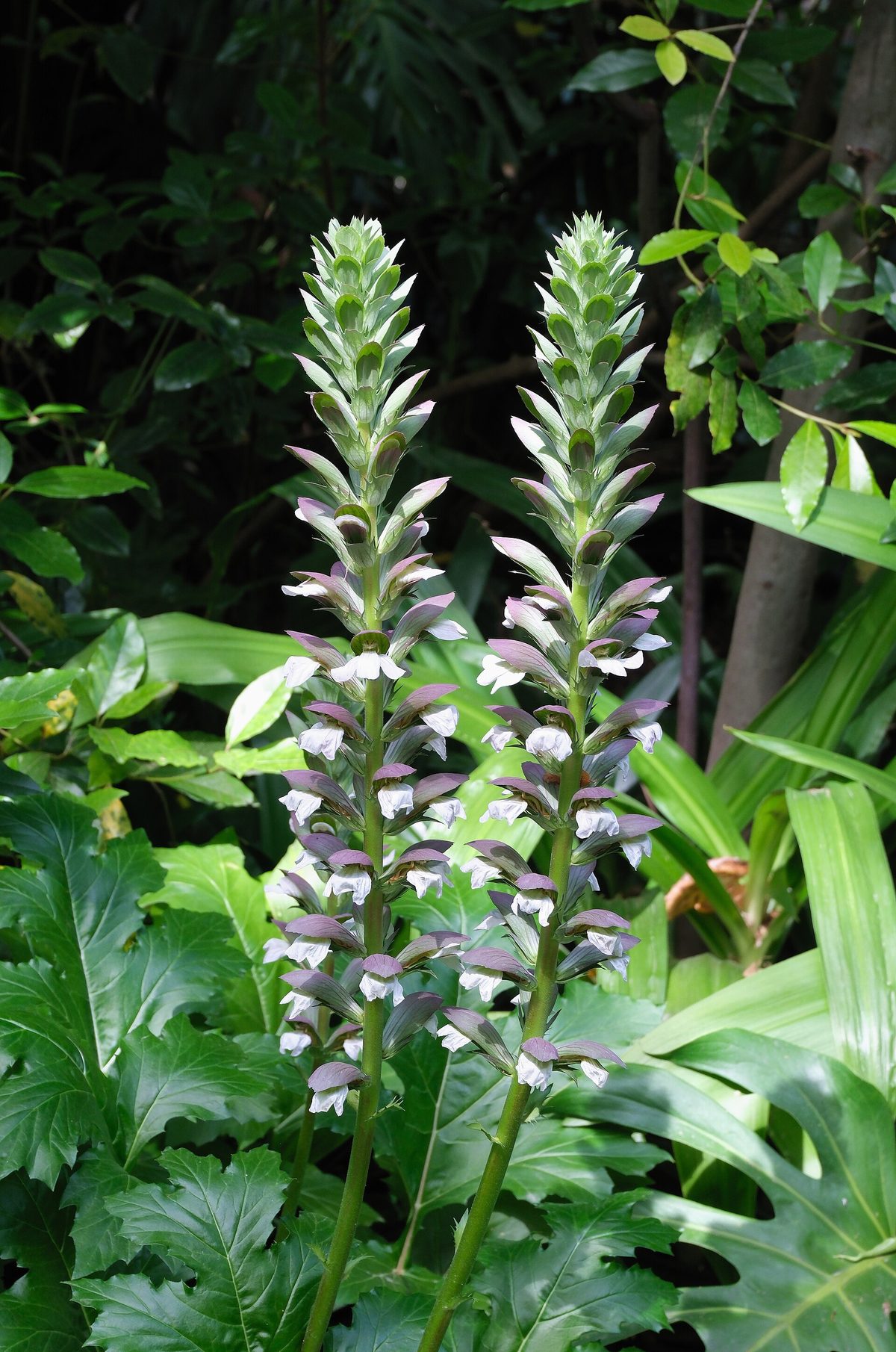
Bear's Breech
Acanthus mollis
Full sun and part shade (full sun preferred)
Acanthus mollis appears on this list without a published page yet. Its spot here comes from the same shared trait as the rest of the collection: tolerance for part shade or full shade instead of a full-sun spot.
-
-
-
-
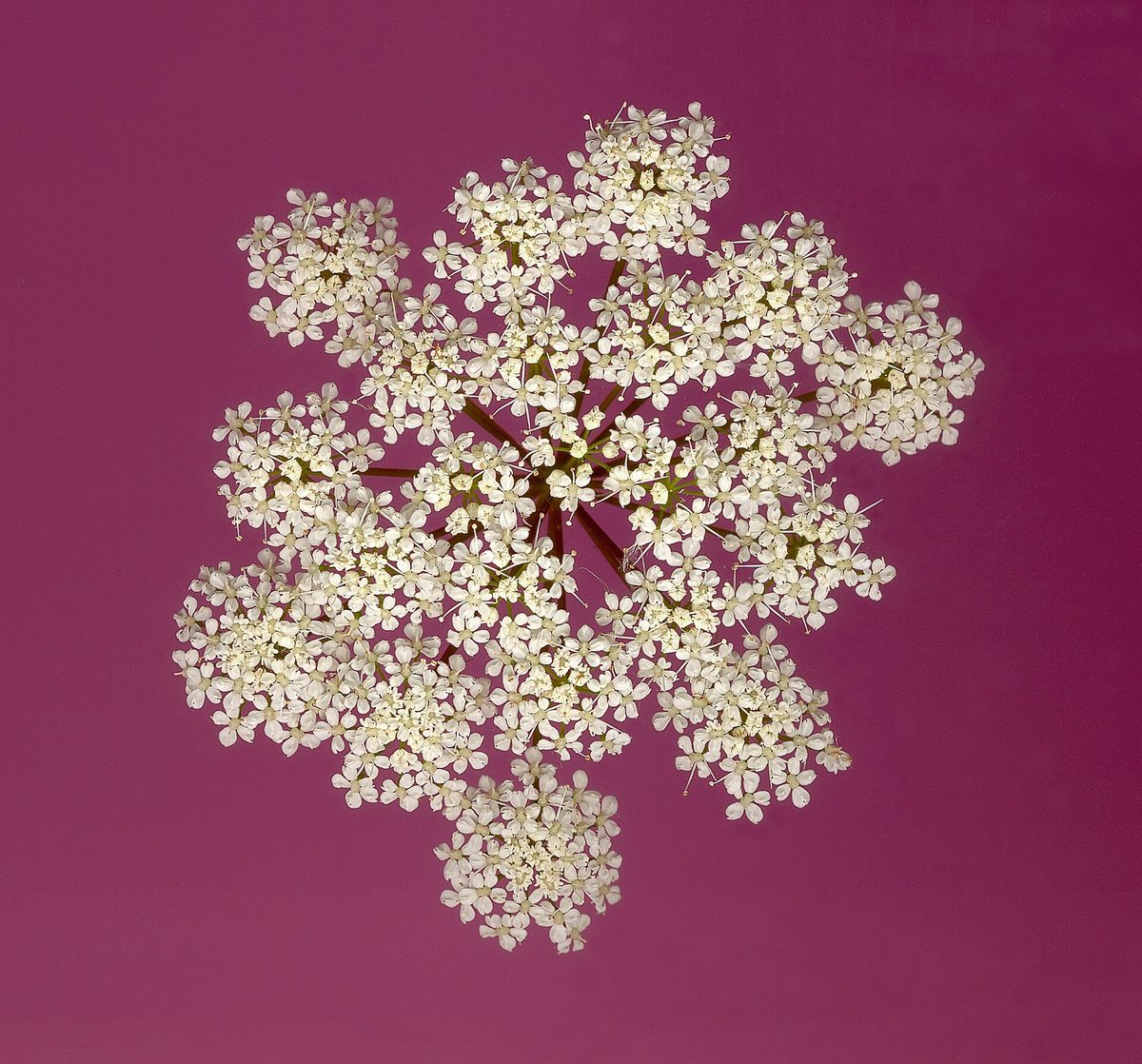
-
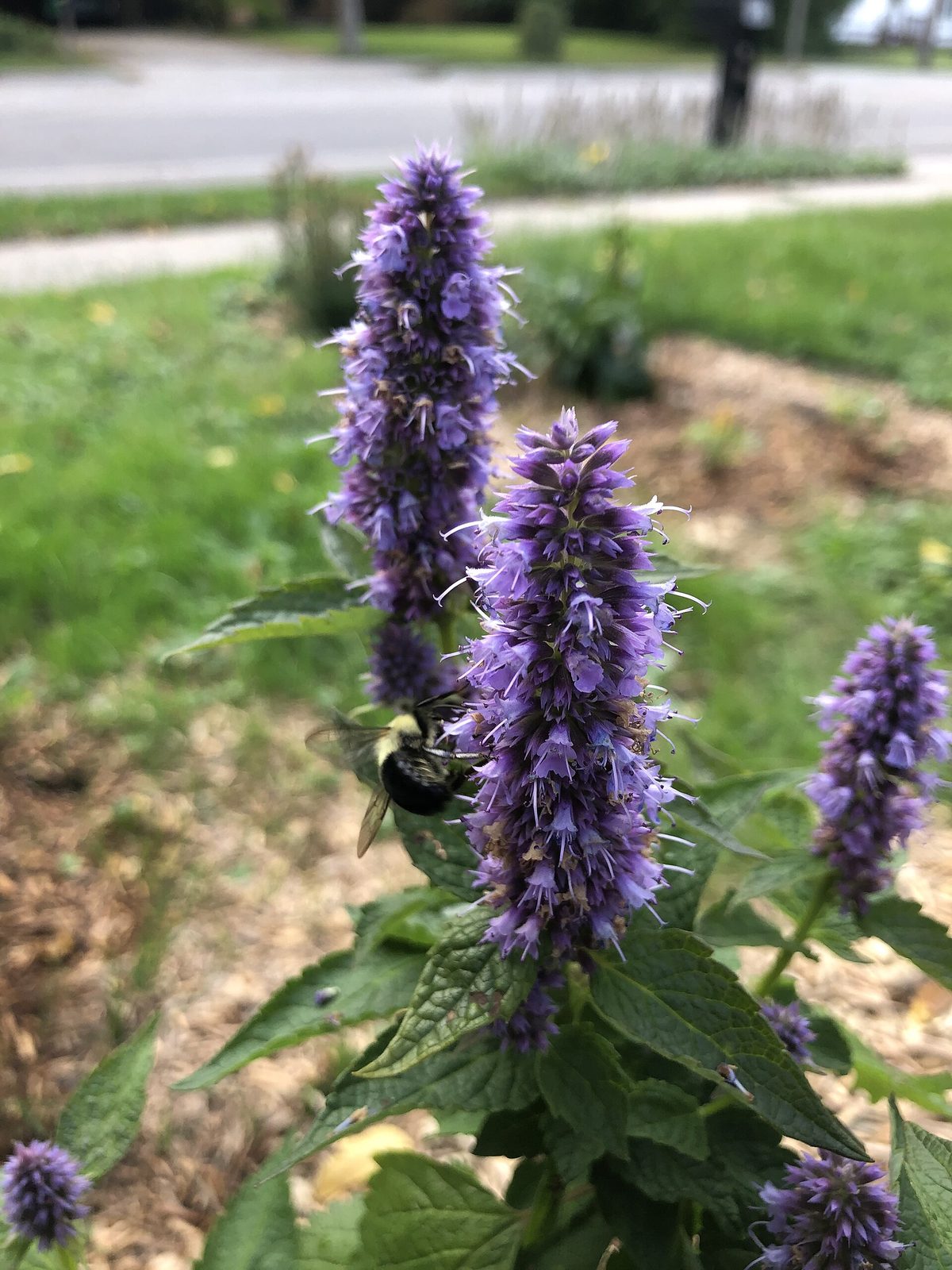
-
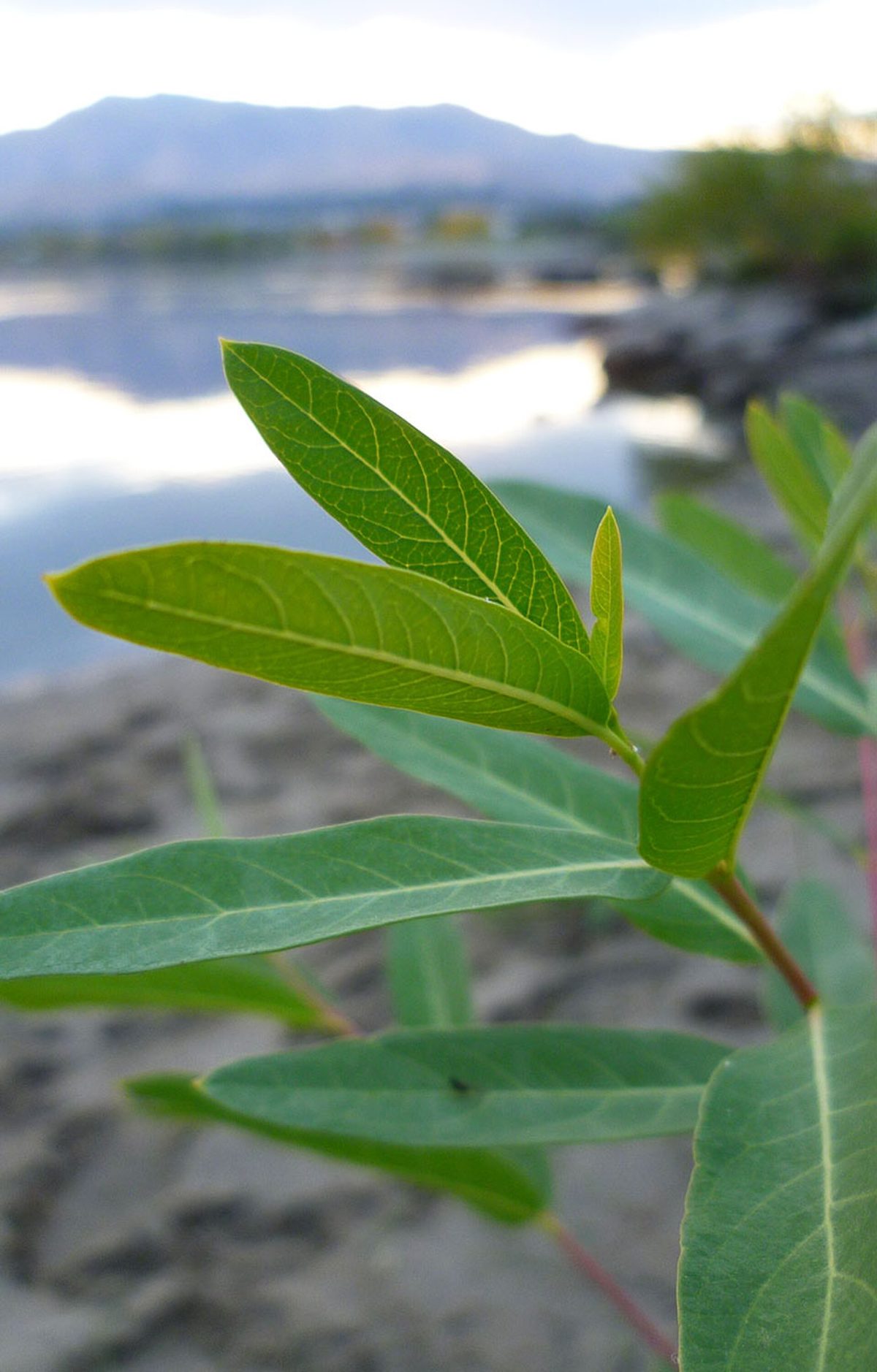
-
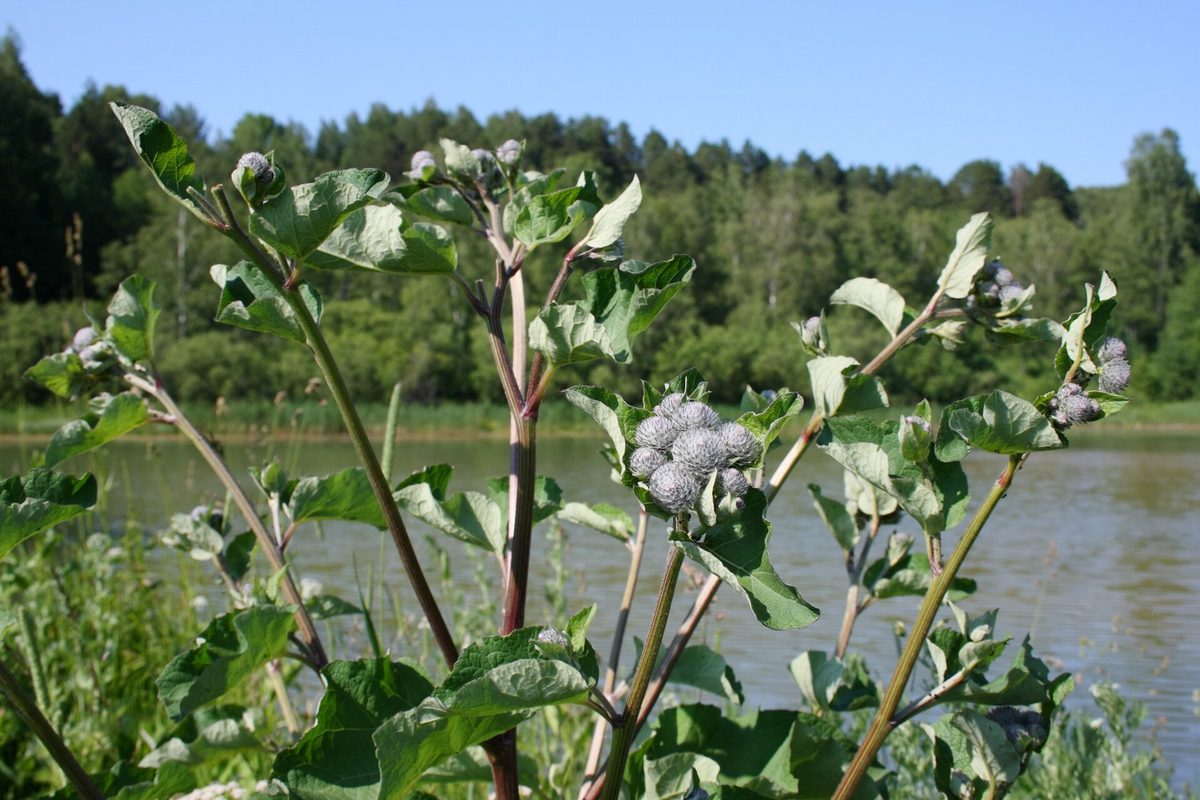
-
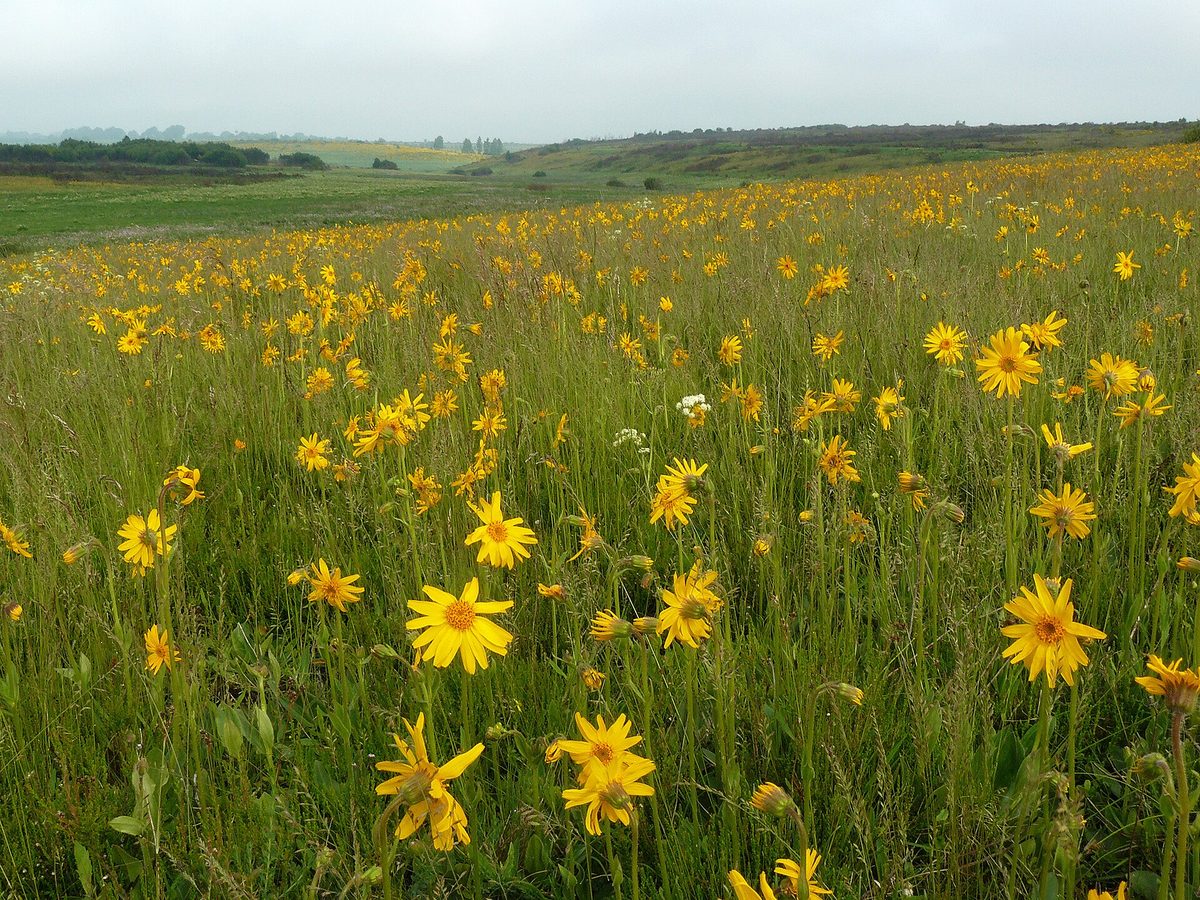
Mountain Arnica
Arnica montana
Full sun and part shade (full sun preferred)
-
-
-
-
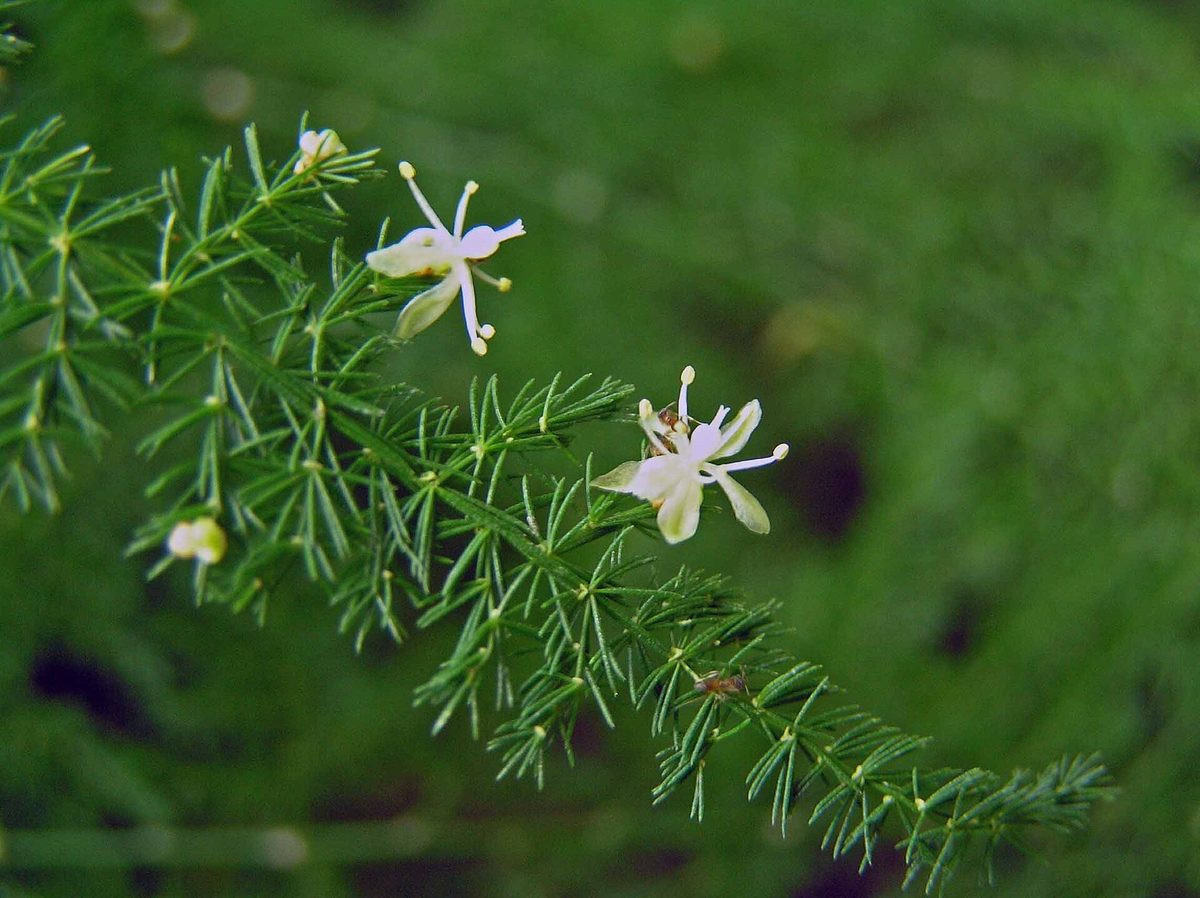
Common Asparagus Fern
Asparagus setaceus
Part shade and full shade (part shade preferred)
Asparagus setaceus is listed here for the same reason as its neighbors on this page. This collection only groups plants by their part shade or full shade trait, and that is the trait this entry shares with the rest.
-
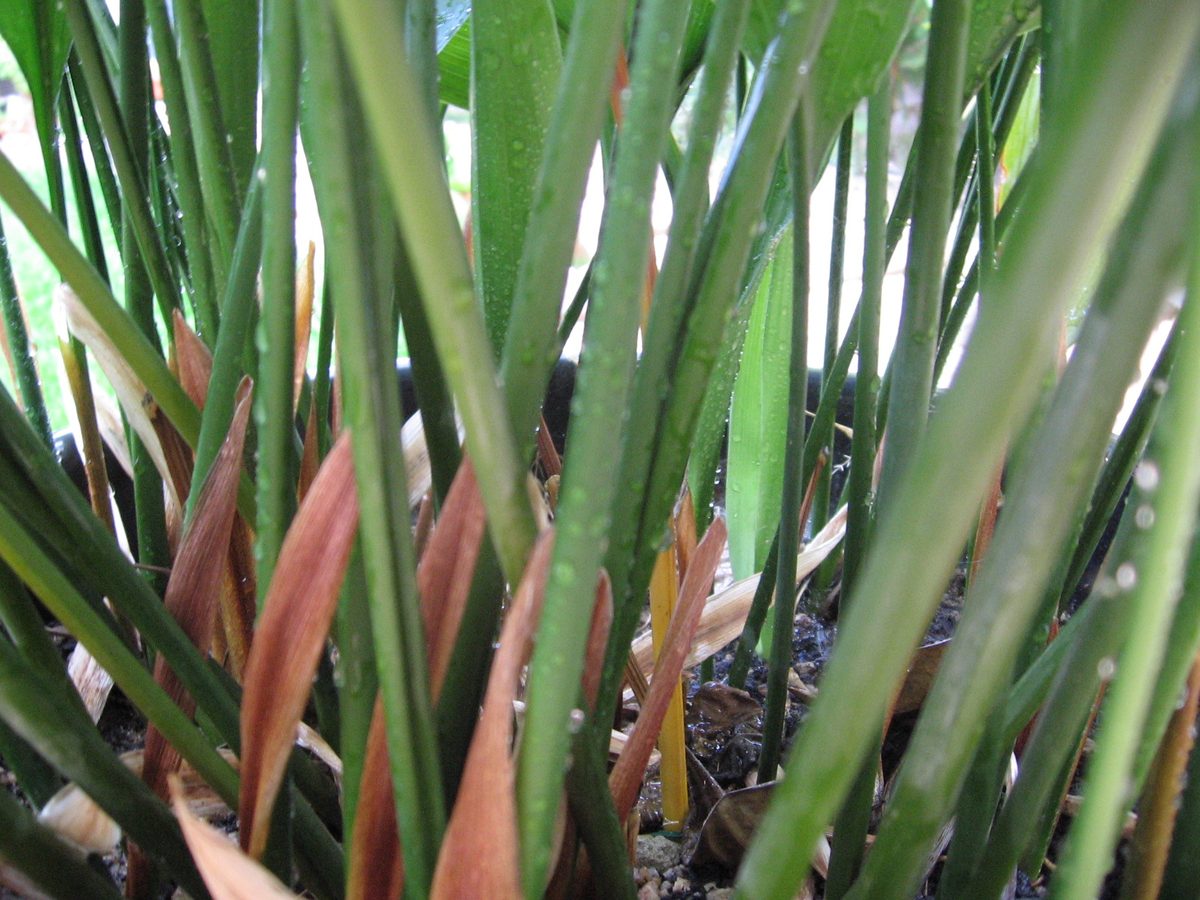
Cast Iron Plant
Aspidistra elatior
Part shade and full shade (part shade preferred)
Aspidistra elatior is one of the three plants on this list with a full page live right now. It belongs here because this site groups it under the part shade and full shade trait that defines this collection.
-
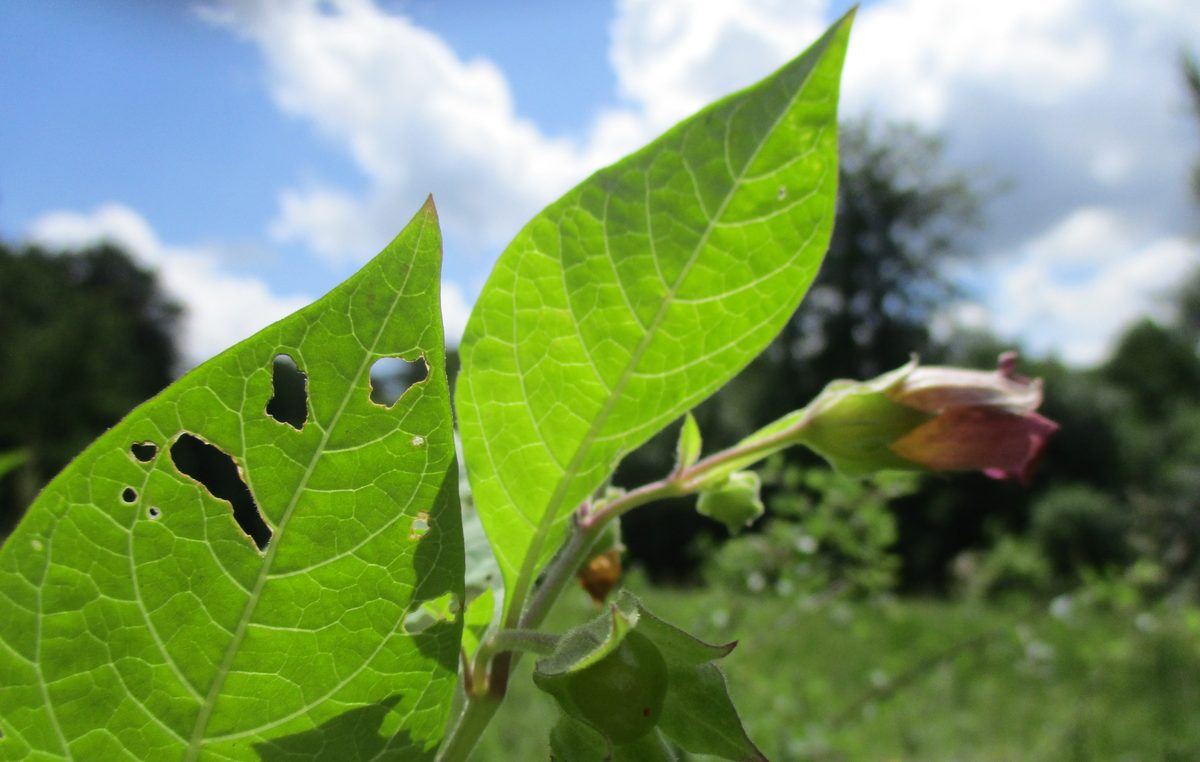
-
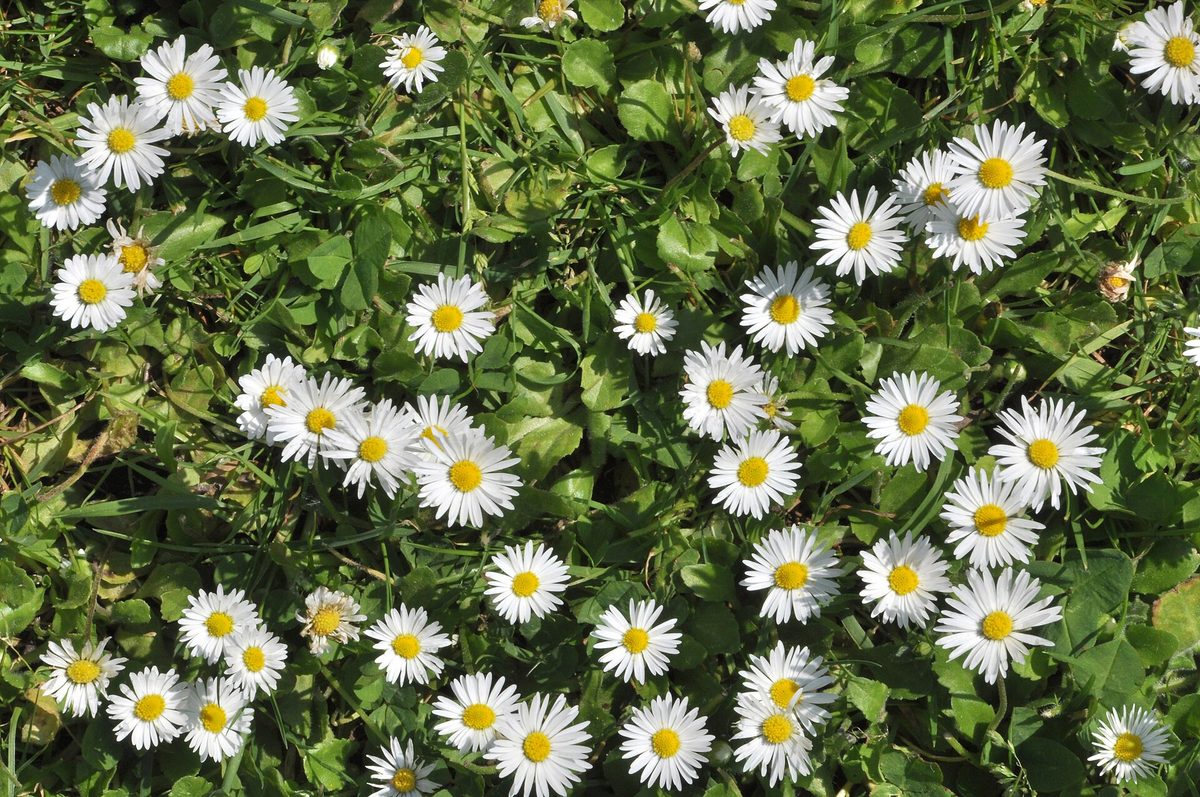
-
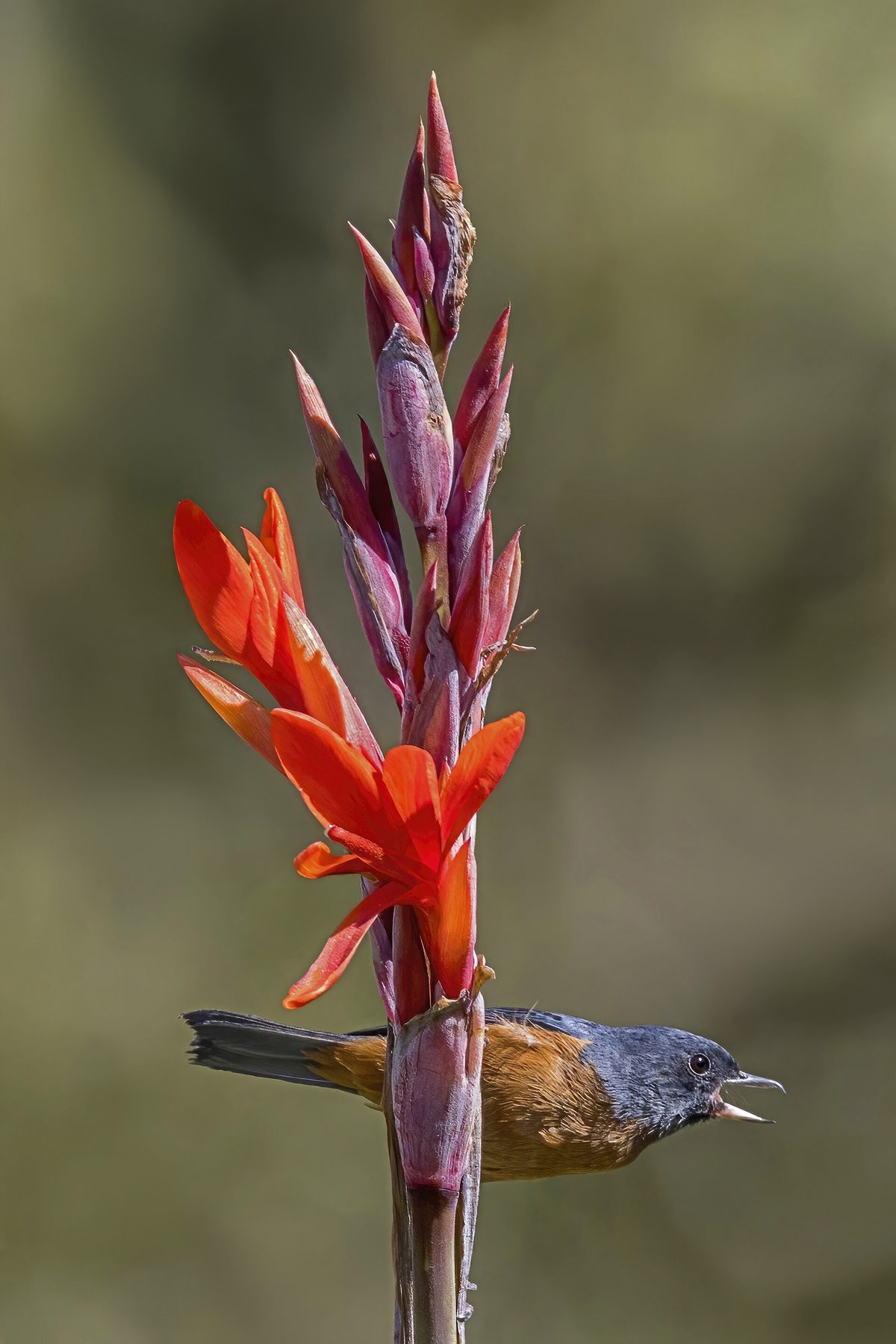
Indian Shot
Canna indica
Full sun and part shade (full sun preferred)
-
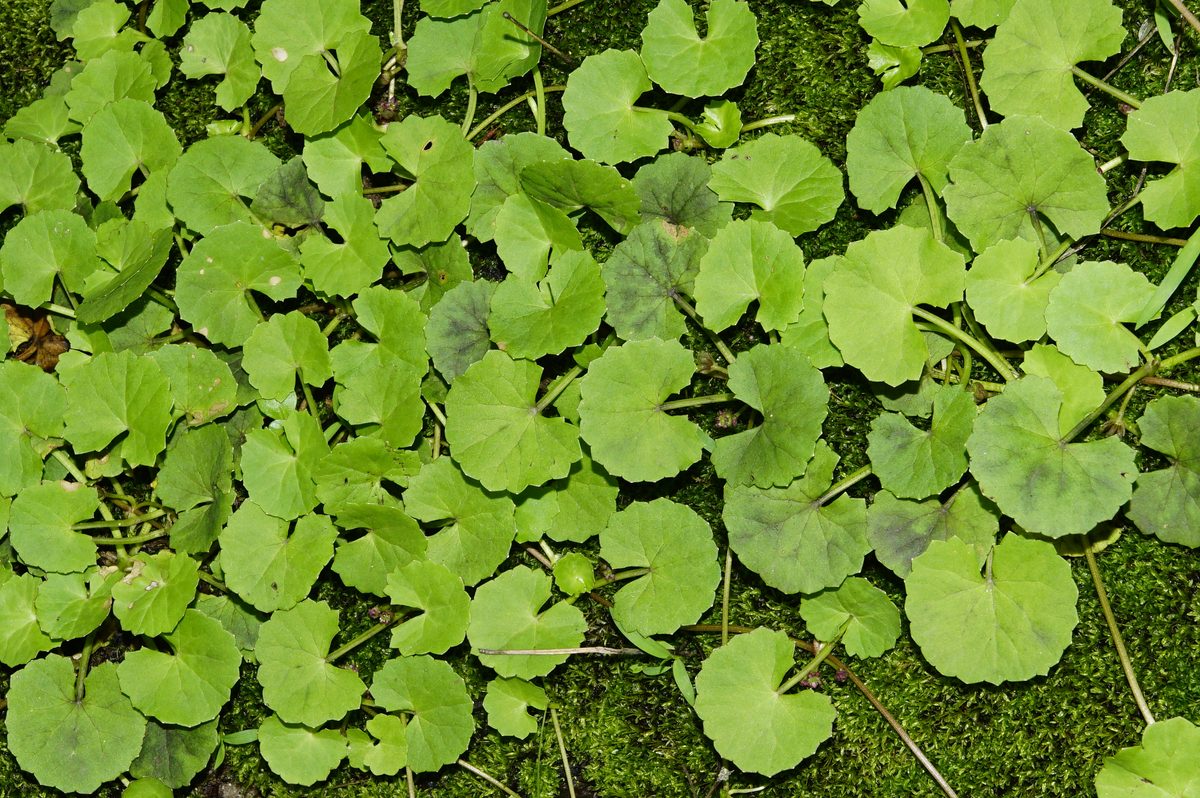
Spadeleaf
Centella asiatica
Full sun and part shade (full sun preferred)
-
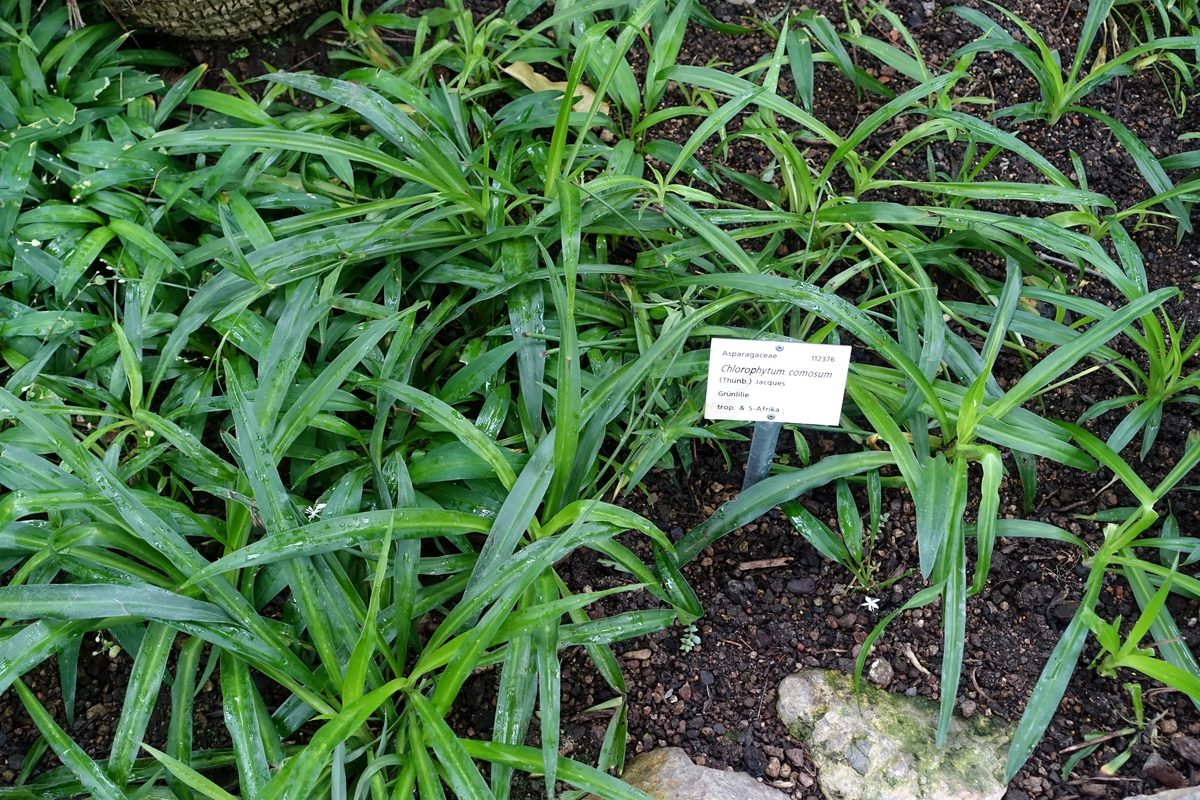
Spider Plant
Chlorophytum comosum
Part shade and full shade (part shade preferred)
Chlorophytum comosum sits in this collection under the same part shade and full shade trait as every other plant listed here. No page is published for it yet, so the light range and care details are not covered on this hub.
-
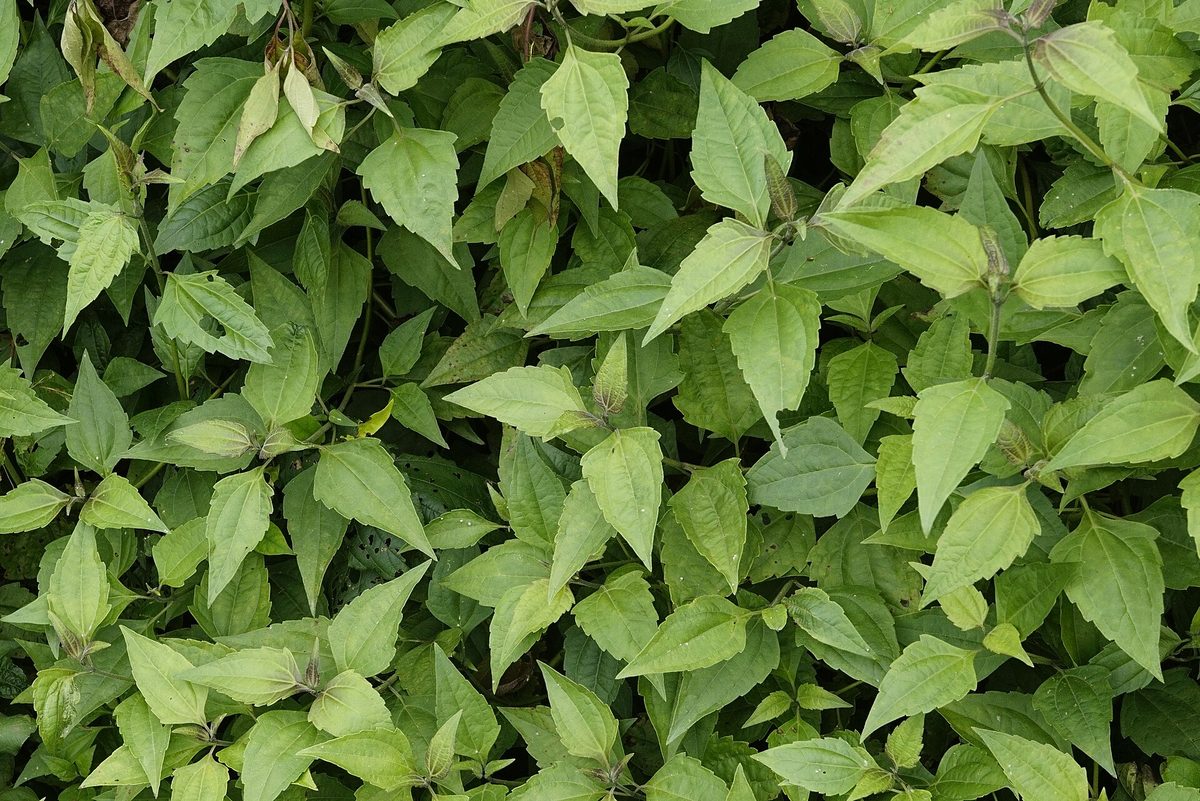
Jack in the Bush
Chromolaena odorata
Part shade
-
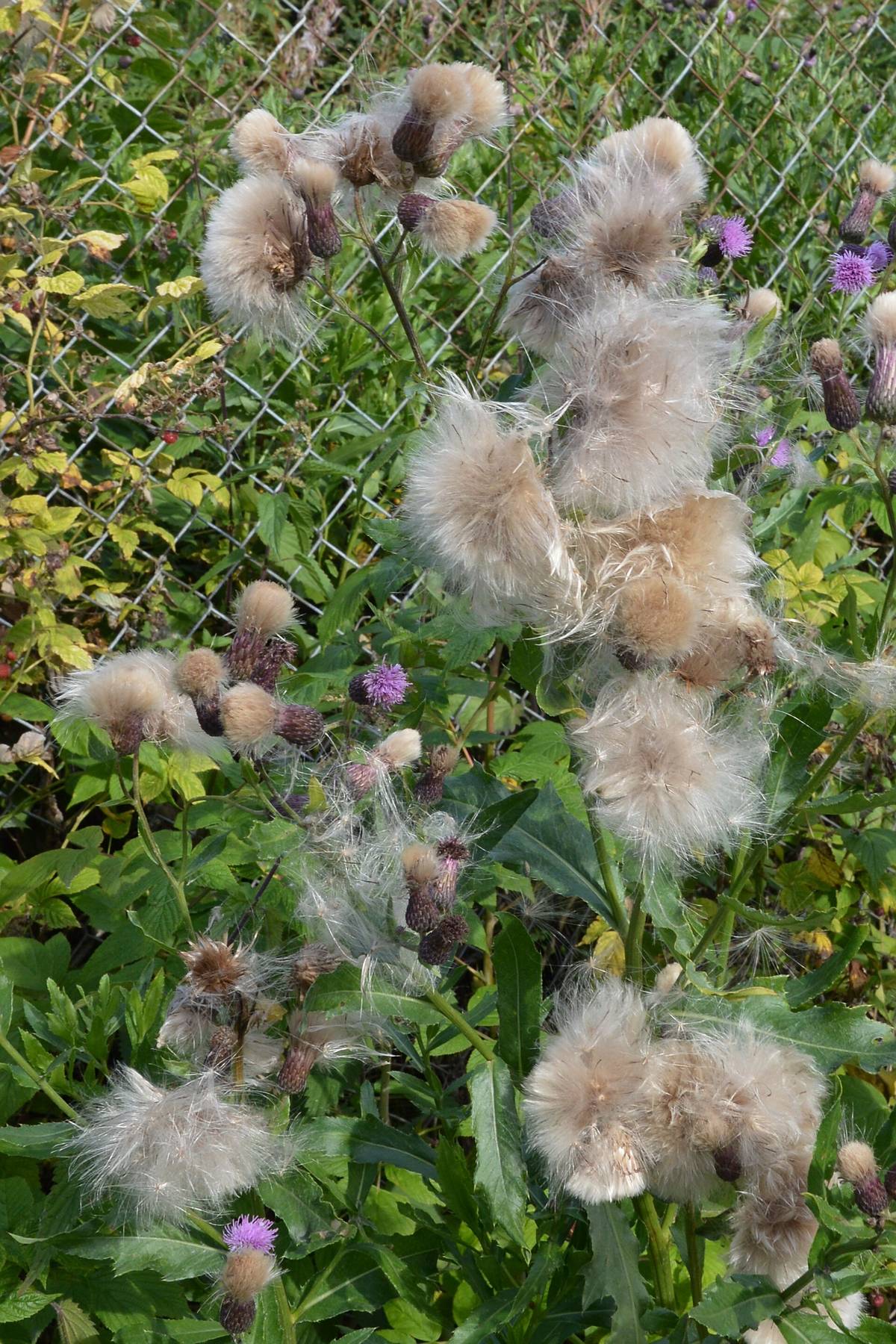
Canada Thistle
Cirsium arvense
Full sun and part shade (full sun preferred)
-
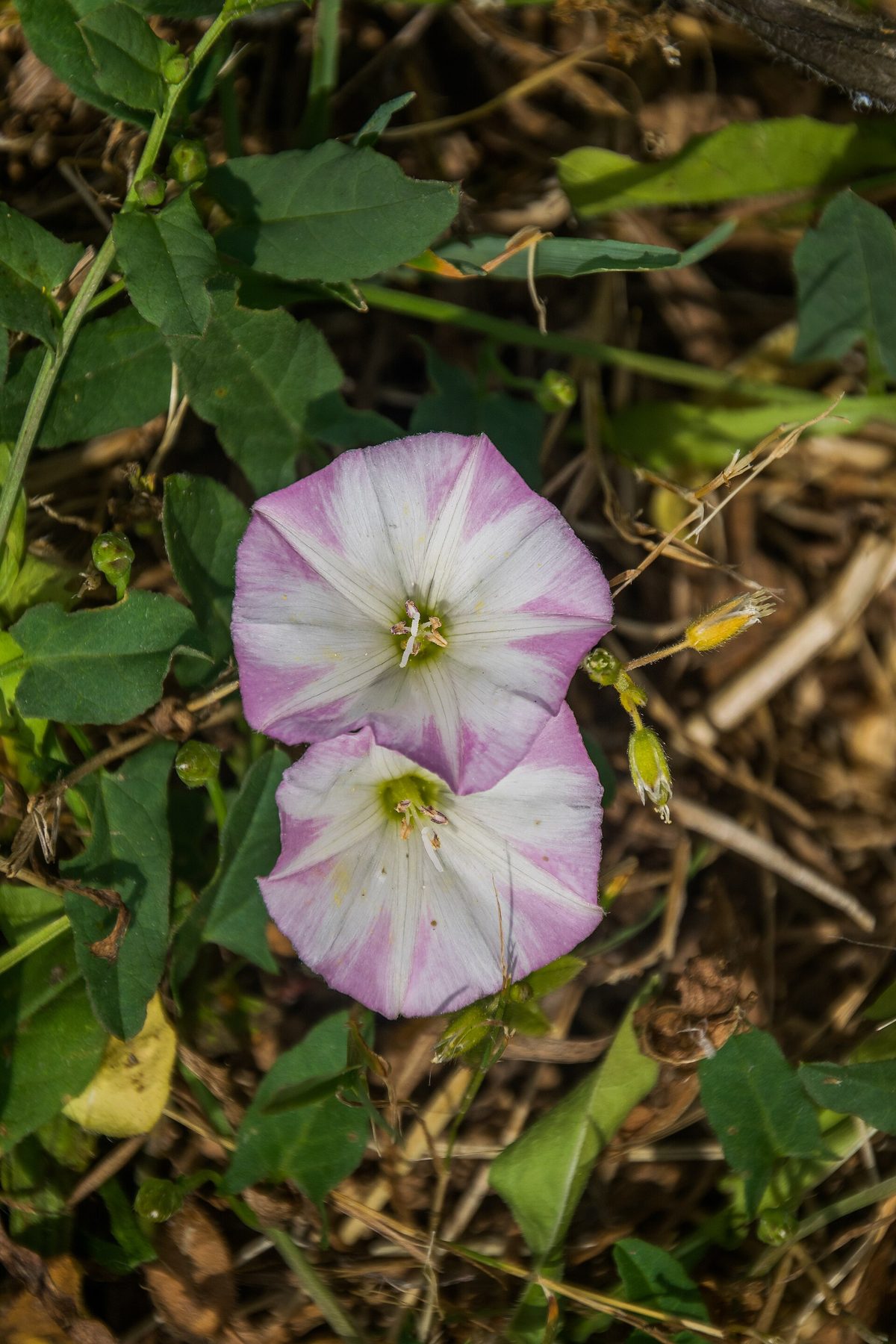
Field Bindweed
Convolvulus arvensis
Full sun and part shade (full sun preferred)
-
-
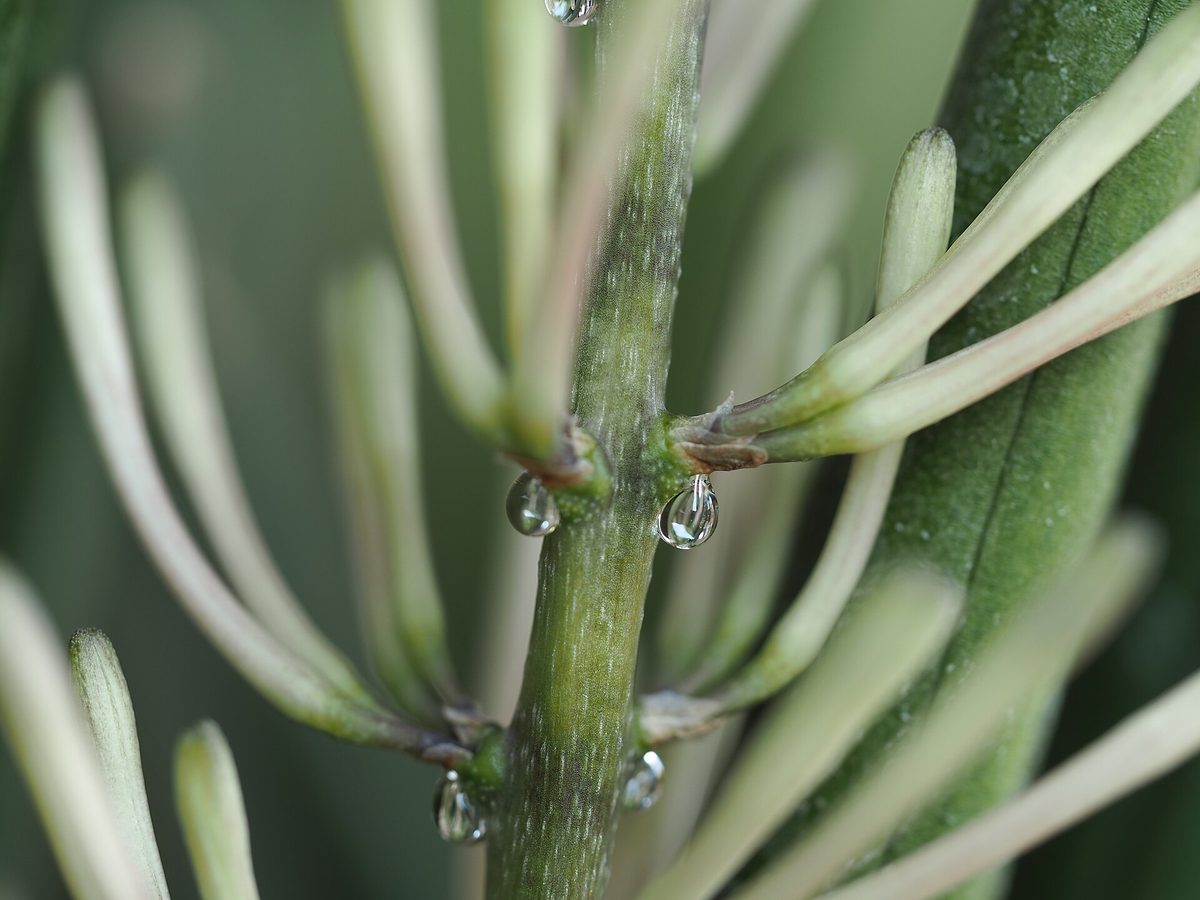
Dracaena angolensis
Dracaena angolensis
Part shade and full shade (part shade preferred)
-
-
Snake Plant
Dracaena trifasciata
Part shade
Dracaena trifasciata is another of the three plants here with its own page already published. Like the rest of this list, it is included for its ability to grow in part or full shade rather than open sun.
-
-
-
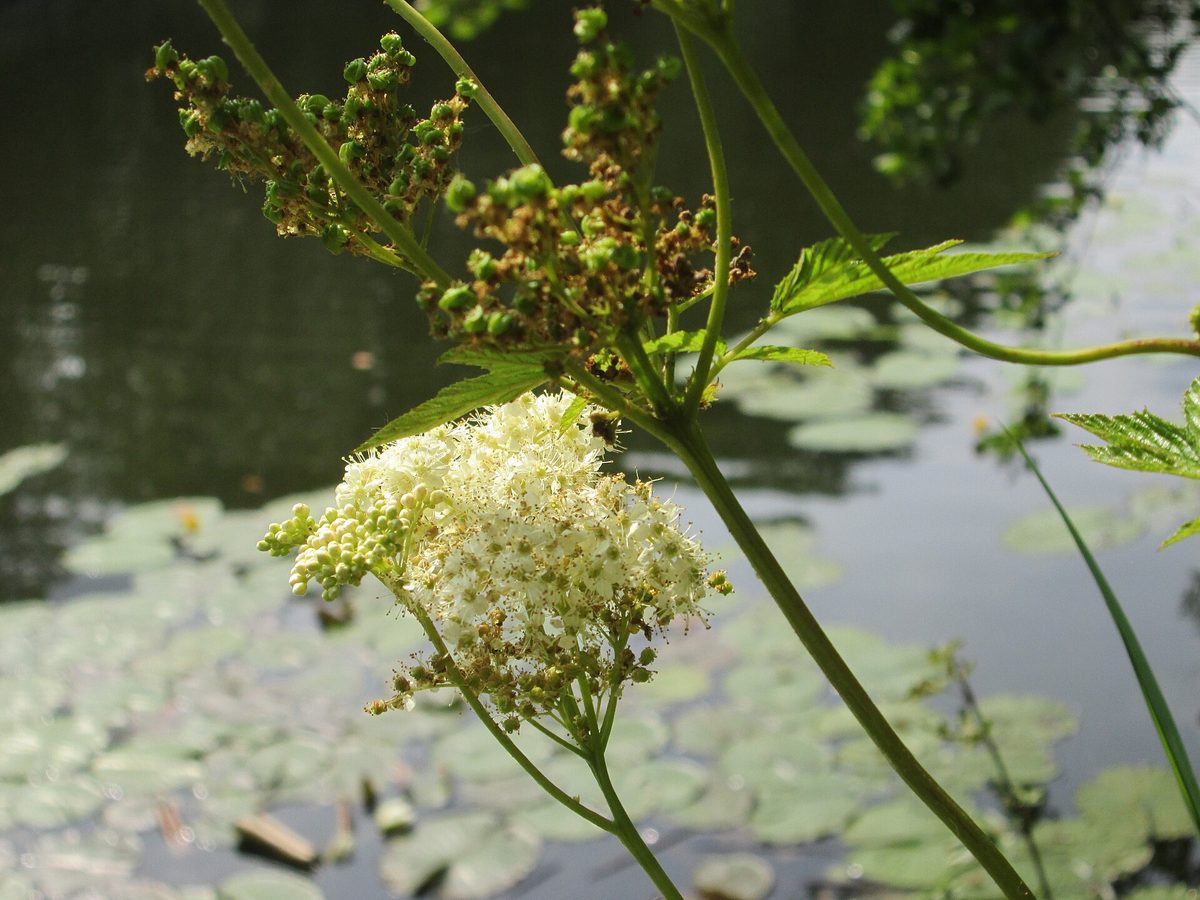
-
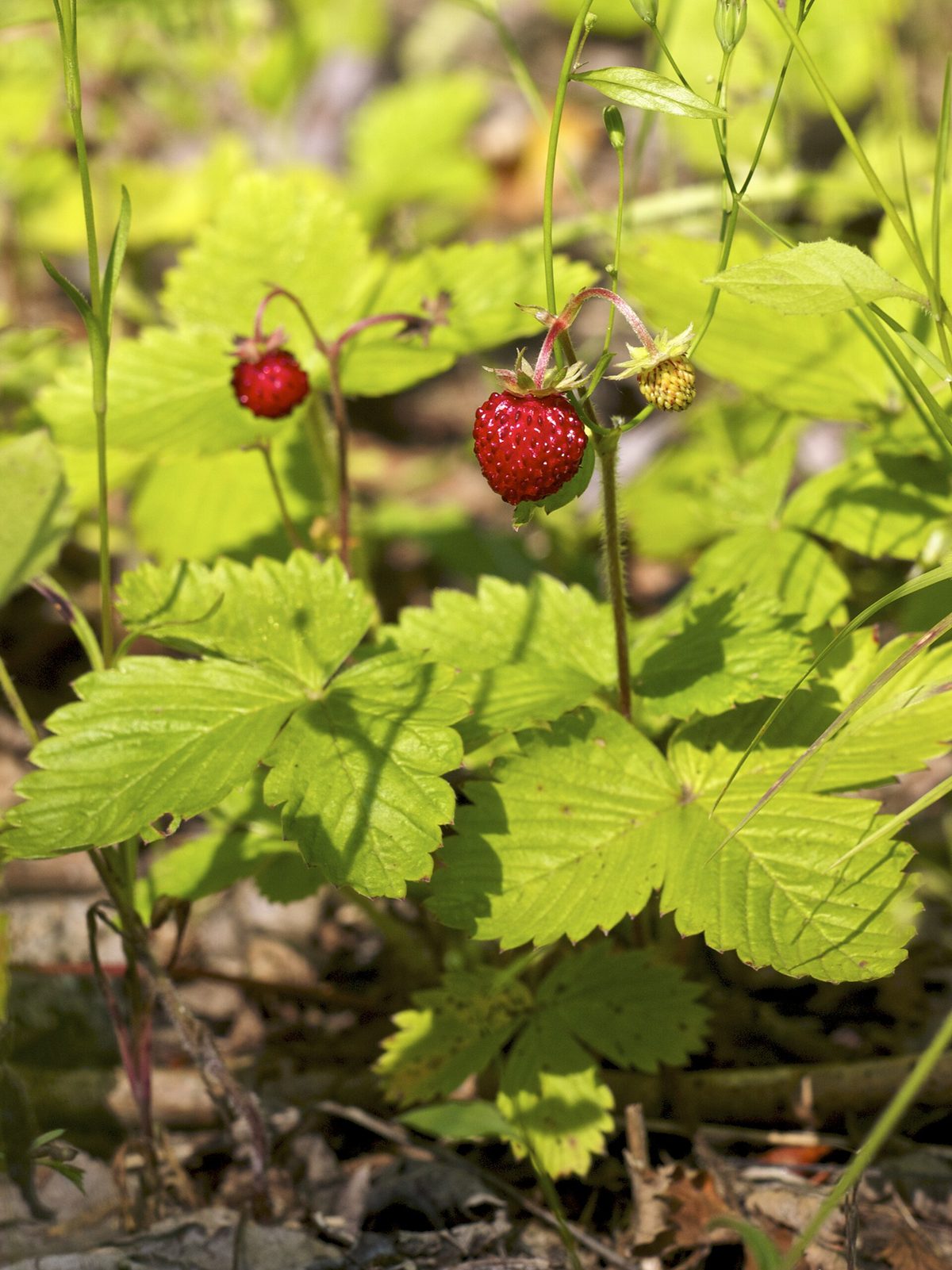
-
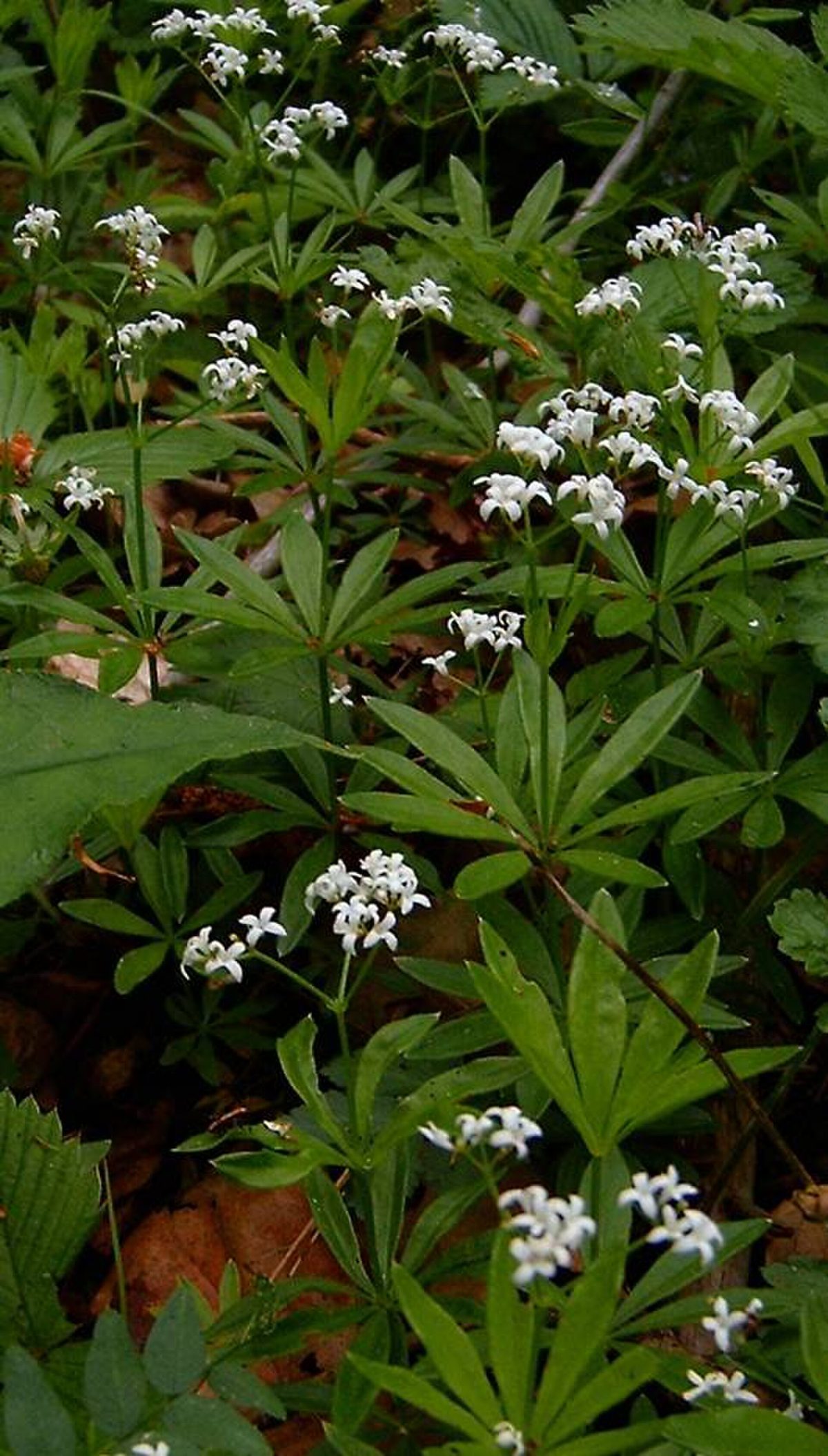
Sweetscented Bedstraw
Galium odoratum
Part shade and full shade (part shade preferred)
Galium odoratum rounds out the three published pages linked from this collection. It sits on this list for the same reason as every other name here: it can grow where sun is limited to part shade or less.
-
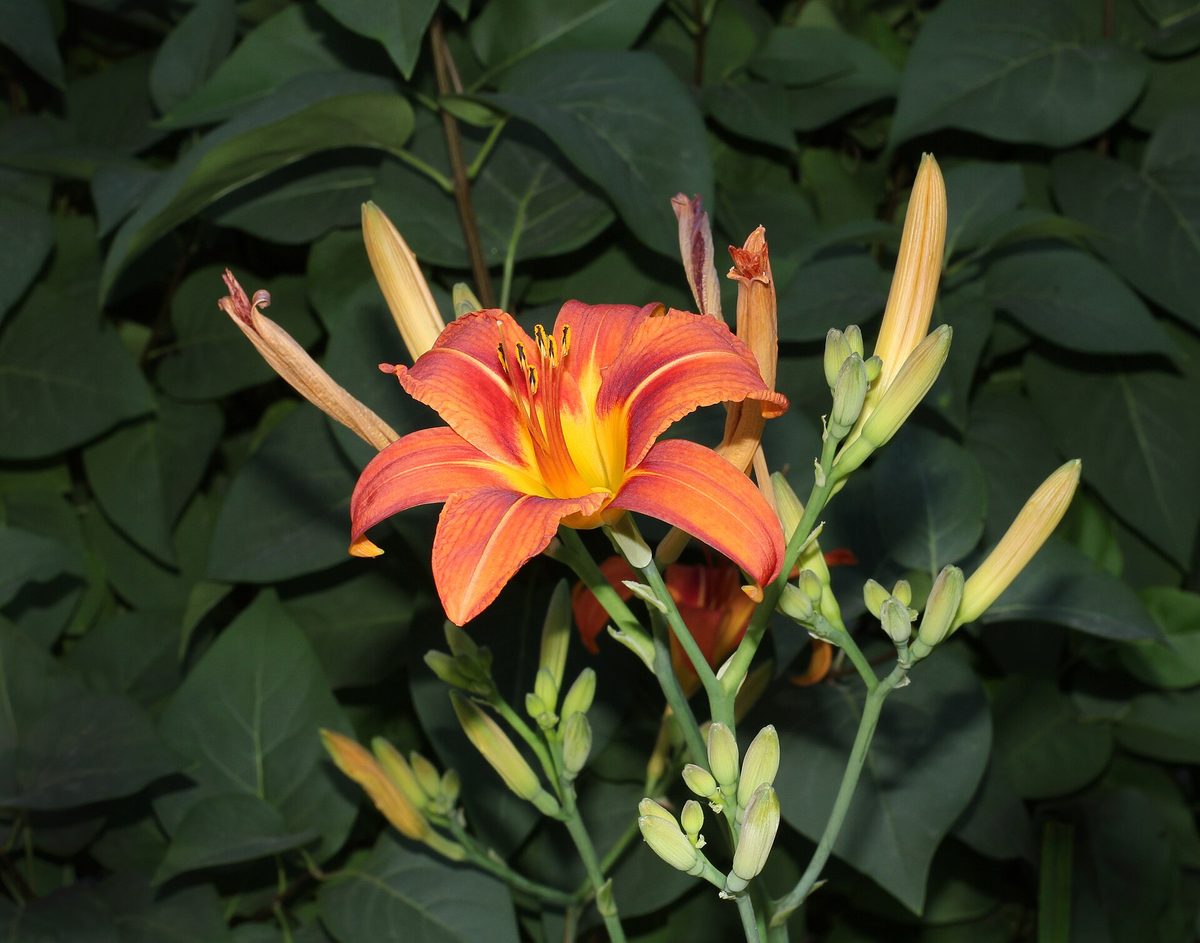
-
-
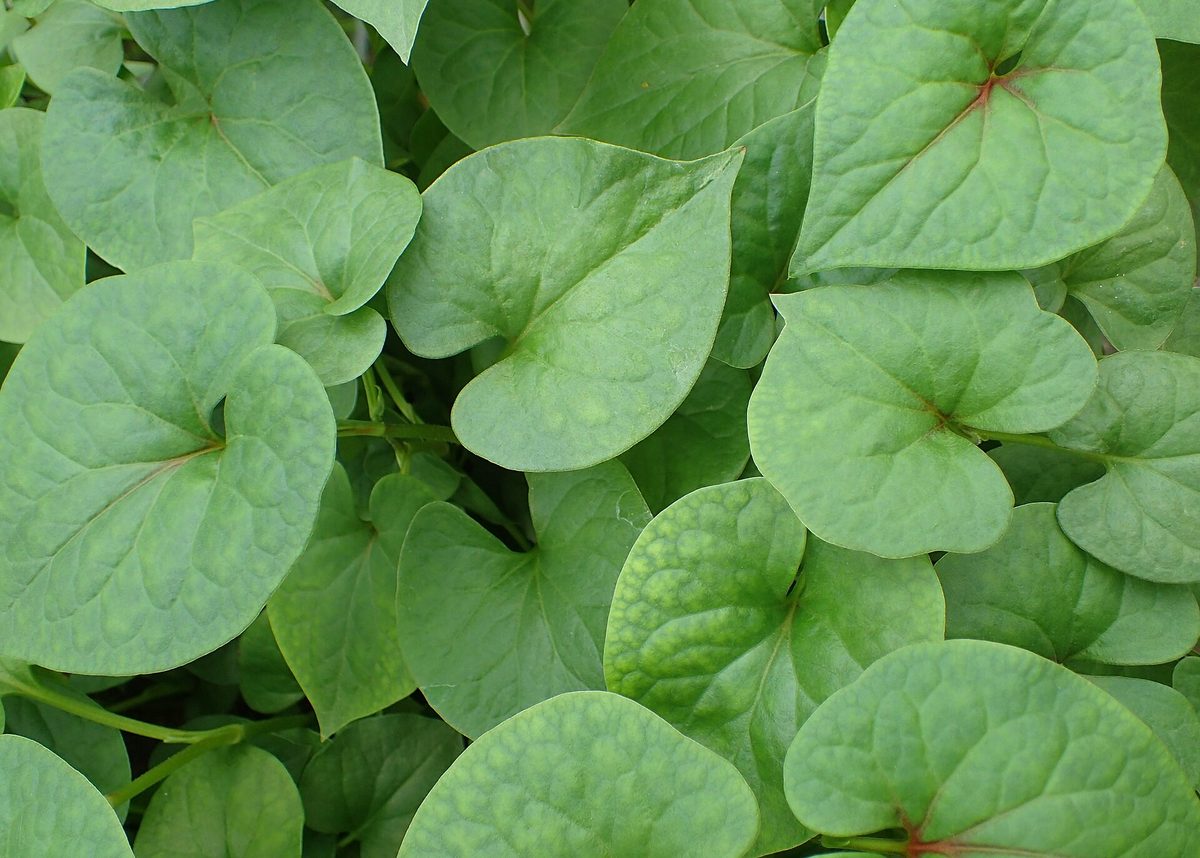
Chameleon
Houttuynia cordata
Full sun, part shade and full shade (full sun preferred)
Houttuynia cordata belongs on this collection for the same reason as the plants around it. It meets the part shade or full shade trait that defines this group, though its own page has not been published yet.
-
-
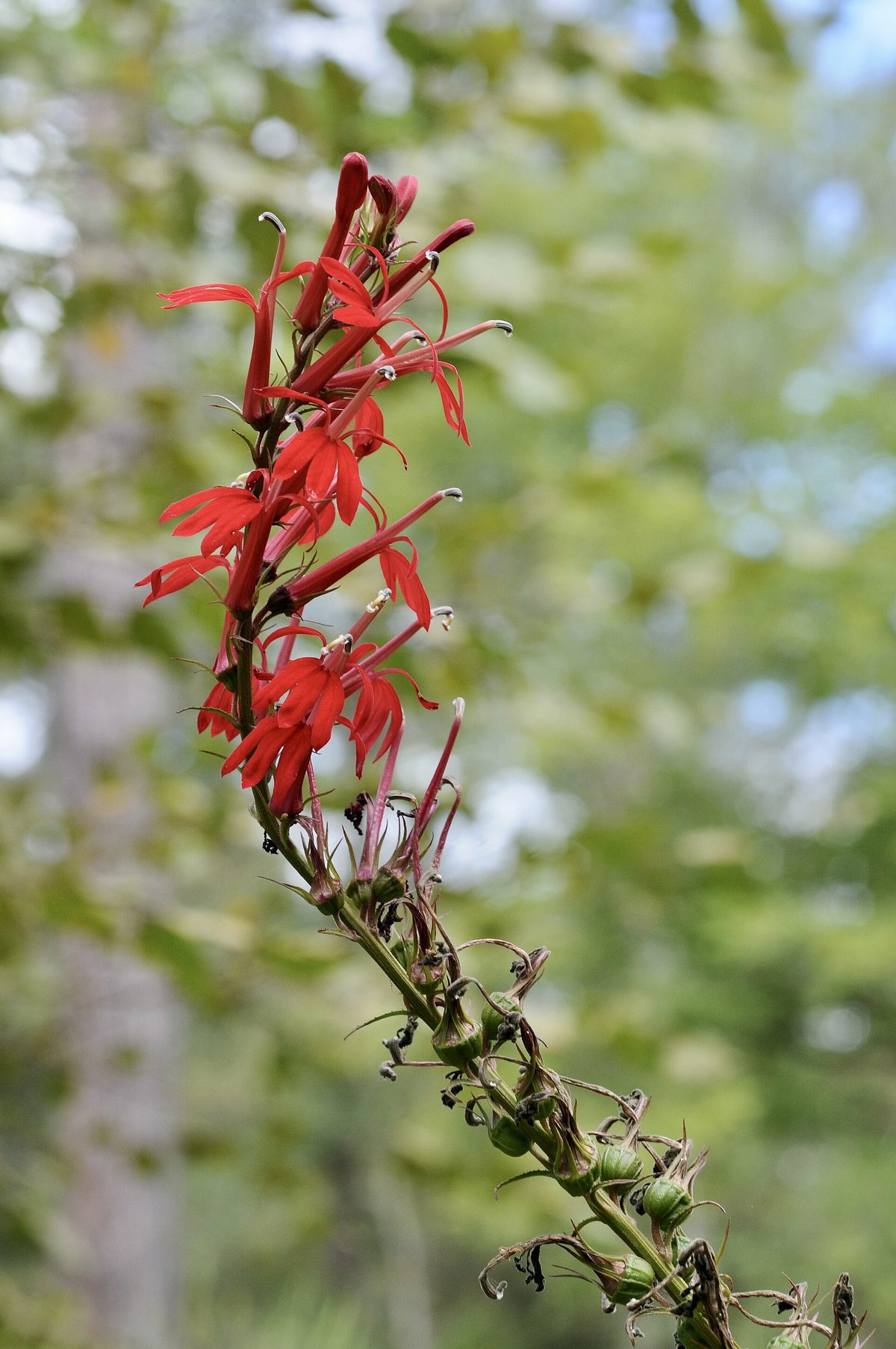
Cardinalflower
Lobelia cardinalis
Full sun, part shade and full shade (full sun preferred)
Lobelia cardinalis is part of this collection because it fits the part shade and full shade trait shared by every plant on this list. Its own page is not live yet, so its specific care details sit outside the scope of this hub.
-
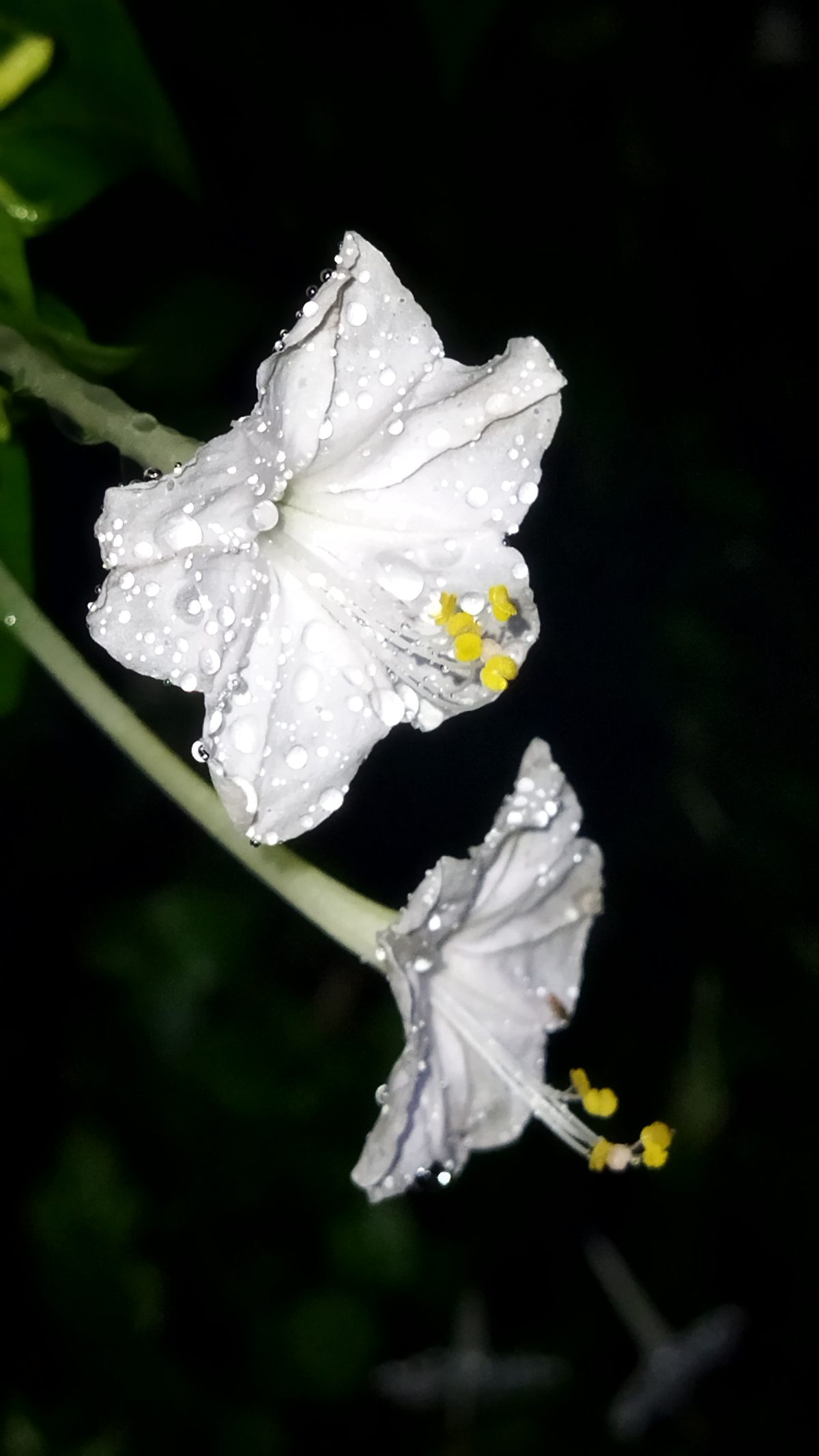
Marvel of Peru
Mirabilis jalapa
Full sun and part shade (full sun preferred)
-
-
-
-
-
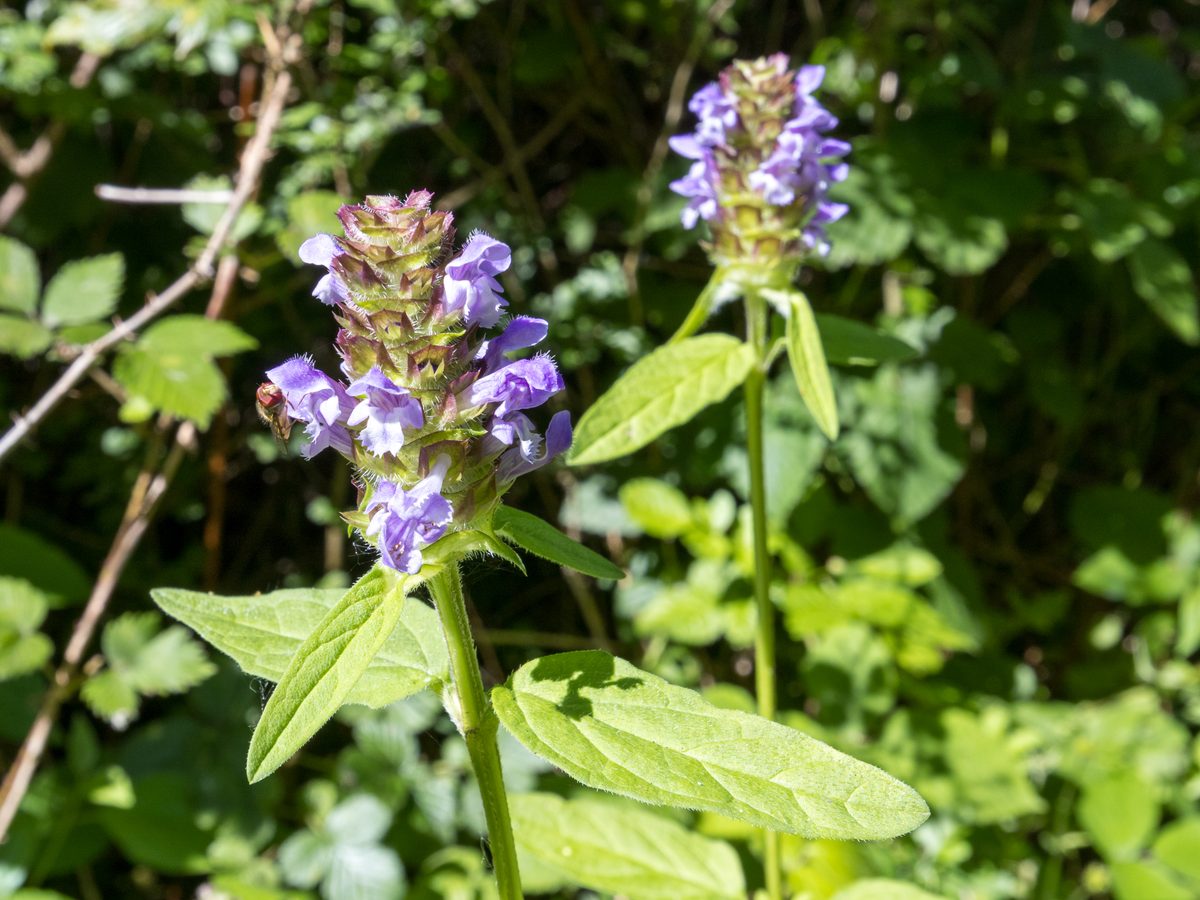
Common Selfheal
Prunella vulgaris
Full sun and part shade (full sun preferred)
-

-
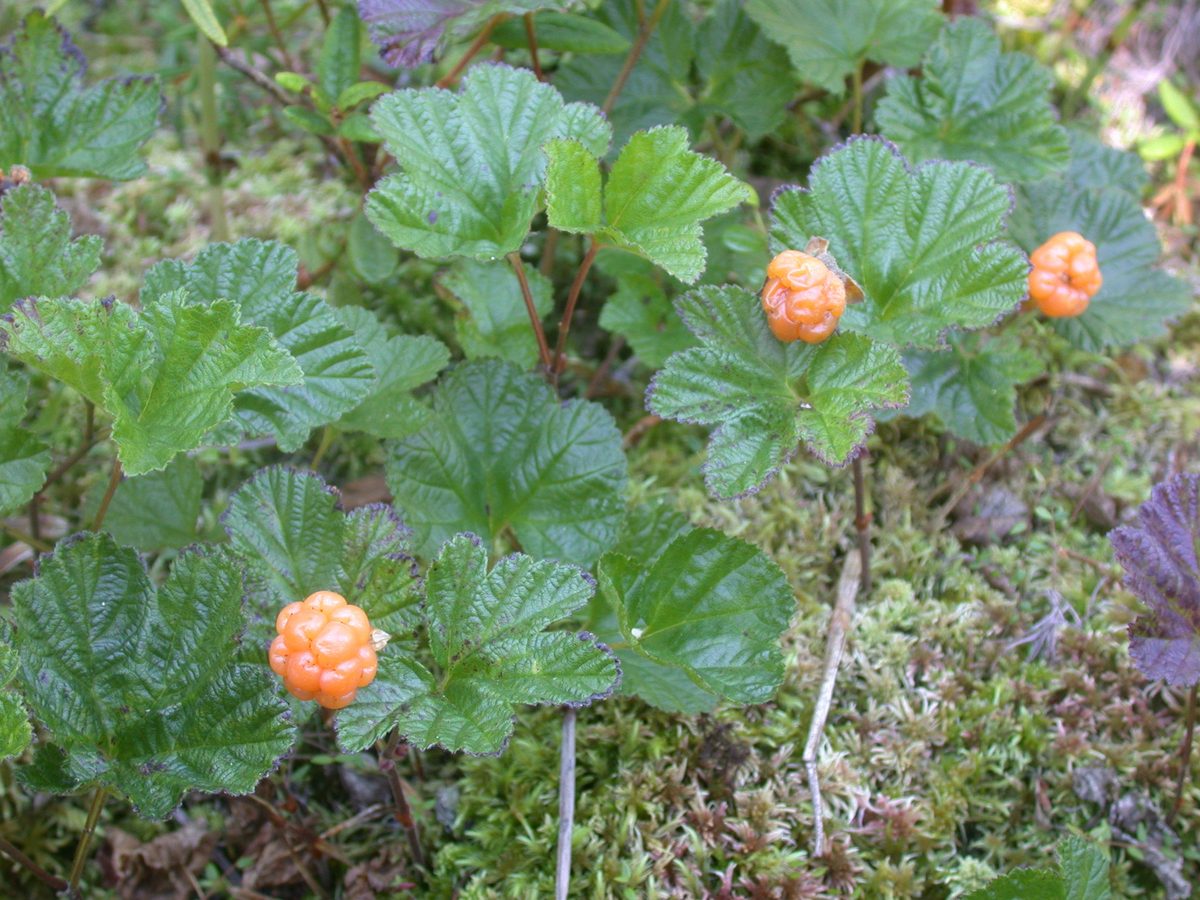
Cloudberry
Rubus chamaemorus
Full sun and part shade (full sun preferred)
-
-
-
-
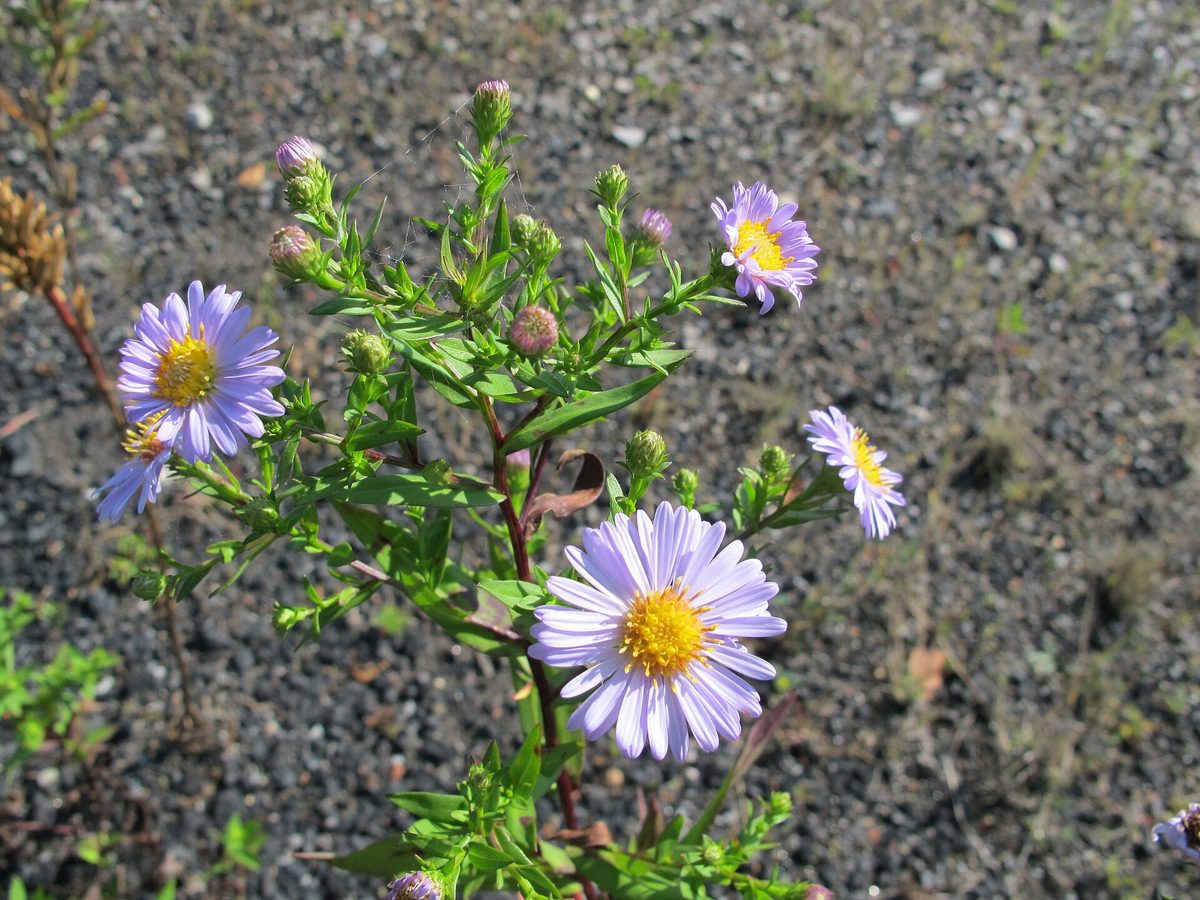
New York Aster
Symphyotrichum novi-belgii
Full sun and part shade (full sun preferred)
-
-
-
-
-
-
Bitter Ginger
Zingiber zerumbet
Part shade and full shade (part shade preferred)
How we chose
Grows in part shade or full shade
Photo credits
- Bear's Breech photo by Alvesgaspar, CC BY-SA 4.0 via Wikimedia Commons
- Common Yarrow photo by Natalka Ukraine (baby-bear.org), CC BY 4.0 via Wikimedia Commons
- Calamus photo by H. Zell, CC BY-SA 3.0 via Wikimedia Commons
- Black Baneberry photo by Salicyna, CC BY-SA 4.0 via Wikimedia Commons
- Bishop's Goutweed photo by Marc Ryckaert (MJJR), CC BY 3.0 via Wikimedia Commons
- Blue Giant Hyssop photo by Guettarda, CC BY-SA 4.0 via Wikimedia Commons
- Indianhemp photo by Thayne Tuason, CC BY-SA 4.0 via Wikimedia Commons
- Greater Burdock photo by Ilya Plekhanov, CC BY-SA 3.0 via Wikimedia Commons
- Mountain Arnica photo by Frank Vassen from Brussels, Belgium, CC BY 2.0 via Wikimedia Commons
- Absinthium photo by Wikimedia Commons contributor, CC0 via Wikimedia Commons
- Common Wormwood photo by Wikimedia Commons contributor, CC0 via Wikimedia Commons
- Butterfly Milkweed photo by Larry Jensen, CC BY 4.0 via Wikimedia Commons
- Common Asparagus Fern photo by 阿橋 HQ, CC BY-SA 2.0 via Wikimedia Commons
- Cast Iron Plant photo by Digigalos, CC BY-SA 3.0 via Wikimedia Commons
- Belladonna photo by Wikimedia Commons contributor, CC0 via Wikimedia Commons
- Lawndaisy photo by Marc Ryckaert (MJJR), CC BY 3.0 via Wikimedia Commons
- Indian Shot photo by Wikimedia Commons contributor, CC BY-SA 4.0 via Wikimedia Commons
- Spadeleaf photo by Vengolis, CC BY-SA 4.0 via Wikimedia Commons
- Spider Plant photo by Daderot, CC0 via Wikimedia Commons
- Jack in the Bush photo by Vengolis, CC BY-SA 4.0 via Wikimedia Commons
- Canada Thistle photo by Ryan Hodnett, CC BY-SA 4.0 via Wikimedia Commons
- Field Bindweed photo by Krzysztof Golik, CC BY-SA 4.0 via Wikimedia Commons
- Papyrus photo by T.Voekler, CC BY-SA 3.0 via Wikimedia Commons
- Dracaena angolensis photo by Bernard Ladenthin, CC BY 4.0 via Wikimedia Commons
- Dracaena masoniana photo by Hannes wilms, CC BY-SA 4.0 via Wikimedia Commons
- Snake Plant photo by Ujlak, CC BY-SA 3.0 via Wikimedia Commons
- Purple Coneflower photo by Wikimedia Commons contributor, CC BY-SA 3.0 via Wikimedia Commons
- Sweetscented Joe Pye Weed photo by Charles de Mille-Isles from Mille-Isles, Canada, CC BY 2.0 via Wikimedia Commons
- Queen of the Meadow photo by Wikimedia Commons contributor, CC0 via Wikimedia Commons
- Woodland Strawberry photo by Jörg Hempel, CC BY-SA 3.0 via Wikimedia Commons
- Sweetscented Bedstraw photo by I.Sáček, senior, Public domain via Wikimedia Commons
- Daylily photo by George Chernilevsky, Public domain via Wikimedia Commons
- Common Cowparsnip photo by U.S. Fish and Wildlife Service - Midwest Region, Public domain via Wikimedia Commons
- Chameleon photo by Krzysztof Ziarnek, Kenraiz, CC BY-SA 4.0 via Wikimedia Commons
- Common St. Johnswort photo by Bff, CC BY-SA 4.0 via Wikimedia Commons
- Cardinalflower photo by sonnia hill, CC BY 2.0 via Wikimedia Commons
- Marvel of Peru photo by Nativeplants garden, CC BY-SA 4.0 via Wikimedia Commons
- Wild Bergamot photo by Andrey Zharkikh from Salt Lake City, USA, CC BY 2.0 via Wikimedia Commons
- Baby Rubberplant photo by Wikimedia Commons contributor, CC BY-SA 3.0 via Wikimedia Commons
- American Pokeweed photo by Rhododendrites, CC BY-SA 4.0 via Wikimedia Commons
- Indian Strawberry photo by Robert Flogaus-Faust, CC BY 4.0 via Wikimedia Commons
- Common Selfheal photo by JackyM59, CC BY-SA 4.0 via Wikimedia Commons
- Japanese Knotweed photo by AnRo0002, CC0 via Wikimedia Commons
- Cloudberry photo by Wikimedia Commons contributor, CC BY-SA 4.0 via Wikimedia Commons
- Canada Goldenrod photo by George Chernilevsky, Public domain via Wikimedia Commons
- Peace Lily photo by W.carter, CC BY-SA 4.0 via Wikimedia Commons
- New England Aster photo by The Cosmonaut, CC BY-SA 2.5 via Wikimedia Commons
- New York Aster photo by Hugues Tinguy, CC BY-SA 2.0 via Wikimedia Commons
- Common Comfrey photo by Wikimedia Commons contributor, CC BY-SA 4.0 via Wikimedia Commons
- White Clover photo by MurielBendel, CC BY-SA 4.0 via Wikimedia Commons
- Stinging Nettle photo by Wikimedia Commons contributor, CC BY-SA 4.0 via Wikimedia Commons
- Adam's Needle photo by Ввласенко, CC BY-SA 4.0 via Wikimedia Commons
- Zamioculcas zamiifolia photo by Mishary94, CC BY-SA 4.0 via Wikimedia Commons
- Bitter Ginger photo by Forest and Kim Starr, CC BY 3.0 via Wikimedia Commons


How this page was made
- Written with AI assistance from the sources listed on this page. AI is never the source of a fact.