Bishop's Goutweed (Aegopodium podagraria)
Formerly Sium podagraria, Apium podagraria, Carum podagraria
Give bishop's goutweed part shade to full shade outdoors, since it may not flower in deep shade. It handles soil that ranges from dry to medium moisture. It grows at a rapid pace once established outdoors. No cited source lists a toxicity rating for this plant in cats or dogs.
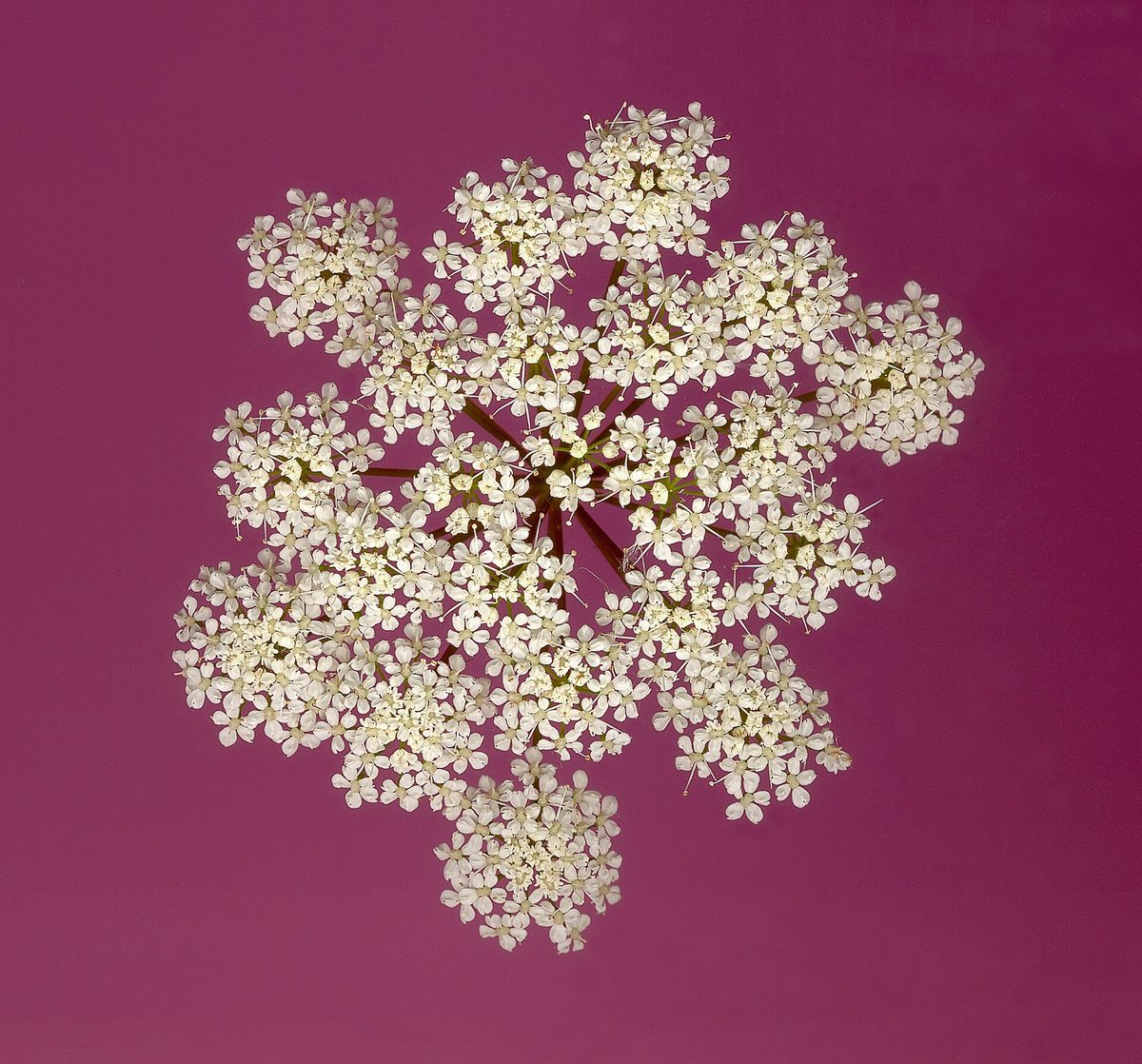
Photo: Marc Ryckaert (MJJR), CC BY 3.0 via Wikimedia Commons

Quick facts
| Light: | Part shade and full shade (part shade preferred)111 source |
|---|---|
| Water: | Dry to medium11 source |
| Soil: | Moist and well drained11 source |
| Hardiness: | Zones 3a–10b11 source |
| Size: | 0.3–1 ft (0.1–0.3 m) × 1–1.5 ft (0.3–0.46 m)311 source |
| Growth rate: | Rapid131 |
| Bloom: | White11 source |
| Cats: | Not documented by major sources |
| Dogs: | Not documented by major sources |
| Native range: | ALB, ALT, AUT, BGM, BLR, BLT, BUL, COR, CZE, DEN, FIN, FRA, GER, GRC, HUN, ITA, KAM, KAZ, KOR, KRA, KRY, NCS, NET, POL, ROM, RUC, RUE, RUN, RUS, RUW, SWE, SWI, TCS, TUE, TUR, UKR, WSB, YUG4 |
| Family: | Apiaceae |
How much light does a Bishop's Goutweed need?
Dappled light under a tree canopy suits bishop's goutweed best outdoors. It tolerates partial shade through to full shade, though full shade can mean fewer flowers. This groundcover spreads at a rapid pace outdoors. Its mature spread runs about 1 to 1.5 ft (0.3 to 0.46 m) wide. The plant also tolerates full shade all day, not just partial shade. Outdoors, it also grows in soil that ranges from dry to medium moisture. Hardiness zones 3a through 10b cover where this plant grows outdoors in general.
How often to water a Bishop's Goutweed
Bishop's goutweed grows in soil that stays anywhere from dry to medium moisture. Good drainage keeps the roots from sitting in standing water. The soil can stay consistently moist as long as it drains well. Check the soil before watering, since this plant tolerates dryness as easily as medium moisture. Outdoors, bishop's goutweed also prefers part shade to full shade rather than full sun. Mature plants stay low, about 4 to 12 in (10 to 30 cm) tall. This species also grows at a rapid pace outdoors.
- Water: Dry to medium1
Best soil for a Bishop's Goutweed
Good drainage paired with consistent moisture works best for bishop's goutweed outdoors. It also tolerates soil that ranges from dry to medium moisture outdoors. Choose a bed where rainwater does not pool for long. This matches the well-drained soil the plant needs outdoors. The plant's dry-to-medium moisture range gives it some flexibility across garden soils. Outdoors, moist, well-drained ground suits it best, whether under trees or in open shade. This species is introduced rather than native across the contiguous United States. No cited source for this page states a preferred soil pH range.
Hardiness and temperature
USDA hardiness zones 3a through 10b cover the range where bishop's goutweed grows outdoors year-round. That span runs from cold northern winters up through warm zone 10b climates. No cited source for this page gives a specific minimum temperature in degrees. The species also grows wild across much of Europe and parts of temperate Asia, regions with a wide range of winter conditions. Growth stays rapid wherever the climate lets the plant establish fully. It is considered an introduced plant in the contiguous United States, not a native one. Within that zone range, light shade outdoors suits the plant best.
- Hardiness: Zones 3a–10b1
How to plant a Bishop's Goutweed
Bishop's goutweed grows outdoors year-round in USDA zones 3a through 10b. Pick a spot with partial to full shade, since the species may not bloom in deep shade. Give it soil that stays moist but drains well, or soil anywhere from dry to medium moisture. Space plants about 1 to 1.5 ft (0.3 to 0.46 m) apart to match their mature spread. Seed is the propagation method documented for starting new plants. Its hardiness range stretches from zone 3a to zone 10b. The species also spreads at a rapid pace once it takes hold in a new bed.
- Hardiness: Zones 3a–10b1
Winter care
Outdoors, this species survives winter in USDA zones as cold as 3a. Its hardiness range extends all the way to warm zone 10b. No cited source for this page gives an exact minimum winter temperature. The plant is native across much of Europe, into Russia, and parts of temperate Asia, regions that see a wide range of winter cold. It keeps growing at a rapid pace once conditions turn favorable again in spring. This species also grows in soil that stays evenly moist yet still drains well. It is classed as an introduced species across the contiguous United States.
- Hardiness: Zones 3a–10b1
How to propagate a Bishop's Goutweed
Growing bishop's goutweed from seed is the propagation method sources document for this species. No other propagation technique is documented for this page. Once started, the plant's rapid growth rate lets it fill in a bed quickly. Give new plants the same partial to full shade the species prefers outdoors. Mature plants spread about 1 to 1.5 ft (0.3 to 0.46 m) wide. The species also grows in soil that stays moist but drains well. Zones 3a through 10b all fall within its documented hardiness range.
- Propagation: Seed1
Common problems
Sources list Cacoecimorpha pronubana and Margarodes vitis as pests reported on this species outdoors. On the disease side, leaf blight shows up more in hot, humid weather. Soil drainage and moisture needs for this species are documented separately from its pest and disease list.
| Problem | Kind |
|---|---|
| Cacoecimorpha pronubana | Pest |
| Margarodes vitis | Pest |
| Leaf blight | Disease |
| Orthotospovirus tomatomaculae | Disease |
| Candidatus liberibacter solanacearum | Disease |
Is Bishop's Goutweed toxic to cats and dogs?
Recommended supplies
- Soil: a mix that holds moisture without staying wet.
Questions and answers
- How fast does bishop's goutweed spread once planted?
- This plant has a rapid growth rate and can cover a wide area in a single growing season. Mature plants reach about 1 to 1.5 ft (0.3 to 0.46 m) wide.
- What light does bishop's goutweed need outdoors?
- Give it partial to full shade outdoors for the best results. In deep shade, the plant may still grow but is less likely to flower well.
- What USDA hardiness zones suit bishop's goutweed?
- Outdoors, it grows in USDA zones 3a through 10b. That range covers cold northern winters in zone 3a up through much warmer climates in zone 10b, a broad span for an outdoor groundcover.
Sources
- NC State Extension Gardener Plant Toolbox. https://plants.ces.ncsu.edu/plants/aegopodium-podagraria/. Accessed 14 October 2026.
- EPPO Global Database. https://gd.eppo.int/taxon/AEOPO/pests. Accessed 14 October 2026.
- USDA Forest Service Fire Effects Information System. https://www.fs.usda.gov/database/feis/plants/forb/aegpod/all.html. Accessed 14 October 2026.
- Royal Botanic Gardens, Kew (World Checklist of Vascular Plants). https://sftp.kew.org/pub/data-repositories/WCVP/wcvp.zip. Accessed 4 June 2026.
How this page was made
- Written with AI assistance from the sources listed on this page. AI is never the source of a fact.