Shrubs for zone 6
Zone 6 describes one band in the USDA Plant Hardiness Zone Map, the scale gardeners use to judge how cold a place gets in an average winter. The number marks a range of average annual minimum winter temperatures, not a single day's low. A shrub rated for zone 6 is expected to survive that typical cold without extra protection. The zone number says nothing about summer heat, how much rain falls, or what kind of soil you have. Two towns in zone 6 can differ widely in humidity, wind and soil pH. The zone rating is a starting point, not the whole picture. This page gathers 33 shrubs suited to that winter range, drawn from this site's full list. Four of them, Camellia sinensis, Hibiscus syriacus, Lavandula angustifolia and Rubus idaeus, already have their own pages with growing detail. The rest are listed here as part of the same zone 6 shrub group, with pages to follow. Each shrub's own page holds its specific frost dates, light needs and soil preference. Those details vary plant by plant, even within one zone. Use this hub as a shortlist for zone 6, then check each shrub's own page before you plant it. A zone rating alone will not tell you when to plant, how much water a shrub needs, or whether it suits the soil in your yard.
Compared side by side
| Plant | Hardiness | Height | Light | Cats | Dogs |
|---|---|---|---|---|---|
| SilktreeAlbizia julibrissin | Zones 6a–9b | 20–40 ft (6.1–12.2 m) | Full sun and part shade (full sun preferred) | Not documented | Toxic (1 source) |
| KinnikinnickArctostaphylos uva-ursi | Zones 3a–7b | 0.5–1 ft (0.15–0.3 m) | Full sun and part shade (full sun preferred) | Not documented | Not documented |
| Black ChokeberryAronia melanocarpa | Zones 3a–8b | 3–10 ft (0.91–3.05 m) | Full sun and part shade (full sun preferred) | Not documented | Not documented |
| PawpawAsimina triloba | Zones 5a–9b | Sources differ: Clemson Cooperative Extension HGIC; Clemson Cooperative Extension HGIC; Lady Bird Johnson Wildflower Center; Clemson Cooperative Extension HGIC; Lady Bird Johnson Wildflower Center; Clemson Cooperative Extension Home & Garden Information Center | Full sun, part shade and full shade (full sun preferred) | Not documented | Not documented |
| Hollyleaved BarberryBerberis aquifolium | Zones 5a–8b | 3–6 ft (0.91–1.83 m) | Part shade and full shade (part shade preferred) | Non-toxic | Non-toxic |
| Japanese BarberryBerberis thunbergii | Zones 4a–8b | 3–6 ft (0.91–1.83 m) | Full sun, part shade and full shade (full sun preferred) | Not documented | Not documented |
| Common BarberryBerberis vulgaris | Zones 3a–7b | 9.8–13 ft (3–3.96 m) | Full sun, part shade and full shade (full sun preferred) | Not documented | Not documented |
| Orange Eye ButterflybushBuddleja davidii | Zones 5a–9b | 6–10 ft (1.83–3.05 m) | Full sun and part shade (full sun preferred) | Not documented | Not documented |
| BoxwoodBuxus sempervirens | Zones 5a–8b | 10–12 ft (3.05–3.66 m) | Full sun and part shade (full sun preferred) | Toxic | Toxic |
| American BeautyberryCallicarpa americana | Zones 6a–10b | 5–9 ft (1.52–2.74 m) | Full sun and part shade (full sun preferred) | Not documented | Not documented |
| TeaCamellia sinensis | Zones 6a–9b | Sources differ: Clemson Cooperative Extension Home & Garden Information Center; Clemson Cooperative Extension Home & Garden Information Center | Full sun and part shade (full sun preferred) | Toxic (1 source) | Toxic (1 source) |
| Common ButtonbushCephalanthus occidentalis | Not documented | 5–8 ft (1.52–2.44 m) | Full sun and part shade (full sun preferred) | Not documented | Not documented |
| Judas-treeCercis siliquastrum | Zones 6a–9b | 15–25 ft (4.57–7.62 m) | Full sun and part shade (full sun preferred) | Not documented | Not documented |
| Flowering DogwoodCornus florida | Zones 5a–9a | Sources differ: University of Florida IFAS Extension (EDIS); University of Florida IFAS Extension (EDIS); Lady Bird Johnson Wildflower Center (Native Plant Database) | Full sun and part shade (full sun preferred) | Not documented | Not documented |
| Bloodtwig DogwoodCornus sanguinea | Zones 5a–7b | 5–15 ft (1.52–4.57 m) | Full sun and part shade (full sun preferred) | Not documented | Not documented |
| Redosier DogwoodCornus sericea | Zones 2a–7b | 5–9 ft (1.52–2.74 m) | Full sun, part shade and full shade (full sun preferred) | Not documented | Not documented |
| Common FilbertCorylus avellana | Zones 4a–8b | 10–15 ft (3.05–4.57 m) | Full sun and part shade (full sun preferred) | Not documented | Not documented |
| European SmoketreeCotinus coggygria | Zones 4a–8b | 10–15 ft (3.05–4.57 m) | Full sun and part shade (full sun preferred) | Not documented | Not documented |
| SweetwilliamDianthus barbatus | Zones 3a–9b | 1–2 ft (0.3–0.61 m) | Full sun and part shade (full sun preferred) | Toxic (1 source) | Toxic (1 source) |
| CarnationDianthus caryophyllus | Zones 6a–9b | 1–4 ft (0.3–1.22 m) | Full sun and part shade (full sun preferred) | Toxic (1 source) | Toxic (1 source) |
| Russian OliveElaeagnus angustifolia | Zones 2a–7b | 16.4–39.4 ft (5–12 m) | Full sun | Non-toxic | Non-toxic |
| Autumn OliveElaeagnus umbellata | Zones 4a–9b | 10–18 ft (3.05–5.49 m) | Full sun and part shade (full sun preferred) | Non-toxic | Non-toxic |
| BurningbushEuonymus alatus | Zones 4a–8b | 15–20 ft (4.57–6.1 m) | Full sun, part shade and full shade (full sun preferred) | Not documented | Not documented |
| Winter CreeperEuonymus fortunei | Zones 4a–9b | 14–32 ft (4.27–9.75 m) | Full sun, part shade and full shade (full sun preferred) | Not documented | Not documented |
| Japanese SpindletreeEuonymus japonicus | Zones 6a–9b | 10–15 ft (3.05–4.57 m) | Full sun, part shade and full shade (full sun preferred) | Not documented | Not documented |
| Glossy BuckthornFrangula alnus | Zones 2a–7b | 25 ft (7.62 m) | Full sun and part shade (full sun preferred) | Not documented | Not documented |
| Eastern TeaberryGaultheria procumbens | Zones 3a–7b | 0.3–0.7 ft (0.1–0.2 m) | Full sun, part shade and full shade (full sun preferred) | Not documented | Not documented |
| SalalGaultheria shallon | Zones 5a–9b | 3–5 ft (0.91–1.52 m) | Part shade and full shade (part shade preferred) | Not documented | Not documented |
| Rose of SharonHibiscus syriacus | Zones 5a–9b | 8–12 ft (2.44–3.66 m) | Full sun and part shade (full sun preferred) | Non-toxic | Non-toxic |
| Wild HydrangeaHydrangea arborescens | Zones 3a–9b | Sources differ: Penn State Extension; Oregon State University Extension Service; Penn State Extension | Full sun, part shade and full shade (full sun preferred) | Toxic | Toxic |
| French HydrangeaHydrangea macrophylla | Zones 6a–11b | 3–6 ft (0.91–1.83 m) | Part shade and full shade (part shade preferred) | Toxic | Toxic |
| Panicled HydrangeaHydrangea paniculata | Zones 3a–8b | Sources differ: University of Wisconsin-Madison Division of Extension (Wisconsin Horticulture) | Full sun and part shade (full sun preferred) | Toxic (1 source) | Toxic (1 source) |
| Sweet-amberHypericum androsaemum | Zones 5a–8b | 2–3 ft (0.61–0.91 m) | Full sun and part shade (full sun preferred) | Not documented | Not documented |
| Common St. JohnswortHypericum perforatum | Zones 3a–8b | 1–3.3 ft (0.3–1 m) | Full sun and part shade (full sun preferred) | Toxic | Toxic |
| Mountain LaurelKalmia latifolia | Zones 4a–9b | 7–14 ft (2.13–4.27 m) | Full sun, part shade and full shade (full sun preferred) | Toxic (1 source) | Toxic (1 source) |
| English LavenderLavandula angustifolia | Zones 5a–9b | 1–3 ft (0.3–0.91 m) | Full sun and part shade (full sun preferred) | Toxic (1 source) | Toxic (1 source) |
| Sweetberry HoneysuckleLonicera caerulea | Zones 2a–7b | 6 ft (1.83 m) | Full sun and part shade (full sun preferred) | Not documented | Not documented |
| Amur HoneysuckleLonicera maackii | Zones 3a–8b | 10–15 ft (3.05–4.57 m) | Full sun and part shade (full sun preferred) | Not documented | Not documented |
| Creeping JennyLysimachia nummularia | Zones 3a–9b | 0.2–0.3 ft (0.05–0.1 m) | Full sun, part shade and full shade (full sun preferred) | Not documented | Not documented |
| Lodgepole PinePinus contorta | Zones 4a–8b | 20–50 ft (6.1–15.24 m) | Full sun | Not documented | Not documented |
| Portugal LaurelPrunus lusitanica | Zones 6a–9b | 10–20 ft (3.05–6.1 m) | Not documented | Not documented | Not documented |
| Common BuckthornRhamnus cathartica | Zones 3a–7b | 18–30 ft (5.49–9.14 m) | Full sun and part shade (full sun preferred) | Toxic (1 source) | Toxic (1 source) |
| Chinese RoseRosa chinensis | Zones 6a–9b | 6–8 ft (1.83–2.44 m) | Full sun and part shade (full sun preferred) | Not documented | Not documented |
| Sweetbriar RoseRosa rubiginosa | Zones 5a–8b | Not documented | Full sun | Not documented | Not documented |
| Rugosa RoseRosa rugosa | Zones 2a–7b | 3.9–5.9 ft (1.2–1.8 m) | Full sun | Not documented | Not documented |
| American Red RaspberryRubus idaeus | Zones 4a–8b | 7–10 ft (2.13–3.05 m) | Full sun and part shade (full sun preferred) | Not documented | Not documented |
| Wine RaspberryRubus phoenicolasius | Zones 4a–8b | 9 ft (2.74 m) | Full sun and part shade (full sun preferred) | Not documented | Not documented |
| SalmonberryRubus spectabilis | Zones 5a–10a | 6.6–13.1 ft (2–4 m) | Full sun, part shade and full shade (full sun preferred) | Not documented | Not documented |
| Common RueRuta graveolens | Zones 4a–10b | 2–3 ft (0.61–0.91 m) | Full sun and part shade (full sun preferred) | Not documented | Not documented |
| Kitchen SageSalvia officinalis | Zones 4a–8b | 1–2 ft (0.3–0.6 m) | Full sun and part shade (full sun preferred) | Non-toxic | Non-toxic |
| Russian SageSalvia yangii | Zones 5a–9b | 2–5 ft (0.61–1.52 m) | Full sun | Not documented | Not documented |
| American Black ElderberrySambucus canadensis | Zones 4a–8b | 5–12 ft (1.52–3.66 m) | Full sun and part shade (full sun preferred) | Not documented | Toxic (1 source) |
| Black ElderberrySambucus nigra | Zones 5a–7b | 10–20 ft (3.05–6.1 m) | Full sun and part shade (full sun preferred) | Toxic (1 source) | Toxic (1 source) |
| Red ElderberrySambucus racemosa | Zones 3a–7b | 4–25 ft (1.22–7.62 m) | Full sun, part shade and full shade (full sun preferred) | Not documented | Toxic (1 source) |
| Climbing NightshadeSolanum dulcamara | Zones 4a–8b | 2–10 ft (0.61–3.05 m) | Full sun, part shade and full shade (full sun preferred) | Toxic (1 source) | Toxic (1 source) |
| Japanese MeadowsweetSpiraea japonica | Zones 3a–8b | 4–6 ft (1.22–1.83 m) | Full sun and part shade (full sun preferred) | Not documented | Not documented |
| Woolly HedgenettleStachys byzantina | Zones 4a–9b | 1–1.5 ft (0.3–0.46 m) | Full sun and part shade (full sun preferred) | Not documented | Not documented |
| Common SnowberrySymphoricarpos albus | Zones 3a–7b | 3–6 ft (0.91–1.83 m) | Full sun and part shade (full sun preferred) | Not documented | Not documented |
| Common LilacSyringa vulgaris | Zones 3a–7a | 8–15 ft (2.44–4.57 m) | Full sun and part shade (full sun preferred) | Not documented | Not documented |
| Atlantic Poison OakToxicodendron pubescens | Zones 5a–9b | 2–4 ft (0.61–1.22 m) | Full sun and part shade (full sun preferred) | Not documented | Not documented |
| Eastern Poison IvyToxicodendron radicans | Zones 4a–10b | 1–150 ft (0.3–45.72 m) | Full sun, part shade and full shade (full sun preferred) | Non-toxic | Non-toxic |
| Lowbush BlueberryVaccinium angustifolium | Zones 2a–8b | 0.5–2 ft (0.15–0.61 m) | Full sun, part shade and full shade (full sun preferred) | Not documented | Not documented |
| Highbush BlueberryVaccinium corymbosum | Zones 3a–8b | 6–12 ft (1.83–3.66 m) | Full sun and part shade (full sun preferred) | Not documented | Not documented |
| European CranberrybushViburnum opulus | Zones 2a–8b | 10–16 ft (3.05–4.88 m) | Full sun and part shade (full sun preferred) | Not documented | Not documented |
The plants
-
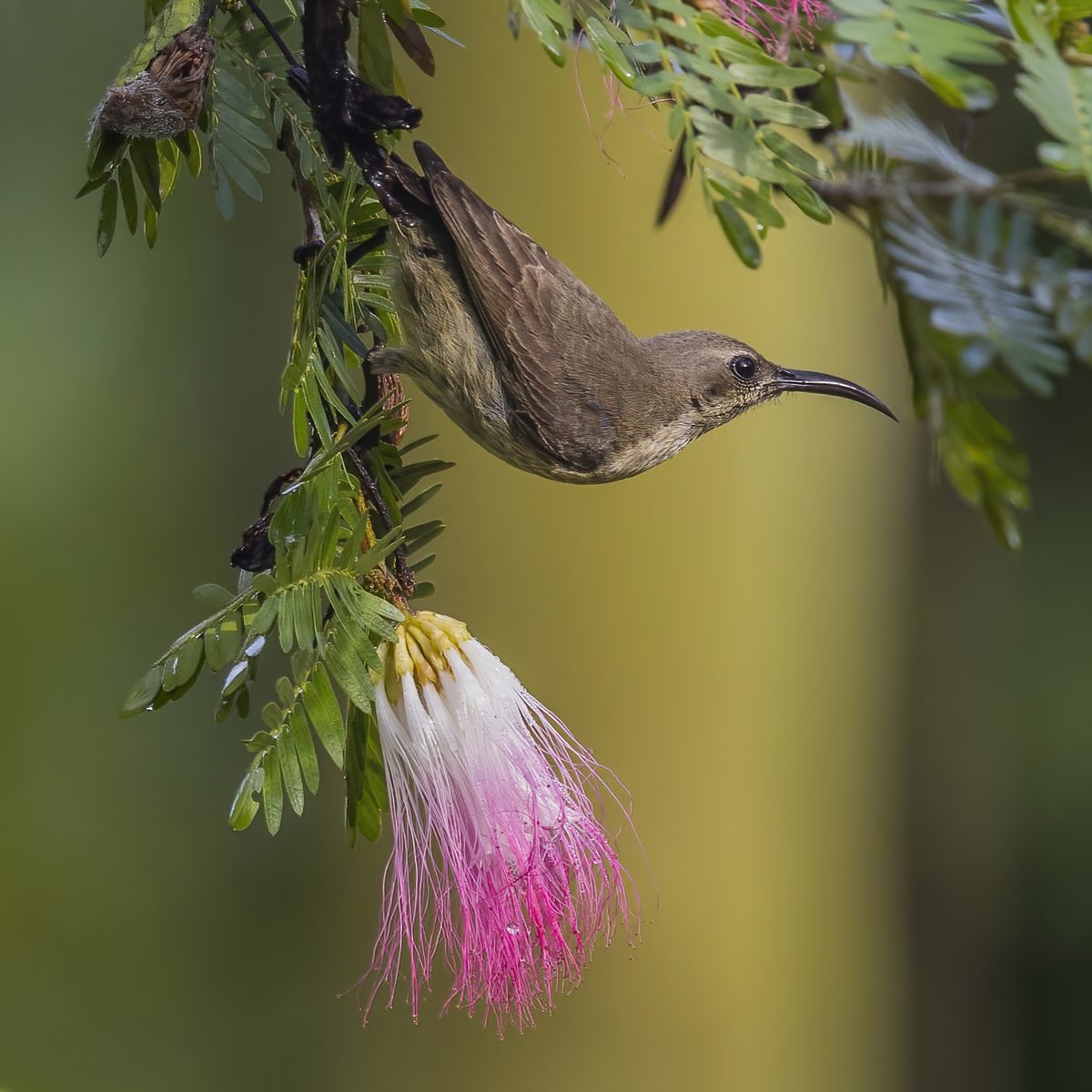
Silktree
Albizia julibrissin
Zones 6a–9b · 20–40 ft (6.1–12.2 m) · Full sun and part shade (full sun preferred)
-
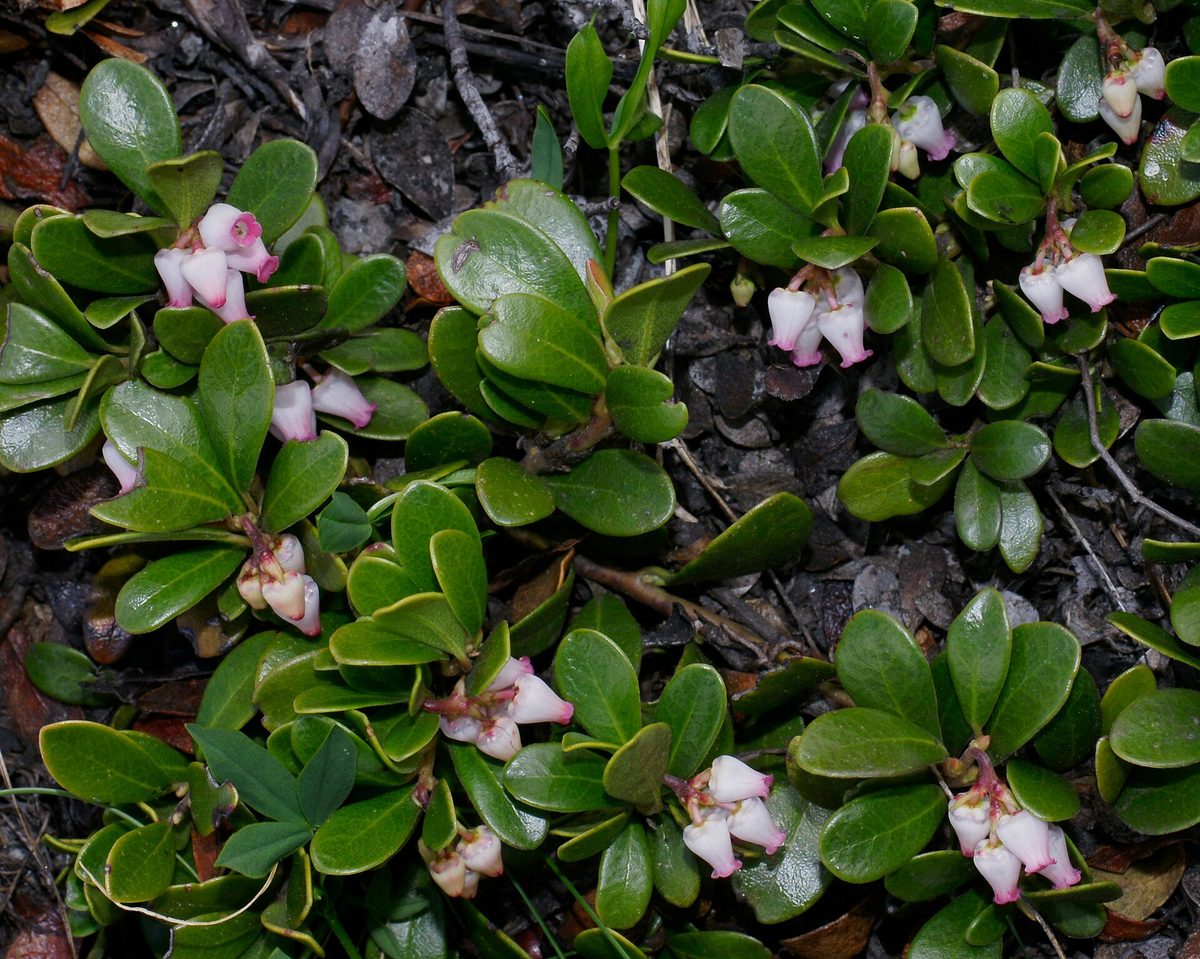
Kinnikinnick
Arctostaphylos uva-ursi
Zones 3a–7b · 0.5–1 ft (0.15–0.3 m) · Full sun and part shade (full sun preferred)
-
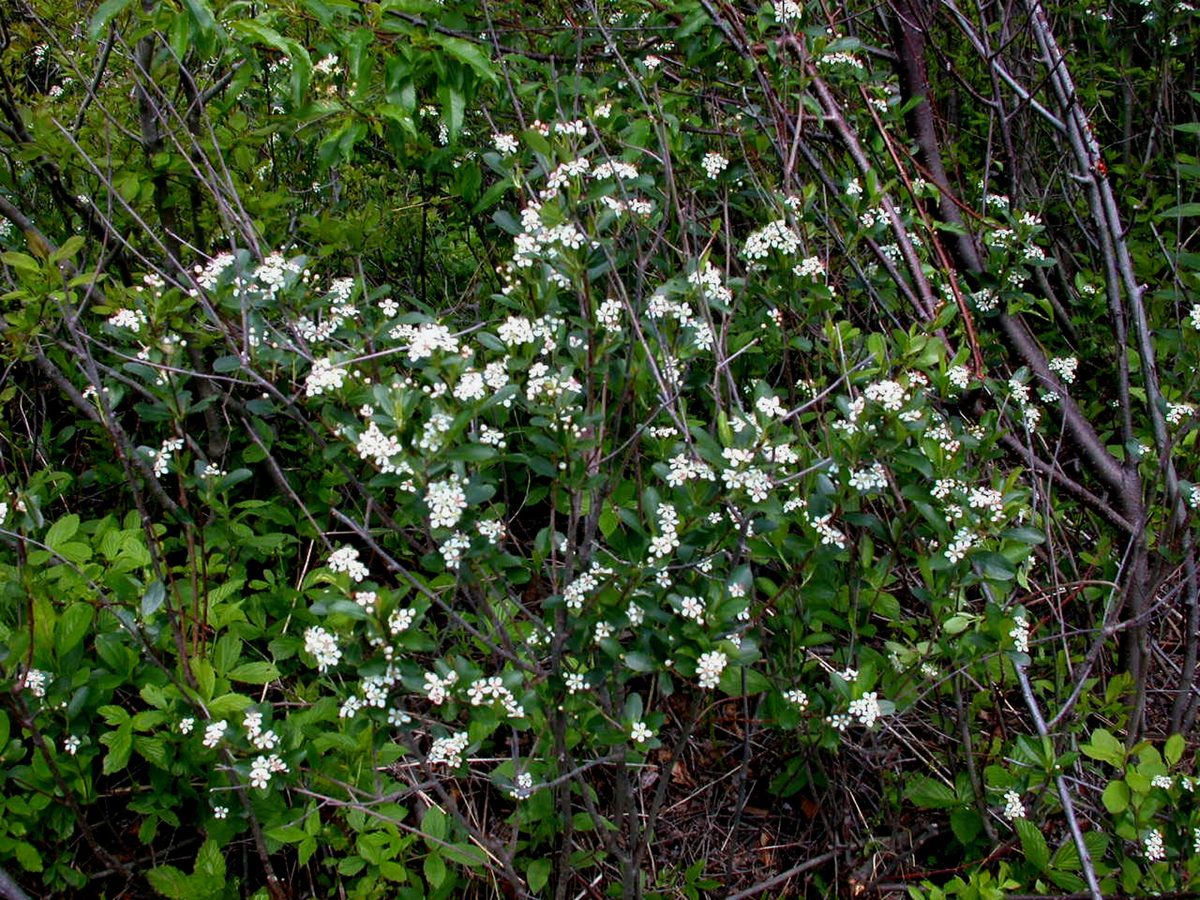
Black Chokeberry
Aronia melanocarpa
Zones 3a–8b · 3–10 ft (0.91–3.05 m) · Full sun and part shade (full sun preferred)
Aronia melanocarpa is one of the 33 shrubs grouped on this zone 6 hub. It does not yet have its own page on this site, so check back for growing detail.
-
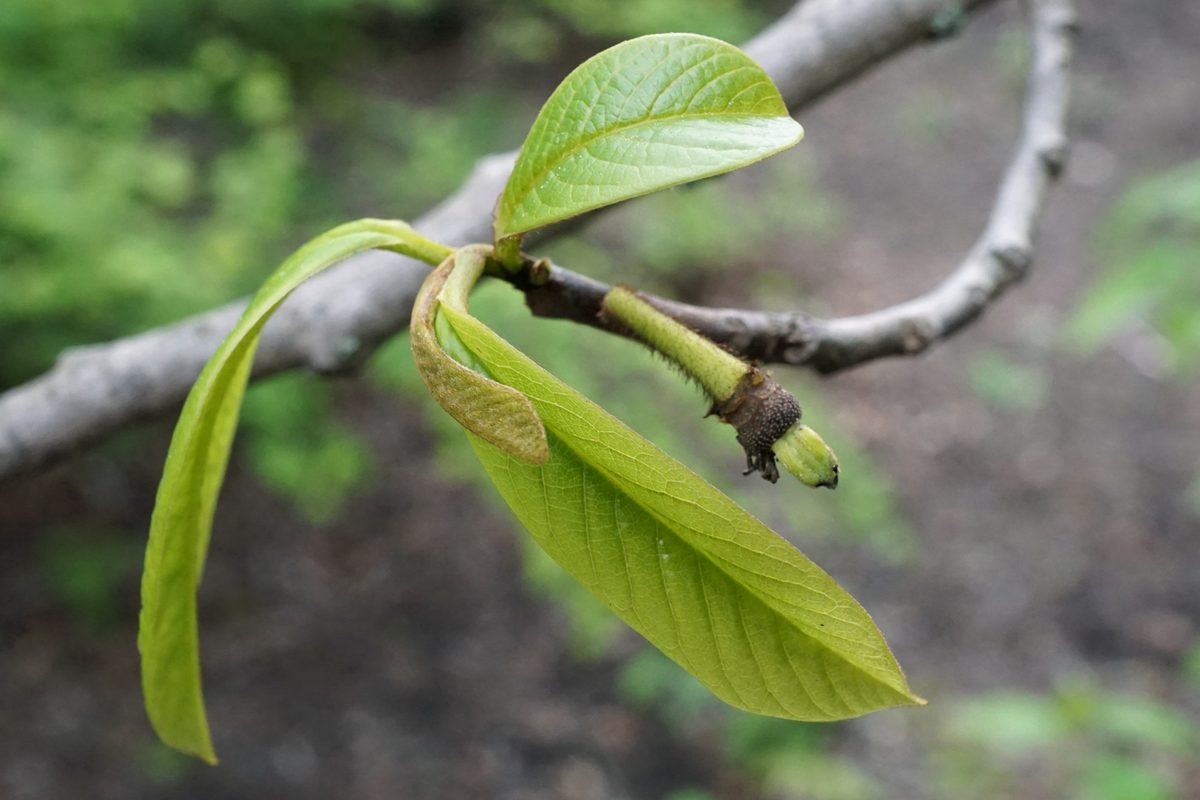
Pawpaw
Asimina triloba
Zones 5a–9b · Sources differ: Clemson Cooperative Extension HGIC; Clemson Cooperative Extension HGIC; Lady Bird Johnson Wildflower Center; Clemson Cooperative Extension HGIC; Lady Bird Johnson Wildflower Center; Clemson Cooperative Extension Home & Garden Information Center · Full sun, part shade and full shade (full sun preferred)
Asimina triloba appears on this list of shrubs suited to zone 6. Its own page is not yet published, so this hub is the only place to find it listed for now.
-
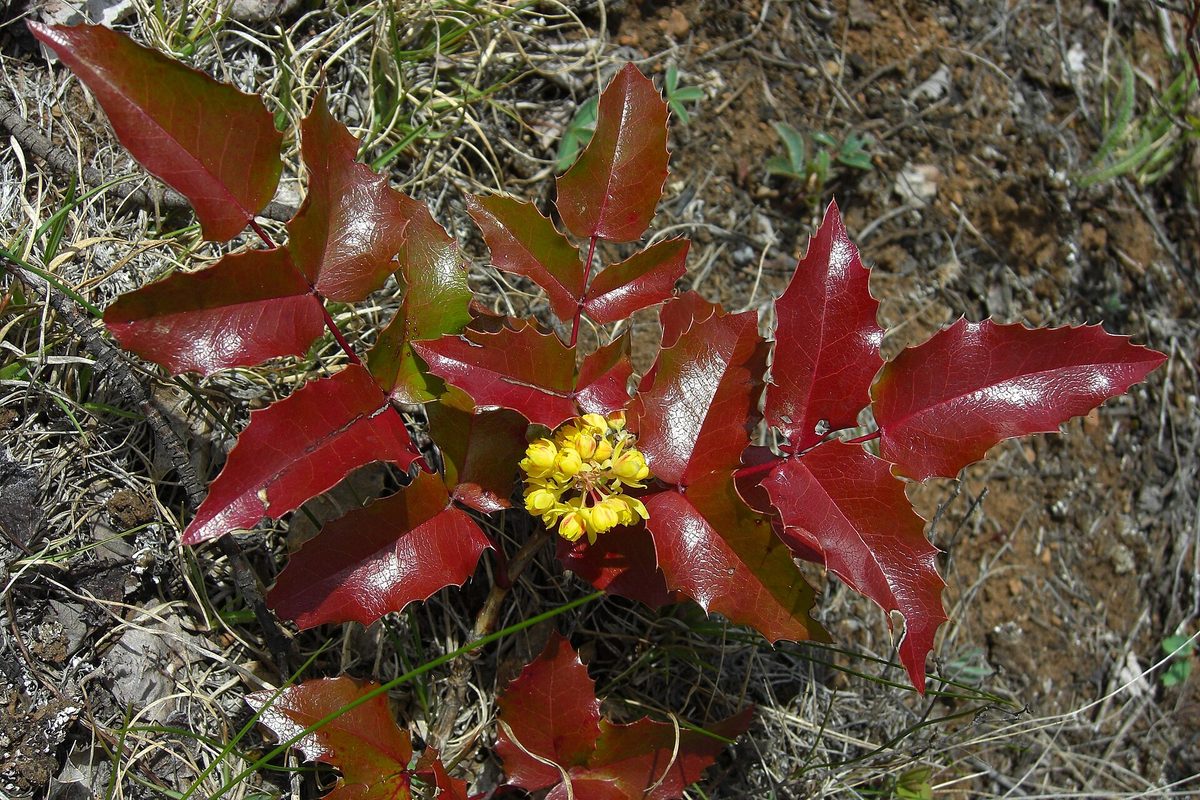
Hollyleaved Barberry
Berberis aquifolium
Zones 5a–8b · 3–6 ft (0.91–1.83 m) · Part shade and full shade (part shade preferred)
-
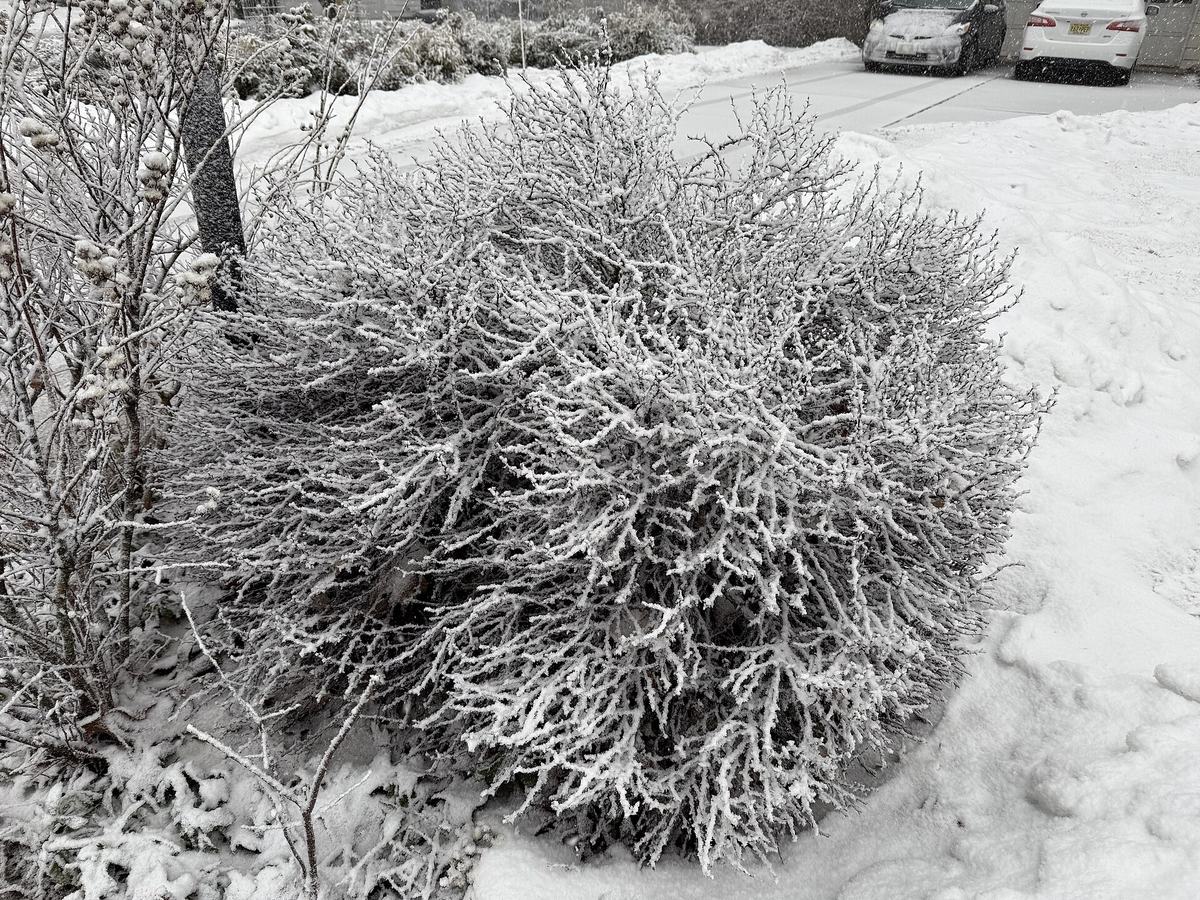
Japanese Barberry
Berberis thunbergii
Zones 4a–8b · 3–6 ft (0.91–1.83 m) · Full sun, part shade and full shade (full sun preferred)
-
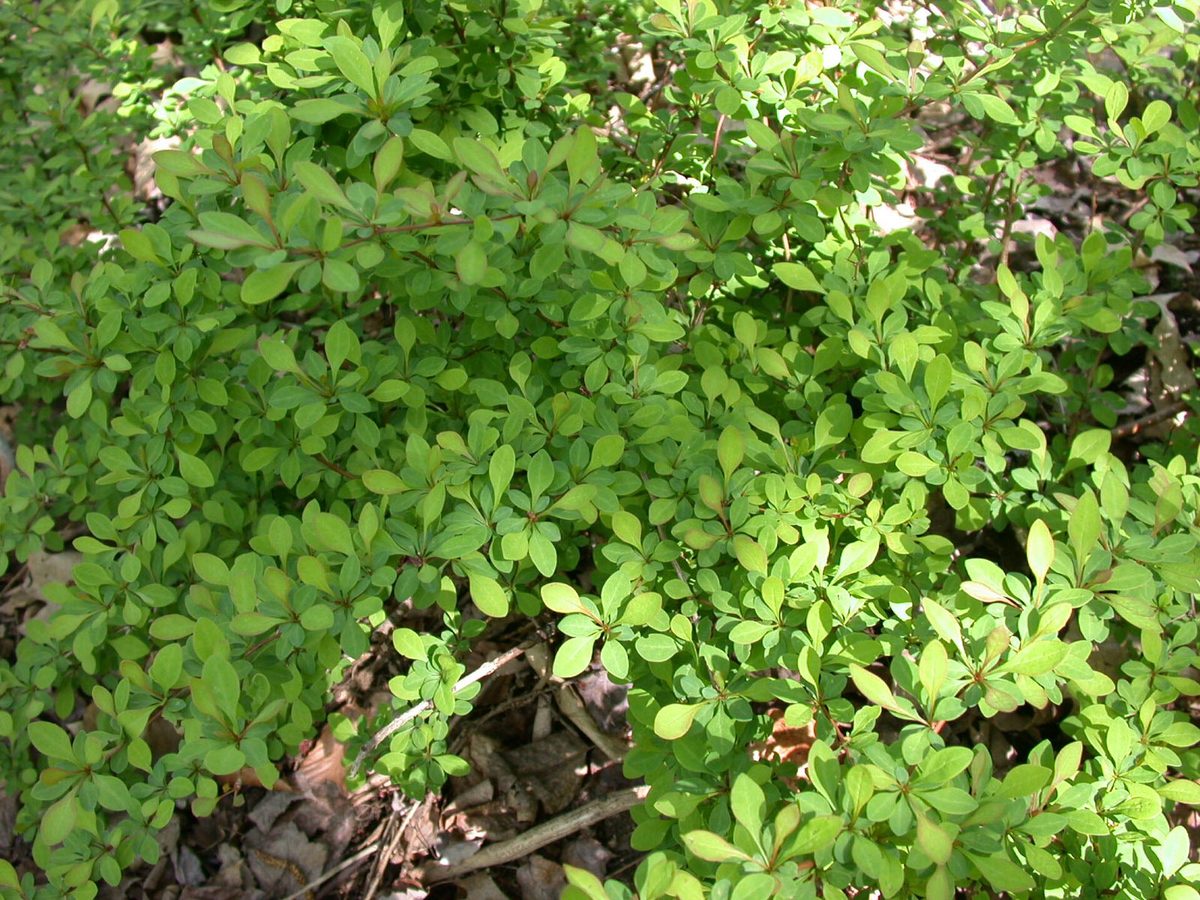
Common Barberry
Berberis vulgaris
Zones 3a–7b · 9.8–13 ft (3–3.96 m) · Full sun, part shade and full shade (full sun preferred)
Berberis vulgaris is part of the zone 6 shrub lineup gathered on this page. No individual page for it is live on this site yet.
-
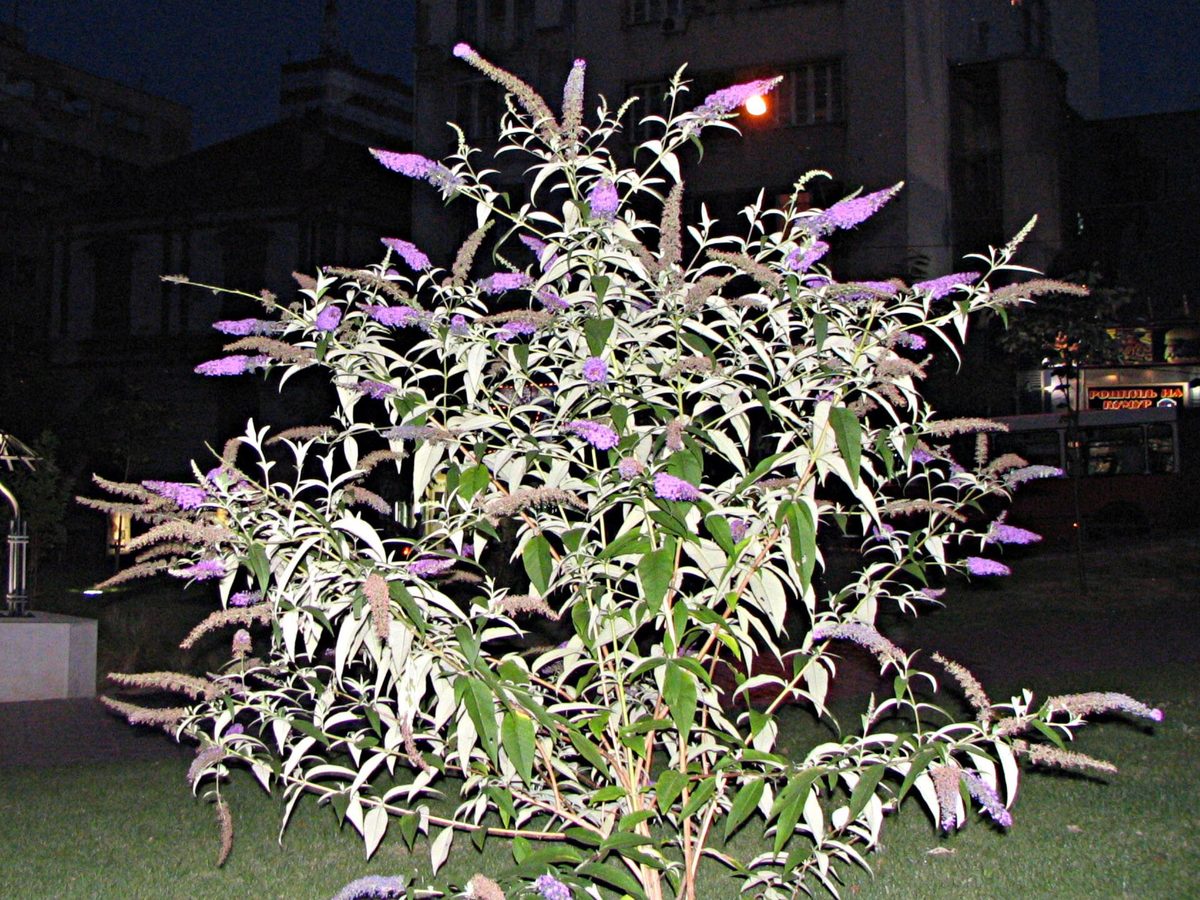
Orange Eye Butterflybush
Buddleja davidii
Zones 5a–9b · 6–10 ft (1.83–3.05 m) · Full sun and part shade (full sun preferred)
Buddleja davidii sits among the shrubs this hub lists for zone 6 gardeners. It has no dedicated page on this site at this point, though it remains part of the zone 6 group.
-
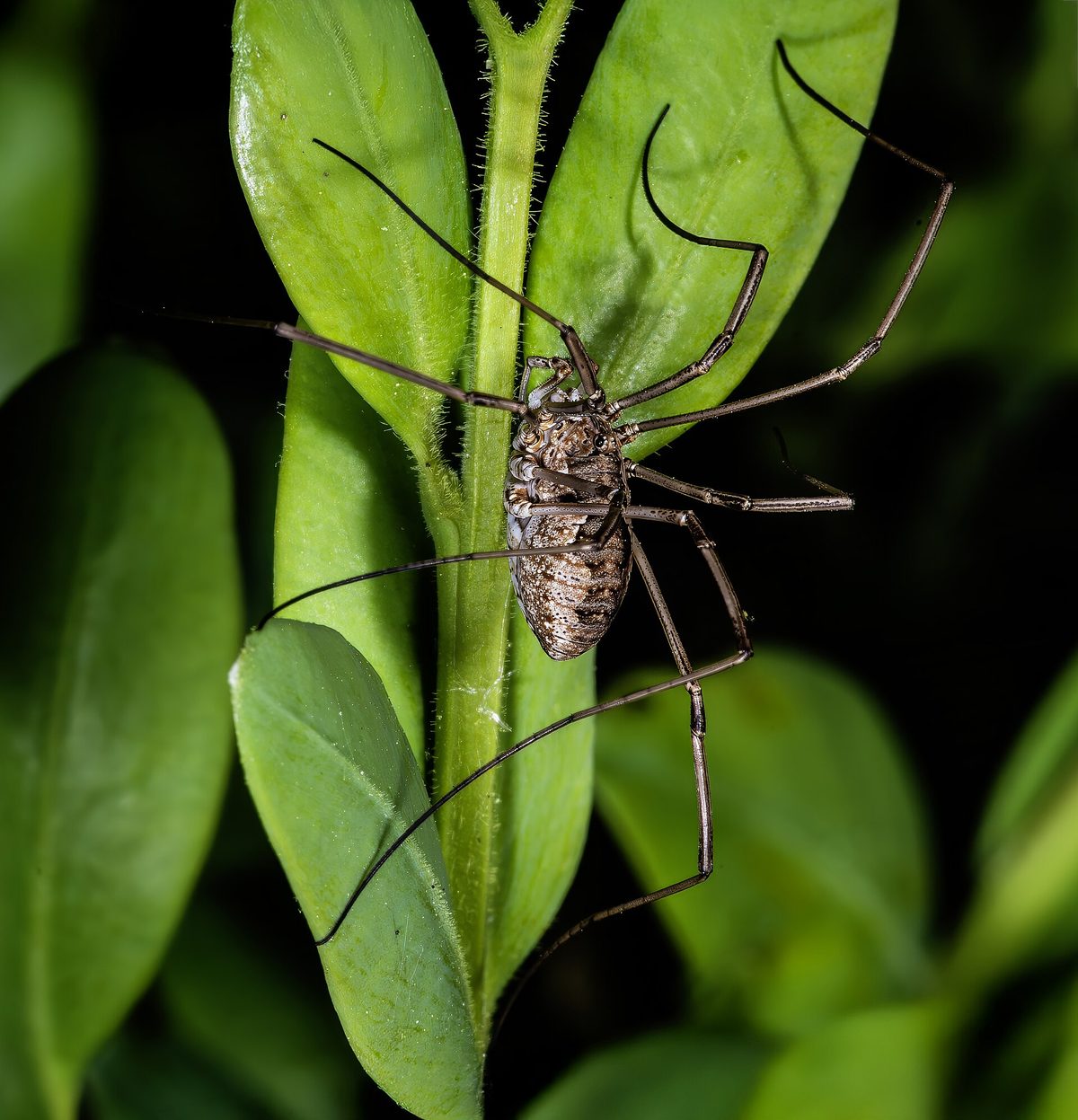
Boxwood
Buxus sempervirens
Zones 5a–8b · 10–12 ft (3.05–3.66 m) · Full sun and part shade (full sun preferred)
-
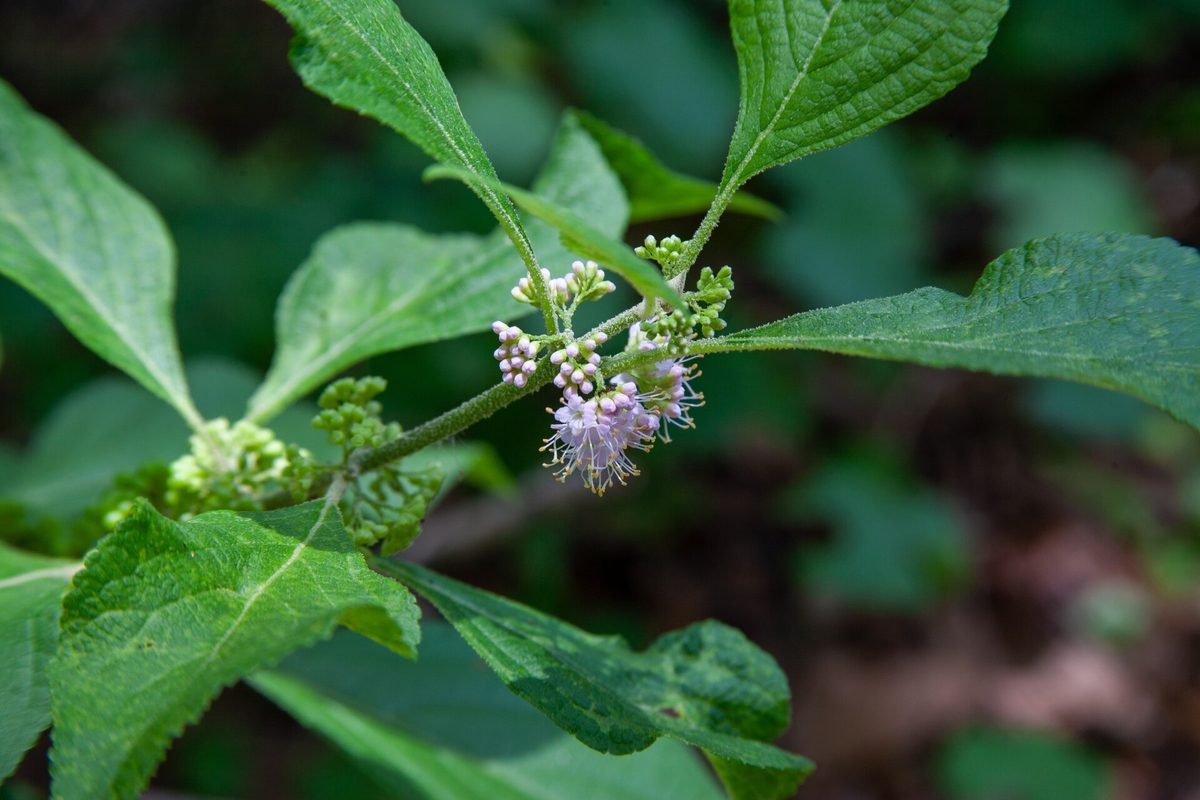
American Beautyberry
Callicarpa americana
Zones 6a–10b · 5–9 ft (1.52–2.74 m) · Full sun and part shade (full sun preferred)
Callicarpa americana is included in the group of shrubs this hub covers for zone 6. This site does not yet have a full page for it.
-
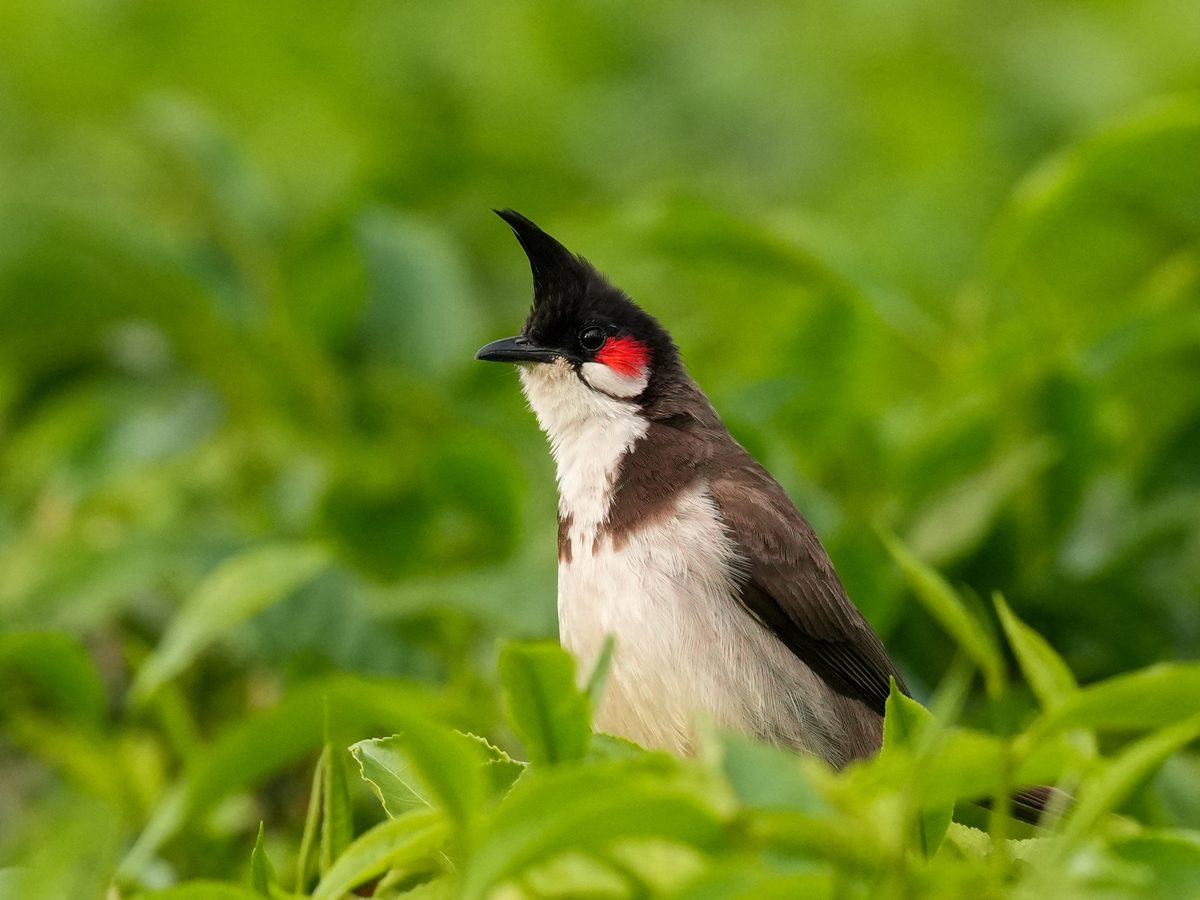
Tea
Camellia sinensis
Zones 6a–9b · Sources differ: Clemson Cooperative Extension Home & Garden Information Center; Clemson Cooperative Extension Home & Garden Information Center · Full sun and part shade (full sun preferred)
Camellia sinensis has its own page on this site and is also one of the 33 shrubs grouped here for zone 6. Visit its page for details on light, soil and care.
-
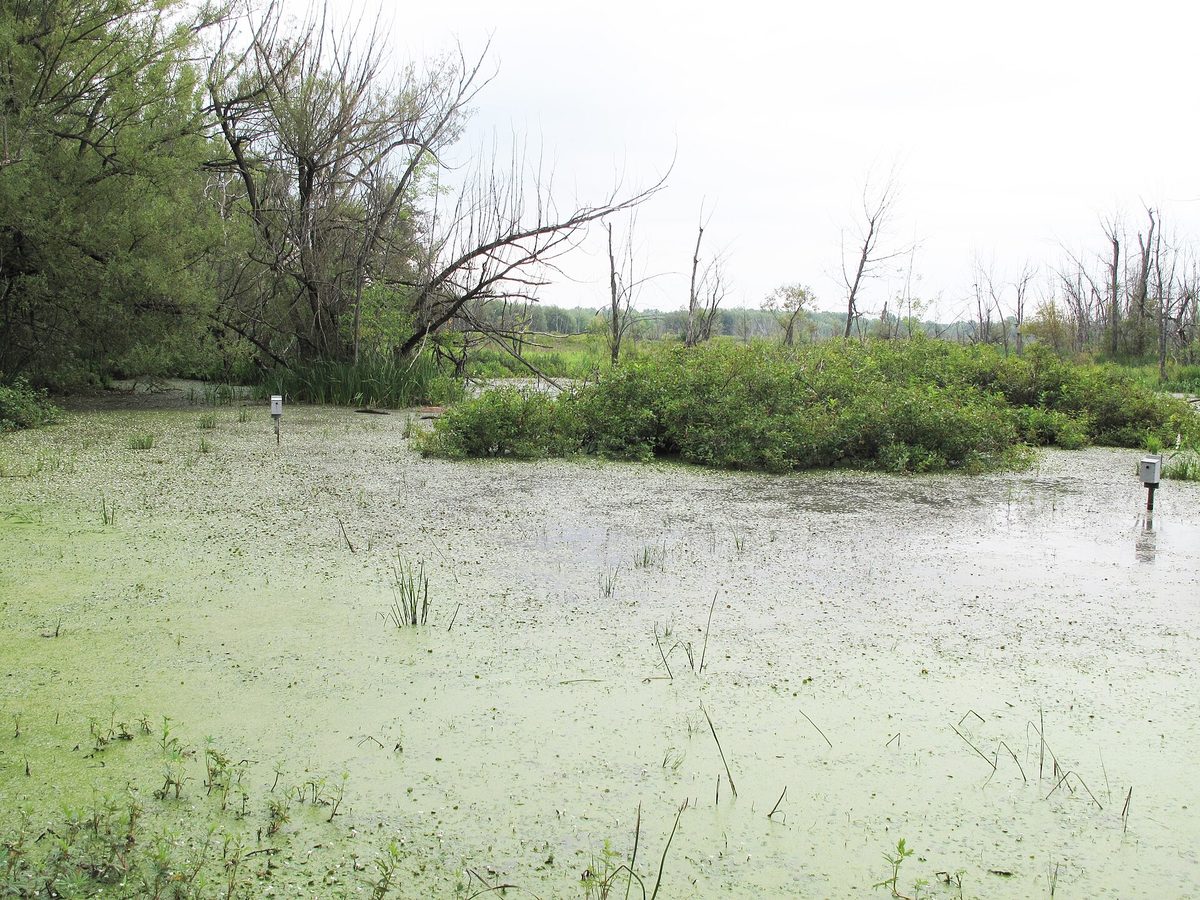
Common Buttonbush
Cephalanthus occidentalis
5–8 ft (1.52–2.44 m) · Full sun and part shade (full sun preferred)
-
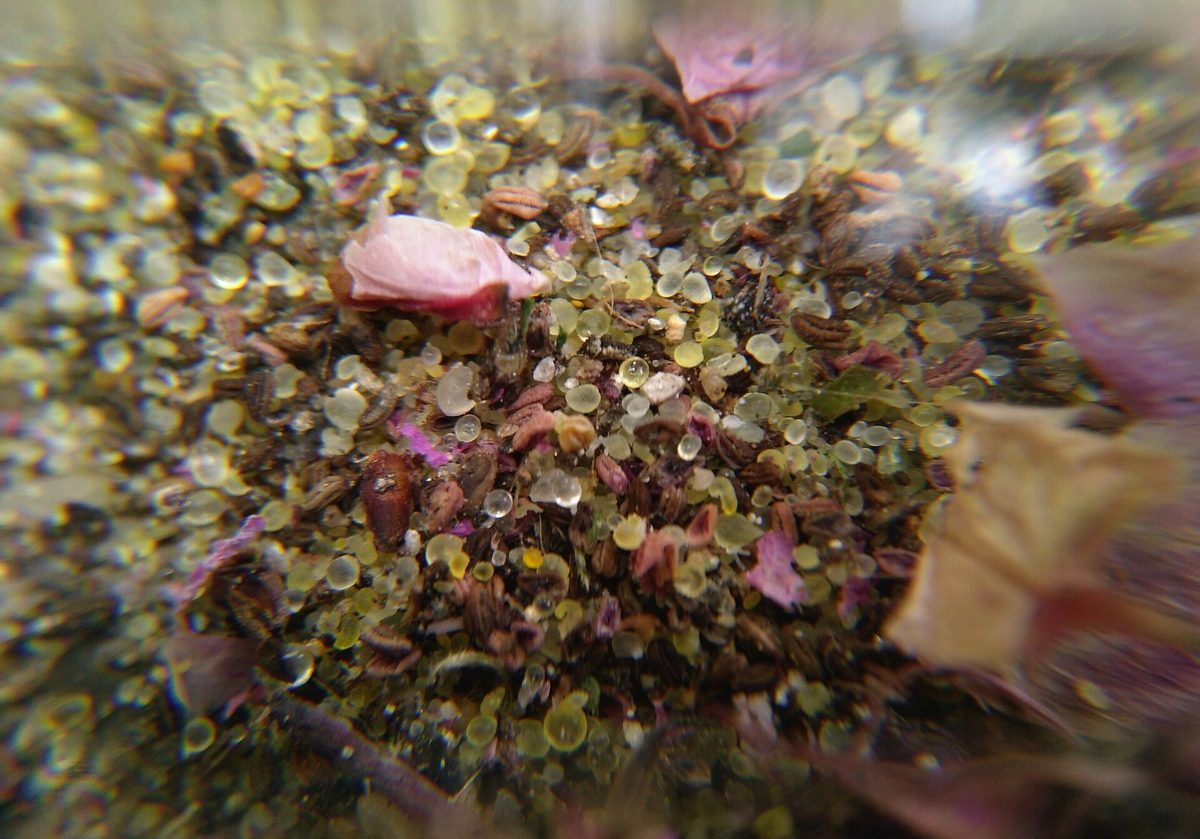
Judas-tree
Cercis siliquastrum
Zones 6a–9b · 15–25 ft (4.57–7.62 m) · Full sun and part shade (full sun preferred)
-
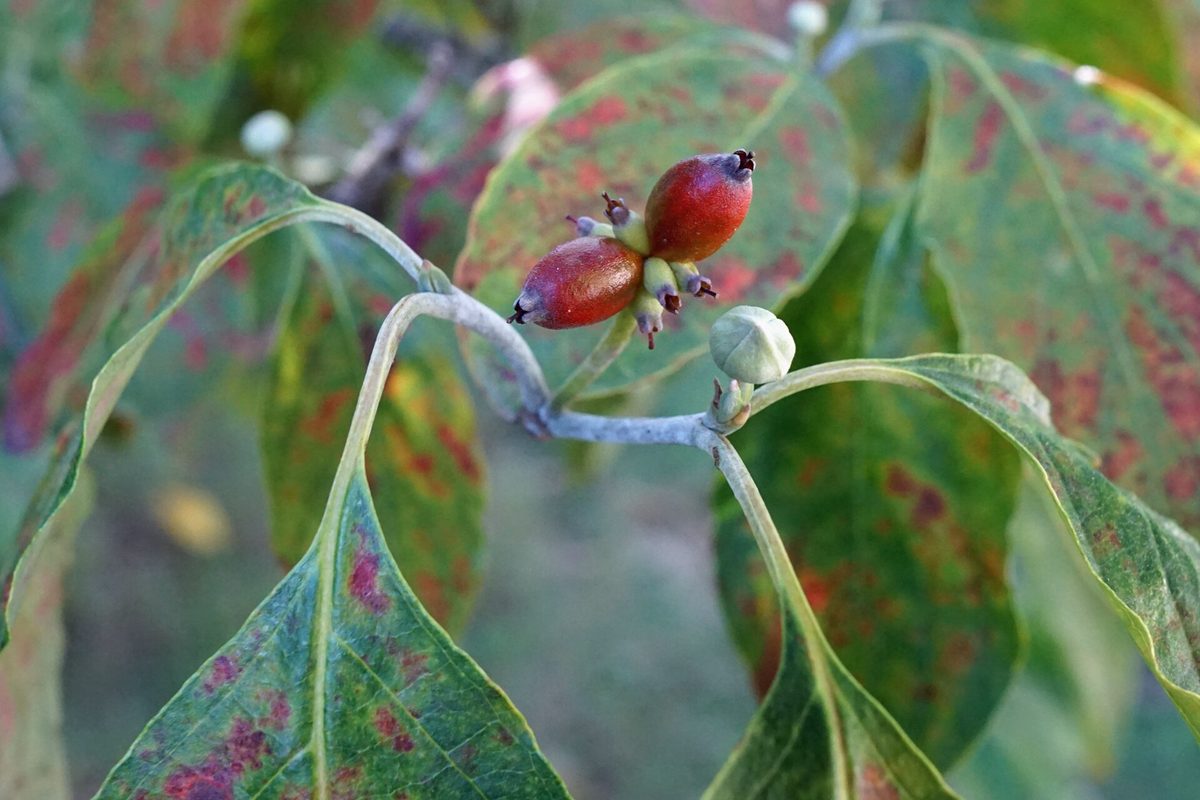
Flowering Dogwood
Cornus florida
Zones 5a–9a · Sources differ: University of Florida IFAS Extension (EDIS); University of Florida IFAS Extension (EDIS); Lady Bird Johnson Wildflower Center (Native Plant Database) · Full sun and part shade (full sun preferred)
Cornus florida is grouped with the other shrubs on this zone 6 hub. No standalone page for this shrub exists on this site yet, though it still counts toward the zone 6 total.
-
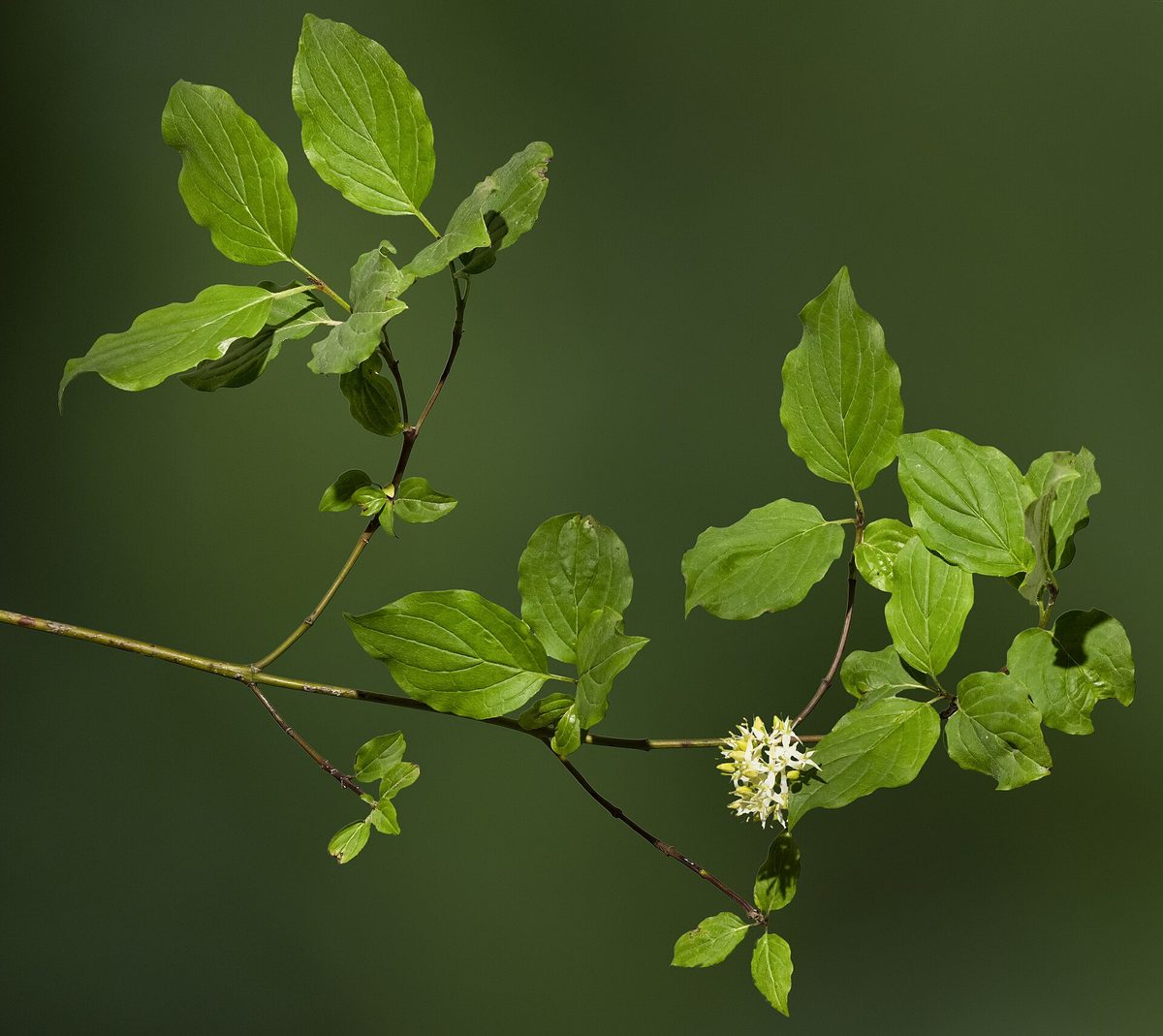
Bloodtwig Dogwood
Cornus sanguinea
Zones 5a–7b · 5–15 ft (1.52–4.57 m) · Full sun and part shade (full sun preferred)
-
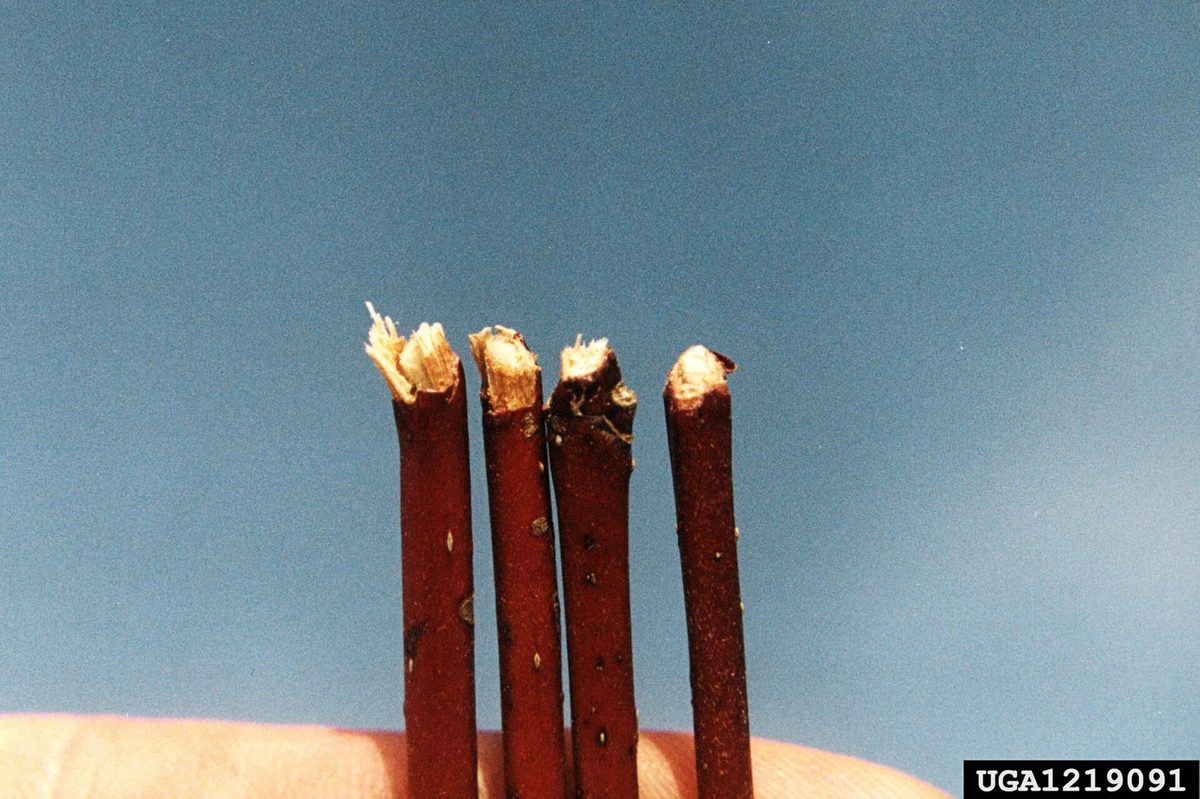
Redosier Dogwood
Cornus sericea
Zones 2a–7b · 5–9 ft (1.52–2.74 m) · Full sun, part shade and full shade (full sun preferred)
-
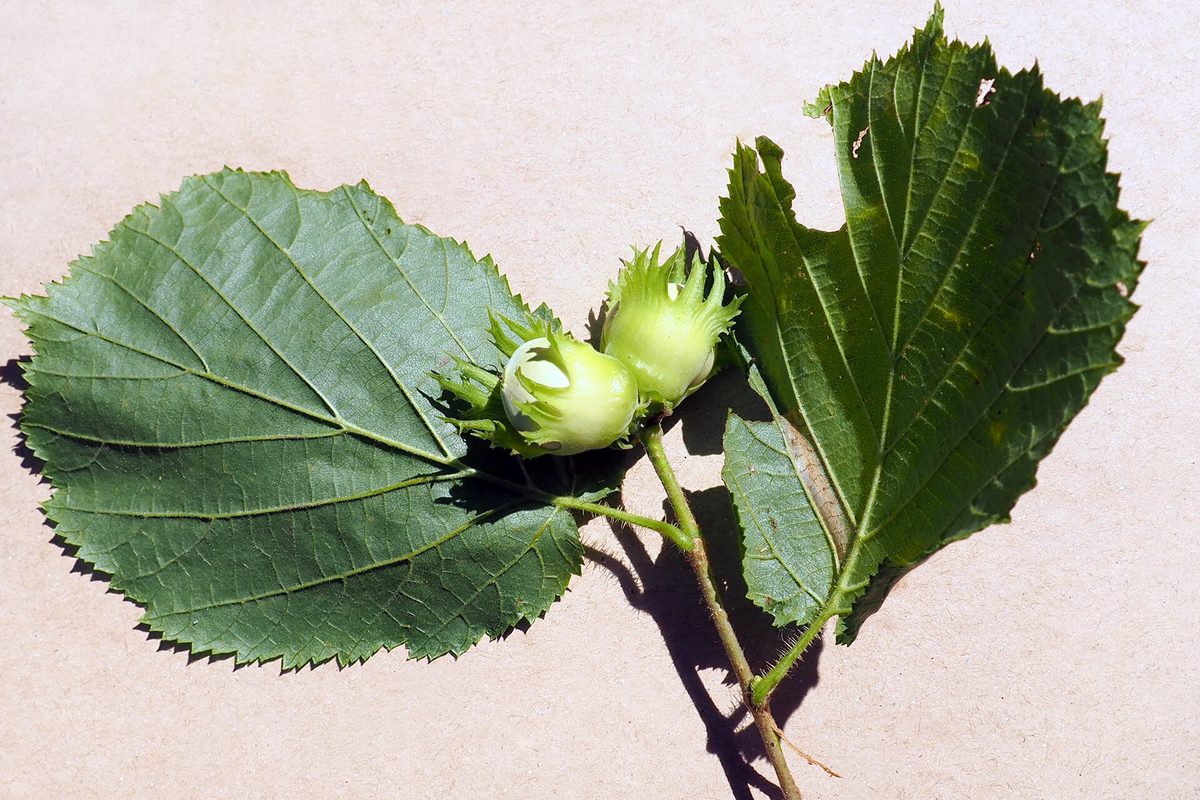
Common Filbert
Corylus avellana
Zones 4a–8b · 10–15 ft (3.05–4.57 m) · Full sun and part shade (full sun preferred)
-
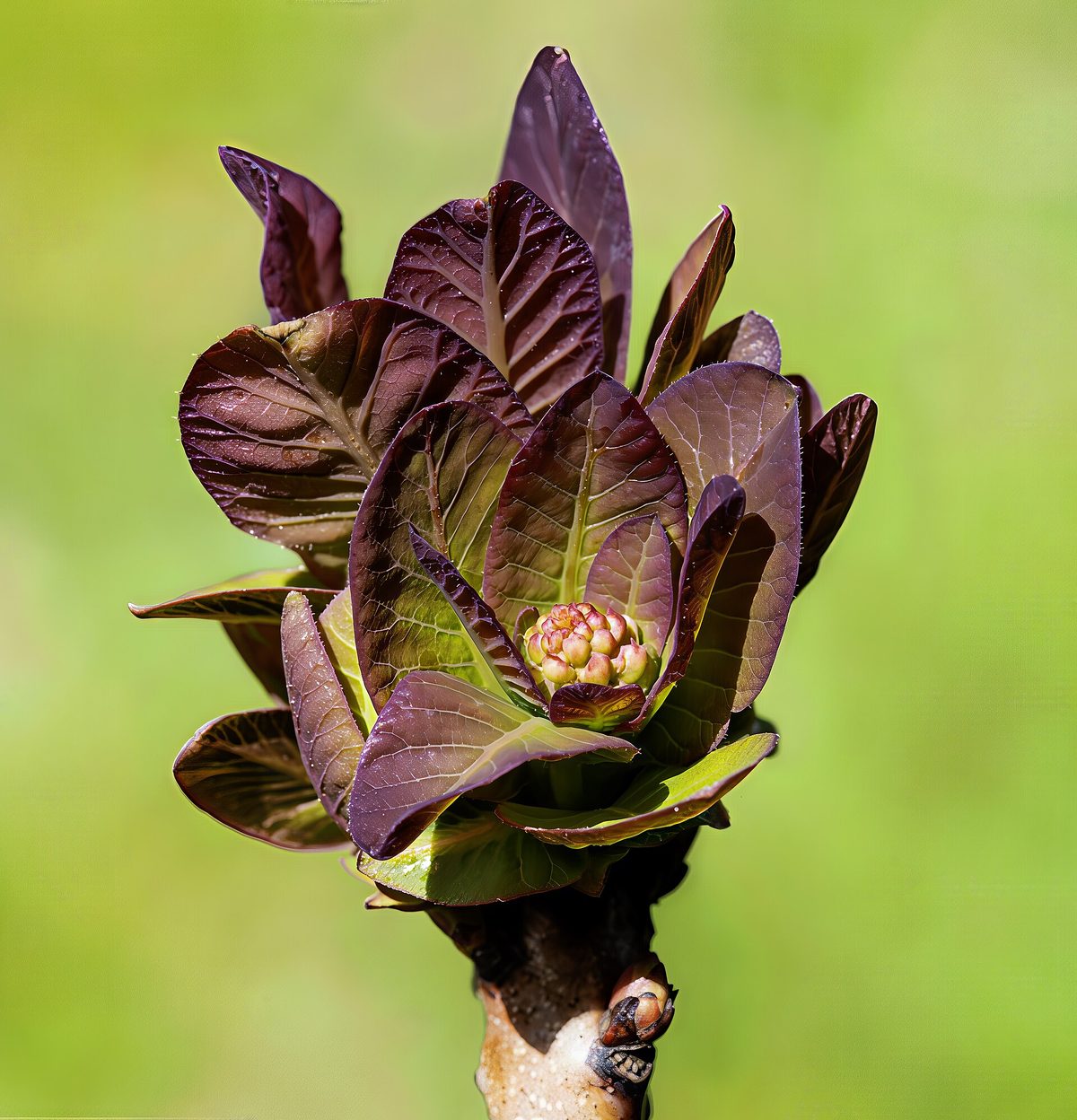
European Smoketree
Cotinus coggygria
Zones 4a–8b · 10–15 ft (3.05–4.57 m) · Full sun and part shade (full sun preferred)
-
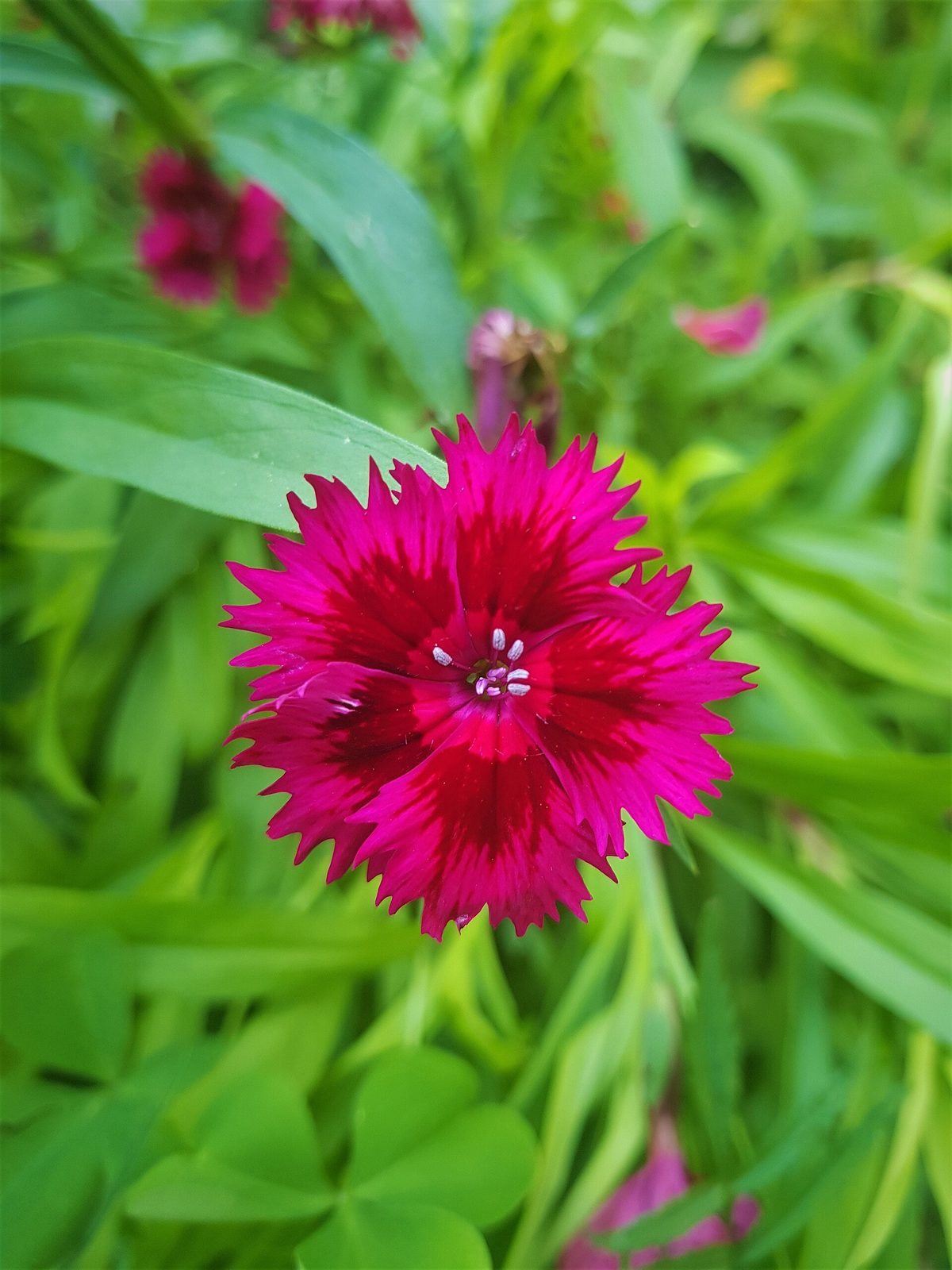
Sweetwilliam
Dianthus barbatus
Zones 3a–9b · 1–2 ft (0.3–0.61 m) · Full sun and part shade (full sun preferred)
-
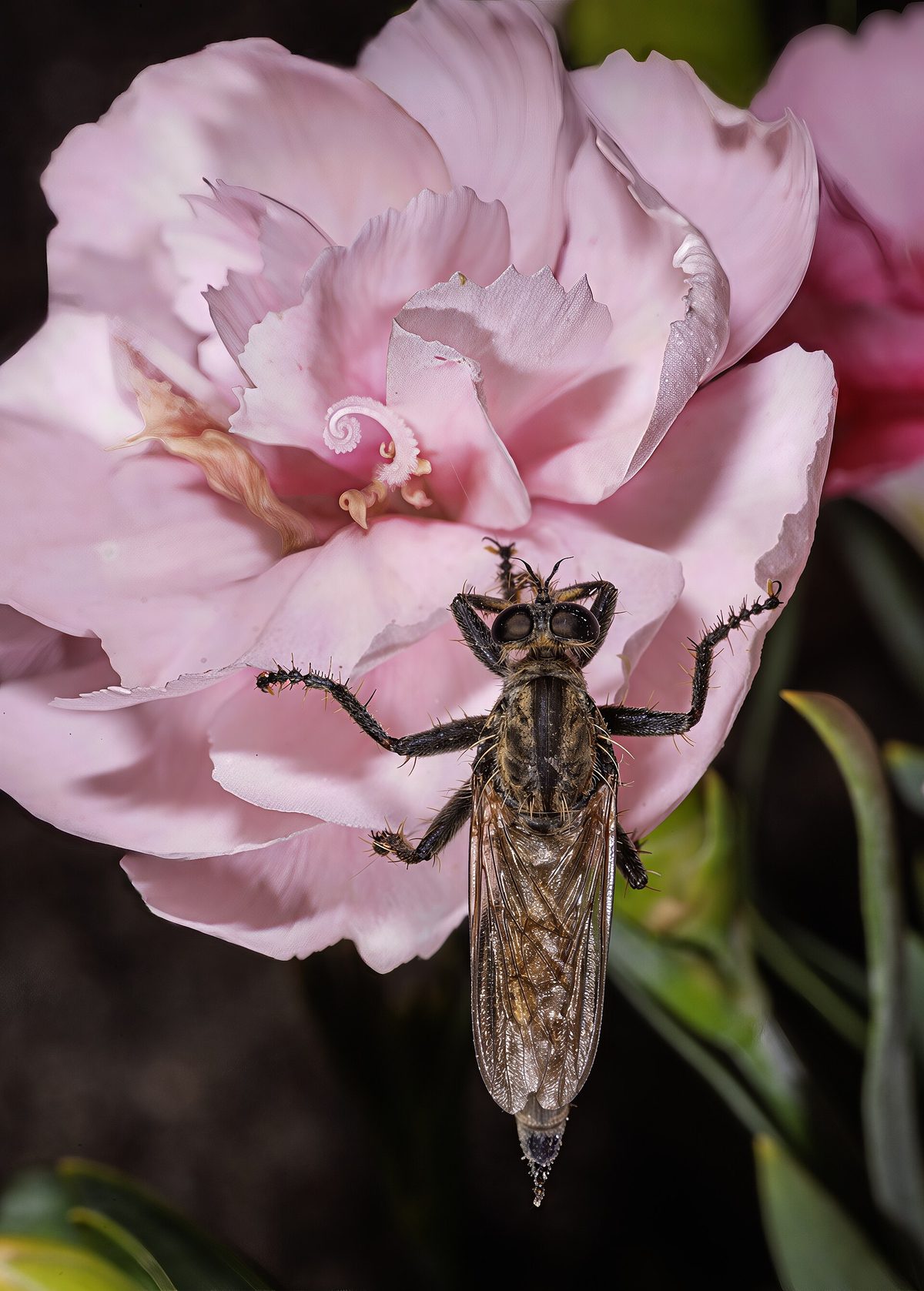
Carnation
Dianthus caryophyllus
Zones 6a–9b · 1–4 ft (0.3–1.22 m) · Full sun and part shade (full sun preferred)
-
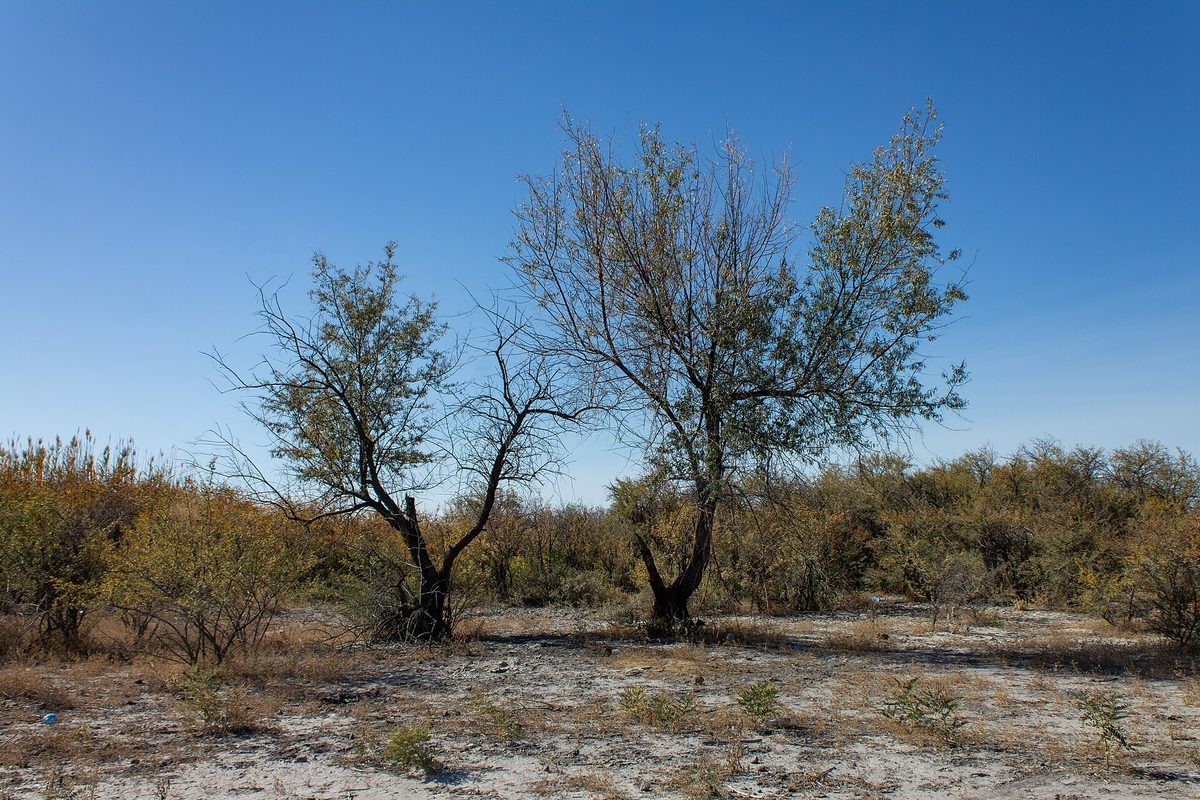
-
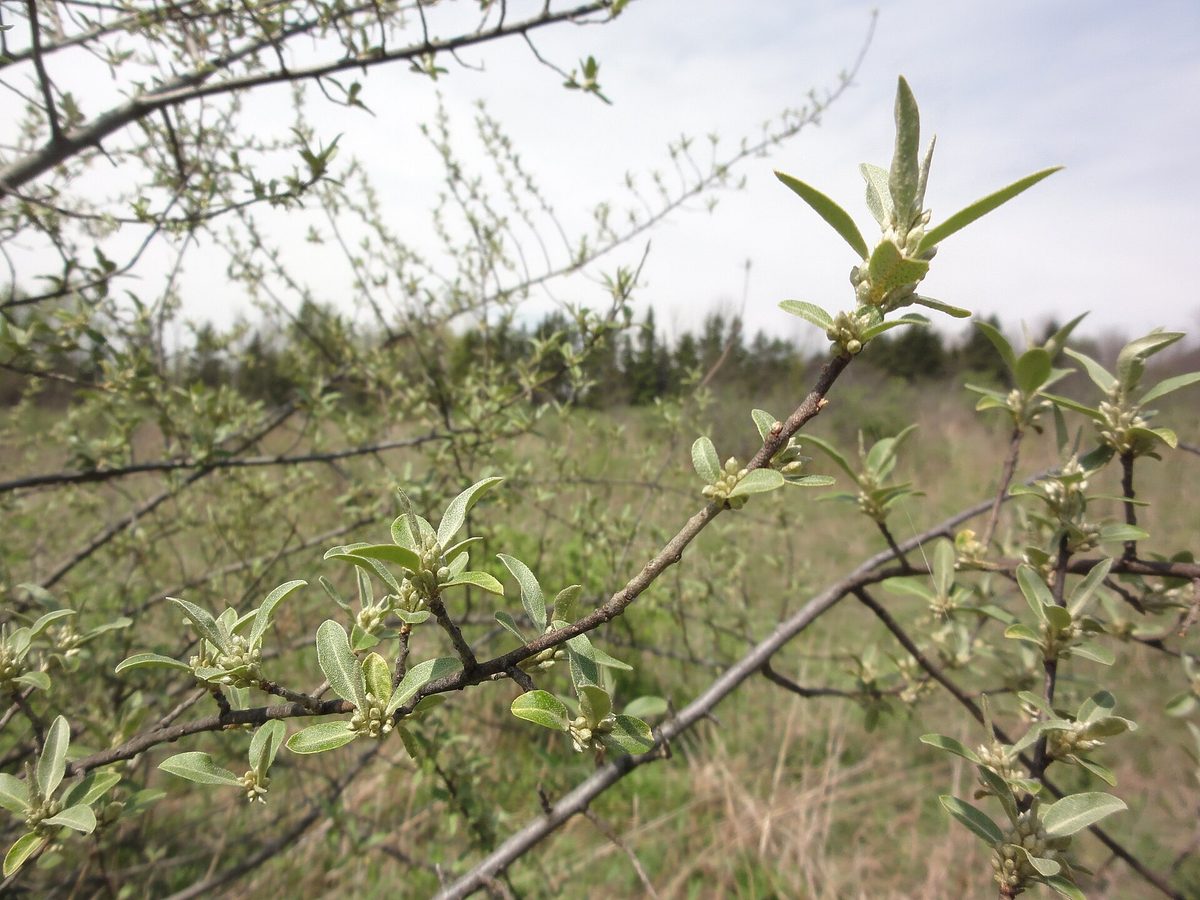
Autumn Olive
Elaeagnus umbellata
Zones 4a–9b · 10–18 ft (3.05–5.49 m) · Full sun and part shade (full sun preferred)
-
Burningbush
Euonymus alatus
Zones 4a–8b · 15–20 ft (4.57–6.1 m) · Full sun, part shade and full shade (full sun preferred)
-
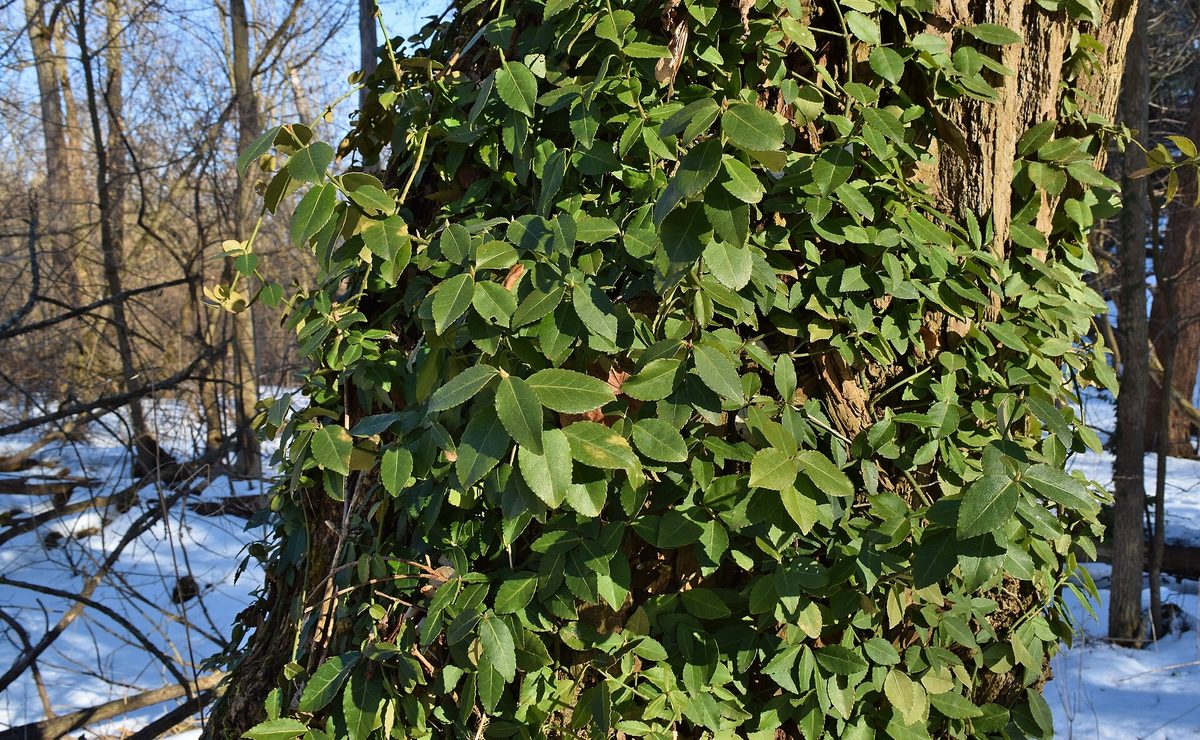
Winter Creeper
Euonymus fortunei
Zones 4a–9b · 14–32 ft (4.27–9.75 m) · Full sun, part shade and full shade (full sun preferred)
-
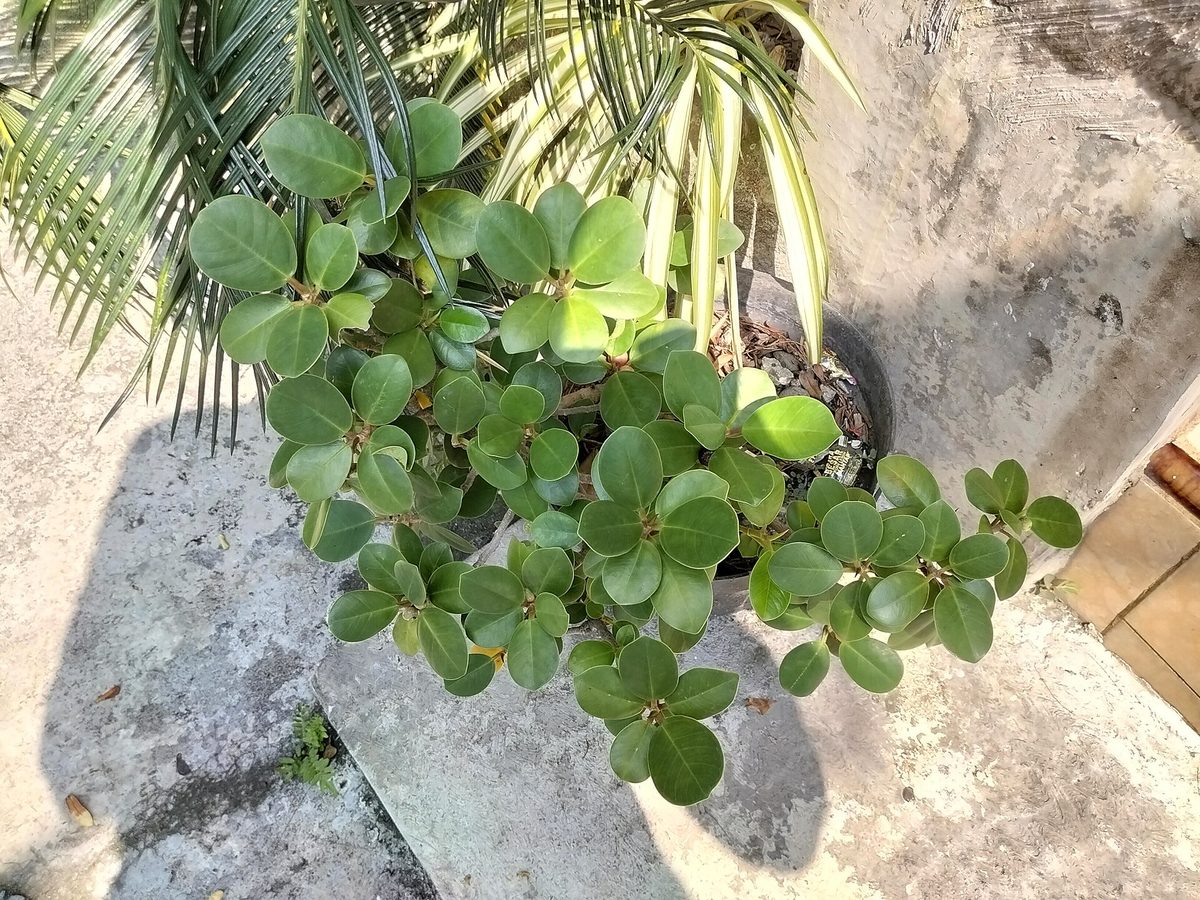
Japanese Spindletree
Euonymus japonicus
Zones 6a–9b · 10–15 ft (3.05–4.57 m) · Full sun, part shade and full shade (full sun preferred)
-
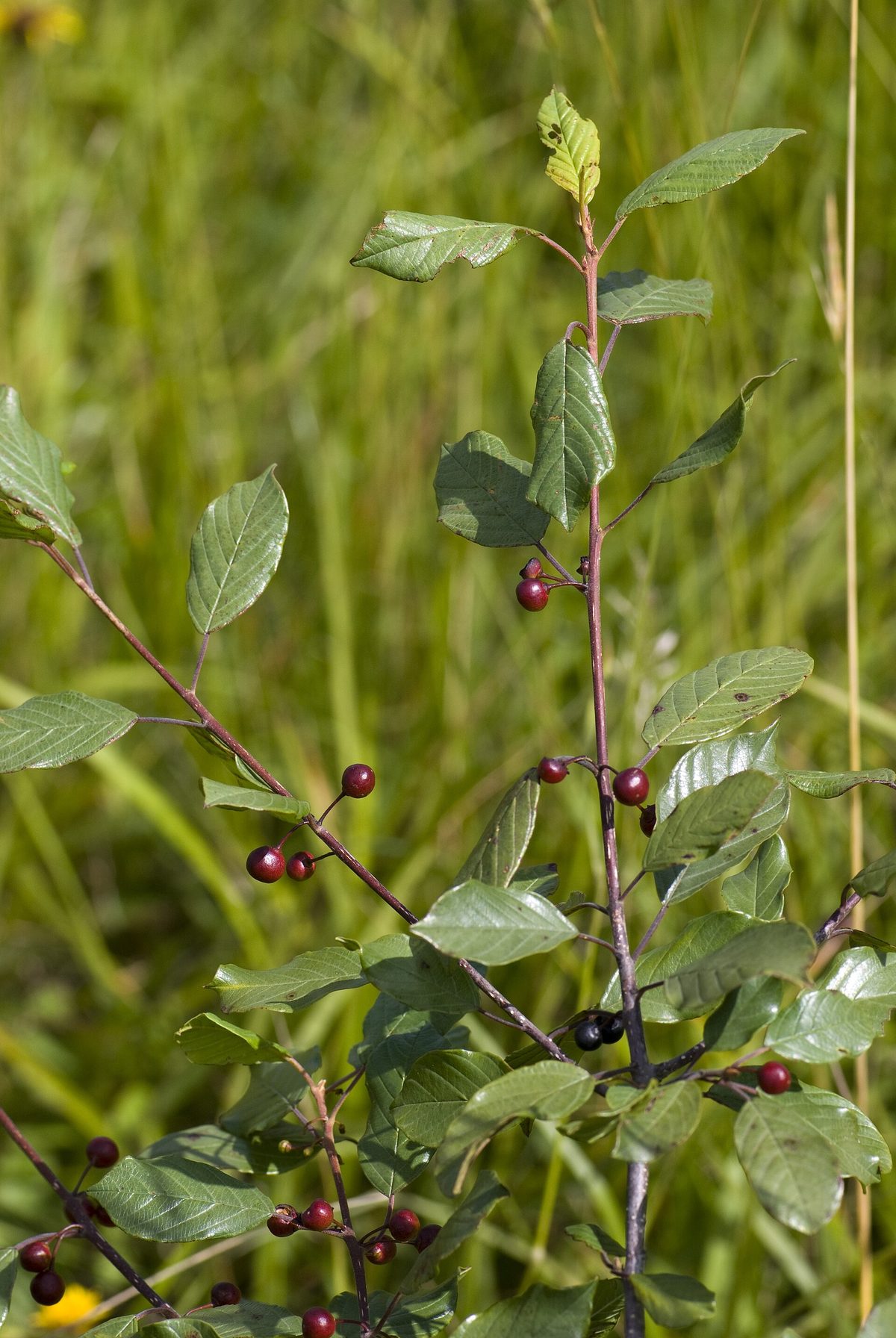
Glossy Buckthorn
Frangula alnus
Zones 2a–7b · 25 ft (7.62 m) · Full sun and part shade (full sun preferred)
-
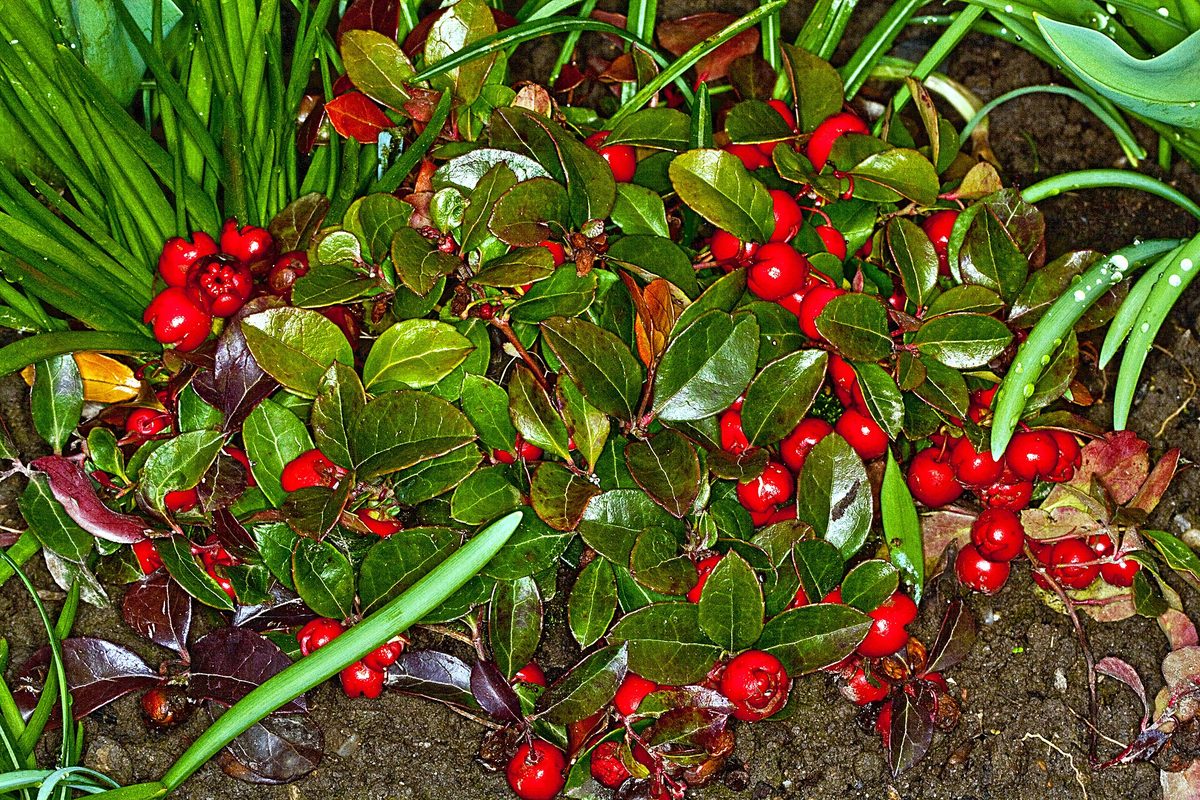
Eastern Teaberry
Gaultheria procumbens
Zones 3a–7b · 0.3–0.7 ft (0.1–0.2 m) · Full sun, part shade and full shade (full sun preferred)
-
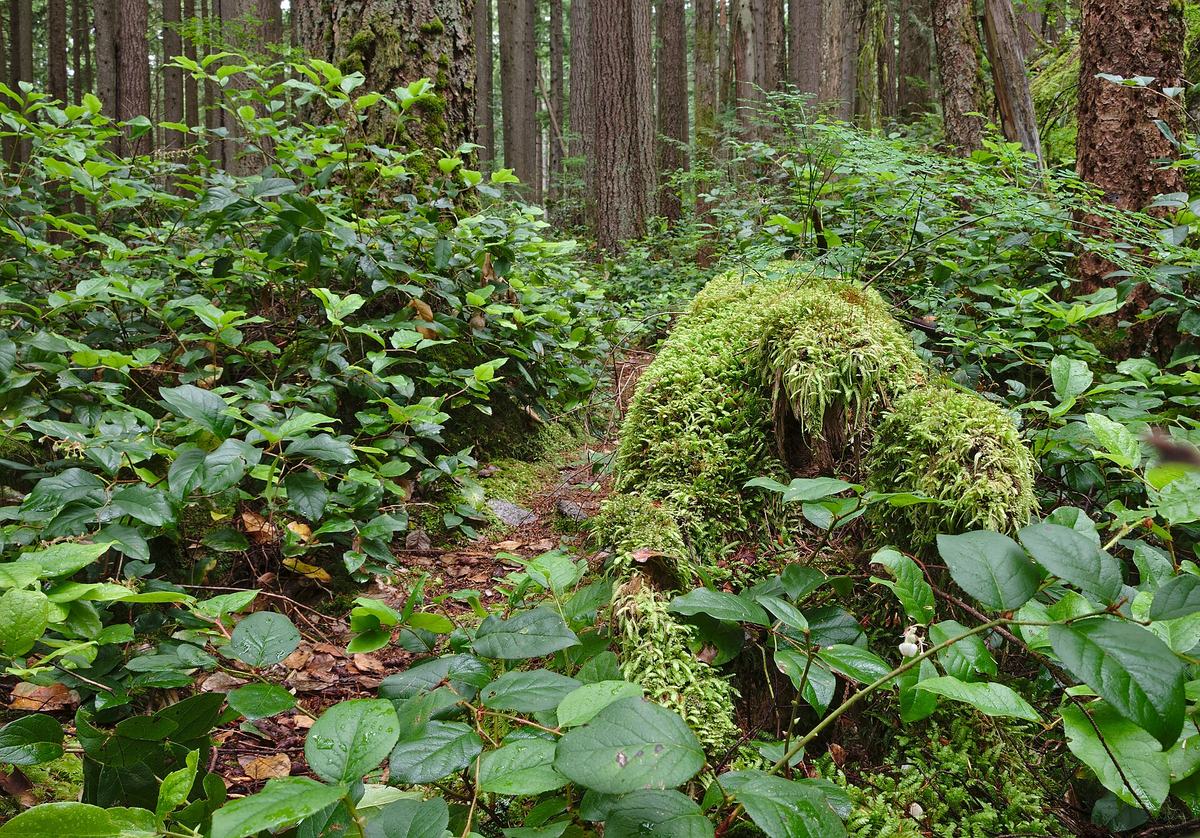
Salal
Gaultheria shallon
Zones 5a–9b · 3–5 ft (0.91–1.52 m) · Part shade and full shade (part shade preferred)
-
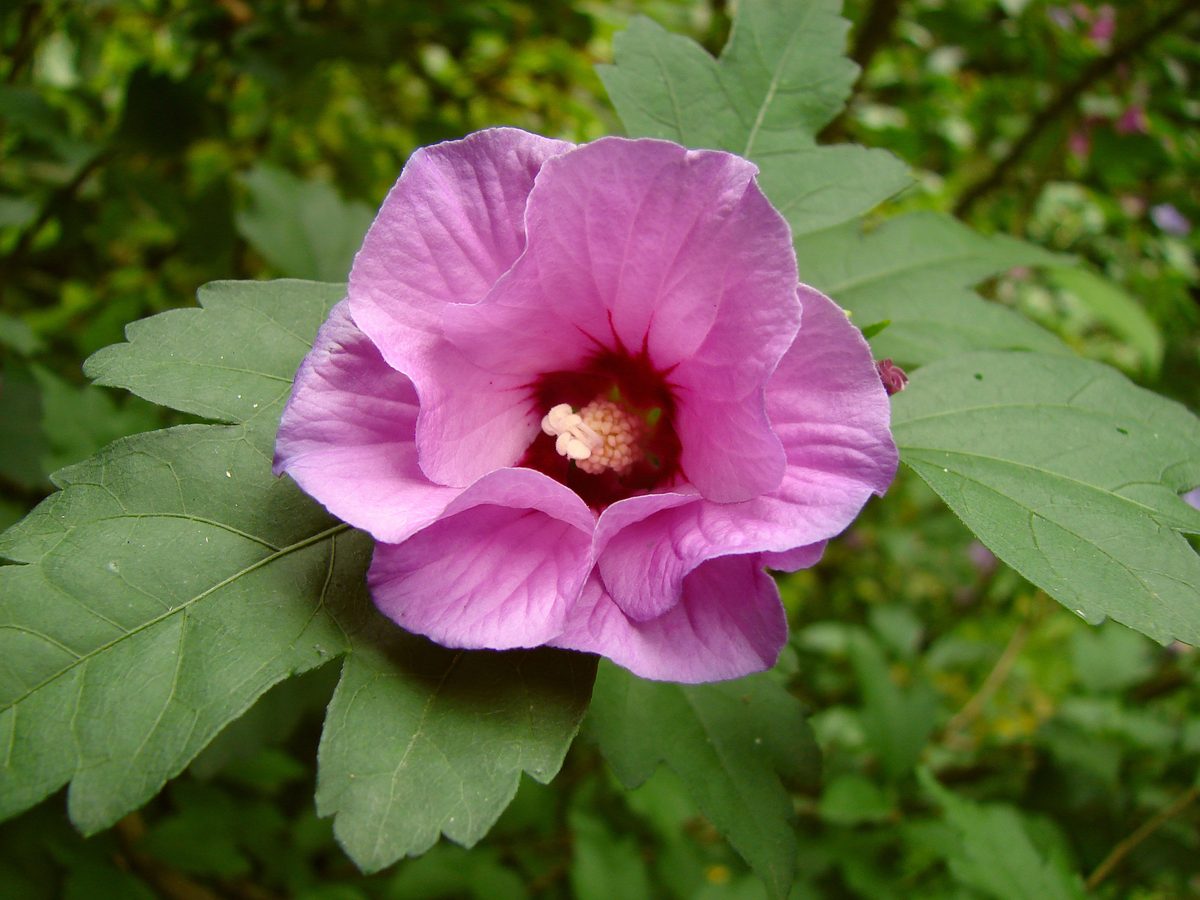
Rose of Sharon
Hibiscus syriacus
Zones 5a–9b · 8–12 ft (2.44–3.66 m) · Full sun and part shade (full sun preferred)
Hibiscus syriacus is one of the four shrubs on this hub with its own published page. Check that page for its specific care details before you plant it in your zone 6 garden.
-
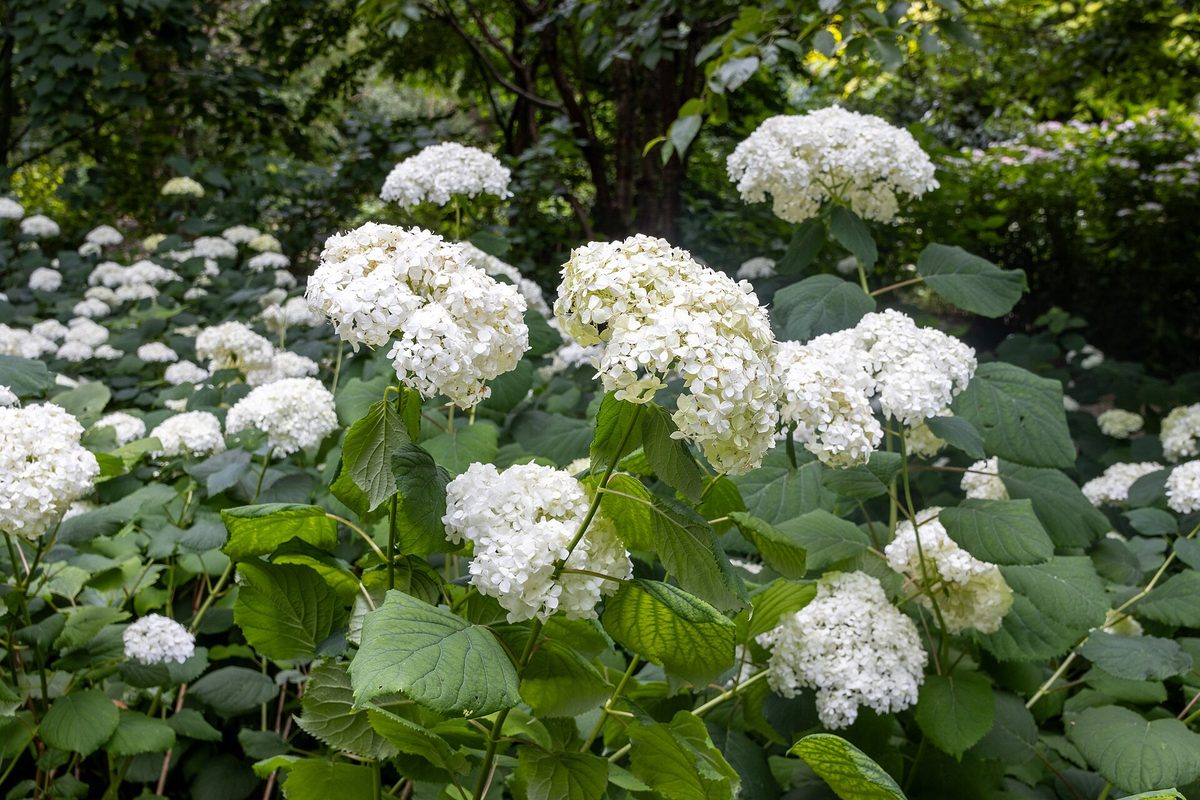
Wild Hydrangea
Hydrangea arborescens
Zones 3a–9b · Sources differ: Penn State Extension; Oregon State University Extension Service; Penn State Extension · Full sun, part shade and full shade (full sun preferred)
-
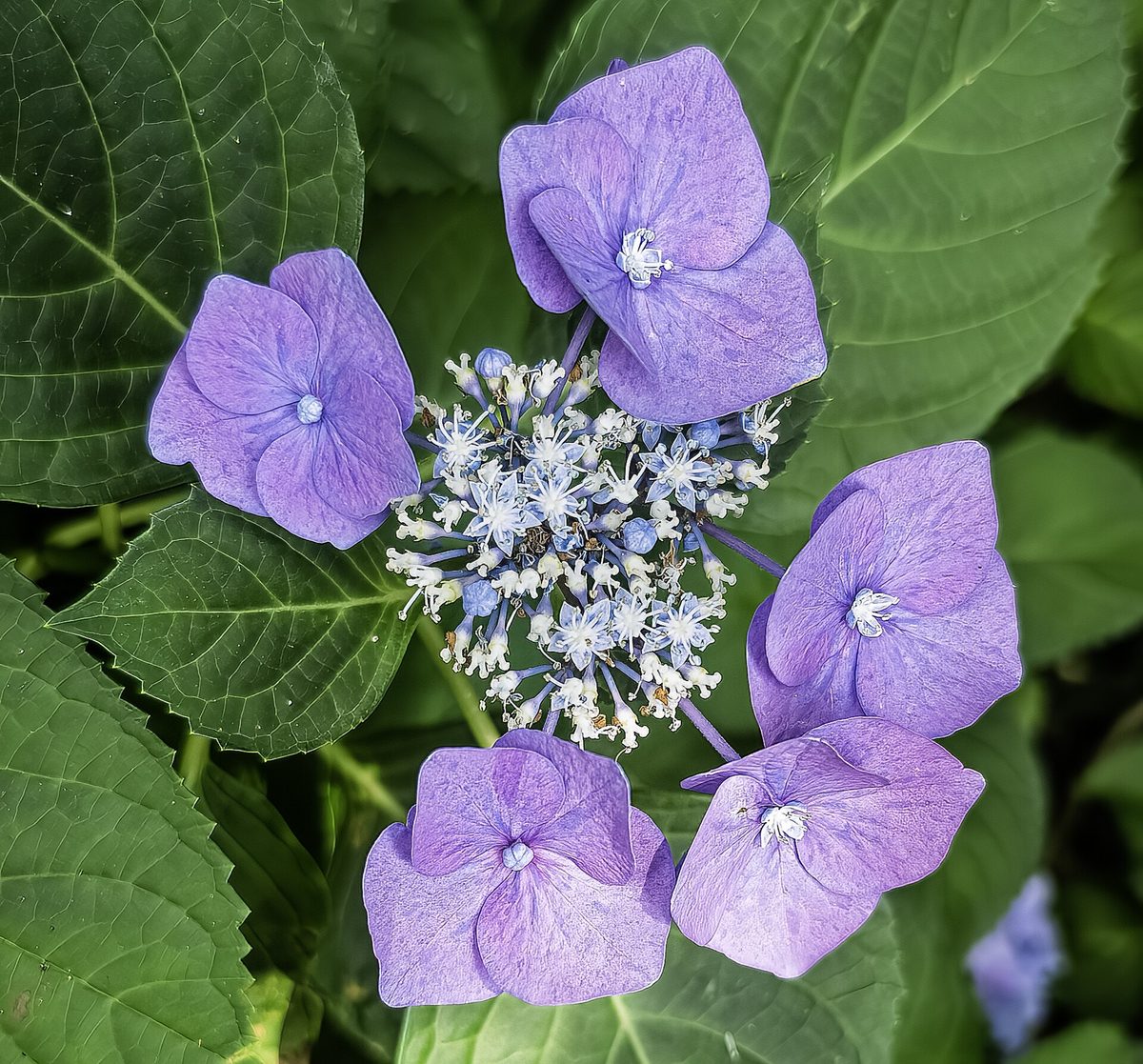
French Hydrangea
Hydrangea macrophylla
Zones 6a–11b · 3–6 ft (0.91–1.83 m) · Part shade and full shade (part shade preferred)
-
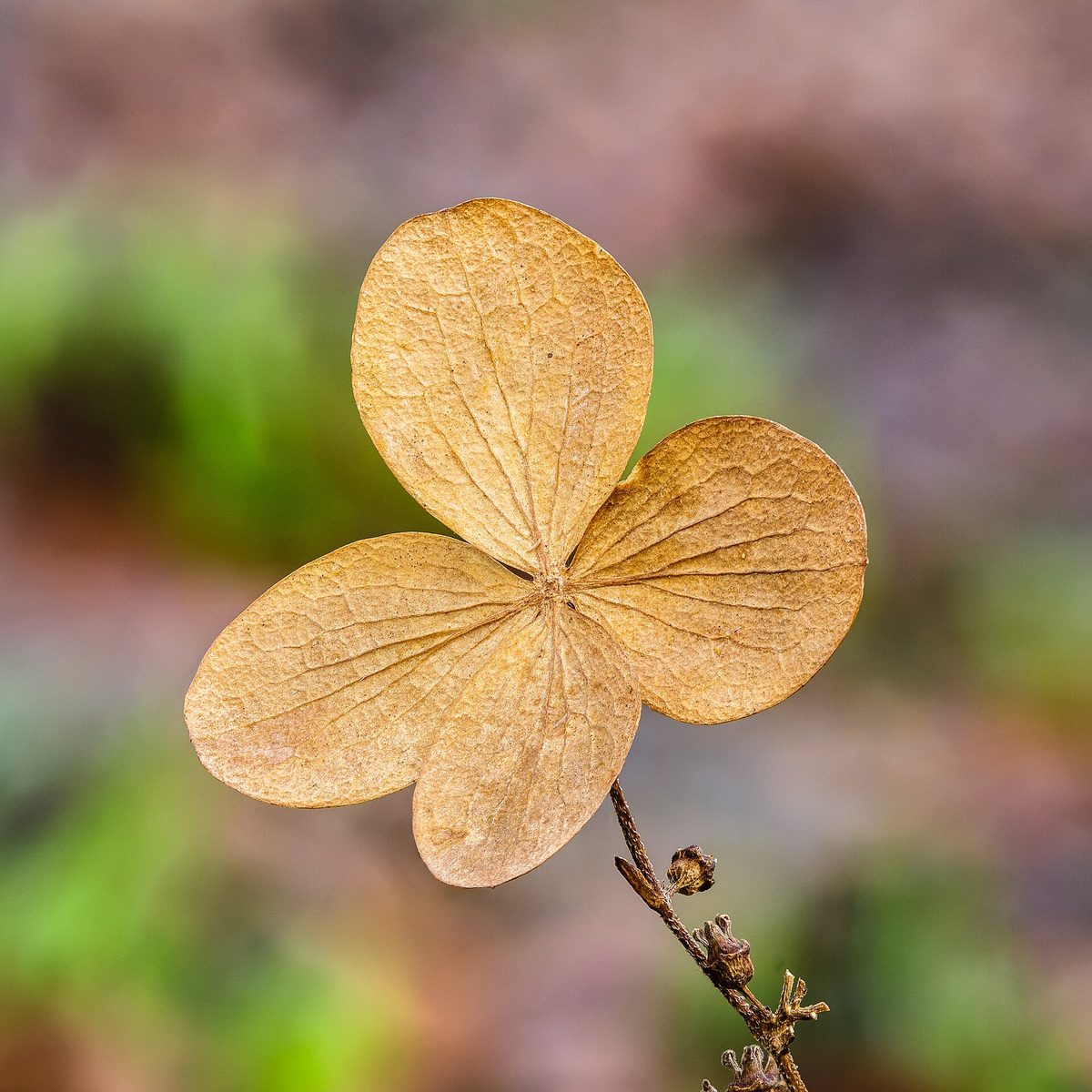
Panicled Hydrangea
Hydrangea paniculata
Zones 3a–8b · Sources differ: University of Wisconsin-Madison Division of Extension (Wisconsin Horticulture) · Full sun and part shade (full sun preferred)
-
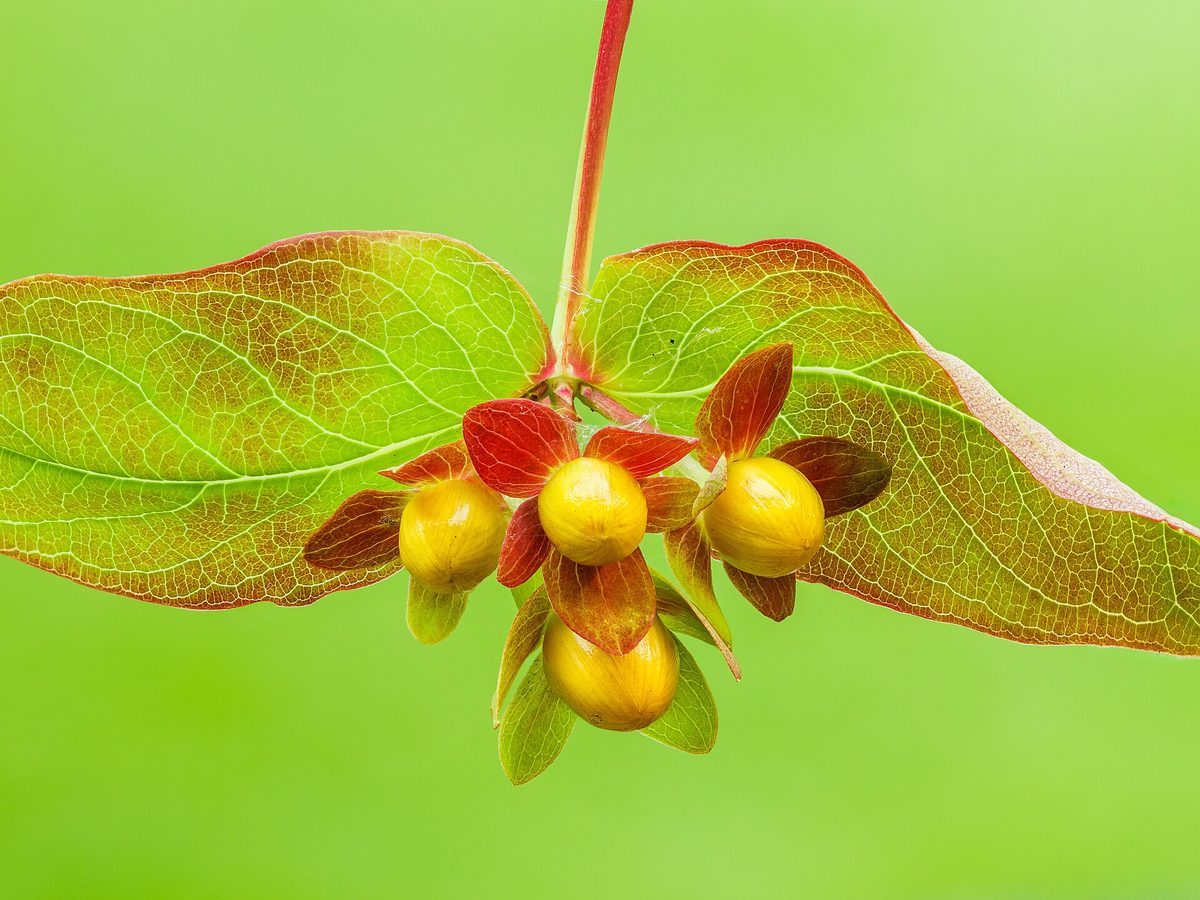
Sweet-amber
Hypericum androsaemum
Zones 5a–8b · 2–3 ft (0.61–0.91 m) · Full sun and part shade (full sun preferred)
-
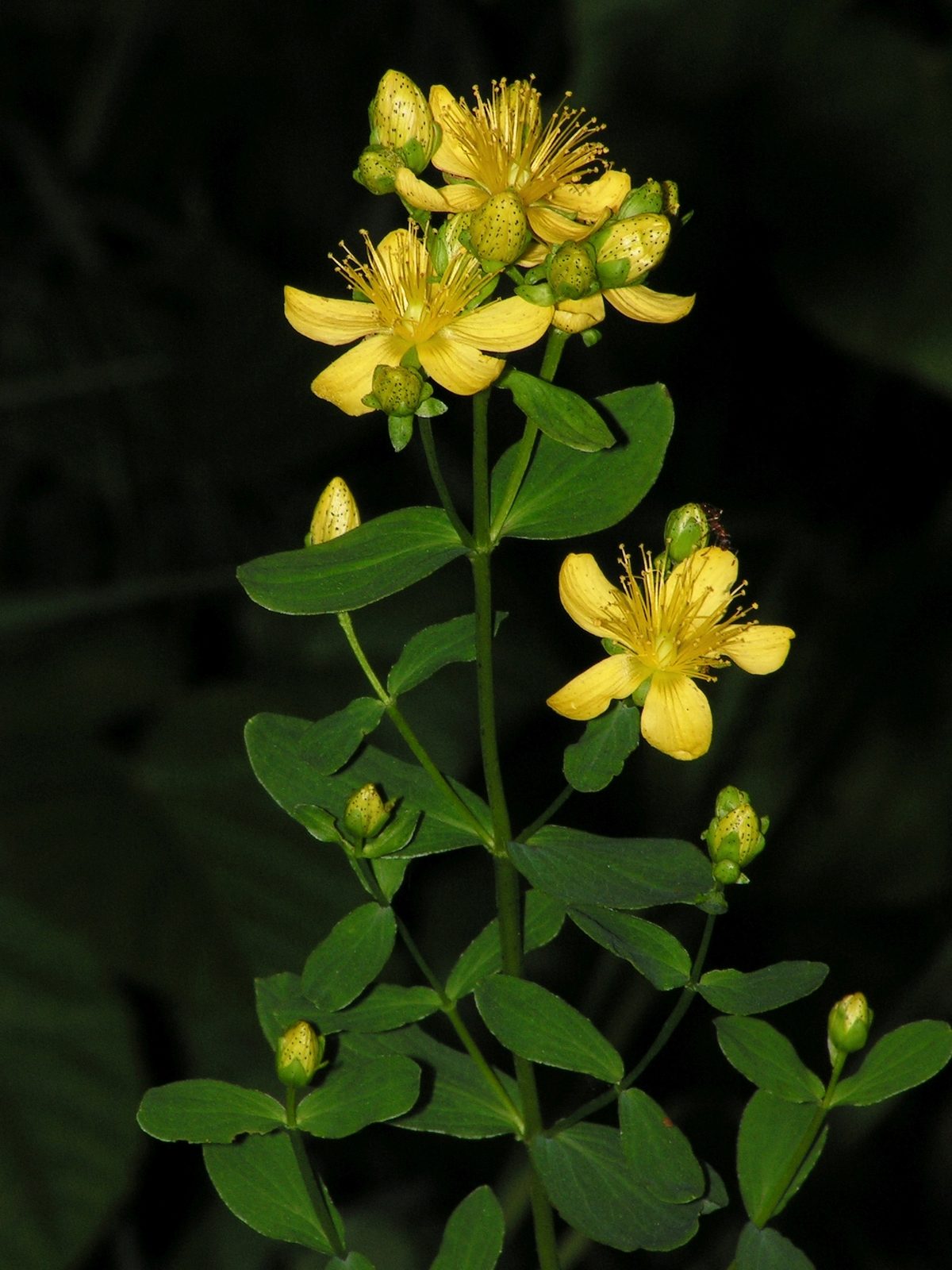
Common St. Johnswort
Hypericum perforatum
Zones 3a–8b · 1–3.3 ft (0.3–1 m) · Full sun and part shade (full sun preferred)
-
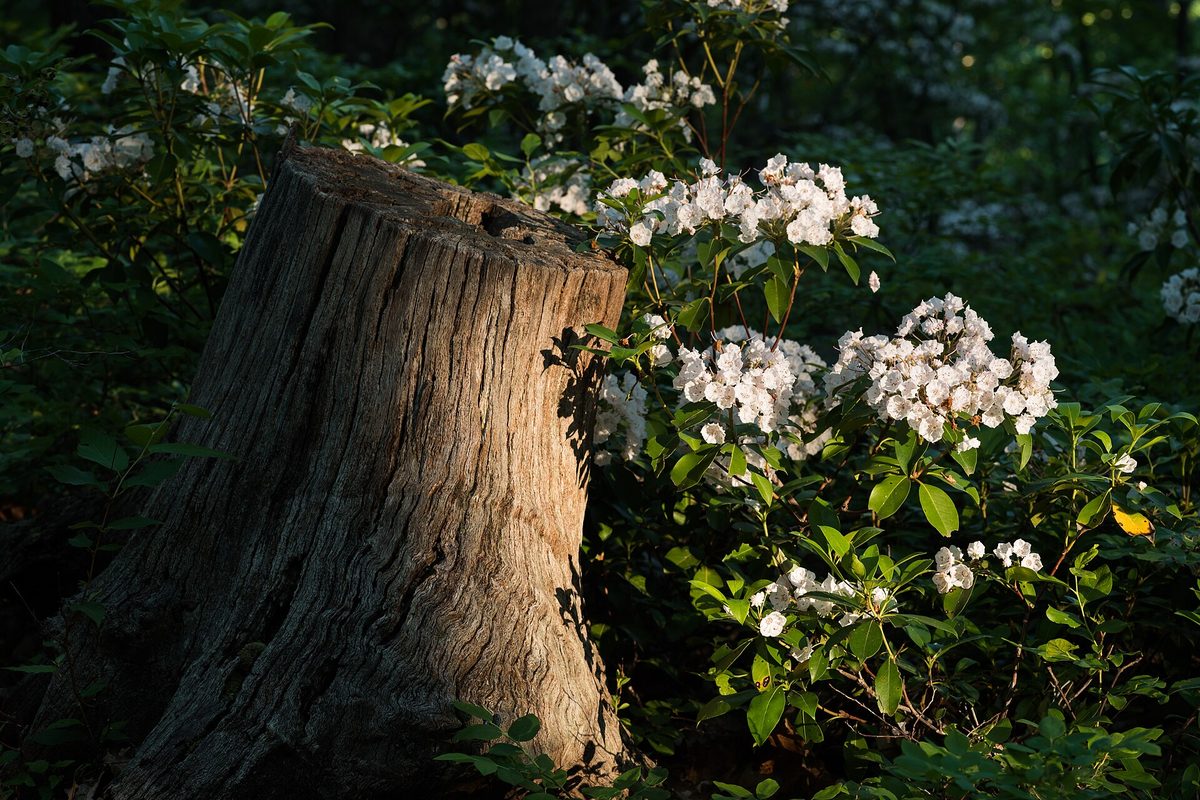
Mountain Laurel
Kalmia latifolia
Zones 4a–9b · 7–14 ft (2.13–4.27 m) · Full sun, part shade and full shade (full sun preferred)
-
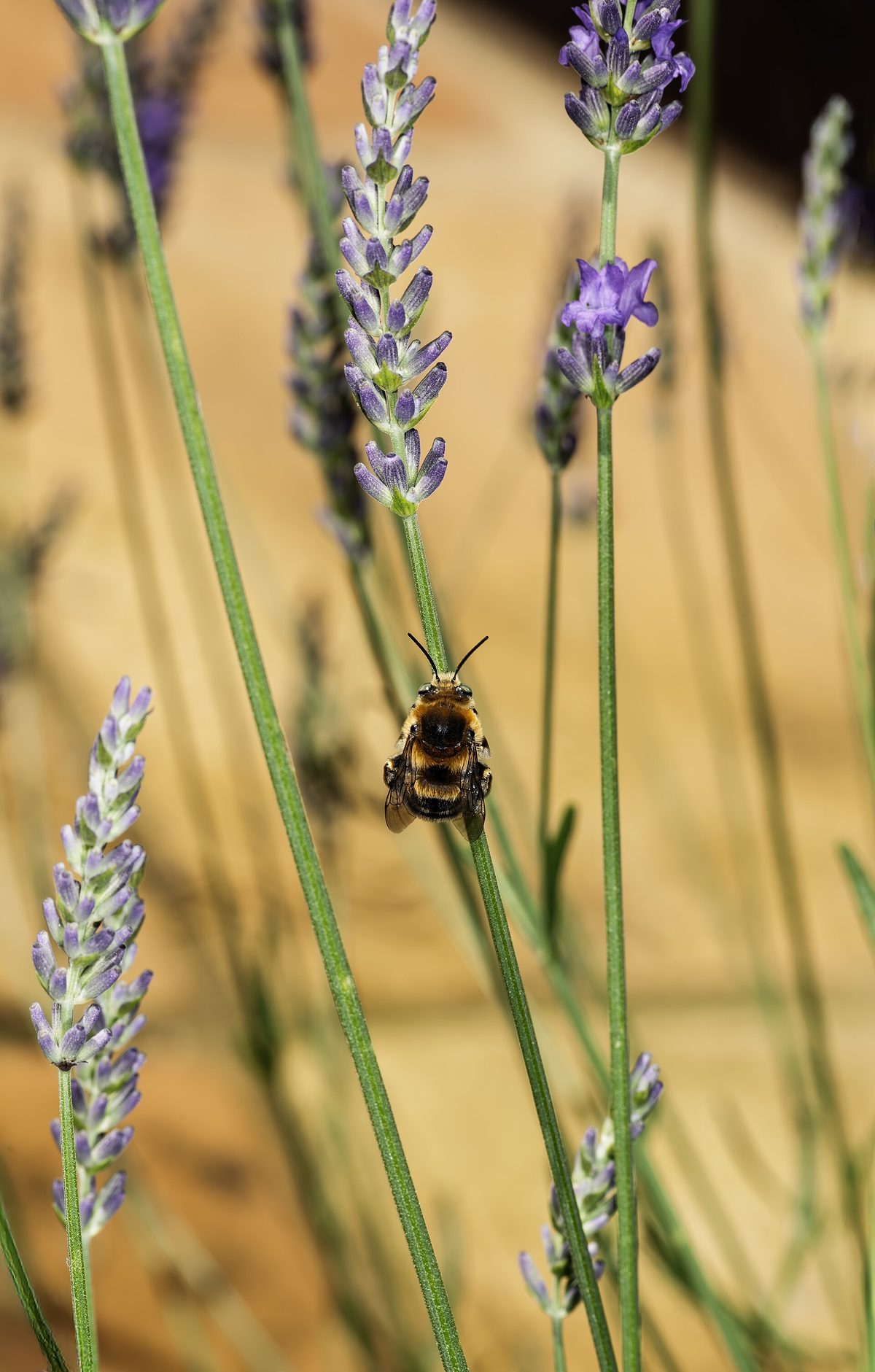
English Lavender
Lavandula angustifolia
Zones 5a–9b · 1–3 ft (0.3–0.91 m) · Full sun and part shade (full sun preferred)
Lavandula angustifolia is among the shrubs here with its own page already live on this site. That page covers its specific needs in more detail than this hub does.
-
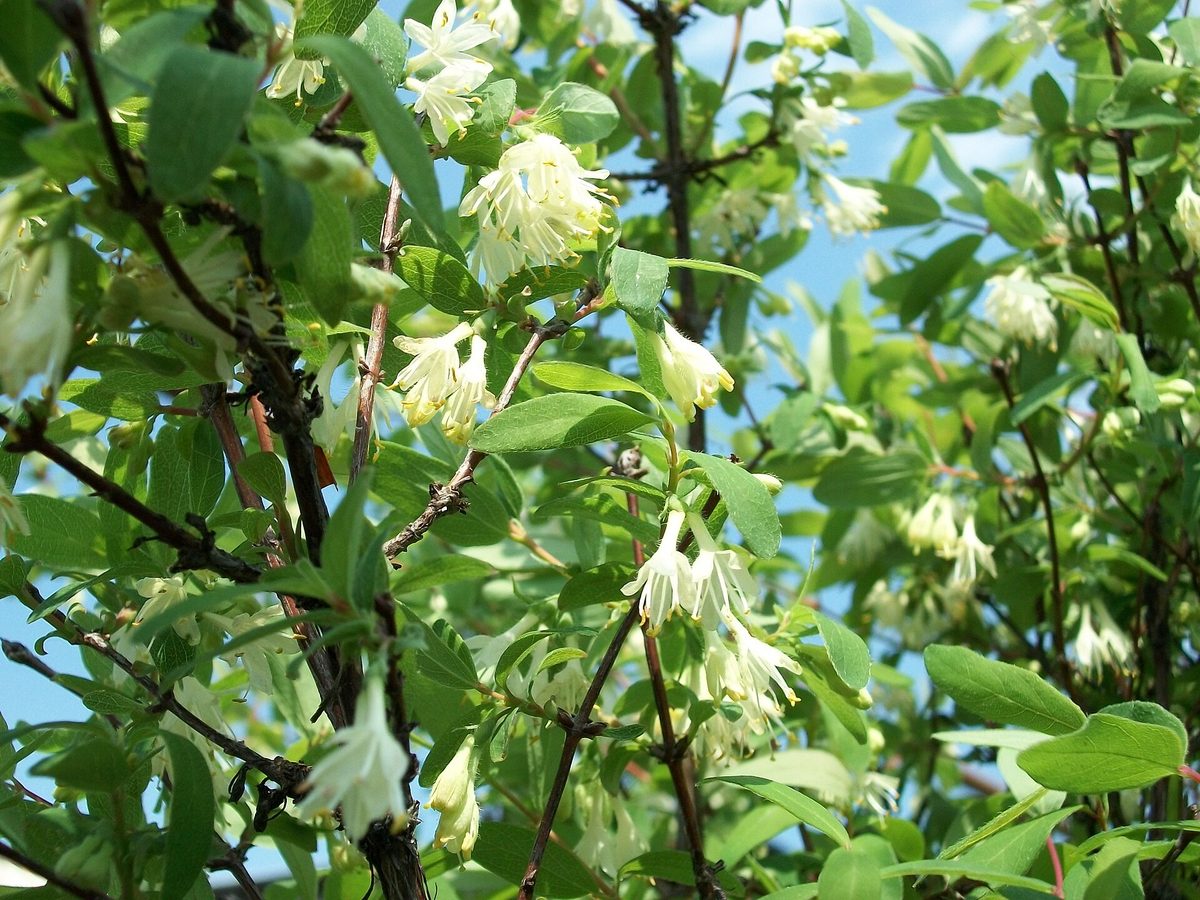
Sweetberry Honeysuckle
Lonicera caerulea
Zones 2a–7b · 6 ft (1.83 m) · Full sun and part shade (full sun preferred)
-
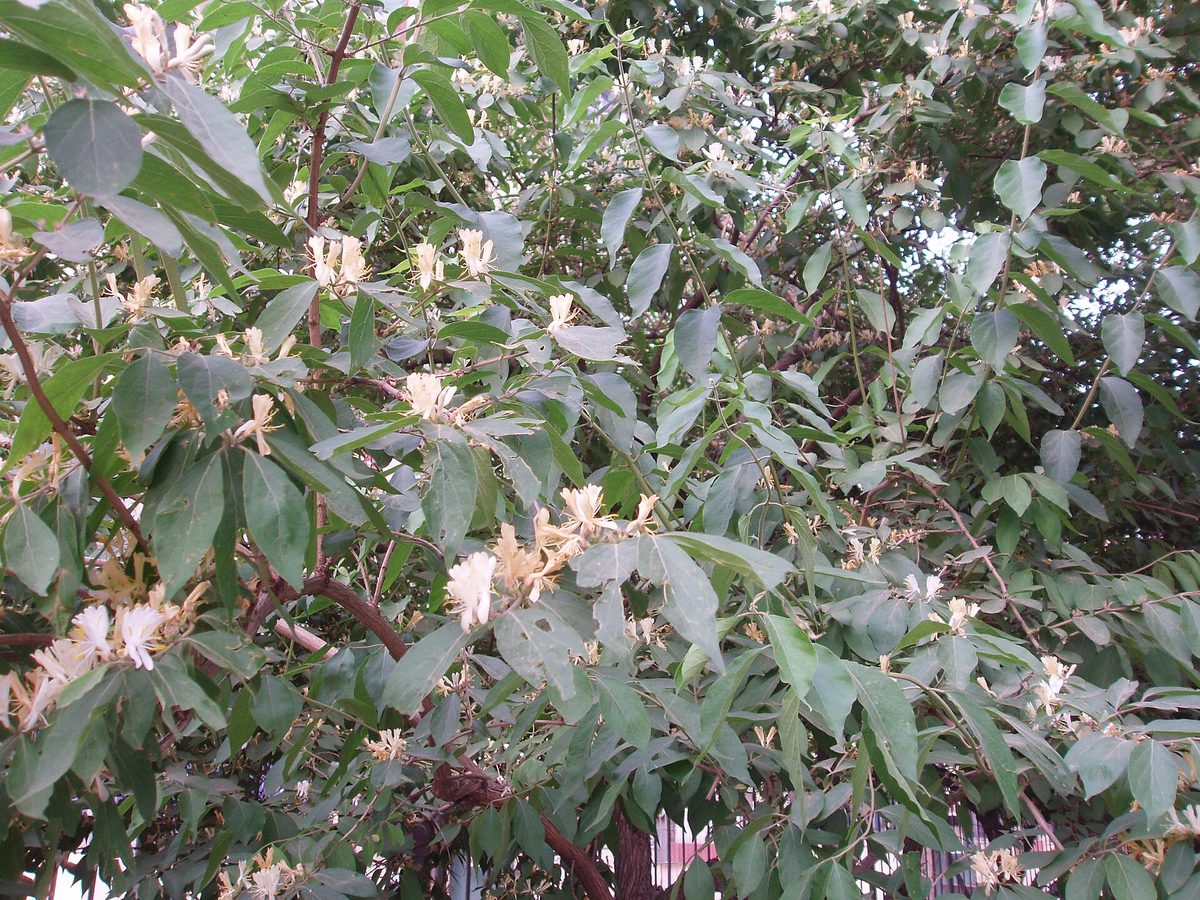
Amur Honeysuckle
Lonicera maackii
Zones 3a–8b · 10–15 ft (3.05–4.57 m) · Full sun and part shade (full sun preferred)
-
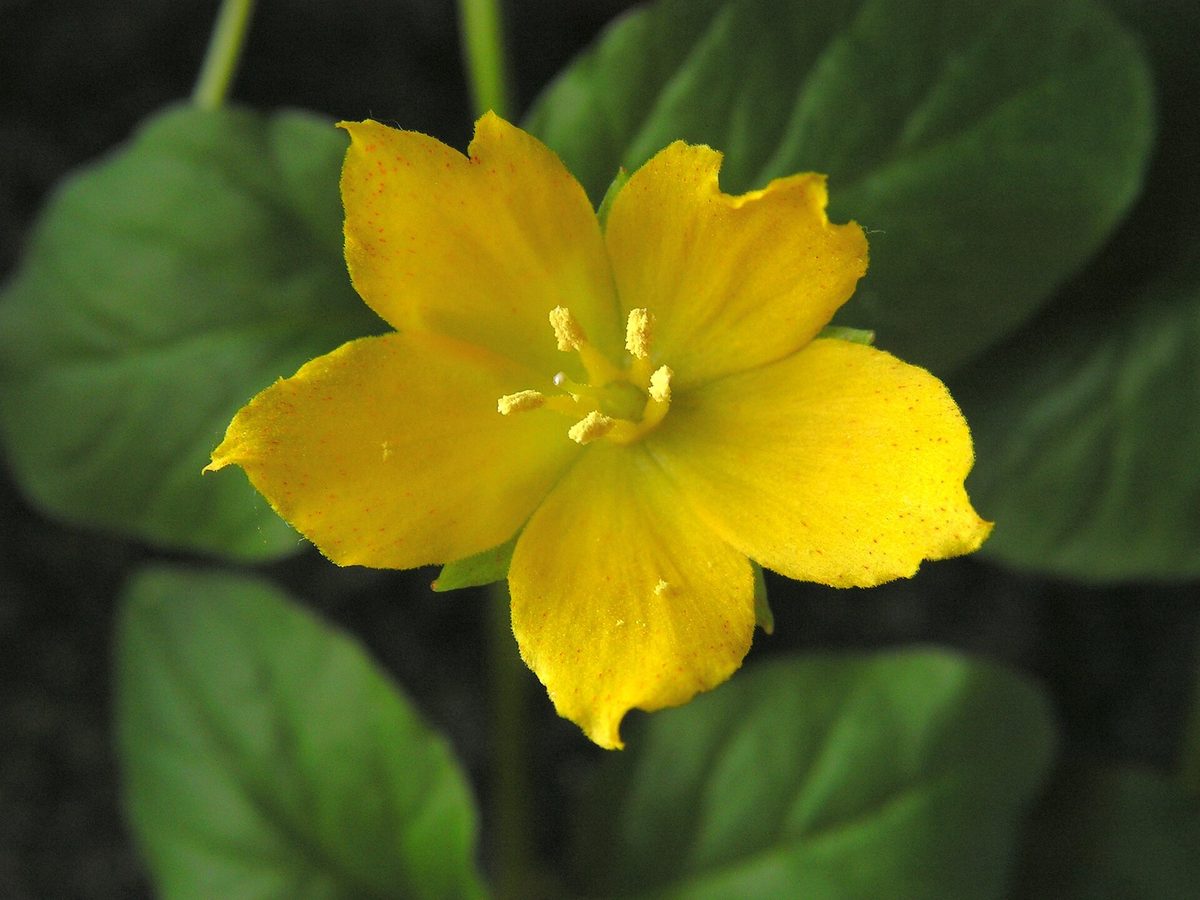
Creeping Jenny
Lysimachia nummularia
Zones 3a–9b · 0.2–0.3 ft (0.05–0.1 m) · Full sun, part shade and full shade (full sun preferred)
-
Lodgepole Pine
Pinus contorta
Zones 4a–8b · 20–50 ft (6.1–15.24 m) · Full sun
-
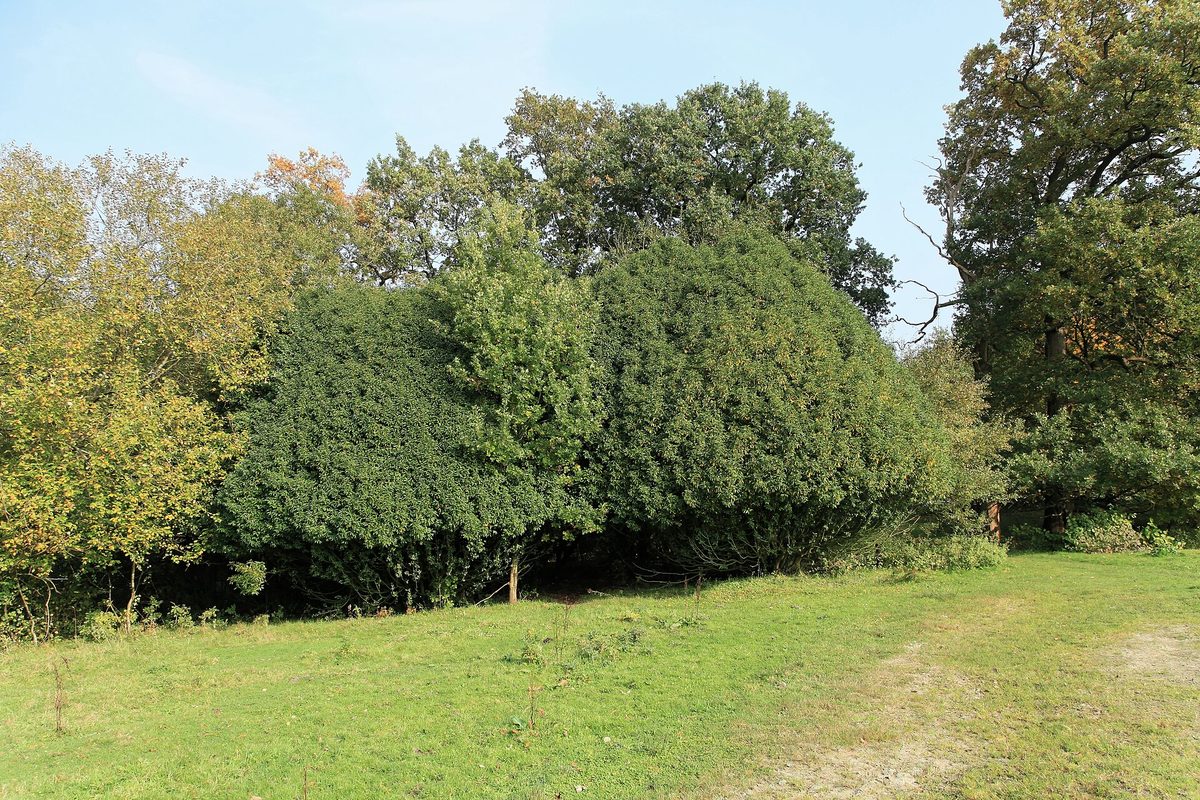
Portugal Laurel
Prunus lusitanica
Zones 6a–9b · 10–20 ft (3.05–6.1 m)
-
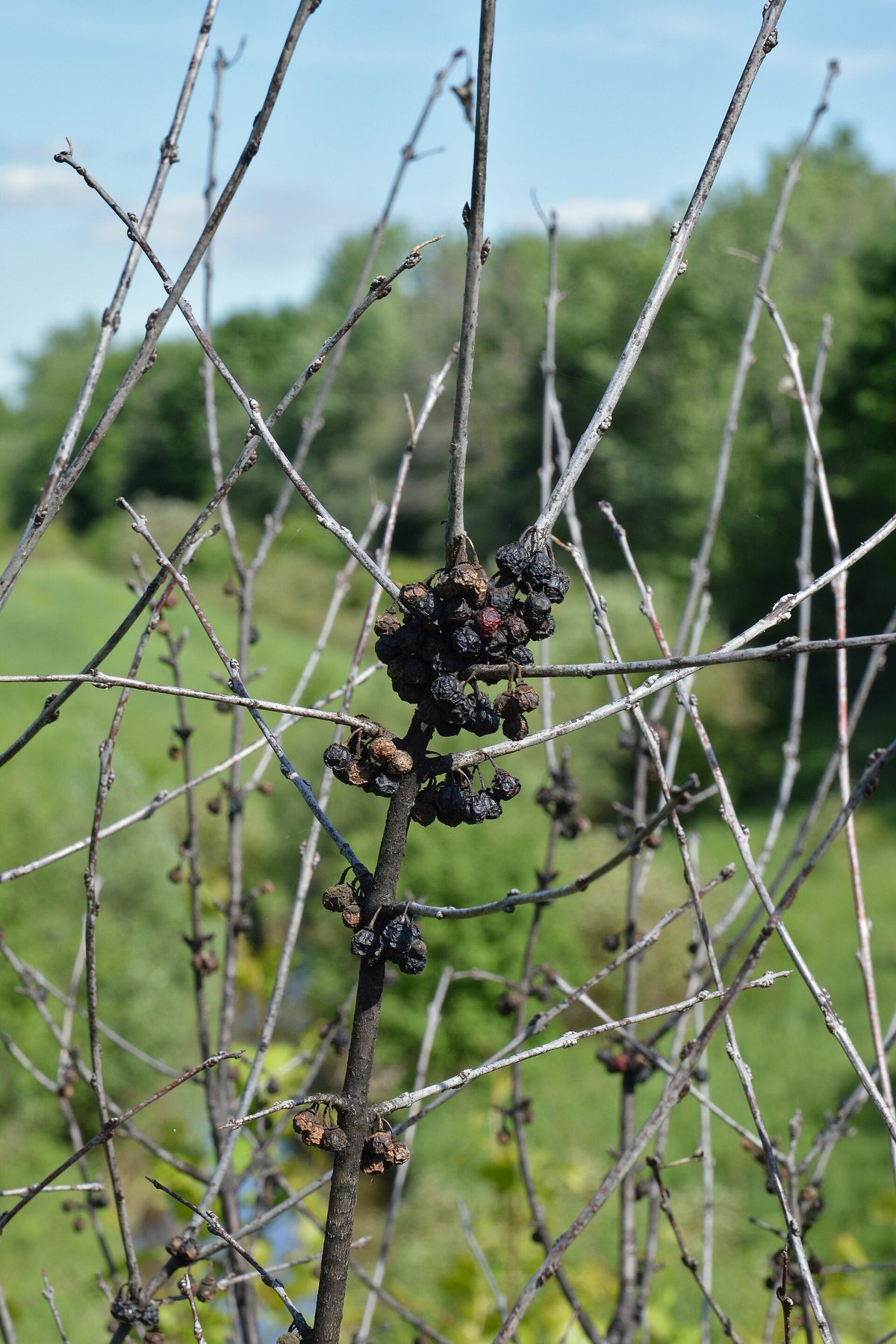
Common Buckthorn
Rhamnus cathartica
Zones 3a–7b · 18–30 ft (5.49–9.14 m) · Full sun and part shade (full sun preferred)
-
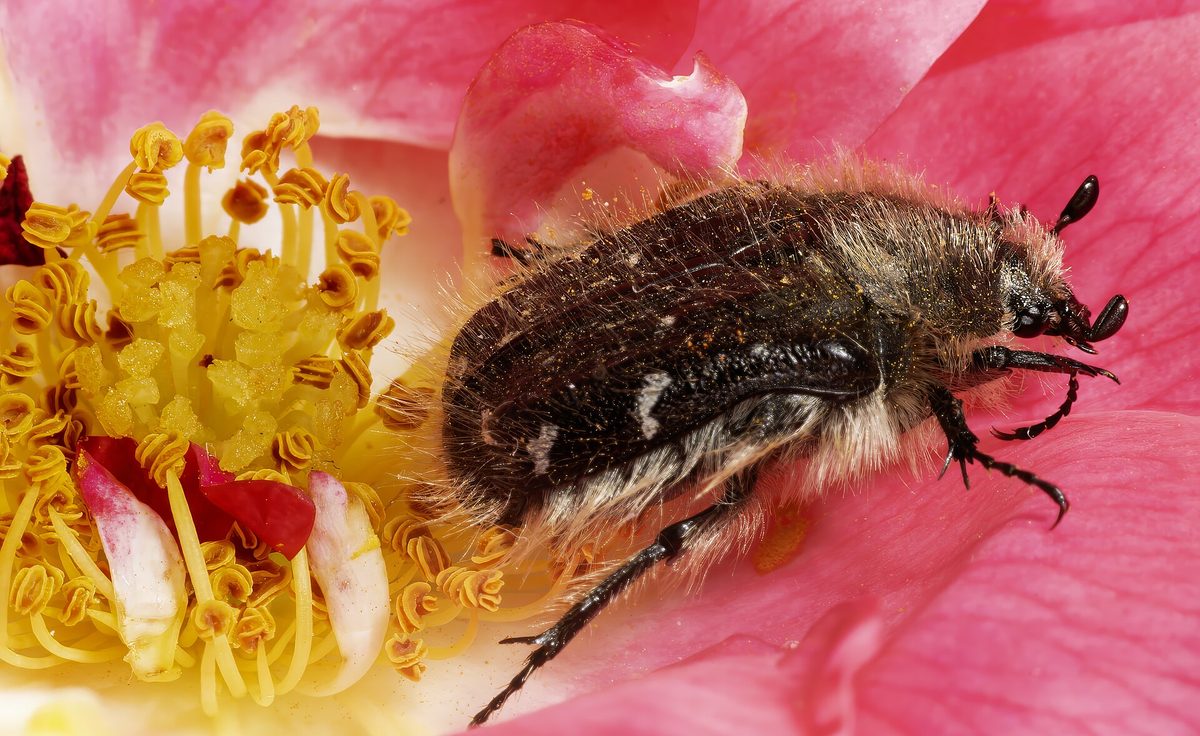
Chinese Rose
Rosa chinensis
Zones 6a–9b · 6–8 ft (1.83–2.44 m) · Full sun and part shade (full sun preferred)
-
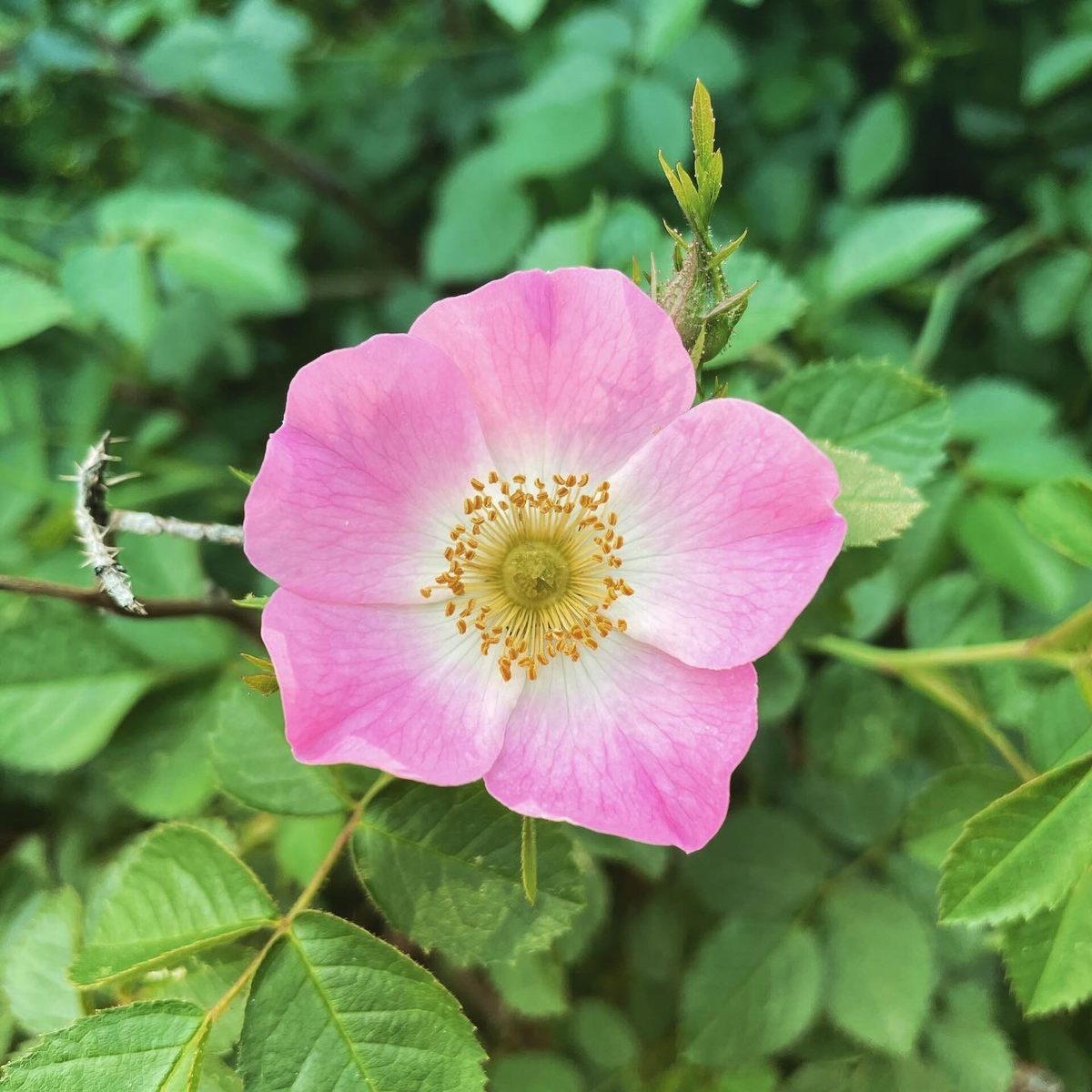
Sweetbriar Rose
Rosa rubiginosa
Zones 5a–8b · Full sun
-
-
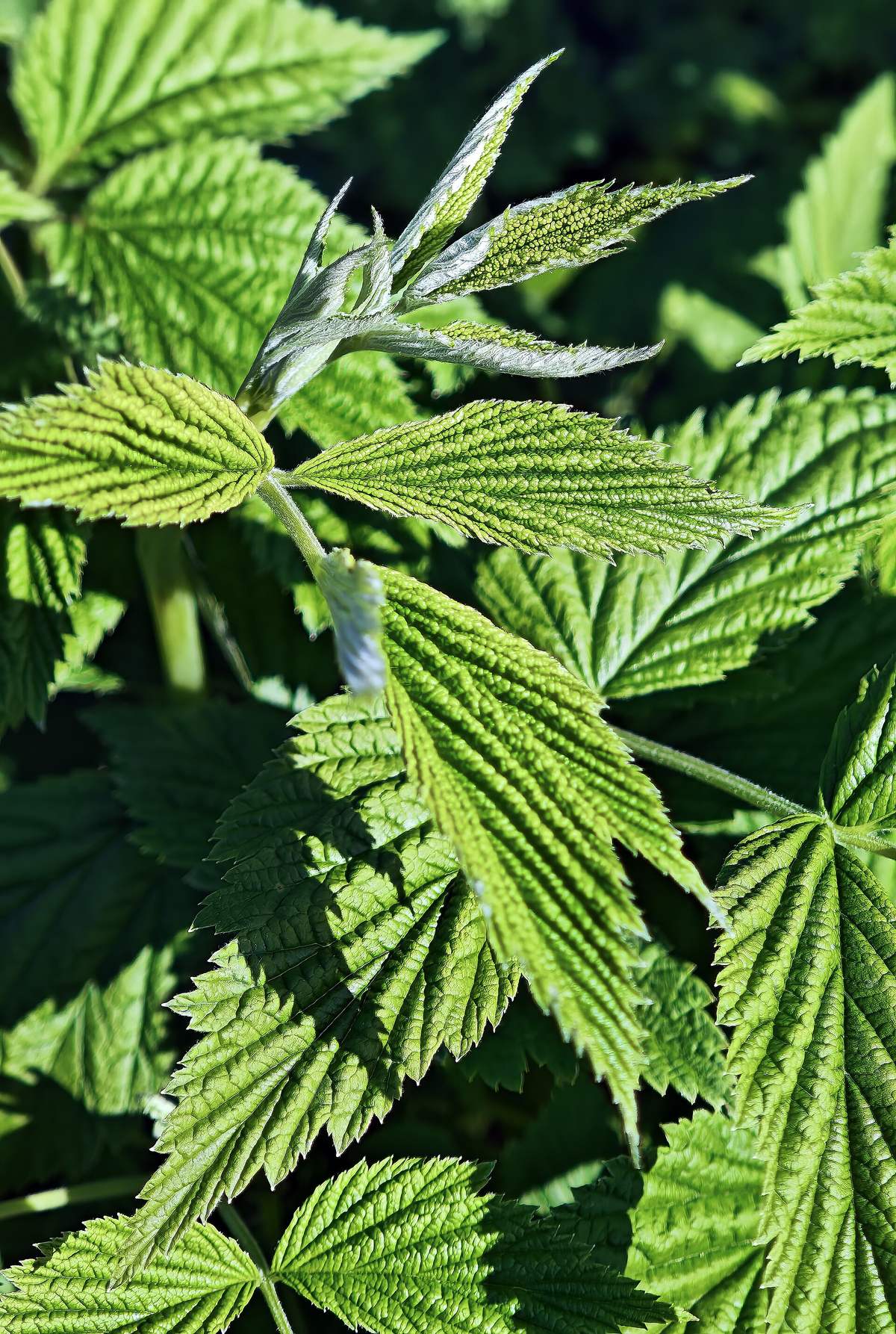
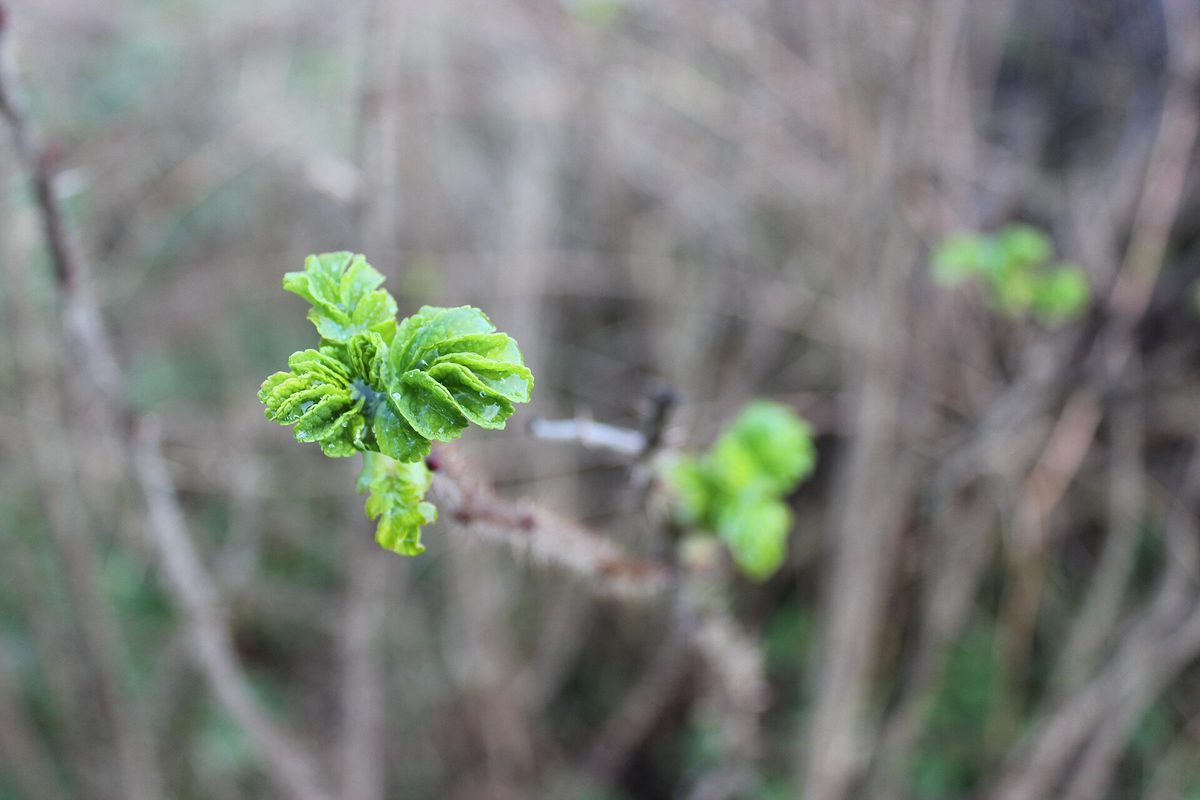
American Red Raspberry
Rubus idaeus
Zones 4a–8b · 7–10 ft (2.13–3.05 m) · Full sun and part shade (full sun preferred)
Rubus idaeus rounds out the four members of this zone 6 list with a published page of its own. Look there for growing detail beyond what this hub lists.
-
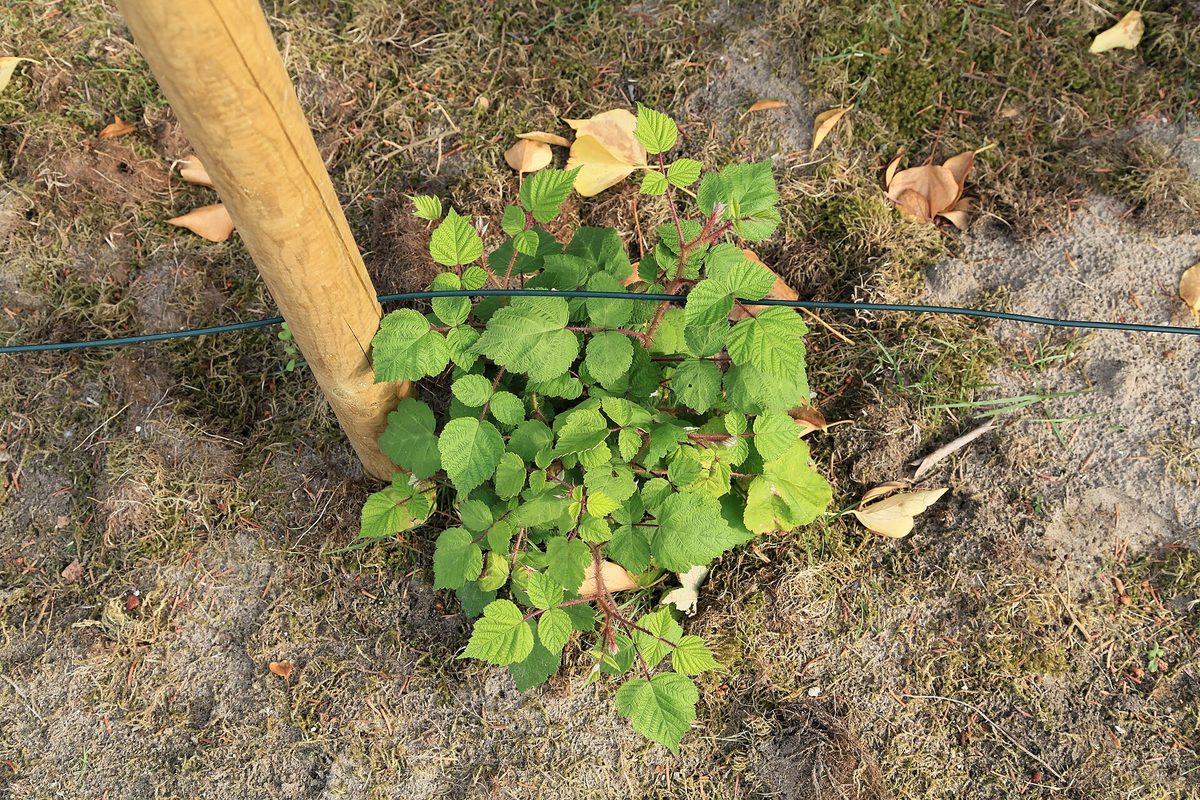
Wine Raspberry
Rubus phoenicolasius
Zones 4a–8b · 9 ft (2.74 m) · Full sun and part shade (full sun preferred)
-
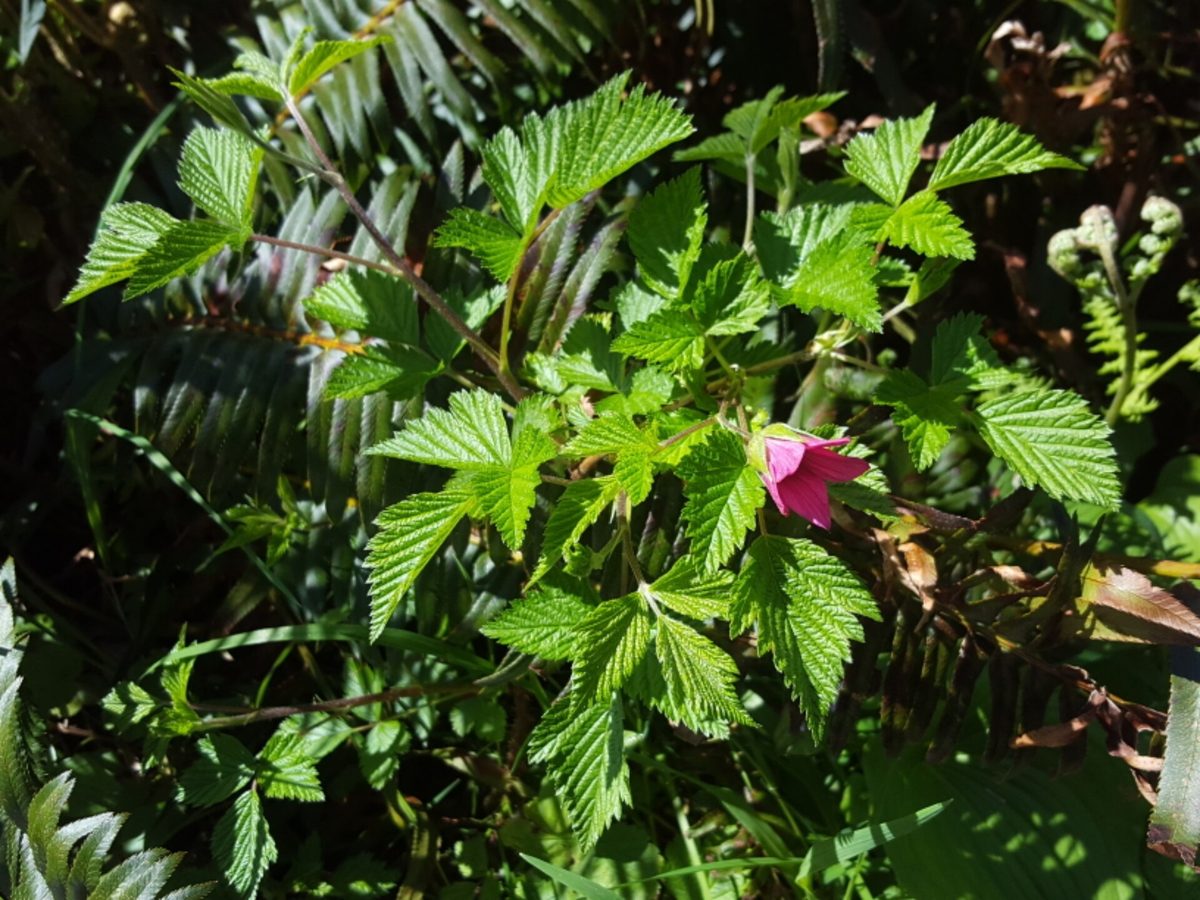
Salmonberry
Rubus spectabilis
Zones 5a–10a · 6.6–13.1 ft (2–4 m) · Full sun, part shade and full shade (full sun preferred)
-
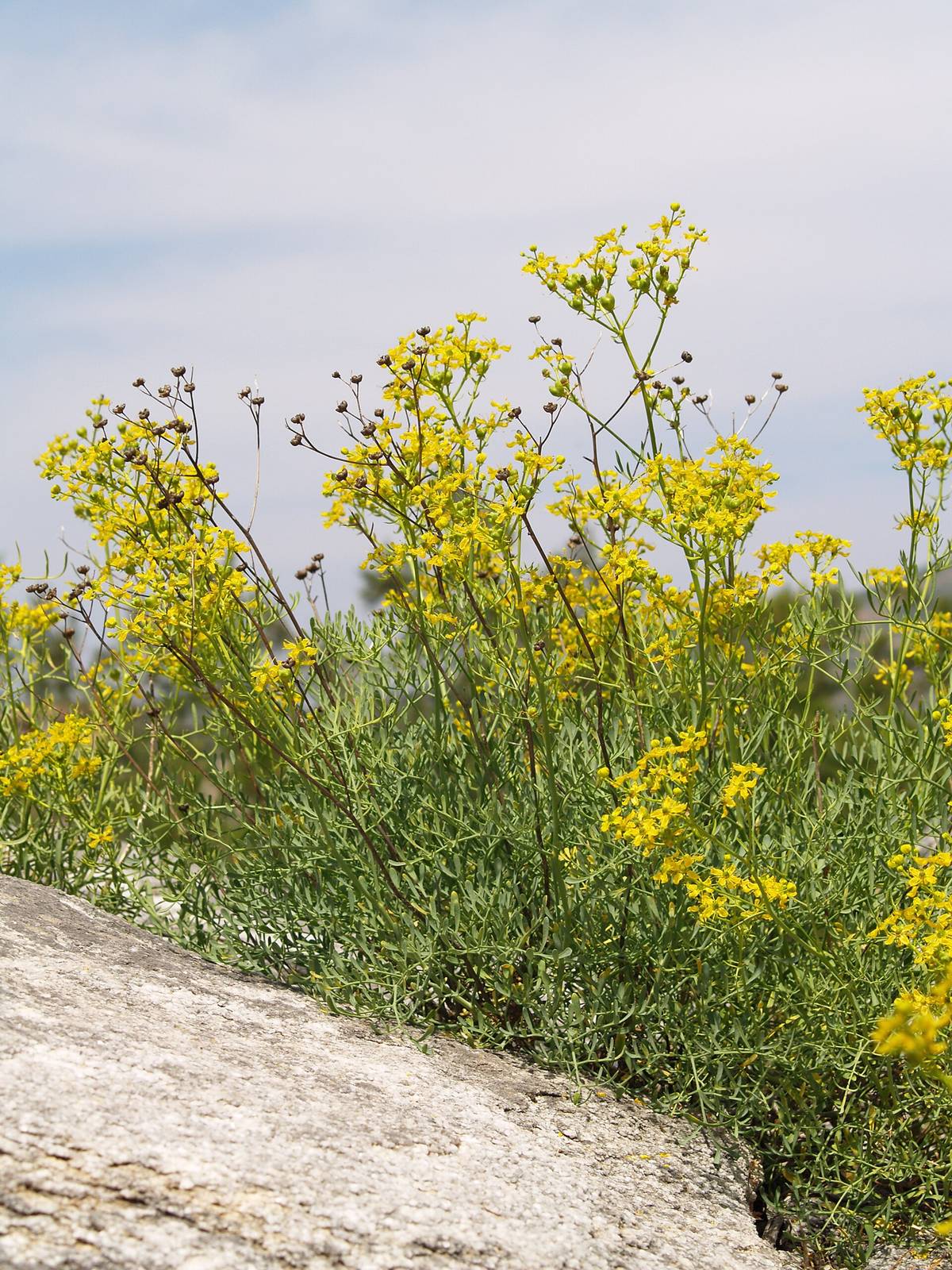
Common Rue
Ruta graveolens
Zones 4a–10b · 2–3 ft (0.61–0.91 m) · Full sun and part shade (full sun preferred)
-
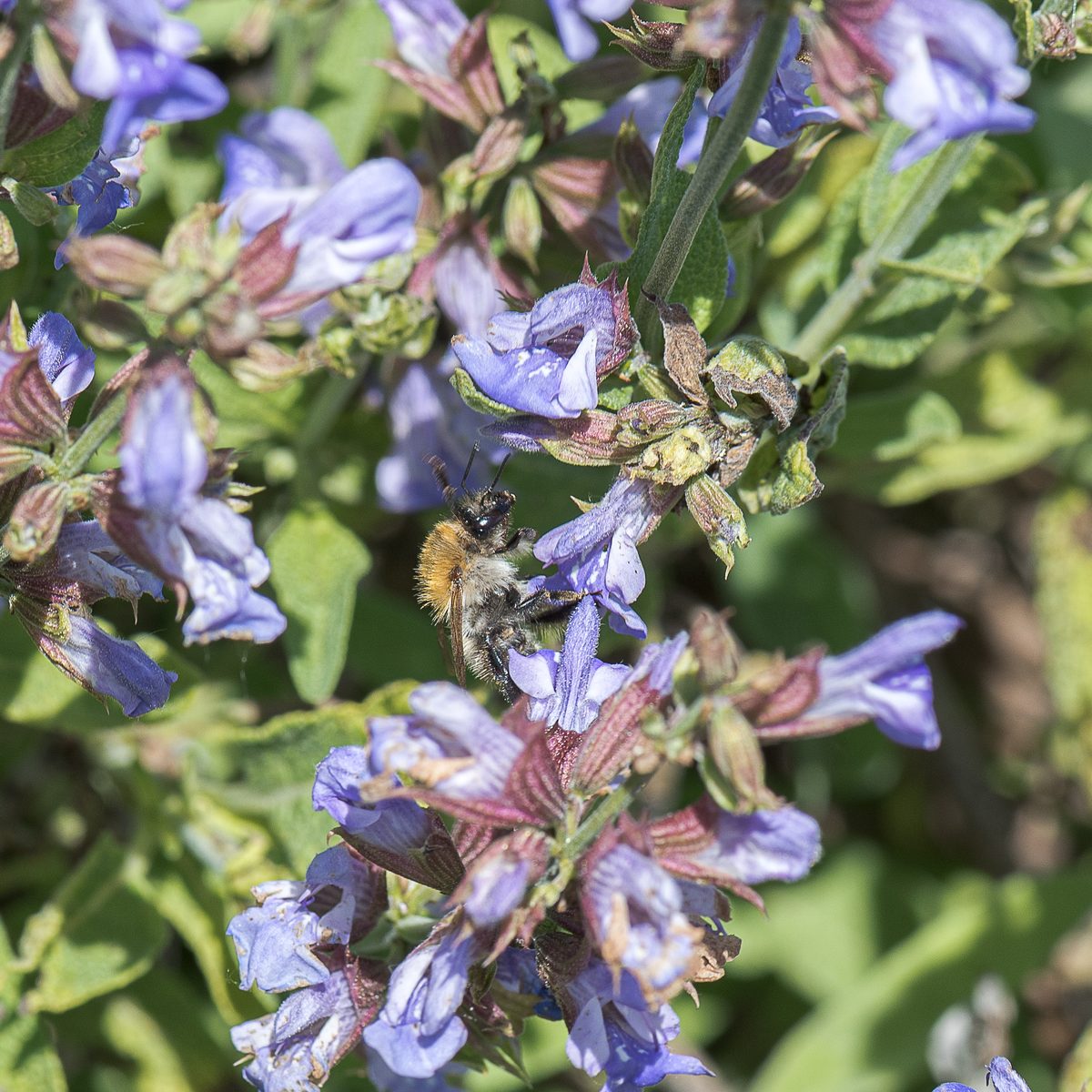
Kitchen Sage
Salvia officinalis
Zones 4a–8b · 1–2 ft (0.3–0.6 m) · Full sun and part shade (full sun preferred)
-
-
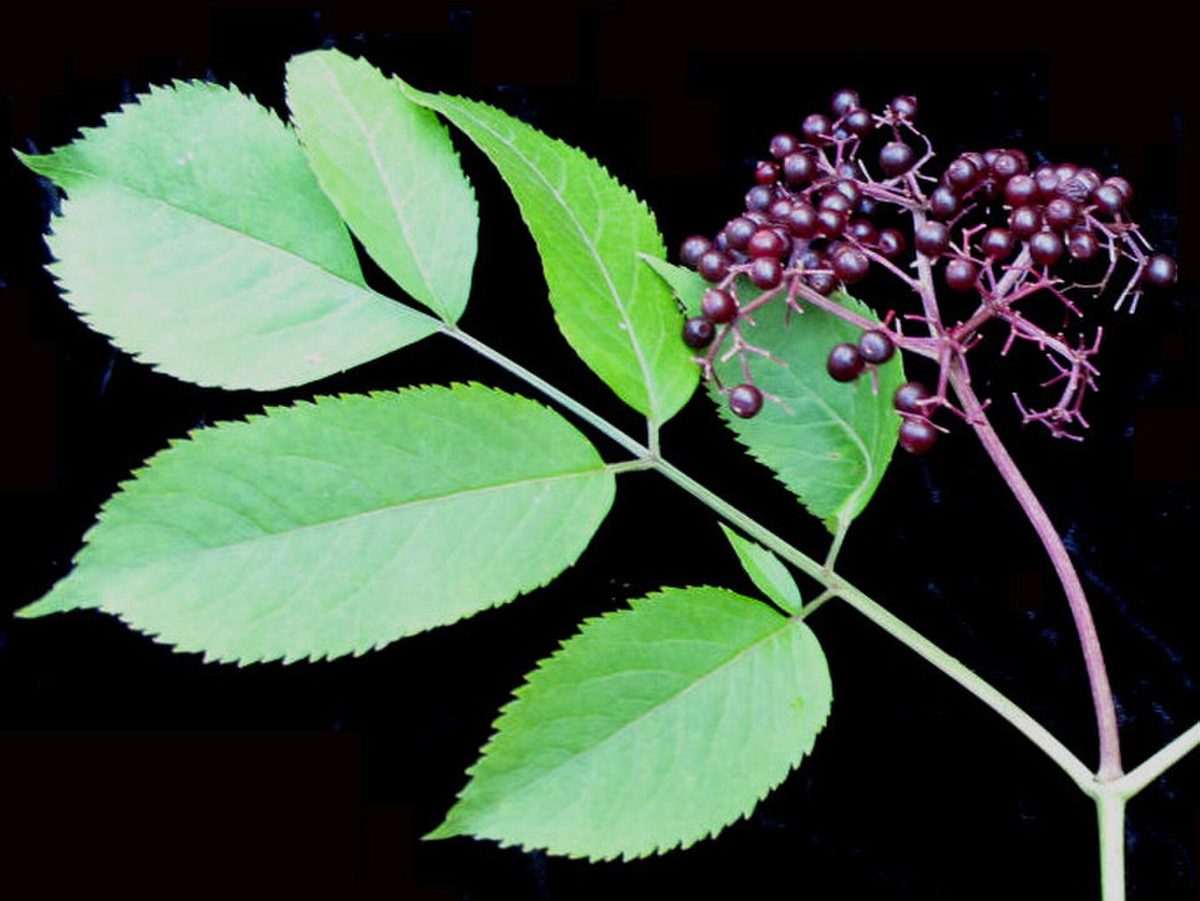
American Black Elderberry
Sambucus canadensis
Zones 4a–8b · 5–12 ft (1.52–3.66 m) · Full sun and part shade (full sun preferred)
-
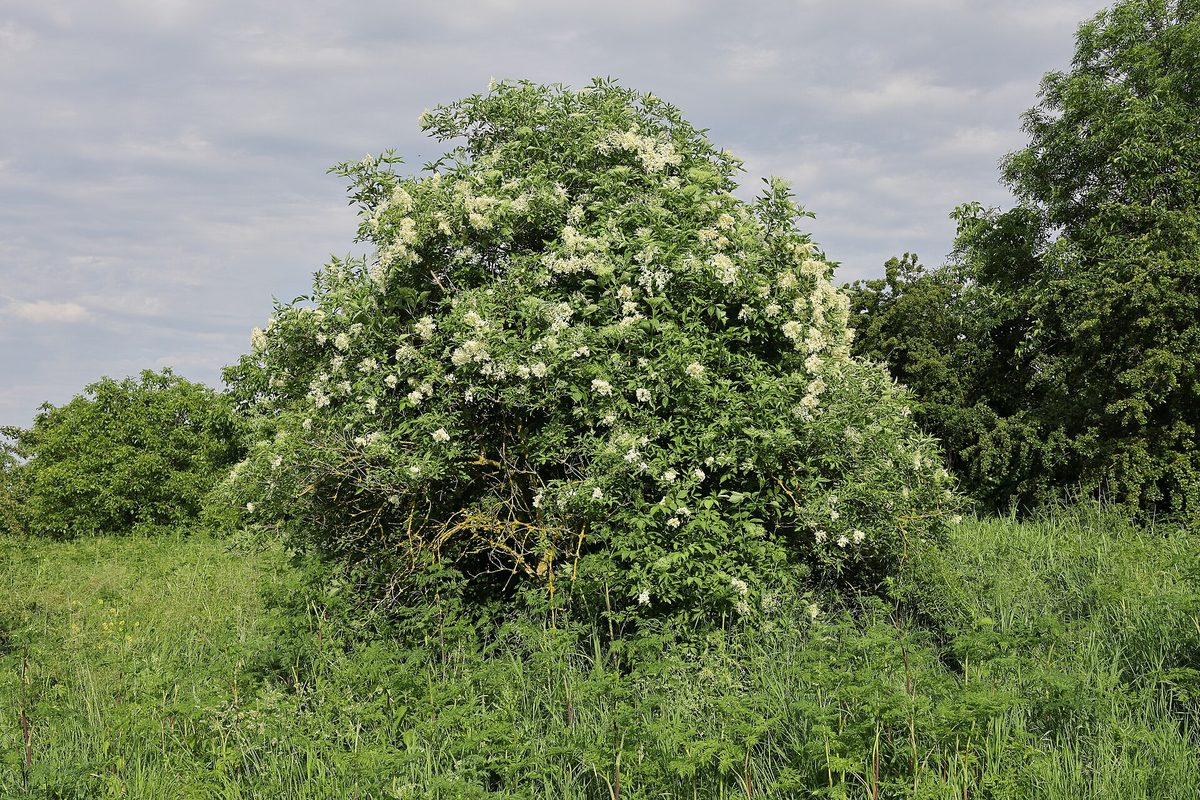
Black Elderberry
Sambucus nigra
Zones 5a–7b · 10–20 ft (3.05–6.1 m) · Full sun and part shade (full sun preferred)
-
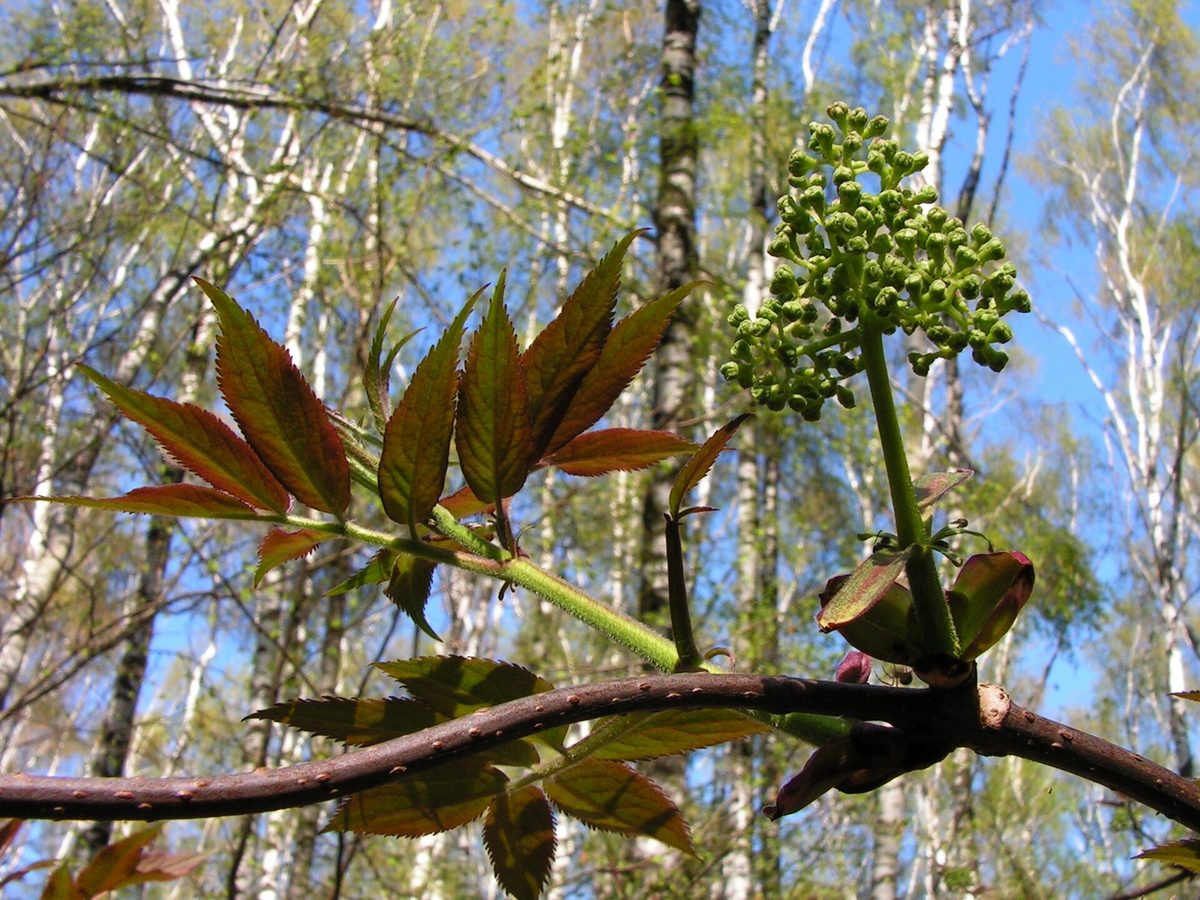
Red Elderberry
Sambucus racemosa
Zones 3a–7b · 4–25 ft (1.22–7.62 m) · Full sun, part shade and full shade (full sun preferred)
-
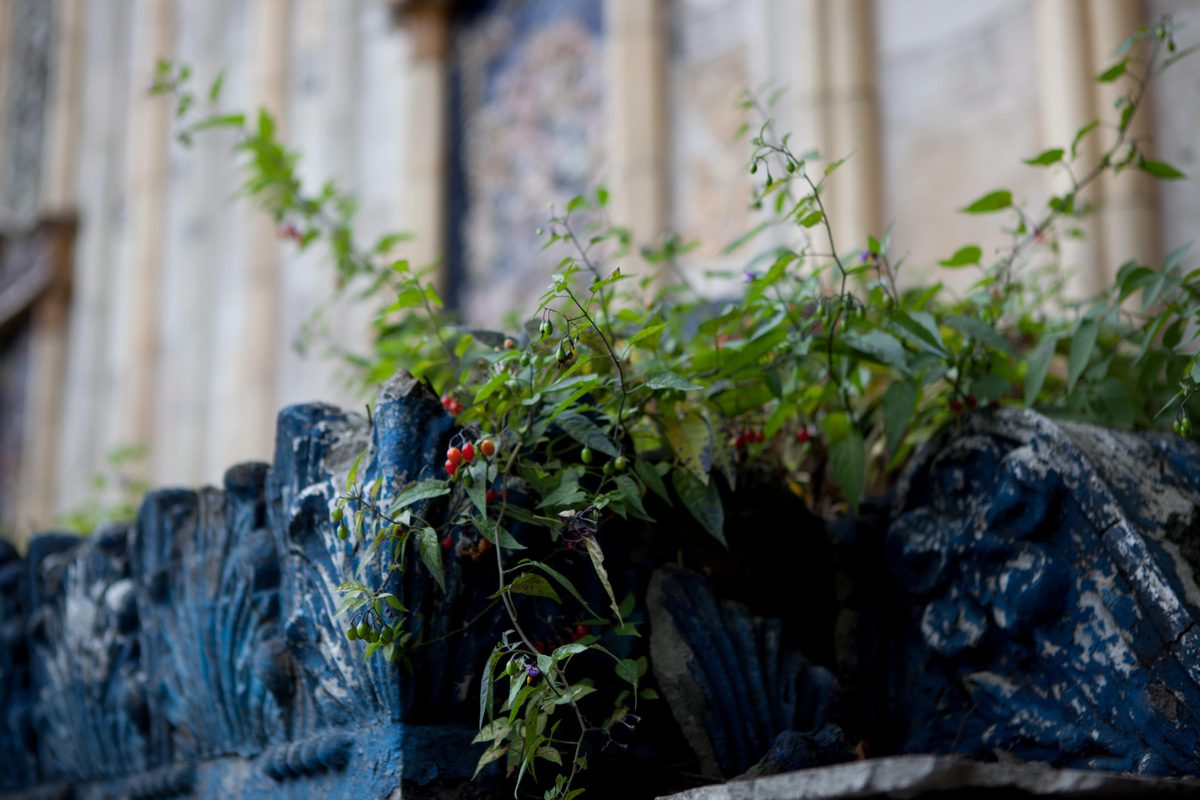
Climbing Nightshade
Solanum dulcamara
Zones 4a–8b · 2–10 ft (0.61–3.05 m) · Full sun, part shade and full shade (full sun preferred)
-
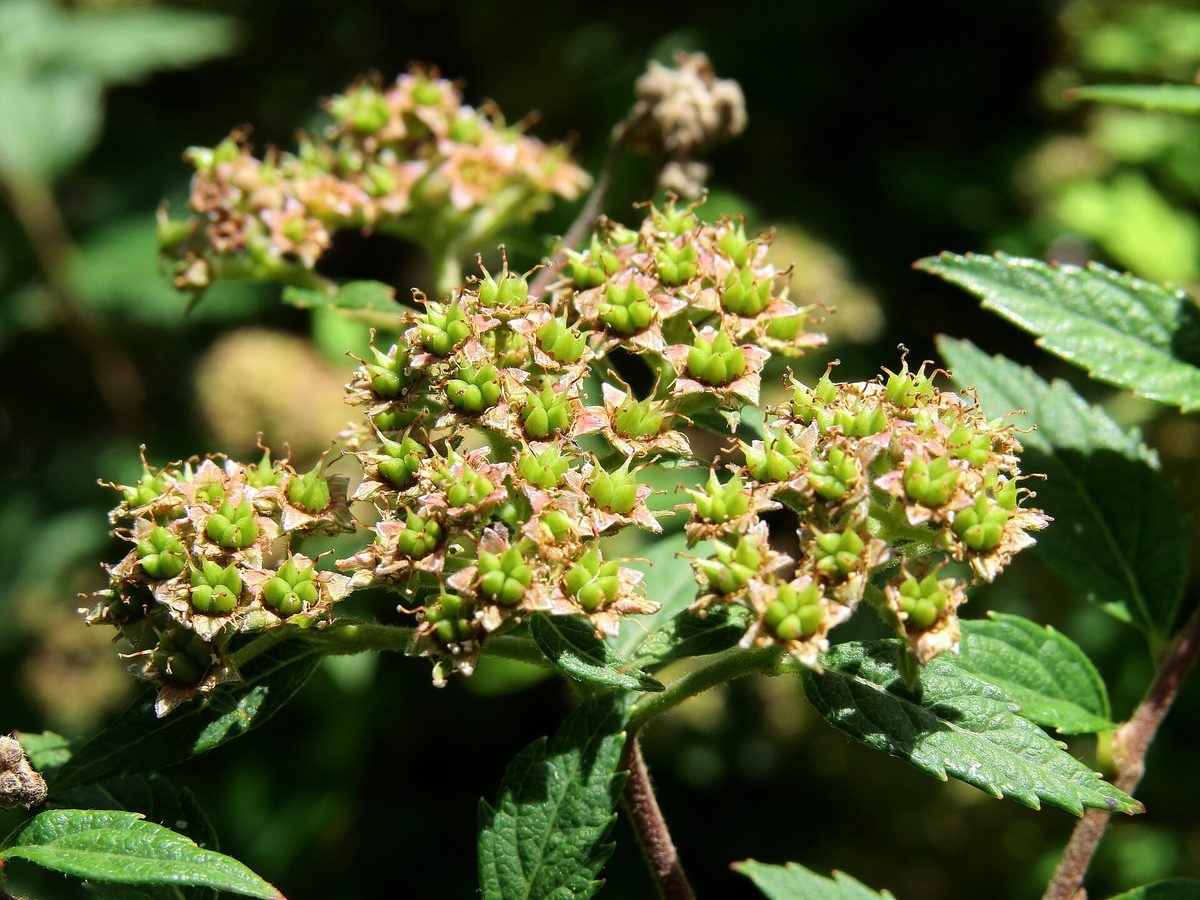
Japanese Meadowsweet
Spiraea japonica
Zones 3a–8b · 4–6 ft (1.22–1.83 m) · Full sun and part shade (full sun preferred)
-
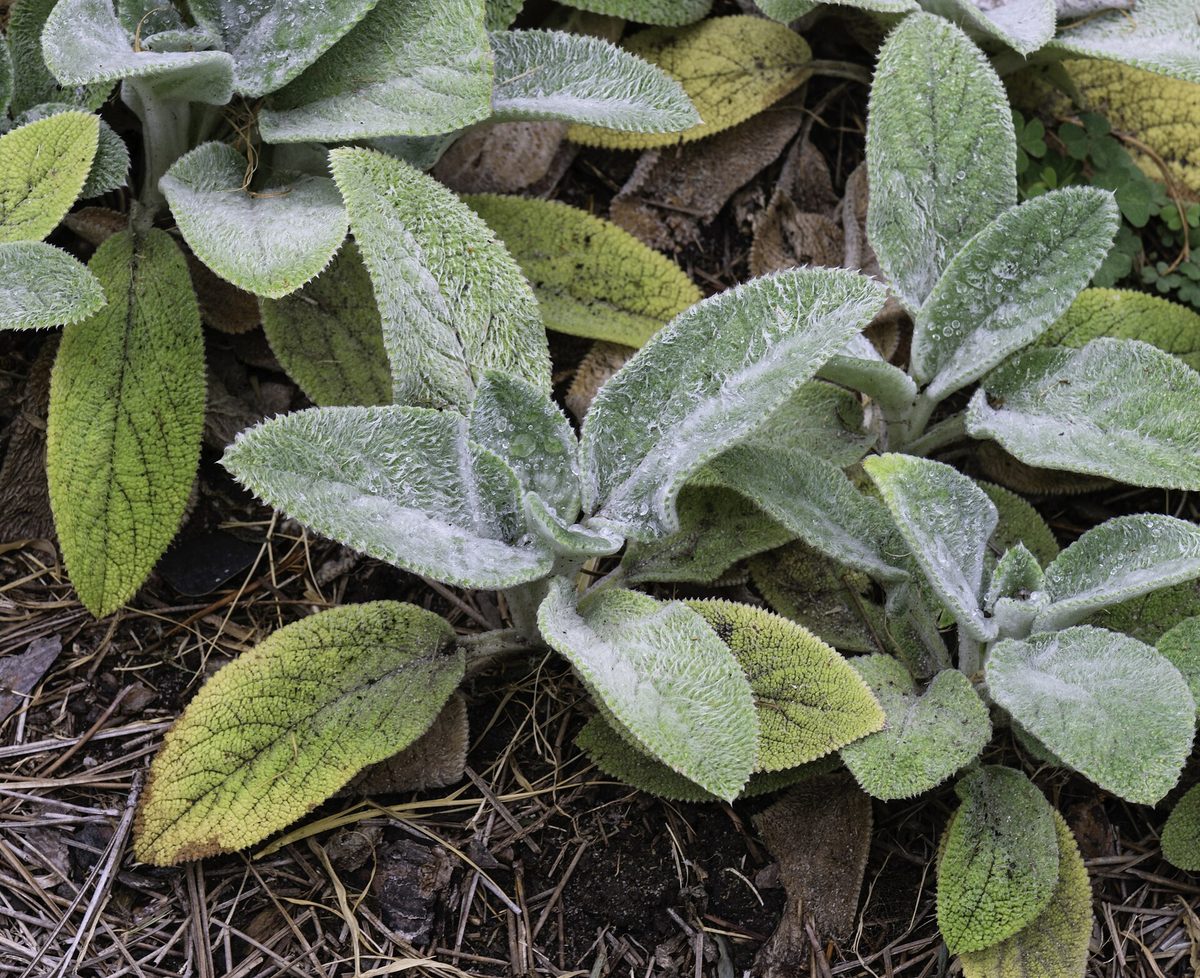
Woolly Hedgenettle
Stachys byzantina
Zones 4a–9b · 1–1.5 ft (0.3–0.46 m) · Full sun and part shade (full sun preferred)
-
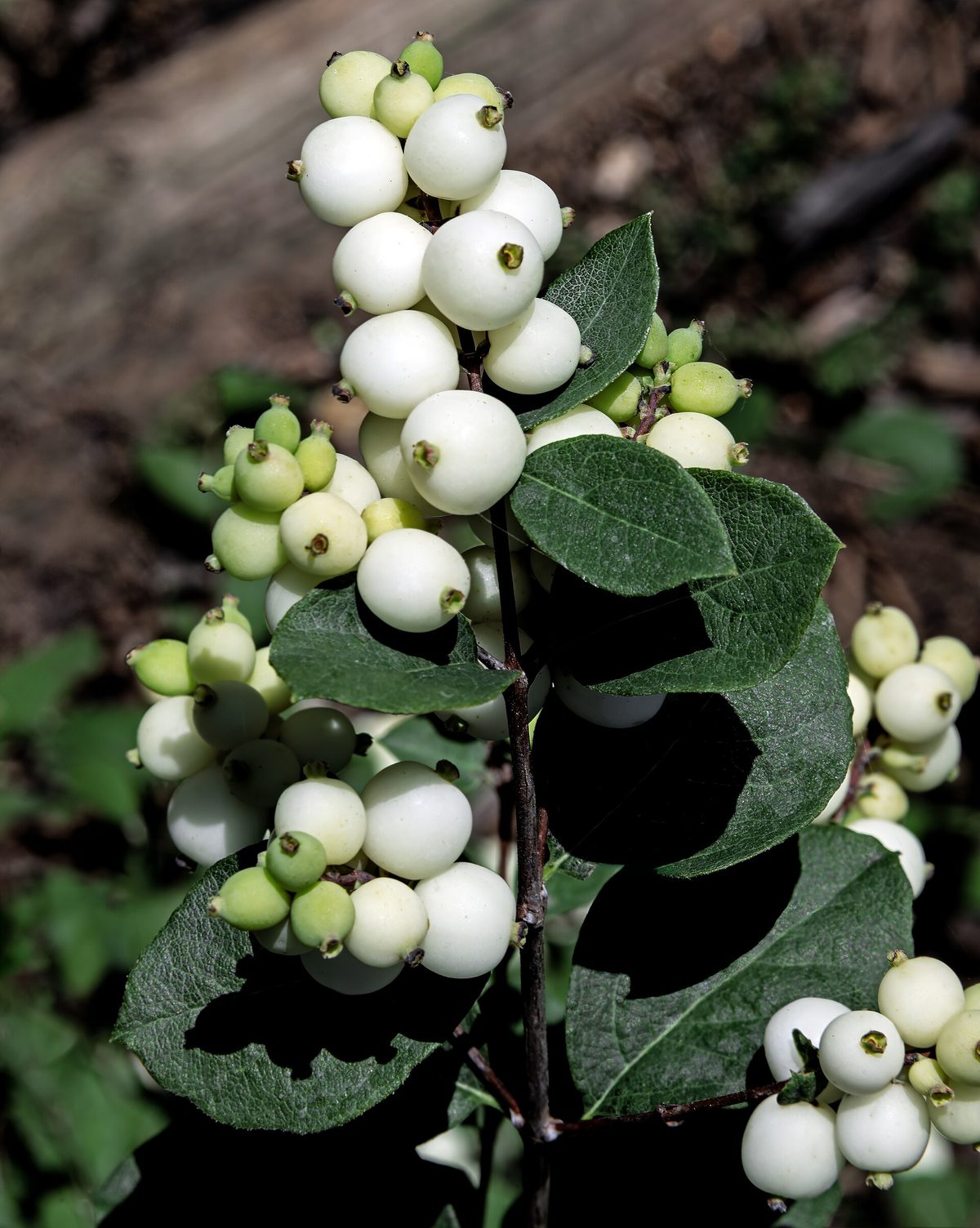
Common Snowberry
Symphoricarpos albus
Zones 3a–7b · 3–6 ft (0.91–1.83 m) · Full sun and part shade (full sun preferred)
-
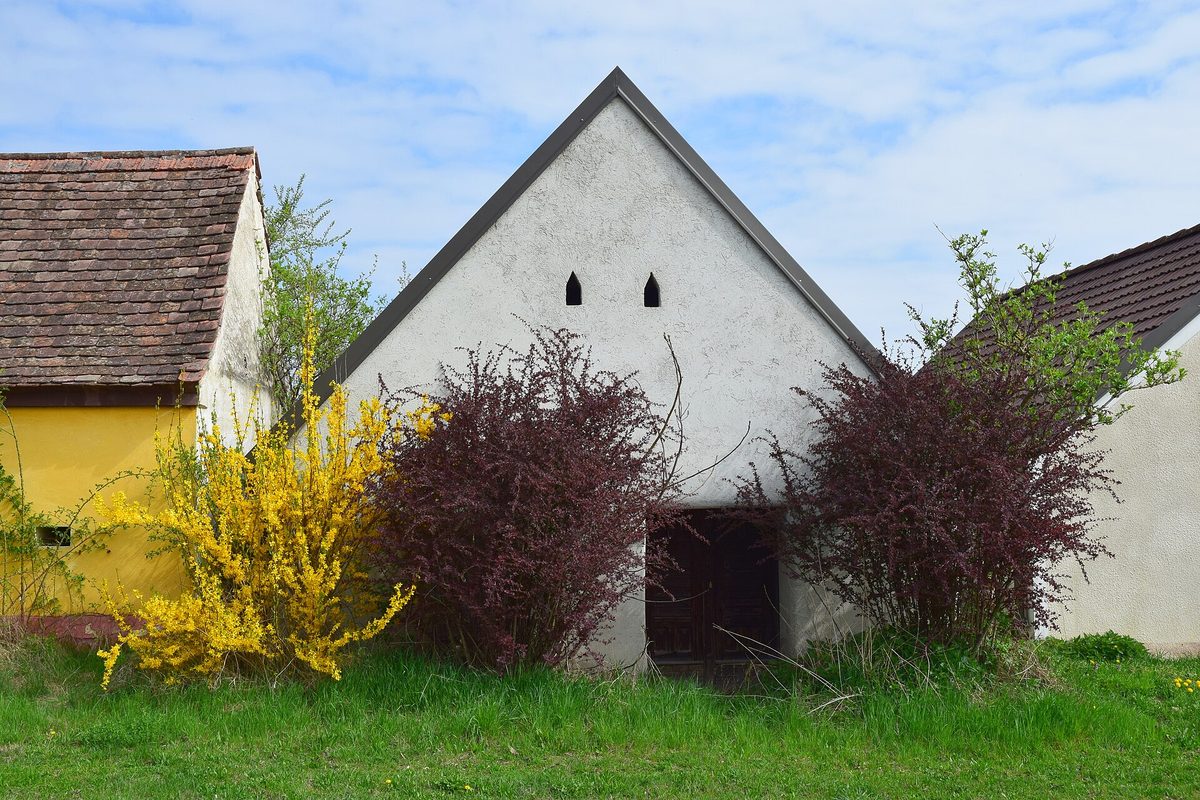
Common Lilac
Syringa vulgaris
Zones 3a–7a · 8–15 ft (2.44–4.57 m) · Full sun and part shade (full sun preferred)
-
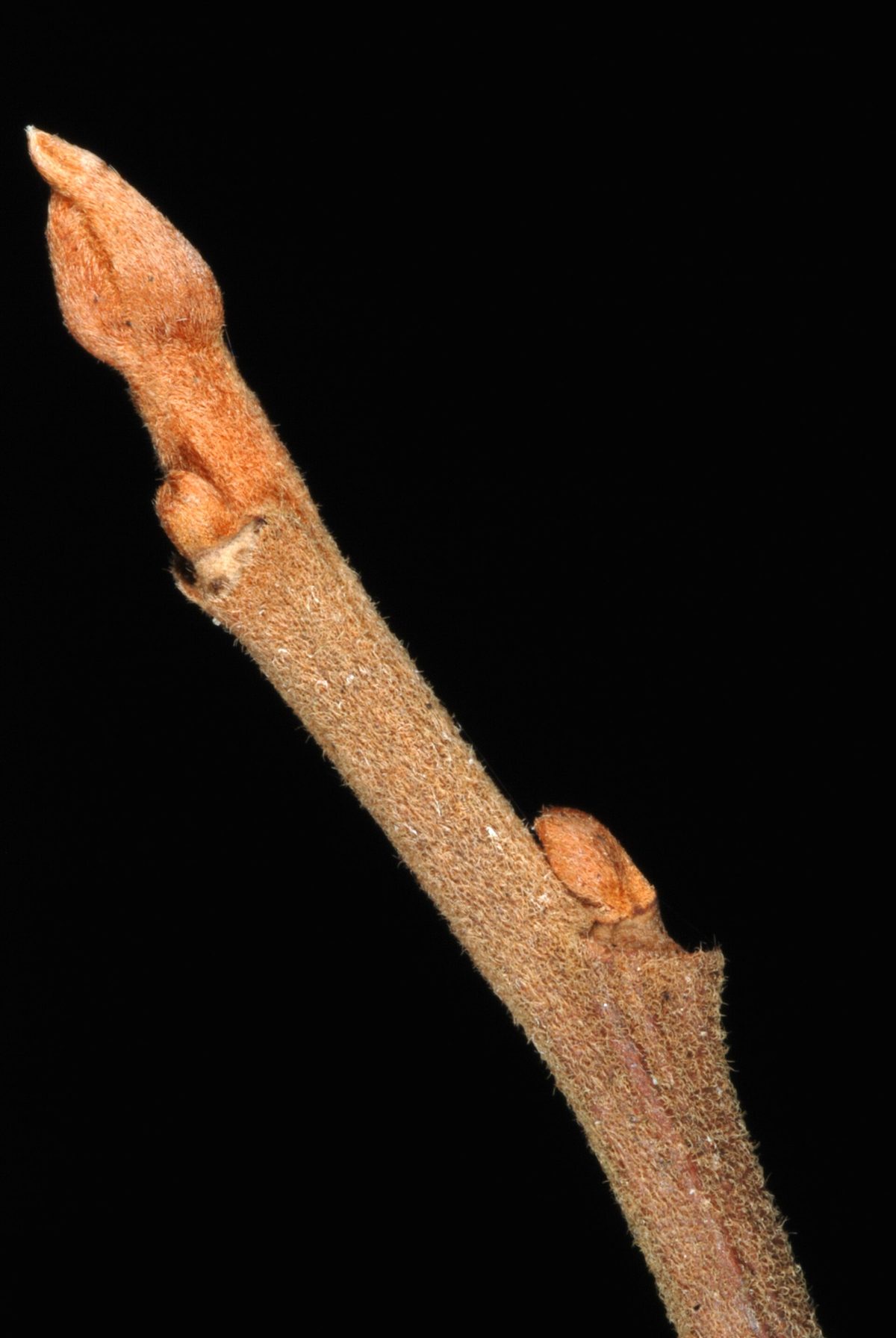
Atlantic Poison Oak
Toxicodendron pubescens
Zones 5a–9b · 2–4 ft (0.61–1.22 m) · Full sun and part shade (full sun preferred)
-
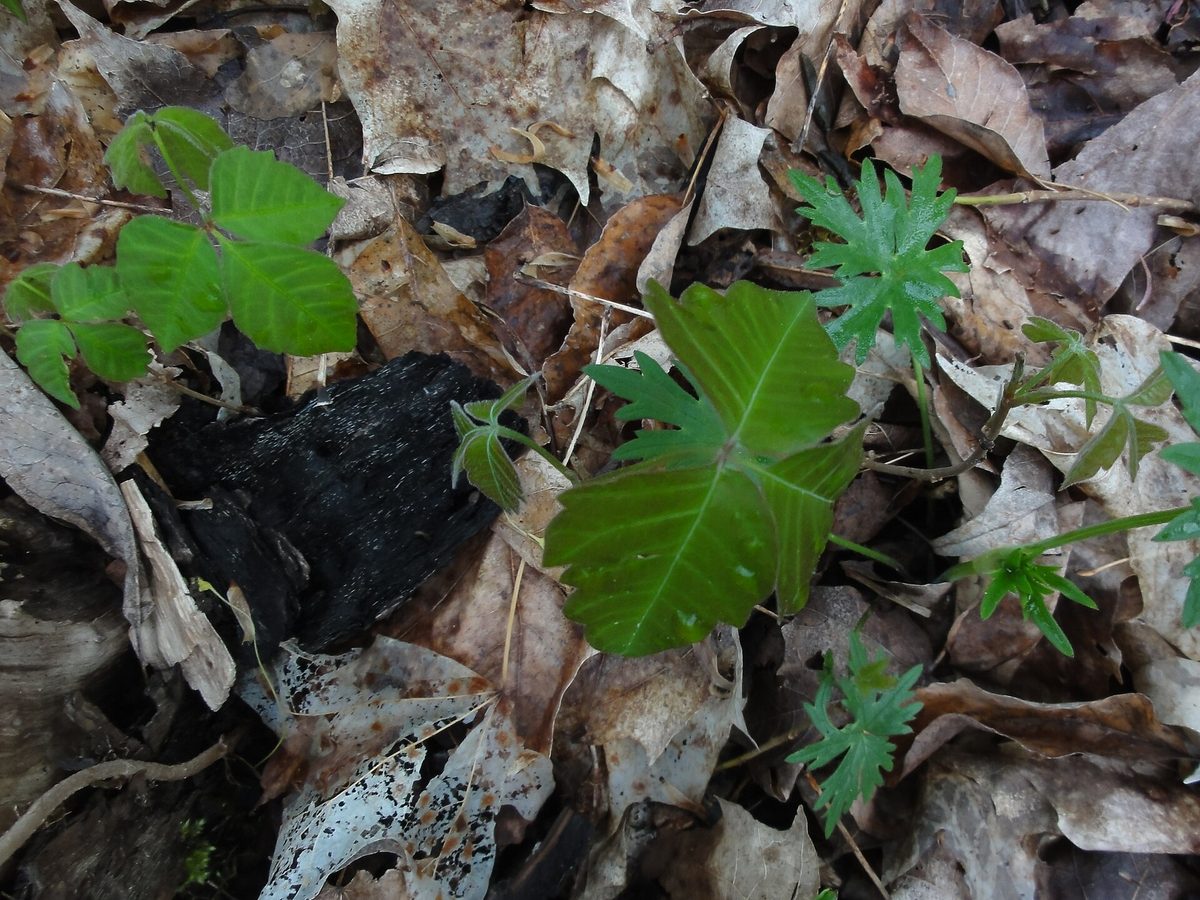
Eastern Poison Ivy
Toxicodendron radicans
Zones 4a–10b · 1–150 ft (0.3–45.72 m) · Full sun, part shade and full shade (full sun preferred)
-
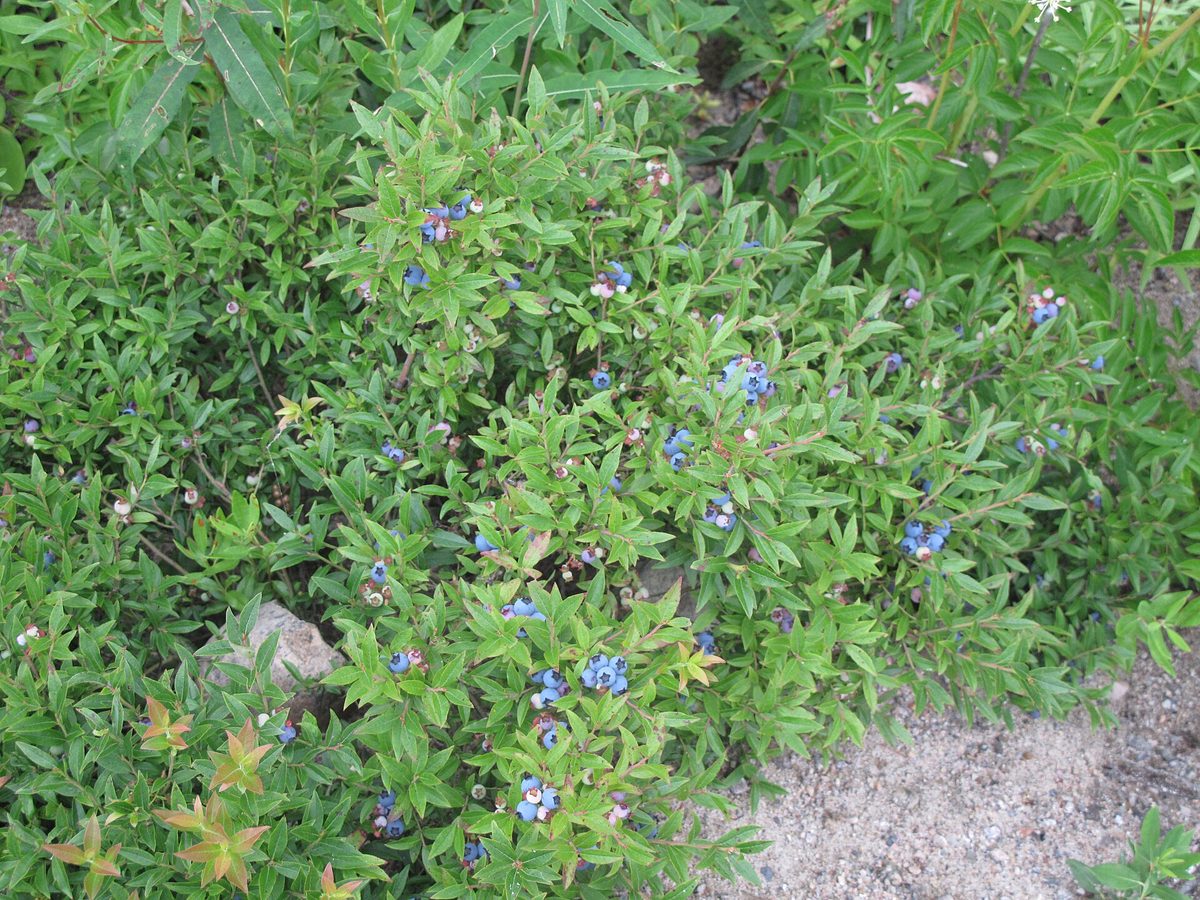
Lowbush Blueberry
Vaccinium angustifolium
Zones 2a–8b · 0.5–2 ft (0.15–0.61 m) · Full sun, part shade and full shade (full sun preferred)
-
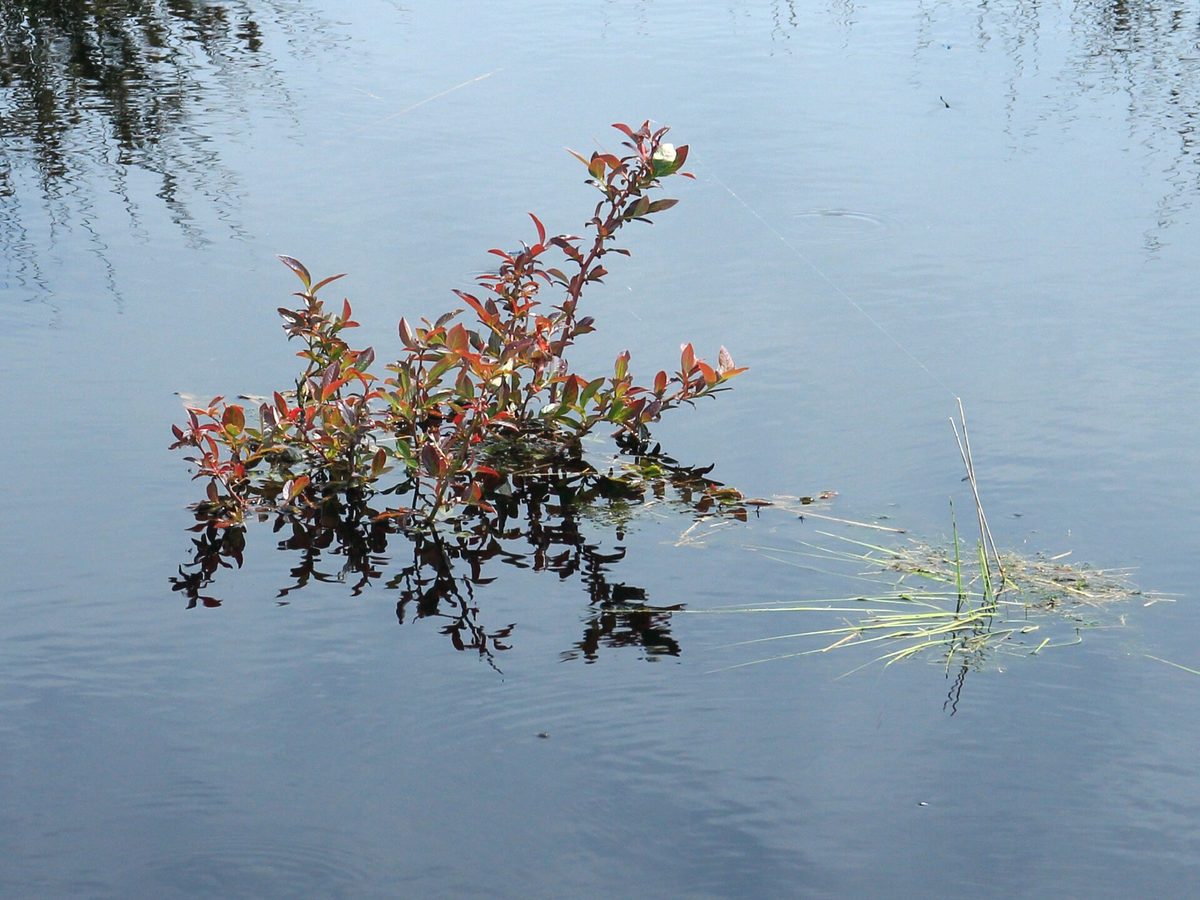
Highbush Blueberry
Vaccinium corymbosum
Zones 3a–8b · 6–12 ft (1.83–3.66 m) · Full sun and part shade (full sun preferred)
-
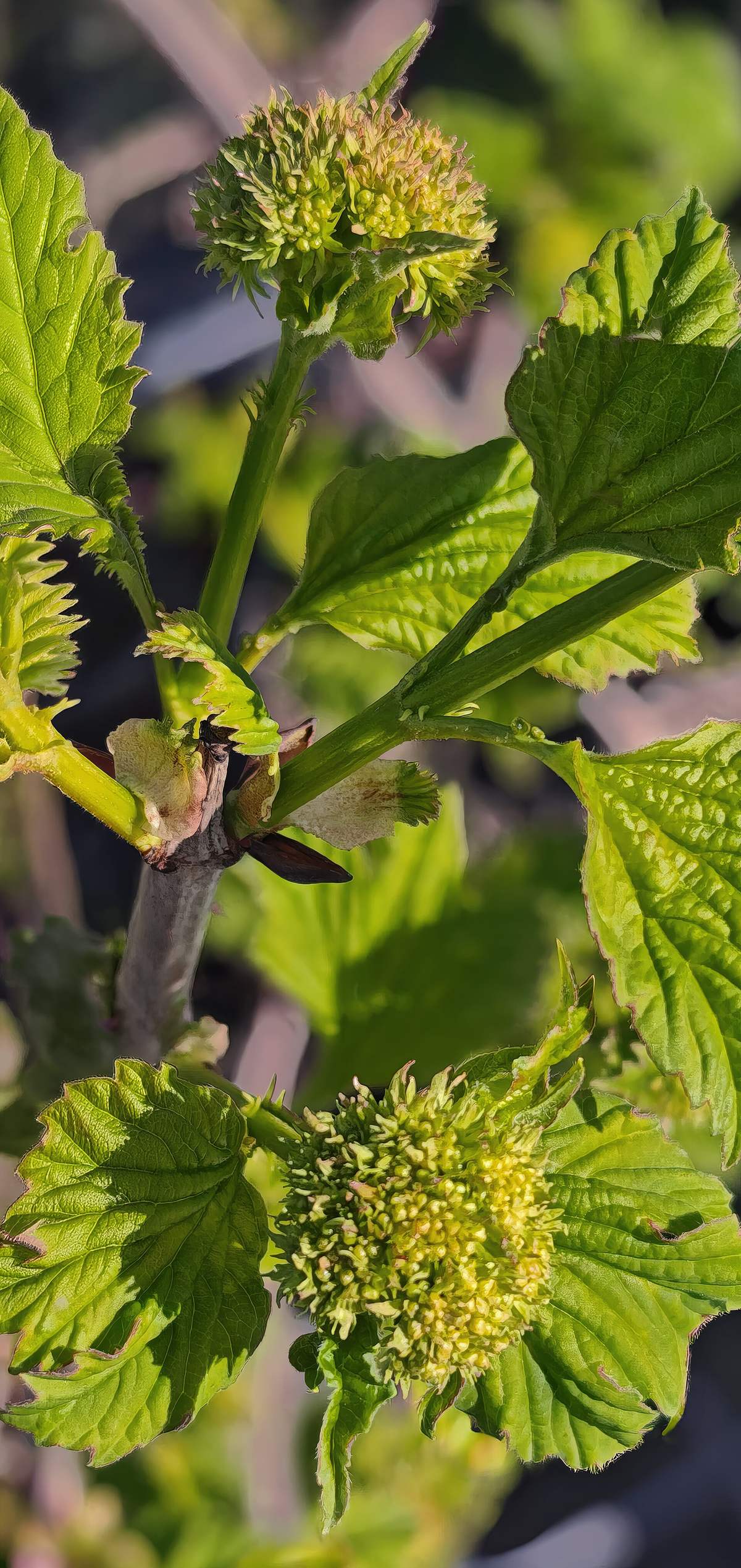
European Cranberrybush
Viburnum opulus
Zones 2a–8b · 10–16 ft (3.05–4.88 m) · Full sun and part shade (full sun preferred)
How we chose
A shrub, and hardy through at least zone 6a according to the cited sources
Photo credits
- Silktree photo by Wikimedia Commons contributor, CC BY-SA 4.0 via Wikimedia Commons
- Kinnikinnick photo by Robert Flogaus-Faust, CC BY 4.0 via Wikimedia Commons
- Black Chokeberry photo by Wikimedia Commons contributor, CC BY-SA 4.0 via Wikimedia Commons
- Pawpaw photo by Plant Image Library from Boston, USA, CC BY-SA 2.0 via Wikimedia Commons
- Hollyleaved Barberry photo by Jason Hollinger, CC BY 2.0 via Wikimedia Commons
- Japanese Barberry photo by Famartin, CC BY-SA 4.0 via Wikimedia Commons
- Common Barberry photo by Wikimedia Commons contributor, CC BY-SA 4.0 via Wikimedia Commons
- Orange Eye Butterflybush photo by Wikimedia Commons contributor, CC BY-SA 3.0 via Wikimedia Commons
- Boxwood photo by Didier Descouens, CC BY-SA 4.0 via Wikimedia Commons
- American Beautyberry photo by Bailey Duncan, CC BY-SA 4.0 via Wikimedia Commons
- Tea photo by Wikimedia Commons contributor, CC BY-SA 4.0 via Wikimedia Commons
- Common Buttonbush photo by Wikimedia Commons contributor, CC BY-SA 4.0 via Wikimedia Commons
- Judas-tree photo by Eiku, CC BY-SA 4.0 via Wikimedia Commons
- Flowering Dogwood photo by Plant Image Library from Boston, USA, CC BY-SA 2.0 via Wikimedia Commons
- Bloodtwig Dogwood photo by Didier Descouens, CC BY-SA 4.0 via Wikimedia Commons
- Redosier Dogwood photo by Bill Cook, Michigan State University, Bugwood.org, CC BY 3.0 via Wikimedia Commons
- Common Filbert photo by Hladac, CC BY-SA 4.0 via Wikimedia Commons
- European Smoketree photo by Didier Descouens, CC BY-SA 4.0 via Wikimedia Commons
- Sweetwilliam photo by Sabina Bajracharya, CC BY-SA 4.0 via Wikimedia Commons
- Carnation photo by Didier Descouens, CC BY-SA 4.0 via Wikimedia Commons
- Russian Olive photo by ElenaLitera, CC BY-SA 4.0 via Wikimedia Commons
- Autumn Olive photo by R. A. Nonenmacher, CC BY-SA 4.0 via Wikimedia Commons
- Burningbush photo by USDA Natural Resources Conservation Service (NRCS), Public domain via Wikimedia Commons
- Winter Creeper photo by The Cosmonaut, CC BY-SA 2.5 via Wikimedia Commons
- Japanese Spindletree photo by Abdul Hanif Arromy, CC BY 4.0 via Wikimedia Commons
- Glossy Buckthorn photo by Olivier Pichard, CC BY-SA 3.0 via Wikimedia Commons
- Eastern Teaberry photo by Hedwig Storch, CC BY-SA 3.0 via Wikimedia Commons
- Salal photo by Trougnouf, CC BY 4.0 via Wikimedia Commons
- Rose of Sharon photo by Chrumps, CC BY-SA 2.5 via Wikimedia Commons
- Wild Hydrangea photo by Wikimedia Commons contributor, CC BY-SA 4.0 via Wikimedia Commons
- French Hydrangea photo by Didier Descouens, CC BY-SA 4.0 via Wikimedia Commons
- Panicled Hydrangea photo by Agnes Monkelbaan, CC BY-SA 4.0 via Wikimedia Commons
- Sweet-amber photo by Dominicus Johannes Bergsma., CC BY-SA 4.0 via Wikimedia Commons
- Common St. Johnswort photo by Bff, CC BY-SA 4.0 via Wikimedia Commons
- Mountain Laurel photo by Juliancolton, CC BY-SA 4.0 via Wikimedia Commons
- English Lavender photo by Didier Descouens, CC BY-SA 4.0 via Wikimedia Commons
- Sweetberry Honeysuckle photo by WildBoar, Public domain via Wikimedia Commons
- Amur Honeysuckle photo by Taken by Fanghong, CC BY 2.5 via Wikimedia Commons
- Creeping Jenny photo by Bff, CC BY-SA 4.0 via Wikimedia Commons
- Portugal Laurel photo by Frank Vincentz, CC BY-SA 3.0 via Wikimedia Commons
- Common Buckthorn photo by Ryan Hodnett, CC BY-SA 4.0 via Wikimedia Commons
- Chinese Rose photo by Didier Descouens, CC BY-SA 4.0 via Wikimedia Commons
- Sweetbriar Rose photo by Dontreya, CC BY-SA 4.0 via Wikimedia Commons
- Rugosa Rose photo by Jiròni B., CC0 via Wikimedia Commons
- American Red Raspberry photo by Didier Descouens, CC BY-SA 4.0 via Wikimedia Commons
- Wine Raspberry photo by Frank Vincentz, CC BY-SA 3.0 via Wikimedia Commons
- Salmonberry photo by Alex Abair, CC BY 4.0 via Wikimedia Commons
- Common Rue photo by Jörg Hempel, CC BY-SA 3.0 via Wikimedia Commons
- Kitchen Sage photo by Flocci Nivis, CC BY 4.0 via Wikimedia Commons
- Russian Sage photo by Khanasif36, CC BY-SA 4.0 via Wikimedia Commons
- American Black Elderberry photo by Wikimedia Commons contributor, CC BY-SA 4.0 via Wikimedia Commons
- Black Elderberry photo by T. Kebert, CC BY-SA 4.0 via Wikimedia Commons
- Red Elderberry photo by Bff, CC BY-SA 3.0 via Wikimedia Commons
- Climbing Nightshade photo by Gennady Grachev from Moscow, Russia, CC BY 2.0 via Wikimedia Commons
- Japanese Meadowsweet photo by Аимаина хикари, CC BY-SA 4.0 via Wikimedia Commons
- Woolly Hedgenettle photo by PumpkinSky, CC BY-SA 4.0 via Wikimedia Commons
- Common Snowberry photo by Didier Descouens, CC BY-SA 4.0 via Wikimedia Commons
- Common Lilac photo by Kellergassen, CC BY-SA 4.0 via Wikimedia Commons
- Atlantic Poison Oak photo by DouglasGoldman, CC BY-SA 4.0 via Wikimedia Commons
- Eastern Poison Ivy photo by R. A. Nonenmacher, CC BY-SA 4.0 via Wikimedia Commons
- Lowbush Blueberry photo by Wikimedia Commons contributor, CC BY-SA 4.0 via Wikimedia Commons
- Highbush Blueberry photo by Dominicus Johannes Bergsma, CC BY-SA 3.0 via Wikimedia Commons
- European Cranberrybush photo by Didier Descouens, CC BY-SA 4.0 via Wikimedia Commons


How this page was made
- Written with AI assistance from the sources listed on this page. AI is never the source of a fact.