Common Barberry (Berberis vulgaris)
Formerly Berberis hispanica, Berberis dentata, Berberis australis
Common barberry prefers full sun. It is a deciduous shrub. It can reach 9.8–13 ft (3–3.96 m) tall. Its yellow flowers appear in late spring to early summer. It is listed for USDA zones 3a to 7b. Part shade and full shade are also on its light list. Watering needs and pet toxicity for cats and dogs are not documented here.
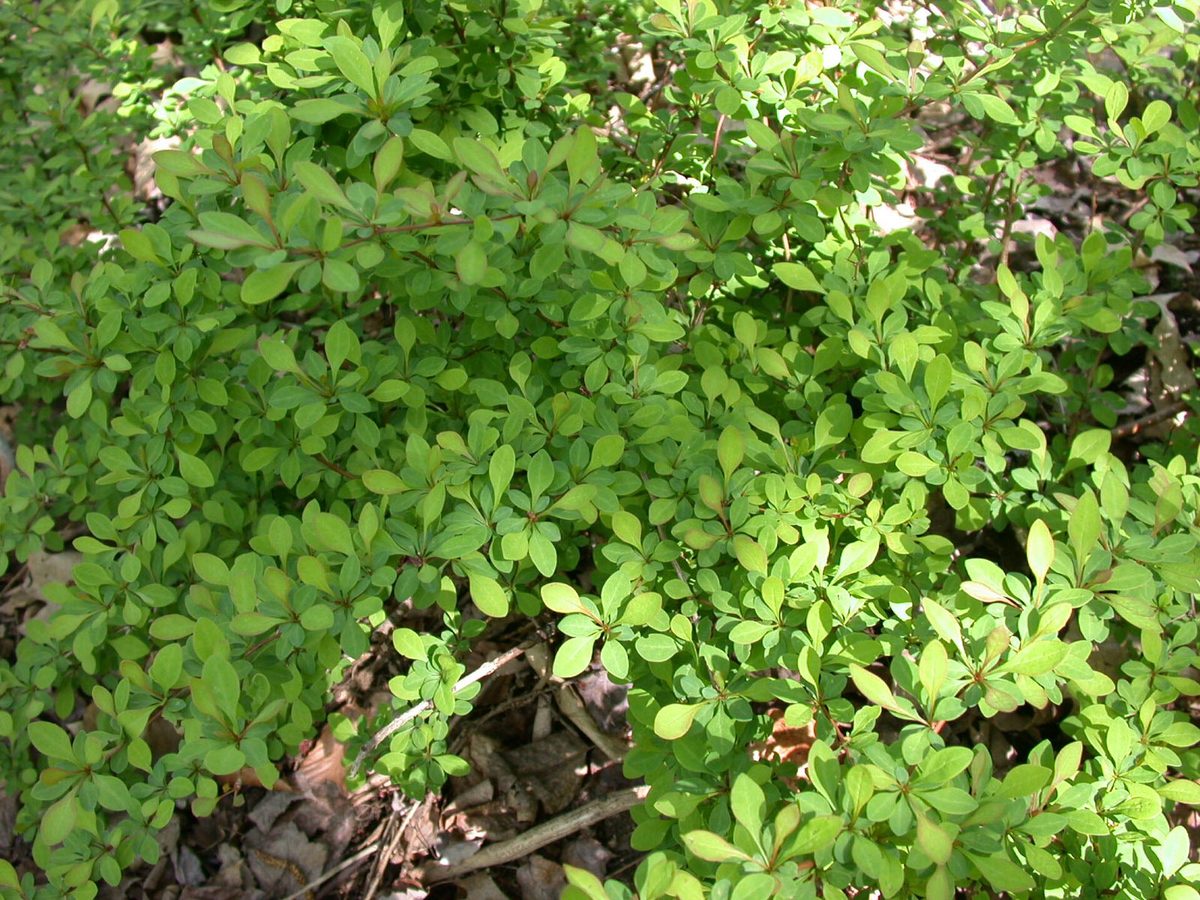
Photo: Wikimedia Commons contributor, CC BY-SA 4.0 via Wikimedia Commons

Quick facts
| Light: | Full sun, part shade and full shade (full sun preferred)11 source |
|---|---|
| Soil: | Well drained, moist and occasionally dry11 source |
| Hardiness: | Zones 3a–7b11 source |
| Size: | 9.8–13 ft (3–3.96 m)24 |
| Growth rate: | Moderate11 source |
| Bloom: | May–Jun, Yellow11 source |
| Cats: | Not documented by major sources |
| Dogs: | Not documented by major sources |
| Native range: | ALB, ALG, AUT, BGM, BLR, BLT, BUL, COR, CZE, FRA, GER, GRC, HUN, IRN, ITA, KRY, MOR, NCS, POL, ROM, RUC, RUE, RUS, RUW, SAR, SIC, SPA, SWI, TCS, TUR, UKR, UZB, YUG5 |
| Family: | Berberidaceae |
How much light does a Common Barberry need?
Common barberry prefers full sun, which the source describes as 6 or more hours of direct sunlight a day. The listed range also includes part shade and full shade. Full sun is the preferred condition on that list. The light entry has three values: full sun, part shade and full shade.
- Light: Full sun, part shade and full shade (full sun preferred)1
Best soil for a Common Barberry
Common barberry is recorded in soil that is well drained, moist or occasionally dry. The source for this entry lists good drainage. Well drained soil is the first condition on that list. Moist soil is the second. Occasionally dry soil is the third. No cited source records a soil pH range for this shrub, so that value is not documented here. The list covers soil from moist to occasionally dry.
- Soil drainage: Well drained, moist and occasionally dry1
Hardiness and temperature
Common barberry is listed for USDA hardiness zones 3a to 7b. The source names each half-zone step: 3a, 3b, 4a, 4b, 5a, 5b, 6a, 6b, 7a and 7b. That range spans ten half-zone steps. Zone 3a is the coldest end of the range, and zone 7b is the warmest. The shrub is deciduous, and one source says it is in leaf from early spring to late fall. No cited source records a minimum temperature, so that figure is not documented here. The listing does not extend to zone 8 or warmer.
- Hardiness: Zones 3a–7b1
How to plant a Common Barberry
Check that your garden falls in USDA zones 3a to 7b, the range listed for common barberry. It is a deciduous shrub with a moderate growth rate. Expect a mature height of 9.8–13 ft (3–3.96 m). Full sun is the preferred light condition. The tiny yellow flowers appear in late spring to early summer and have an unpleasant odor. Its recorded native range includes France, Italy, Spain and Turkey. In the lower 48 US states its native status is introduced.
- Hardiness: Zones 3a–7b1
Winter care
Winter care starts with your zone, and the shrub is listed for zones 3a to 7b. Gardens in zone 8 or warmer fall outside that listed range. Zone 3a is the coldest zone named. Zone 7b is the warmest. Common barberry is deciduous. One source puts it in leaf from early spring to late fall. No cited source gives a minimum temperature or any winter protection steps, so those are not documented.
- Hardiness: Zones 3a–7b1
How to propagate a Common Barberry
Common barberry can be propagated by seed, division, stem cuttings or layering. One source says the plant reproduces by seed and from rhizomes that are detached from the parent plant. Seed is the first method on the list. The seeds ripen in the fall. Division is also named. Stem cuttings and layering are the other two methods listed. Steps and timing for each method are not documented here.
Common problems
Recorded pests include eastern tent caterpillar, Malacosoma parallela, whitemarked tussock moth, white peach scale and Indian wax scale. Eastern tent caterpillar is the first pest on that list. Recorded diseases are stem rust, Phytophthora kernoviae and cotton root rot. Stem rust is the first disease on that list. One source states that the shrub is a host plant for wheat rust.
| Problem | Kind |
|---|---|
| Eastern tent caterpillar | Pest |
| Malacosoma parallela | Pest |
| Whitemarked tussock moth | Pest |
| White peach scale | Pest |
| Indian wax scale | Pest |
| Stem rust | Disease |
| Phytophthora kernoviae | Disease |
| Cotton root rot | Disease |
Is Common Barberry toxic to cats and dogs?
Recommended supplies
- Soil: a free-draining mix, and a pot with a drainage hole.
Questions and answers
- How much sun does common barberry need?
- It prefers full sun, described as 6 or more hours of direct sunlight a day. The listing also includes part shade and full shade. No source here describes how the shrub performs in shade. Full sun remains the preferred condition.
- How tall does common barberry get?
- Sources give a mature height of 9.8–13 ft (3–3.96 m). It is a deciduous shrub with a moderate growth rate. One source says it may reach 10 feet (3 m) tall, and another says it can reach 13 feet.
- Which USDA zones suit common barberry?
- It is listed for USDA hardiness zones 3a to 7b. Zone 3a is the coldest zone in that range, and zone 7b is the warmest. In the lower 48 US states its native status is introduced.
Sources
- NC State Extension. https://plants.ces.ncsu.edu/plants/berberis-vulgaris/. Accessed 14 October 2026.
- USDA Forest Service Fire Effects Information System. https://www.fs.usda.gov/database/feis/plants/shrub/bervul/all.html. Accessed 14 October 2026.
- EPPO Global Database. https://gd.eppo.int/taxon/BEBVU/pests. Accessed 14 October 2026.
- University of Minnesota Extension. https://extension.umn.edu/natural-resources/forestry-and-wildlife/invasive-species/common-barberry. Accessed 14 October 2026.
- Royal Botanic Gardens, Kew (World Checklist of Vascular Plants). https://sftp.kew.org/pub/data-repositories/WCVP/wcvp.zip. Accessed 4 June 2026.
How this page was made
- Written with AI assistance from the sources listed on this page. AI is never the source of a fact.