Common Snowberry (Symphoricarpos albus)
Formerly Symphoricarpos racemosus, Symphoria albus, Vaccinium album
Common snowberry grows best outdoors in full sun. It also tolerates part shade. Full sun is its preferred exposure of the two. This shrub needs medium water outdoors. That medium rating is neither high nor low. No other water-use level is documented for it. No cited source lists this plant's toxicity to cats or dogs, so its pet-safety status isn't documented for either animal.
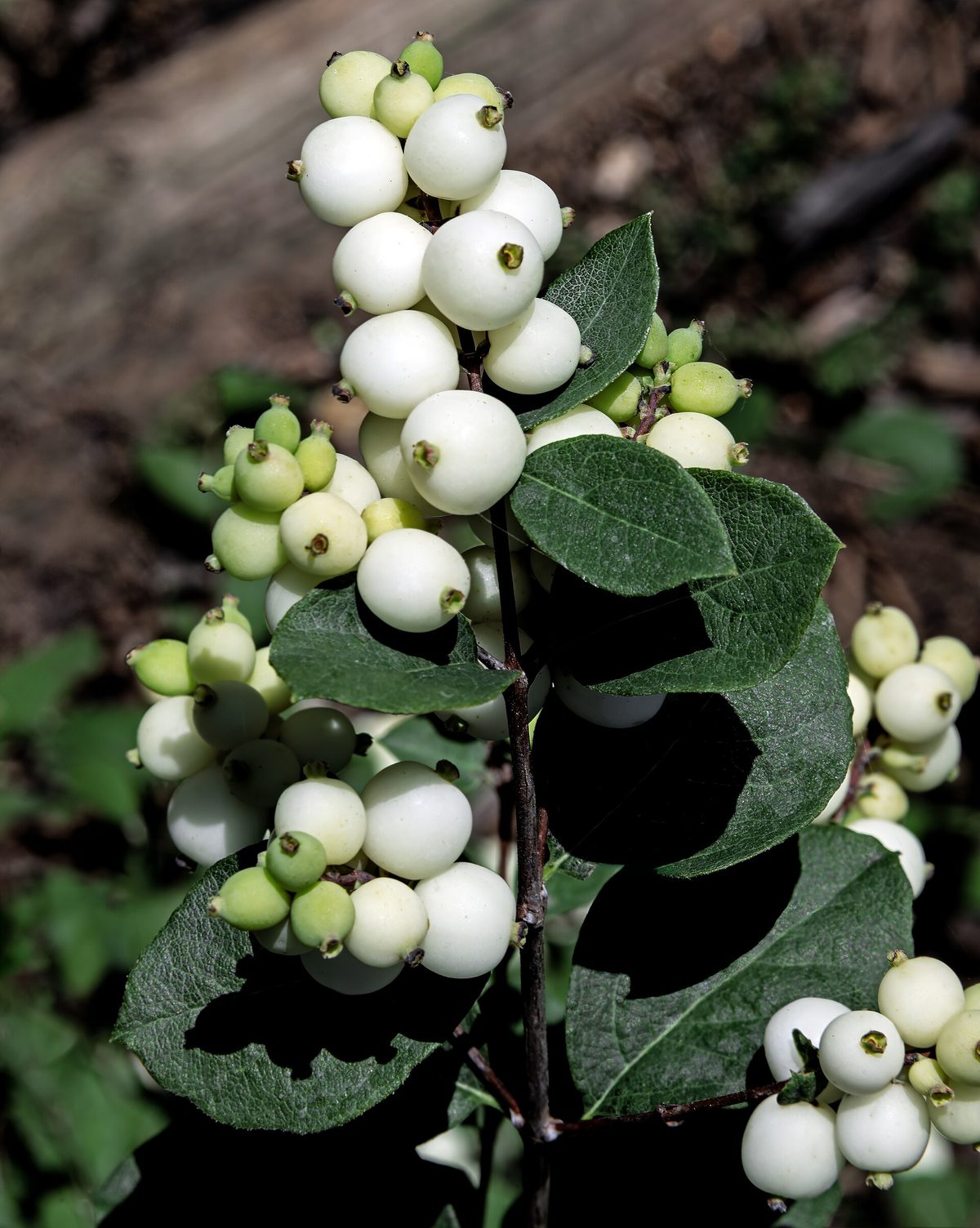
Photo: Didier Descouens, CC BY-SA 4.0 via Wikimedia Commons

Quick facts
| Light: | Full sun and part shade (full sun preferred)11 source |
|---|---|
| Water: | Medium21 source |
| Soil: | Well drained, moist, occasionally dry and occasionally wet; pH 6–8341 source |
| Hardiness: | Zones 3a–7b41 source |
| Size: | 3–6 ft (0.91–1.83 m) × 3–6 ft (0.91–1.83 m)41 source |
| Growth rate: | Rapid41 source |
| Bloom: | Jun–Jul, White and pink21 source |
| Cats: | Not documented by major sources |
| Dogs: | Not documented by major sources |
| Family: | Caprifoliaceae |
How much light does a Common Snowberry need?
Full sun is the outdoor exposure common snowberry prefers most. It also tolerates part shade as a second option listed for it. Between the two, full sun is the exposure this shrub is documented to prefer. Part shade still falls within the light range documented as acceptable for this plant outdoors.
- Light: Full sun and part shade (full sun preferred)1
How often to water a Common Snowberry
A medium water need is documented for common snowberry outdoors. That rating falls at the midpoint of the water-use scale, not at its low or high end. No other water-use level is listed for this shrub outdoors. This medium rating is the only water requirement documented for common snowberry.
- Water: Medium2
Best soil for a Common Snowberry
Soil pH between 6 and 8 suits common snowberry outdoors, a range described as neutral. This band runs from 6 at the low end to 8 at the high end. A pH anywhere in that window is within what this shrub is documented to handle.
Hardiness and temperature
USDA zones 3a through 7b are where common snowberry is hardy outdoors. That span covers a wide range of climates, from the cold end at zone 3a to the milder end at zone 7b. Gardeners anywhere within that span can plant it outdoors and expect it to survive the local winter. No part of that zone range falls outside what this shrub is documented to handle outdoors.
- Hardiness: Zones 3a–7b4
How to plant a Common Snowberry
Plant common snowberry within USDA zones 3a through 7b, where it is hardy enough for a permanent planting outdoors. At maturity it reaches 3-6 ft (0.91-1.83 m) tall and spreads about the same distance wide, so give each plant that much room on all sides.
- Hardiness: Zones 3a–7b4
Winter care
Zone 3a marks the coldest point in common snowberry's documented hardiness range. In milder zones up to 7b, the cold typical of winter there falls within the range this shrub can handle. That cold-to-mild span of zones is what defines where common snowberry can be planted outdoors for winter survival. This hardiness rating covers the shrub when it is planted directly in outdoor garden soil.
- Hardiness: Zones 3a–7b4
How to propagate a Common Snowberry
Seed, stem cuttings and division are the three propagation methods documented for common snowberry outdoors. Seeds sown in fall need warm stratification, held at about 80°F (27°C) for 90 to 120 days. Stem cuttings and division are the two other methods listed for starting new plants of this shrub outdoors.
- Propagation: Seed, stem cuttings and division2
Common problems
Leaf spot, rust, powdery mildew and berry rot are disease problems documented for common snowberry, though described as uncommon on this shrub. Leaf spot affects the leaves and berry rot affects the fruit, while rust and powdery mildew are the other two problems listed. These four problems are the only disease issues documented for this shrub.
- Common diseases: leaf spot, rust, powdery mildew and berry rot4
| Problem | Kind |
|---|---|
| Leaf spot | Disease |
| Rust | Disease |
| Powdery mildew | Disease |
| Berry rot | Disease |
Is Common Snowberry toxic to cats and dogs?
Recommended supplies
- Soil: a free-draining mix, and a pot with a drainage hole.
Questions and answers
- What color are common snowberry's flowers?
- Common snowberry produces flowers in white and pink. Both colors are documented for this shrub, with no single shade reported as the only one it produces. White and pink are the two bloom colors recorded for this species.
- When does common snowberry bloom?
- Common snowberry blooms from June to July. That is the flowering window documented for this shrub outdoors. Outside of that two-month span, no bloom time is documented for it. June and July together make up the full bloom period recorded for this plant.
- How fast does common snowberry grow?
- Common snowberry has a rapid growth rate. That rapid pace is the growth rate documented for this shrub outdoors. It is not classified as slow or moderate growing, only as rapid. Rapid is the single growth-rate value listed for common snowberry outdoors.
Sources
- University of Minnesota Extension. https://extension.umn.edu/garden-and-home/yard-and-garden/gardening-in-minnesota/gardening-in-the-shade. Accessed 15 November 2026.
- Lady Bird Johnson Wildflower Center. https://www.wildflower.org/plants/result.php?id_plant=syal. Accessed 15 November 2026.
- USDA Forest Service Fire Effects Information System. https://www.fs.usda.gov/database/feis/plants/shrub/symalb/all.html. Accessed 15 November 2026.
- NC State Extension Gardener Plant Toolbox. https://plants.ces.ncsu.edu/plants/symphoricarpos-albus/. Accessed 15 November 2026.
How this page was made
- Written with AI assistance from the sources listed on this page. AI is never the source of a fact.