Perennials for zone 10
USDA zone 10 is one band on a national map of average annual minimum winter temperatures. Each zone covers its own ten-degree slice of that scale, and zone 10 sits among the warmer slices on the chart. The number tells you only how cold a typical winter night gets in an average year. It says nothing about summer heat, rainfall, humidity, or the soil in your own yard. Two zone 10 gardens can share the same winter low and still differ in every other way. That makes a zone number a starting filter, not a full answer. It tells you whether a perennial can survive your coldest nights, not whether your garden suits it. This page gathers 29 perennials grouped for gardeners in zone 10. A perennial is expected to return year after year once it is planted, rather than finishing its life in one season. Each plant listed here has been matched to this zone's winter range. Check its own page for the details a zone number cannot carry, such as light, water, spacing, and care. Local shelter from wind, a nearby wall, or a low spot that collects cold air can all shift what actually survives in your yard. Treat zone 10 as the first check for this list, and confirm the rest against the conditions right outside your door.
Compared side by side
| Plant | Hardiness | Height | Light | Cats | Dogs |
|---|---|---|---|---|---|
| Bear's BreechAcanthus mollis | Zones 7a–10b | 4–6 ft (1.22–1.83 m) | Full sun and part shade (full sun preferred) | Not documented | Not documented |
| CalamusAcorus calamus | Zones 4a–10b | 2–2.5 ft (0.61–0.76 m) | Full sun and part shade (full sun preferred) | Not documented | Not documented |
| Devil's TongueAmorphophallus konjac | Zones 6a–11b | 4–6 ft (1.22–1.83 m) | Part shade, full sun and full shade (part shade preferred) | Not documented | Not documented |
| Garden SnapdragonAntirrhinum majus | Zones 7a–10b | 0.5–3 ft (0.15–0.91 m) | Full sun and part shade (full sun preferred) | Non-toxic | Non-toxic |
| IndianhempApocynum cannabinum | Zones 3a–11b | 3–4 ft (0.91–1.22 m) | Full sun and part shade (full sun preferred) | Toxic (1 source) | Toxic |
| Greater BurdockArctium lappa | Zones 3a–10b | 2–10 ft (0.61–3.05 m) | Full sun and part shade (full sun preferred) | Not documented | Not documented |
| Common Asparagus FernAsparagus setaceus | Zones 9a–12b | 2–3 ft (0.61–0.91 m) | Part shade and full shade (part shade preferred) | Toxic (1 source) | Toxic (1 source) |
| Cast Iron PlantAspidistra elatior | Zones 7a–11b | 1–3 ft (0.3–0.91 m) | Part shade and full shade (part shade preferred) | Non-toxic | Non-toxic |
| Herb of GraceBacopa monnieri | Zones 8a–11b | Not documented | Full sun and part shade (full sun preferred) | Not documented | Not documented |
| Ceylon SpinachBasella alba | Zones 9a–11b | 10 ft (3.05 m) | Full sun and part shade (full sun preferred) | Not documented | Not documented |
| Indian ShotCanna indica | Zones 8a–11b | 1.5–8.2 ft (0.46–2.49 m) | Full sun and part shade (full sun preferred) | Non-toxic | Non-toxic |
| Cayenne PepperCapsicum annuum | Zones 4a–11b | 1–4 ft (0.3–1.22 m) | Full sun | Toxic | Toxic |
| Madagascar PeriwinkleCatharanthus roseus | Zones 9b–11b | 0.5–1.5 ft (0.15–0.46 m) | Full sun and part shade (full sun preferred) | Toxic (1 source) | Toxic (1 source) |
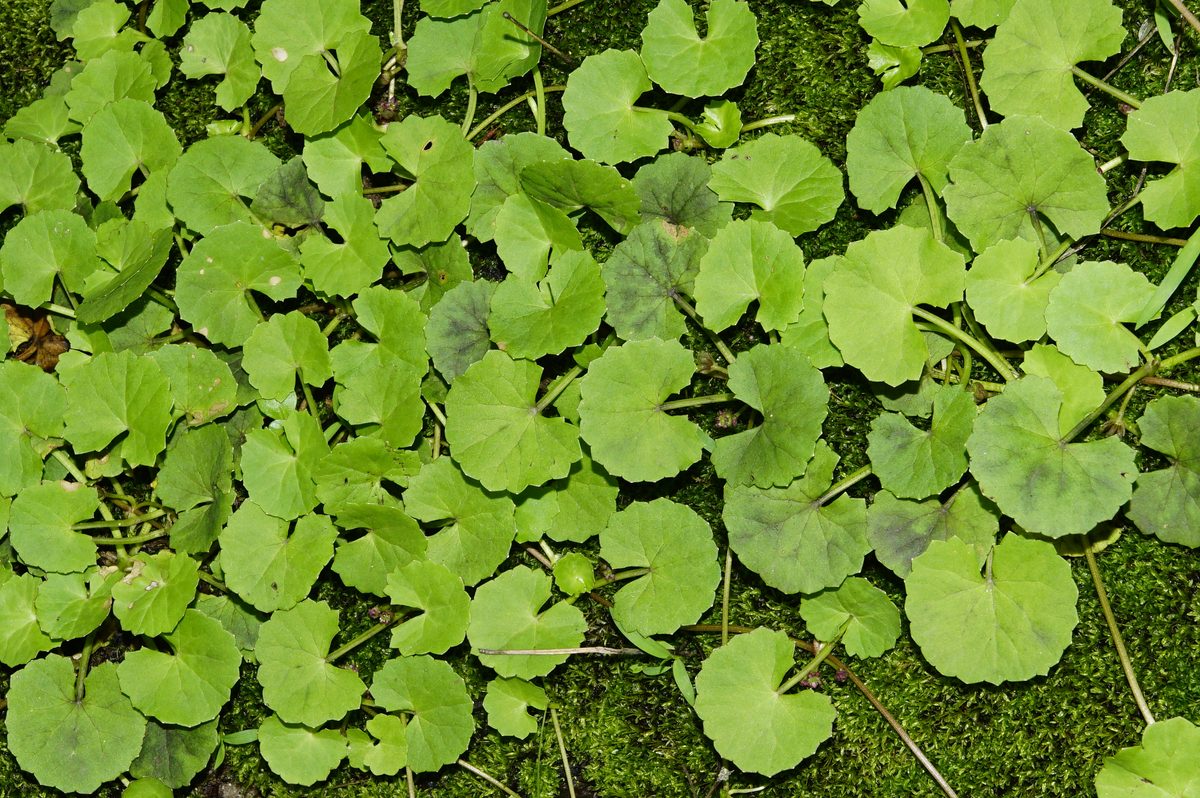
| SpadeleafCentella asiatica | Zones 10a–11b | Not documented | Full sun and part shade (full sun preferred) | Not documented | Not documented |
| Spider PlantChlorophytum comosum | Zones 9a–11b | 1–1.5 ft (0.3–0.46 m) | Part shade and full shade (part shade preferred) | Non-toxic | Non-toxic |
| VetivergrassChrysopogon zizanioides | Zones 8b–10b | Sources differ: University of Florida IFAS Extension (EDIS) | Full sun and part shade (full sun preferred) | Not documented | Not documented |
| Asian PigeonwingsClitoria ternatea | Zones 10a–12b | 3–4 ft (0.91–1.22 m) | Full sun and part shade (full sun preferred) | Not documented | Not documented |
| Mexican MintColeus amboinicus | Zones 9a–11b | 1–3.5 ft (0.3–1.07 m) | Full sun and part shade (full sun preferred) | Toxic (1 source) | Toxic (1 source) |
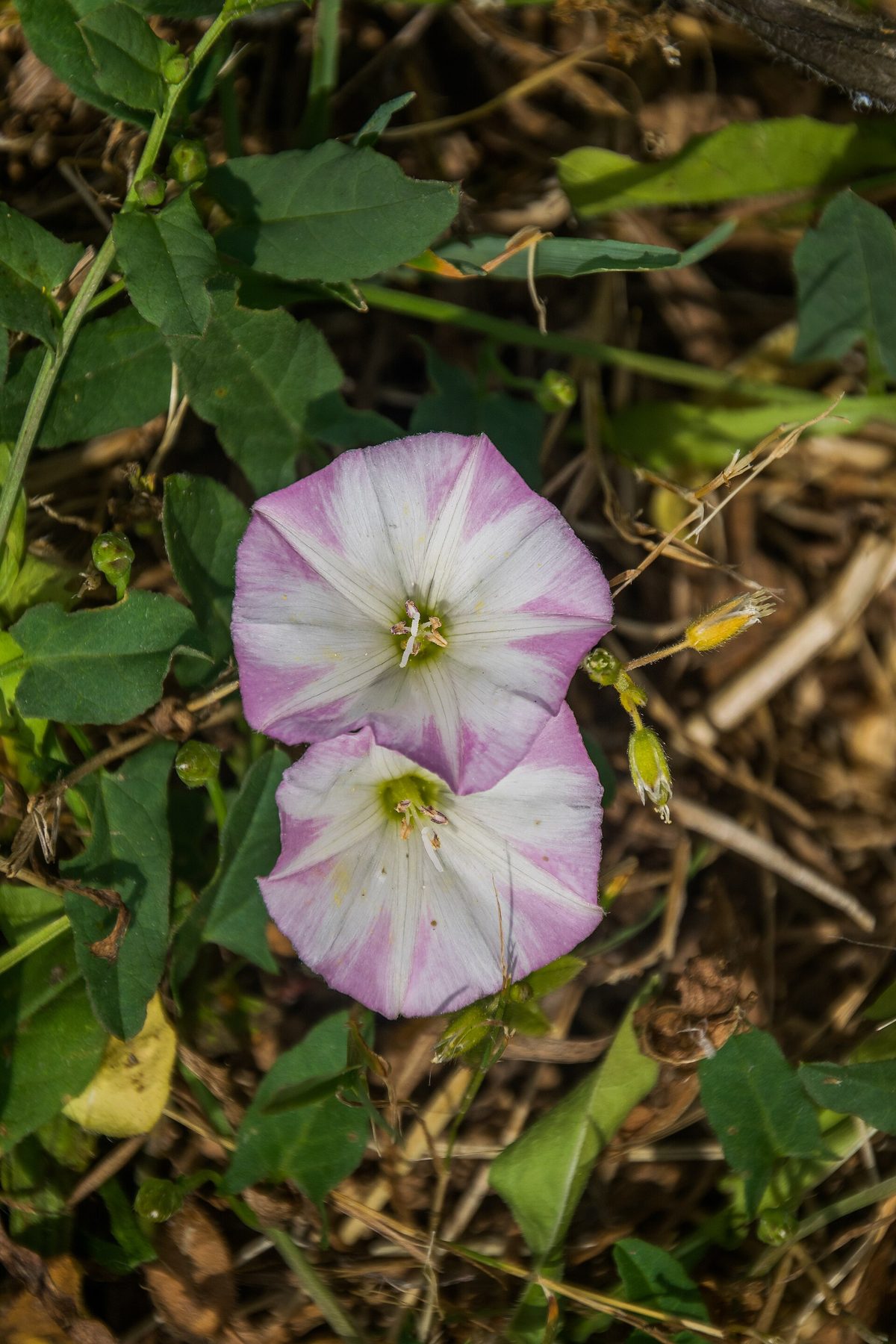
| Field BindweedConvolvulus arvensis | Not documented | Not documented | Full sun and part shade (full sun preferred) | Not documented | Not documented |
| Uruguayan Pampas GrassCortaderia selloana | Zones 6a–10b | 6–12 ft (1.83–3.66 m) | Full sun and part shade (full sun preferred) | Non-toxic | Non-toxic |
| BermudagrassCynodon dactylon | Zones 6a–10b | 0.2–0.5 ft (0.07–0.15 m) | Full sun | Not documented | Not documented |
| PapyrusCyperus papyrus | Zones 9a–12b | 5–8 ft (1.52–2.44 m) | Full sun and part shade (full sun preferred) | Not documented | Not documented |
| Sacred Thorn-appleDatura wrightii | Zones 9a–11b | 6 ft (1.83 m) | Full sun and part shade (full sun preferred) | Toxic (1 source) | Toxic (1 source) |
| Snake PlantDracaena trifasciata | Zones 10a–12b | Not documented | Part shade | Toxic | Toxic |
| PothosEpipremnum aureum | Zones 10a–12b | Sources differ: NC State Extension Gardener Plant Toolbox | Part shade and full shade (part shade preferred) | Toxic | Toxic |
| Ground IvyGlechoma hederacea | Not documented | 0.2–1 ft (0.05–0.3 m) | Full sun, part shade and full shade (full sun preferred) | Not documented | Not documented |
| Common CowparsnipHeracleum maximum | Zones 4a–10a | 3.3–9.8 ft (1–3 m) | Full sun, part shade and full shade (full sun preferred) | Toxic (1 source) | Toxic (1 source) |
| ChameleonHouttuynia cordata | Zones 4a–10b | 0.5–1.7 ft (0.15–0.51 m) | Full sun, part shade and full shade (full sun preferred) | Not documented | Not documented |
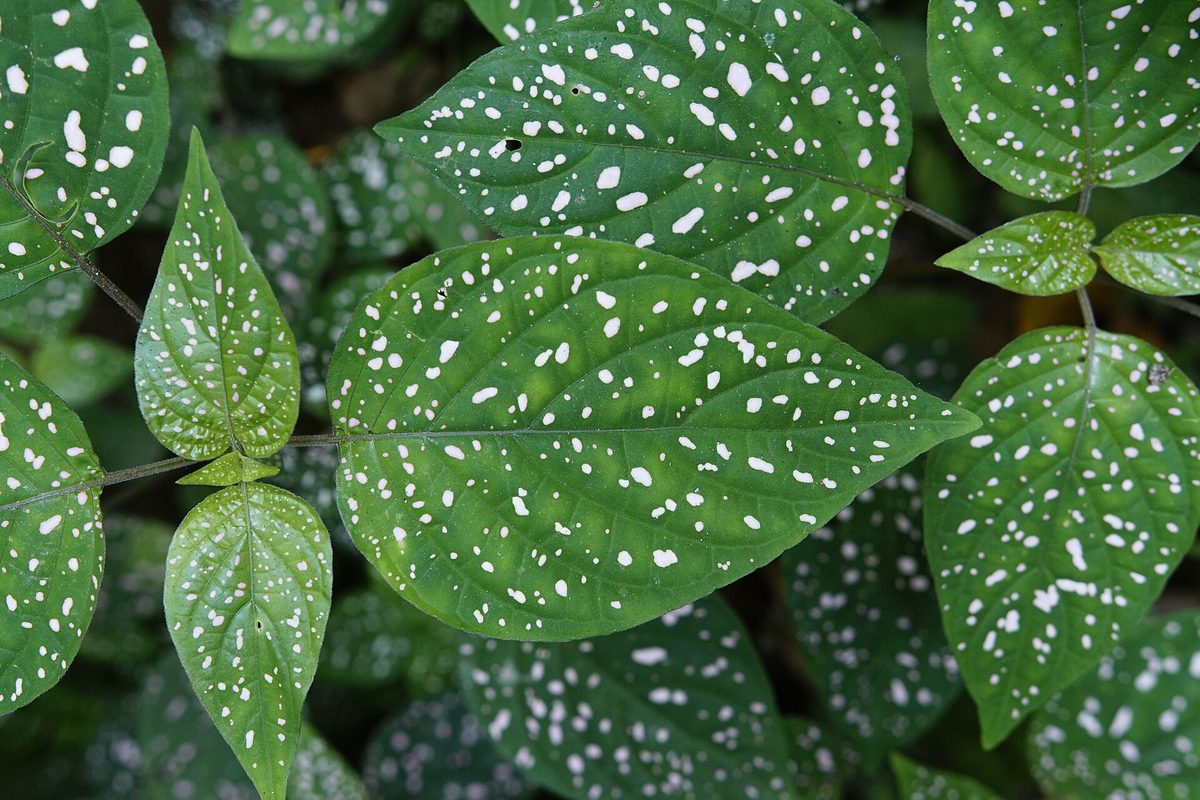
| Polkadot-plantHypoestes phyllostachya | Zones 10a–11b | 1–2 ft (0.3–0.61 m) | Not documented | Non-toxic | Non-toxic |
| Buzzy LizzyImpatiens walleriana | Zones 10a–11b | 0.5–2 ft (0.15–0.61 m) | Part shade and full shade (part shade preferred) | Not documented | Not documented |
| True IndigoIndigofera tinctoria | Zones 10a–12b | 2–3 ft (0.61–0.91 m) | Full sun and part shade (full sun preferred) | Not documented | Not documented |
| Marvel of PeruMirabilis jalapa | Zones 9a–10b | 2–3 ft (0.61–0.91 m) | Full sun and part shade (full sun preferred) | Toxic (1 source) | Toxic (1 source) |
| Adanson's MonsteraMonstera adansonii | Zones 10a–12b | 3–13 ft (0.91–3.96 m) | Part shade | Toxic (1 source) | Toxic (1 source) |
| Edible BananaMusa acuminata | Zones 10a–11b | 8 ft (2.44 m) | Full sun and part shade (full sun preferred) | Non-toxic | Non-toxic |
| Sacred LotusNelumbo nucifera | Zones 4a–10b | 5–8 ft (1.52–2.44 m) | Full sun | Not documented | Not documented |
| Sweet BasilOcimum basilicum | Zones 10a–10b | 2 ft (0.61 m) | Full sun and part shade (full sun preferred) | Non-toxic | Non-toxic |
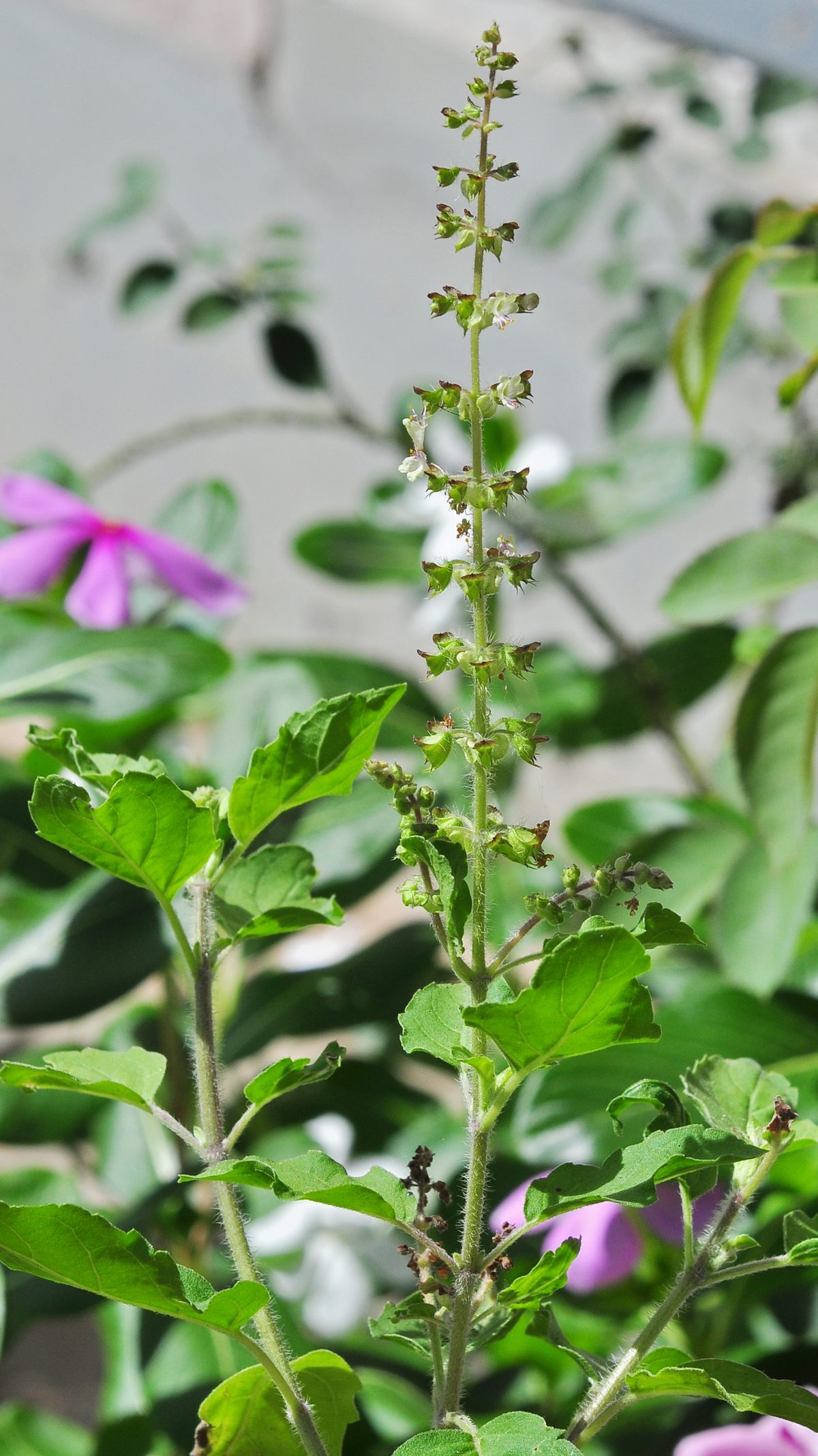
| Holy BasilOcimum tenuiflorum | Zones 9a–11b | 3 ft (0.91 m) | Full sun | Not documented | Not documented |
| Baby RubberplantPeperomia obtusifolia | NC State Extension Gardener Plant Toolbox also lists 10a-12b | 0.5–1.2 ft (0.15–0.38 m) | Part shade and full shade (part shade preferred) | Non-toxic | Non-toxic |
| Scarlet RunnerPhaseolus coccineus | Zones 7a–11b | 8–12 ft (2.44–3.66 m) | Full sun | Not documented | Not documented |
| Softseed Wild PetuniaRuellia simplex | Zones 8a–10b | 3–4 ft (0.91–1.22 m) | Full sun and part shade (full sun preferred) | Not documented | Not documented |
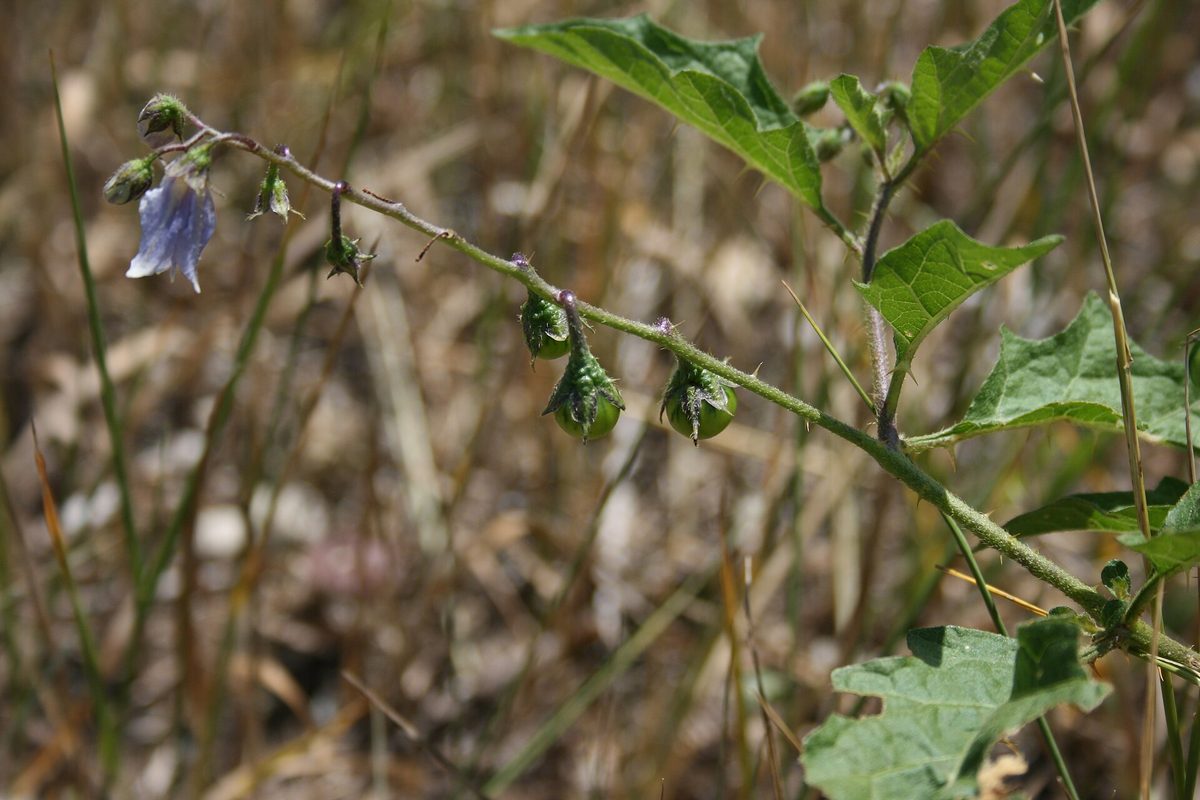
| Carolina HorsenettleSolanum carolinense | Zones 7a–10b | 3–3.9 ft (0.91–1.2 m) | Full sun | Toxic (1 source) | Toxic (1 source) |
| BoatlilyTradescantia spathacea | Zones 9a–11b | 0.5–1 ft (0.15–0.3 m) | Full sun and part shade (full sun preferred) | Toxic (1 source) | Toxic (1 source) |
| White CloverTrifolium repens | Zones 3a–10b | 0.3–0.5 ft (0.1–0.15 m) | Full sun and part shade (full sun preferred) | Not documented | Not documented |
| Stinging NettleUrtica dioica | Zones 4a–10b | 10 ft (3.05 m) | Full sun, part shade and full shade (full sun preferred) | Toxic (1 source) | Toxic (1 source) |
| Purpletop VervainVerbena bonariensis | Zones 7a–11b | 4–5 ft (1.22–1.52 m) | Full sun and part shade (full sun preferred) | Not documented | Not documented |
| Adam's NeedleYucca filamentosa | Zones 4a–10b | 3–15 ft (0.91–4.57 m) | Full sun, part shade and full shade (full sun preferred) | Toxic | Toxic |
The plants
-
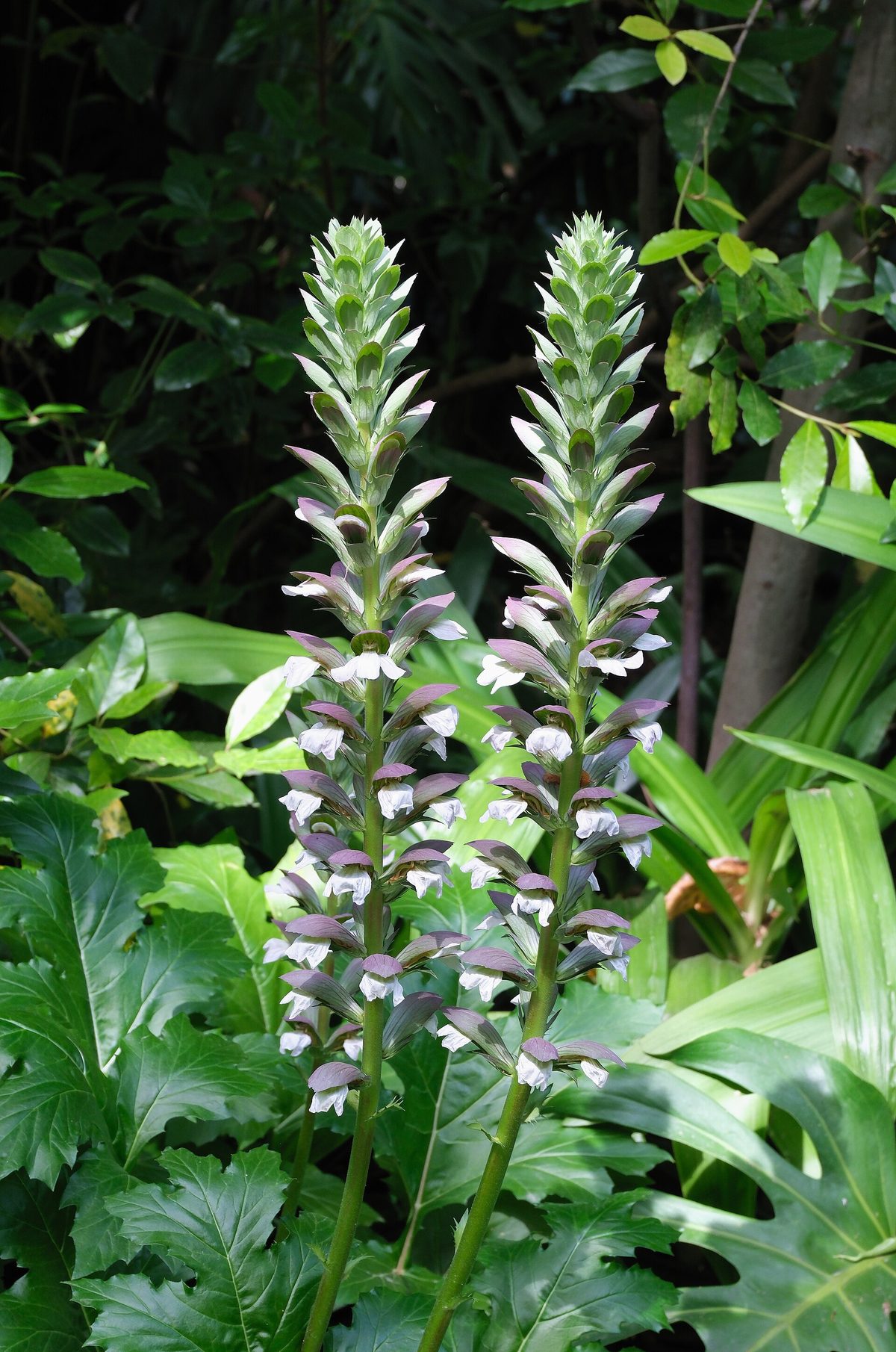
Bear's Breech
Acanthus mollis
Zones 7a–10b · 4–6 ft (1.22–1.83 m) · Full sun and part shade (full sun preferred)
Acanthus mollis made this zone 10 list for the same reason as its neighbors, as a perennial grouped here for its fit with this zone's winter range. The list draws on 29 species chosen on that same basis.
-
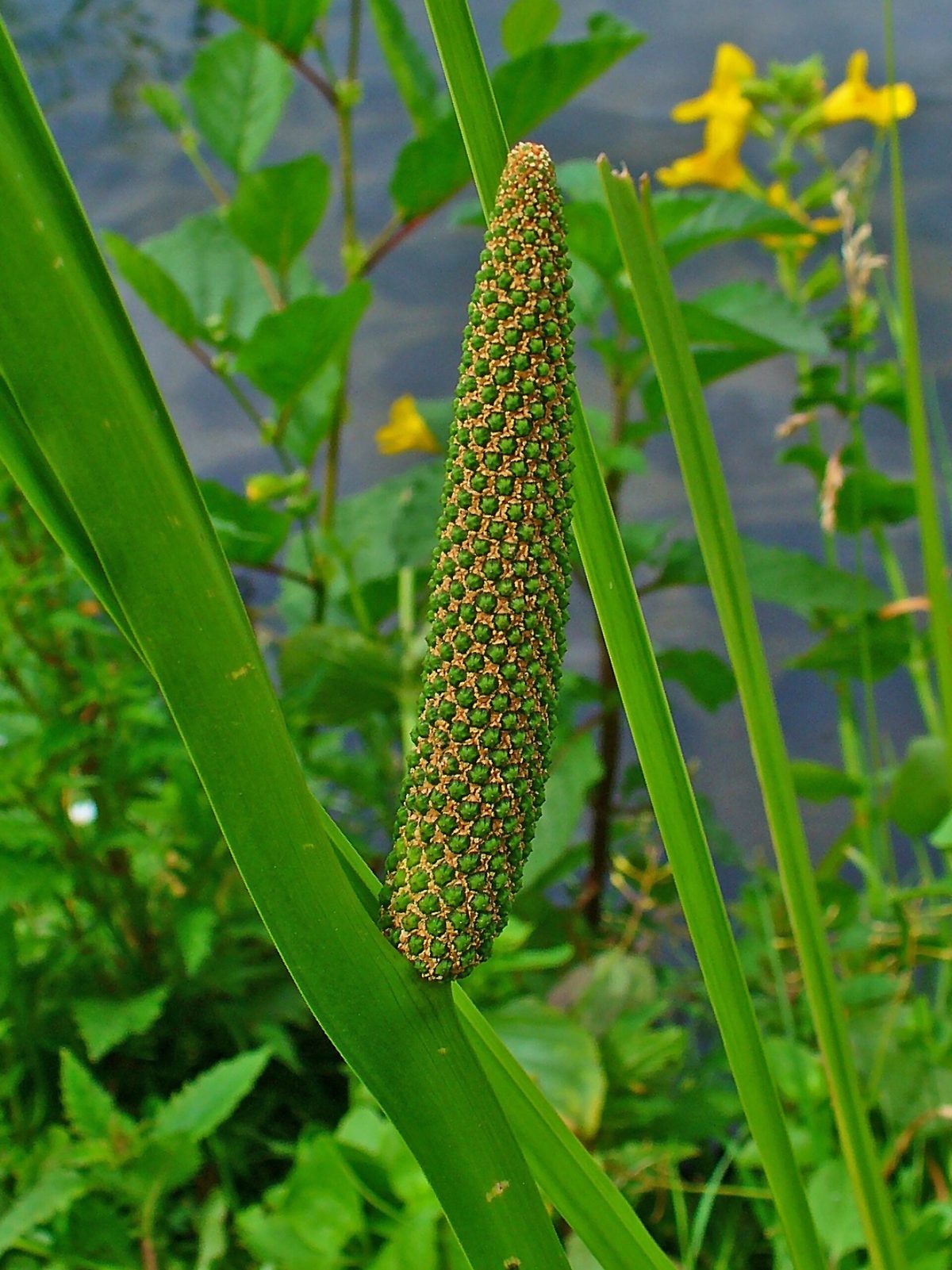
Calamus
Acorus calamus
Zones 4a–10b · 2–2.5 ft (0.61–0.76 m) · Full sun and part shade (full sun preferred)
On this list, acorus calamus stands as one of 29 perennials chosen for zone 10's winter range. Its place here reflects that same match rather than any ranking among the group.
-
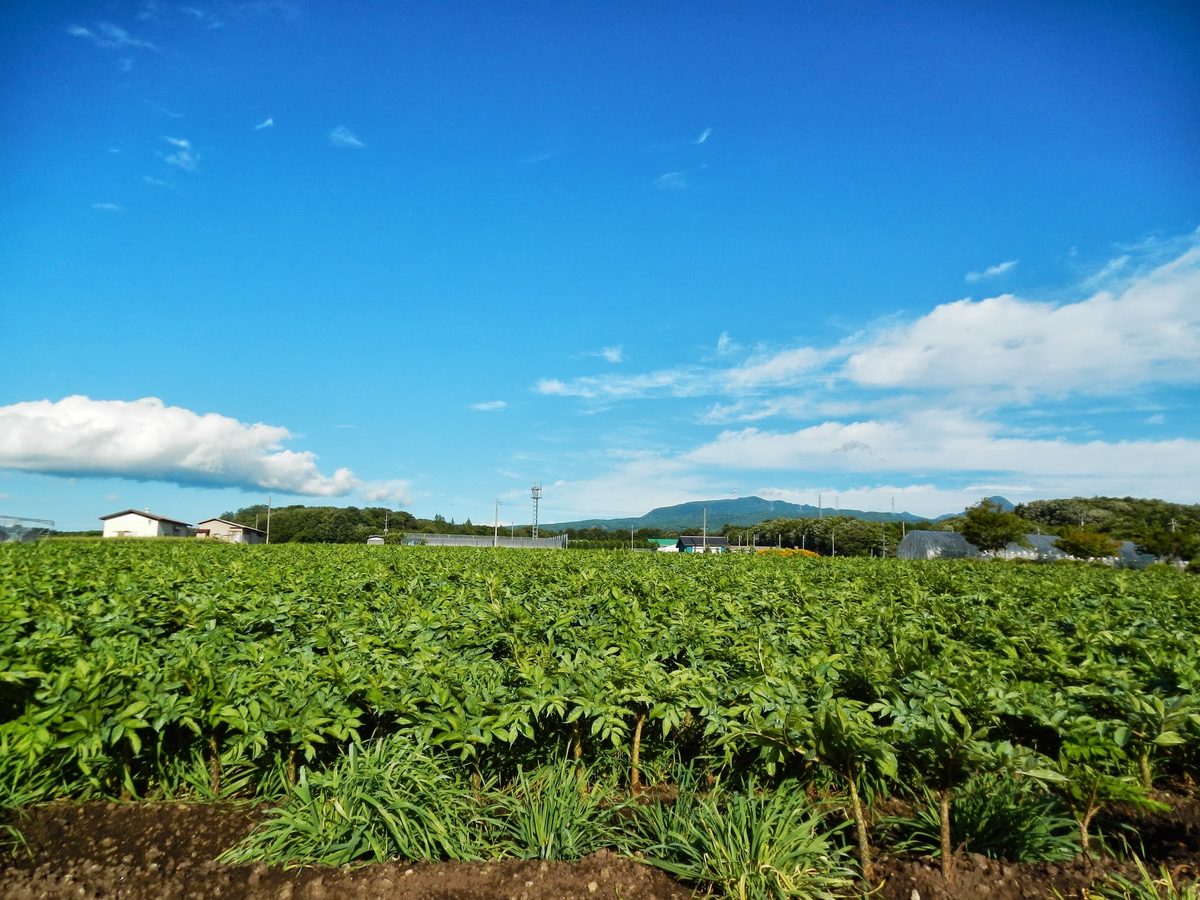
Devil's Tongue
Amorphophallus konjac
Zones 6a–11b · 4–6 ft (1.22–1.83 m) · Part shade, full sun and full shade (part shade preferred)
This zone 10 list includes amorphophallus konjac among its 29 chosen perennials. Its spot here marks a fit with the zone's winter range, not a rank against the others on the page.
-
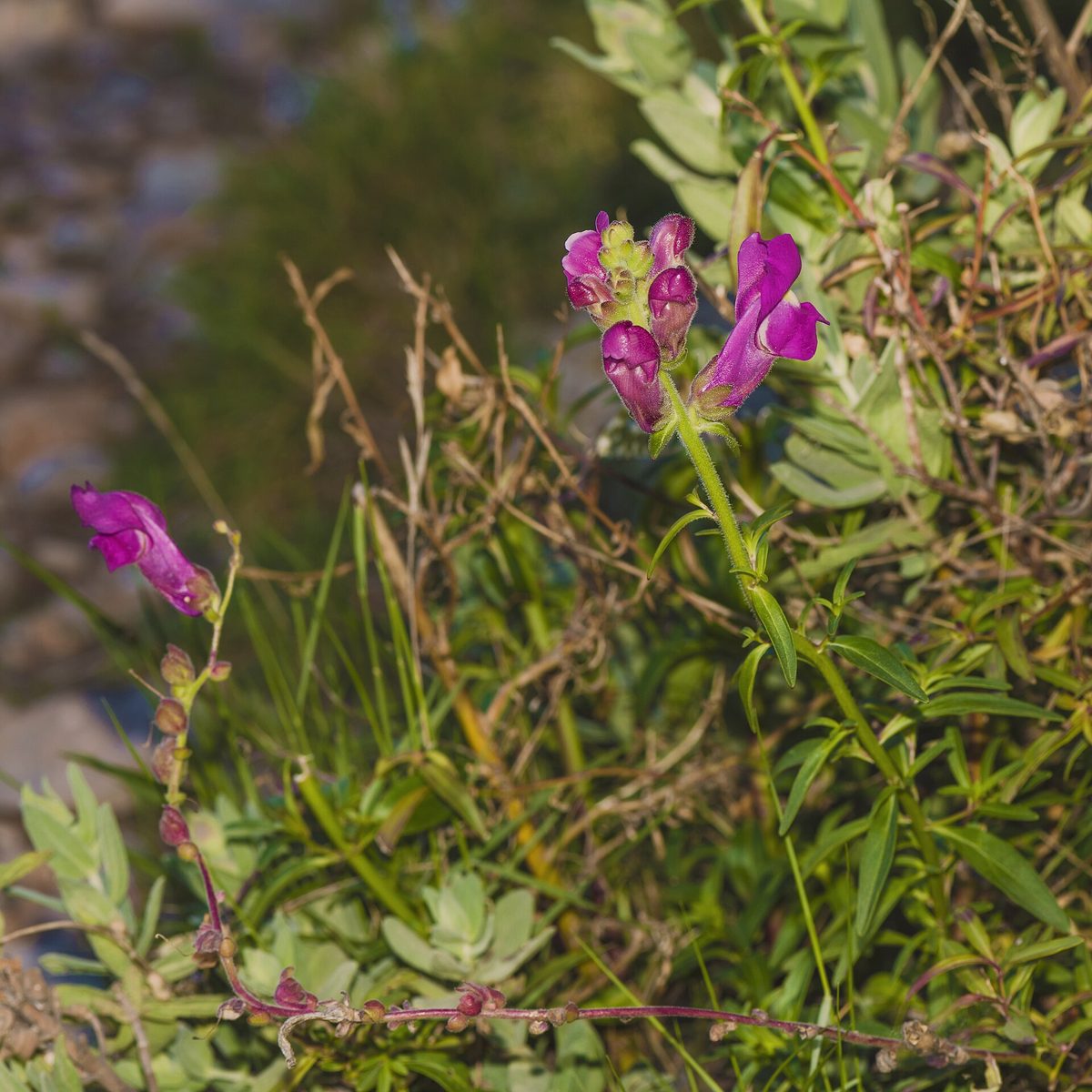
Garden Snapdragon
Antirrhinum majus
Zones 7a–10b · 0.5–3 ft (0.15–0.91 m) · Full sun and part shade (full sun preferred)
-
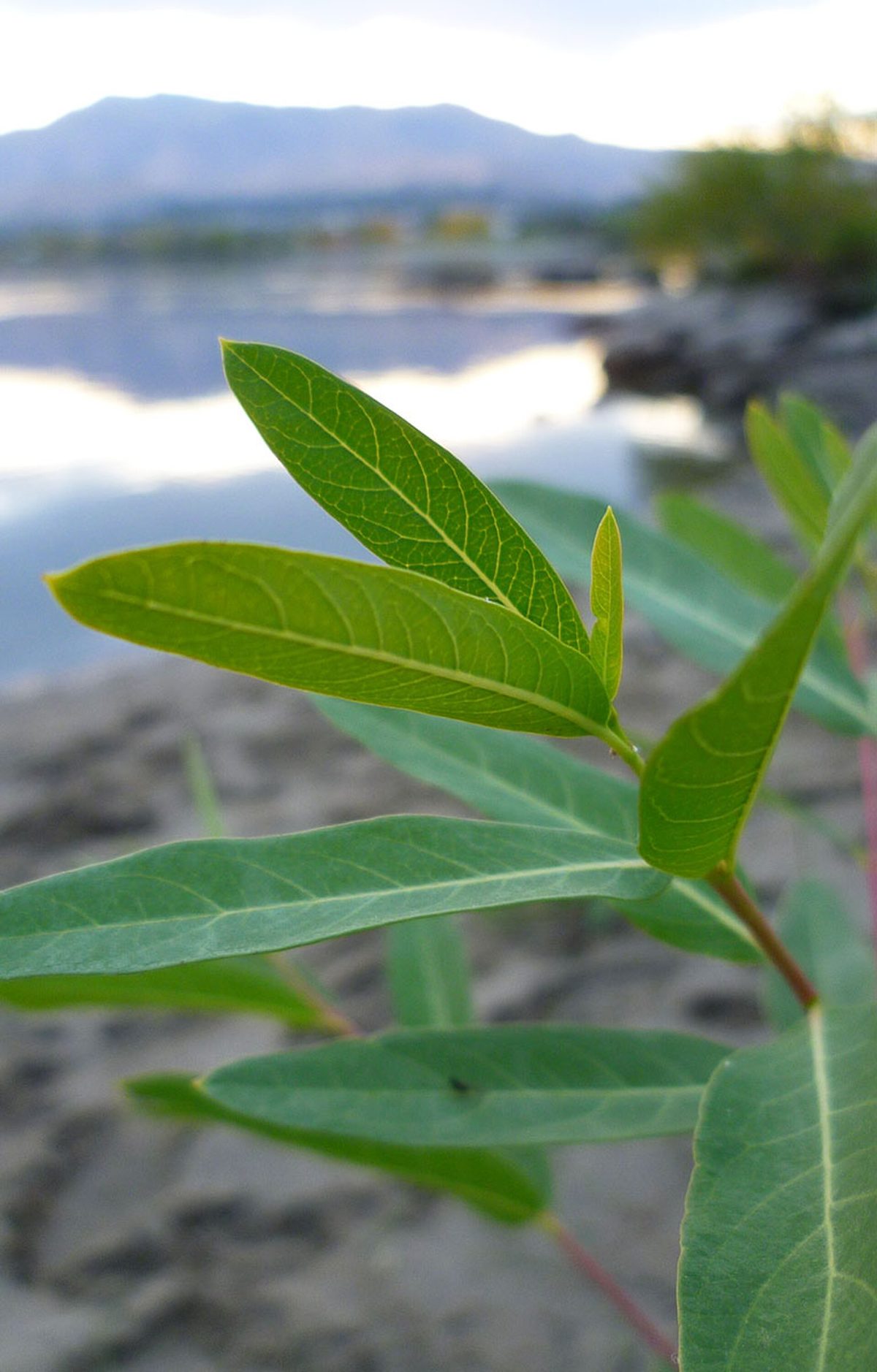
Indianhemp
Apocynum cannabinum
Zones 3a–11b · 3–4 ft (0.91–1.22 m) · Full sun and part shade (full sun preferred)
Apocynum cannabinum earns its place on this page as one of the 29 perennials matched to zone 10. Its listing here is about that winter fit, nothing more.
-
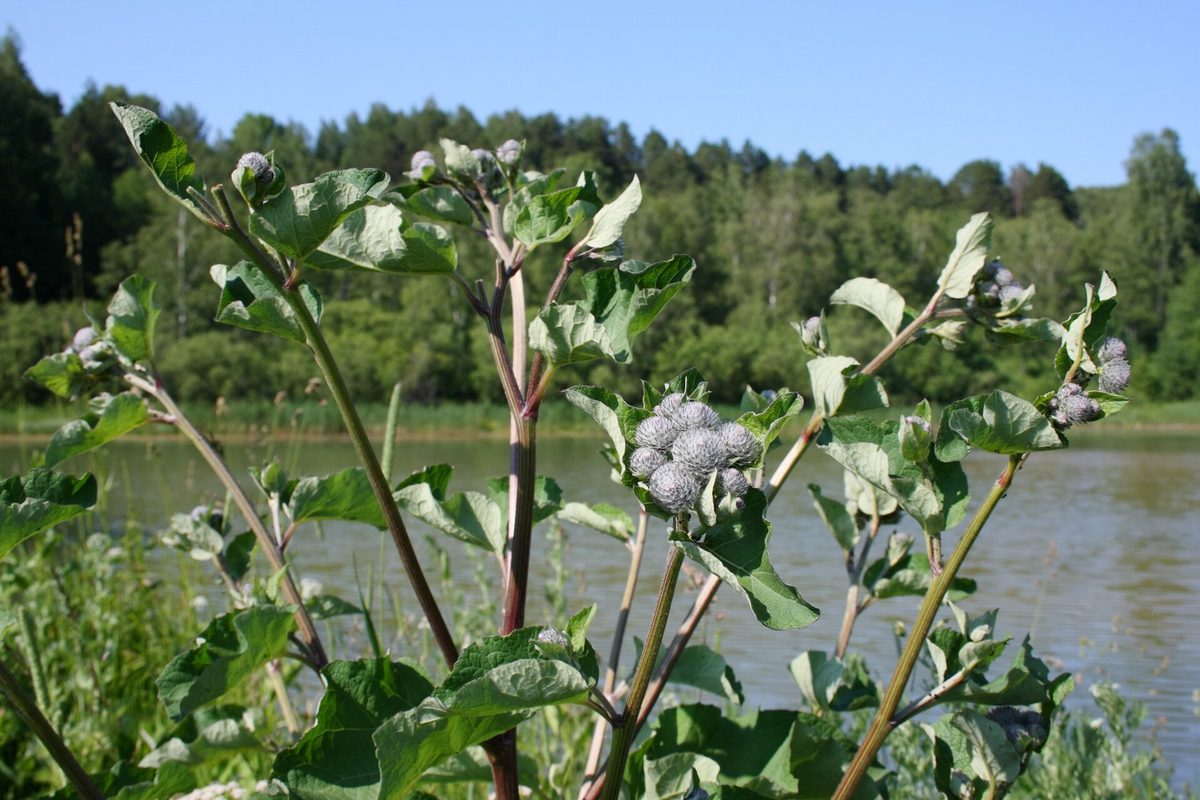
Greater Burdock
Arctium lappa
Zones 3a–10b · 2–10 ft (0.61–3.05 m) · Full sun and part shade (full sun preferred)
Among the 29 perennials on this zone 10 list sits arctium lappa, chosen on the same winter-range basis as the rest. No ranking is implied by its place in the group.
-
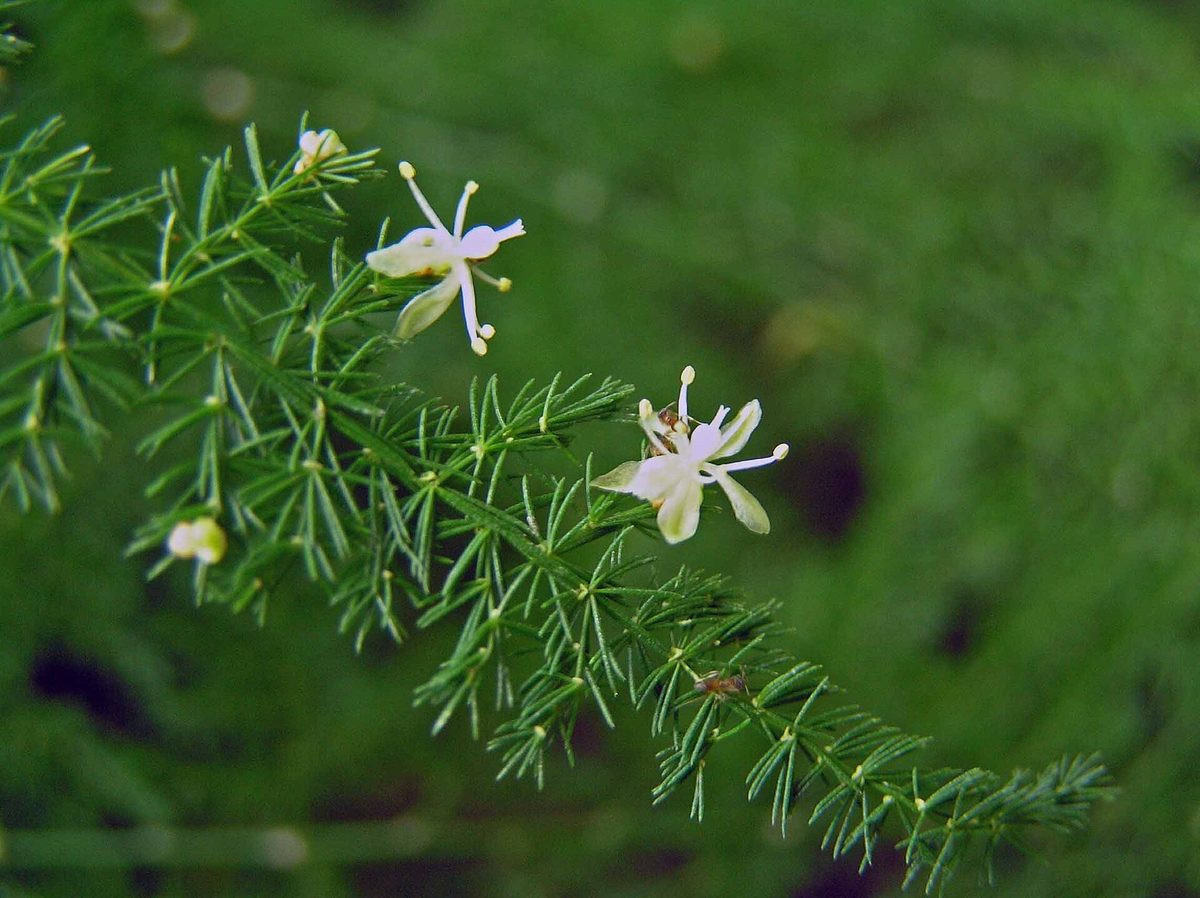
Common Asparagus Fern
Asparagus setaceus
Zones 9a–12b · 2–3 ft (0.61–0.91 m) · Part shade and full shade (part shade preferred)
Zone 10 gardeners will see asparagus setaceus listed here as one of the 29 species matched to that winter range. Its inclusion says nothing about how it compares to the others named.
-
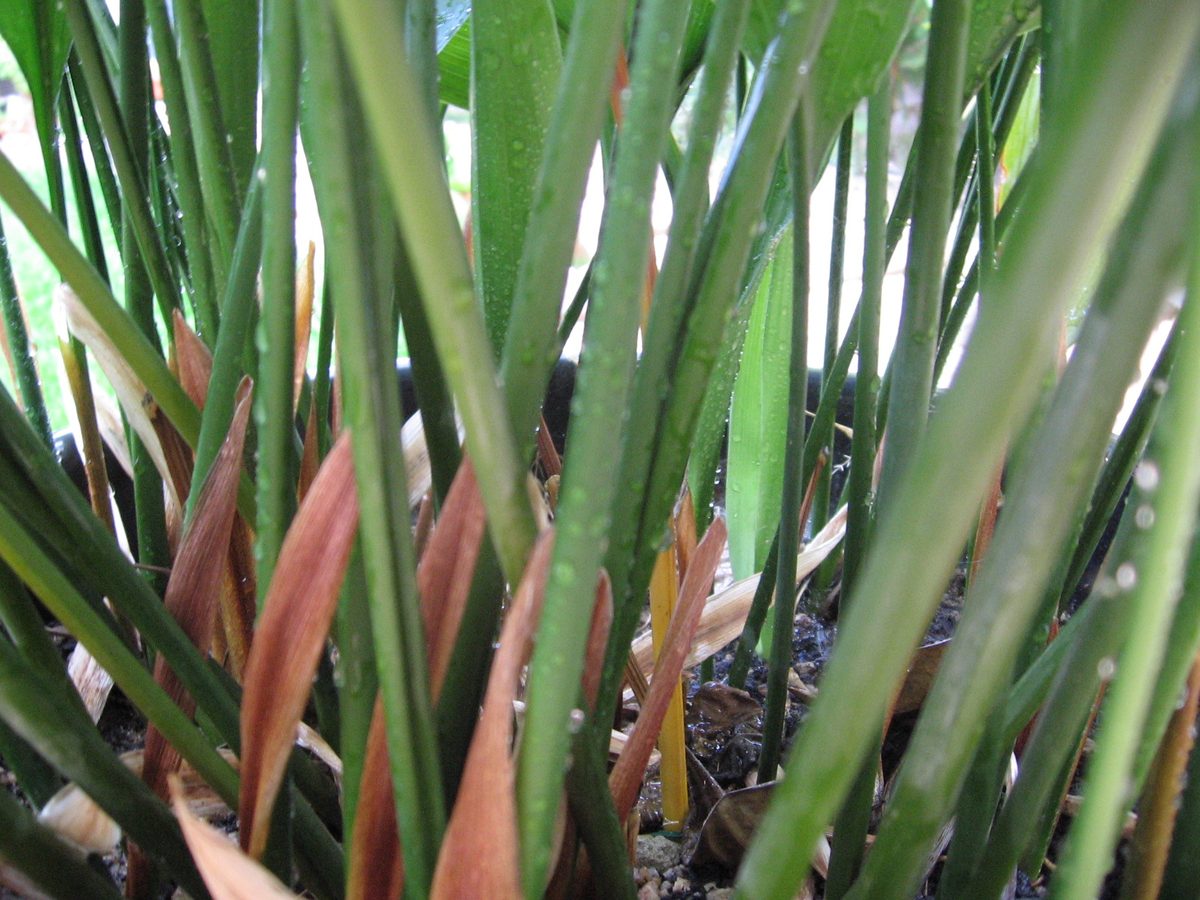
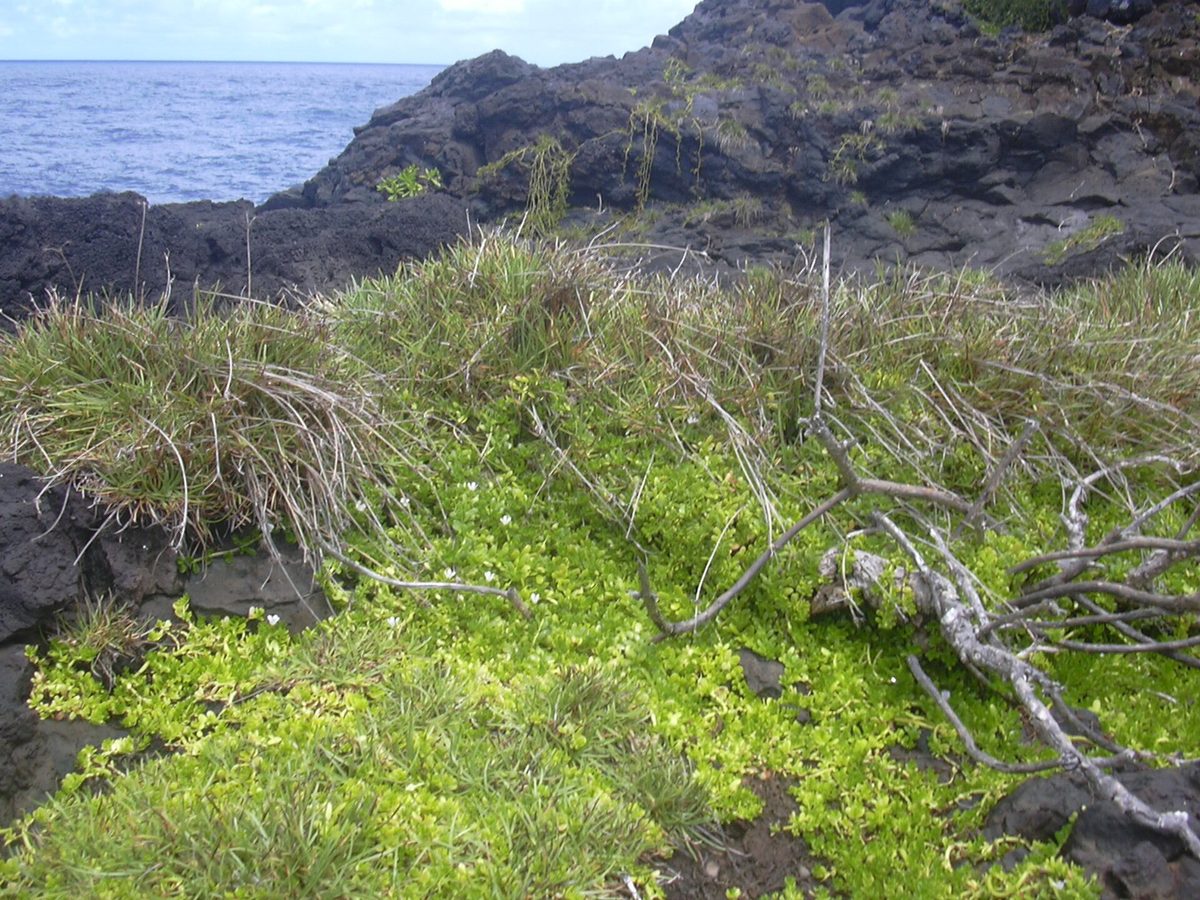
Cast Iron Plant
Aspidistra elatior
Zones 7a–11b · 1–3 ft (0.3–0.91 m) · Part shade and full shade (part shade preferred)
The 29-species zone 10 list on this page carries aspidistra elatior for the same reason it carries the rest: a match to this zone's winter range. That match is the only claim being made here.
-
-
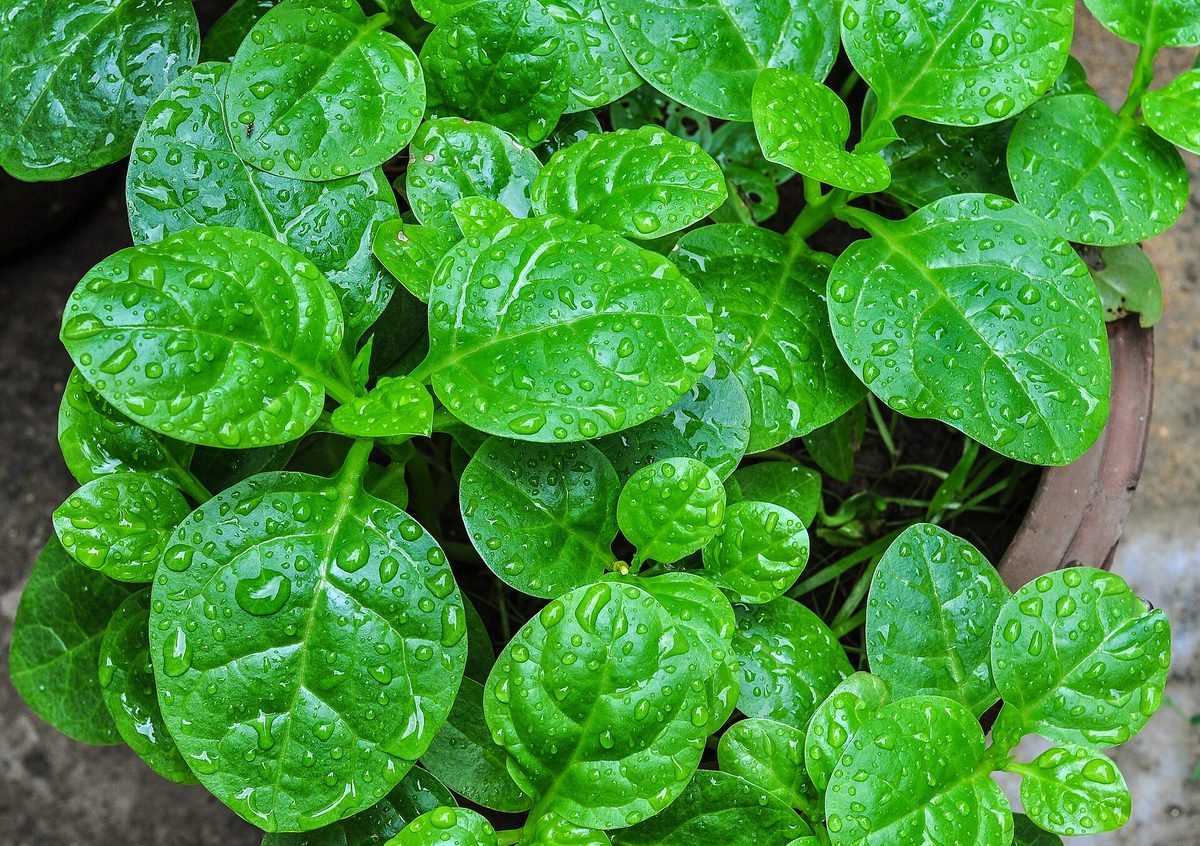
Ceylon Spinach
Basella alba
Zones 9a–11b · 10 ft (3.05 m) · Full sun and part shade (full sun preferred)
Basella alba appears on this zone 10 roster alongside 28 other perennials chosen for the same winter range. Its spot on the list carries no ranking or comparison.
-
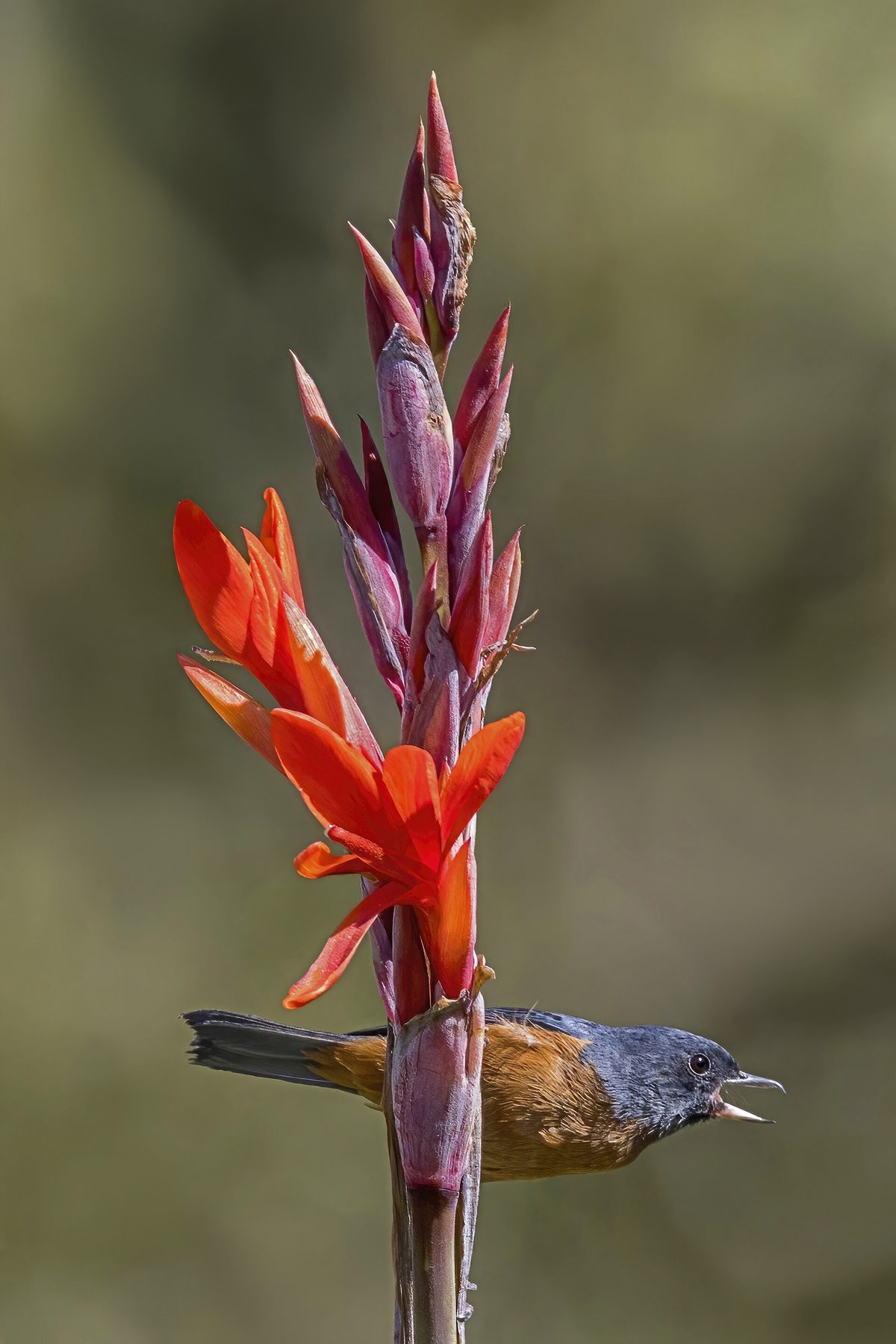
Indian Shot
Canna indica
Zones 8a–11b · 1.5–8.2 ft (0.46–2.49 m) · Full sun and part shade (full sun preferred)
-
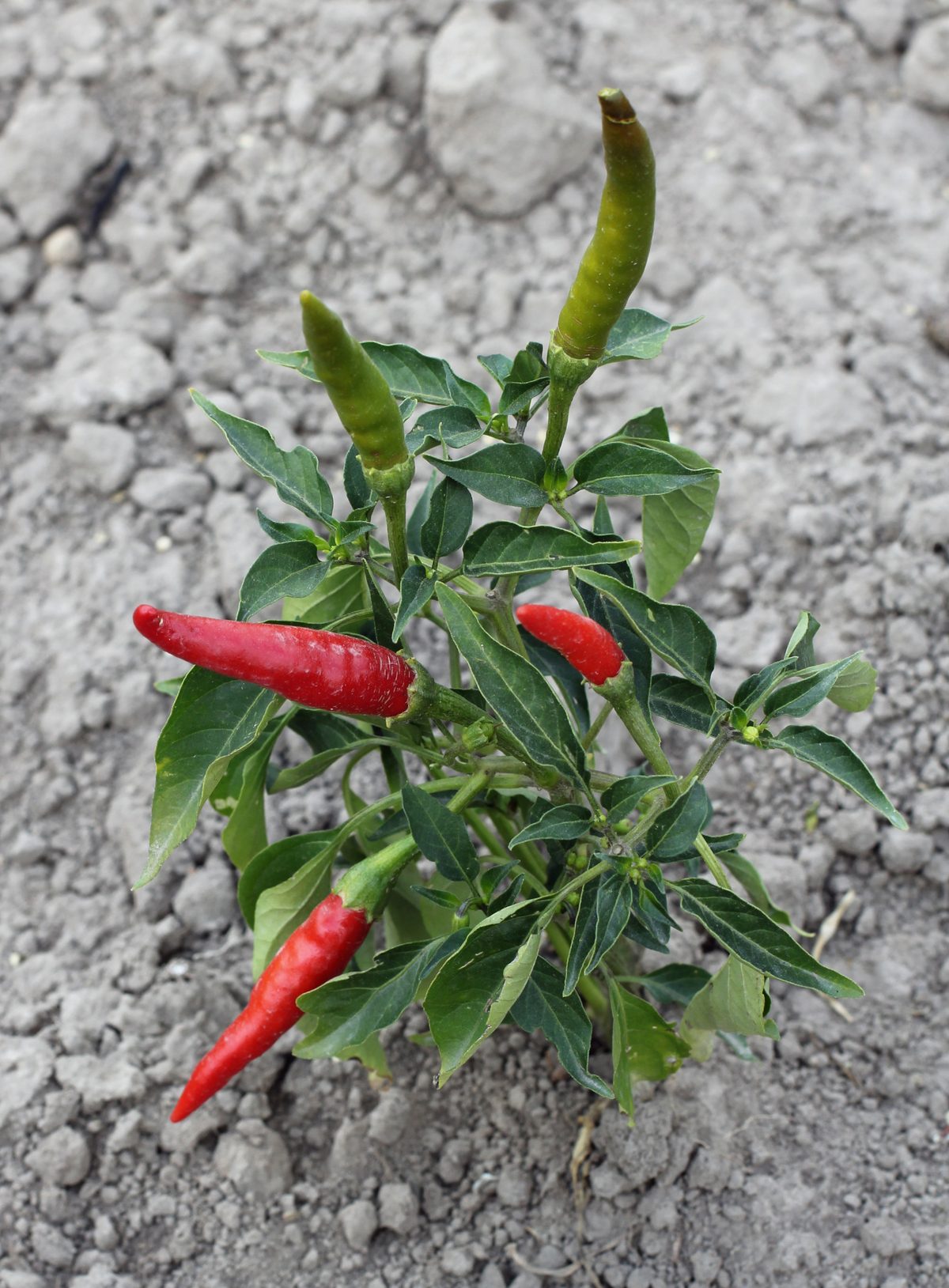
Cayenne Pepper
Capsicum annuum
Zones 4a–11b · 1–4 ft (0.3–1.22 m) · Full sun
Capsicum annuum is one of the 29 perennials gathered for zone 10 gardeners on this page. It sits among the group on that winter-range basis alone.
-
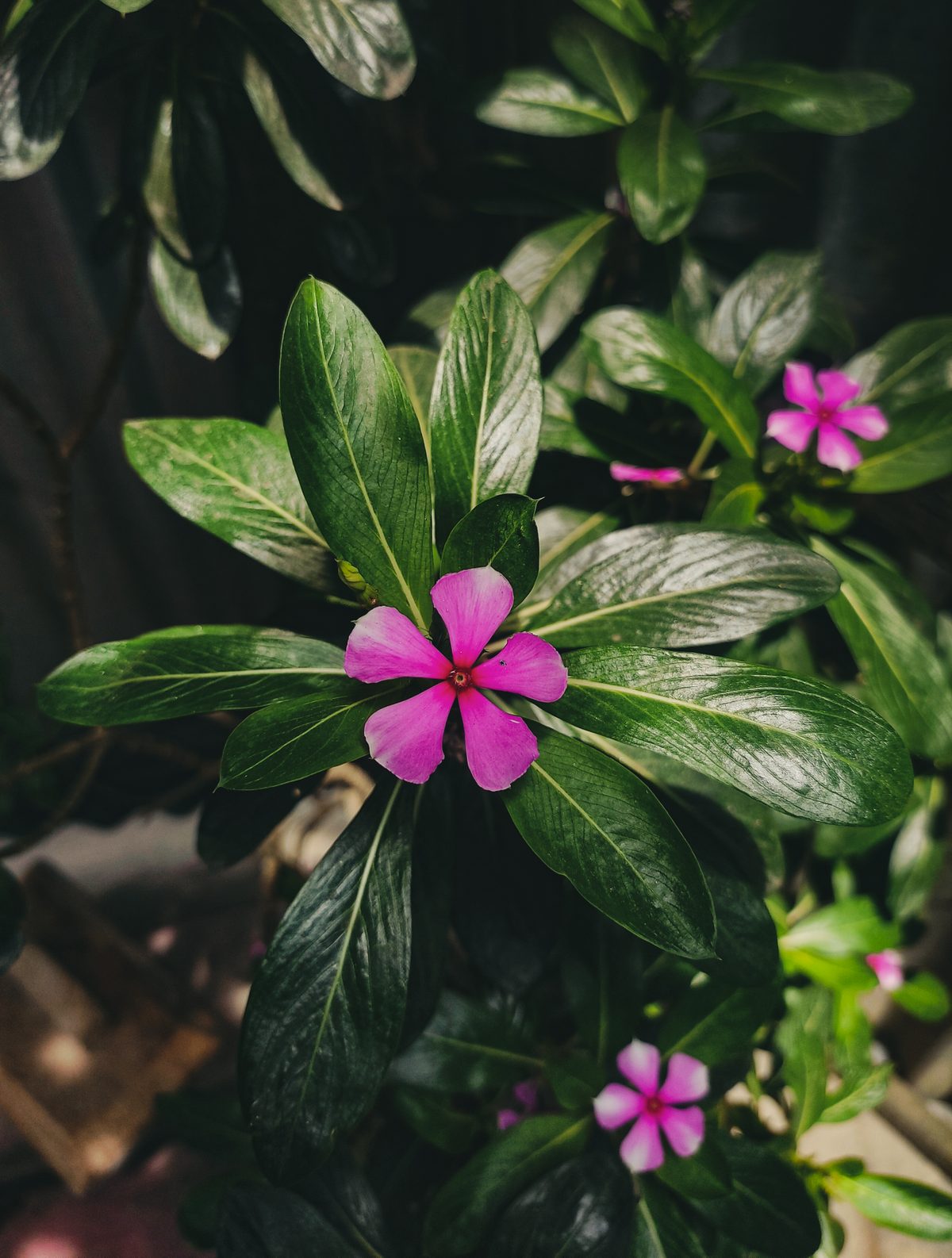
Madagascar Periwinkle
Catharanthus roseus
Zones 9b–11b · 0.5–1.5 ft (0.15–0.46 m) · Full sun and part shade (full sun preferred)
Catharanthus roseus takes a place among the 29 perennials matched to zone 10 on this page. Like the rest of the group, its spot here reflects that winter fit and nothing else.
-
-
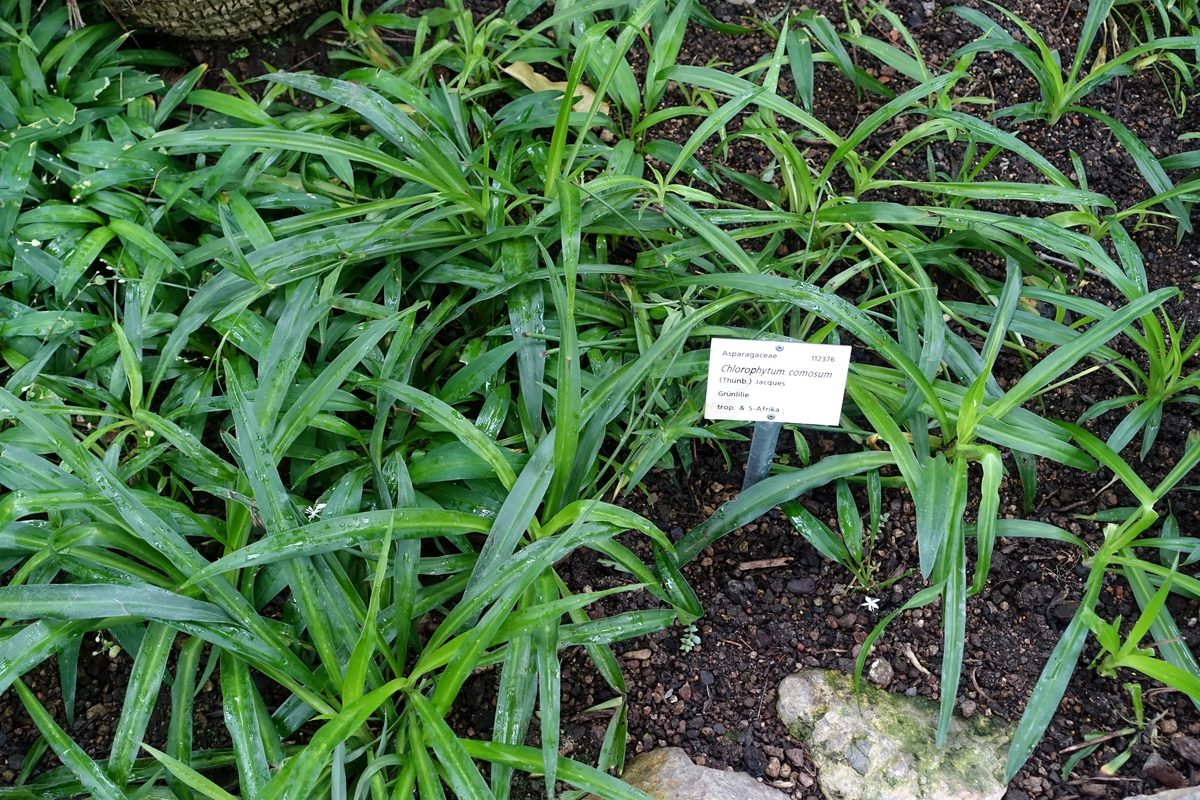
Spider Plant
Chlorophytum comosum
Zones 9a–11b · 1–1.5 ft (0.3–0.46 m) · Part shade and full shade (part shade preferred)
-
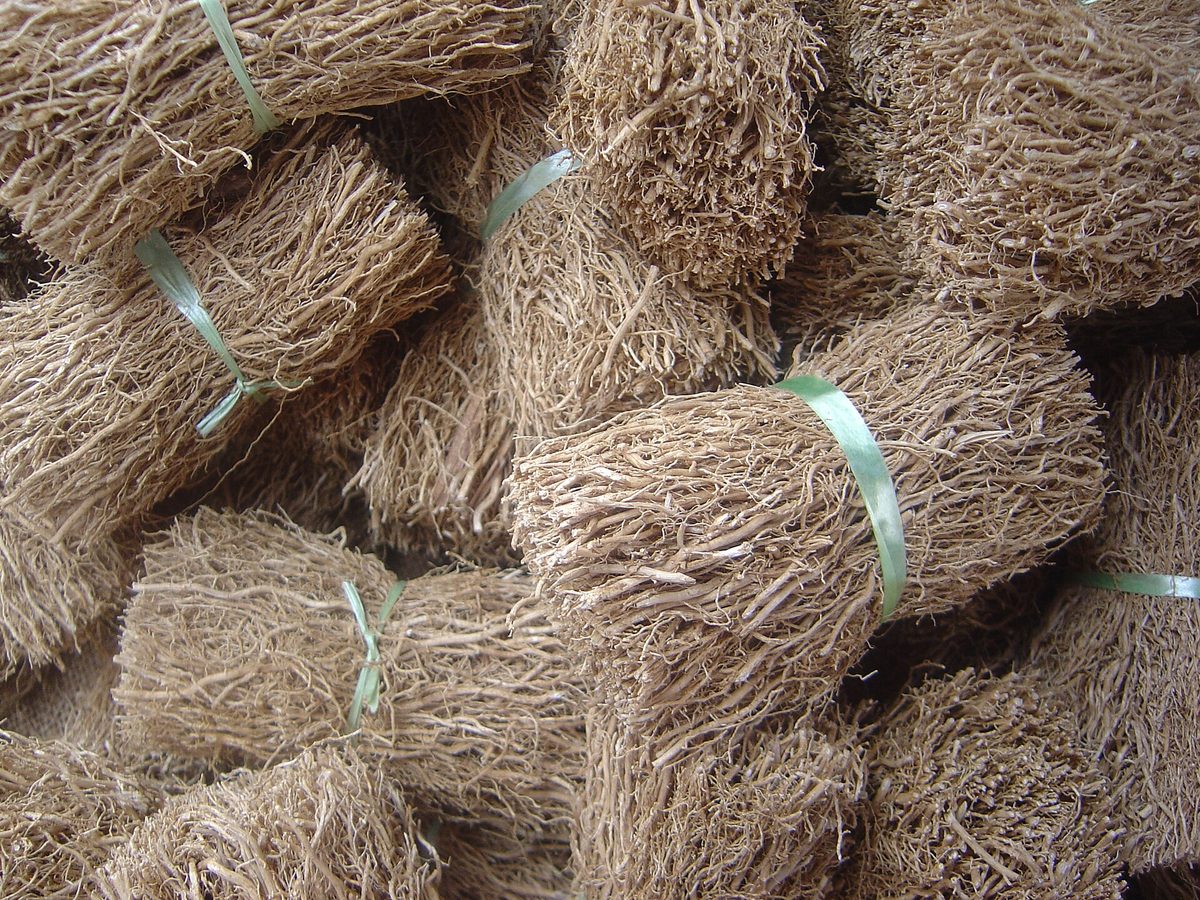
Vetivergrass
Chrysopogon zizanioides
Zones 8b–10b · Sources differ: University of Florida IFAS Extension (EDIS) · Full sun and part shade (full sun preferred)
-
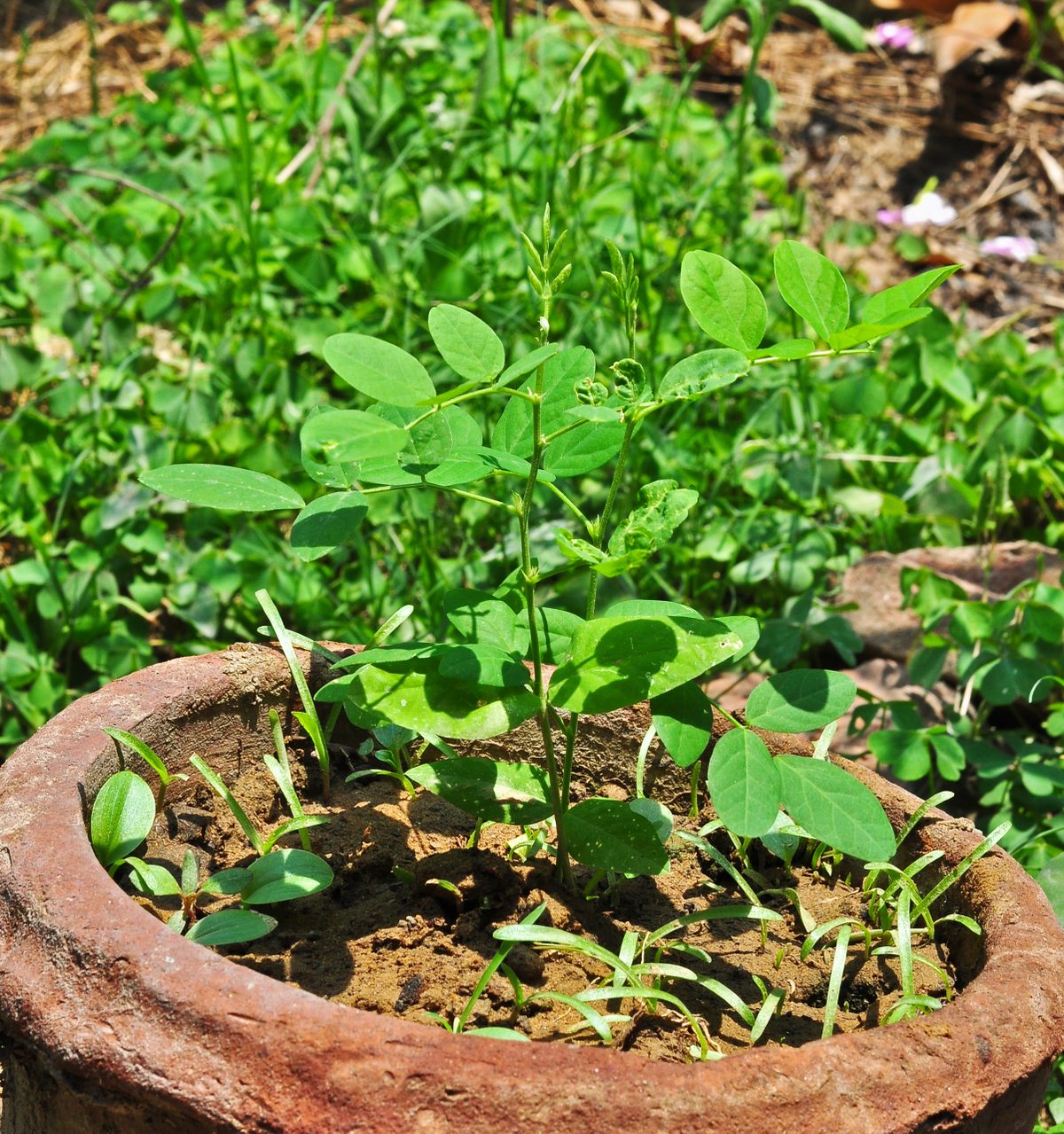
Asian Pigeonwings
Clitoria ternatea
Zones 10a–12b · 3–4 ft (0.91–1.22 m) · Full sun and part shade (full sun preferred)
-
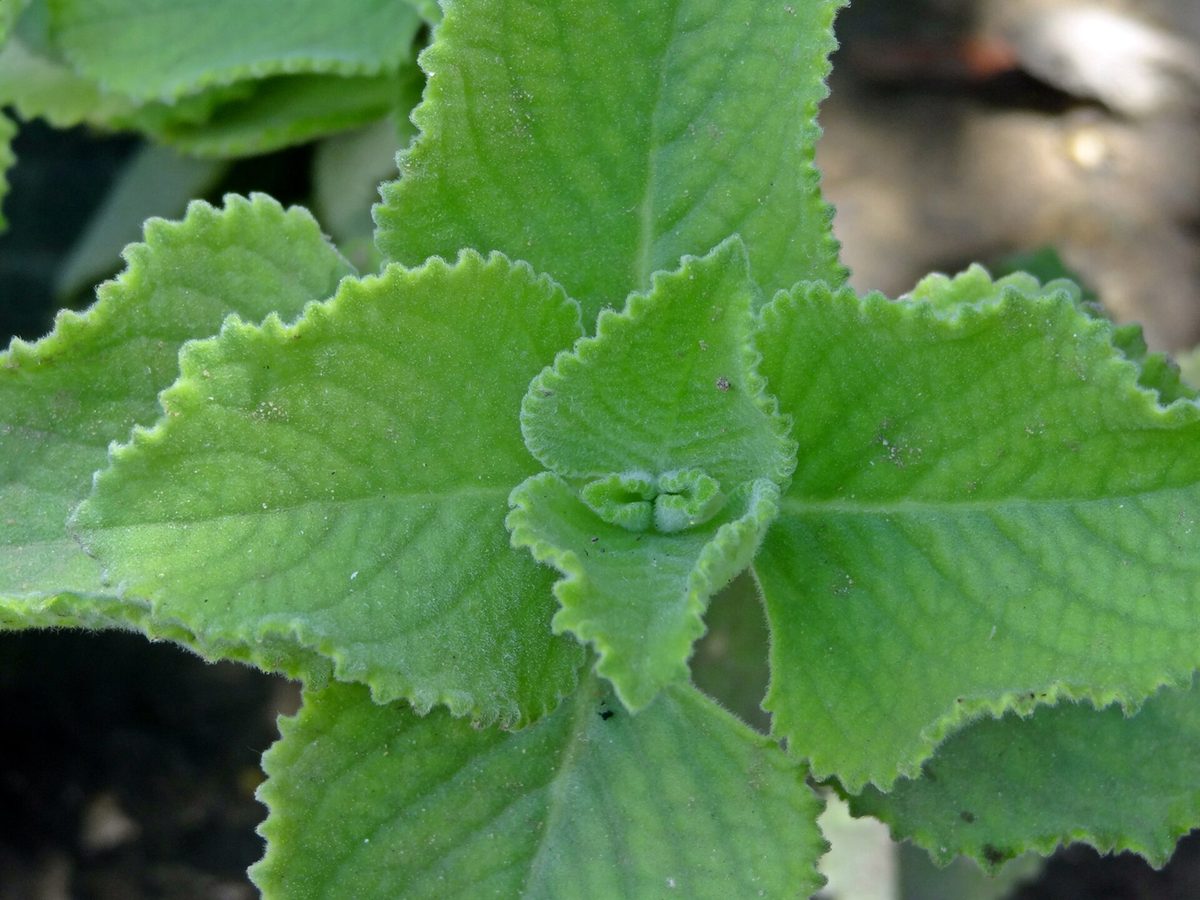
Mexican Mint
Coleus amboinicus
Zones 9a–11b · 1–3.5 ft (0.3–1.07 m) · Full sun and part shade (full sun preferred)
-
-
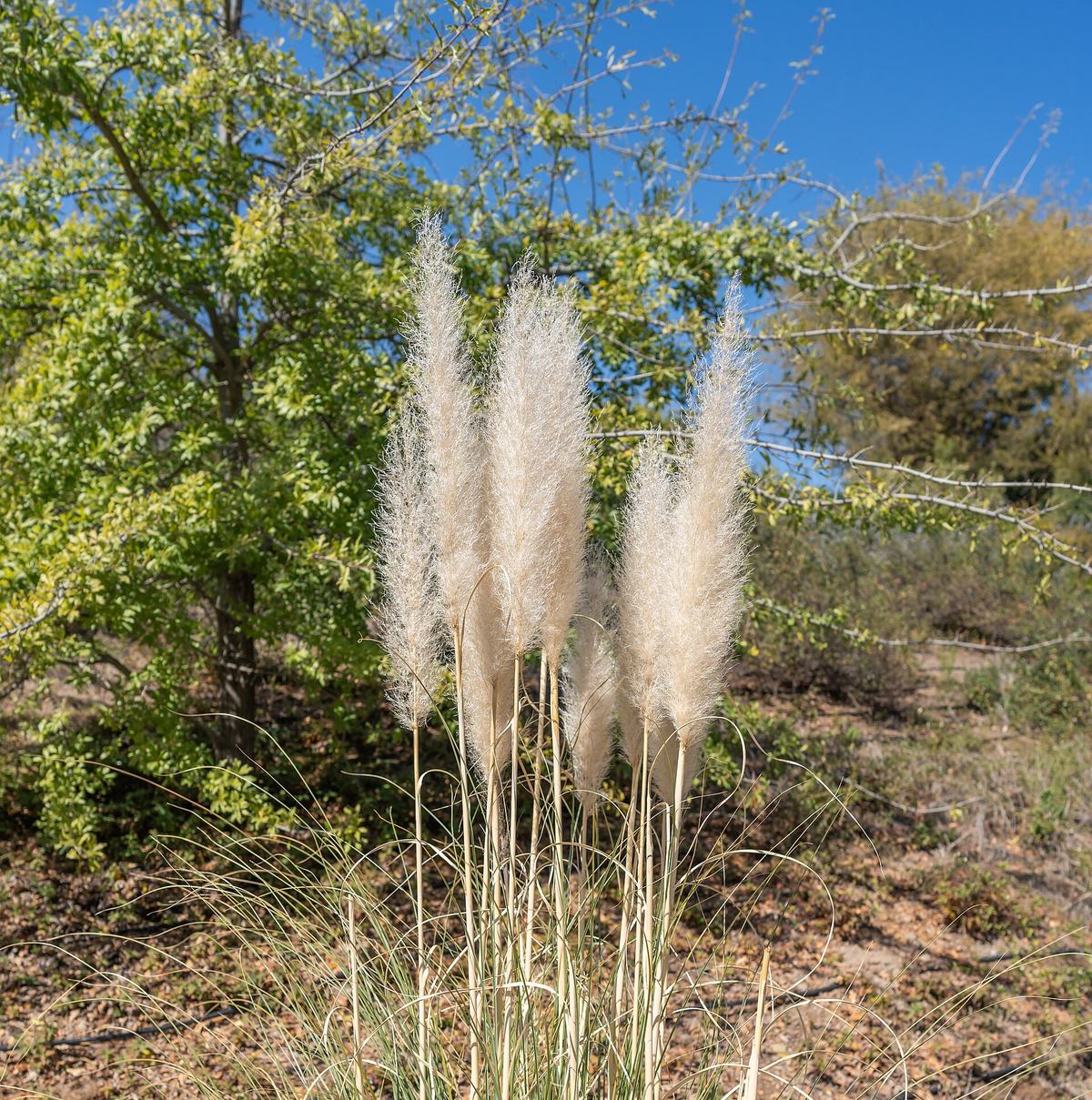
Uruguayan Pampas Grass
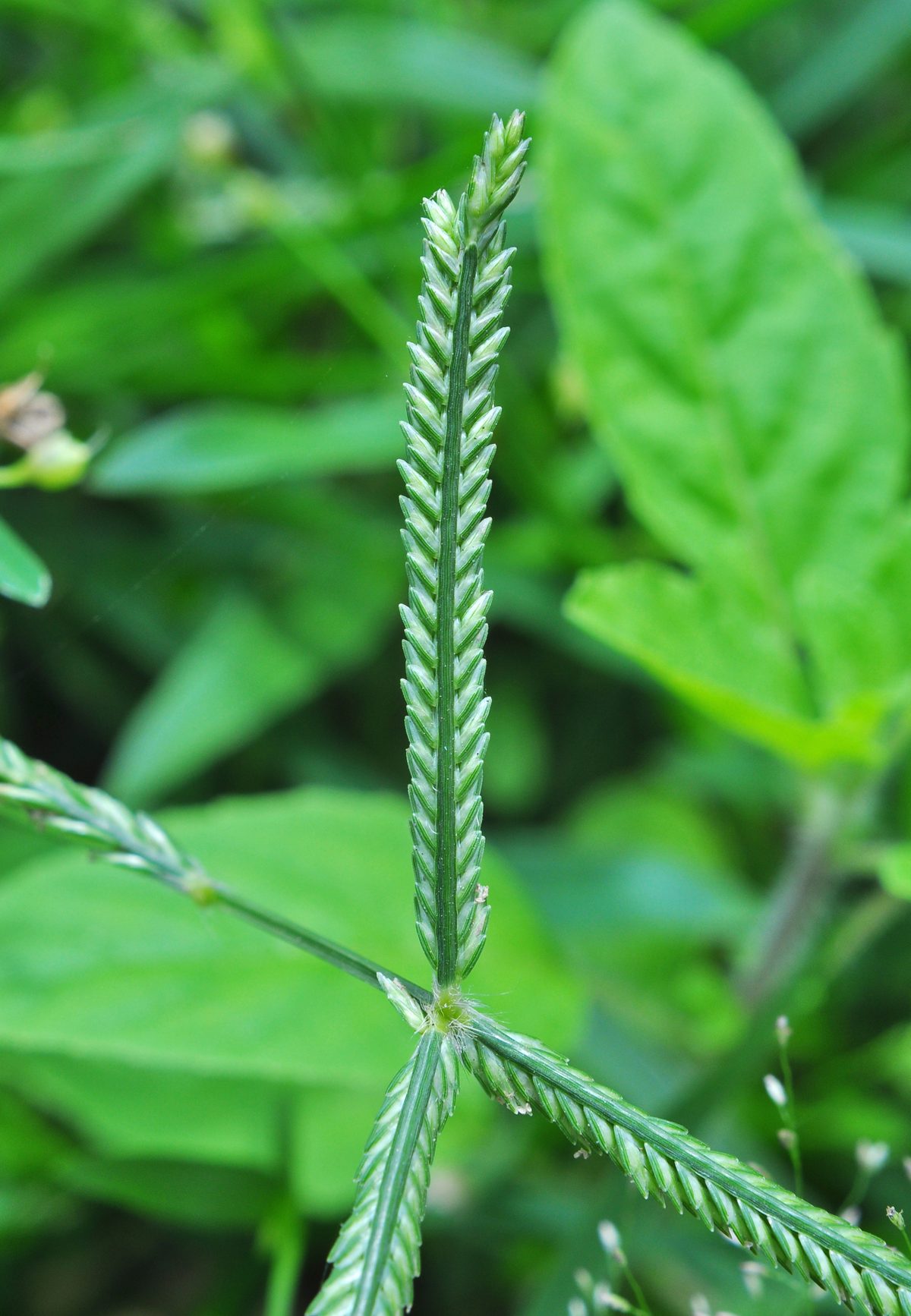
Cortaderia selloana
Zones 6a–10b · 6–12 ft (1.83–3.66 m) · Full sun and part shade (full sun preferred)
-
-
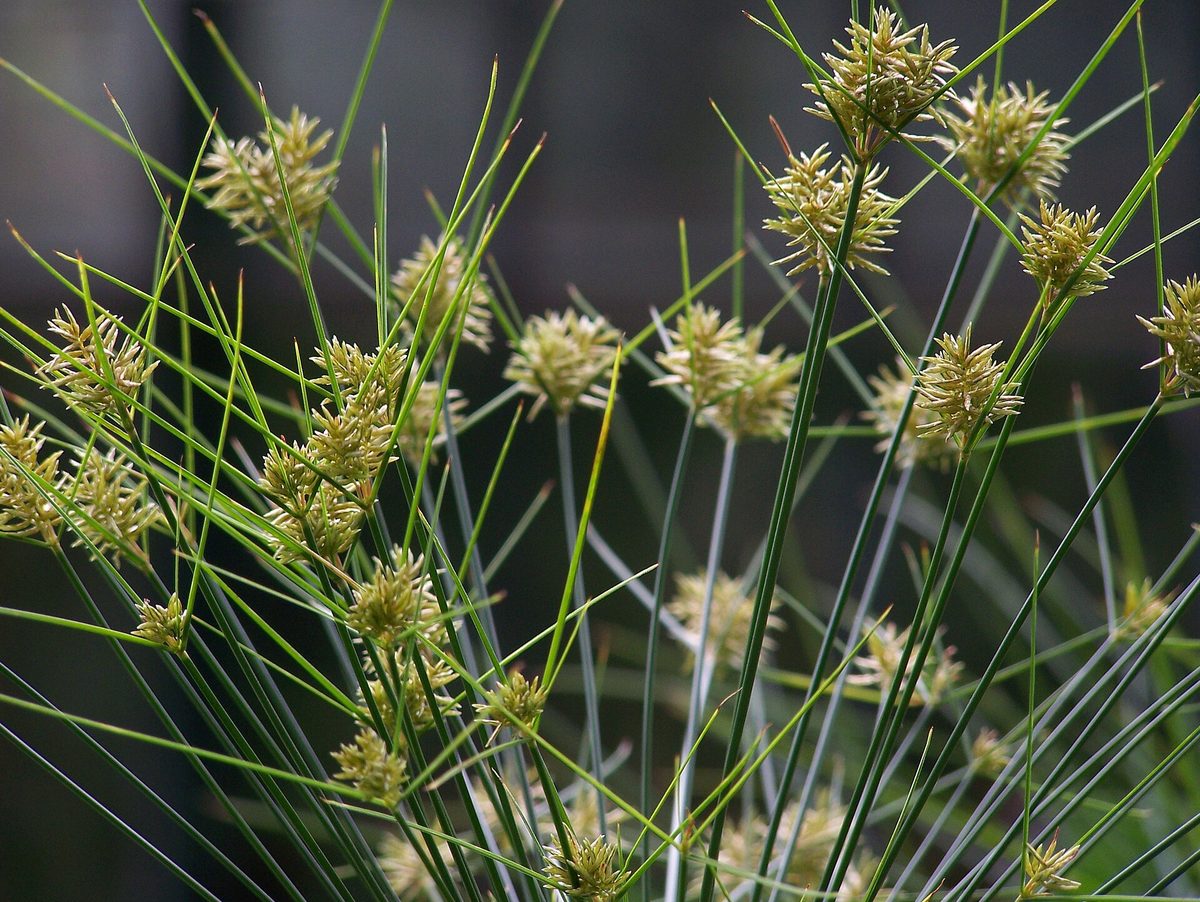
Papyrus
Cyperus papyrus
Zones 9a–12b · 5–8 ft (1.52–2.44 m) · Full sun and part shade (full sun preferred)
-
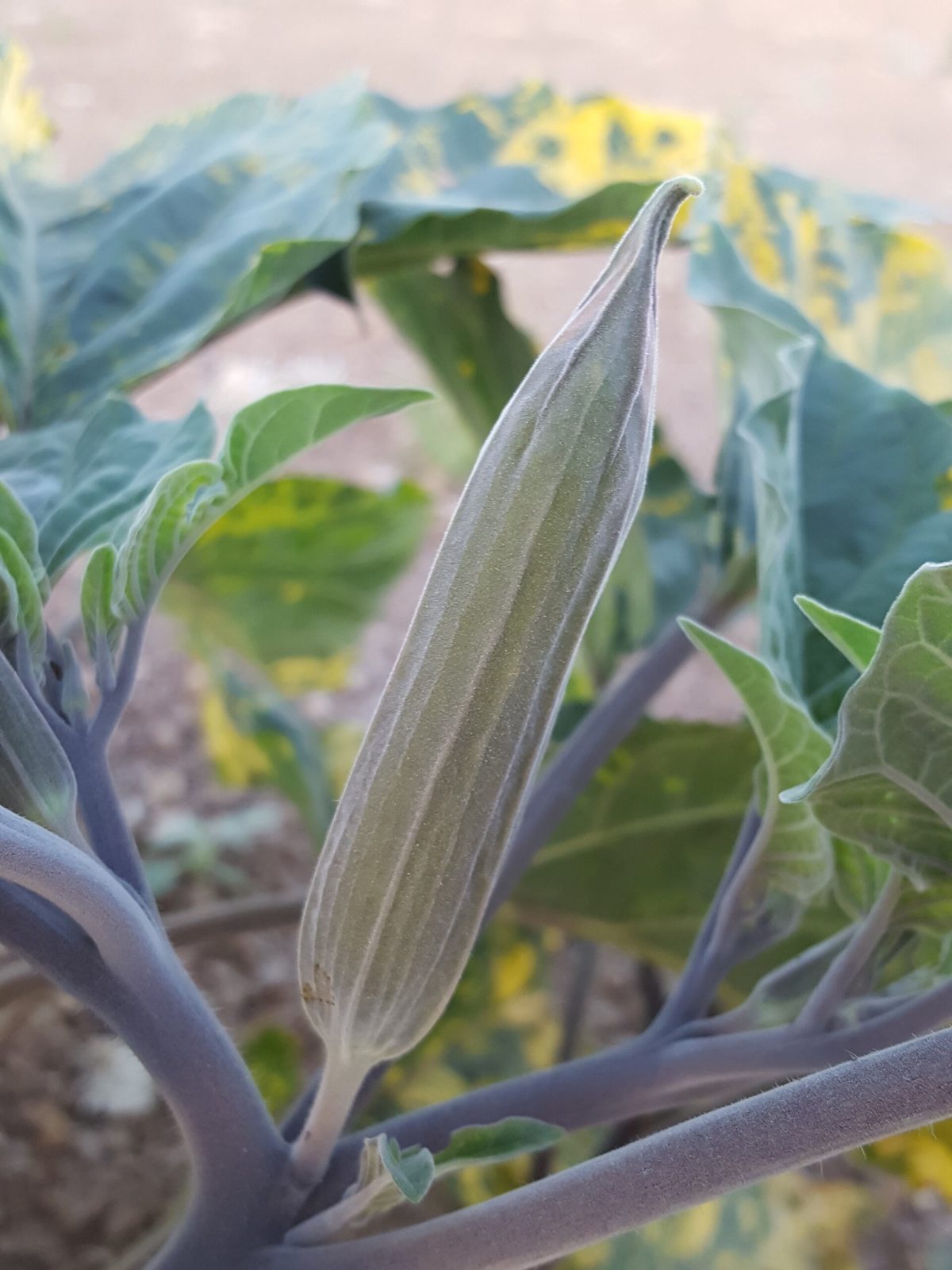
Sacred Thorn-apple
Datura wrightii
Zones 9a–11b · 6 ft (1.83 m) · Full sun and part shade (full sun preferred)
-
-
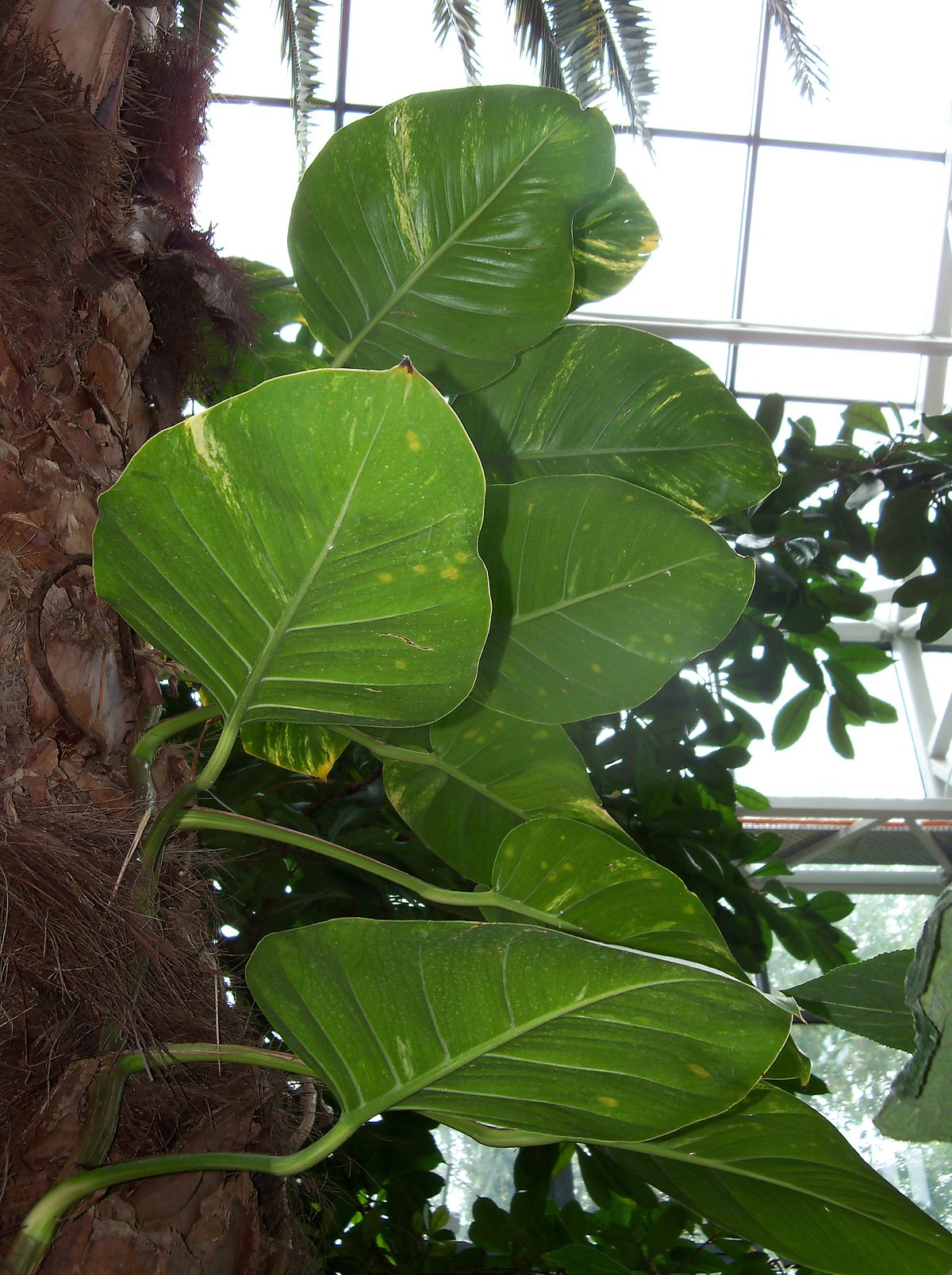
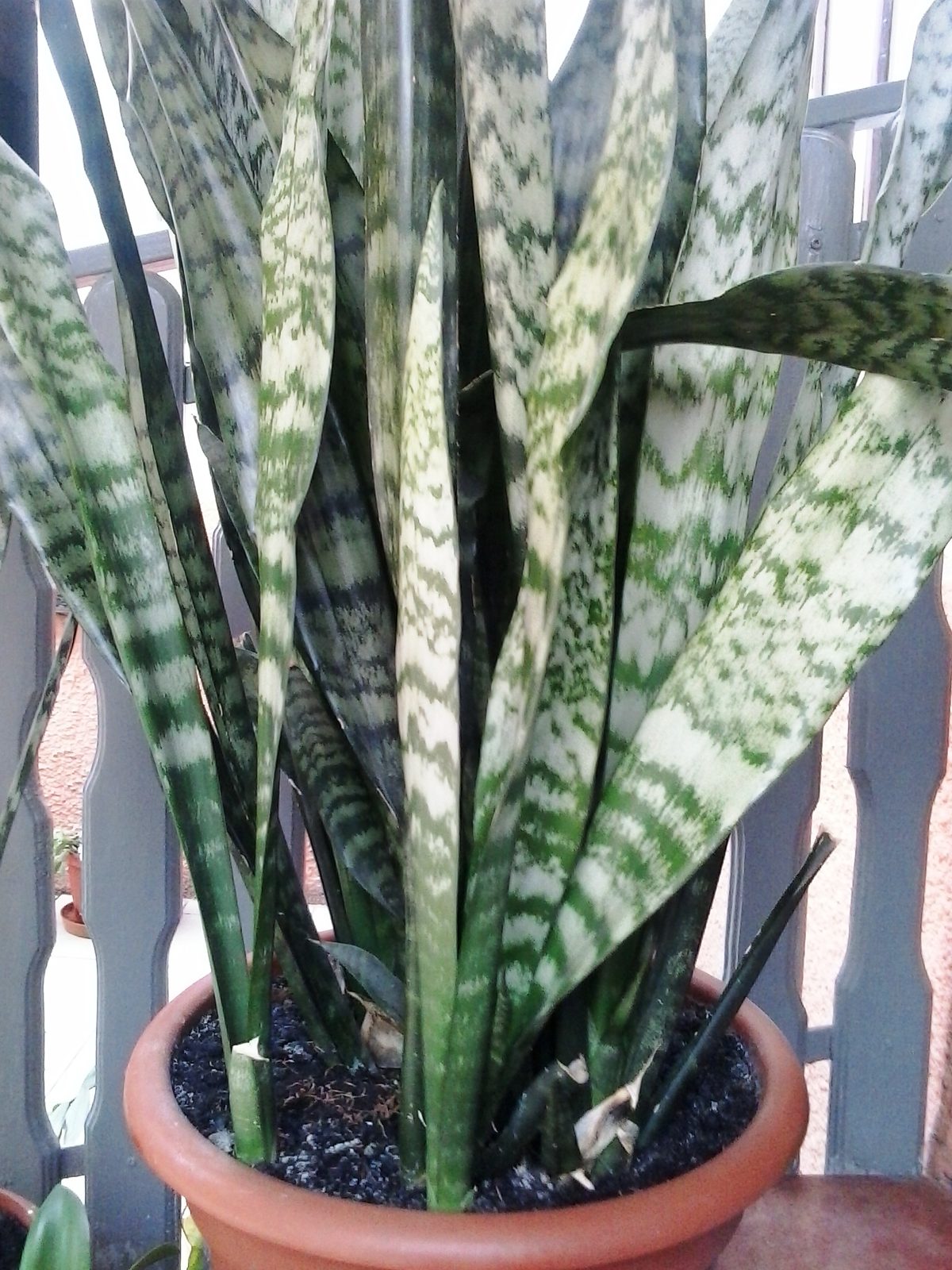
Pothos
Epipremnum aureum
Zones 10a–12b · Sources differ: NC State Extension Gardener Plant Toolbox · Part shade and full shade (part shade preferred)
-
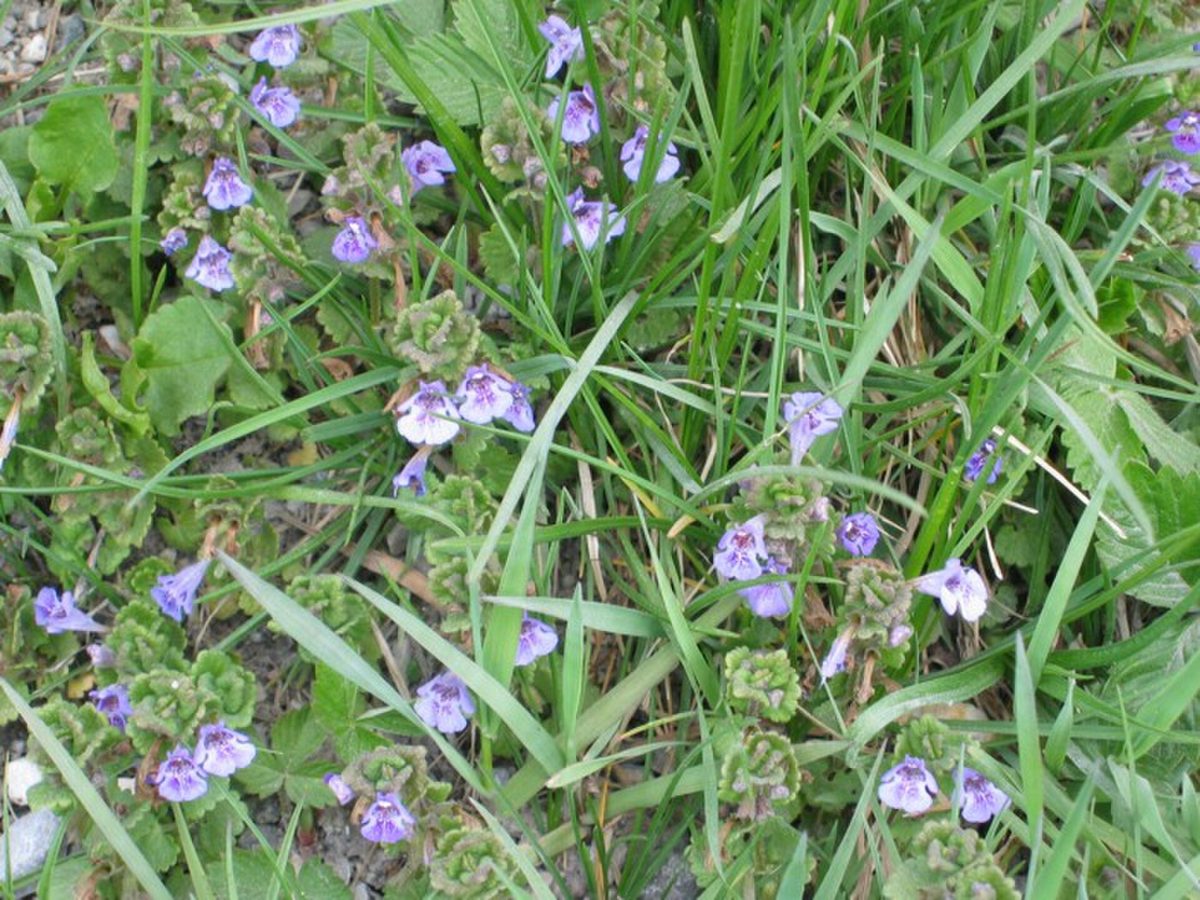
Ground Ivy
Glechoma hederacea
0.2–1 ft (0.05–0.3 m) · Full sun, part shade and full shade (full sun preferred)
-
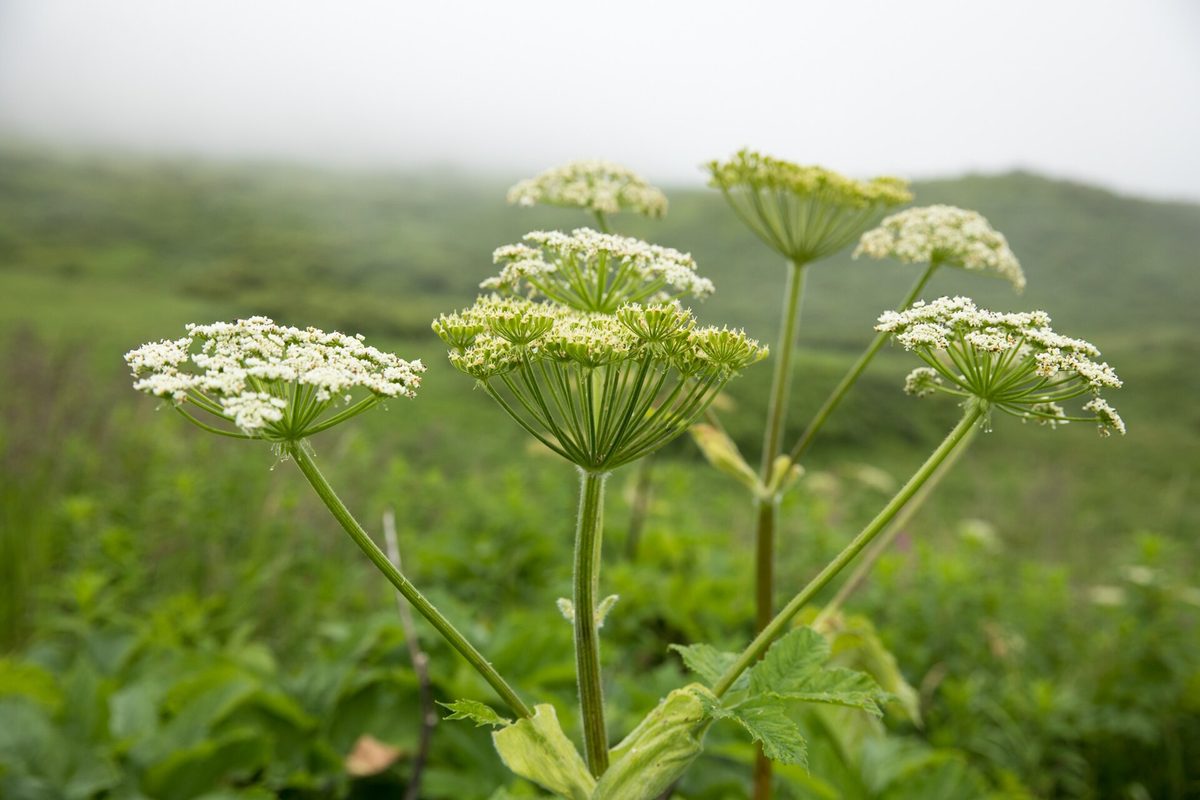
Common Cowparsnip
Heracleum maximum
Zones 4a–10a · 3.3–9.8 ft (1–3 m) · Full sun, part shade and full shade (full sun preferred)
-
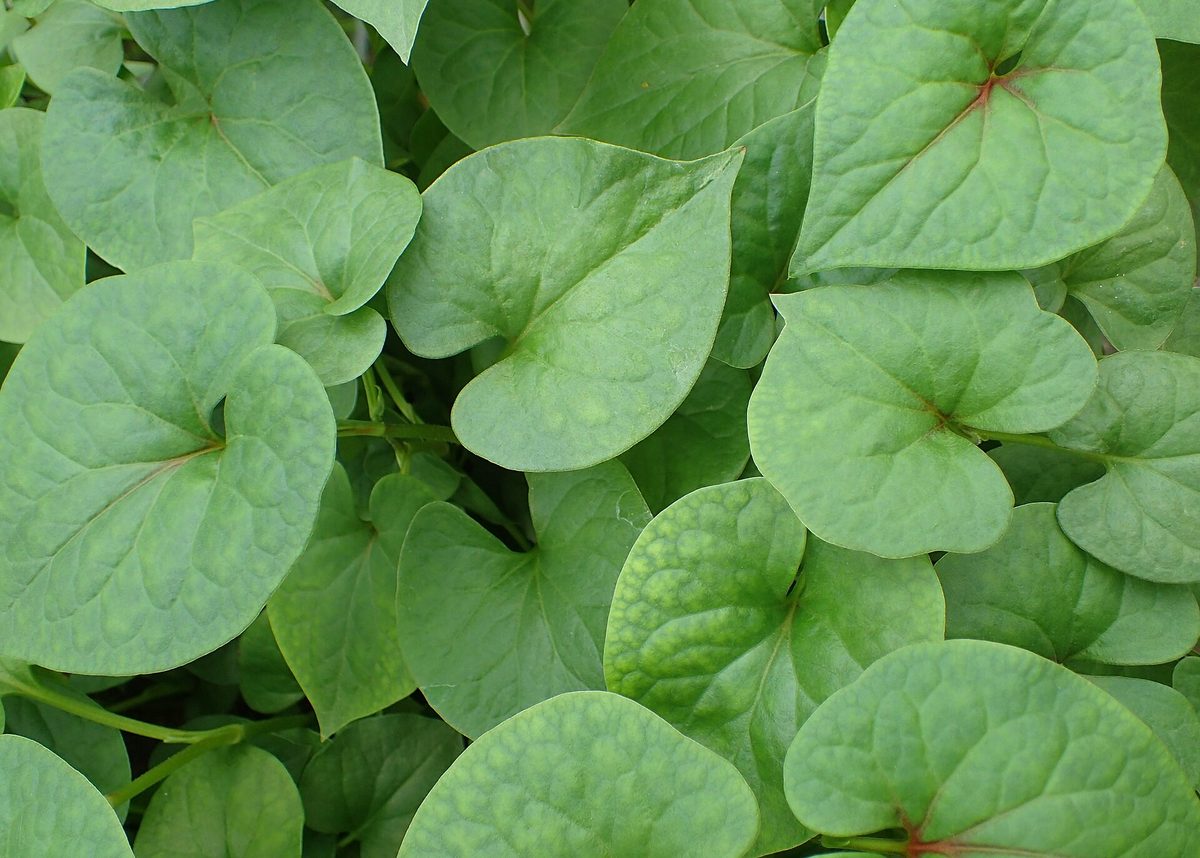
Chameleon
Houttuynia cordata
Zones 4a–10b · 0.5–1.7 ft (0.15–0.51 m) · Full sun, part shade and full shade (full sun preferred)
-
-
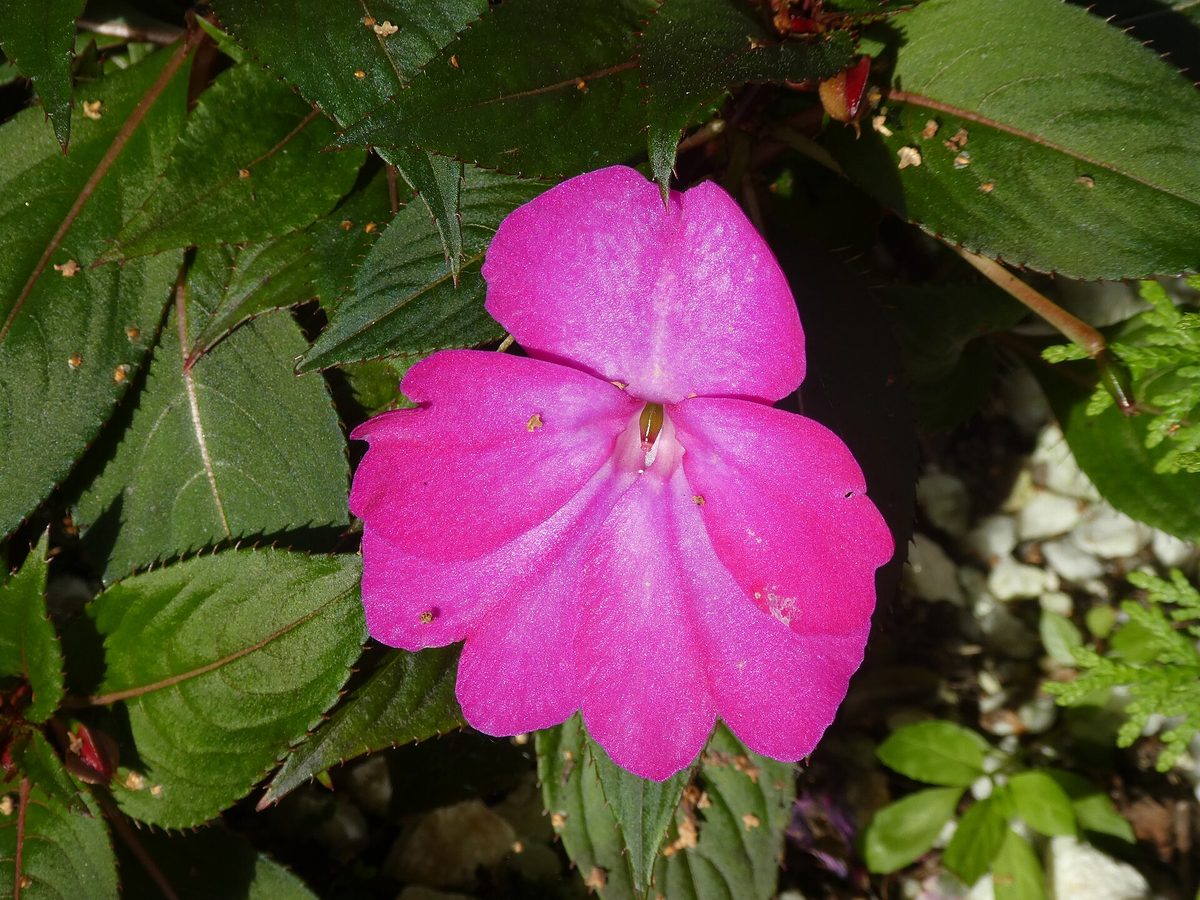
Buzzy Lizzy
Impatiens walleriana
Zones 10a–11b · 0.5–2 ft (0.15–0.61 m) · Part shade and full shade (part shade preferred)
-
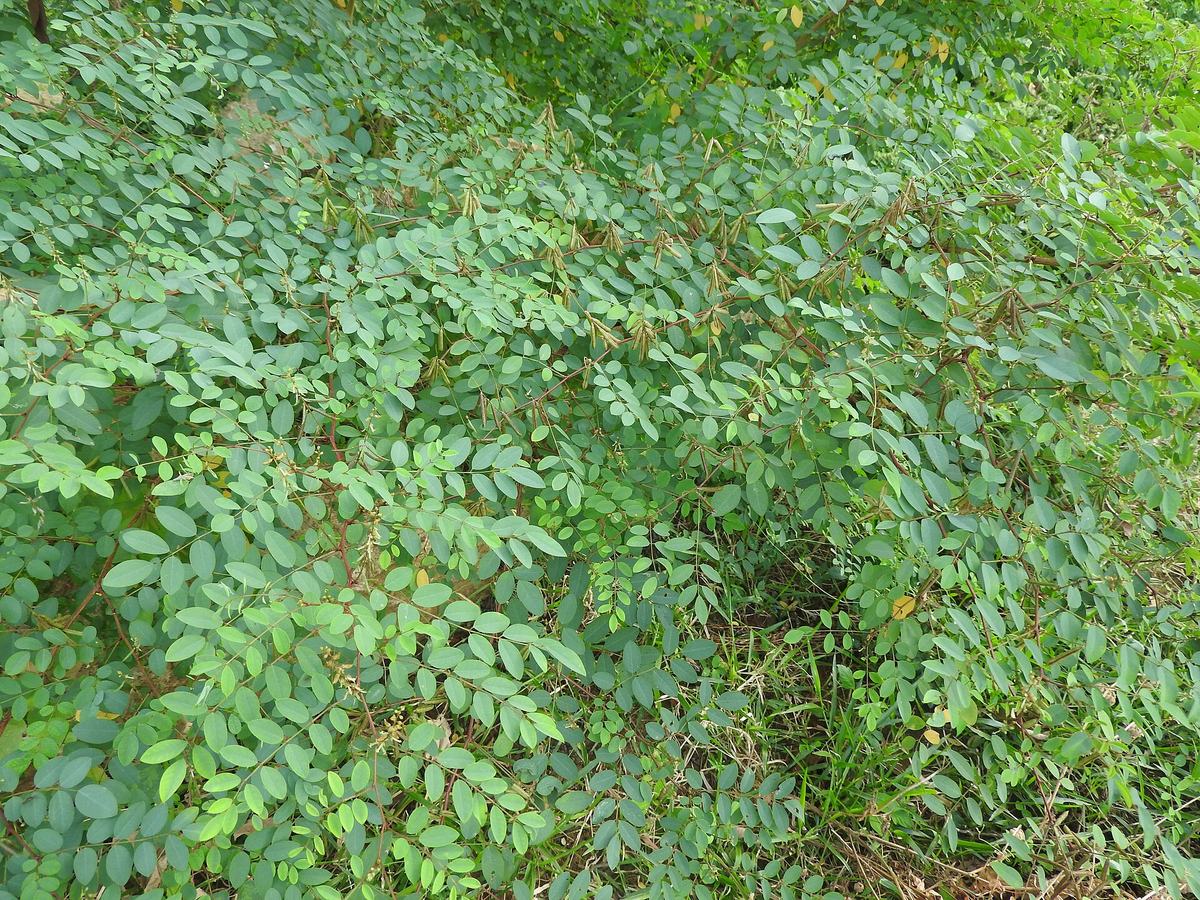
True Indigo
Indigofera tinctoria
Zones 10a–12b · 2–3 ft (0.61–0.91 m) · Full sun and part shade (full sun preferred)
-
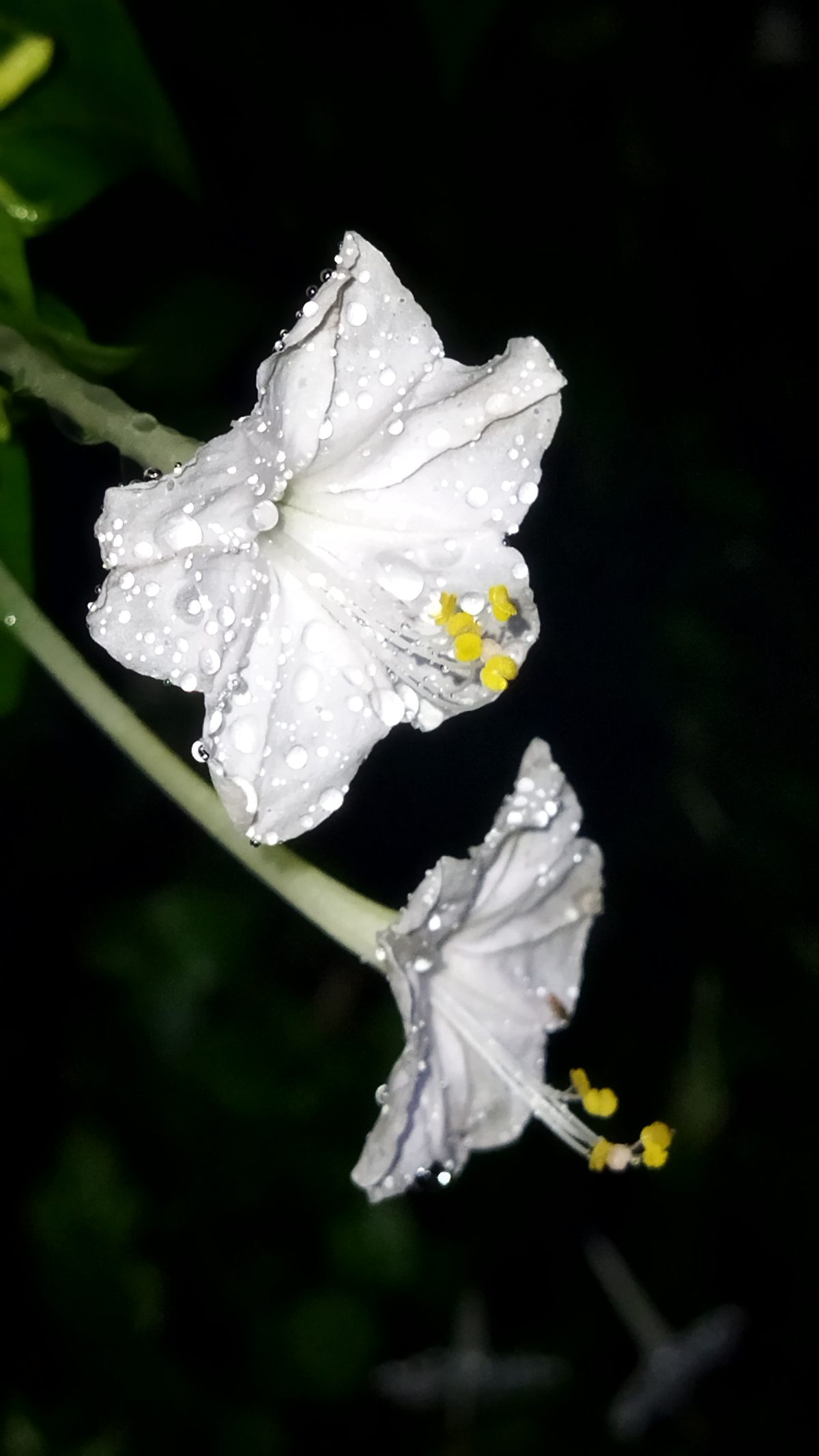
Marvel of Peru
Mirabilis jalapa
Zones 9a–10b · 2–3 ft (0.61–0.91 m) · Full sun and part shade (full sun preferred)
-
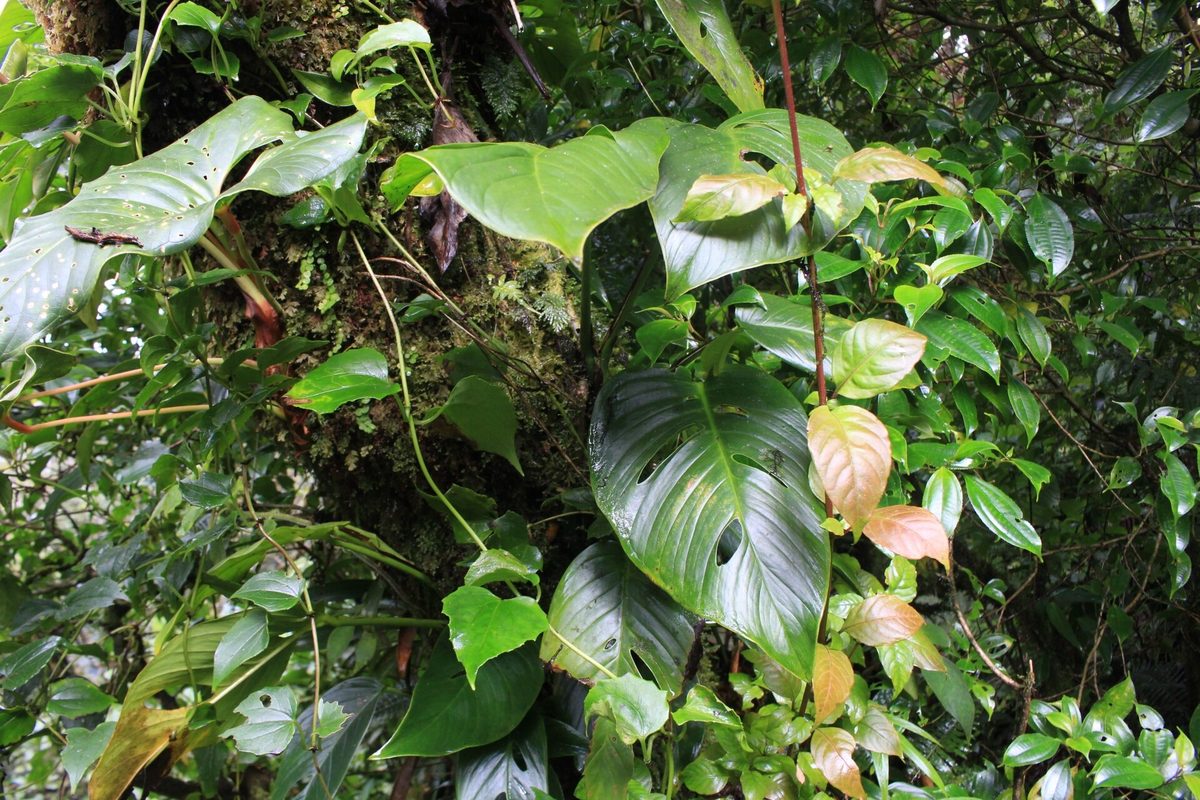
Adanson's Monstera
Monstera adansonii
Zones 10a–12b · 3–13 ft (0.91–3.96 m) · Part shade
-
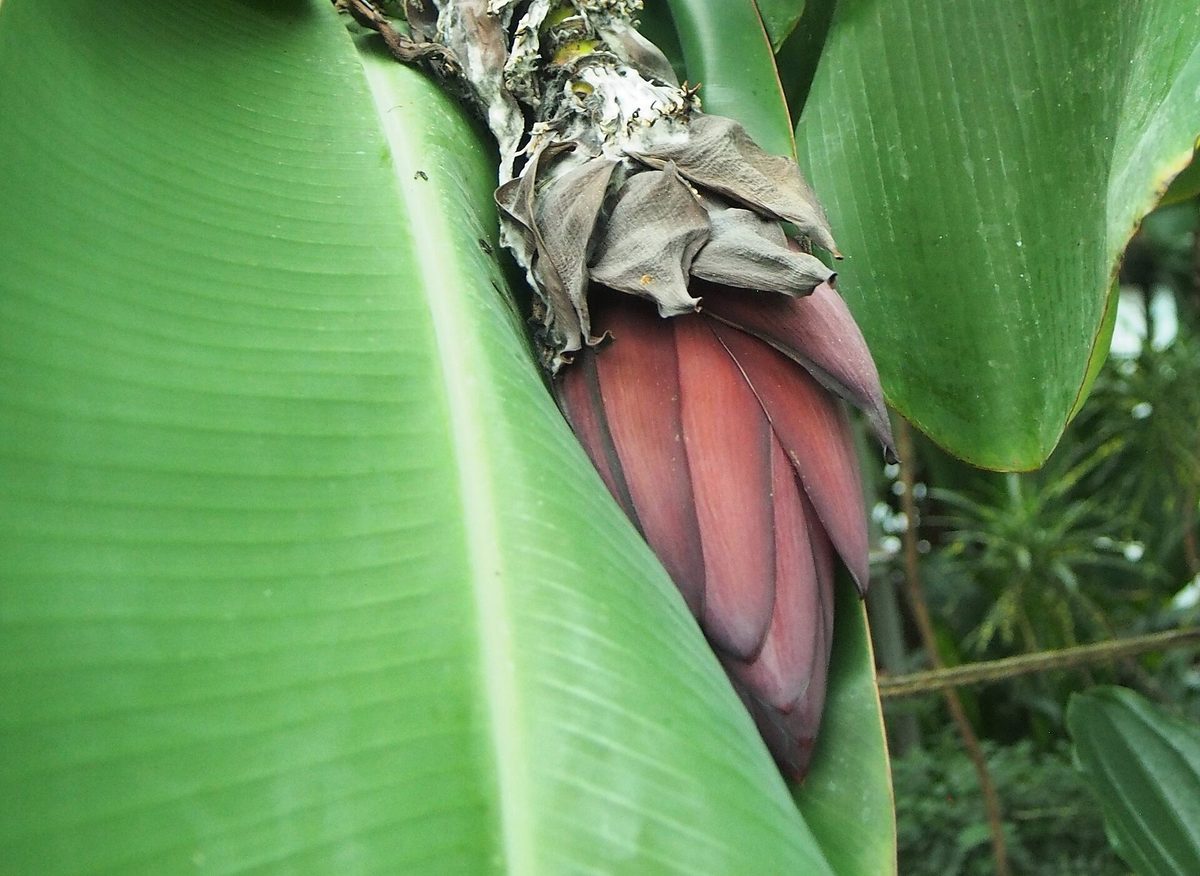
Edible Banana
Musa acuminata
Zones 10a–11b · 8 ft (2.44 m) · Full sun and part shade (full sun preferred)
-
-
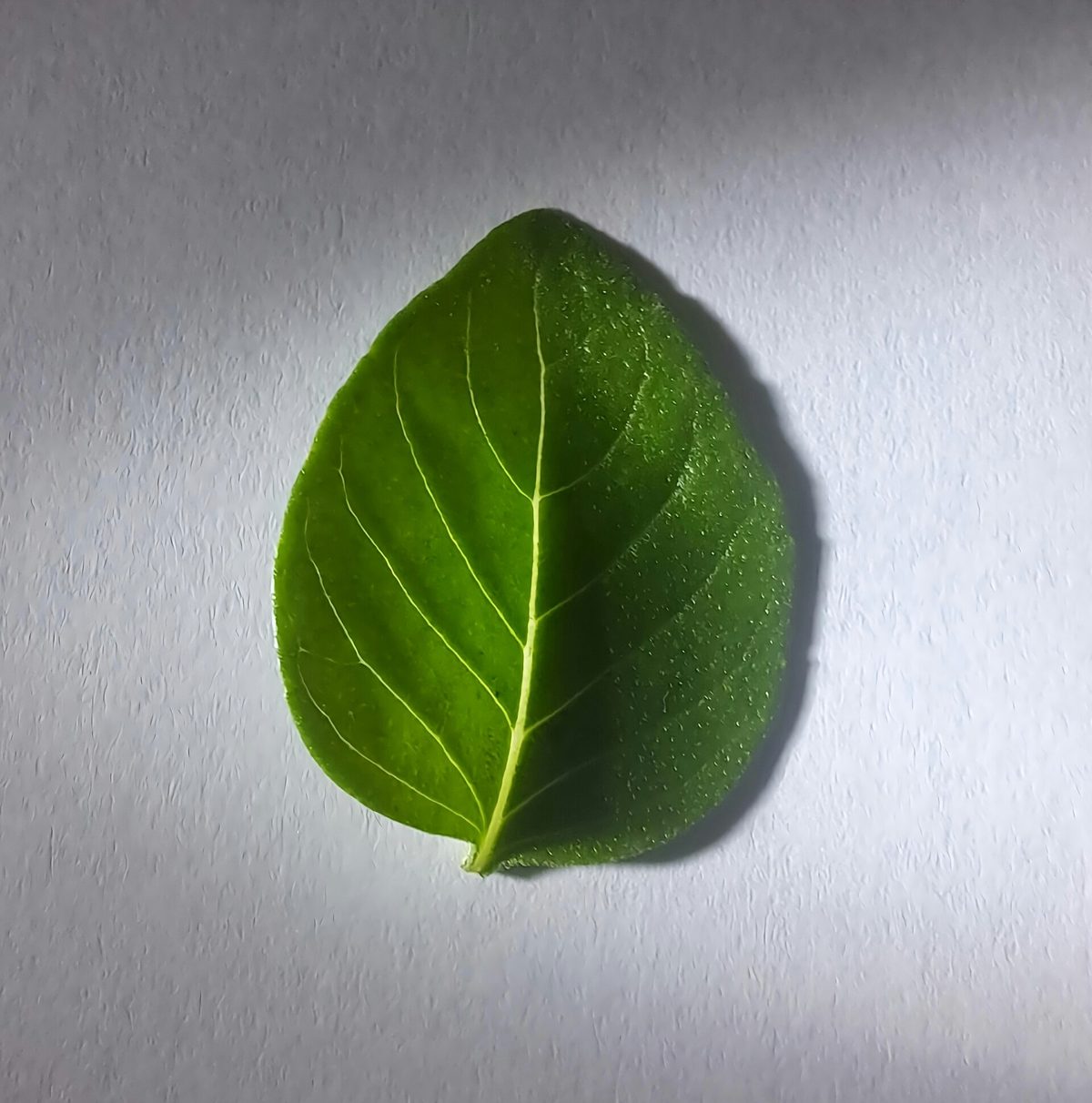
Sweet Basil
Ocimum basilicum
Zones 10a–10b · 2 ft (0.61 m) · Full sun and part shade (full sun preferred)
-
-
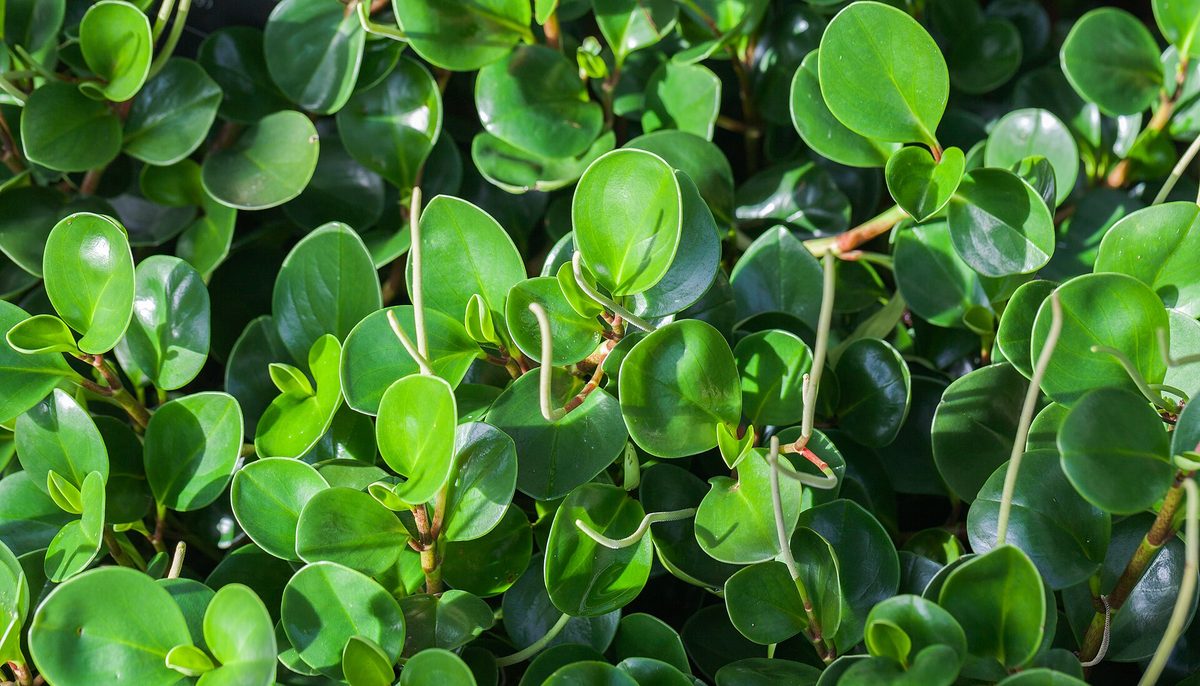
Baby Rubberplant
Peperomia obtusifolia
NC State Extension Gardener Plant Toolbox also lists 10a-12b · 0.5–1.2 ft (0.15–0.38 m) · Part shade and full shade (part shade preferred)
-
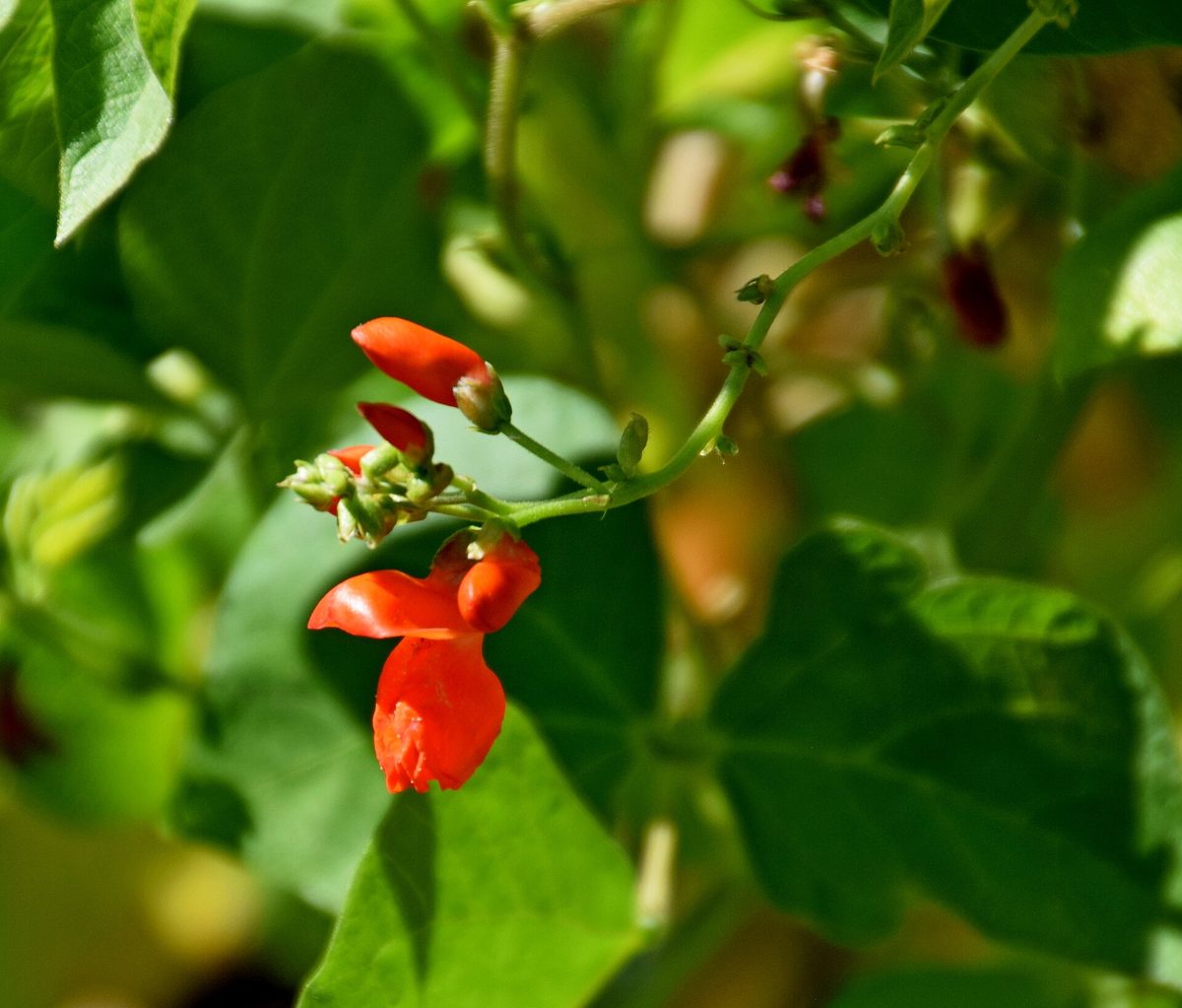
Scarlet Runner
Phaseolus coccineus
Zones 7a–11b · 8–12 ft (2.44–3.66 m) · Full sun
-
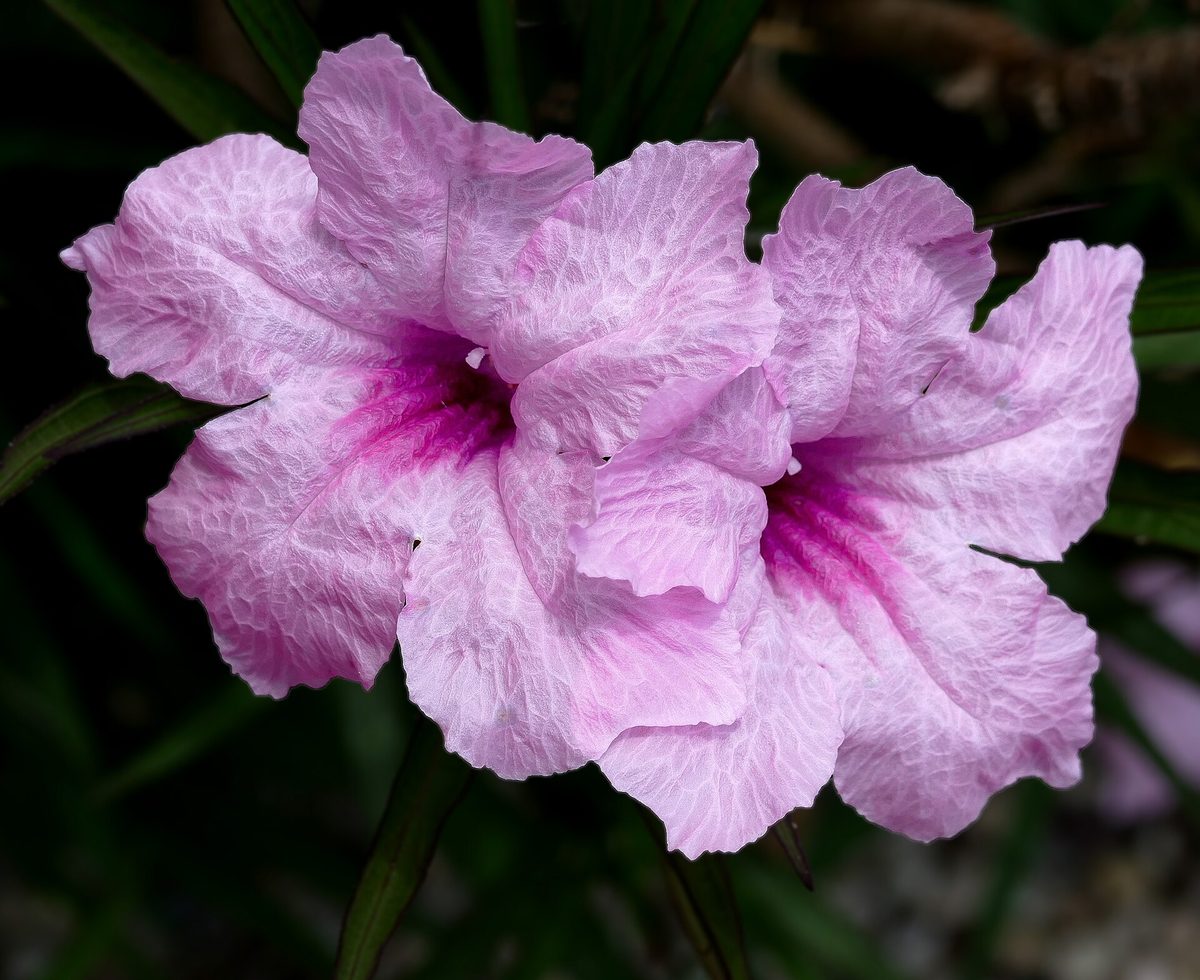
Softseed Wild Petunia
Ruellia simplex
Zones 8a–10b · 3–4 ft (0.91–1.22 m) · Full sun and part shade (full sun preferred)
-
-
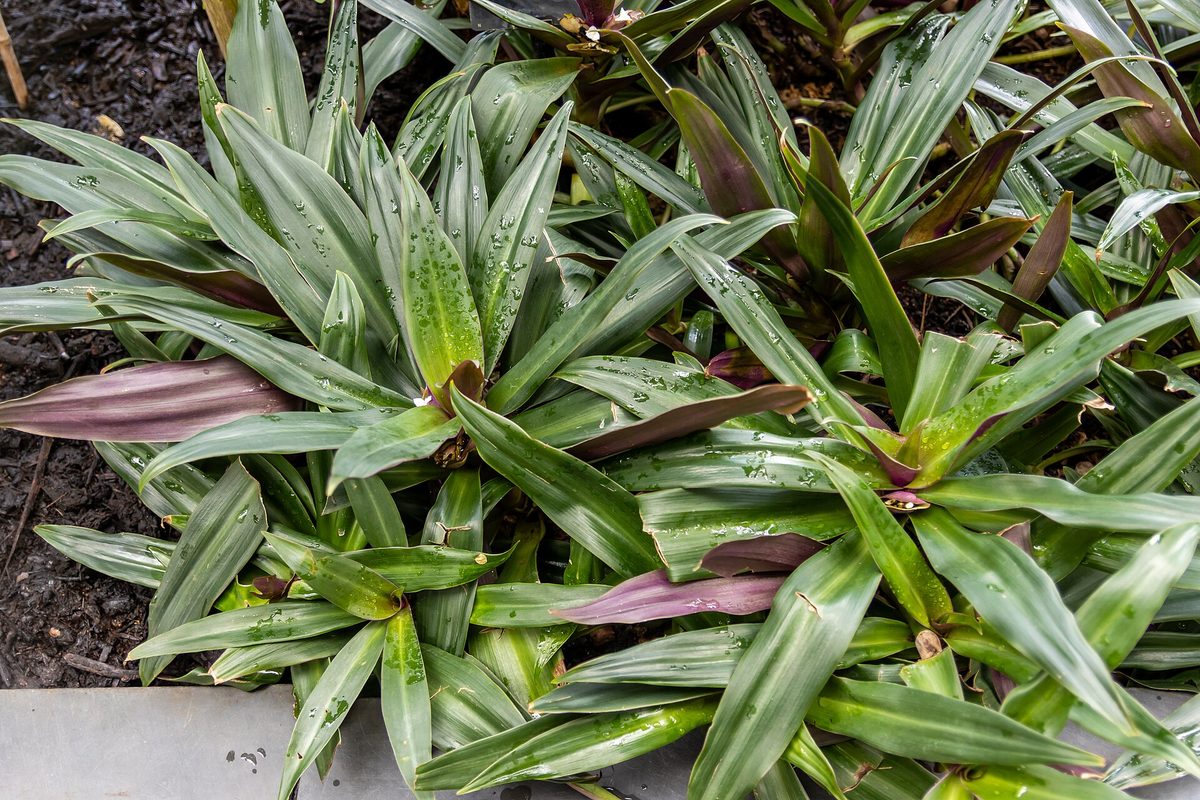
Boatlily
Tradescantia spathacea
Zones 9a–11b · 0.5–1 ft (0.15–0.3 m) · Full sun and part shade (full sun preferred)
-
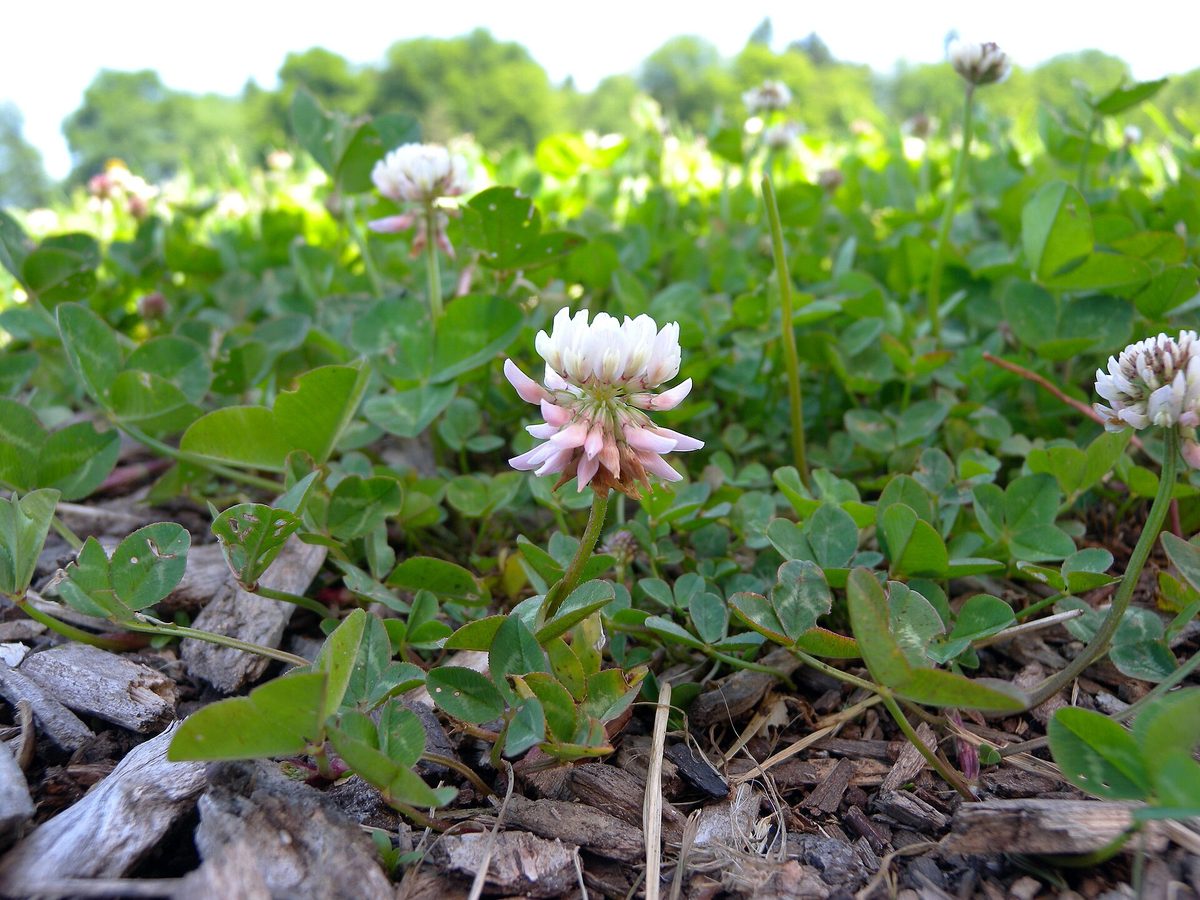
White Clover
Trifolium repens
Zones 3a–10b · 0.3–0.5 ft (0.1–0.15 m) · Full sun and part shade (full sun preferred)
-
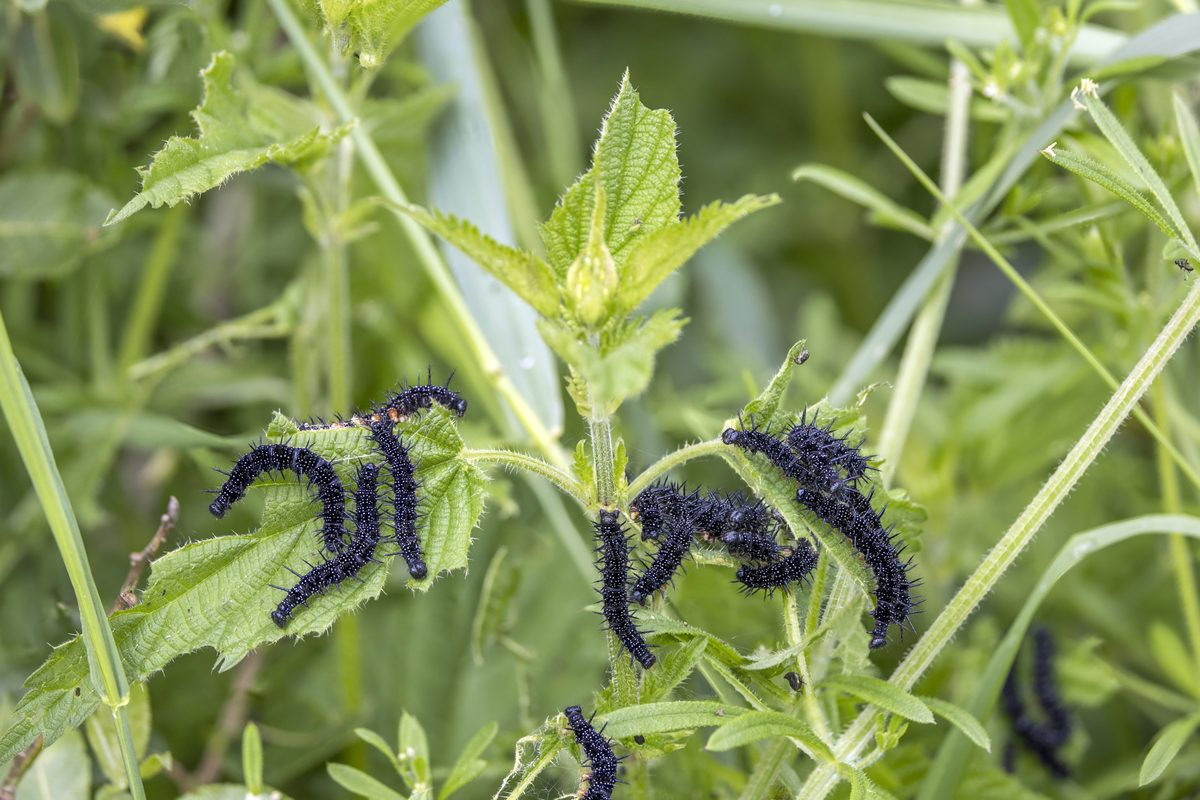
Stinging Nettle
Urtica dioica
Zones 4a–10b · 10 ft (3.05 m) · Full sun, part shade and full shade (full sun preferred)
-
Purpletop Vervain
Verbena bonariensis
Zones 7a–11b · 4–5 ft (1.22–1.52 m) · Full sun and part shade (full sun preferred)
-
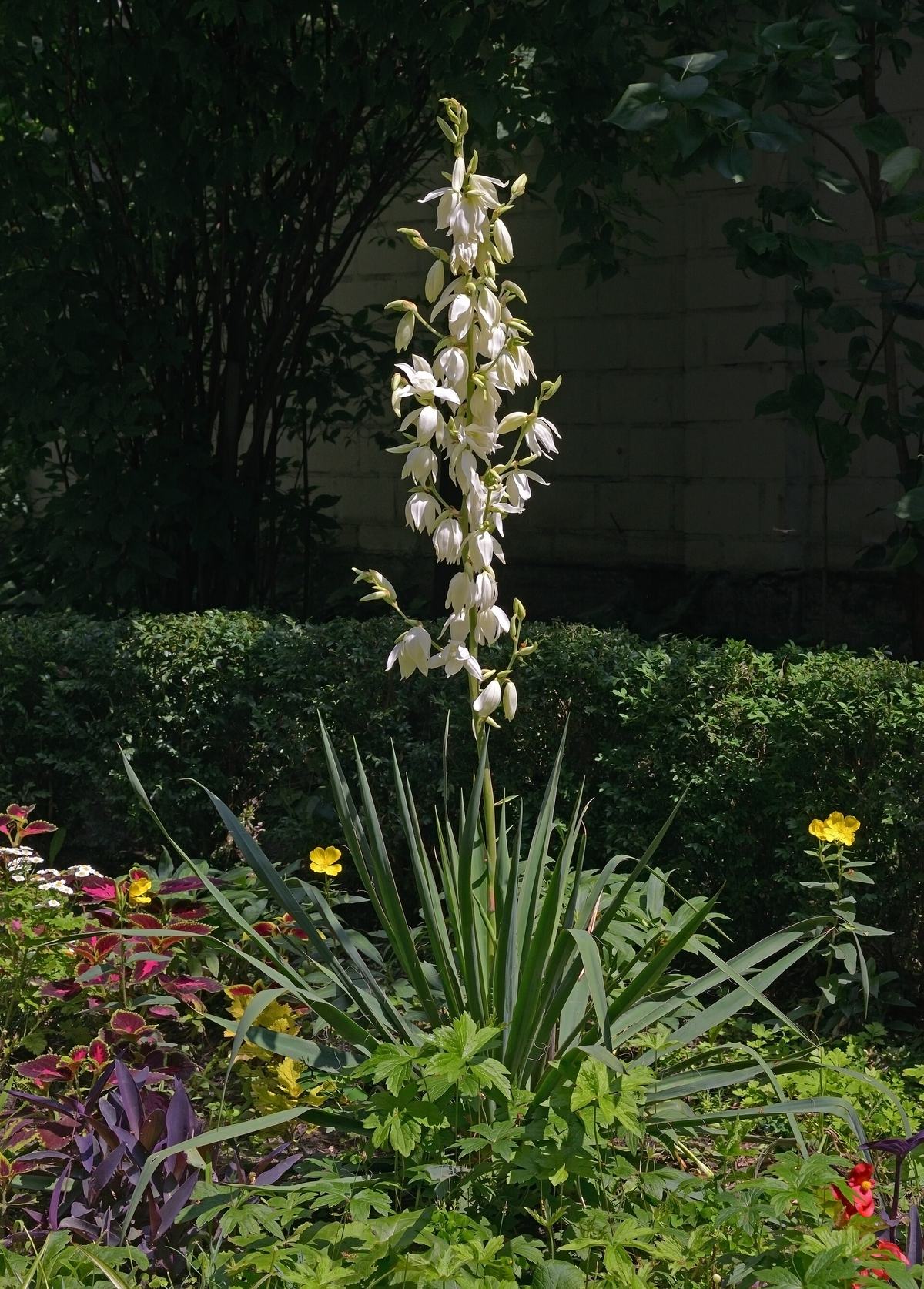
Adam's Needle
Yucca filamentosa
Zones 4a–10b · 3–15 ft (0.91–4.57 m) · Full sun, part shade and full shade (full sun preferred)
How we chose
A herbaceous perennial, and hardy through at least zone 10a according to the cited sources
Photo credits
- Bear's Breech photo by Alvesgaspar, CC BY-SA 4.0 via Wikimedia Commons
- Calamus photo by H. Zell, CC BY-SA 3.0 via Wikimedia Commons
- Devil's Tongue photo by kiwa dokokano, CC BY-SA 3.0 via Wikimedia Commons
- Garden Snapdragon photo by Christian Ferrer, CC BY-SA 4.0 via Wikimedia Commons
- Indianhemp photo by Thayne Tuason, CC BY-SA 4.0 via Wikimedia Commons
- Greater Burdock photo by Ilya Plekhanov, CC BY-SA 3.0 via Wikimedia Commons
- Common Asparagus Fern photo by 阿橋 HQ, CC BY-SA 2.0 via Wikimedia Commons
- Cast Iron Plant photo by Digigalos, CC BY-SA 3.0 via Wikimedia Commons
- Herb of Grace photo by Forest & Kim Starr, CC BY 3.0 via Wikimedia Commons
- Ceylon Spinach photo by Joydeep, CC BY-SA 3.0 via Wikimedia Commons
- Indian Shot photo by Wikimedia Commons contributor, CC BY-SA 4.0 via Wikimedia Commons
- Cayenne Pepper photo by George Chernilevsky, Public domain via Wikimedia Commons
- Madagascar Periwinkle photo by Tanvir Rahat, CC BY-SA 4.0 via Wikimedia Commons
- Spadeleaf photo by Vengolis, CC BY-SA 4.0 via Wikimedia Commons
- Spider Plant photo by Daderot, CC0 via Wikimedia Commons
- Vetivergrass photo by Copyright © 2005 David Monniaux, CC BY-SA 2.0 via Wikimedia Commons
- Asian Pigeonwings photo by Joydeep, CC BY-SA 3.0 via Wikimedia Commons
- Mexican Mint photo by Aathavan jaffna, CC BY-SA 3.0 via Wikimedia Commons
- Field Bindweed photo by Krzysztof Golik, CC BY-SA 4.0 via Wikimedia Commons
- Uruguayan Pampas Grass photo by Rjcastillo, CC BY 4.0 via Wikimedia Commons
- Bermudagrass photo by Joydeep, CC BY-SA 3.0 via Wikimedia Commons
- Papyrus photo by T.Voekler, CC BY-SA 3.0 via Wikimedia Commons
- Sacred Thorn-apple photo by Alex Abair, CC BY 4.0 via Wikimedia Commons
- Snake Plant photo by Ujlak, CC BY-SA 3.0 via Wikimedia Commons
- Pothos photo by Marek Argent (Abrimaal), CC BY-SA 3.0 via Wikimedia Commons
- Ground Ivy photo by Michael Kurz, CC BY-SA 3.0 via Wikimedia Commons
- Common Cowparsnip photo by U.S. Fish and Wildlife Service - Midwest Region, Public domain via Wikimedia Commons
- Chameleon photo by Krzysztof Ziarnek, Kenraiz, CC BY-SA 4.0 via Wikimedia Commons
- Polkadot-plant photo by Vengolis, CC BY-SA 4.0 via Wikimedia Commons
- Buzzy Lizzy photo by Екатерина Борисова, CC BY-SA 4.0 via Wikimedia Commons
- True Indigo photo by Yercaud-elango, CC BY-SA 4.0 via Wikimedia Commons
- Marvel of Peru photo by Nativeplants garden, CC BY-SA 4.0 via Wikimedia Commons
- Adanson's Monstera photo by Jacob Rehage, CC0 via Wikimedia Commons
- Edible Banana photo by Agnieszka Kwiecień, Nova, CC BY-SA 4.0 via Wikimedia Commons
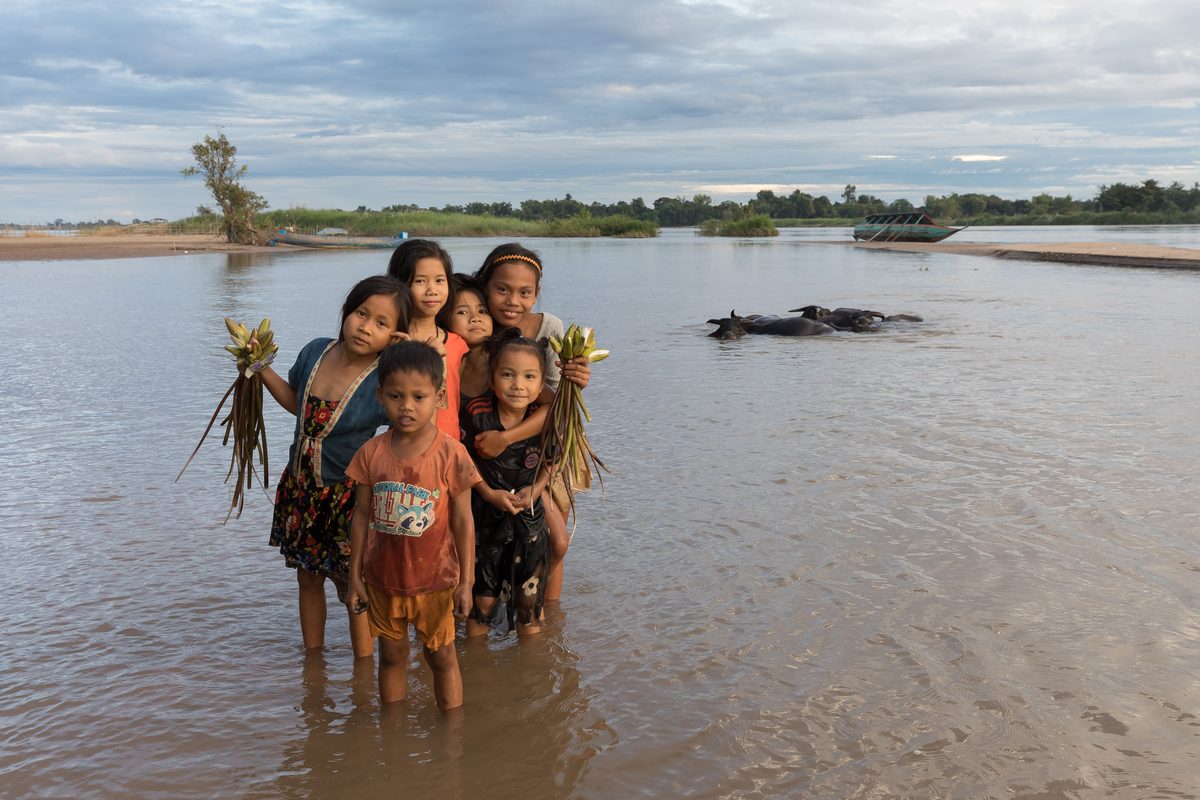
- Sacred Lotus photo by Basile Morin, CC BY-SA 4.0 via Wikimedia Commons
- Sweet Basil photo by BernaBotto, CC BY-SA 4.0 via Wikimedia Commons
- Holy Basil photo by Joydeep, CC BY-SA 3.0 via Wikimedia Commons
- Baby Rubberplant photo by Wikimedia Commons contributor, CC BY-SA 3.0 via Wikimedia Commons
- Scarlet Runner photo by Krzysztof Golik, CC BY-SA 4.0 via Wikimedia Commons
- Softseed Wild Petunia photo by Jim Evans, CC BY-SA 4.0 via Wikimedia Commons
- Carolina Horsenettle photo by Cody Hough, CC BY-SA 3.0 via Wikimedia Commons
- Boatlily photo by Wikimedia Commons contributor, CC BY-SA 4.0 via Wikimedia Commons
- White Clover photo by MurielBendel, CC BY-SA 4.0 via Wikimedia Commons
- Stinging Nettle photo by Wikimedia Commons contributor, CC BY-SA 4.0 via Wikimedia Commons
- Adam's Needle photo by Ввласенко, CC BY-SA 4.0 via Wikimedia Commons


How this page was made
- Written with AI assistance from the sources listed on this page. AI is never the source of a fact.