True Indigo (Indigofera tinctoria)
Formerly Anil tinctoria, Indigofera houer, Indigofera bergii
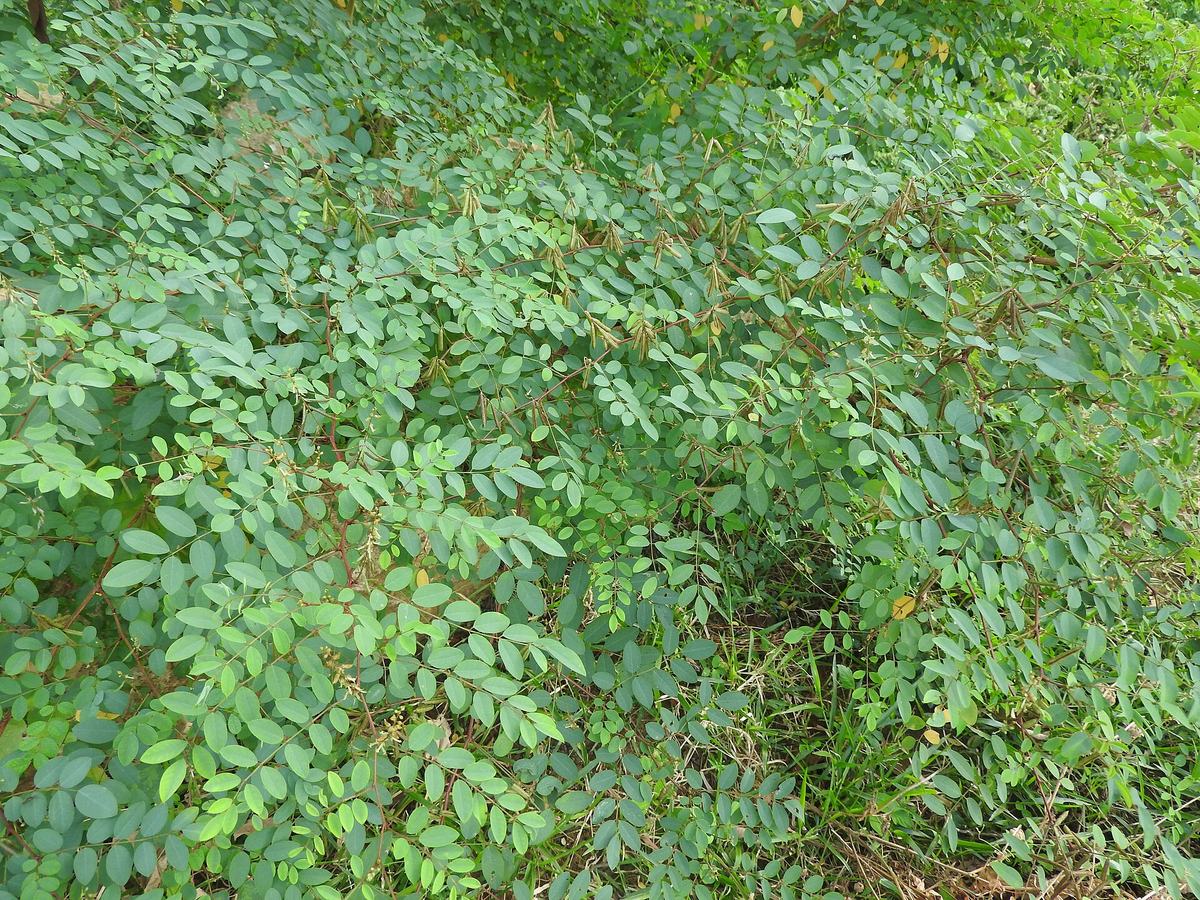
Photo: Yercaud-elango, CC BY-SA 4.0 via Wikimedia Commons

Quick facts
| Soil: | Well drained, moist and occasionally dry; pH 6–711 source |
|---|---|
| Size: | 2–3 ft (0.61–0.91 m) × 2–3 ft (0.61–0.91 m)11 source |
| Growth rate: | Moderate11 source |
| Bloom: | Pink and purple11 source |
| Cats: | Not documented by major sources |
| Dogs: | Not documented by major sources |
| Native range: | ANG, ASS, BAN, BKN, BOT, EHM, GHA, IND, LDV, MDV, MLW, MOZ, MXE, MXG, MXS, MXT, MYA, NCB, PAK, PER, SEN, SRL, SWZ, TAN, THA, TVL, VIE, WHM, YEM, ZAM, ZIM3 |
| Family: | Fabaceae |
Best soil for a True Indigo
True indigo does well in moist, well-drained, fertile soil with a pH of 6 to 7. The drainage recorded for it is well drained, moist and occasionally dry. The preferred soil pH range runs from 6 at the low end to 7 at the high end. Fertile soil is part of the description, along with moist and well-drained conditions. Occasionally dry soil is among the conditions it takes.
How to propagate a True Indigo
The propagation method on record for true indigo is seed. No other method is listed in the facts on file for this page. The plant is a herbaceous perennial with a spreading habit and a moderate growth rate. It is listed for hardiness zones 10a–12b. Pink and purple are its bloom colors.
- Propagation: Seed1
Common problems
The pest recorded for true indigo is Homona coffearia. No other pest is listed in the facts on file for this page. No disease is documented for this plant in the facts on file either. Its maintenance level is rated medium, and its growth rate is moderate.
- Common pests: homona coffearia2
| Problem | Kind |
|---|---|
| Homona coffearia | Pest |
Is True Indigo toxic to cats and dogs?
Recommended supplies
- Soil: a free-draining mix, and a pot with a drainage hole.
Questions and answers
- What soil does true indigo like?
- Soil that is moist, well drained and fertile, with a pH between 6 and 7, suits it. It is also listed as taking soil that is occasionally dry.
- Where can true indigo grow outdoors?
- Zones 10a–12b are the hardiness zones listed for it. It takes full sun or part shade, with full sun preferred. It does appreciate some afternoon shade in hot climates.
- How large does true indigo grow?
- True indigo reaches 2–3 ft (0.61–0.91 m) in height and 2–3 ft (0.61–0.91 m) in spread. Its growth rate is moderate, and its habit is spreading. It is classed as a herbaceous perennial.
Sources
- NC State Extension Gardener Plant Toolbox. https://plants.ces.ncsu.edu/plants/indigofera-tinctoria/. Accessed 15 October 2026.
- EPPO Global Database. https://gd.eppo.int/taxon/INDTI/pests. Accessed 15 October 2026.
- Royal Botanic Gardens, Kew (World Checklist of Vascular Plants). https://sftp.kew.org/pub/data-repositories/WCVP/wcvp.zip. Accessed 4 June 2026.
How this page was made
- Written with AI assistance from the sources listed on this page. AI is never the source of a fact.