Shrubs for zone 10
A hardiness zone marks the average annual minimum winter temperature for a place. It tells you whether a shrub can survive the coldest night a typical winter brings. This page gathers the shrubs tracked for zone 10. The group includes 30 members in total, and 26 of them have a published page so far. A zone number says nothing about summer heat, rainfall, humidity, or the soil under your feet. Two gardens in the same zone can still suit very different shrubs because of those other conditions. Treat the zone rating as one check among several, not the whole answer, when you decide what to plant. The shrubs below range widely in habit and origin, from woody evergreens to tender tropical growers. Each one is listed here because it is rated to handle zone 10 winters. Some members of this group do not yet have a published page of their own. Read each shrub's own page for details on its size, light, water, and care before you plant it. If you garden outside zone 10, check a shrub's own page for its full zone range first. Use these pages as a starting point, then confirm your own zone before you buy anything new.
Compared side by side
| Plant | Hardiness | Height | Light | Cats | Dogs |
|---|---|---|---|---|---|
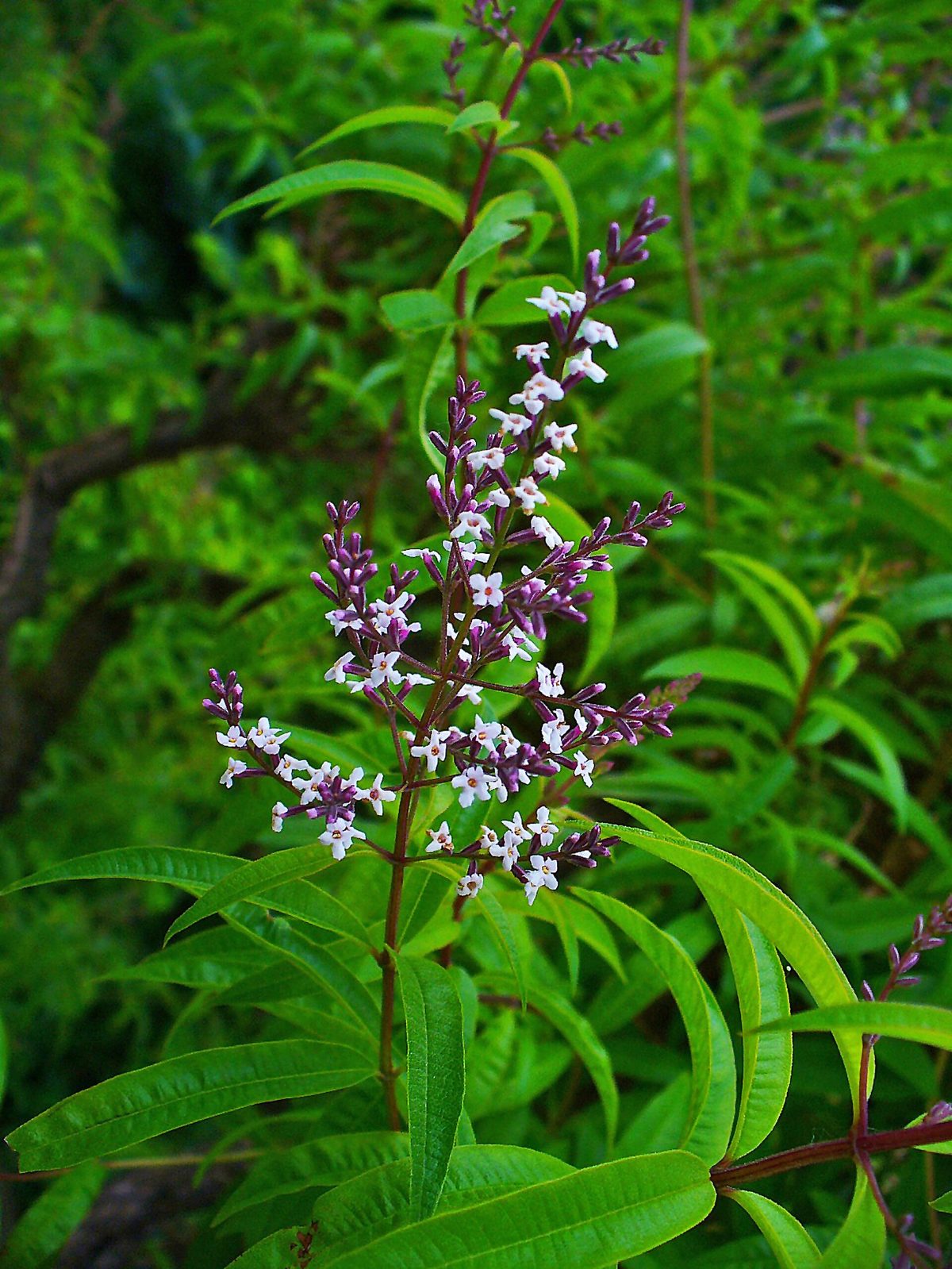
| Lemon BeebrushAloysia citrodora | Zones 8a–10b | 5.9–7.9 ft (1.8–2.4 m) | Full sun | Toxic | Toxic |
| Strawberry TreeArbutus unedo | Zones 7a–10b | 12 ft (3.66 m) | Full sun and part shade (full sun preferred) | Not documented | Not documented |
| PaperflowerBougainvillea glabra | Zones 9a–11b | 10–20 ft (3.05–6.1 m) | Full sun and part shade (full sun preferred) | Not documented | Not documented |
| Angel's-tearsBrugmansia suaveolens | Zones 7b–10b | 6–35 ft (1.83–10.67 m) | Full sun and part shade (full sun preferred) | Toxic (1 source) | Toxic (1 source) |
| Pride-of-BarbadosCaesalpinia pulcherrima | Zones 9a–11b | 10–20 ft (3.05–6.1 m) | Full sun and part shade (full sun preferred) | Toxic (1 source) | Toxic (1 source) |
| American BeautyberryCallicarpa americana | Zones 6a–10b | 5–9 ft (1.52–2.74 m) | Full sun and part shade (full sun preferred) | Not documented | Not documented |
| AmatunguluCarissa macrocarpa | Zones 9a–10b | 5–7 ft (1.52–2.13 m) | Full sun and part shade (full sun preferred) | Non-toxic | Non-toxic |
| LuckynutCascabela thevetia | Zones 8a–10b | 4–8 ft (1.22–2.44 m) | Full sun and part shade (full sun preferred) | Toxic (1 source) | Toxic (1 source) |
| Night JessamineCestrum nocturnum | Chicago Botanic Garden also lists 8a-11b | 3–13 ft (0.91–3.96 m) | Full sun and part shade (full sun preferred) | Toxic (1 source) | Toxic (1 source) |
| Parlor PalmChamaedorea elegans | Zones 10a–12b | 2–7.5 ft (0.61–2.29 m) | Part shade and full shade (part shade preferred) | Non-toxic | Non-toxic |
| Arabian CoffeeCoffea arabica | NC State Extension Gardener Plant Toolbox also lists 10a-12b | 6–15 ft (1.83–4.57 m) | Part shade and full sun (part shade preferred) | Toxic (1 source) | Toxic (1 source) |
| Common ColeusColeus scutellarioides | Zones 10a–11b | 0.5–3 ft (0.15–0.91 m) | Part shade, full shade and full sun (part shade preferred) | Not documented | Not documented |
| Cabbage TreeCordyline australis | Zones 9a–11b | 6–30 ft (1.83–9.14 m) | Full sun and part shade (full sun preferred) | Toxic (1 source) | Toxic (1 source) |
| Sago PalmCycas revoluta | Zones 9a–12b | 15 ft (4.57 m) | Full sun and part shade (full sun preferred) | Toxic | Toxic |
| Fragrant DracaenaDracaena fragrans | Zones 10a–11b | 3–14.5 ft (0.91–4.42 m) | Part shade and full shade (part shade preferred) | Toxic (1 source) | Toxic (1 source) |
| Golden DewdropsDuranta erecta | Zones 9a–11b | 18 ft (5.49 m) | Full sun and part shade (full sun preferred) | Toxic (1 source) | Toxic (1 source) |
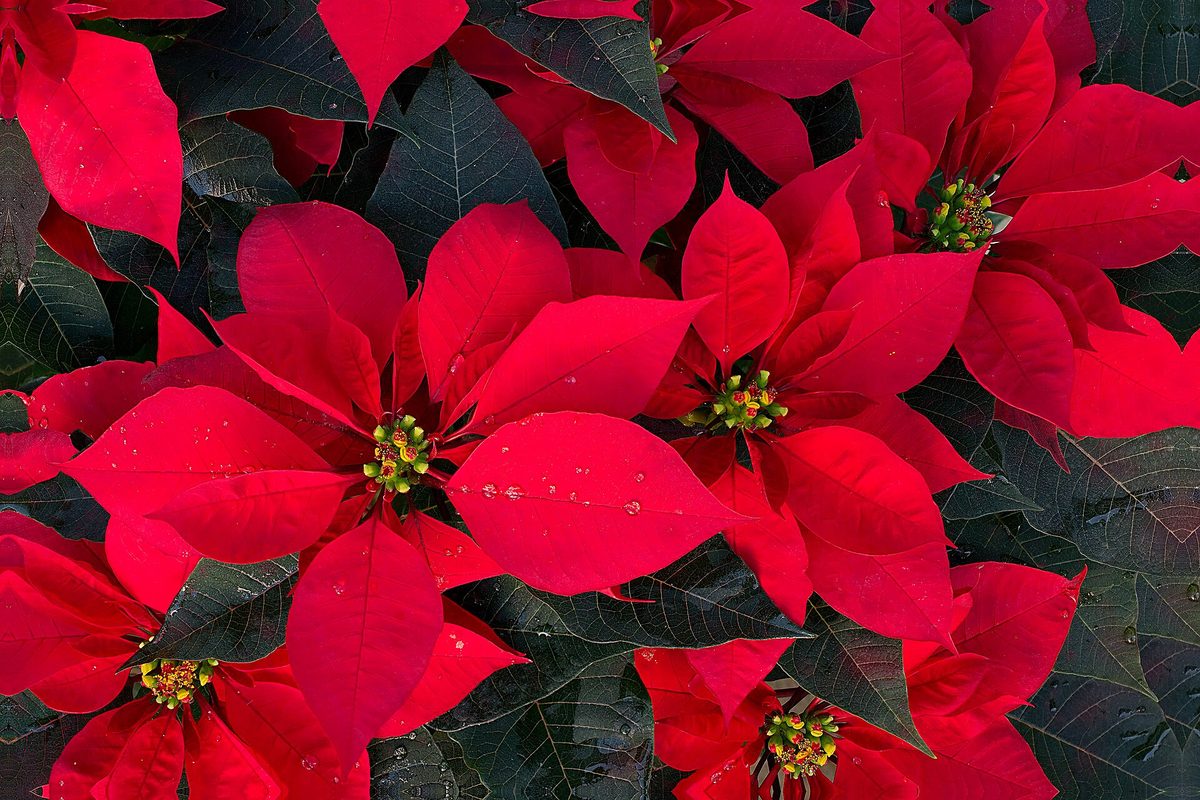
| PoinsettiaEuphorbia pulcherrima | Zones 9a–11b | 3–12 ft (0.91–3.66 m) | Part shade | Toxic | Toxic |
| PaperplantFatsia japonica | Zones 7b–10b | 6–19.5 ft (1.83–5.94 m) | Part shade and full shade (part shade preferred) | Non-toxic | Non-toxic |
| Cape JasmineGardenia jasminoides | Zones 7b–11b | 3–8 ft (0.91–2.44 m) | Part shade and full sun (part shade preferred) | Toxic (1 source) | Toxic (1 source) |
| Dwarf Umbrella TreeHeptapleurum arboricola | Zones 9b–12b | 4–6 ft (1.22–1.83 m) | Part shade, full shade and full sun (part shade preferred) | Toxic | Toxic |
| ShoeblackplantHibiscus × rosa-sinensis | Zones 9a–11b | 3.9–10 ft (1.2–3.05 m) | Full sun and part shade (full sun preferred) | Not documented | Not documented |
| French HydrangeaHydrangea macrophylla | Zones 6a–11b | 3–6 ft (0.91–1.83 m) | Part shade and full shade (part shade preferred) | Toxic | Toxic |
| Scarlet JungleflameIxora coccinea | Zones 9a–11b | 4–6 ft (1.22–1.83 m) | Full sun and part shade (full sun preferred) | Non-toxic | Non-toxic |
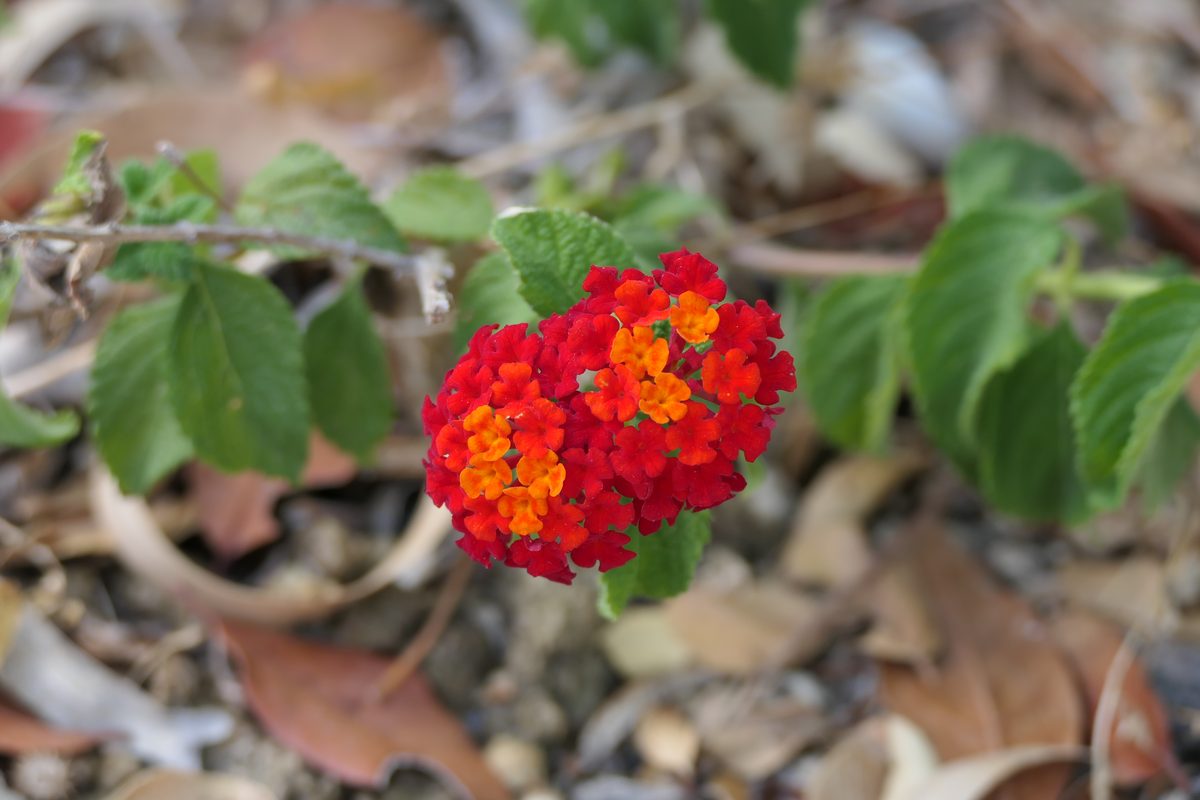
| LantanaLantana camara | Zones 7a–11b | 1–6 ft (0.3–1.83 m) | Full sun | Toxic | Toxic |
| Creosote BushLarrea tridentata | Zones 7a–10b | 5 ft (1.52 m) | Full sun and part shade (full sun preferred) | Non-toxic | Non-toxic |
| Lion's EarLeonotis leonurus | Zones 8a–11b | 3–6 ft (0.91–1.83 m) | Full sun and part shade (full sun preferred) | Not documented | Not documented |
| Sweet OsmanthusOsmanthus fragrans | Zones 8a–11b | 10–12 ft (3.05–3.66 m) | Full sun and part shade (full sun preferred) | Not documented | Not documented |
| Cape LeadwortPlumbago auriculata | Zones 9a–11b | 6–10 ft (1.83–3.05 m) | Full sun and part shade (full sun preferred) | Not documented | Not documented |
| SalmonberryRubus spectabilis | Zones 5a–10a | 6.6–13.1 ft (2–4 m) | Full sun, part shade and full shade (full sun preferred) | Not documented | Not documented |
| Common RueRuta graveolens | Zones 4a–10b | 2–3 ft (0.61–0.91 m) | Full sun and part shade (full sun preferred) | Not documented | Not documented |
| RosemarySalvia rosmarinus | Zones 8a–10b | 4–5 ft (1.22–1.52 m) | Full sun and part shade (full sun preferred) | Non-toxic | Non-toxic |
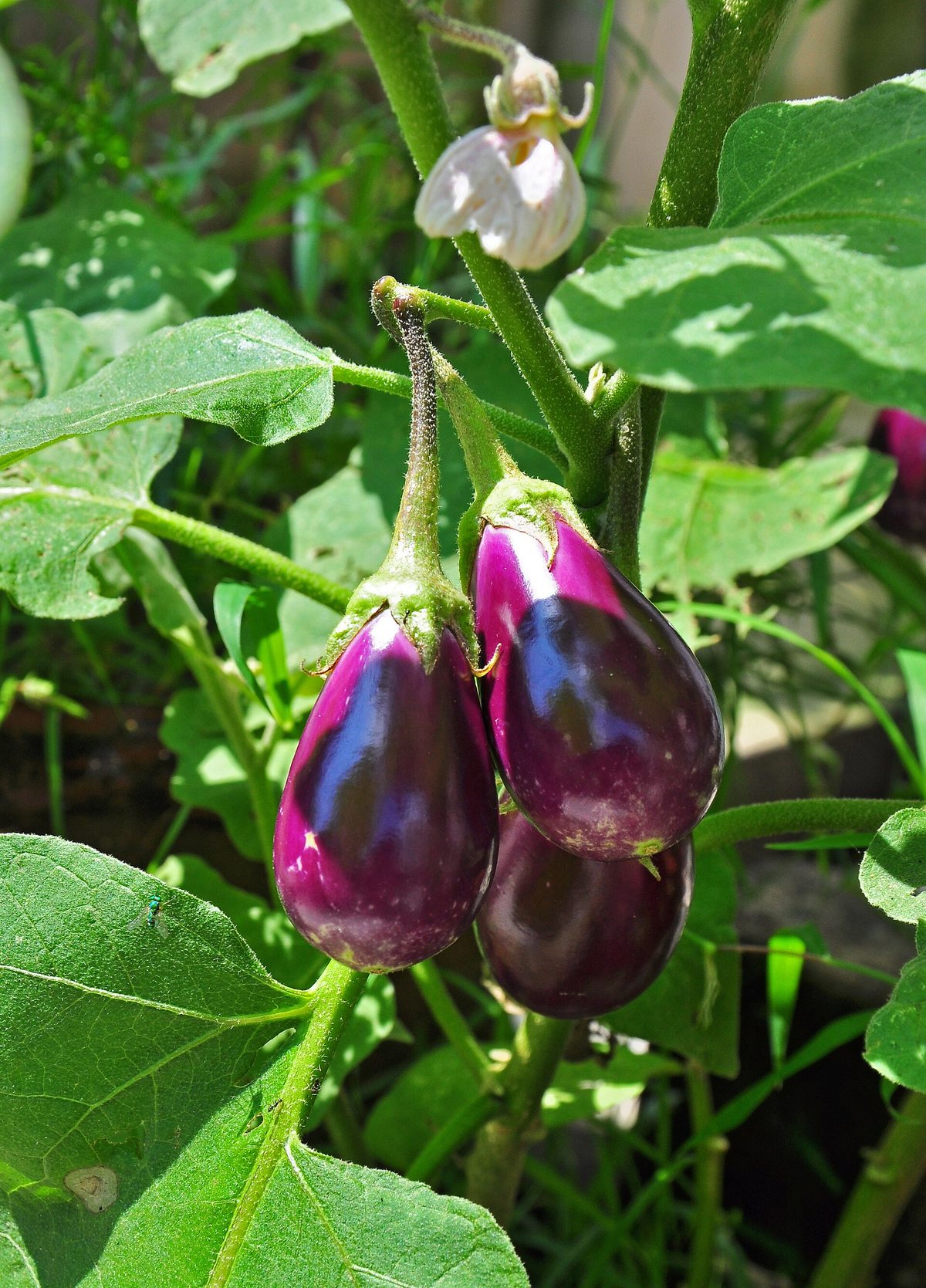
| EggplantSolanum melongena | Zones 9a–12b | 2–4 ft (0.61–1.22 m) | Full sun | Toxic (1 source) | Toxic (1 source) |
| Eastern Poison IvyToxicodendron radicans | Zones 4a–10b | 1–150 ft (0.3–45.72 m) | Full sun, part shade and full shade (full sun preferred) | Non-toxic | Non-toxic |
| Purple QueenTradescantia pallida | Zones 10a–11b | 1 ft (0.3 m) | Full sun and part shade (full sun preferred) | Toxic (1 source) | Toxic (1 source) |
| InchplantTradescantia zebrina | Zones 9a–11b | 0.5–0.8 ft (0.15–0.23 m) | Full sun and part shade (full sun preferred) | Toxic (1 source) | Toxic (1 source) |
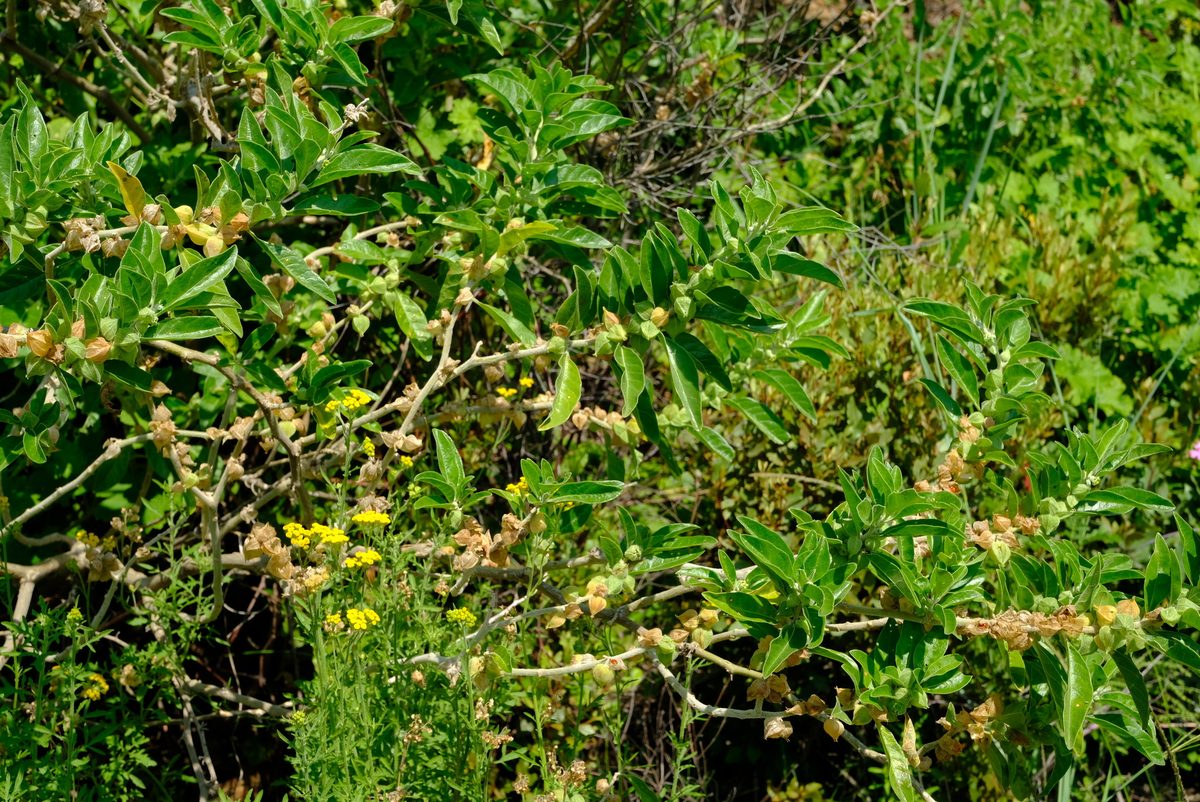
| WithaniaWithania somnifera | Zones 8a–12b | 3 ft (0.91 m) | Full sun | Not documented | Not documented |
The plants
-
-
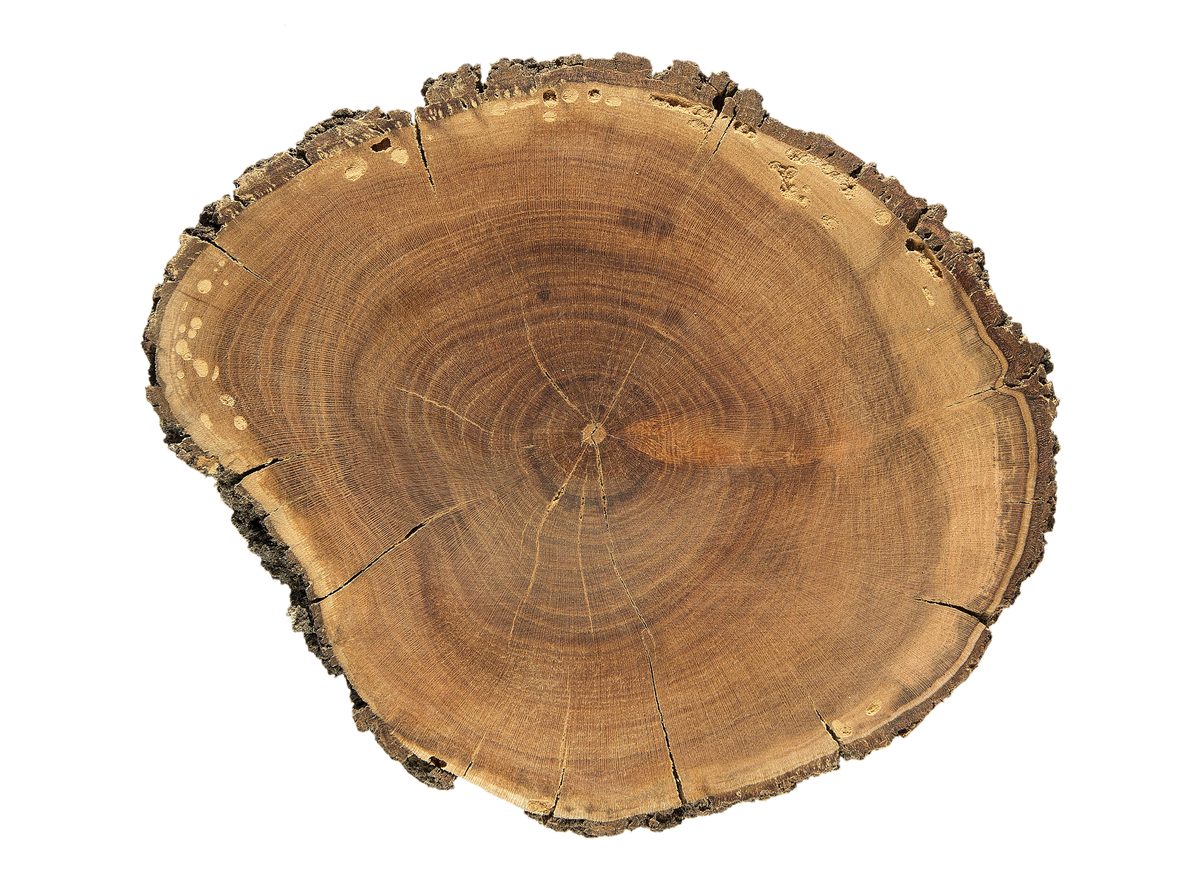
Strawberry Tree
Arbutus unedo
Zones 7a–10b · 12 ft (3.66 m) · Full sun and part shade (full sun preferred)
Among the shrubs tracked for zone 10, Arbutus unedo is one with its own published page. It sits alongside 25 other published shrubs in this same zone group. Check its own page for the details on how to grow it.
-
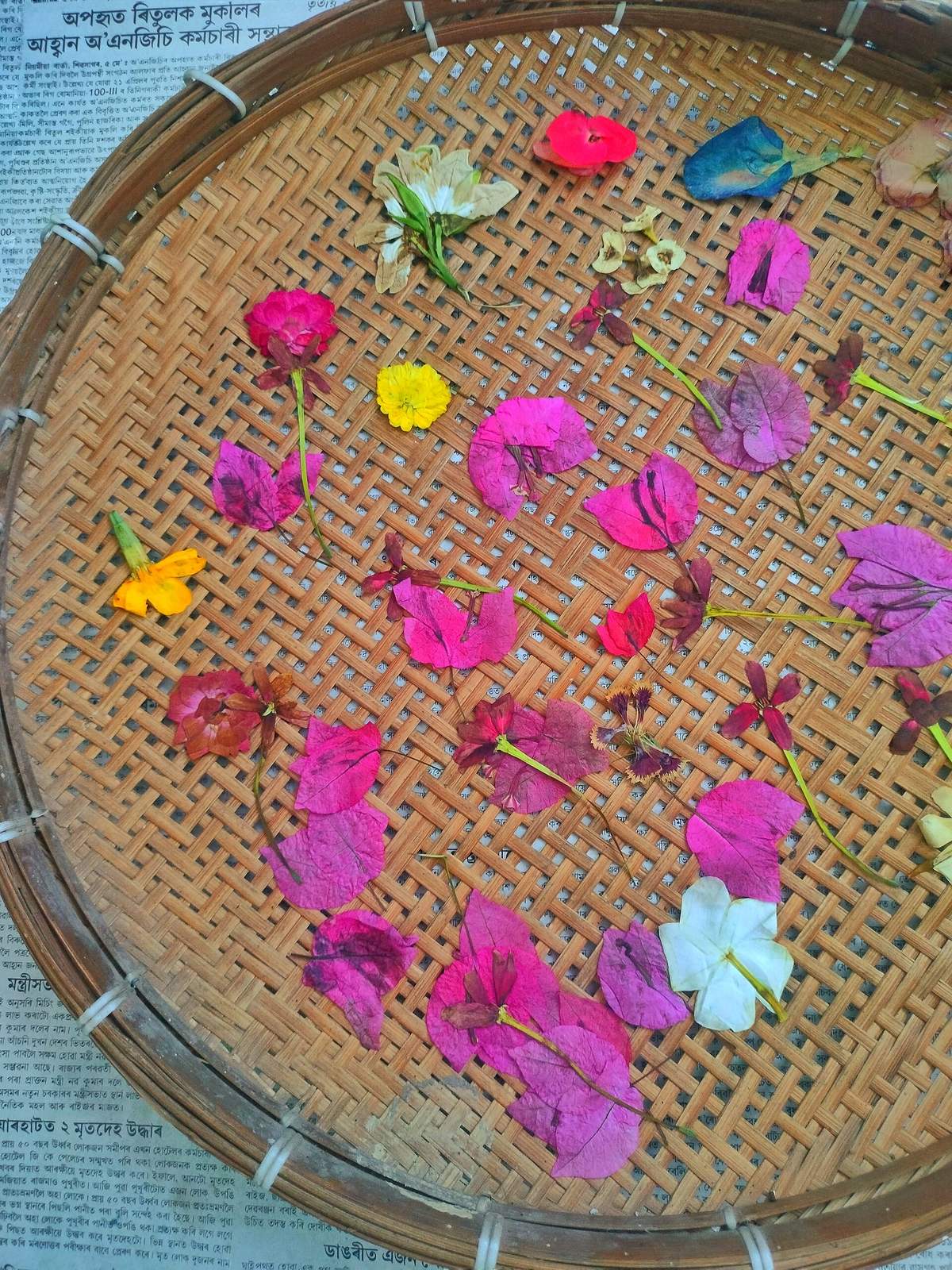
Paperflower
Bougainvillea glabra
Zones 9a–11b · 10–20 ft (3.05–6.1 m) · Full sun and part shade (full sun preferred)
This shrub group for zone 10 includes Bougainvillea glabra, published as part of the list. It is one of 26 members with a finished page out of 30 tracked overall. Look to its own page for how it is grown and cared for.
-
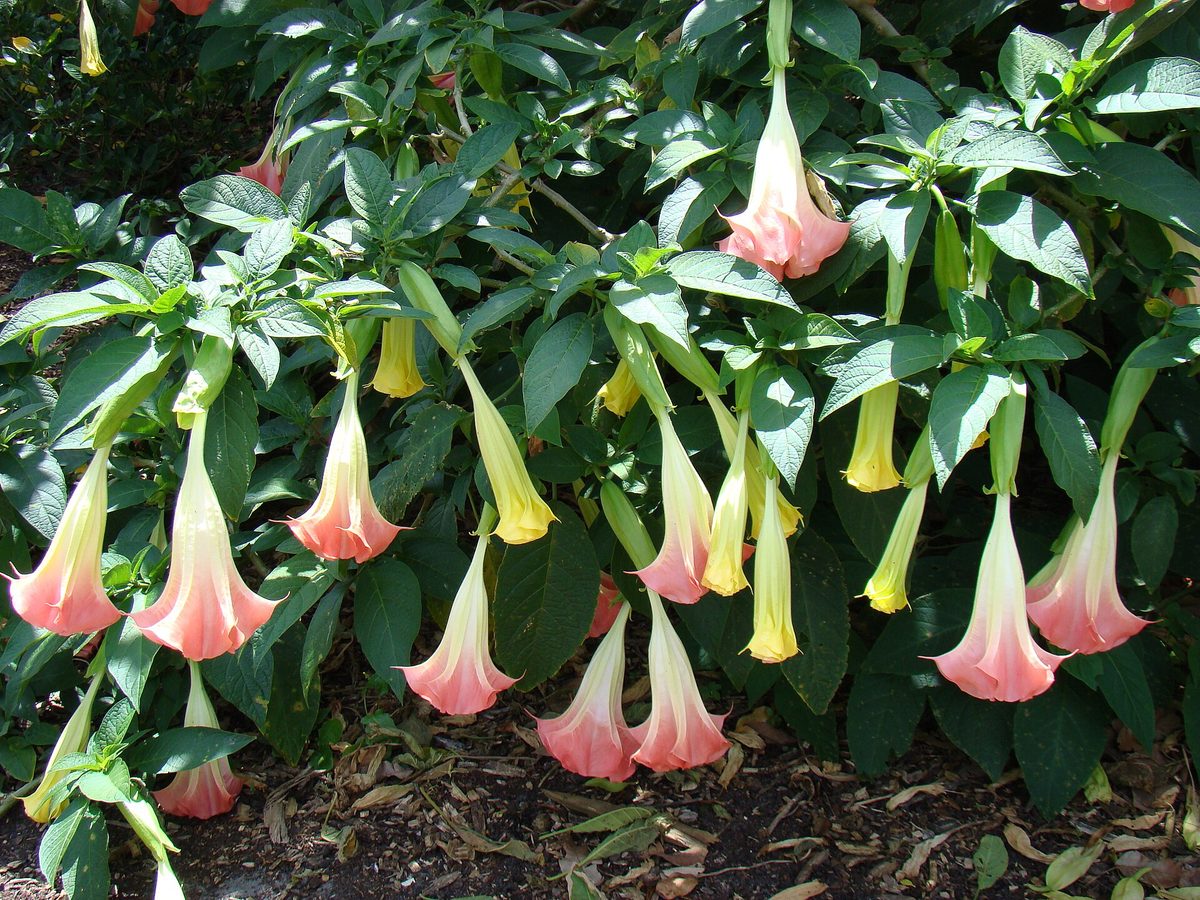
Angel's-tears
Brugmansia suaveolens
Zones 7b–10b · 6–35 ft (1.83–10.67 m) · Full sun and part shade (full sun preferred)
-
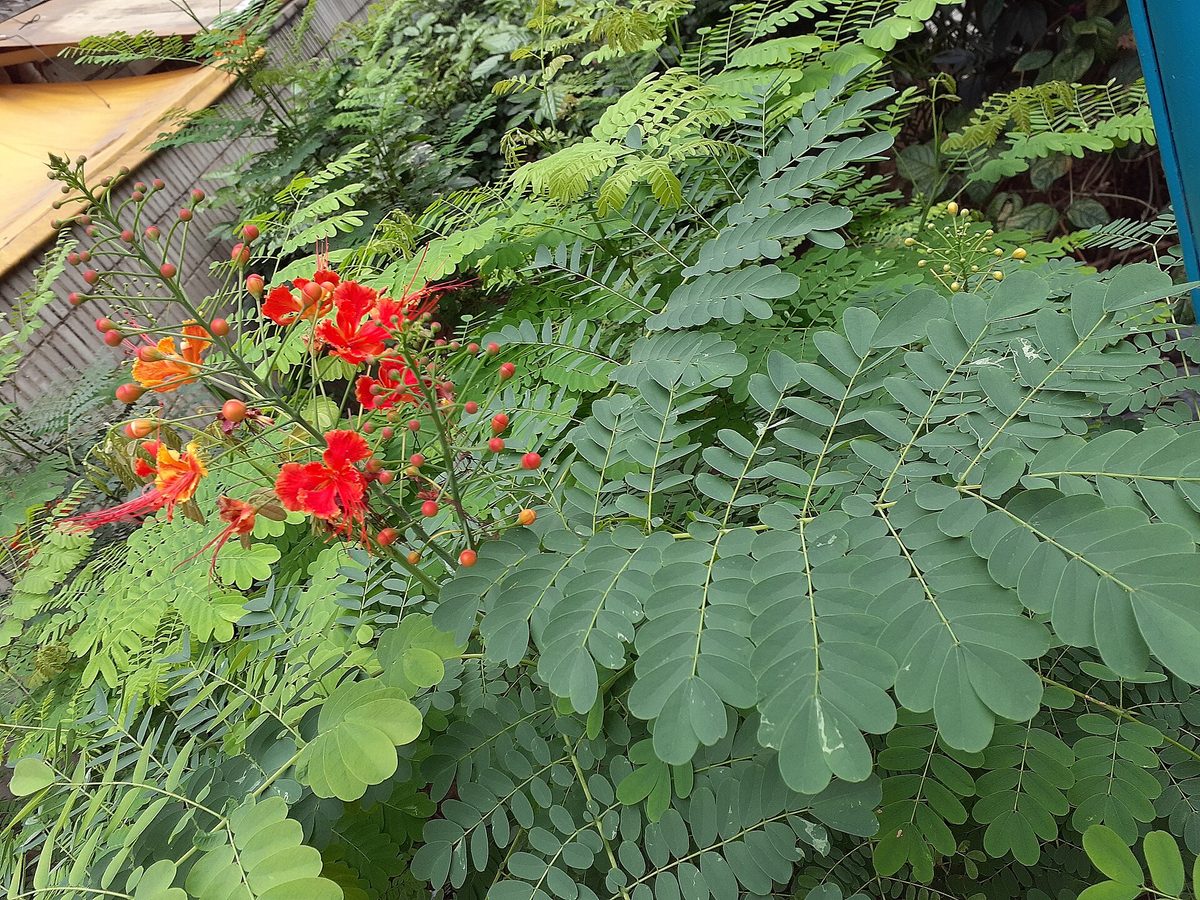
Pride-of-Barbados
Caesalpinia pulcherrima
Zones 9a–11b · 10–20 ft (3.05–6.1 m) · Full sun and part shade (full sun preferred)
Caesalpinia pulcherrima is another member of the zone 10 shrub group collected on this page. It is one of the 26 shrubs here with its own published page. Visit that page for its full growing details.
-
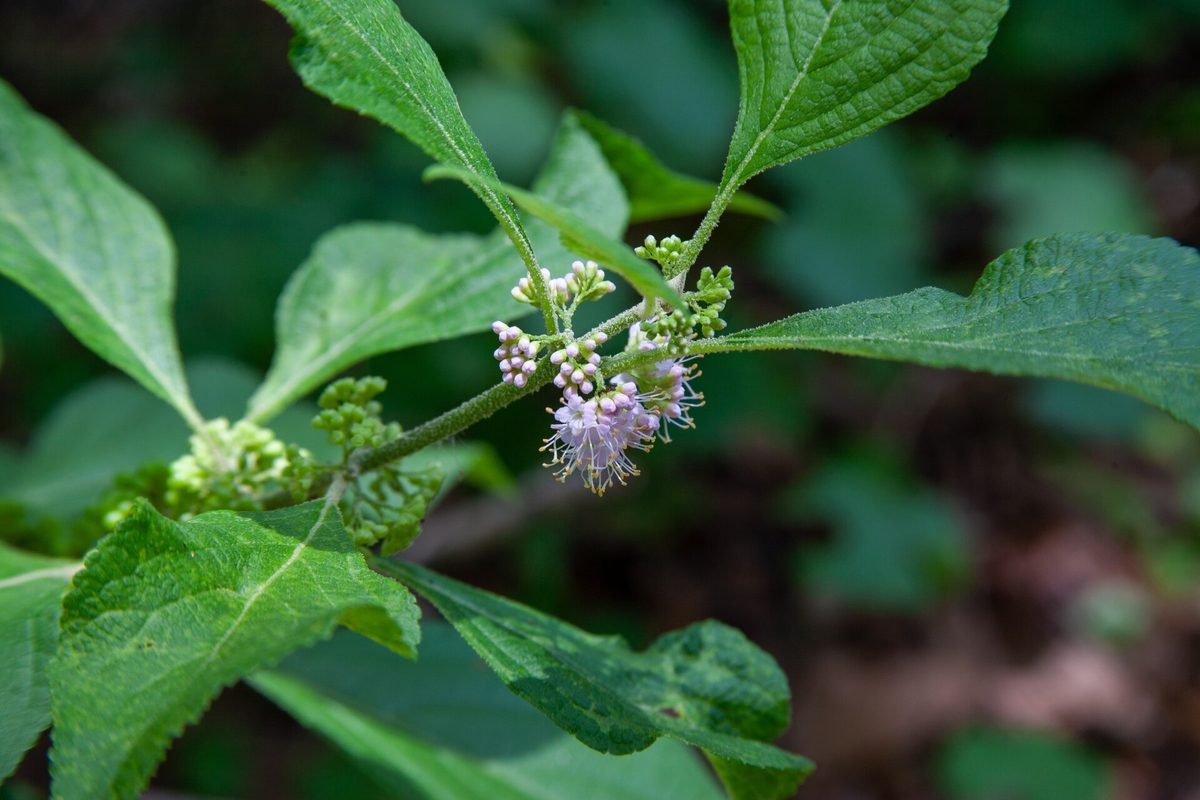
American Beautyberry
Callicarpa americana
Zones 6a–10b · 5–9 ft (1.52–2.74 m) · Full sun and part shade (full sun preferred)
You will find Callicarpa americana among the published shrubs in this zone 10 group. It is one of 26 entries with a live page, out of 30 shrubs tracked for the zone. Its own page covers the care details this hub does not.
-
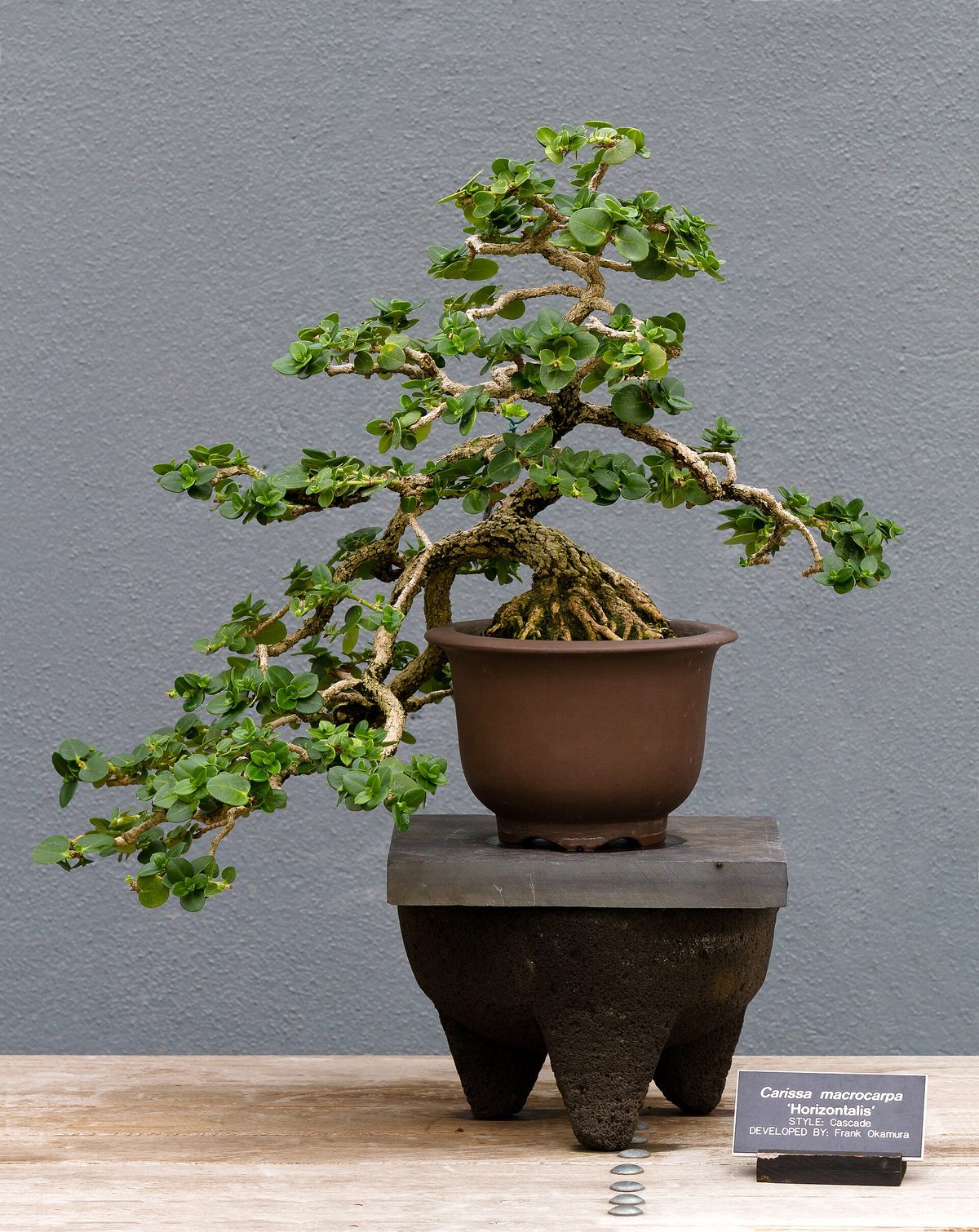
Amatungulu
Carissa macrocarpa
Zones 9a–10b · 5–7 ft (1.52–2.13 m) · Full sun and part shade (full sun preferred)
-
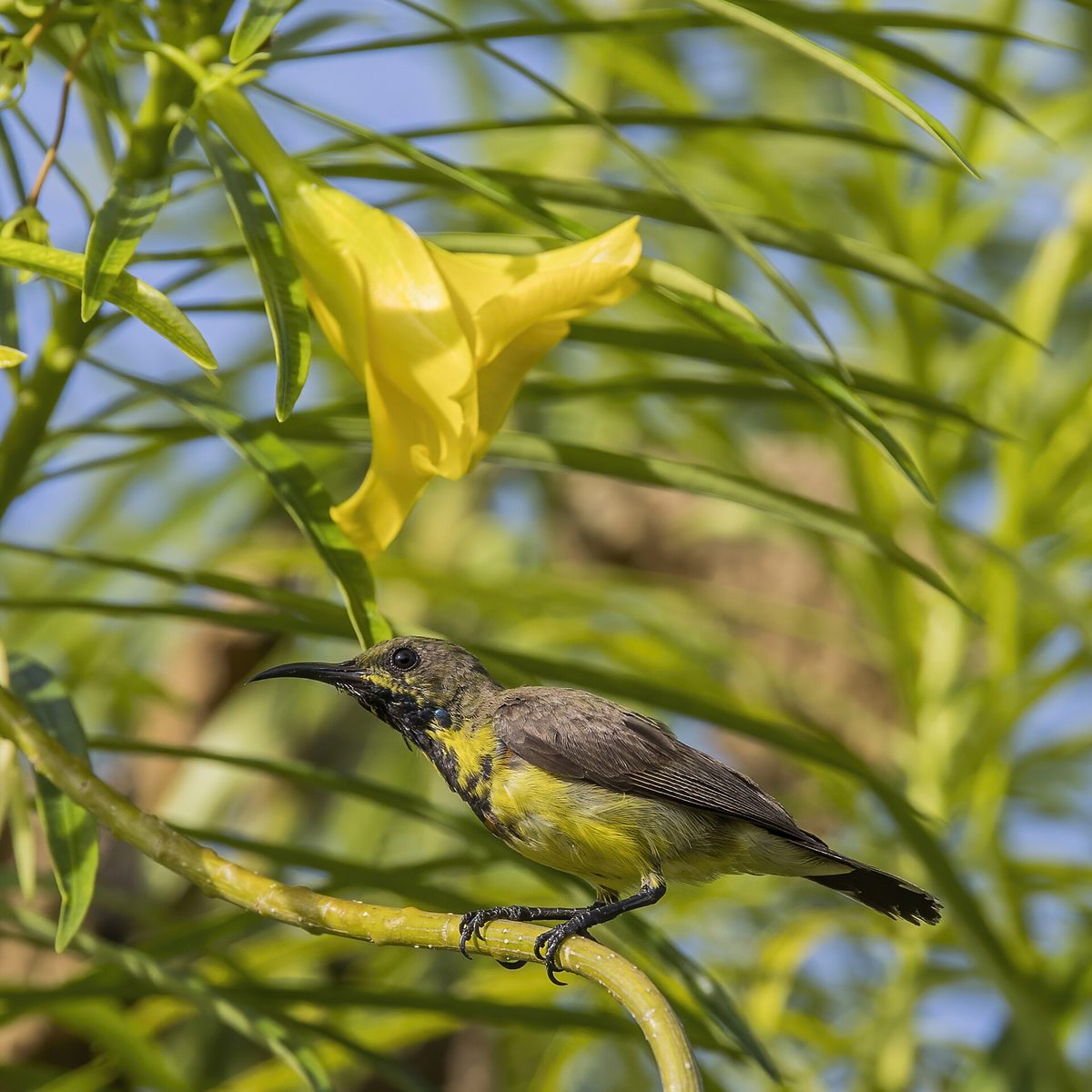
Luckynut
Cascabela thevetia
Zones 8a–10b · 4–8 ft (1.22–2.44 m) · Full sun and part shade (full sun preferred)
-
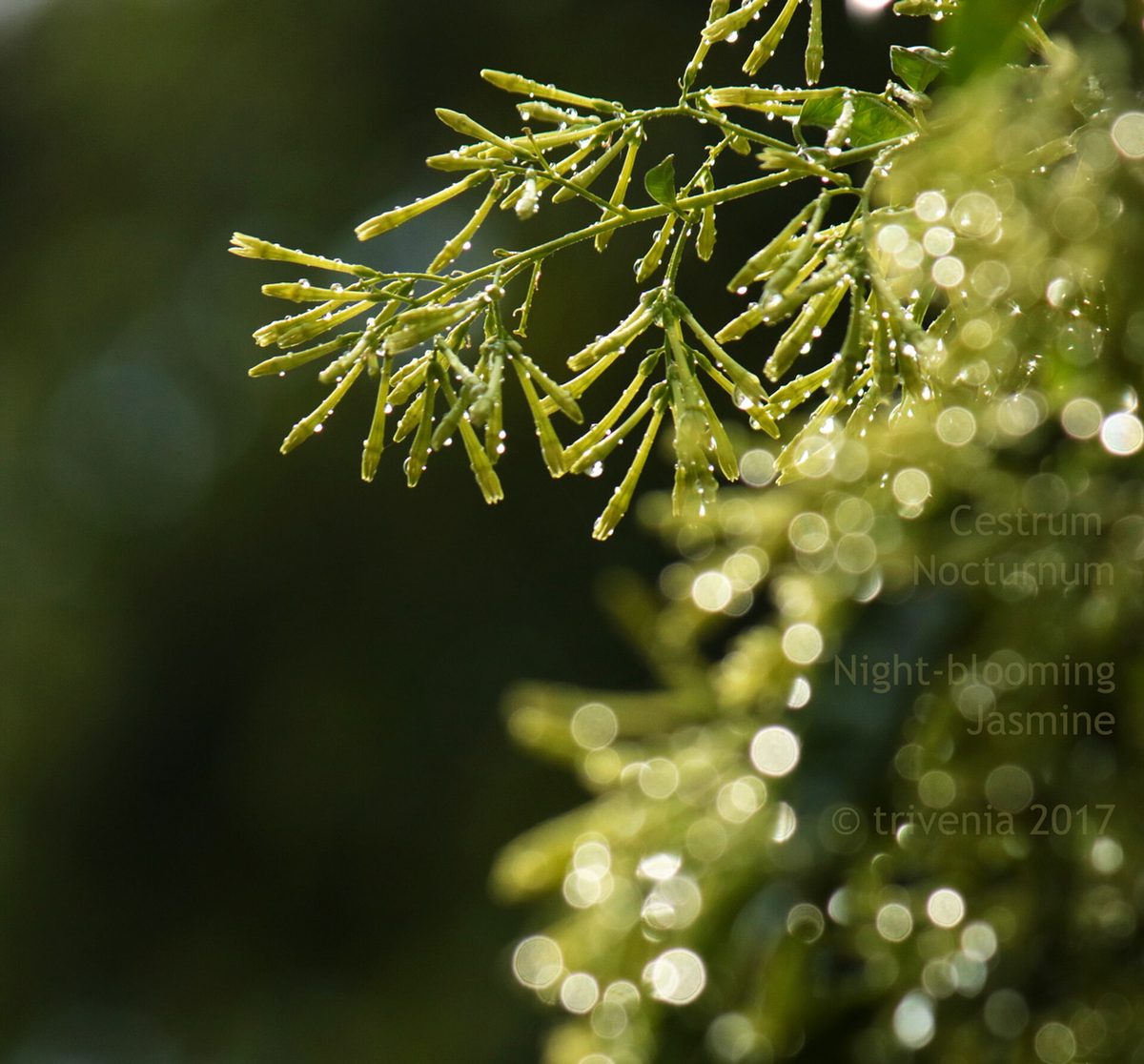
Night Jessamine
Cestrum nocturnum
Chicago Botanic Garden also lists 8a-11b · 3–13 ft (0.91–3.96 m) · Full sun and part shade (full sun preferred)
-
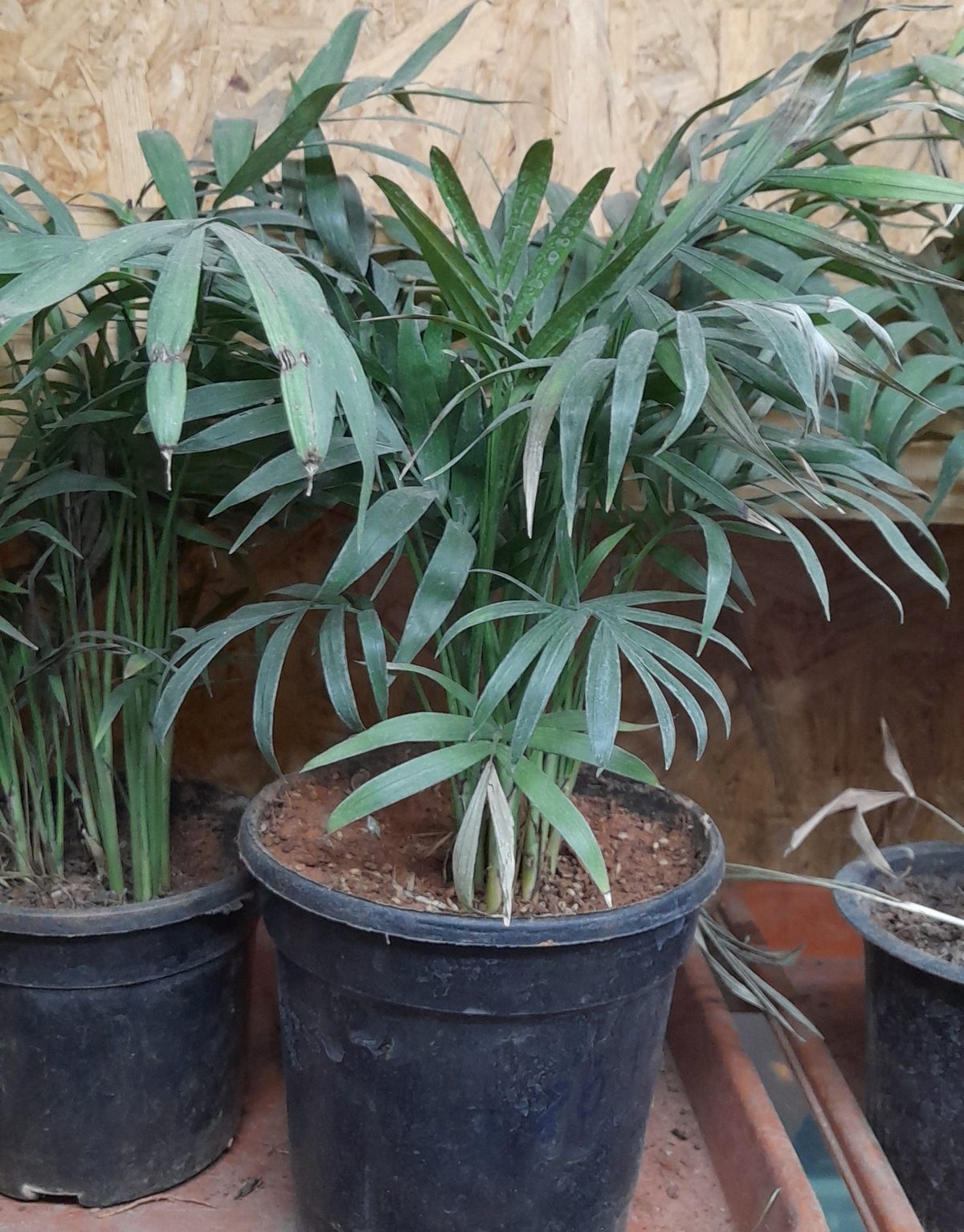
Parlor Palm
Chamaedorea elegans
Zones 10a–12b · 2–7.5 ft (0.61–2.29 m) · Part shade and full shade (part shade preferred)
Chamaedorea elegans carries its own page within this zone 10 shrub listing. It is counted among the 26 published members of the 30 tracked for this zone. Turn to its page for how to grow and care for it.
-
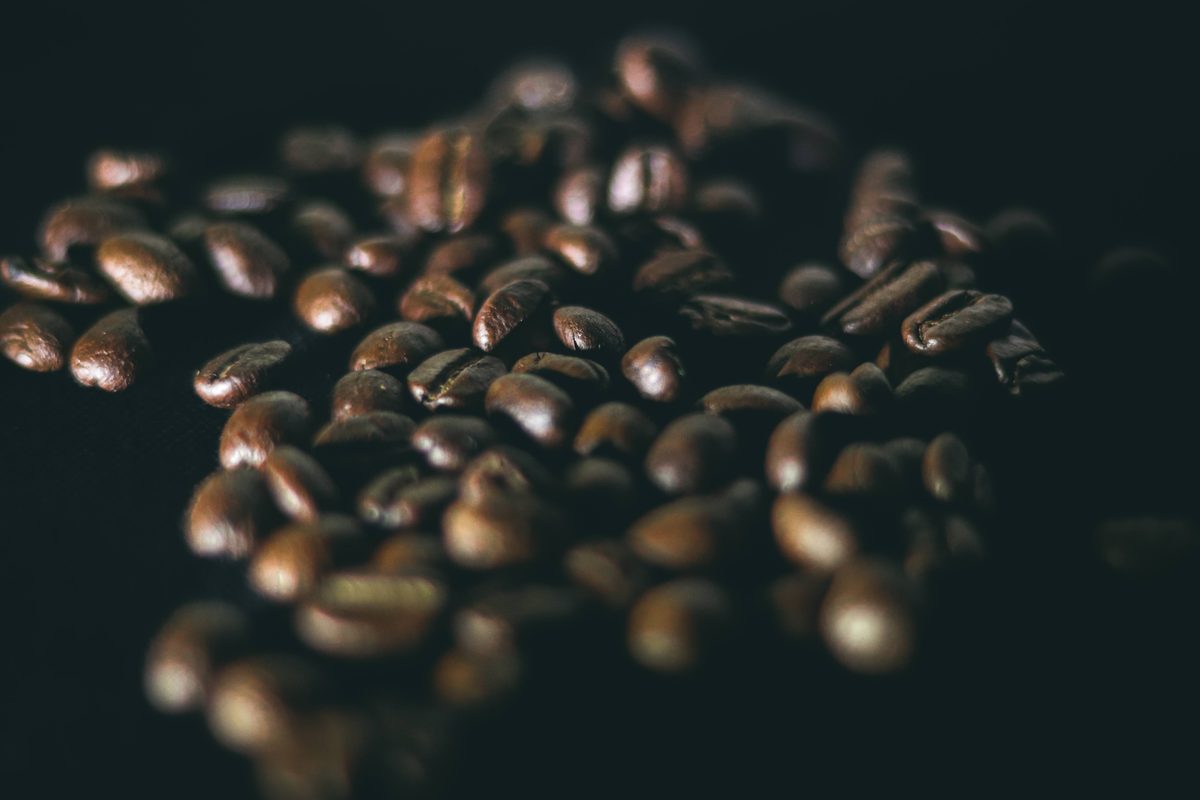
Arabian Coffee
Coffea arabica
NC State Extension Gardener Plant Toolbox also lists 10a-12b · 6–15 ft (1.83–4.57 m) · Part shade and full sun (part shade preferred)
-
Common Coleus
Coleus scutellarioides
Zones 10a–11b · 0.5–3 ft (0.15–0.91 m) · Part shade, full shade and full sun (part shade preferred)
Published alongside the other zone 10 shrubs is Coleus scutellarioides. It is one of the 26 members of this group that have a live page so far. Its own page holds the care information this list does not cover.
-
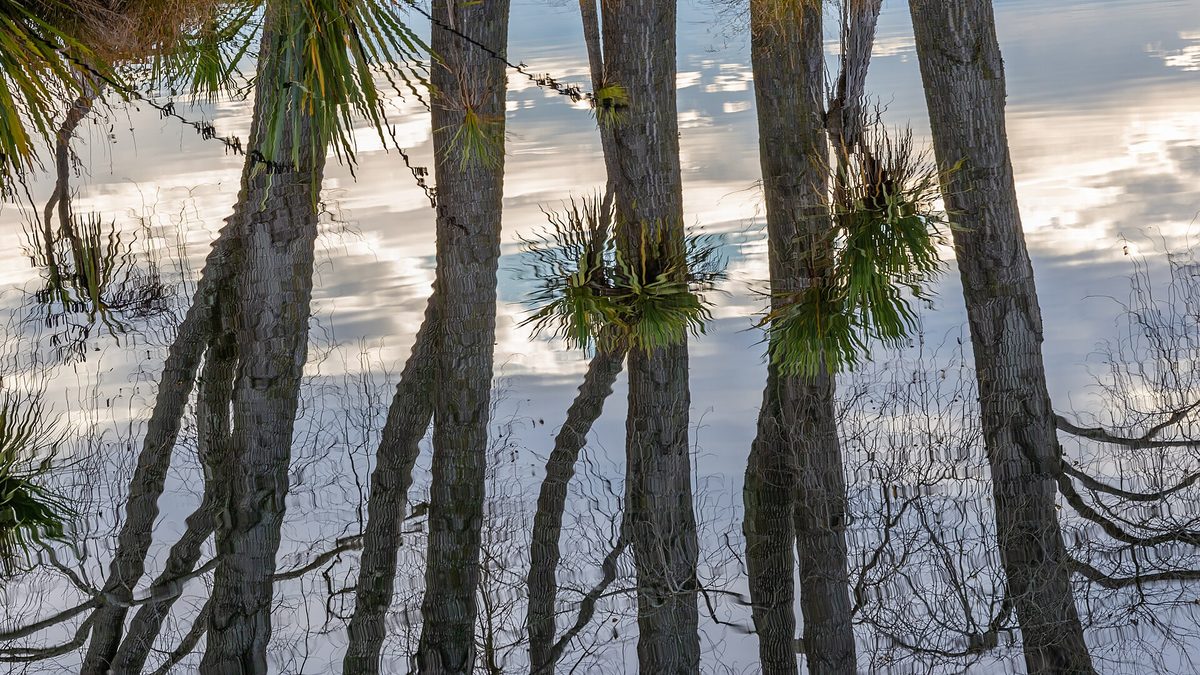
Cabbage Tree
Cordyline australis
Zones 9a–11b · 6–30 ft (1.83–9.14 m) · Full sun and part shade (full sun preferred)
-
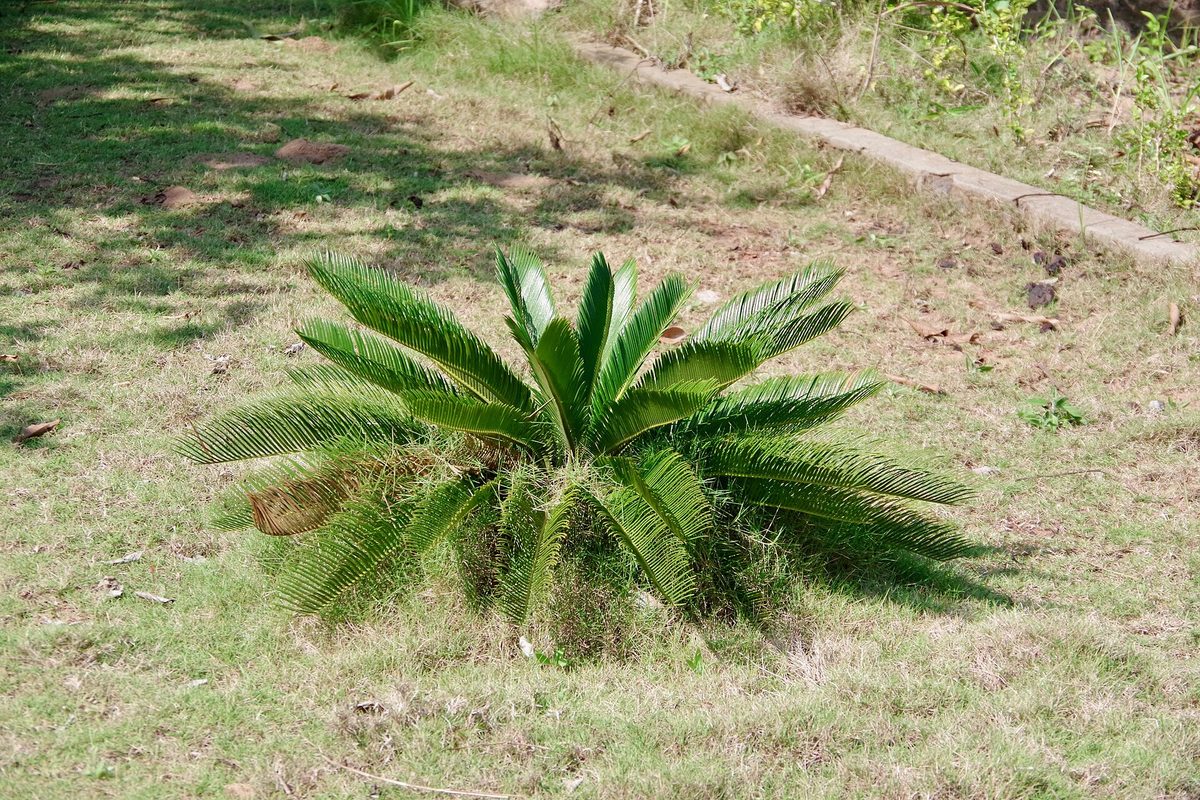
Sago Palm
Cycas revoluta
Zones 9a–12b · 15 ft (4.57 m) · Full sun and part shade (full sun preferred)
-
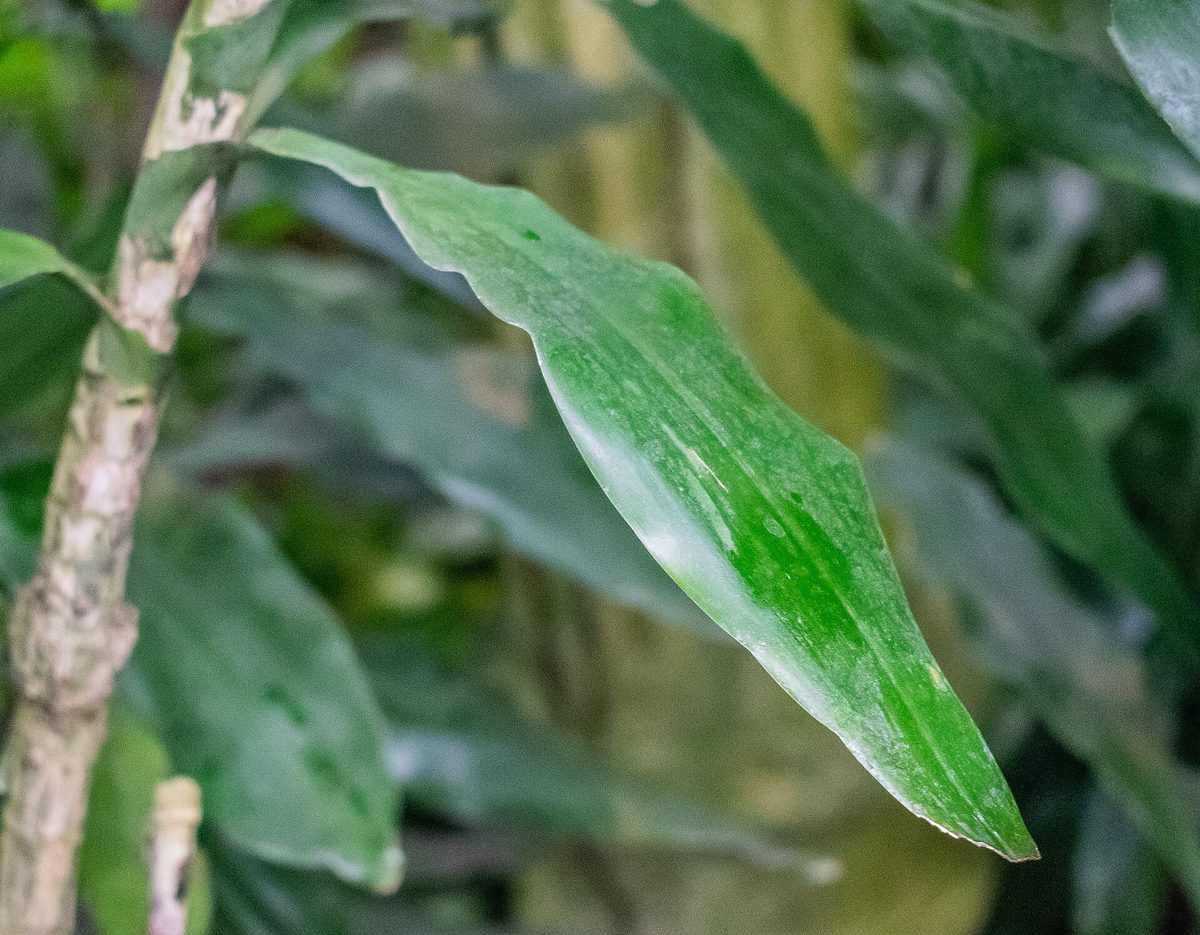
Fragrant Dracaena
Dracaena fragrans
Zones 10a–11b · 3–14.5 ft (0.91–4.42 m) · Part shade and full shade (part shade preferred)
-
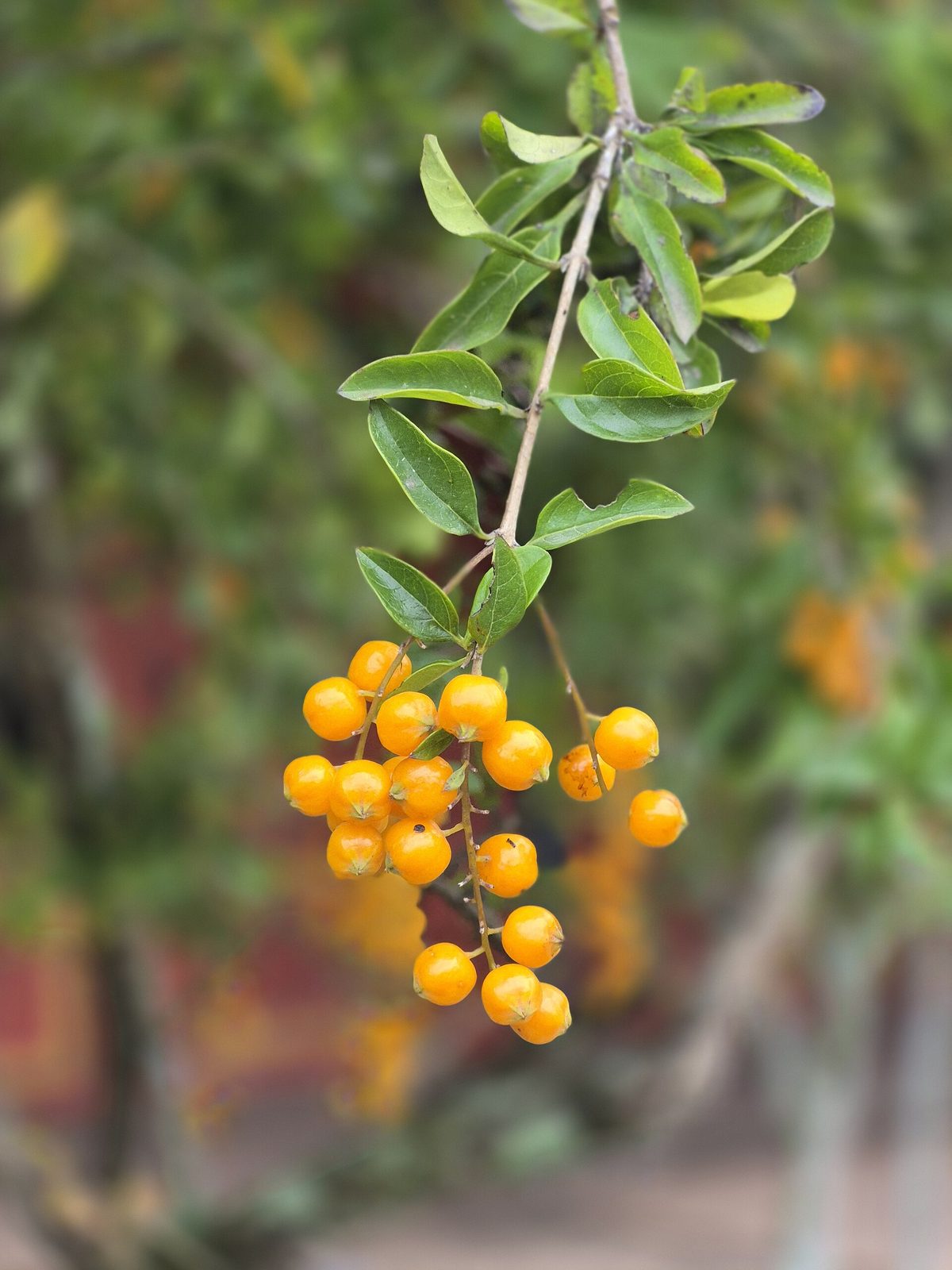
Golden Dewdrops
Duranta erecta
Zones 9a–11b · 18 ft (5.49 m) · Full sun and part shade (full sun preferred)
-
-
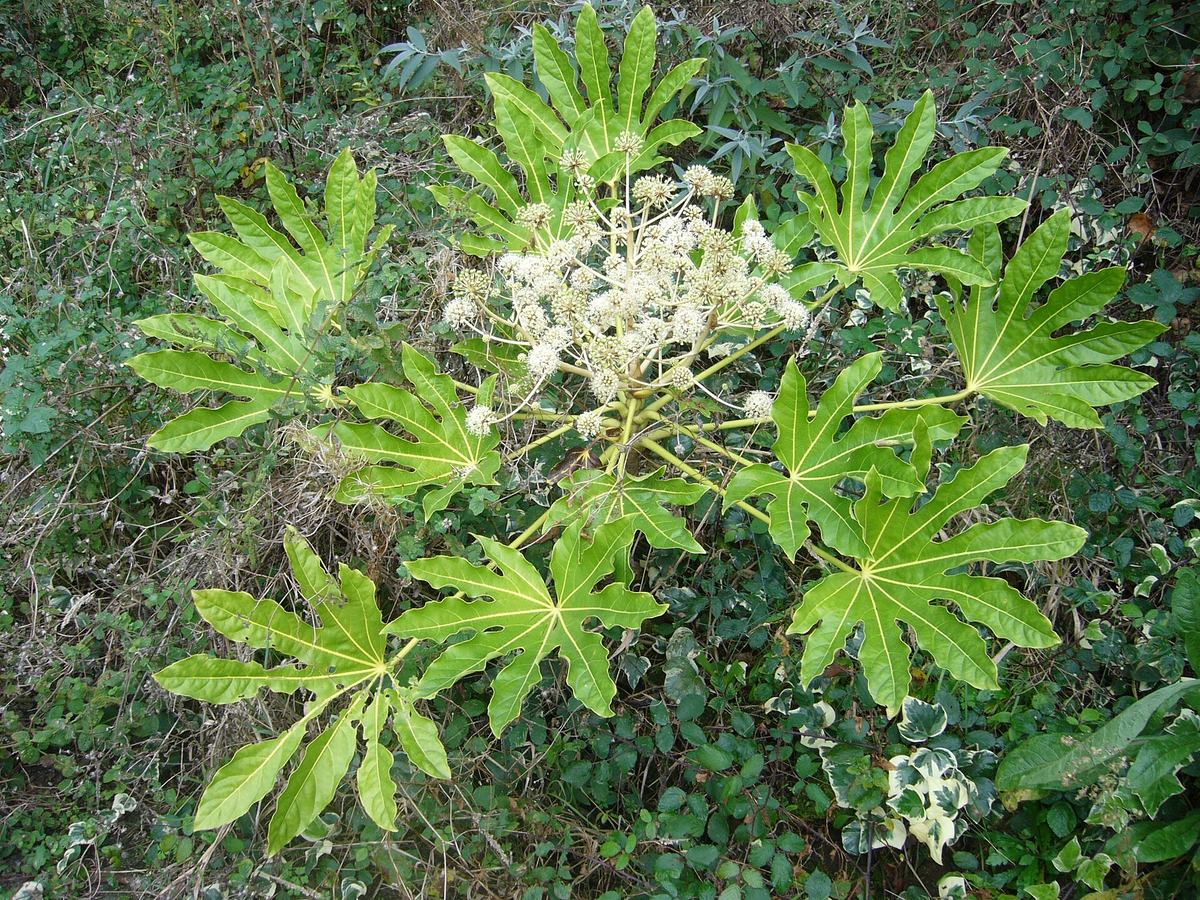
Paperplant
Fatsia japonica
Zones 7b–10b · 6–19.5 ft (1.83–5.94 m) · Part shade and full shade (part shade preferred)
-
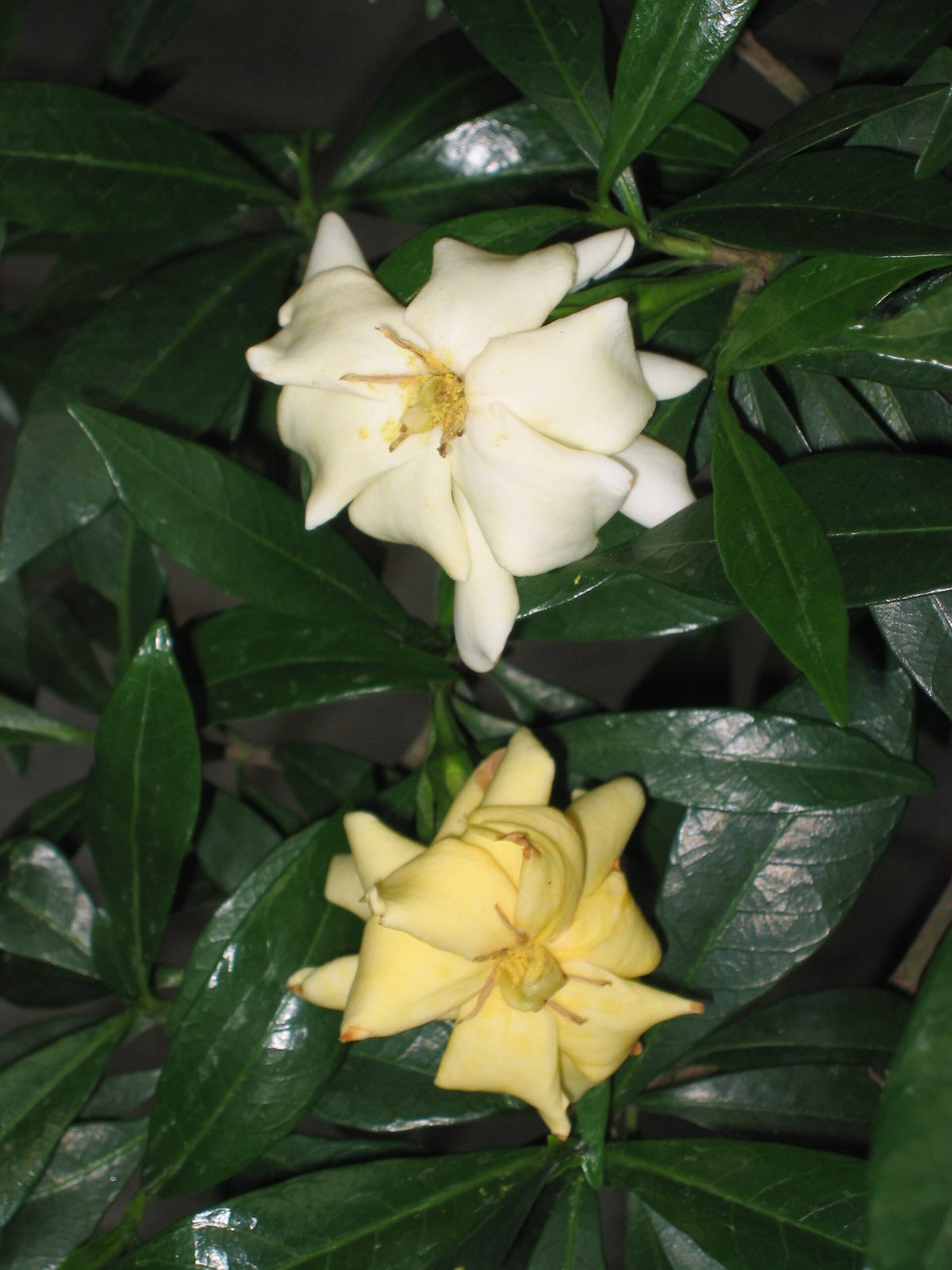
Cape Jasmine
Gardenia jasminoides
Zones 7b–11b · 3–8 ft (0.91–2.44 m) · Part shade and full sun (part shade preferred)
-
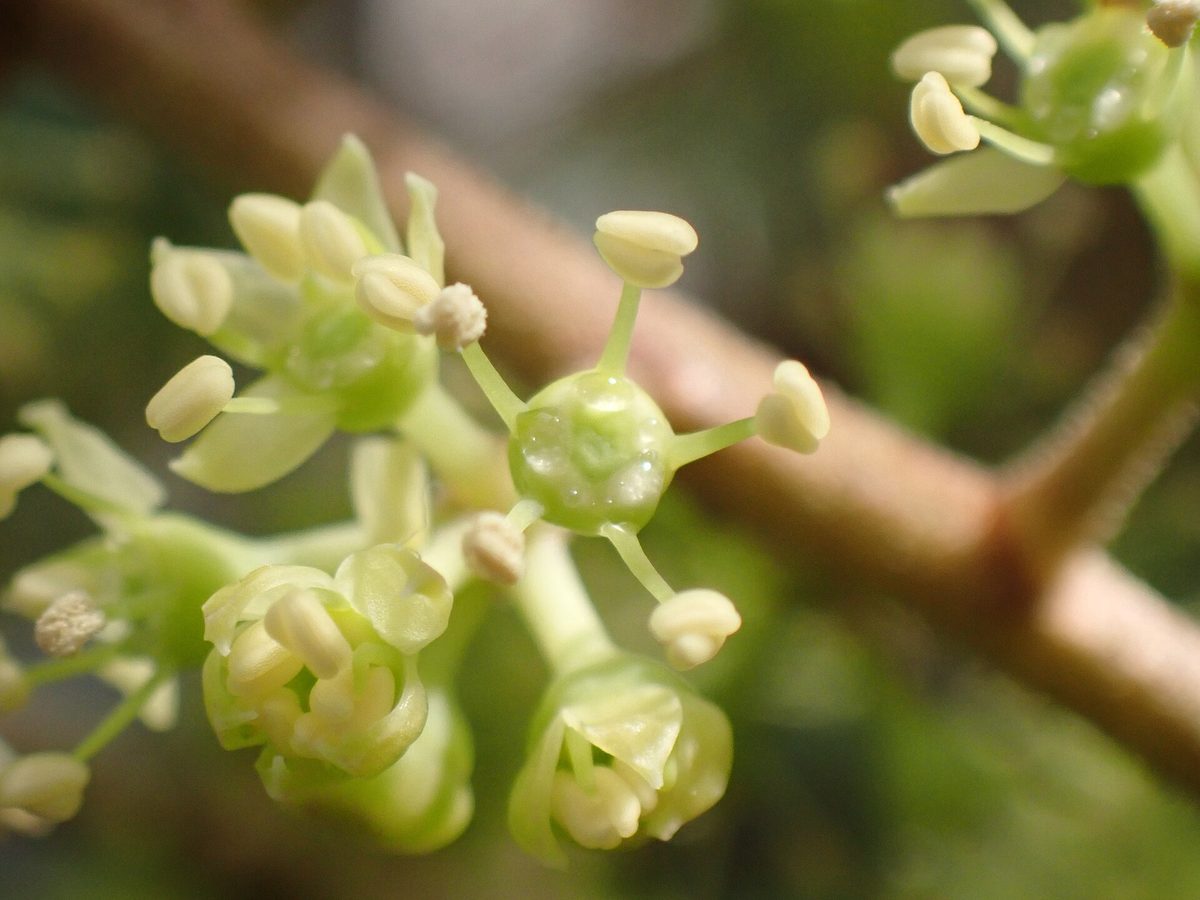
Dwarf Umbrella Tree
Heptapleurum arboricola
Zones 9b–12b · 4–6 ft (1.22–1.83 m) · Part shade, full shade and full sun (part shade preferred)
-
Shoeblackplant
Hibiscus × rosa-sinensis
Zones 9a–11b · 3.9–10 ft (1.2–3.05 m) · Full sun and part shade (full sun preferred)
-
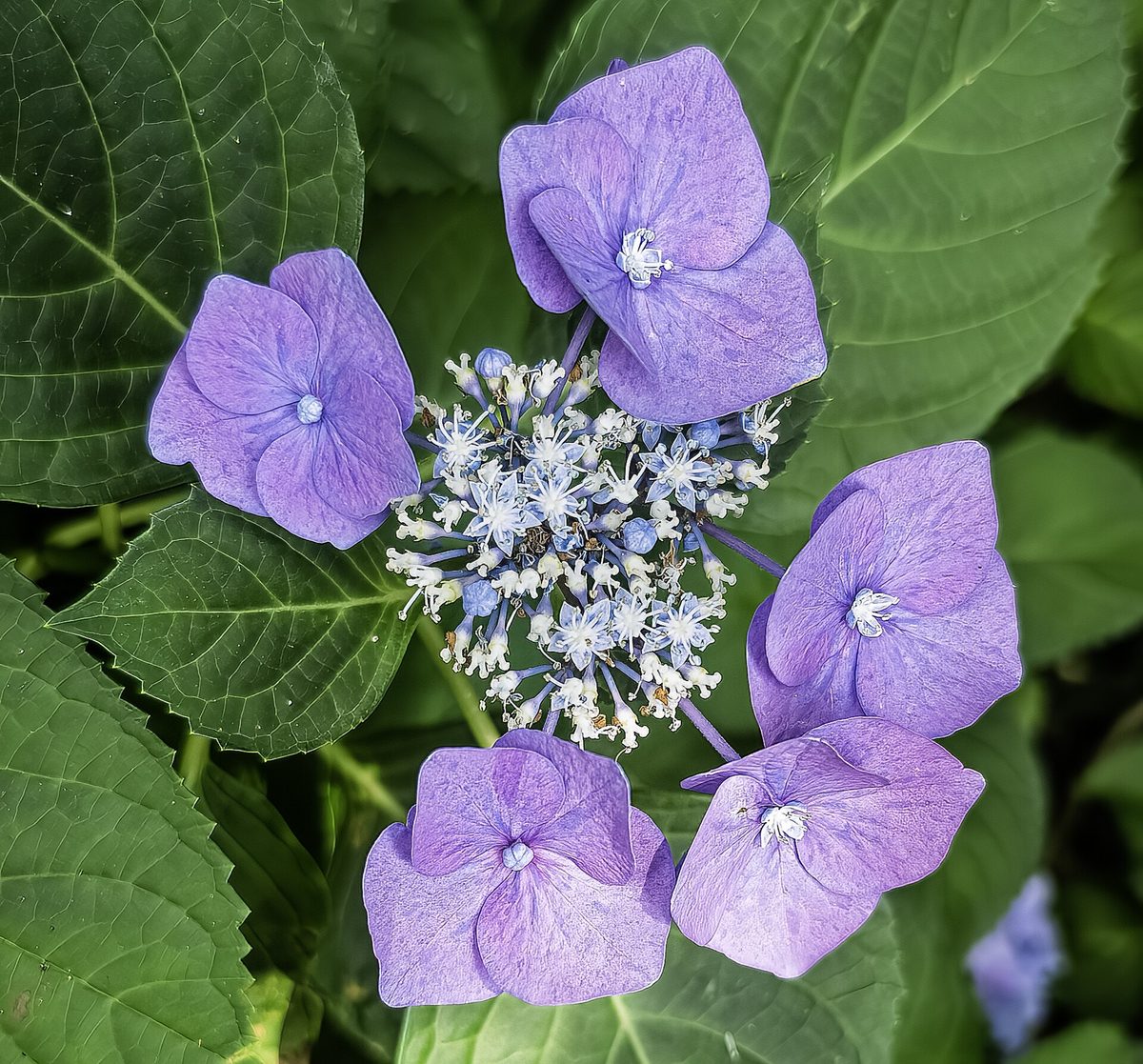
French Hydrangea
Hydrangea macrophylla
Zones 6a–11b · 3–6 ft (0.91–1.83 m) · Part shade and full shade (part shade preferred)
-
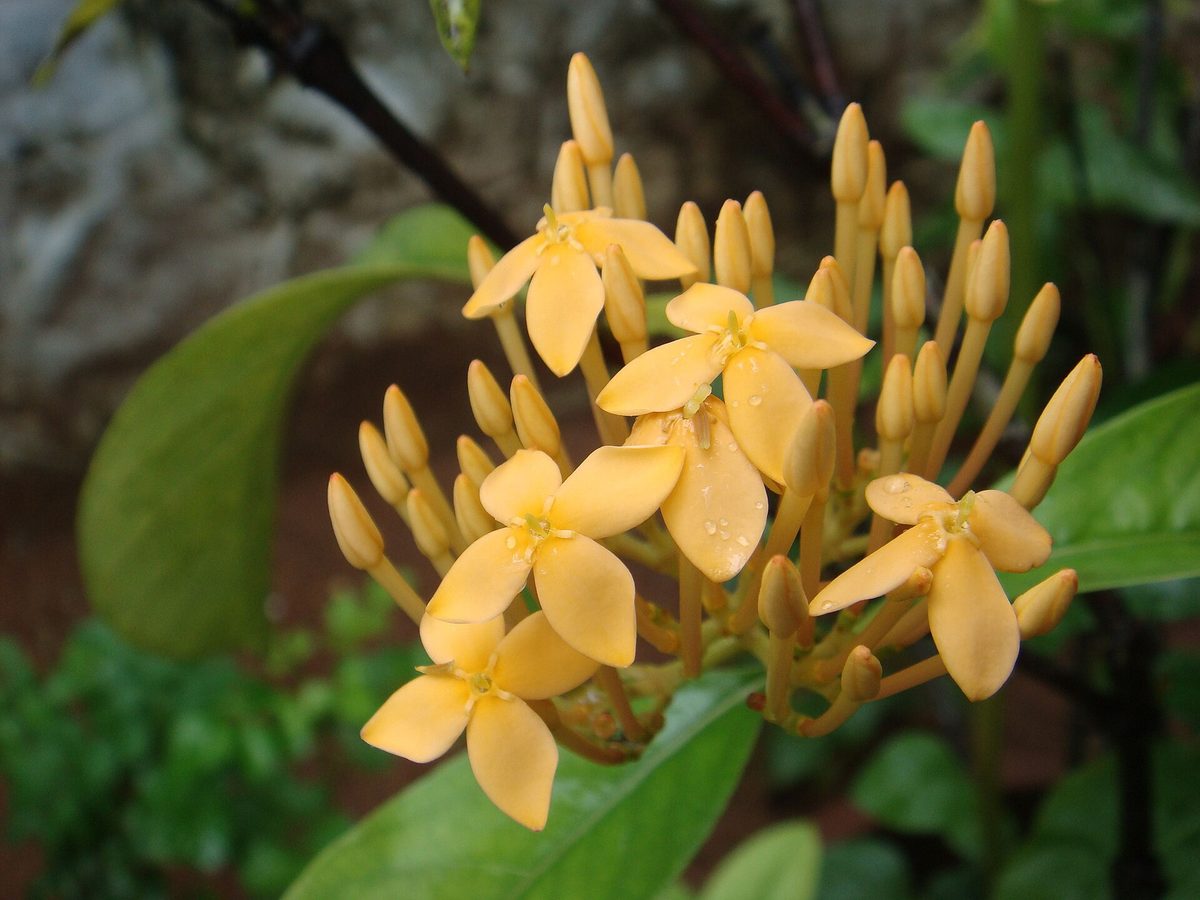
Scarlet Jungleflame
Ixora coccinea
Zones 9a–11b · 4–6 ft (1.22–1.83 m) · Full sun and part shade (full sun preferred)
-
-
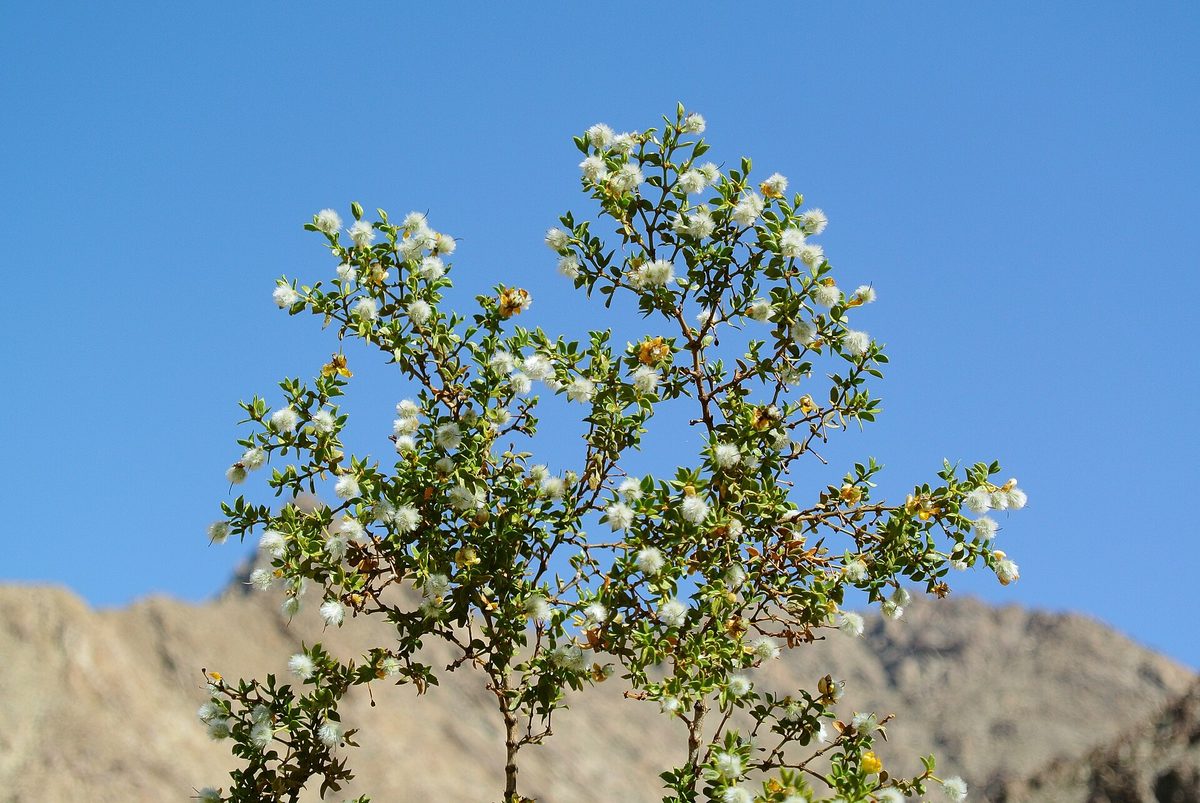
Creosote Bush
Larrea tridentata
Zones 7a–10b · 5 ft (1.52 m) · Full sun and part shade (full sun preferred)
-
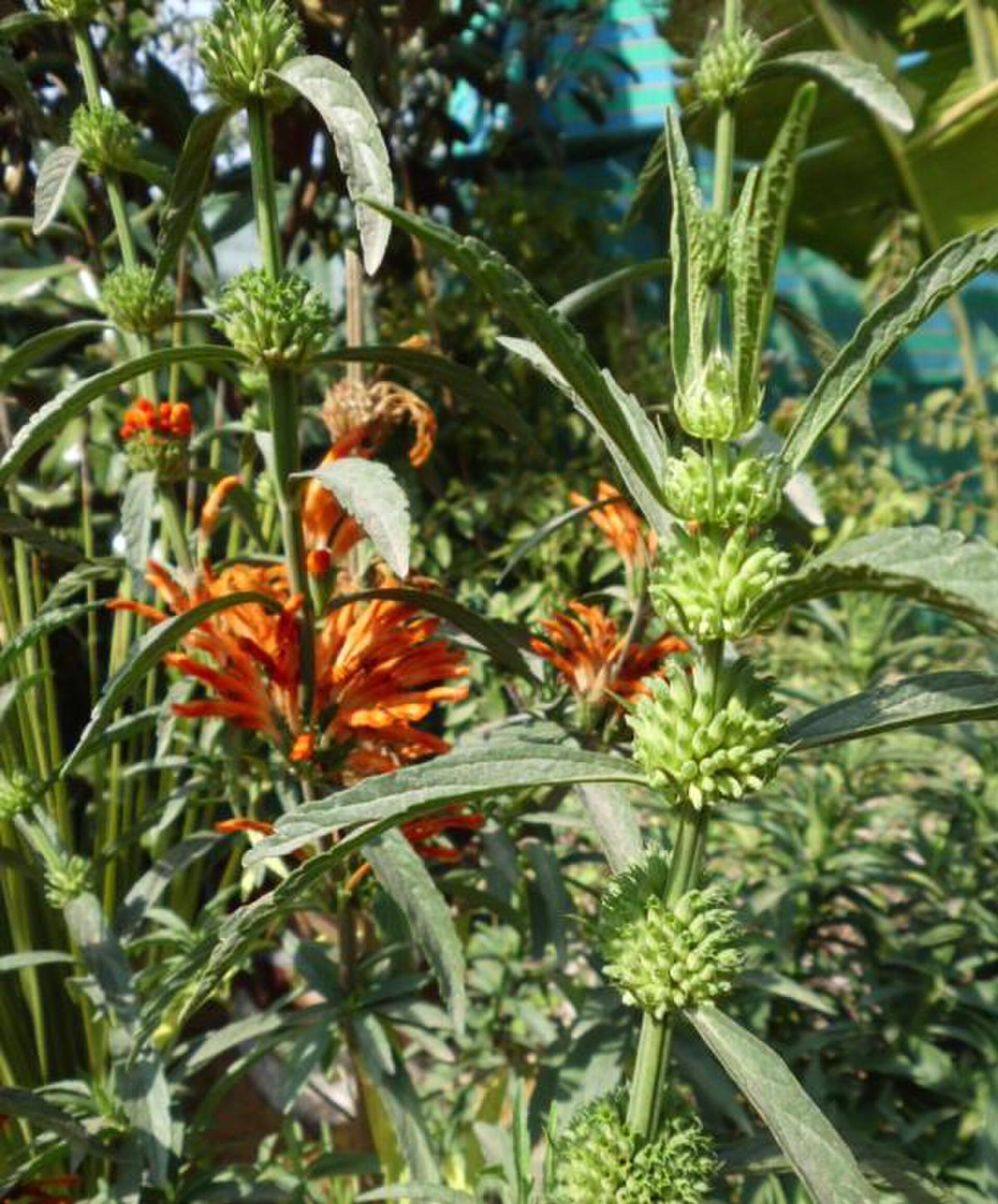
Lion's Ear
Leonotis leonurus
Zones 8a–11b · 3–6 ft (0.91–1.83 m) · Full sun and part shade (full sun preferred)
-
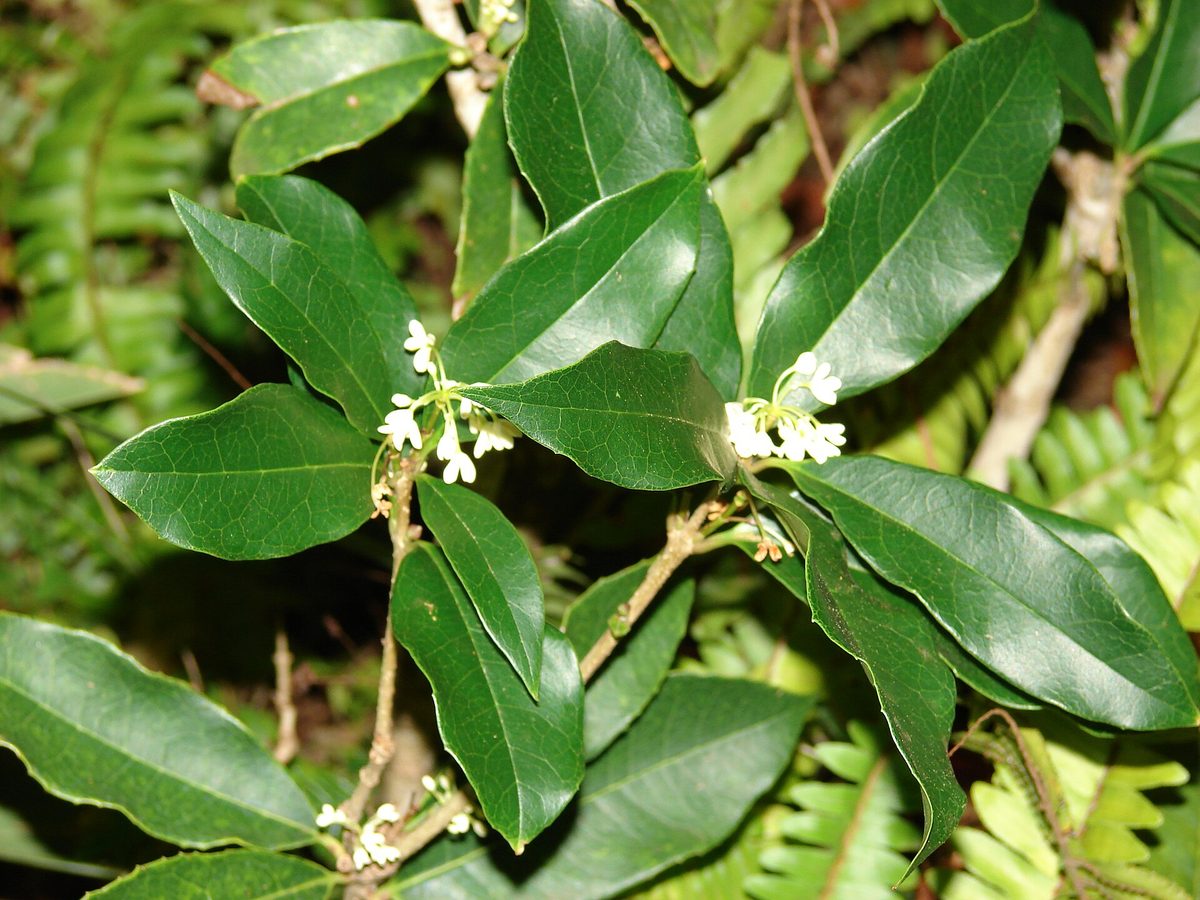
Sweet Osmanthus
Osmanthus fragrans
Zones 8a–11b · 10–12 ft (3.05–3.66 m) · Full sun and part shade (full sun preferred)
-
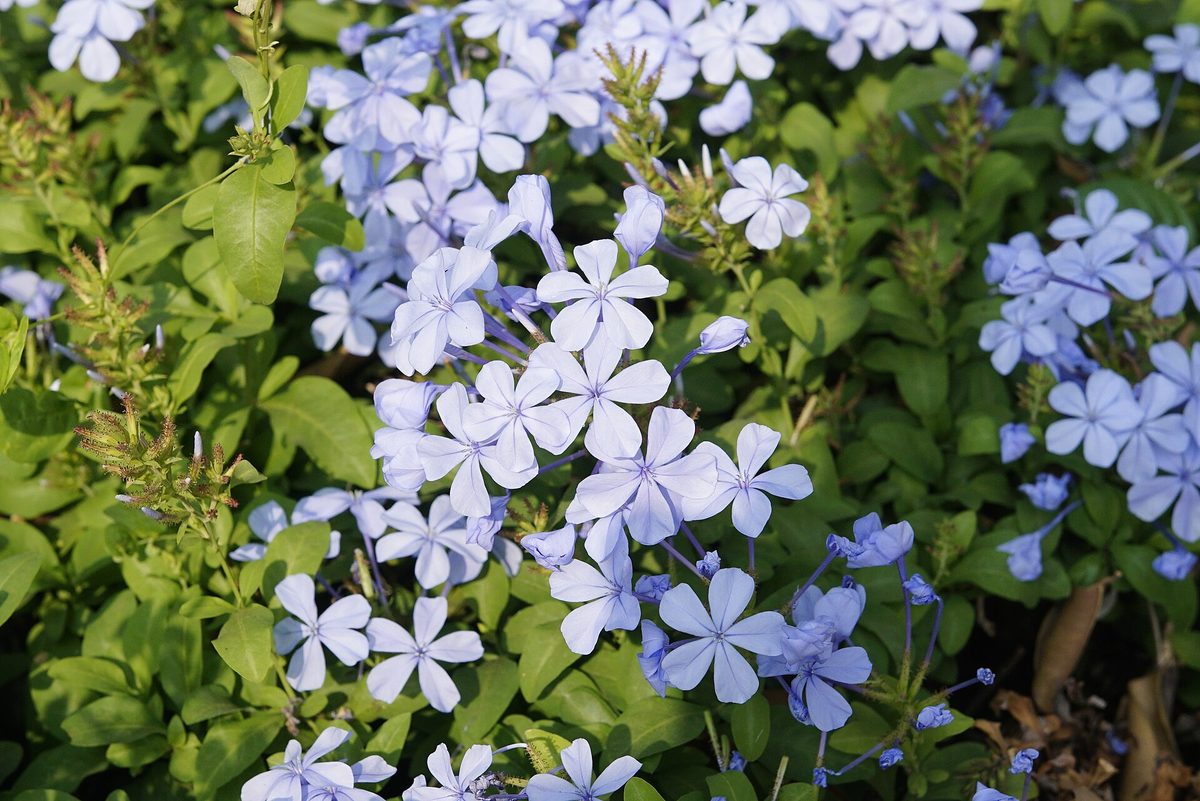
Cape Leadwort
Plumbago auriculata
Zones 9a–11b · 6–10 ft (1.83–3.05 m) · Full sun and part shade (full sun preferred)
-
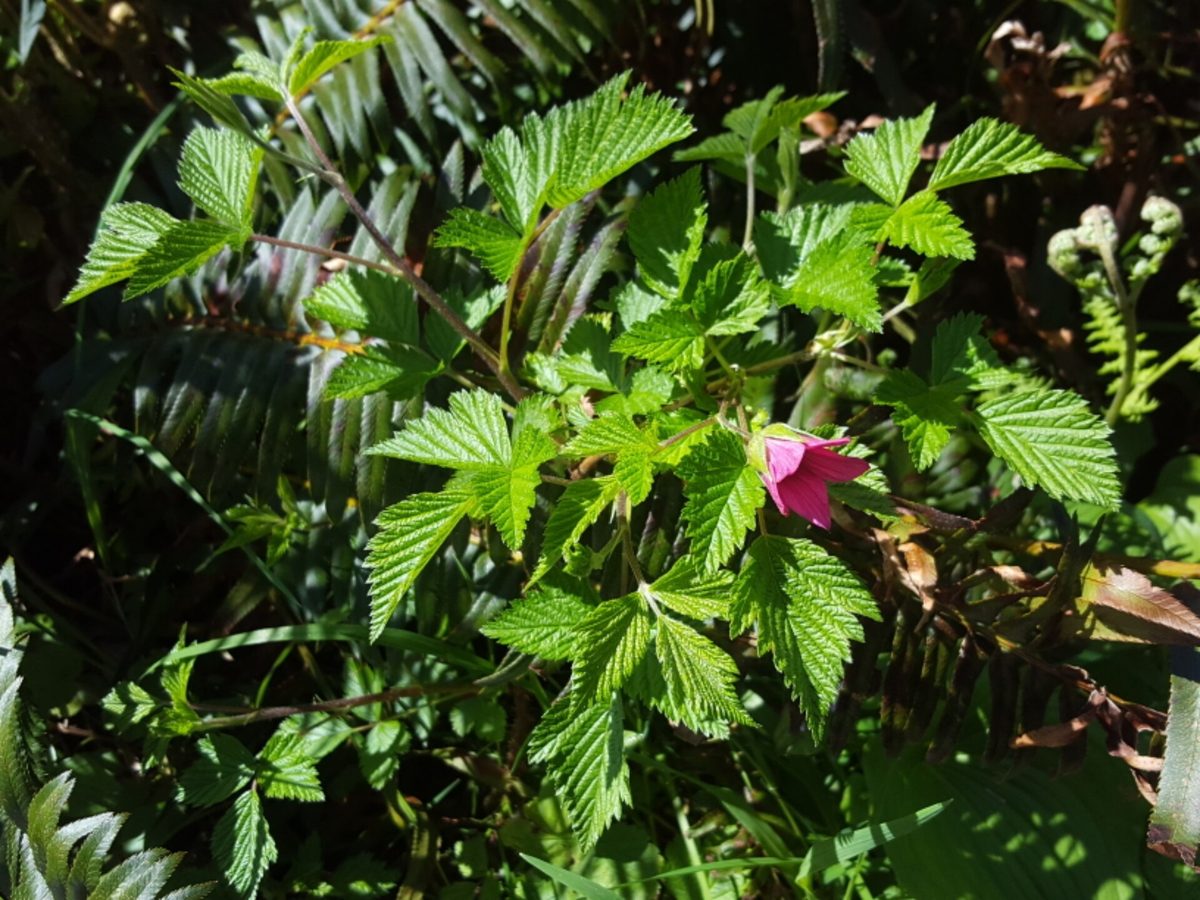
Salmonberry
Rubus spectabilis
Zones 5a–10a · 6.6–13.1 ft (2–4 m) · Full sun, part shade and full shade (full sun preferred)
-
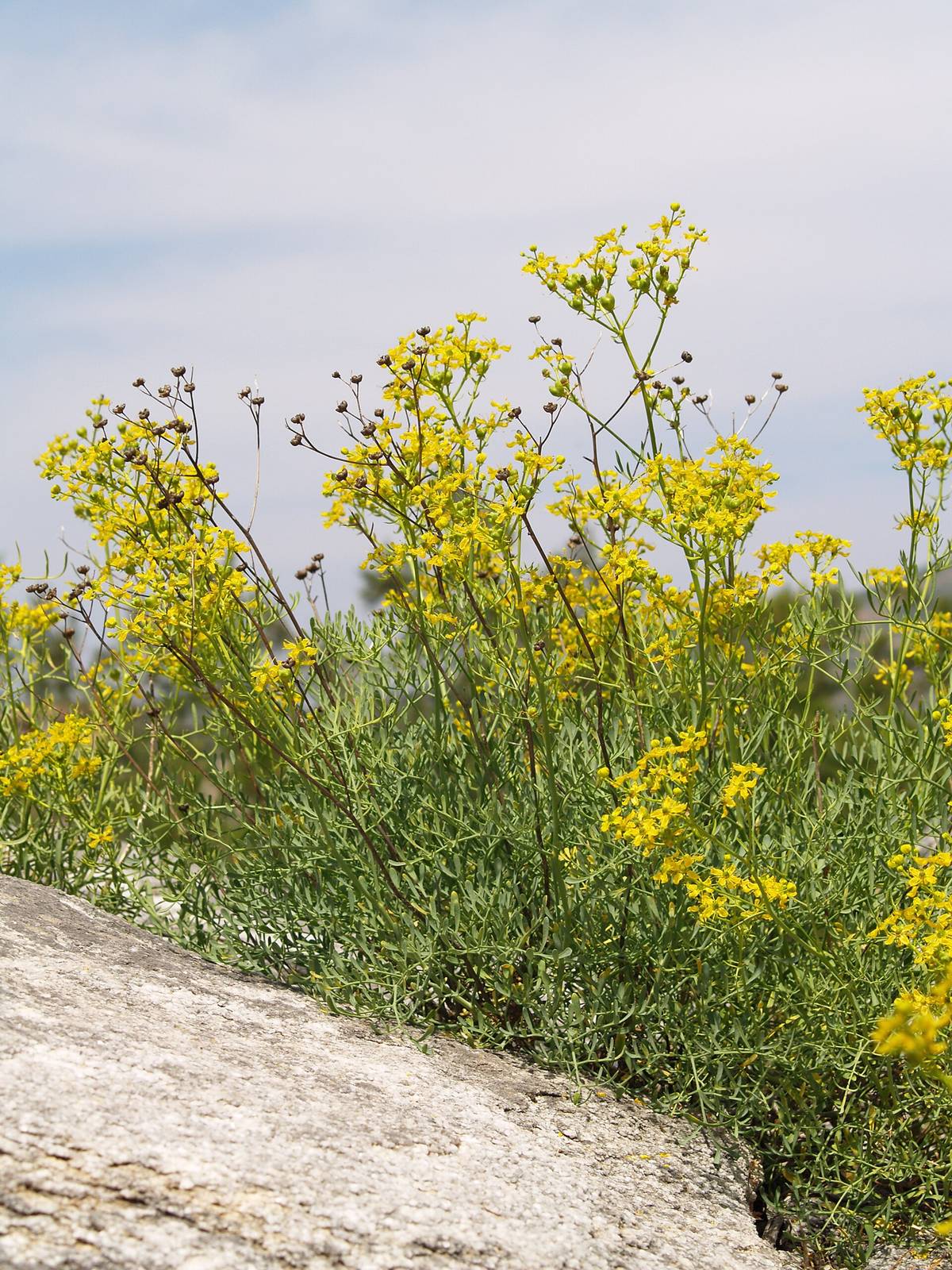
Common Rue
Ruta graveolens
Zones 4a–10b · 2–3 ft (0.61–0.91 m) · Full sun and part shade (full sun preferred)
-
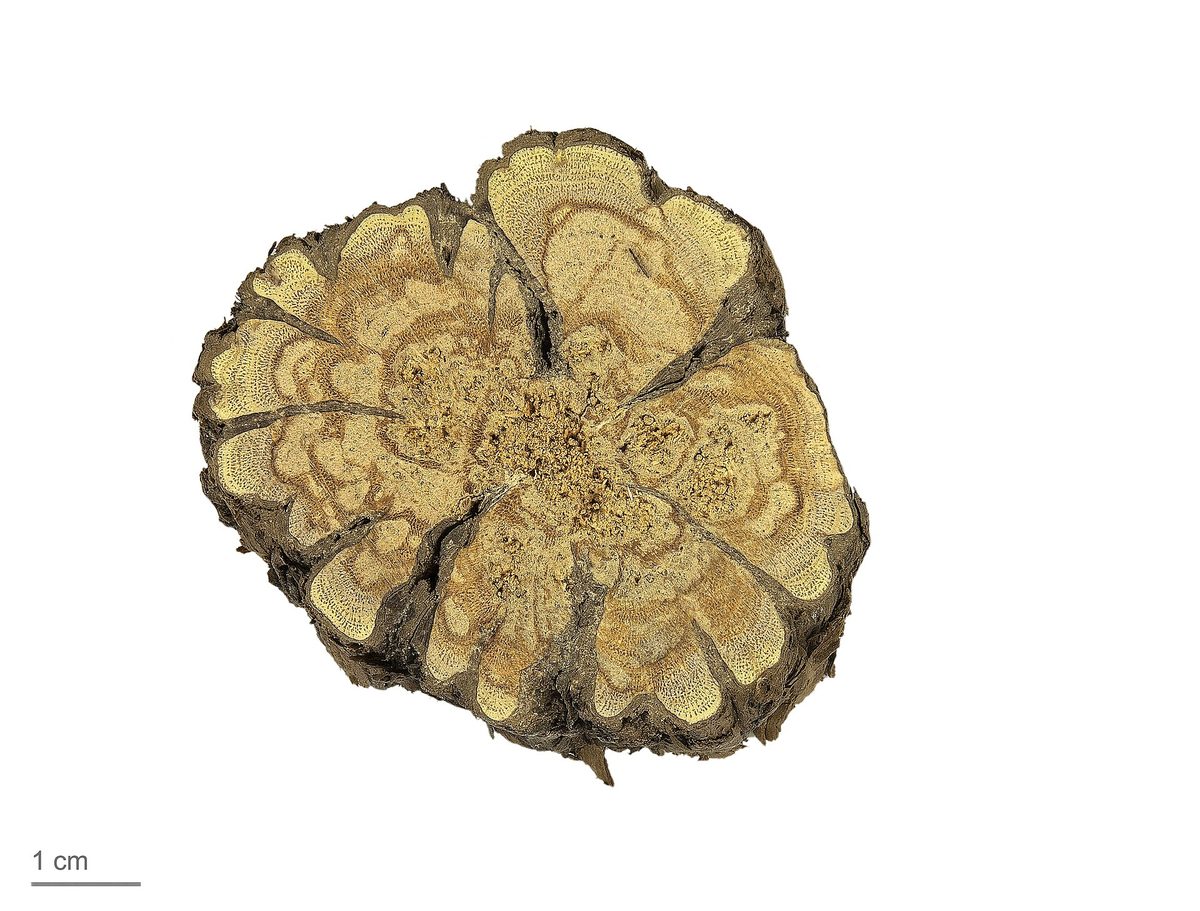
Rosemary
Salvia rosmarinus
Zones 8a–10b · 4–5 ft (1.22–1.52 m) · Full sun and part shade (full sun preferred)
-
-
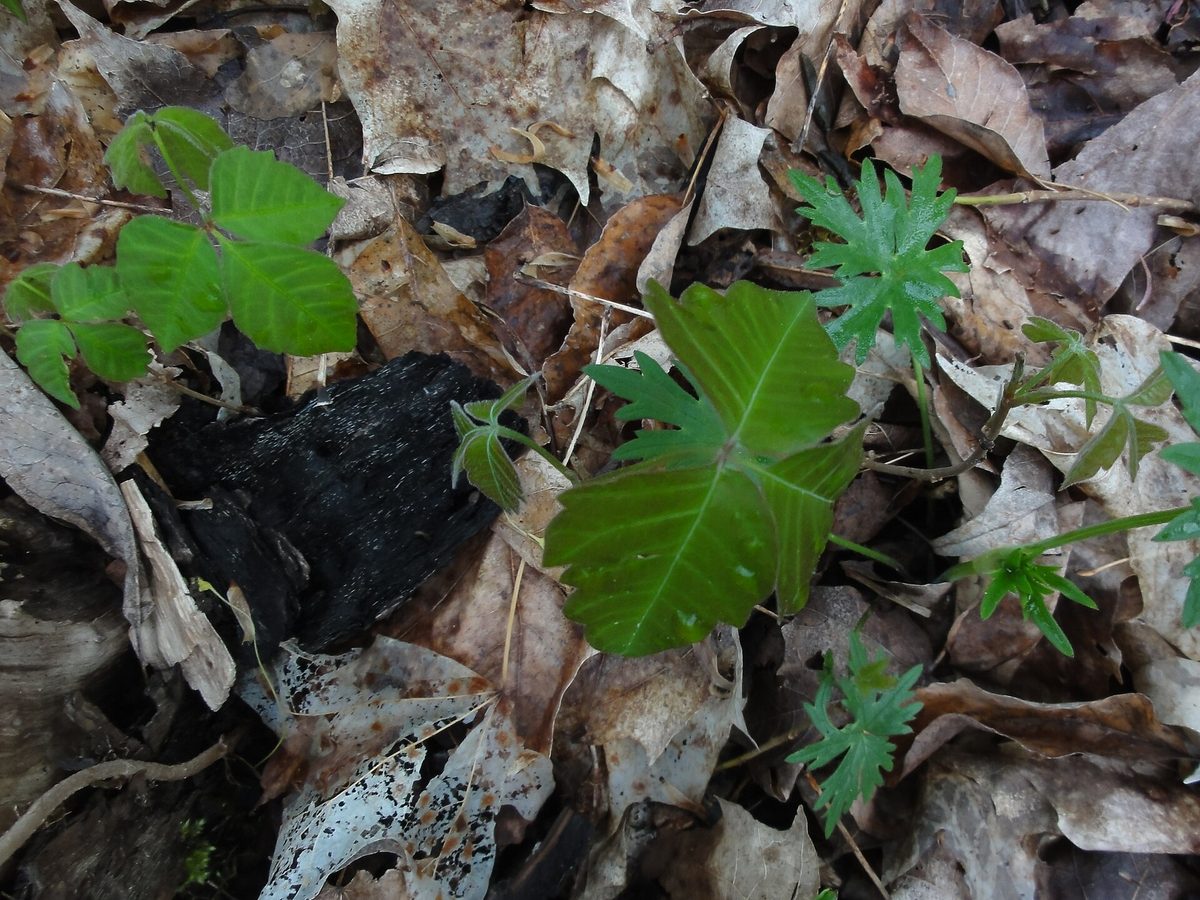
Eastern Poison Ivy
Toxicodendron radicans
Zones 4a–10b · 1–150 ft (0.3–45.72 m) · Full sun, part shade and full shade (full sun preferred)
-
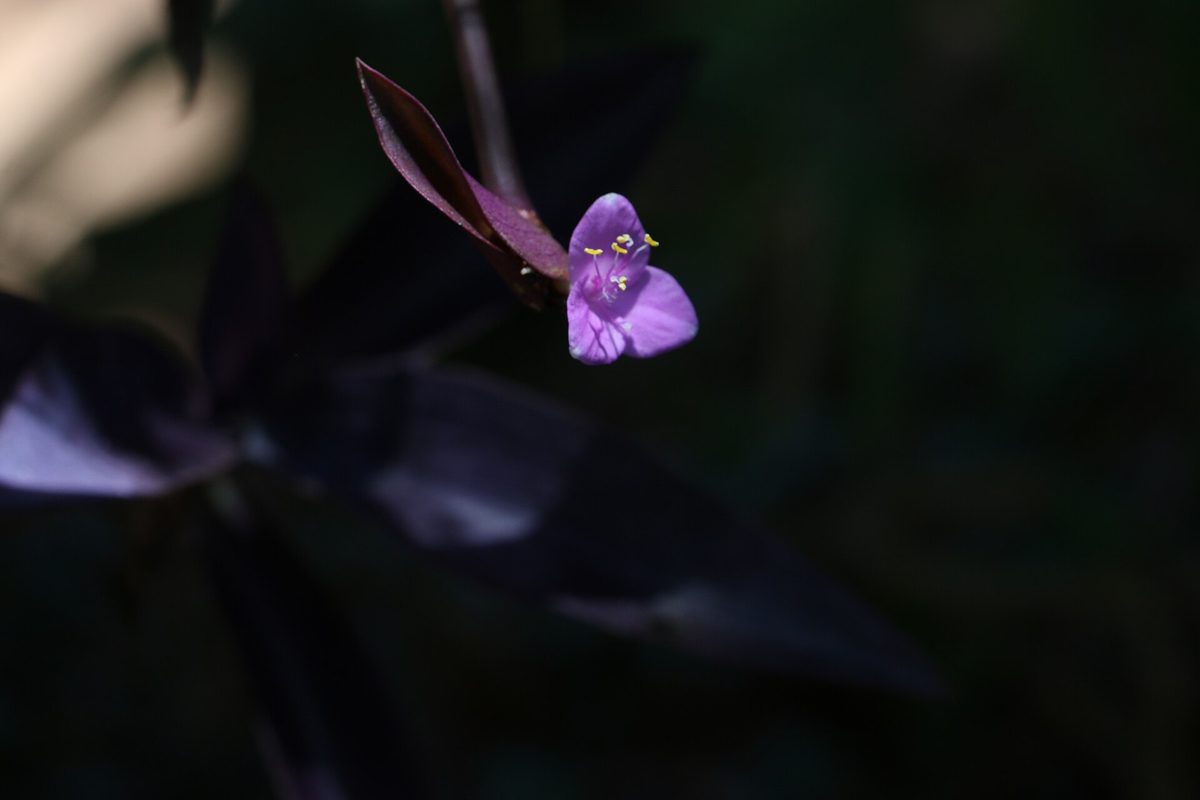
Purple Queen
Tradescantia pallida
Zones 10a–11b · 1 ft (0.3 m) · Full sun and part shade (full sun preferred)
-
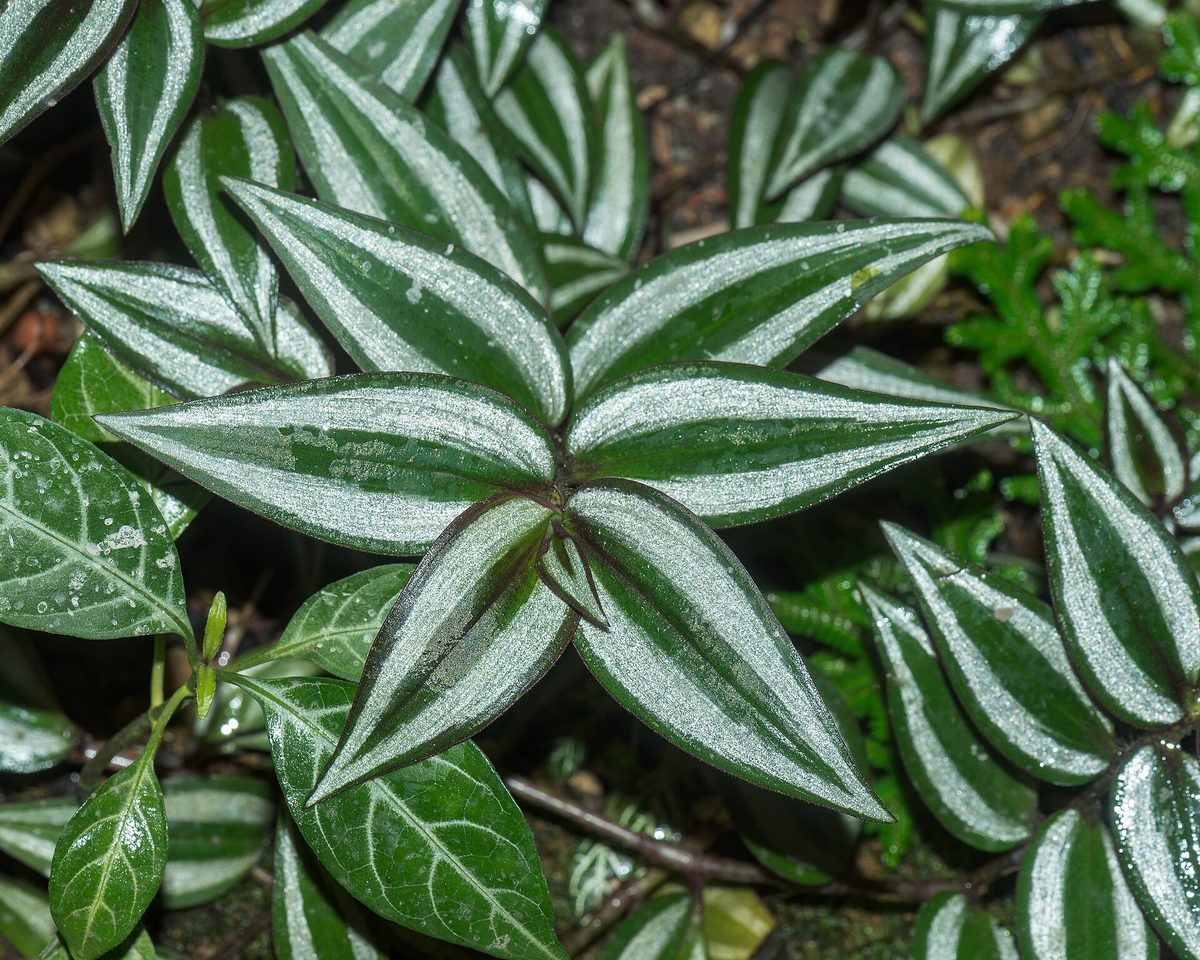
Inchplant
Tradescantia zebrina
Zones 9a–11b · 0.5–0.8 ft (0.15–0.23 m) · Full sun and part shade (full sun preferred)
-
How we chose
A shrub, and hardy through at least zone 10a according to the cited sources
Photo credits
- Lemon Beebrush photo by H. Zell, CC BY-SA 3.0 via Wikimedia Commons
- Strawberry Tree photo by Roger Culos, CC BY-SA 4.0 via Wikimedia Commons
- Paperflower photo by পাপৰি বৰা, CC BY-SA 4.0 via Wikimedia Commons
- Angel's-tears photo by Asit K. Ghosh Thaumaturgist, CC BY-SA 3.0 via Wikimedia Commons
- Pride-of-Barbados photo by Bdaize Holgooa, CC BY-SA 4.0 via Wikimedia Commons
- American Beautyberry photo by Bailey Duncan, CC BY-SA 4.0 via Wikimedia Commons
- Amatungulu photo by PierreSelim, CC BY 3.0 via Wikimedia Commons
- Luckynut photo by Wikimedia Commons contributor, CC BY-SA 4.0 via Wikimedia Commons
- Night Jessamine photo by T r i v, CC BY-SA 2.0 via Wikimedia Commons
- Parlor Palm photo by Yercaud-elango, CC BY-SA 4.0 via Wikimedia Commons
- Arabian Coffee photo by A S M Jobaer, CC BY-SA 4.0 via Wikimedia Commons
- Common Coleus photo by colorishappiness from New York, USA, CC BY 2.0 via Wikimedia Commons
- Cabbage Tree photo by Wikimedia Commons contributor, CC BY-SA 4.0 via Wikimedia Commons
- Sago Palm photo by Fawaz.tairou, CC BY 4.0 via Wikimedia Commons
- Fragrant Dracaena photo by Tournasol7, CC BY 4.0 via Wikimedia Commons
- Golden Dewdrops photo by O Tupinólogo, CC BY 4.0 via Wikimedia Commons
- Poinsettia photo by Carlos Valenzuela, CC BY-SA 4.0 via Wikimedia Commons
- Paperplant photo by Fernando Losada Rodríguez, CC BY-SA 4.0 via Wikimedia Commons
- Cape Jasmine photo by 阿橋 HQ, CC BY-SA 2.0 via Wikimedia Commons
- Dwarf Umbrella Tree photo by M108t, CC BY 4.0 via Wikimedia Commons
- French Hydrangea photo by Didier Descouens, CC BY-SA 4.0 via Wikimedia Commons
- Scarlet Jungleflame photo by ml, CC BY-SA 2.5 via Wikimedia Commons
- Lantana photo by Petro Stelte, CC BY-SA 4.0 via Wikimedia Commons
- Creosote Bush photo by Adbar, CC BY-SA 3.0 via Wikimedia Commons
- Lion's Ear photo by Hatem moushir, CC BY-SA 3.0 via Wikimedia Commons
- Sweet Osmanthus photo by Forest & Kim Starr, CC BY 3.0 via Wikimedia Commons
- Cape Leadwort photo by Vengolis, CC BY-SA 4.0 via Wikimedia Commons
- Salmonberry photo by Alex Abair, CC BY 4.0 via Wikimedia Commons
- Common Rue photo by Jörg Hempel, CC BY-SA 3.0 via Wikimedia Commons
- Rosemary photo by Roger Culos, CC BY-SA 4.0 via Wikimedia Commons
- Eggplant photo by Joydeep, CC BY-SA 3.0 via Wikimedia Commons
- Eastern Poison Ivy photo by R. A. Nonenmacher, CC BY-SA 4.0 via Wikimedia Commons
- Purple Queen photo by V C Balakrishnan, CC BY-SA 4.0 via Wikimedia Commons
- Inchplant photo by Flocci Nivis, CC BY 4.0 via Wikimedia Commons
- Withania photo by botaneek, CC BY-SA 4.0 via Wikimedia Commons


How this page was made
- Written with AI assistance from the sources listed on this page. AI is never the source of a fact.