Trees for zone 10
USDA zone 10 tells you how cold your winters get, not how hot your summers run. The zone number is based on the average annual minimum winter temperature for your area, and zone 10 covers one of the warmer bands on the map. Knowing your zone helps you decide which trees can stay outdoors through winter without protection and which ones need to come inside or get covered. The zone number says nothing about rainfall, soil type, or how much summer heat and humidity your yard holds. Two gardens in zone 10 can still differ sharply in those conditions, so treat the zone as a starting point for winter cold and look elsewhere for guidance on watering, soil, and sun. This list gathers trees grown for zone 10, pulled from a wider group of trees tracked across all zones. Of the trees in that group, 25 have published pages you can read for care details. The rest are still being documented and will appear here once their pages are ready. Use the zone number as your first filter: if a tree is listed for zone 10, it can generally handle that zone's average winter low without extra protection. From there, check each tree's own page for details on light, water, and soil before you plant. A tree suited to zone 10's winter cold can still fail if its other needs go unmet, so treat the zone match as one piece of the picture, not the whole answer.
Compared side by side
| Plant | Hardiness | Height | Light | Cats | Dogs |
|---|---|---|---|---|---|
| Monkeypuzzle TreeAraucaria araucana | Zones 7a–10b | 60–70 ft (18.29–21.34 m) | Not documented | Not documented | Not documented |
| Norfolk Island PineAraucaria heterophylla | NC State Extension Gardener Plant Toolbox also lists 9a-11b | 60–80.1 ft (18.3–24.4 m) | Full sun | Non-toxic | Non-toxic |
| Strawberry TreeArbutus unedo | Zones 7a–10b | 12 ft (3.66 m) | Full sun and part shade (full sun preferred) | Not documented | Not documented |
| Red Silk CottontreeBombax ceiba | Zones 10a–12b | 60–75 ft (18.29–22.86 m) | Full sun | Not documented | Not documented |
| Angel's-tearsBrugmansia suaveolens | Zones 7b–10b | 6–35 ft (1.83–10.67 m) | Full sun and part shade (full sun preferred) | Toxic (1 source) | Toxic (1 source) |
| Pride-of-BarbadosCaesalpinia pulcherrima | Zones 9a–11b | 10–20 ft (3.05–6.1 m) | Full sun and part shade (full sun preferred) | Toxic (1 source) | Toxic (1 source) |
| CamphortreeCamphora officinarum | Zones 9b–11b | 40–50 ft (12.19–15.24 m) | Full sun and part shade (full sun preferred) | Toxic (1 source) | Not documented |
| Ilang-ilangCananga odorata | Zones 9a–11b | 100–100.1 ft (30.48–30.5 m) | Full sun and part shade | Toxic (1 source) | Not documented |
| LuckynutCascabela thevetia | Zones 8a–10b | 4–8 ft (1.22–2.44 m) | Full sun and part shade (full sun preferred) | Toxic (1 source) | Toxic (1 source) |
| Golden ShowerCassia fistula | Not documented | 29.9–40 ft (9.1–12.2 m) | Full sun | Not documented | Not documented |
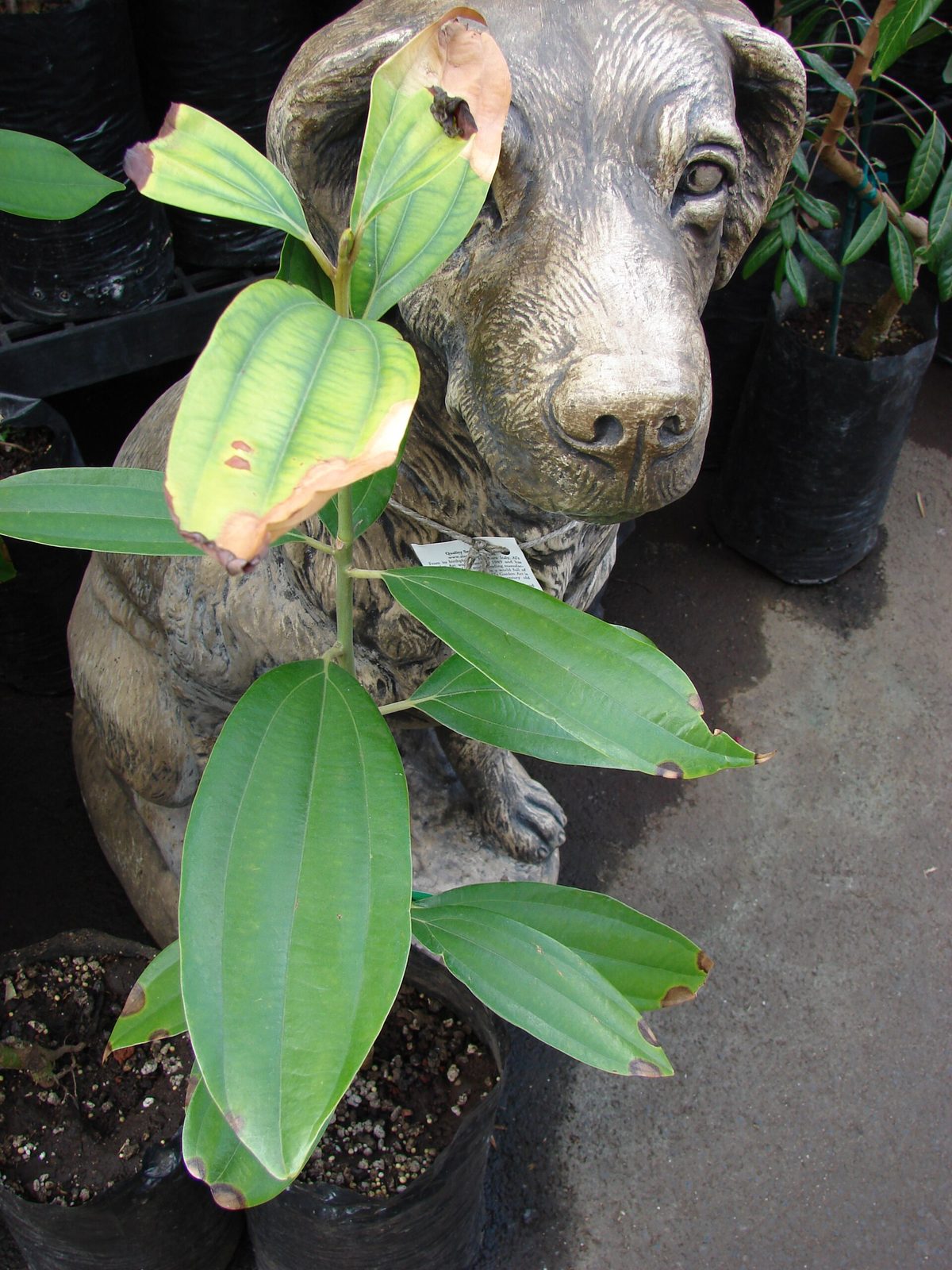
| CinnamonCinnamomum verum | Zones 10a–12b | 30–50 ft (9.14–15.24 m) | Full sun and part shade (full sun preferred) | Non-toxic | Non-toxic |
| Arabian CoffeeCoffea arabica | NC State Extension Gardener Plant Toolbox also lists 10a-12b | 6–15 ft (1.83–4.57 m) | Part shade and full sun (part shade preferred) | Toxic (1 source) | Toxic (1 source) |
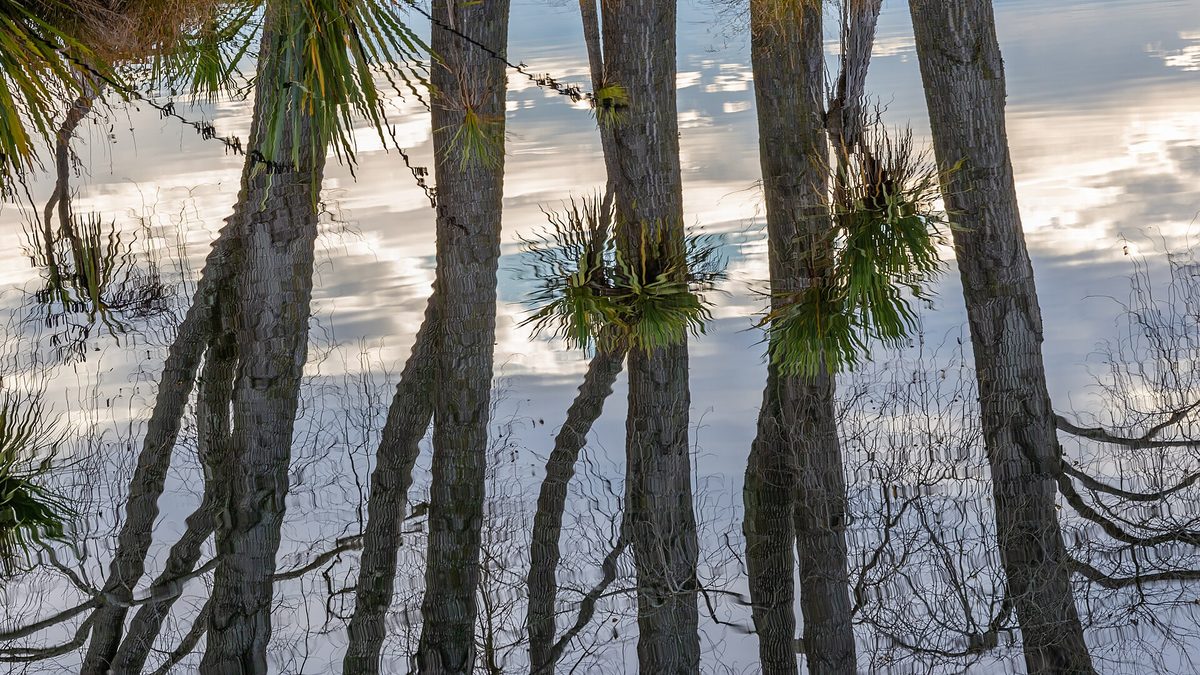
| Cabbage TreeCordyline australis | Zones 9a–11b | 6–30 ft (1.83–9.14 m) | Full sun and part shade (full sun preferred) | Toxic (1 source) | Toxic (1 source) |
| Italian CypressCupressus sempervirens | Zones 7a–10b | 40–70 ft (12.19–21.34 m) | Full sun | Not documented | Not documented |
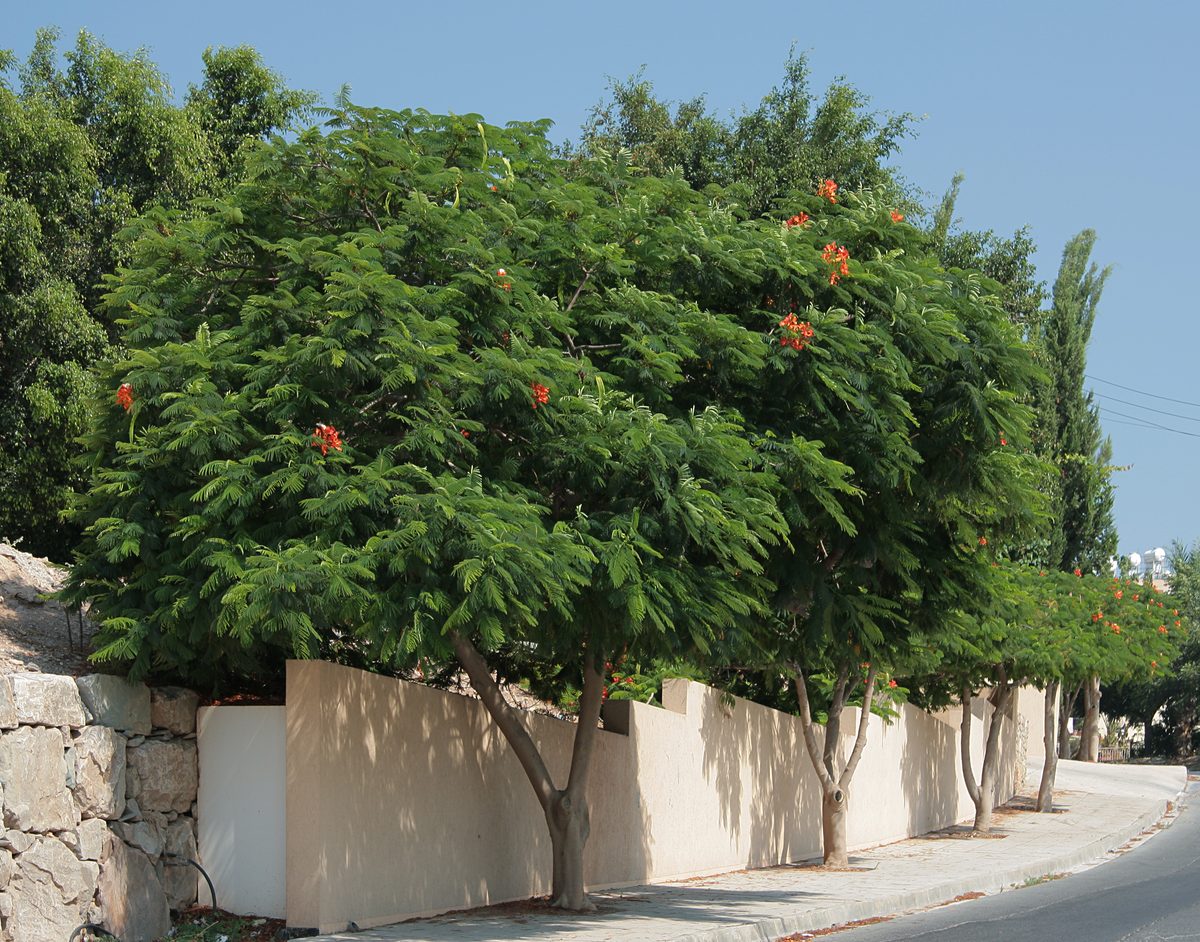
| Royal PoincianaDelonix regia | Zones 10b–11b | 35–40 ft (10.67–12.19 m) | Full sun | Not documented | Not documented |
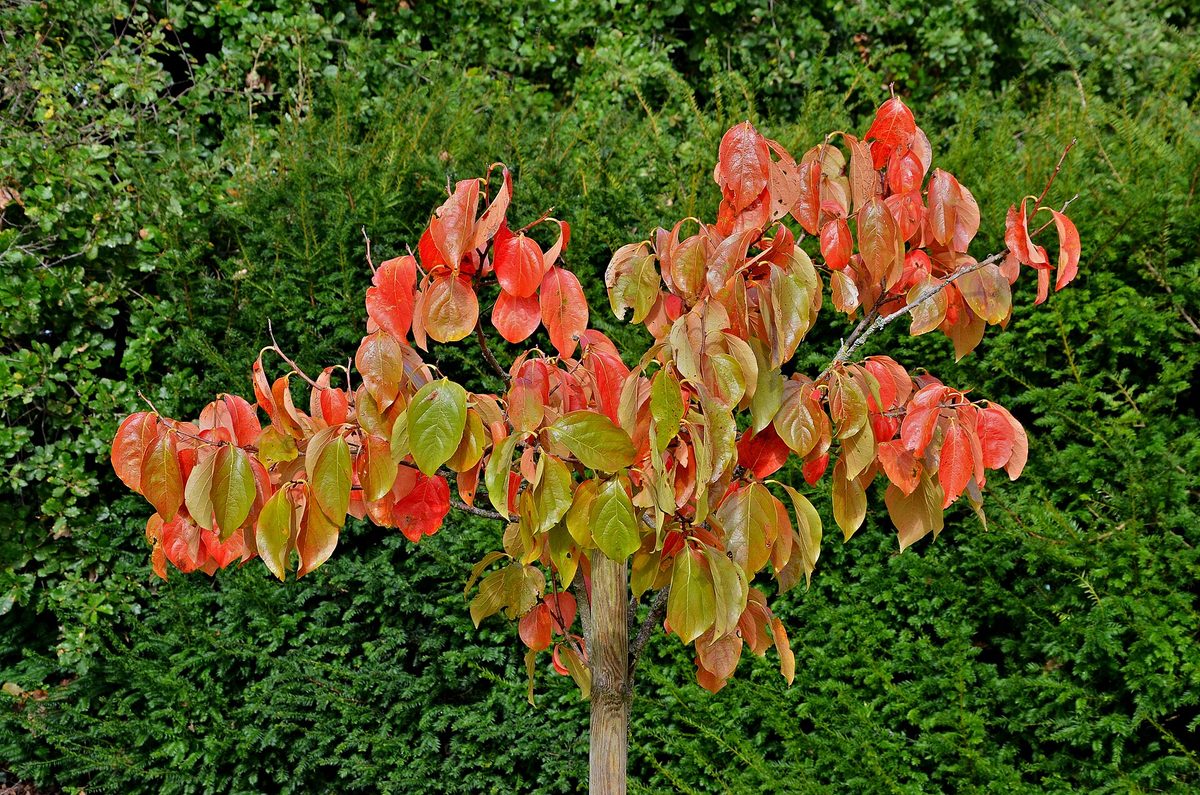
| Japanese PersimmonDiospyros kaki | Zones 7a–10b | 20–30 ft (6.1–9.14 m) | Full sun | Not documented | Not documented |
| Golden DewdropsDuranta erecta | Zones 9a–11b | 18 ft (5.49 m) | Full sun and part shade (full sun preferred) | Toxic (1 source) | Toxic (1 source) |
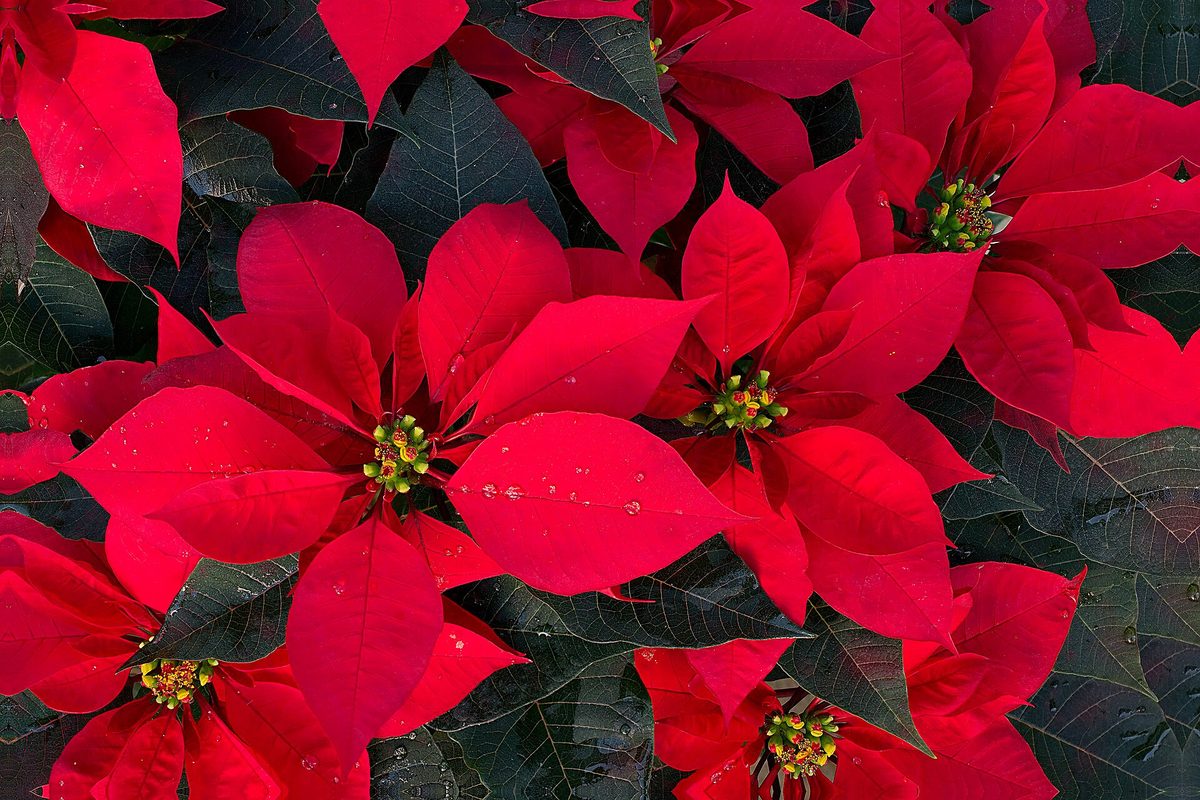
| PoinsettiaEuphorbia pulcherrima | Zones 9a–11b | 3–12 ft (0.91–3.66 m) | Part shade | Toxic | Toxic |
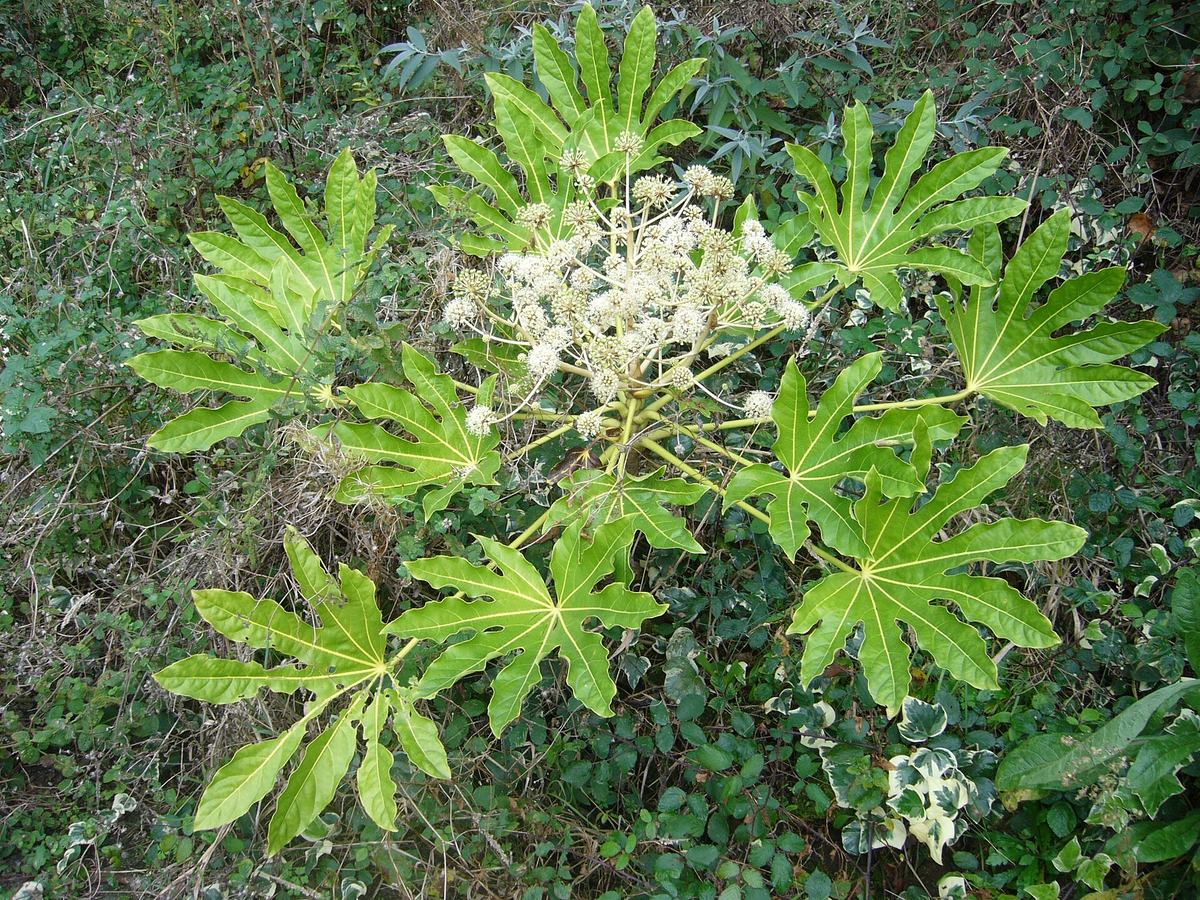
| PaperplantFatsia japonica | Zones 7b–10b | 6–19.5 ft (1.83–5.94 m) | Part shade and full shade (part shade preferred) | Non-toxic | Non-toxic |
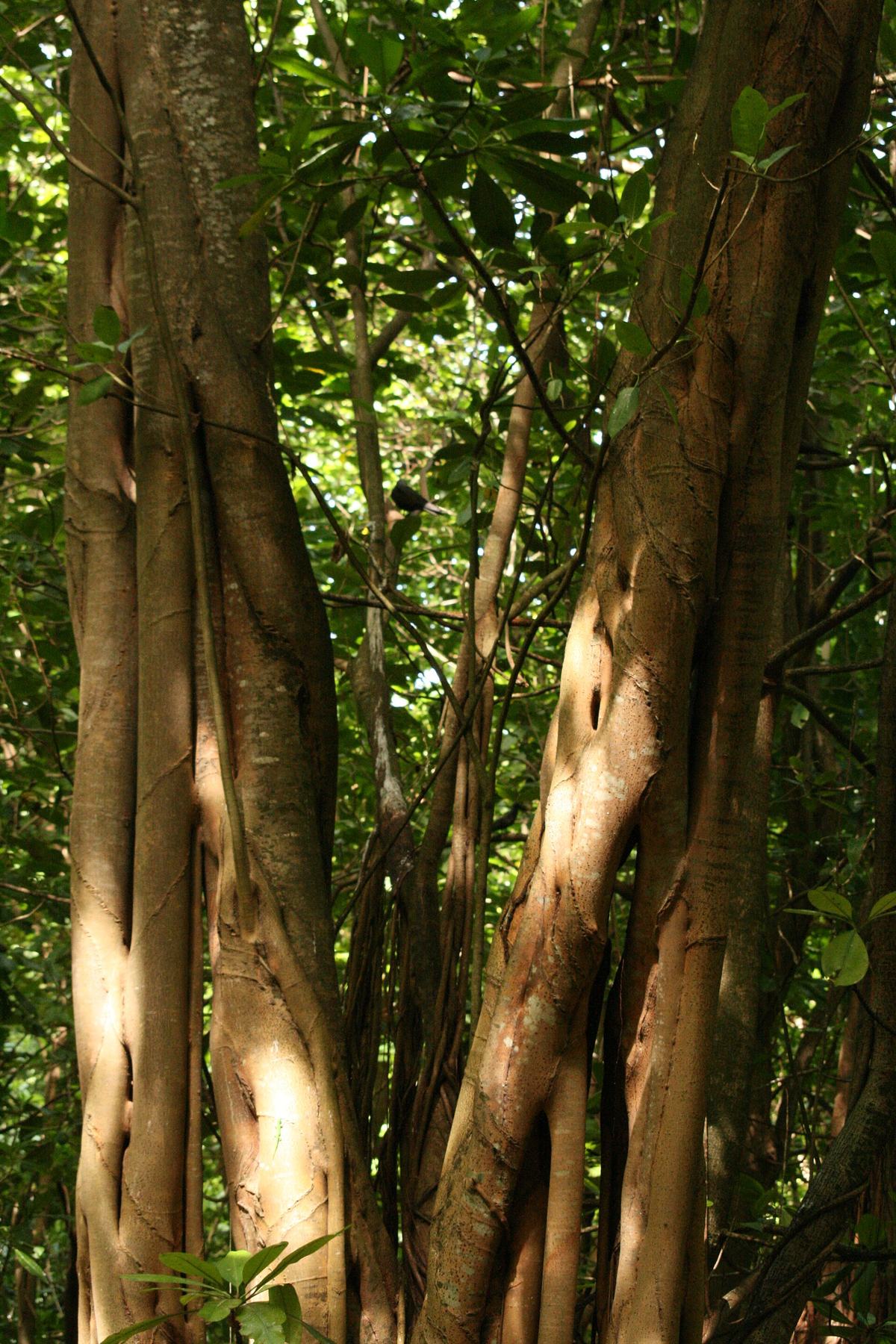
| Indian BanyanFicus benghalensis | Zones 10a–12b | 100 ft (30.48 m) | Full sun and part shade (full sun preferred) | Not documented | Not documented |
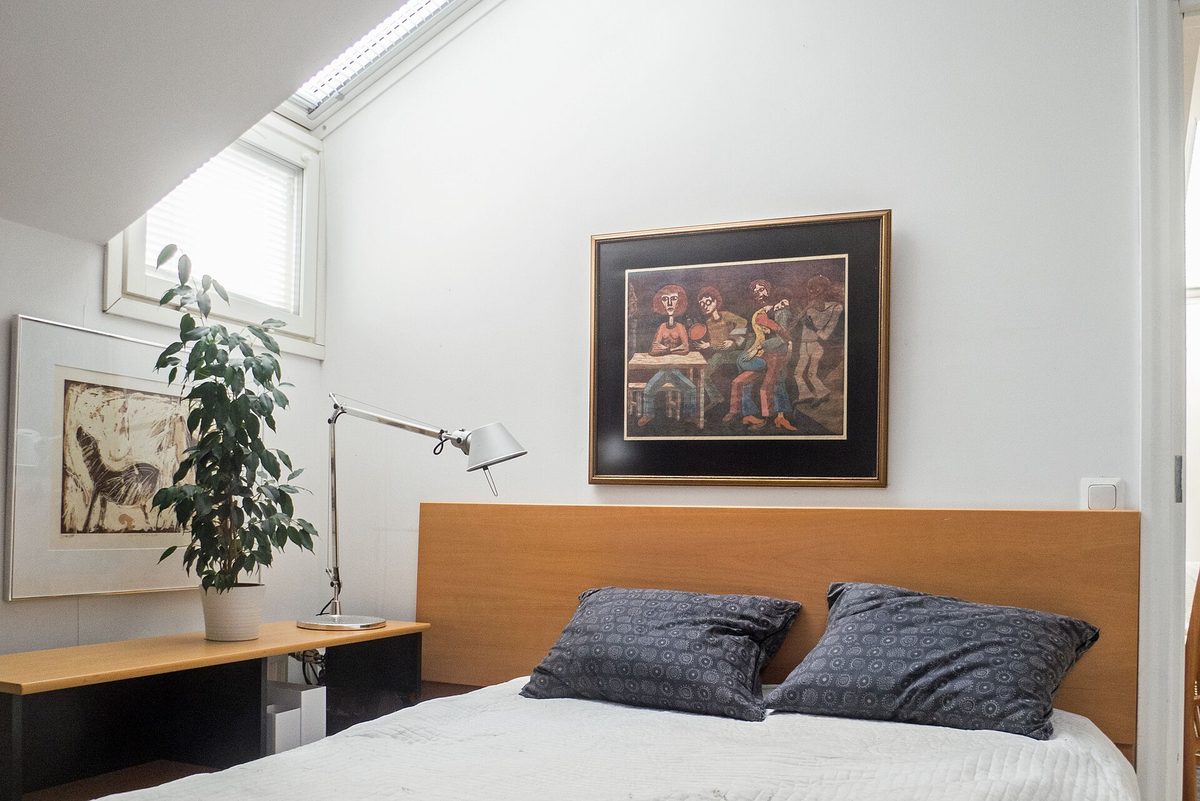
| Weeping FigFicus benjamina | NC State Extension Gardener Plant Toolbox also lists 10a-12b | 40–60 ft (12.19–18.29 m) | Full sun, part shade and full shade (full sun preferred) | Toxic | Toxic |
| Rubber PlantFicus elastica | Zones 9a–12b | 35–45 ft (10.67–13.72 m) | Full sun, part shade and full shade (part shade preferred) | Toxic | Toxic |
| Fiddle Leaf FigFicus lyrata | Zones 10a–12b | Sources differ: NC State Extension Gardener Plant Toolbox; University of Florida IFAS Extension (EDIS); NC State Extension Gardener Plant Toolbox; University of Florida IFAS Extension (EDIS); NC State Extension Gardener Plant Toolbox; University of Florida IFAS Extension (EDIS) | Full sun and part shade (part shade preferred) | Toxic | Toxic |
| Chinese BanyanFicus microcarpa | Zones 9a–11b | 2–50 ft (0.61–15.24 m) | Full sun and part shade (full sun preferred) | Not documented | Not documented |
| Black PouiJacaranda mimosifolia | Zones 9b–13b | 25–50 ft (7.62–15.24 m) | Full sun and part shade (full sun preferred) | Non-toxic | Non-toxic |
| Pride of IndiaLagerstroemia speciosa | Zones 10b–11b | 30–60 ft (9.14–18.29 m) | Full sun | Not documented | Not documented |
| Sweet BayLaurus nobilis | Zones 7a–10b | 8–12 ft (2.44–3.66 m) | Full sun and part shade (full sun preferred) | Toxic | Toxic |
| Southern MagnoliaMagnolia grandiflora | Zones 7a–10a | 60–90 ft (18.29–27.43 m) | Full sun and part shade (full sun preferred) | Not documented | Not documented |
| MangoMangifera indica | Zones 10b–11b | Sources differ: University of Florida IFAS Extension (EDIS); University of Florida IFAS Extension (EDIS) | Full sun | Not documented | Not documented |
| SapodillaManilkara zapota | Zones 10b–11b | Sources differ: UF/IFAS EDIS; UF/IFAS EDIS | Full sun | Not documented | Not documented |
| ChinaberrytreeMelia azedarach | Zones 7a–10b | 30–40 ft (9.14–12.19 m) | Full sun and part shade (full sun preferred) | Toxic | Toxic |
| Guiana-chestnutPachira aquatica | Zones 10a–12b | 6–30 ft (1.83–9.14 m) | Part shade | Not documented | Not documented |
| Tahitian ScrewpinePandanus tectorius | Zones 10a–12b | 10–20 ft (3.05–6.1 m) | Full sun and part shade (full sun preferred) | Not documented | Not documented |
| Italian Stone PinePinus pinea | Zones 7a–11b | 40–60 ft (12.19–18.29 m) | Full sun | Not documented | Not documented |
| Cork OakQuercus suber | Zones 8a–10b | 69.9–100.1 ft (21.3–30.5 m) | Full sun and part shade (full sun preferred) | Not documented | Not documented |
| Live OakQuercus virginiana | Not documented | 40–80 ft (12.19–24.38 m) | Full sun and part shade (full sun preferred) | Not documented | Not documented |
| Cabbage PalmettoSabal palmetto | Zones 7b–11b | Sources differ: USDA Forest Service Fire Effects Information System; Lady Bird Johnson Wildflower Center; Lady Bird Johnson Wildflower Center; Clemson Cooperative Extension Home & Garden Information Center; Clemson Cooperative Extension Home & Garden Information Center; Clemson Cooperative Extension HGIC; USDA Forest Service Fire Effects Information System; Clemson Cooperative Extension Home & Garden Information Center | Full sun and part shade (full sun preferred) | Not documented | Not documented |
| Bird-of-paradise -treeStrelitzia nicolai | Zones 10a–11b | 20–30 ft (6.1–9.14 m) | Part shade | Toxic (1 source) | Toxic (1 source) |
| Yellow TrumpetbushTecoma stans | Zones 10b–11b | 10–30 ft (3.05–9.14 m) | Full sun and part shade (full sun preferred) | Not documented | Not documented |
| Tropical AlmondTerminalia catappa | Zones 10b–11b | 29.9–55.1 ft (9.1–16.8 m) | Full sun | Not documented | Not documented |
| CacaoTheobroma cacao | Zones 8a–10b | 24.9–29.9 ft (7.6–9.1 m) | Part shade | Toxic | Toxic |
| Chinese ElmUlmus parvifolia | Not documented | 40–50 ft (12.19–15.24 m) | Full sun and part shade (full sun preferred) | Not documented | Not documented |
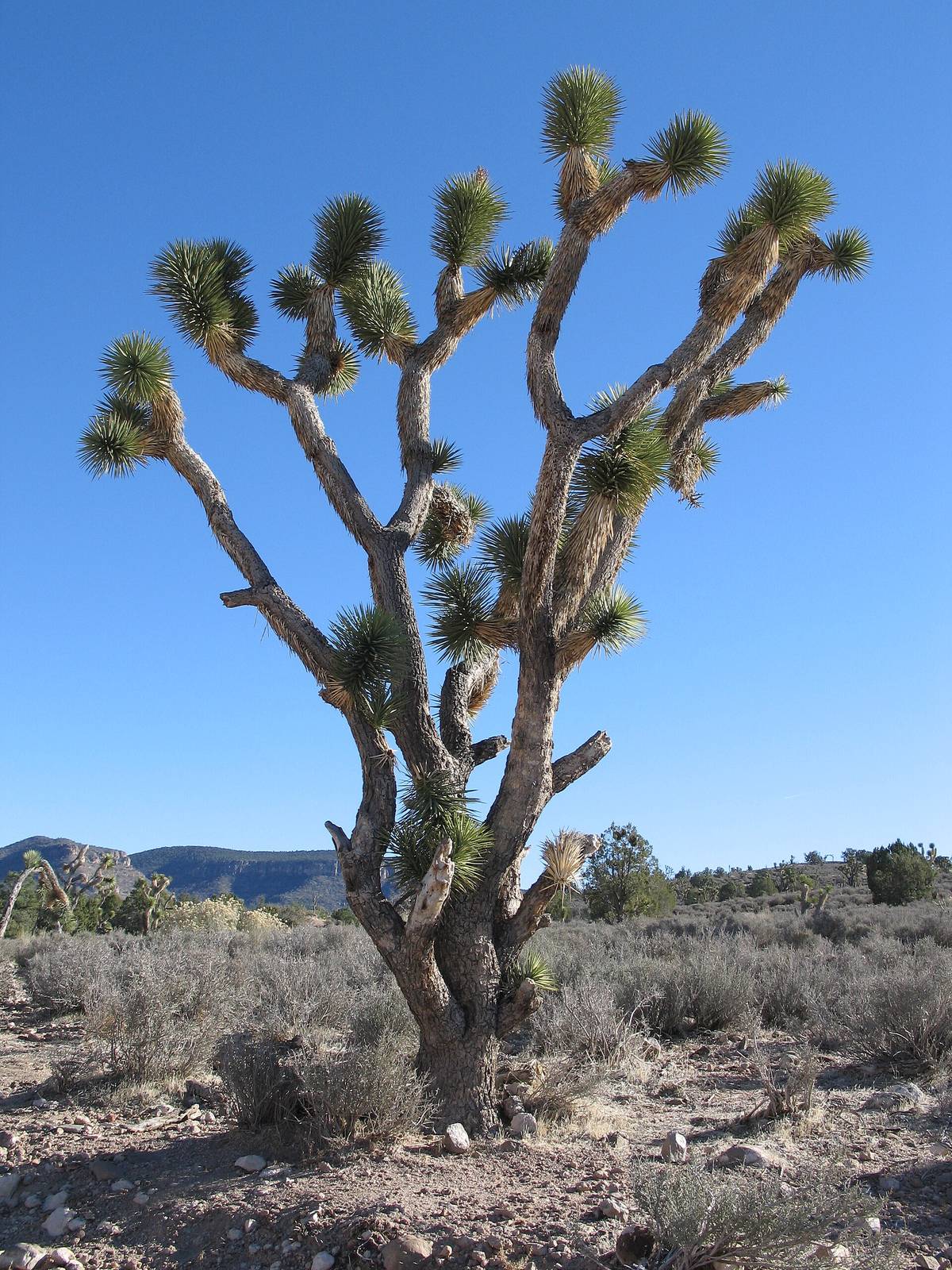
| Joshua TreeYucca brevifolia | Zones 7a–10b | 20 ft (6.1 m) | Full sun | Toxic | Toxic |
The plants
-
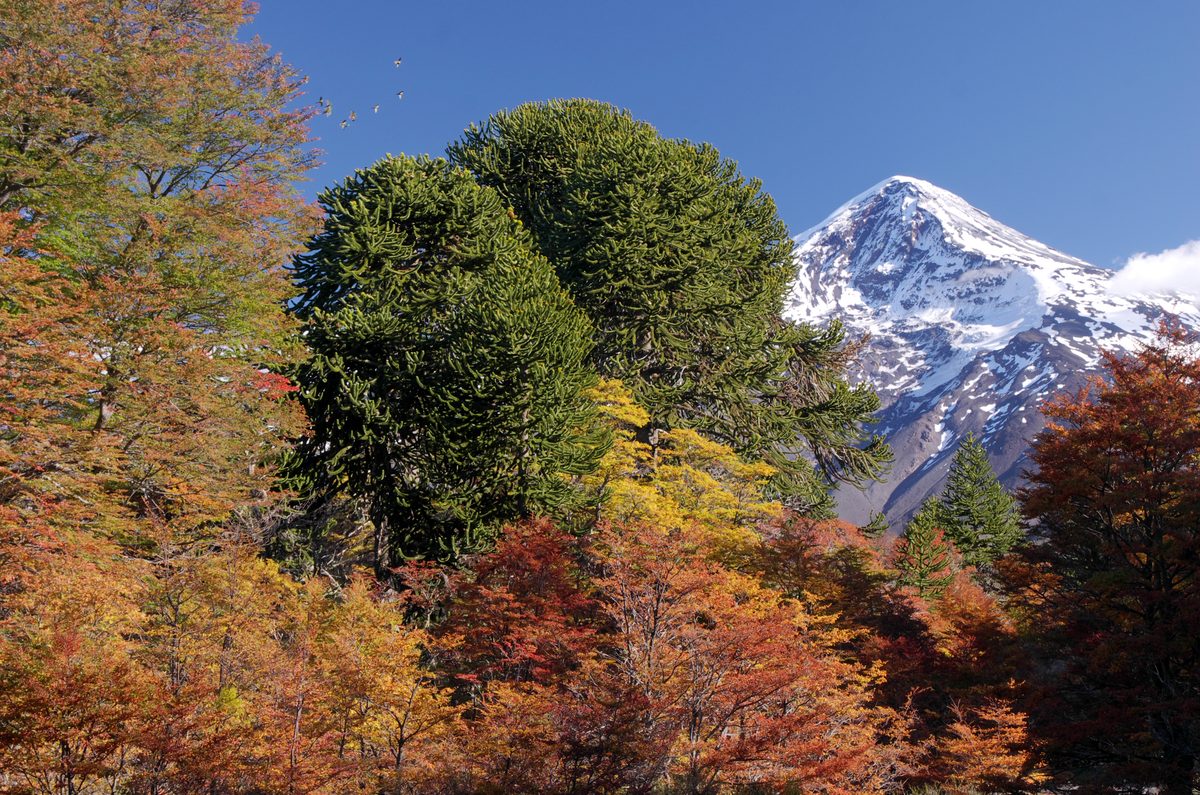
Monkeypuzzle Tree
Araucaria araucana
Zones 7a–10b · 60–70 ft (18.29–21.34 m)
Araucaria araucana is one of the zone 10 trees tracked on this hub. Its own page holds the care facts behind that placement, so check there for anything this list does not cover.
-
Norfolk Island Pine
Araucaria heterophylla
NC State Extension Gardener Plant Toolbox also lists 9a-11b · 60–80.1 ft (18.3–24.4 m) · Full sun
-
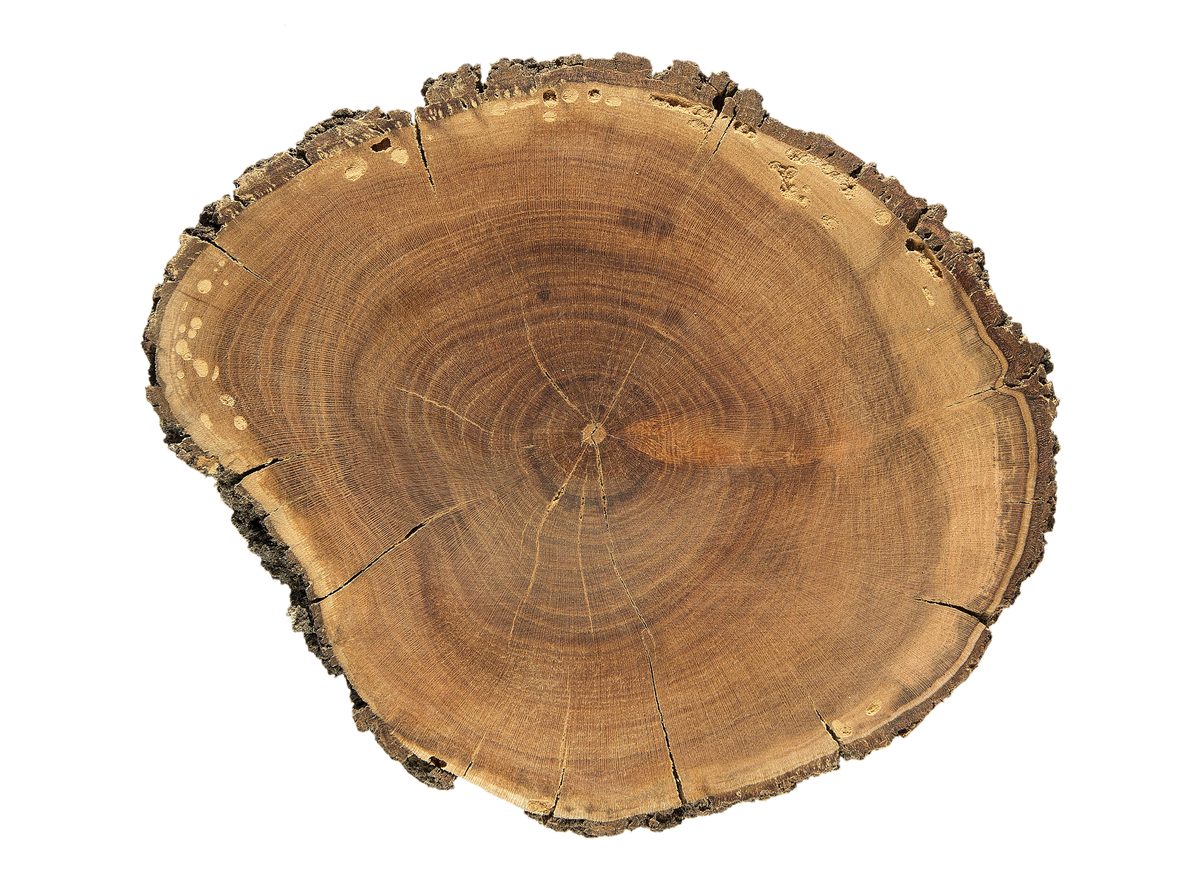
Strawberry Tree
Arbutus unedo
Zones 7a–10b · 12 ft (3.66 m) · Full sun and part shade (full sun preferred)
This hub lists Arbutus unedo among the trees tracked for zone 10. The specifics behind that listing live on its own page rather than here.
-
-
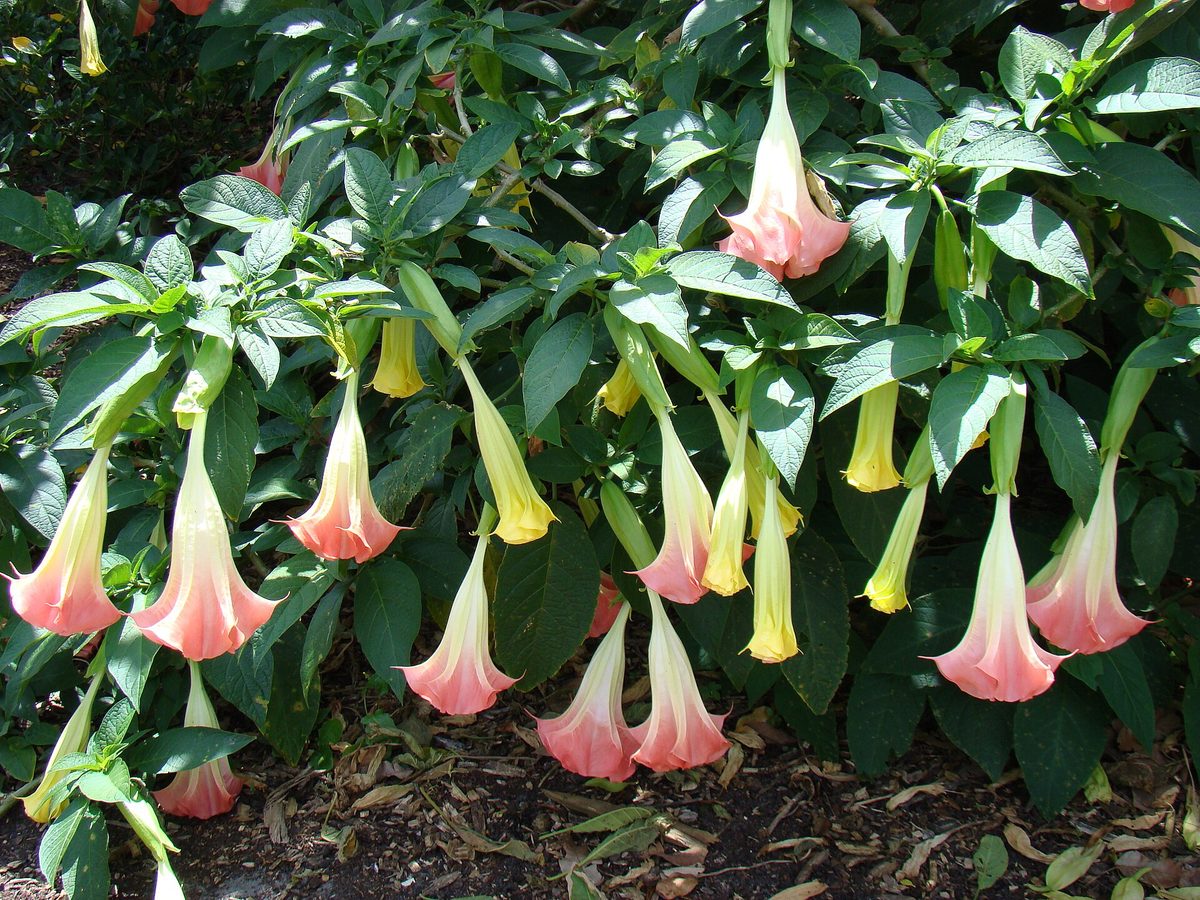
Angel's-tears
Brugmansia suaveolens
Zones 7b–10b · 6–35 ft (1.83–10.67 m) · Full sun and part shade (full sun preferred)
-
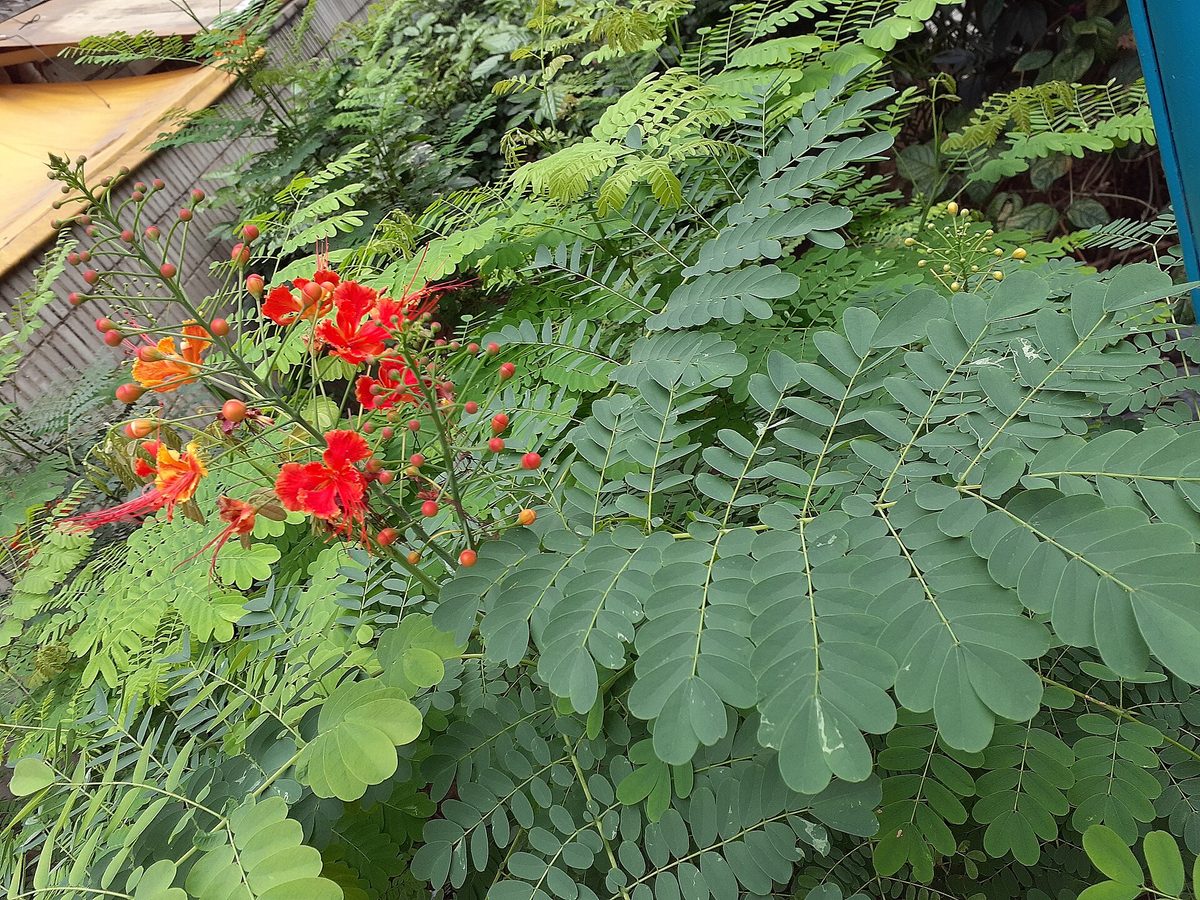
Pride-of-Barbados
Caesalpinia pulcherrima
Zones 9a–11b · 10–20 ft (3.05–6.1 m) · Full sun and part shade (full sun preferred)
-
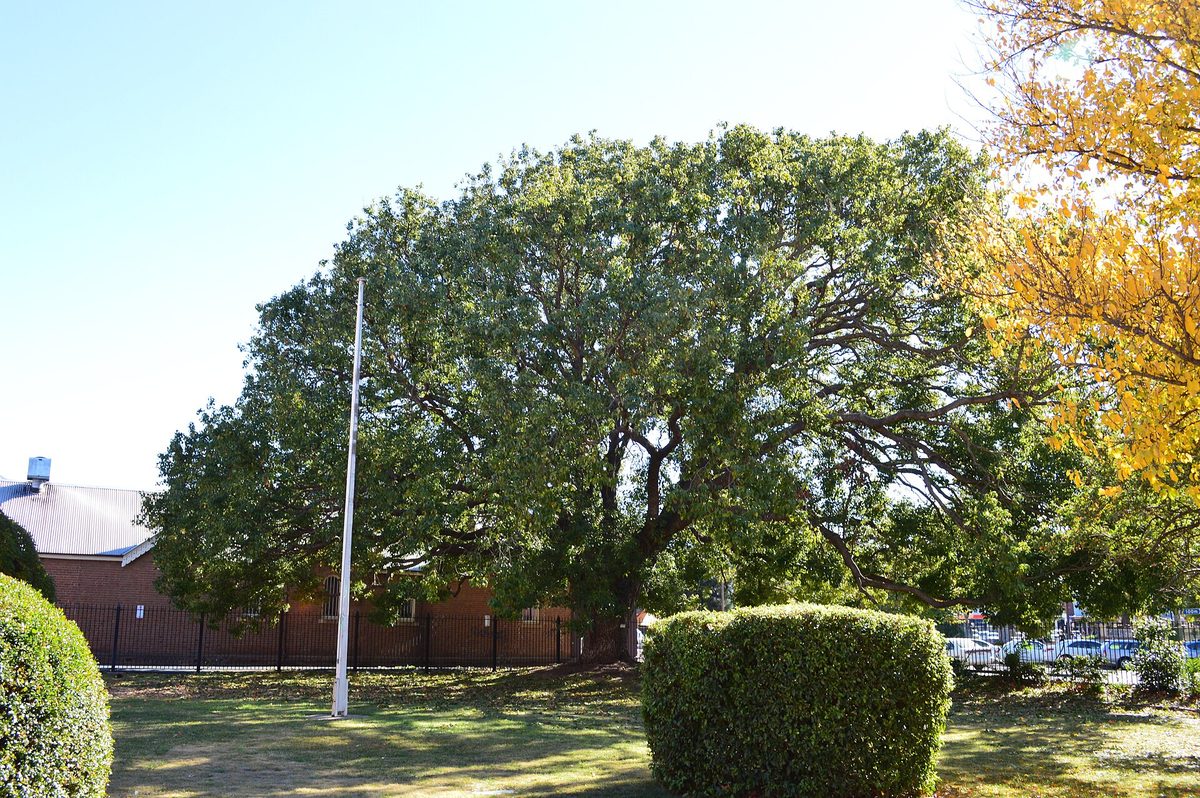
Camphortree
Camphora officinarum
Zones 9b–11b · 40–50 ft (12.19–15.24 m) · Full sun and part shade (full sun preferred)
Camphora officinarum appears here as part of the zone 10 tree group. You can find the care facts that back its inclusion on its individual page.
-
-
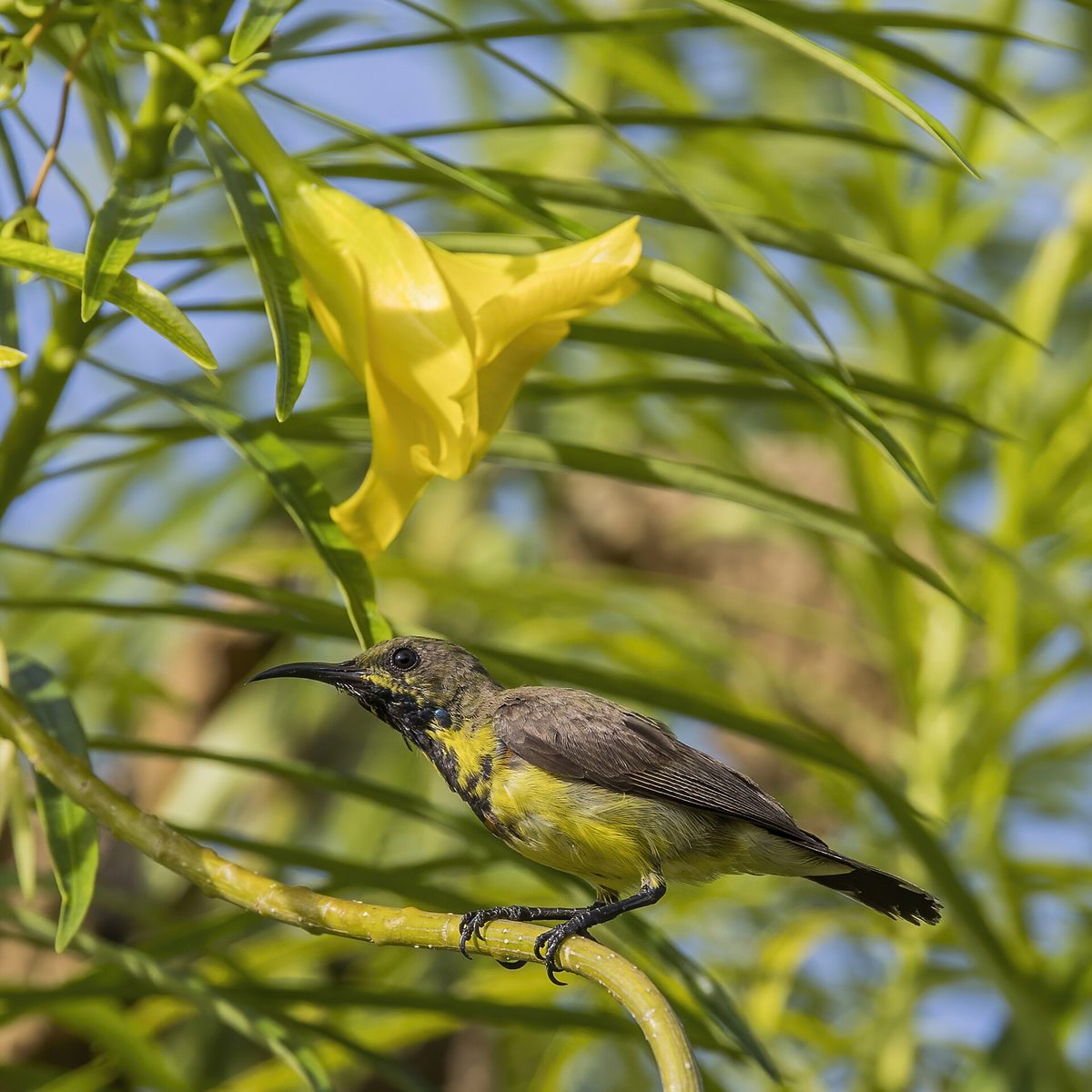
Luckynut
Cascabela thevetia
Zones 8a–10b · 4–8 ft (1.22–2.44 m) · Full sun and part shade (full sun preferred)
-
-
Cinnamon
Cinnamomum verum
Zones 10a–12b · 30–50 ft (9.14–15.24 m) · Full sun and part shade (full sun preferred)
-
Arabian Coffee
Coffea arabica
NC State Extension Gardener Plant Toolbox also lists 10a-12b · 6–15 ft (1.83–4.57 m) · Part shade and full sun (part shade preferred)
-
Cabbage Tree
Cordyline australis
Zones 9a–11b · 6–30 ft (1.83–9.14 m) · Full sun and part shade (full sun preferred)
-
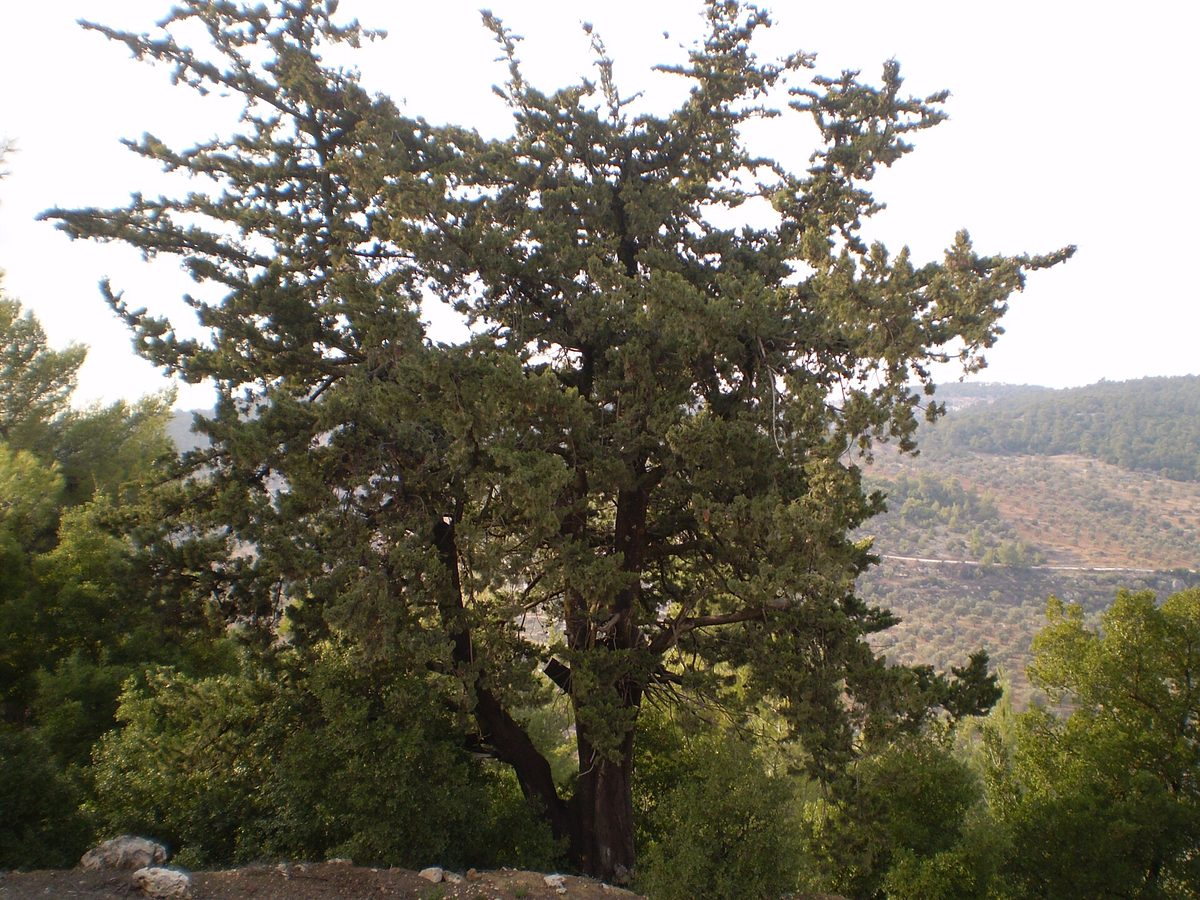
Italian Cypress
Cupressus sempervirens
Zones 7a–10b · 40–70 ft (12.19–21.34 m) · Full sun
Cupressus sempervirens is grouped among the trees this hub tracks for zone 10. Its own page is where the facts behind that grouping are recorded.
-
-
-
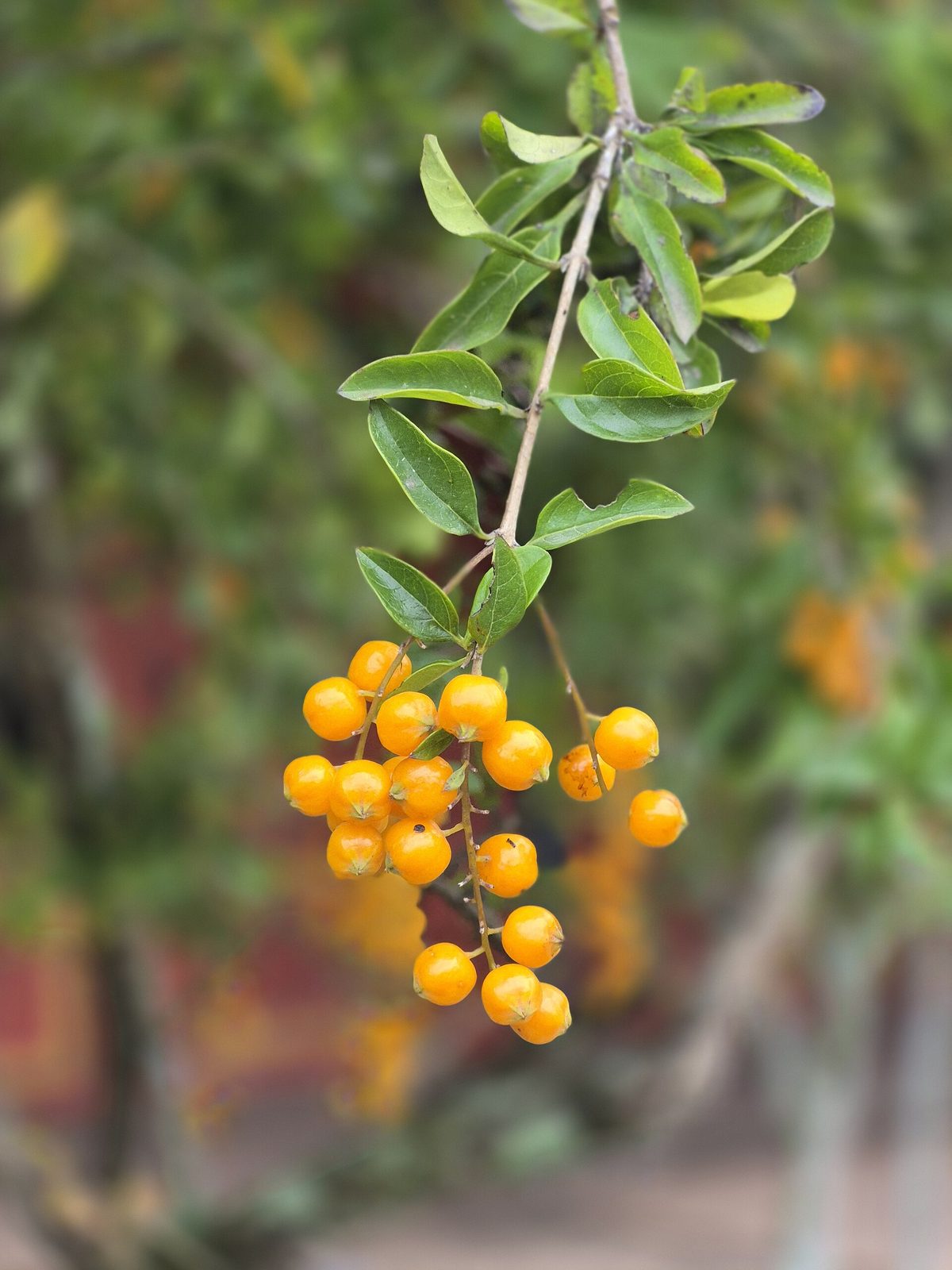
Golden Dewdrops
Duranta erecta
Zones 9a–11b · 18 ft (5.49 m) · Full sun and part shade (full sun preferred)
-
-
Paperplant
Fatsia japonica
Zones 7b–10b · 6–19.5 ft (1.83–5.94 m) · Part shade and full shade (part shade preferred)
-
Indian Banyan
Ficus benghalensis
Zones 10a–12b · 100 ft (30.48 m) · Full sun and part shade (full sun preferred)
-
Weeping Fig
Ficus benjamina
NC State Extension Gardener Plant Toolbox also lists 10a-12b · 40–60 ft (12.19–18.29 m) · Full sun, part shade and full shade (full sun preferred)
-
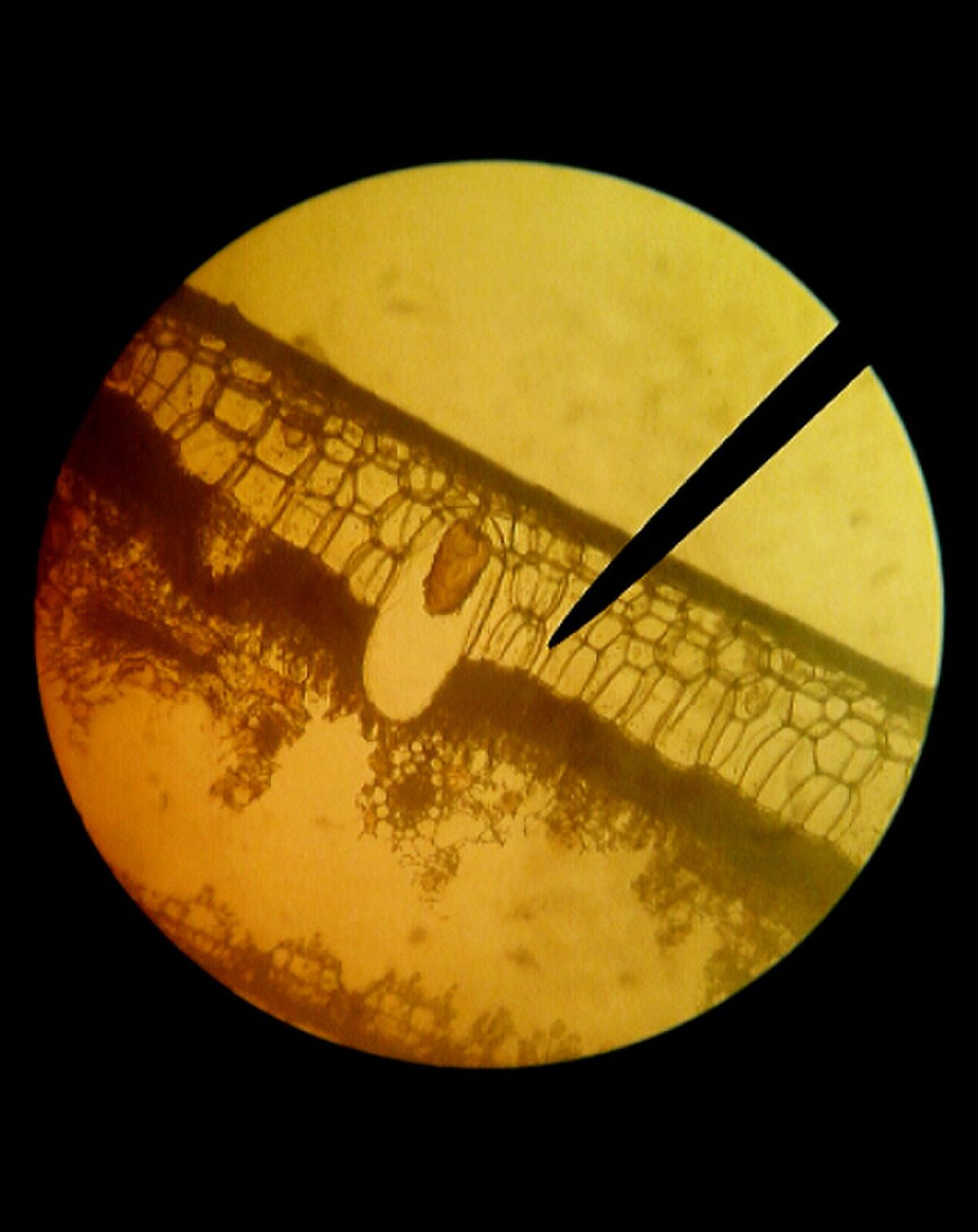
Rubber Plant
Ficus elastica
Zones 9a–12b · 35–45 ft (10.67–13.72 m) · Full sun, part shade and full shade (part shade preferred)
-
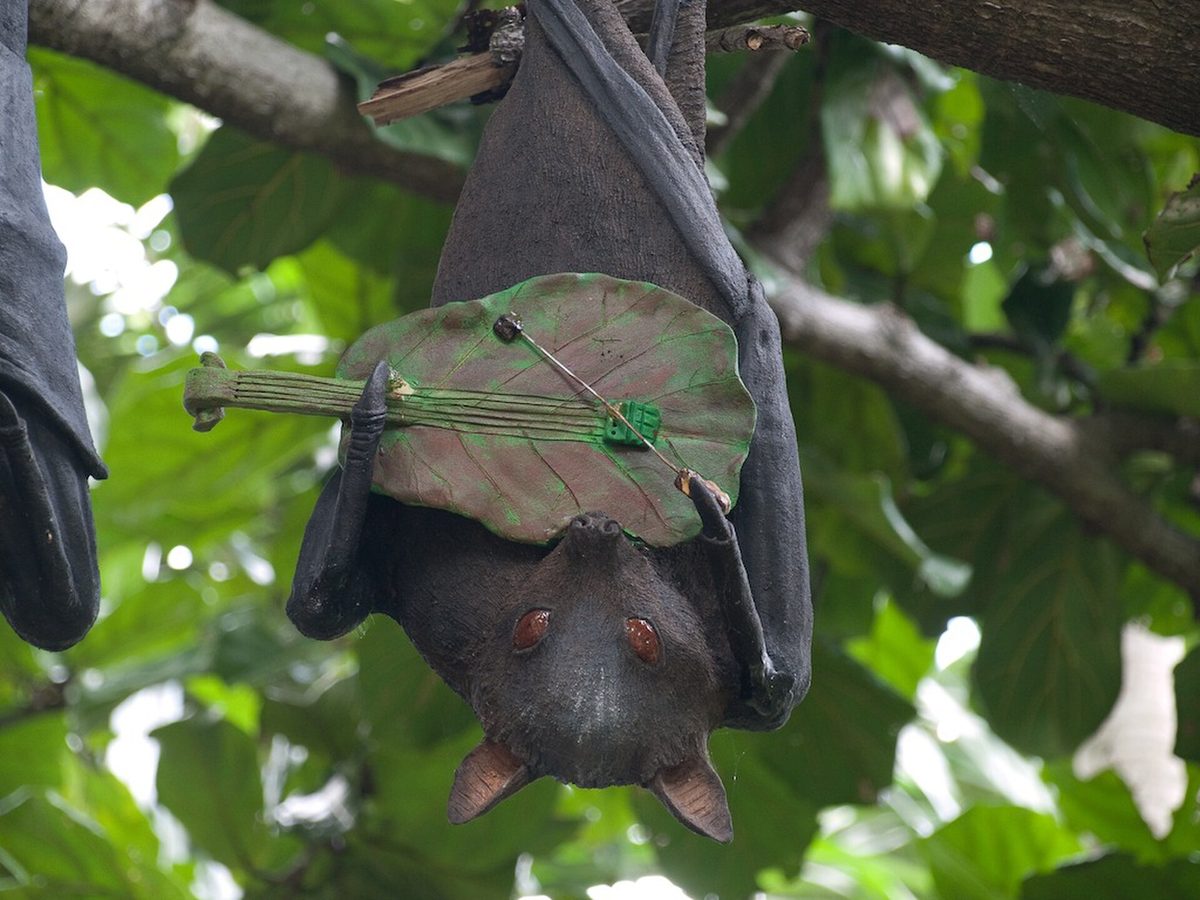
Fiddle Leaf Fig
Ficus lyrata
Zones 10a–12b · Sources differ: NC State Extension Gardener Plant Toolbox; University of Florida IFAS Extension (EDIS); NC State Extension Gardener Plant Toolbox; University of Florida IFAS Extension (EDIS); NC State Extension Gardener Plant Toolbox; University of Florida IFAS Extension (EDIS) · Full sun and part shade (part shade preferred)
-
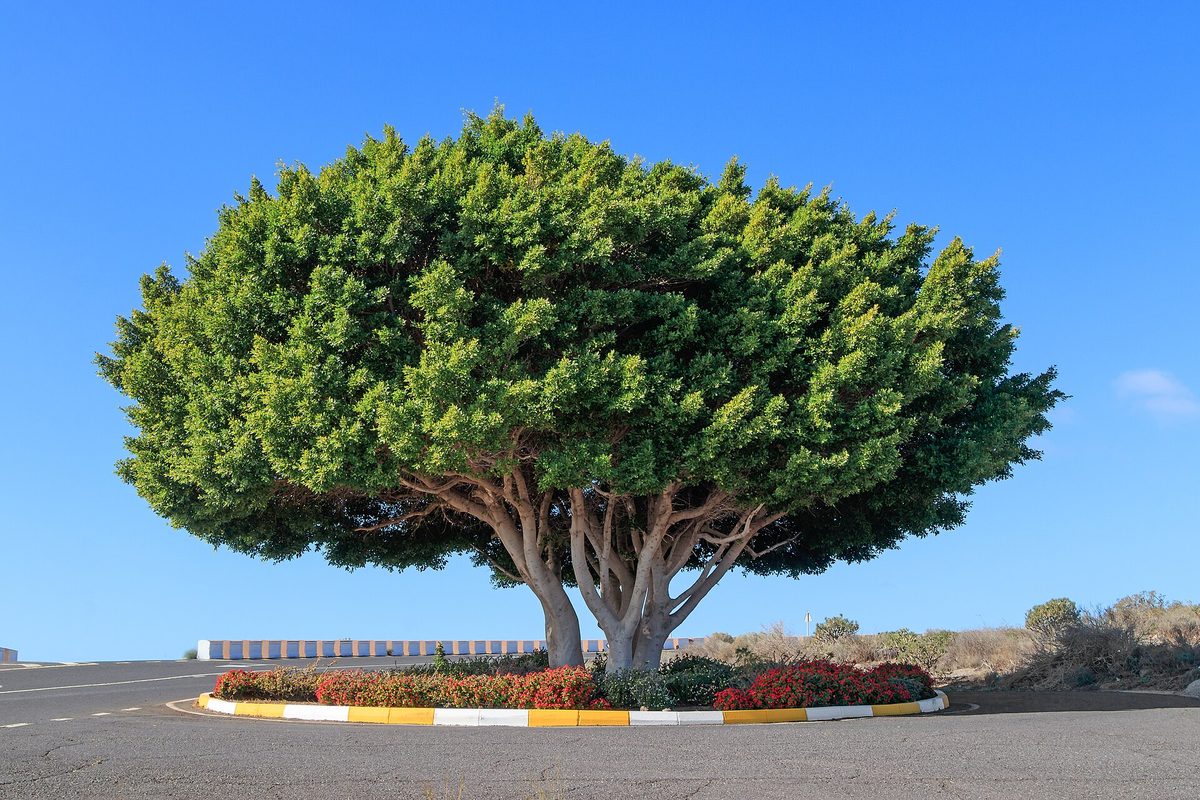
Chinese Banyan
Ficus microcarpa
Zones 9a–11b · 2–50 ft (0.61–15.24 m) · Full sun and part shade (full sun preferred)
-
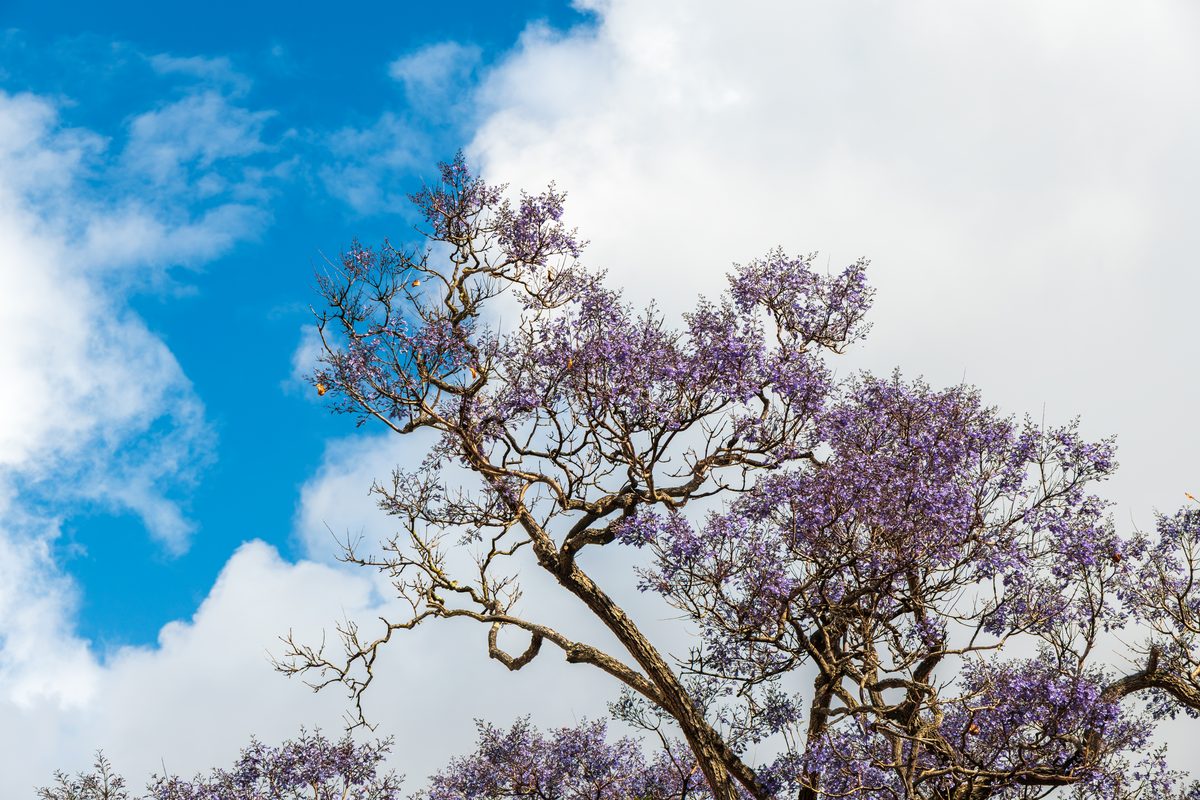
Black Poui
Jacaranda mimosifolia
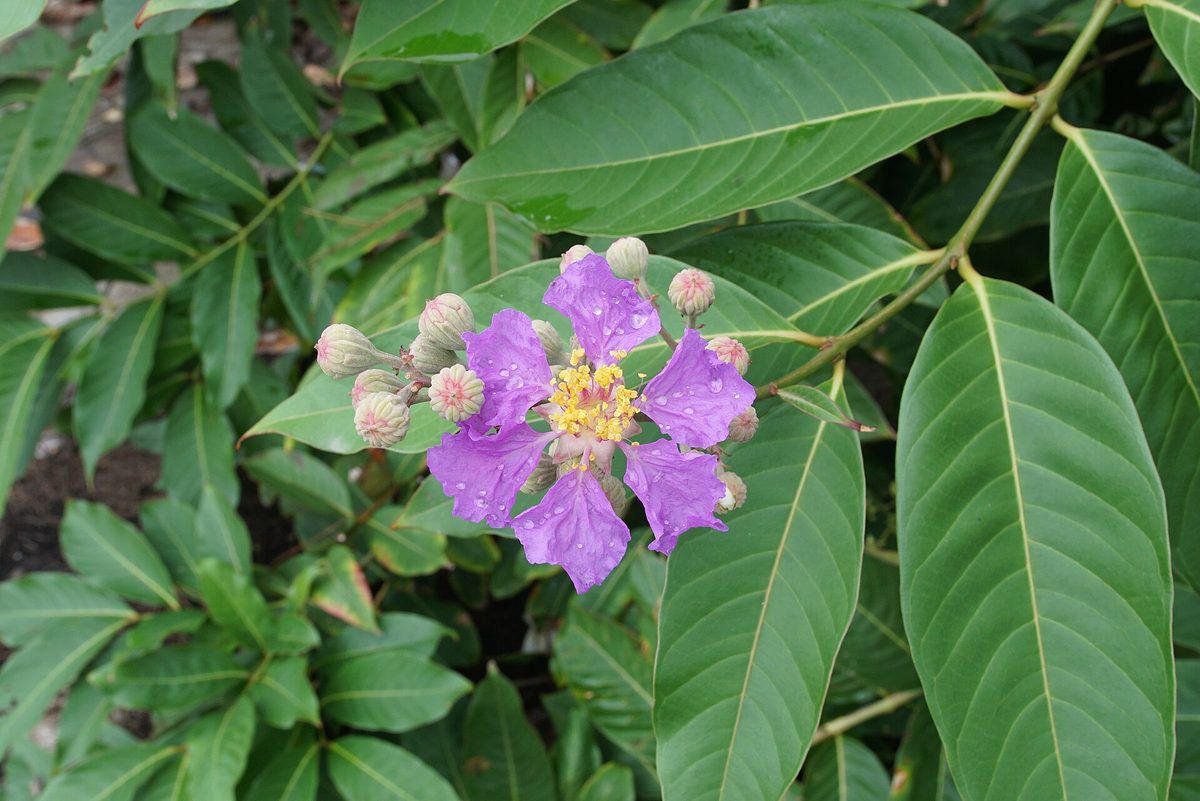
Zones 9b–13b · 25–50 ft (7.62–15.24 m) · Full sun and part shade (full sun preferred)
Jacaranda mimosifolia is tracked for zone 10 on this hub. The facts that explain its place on the list sit on its own page, not here.
-
-
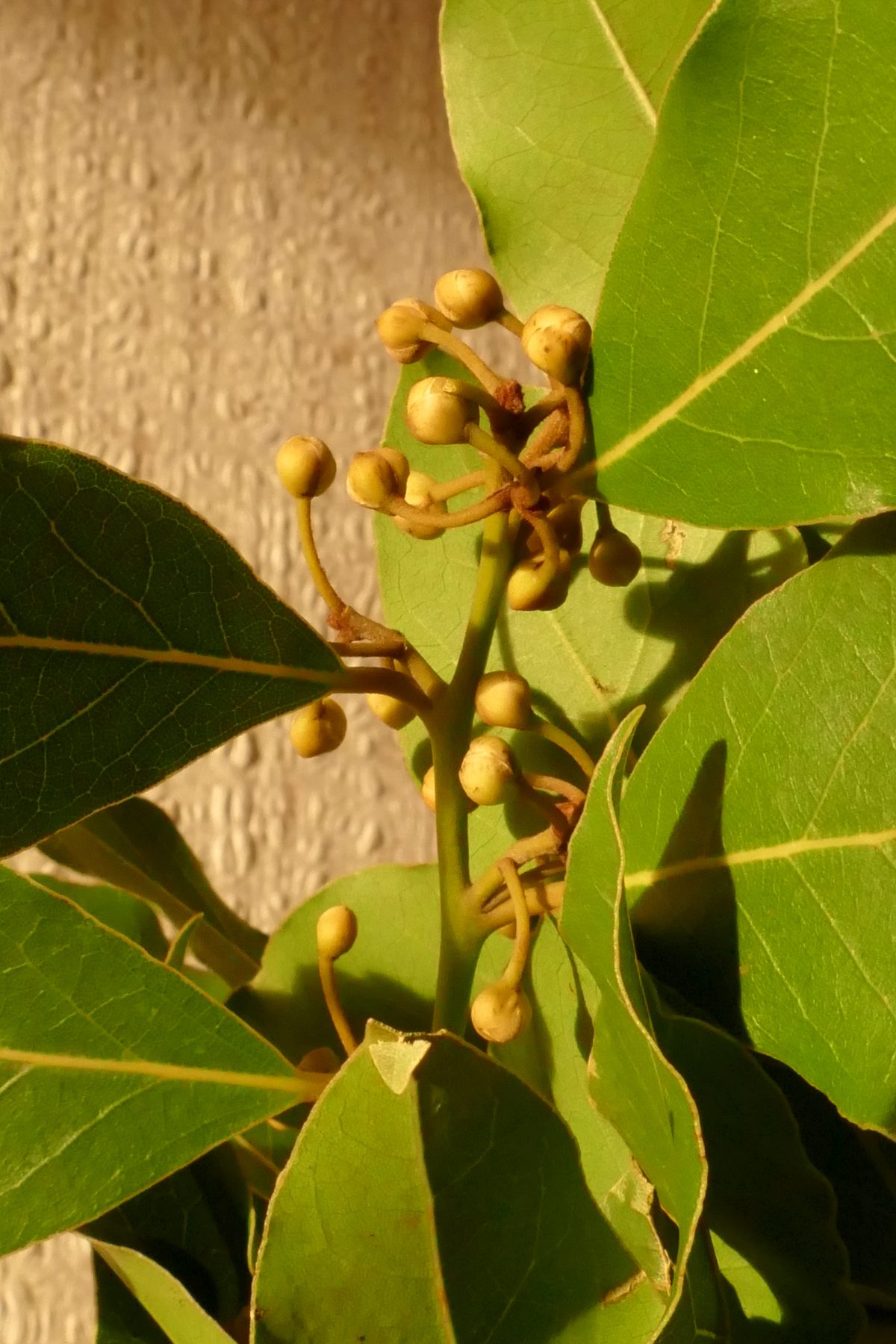
Sweet Bay
Laurus nobilis
Zones 7a–10b · 8–12 ft (2.44–3.66 m) · Full sun and part shade (full sun preferred)
-
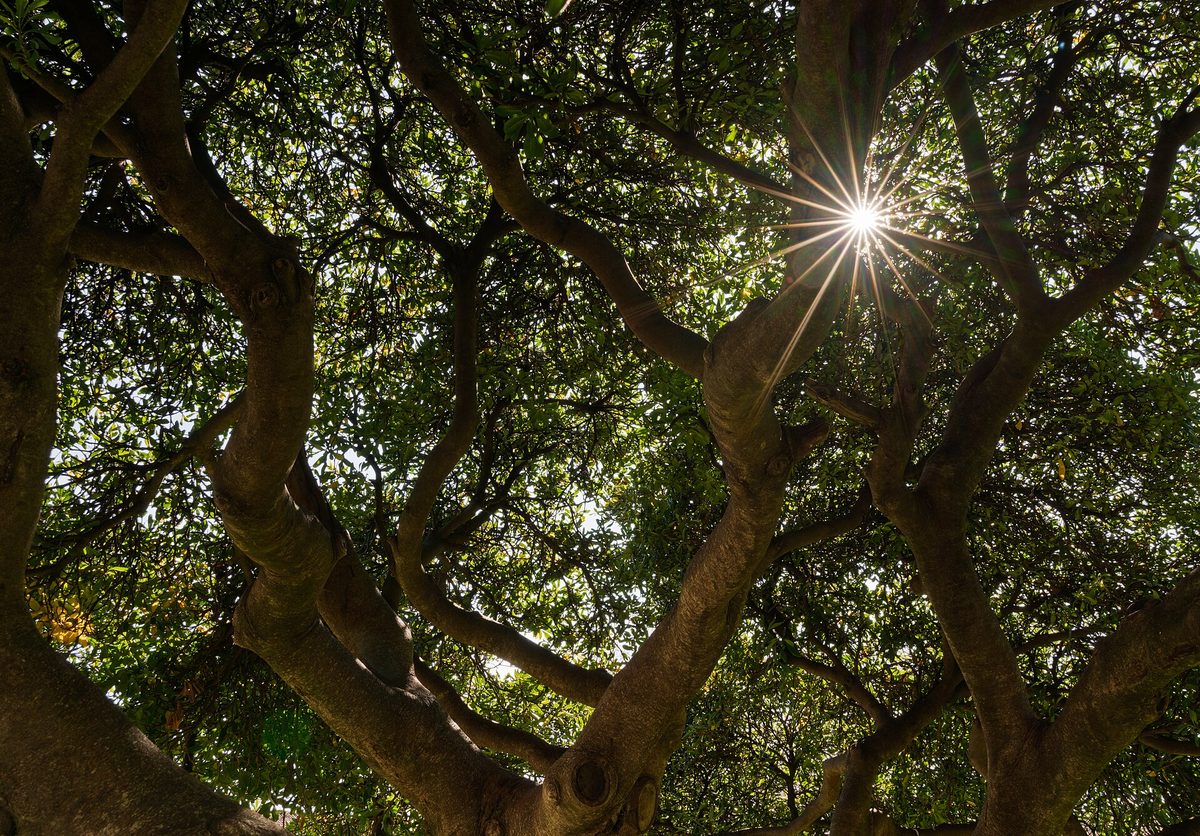
Southern Magnolia
Magnolia grandiflora
Zones 7a–10a · 60–90 ft (18.29–27.43 m) · Full sun and part shade (full sun preferred)
On this hub, Magnolia grandiflora is listed among the zone 10 trees. Look to its own page for the care facts that put it there.
-
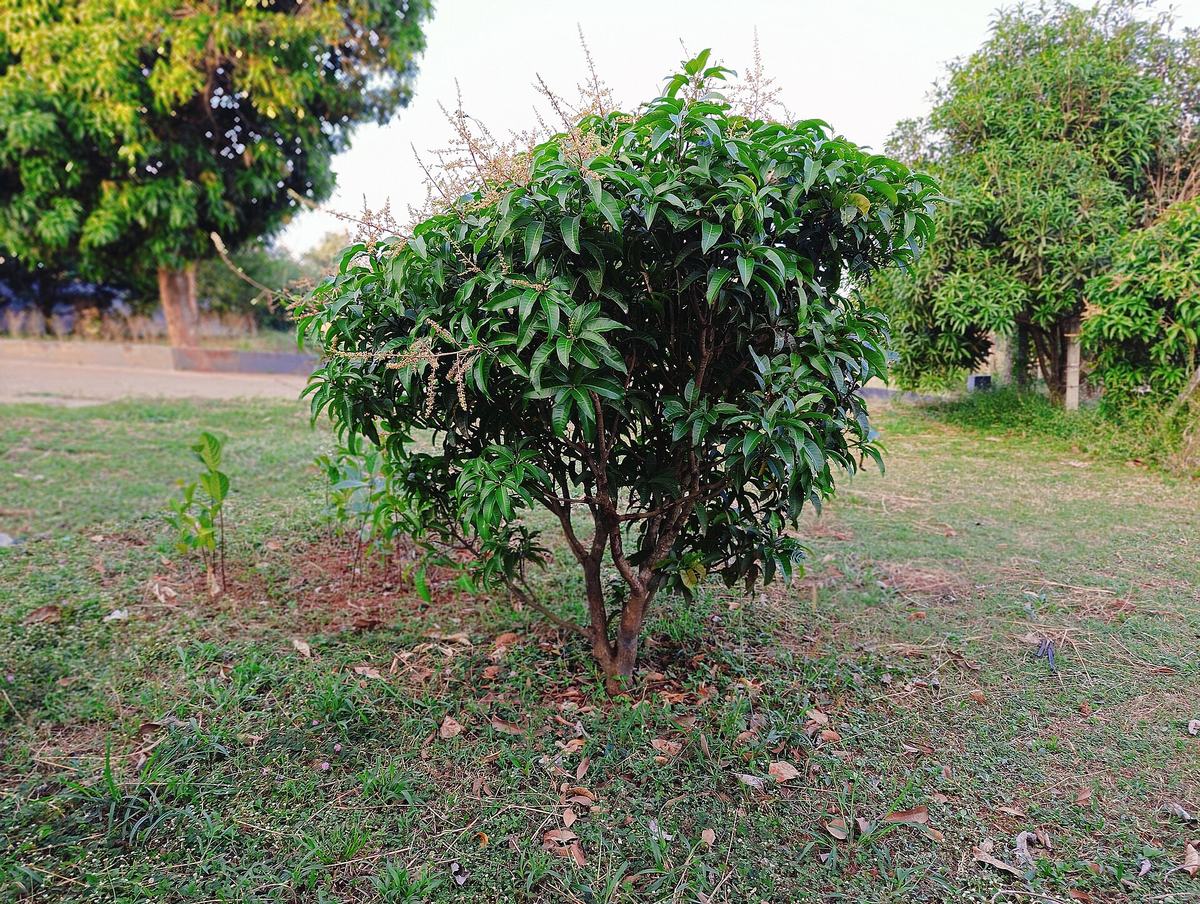
Mango
Mangifera indica
Zones 10b–11b · Sources differ: University of Florida IFAS Extension (EDIS); University of Florida IFAS Extension (EDIS) · Full sun
Mangifera indica sits on this hub's list of trees tracked for zone 10. Its individual page carries the details behind that listing, not this note.
-
-
Chinaberrytree
Melia azedarach
Zones 7a–10b · 30–40 ft (9.14–12.19 m) · Full sun and part shade (full sun preferred)
-
-
Tahitian Screwpine
Pandanus tectorius
Zones 10a–12b · 10–20 ft (3.05–6.1 m) · Full sun and part shade (full sun preferred)
-
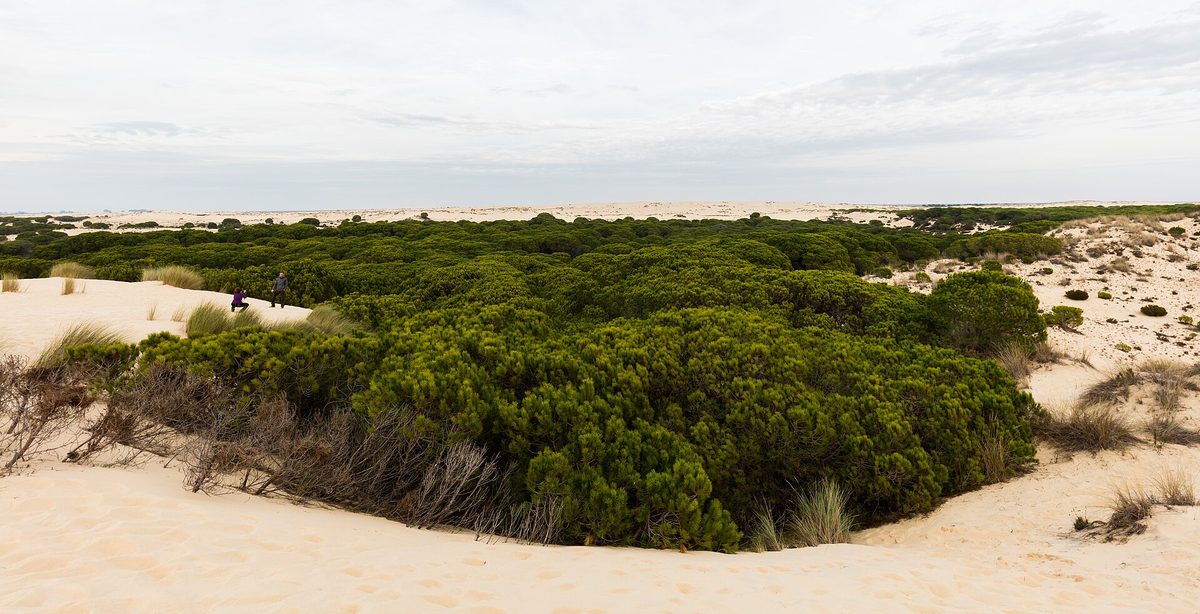
Italian Stone Pine
Pinus pinea
Zones 7a–11b · 40–60 ft (12.19–18.29 m) · Full sun
Pinus pinea appears on this hub as one of the trees matched to zone 10. For the facts behind that match, its own page is where to look.
-
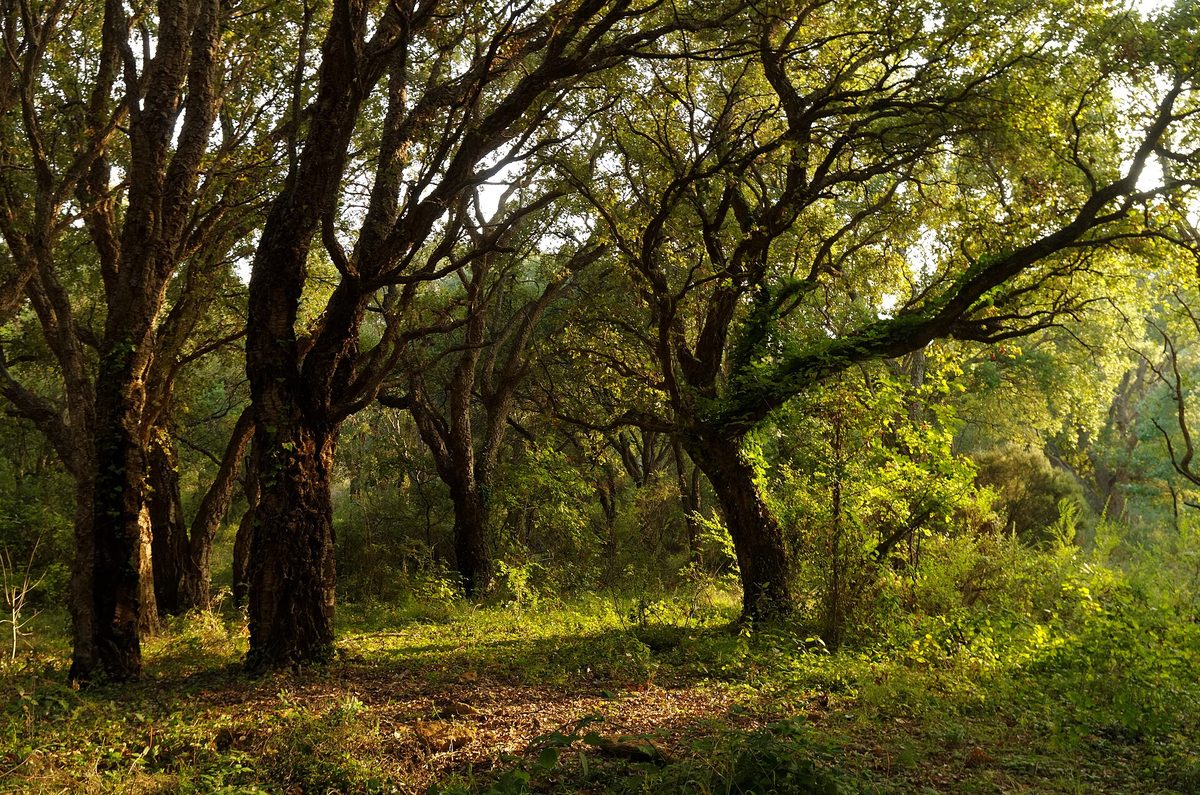
Cork Oak
Quercus suber
Zones 8a–10b · 69.9–100.1 ft (21.3–30.5 m) · Full sun and part shade (full sun preferred)
-
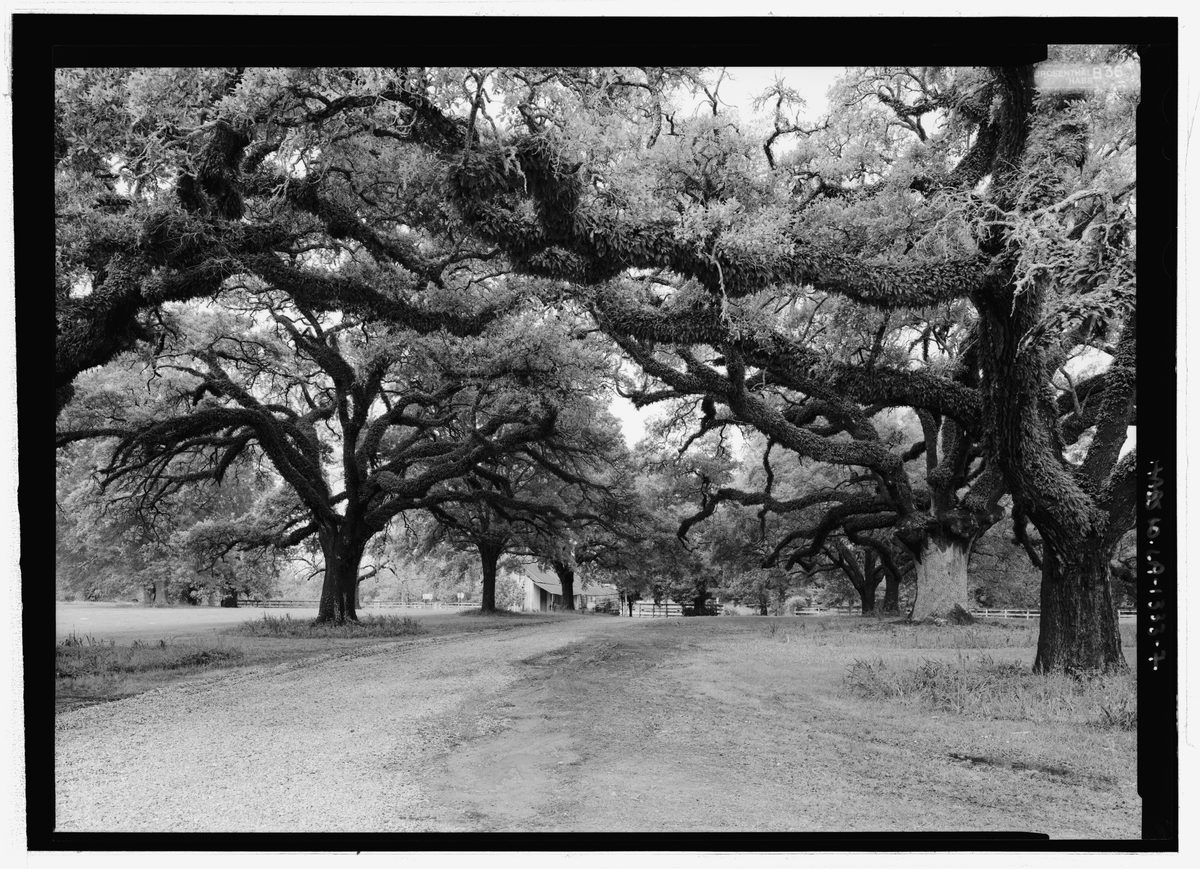
Live Oak
Quercus virginiana
40–80 ft (12.19–24.38 m) · Full sun and part shade (full sun preferred)
Quercus virginiana is part of the tree group this hub tracks for zone 10. The care facts behind that placement are recorded on its own page.
-
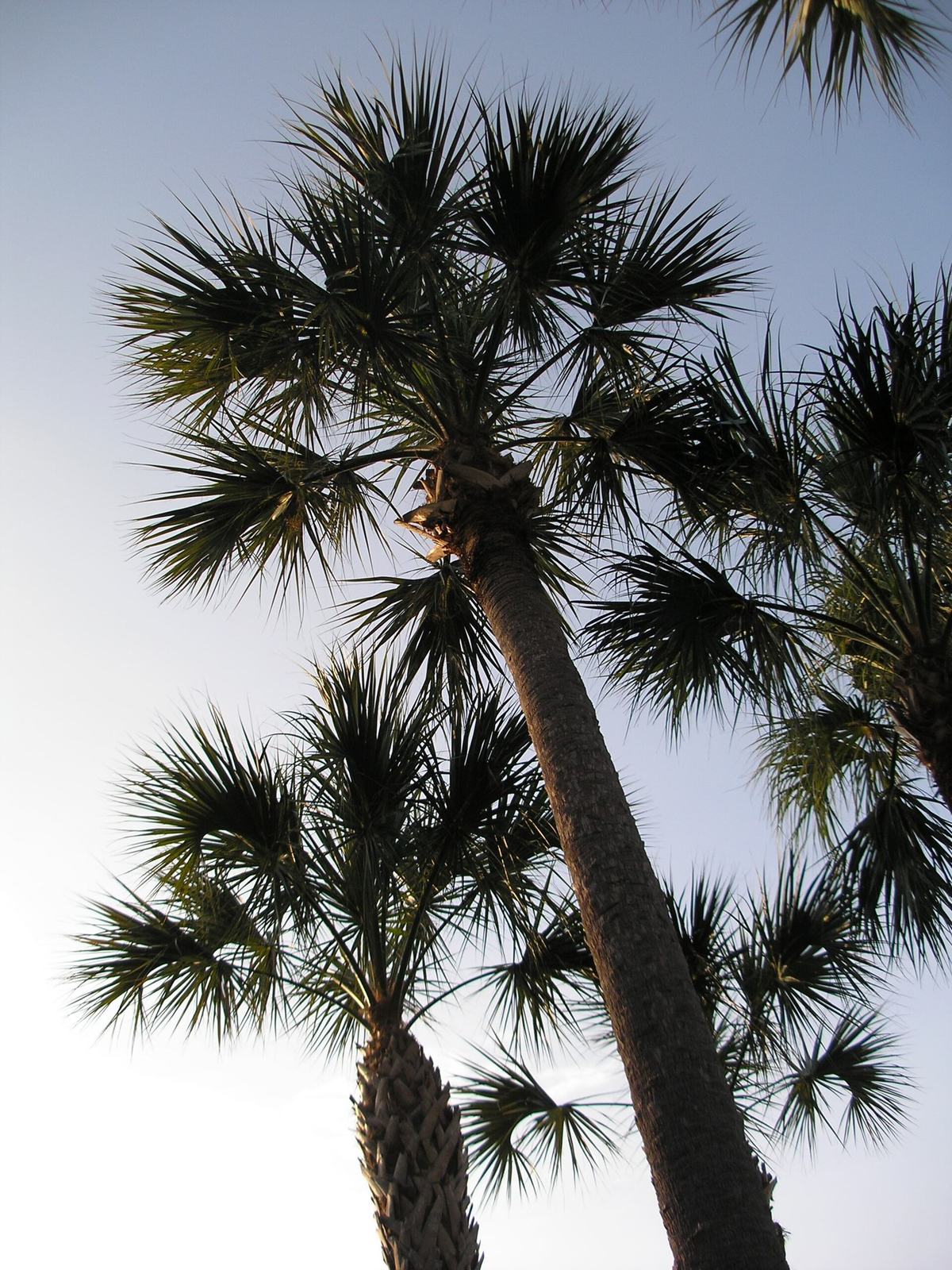
Cabbage Palmetto
Sabal palmetto
Zones 7b–11b · Sources differ: USDA Forest Service Fire Effects Information System; Lady Bird Johnson Wildflower Center; Lady Bird Johnson Wildflower Center; Clemson Cooperative Extension Home & Garden Information Center; Clemson Cooperative Extension Home & Garden Information Center; Clemson Cooperative Extension HGIC; USDA Forest Service Fire Effects Information System; Clemson Cooperative Extension Home & Garden Information Center · Full sun and part shade (full sun preferred)
This hub places Sabal palmetto among the trees matched to zone 10. Its own page is where the specifics behind that match are recorded, not this note.
-
-
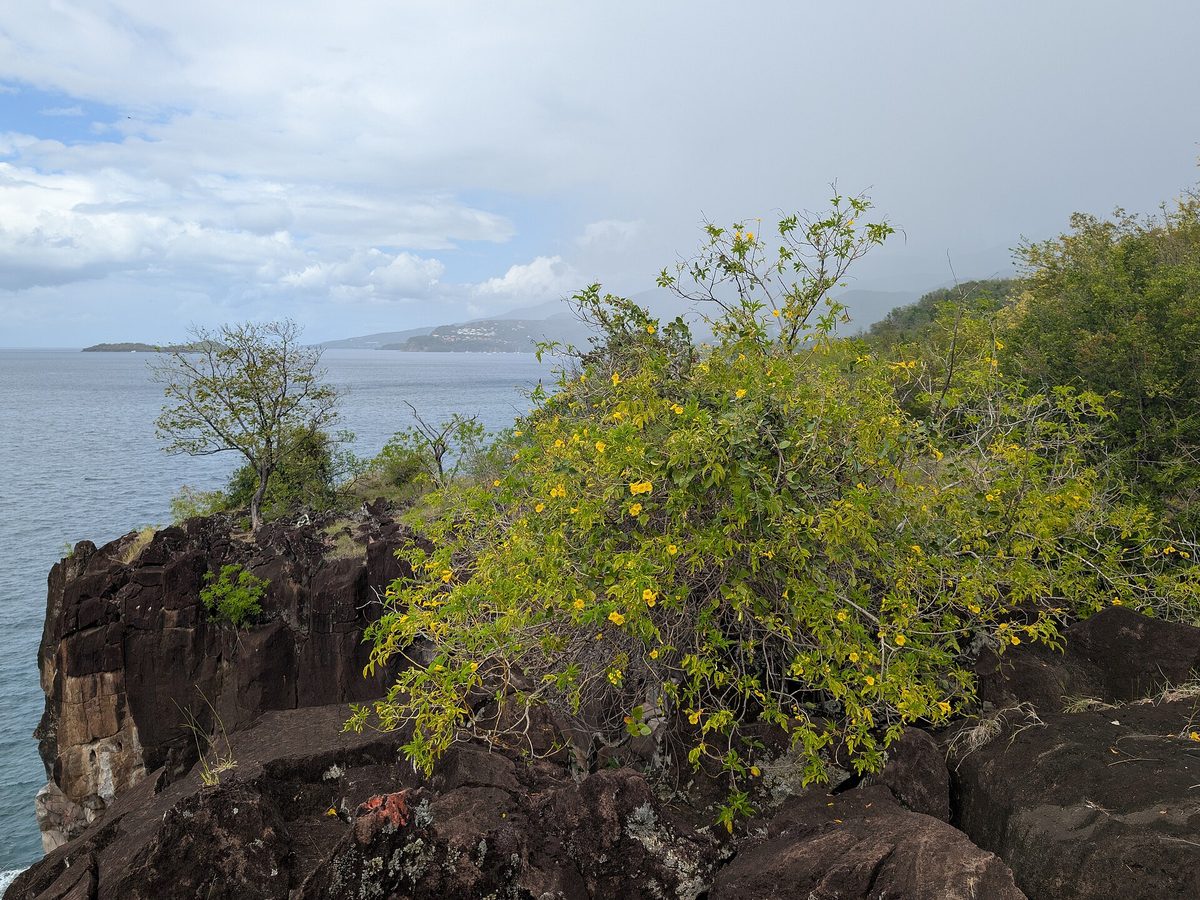
Yellow Trumpetbush
Tecoma stans
Zones 10b–11b · 10–30 ft (3.05–9.14 m) · Full sun and part shade (full sun preferred)
-
-
-
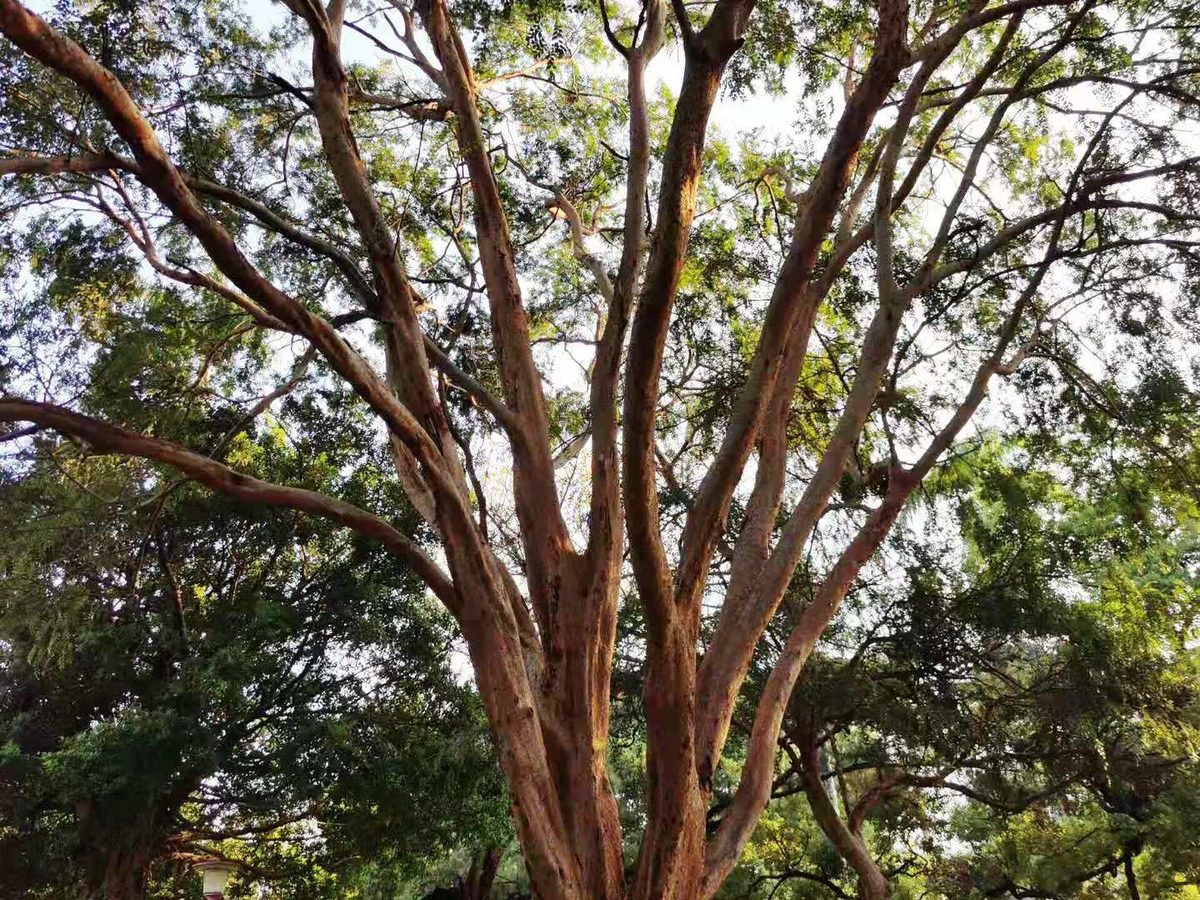
Chinese Elm
Ulmus parvifolia
40–50 ft (12.19–15.24 m) · Full sun and part shade (full sun preferred)
-
How we chose
A tree, and hardy through at least zone 10a according to the cited sources
Photo credits
- Monkeypuzzle Tree photo by Leonardo Sandon, CC BY-SA 4.0 via Wikimedia Commons
- Strawberry Tree photo by Roger Culos, CC BY-SA 4.0 via Wikimedia Commons
- Red Silk Cottontree photo by madhavan a.p, CC BY 4.0 via Wikimedia Commons
- Angel's-tears photo by Asit K. Ghosh Thaumaturgist, CC BY-SA 3.0 via Wikimedia Commons
- Pride-of-Barbados photo by Bdaize Holgooa, CC BY-SA 4.0 via Wikimedia Commons
- Camphortree photo by Mattinbgn, CC BY 3.0 via Wikimedia Commons
- Ilang-ilang photo by Judgefloro, CC0 via Wikimedia Commons
- Luckynut photo by Wikimedia Commons contributor, CC BY-SA 4.0 via Wikimedia Commons
- Golden Shower photo by en, CC BY 2.5 via Wikimedia Commons
- Cinnamon photo by Forest & Kim Starr, CC BY 3.0 via Wikimedia Commons
- Arabian Coffee photo by A S M Jobaer, CC BY-SA 4.0 via Wikimedia Commons
- Cabbage Tree photo by Wikimedia Commons contributor, CC BY-SA 4.0 via Wikimedia Commons
- Italian Cypress photo by Historyfeelings, CC BY-SA 3.0 via Wikimedia Commons
- Royal Poinciana photo by Anna Anichkova, CC BY-SA 3.0 via Wikimedia Commons
- Japanese Persimmon photo by JLPC, CC BY-SA 3.0 via Wikimedia Commons
- Golden Dewdrops photo by O Tupinólogo, CC BY 4.0 via Wikimedia Commons
- Poinsettia photo by Carlos Valenzuela, CC BY-SA 4.0 via Wikimedia Commons
- Paperplant photo by Fernando Losada Rodríguez, CC BY-SA 4.0 via Wikimedia Commons
- Indian Banyan photo by Marion Schneider & Christoph Aistleitner, Public domain via Wikimedia Commons
- Weeping Fig photo by Kotivalo, CC BY-SA 4.0 via Wikimedia Commons
- Rubber Plant photo by IsakMarija, CC BY-SA 4.0 via Wikimedia Commons
- Fiddle Leaf Fig photo by Brisbane City Council, CC BY 2.0 via Wikimedia Commons
- Chinese Banyan photo by H. Zell, CC BY-SA 3.0 via Wikimedia Commons
- Black Poui photo by NorbertNagel, CC BY-SA 4.0 via Wikimedia Commons
- Pride of India photo by Vengolis, CC BY-SA 4.0 via Wikimedia Commons
- Sweet Bay photo by Bff, CC BY-SA 3.0 via Wikimedia Commons
- Southern Magnolia photo by Jules Verne Times Two, CC BY-SA 4.0 via Wikimedia Commons
- Mango photo by Anish nellickal, CC BY-SA 4.0 via Wikimedia Commons
- Sapodilla photo by Timothy A. Gonsalves, CC BY-SA 4.0 via Wikimedia Commons
- Chinaberrytree photo by Forest & Kim Starr, CC BY 3.0 via Wikimedia Commons
- Guiana-chestnut photo by Hans Hillewaert, CC BY-SA 3.0 via Wikimedia Commons
- Tahitian Screwpine photo by Forest & Kim Starr, CC BY 3.0 via Wikimedia Commons
- Italian Stone Pine photo by Wikimedia Commons contributor, CC BY-SA 4.0 via Wikimedia Commons
- Cork Oak photo by Mawoing, CC BY-SA 3.0 via Wikimedia Commons
- Live Oak photo by Wikimedia Commons contributor, Public domain via Wikimedia Commons
- Cabbage Palmetto photo by William Bumgarner (en.wp:Zsinj), Public domain via Wikimedia Commons
- Bird-of-paradise -tree photo by Photo by David J. Stang, CC BY-SA 4.0 via Wikimedia Commons
- Yellow Trumpetbush photo by Krzysztof Ziarnek, Kenraiz, CC BY-SA 4.0 via Wikimedia Commons
- Tropical Almond photo by Tournasol7, CC BY 4.0 via Wikimedia Commons
- Cacao photo by Nativeplants garden, CC BY-SA 4.0 via Wikimedia Commons
- Chinese Elm photo by Ping an Chang, CC BY-SA 4.0 via Wikimedia Commons
- Joshua Tree photo by Keith Pomakis, CC BY-SA 2.5 via Wikimedia Commons


How this page was made
- Written with AI assistance from the sources listed on this page. AI is never the source of a fact.