Perennials for zone 11
USDA zone 11 sits near the top of the hardiness zone scale. It is defined by one measurement: the average lowest temperature a place reaches on its coldest winter night. A zone this high means winter frost is rare or absent most years. Perennials that would die back farther north can often stay in the ground here all year. That single measurement is also the limit of what the number tells you. Zone 11 says nothing about rainfall, humidity, or summer heat. It says nothing about your soil, either. Two gardens can share this rating and still need very different watering and drainage. The zone system is built around winter cold alone. This list gathers perennials from this site's wider collection that can grow outdoors as perennials in zone 11 and zones just as warm. Several of them are also grown farther north, but only as houseplants or replanted annuals. There, winter cold would otherwise kill them outright. The short note under each plant explains why it belongs on this particular list. Treat your zone rating as a starting point, not a guarantee. Weigh it alongside your own rainfall, humidity, and soil before you plant.
Compared side by side
| Plant | Hardiness | Height | Light | Cats | Dogs |
|---|---|---|---|---|---|
| Devil's TongueAmorphophallus konjac | Zones 6a–11b | 4–6 ft (1.22–1.83 m) | Part shade, full sun and full shade (part shade preferred) | Not documented | Not documented |
| Flamingo-lilyAnthurium andraeanum | Zones 11a–12b | 1–1.5 ft (0.3–0.46 m) | Part shade and full shade (part shade preferred) | Toxic | Toxic |
| IndianhempApocynum cannabinum | Zones 3a–11b | 3–4 ft (0.91–1.22 m) | Full sun and part shade (full sun preferred) | Toxic (1 source) | Toxic |
| Common Asparagus FernAsparagus setaceus | Zones 9a–12b | 2–3 ft (0.61–0.91 m) | Part shade and full shade (part shade preferred) | Toxic (1 source) | Toxic (1 source) |
| Cast Iron PlantAspidistra elatior | Zones 7a–11b | 1–3 ft (0.3–0.91 m) | Part shade and full shade (part shade preferred) | Non-toxic | Non-toxic |
| Herb of GraceBacopa monnieri | Zones 8a–11b | Not documented | Full sun and part shade (full sun preferred) | Not documented | Not documented |
| Ceylon SpinachBasella alba | Zones 9a–11b | 10 ft (3.05 m) | Full sun and part shade (full sun preferred) | Not documented | Not documented |
| Indian ShotCanna indica | Zones 8a–11b | 1.5–8.2 ft (0.46–2.49 m) | Full sun and part shade (full sun preferred) | Non-toxic | Non-toxic |
| Cayenne PepperCapsicum annuum | Zones 4a–11b | 1–4 ft (0.3–1.22 m) | Full sun | Toxic | Toxic |
| Madagascar PeriwinkleCatharanthus roseus | Zones 9b–11b | 0.5–1.5 ft (0.15–0.46 m) | Full sun and part shade (full sun preferred) | Toxic (1 source) | Toxic (1 source) |
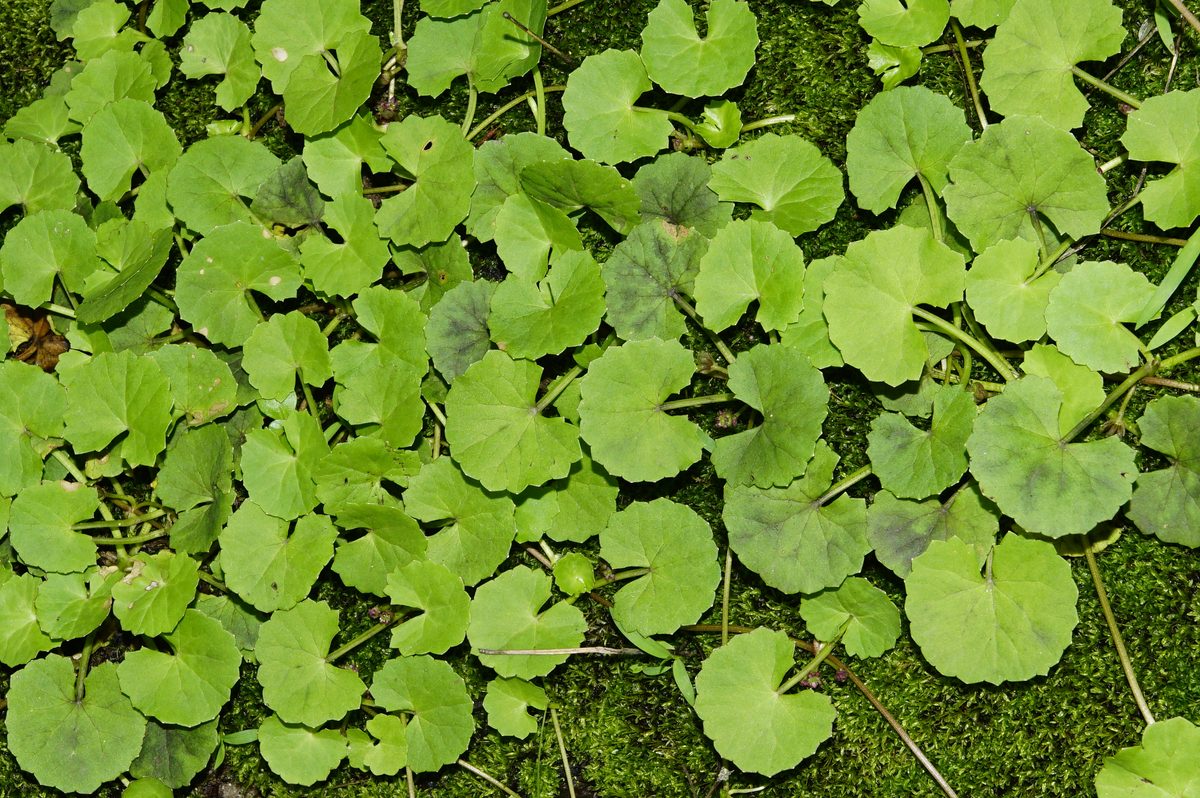
| SpadeleafCentella asiatica | Zones 10a–11b | Not documented | Full sun and part shade (full sun preferred) | Not documented | Not documented |
| Spider PlantChlorophytum comosum | Zones 9a–11b | 1–1.5 ft (0.3–0.46 m) | Part shade and full shade (part shade preferred) | Non-toxic | Non-toxic |
| Asian PigeonwingsClitoria ternatea | Zones 10a–12b | 3–4 ft (0.91–1.22 m) | Full sun and part shade (full sun preferred) | Not documented | Not documented |
| Mexican MintColeus amboinicus | Zones 9a–11b | 1–3.5 ft (0.3–1.07 m) | Full sun and part shade (full sun preferred) | Toxic (1 source) | Toxic (1 source) |
| PapyrusCyperus papyrus | Zones 9a–12b | 5–8 ft (1.52–2.44 m) | Full sun and part shade (full sun preferred) | Not documented | Not documented |
| Sacred Thorn-appleDatura wrightii | Zones 9a–11b | 6 ft (1.83 m) | Full sun and part shade (full sun preferred) | Toxic (1 source) | Toxic (1 source) |
| Snake PlantDracaena trifasciata | Zones 10a–12b | Not documented | Part shade | Toxic | Toxic |
| PothosEpipremnum aureum | Zones 10a–12b | Sources differ: NC State Extension Gardener Plant Toolbox | Part shade and full shade (part shade preferred) | Toxic | Toxic |
| Polkadot-plantHypoestes phyllostachya | Zones 10a–11b | 1–2 ft (0.3–0.61 m) | Not documented | Non-toxic | Non-toxic |
| Buzzy LizzyImpatiens walleriana | Zones 10a–11b | 0.5–2 ft (0.15–0.61 m) | Part shade and full shade (part shade preferred) | Not documented | Not documented |
| True IndigoIndigofera tinctoria | Zones 10a–12b | 2–3 ft (0.61–0.91 m) | Full sun and part shade (full sun preferred) | Not documented | Not documented |
| Adanson's MonsteraMonstera adansonii | Zones 10a–12b | 3–13 ft (0.91–3.96 m) | Part shade | Toxic (1 source) | Toxic (1 source) |
| Edible BananaMusa acuminata | Zones 10a–11b | 8 ft (2.44 m) | Full sun and part shade (full sun preferred) | Non-toxic | Non-toxic |
| Holy BasilOcimum tenuiflorum | Zones 9a–11b | 3 ft (0.91 m) | Full sun | Not documented | Not documented |
| Baby RubberplantPeperomia obtusifolia | NC State Extension Gardener Plant Toolbox also lists 10a-12b | 0.5–1.2 ft (0.15–0.38 m) | Part shade and full shade (part shade preferred) | Non-toxic | Non-toxic |
| Scarlet RunnerPhaseolus coccineus | Zones 7a–11b | 8–12 ft (2.44–3.66 m) | Full sun | Not documented | Not documented |
| BoatlilyTradescantia spathacea | Zones 9a–11b | 0.5–1 ft (0.15–0.3 m) | Full sun and part shade (full sun preferred) | Toxic (1 source) | Toxic (1 source) |
| Purpletop VervainVerbena bonariensis | Zones 7a–11b | 4–5 ft (1.22–1.52 m) | Full sun and part shade (full sun preferred) | Not documented | Not documented |
The plants
-
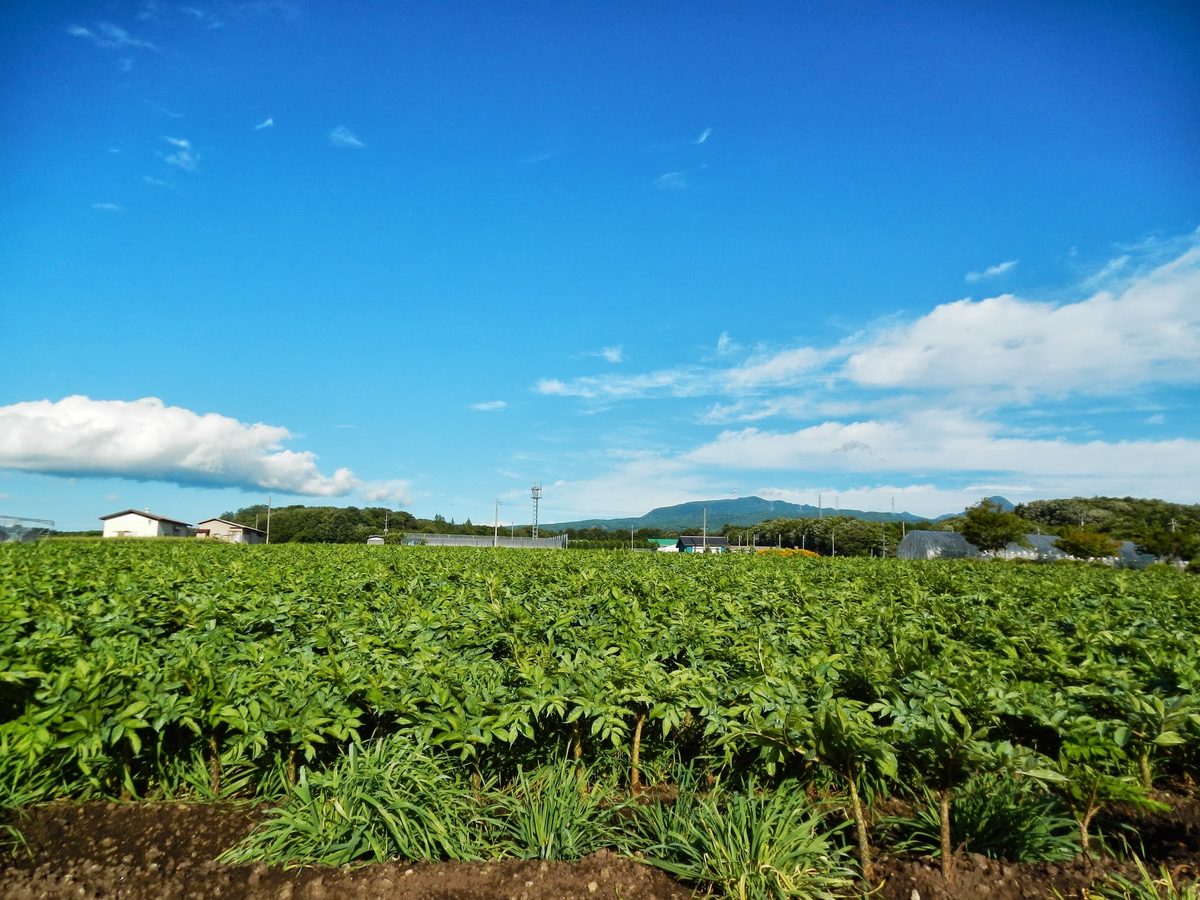
Devil's Tongue
Amorphophallus konjac
Zones 6a–11b · 4–6 ft (1.22–1.83 m) · Part shade, full sun and full shade (part shade preferred)
Amorphophallus konjac has a place on this zone 11 list because it can live outdoors through the winter at this hardiness level. Its own plant page covers the growing details that matter for zone 11 specifically.
-
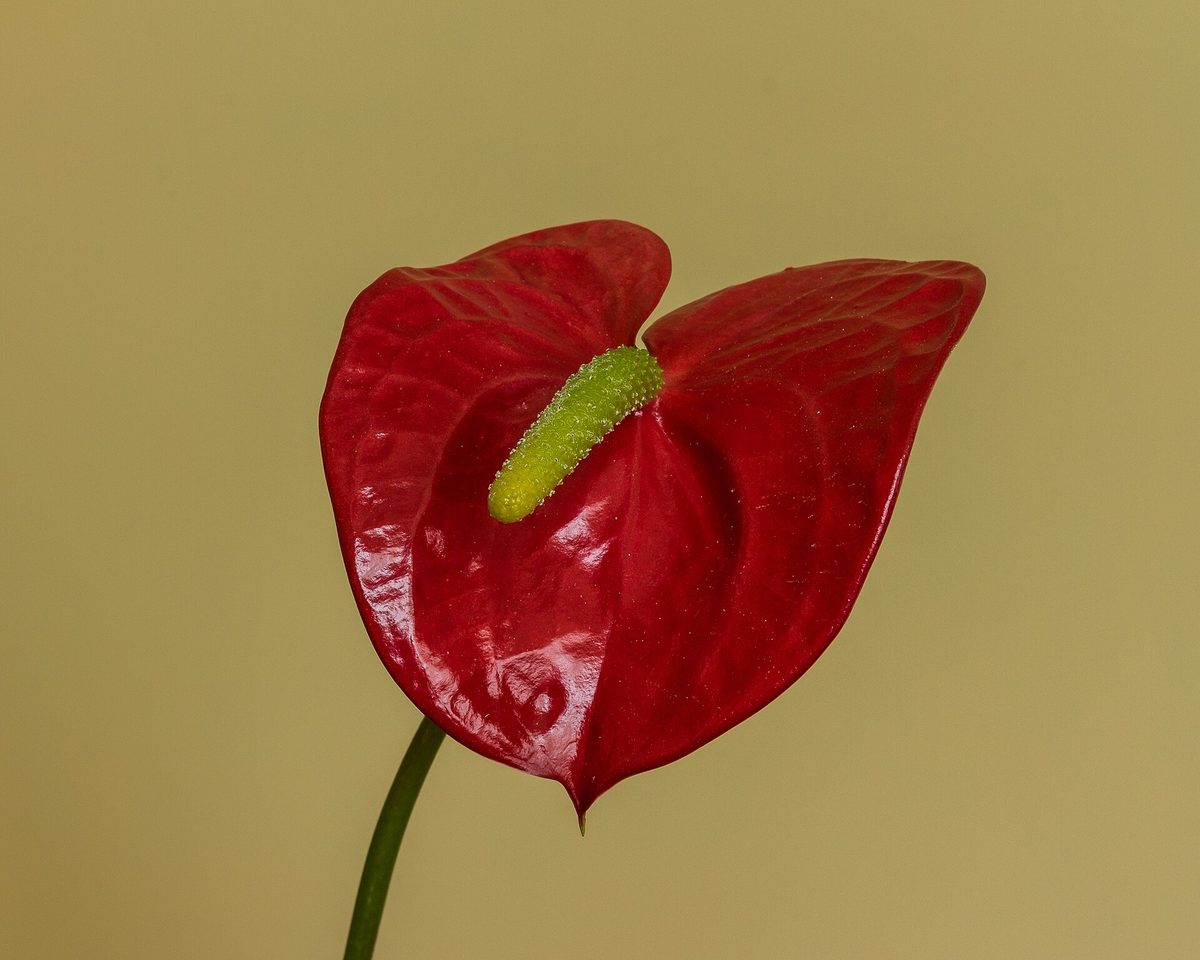
Flamingo-lily
Anthurium andraeanum
Zones 11a–12b · 1–1.5 ft (0.3–0.46 m) · Part shade and full shade (part shade preferred)
Gardeners in zone 11 can keep Anthurium andraeanum growing outdoors all year, which is why it sits on this list. Check the plant's own page for what that requires in practice.
-
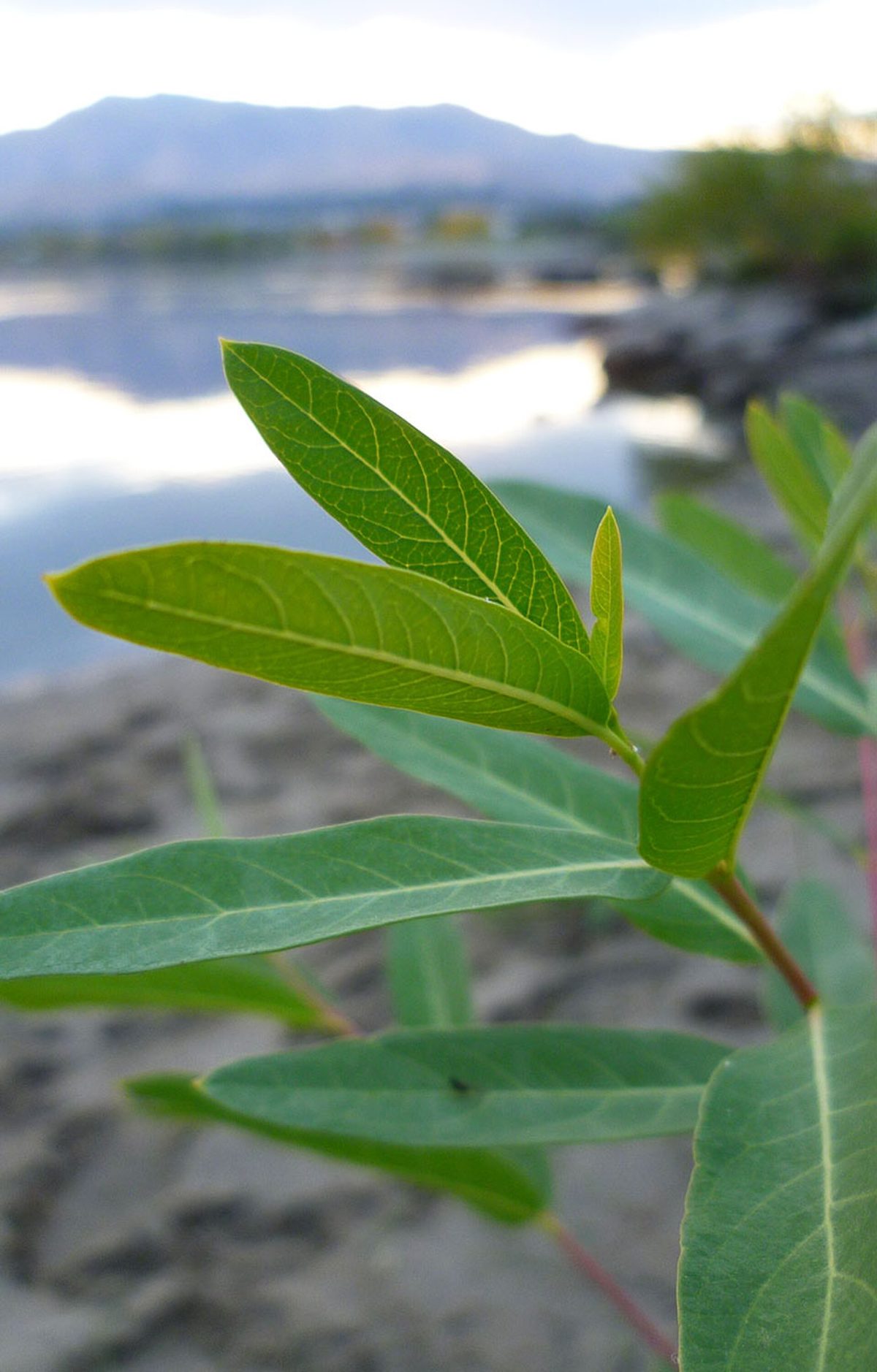
Indianhemp
Apocynum cannabinum
Zones 3a–11b · 3–4 ft (0.91–1.22 m) · Full sun and part shade (full sun preferred)
-
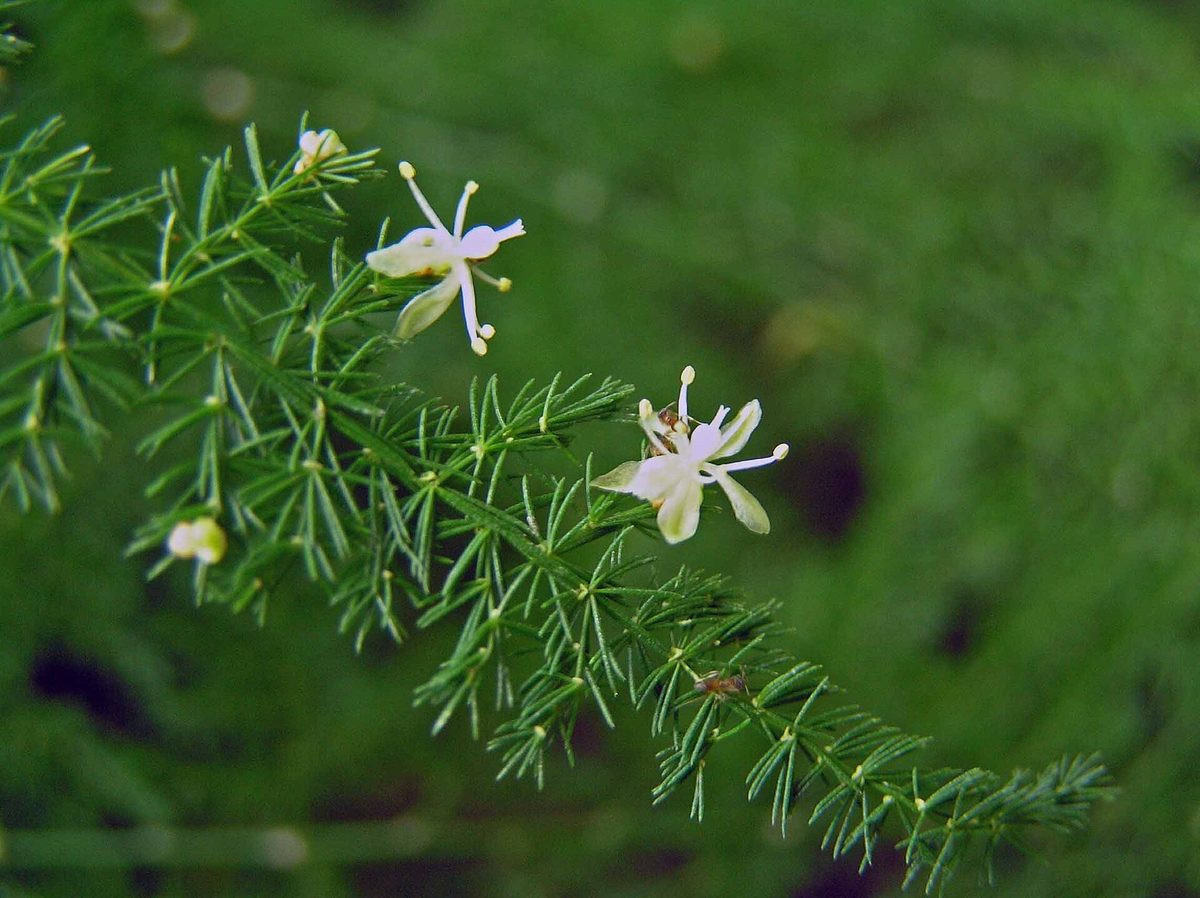
Common Asparagus Fern
Asparagus setaceus
Zones 9a–12b · 2–3 ft (0.61–0.91 m) · Part shade and full shade (part shade preferred)
-
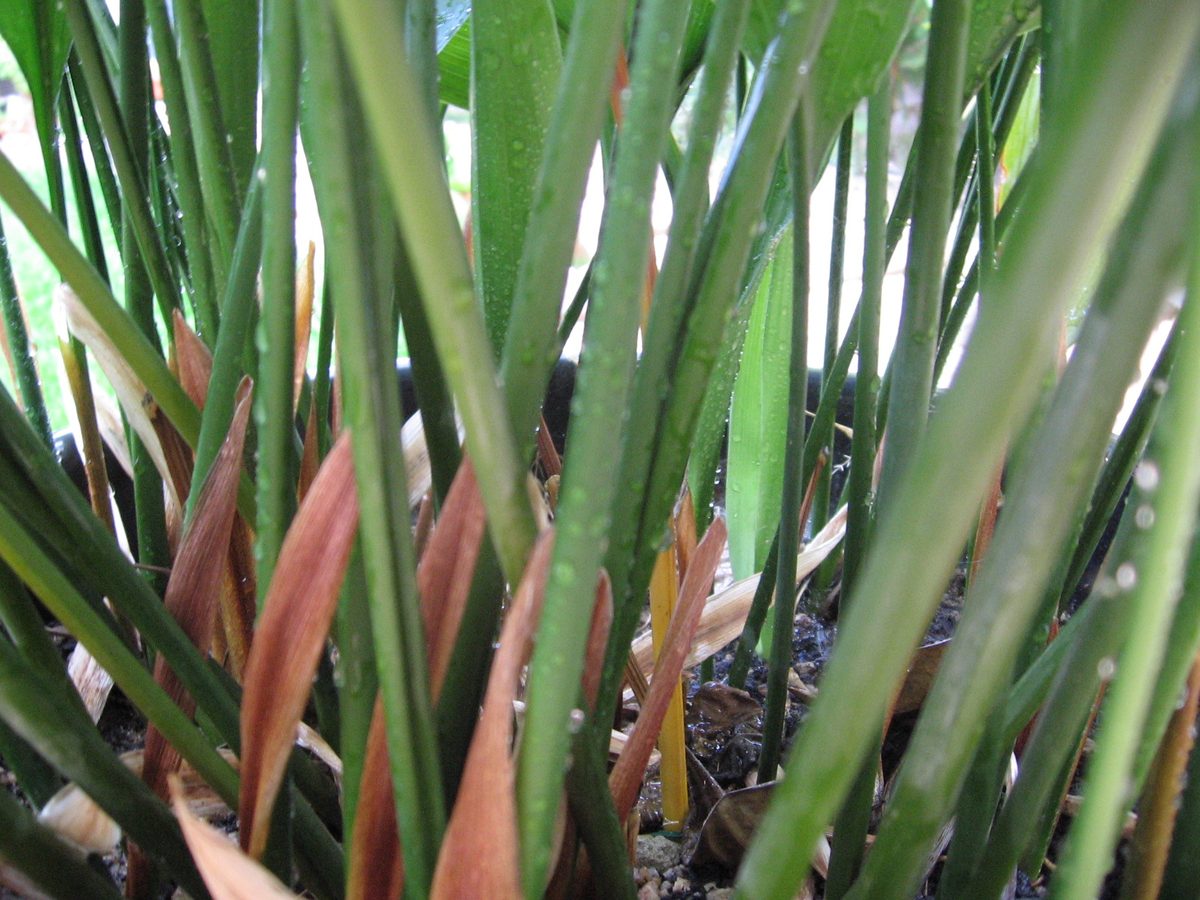
Cast Iron Plant
Aspidistra elatior
Zones 7a–11b · 1–3 ft (0.3–0.91 m) · Part shade and full shade (part shade preferred)
Winters in zone 11 rarely trouble Aspidistra elatior enough to keep it off this list. A longer look at its own page fills in the rest of what growing it takes.
-
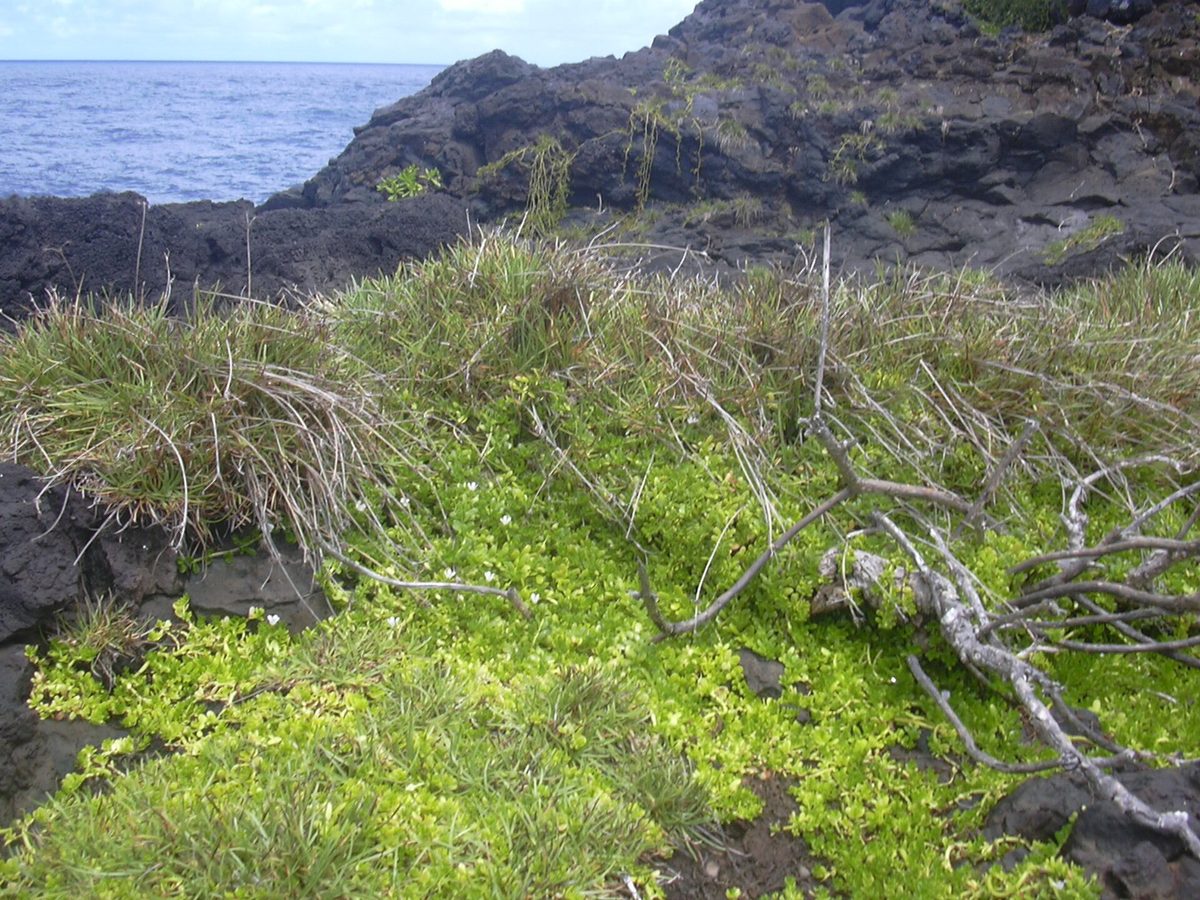
-
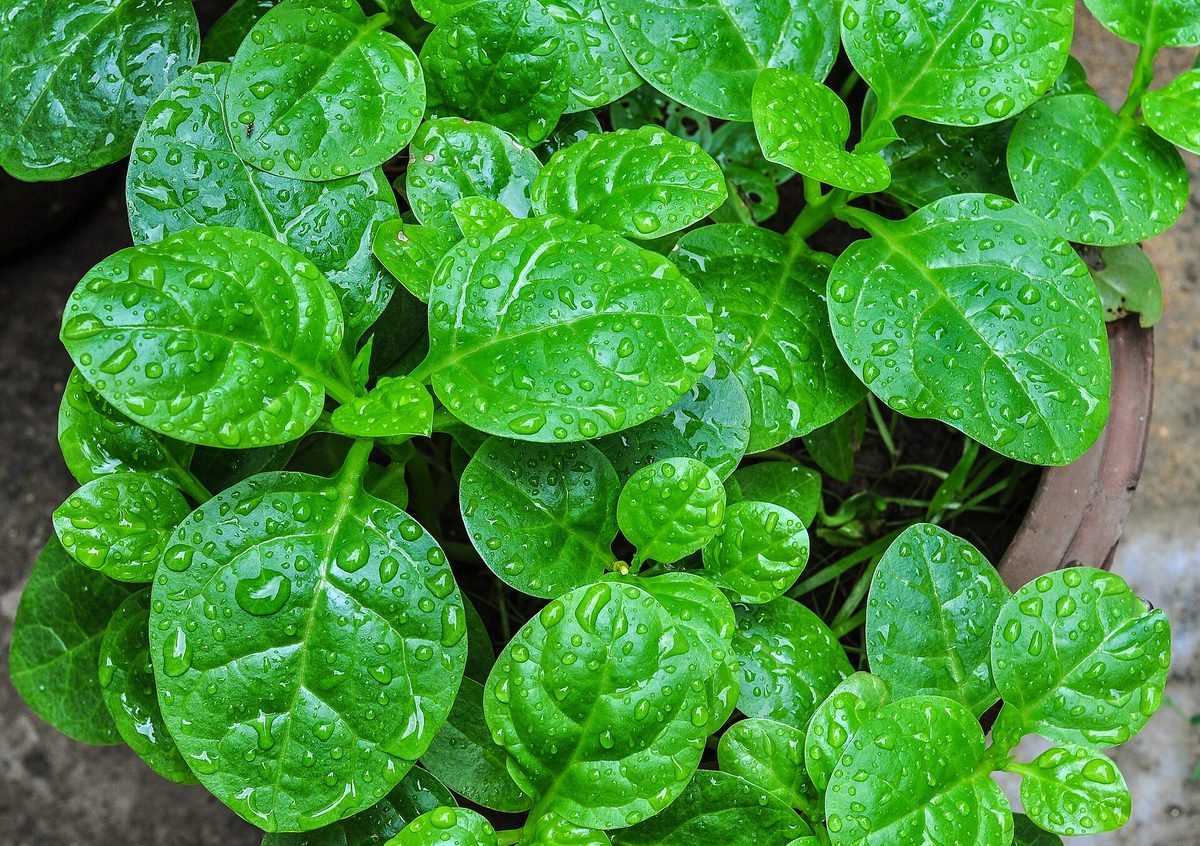
Ceylon Spinach
Basella alba
Zones 9a–11b · 10 ft (3.05 m) · Full sun and part shade (full sun preferred)
This list includes Basella alba among the perennials suited to staying outdoors in zone 11 year-round. Read its full entry for the specifics that matter to a zone 11 gardener.
-
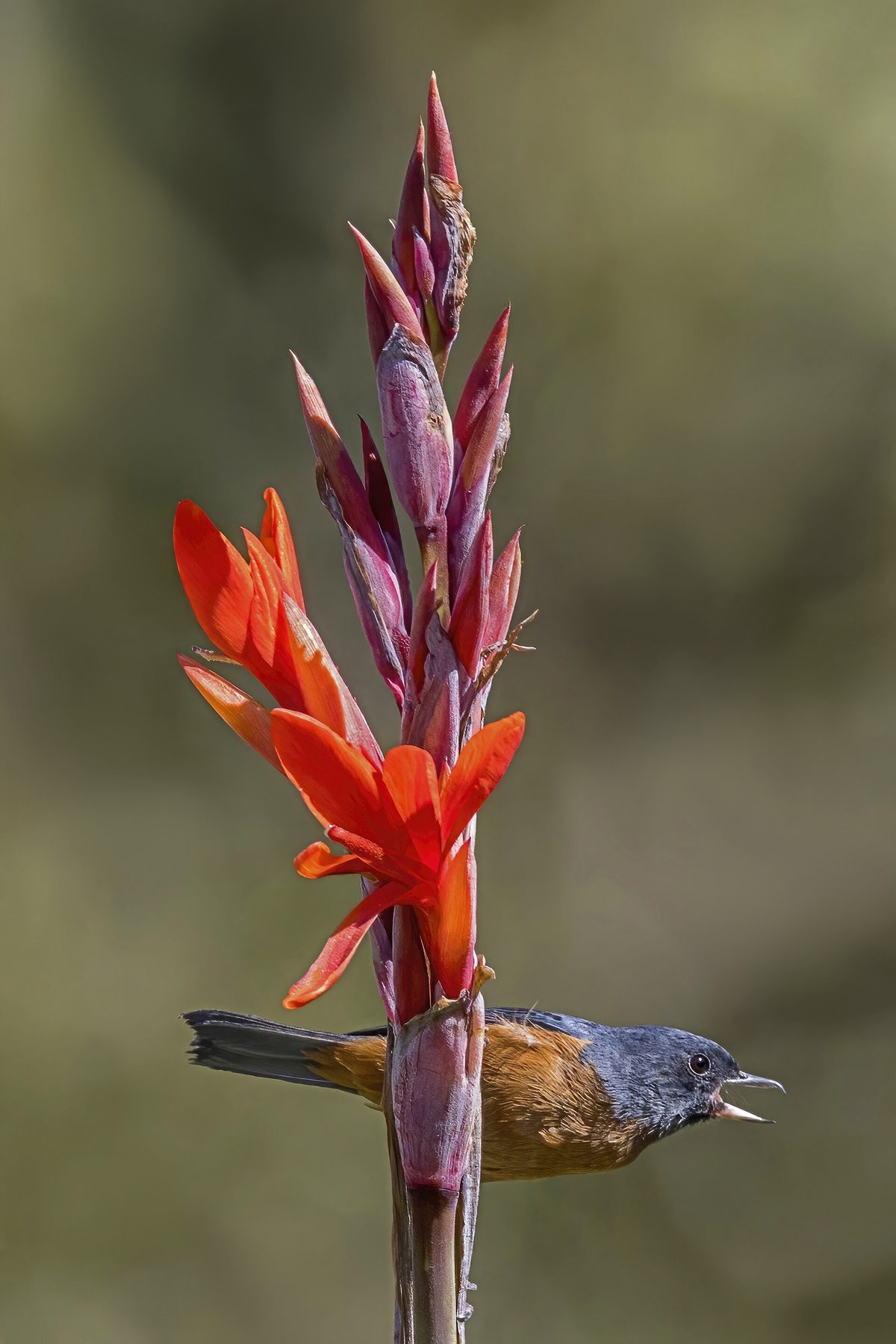
Indian Shot
Canna indica
Zones 8a–11b · 1.5–8.2 ft (0.46–2.49 m) · Full sun and part shade (full sun preferred)
-
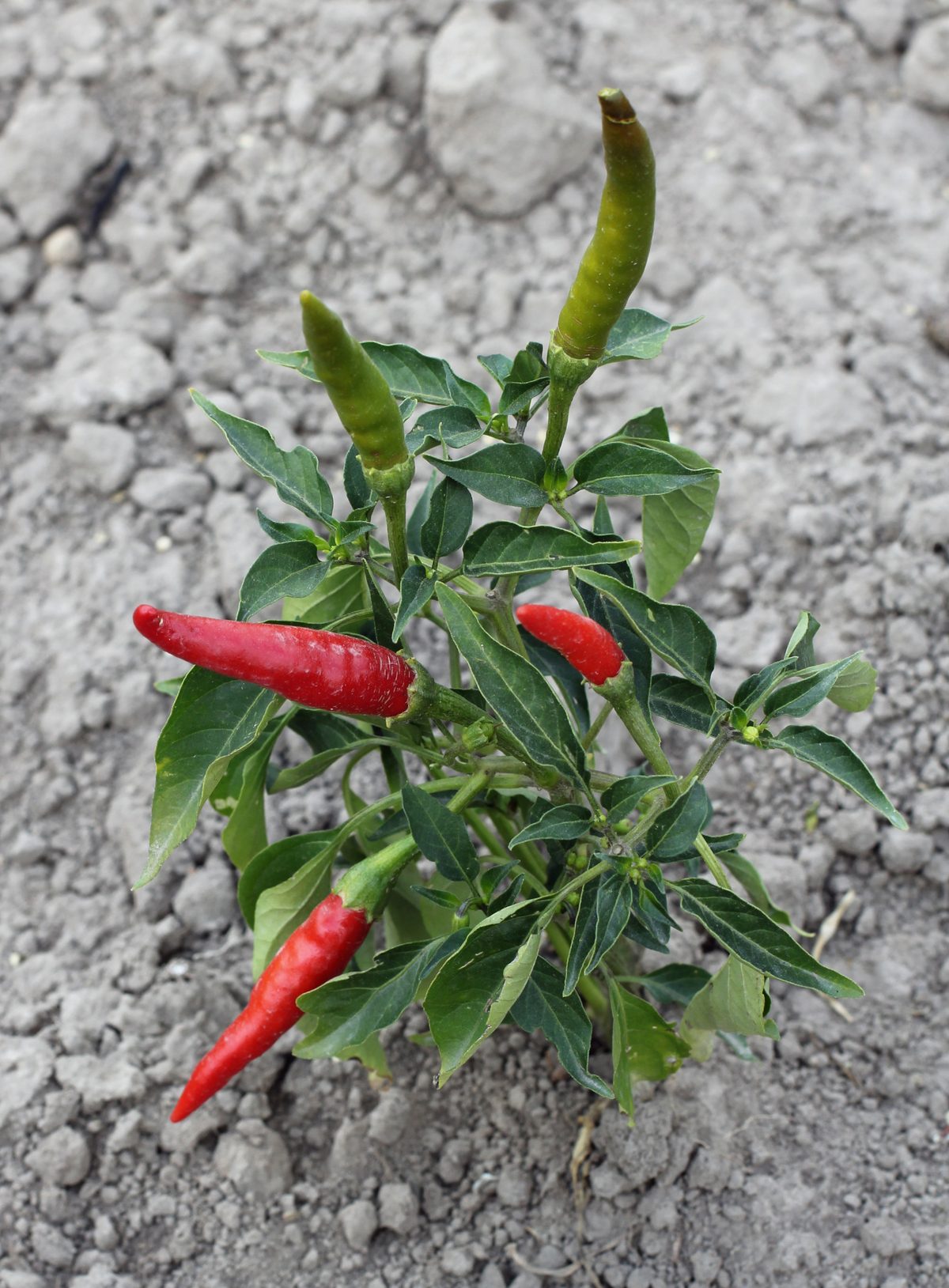
Cayenne Pepper
Capsicum annuum
Zones 4a–11b · 1–4 ft (0.3–1.22 m) · Full sun
Capsicum annuum earns a spot here as one of the perennials this site tracks for zone 11 and similarly warm climates. More detail on growing it in that setting is on its own page.
-
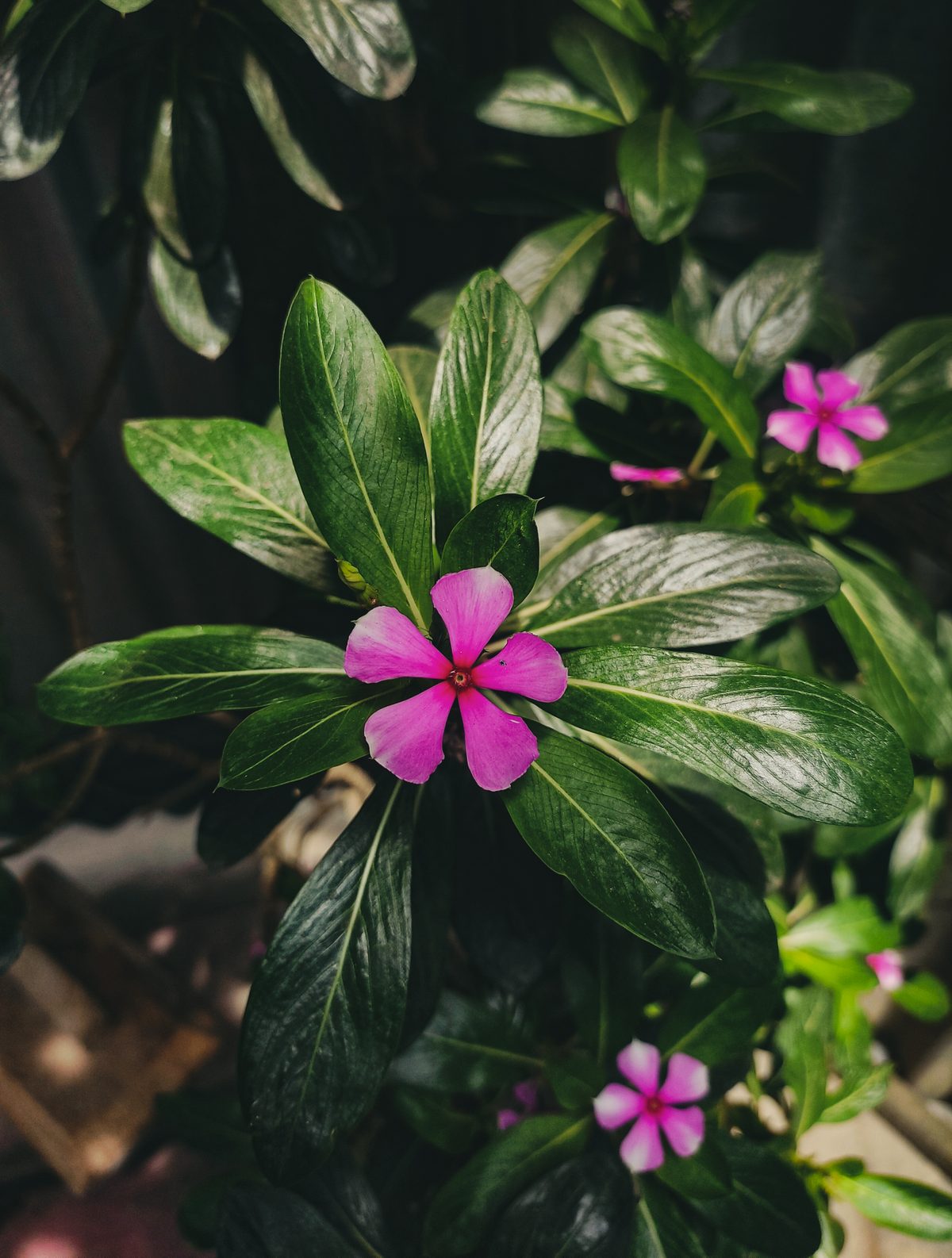
Madagascar Periwinkle
Catharanthus roseus
Zones 9b–11b · 0.5–1.5 ft (0.15–0.46 m) · Full sun and part shade (full sun preferred)
Zone 11 is warm enough to let Catharanthus roseus persist outdoors as a perennial rather than an annual, which is why it made this list. Its own page lays out what that looks like in practice.
-
-
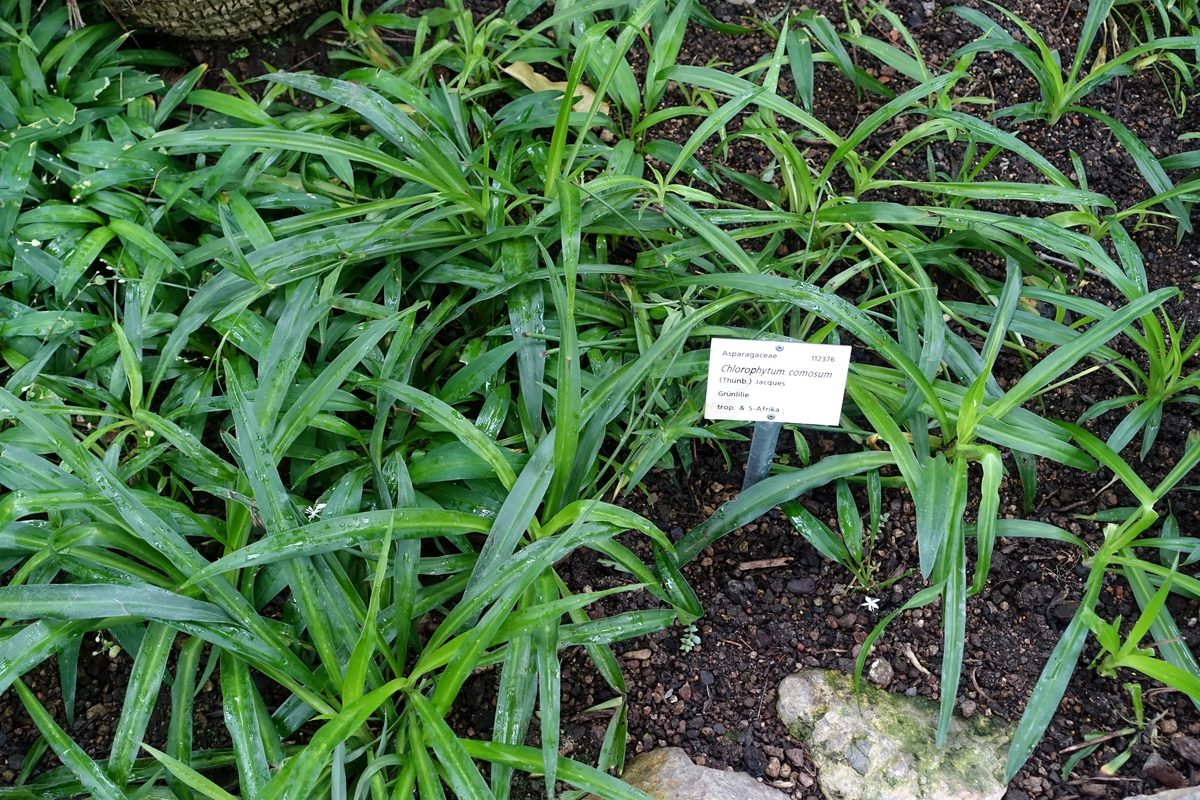
Spider Plant
Chlorophytum comosum
Zones 9a–11b · 1–1.5 ft (0.3–0.46 m) · Part shade and full shade (part shade preferred)
Chlorophytum comosum sits on this list thanks to zone 11's mild, largely frost-free winters. A visit to its own page explains the rest for anyone planting it here.
-
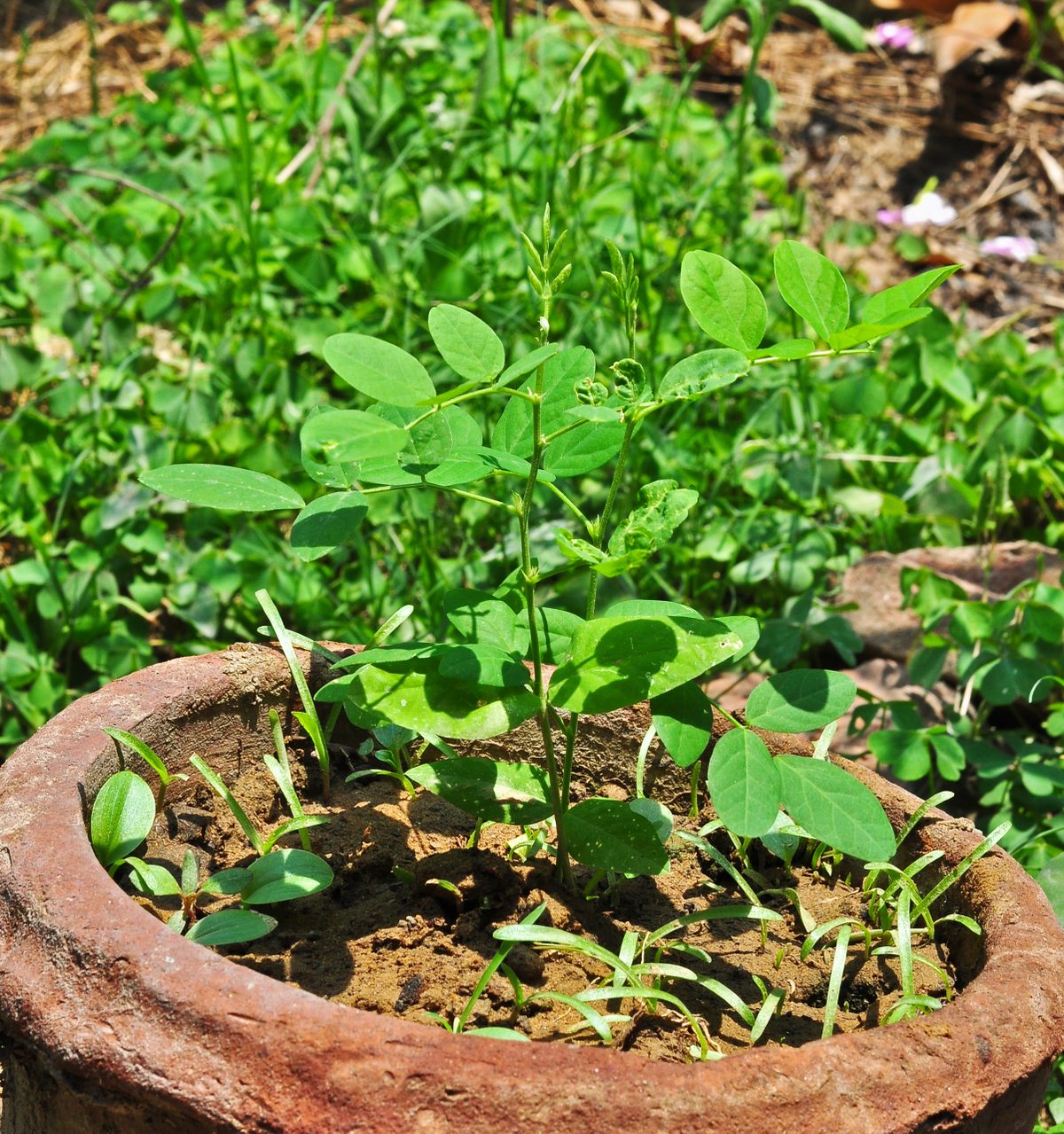
Asian Pigeonwings
Clitoria ternatea
Zones 10a–12b · 3–4 ft (0.91–1.22 m) · Full sun and part shade (full sun preferred)
-
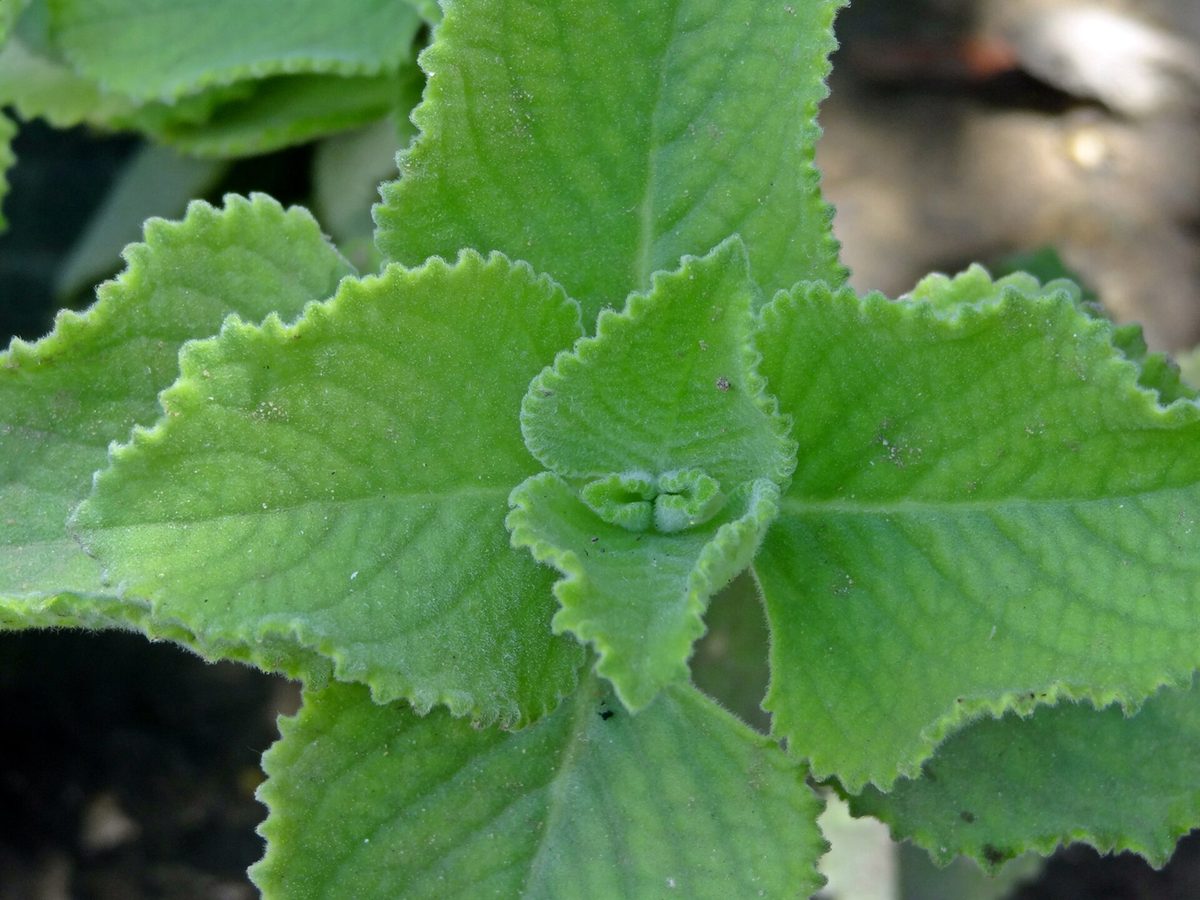
Mexican Mint
Coleus amboinicus
Zones 9a–11b · 1–3.5 ft (0.3–1.07 m) · Full sun and part shade (full sun preferred)
-
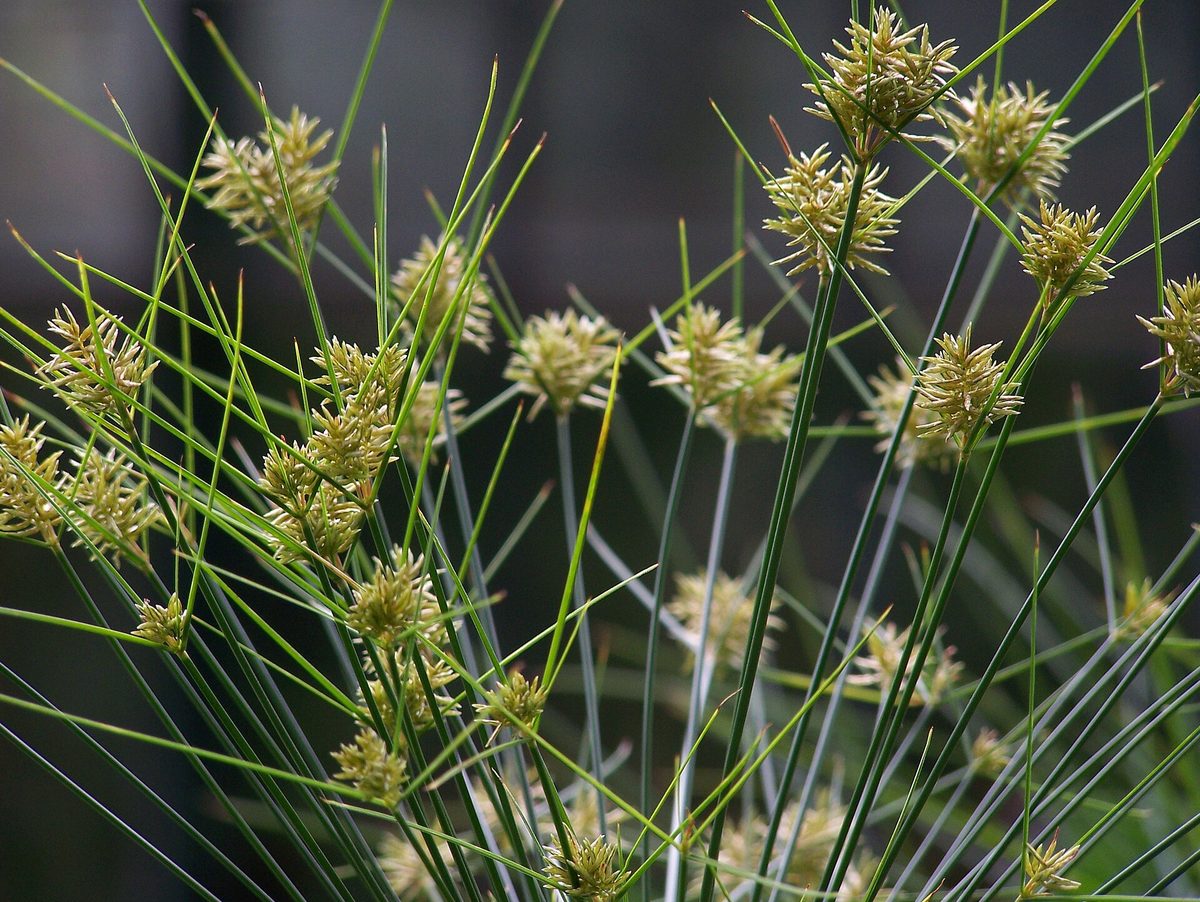
Papyrus
Cyperus papyrus
Zones 9a–12b · 5–8 ft (1.52–2.44 m) · Full sun and part shade (full sun preferred)
Cyperus papyrus fits this list because zone 11's mild winters let it stay outdoors year-round. Its own entry has the particulars a gardener would need there.
-
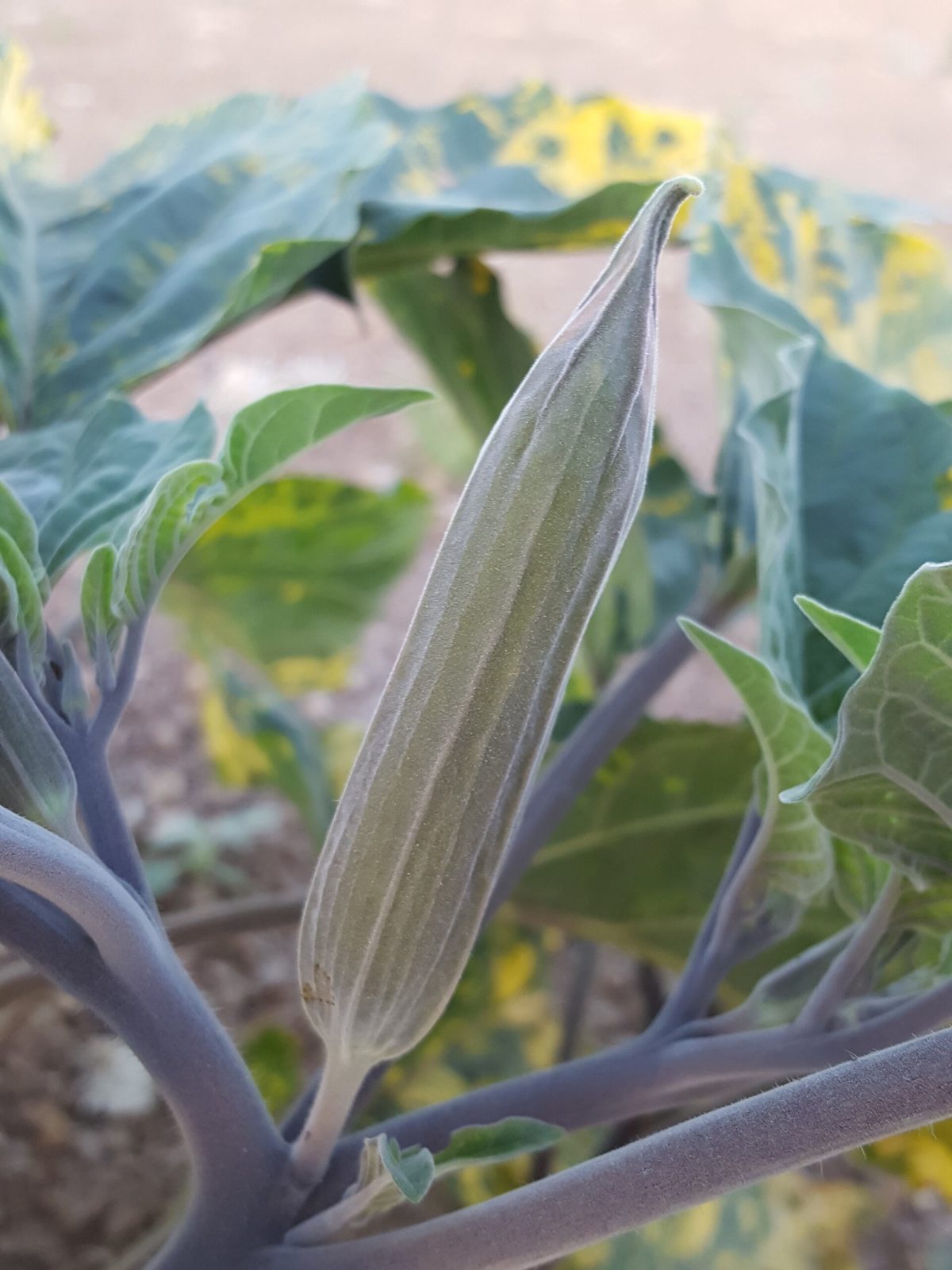
Sacred Thorn-apple
Datura wrightii
Zones 9a–11b · 6 ft (1.83 m) · Full sun and part shade (full sun preferred)
-
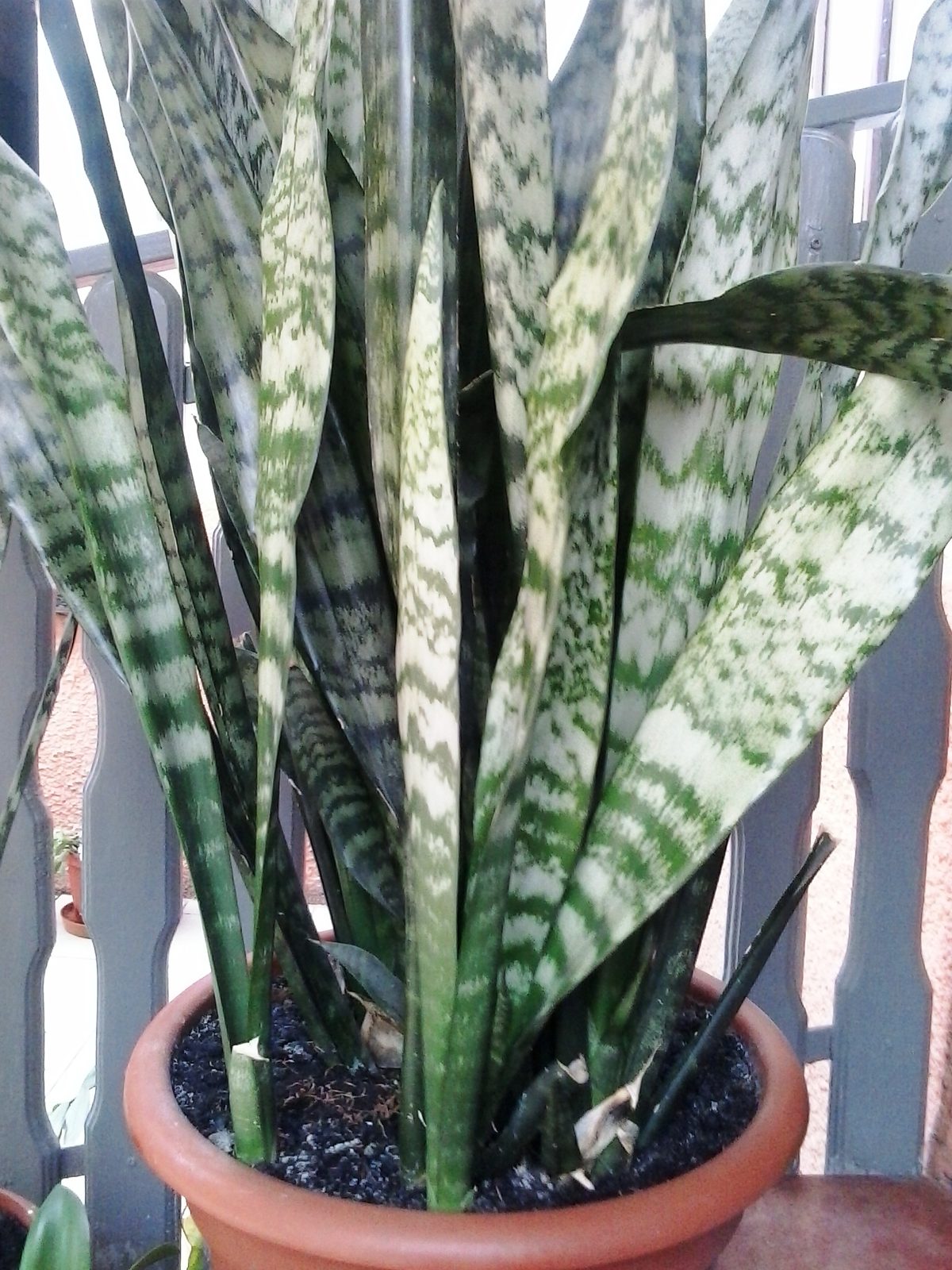
Snake Plant
Dracaena trifasciata
Zones 10a–12b · Part shade
This page counts Dracaena trifasciata as a zone 11 perennial because it tolerates this zone's winter lows outdoors. What growing it here involves is spelled out on its own page.
-
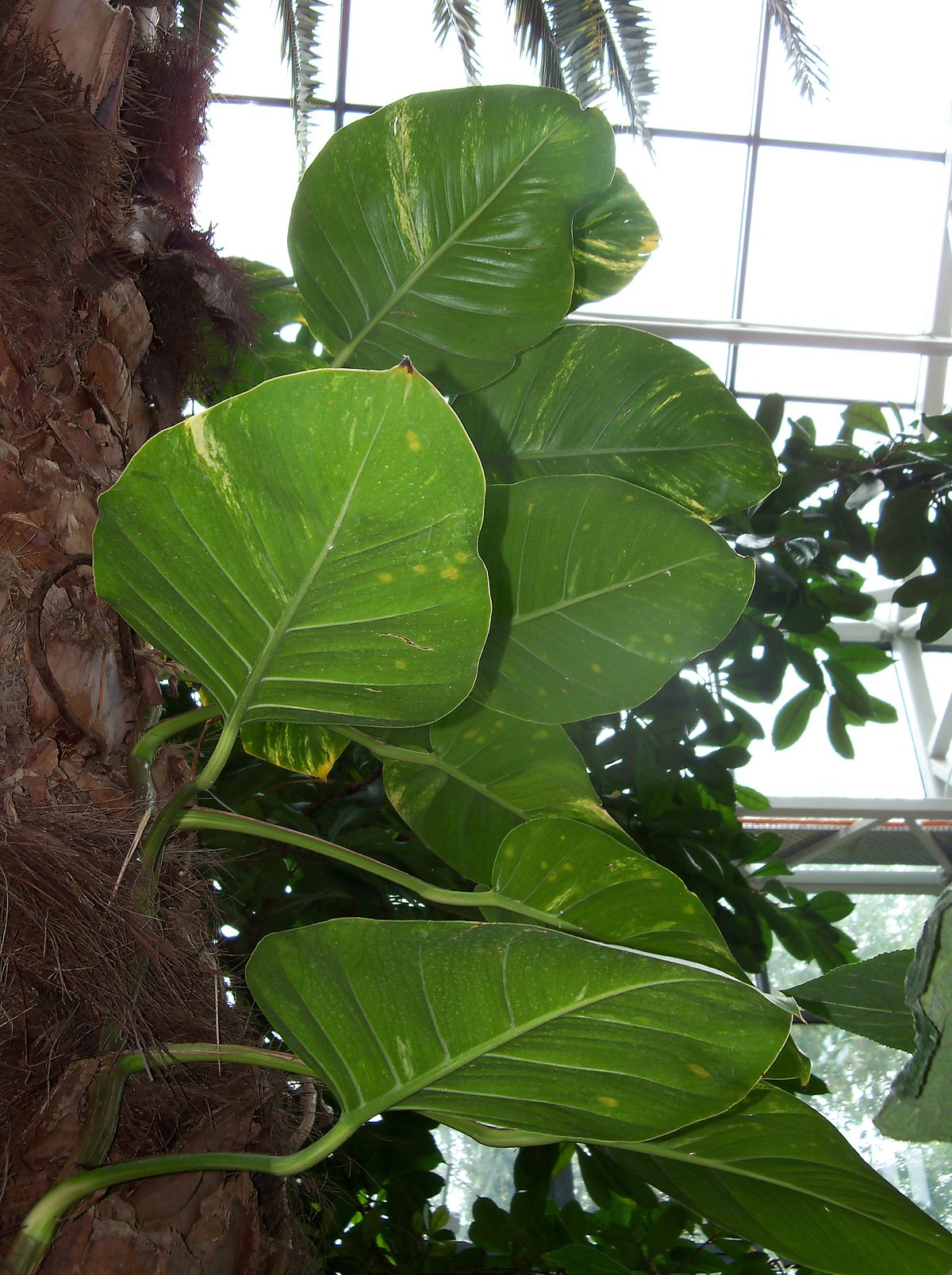
Pothos
Epipremnum aureum
Zones 10a–12b · Sources differ: NC State Extension Gardener Plant Toolbox · Part shade and full shade (part shade preferred)
-
-
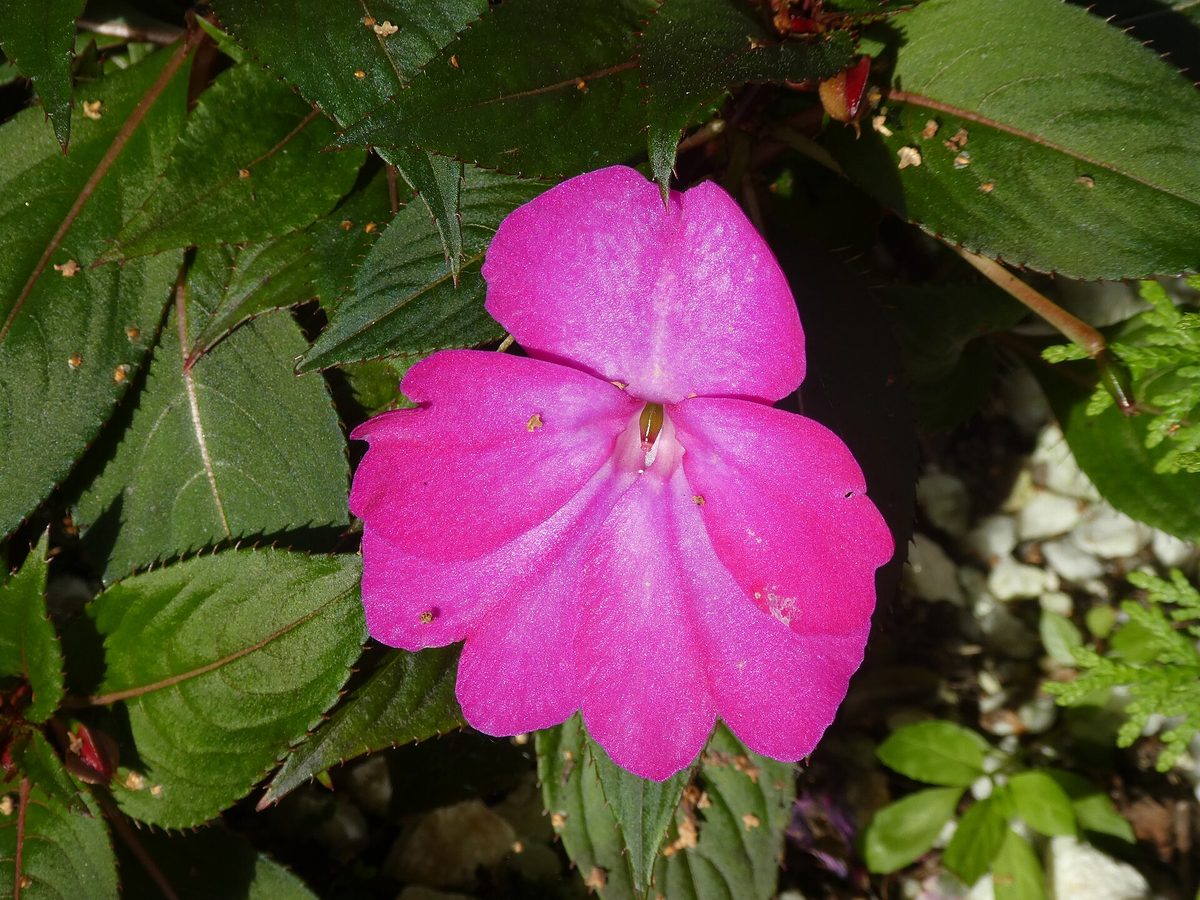
Buzzy Lizzy
Impatiens walleriana
Zones 10a–11b · 0.5–2 ft (0.15–0.61 m) · Part shade and full shade (part shade preferred)
-
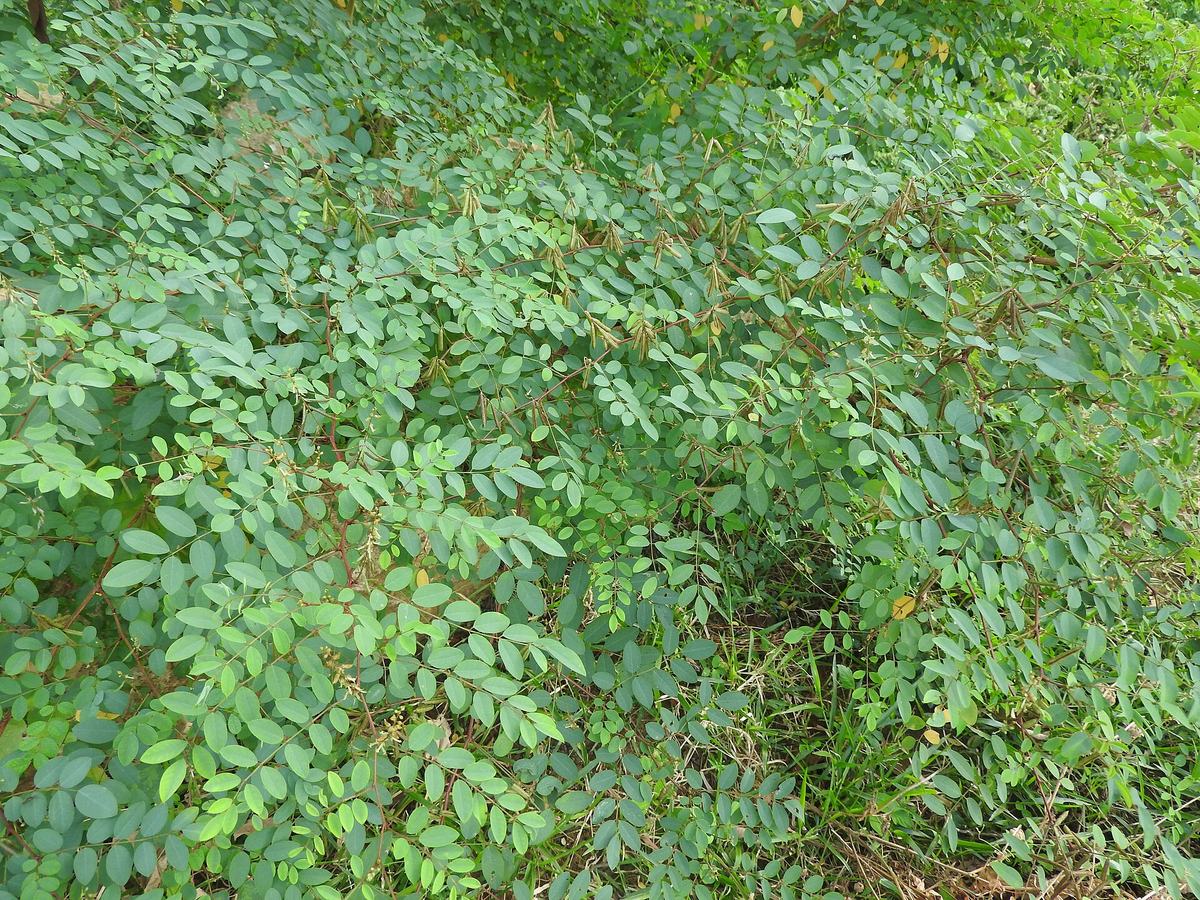
True Indigo
Indigofera tinctoria
Zones 10a–12b · 2–3 ft (0.61–0.91 m) · Full sun and part shade (full sun preferred)
-
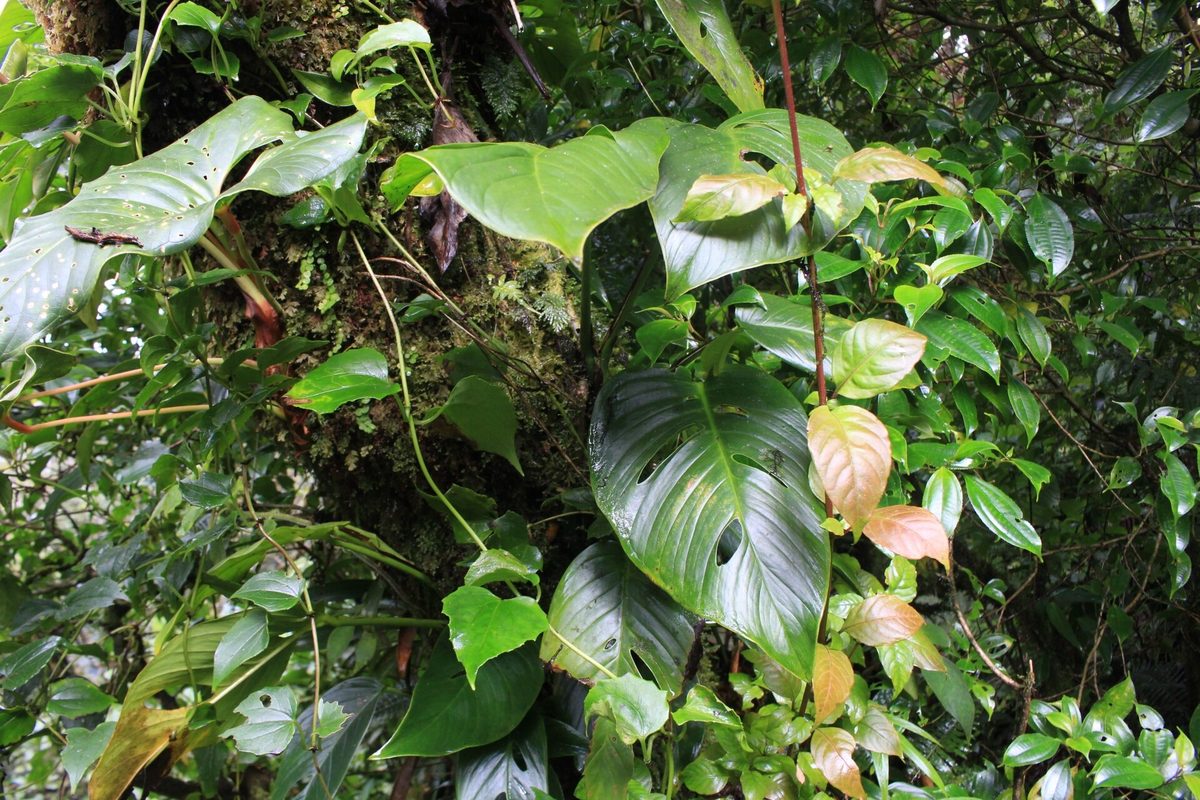
Adanson's Monstera
Monstera adansonii
Zones 10a–12b · 3–13 ft (0.91–3.96 m) · Part shade
-
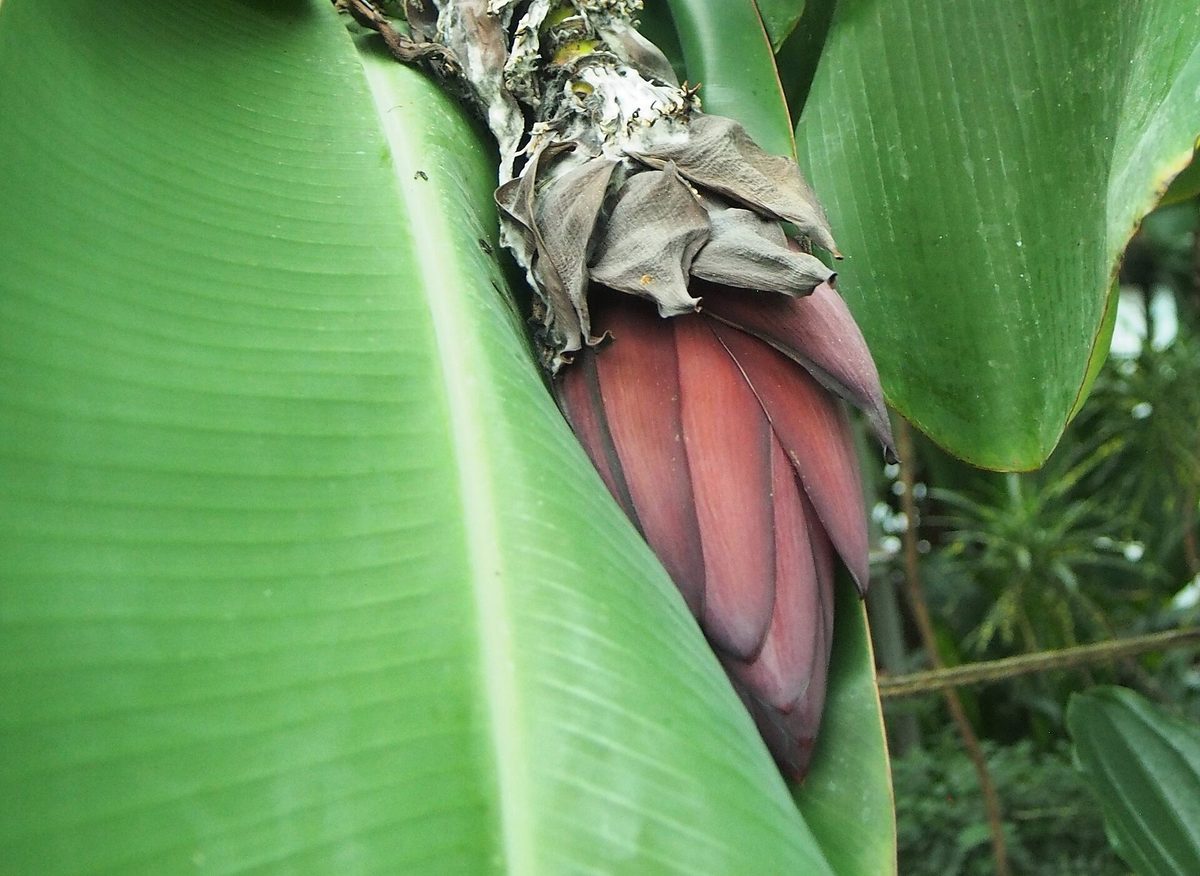
Edible Banana
Musa acuminata
Zones 10a–11b · 8 ft (2.44 m) · Full sun and part shade (full sun preferred)
Musa acuminata can remain outdoors through a zone 11 winter, and that is the reason it appears on this list. Anyone growing it here can find the rest of the specifics on its own page.
-
-
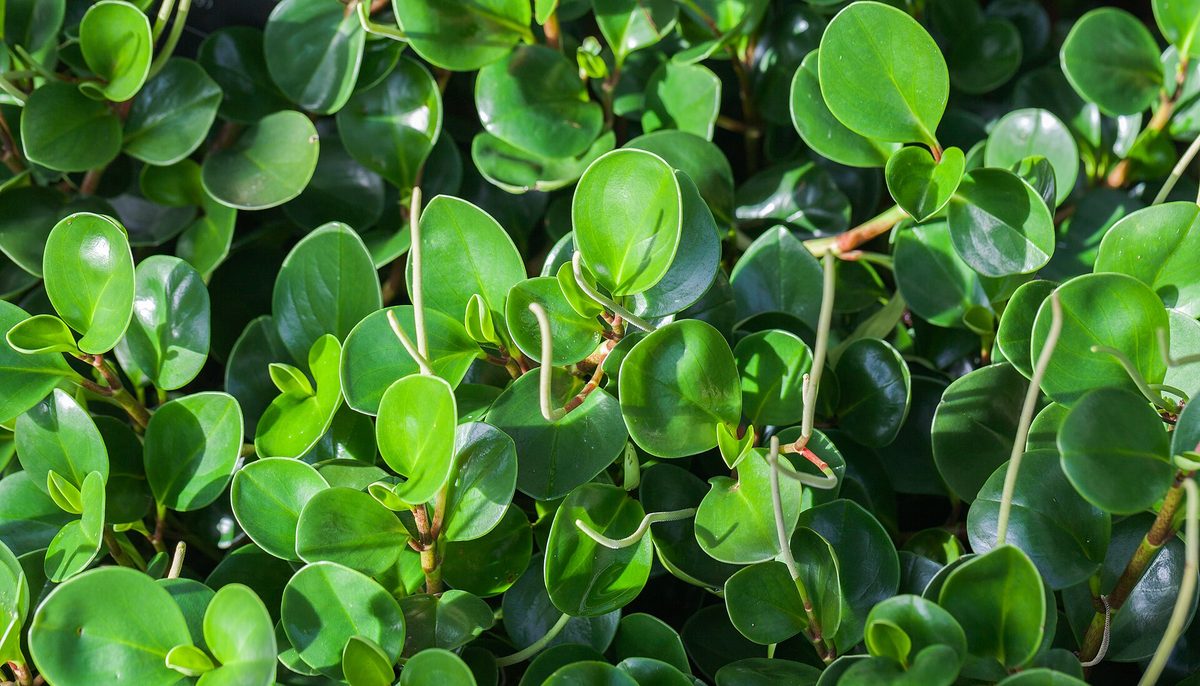
Baby Rubberplant
Peperomia obtusifolia
NC State Extension Gardener Plant Toolbox also lists 10a-12b · 0.5–1.2 ft (0.15–0.38 m) · Part shade and full shade (part shade preferred)
-
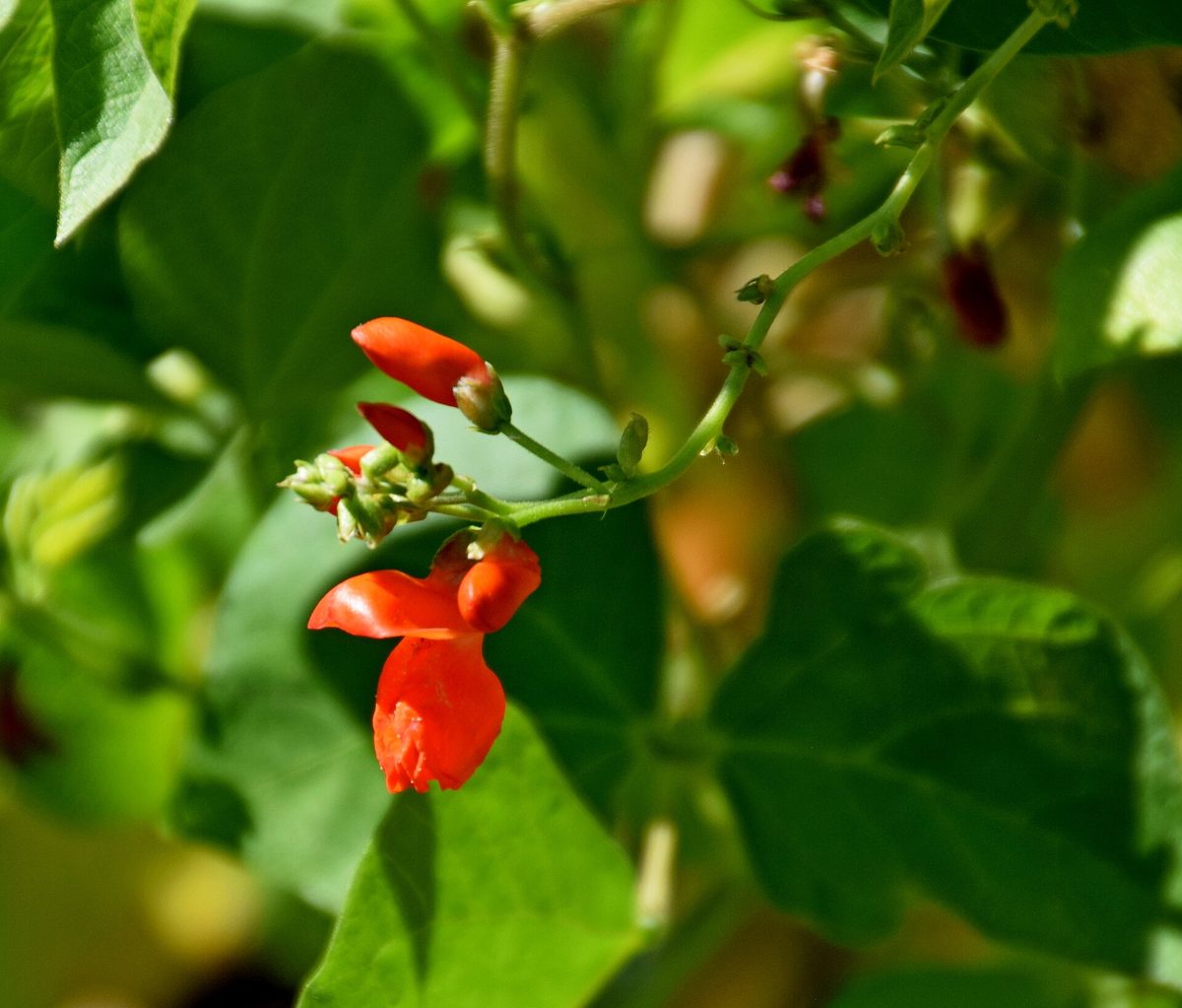
Scarlet Runner
Phaseolus coccineus
Zones 7a–11b · 8–12 ft (2.44–3.66 m) · Full sun
-
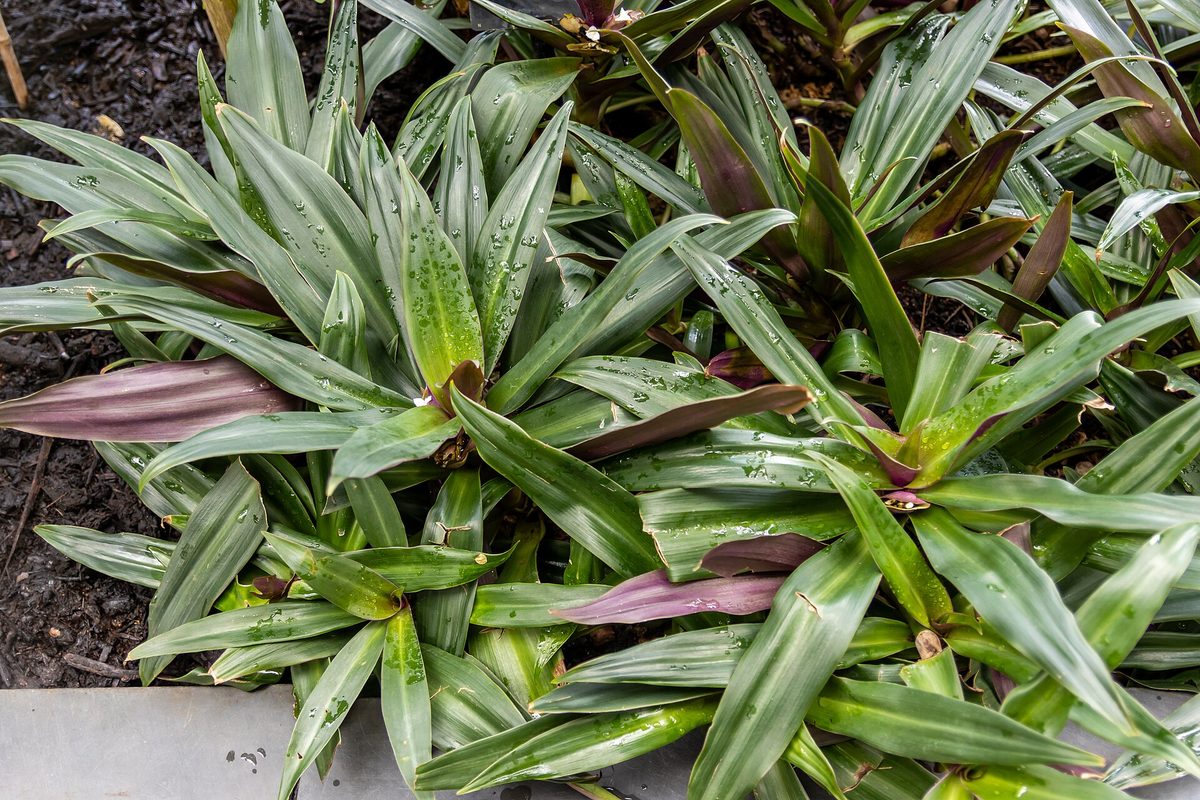
Boatlily
Tradescantia spathacea
Zones 9a–11b · 0.5–1 ft (0.15–0.3 m) · Full sun and part shade (full sun preferred)
-
Purpletop Vervain
Verbena bonariensis
Zones 7a–11b · 4–5 ft (1.22–1.52 m) · Full sun and part shade (full sun preferred)
How we chose
A herbaceous perennial, and hardy through at least zone 11a according to the cited sources
Photo credits
- Devil's Tongue photo by kiwa dokokano, CC BY-SA 3.0 via Wikimedia Commons
- Flamingo-lily photo by Agnes Monkelbaan, CC BY-SA 4.0 via Wikimedia Commons
- Indianhemp photo by Thayne Tuason, CC BY-SA 4.0 via Wikimedia Commons
- Common Asparagus Fern photo by 阿橋 HQ, CC BY-SA 2.0 via Wikimedia Commons
- Cast Iron Plant photo by Digigalos, CC BY-SA 3.0 via Wikimedia Commons
- Herb of Grace photo by Forest & Kim Starr, CC BY 3.0 via Wikimedia Commons
- Ceylon Spinach photo by Joydeep, CC BY-SA 3.0 via Wikimedia Commons
- Indian Shot photo by Wikimedia Commons contributor, CC BY-SA 4.0 via Wikimedia Commons
- Cayenne Pepper photo by George Chernilevsky, Public domain via Wikimedia Commons
- Madagascar Periwinkle photo by Tanvir Rahat, CC BY-SA 4.0 via Wikimedia Commons
- Spadeleaf photo by Vengolis, CC BY-SA 4.0 via Wikimedia Commons
- Spider Plant photo by Daderot, CC0 via Wikimedia Commons
- Asian Pigeonwings photo by Joydeep, CC BY-SA 3.0 via Wikimedia Commons
- Mexican Mint photo by Aathavan jaffna, CC BY-SA 3.0 via Wikimedia Commons
- Papyrus photo by T.Voekler, CC BY-SA 3.0 via Wikimedia Commons
- Sacred Thorn-apple photo by Alex Abair, CC BY 4.0 via Wikimedia Commons
- Snake Plant photo by Ujlak, CC BY-SA 3.0 via Wikimedia Commons
- Pothos photo by Marek Argent (Abrimaal), CC BY-SA 3.0 via Wikimedia Commons
- Polkadot-plant photo by Vengolis, CC BY-SA 4.0 via Wikimedia Commons
- Buzzy Lizzy photo by Екатерина Борисова, CC BY-SA 4.0 via Wikimedia Commons
- True Indigo photo by Yercaud-elango, CC BY-SA 4.0 via Wikimedia Commons
- Adanson's Monstera photo by Jacob Rehage, CC0 via Wikimedia Commons
- Edible Banana photo by Agnieszka Kwiecień, Nova, CC BY-SA 4.0 via Wikimedia Commons
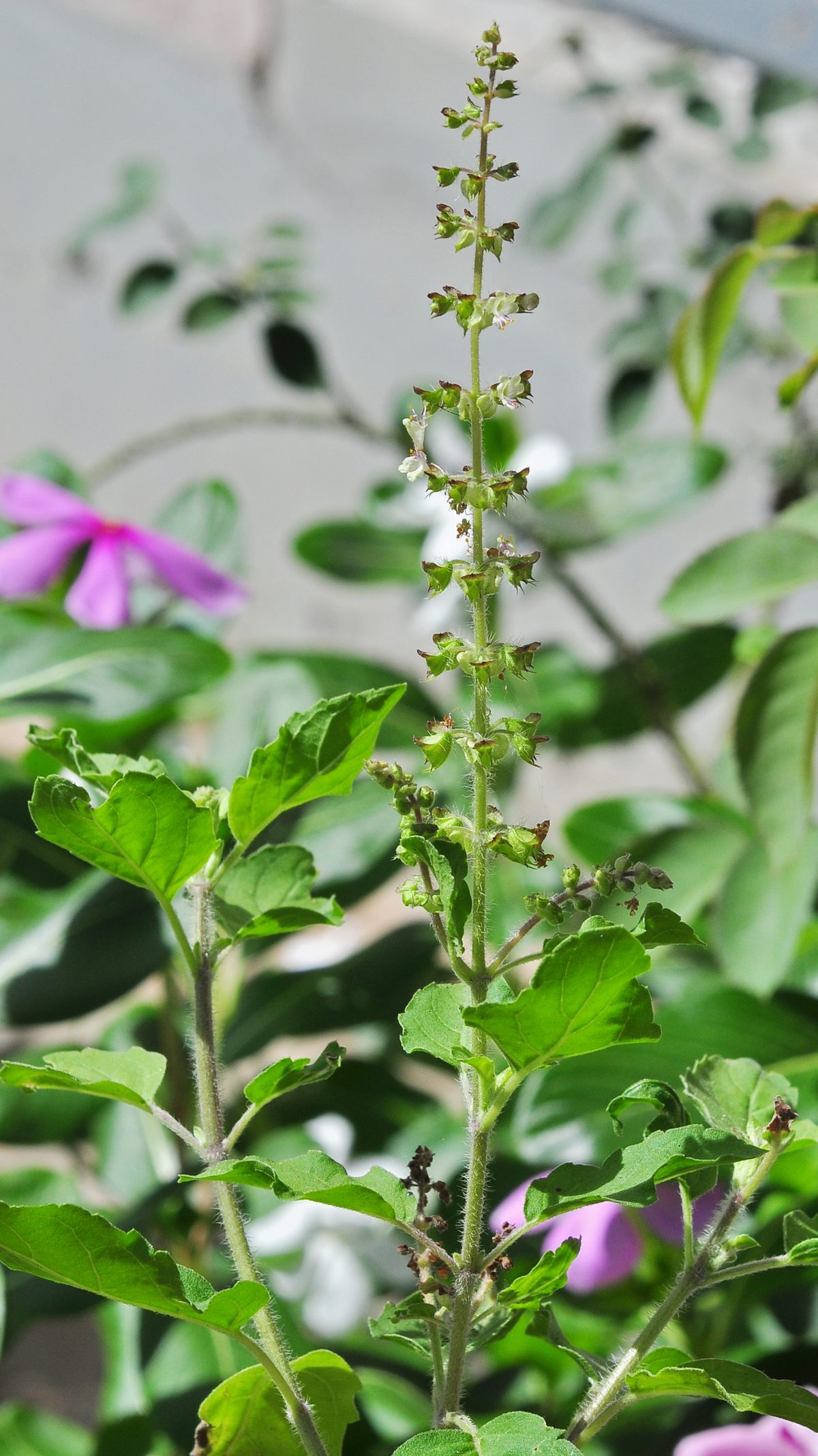
- Holy Basil photo by Joydeep, CC BY-SA 3.0 via Wikimedia Commons
- Baby Rubberplant photo by Wikimedia Commons contributor, CC BY-SA 3.0 via Wikimedia Commons
- Scarlet Runner photo by Krzysztof Golik, CC BY-SA 4.0 via Wikimedia Commons
- Boatlily photo by Wikimedia Commons contributor, CC BY-SA 4.0 via Wikimedia Commons


How this page was made
- Written with AI assistance from the sources listed on this page. AI is never the source of a fact.