Shrubs for zone 11
USDA zone 11 marks the warmest band in the hardiness system this guide uses to group shrubs by winter cold. The zone number itself describes one thing only: the average coldest temperature an area reaches in a typical winter. It says nothing about summer heat, rainfall, or soil. Two zone 11 gardens can still differ a great deal in all three. This page groups twenty-one shrubs that fit zone 11's winter range. They come from a wider plant list and share that one trait in common. Two of the twenty-one, dracaena fragrans and lantana camara, already have full pages live on the site. The rest are listed by name while their pages are still being built. Use the zone number as a starting point, not a full growing guide. Check each shrub's own page, once it is live, for the details that matter most. Light, water, and the right care steps decide whether a shrub suits your yard. A shrub on this list can still fail in poor drainage or deep shade. A yard can also sit in a colder microclimate than the zone map shows for the area. Treat the zone 11 label as one filter among several, not the only one you need before you plant.
Compared side by side
| Plant | Hardiness | Height | Light | Cats | Dogs |
|---|---|---|---|---|---|
| PaperflowerBougainvillea glabra | Zones 9a–11b | 10–20 ft (3.05–6.1 m) | Full sun and part shade (full sun preferred) | Not documented | Not documented |
| Pride-of-BarbadosCaesalpinia pulcherrima | Zones 9a–11b | 10–20 ft (3.05–6.1 m) | Full sun and part shade (full sun preferred) | Toxic (1 source) | Toxic (1 source) |
| Night JessamineCestrum nocturnum | Chicago Botanic Garden also lists 8a-11b | 3–13 ft (0.91–3.96 m) | Full sun and part shade (full sun preferred) | Toxic (1 source) | Toxic (1 source) |
| Parlor PalmChamaedorea elegans | Zones 10a–12b | 2–7.5 ft (0.61–2.29 m) | Part shade and full shade (part shade preferred) | Non-toxic | Non-toxic |
| Garden CrotonCodiaeum variegatum | Zones 11a–12b | 2–8 ft (0.61–2.44 m) | Full sun and part shade (full sun preferred) | Toxic (1 source) | Toxic (1 source) |
| Arabian CoffeeCoffea arabica | NC State Extension Gardener Plant Toolbox also lists 10a-12b | 6–15 ft (1.83–4.57 m) | Part shade and full sun (part shade preferred) | Toxic (1 source) | Toxic (1 source) |
| Common ColeusColeus scutellarioides | Zones 10a–11b | 0.5–3 ft (0.15–0.91 m) | Part shade, full shade and full sun (part shade preferred) | Not documented | Not documented |
| Jade PlantCrassula ovata | Zones 11a–12b | 2–4 ft (0.61–1.22 m) | Full sun and part shade (full sun preferred) | Toxic (1 source) | Toxic (1 source) |
| Sago PalmCycas revoluta | Zones 9a–12b | 15 ft (4.57 m) | Full sun and part shade (full sun preferred) | Toxic | Toxic |
| Fragrant DracaenaDracaena fragrans | Zones 10a–11b | 3–14.5 ft (0.91–4.42 m) | Part shade and full shade (part shade preferred) | Toxic (1 source) | Toxic (1 source) |
| Golden DewdropsDuranta erecta | Zones 9a–11b | 18 ft (5.49 m) | Full sun and part shade (full sun preferred) | Toxic (1 source) | Toxic (1 source) |
| PoinsettiaEuphorbia pulcherrima | Zones 9a–11b | 3–12 ft (0.91–3.66 m) | Part shade | Toxic | Toxic |
| Cape JasmineGardenia jasminoides | Zones 7b–11b | 3–8 ft (0.91–2.44 m) | Part shade and full sun (part shade preferred) | Toxic (1 source) | Toxic (1 source) |
| Dwarf Umbrella TreeHeptapleurum arboricola | Zones 9b–12b | 4–6 ft (1.22–1.83 m) | Part shade, full shade and full sun (part shade preferred) | Toxic | Toxic |
| ShoeblackplantHibiscus × rosa-sinensis | Zones 9a–11b | 3.9–10 ft (1.2–3.05 m) | Full sun and part shade (full sun preferred) | Not documented | Not documented |
| French HydrangeaHydrangea macrophylla | Zones 6a–11b | 3–6 ft (0.91–1.83 m) | Part shade and full shade (part shade preferred) | Toxic | Toxic |
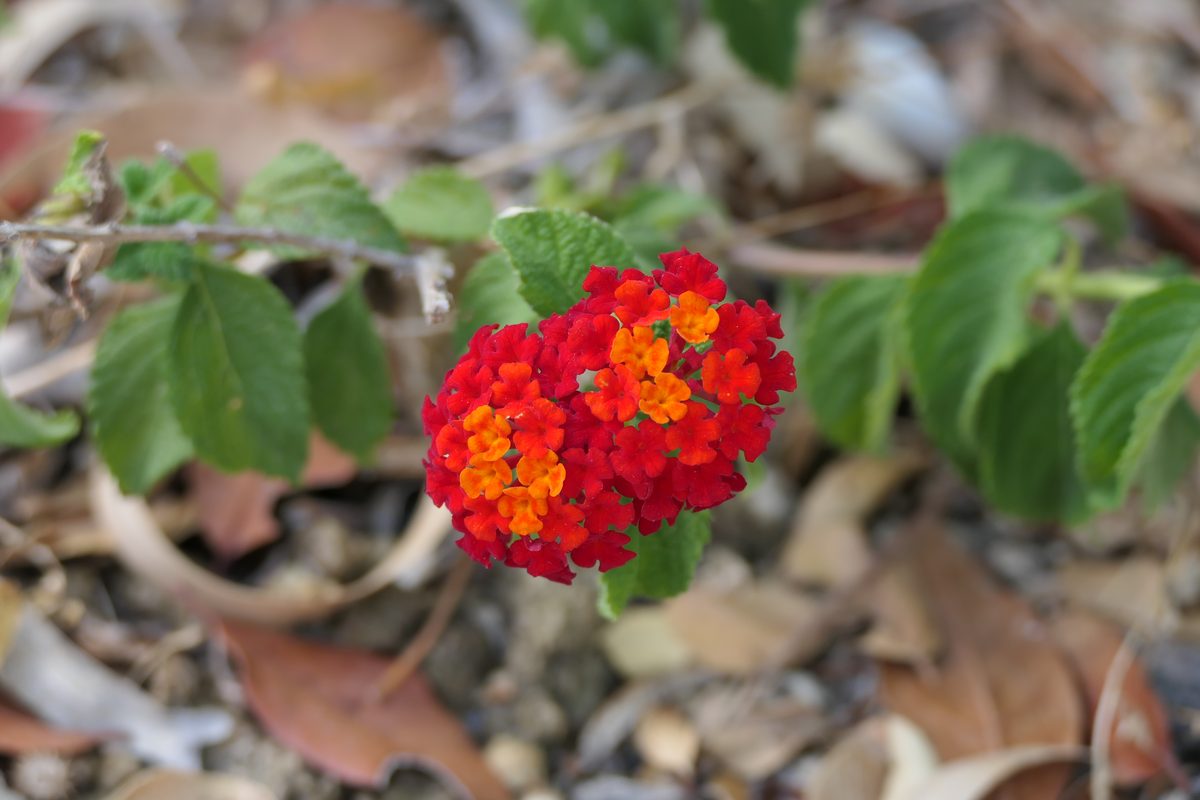
| LantanaLantana camara | Zones 7a–11b | 1–6 ft (0.3–1.83 m) | Full sun | Toxic | Toxic |
| Lion's EarLeonotis leonurus | Zones 8a–11b | 3–6 ft (0.91–1.83 m) | Full sun and part shade (full sun preferred) | Not documented | Not documented |
| PrayerplantMaranta leuconeura | Zones 11a–11b | 0.5–1 ft (0.15–0.3 m) | Part shade and full shade (part shade preferred) | Not documented | Not documented |
| Sweet OsmanthusOsmanthus fragrans | Zones 8a–11b | 10–12 ft (3.05–3.66 m) | Full sun and part shade (full sun preferred) | Not documented | Not documented |
| Cape LeadwortPlumbago auriculata | Zones 9a–11b | 6–10 ft (1.83–3.05 m) | Full sun and part shade (full sun preferred) | Not documented | Not documented |
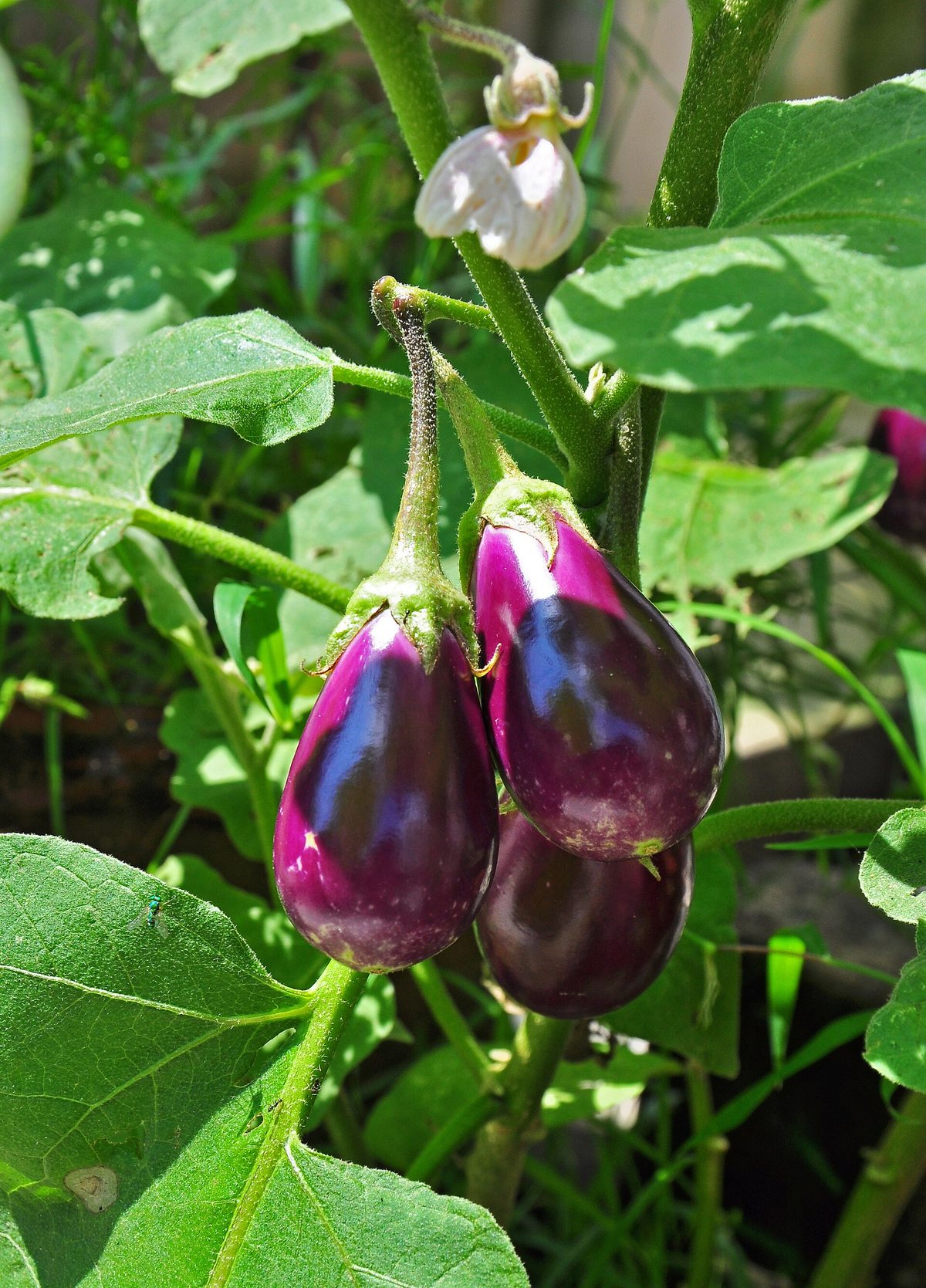
| EggplantSolanum melongena | Zones 9a–12b | 2–4 ft (0.61–1.22 m) | Full sun | Toxic (1 source) | Toxic (1 source) |
| Purple QueenTradescantia pallida | Zones 10a–11b | 1 ft (0.3 m) | Full sun and part shade (full sun preferred) | Toxic (1 source) | Toxic (1 source) |
| InchplantTradescantia zebrina | Zones 9a–11b | 0.5–0.8 ft (0.15–0.23 m) | Full sun and part shade (full sun preferred) | Toxic (1 source) | Toxic (1 source) |
| WithaniaWithania somnifera | Zones 8a–12b | 3 ft (0.91 m) | Full sun | Not documented | Not documented |
The plants
-
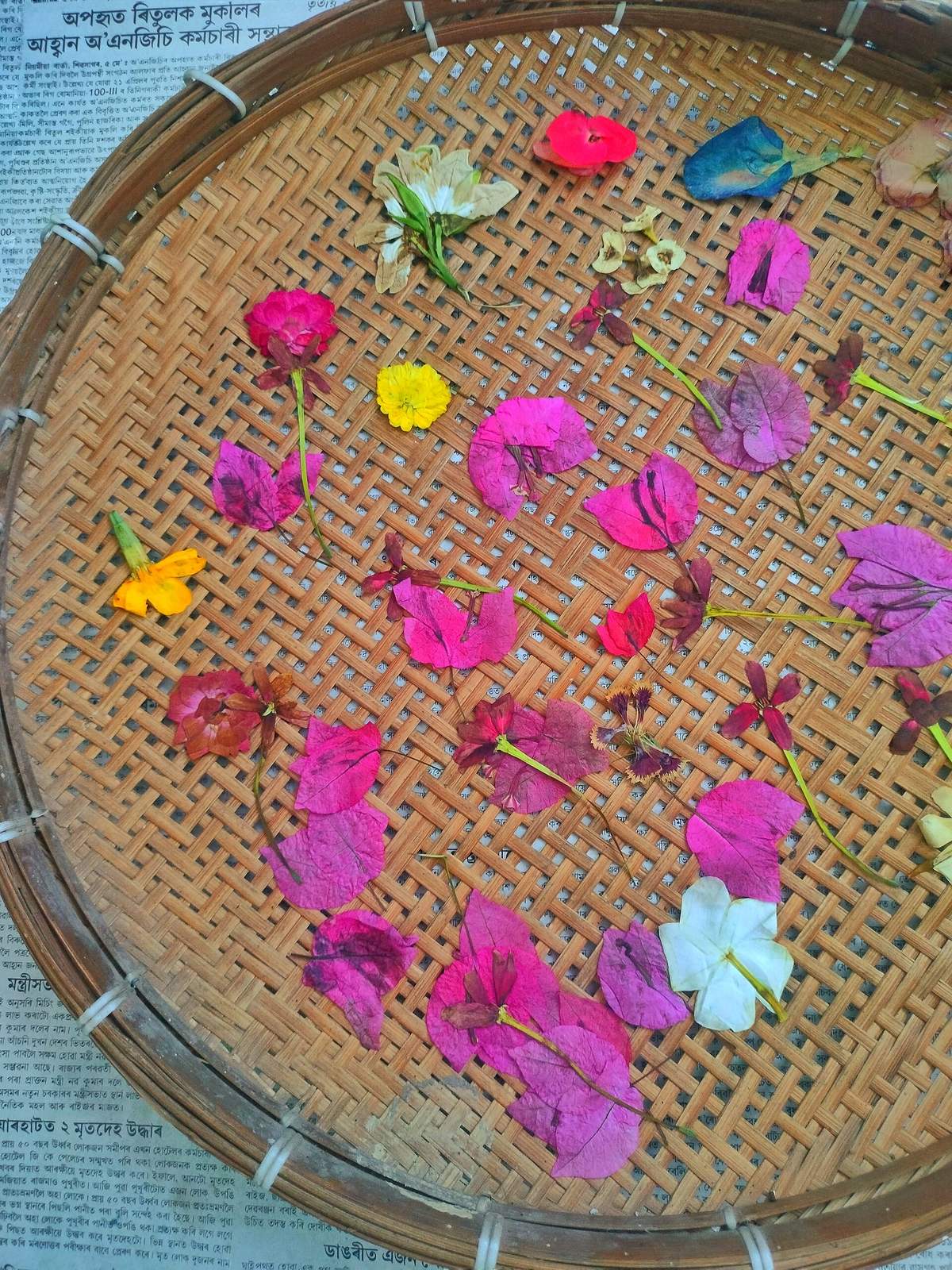
Paperflower
Bougainvillea glabra
Zones 9a–11b · 10–20 ft (3.05–6.1 m) · Full sun and part shade (full sun preferred)
Bougainvillea glabra appears on this zone 11 shrub list, one of twenty-one shrubs grouped for the warmest climate band this guide covers. It is listed here because growers in zone 11 can keep it outdoors as a shrub year round without the frost protection colder zones require.
-
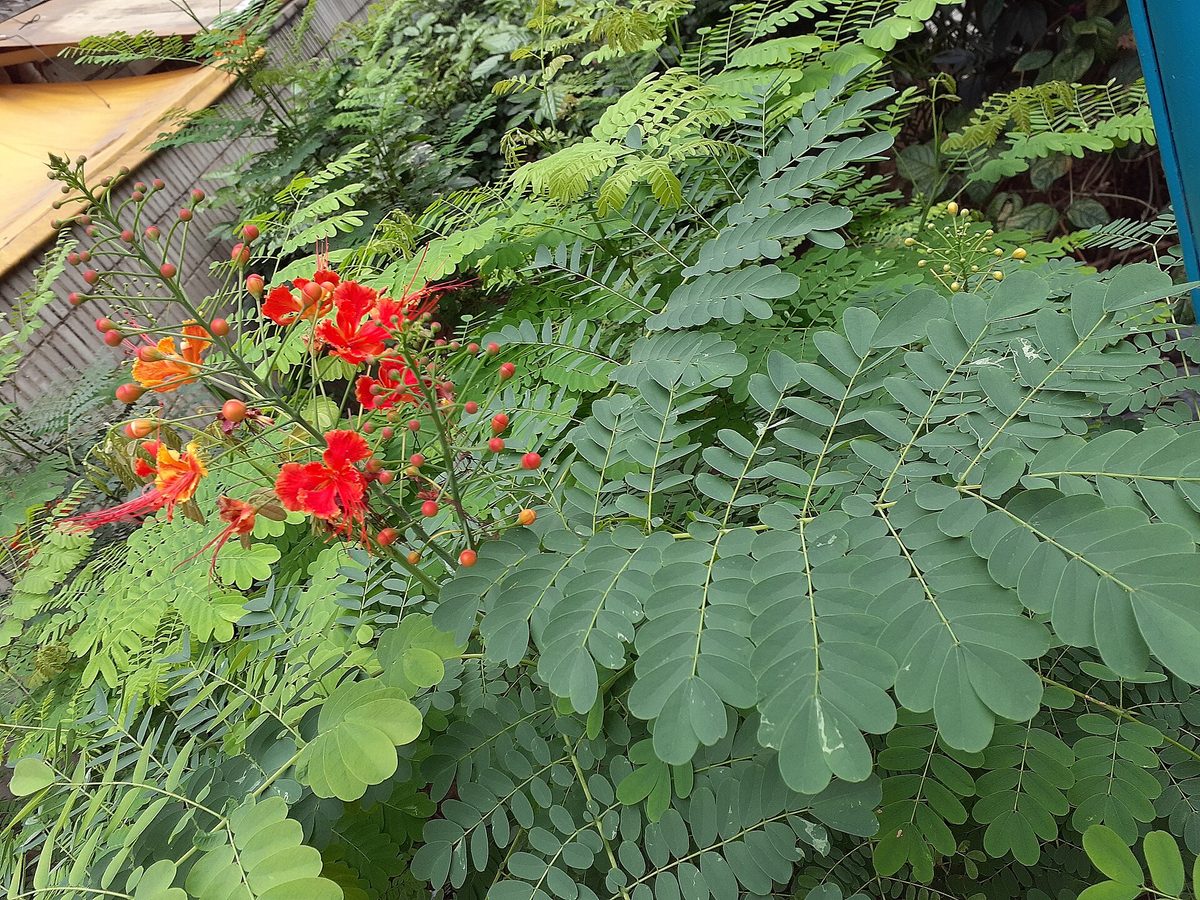
Pride-of-Barbados
Caesalpinia pulcherrima
Zones 9a–11b · 10–20 ft (3.05–6.1 m) · Full sun and part shade (full sun preferred)
Caesalpinia pulcherrima is one of the twenty-one plants grouped into this zone 11 shrub list. Its spot here reflects that gardeners in the warmest US zones can treat it as an outdoor shrub rather than a houseplant brought in each winter.
-
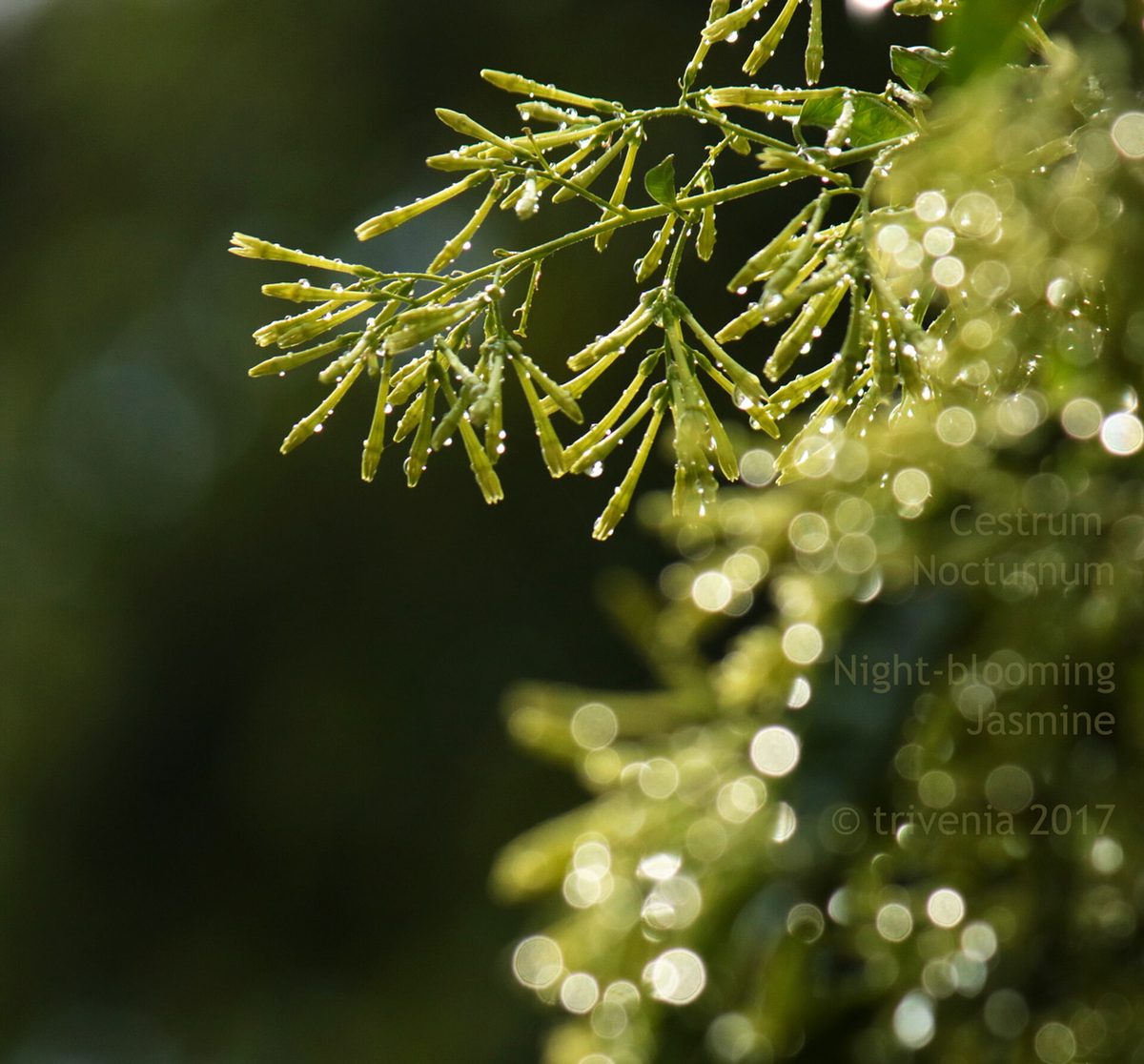
Night Jessamine
Cestrum nocturnum
Chicago Botanic Garden also lists 8a-11b · 3–13 ft (0.91–3.96 m) · Full sun and part shade (full sun preferred)
Cestrum nocturnum shows up among the twenty-one shrubs this zone 11 page groups together. That placement marks it as suited to outdoor shrub growing in the mildest winter climates this guide tracks.
-
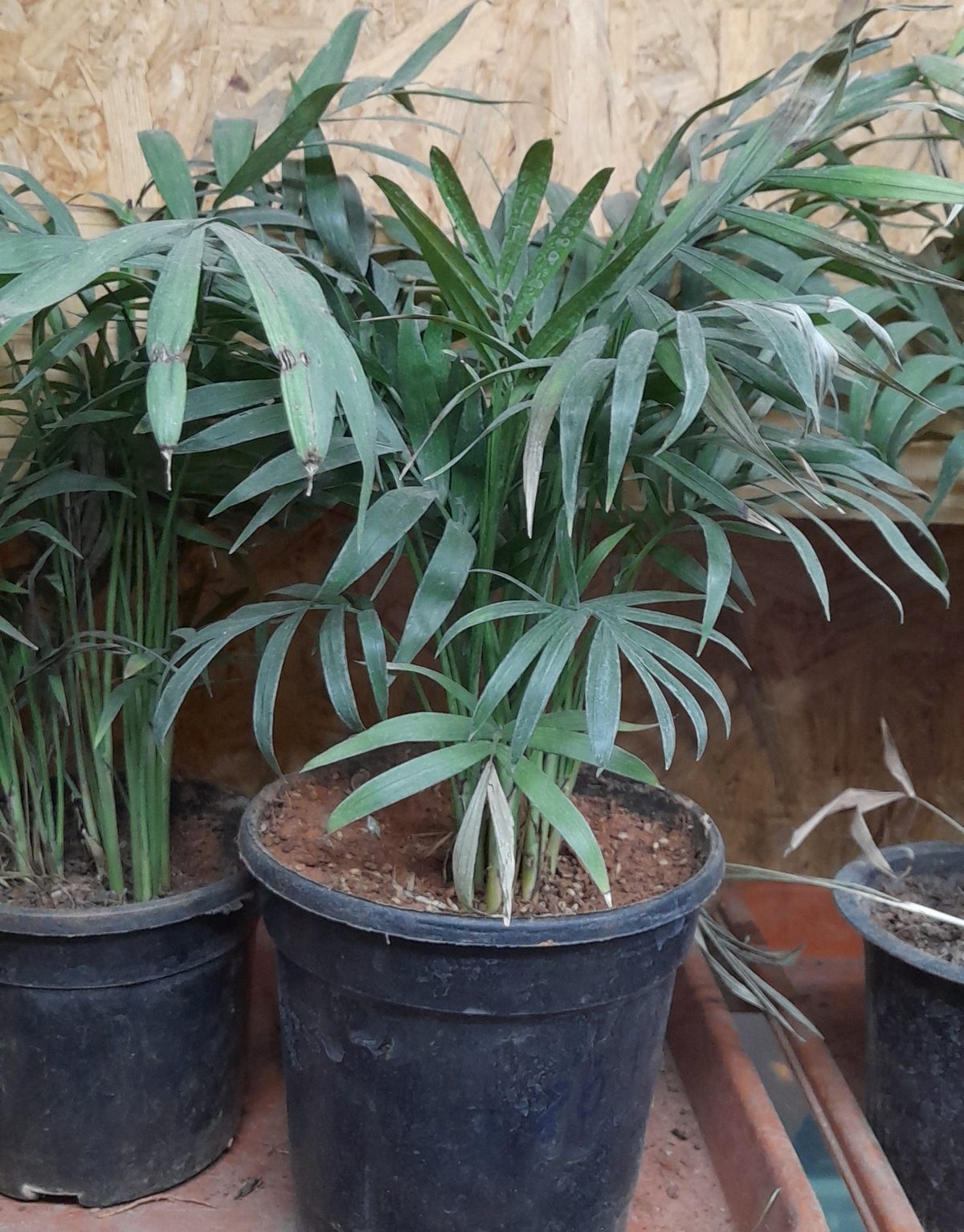
Parlor Palm
Chamaedorea elegans
Zones 10a–12b · 2–7.5 ft (0.61–2.29 m) · Part shade and full shade (part shade preferred)
Chamaedorea elegans is grouped with twenty other shrubs on this zone 11 list. It earns its place because the zone's mild winters let it live outside as a shrub instead of staying confined indoors.
-
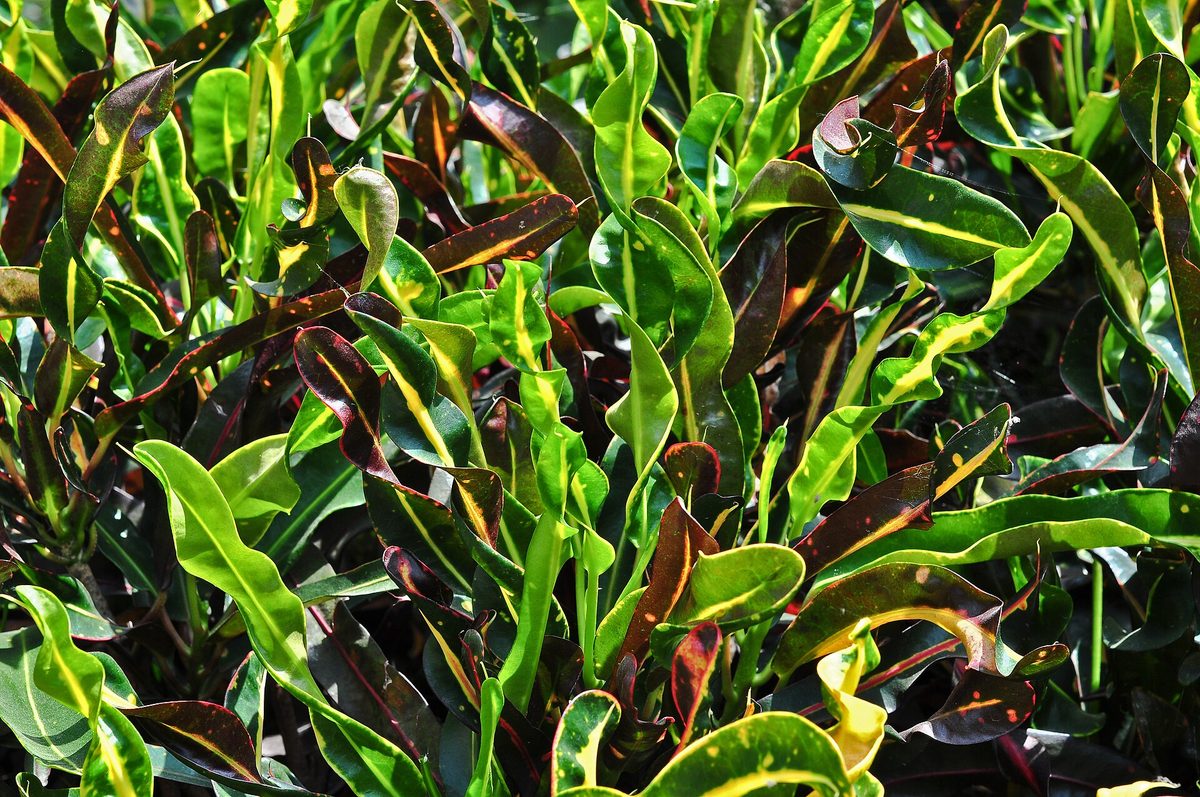
Garden Croton
Codiaeum variegatum
Zones 11a–12b · 2–8 ft (0.61–2.44 m) · Full sun and part shade (full sun preferred)
Codiaeum variegatum belongs to the set of twenty-one shrubs this zone 11 hub lists. Its inclusion signals that it can be grown outdoors as a shrub where winters stay this warm.
-
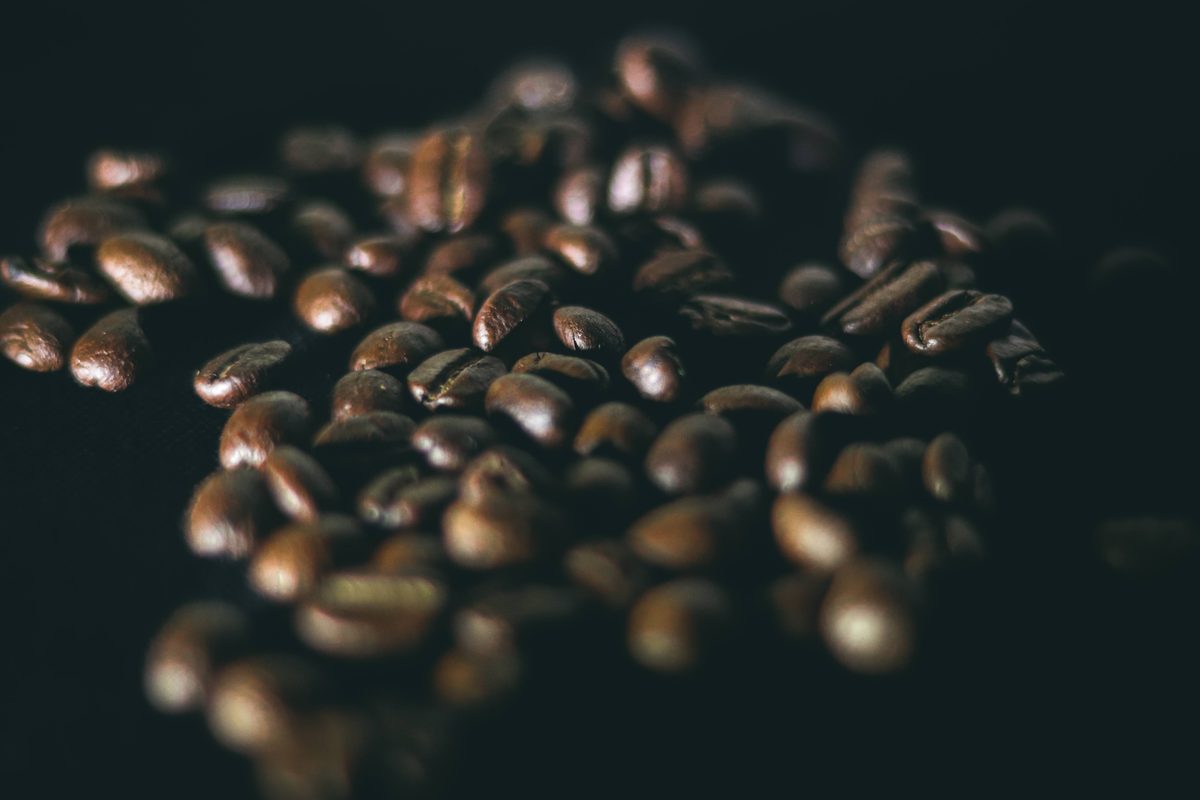
Arabian Coffee
Coffea arabica
NC State Extension Gardener Plant Toolbox also lists 10a-12b · 6–15 ft (1.83–4.57 m) · Part shade and full sun (part shade preferred)
Coffea arabica sits alongside twenty other plants on this zone 11 shrub list. The grouping here points to zone 11's mild winters, which let it grow outdoors as a shrub rather than only in a pot inside.
-
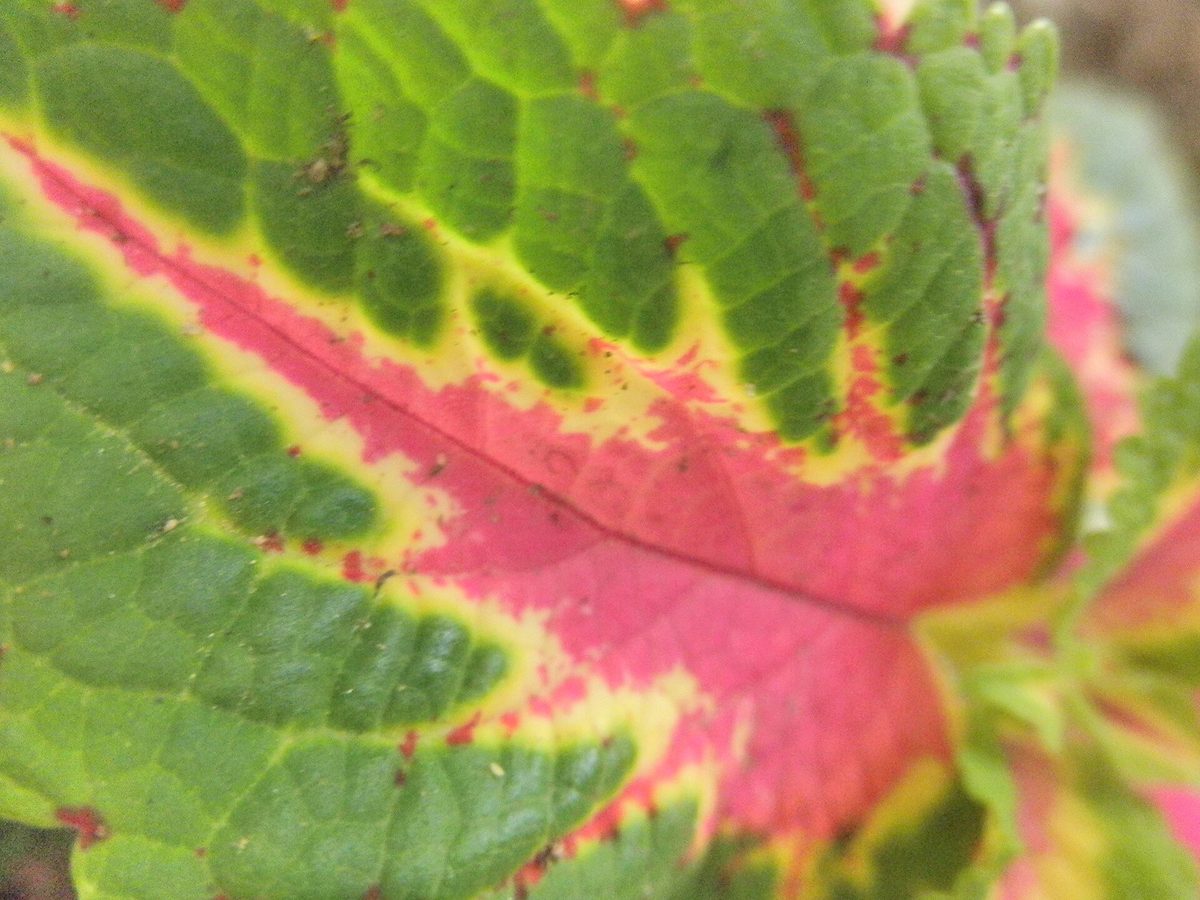
Common Coleus
Coleus scutellarioides
Zones 10a–11b · 0.5–3 ft (0.15–0.91 m) · Part shade, full shade and full sun (part shade preferred)
Coleus scutellarioides is part of the twenty-one-member set gathered for zone 11 shrub growers. Its place on this list marks it as one of the plants this zone's warmth lets stay outside as a shrub.
-
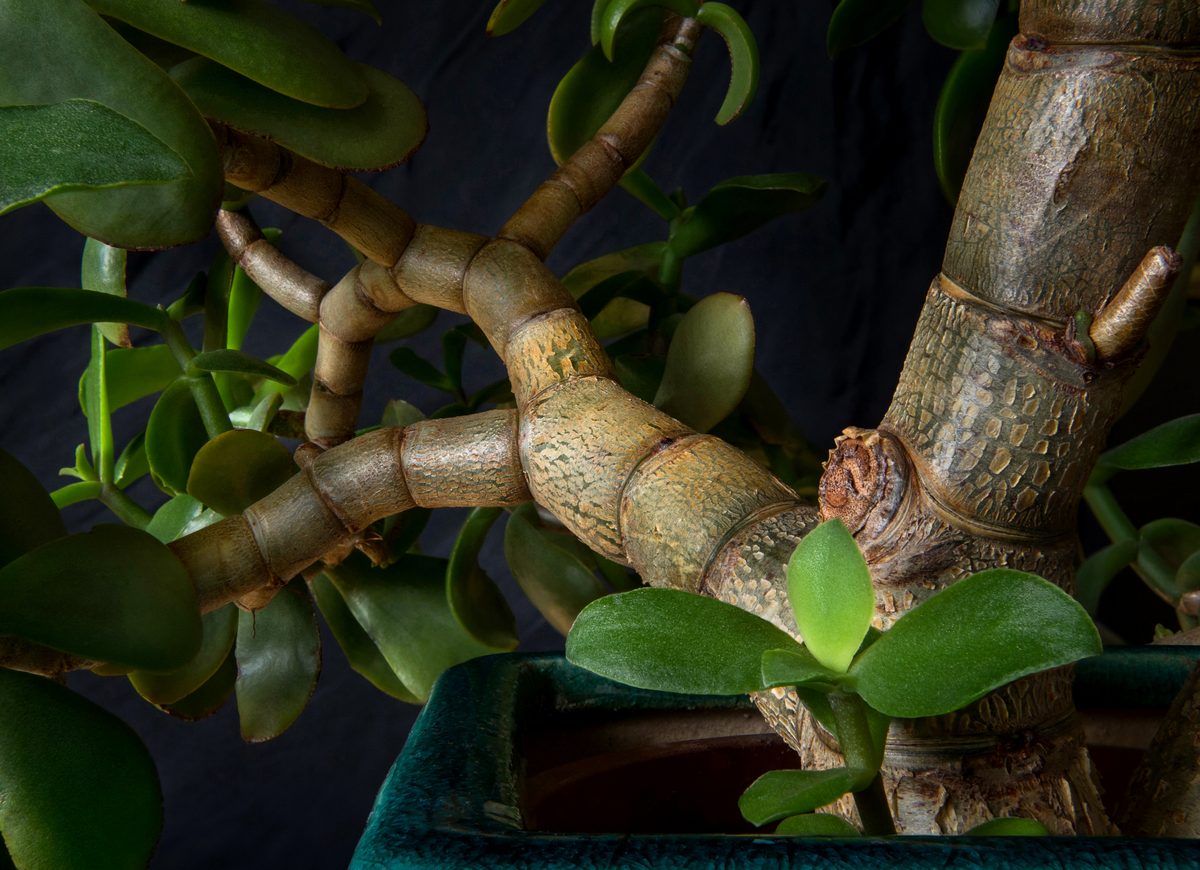
Jade Plant
Crassula ovata
Zones 11a–12b · 2–4 ft (0.61–1.22 m) · Full sun and part shade (full sun preferred)
-
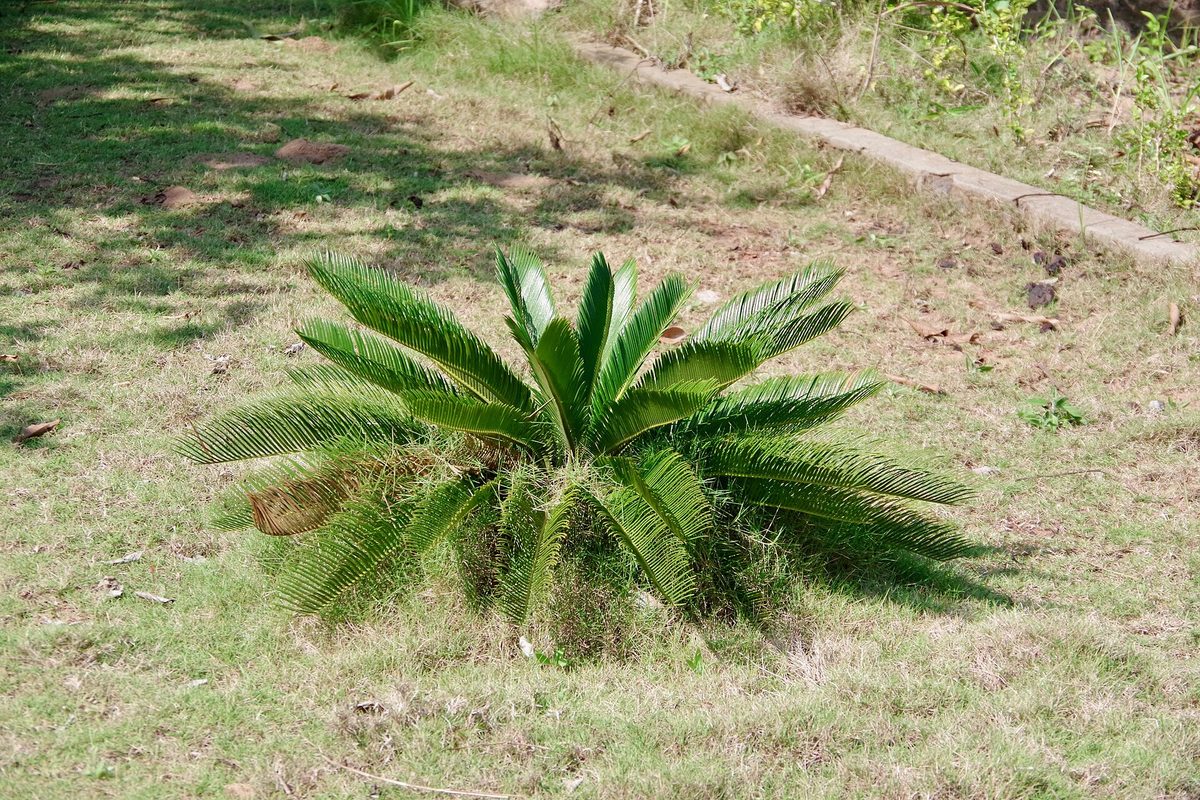
Sago Palm
Cycas revoluta
Zones 9a–12b · 15 ft (4.57 m) · Full sun and part shade (full sun preferred)
Cycas revoluta is counted among the twenty-one shrubs collected on this zone 11 list. Zone 11's mild winters are the reason it appears here, since they allow outdoor shrub growth without added frost cover.
-
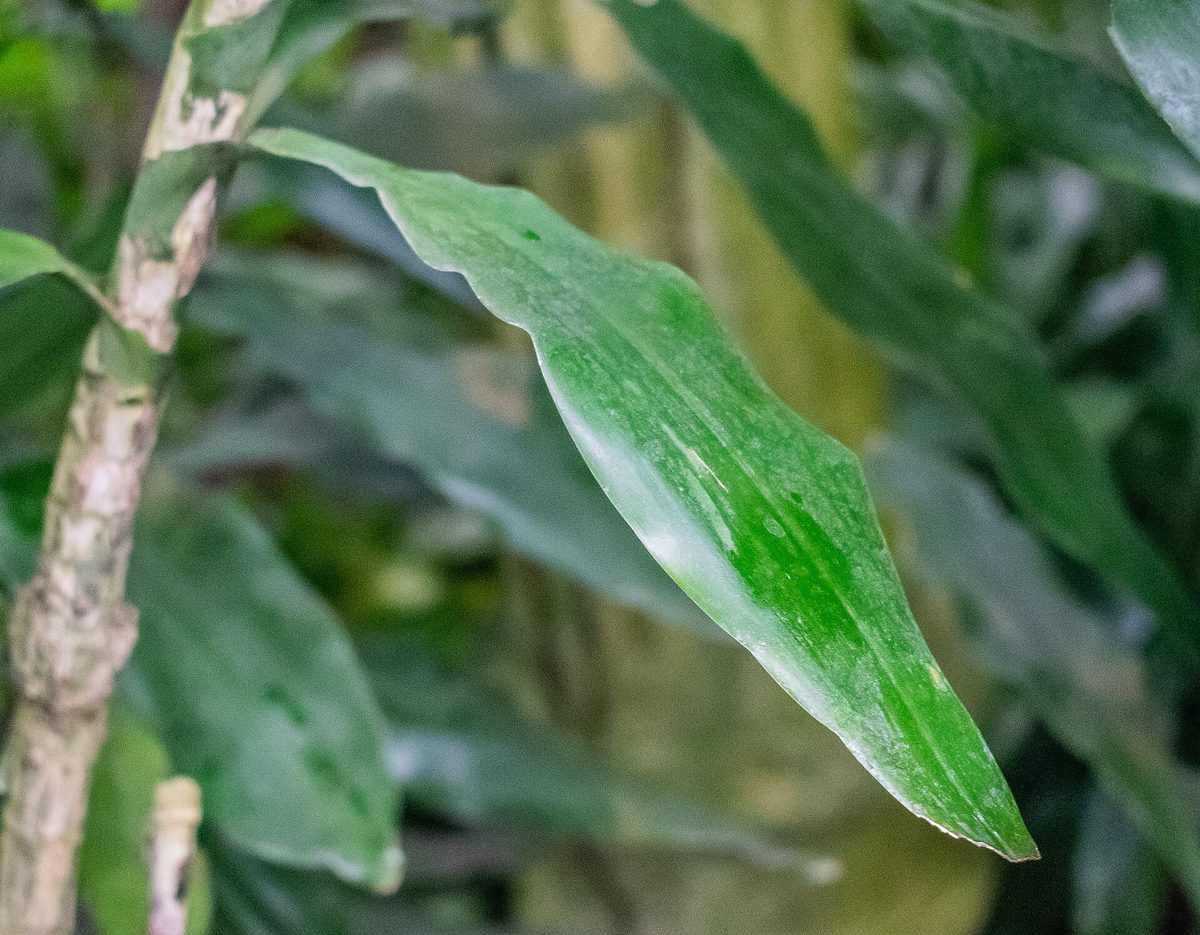
Fragrant Dracaena
Dracaena fragrans
Zones 10a–11b · 3–14.5 ft (0.91–4.42 m) · Part shade and full shade (part shade preferred)
Dracaena fragrans is one of the two published entries on this zone 11 shrub list, alongside nineteen other grouped shrubs. Its full page is live because of its place in this zone 11 grouping.
-
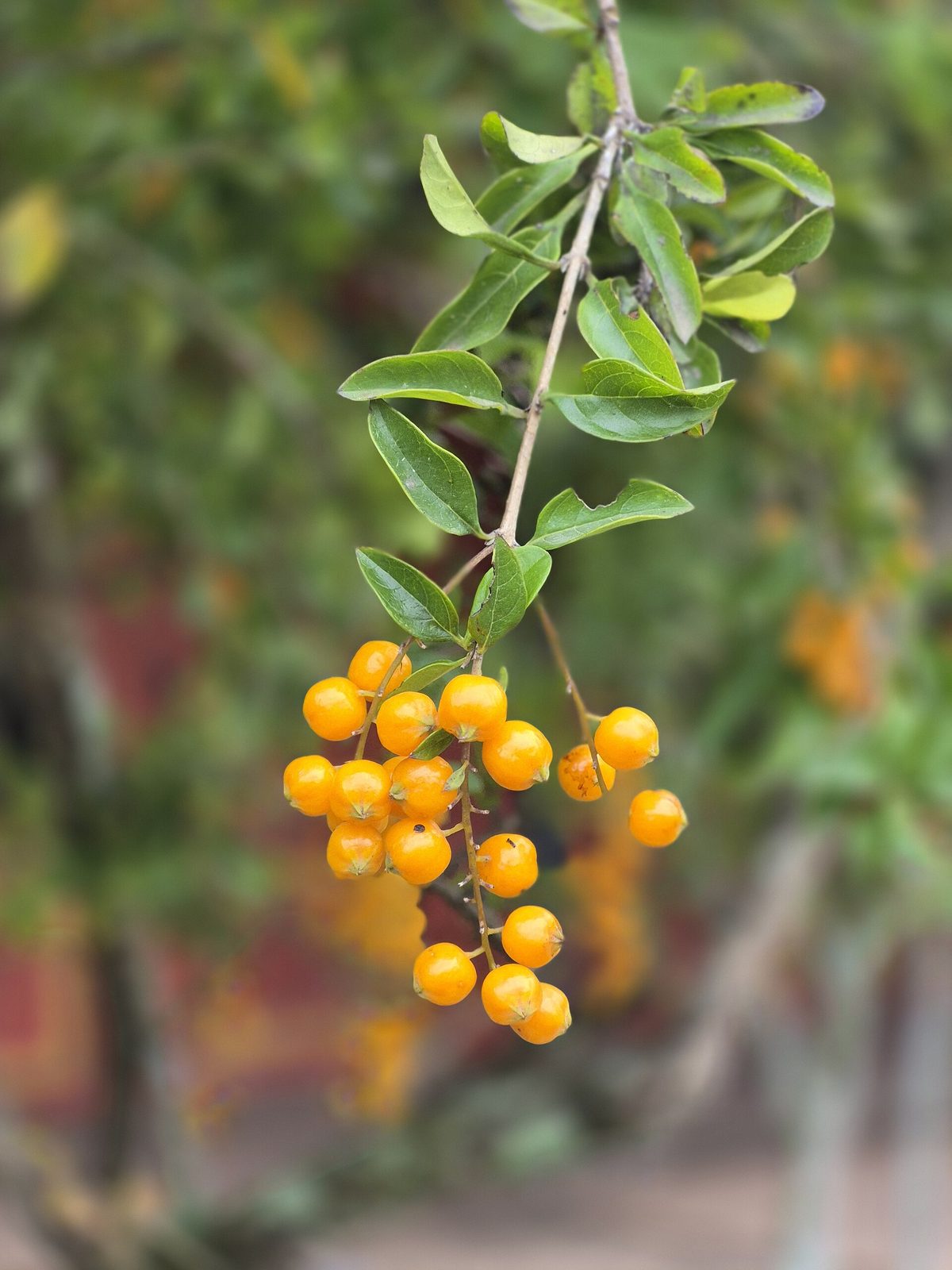
Golden Dewdrops
Duranta erecta
Zones 9a–11b · 18 ft (5.49 m) · Full sun and part shade (full sun preferred)
Duranta erecta is grouped with twenty other shrubs that make up this zone 11 list. It shares the list's reason for being here: the zone's mild winters support outdoor shrub growth.
-
-
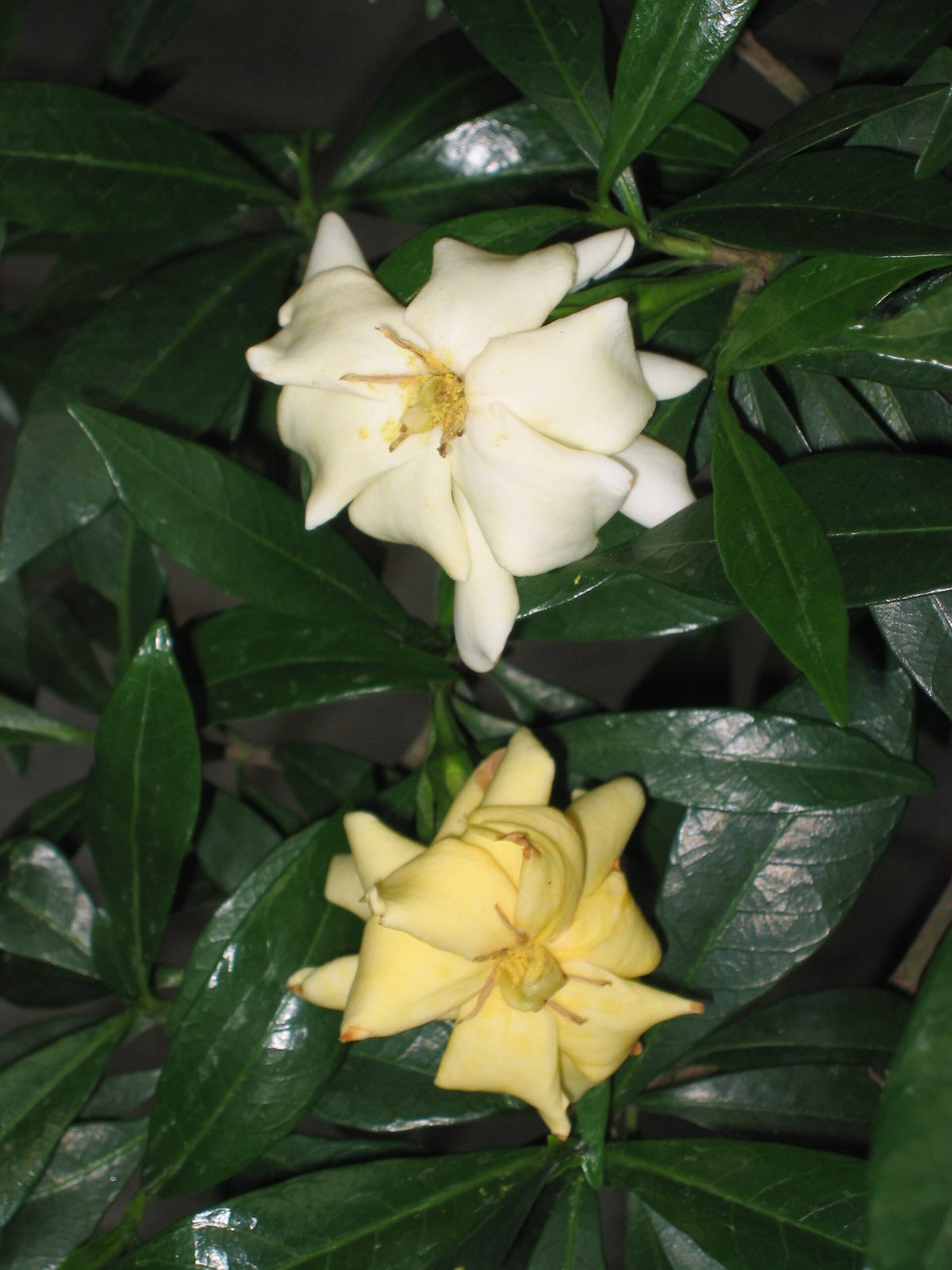
Cape Jasmine
Gardenia jasminoides
Zones 7b–11b · 3–8 ft (0.91–2.44 m) · Part shade and full sun (part shade preferred)
-
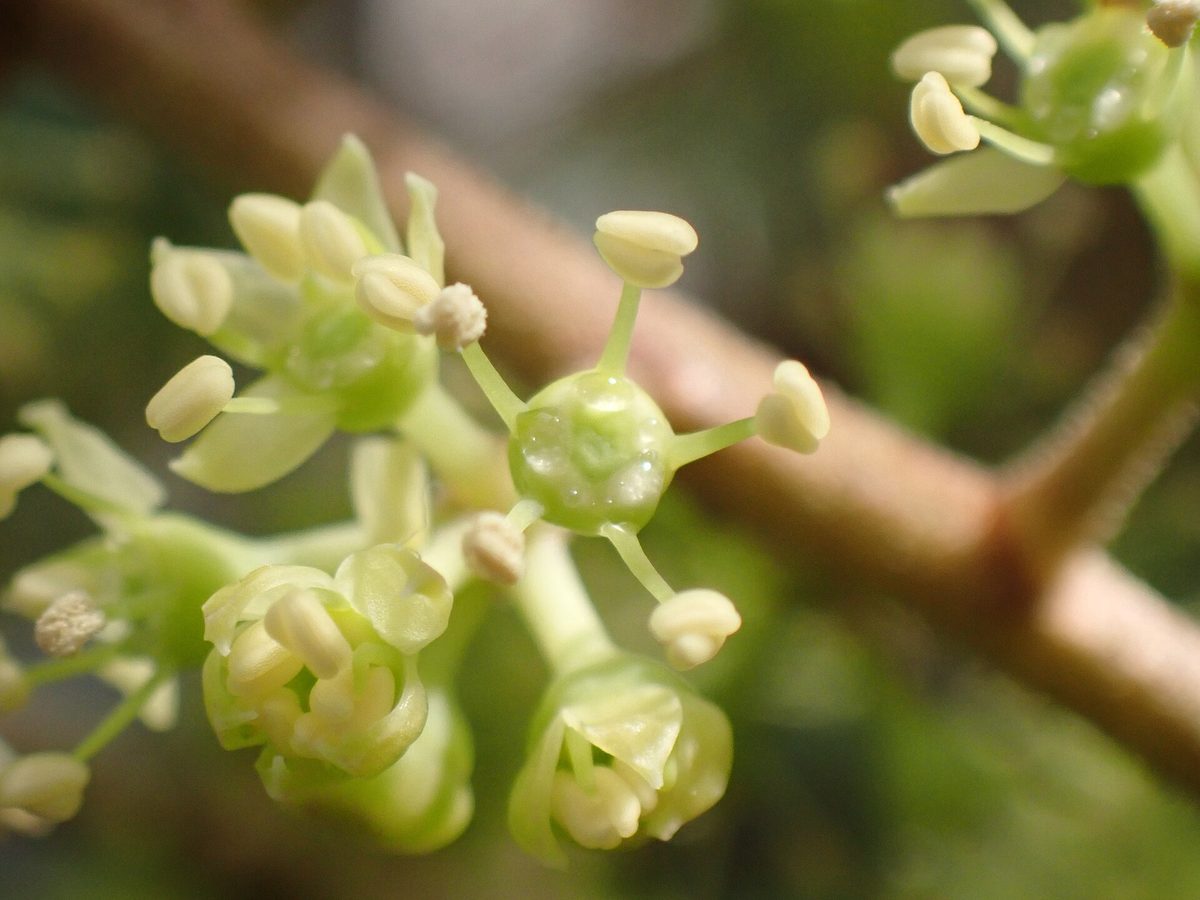
Dwarf Umbrella Tree
Heptapleurum arboricola
Zones 9b–12b · 4–6 ft (1.22–1.83 m) · Part shade, full shade and full sun (part shade preferred)
-
Shoeblackplant
Hibiscus × rosa-sinensis
Zones 9a–11b · 3.9–10 ft (1.2–3.05 m) · Full sun and part shade (full sun preferred)
-
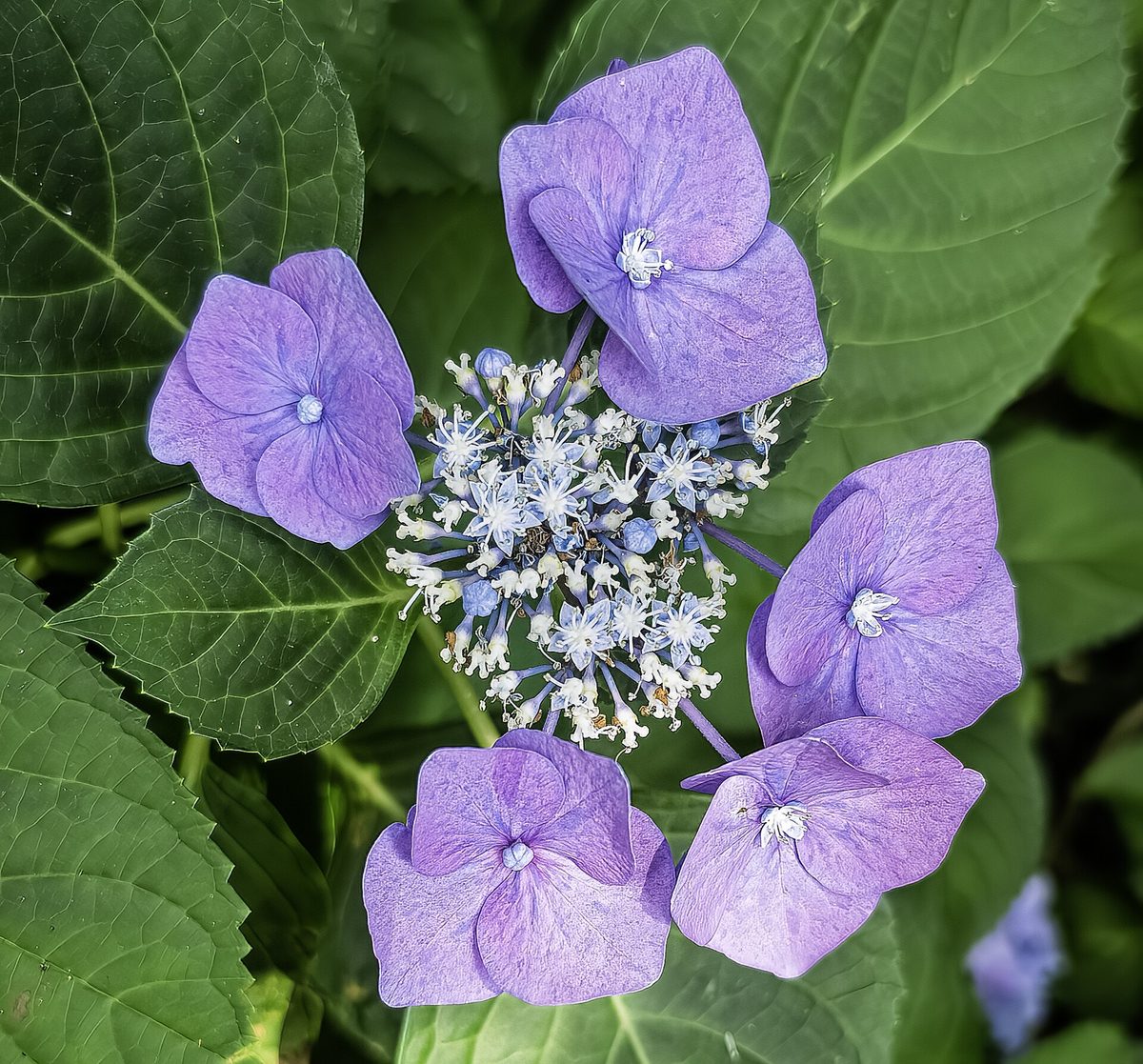
French Hydrangea
Hydrangea macrophylla
Zones 6a–11b · 3–6 ft (0.91–1.83 m) · Part shade and full shade (part shade preferred)
-
-
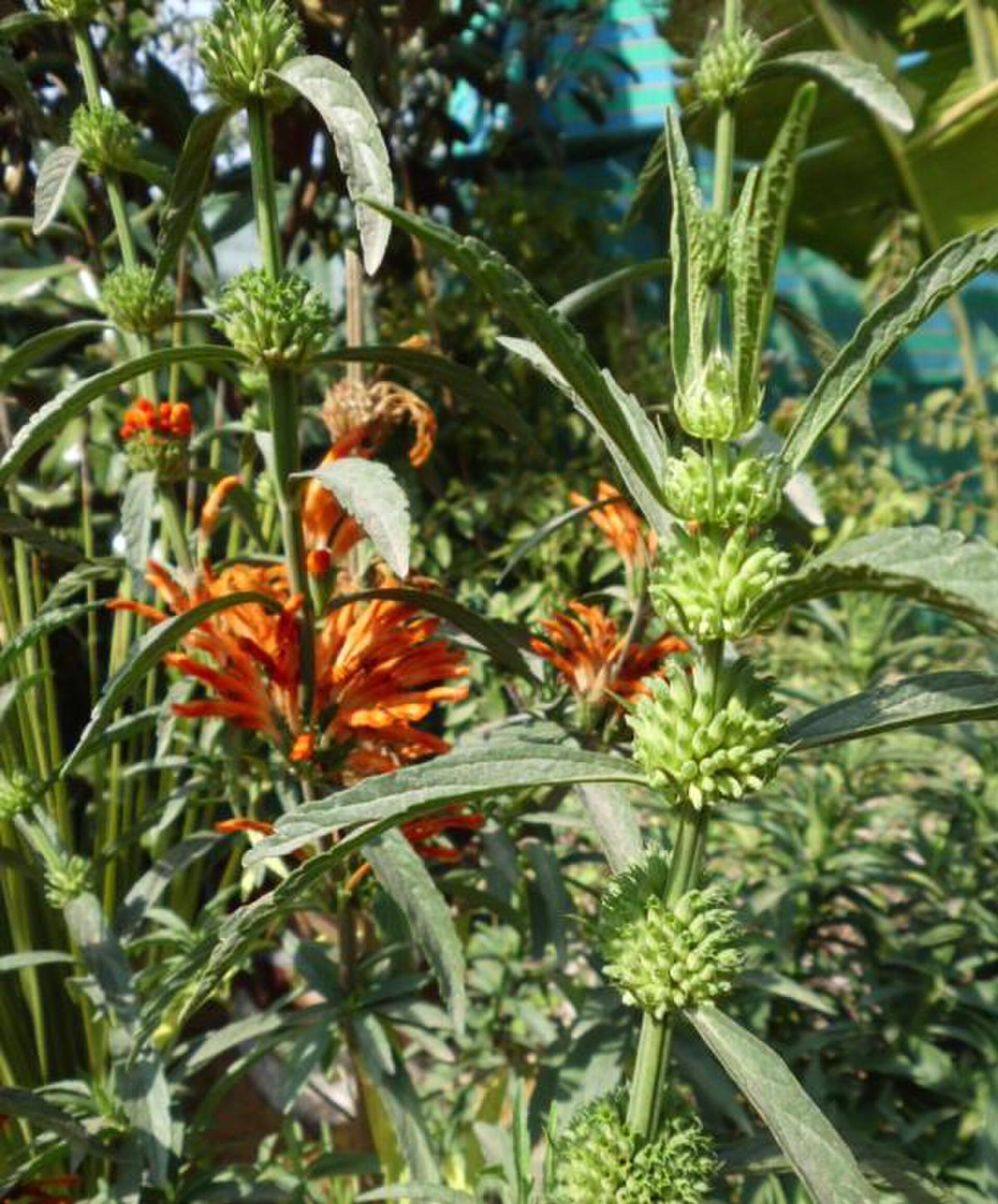
Lion's Ear
Leonotis leonurus
Zones 8a–11b · 3–6 ft (0.91–1.83 m) · Full sun and part shade (full sun preferred)
-
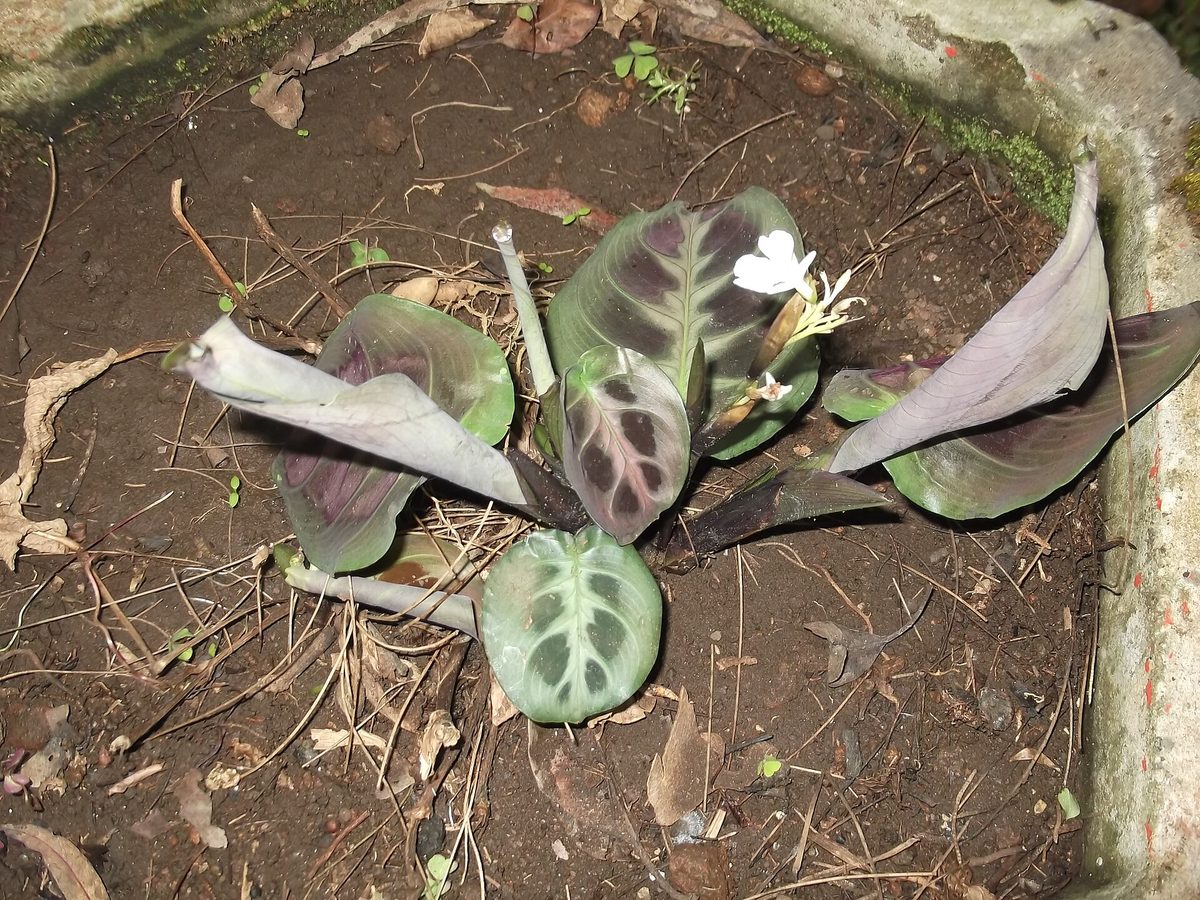
Prayerplant
Maranta leuconeura
Zones 11a–11b · 0.5–1 ft (0.15–0.3 m) · Part shade and full shade (part shade preferred)
-
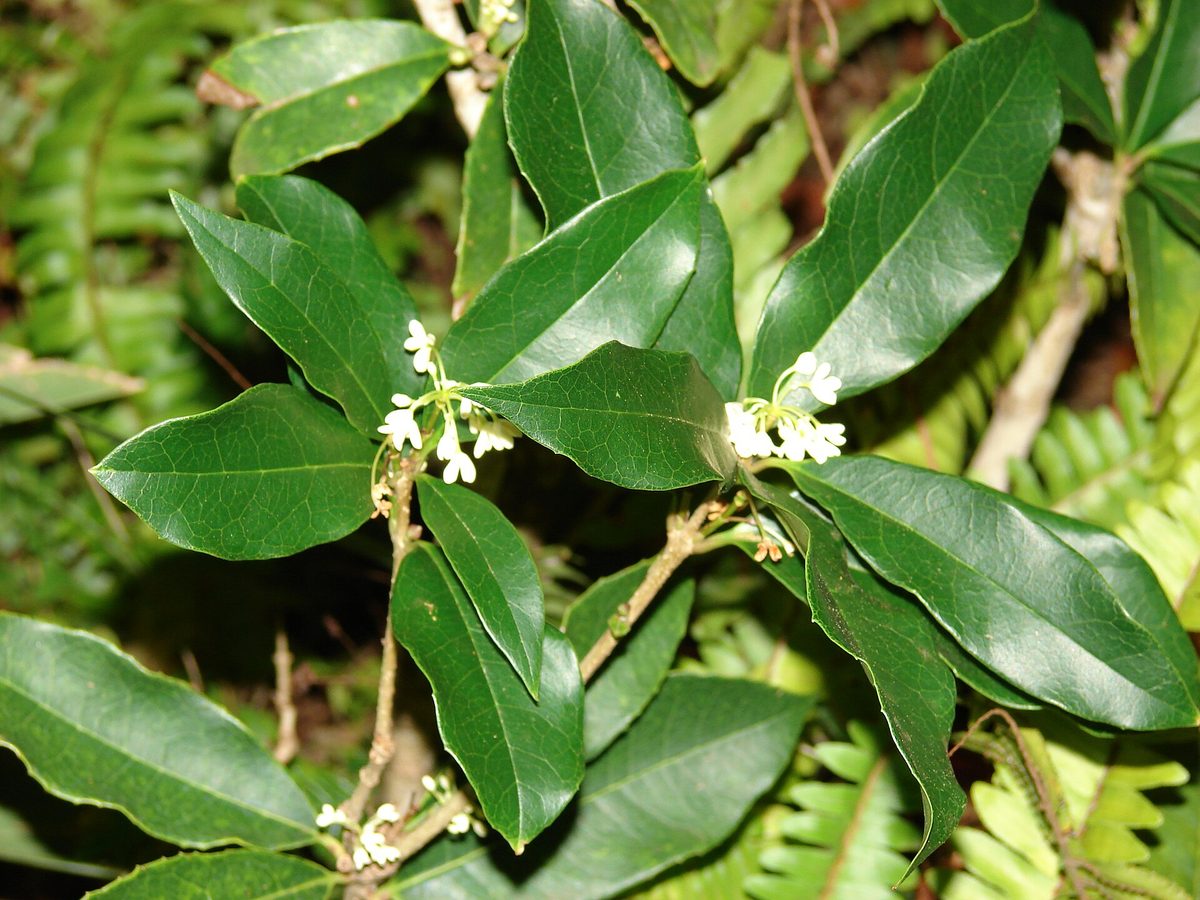
Sweet Osmanthus
Osmanthus fragrans
Zones 8a–11b · 10–12 ft (3.05–3.66 m) · Full sun and part shade (full sun preferred)
-
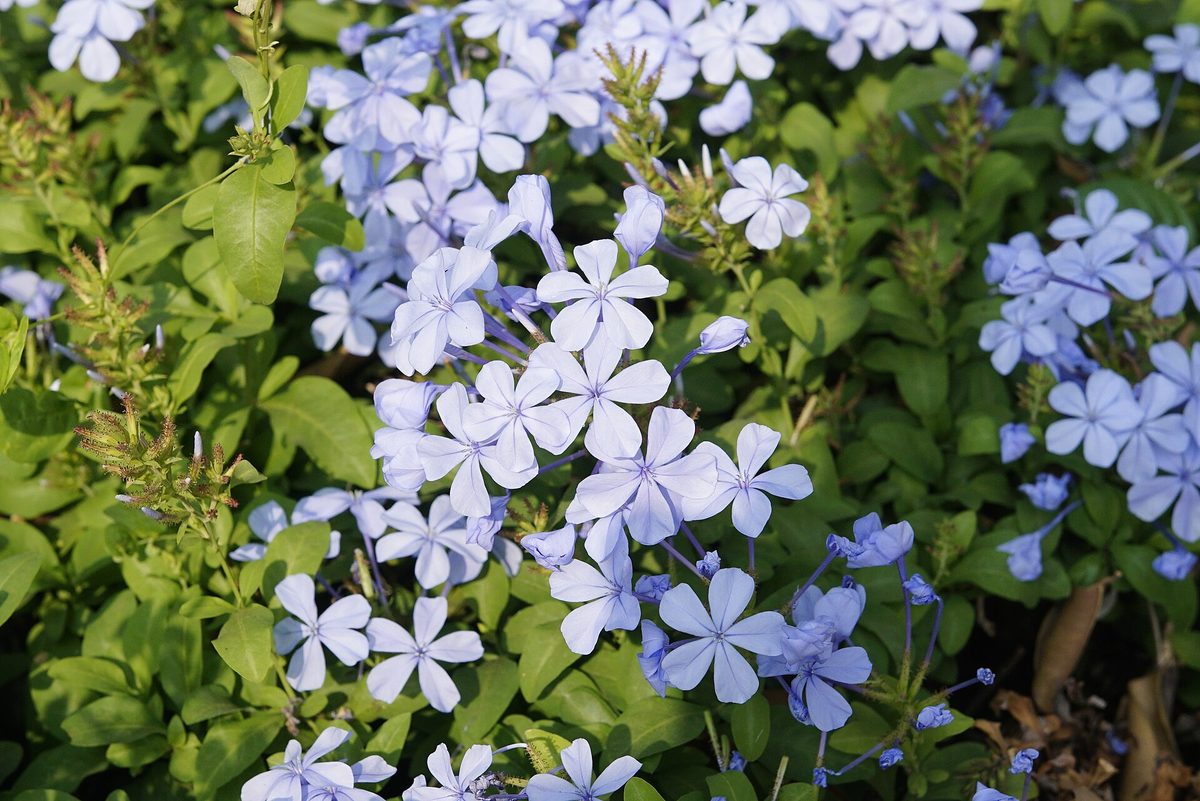
Cape Leadwort
Plumbago auriculata
Zones 9a–11b · 6–10 ft (1.83–3.05 m) · Full sun and part shade (full sun preferred)
-
-
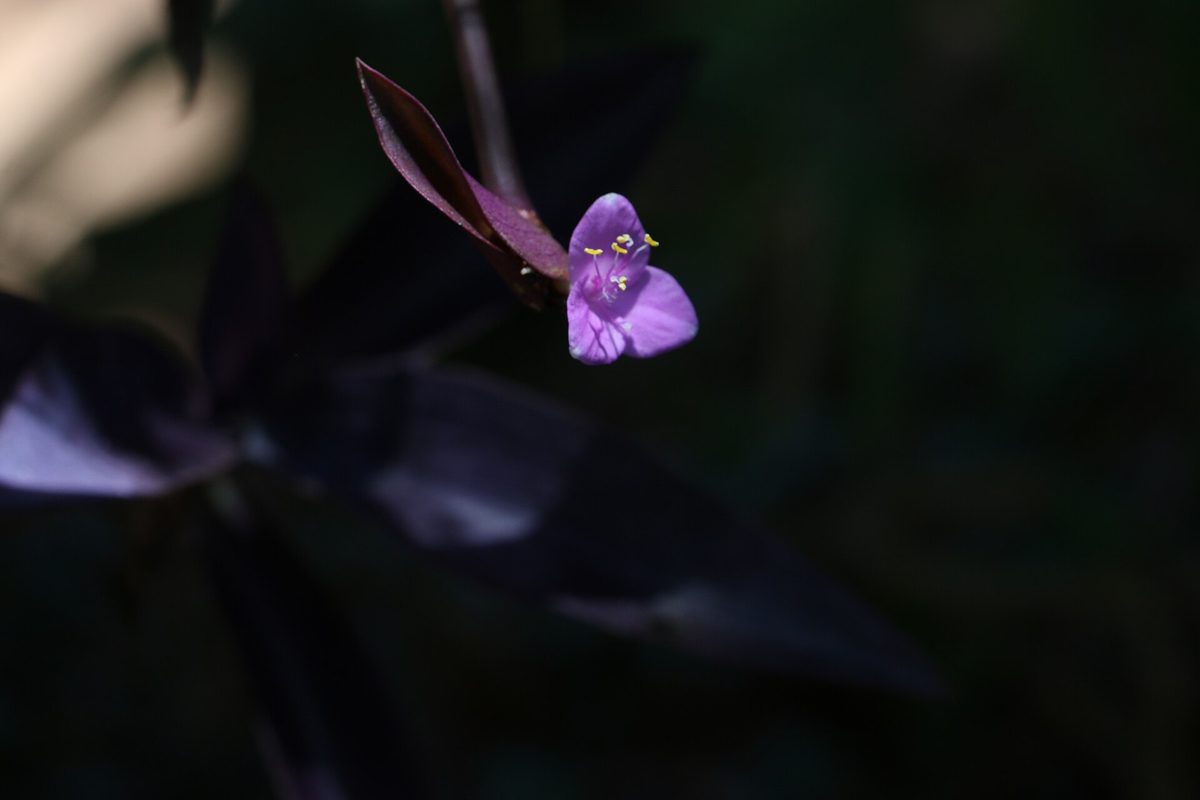
Purple Queen
Tradescantia pallida
Zones 10a–11b · 1 ft (0.3 m) · Full sun and part shade (full sun preferred)
-
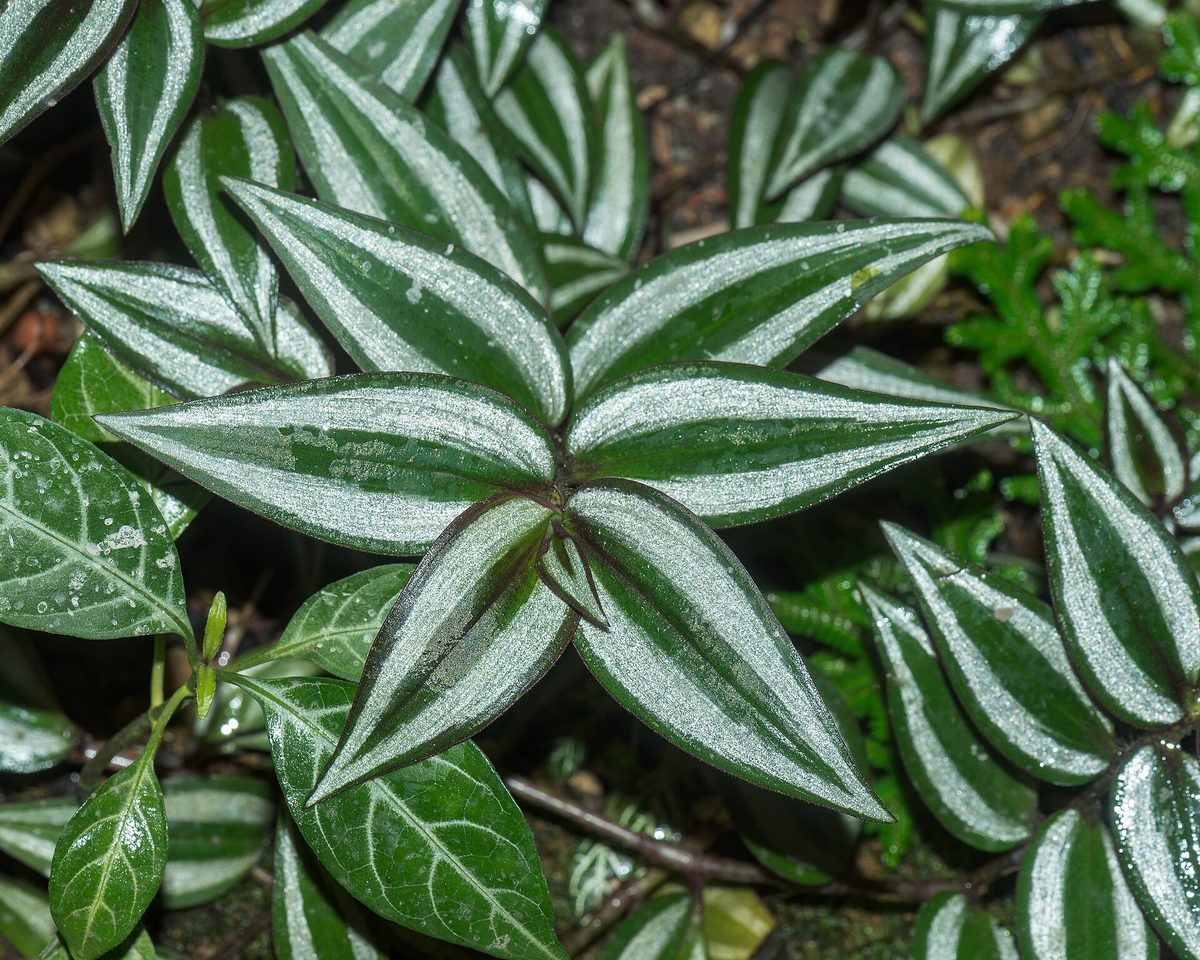
Inchplant
Tradescantia zebrina
Zones 9a–11b · 0.5–0.8 ft (0.15–0.23 m) · Full sun and part shade (full sun preferred)
-
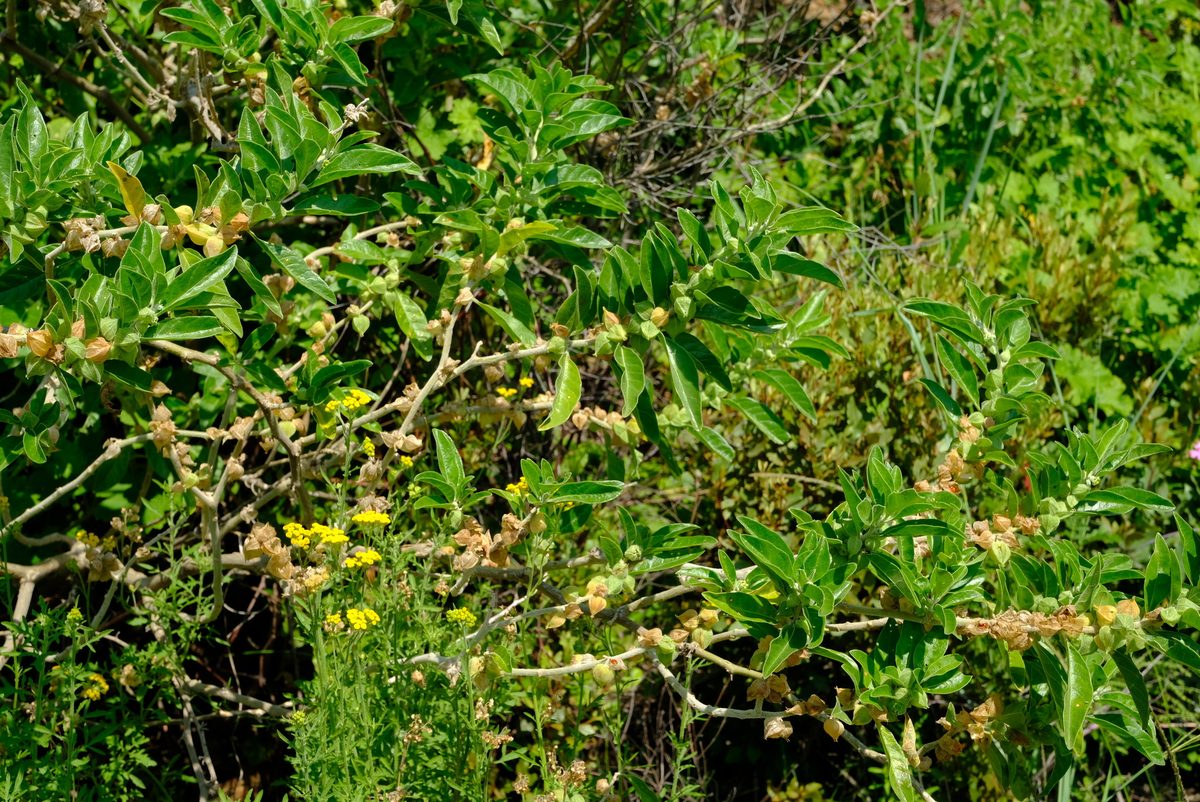
Withania
Withania somnifera
Zones 8a–12b · 3 ft (0.91 m) · Full sun
How we chose
A shrub, and hardy through at least zone 11a according to the cited sources
Photo credits
- Paperflower photo by পাপৰি বৰা, CC BY-SA 4.0 via Wikimedia Commons
- Pride-of-Barbados photo by Bdaize Holgooa, CC BY-SA 4.0 via Wikimedia Commons
- Night Jessamine photo by T r i v, CC BY-SA 2.0 via Wikimedia Commons
- Parlor Palm photo by Yercaud-elango, CC BY-SA 4.0 via Wikimedia Commons
- Garden Croton photo by Joydeep, CC BY-SA 3.0 via Wikimedia Commons
- Arabian Coffee photo by A S M Jobaer, CC BY-SA 4.0 via Wikimedia Commons
- Common Coleus photo by colorishappiness from New York, USA, CC BY 2.0 via Wikimedia Commons
- Jade Plant photo by W.carter, CC0 via Wikimedia Commons
- Sago Palm photo by Fawaz.tairou, CC BY 4.0 via Wikimedia Commons
- Fragrant Dracaena photo by Tournasol7, CC BY 4.0 via Wikimedia Commons
- Golden Dewdrops photo by O Tupinólogo, CC BY 4.0 via Wikimedia Commons
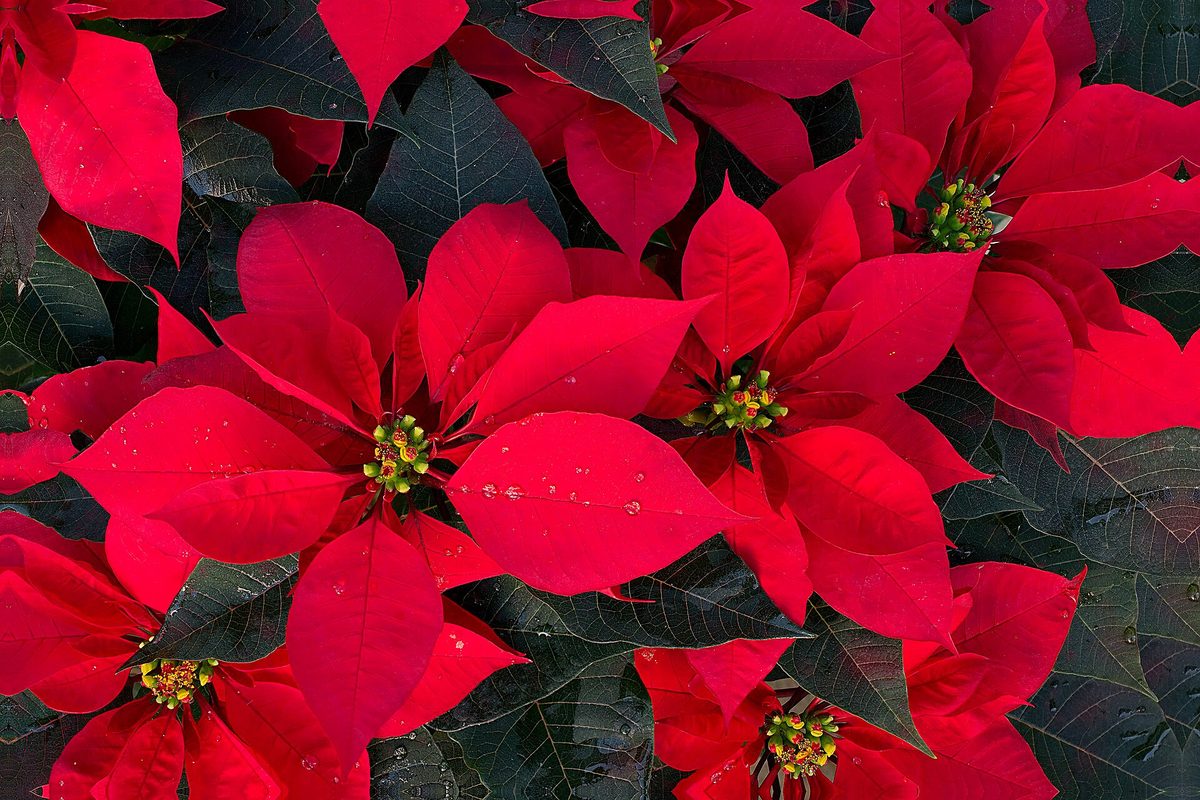
- Poinsettia photo by Carlos Valenzuela, CC BY-SA 4.0 via Wikimedia Commons
- Cape Jasmine photo by 阿橋 HQ, CC BY-SA 2.0 via Wikimedia Commons
- Dwarf Umbrella Tree photo by M108t, CC BY 4.0 via Wikimedia Commons
- French Hydrangea photo by Didier Descouens, CC BY-SA 4.0 via Wikimedia Commons
- Lantana photo by Petro Stelte, CC BY-SA 4.0 via Wikimedia Commons
- Lion's Ear photo by Hatem moushir, CC BY-SA 3.0 via Wikimedia Commons
- Prayerplant photo by Yercaud-elango, CC BY-SA 4.0 via Wikimedia Commons
- Sweet Osmanthus photo by Forest & Kim Starr, CC BY 3.0 via Wikimedia Commons
- Cape Leadwort photo by Vengolis, CC BY-SA 4.0 via Wikimedia Commons
- Eggplant photo by Joydeep, CC BY-SA 3.0 via Wikimedia Commons
- Purple Queen photo by V C Balakrishnan, CC BY-SA 4.0 via Wikimedia Commons
- Inchplant photo by Flocci Nivis, CC BY 4.0 via Wikimedia Commons
- Withania photo by botaneek, CC BY-SA 4.0 via Wikimedia Commons


How this page was made
- Written with AI assistance from the sources listed on this page. AI is never the source of a fact.