Ilang-ilang (Cananga odorata)
Formerly Canangium odoratum, Unona odorata, Uvaria odorata
Keep ilang-ilang, Cananga odorata, in bright, indirect light, and give it high humidity. It is toxic to cats, as Pet Poison Helpline lists ylang ylang oil among oils known to poison them, but dog toxicity is not documented. It is a tree that can reach 100 ft (30 m) in tropical humid climates.
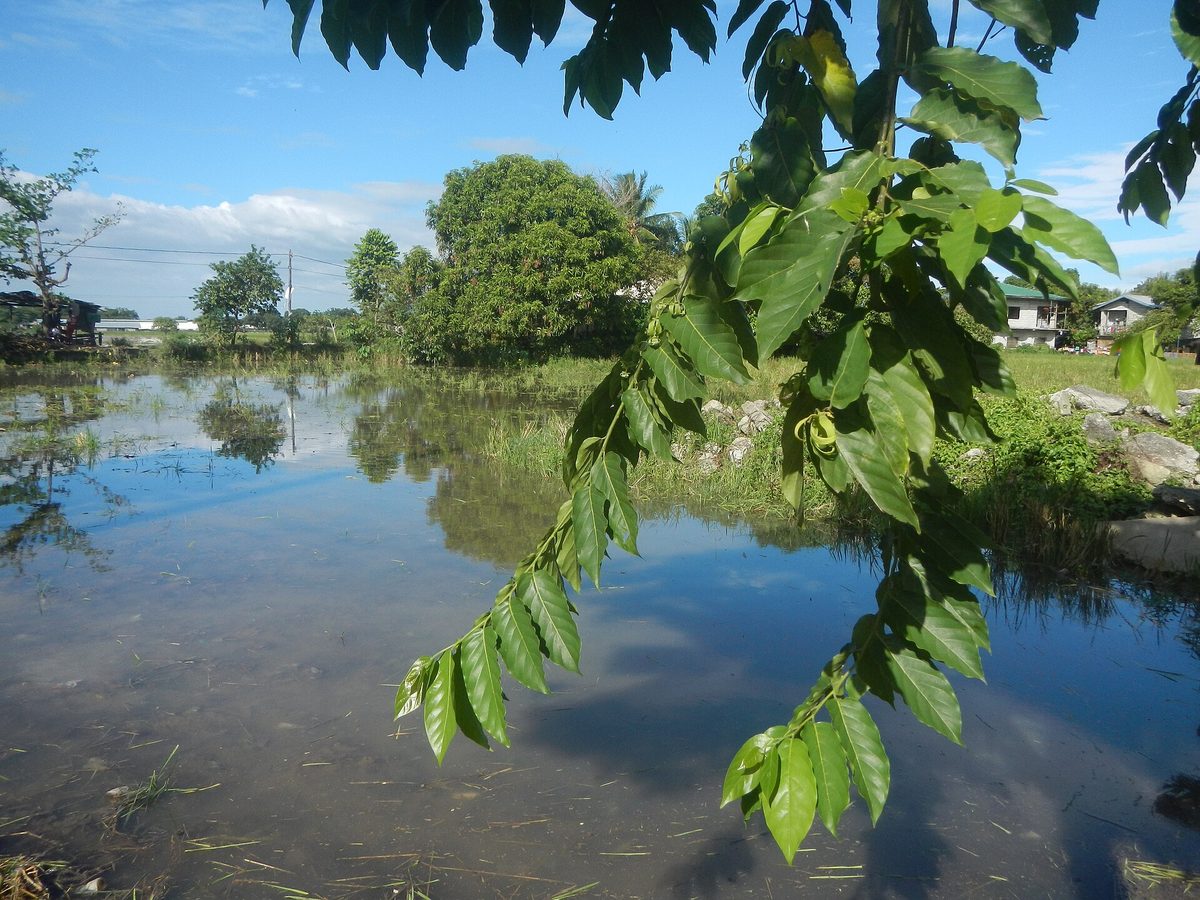
Photo: Judgefloro, CC0 via Wikimedia Commons

Quick facts
| Light: | Bright, indirect light11 source |
|---|---|
| Size: | 100–100.1 ft (30.48–30.5 m)11 source |
| Bloom: | May–Jun, Jul–Aug and Nov–Dec, Yellow and green1Not documented by major sources |
| Cats: | Toxic to cats (1 source) 2 |
| Dogs: | Not documented by major sources |
| Native range: | BOR, JAW, LSI, MLY, NWG, PHI, QLD, SOL, SUL, SUM, THA, VIE3 |
| Family: | Annonaceae |
How much light does an Ilang-ilang need?
Indoors, ilang-ilang (Cananga odorata) is listed for bright, indirect light. The record names no other indoor light level that the plant tolerates, and no outdoor light level at all. Bright, indirect light is paired with high humidity in the care guidance. It is recorded as a tree rated for USDA zones 9a–11b.
- Light: Bright, indirect light1
Temperature and humidity
Ilang-ilang needs high humidity. Outdoors, it is rated for USDA zones 9a–11b, and no minimum temperature is recorded. The tree can grow to 100 ft (30 m) in tropical humid climates. Its listed native range covers the region codes BOR, JAW, LSI, MLY, NWG, PHI, QLD, SOL, SUL, SUM, THA and VIE. In Puerto Rico, it is recorded as introduced.
- Humidity: High1
Is Ilang-ilang toxic to cats and dogs?
Ilang-ilang is toxic to cats, while its toxicity for dogs is not documented. Pet Poison Helpline lists ylang ylang oil among the essential oils known to cause poisoning in cats, alongside oil of wintergreen, oil of sweet birch, citrus oil and pine oils. The listing concerns the oil, and no parts of the plant itself are named.
Recommended supplies
- Light: bright, indirect light, such as near an east window; a full-spectrum grow light substitutes where no window does.
- Humidity: it wants humid air; a pebble tray or a humidifier is the usual fix.
Questions and answers
- Does ilang-ilang need bright light?
- Ilang-ilang is listed for bright, indirect light indoors. It is also listed as needing high humidity. No other indoor light level is recorded as tolerated for the plant.
- Is ilang-ilang toxic to cats?
- This plant is recorded as toxic to cats. Pet Poison Helpline lists ylang ylang oil among essential oils known to cause poisoning in cats, and dog toxicity is not documented here.
- What color are ilang-ilang flowers?
- The flowers emerge lime green and mature to lemon yellow. It is a tree that can grow to 100 ft (30 m) in tropical humid climates. It is rated for USDA zones 9a–11b outdoors.
Sources
- Chicago Botanic Garden. https://www.chicagobotanic.org/plant-information/plant-finder/cananga-odorata-ylang-ylang-tree. Accessed 28 October 2026.
- Pet Poison Helpline. https://www.petpoisonhelpline.com/uncategorized/essential-oils-cats/. Accessed 14 October 2026.
- Royal Botanic Gardens, Kew (World Checklist of Vascular Plants). https://sftp.kew.org/pub/data-repositories/WCVP/wcvp.zip. Accessed 4 June 2026.
How this page was made
- Written with AI assistance from the sources listed on this page. AI is never the source of a fact.