Trees for zone 11
USDA Hardiness Zone 11 is the warmest band in the US zone system. The zone number comes from one thing only: the average lowest temperature a place reaches in winter. It says nothing about summer heat, rainfall, or soil. Two yards in zone 11 can still need different care for those reasons. This page lists 23 trees grouped under the trees category for zone 11. Each tree here is matched to zone 11's winter minimum in this site's data. That match is the reason for its place on the list, not a ranking above the other trees. This list is not a ranking, and it does not cover every tree that can grow in zone 11. It only shows the trees this site currently tracks for the zone. Check your own site's conditions before you plant any tree from this list. A sheltered courtyard or an exposed hillside can run warmer or colder than the zone average. Treat the zone number as a first check on whether a tree can survive your winter outdoors. Then look at each tree's own page for details the zone number leaves out, like light, water, and soil needs. The notes below name each tree in this group and how it fits into the zone 11 list.
Compared side by side
| Plant | Hardiness | Height | Light | Cats | Dogs |
|---|---|---|---|---|---|
| Norfolk Island PineAraucaria heterophylla | NC State Extension Gardener Plant Toolbox also lists 9a-11b | 60–80.1 ft (18.3–24.4 m) | Full sun | Non-toxic | Non-toxic |
| Pride-of-BarbadosCaesalpinia pulcherrima | Zones 9a–11b | 10–20 ft (3.05–6.1 m) | Full sun and part shade (full sun preferred) | Toxic (1 source) | Toxic (1 source) |
| CamphortreeCamphora officinarum | Zones 9b–11b | 40–50 ft (12.19–15.24 m) | Full sun and part shade (full sun preferred) | Toxic (1 source) | Not documented |
| Ilang-ilangCananga odorata | Zones 9a–11b | 100–100.1 ft (30.48–30.5 m) | Full sun and part shade | Toxic (1 source) | Not documented |
| Golden ShowerCassia fistula | Not documented | 29.9–40 ft (9.1–12.2 m) | Full sun | Not documented | Not documented |
| CinnamonCinnamomum verum | Zones 10a–12b | 30–50 ft (9.14–15.24 m) | Full sun and part shade (full sun preferred) | Non-toxic | Non-toxic |
| Arabian CoffeeCoffea arabica | NC State Extension Gardener Plant Toolbox also lists 10a-12b | 6–15 ft (1.83–4.57 m) | Part shade and full sun (part shade preferred) | Toxic (1 source) | Toxic (1 source) |
| Royal PoincianaDelonix regia | Zones 10b–11b | 35–40 ft (10.67–12.19 m) | Full sun | Not documented | Not documented |
| Golden DewdropsDuranta erecta | Zones 9a–11b | 18 ft (5.49 m) | Full sun and part shade (full sun preferred) | Toxic (1 source) | Toxic (1 source) |
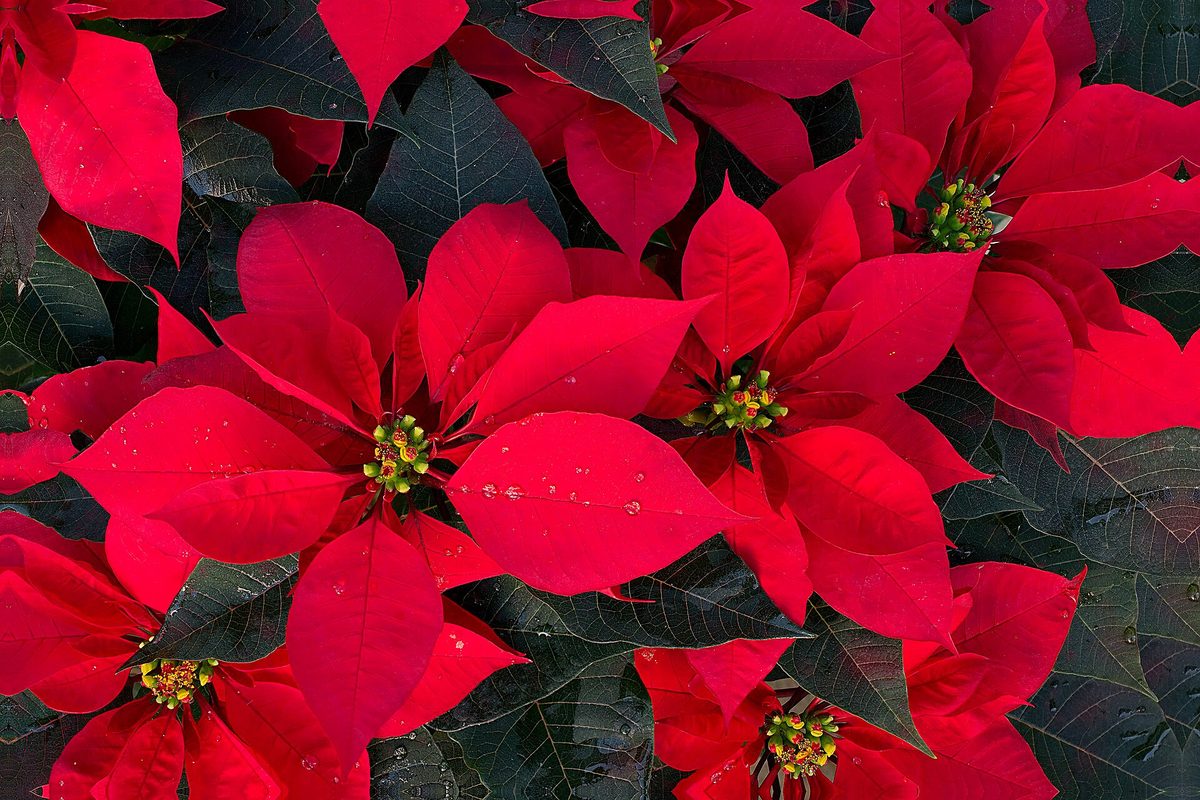
| PoinsettiaEuphorbia pulcherrima | Zones 9a–11b | 3–12 ft (0.91–3.66 m) | Part shade | Toxic | Toxic |
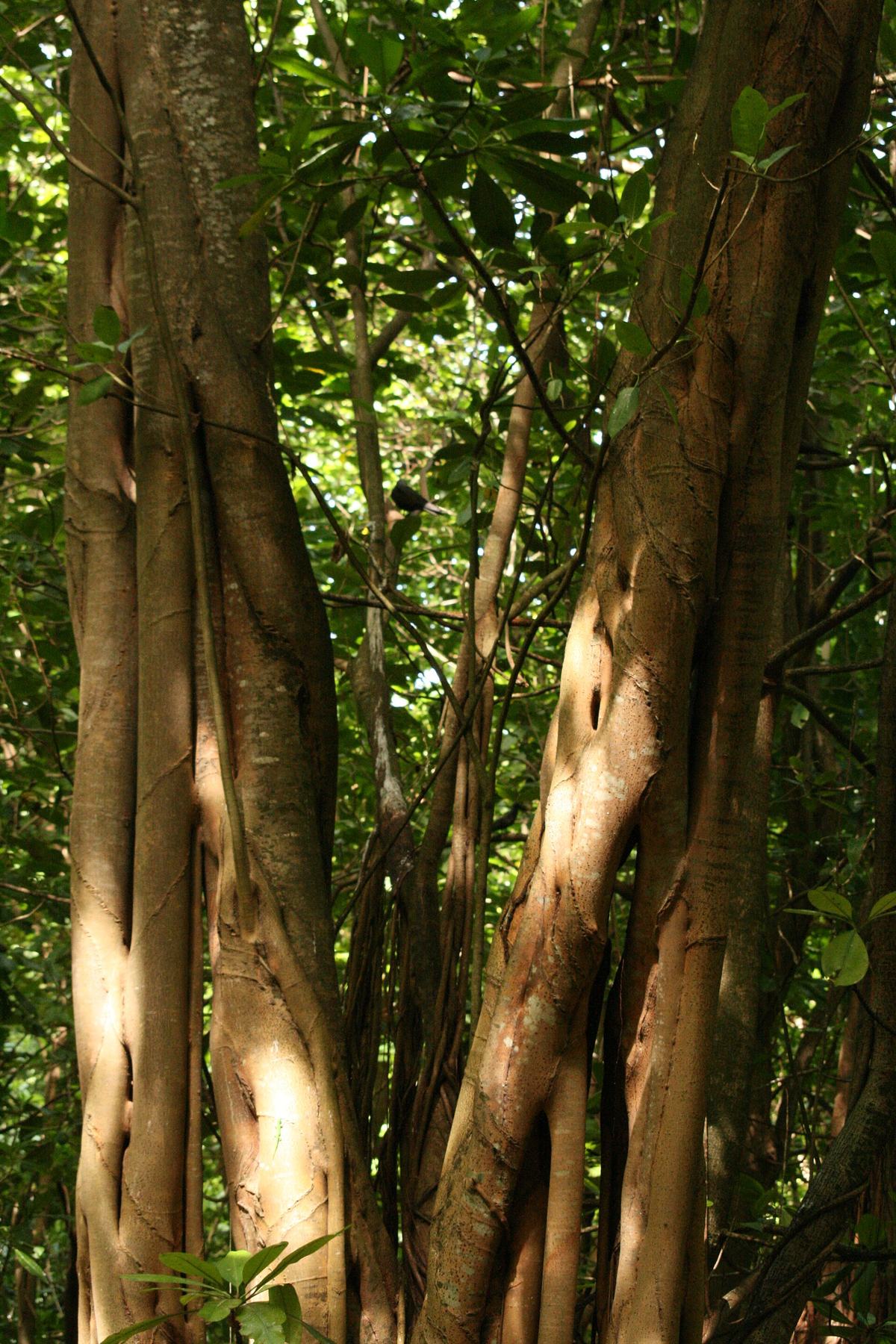
| Indian BanyanFicus benghalensis | Zones 10a–12b | 100 ft (30.48 m) | Full sun and part shade (full sun preferred) | Not documented | Not documented |
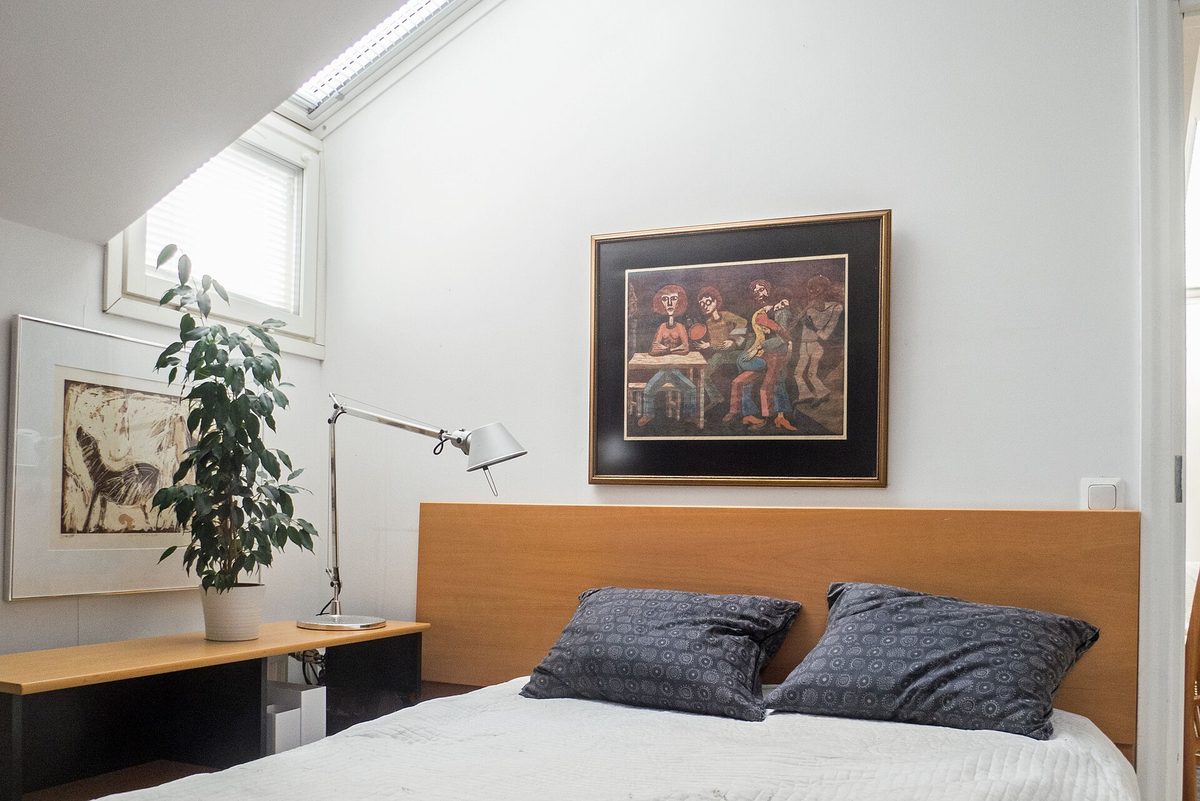
| Weeping FigFicus benjamina | NC State Extension Gardener Plant Toolbox also lists 10a-12b | 40–60 ft (12.19–18.29 m) | Full sun, part shade and full shade (full sun preferred) | Toxic | Toxic |
| Rubber PlantFicus elastica | Zones 9a–12b | 35–45 ft (10.67–13.72 m) | Full sun, part shade and full shade (part shade preferred) | Toxic | Toxic |
| Fiddle Leaf FigFicus lyrata | Zones 10a–12b | Sources differ: NC State Extension Gardener Plant Toolbox; University of Florida IFAS Extension (EDIS); NC State Extension Gardener Plant Toolbox; University of Florida IFAS Extension (EDIS); NC State Extension Gardener Plant Toolbox; University of Florida IFAS Extension (EDIS) | Full sun and part shade (part shade preferred) | Toxic | Toxic |
| Chinese BanyanFicus microcarpa | Zones 9a–11b | 2–50 ft (0.61–15.24 m) | Full sun and part shade (full sun preferred) | Not documented | Not documented |
| Black PouiJacaranda mimosifolia | Zones 9b–13b | 25–50 ft (7.62–15.24 m) | Full sun and part shade (full sun preferred) | Non-toxic | Non-toxic |
| Pride of IndiaLagerstroemia speciosa | Zones 10b–11b | 30–60 ft (9.14–18.29 m) | Full sun | Not documented | Not documented |
| MangoMangifera indica | Zones 10b–11b | Sources differ: University of Florida IFAS Extension (EDIS); University of Florida IFAS Extension (EDIS) | Full sun | Not documented | Not documented |
| SapodillaManilkara zapota | Zones 10b–11b | Sources differ: UF/IFAS EDIS; UF/IFAS EDIS | Full sun | Not documented | Not documented |
| Guiana-chestnutPachira aquatica | Zones 10a–12b | 6–30 ft (1.83–9.14 m) | Part shade | Not documented | Not documented |
| Italian Stone PinePinus pinea | Zones 7a–11b | 40–60 ft (12.19–18.29 m) | Full sun | Not documented | Not documented |
| Cabbage PalmettoSabal palmetto | Zones 7b–11b | Sources differ: USDA Forest Service Fire Effects Information System; Lady Bird Johnson Wildflower Center; Lady Bird Johnson Wildflower Center; Clemson Cooperative Extension Home & Garden Information Center; Clemson Cooperative Extension Home & Garden Information Center; Clemson Cooperative Extension HGIC; USDA Forest Service Fire Effects Information System; Clemson Cooperative Extension Home & Garden Information Center | Full sun and part shade (full sun preferred) | Not documented | Not documented |
| Bird-of-paradise -treeStrelitzia nicolai | Zones 10a–11b | 20–30 ft (6.1–9.14 m) | Part shade | Toxic (1 source) | Toxic (1 source) |
| Yellow TrumpetbushTecoma stans | Zones 10b–11b | 10–30 ft (3.05–9.14 m) | Full sun and part shade (full sun preferred) | Not documented | Not documented |
| Tropical AlmondTerminalia catappa | Zones 10b–11b | 29.9–55.1 ft (9.1–16.8 m) | Full sun | Not documented | Not documented |
The plants
-
Norfolk Island Pine
Araucaria heterophylla
NC State Extension Gardener Plant Toolbox also lists 9a-11b · 60–80.1 ft (18.3–24.4 m) · Full sun
Araucaria heterophylla is one of the 23 trees grouped on this zone 11 list. Its match to zone 11's winter minimum in this site's data is the reason it appears here, not a ranking against the other trees.
-
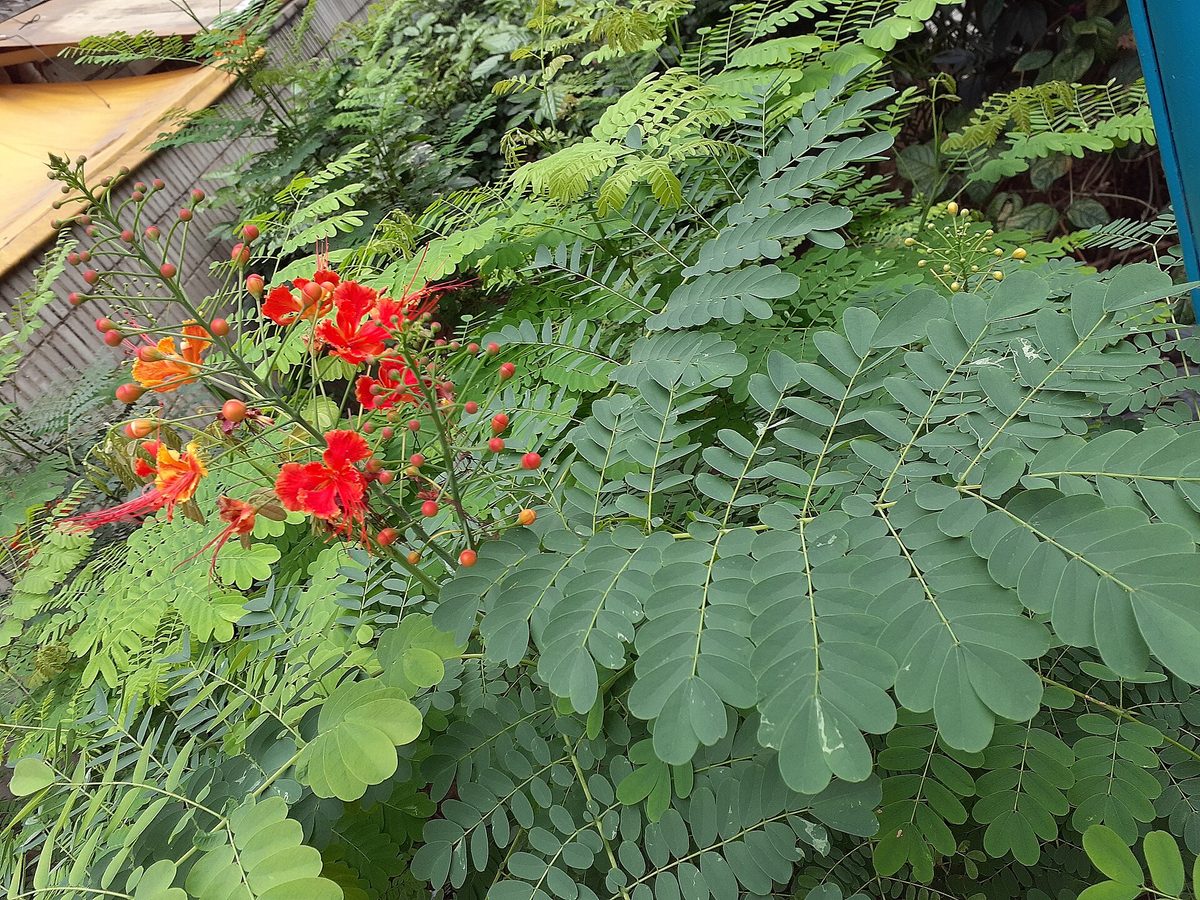
Pride-of-Barbados
Caesalpinia pulcherrima
Zones 9a–11b · 10–20 ft (3.05–6.1 m) · Full sun and part shade (full sun preferred)
This hub places Caesalpinia pulcherrima among the zone 11 trees because the site's data ties it to that zone's winter minimum. It sits alongside the other 22 trees here without any ranking between them.
-
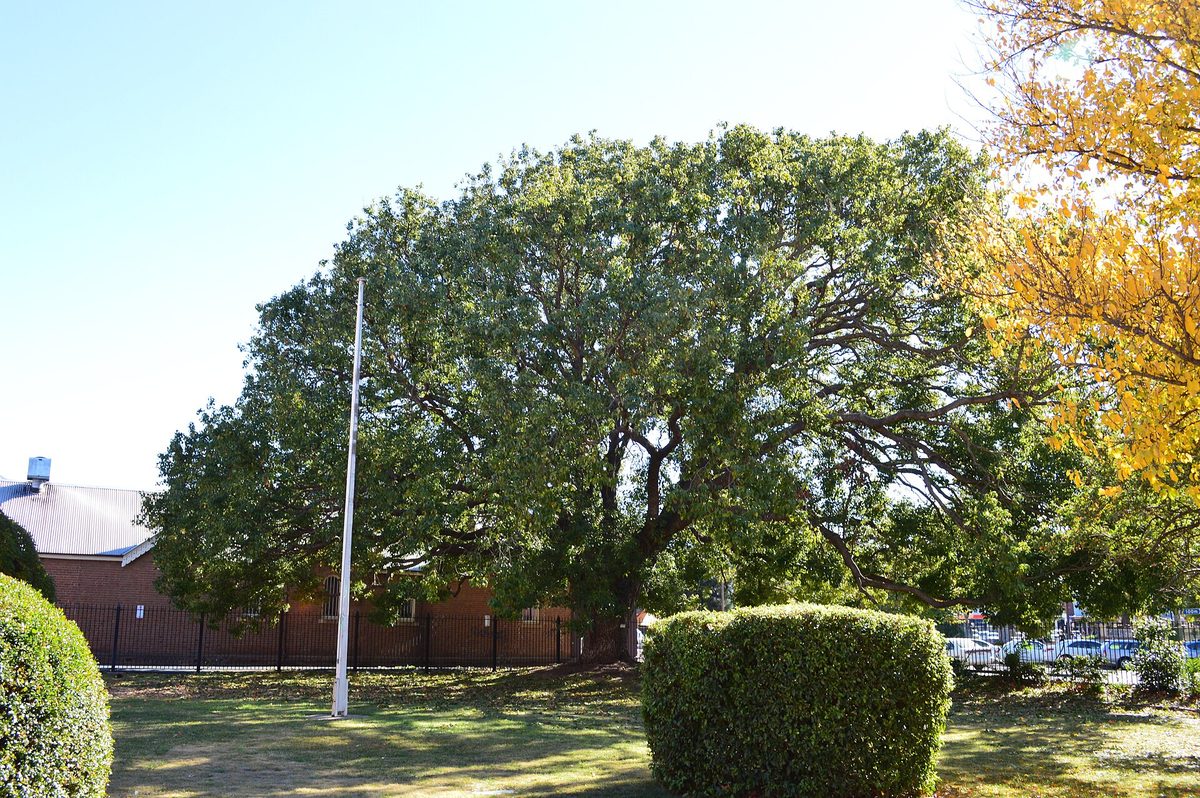
Camphortree
Camphora officinarum
Zones 9b–11b · 40–50 ft (12.19–15.24 m) · Full sun and part shade (full sun preferred)
Camphora officinarum made this zone 11 list as part of the trees group matched to the zone in this site's data. It is listed here alongside the rest without a comparison to any of the others.
-
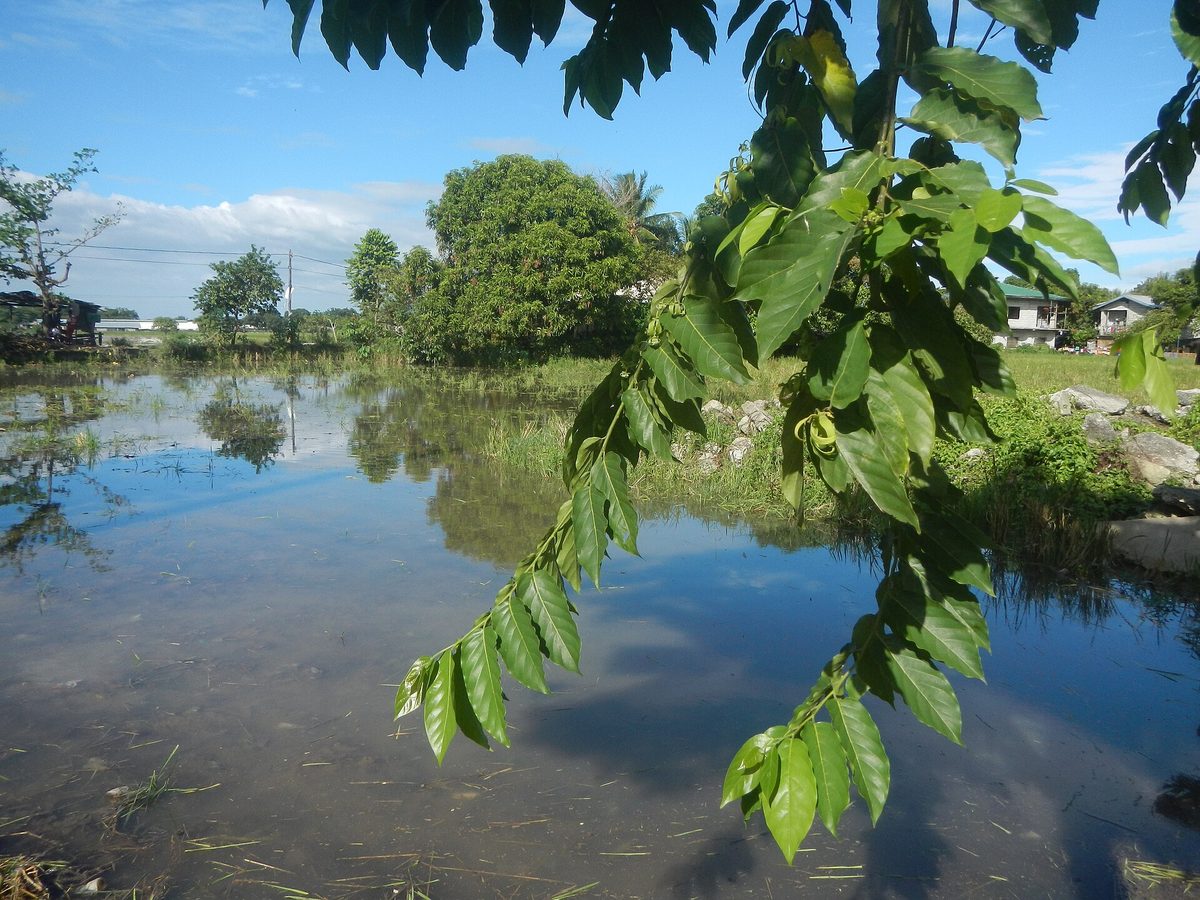
Ilang-ilang
Cananga odorata
Zones 9a–11b · 100–100.1 ft (30.48–30.5 m) · Full sun and part shade
Cananga odorata sits on this page because the dataset places it in the zone 11 trees grouping. That grouping is the only reason given for its place on the list.
-
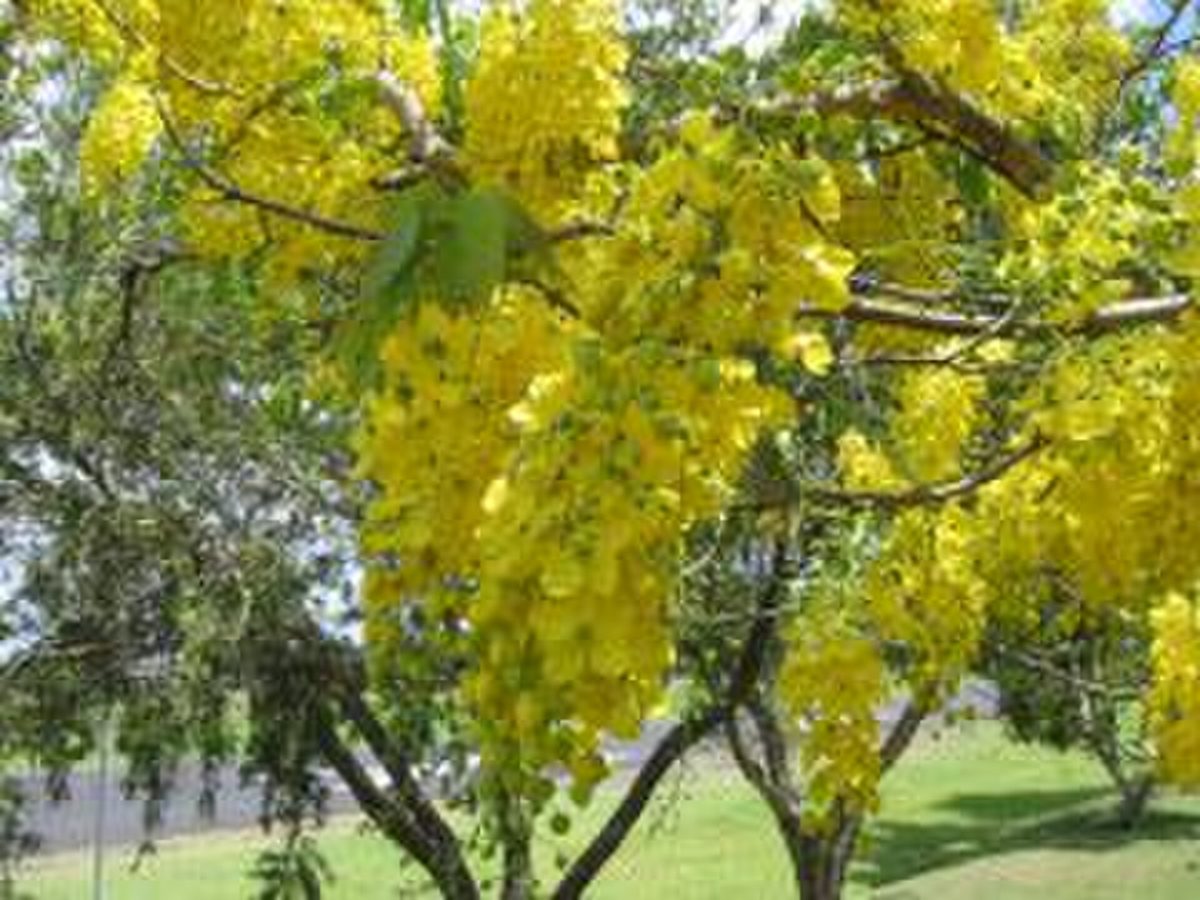
Golden Shower
Cassia fistula
29.9–40 ft (9.1–12.2 m) · Full sun
-
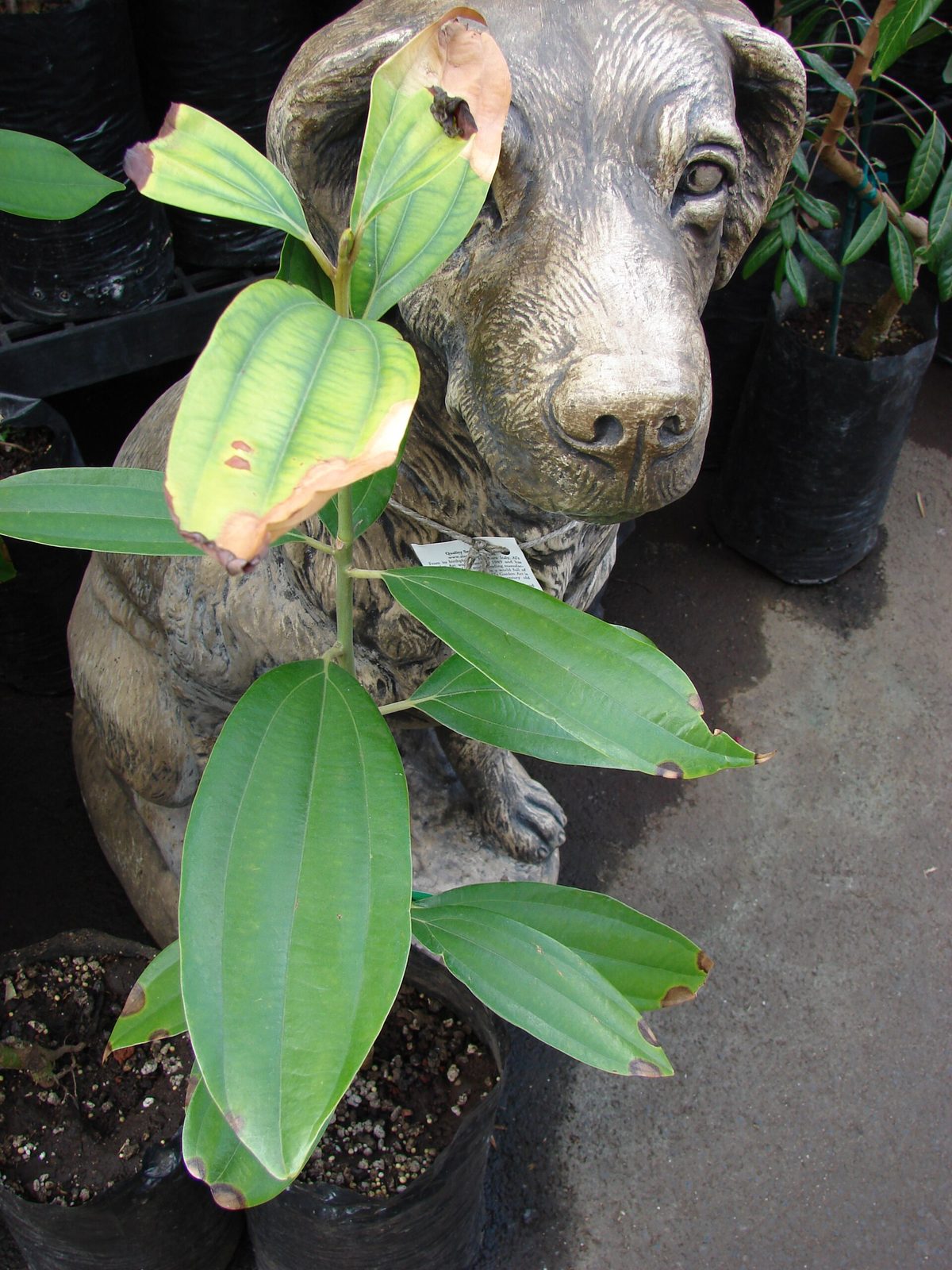
Cinnamon
Cinnamomum verum
Zones 10a–12b · 30–50 ft (9.14–15.24 m) · Full sun and part shade (full sun preferred)
Cinnamomum verum is counted as a zone 11 tree in this site's data, part of the same trees group as the rest of this list. No other claim is made about it here.
-
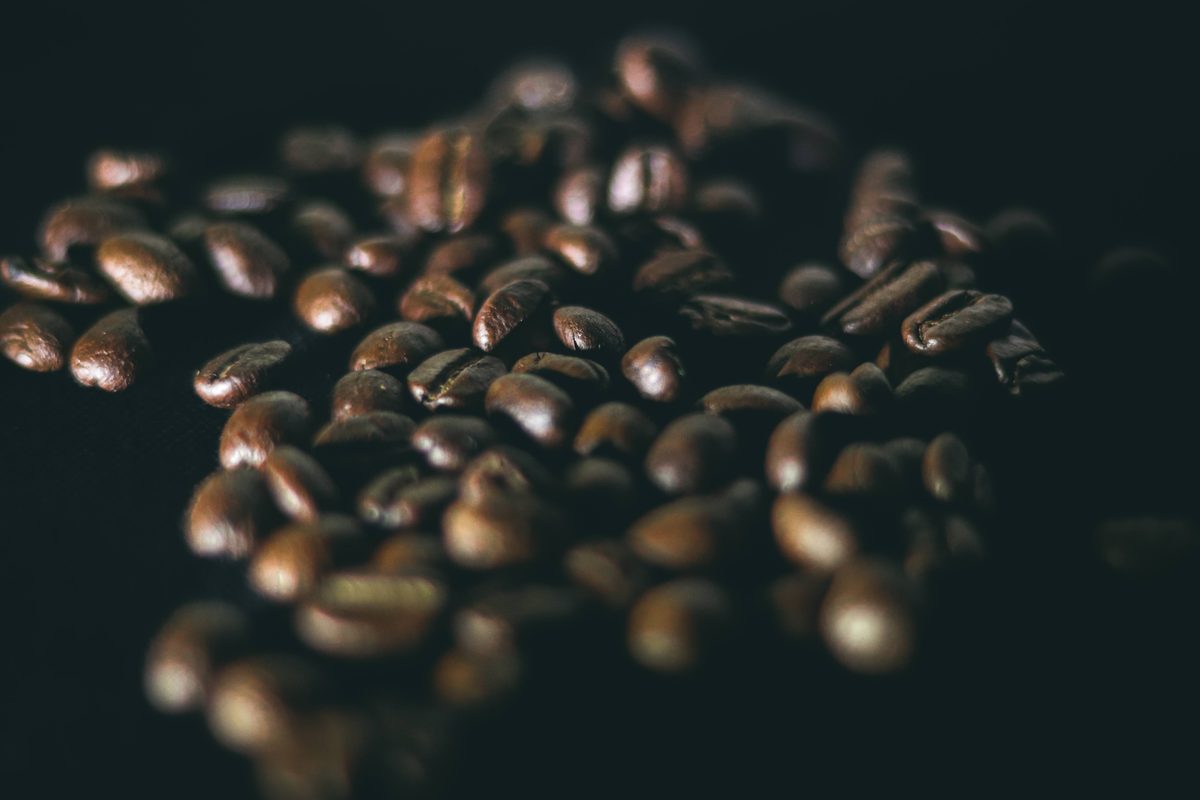
Arabian Coffee
Coffea arabica
NC State Extension Gardener Plant Toolbox also lists 10a-12b · 6–15 ft (1.83–4.57 m) · Part shade and full sun (part shade preferred)
Coffea arabica belongs to this zone 11 roundup as one of the trees the site matches to the zone. Its inclusion rests on that match alone, not on any ranking.
-
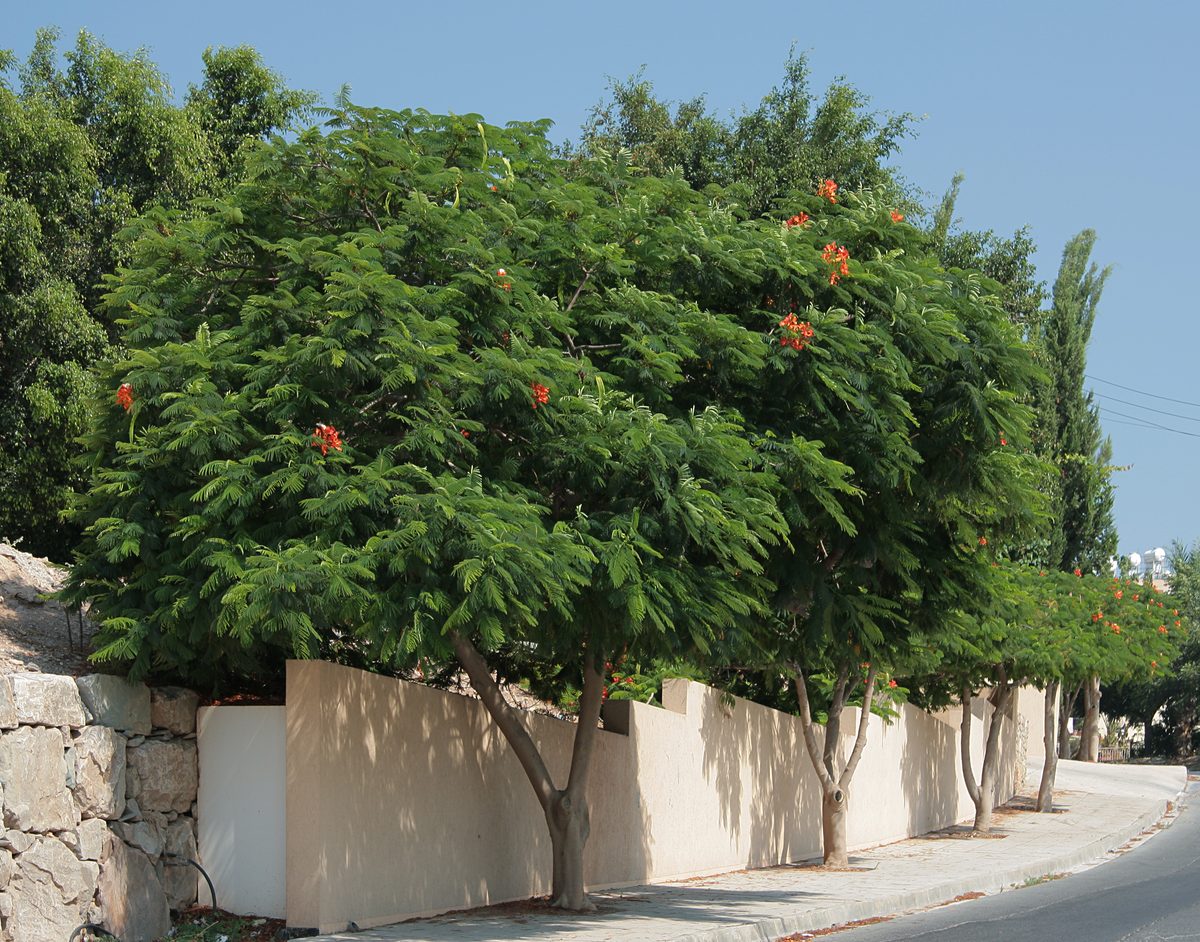
Royal Poinciana
Delonix regia
Zones 10b–11b · 35–40 ft (10.67–12.19 m) · Full sun
Delonix regia is grouped here with the other zone 11 trees in this hub's dataset. The grouping comes from a zone match in the data, nothing more.
-
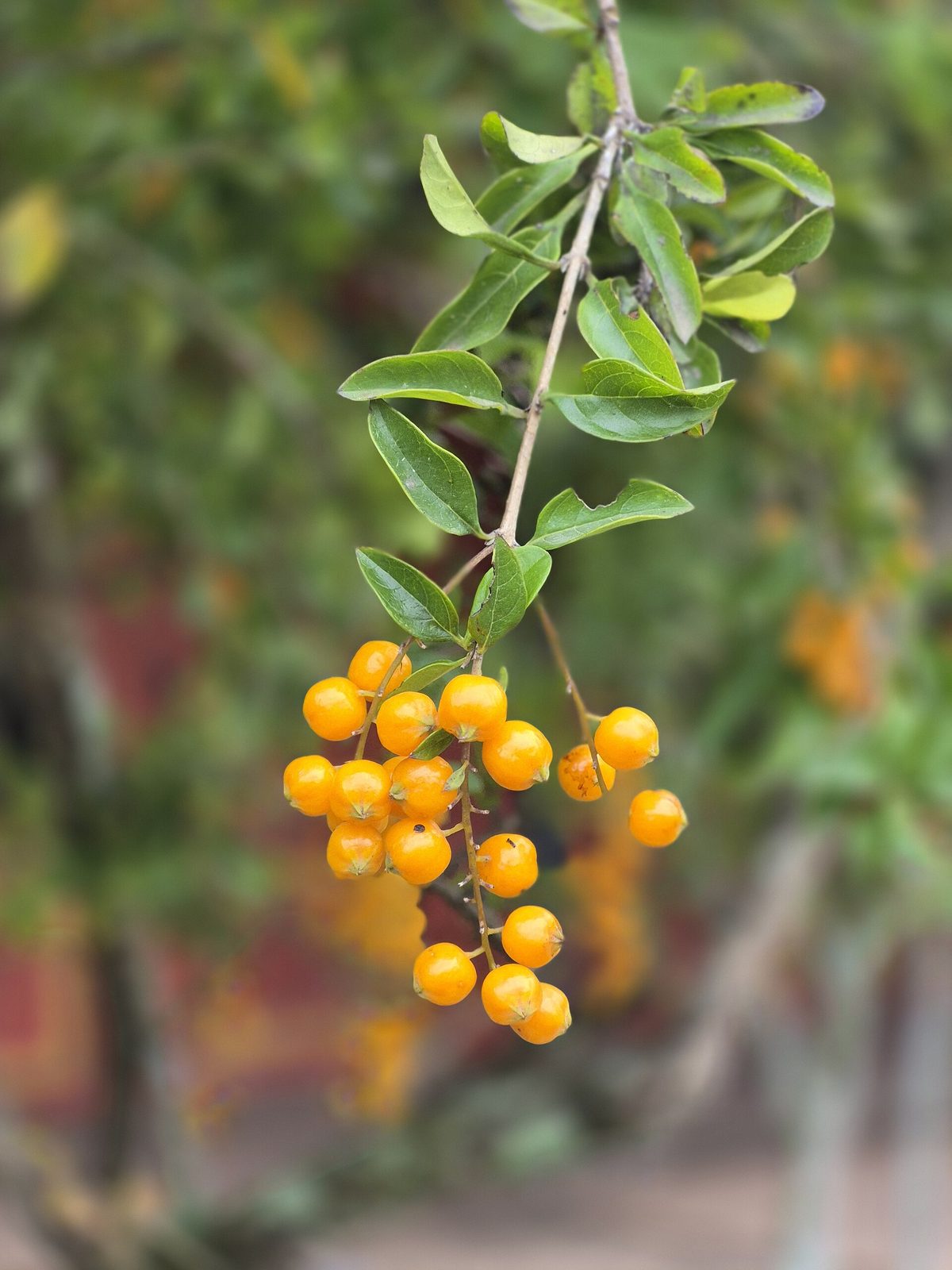
Golden Dewdrops
Duranta erecta
Zones 9a–11b · 18 ft (5.49 m) · Full sun and part shade (full sun preferred)
The trees group in this zone 11 data includes Duranta erecta, matched here to the zone. It shares that status with each of the other trees named on this page.
-
-
Indian Banyan
Ficus benghalensis
Zones 10a–12b · 100 ft (30.48 m) · Full sun and part shade (full sun preferred)
This zone 11 list includes Ficus benghalensis because the site's data ties it to the zone. That tie is the full basis for its place here.
-
Weeping Fig
Ficus benjamina
NC State Extension Gardener Plant Toolbox also lists 10a-12b · 40–60 ft (12.19–18.29 m) · Full sun, part shade and full shade (full sun preferred)
-
Rubber Plant
Ficus elastica
Zones 9a–12b · 35–45 ft (10.67–13.72 m) · Full sun, part shade and full shade (part shade preferred)
-
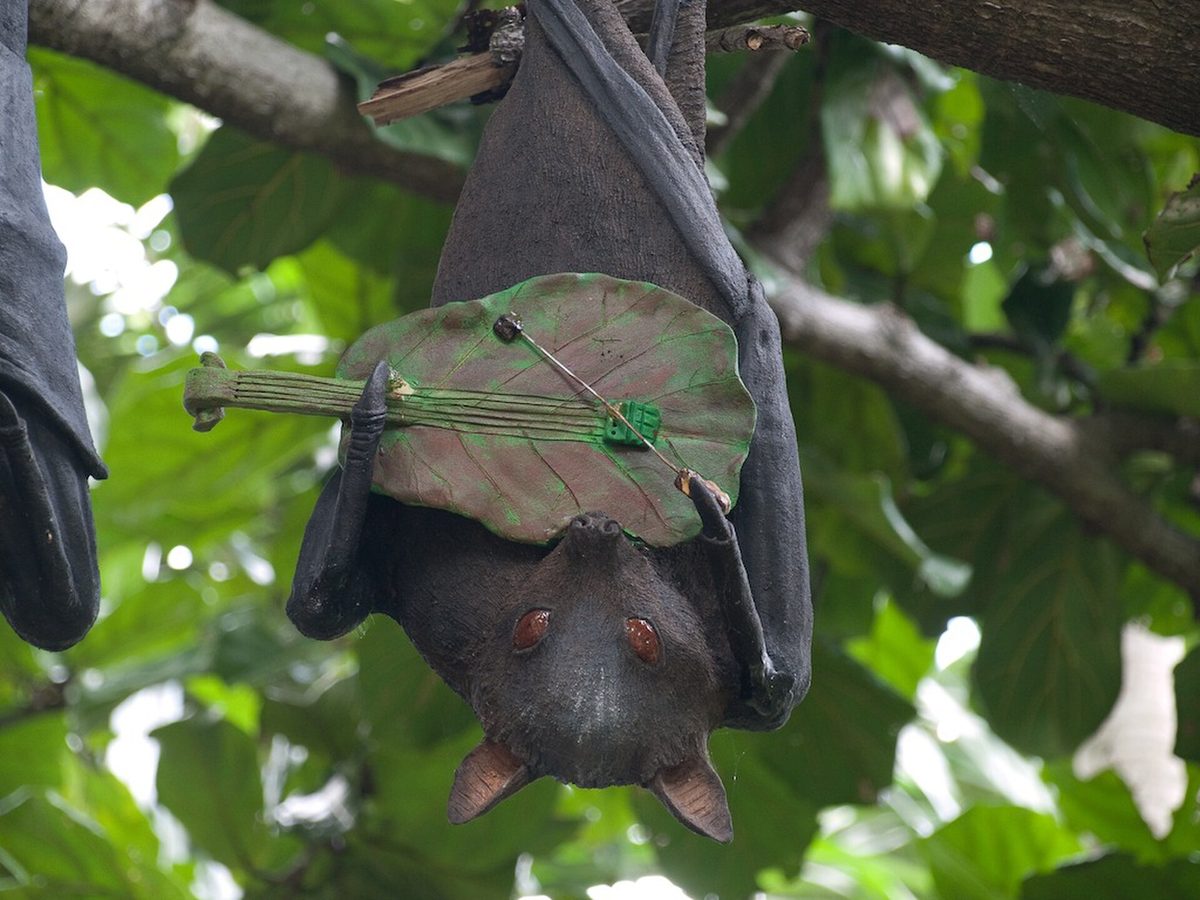
Fiddle Leaf Fig
Ficus lyrata
Zones 10a–12b · Sources differ: NC State Extension Gardener Plant Toolbox; University of Florida IFAS Extension (EDIS); NC State Extension Gardener Plant Toolbox; University of Florida IFAS Extension (EDIS); NC State Extension Gardener Plant Toolbox; University of Florida IFAS Extension (EDIS) · Full sun and part shade (part shade preferred)
-
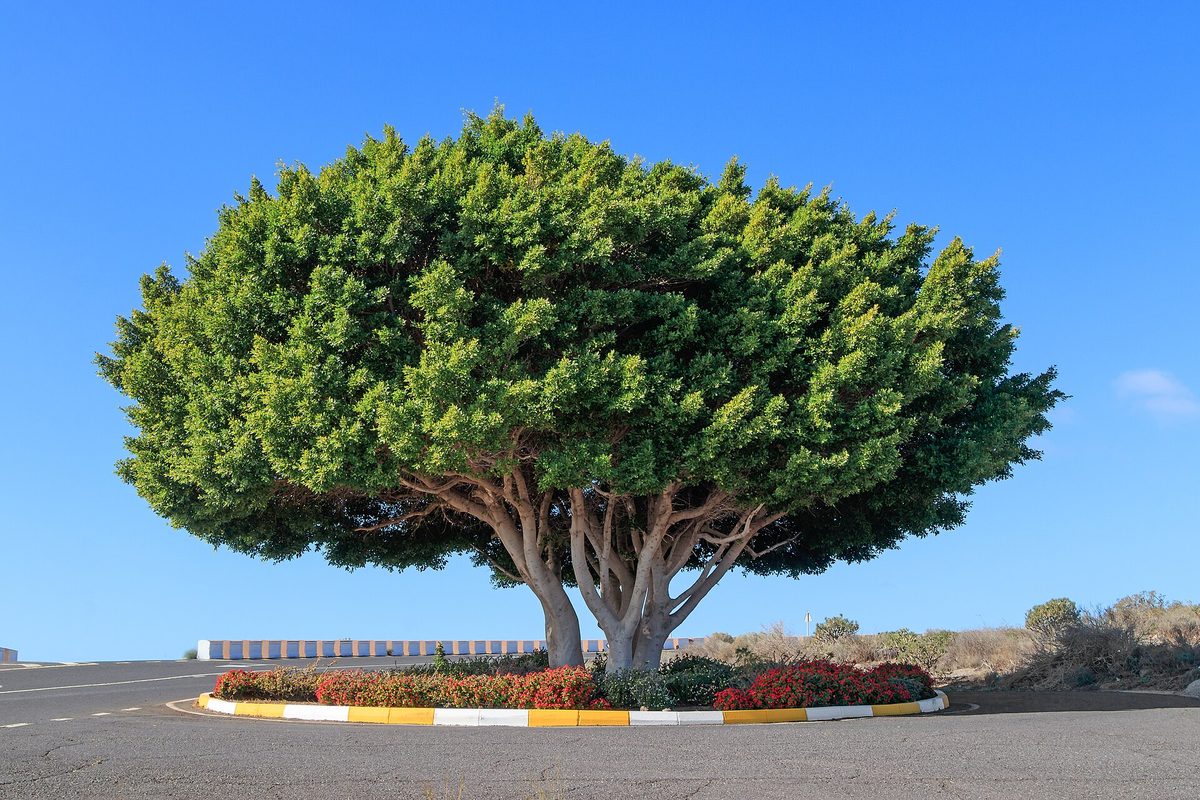
Chinese Banyan
Ficus microcarpa
Zones 9a–11b · 2–50 ft (0.61–15.24 m) · Full sun and part shade (full sun preferred)
-
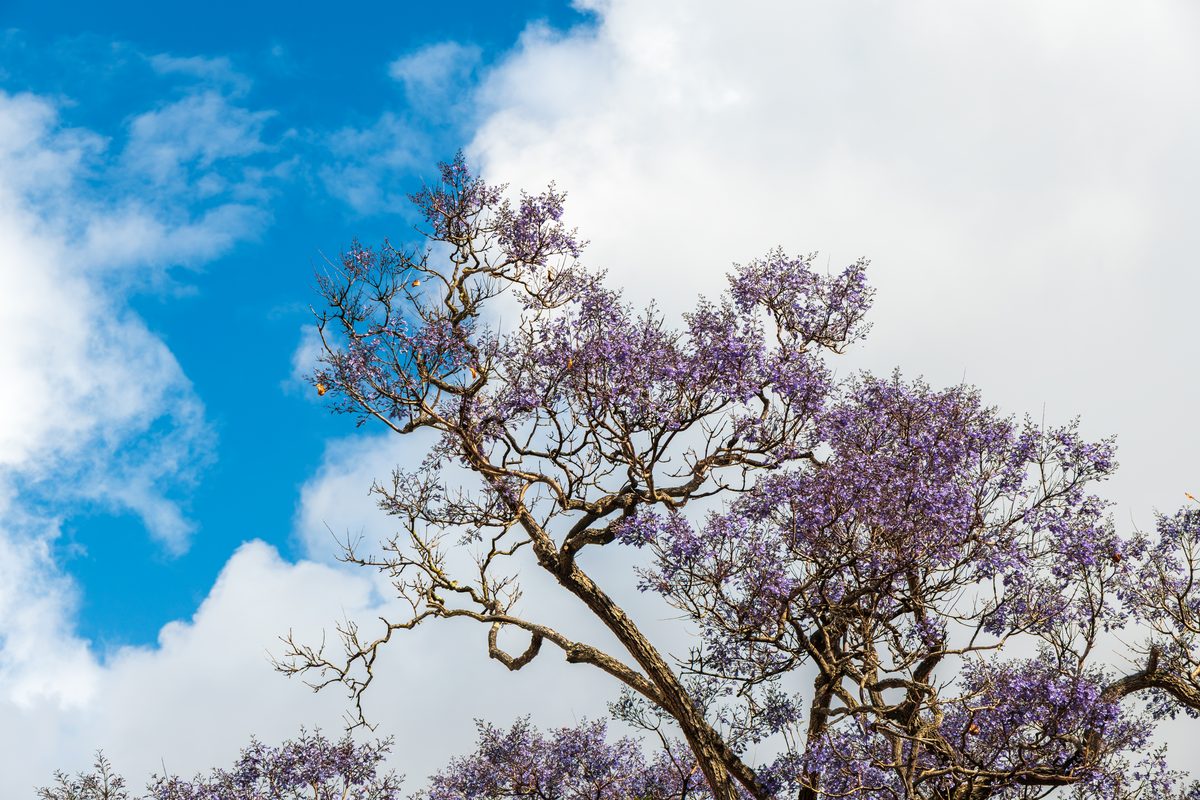
Black Poui
Jacaranda mimosifolia
Zones 9b–13b · 25–50 ft (7.62–15.24 m) · Full sun and part shade (full sun preferred)
Jacaranda mimosifolia is the last of the ten trees profiled here from the zone 11 list. Like the rest, it is grouped by a zone match in the data, not by rank.
-
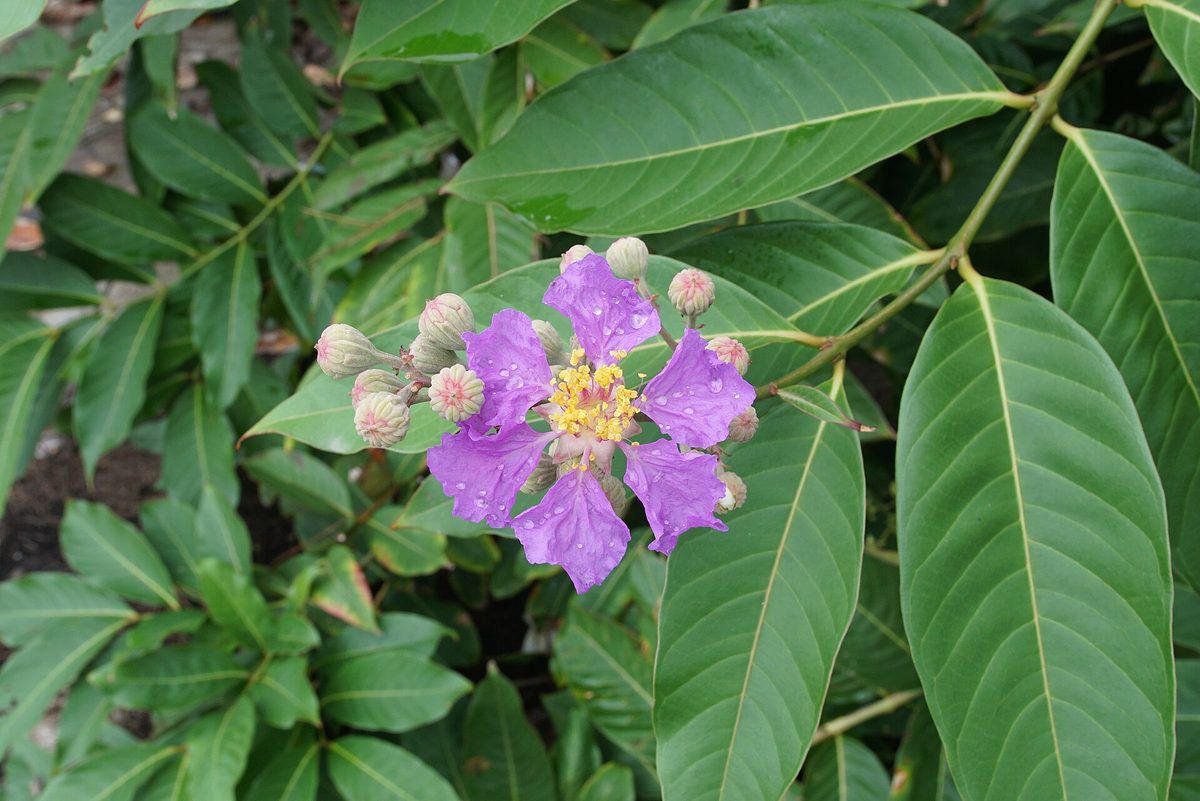
-
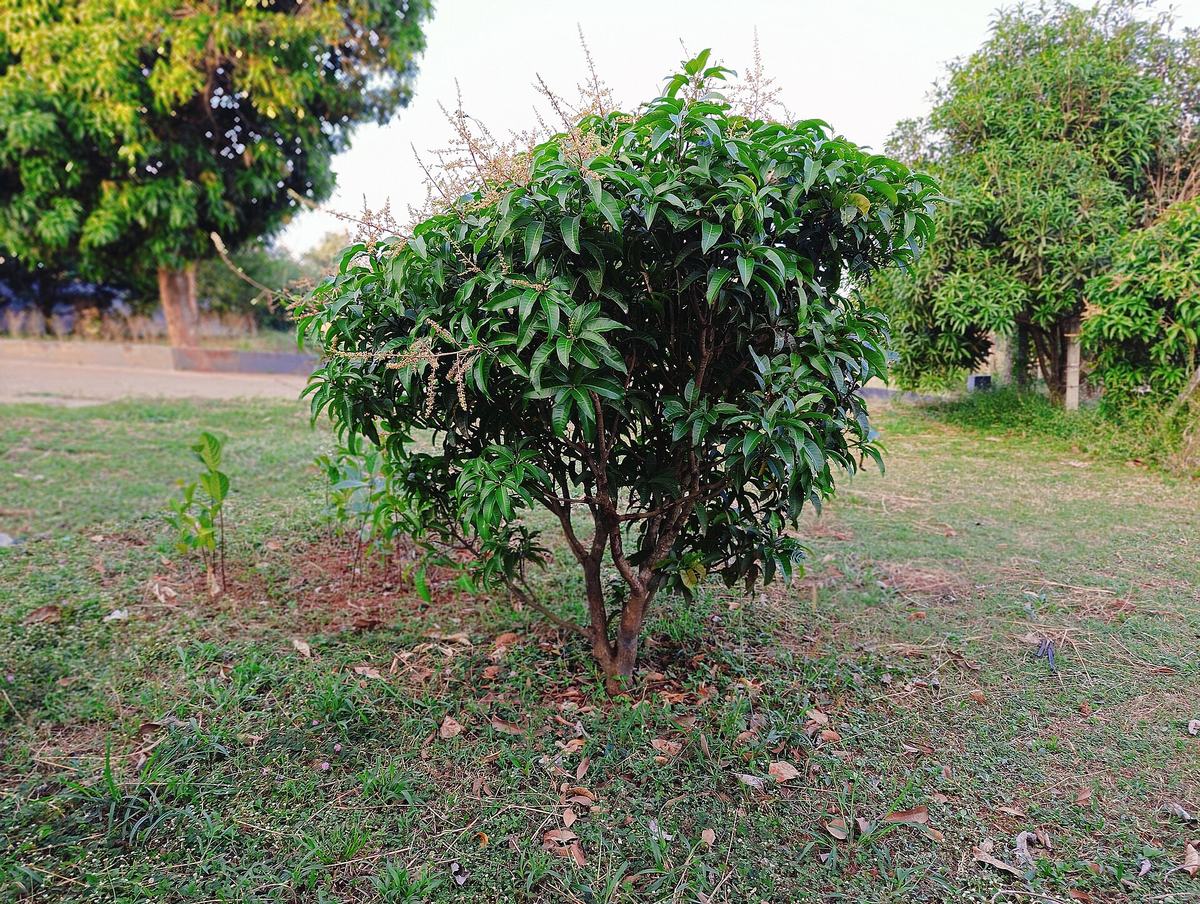
Mango
Mangifera indica
Zones 10b–11b · Sources differ: University of Florida IFAS Extension (EDIS); University of Florida IFAS Extension (EDIS) · Full sun
-
-
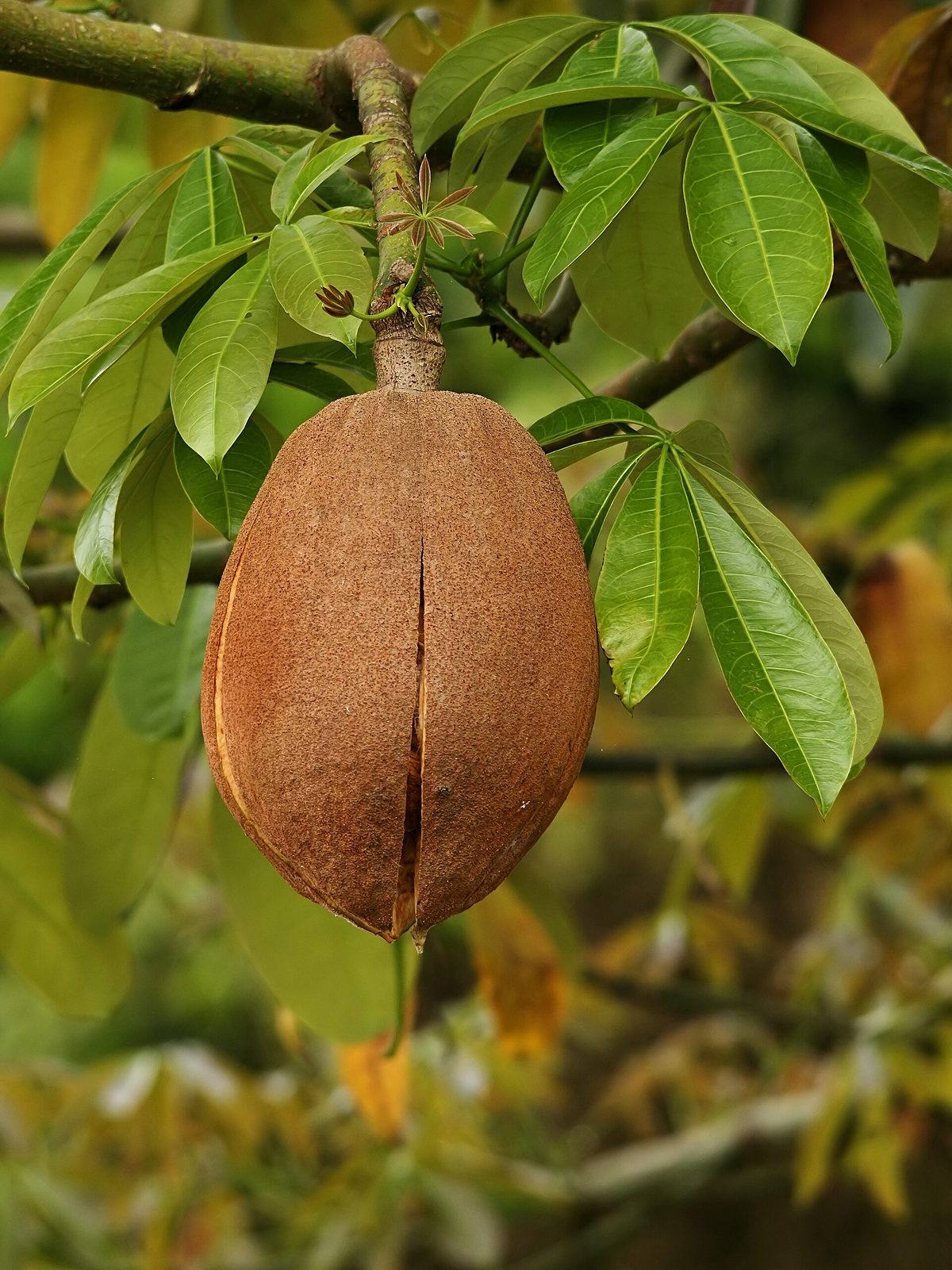
Guiana-chestnut
Pachira aquatica
Zones 10a–12b · 6–30 ft (1.83–9.14 m) · Part shade
-
-
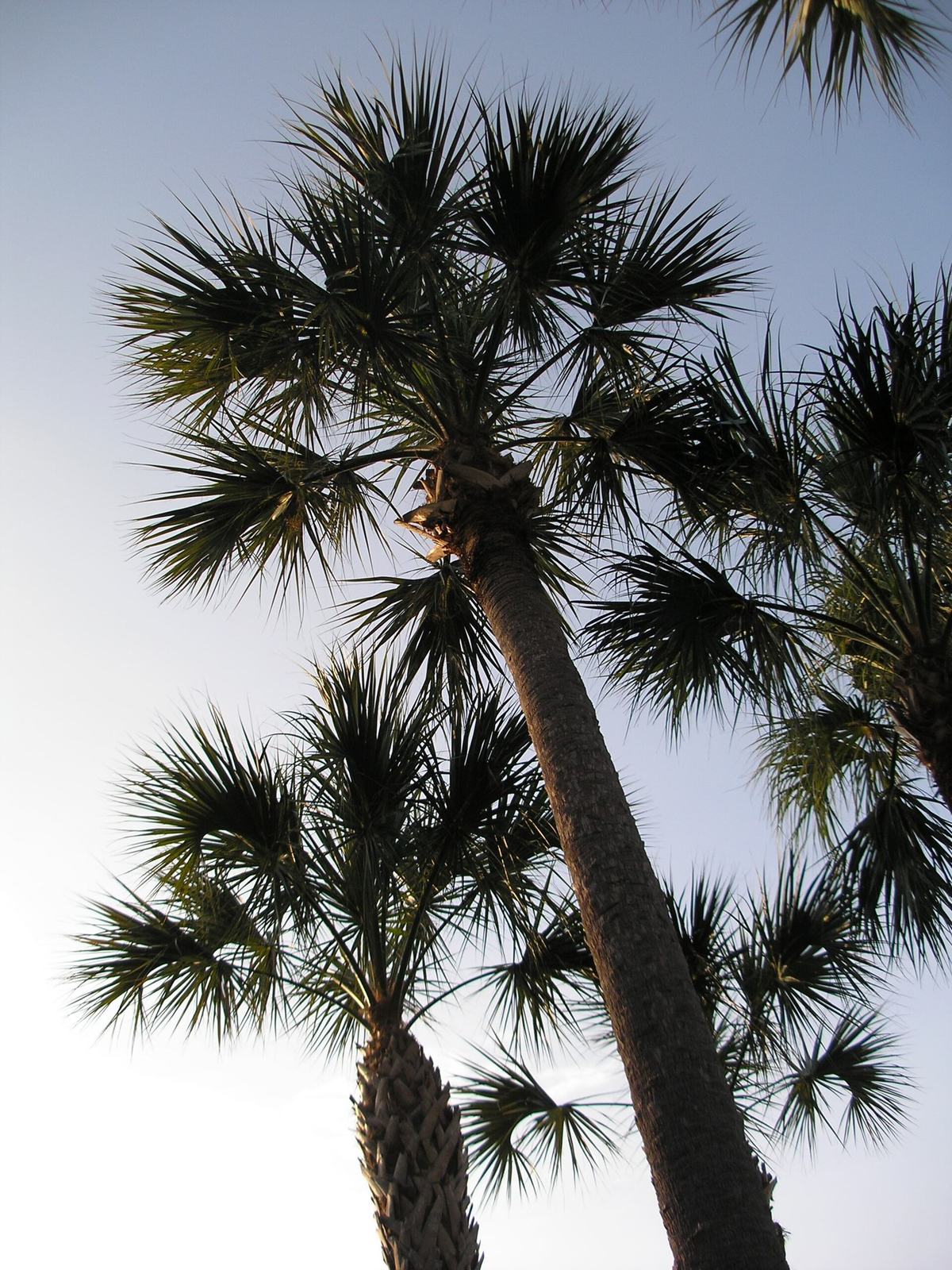
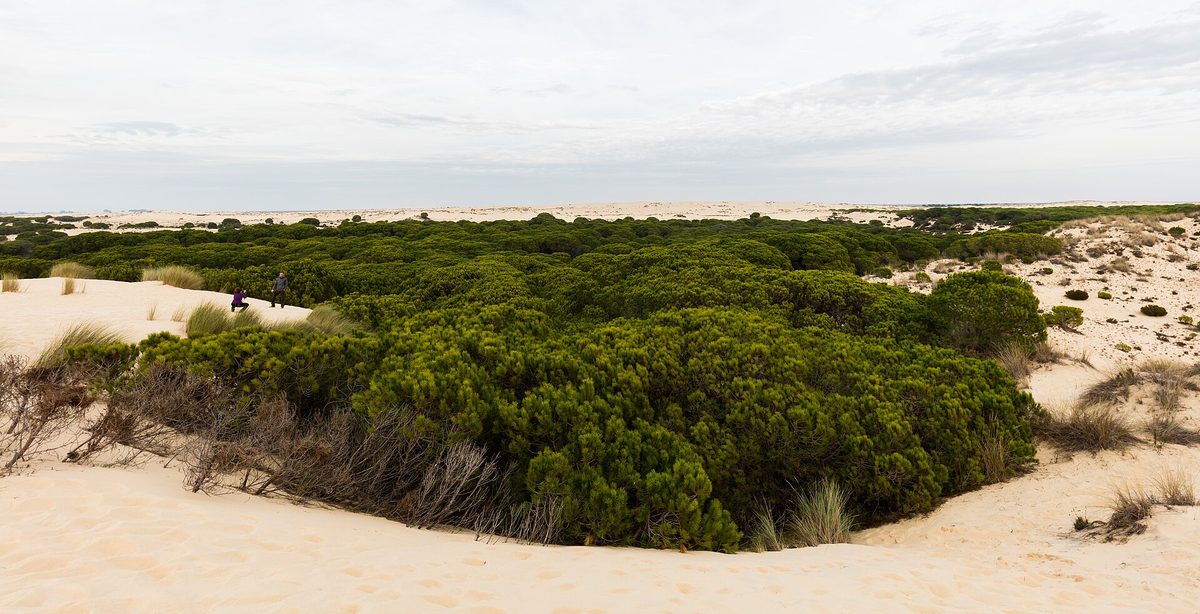
Cabbage Palmetto
Sabal palmetto
Zones 7b–11b · Sources differ: USDA Forest Service Fire Effects Information System; Lady Bird Johnson Wildflower Center; Lady Bird Johnson Wildflower Center; Clemson Cooperative Extension Home & Garden Information Center; Clemson Cooperative Extension Home & Garden Information Center; Clemson Cooperative Extension HGIC; USDA Forest Service Fire Effects Information System; Clemson Cooperative Extension Home & Garden Information Center · Full sun and part shade (full sun preferred)
-
-
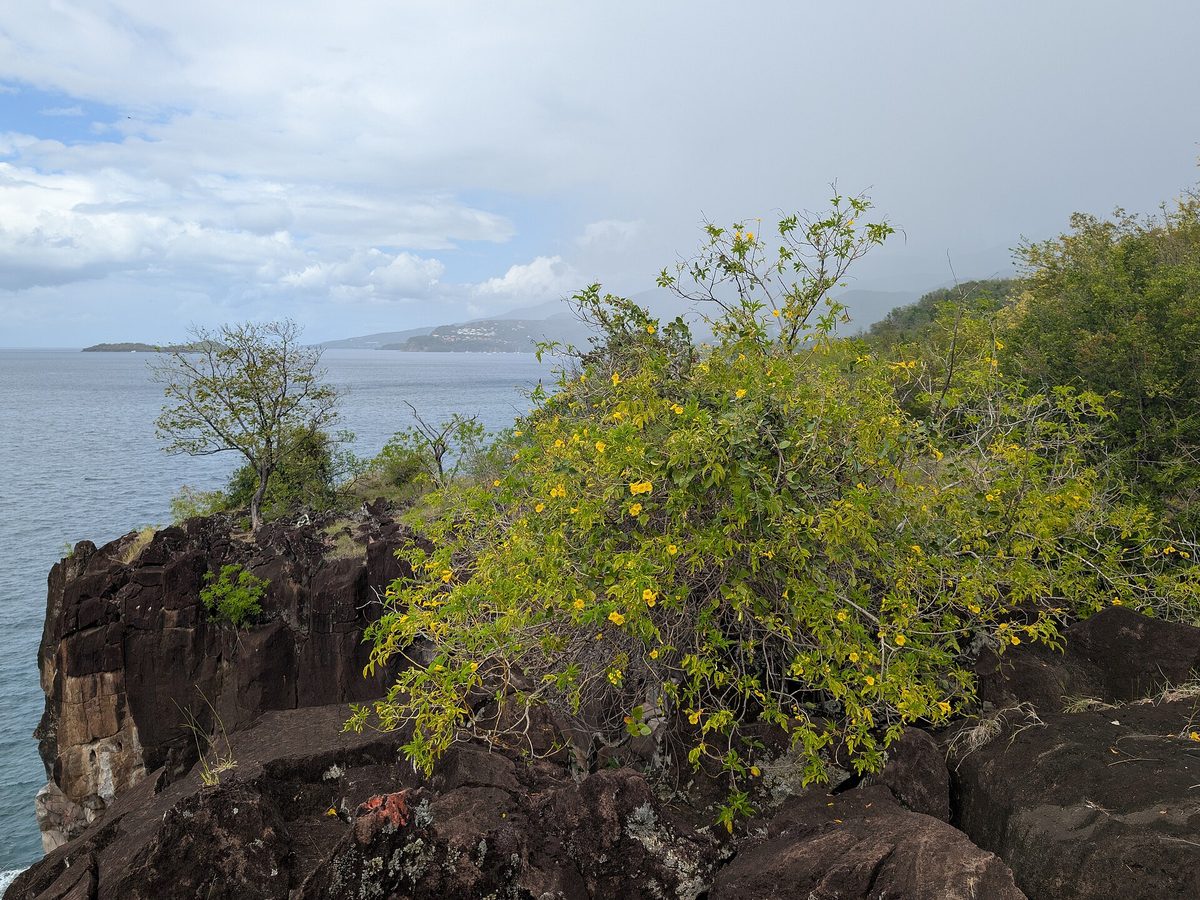
Yellow Trumpetbush
Tecoma stans
Zones 10b–11b · 10–30 ft (3.05–9.14 m) · Full sun and part shade (full sun preferred)
-
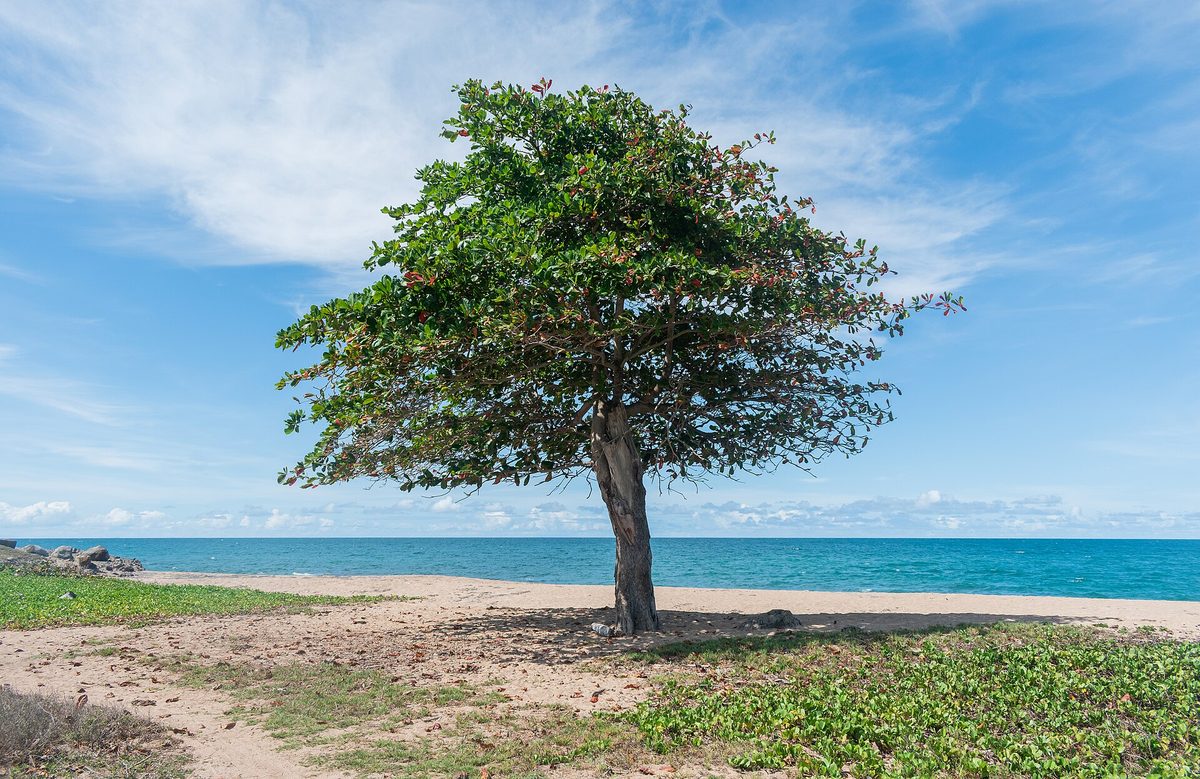
Tropical Almond
Terminalia catappa
Zones 10b–11b · 29.9–55.1 ft (9.1–16.8 m) · Full sun
How we chose
A tree, and hardy through at least zone 11a according to the cited sources
Photo credits
- Pride-of-Barbados photo by Bdaize Holgooa, CC BY-SA 4.0 via Wikimedia Commons
- Camphortree photo by Mattinbgn, CC BY 3.0 via Wikimedia Commons
- Ilang-ilang photo by Judgefloro, CC0 via Wikimedia Commons
- Golden Shower photo by en, CC BY 2.5 via Wikimedia Commons
- Cinnamon photo by Forest & Kim Starr, CC BY 3.0 via Wikimedia Commons
- Arabian Coffee photo by A S M Jobaer, CC BY-SA 4.0 via Wikimedia Commons
- Royal Poinciana photo by Anna Anichkova, CC BY-SA 3.0 via Wikimedia Commons
- Golden Dewdrops photo by O Tupinólogo, CC BY 4.0 via Wikimedia Commons
- Poinsettia photo by Carlos Valenzuela, CC BY-SA 4.0 via Wikimedia Commons
- Indian Banyan photo by Marion Schneider & Christoph Aistleitner, Public domain via Wikimedia Commons
- Weeping Fig photo by Kotivalo, CC BY-SA 4.0 via Wikimedia Commons
- Rubber Plant photo by IsakMarija, CC BY-SA 4.0 via Wikimedia Commons
- Fiddle Leaf Fig photo by Brisbane City Council, CC BY 2.0 via Wikimedia Commons
- Chinese Banyan photo by H. Zell, CC BY-SA 3.0 via Wikimedia Commons
- Black Poui photo by NorbertNagel, CC BY-SA 4.0 via Wikimedia Commons
- Pride of India photo by Vengolis, CC BY-SA 4.0 via Wikimedia Commons
- Mango photo by Anish nellickal, CC BY-SA 4.0 via Wikimedia Commons
- Sapodilla photo by Timothy A. Gonsalves, CC BY-SA 4.0 via Wikimedia Commons
- Guiana-chestnut photo by Hans Hillewaert, CC BY-SA 3.0 via Wikimedia Commons
- Italian Stone Pine photo by Wikimedia Commons contributor, CC BY-SA 4.0 via Wikimedia Commons
- Cabbage Palmetto photo by William Bumgarner (en.wp:Zsinj), Public domain via Wikimedia Commons
- Bird-of-paradise -tree photo by Photo by David J. Stang, CC BY-SA 4.0 via Wikimedia Commons
- Yellow Trumpetbush photo by Krzysztof Ziarnek, Kenraiz, CC BY-SA 4.0 via Wikimedia Commons
- Tropical Almond photo by Tournasol7, CC BY 4.0 via Wikimedia Commons


How this page was made
- Written with AI assistance from the sources listed on this page. AI is never the source of a fact.