Perennials for zone 3
Zone 3 marks some of the coldest ground where perennials are expected to survive winter outdoors. Nineteen perennials made this zone 3 list because they can handle that kind of cold. The zone number is shorthand for the average annual minimum winter temperature in an area. A lower number means a colder average low, and a higher number means a milder one. A plant rated for zone 3 should tolerate the average winter low typical of that zone, not necessarily anything colder. The scale only describes winter cold, so it says nothing about summer heat, rainfall, or soil. Two towns can share a zone rating and still differ widely in rainfall and soil drainage. Microclimates close to a house, a slope, or a windbreak can shift the effective zone on one property. Treat the zone number as one part of the picture, not the whole forecast for your yard. Check your own site's average first and last frost dates before you plant anything from this list. Those dates mark the safe window for planting outdoors and for moving tender growth back indoors. Local extension offices and weather services publish frost dates for specific towns and counties. Use this page as a starting point, then confirm the details on each plant's own page before you dig.
Compared side by side
| Plant | Hardiness | Height | Light | Cats | Dogs |
|---|---|---|---|---|---|
| Common YarrowAchillea millefolium | Zones 3a–9b | 1–3.3 ft (0.3–1 m) | Full sun and part shade (full sun preferred) | Toxic | Toxic |
| IndianhempApocynum cannabinum | Zones 3a–11b | 3–4 ft (0.91–1.22 m) | Full sun and part shade (full sun preferred) | Toxic (1 source) | Toxic |
| Greater BurdockArctium lappa | Zones 3a–10b | 2–10 ft (0.61–3.05 m) | Full sun and part shade (full sun preferred) | Not documented | Not documented |
| AbsinthiumArtemisia absinthium | Zones 3a–9b | 1.3–5 ft (0.4–1.52 m) | Full sun and part shade (full sun preferred) | Toxic (1 source) | Toxic (1 source) |
| Common WormwoodArtemisia vulgaris | Zones 3a–8b | 2–6 ft (0.61–1.83 m) | Full sun and part shade (full sun preferred) | Not documented | Not documented |
| Common MilkweedAsclepias syriaca | Zones 3a–9b | 3–5 ft (0.91–1.52 m) | Full sun | Toxic | Toxic |
| Butterfly MilkweedAsclepias tuberosa | Zones 3a–9b | 1–2 ft (0.3–0.6 m) | Full sun and part shade (full sun preferred) | Toxic (1 source) | Toxic (1 source) |
| Field BindweedConvolvulus arvensis | Not documented | Not documented | Full sun and part shade (full sun preferred) | Not documented | Not documented |
| Feathered PinkDianthus plumarius | Zones 3a–9b | 0.5–2 ft (0.15–0.61 m) | Full sun and part shade (full sun preferred) | Not documented | Not documented |
| Purple ConeflowerEchinacea purpurea | Zones 3a–8b | 3–4 ft (0.91–1.22 m) | Full sun and part shade (full sun preferred) | Not documented | Not documented |
| Queen of the MeadowFilipendula ulmaria | Zones 3a–9b | 4 ft (1.22 m) | Full sun and part shade (full sun preferred) | Not documented | Not documented |
| Ground IvyGlechoma hederacea | Not documented | 0.2–1 ft (0.05–0.3 m) | Full sun, part shade and full shade (full sun preferred) | Not documented | Not documented |
| DaylilyHemerocallis fulva | Zones 3a–8b | 3–6 ft (0.91–1.83 m) | Full sun and part shade (full sun preferred) | Toxic | Non-toxic |
| Common St. JohnswortHypericum perforatum | Zones 3a–8b | 1–3.3 ft (0.3–1 m) | Full sun and part shade (full sun preferred) | Toxic | Toxic |
| CardinalflowerLobelia cardinalis | Zones 3a–9b | 4–5 ft (1.22–1.52 m) | Full sun, part shade and full shade (full sun preferred) | Toxic (1 source) | Toxic (1 source) |
| Wild BergamotMonarda fistulosa | Zones 3a–9b | 2–5 ft (0.61–1.52 m) | Full sun and part shade (full sun preferred) | Not documented | Not documented |
| Peruvian GroundcherryPhysalis peruviana | Zones 3a–9b | 1–3 ft (0.3–0.91 m) | Full sun | Not documented | Not documented |
| Kentucky BluegrassPoa pratensis | Zones 3a–7b | 0.3–3 ft (0.1–0.91 m) | Full sun and part shade (full sun preferred) | Not documented | Not documented |
| Common SelfhealPrunella vulgaris | Zones 3a–9b | 1.7 ft (0.51 m) | Full sun and part shade (full sun preferred) | Not documented | Not documented |
| Red CloverTrifolium pratense | Zones 3a–9b | 0.5–2 ft (0.15–0.61 m) | Full sun | Not documented | Not documented |
| White CloverTrifolium repens | Zones 3a–10b | 0.3–0.5 ft (0.1–0.15 m) | Full sun and part shade (full sun preferred) | Not documented | Not documented |
| Common MulleinVerbascum thapsus | Zones 3a–9b | 3–10 ft (0.91–3.05 m) | Full sun and part shade (full sun preferred) | Not documented | Not documented |
The plants
-
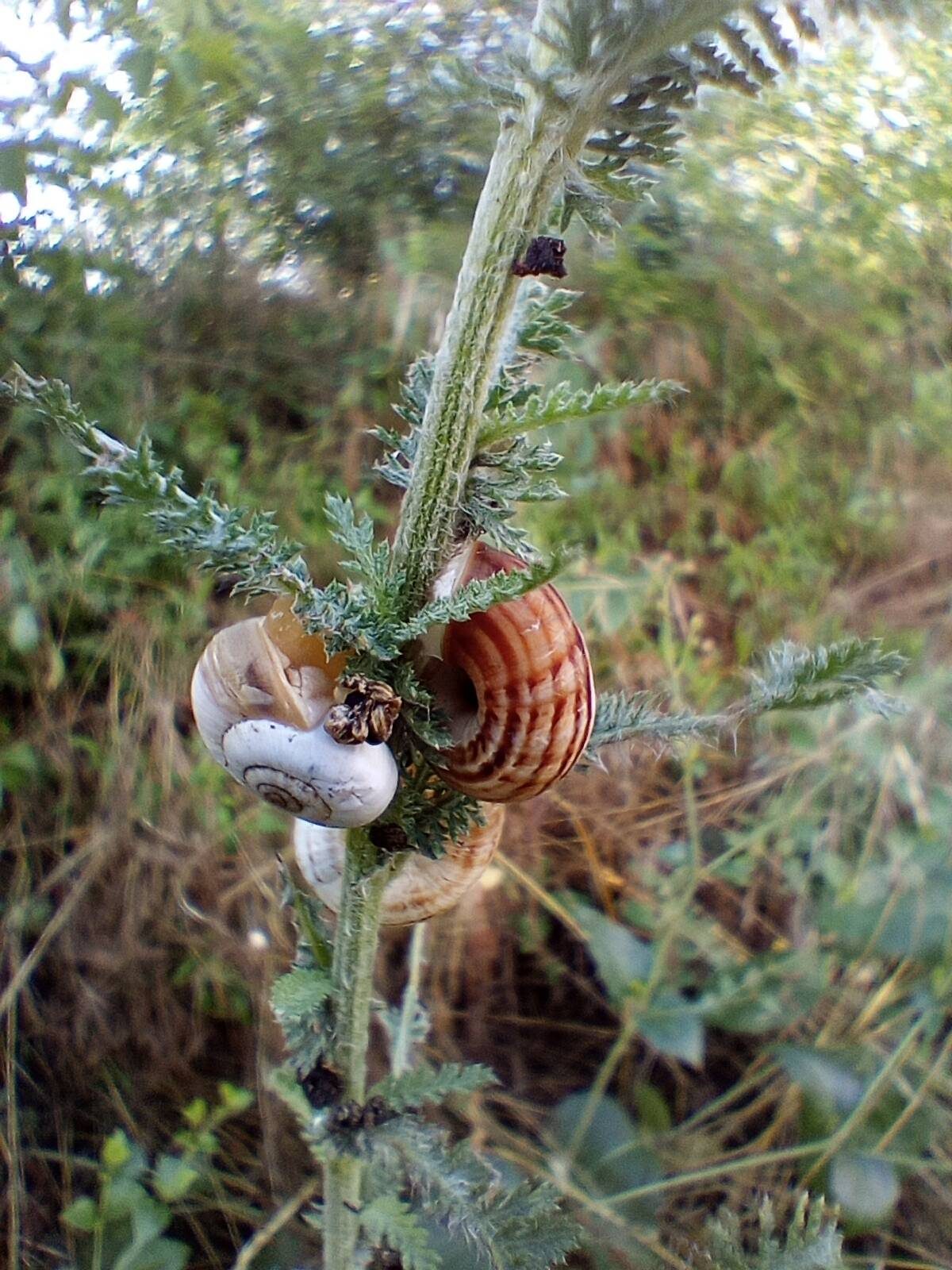
Common Yarrow
Achillea millefolium
Zones 3a–9b · 1–3.3 ft (0.3–1 m) · Full sun and part shade (full sun preferred)
Achillea millefolium appears on this zone 3 list as one of the hardy perennials included for cold-winter gardens. It joins the other picks as a species rated to handle that range of winter cold.
-
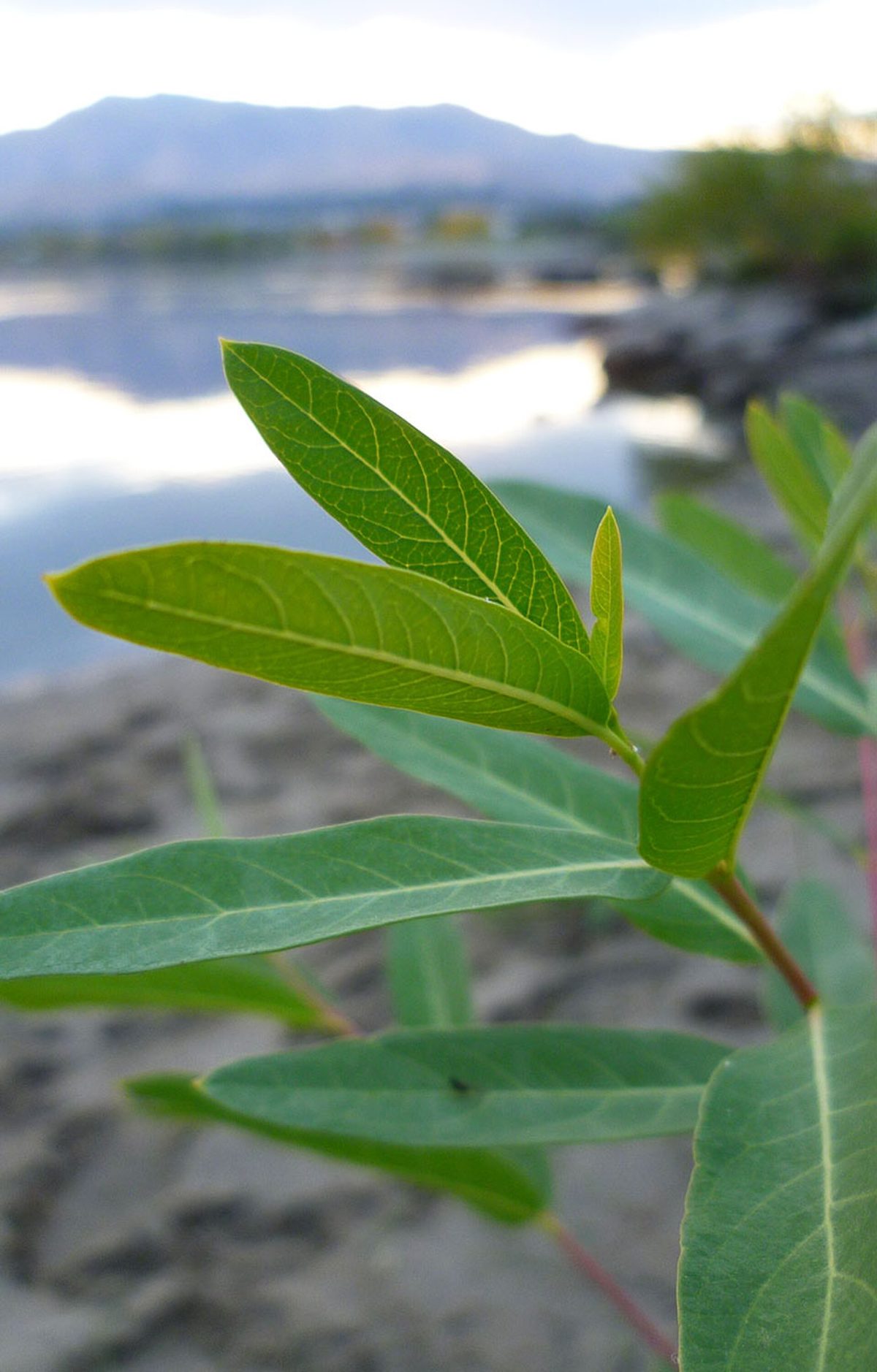
Indianhemp
Apocynum cannabinum
Zones 3a–11b · 3–4 ft (0.91–1.22 m) · Full sun and part shade (full sun preferred)
Apocynum cannabinum is included in this zone 3 roundup alongside the other perennials picked for the same cold tolerance. Its place on the list reflects that same winter hardiness rating, not any other trait.
-
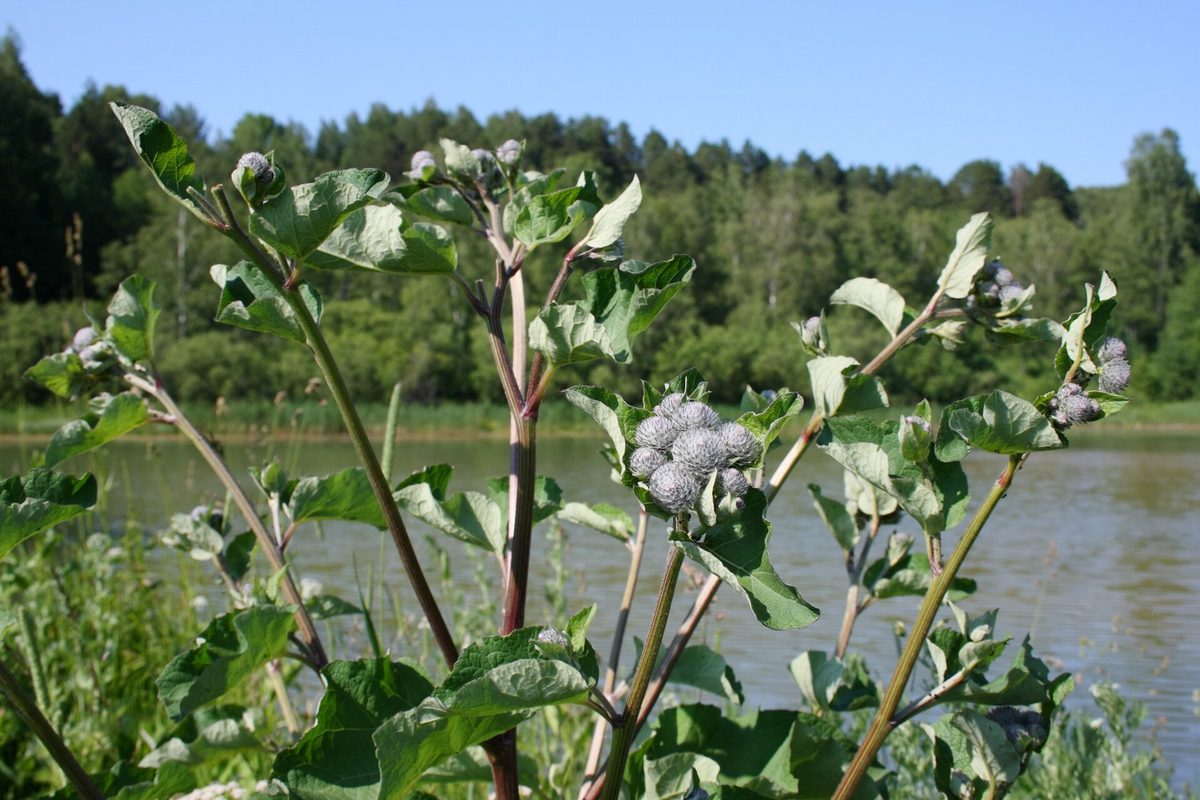
Greater Burdock
Arctium lappa
Zones 3a–10b · 2–10 ft (0.61–3.05 m) · Full sun and part shade (full sun preferred)
Arctium lappa sits on this list for the same reason as its neighbors: it is rated hardy through a zone 3 winter. No other distinction sets its spot on this page apart from that rating.
-
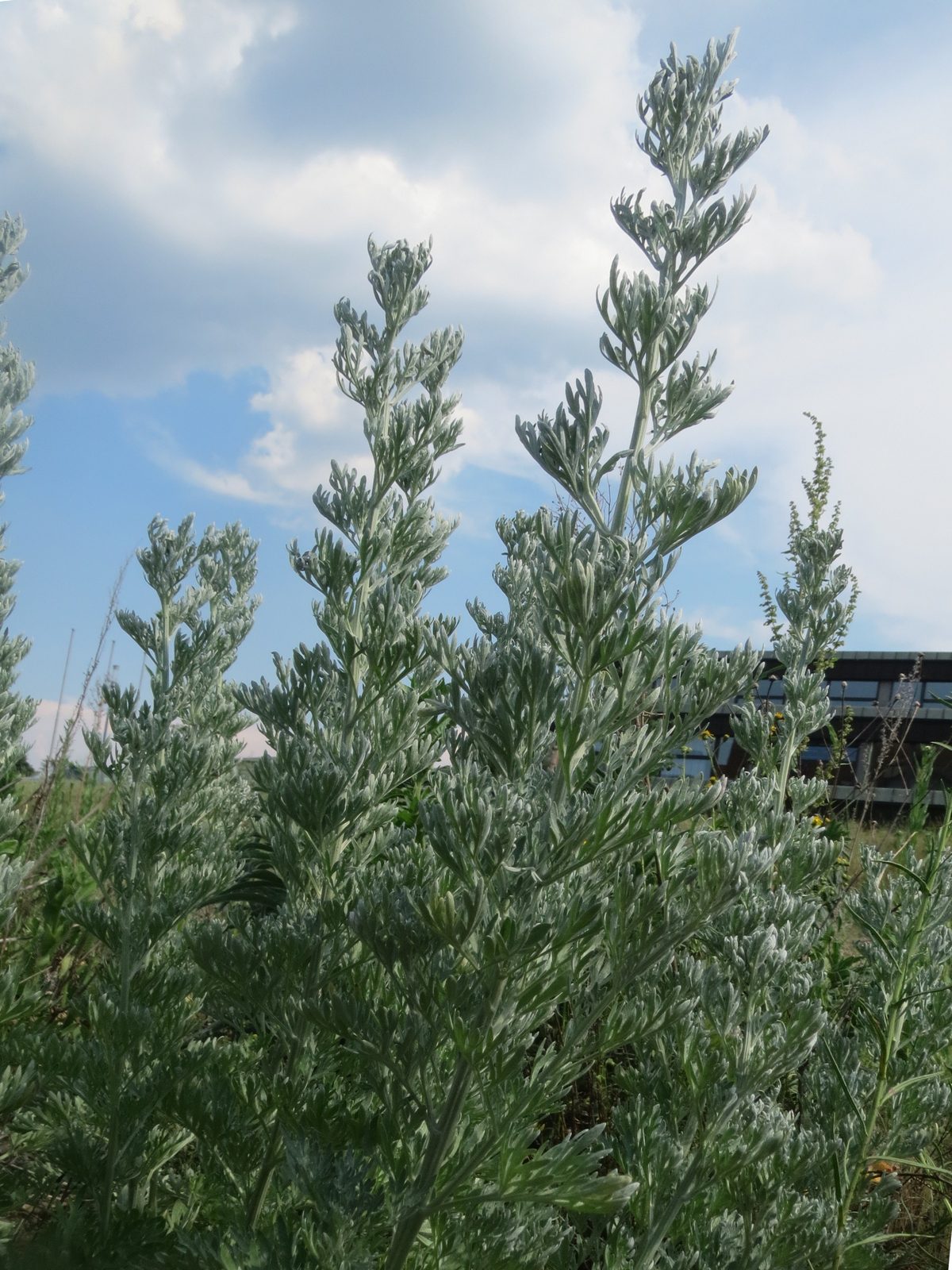
Absinthium
Artemisia absinthium
Zones 3a–9b · 1.3–5 ft (0.4–1.52 m) · Full sun and part shade (full sun preferred)
Artemisia absinthium earned its place on this zone 3 list through the same cold-hardiness standard applied to every perennial here. It is grouped with the others as a plant suited to that winter range.
-
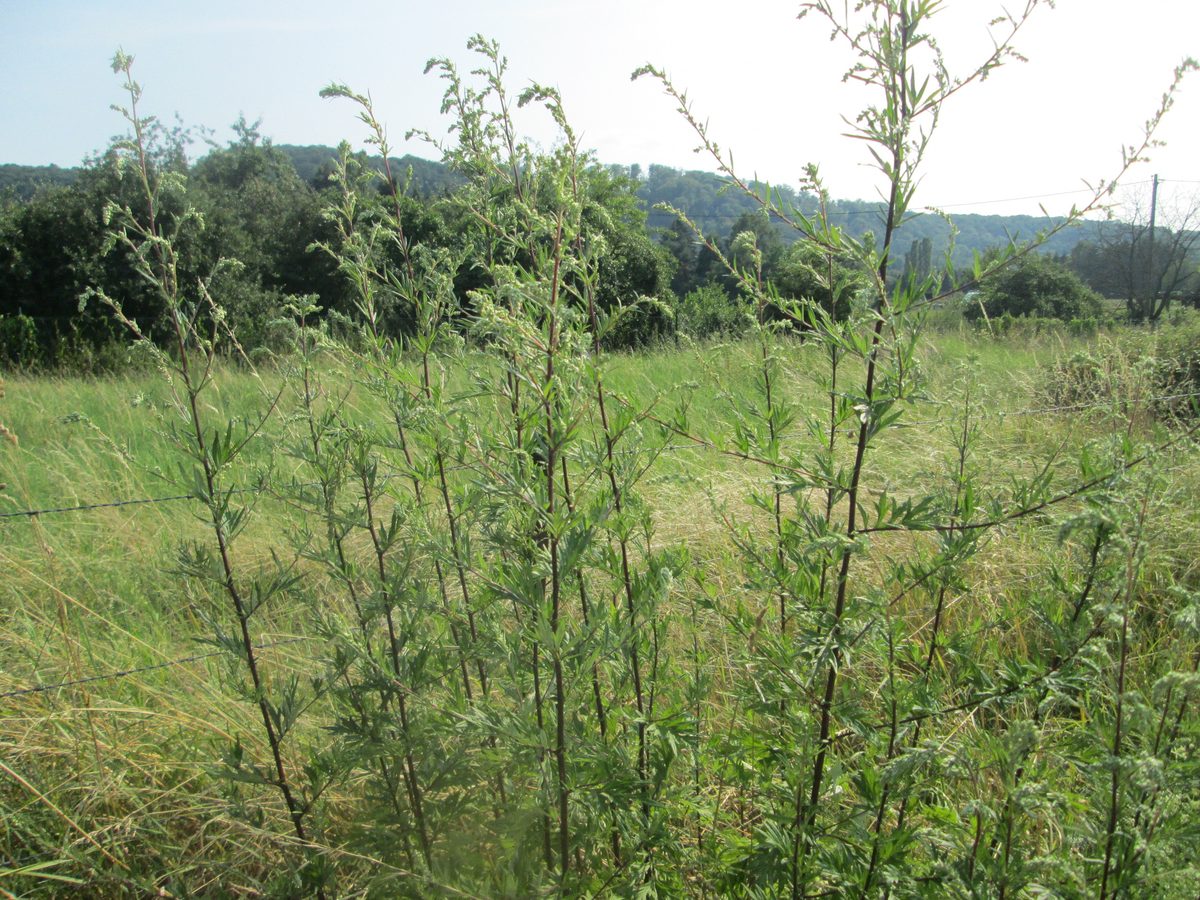
Common Wormwood
Artemisia vulgaris
Zones 3a–8b · 2–6 ft (0.61–1.83 m) · Full sun and part shade (full sun preferred)
-
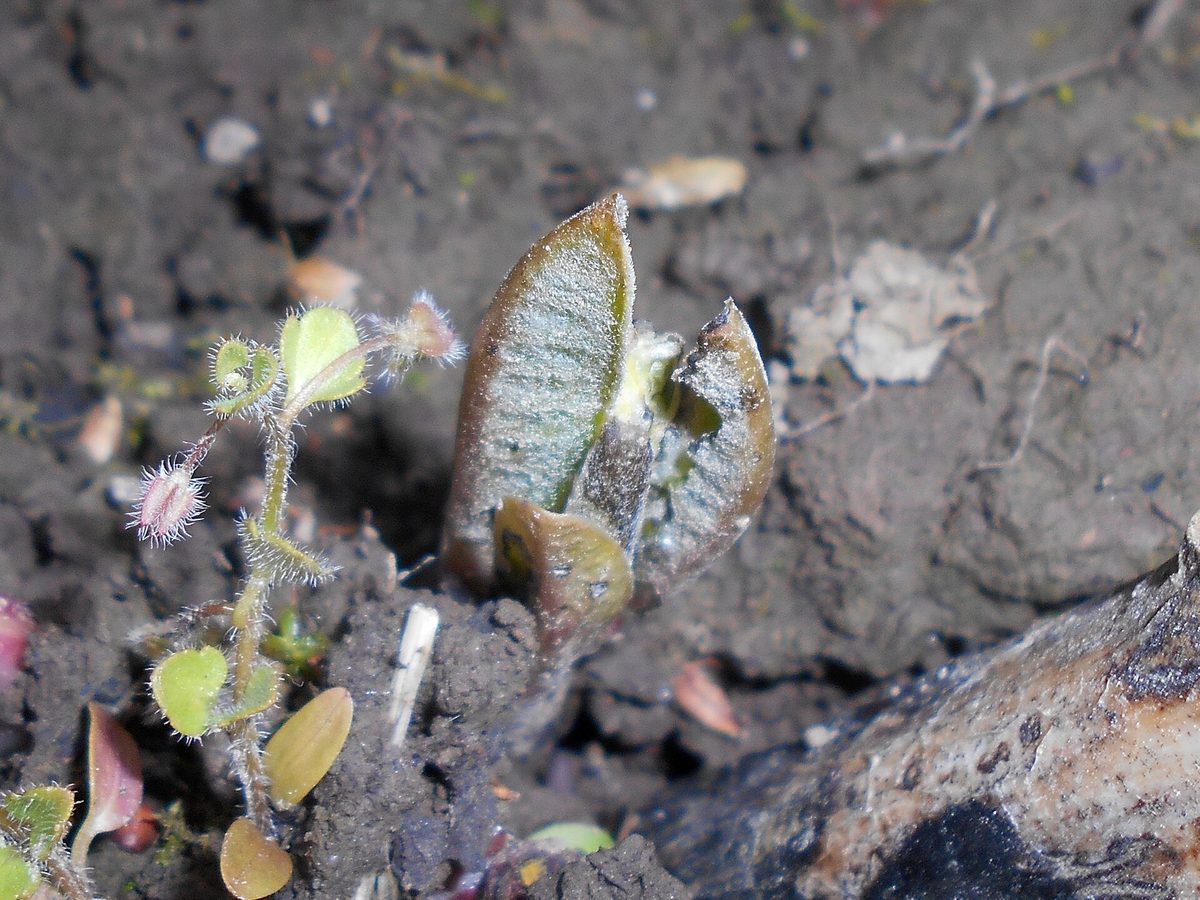
Common Milkweed
Asclepias syriaca
Zones 3a–9b · 3–5 ft (0.91–1.52 m) · Full sun
Asclepias syriaca is one of the 19 perennials grouped on this page for zone 3 growers. Its listing here comes from the same cold-tolerance rating used to build the rest of this group.
-
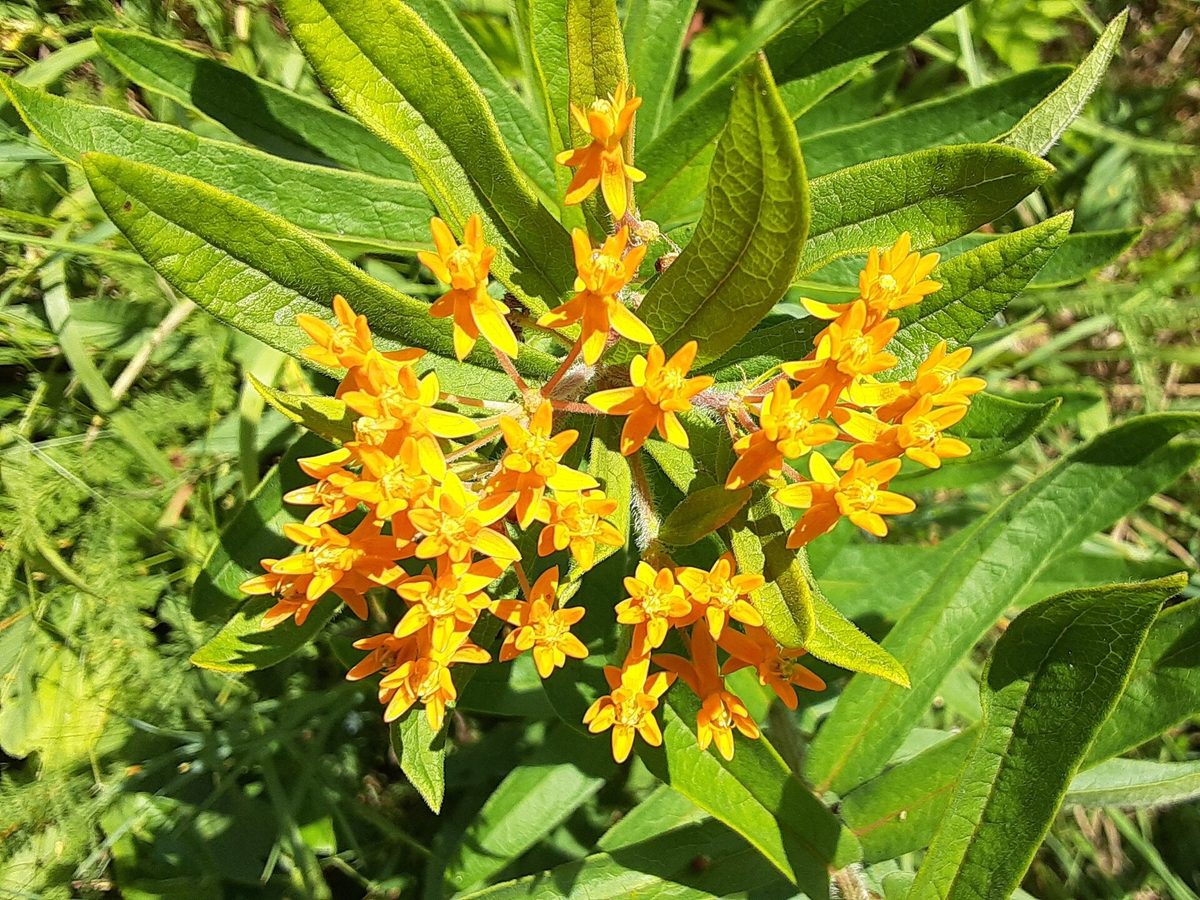
Butterfly Milkweed
Asclepias tuberosa
Zones 3a–9b · 1–2 ft (0.3–0.6 m) · Full sun and part shade (full sun preferred)
-
-
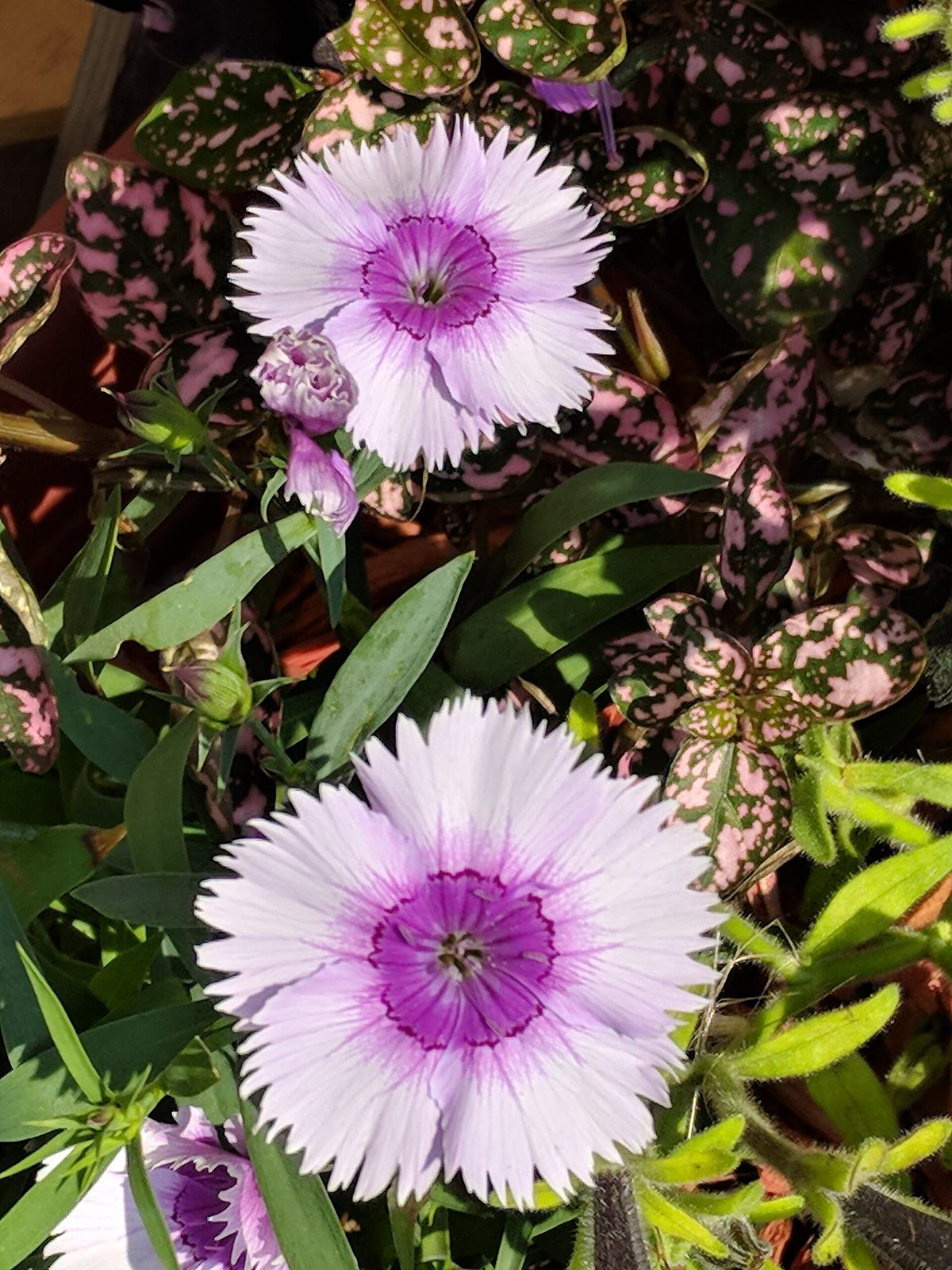
Feathered Pink
Dianthus plumarius
Zones 3a–9b · 0.5–2 ft (0.15–0.61 m) · Full sun and part shade (full sun preferred)
-
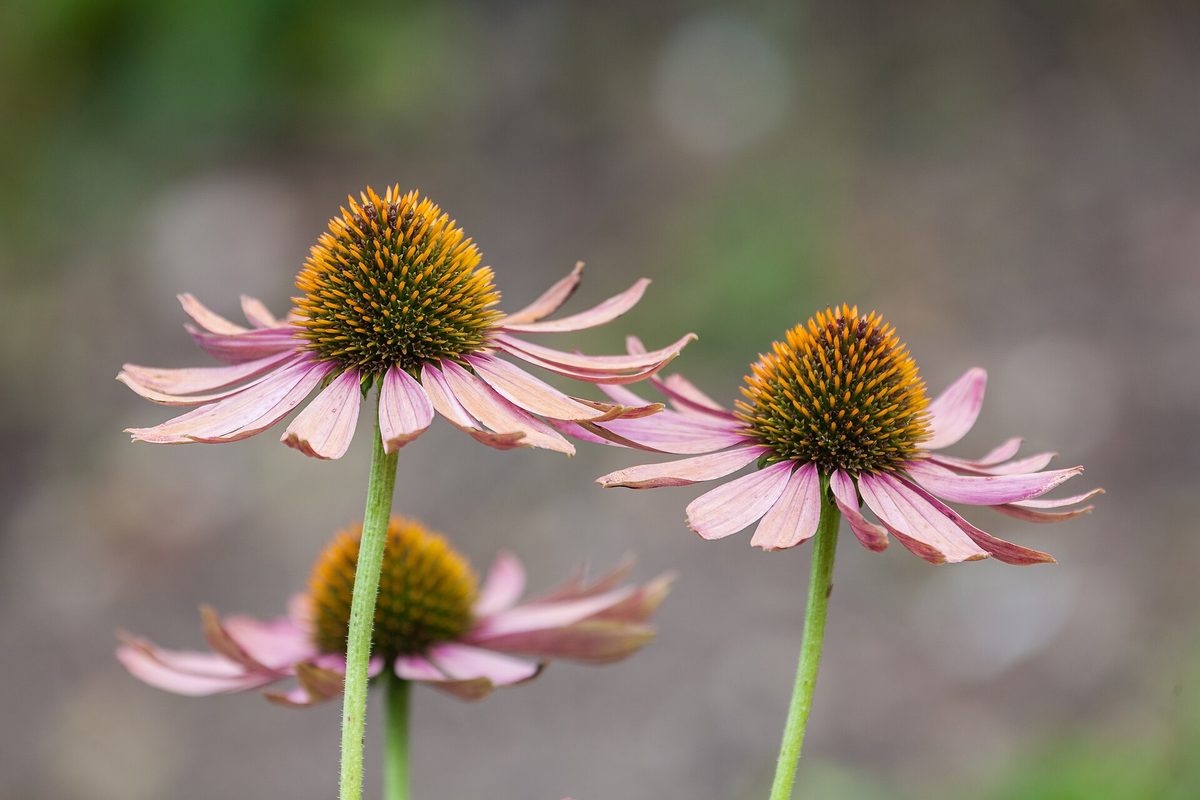
Purple Coneflower
Echinacea purpurea
Zones 3a–8b · 3–4 ft (0.91–1.22 m) · Full sun and part shade (full sun preferred)
Echinacea purpurea takes a spot on this zone 3 roundup alongside the other perennials chosen for the same cold tolerance. Nothing about its spot here sets it apart from the rest of the list.
-
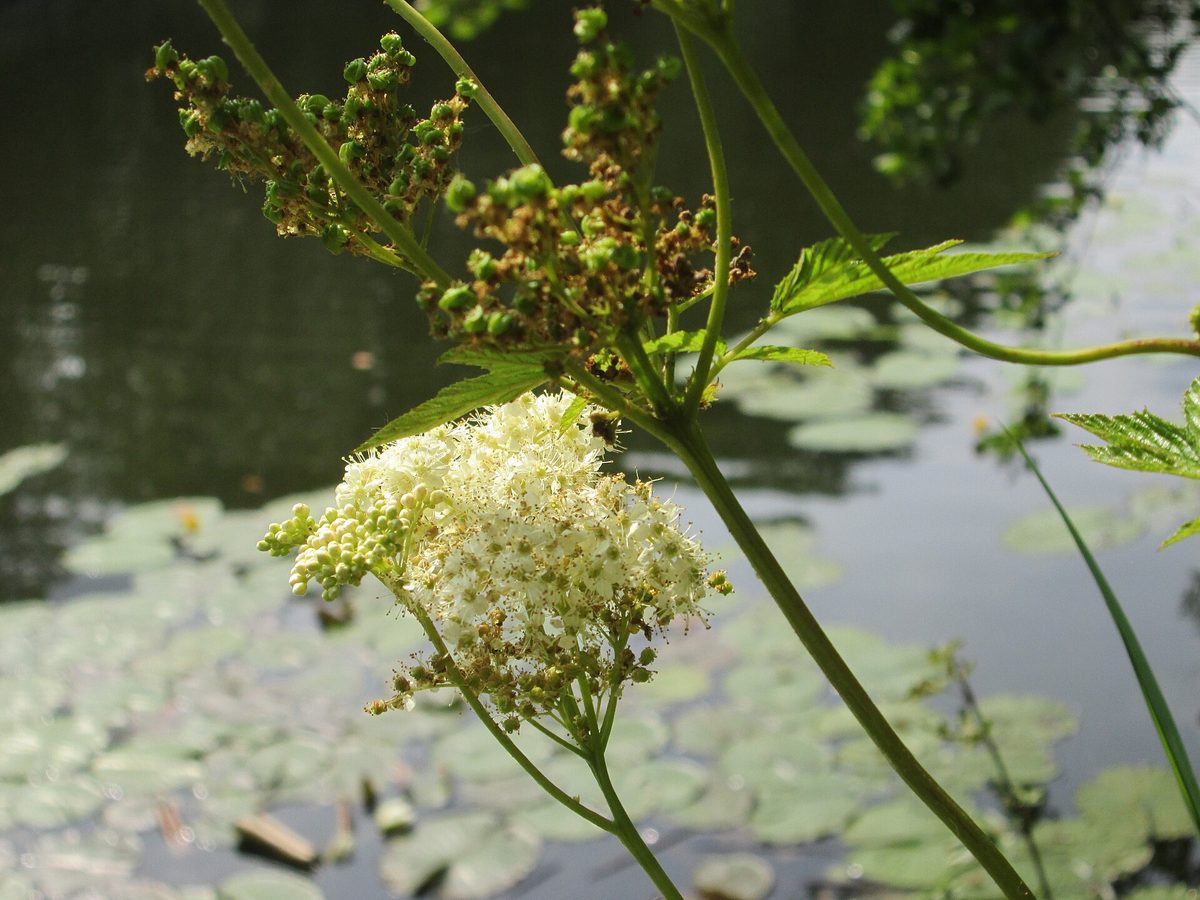
Queen of the Meadow
Filipendula ulmaria
Zones 3a–9b · 4 ft (1.22 m) · Full sun and part shade (full sun preferred)
-
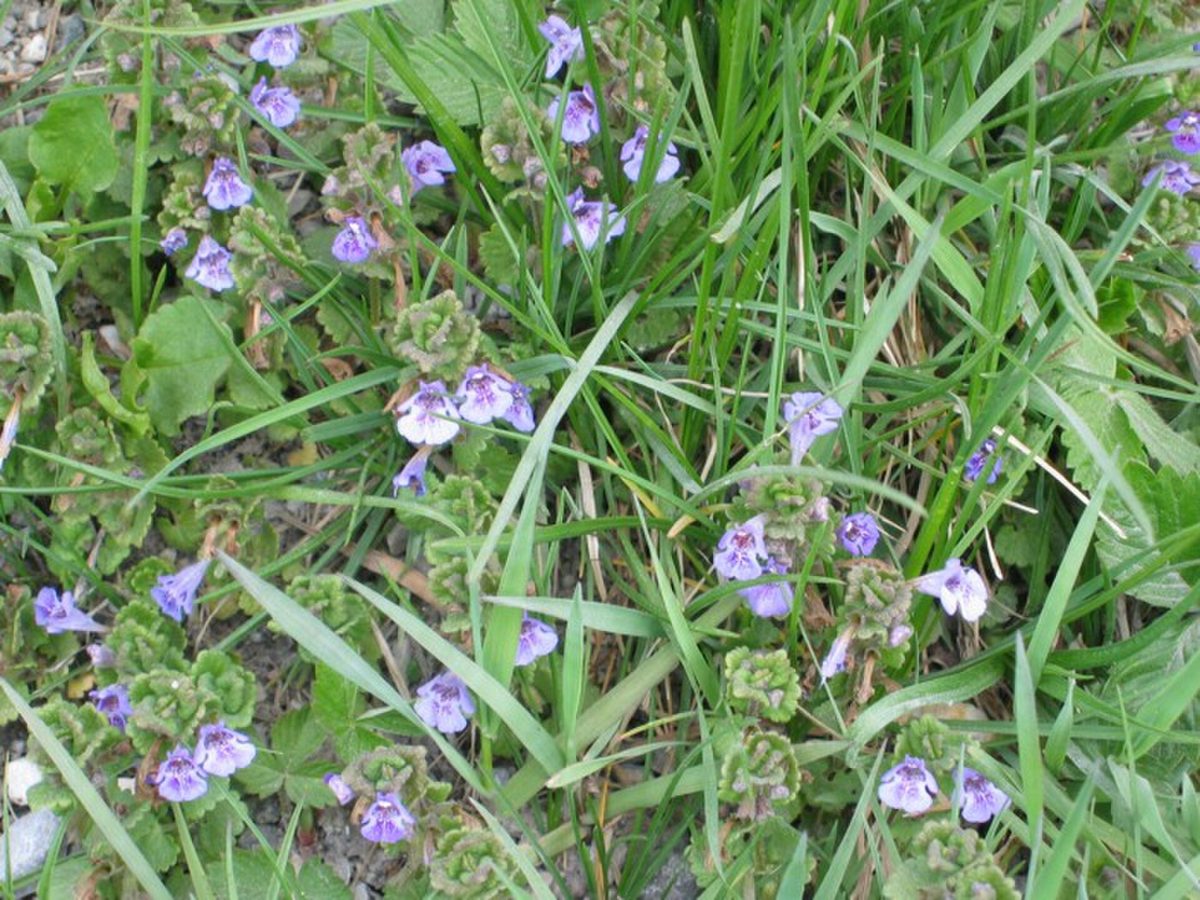
Ground Ivy
Glechoma hederacea
0.2–1 ft (0.05–0.3 m) · Full sun, part shade and full shade (full sun preferred)
-
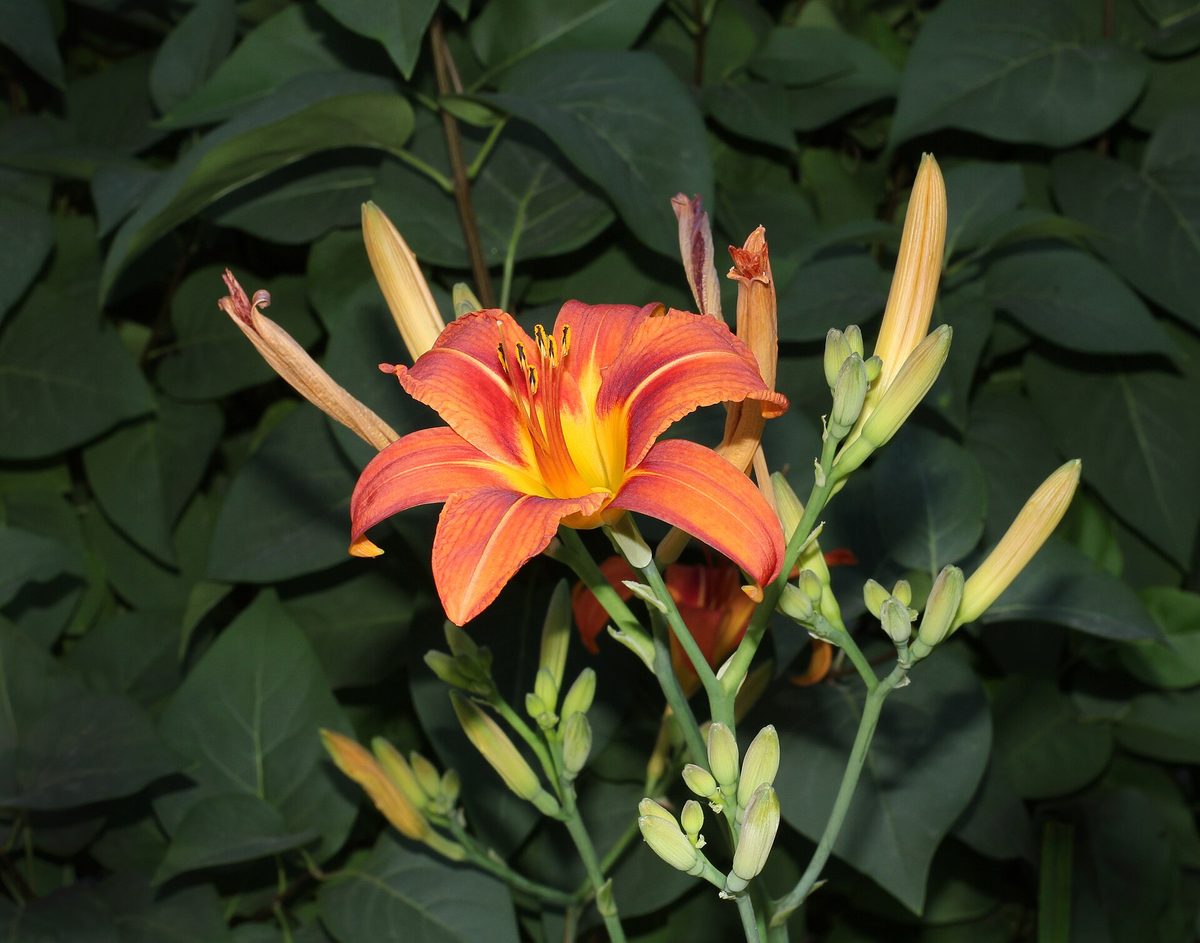
Daylily
Hemerocallis fulva
Zones 3a–8b · 3–6 ft (0.91–1.83 m) · Full sun and part shade (full sun preferred)
Hemerocallis fulva made this zone 3 group for the same reason as every other member: a rating for that winter range. Its entry here draws on that cold-hardiness standard and nothing beyond it.
-
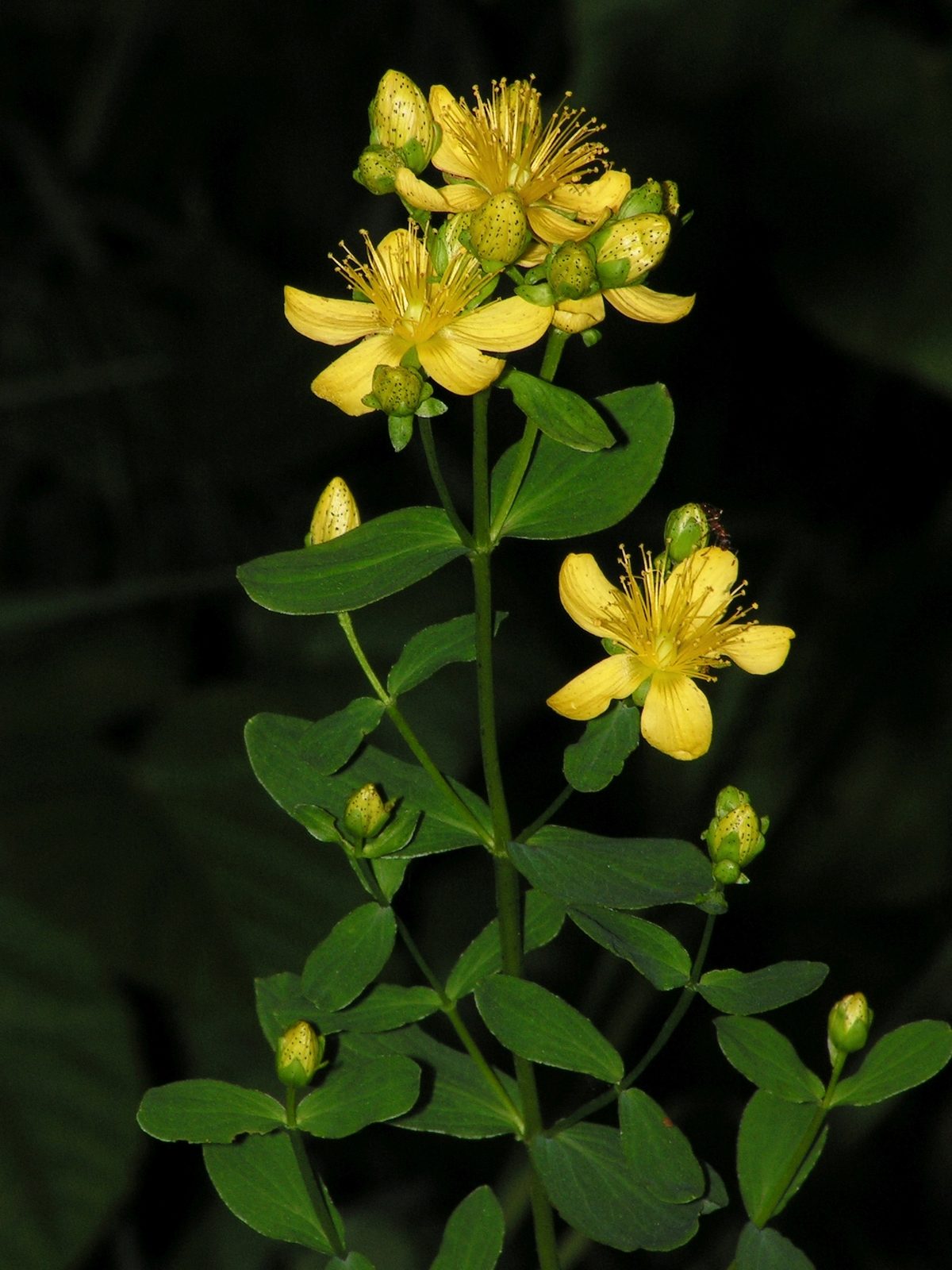
Common St. Johnswort
Hypericum perforatum
Zones 3a–8b · 1–3.3 ft (0.3–1 m) · Full sun and part shade (full sun preferred)
-
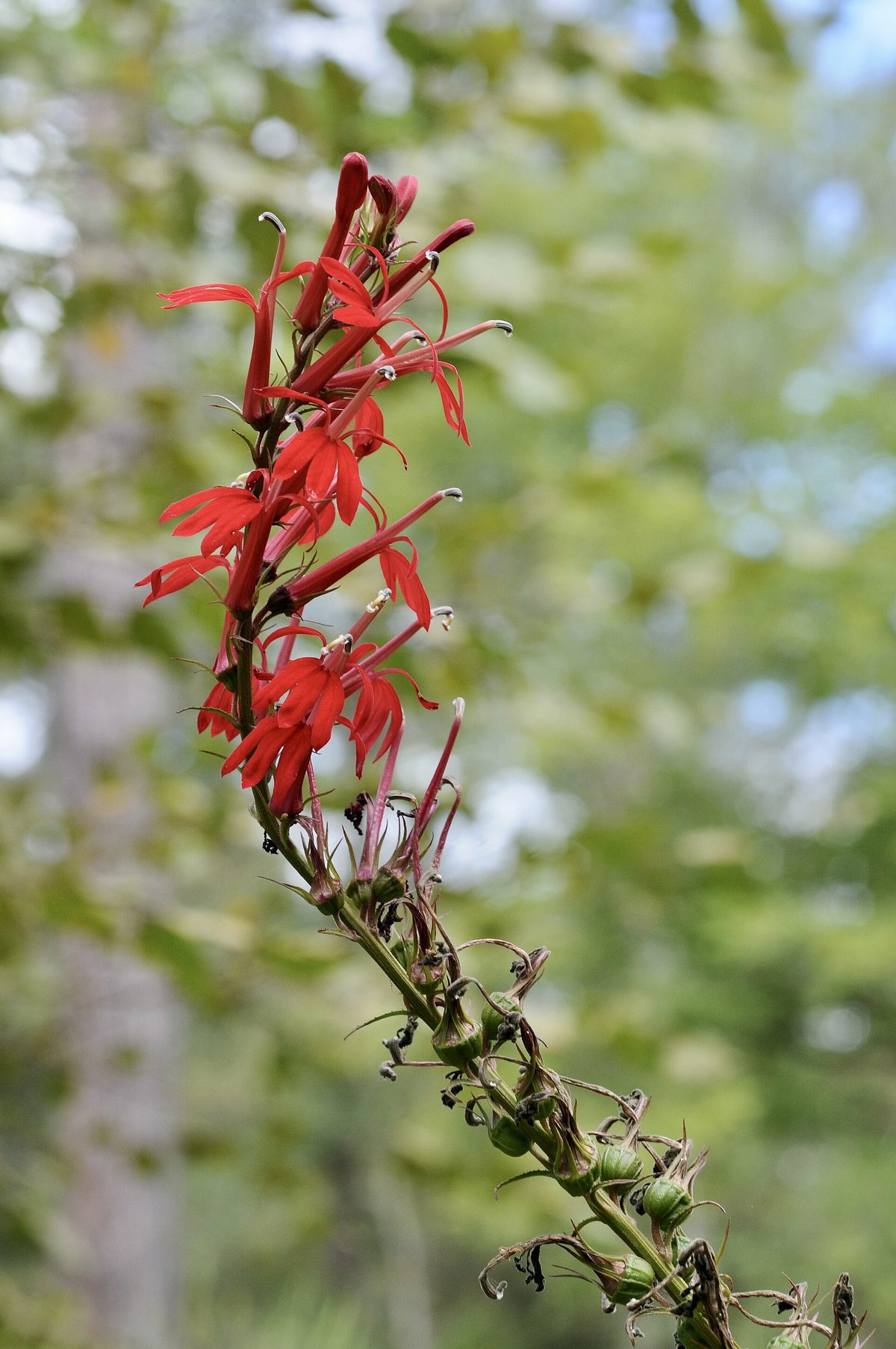
Cardinalflower
Lobelia cardinalis
Zones 3a–9b · 4–5 ft (1.22–1.52 m) · Full sun, part shade and full shade (full sun preferred)
Lobelia cardinalis is grouped into this zone 3 list on the same basis as the rest of these perennials: a cold-hardiness rating for that zone. No other factor decided its place on this page.
-
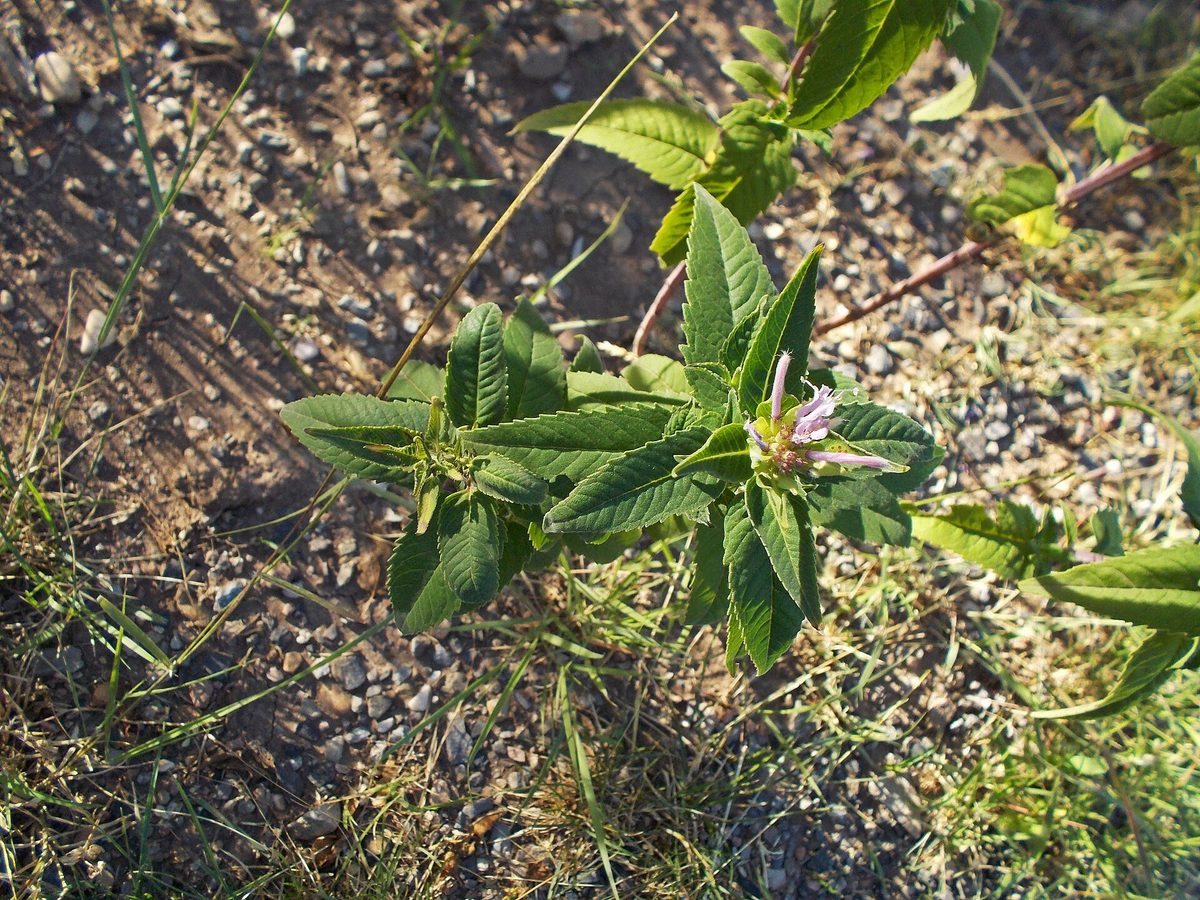
Wild Bergamot
Monarda fistulosa
Zones 3a–9b · 2–5 ft (0.61–1.52 m) · Full sun and part shade (full sun preferred)
Monarda fistulosa shares a spot on this zone 3 page with the other perennials for the same reason: its cold-hardiness rating fits that range. It stands alongside the rest of the group on that basis alone.
-
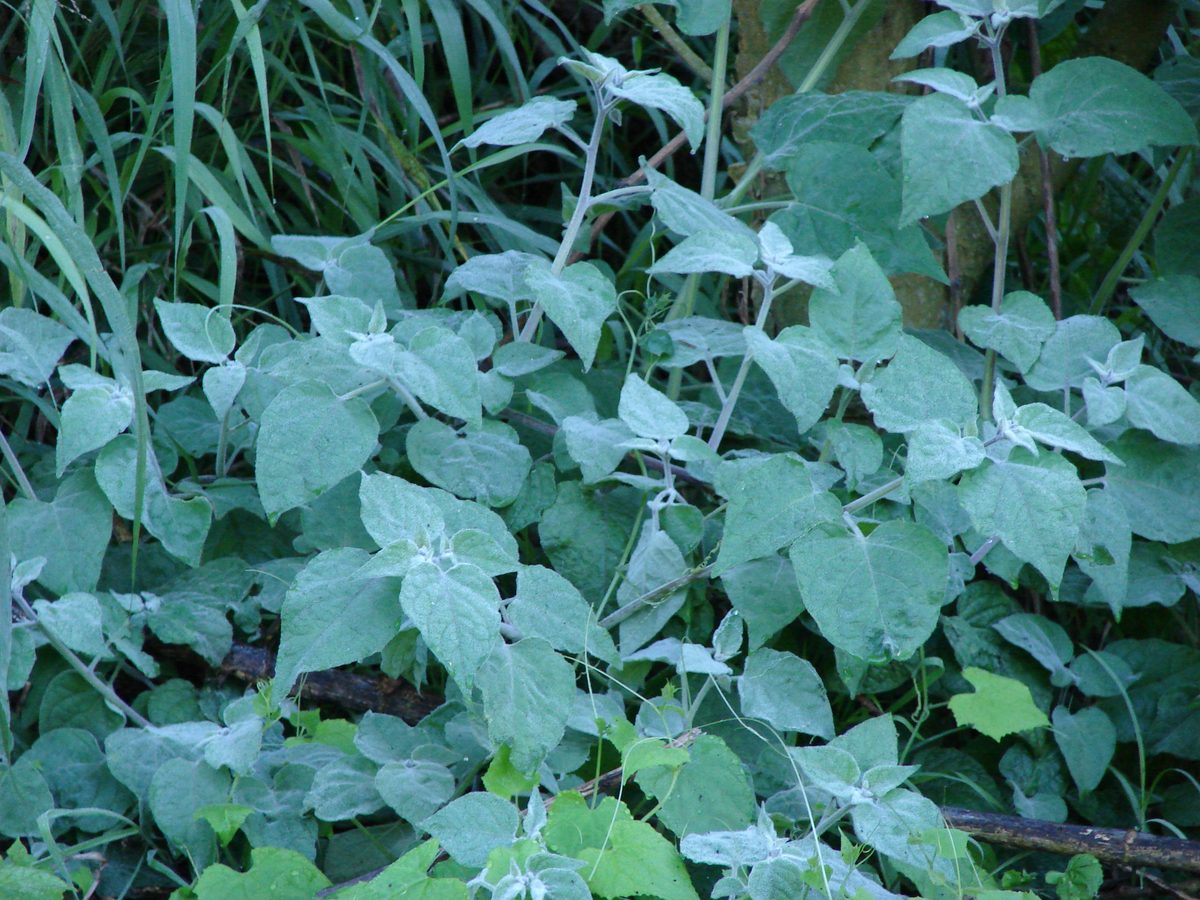
-
Kentucky Bluegrass
Poa pratensis
Zones 3a–7b · 0.3–3 ft (0.1–0.91 m) · Full sun and part shade (full sun preferred)
-
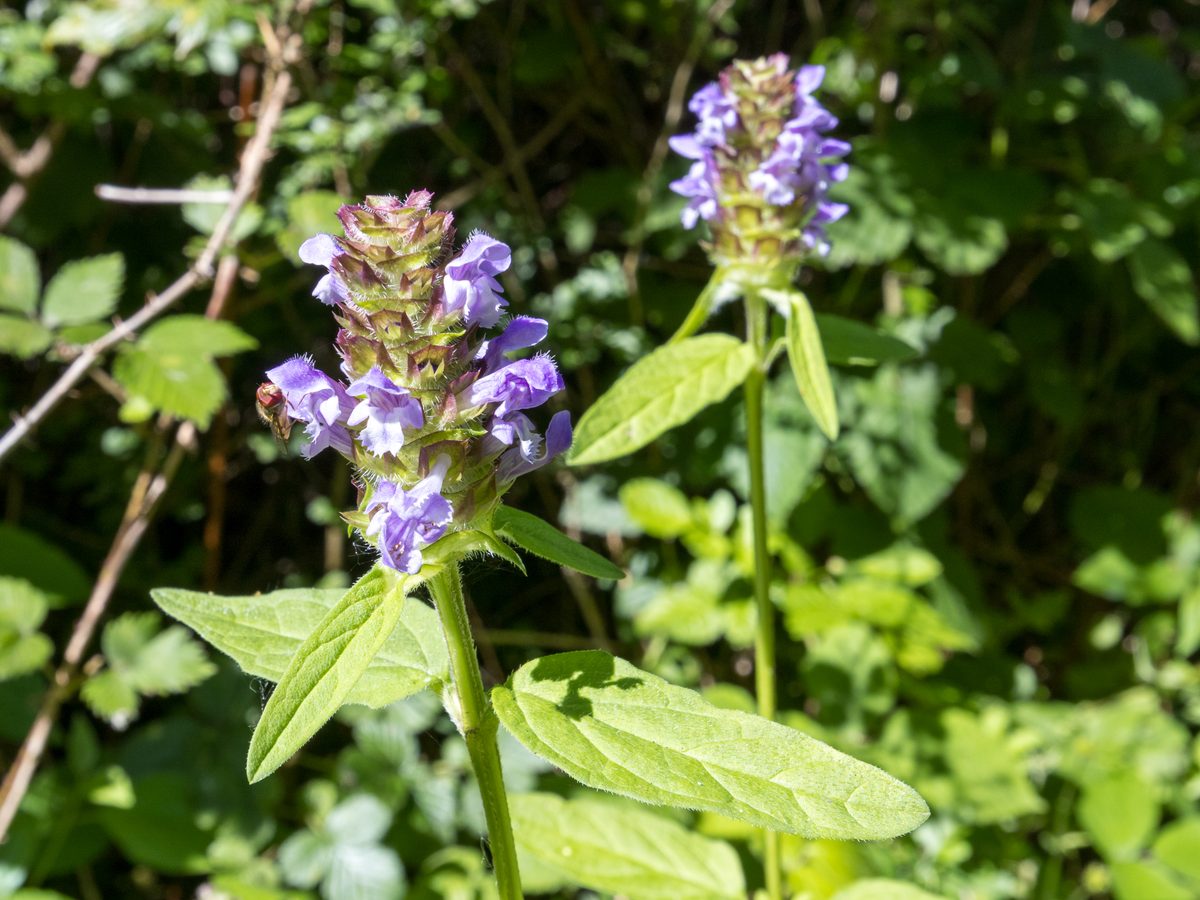
Common Selfheal
Prunella vulgaris
Zones 3a–9b · 1.7 ft (0.51 m) · Full sun and part shade (full sun preferred)
-
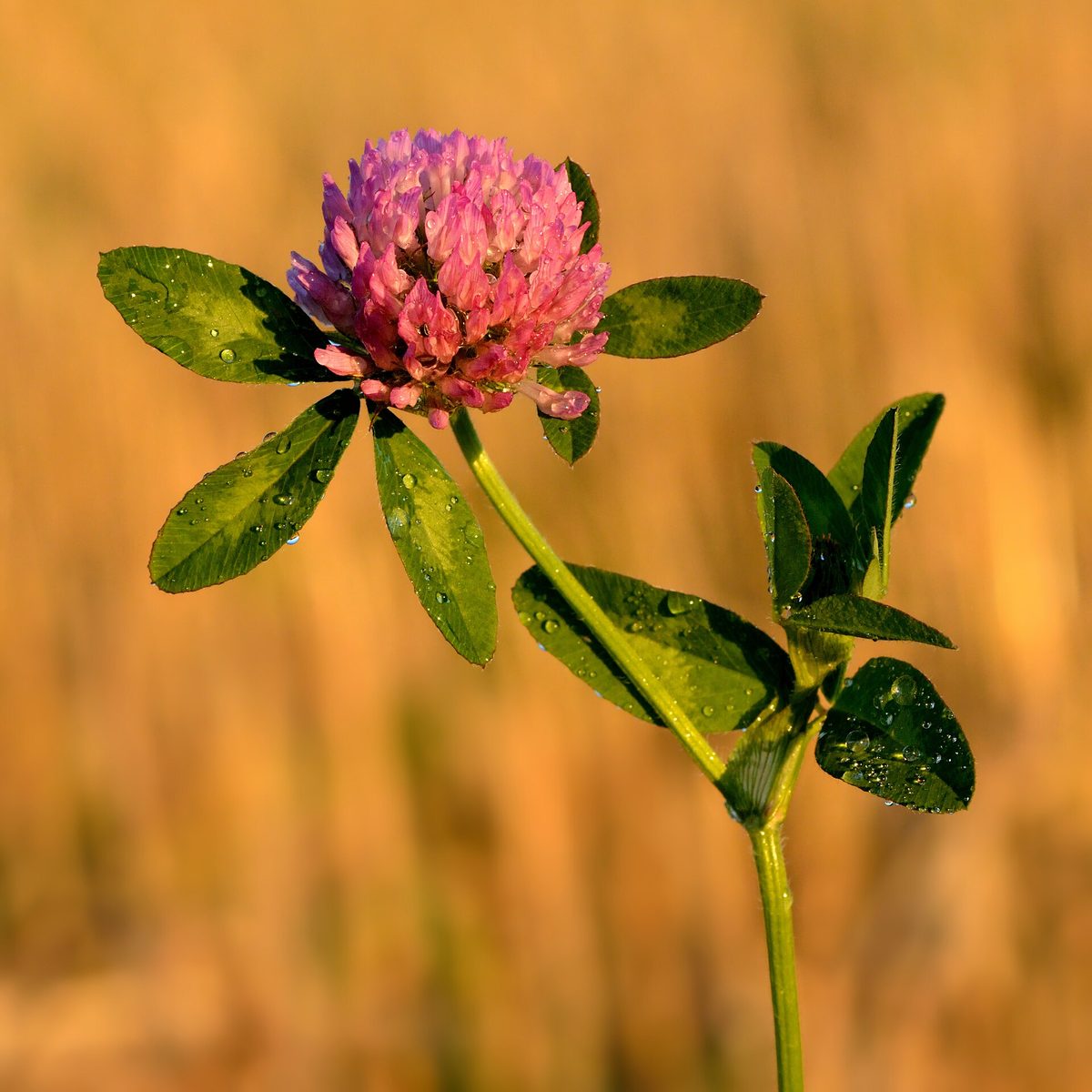
Red Clover
Trifolium pratense
Zones 3a–9b · 0.5–2 ft (0.15–0.61 m) · Full sun
Trifolium pratense rounds out this group with the same cold-hardiness rating as the rest of the zone 3 list. Its place here rests on that rating and nothing else noted on this page.
-
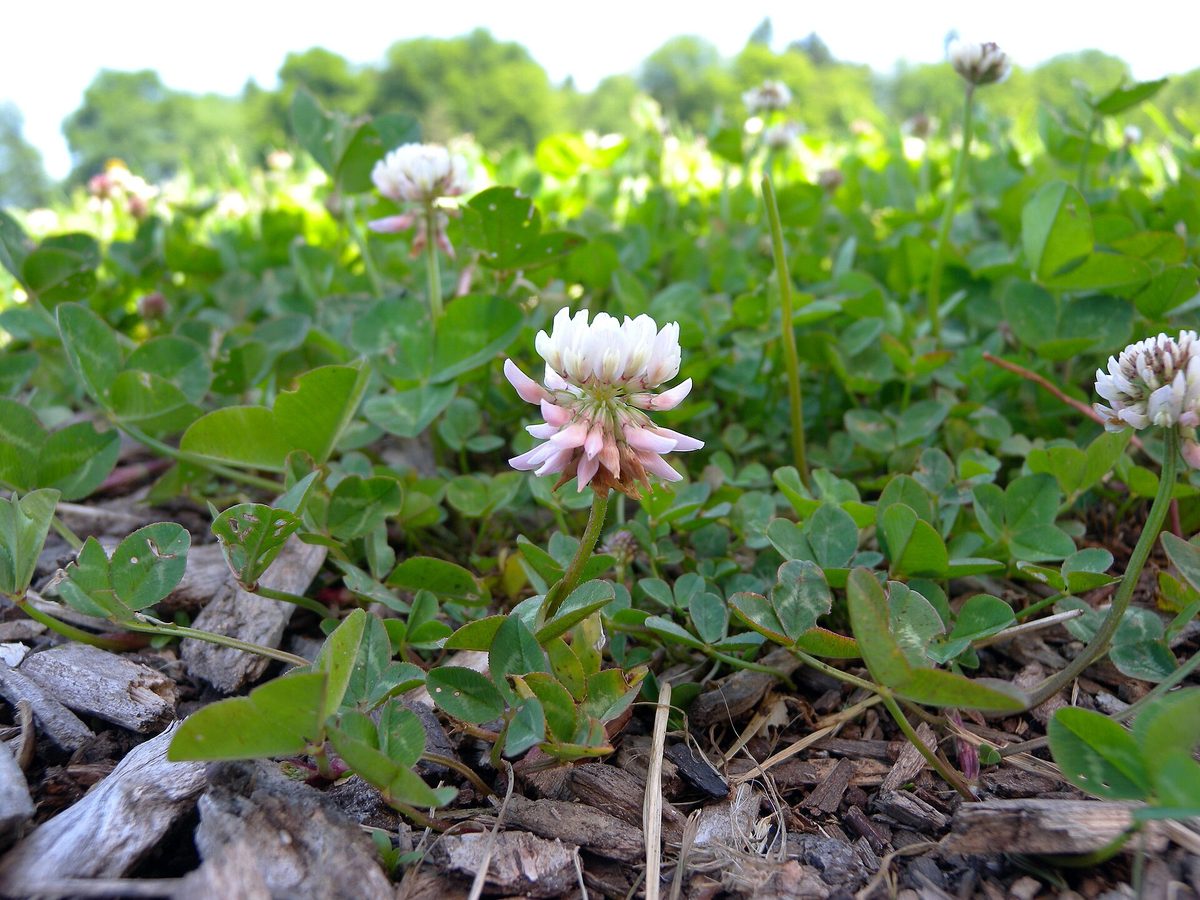
White Clover
Trifolium repens
Zones 3a–10b · 0.3–0.5 ft (0.1–0.15 m) · Full sun and part shade (full sun preferred)
-
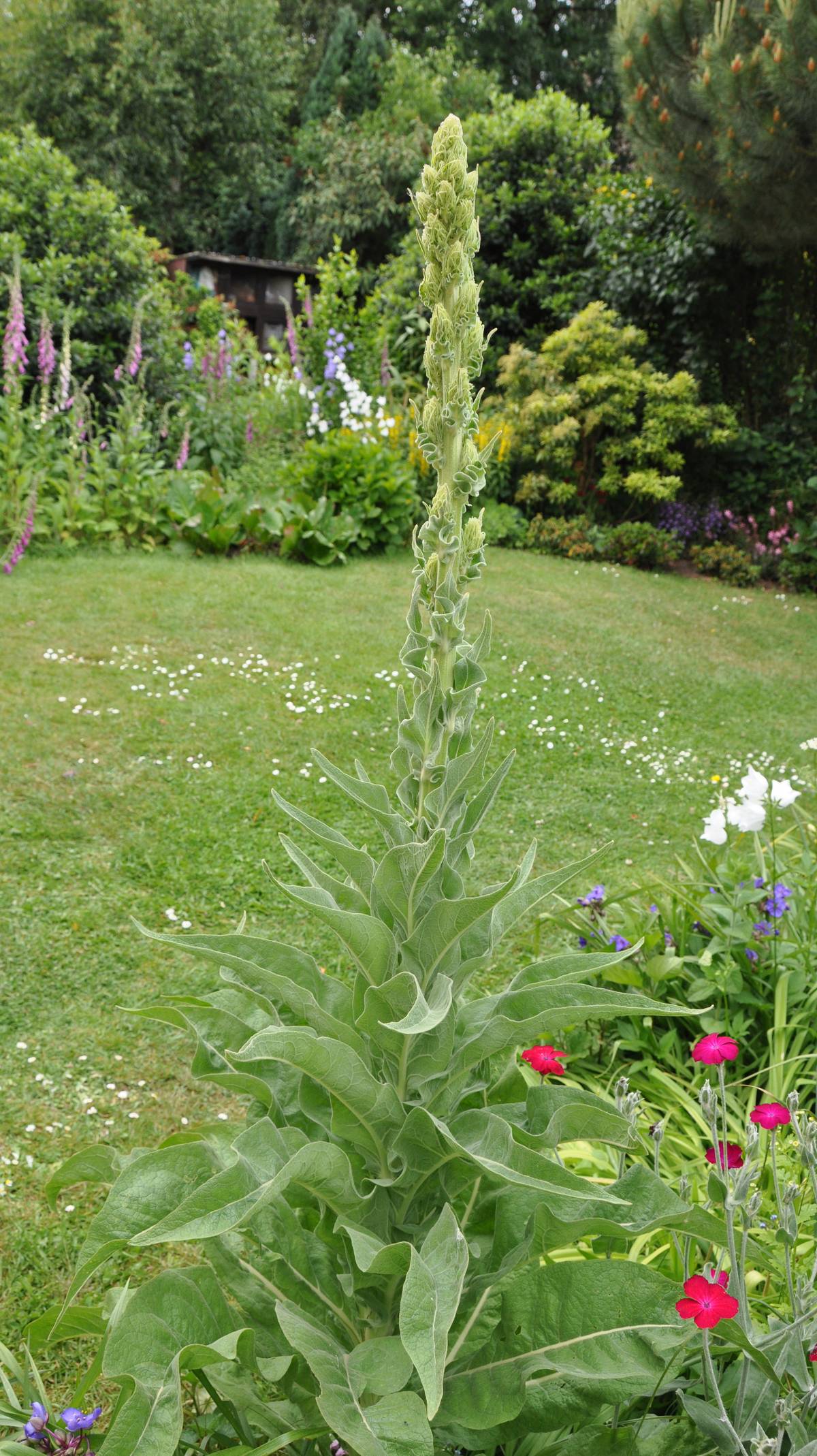
Common Mullein
Verbascum thapsus
Zones 3a–9b · 3–10 ft (0.91–3.05 m) · Full sun and part shade (full sun preferred)
How we chose
A herbaceous perennial, and hardy through at least zone 3a according to the cited sources
Photo credits
- Common Yarrow photo by Natalka Ukraine (baby-bear.org), CC BY 4.0 via Wikimedia Commons
- Indianhemp photo by Thayne Tuason, CC BY-SA 4.0 via Wikimedia Commons
- Greater Burdock photo by Ilya Plekhanov, CC BY-SA 3.0 via Wikimedia Commons
- Absinthium photo by Wikimedia Commons contributor, CC0 via Wikimedia Commons
- Common Wormwood photo by Wikimedia Commons contributor, CC0 via Wikimedia Commons
- Common Milkweed photo by Salicyna, CC BY-SA 4.0 via Wikimedia Commons
- Butterfly Milkweed photo by Larry Jensen, CC BY 4.0 via Wikimedia Commons
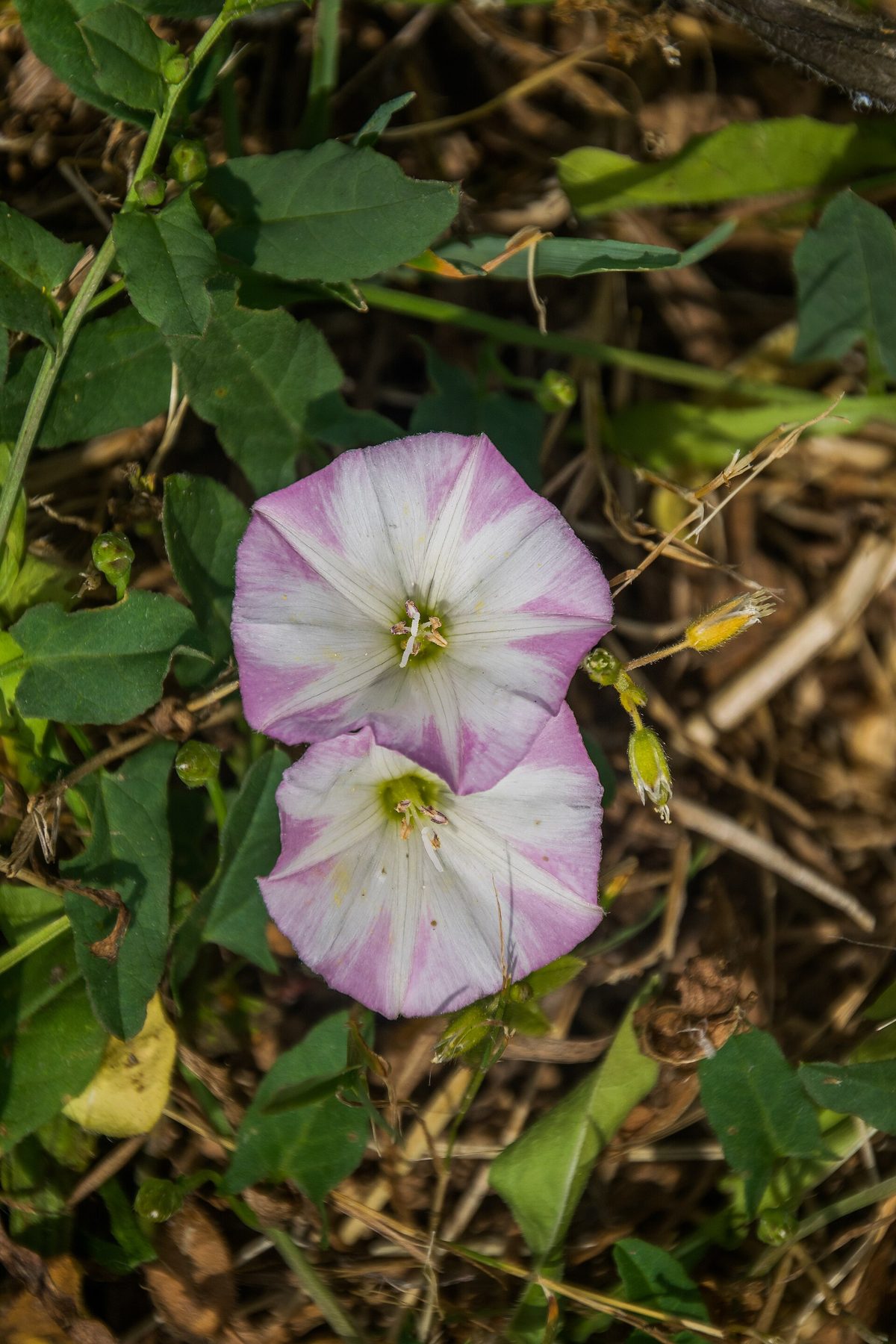
- Field Bindweed photo by Krzysztof Golik, CC BY-SA 4.0 via Wikimedia Commons
- Feathered Pink photo by DanielPenfield, CC BY-SA 4.0 via Wikimedia Commons
- Purple Coneflower photo by Wikimedia Commons contributor, CC BY-SA 3.0 via Wikimedia Commons
- Queen of the Meadow photo by Wikimedia Commons contributor, CC0 via Wikimedia Commons
- Ground Ivy photo by Michael Kurz, CC BY-SA 3.0 via Wikimedia Commons
- Daylily photo by George Chernilevsky, Public domain via Wikimedia Commons
- Common St. Johnswort photo by Bff, CC BY-SA 4.0 via Wikimedia Commons
- Cardinalflower photo by sonnia hill, CC BY 2.0 via Wikimedia Commons
- Wild Bergamot photo by Andrey Zharkikh from Salt Lake City, USA, CC BY 2.0 via Wikimedia Commons
- Peruvian Groundcherry photo by Forest & Kim Starr, CC BY 3.0 via Wikimedia Commons
- Common Selfheal photo by JackyM59, CC BY-SA 4.0 via Wikimedia Commons
- Red Clover photo by Ivar Leidus, CC BY-SA 4.0 via Wikimedia Commons
- White Clover photo by MurielBendel, CC BY-SA 4.0 via Wikimedia Commons
- Common Mullein photo by Marc Ryckaert (MJJR), CC BY 3.0 via Wikimedia Commons


How this page was made
- Written with AI assistance from the sources listed on this page. AI is never the source of a fact.