Shrubs for zone 3
The number attached to a hardiness zone marks the average annual minimum winter temperature a place sees, nothing more. Zone 3 sits near the cold end of that scale, so land in zone 3 goes through winters that reach lower minimum temperatures than milder zones do. A shrub rated for zone 3 has a history of surviving winters that cold, at least by the minimum temperature the zone marks. The zone number says nothing about how hot the summers run, how much rain falls over a year, or what kind of soil sits in your yard. Two places can share a zone 3 rating and still differ sharply in all three. Use the zone as one filter among several, not the whole picture, when you pick a shrub for a cold-winter spot. This page gathers shrubs grouped together because each is rated hardy to zone 3 or colder. The list below holds fourteen shrubs placed in this group, from Aronia melanocarpa to Viburnum opulus. Each entry links to a page with more detail on that plant, including anything documented about its light, water, and care needs. Read the zone number as a starting point for a cold-winter yard, then check each shrub's own page for the rest of what you need to know before you plant it.
Compared side by side
| Plant | Hardiness | Height | Light | Cats | Dogs |
|---|---|---|---|---|---|
| KinnikinnickArctostaphylos uva-ursi | Zones 3a–7b | 0.5–1 ft (0.15–0.3 m) | Full sun and part shade (full sun preferred) | Not documented | Not documented |
| Black ChokeberryAronia melanocarpa | Zones 3a–8b | 3–10 ft (0.91–3.05 m) | Full sun and part shade (full sun preferred) | Not documented | Not documented |
| Common BarberryBerberis vulgaris | Zones 3a–7b | 9.8–13 ft (3–3.96 m) | Full sun, part shade and full shade (full sun preferred) | Not documented | Not documented |
| Redosier DogwoodCornus sericea | Zones 2a–7b | 5–9 ft (1.52–2.74 m) | Full sun, part shade and full shade (full sun preferred) | Not documented | Not documented |
| SweetwilliamDianthus barbatus | Zones 3a–9b | 1–2 ft (0.3–0.61 m) | Full sun and part shade (full sun preferred) | Toxic (1 source) | Toxic (1 source) |
| Russian OliveElaeagnus angustifolia | Zones 2a–7b | 16.4–39.4 ft (5–12 m) | Full sun | Non-toxic | Non-toxic |
| Glossy BuckthornFrangula alnus | Zones 2a–7b | 25 ft (7.62 m) | Full sun and part shade (full sun preferred) | Not documented | Not documented |
| Eastern TeaberryGaultheria procumbens | Zones 3a–7b | 0.3–0.7 ft (0.1–0.2 m) | Full sun, part shade and full shade (full sun preferred) | Not documented | Not documented |
| Wild HydrangeaHydrangea arborescens | Zones 3a–9b | Sources differ: Penn State Extension; Oregon State University Extension Service; Penn State Extension | Full sun, part shade and full shade (full sun preferred) | Toxic | Toxic |
| Panicled HydrangeaHydrangea paniculata | Zones 3a–8b | Sources differ: University of Wisconsin-Madison Division of Extension (Wisconsin Horticulture) | Full sun and part shade (full sun preferred) | Toxic (1 source) | Toxic (1 source) |
| Common St. JohnswortHypericum perforatum | Zones 3a–8b | 1–3.3 ft (0.3–1 m) | Full sun and part shade (full sun preferred) | Toxic | Toxic |
| Common JuniperJuniperus communis | Not documented | 5–15 ft (1.52–4.57 m) | Full sun and part shade (full sun preferred) | Not documented | Not documented |
| Sweetberry HoneysuckleLonicera caerulea | Zones 2a–7b | 6 ft (1.83 m) | Full sun and part shade (full sun preferred) | Not documented | Not documented |
| Amur HoneysuckleLonicera maackii | Zones 3a–8b | 10–15 ft (3.05–4.57 m) | Full sun and part shade (full sun preferred) | Not documented | Not documented |
| Creeping JennyLysimachia nummularia | Zones 3a–9b | 0.2–0.3 ft (0.05–0.1 m) | Full sun, part shade and full shade (full sun preferred) | Not documented | Not documented |
| Common BuckthornRhamnus cathartica | Zones 3a–7b | 18–30 ft (5.49–9.14 m) | Full sun and part shade (full sun preferred) | Toxic (1 source) | Toxic (1 source) |
| European GooseberryRibes uva-crispa | Not documented | 3–6 ft (0.91–1.83 m) | Full sun and part shade (full sun preferred) | Not documented | Not documented |
| Rugosa RoseRosa rugosa | Zones 2a–7b | 3.9–5.9 ft (1.2–1.8 m) | Full sun | Not documented | Not documented |
| Red ElderberrySambucus racemosa | Zones 3a–7b | 4–25 ft (1.22–7.62 m) | Full sun, part shade and full shade (full sun preferred) | Not documented | Toxic (1 source) |
| Japanese MeadowsweetSpiraea japonica | Zones 3a–8b | 4–6 ft (1.22–1.83 m) | Full sun and part shade (full sun preferred) | Not documented | Not documented |
| Common SnowberrySymphoricarpos albus | Zones 3a–7b | 3–6 ft (0.91–1.83 m) | Full sun and part shade (full sun preferred) | Not documented | Not documented |
| Common LilacSyringa vulgaris | Zones 3a–7a | 8–15 ft (2.44–4.57 m) | Full sun and part shade (full sun preferred) | Not documented | Not documented |
| Lowbush BlueberryVaccinium angustifolium | Zones 2a–8b | 0.5–2 ft (0.15–0.61 m) | Full sun, part shade and full shade (full sun preferred) | Not documented | Not documented |
| Highbush BlueberryVaccinium corymbosum | Zones 3a–8b | 6–12 ft (1.83–3.66 m) | Full sun and part shade (full sun preferred) | Not documented | Not documented |
| European CranberrybushViburnum opulus | Zones 2a–8b | 10–16 ft (3.05–4.88 m) | Full sun and part shade (full sun preferred) | Not documented | Not documented |
The plants
-
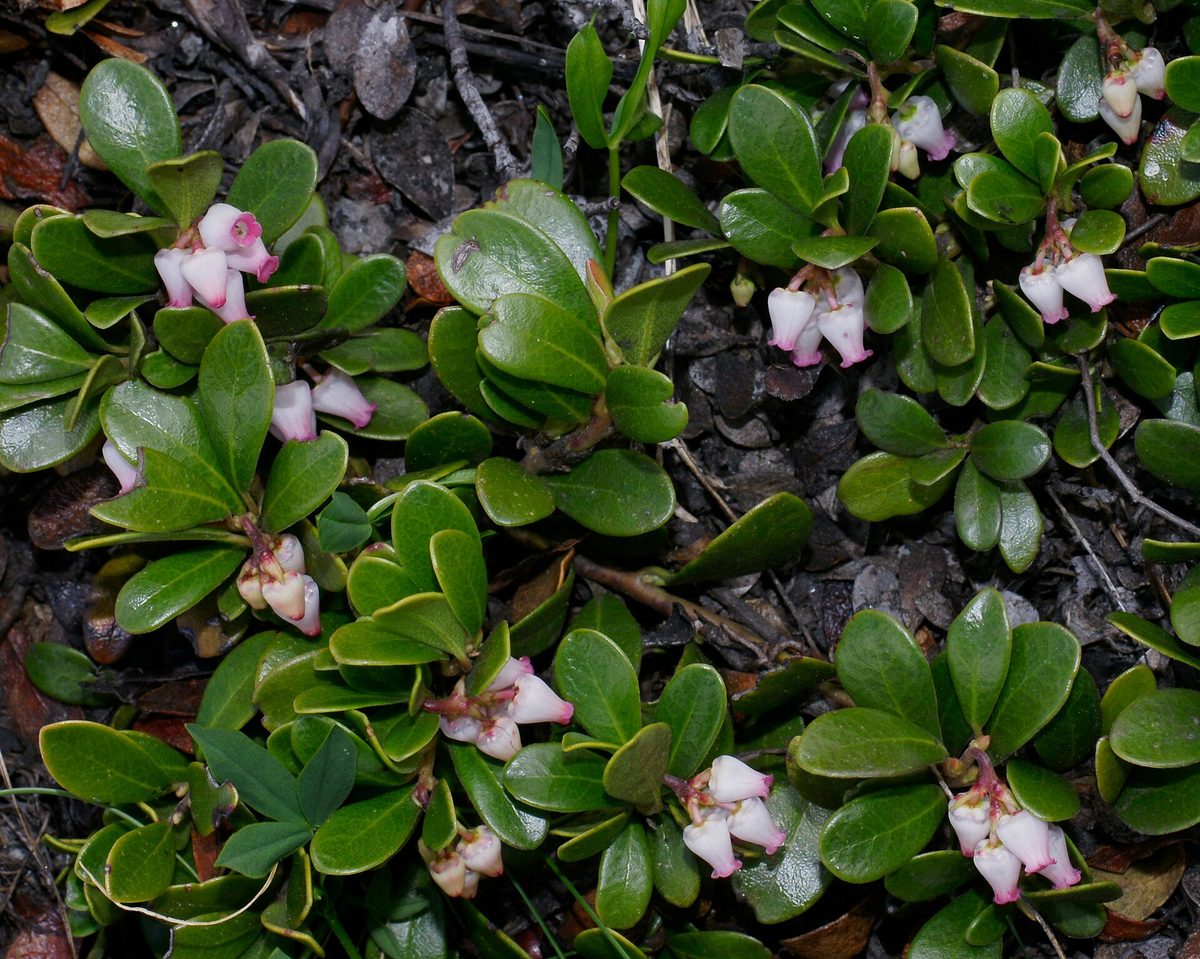
Kinnikinnick
Arctostaphylos uva-ursi
Zones 3a–7b · 0.5–1 ft (0.15–0.3 m) · Full sun and part shade (full sun preferred)
-
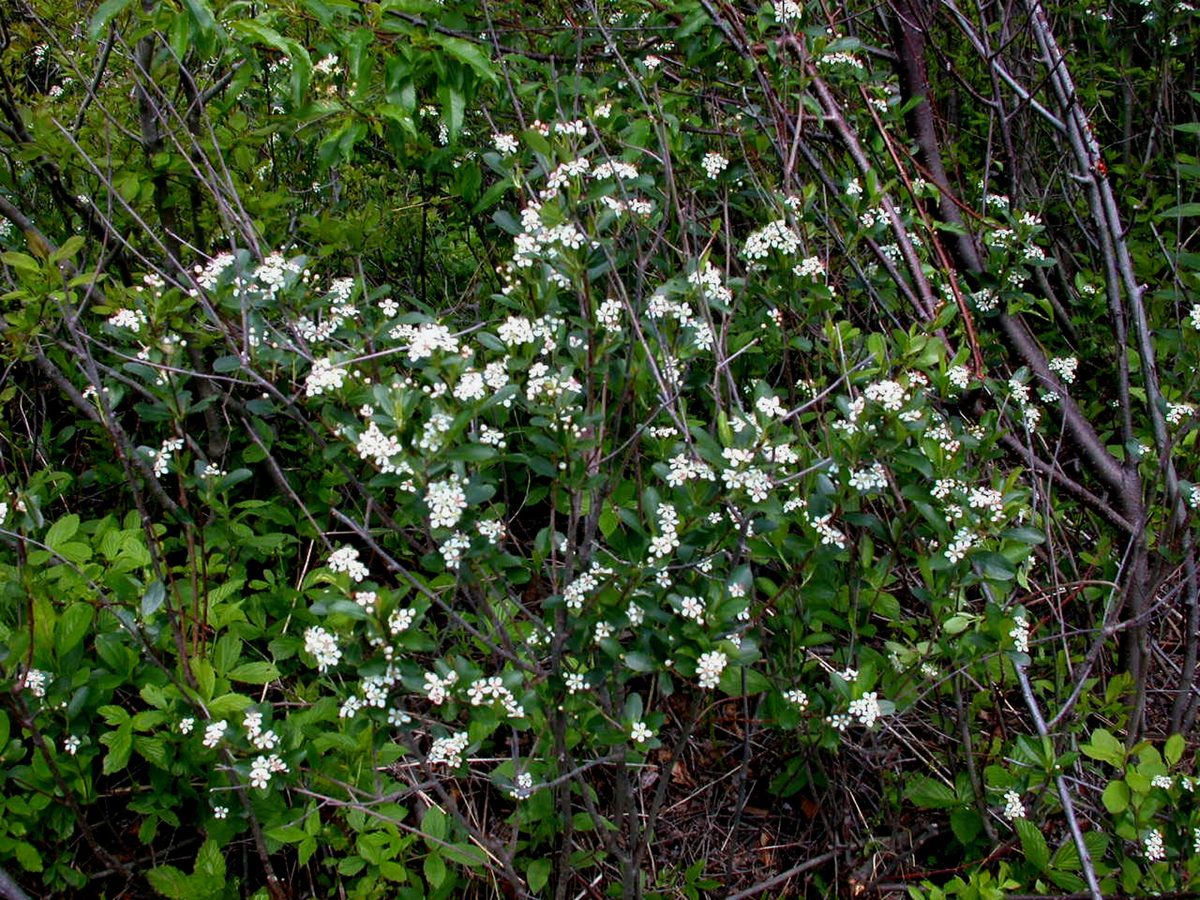
Black Chokeberry
Aronia melanocarpa
Zones 3a–8b · 3–10 ft (0.91–3.05 m) · Full sun and part shade (full sun preferred)
Aronia melanocarpa is one of the shrubs grouped into this zone 3 list. It sits among the plants gardeners in cold-winter areas can consider when picking a hardy shrub for the yard.
-
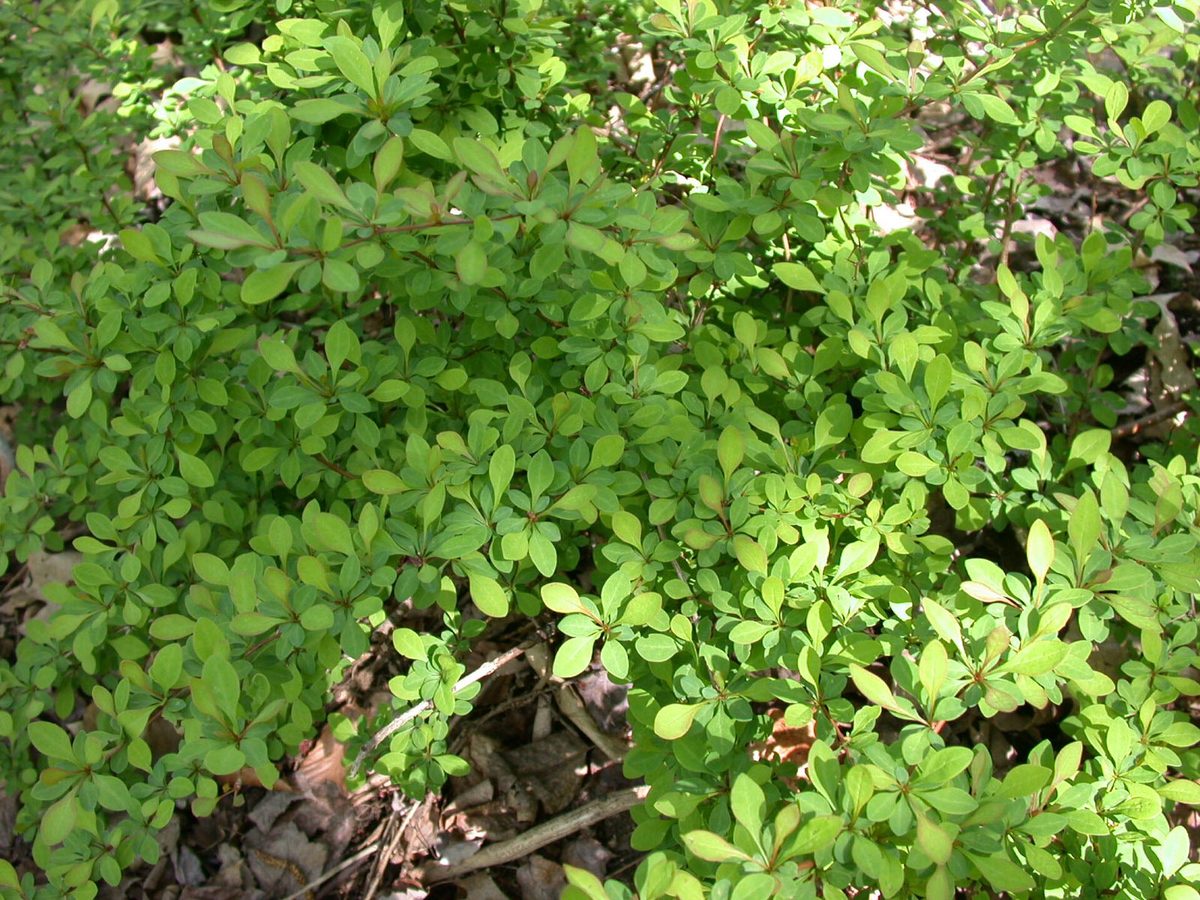
Common Barberry
Berberis vulgaris
Zones 3a–7b · 9.8–13 ft (3–3.96 m) · Full sun, part shade and full shade (full sun preferred)
Berberis vulgaris belongs to the shrubs grouped for zone 3 on this page. This list brings it together with other shrubs suited to the same cold-hardiness zone.
-
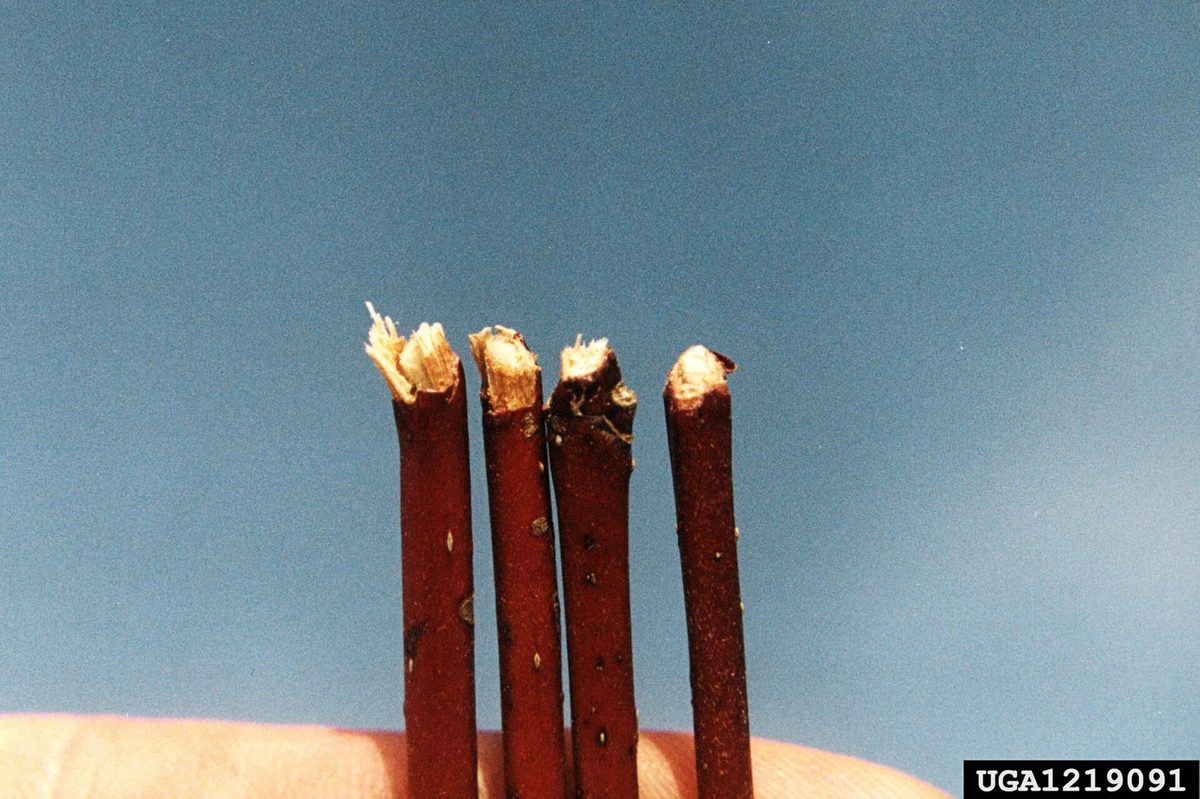
Redosier Dogwood
Cornus sericea
Zones 2a–7b · 5–9 ft (1.52–2.74 m) · Full sun, part shade and full shade (full sun preferred)
-
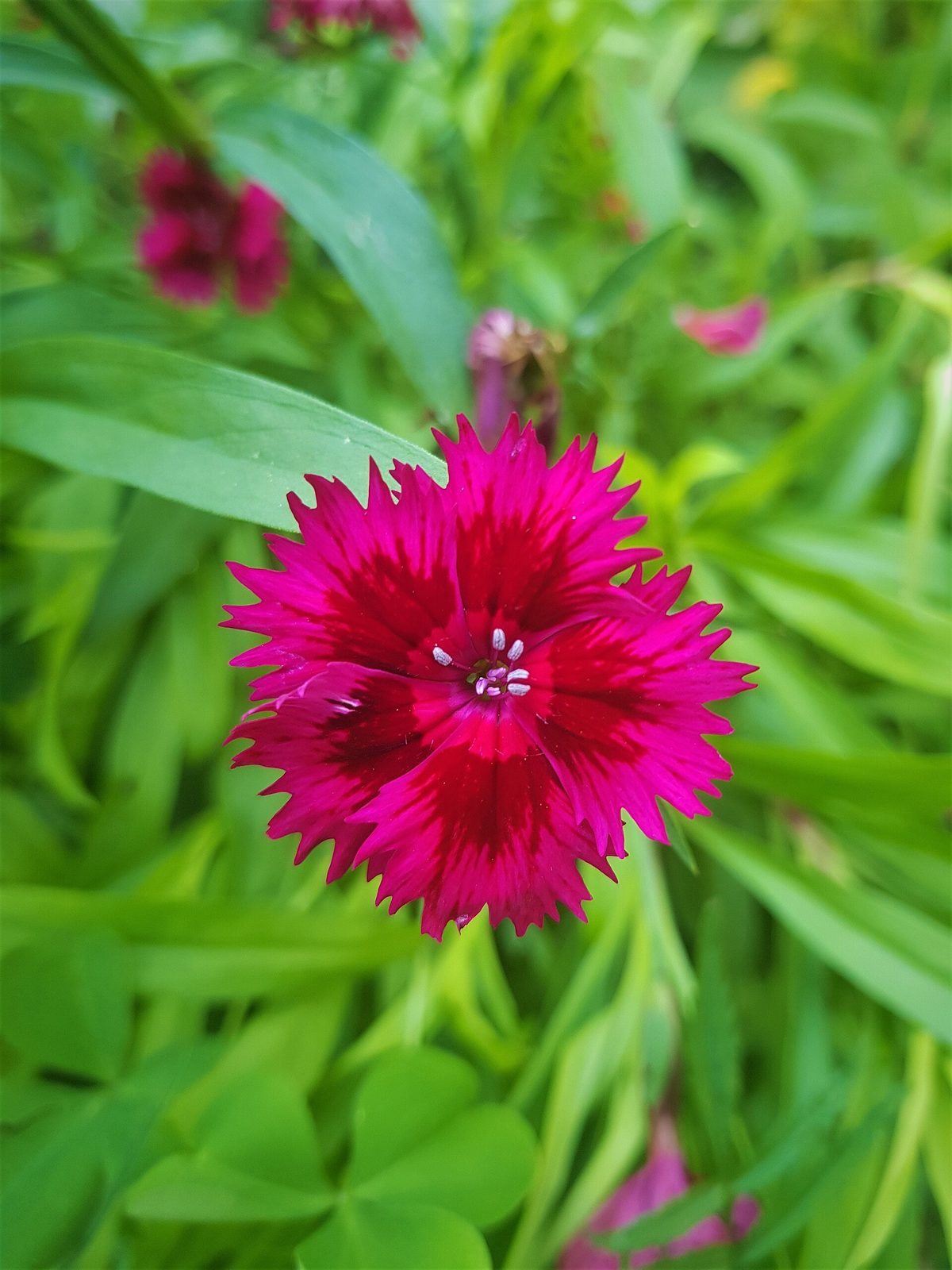
Sweetwilliam
Dianthus barbatus
Zones 3a–9b · 1–2 ft (0.3–0.61 m) · Full sun and part shade (full sun preferred)
Dianthus barbatus is listed among the shrubs in this zone 3 group. Checking this page lets you compare it against the other plants placed in the same hardiness class.
-
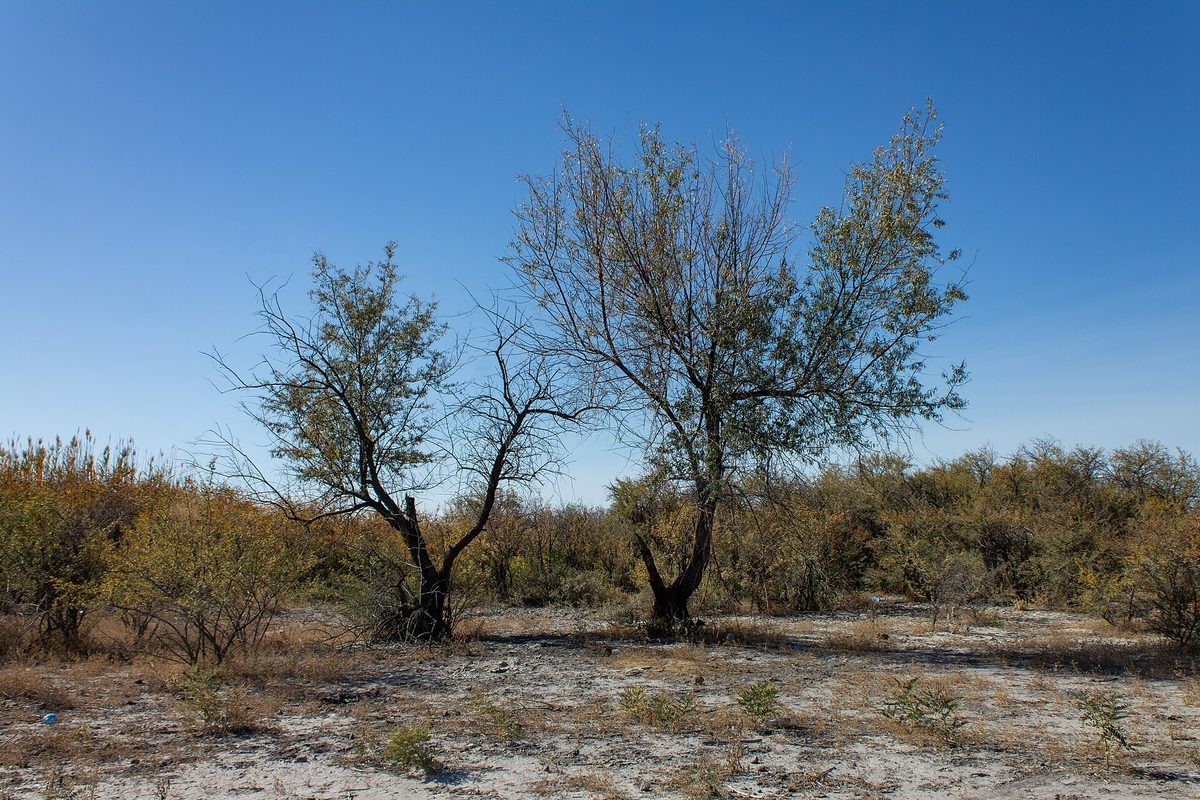
Russian Olive
Elaeagnus angustifolia
Zones 2a–7b · 16.4–39.4 ft (5–12 m) · Full sun
Elaeagnus angustifolia is part of the shrub group collected on this zone 3 page. Its place here groups it with other shrubs rated hardy to the same winter zone.
-
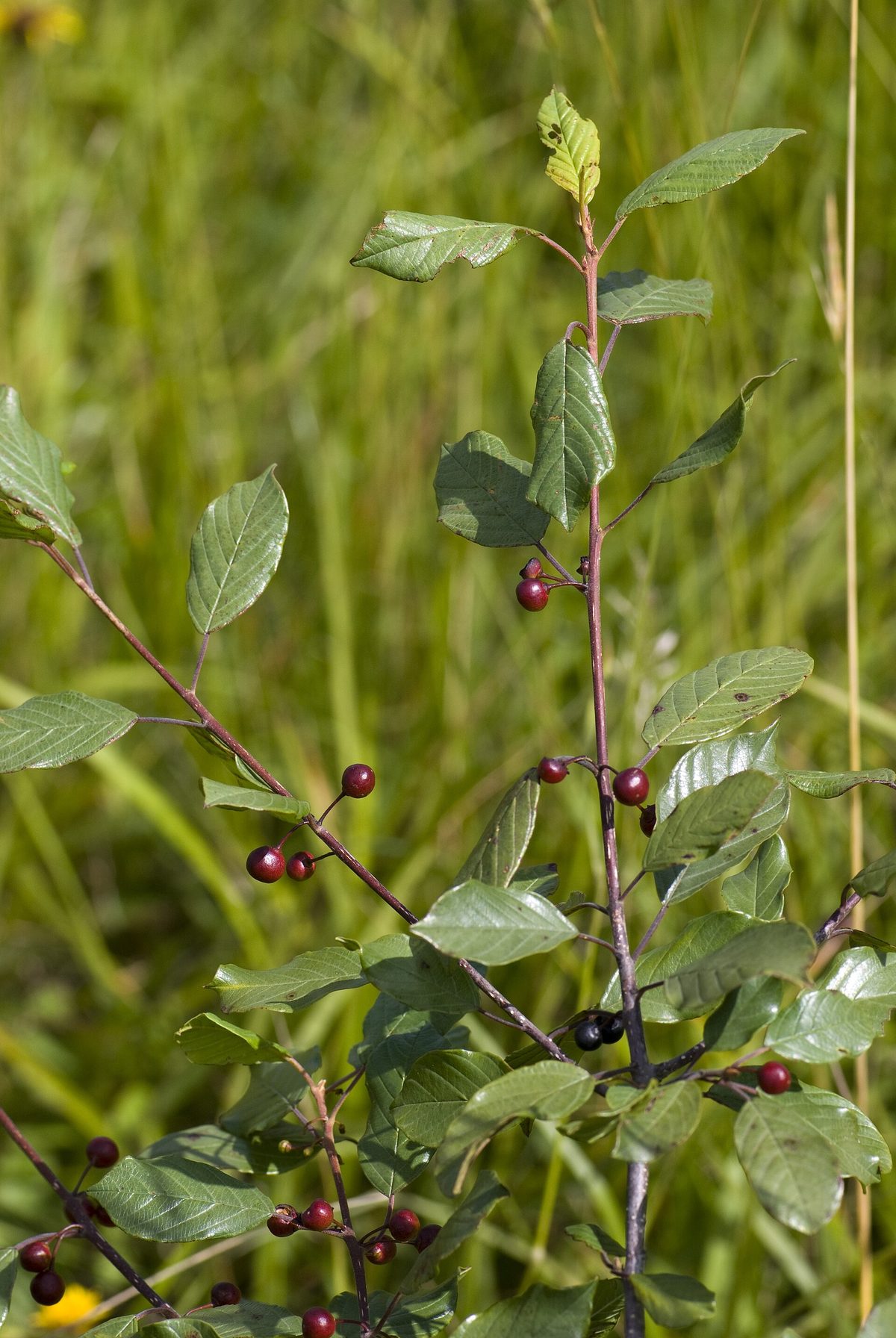
Glossy Buckthorn
Frangula alnus
Zones 2a–7b · 25 ft (7.62 m) · Full sun and part shade (full sun preferred)
-
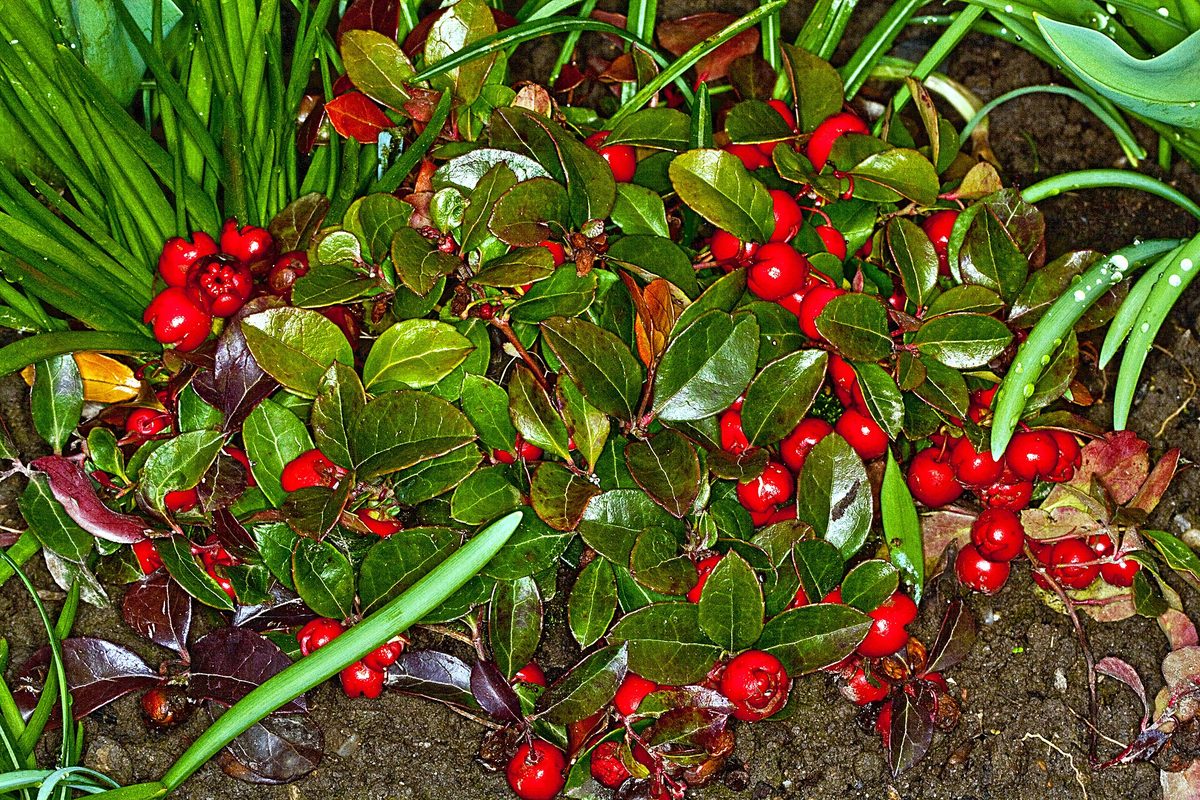
Eastern Teaberry
Gaultheria procumbens
Zones 3a–7b · 0.3–0.7 ft (0.1–0.2 m) · Full sun, part shade and full shade (full sun preferred)
Gaultheria procumbens appears in the shrubs grouped for zone 3 here. Grouping it this way lets you see it alongside the other shrubs rated for the same cold limit.
-
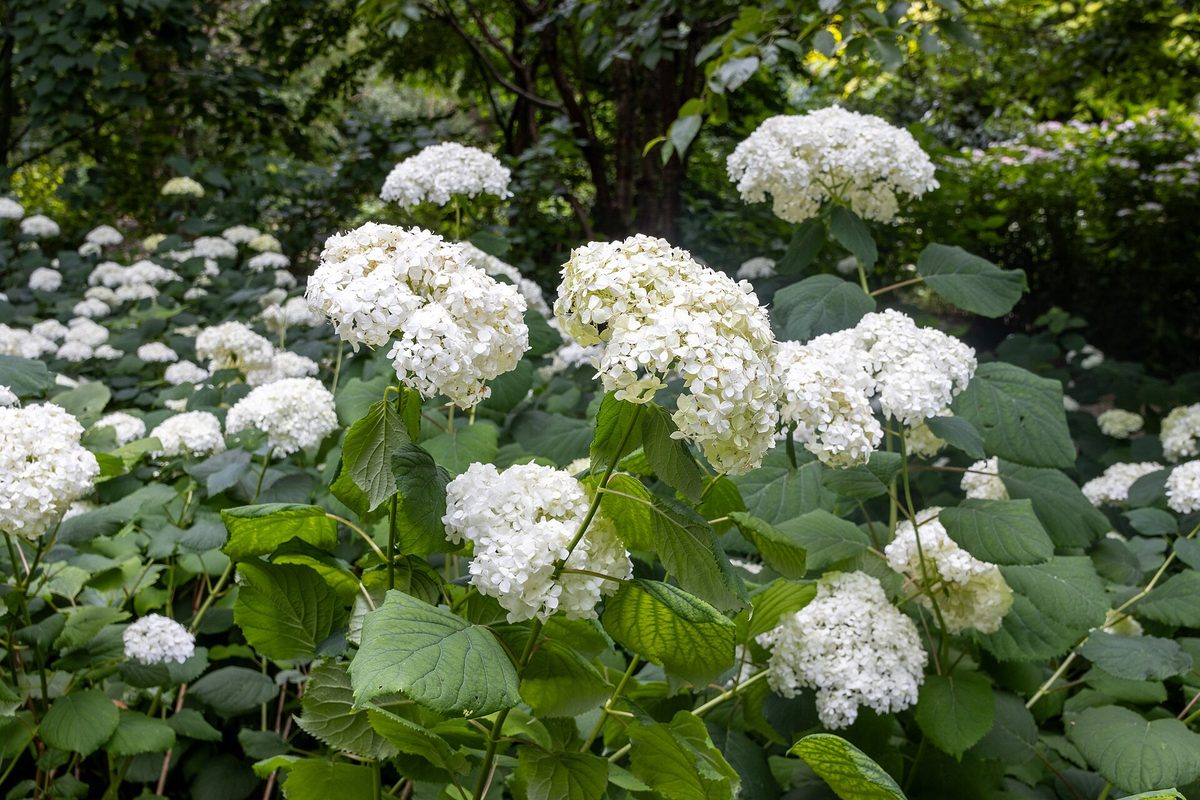
Wild Hydrangea
Hydrangea arborescens
Zones 3a–9b · Sources differ: Penn State Extension; Oregon State University Extension Service; Penn State Extension · Full sun, part shade and full shade (full sun preferred)
-
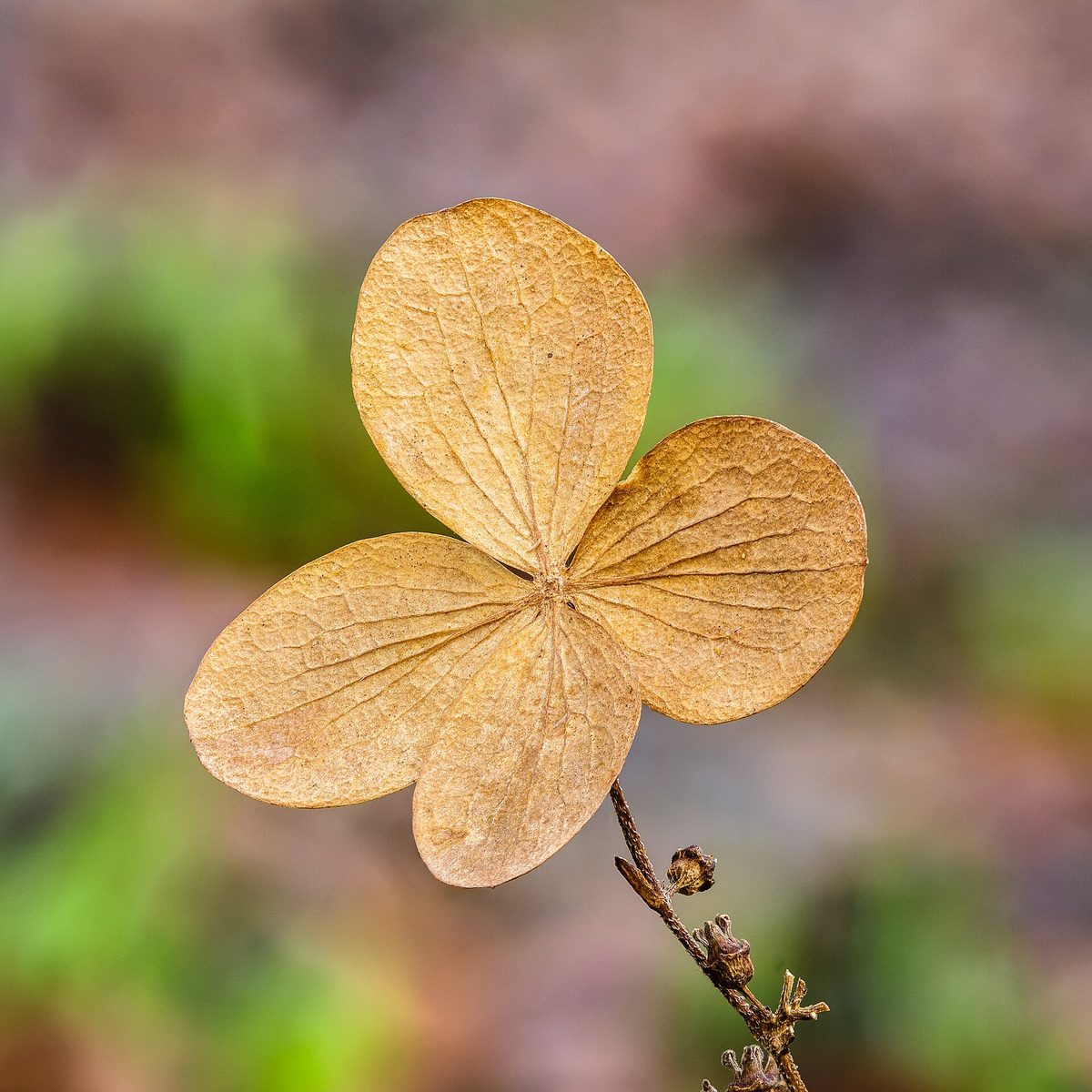
Panicled Hydrangea
Hydrangea paniculata
Zones 3a–8b · Sources differ: University of Wisconsin-Madison Division of Extension (Wisconsin Horticulture) · Full sun and part shade (full sun preferred)
Hydrangea paniculata is one of the shrubs on this zone 3 list. This page places it next to the other shrubs sharing the same hardiness rating.
-
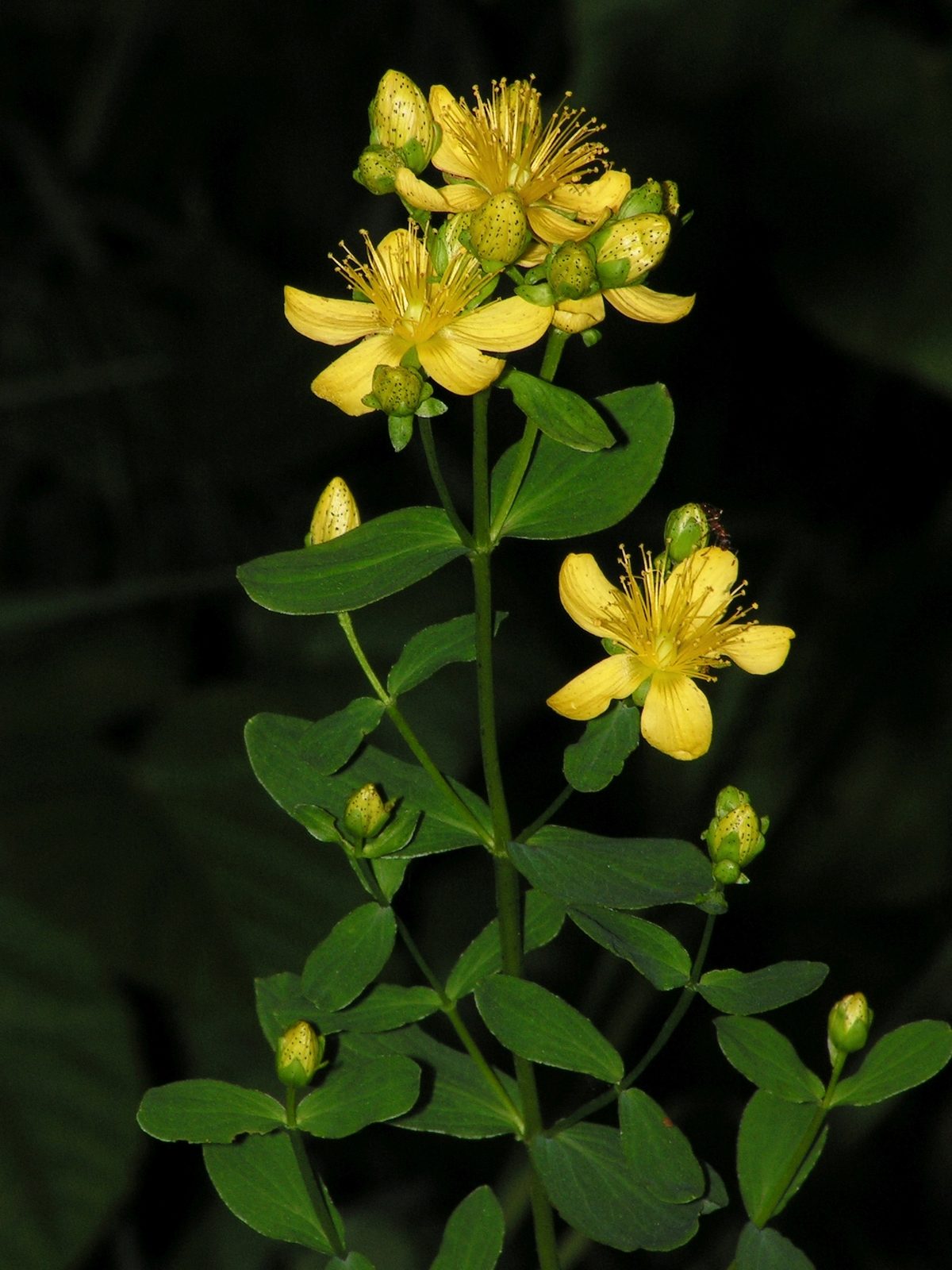
Common St. Johnswort
Hypericum perforatum
Zones 3a–8b · 1–3.3 ft (0.3–1 m) · Full sun and part shade (full sun preferred)
Hypericum perforatum sits in the shrub group for zone 3 on this page. You can use its spot here to compare it with the other shrubs on the list.
-
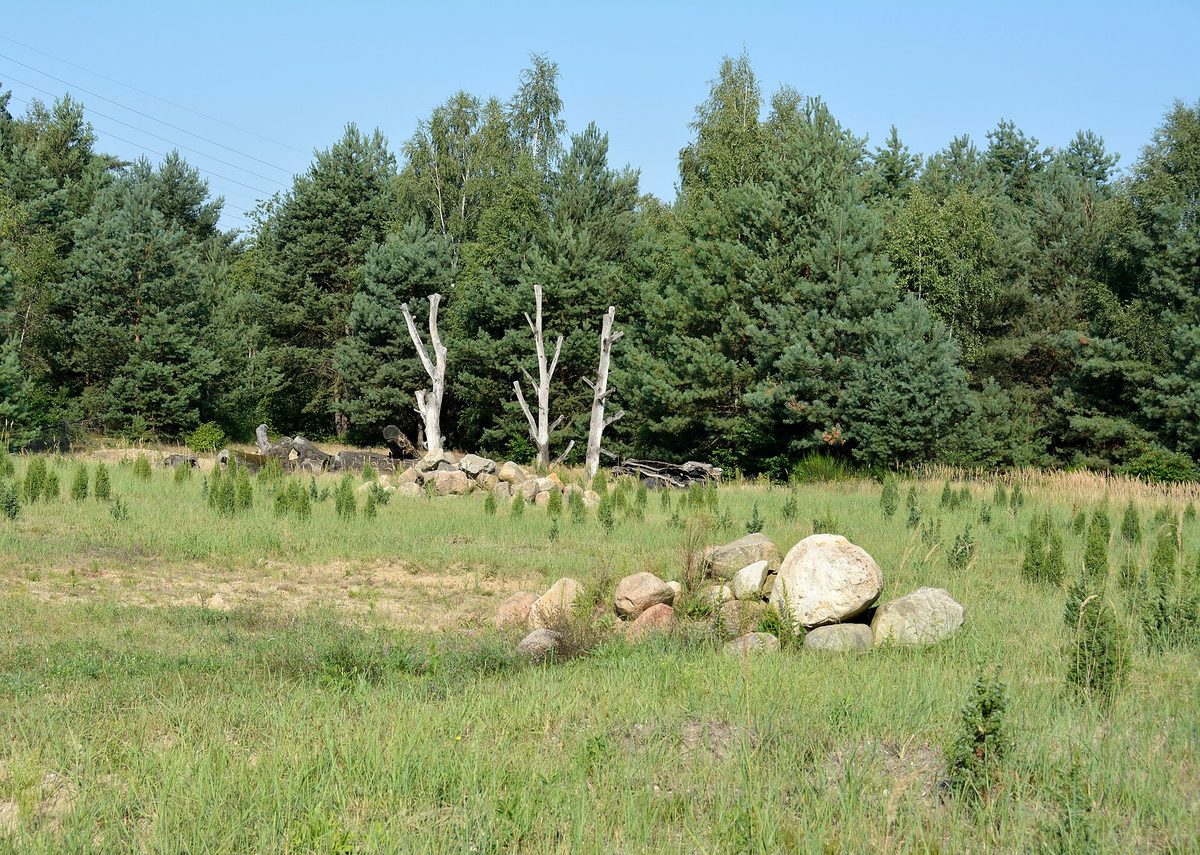
Common Juniper
Juniperus communis
5–15 ft (1.52–4.57 m) · Full sun and part shade (full sun preferred)
-
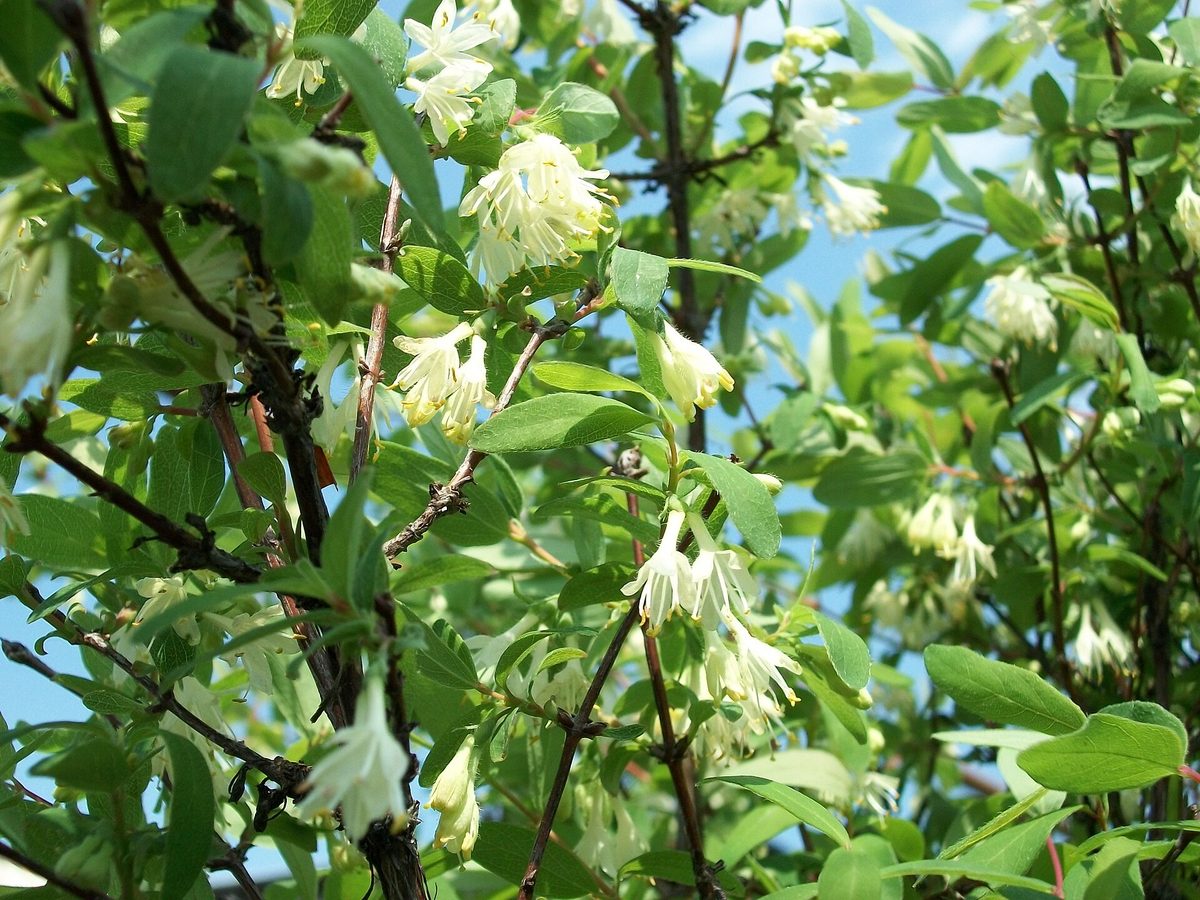
Sweetberry Honeysuckle
Lonicera caerulea
Zones 2a–7b · 6 ft (1.83 m) · Full sun and part shade (full sun preferred)
Lonicera caerulea is grouped with the shrubs for zone 3 on this page. Its listing here puts it alongside other shrubs rated hardy to this same winter zone.
-
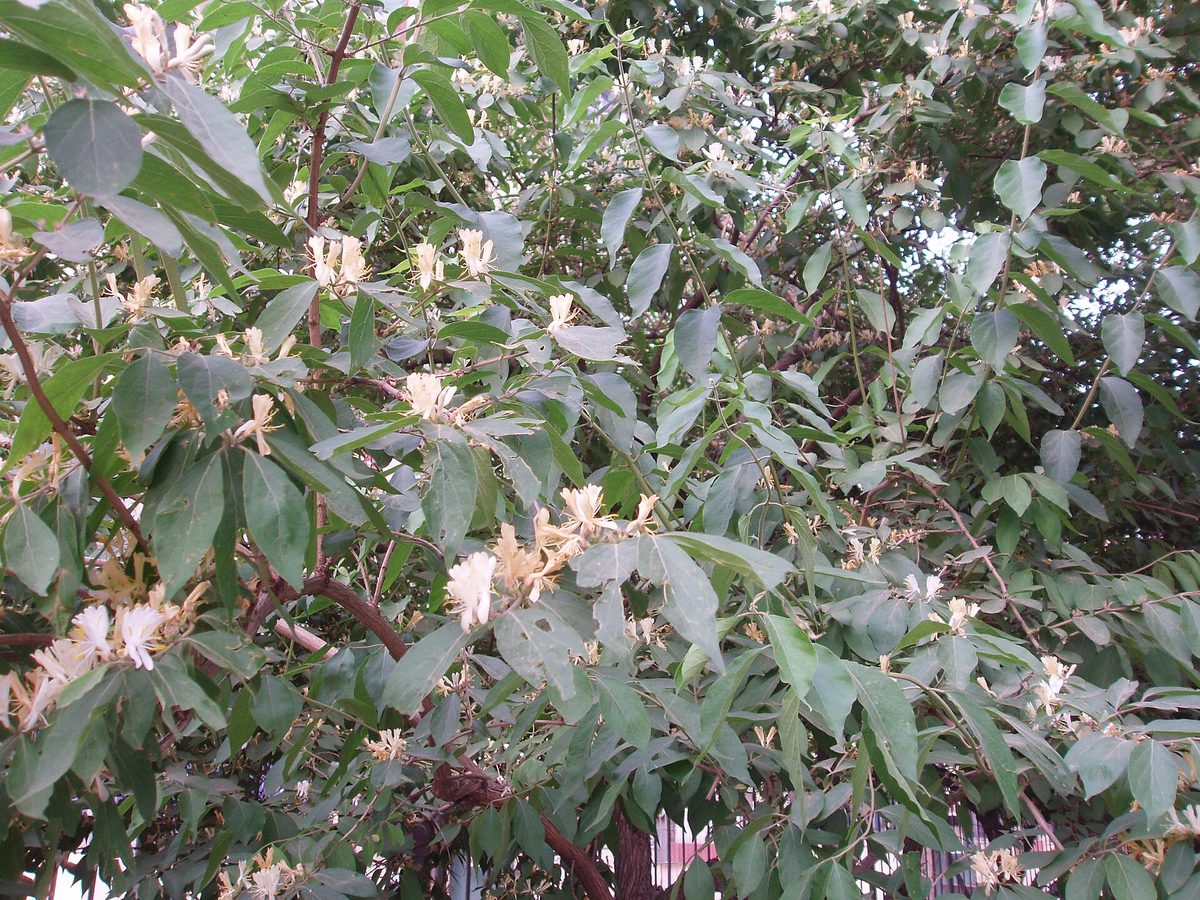
Amur Honeysuckle
Lonicera maackii
Zones 3a–8b · 10–15 ft (3.05–4.57 m) · Full sun and part shade (full sun preferred)
-
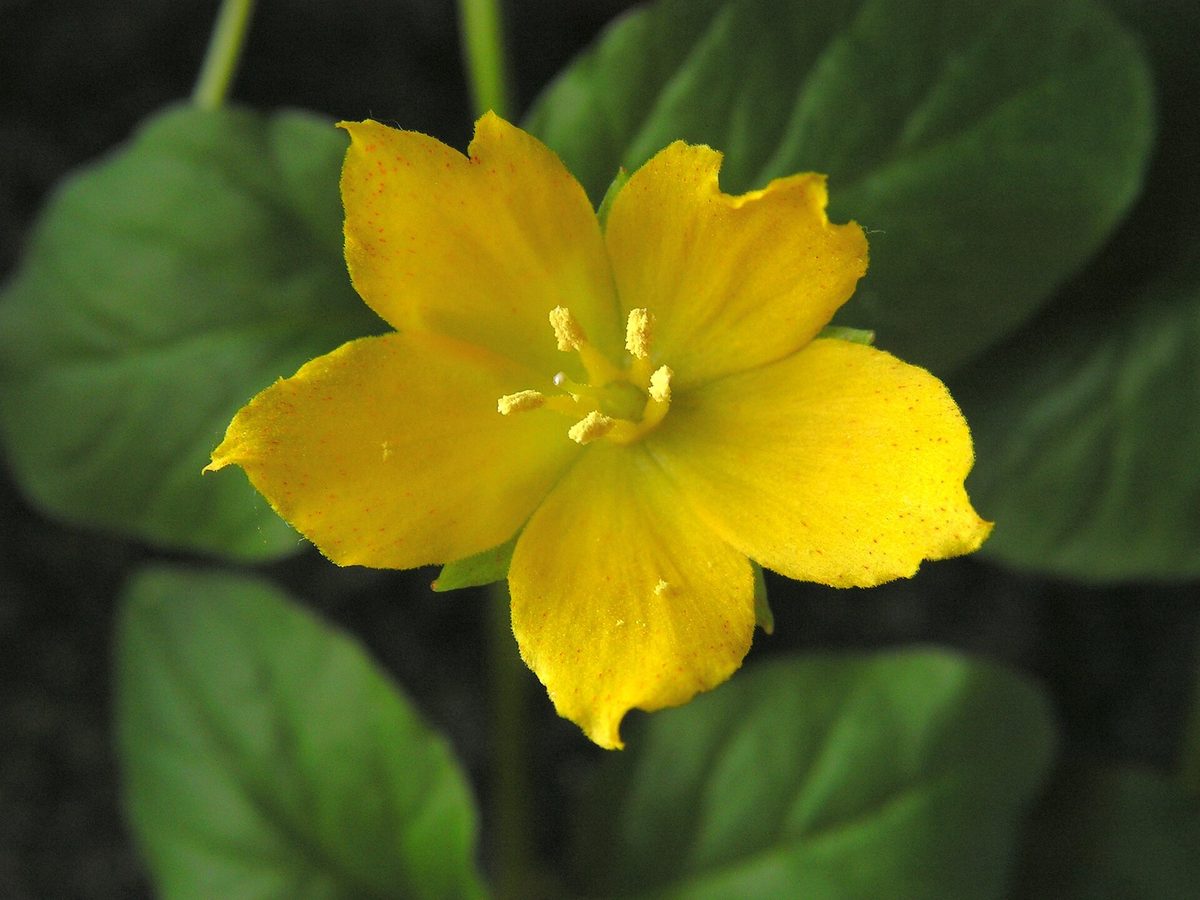
Creeping Jenny
Lysimachia nummularia
Zones 3a–9b · 0.2–0.3 ft (0.05–0.1 m) · Full sun, part shade and full shade (full sun preferred)
Lysimachia nummularia is included in the shrubs grouped for zone 3. Being on this list places it with other plants grouped as shrubs for the same hardiness zone.
-
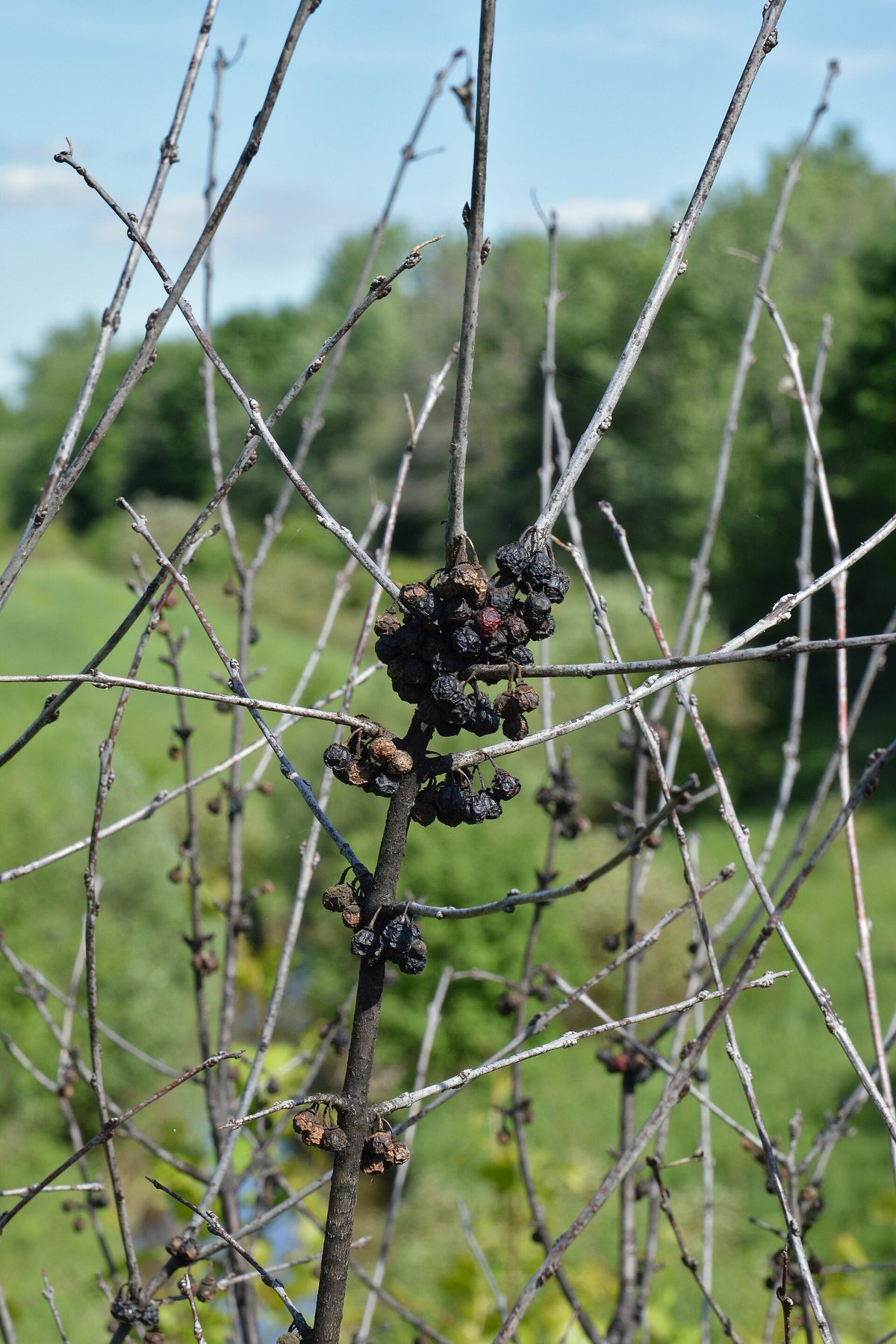
Common Buckthorn
Rhamnus cathartica
Zones 3a–7b · 18–30 ft (5.49–9.14 m) · Full sun and part shade (full sun preferred)
Rhamnus cathartica is one of the shrubs collected for this zone 3 page. This grouping sets it beside the other shrubs rated for the same cold-hardiness zone.
-
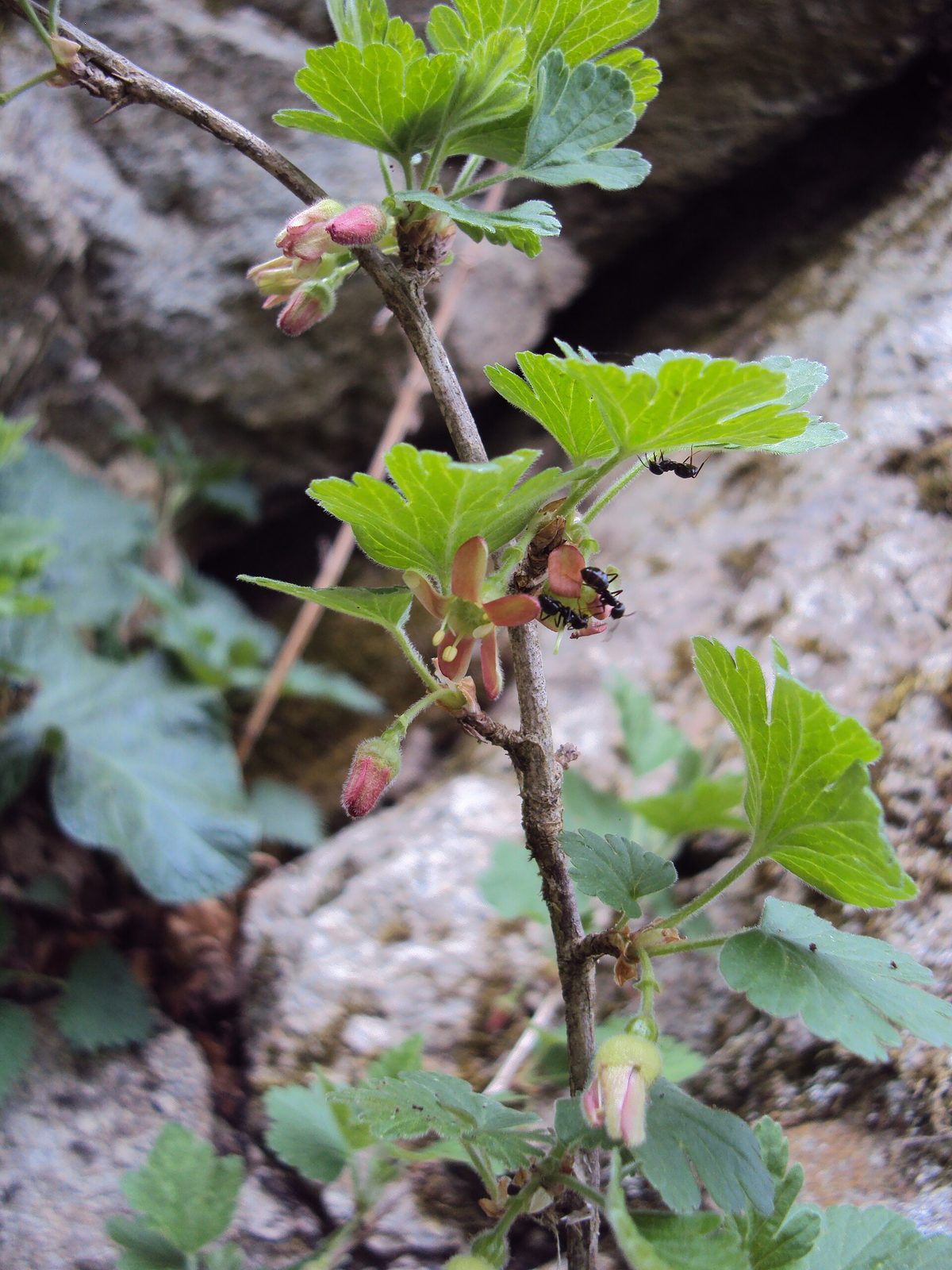
European Gooseberry
Ribes uva-crispa
3–6 ft (0.91–1.83 m) · Full sun and part shade (full sun preferred)
Ribes uva-crispa is part of the shrub group on this zone 3 page. Its place on this list lets you weigh it against the other shrubs rated for the zone.
-
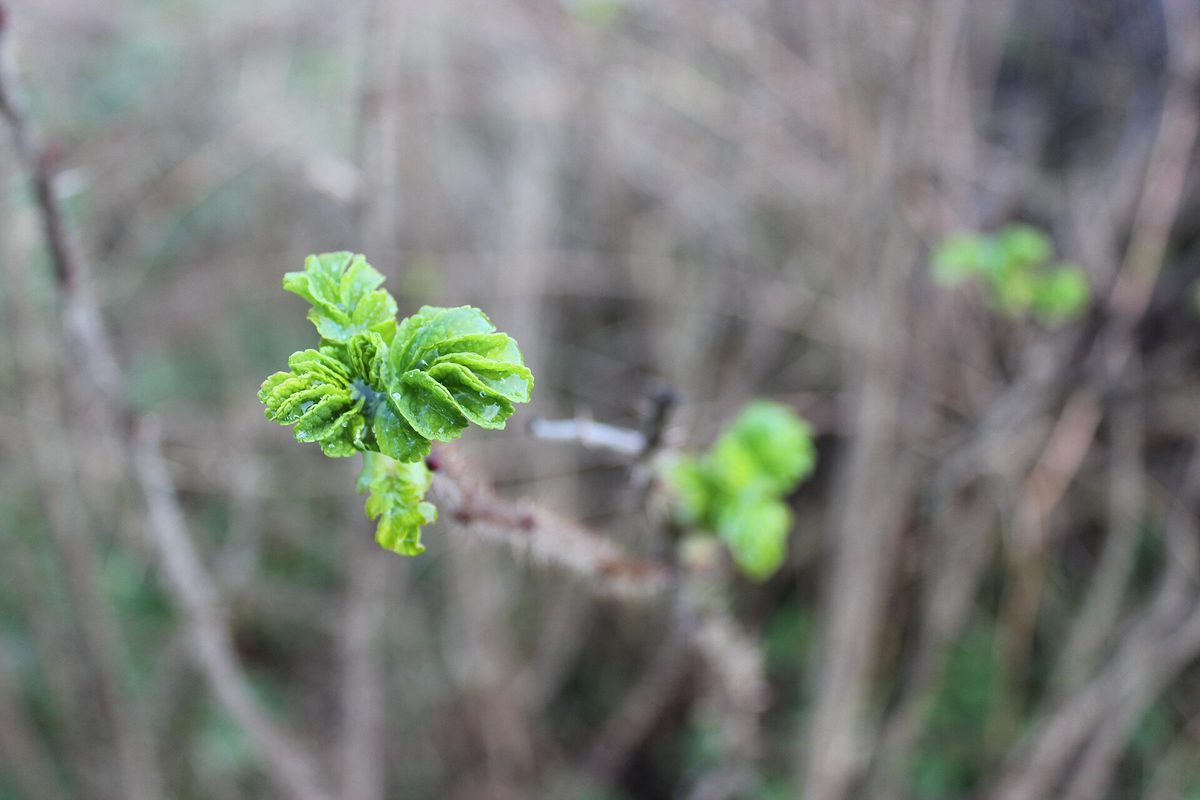
Rugosa Rose
Rosa rugosa
Zones 2a–7b · 3.9–5.9 ft (1.2–1.8 m) · Full sun
Rosa rugosa is grouped among the shrubs on this zone 3 list. It stands alongside the other shrubs this page has gathered for the same hardiness zone.
-
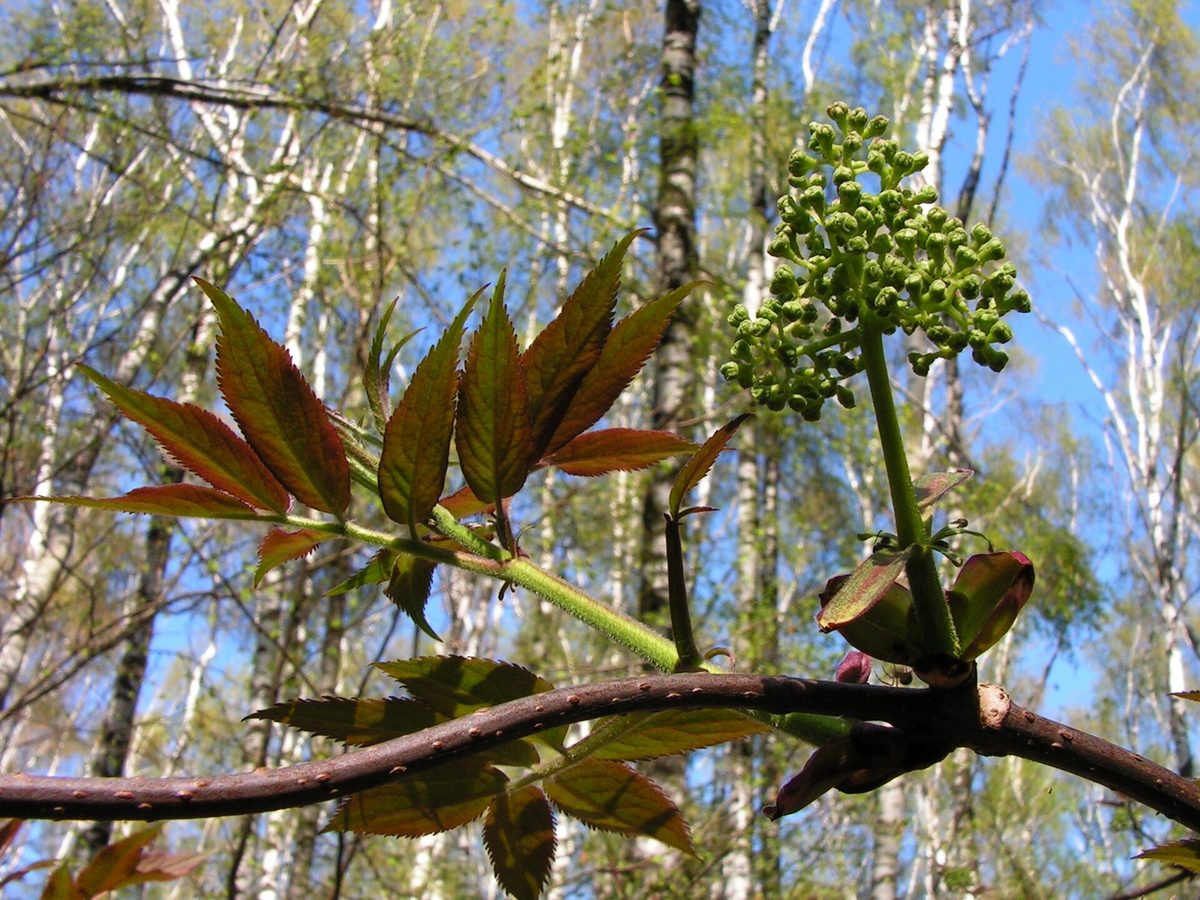
Red Elderberry
Sambucus racemosa
Zones 3a–7b · 4–25 ft (1.22–7.62 m) · Full sun, part shade and full shade (full sun preferred)
-
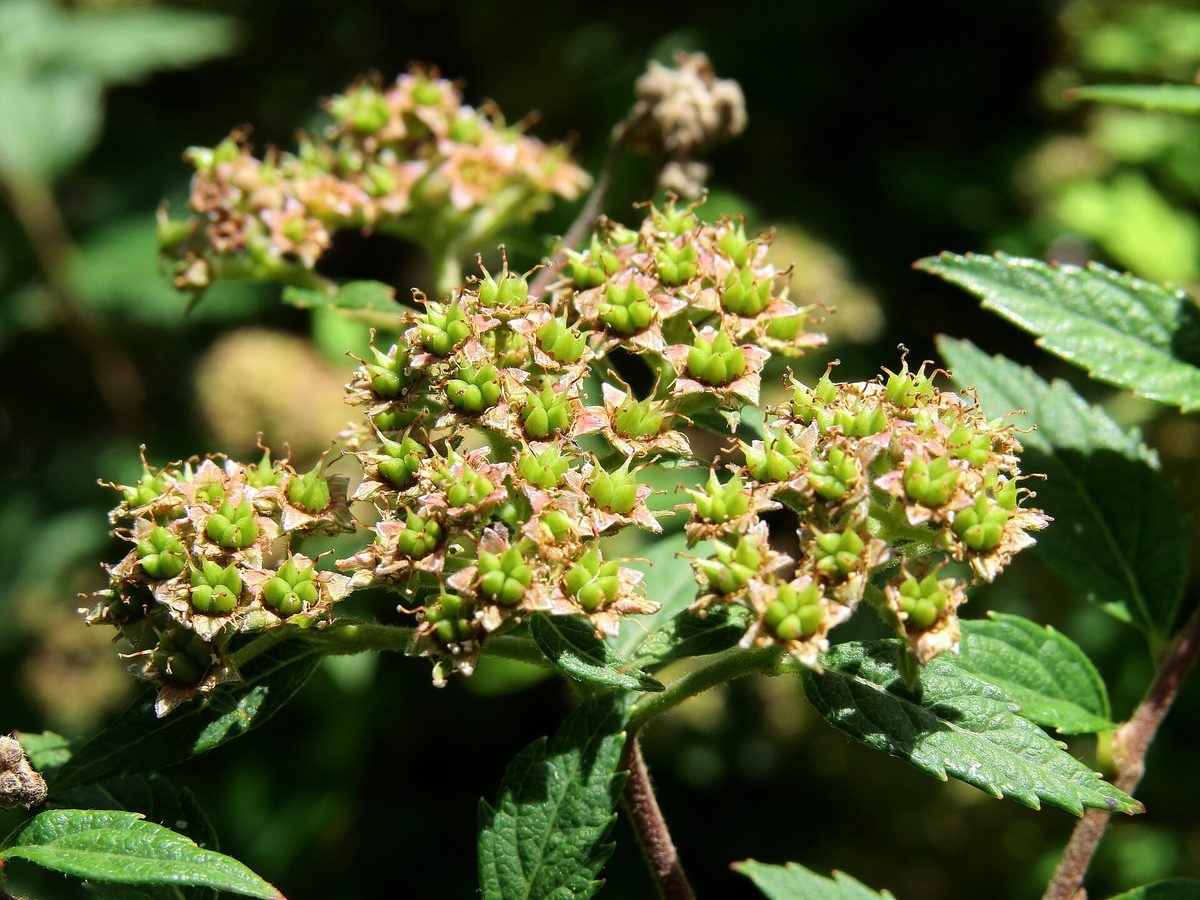
Japanese Meadowsweet
Spiraea japonica
Zones 3a–8b · 4–6 ft (1.22–1.83 m) · Full sun and part shade (full sun preferred)
-
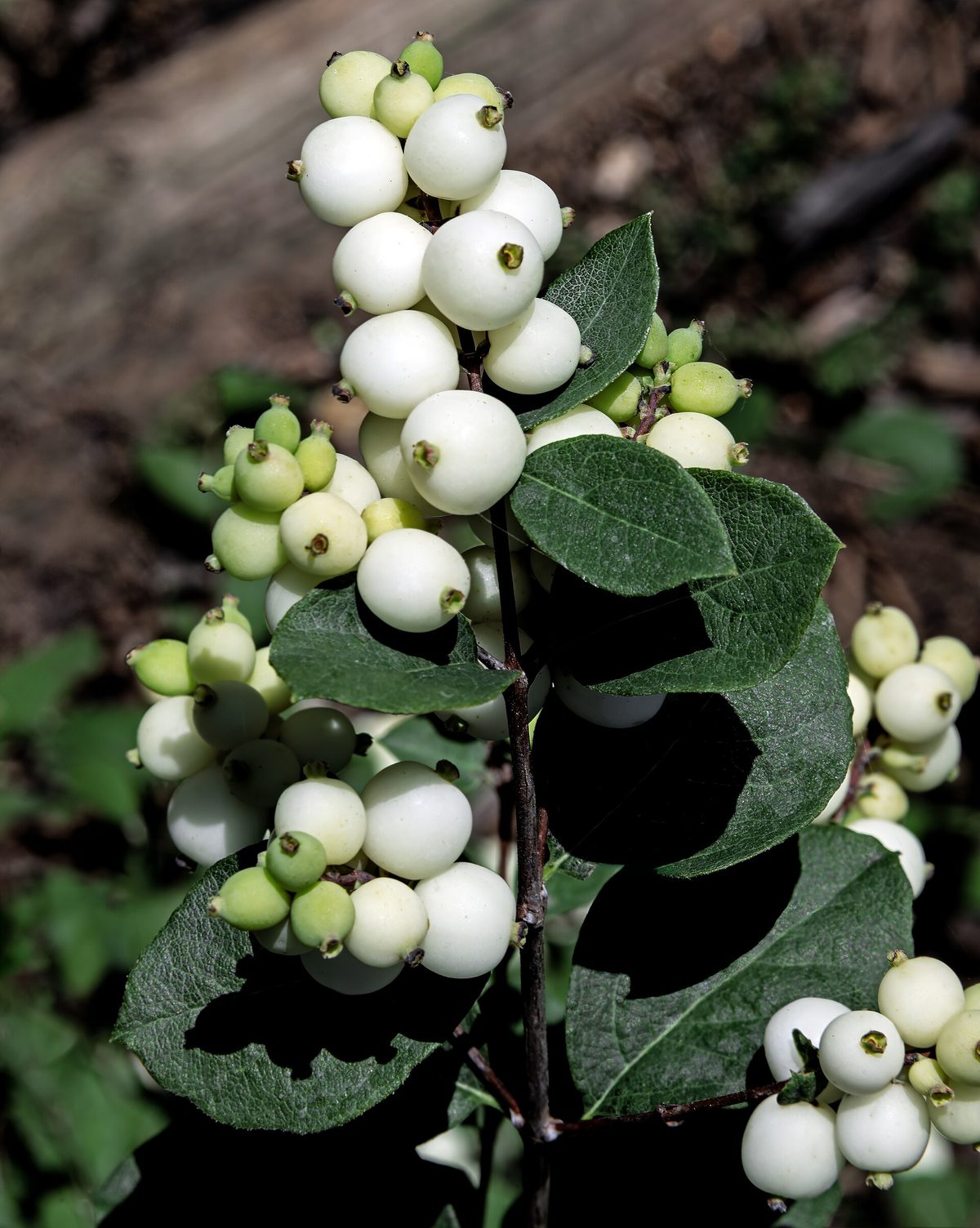
Common Snowberry
Symphoricarpos albus
Zones 3a–7b · 3–6 ft (0.91–1.83 m) · Full sun and part shade (full sun preferred)
-
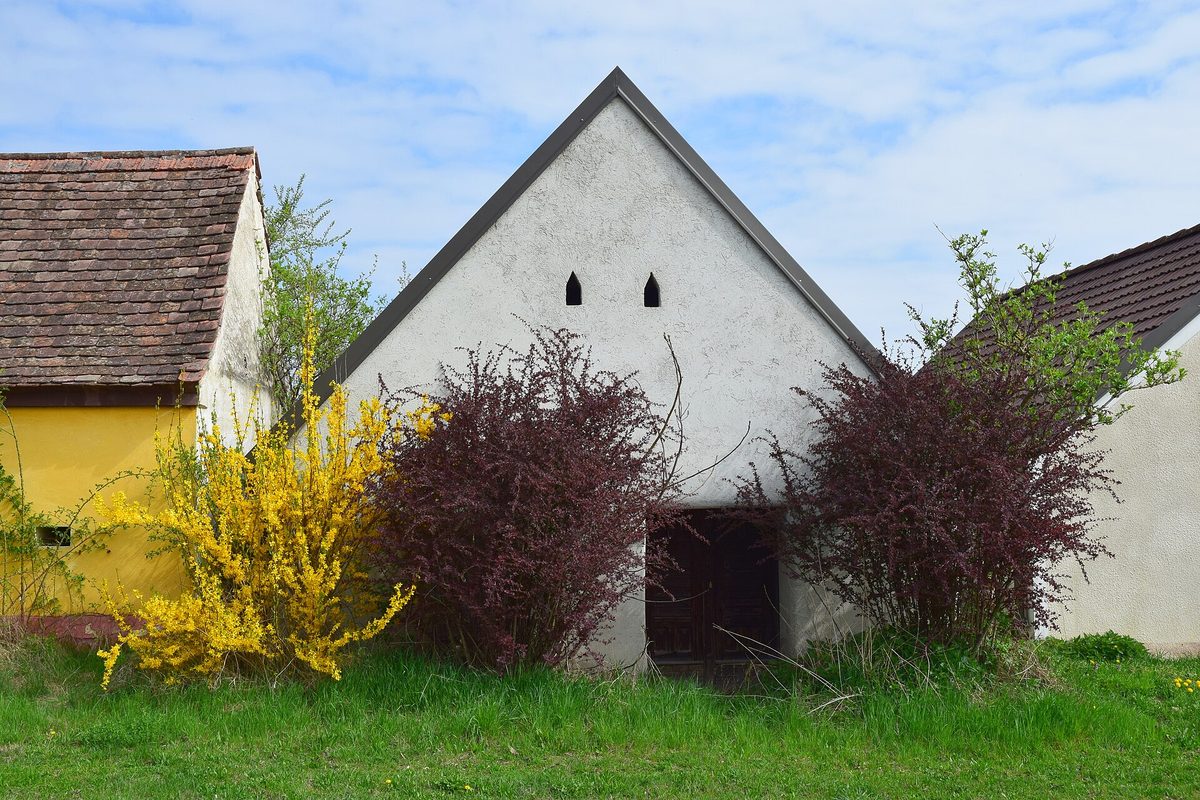
Common Lilac
Syringa vulgaris
Zones 3a–7a · 8–15 ft (2.44–4.57 m) · Full sun and part shade (full sun preferred)
Syringa vulgaris is one of the shrubs grouped for zone 3 on this page. This list sets it next to the other shrubs sharing the same cold-hardiness rating.
-
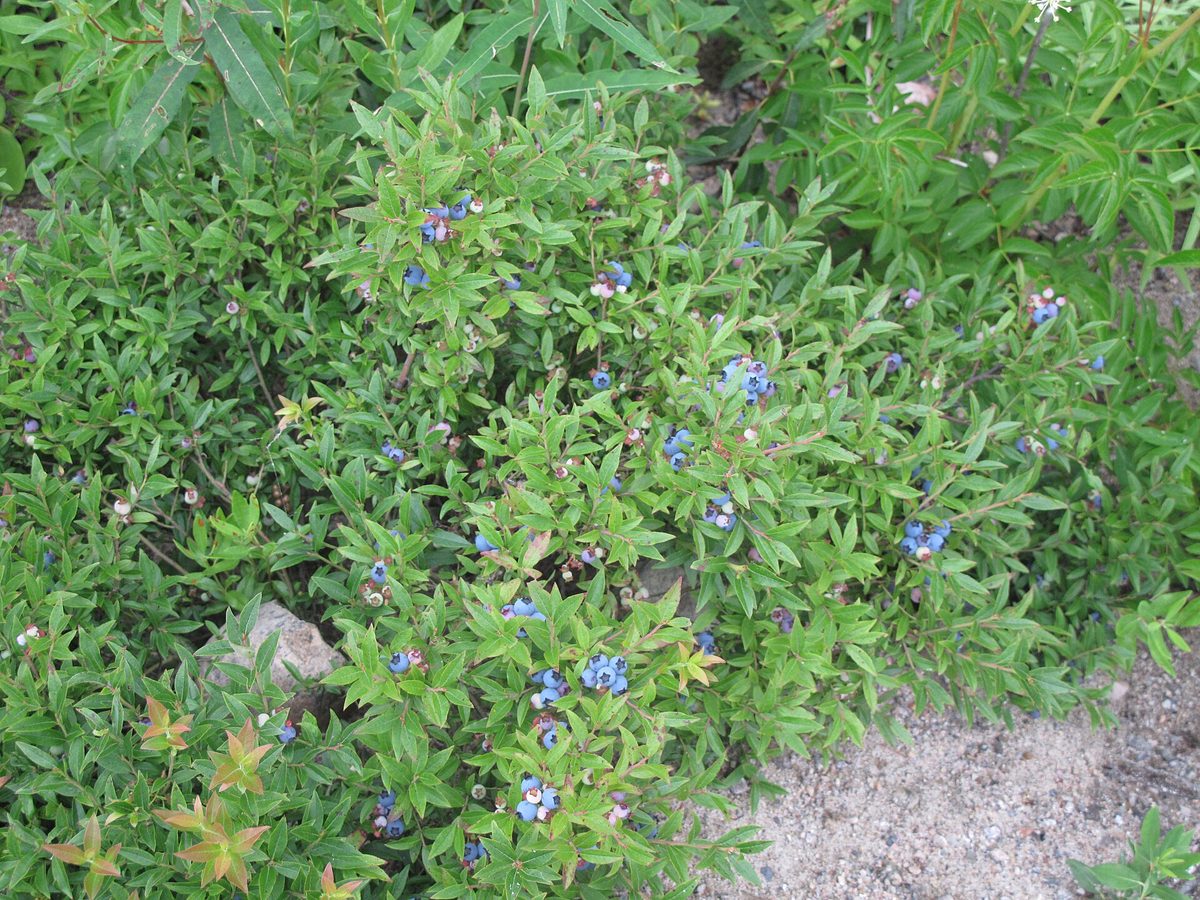
Lowbush Blueberry
Vaccinium angustifolium
Zones 2a–8b · 0.5–2 ft (0.15–0.61 m) · Full sun, part shade and full shade (full sun preferred)
-
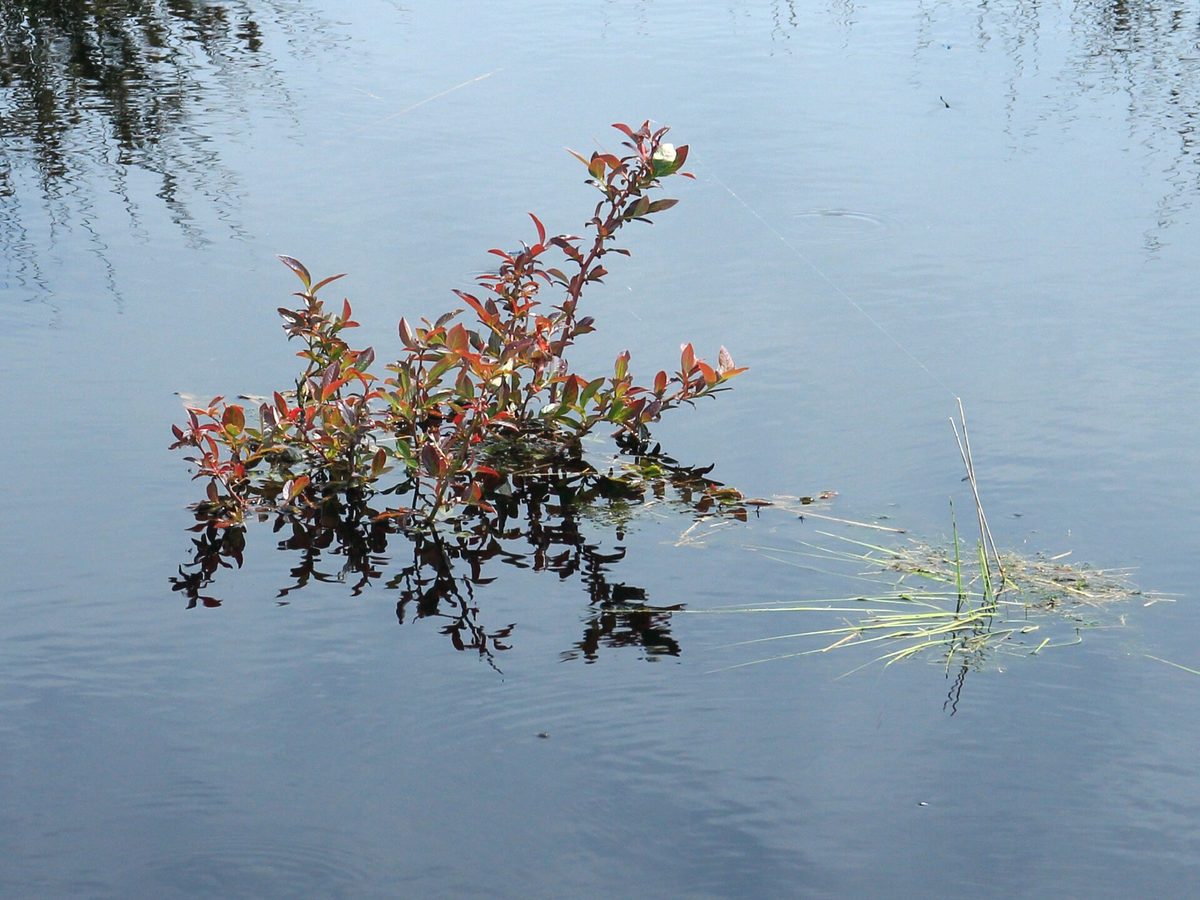
Highbush Blueberry
Vaccinium corymbosum
Zones 3a–8b · 6–12 ft (1.83–3.66 m) · Full sun and part shade (full sun preferred)
-
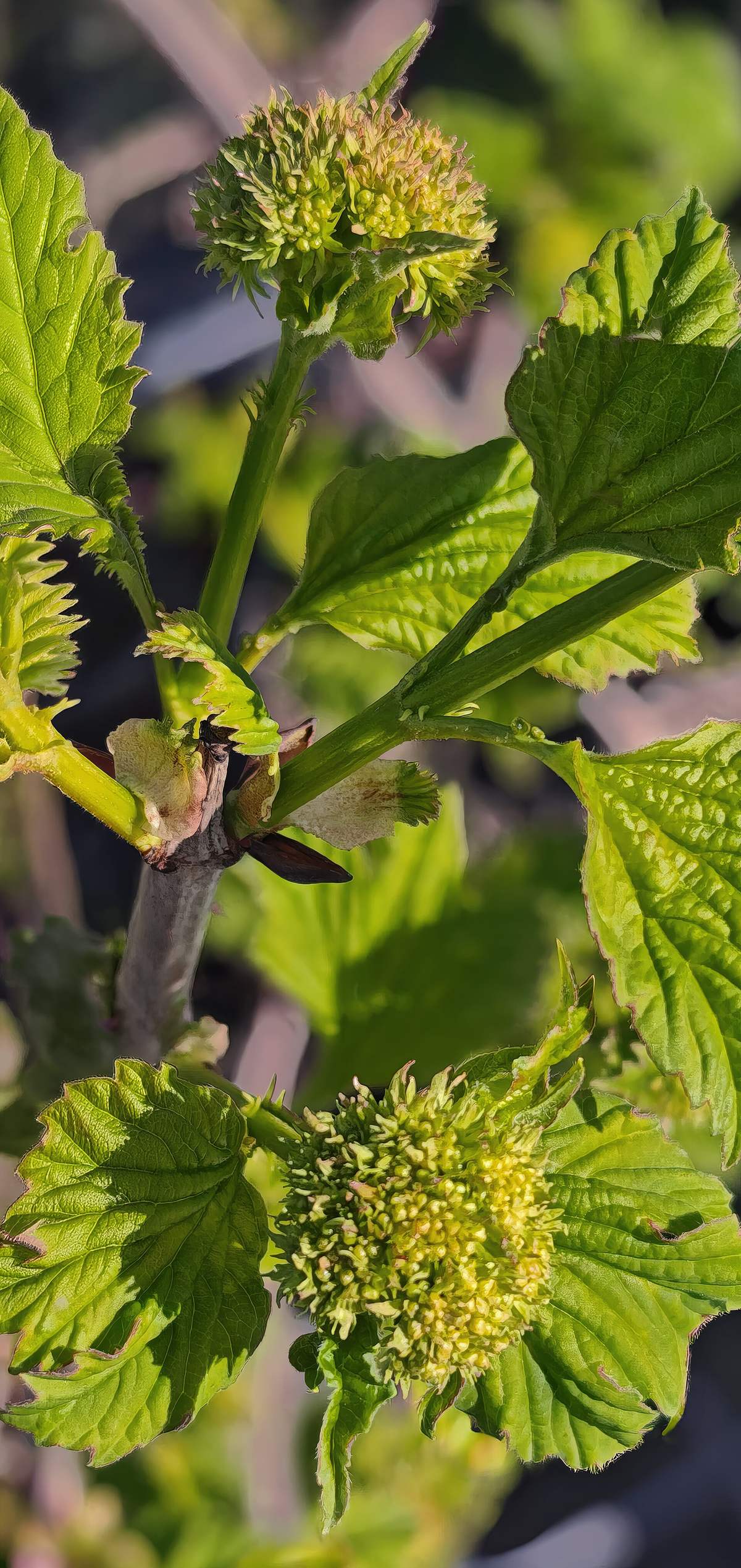
European Cranberrybush
Viburnum opulus
Zones 2a–8b · 10–16 ft (3.05–4.88 m) · Full sun and part shade (full sun preferred)
Viburnum opulus belongs to the shrub group gathered for this zone 3 page. Its listing here places it among the other shrubs rated hardy to this same zone.
How we chose
A shrub, and hardy through at least zone 3a according to the cited sources
Photo credits
- Kinnikinnick photo by Robert Flogaus-Faust, CC BY 4.0 via Wikimedia Commons
- Black Chokeberry photo by Wikimedia Commons contributor, CC BY-SA 4.0 via Wikimedia Commons
- Common Barberry photo by Wikimedia Commons contributor, CC BY-SA 4.0 via Wikimedia Commons
- Redosier Dogwood photo by Bill Cook, Michigan State University, Bugwood.org, CC BY 3.0 via Wikimedia Commons
- Sweetwilliam photo by Sabina Bajracharya, CC BY-SA 4.0 via Wikimedia Commons
- Russian Olive photo by ElenaLitera, CC BY-SA 4.0 via Wikimedia Commons
- Glossy Buckthorn photo by Olivier Pichard, CC BY-SA 3.0 via Wikimedia Commons
- Eastern Teaberry photo by Hedwig Storch, CC BY-SA 3.0 via Wikimedia Commons
- Wild Hydrangea photo by Wikimedia Commons contributor, CC BY-SA 4.0 via Wikimedia Commons
- Panicled Hydrangea photo by Agnes Monkelbaan, CC BY-SA 4.0 via Wikimedia Commons
- Common St. Johnswort photo by Bff, CC BY-SA 4.0 via Wikimedia Commons
- Common Juniper photo by Nightflyer ( ) 19:52, 22 September 2015 (UTC), CC BY-SA 4.0 via Wikimedia Commons
- Sweetberry Honeysuckle photo by WildBoar, Public domain via Wikimedia Commons
- Amur Honeysuckle photo by Taken by Fanghong, CC BY 2.5 via Wikimedia Commons
- Creeping Jenny photo by Bff, CC BY-SA 4.0 via Wikimedia Commons
- Common Buckthorn photo by Ryan Hodnett, CC BY-SA 4.0 via Wikimedia Commons
- European Gooseberry photo by Dendrofil, CC0 via Wikimedia Commons
- Rugosa Rose photo by Jiròni B., CC0 via Wikimedia Commons
- Red Elderberry photo by Bff, CC BY-SA 3.0 via Wikimedia Commons
- Japanese Meadowsweet photo by Аимаина хикари, CC BY-SA 4.0 via Wikimedia Commons
- Common Snowberry photo by Didier Descouens, CC BY-SA 4.0 via Wikimedia Commons
- Common Lilac photo by Kellergassen, CC BY-SA 4.0 via Wikimedia Commons
- Lowbush Blueberry photo by Wikimedia Commons contributor, CC BY-SA 4.0 via Wikimedia Commons
- Highbush Blueberry photo by Dominicus Johannes Bergsma, CC BY-SA 3.0 via Wikimedia Commons
- European Cranberrybush photo by Didier Descouens, CC BY-SA 4.0 via Wikimedia Commons


How this page was made
- Written with AI assistance from the sources listed on this page. AI is never the source of a fact.