Cathedral Bells (Kalanchoe pinnata)
Formerly Bryophyllum pinnatum, Vereia pinnata, Crassula pinnata
Cathedral bells, Kalanchoe pinnata, is a succulent, and the ASPCA lists it as toxic to both cats and dogs. Pet Poison Helpline describes cardiac toxins, called bufadienolides, in the plant. In the United States, it is introduced in Hawaii, the lower 48 states and Puerto Rico.
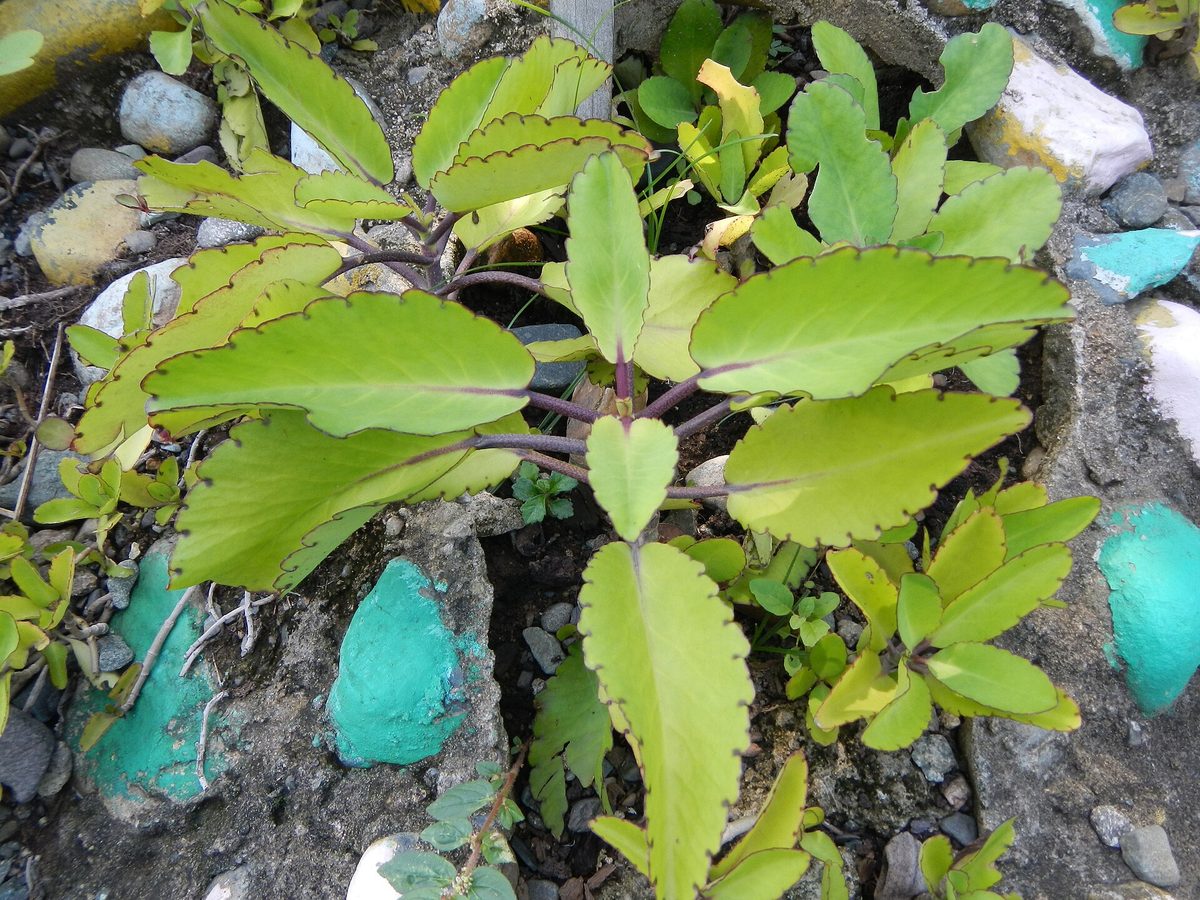
Photo: Ramon FVelasquez, CC BY-SA 3.0 via Wikimedia Commons

Quick facts
Common problems
The EPPO Global Database lists Pseudaulacaspis pentagona as recorded on Kalanchoe. The pests recorded for cathedral bells on this page are Pseudaulacaspis pentagona and Scirtothrips aurantii. No diseases are documented for this plant, and none are described on this page.
- Common pests: pseudaulacaspis pentagona and scirtothrips aurantii1
| Problem | Kind |
|---|---|
| Pseudaulacaspis pentagona | Pest |
| Scirtothrips aurantii | Pest |
Is Cathedral Bells toxic to cats and dogs?
The ASPCA lists cathedral bells, Kalanchoe pinnata, as toxic to cats. It also lists the plant as toxic to dogs. For cats, Pet Poison Helpline describes cardiac toxins called bufadienolides in the plant. For dogs, Pet Poison Helpline gives the same description of cardiac toxins called bufadienolides. The ASPCA entry reads "Toxic to Dogs, Toxic to Cats", and the listing covers both animals. The position is the same for both animals: toxic. This page does not give a severity for either animal.
Questions and answers
- Is cathedral bells toxic to cats?
- The ASPCA lists Kalanchoe pinnata as toxic to cats. Pet Poison Helpline describes cardiac toxins called bufadienolides in the plant. The position for cats on this page is toxic.
- Is cathedral bells toxic to dogs?
- The ASPCA lists Kalanchoe pinnata as toxic to dogs. Pet Poison Helpline describes cardiac toxins called bufadienolides in the plant. The position for dogs on this page is toxic.
- Where is Kalanchoe pinnata native, and what type of plant is it?
- The native range record for this plant lists the codes COO and MDG. In the United States, it is introduced in Hawaii, the lower 48 states and Puerto Rico. The plant type is succulent.
Sources
- EPPO Global Database. https://gd.eppo.int/taxon/KANPI/pests. Accessed 14 October 2026.
- ASPCA Animal Poison Control Center. https://www.aspca.org/pet-care/aspca-poison-control/toxic-and-non-toxic-plants/kalanchoe. Accessed 14 October 2026.
- Pet Poison Helpline. https://www.petpoisonhelpline.com/poison/kalanchoe/. Accessed 14 October 2026.
- University of Missouri Extension. https://extension.missouri.edu/publications/g6520. Accessed 14 October 2026.
- Royal Botanic Gardens, Kew (World Checklist of Vascular Plants). https://sftp.kew.org/pub/data-repositories/WCVP/wcvp.zip. Accessed 4 June 2026.
How this page was made
- Written with AI assistance from the sources listed on this page. AI is never the source of a fact.