Full-sun perennials
Compared side by side
| Plant | Light | Direct sun | Cats | Dogs |
|---|---|---|---|---|
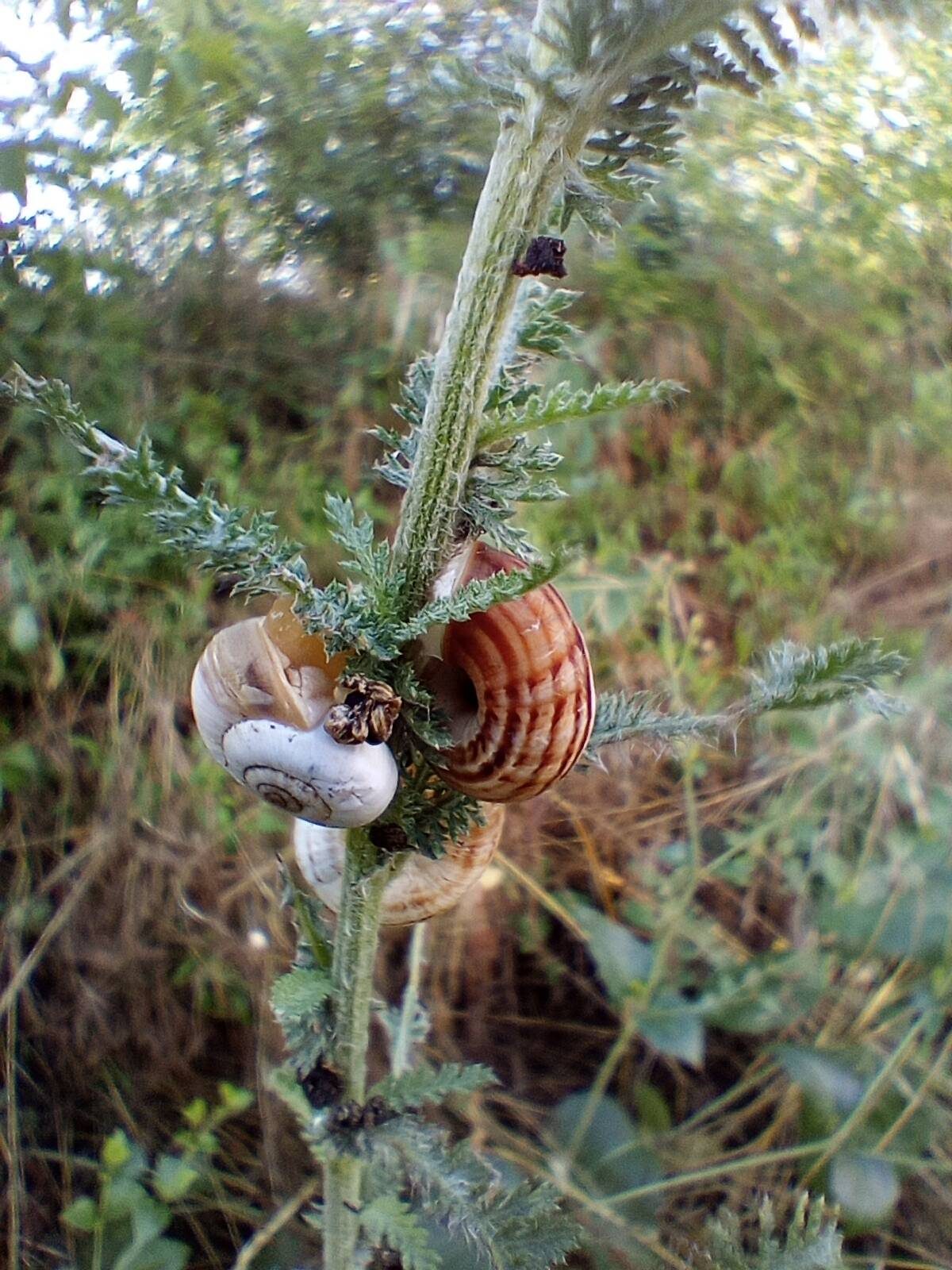
| Common YarrowAchillea millefolium | Full sun and part shade (full sun preferred) | 6 h/day | Toxic | Toxic |
| AbsinthiumArtemisia absinthium | Full sun and part shade (full sun preferred) | 6 h/day | Toxic (1 source) | Toxic (1 source) |
| Common MilkweedAsclepias syriaca | Full sun | 6 h/day | Toxic | Toxic |
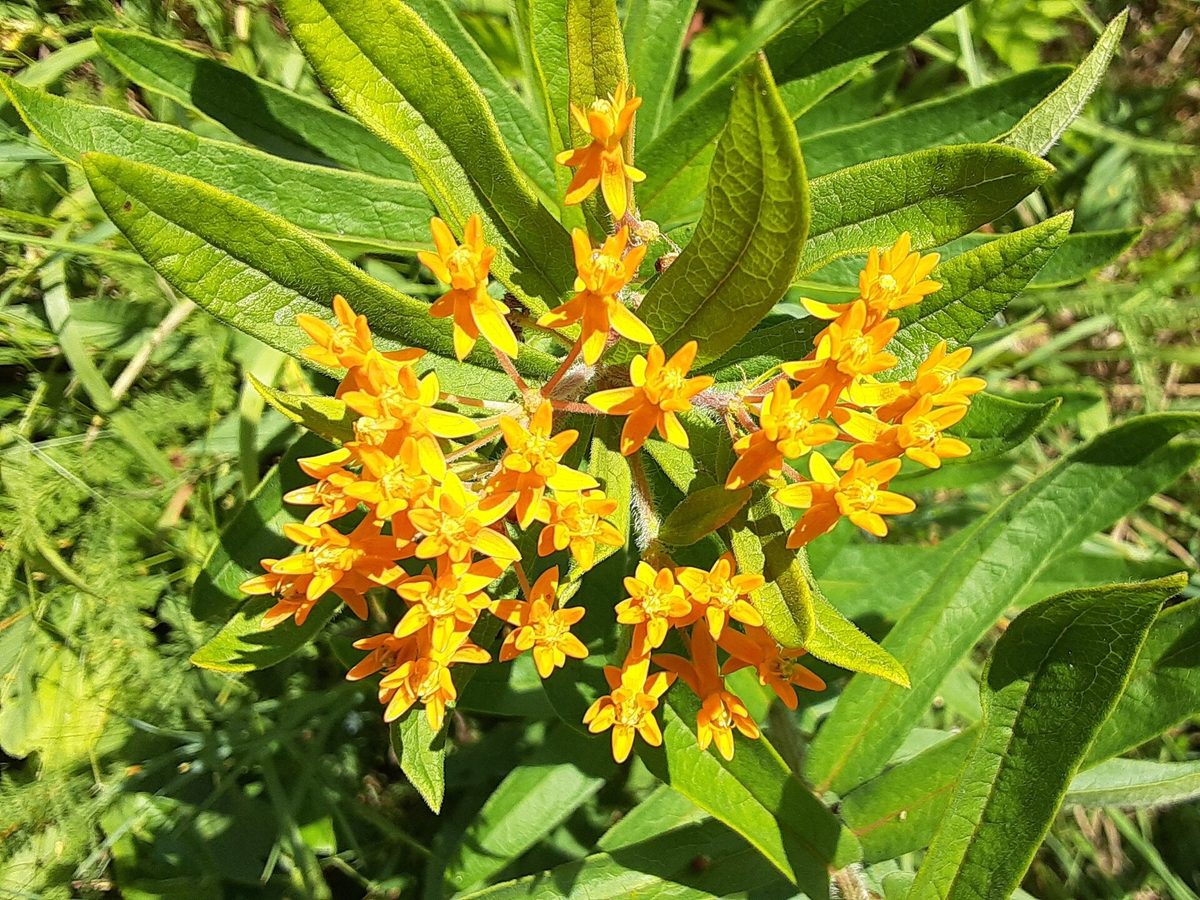
| Butterfly MilkweedAsclepias tuberosa | Full sun and part shade (full sun preferred) | 6 h/day | Toxic (1 source) | Toxic (1 source) |
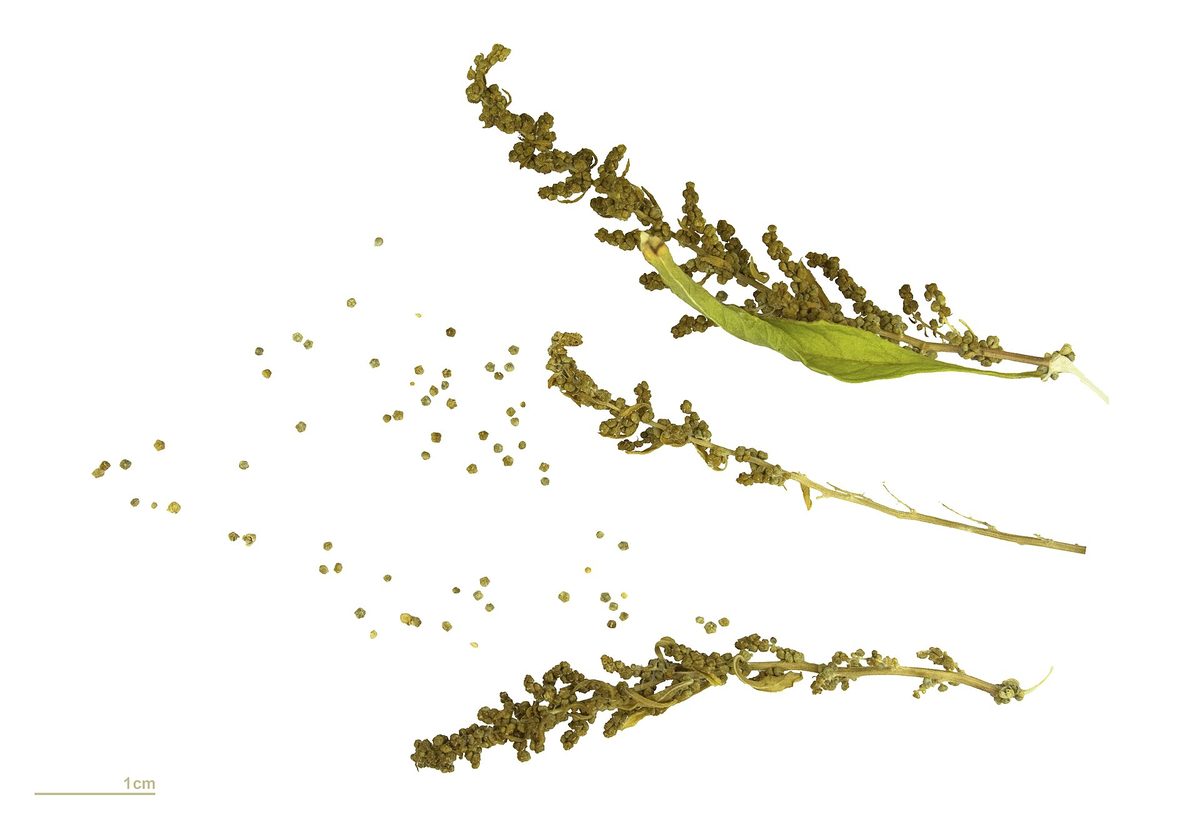
| Mexican TeaDysphania ambrosioides | Full sun | 6 h/day | Toxic (1 source) | Toxic (1 source) |
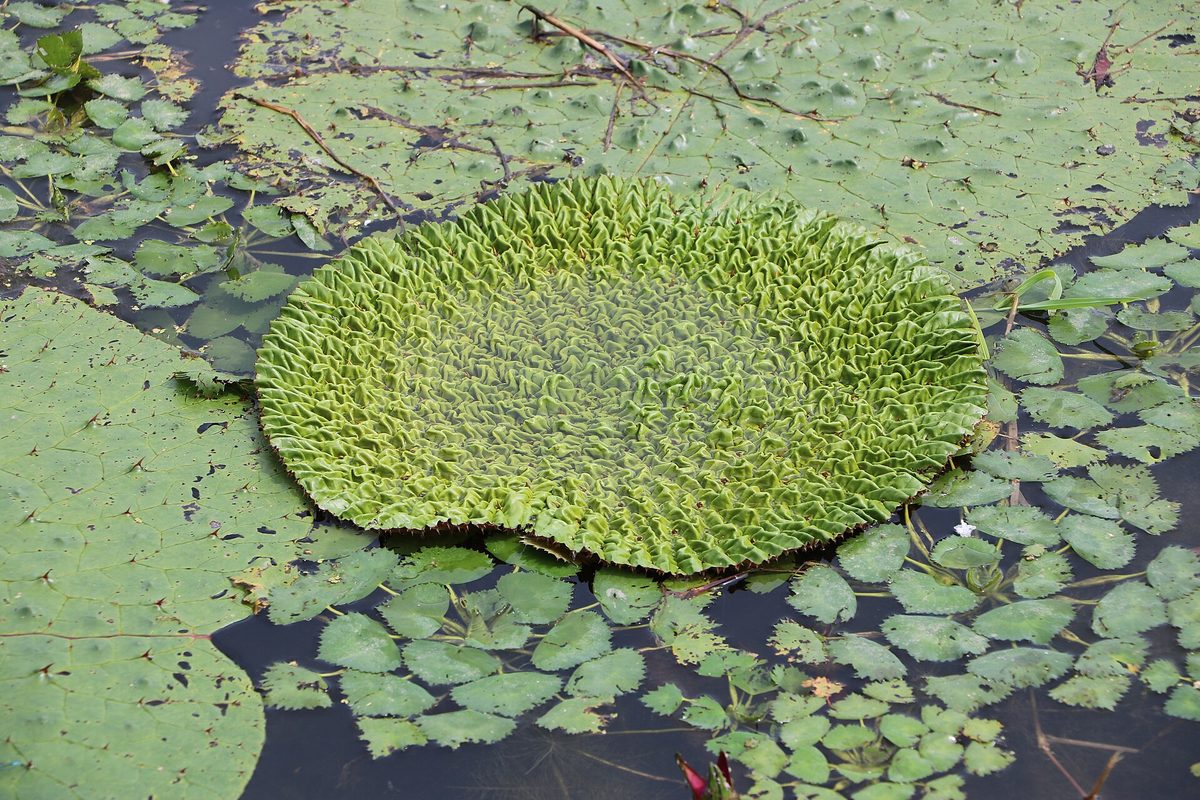
| EuryaleEuryale ferox | Full sun | 6 h/day | Not documented | Not documented |
| Oxeye DaisyLeucanthemum vulgare | Full sun | 6 h/day | Not documented | Not documented |
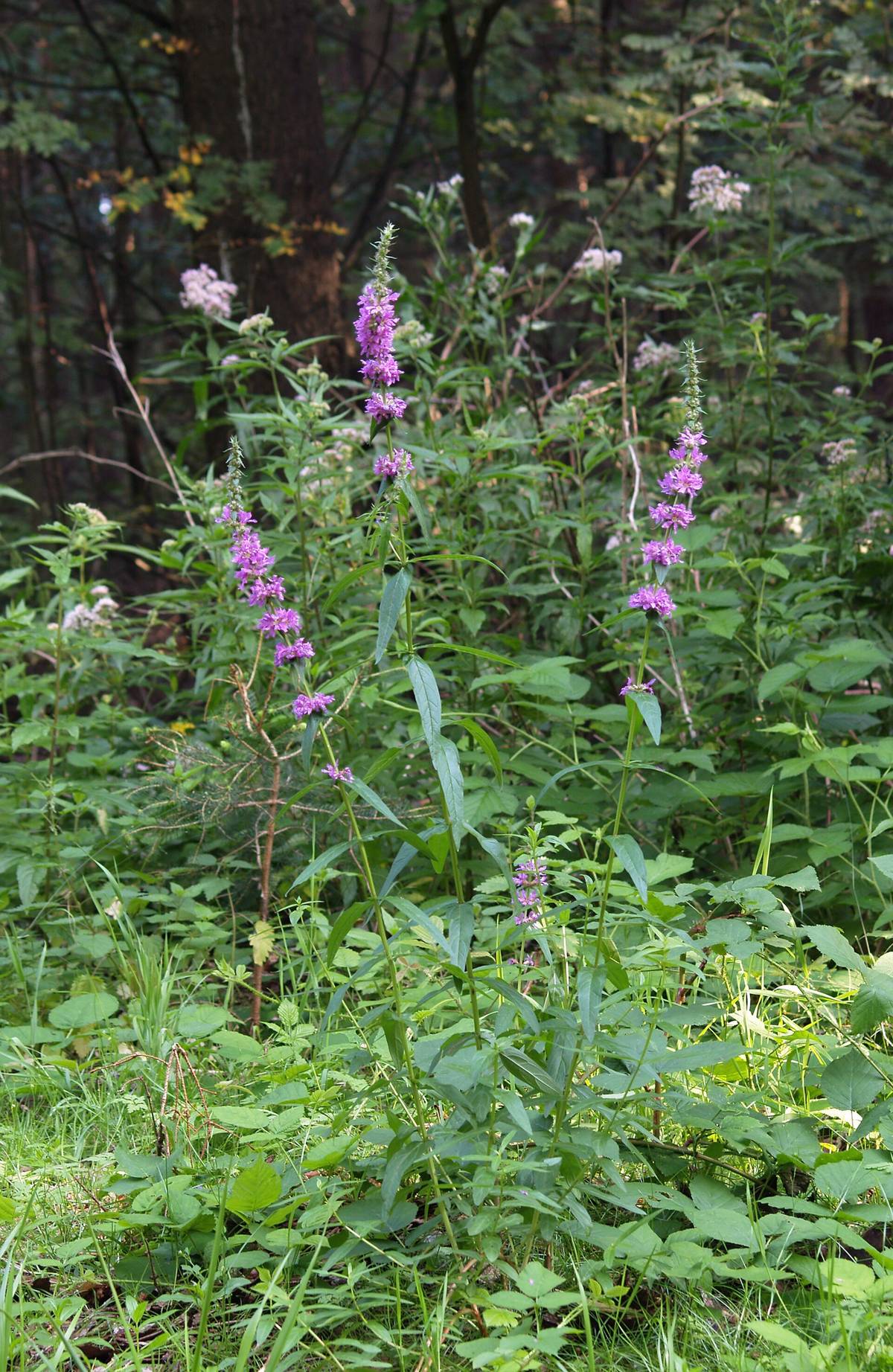
| Purple LoosestrifeLythrum salicaria | Full sun | 6 h/day | Not documented | Not documented |
| Wild BergamotMonarda fistulosa | Full sun and part shade (full sun preferred) | 6 h/day | Not documented | Not documented |
| Sacred LotusNelumbo nucifera | Full sun | 6 h/day | Not documented | Not documented |
| Peruvian GroundcherryPhysalis peruviana | Full sun | 6 h/day | Not documented | Not documented |
| Narrowleaf PlantainPlantago lanceolata | Full sun | 6 h/day | Not documented | Not documented |
| Common Water HyacinthPontederia crassipes | Full sun | 6 h/day | Non-toxic | Non-toxic |
| Japanese KnotweedReynoutria japonica | Full sun and part shade (full sun preferred) | 6 h/day | Not documented | Not documented |
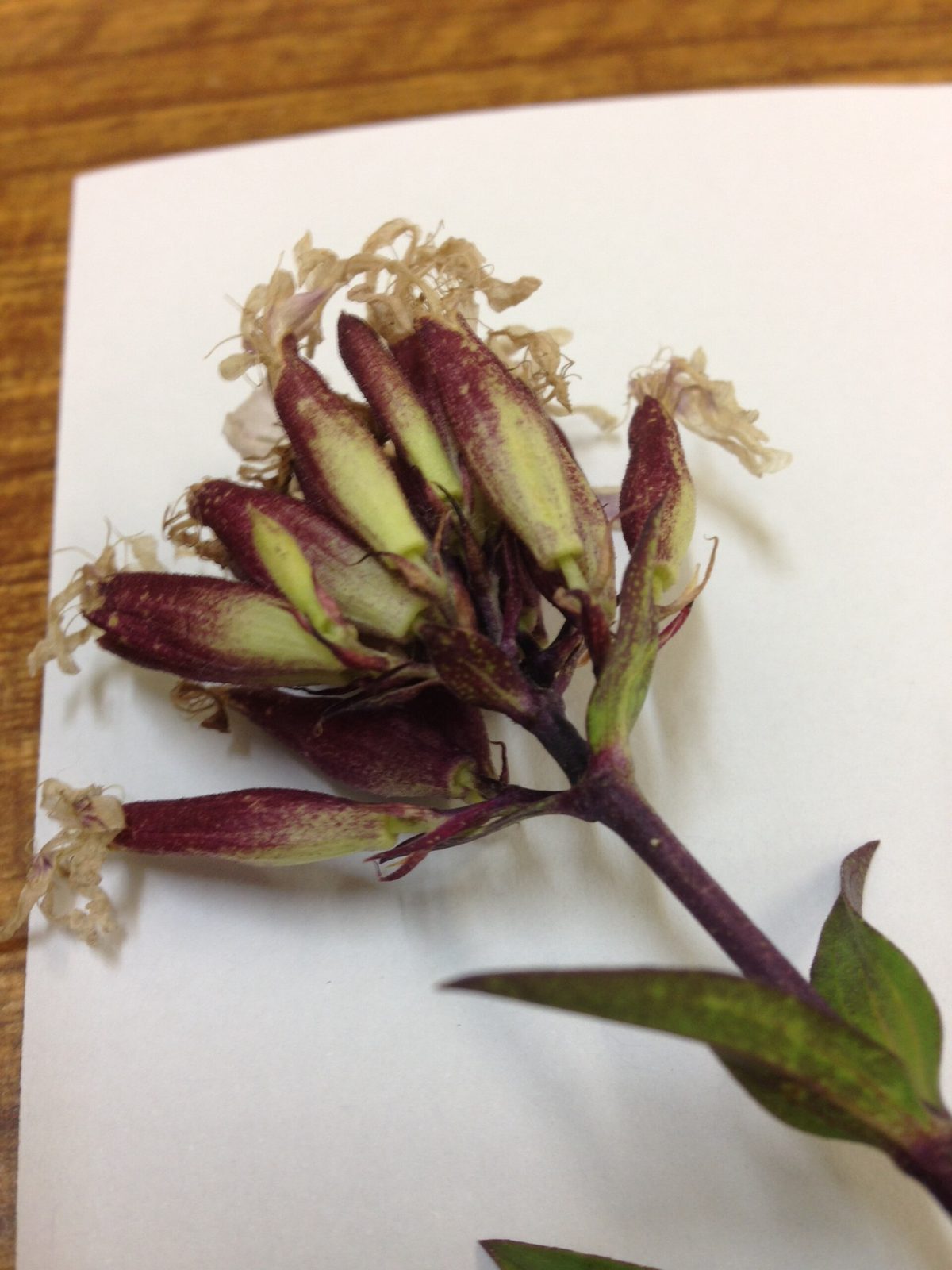
| BouncingbetSaponaria officinalis | Full sun | 6 h/day | Not documented | Not documented |
| Canada GoldenrodSolidago canadensis | Full sun and part shade (full sun preferred) | 6 h/day | Not documented | Not documented |
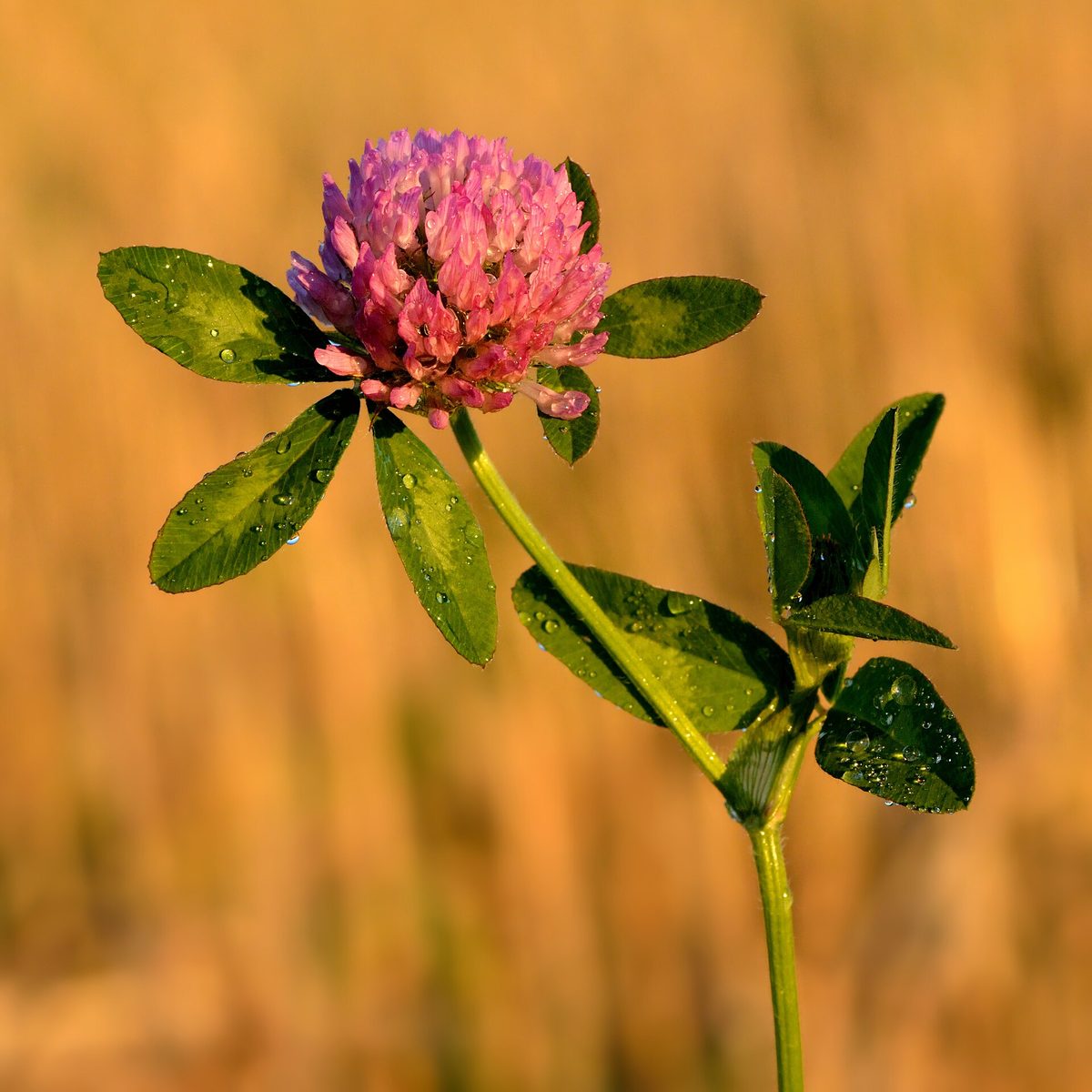
| Red CloverTrifolium pratense | Full sun | 6 h/day | Not documented | Not documented |
| Adam's NeedleYucca filamentosa | Full sun, part shade and full shade (full sun preferred) | 6 h/day | Toxic | Toxic |
This collection gathers perennials that share one trait: they need full sun, or at least six hours of direct light each day. A perennial lives for more than two growing seasons. It dies back in cold weather and returns from the same roots each spring, unlike an annual, which completes its whole life in one year. The plants grouped here range from garden standards to wild species found along roadsides and in meadows. Each one earns its place through its light needs, not through flower color, bloom time, or where it originally grew. Six hours is the usual line gardeners draw between full sun and part sun. It is worth measuring that light rather than guessing at it. A spot against a south-facing wall often clears that mark, even in a yard that feels shady elsewhere. So does an open bed with no tree canopy, or a strip along a driveway. Morning light and afternoon light are not quite the same, since afternoon sun tends to run hotter and drier. Either one counts toward the six hours this list uses as its test. Being grouped here does not mean a plant is easy to grow or common in gardens. It also does not mean the list is ranked, or that it covers every full-sun perennial that exists. Think of it as a starting point for narrowing a search by one condition your site already meets. Each plant's own page carries detail this page skips: its bloom time, height and spread, water needs, and any risk to cats or dogs. Read that page before you plant anything here. A shared light requirement is the one thing every plant on this list is guaranteed to have in common.
The 18 plants
-
-
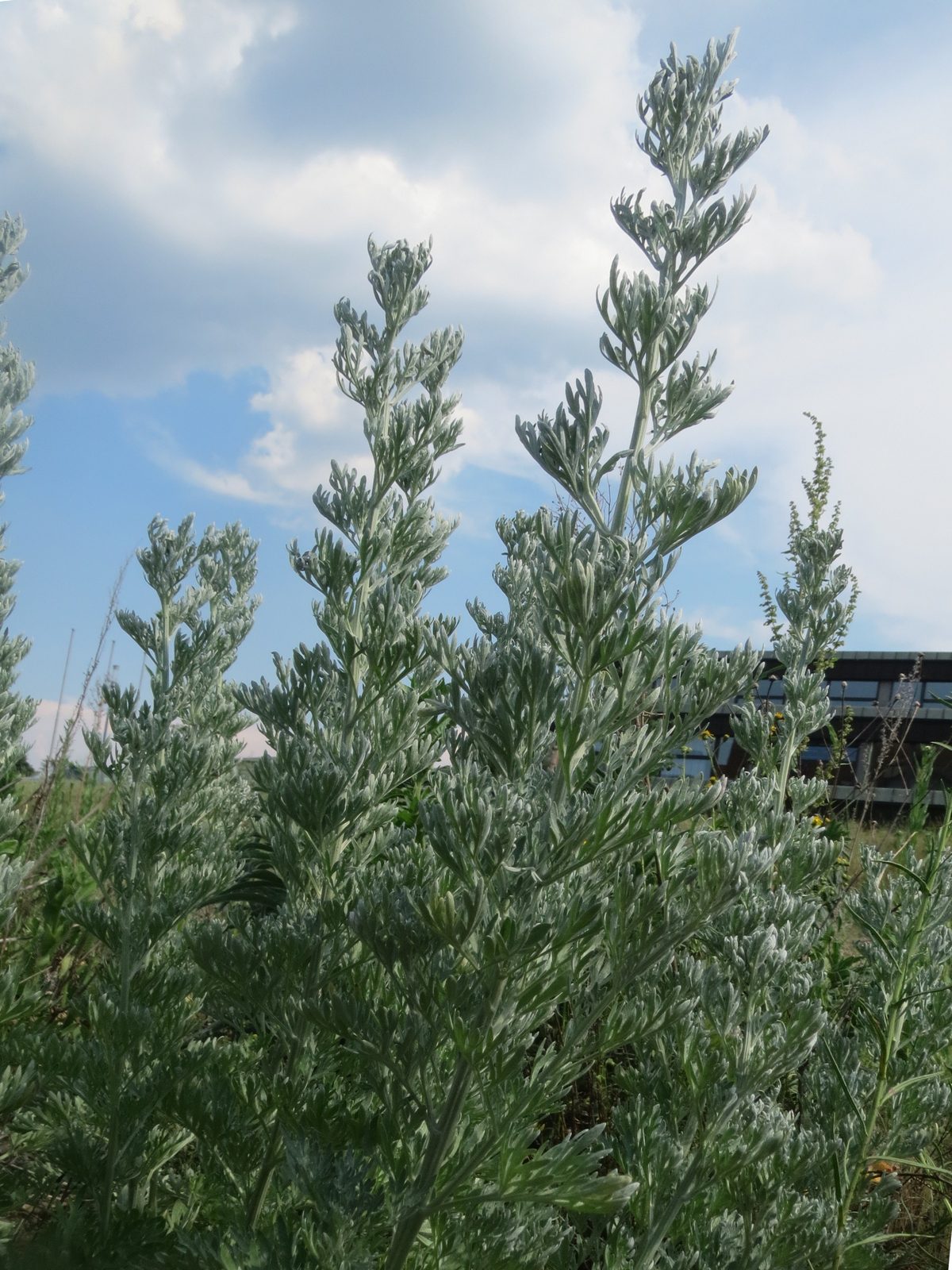
Absinthium
Artemisia absinthium
Full sun and part shade (full sun preferred) · 6 h/day
Wormwood is a perennial, and its place on this list comes from one requirement: six or more hours of direct sun a day. Nothing else about it determines whether it belongs here.
-
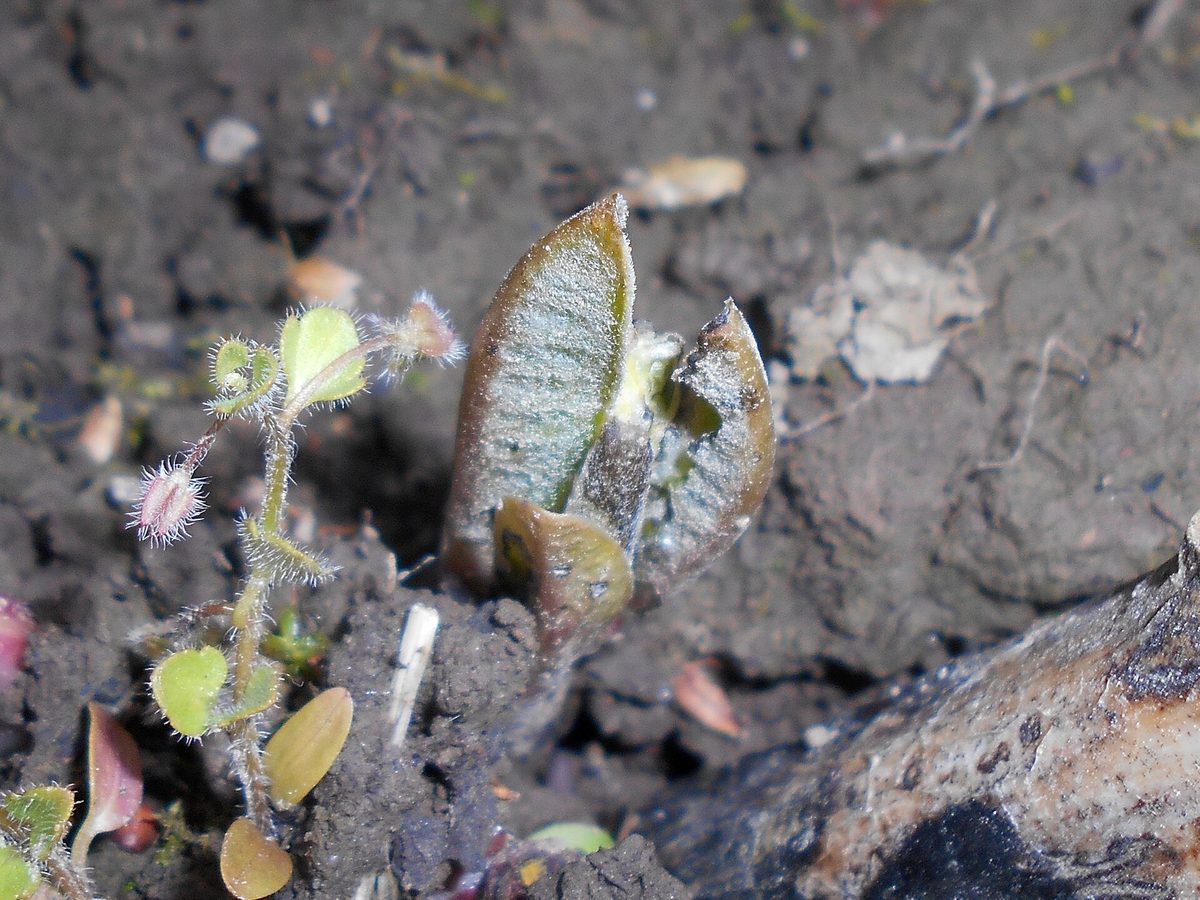
Common Milkweed
Asclepias syriaca
Full sun · 6 h/day
Common milkweed is a perennial, and like every plant on this list, it needs full sun, six hours or more each day. That single requirement is the basis for its place in this group.
-
-
-
-
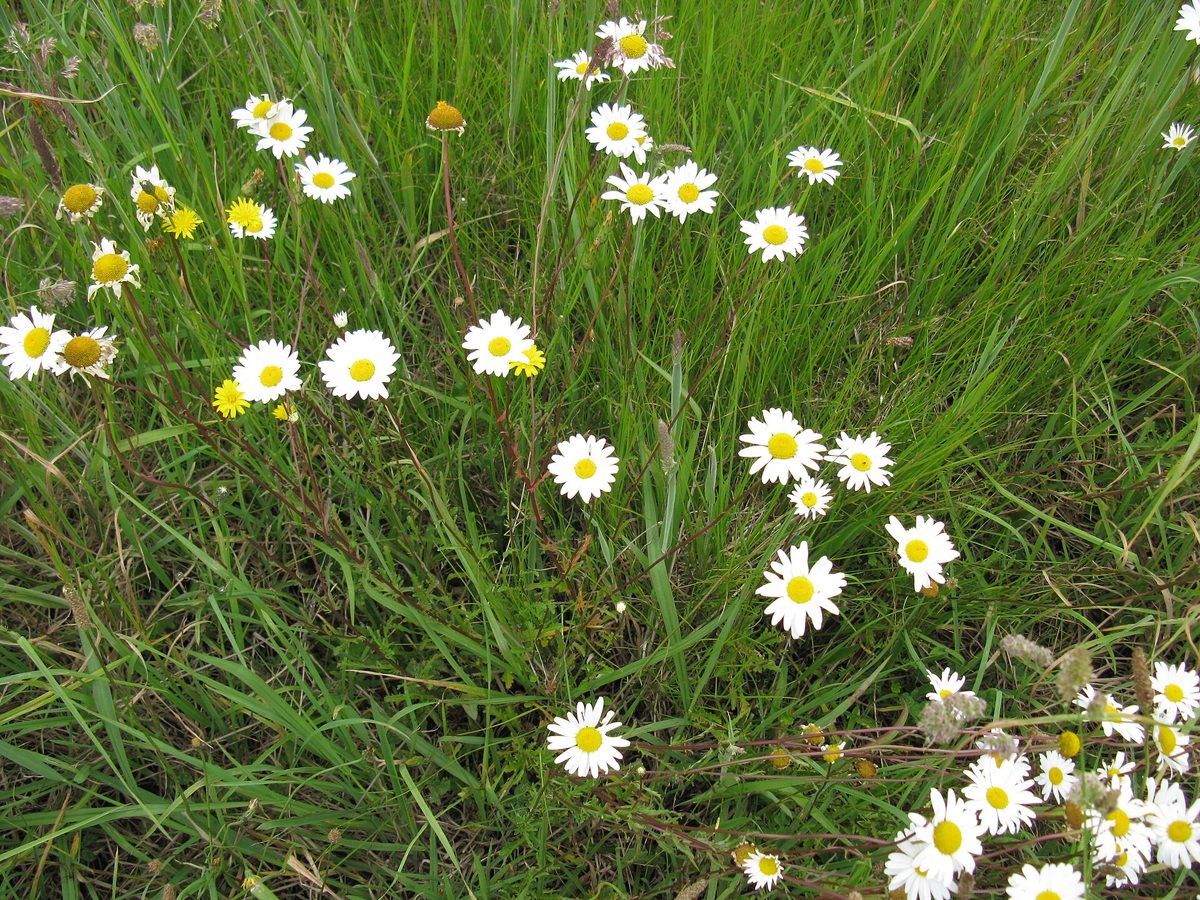
Oxeye Daisy
Leucanthemum vulgare
Full sun · 6 h/day
Oxeye daisy appears on this list for the same reason as the rest. It is a perennial that needs six or more hours of full sun each day. Nothing about its flowers or its range changes that requirement.
-
-
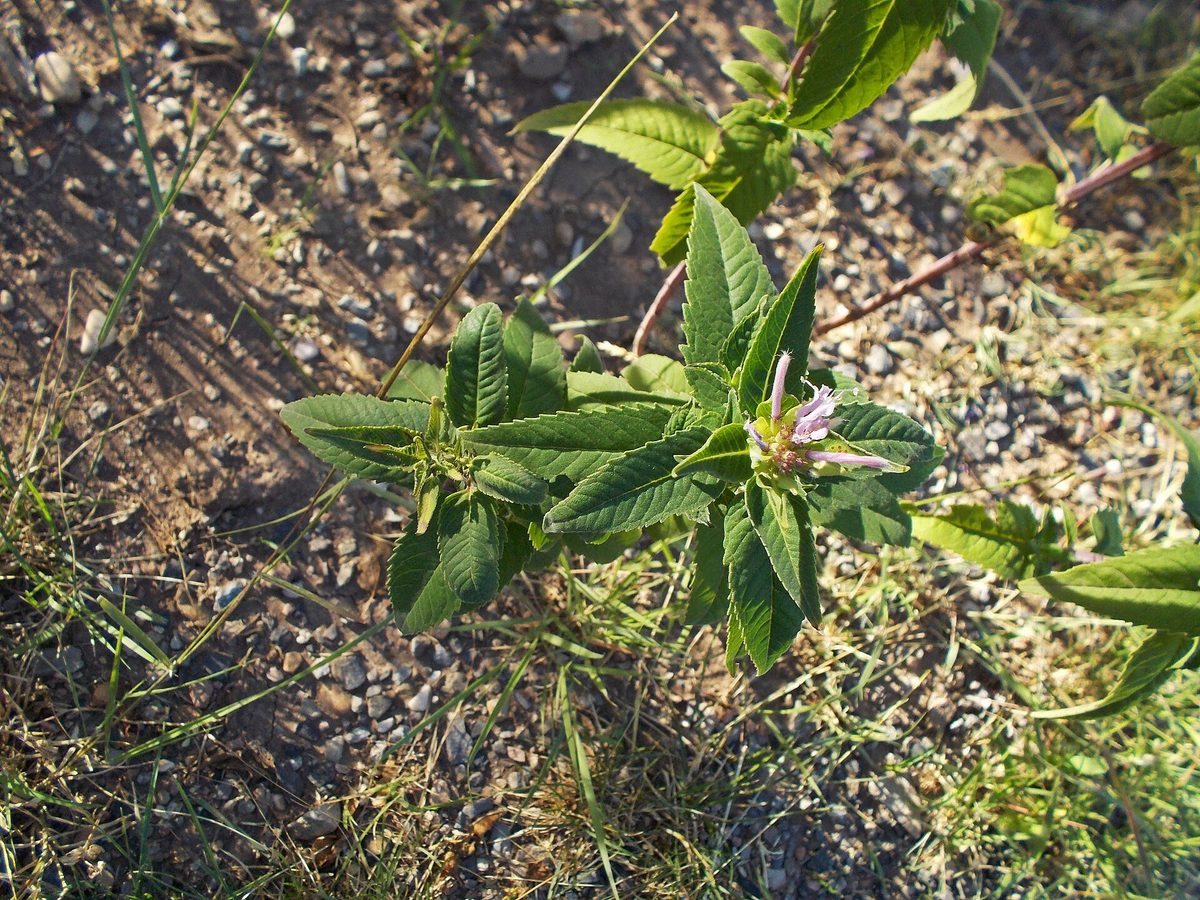
Wild Bergamot
Monarda fistulosa
Full sun and part shade (full sun preferred) · 6 h/day
Wild bergamot is grouped with the other perennials here because it needs the same thing they do: six or more hours of direct sun daily. That shared need is what ties every plant on this list together, including this one.
-
-
-
-
-

-
-
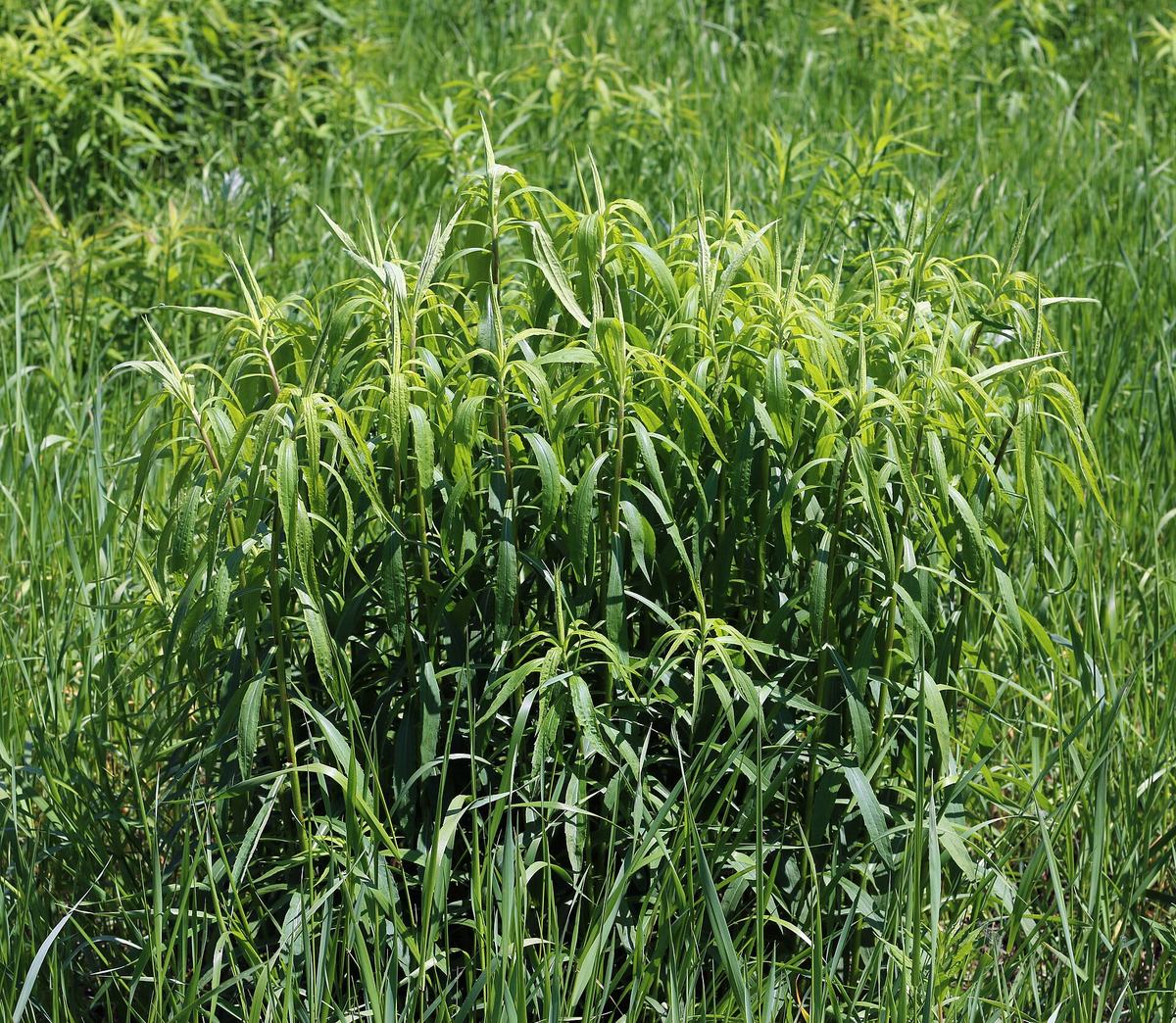
Canada Goldenrod
Solidago canadensis
Full sun and part shade (full sun preferred) · 6 h/day
Canada goldenrod sits on this list because it is a perennial that needs full sun, at least six hours a day. It meets the one standard every plant here must meet.
-
-
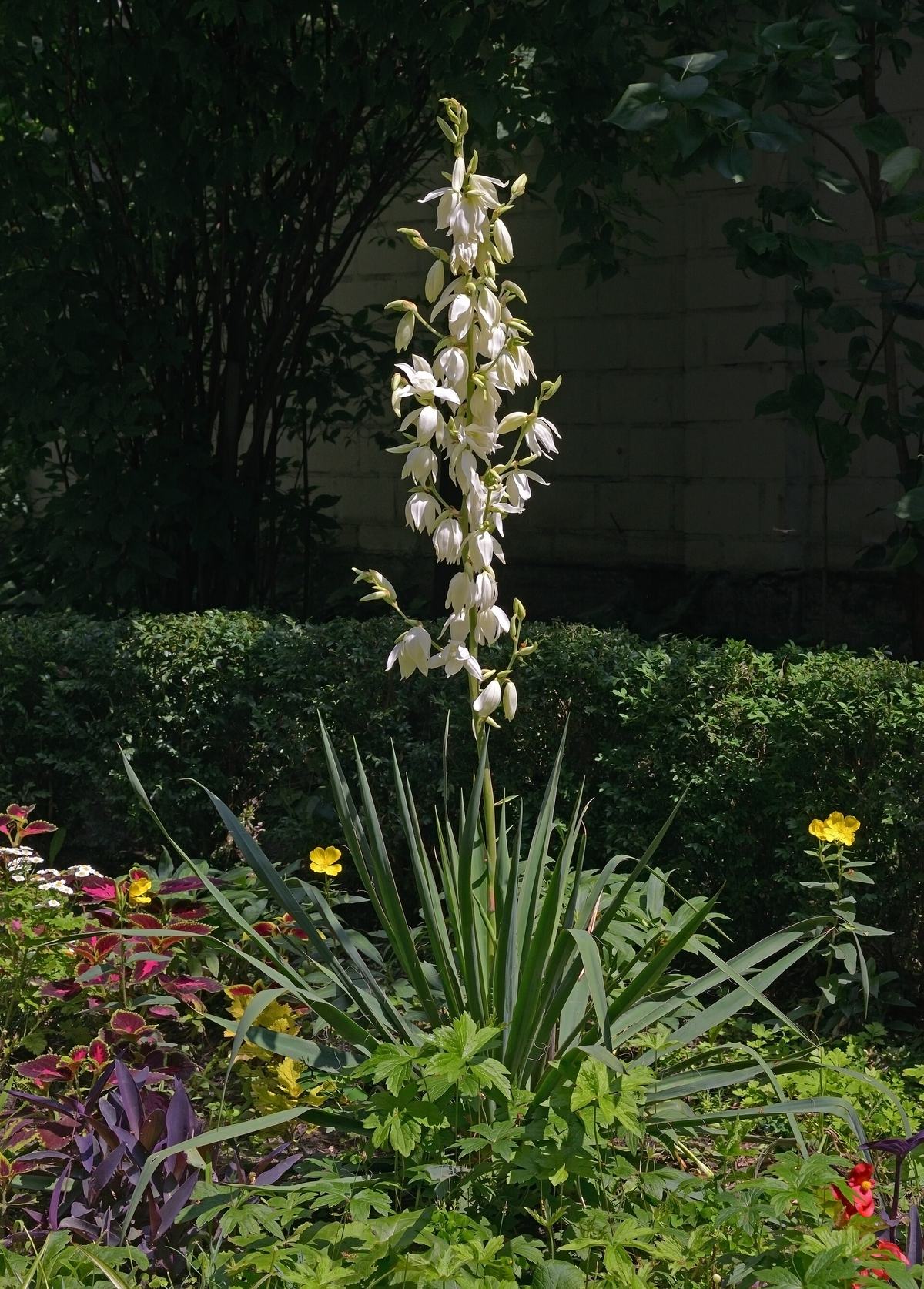
Adam's Needle
Yucca filamentosa
Full sun, part shade and full shade (full sun preferred) · 6 h/day
Adam's needle is a yucca grown as a perennial. It is on this list for one reason: its need for six or more hours of direct sun each day. No other trait of this plant factors into its place here.
How we chose
Grows in full sun, and daily sun of at least 6 hours
Photo credits
- Common Yarrow photo by Natalka Ukraine (baby-bear.org), CC BY 4.0 via Wikimedia Commons
- Absinthium photo by Wikimedia Commons contributor, CC0 via Wikimedia Commons
- Common Milkweed photo by Salicyna, CC BY-SA 4.0 via Wikimedia Commons
- Butterfly Milkweed photo by Larry Jensen, CC BY 4.0 via Wikimedia Commons
- Mexican Tea photo by Roger Culos, CC BY-SA 3.0 via Wikimedia Commons
- Euryale photo by さかおり, CC BY-SA 4.0 via Wikimedia Commons
- Oxeye Daisy photo by Harry Rose from South West Rocks, Australia, CC BY 2.0 via Wikimedia Commons
- Purple Loosestrife photo by Jörg Hempel, CC BY-SA 3.0 via Wikimedia Commons
- Wild Bergamot photo by Andrey Zharkikh from Salt Lake City, USA, CC BY 2.0 via Wikimedia Commons
- Sacred Lotus photo by Basile Morin, CC BY-SA 4.0 via Wikimedia Commons
- Peruvian Groundcherry photo by Forest & Kim Starr, CC BY 3.0 via Wikimedia Commons
- Narrowleaf Plantain photo by Sven Damerow, CC BY-SA 4.0 via Wikimedia Commons
- Common Water Hyacinth photo by Tisha Mukherjee, CC BY-SA 4.0 via Wikimedia Commons
- Japanese Knotweed photo by AnRo0002, CC0 via Wikimedia Commons
- Bouncingbet photo by Harry Rose from Dungog, Australia, CC BY 2.0 via Wikimedia Commons
- Canada Goldenrod photo by George Chernilevsky, Public domain via Wikimedia Commons
- Red Clover photo by Ivar Leidus, CC BY-SA 4.0 via Wikimedia Commons
- Adam's Needle photo by Ввласенко, CC BY-SA 4.0 via Wikimedia Commons


How this page was made
- Written with AI assistance from the sources listed on this page. AI is never the source of a fact.