Pollinator perennials
Compared side by side
| Plant | Pollinators | Cats | Dogs |
|---|---|---|---|
| Common YarrowAchillea millefolium | Bees and Butterflies | Toxic | Toxic |
| Bishop's GoutweedAegopodium podagraria | Bees | Not documented | Not documented |
| LawndaisyBellis perennis | Bees, Butterflies and Larval host | Not documented | Not documented |
| Queen of the MeadowFilipendula ulmaria | Bees | Not documented | Not documented |
| DaylilyHemerocallis fulva | Butterflies and Hummingbirds | Toxic | Non-toxic |
| Oxeye DaisyLeucanthemum vulgare | Bees, Butterflies and Moths | Not documented | Not documented |
| Peruvian GroundcherryPhysalis peruviana | Bees | Not documented | Not documented |
| Indian StrawberryPotentilla indica | Bees | Non-toxic | Non-toxic |
| White CloverTrifolium repens | Bees, Butterflies, Moths and Larval host | Not documented | Not documented |
Nine perennial species make up this collection. They are gathered here because gardeners often choose perennials when they want bees and butterflies visiting the yard. A perennial is a plant that lives for more than two growing seasons. It comes back from its own roots or crown instead of being replanted each spring. That single trait, not flower color or bloom time, is what ties this group together. Some of the plants here are familiar garden flowers, while others grow wild at the edge of a lawn or along a roadside. Each one has a long history of attracting pollinating insects, which is why it earns a place on this list. The species pages linked from this collection cover what is documented about each plant on its own, including its care and hardiness. Where a source records it, that page also notes safety around cats and dogs. This list is not ranked, and it is not a claim that these nine plants are the only perennials worth growing for pollinators. Many other species do the same job, and a gardener's own yard, climate and soil will narrow the choice further than any list can. Treat this page as a starting point for comparing a handful of perennials side by side, not as the final word on what to plant. Open any entry below to read what is known about that specific species before you decide whether it suits your garden. Each plant's own page is the place to check that detail.
The 9 plants
-
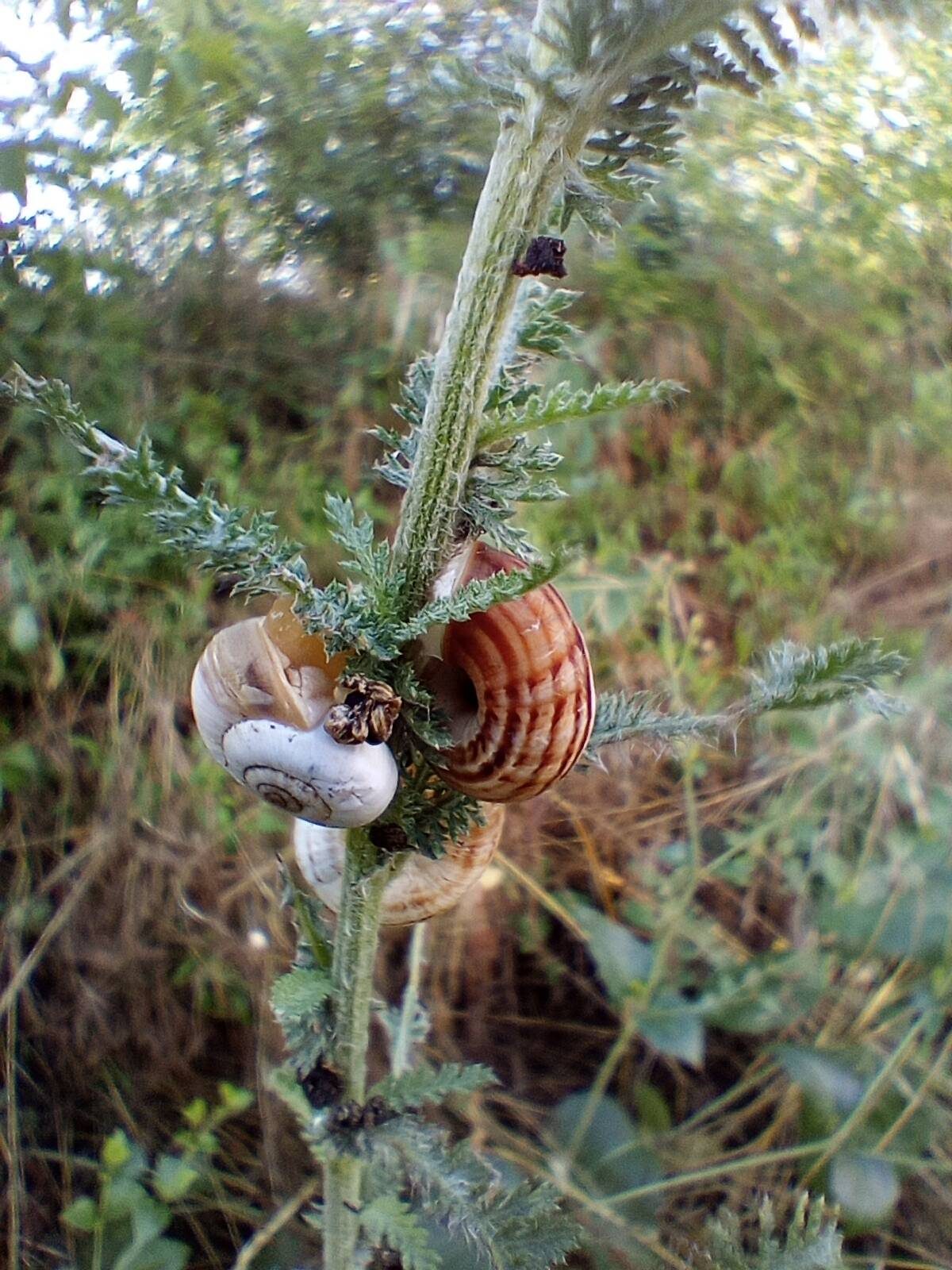
Common Yarrow
Achillea millefolium
Bees and Butterflies
Achillea millefolium is one of the nine perennial species gathered on this list. It survives winter and regrows from its own roots. That is the same core trait shared by every other entry here.
-
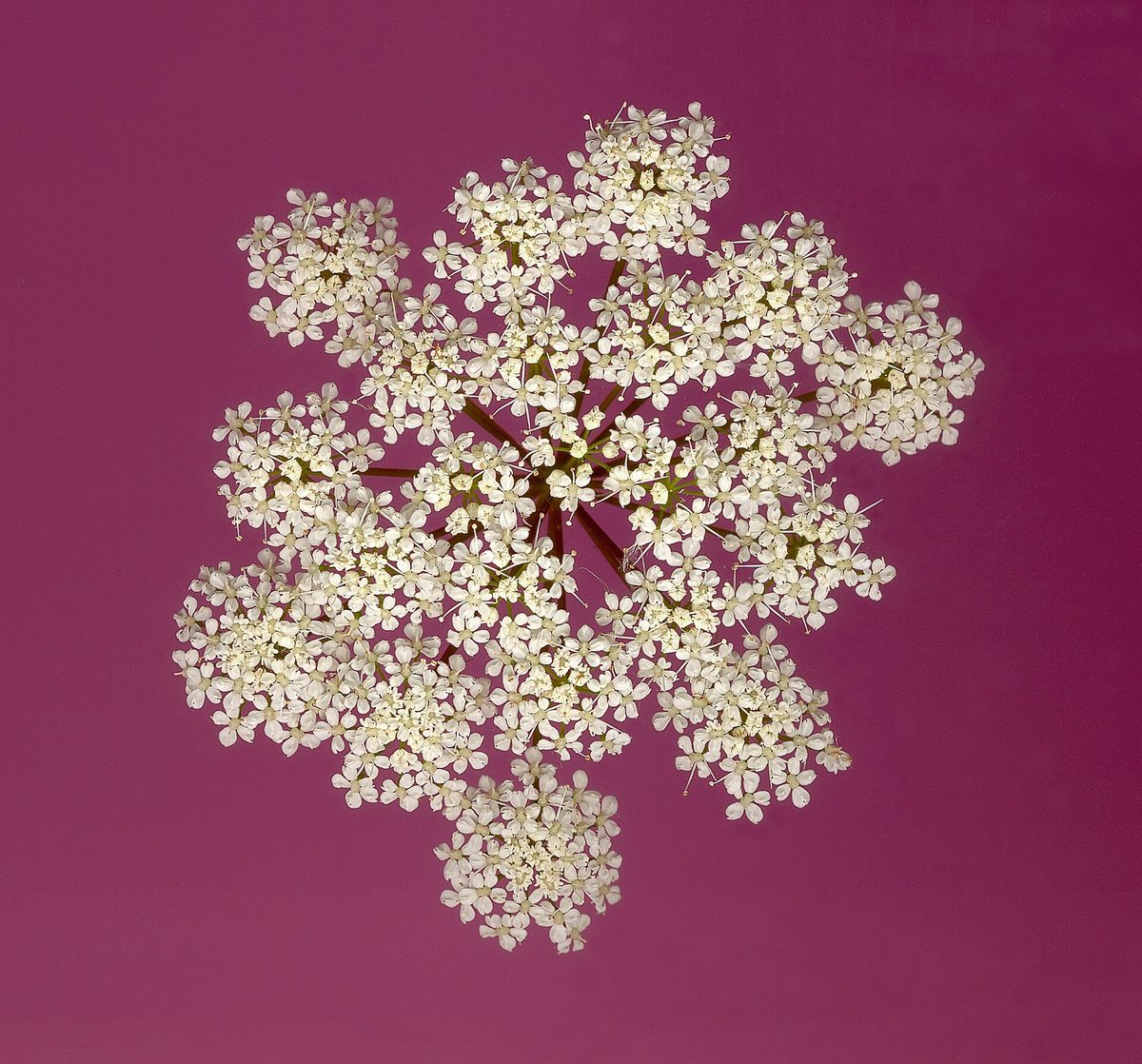
Bishop's Goutweed
Aegopodium podagraria
Bees
Aegopodium podagraria appears on this collection as another perennial that returns from its roots rather than from seed planted fresh each spring. That perennial habit is the reason it sits alongside the other eight species on this page.
-
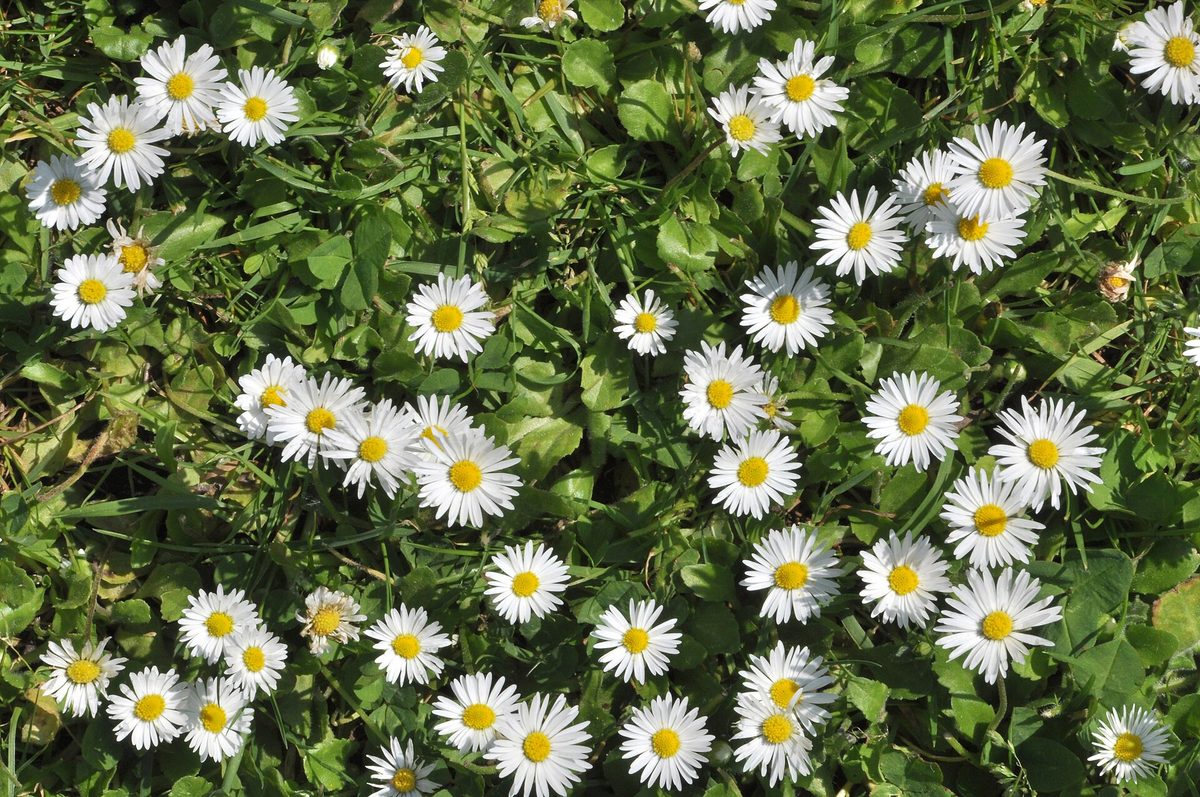
Lawndaisy
Bellis perennis
Bees, Butterflies and Larval host
Bellis perennis shares the same perennial lifecycle that defines this whole list. Instead of dying off after one season, it comes back from the same crown year after year.
-
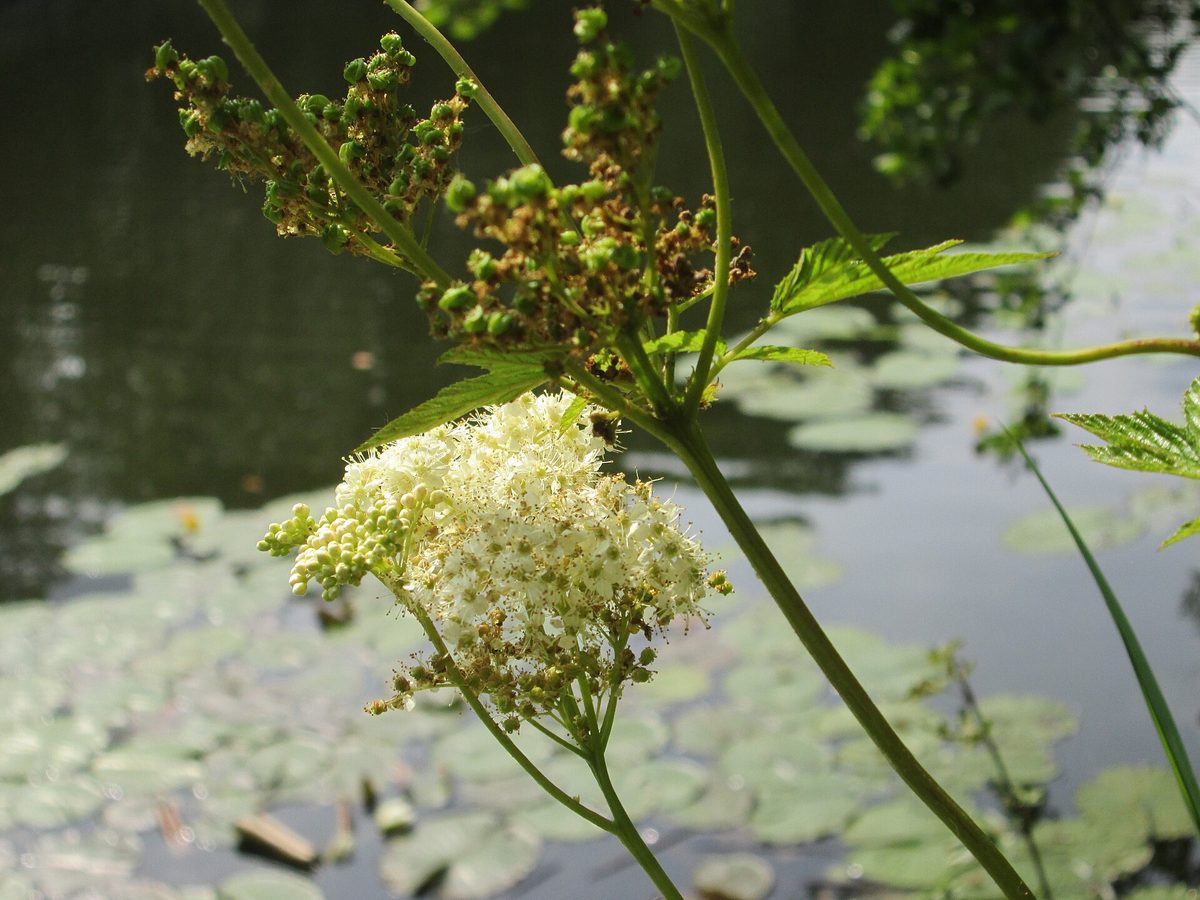
Queen of the Meadow
Filipendula ulmaria
Bees
Filipendula ulmaria belongs to this group of nine perennials. It is here for the same reason as the rest: it persists for more than one growing season instead of dying out after a single year.
-
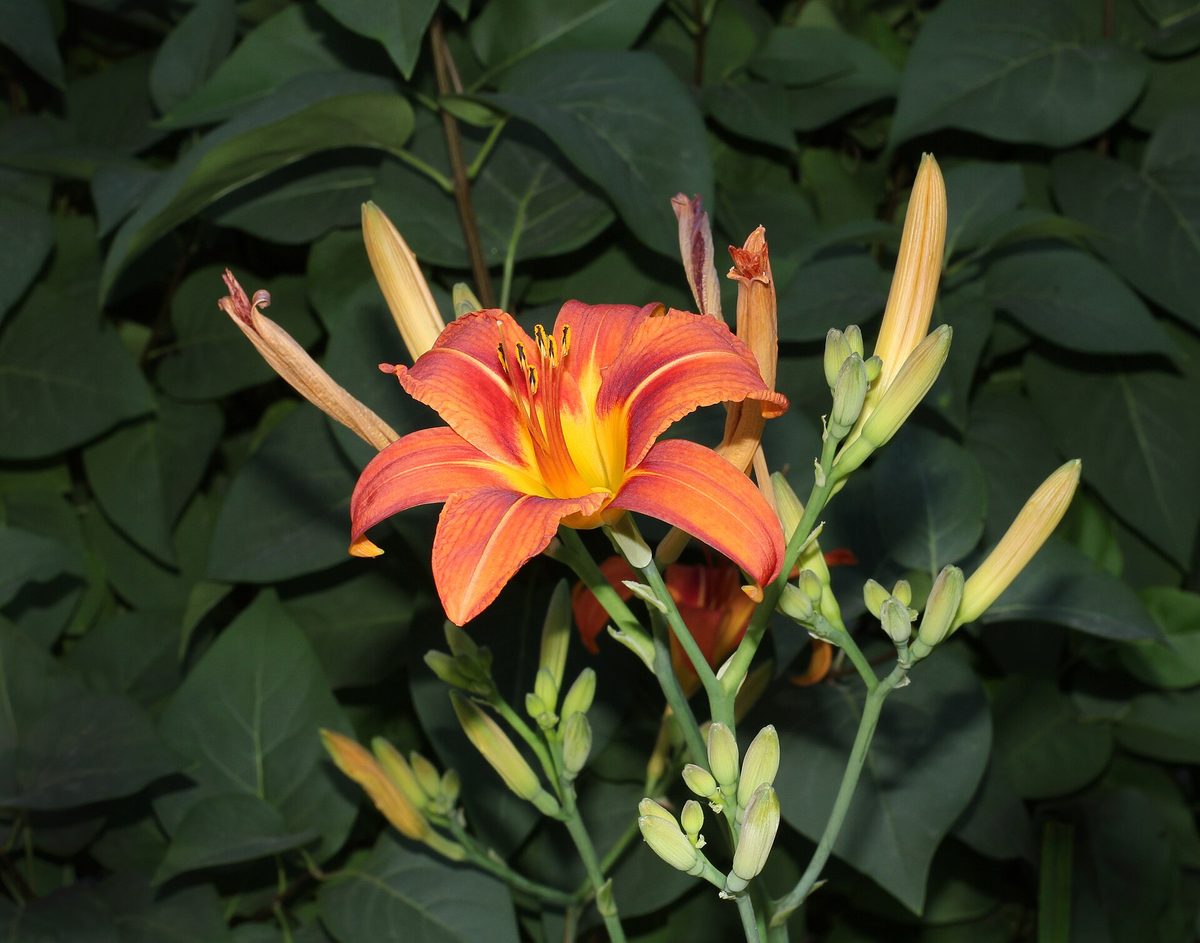
Daylily
Hemerocallis fulva
Butterflies and Hummingbirds
Hemerocallis fulva is included here as a perennial too, following the same pattern as the other eight plants on this list. None of these nine species needs replanting each spring to keep growing in the same spot.
-
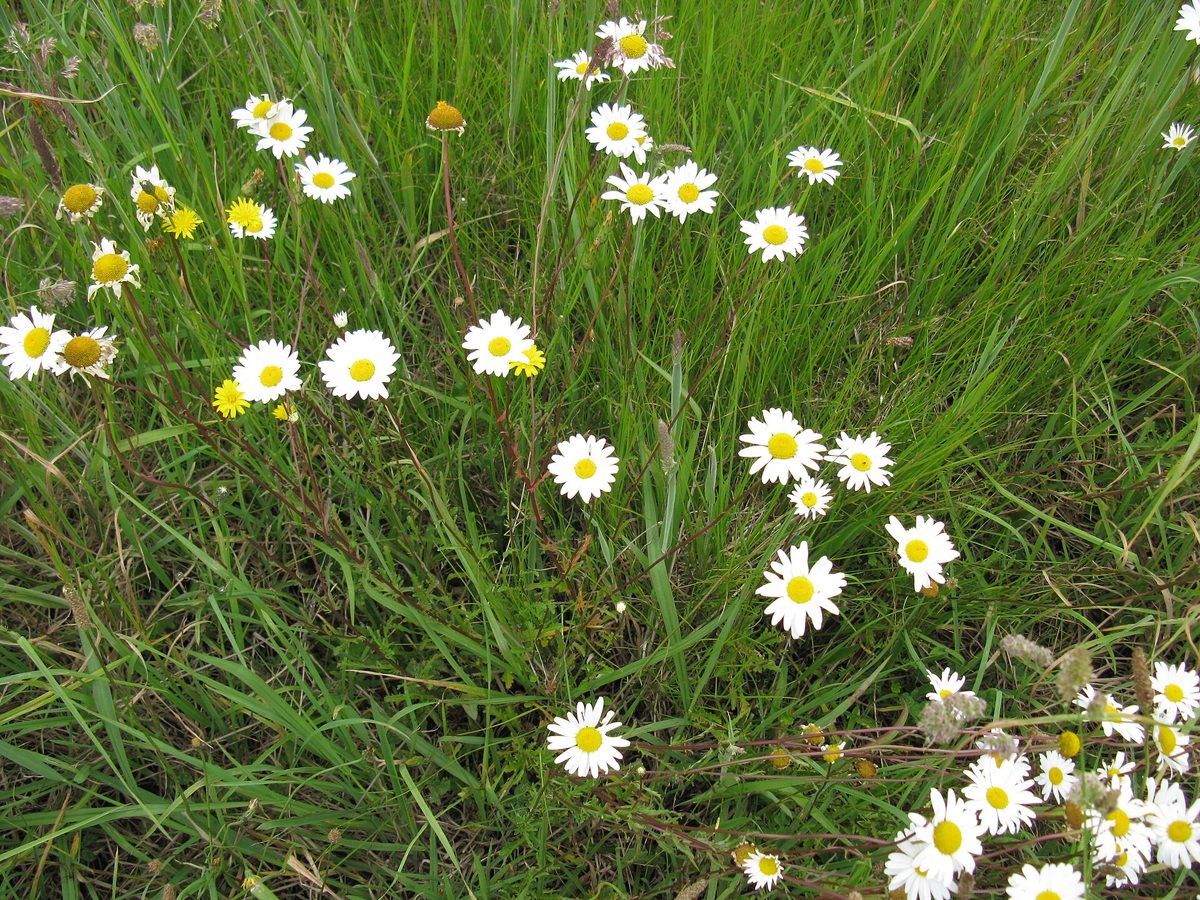
Oxeye Daisy
Leucanthemum vulgare
Bees, Butterflies and Moths
Leucanthemum vulgare is one more perennial on this page, chosen under the same category as the other eight species. Its roots and crown survive from one year to the next rather than dying back completely.
-
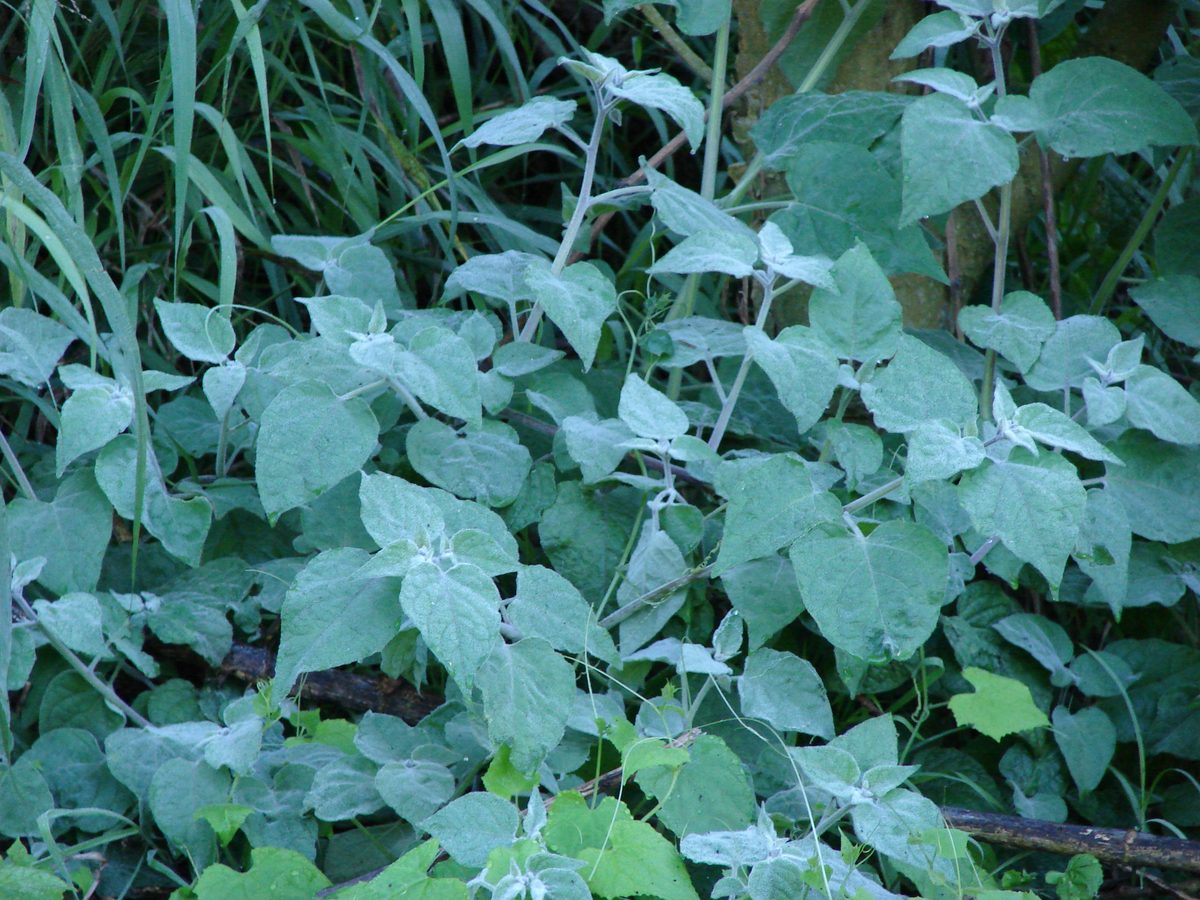
Peruvian Groundcherry
Physalis peruviana
Bees
Physalis peruviana rounds out this list as a perennial species. It is grouped here with the other eight plants under that same category. Each is included for its perennial habit rather than for any single trait such as flower color or height.
-
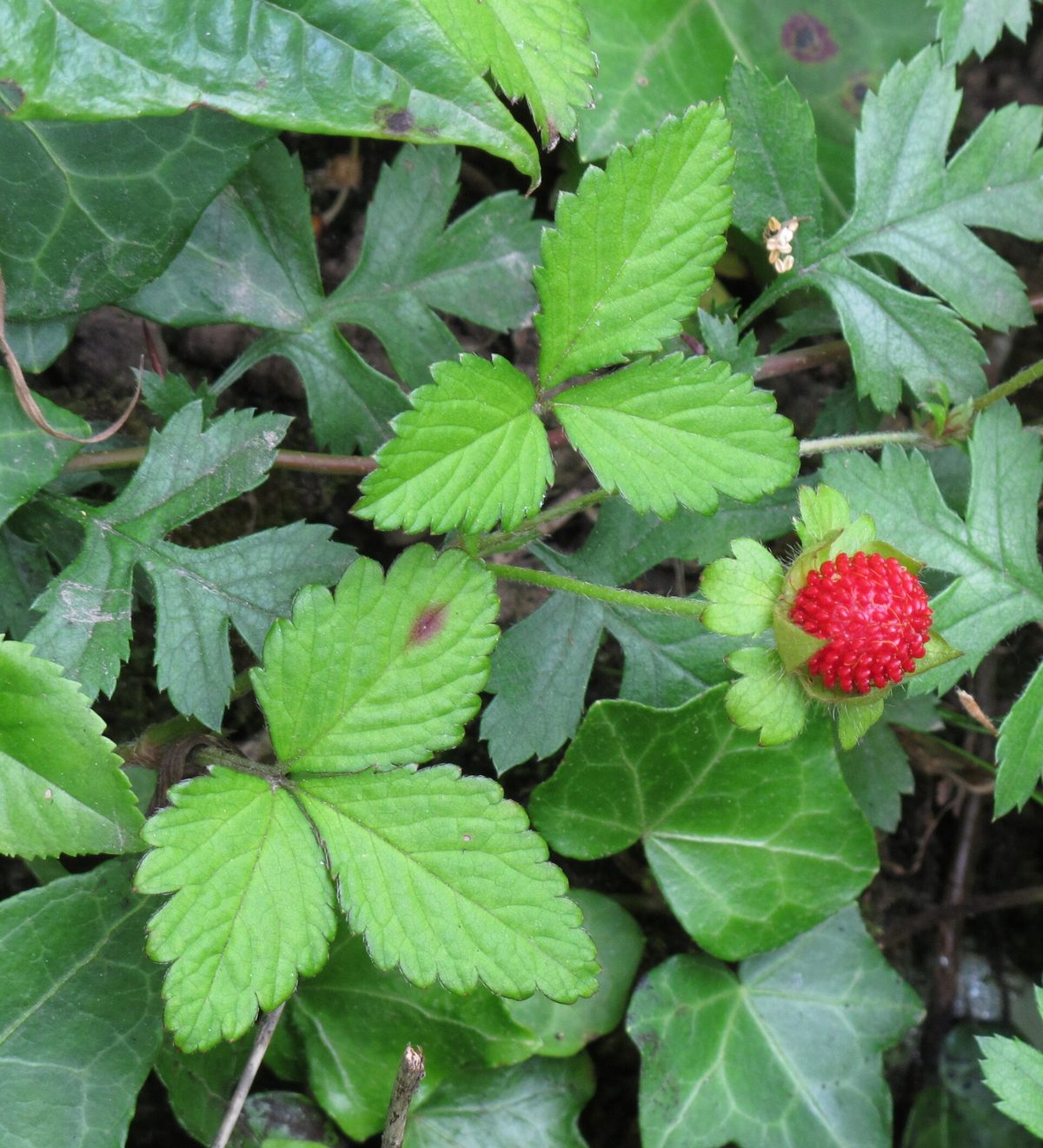
Indian Strawberry
Potentilla indica
Bees
Potentilla indica is grouped under this same perennial category as the rest of the list. That single shared trait, not flower color, height or soil needs, is what brings these nine plants together.
-
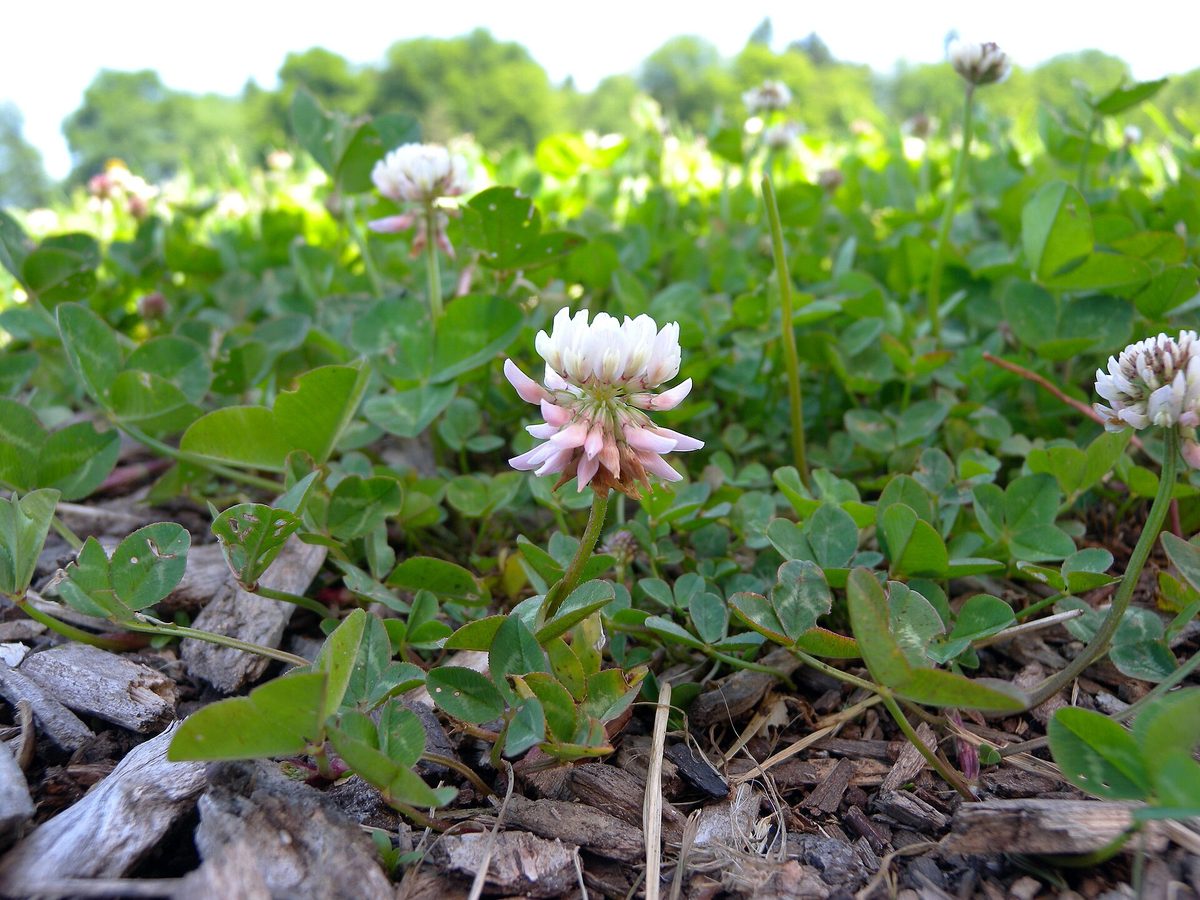
White Clover
Trifolium repens
Bees, Butterflies, Moths and Larval host
Trifolium repens is also part of this collection of nine perennials. It returns from the same root system year after year. That habit, not flower color or height, is the trait shared by every plant on this page.
How we chose
Pollinator value including bees, butterflies, or hummingbirds
Photo credits
- Common Yarrow photo by Natalka Ukraine (baby-bear.org), CC BY 4.0 via Wikimedia Commons
- Bishop's Goutweed photo by Marc Ryckaert (MJJR), CC BY 3.0 via Wikimedia Commons
- Lawndaisy photo by Marc Ryckaert (MJJR), CC BY 3.0 via Wikimedia Commons
- Queen of the Meadow photo by Wikimedia Commons contributor, CC0 via Wikimedia Commons
- Daylily photo by George Chernilevsky, Public domain via Wikimedia Commons
- Oxeye Daisy photo by Harry Rose from South West Rocks, Australia, CC BY 2.0 via Wikimedia Commons
- Peruvian Groundcherry photo by Forest & Kim Starr, CC BY 3.0 via Wikimedia Commons
- Indian Strawberry photo by Robert Flogaus-Faust, CC BY 4.0 via Wikimedia Commons
- White Clover photo by MurielBendel, CC BY-SA 4.0 via Wikimedia Commons


How this page was made
- Written with AI assistance from the sources listed on this page. AI is never the source of a fact.