Tiplant (Cordyline fruticosa)
Formerly Dracaena terminalis, Taetsia fruticosa, Dracaena cooperi
Give this plant bright, indirect light indoors, and water it on a medium schedule, letting the top of the soil dry out a bit between waterings to maintain its bright foliage color. Tiplant is toxic to both cats and dogs, so position it where pets cannot reach it.
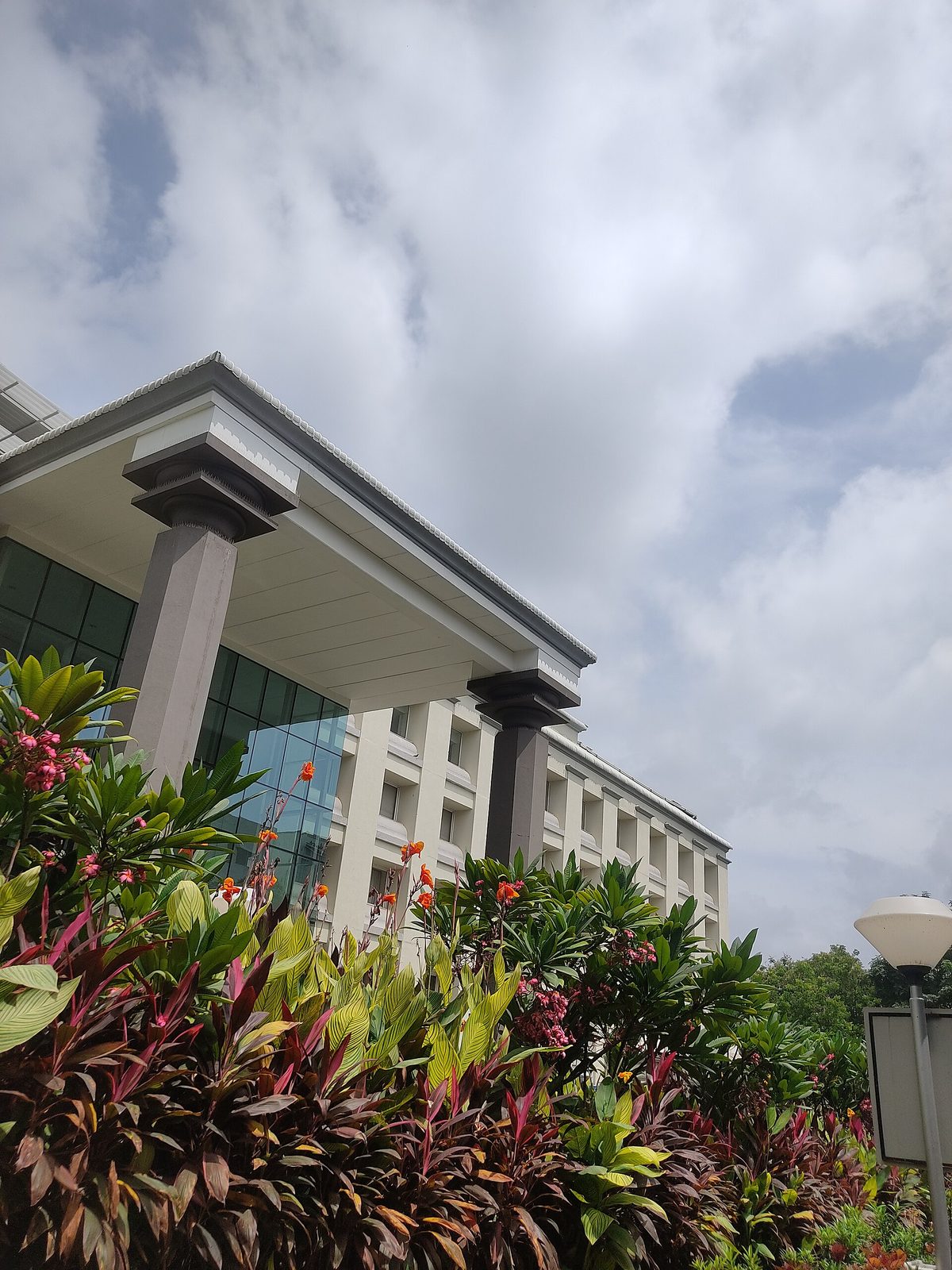
Photo: Kullatan Kin, CC0 via Wikimedia Commons

Quick facts
| Light: | Bright, indirect light11 source |
|---|---|
| Water: | Medium11 source |
| Soil: | Well drained and moist11 source |
| Minimum temperature: | 50 °F (10 °C)11 source |
| Size: | 9–15 ft (2.74–4.57 m) × 3–8 ft (0.91–2.44 m)11 source |
| Growth rate: | Moderate11 source |
| Bloom: | White and purple11 source |
| Cats: | Toxic to cats 21 |
| Dogs: | Toxic to dogs 21 |
| Family: | Asparagaceae |
How much light does a Tiplant need?
Bright, indirect light indoors keeps tiplant's foliage colors vivid, since that is the light level it is documented to need. Direct, intense sun is not what this plant needs indoors. Outdoors, tiplant grows best in part shade, meaning two to six hours of direct sun a day. It also tolerates full shade, which is less than two hours of direct sun a day. Between these two outdoor options, part shade is the preferred exposure, with full shade as a tolerated alternative. Whether grown as a houseplant or outdoors, tiplant's light needs favor brightness without the full intensity of direct sun all day. Because part shade is the preferred outdoor exposure and full shade only a tolerated one, aim for part shade when you have the choice.
- Light: Bright, indirect light1
How often to water a Tiplant
Water tiplant regularly on a medium schedule, and let the top of the soil dry out a little before you water it again. Check how the soil feels before you water rather than watering on a fixed number of days, since this plant needs a medium amount of water, not a heavy or light one. Pair this watering routine with soil that offers good drainage and also stays moist, matching the soil conditions documented for tiplant. A medium water need like this is neither a plant that wants to dry out completely nor one that must stay wet at all times.
- Water: Medium1
Best soil for a Tiplant
Good drainage and constant moisture are the two soil qualities tiplant needs most. Use a potting mix or garden bed that provides both of these conditions together. This works whether you grow tiplant in a container or outdoors in the ground. A mix that leans too dry for long periods strays from the moist condition this plant needs. A mix that stays soggy for long periods strays from the good-drainage condition this plant needs. This documented preference for good drainage together with moisture holds true in pots and in garden soil alike. No cited source records a preferred soil pH for tiplant.
- Soil drainage: Well drained and moist1
Temperature and humidity
Temperatures below 50°F (10°C) are more than tiplant can tolerate, indoors or outdoors. Outdoors, it is hardy in USDA zones 10a through 12b. This plant also prefers high humidity. When you grow it indoors, that preference can call for a humidifier to keep humidity high enough. Keeping the air warm and humid, rather than cold or dry, matches both of these documented preferences. Zones 10a through 12b are the range documented for outdoor cold-hardiness, and colder zones fall outside that documented range. High humidity paired with warmth above 50°F (10°C) reflects the growing conditions documented for this plant, both indoors and outside its hardiness zones.
How to propagate a Tiplant
Dividing the rhizome or taking a stem cutting are the two ways to propagate tiplant. Tiplant has a rhizomatous root system, which is what division makes use of. These two methods, division and stem cuttings, are the ones documented for this plant. A stem cutting is taken from the plant's stem rather than from its root system. Either method, division of the rhizome or a stem cutting, is a documented way to start a new tiplant.
Common problems
Keep an eye out for aphids, scale insects, spider mites, fungus gnats, thrips and mealybugs on tiplant. It may also be susceptible to leaf spot and other fungal diseases. These six pests, along with leaf spot and other fungal disease, are the problems documented for this plant. Regular monitoring for these pests and for leaf spot symptoms is the documented approach for keeping tiplant healthy.
| Problem | Kind |
|---|---|
| Aphids | Pest |
| Scale insects | Pest |
| Spider mites | Pest |
| Fungus gnats | Pest |
| Thrips | Pest |
| Mealybugs | Pest |
| Leaf spot | Disease |
Is Tiplant toxic to cats and dogs?
Tiplant is toxic to cats. It is also toxic to dogs. This toxic status is documented for both pets separately, not just as a general plant hazard. The toxic classification applies whether tiplant is kept indoors as a houseplant or grown outdoors in a garden bed. Because both cats and dogs are listed as affected, keep this plant out of reach of either animal in your home or yard. No severity level is documented on this page for either cat or dog toxicity. This toxic-to-both status is the pet-safety information documented for tiplant on this page. Pet owners with either animal in the home should treat this toxicity listing as applying equally to cats and to dogs.
Pet-safe alternatives
Recommended supplies
- Light: bright, indirect light, such as near an east window; a full-spectrum grow light substitutes where no window does.
- Soil: a free-draining mix, and a pot with a drainage hole.
- Humidity: it wants humid air; a pebble tray or a humidifier is the usual fix.
Questions and answers
- Is tiplant toxic to cats and dogs?
- Yes, tiplant is toxic to cats, and it is also toxic to dogs, based on toxicity listings for both pets. Because of this, keep the plant out of reach of any cat or dog in your home. The toxic effects are documented separately for cats and for dogs, rather than as a single combined warning.
- How much light does tiplant need indoors?
- Tiplant needs bright, indirect light indoors to keep its foliage colors vivid. Outdoors, it grows best in part shade, though it also tolerates full shade. Avoid placing it in full, direct sun for most of the day, since that is not one of the light conditions documented for this plant.
- How often should I water tiplant?
- Water tiplant on a medium schedule, and let the top of the soil dry out a little before watering again. Check the soil's moisture by feel rather than counting days, since this plant's water need is medium rather than low or high. This medium need also fits soil that drains well but holds some moisture, rather than soil at either extreme.
Sources
- NC State Extension Gardener Plant Toolbox. https://plants.ces.ncsu.edu/plants/cordyline-fruticosa/. Accessed 15 November 2026.
- ASPCA Animal Poison Control Center. https://www.aspca.org/pet-care/aspca-poison-control/toxic-and-non-toxic-plants/ti-plant. Accessed 15 November 2026.
How this page was made
- Written with AI assistance from the sources listed on this page. AI is never the source of a fact.