Swamp Milkweed (Asclepias incarnata)
Formerly Asclepias pulchra, Acerates incarnata, Asclepias albiflora
Swamp milkweed grows best outdoors in full sun, though it tolerates part shade, and it needs soil that stays medium to wet rather than drying out. It is hardy outdoors in USDA hardiness zones 3a through 9b. It is toxic to both cats and dogs, so keep it out of reach of pets.
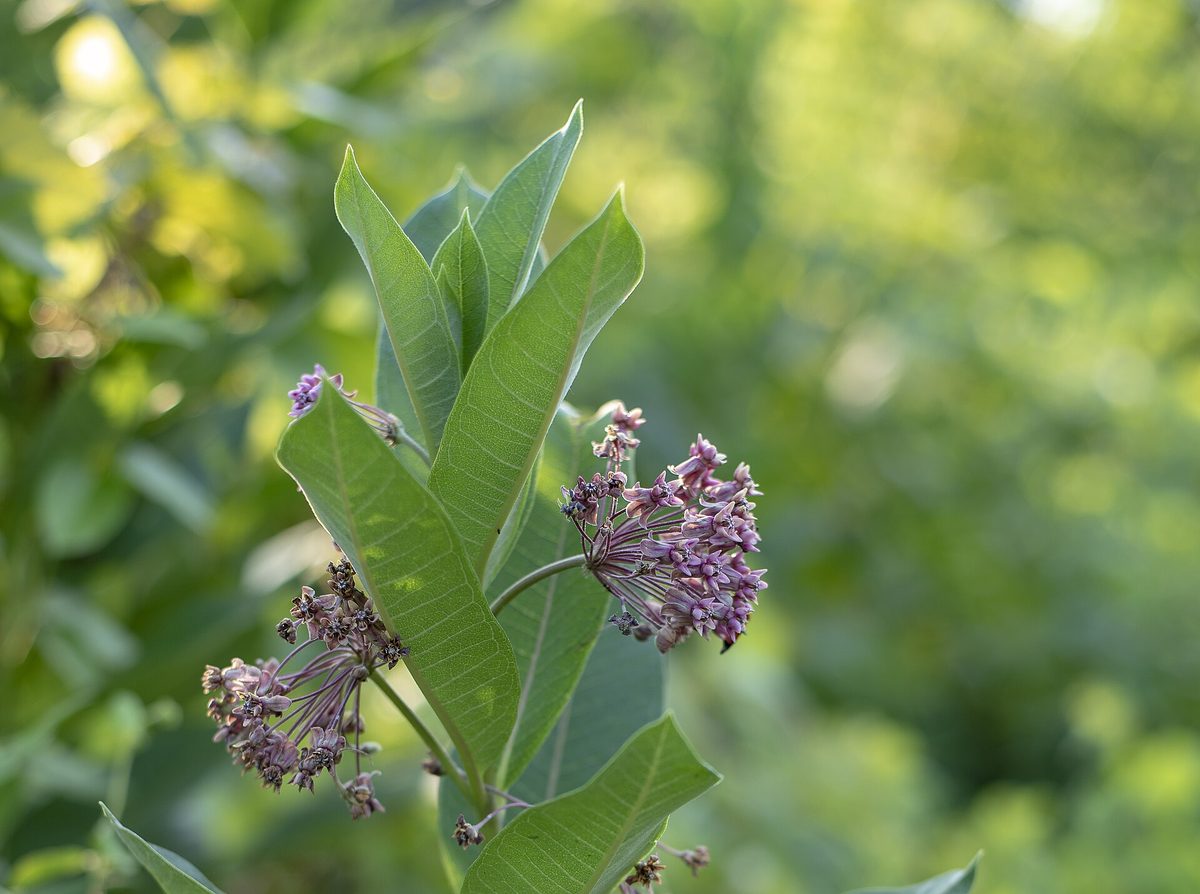
Photo: Sixflashphoto, CC BY-SA 4.0 via Wikimedia Commons

Quick facts
| Light: | Full sun and part shade (full sun preferred)12 |
|---|---|
| Water: | Medium to wet31 source |
| Soil: | Well drained, moist and occasionally wet21 source |
| Hardiness: | Zones 3a–9b11 source |
| Size: | 3–5 ft (0.91–1.52 m) × 2–3 ft (0.61–0.91 m)131 source |
| Growth rate: | Moderate11 source |
| Bloom: | Jun–Aug, White and pink531 source |
| Cats: | Toxic to cats (1 source) 4 |
| Dogs: | Toxic to dogs (1 source) 4 |
| Family: | Apocynaceae |
How much light does a Swamp Milkweed need?
Give swamp milkweed full sun outdoors, meaning at least six hours of direct sunlight a day. It also tolerates part shade, so a spot with some shade during the day still suits this plant growing outdoors, though full sun remains the preferred condition for it.
How often to water a Swamp Milkweed
Keep the soil around swamp milkweed medium to wet rather than letting it dry out completely outdoors. This species prefers damp, even wet, conditions in full sun, so check regularly that the soil feels moist rather than letting it go dry for long periods outdoors.
- Water: Medium to wet3
Best soil for a Swamp Milkweed
Plant swamp milkweed in soil that drains well. It also tolerates soil that stays moist, so a bed that holds some moisture after rain or watering still works for this plant growing outdoors. This species can even handle soil that turns occasionally wet, rather than needing ground that stays dry between waterings. This fits its broader preference for soil that is medium to wet rather than dry, a condition recorded for this species outdoors.
- Soil drainage: Well drained, moist and occasionally wet2
Hardiness and temperature
Swamp milkweed is hardy outdoors in USDA hardiness zones 3a, 3b, 4a, 4b, 5a, 5b, 6a, 6b, 7a, 7b, 8a, 8b, 9a, and 9b. Before planting it outdoors, check your own USDA hardiness zone against that full list to see whether this plant suits your garden.
- Hardiness: Zones 3a–9b1
How to plant a Swamp Milkweed
Plant swamp milkweed outdoors in USDA hardiness zones 3a, 3b, 4a, 4b, 5a, 5b, 6a, 6b, 7a, 7b, 8a, 8b, 9a, and 9b. Give it enough room to reach its mature size of 3 to 5 ft (0.91-1.52 m) tall and 2 to 3 ft (0.61-0.91 m) wide. It grows at a moderate rate outdoors.
- Hardiness: Zones 3a–9b1
Winter care
Swamp milkweed survives winter outdoors within USDA hardiness zones 3a through 9b. If your winters get colder than the zone 3a minimum, this plant is outside its documented hardy range outdoors. Check your local USDA hardiness zone before counting on swamp milkweed to survive winter outdoors where you live each year.
- Hardiness: Zones 3a–9b1
How to propagate a Swamp Milkweed
Swamp milkweed can be propagated from seed, which is the propagation material recorded for growing new plants of this species outdoors. If you already have an established plant growing outdoors, you can divide it in spring instead of starting new plants from seed. No particular season is recorded for starting it from seed, but division is specifically recommended in spring.
Common problems
Two pests are documented for swamp milkweed: the large milkweed bug and the small milkweed bug. Both of these insects can be very damaging specifically to its seed pods. No significant disease problems are documented for this plant growing outdoors.
| Problem | Kind |
|---|---|
| Large milkweed bug | Pest |
| Small milkweed bug | Pest |
Is Swamp Milkweed toxic to cats and dogs?
The ASPCA's Animal Poison Control Center lists swamp milkweed as toxic to cats. The same listing also names it as toxic to dogs. Both cats and dogs are at risk if they chew or eat this plant. Keep swamp milkweed out of reach of pets, both outdoors in the garden bed and indoors if you grow it in containers near pets.
Pet-safe alternatives
Recommended supplies
- Soil: a free-draining mix, and a pot with a drainage hole.
Questions and answers
- When does swamp milkweed bloom?
- Swamp milkweed blooms from June through August outdoors. Its flower clusters can be white or pink, and they attract many species of butterflies, including monarchs.
- Is swamp milkweed toxic to cats and dogs?
- Yes, the ASPCA lists swamp milkweed as toxic to cats. The same listing also names it as toxic to dogs. Keep it out of reach of both pets.
- What pests affect swamp milkweed?
- The large milkweed bug and the small milkweed bug are the pests documented for this plant. Both can be very damaging to its seed pods. No significant disease problems are documented for it.
Sources
- NC State Extension Gardener Plant Toolbox. https://plants.ces.ncsu.edu/plants/asclepias-incarnata/. Accessed 15 November 2026.
- Lady Bird Johnson Wildflower Center. https://www.wildflower.org/plants/result.php?id_plant=asin. Accessed 15 November 2026.
- University of Illinois Extension. https://extension.illinois.edu/blogs/hort-home-landscape/2014-06-17-milkweed-every-location. Accessed 15 November 2026.
- ASPCA Animal Poison Control Center. https://www.aspca.org/pet-care/aspca-poison-control/toxic-and-non-toxic-plants/milkweed. Accessed 15 November 2026.
- University of Illinois Extension. https://extension.illinois.edu/blogs/prairies-perennials/2020-06-23-milkweed. Accessed 15 November 2026.
How this page was made
- Written with AI assistance from the sources listed on this page. AI is never the source of a fact.